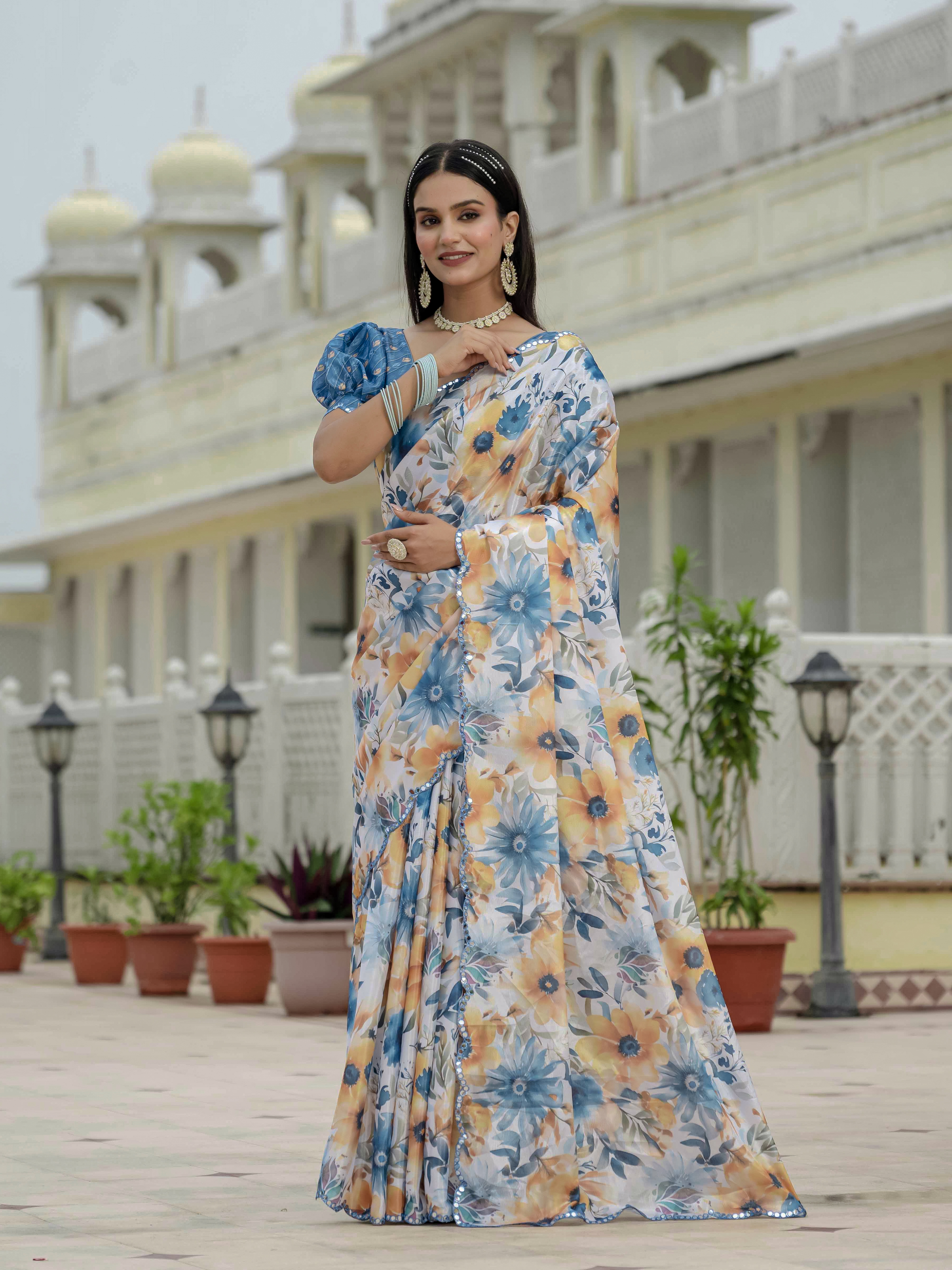
Meghalaya Festival Fashion Calendar: Traditional Ethnic Wear connects the state's major celebrations with seasonal dressing, regional garments and practical outfit choices. Meghalaya's festival year moves from spring dance gatherings to monsoon rituals and autumn harvest celebrations, and each event carries its own clothing language. The aim isn't to replace Khasi, Jaintia or Garo dress with generic party clothing, but to understand when indigenous garments belong, when a saree or lehenga is suitable, and how to style contemporary ethnic wear with cultural care.
Meghalaya Festival Fashion Calendar: Traditional Ethnic Wear and the seasonal rhythm
The Meghalaya Festival Fashion Calendar: Traditional Ethnic Wear follows three main clothing conditions: spring's mild warmth, the heavy rain of the monsoon and the cooler, clearer weather of autumn and winter. Shillong can feel cool in the evening even outside winter, while lowland areas such as parts of the Garo Hills are warmer. A festival outfit therefore needs more than colour coordination; it needs movement, drying time and protection from damp weather.
Spring celebrations generally suit cotton, linen-cotton and light handwoven fabrics. July festivals require secure hems, quick-drying layers and footwear with traction. November celebrations allow richer silk blends, zari borders, shawls and structured traditional garments because evenings can be chilly. Festival dates can change according to community calendars, lunar observances and district arrangements, so check the local programme before planning a highly specific outfit.
- April: Shad Suk Mynsiem and related Khasi spring celebrations call for graceful movement, fresh colours and lightweight layers.
- July: Behdienkhlam takes place in the Jaintia Hills during the monsoon, so rain-ready clothing matters.
- September or October: Harvest and cultural programmes may include regional dress, music and dance performances.
- November: Wangala and Nongkrem Dance Festival events often suit layered styling for cooler evenings.
- December: Christmas and winter gatherings allow wool shawls and deeper festive colours without requiring heavy bridalwear.
Meghalaya Festival Fashion Calendar: Traditional Ethnic Wear for Shad Suk Mynsiem
Shad Suk Mynsiem is a Khasi spring dance festival associated with thanksgiving, community and the renewal of life. Traditional Khasi women's attire commonly includes the Jainsem, a layered draped garment, while the Jymphong is a recognised Khasi garment associated with men. Festival dancers may also wear elaborate jewellery, headdresses and richly finished textiles according to community tradition.
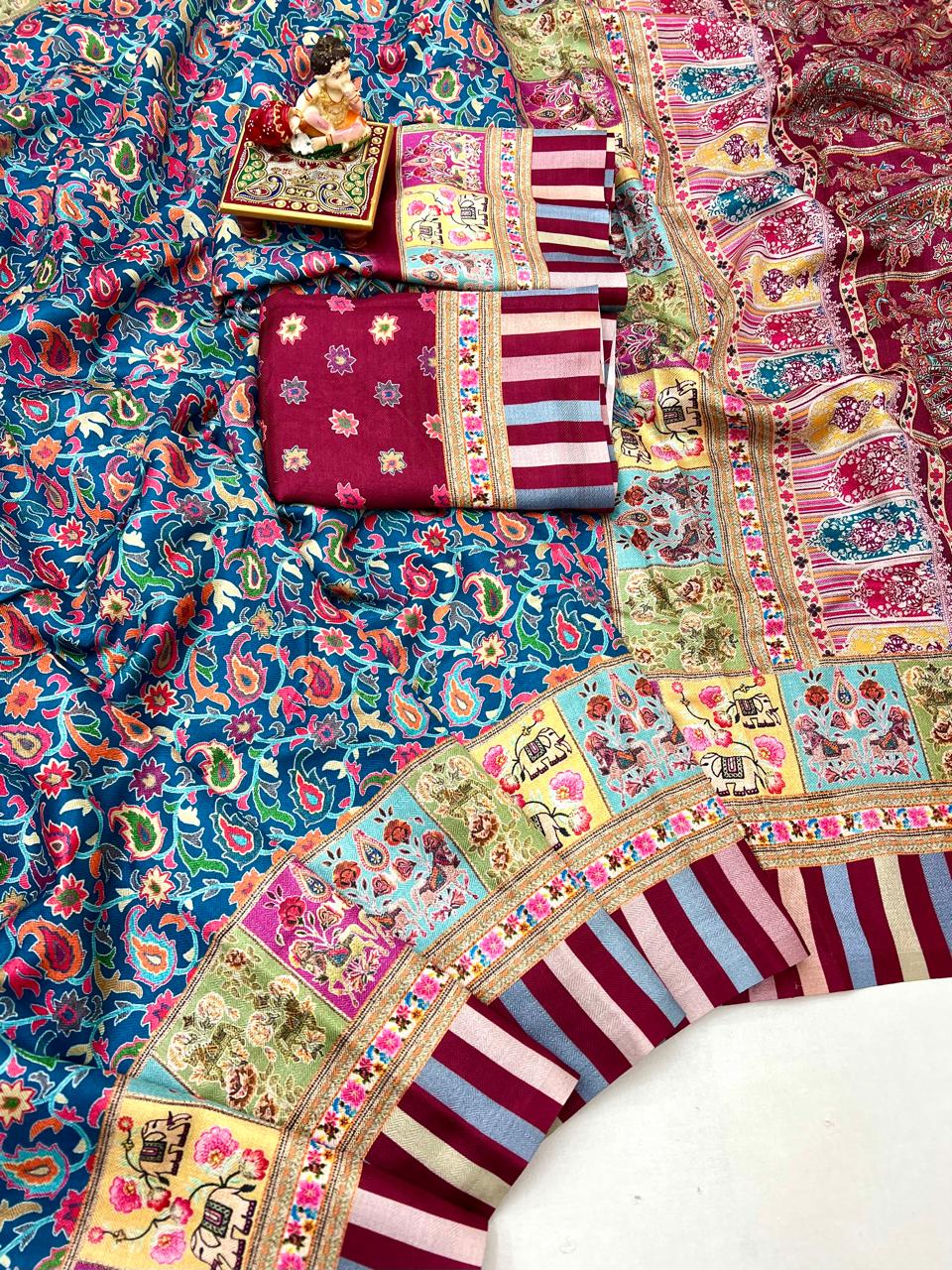
Visitors should treat the Jainsem as a cultural garment rather than a decorative saree substitute. A contemporary guest can wear a handloom saree, a modest salwar suit or a long ethnic dress in breathable cotton, while avoiding imitation of ceremonial jewellery or dance regalia. A palette of ivory, leaf green, coral, marigold or soft blue reflects spring without turning indigenous symbols into costume.
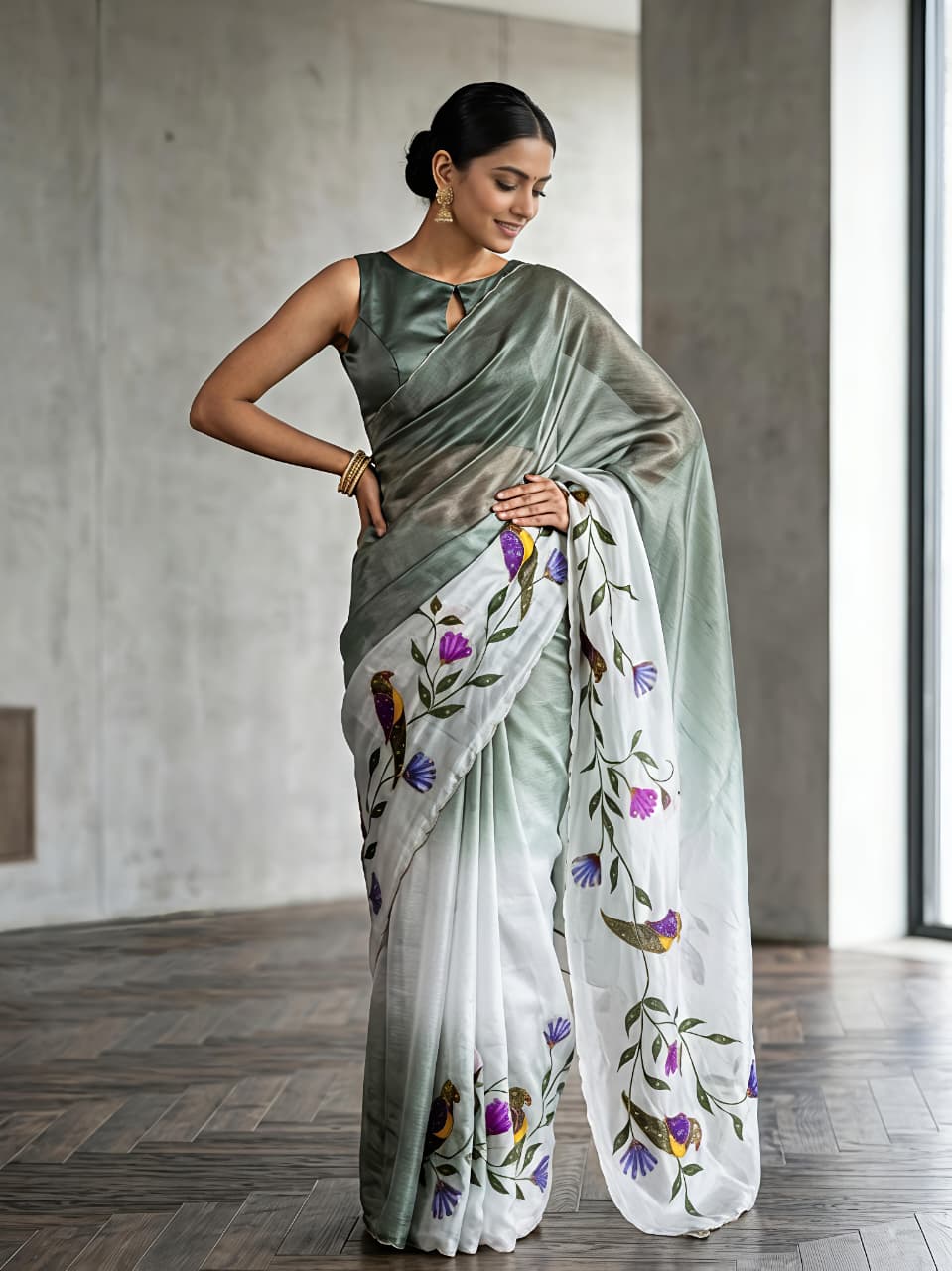
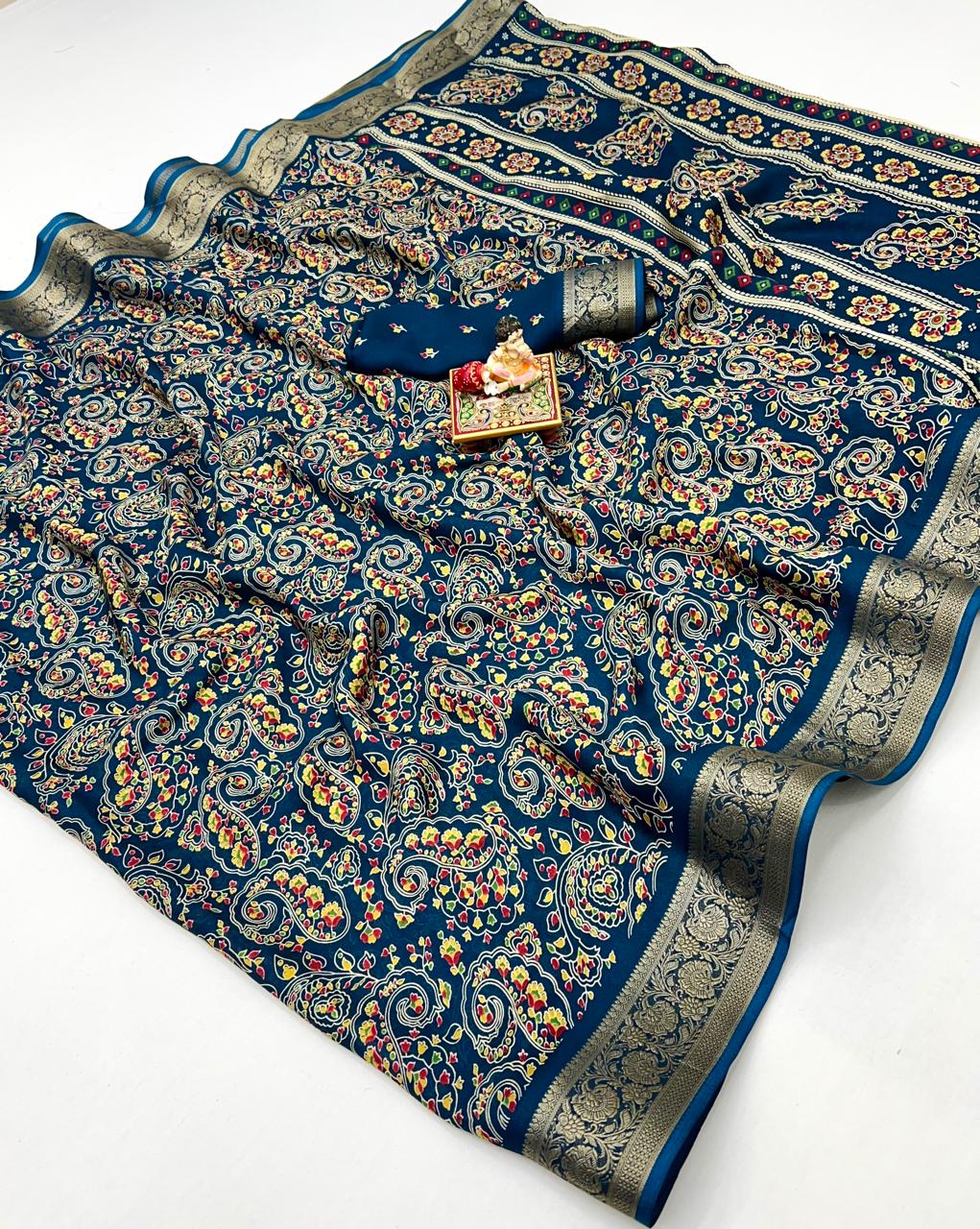
Teal Floral Printed Linen Cotton Saree With Matching Blouse works well for a spring cultural programme because linen-cotton offers airflow and the matching blouse creates a composed silhouette. Keep the pleats narrow enough for walking, use a small safety pin at the shoulder and carry a light cotton stole for an evening breeze. Flat juttis or low block heels are more practical than delicate sandals on grassy festival grounds.
What should a visitor wear to a Khasi spring festival?
A visitor should choose modest, breathable ethnic wear and avoid copying ceremonial Khasi dress without context. A cotton saree, salwar suit or plain kurta with a woven stole provides festive polish while allowing traditional Khasi dancers to remain the visual focus.
Meghalaya Festival Fashion Calendar: Traditional Ethnic Wear for Behdienkhlam
Behdienkhlam is a major Jaintia festival held during the monsoon, traditionally linked with prayers for protection, health and a good harvest. The festival is known for decorated bamboo structures, community rituals and energetic processions, particularly around Jowai. Public celebrations can involve wet ground, crowds and long periods outdoors, so clothing must be secure and washable.
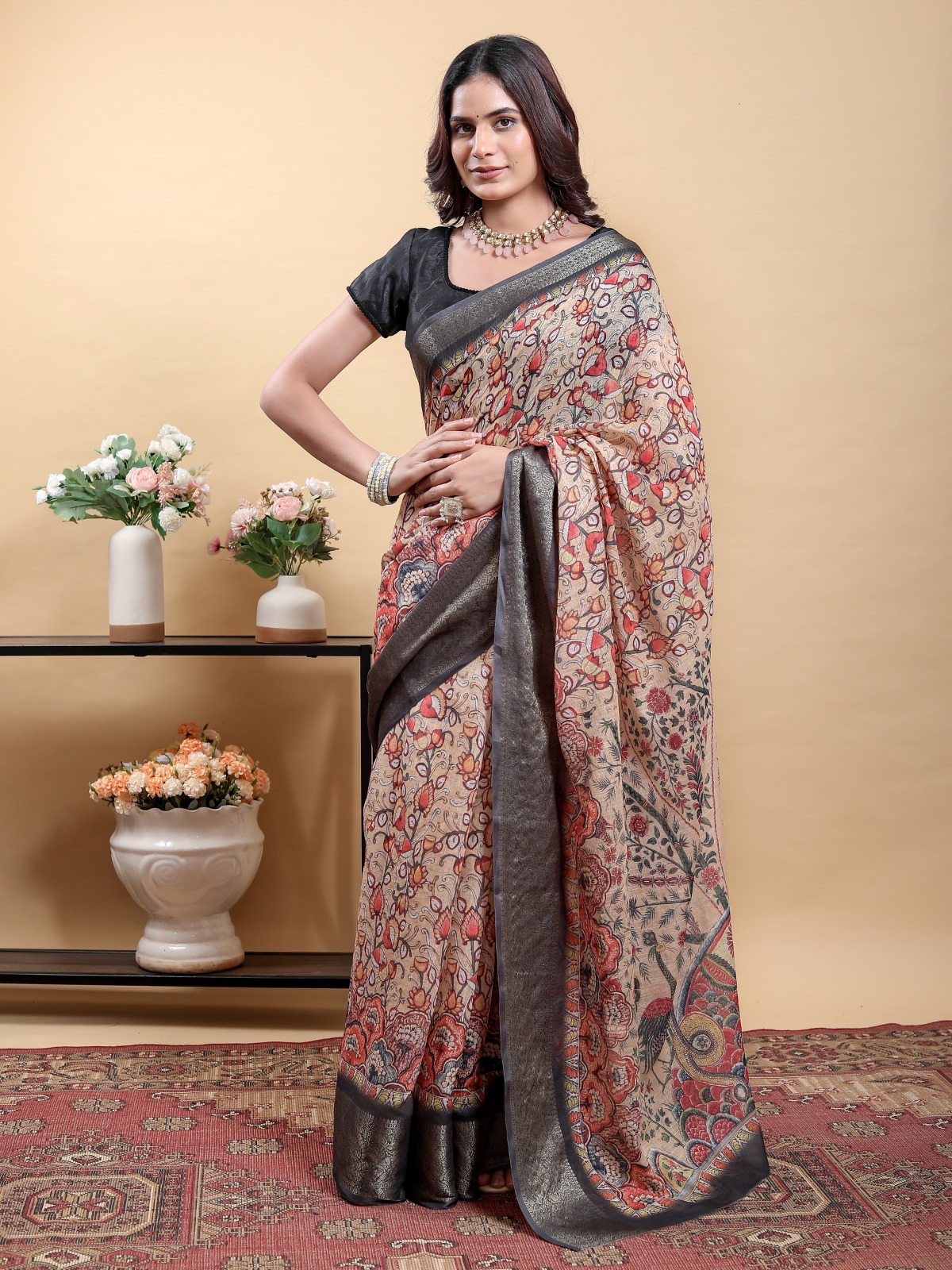
Traditional Pnar or Jaintia clothing has its own forms and meanings, and visitors should not present a fashion interpretation as authentic ceremonial dress. Women may wear a comfortable saree or salwar suit with a firmly secured dupatta, while men can choose a kurta with trousers and a rain-resistant outer layer. Avoid long trailing hems, fragile sequins and fabrics that become transparent when wet.
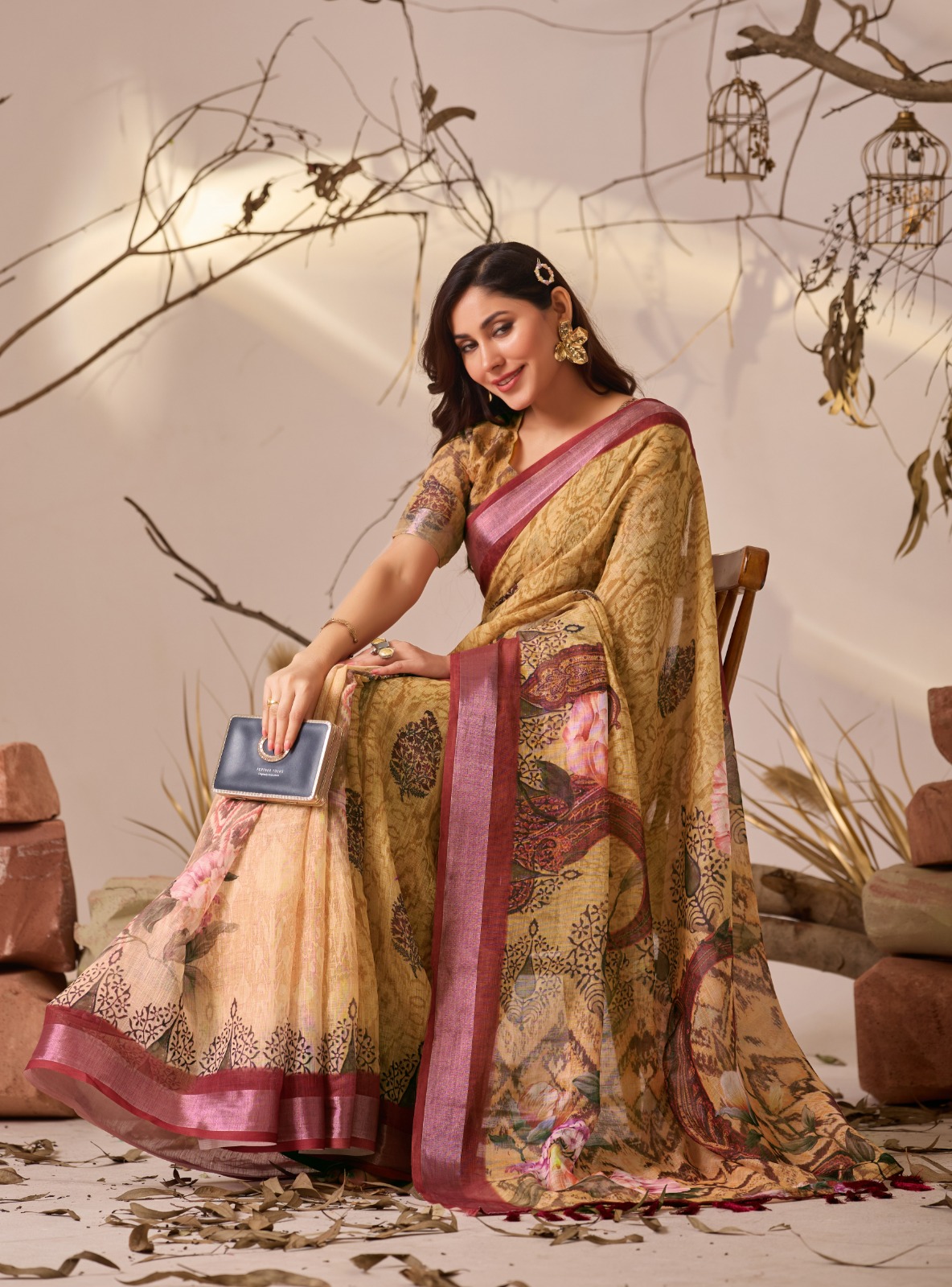
Traditional Moss Georgette Print Saree demonstrates how a printed saree can be adapted for a humid festival day. Wear a shorter fall, pin the pleats at two points and choose a blouse with covered shoulders if the programme includes temple or community spaces. A compact waterproof pouch protects a phone, identity documents and emergency pins better than a large open tote.
Footwear deserves special attention during Behdienkhlam. Choose closed-toe flats, rubber-soled sandals or shoes that can be cleaned easily. Carry a second pair in a cloth bag, and don't place damp garments directly into a sealed suitcase after returning; hang them in moving air first to prevent mildew.
How can ethnic wear handle Meghalaya's monsoon?
Ethnic wear handles Meghalaya's monsoon best when the outfit has a secure drape, quick-drying layers and washable footwear. Georgette, cotton blends and lightweight synthetic linings generally dry faster than heavy silk, velvet or multiple layers of brocade.
Meghalaya Festival Fashion Calendar: Traditional Ethnic Wear for Wangala
Wangala is the Garo harvest festival, often called the Hundred Drums Festival, and it's commonly celebrated in November after the agricultural season. Garo traditional clothing includes the dakmanda, a woven lower garment worn by women, along with coordinated wraps, ornaments and community-specific details. Men may wear traditional wraps and accessories for performances and ceremonial gatherings.
Wangala is a strong reminder that Northeast Indian clothing can't be reduced to one pan-Indian ethnic template. A red saree, a lehenga or a heavily embroidered blouse may be festive, but none should be described as Garo traditional dress unless it genuinely follows Garo textile practice. Guests can acknowledge the region through handwoven textures, restrained accessories and colours inspired by autumn, while leaving performance costumes to the people who wear them by tradition.
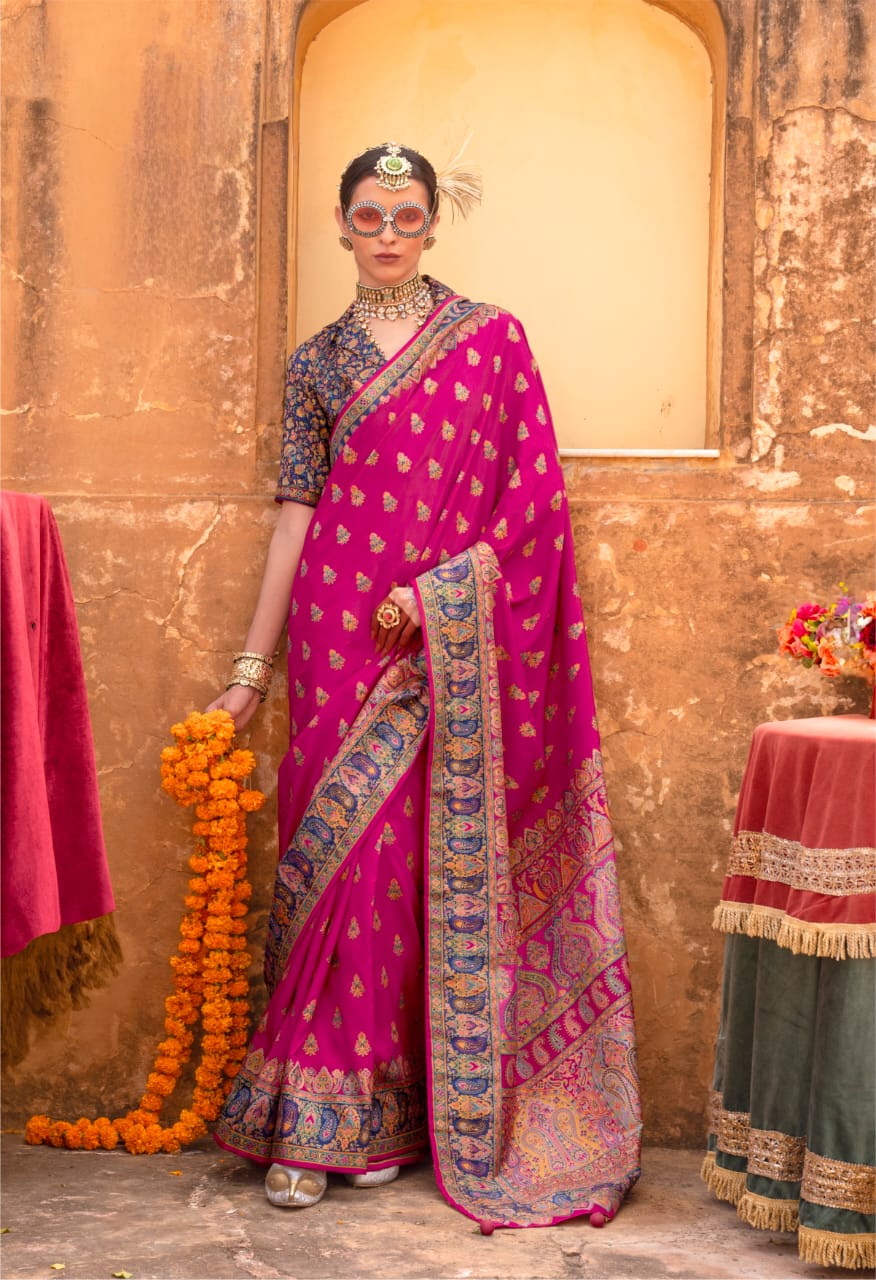
Festive Red Georgette Saree With Rich Zari Border suits an evening cultural programme because the georgette drape is lighter than a full brocade saree and the zari border supplies occasion detail. Pair the saree with antique-finish earrings, a low bun and a plain clutch rather than adding a large stack of unrelated motifs. If the event is outdoors, use a petticoat with a firm waistband and pin the pallu so drumming, dancing or walking doesn't loosen the drape.
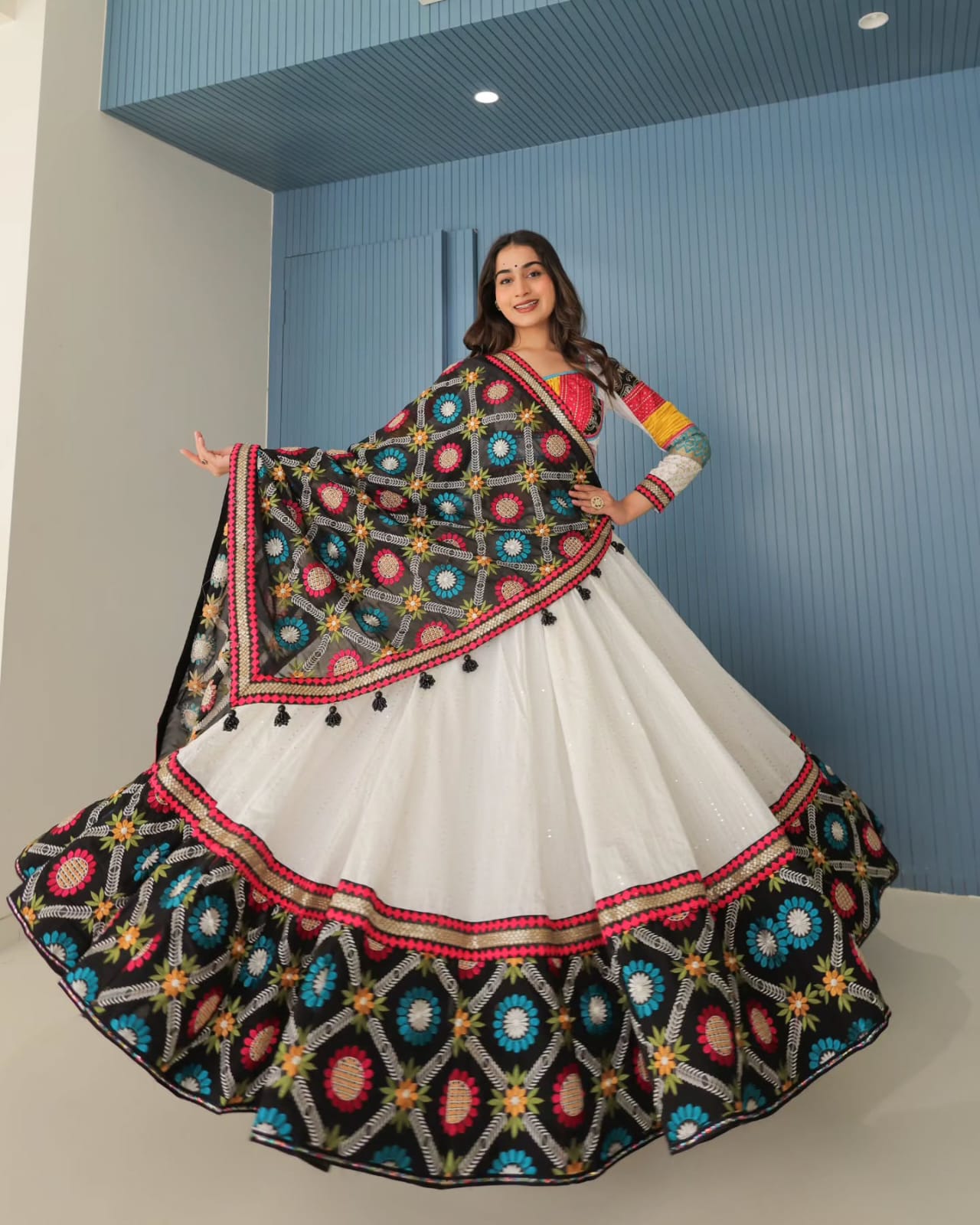
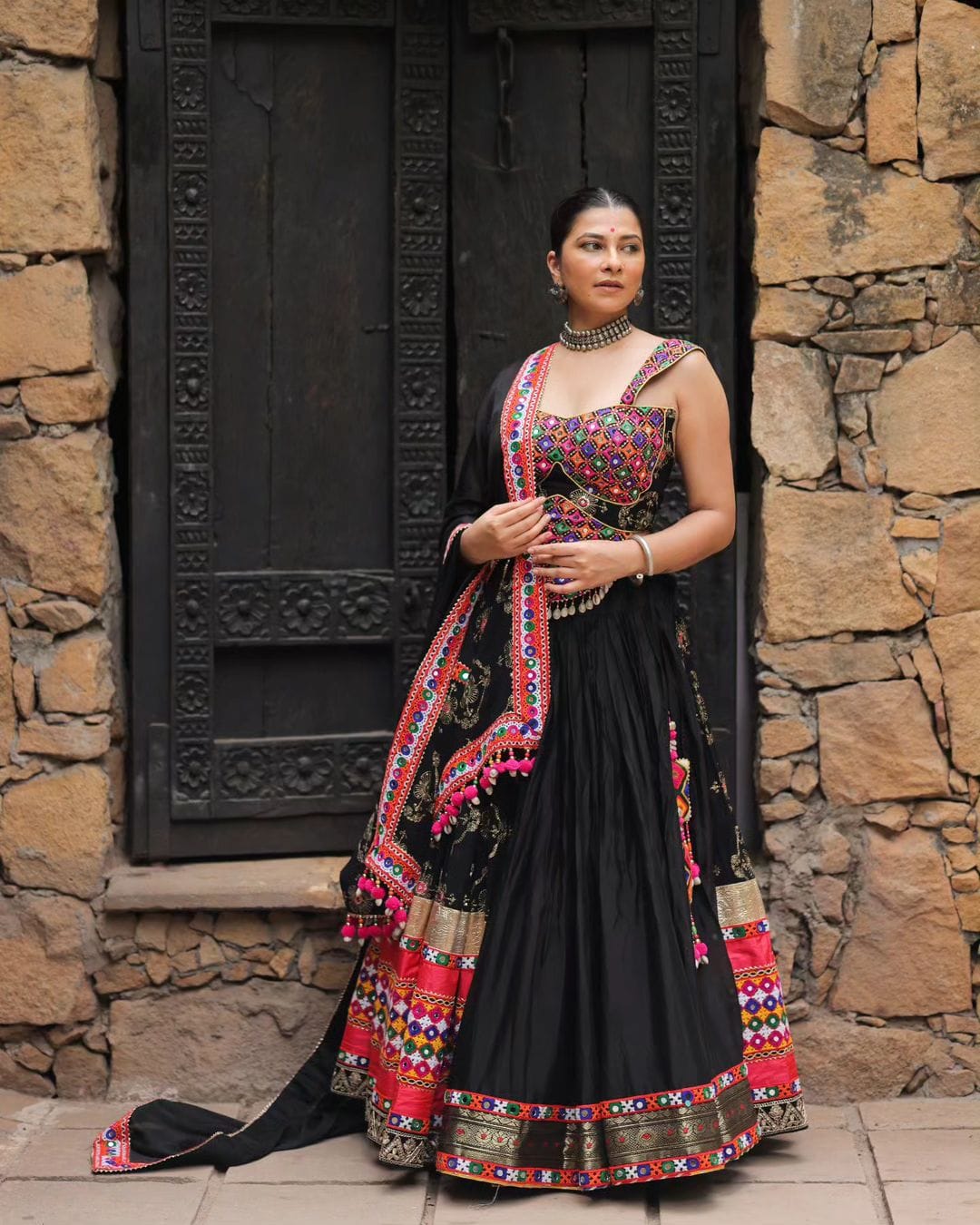
Designer Black Garba Lehenga Choli for Festive Season brings a structured option for a music or dance evening, although Garba styling isn't the same as Garo dress. Add a lightweight shawl after sunset and keep the jewellery simple. Cultural accuracy improves when the outfit is described honestly as contemporary Indian festive wear rather than assigned a regional identity it doesn't possess.
Meghalaya Festival Fashion Calendar: Traditional Ethnic Wear for Nongkrem
Nongkrem Dance Festival is a major Khasi religious and cultural celebration held at Smit, traditionally in November, with the exact timing announced by the organising community. The festival includes formal dance, music and ceremonial observances, and traditional Khasi attire is central to its visual identity. Women's dress may include the Jainsem and elaborate gold jewellery, while men may wear the Jymphong and other traditional pieces.
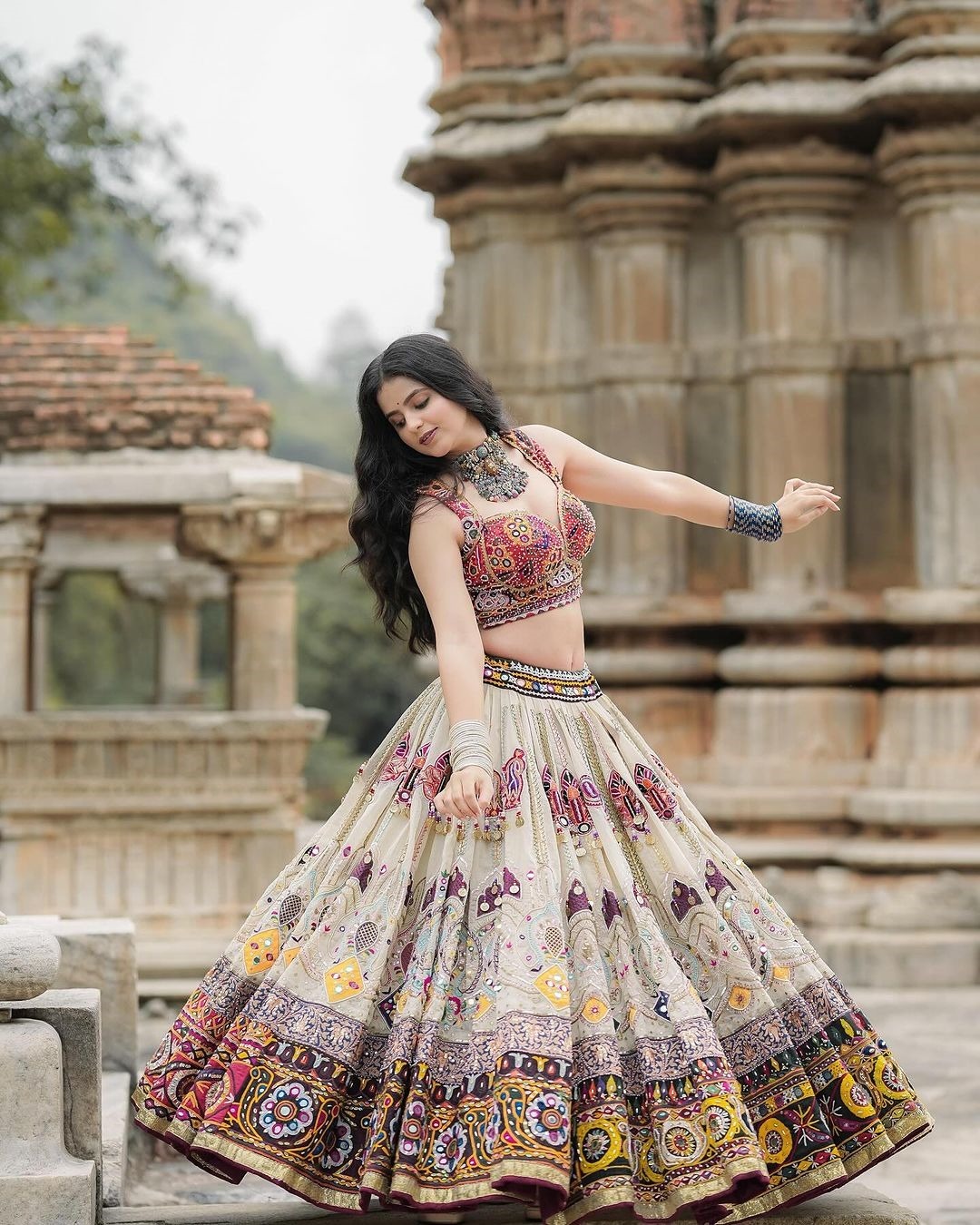
Visitors should wear clothing that's modest, neat and easy to manage, especially when entering sacred or community areas. A plain silk-blend saree, a full-length salwar suit or a long-sleeved kurta with a woven shawl is safer than a short skirt, deep neckline or exaggerated costume styling. Ask before photographing dancers, jewellery or ritual spaces, because permission is more respectful than assuming a public event makes every image acceptable.
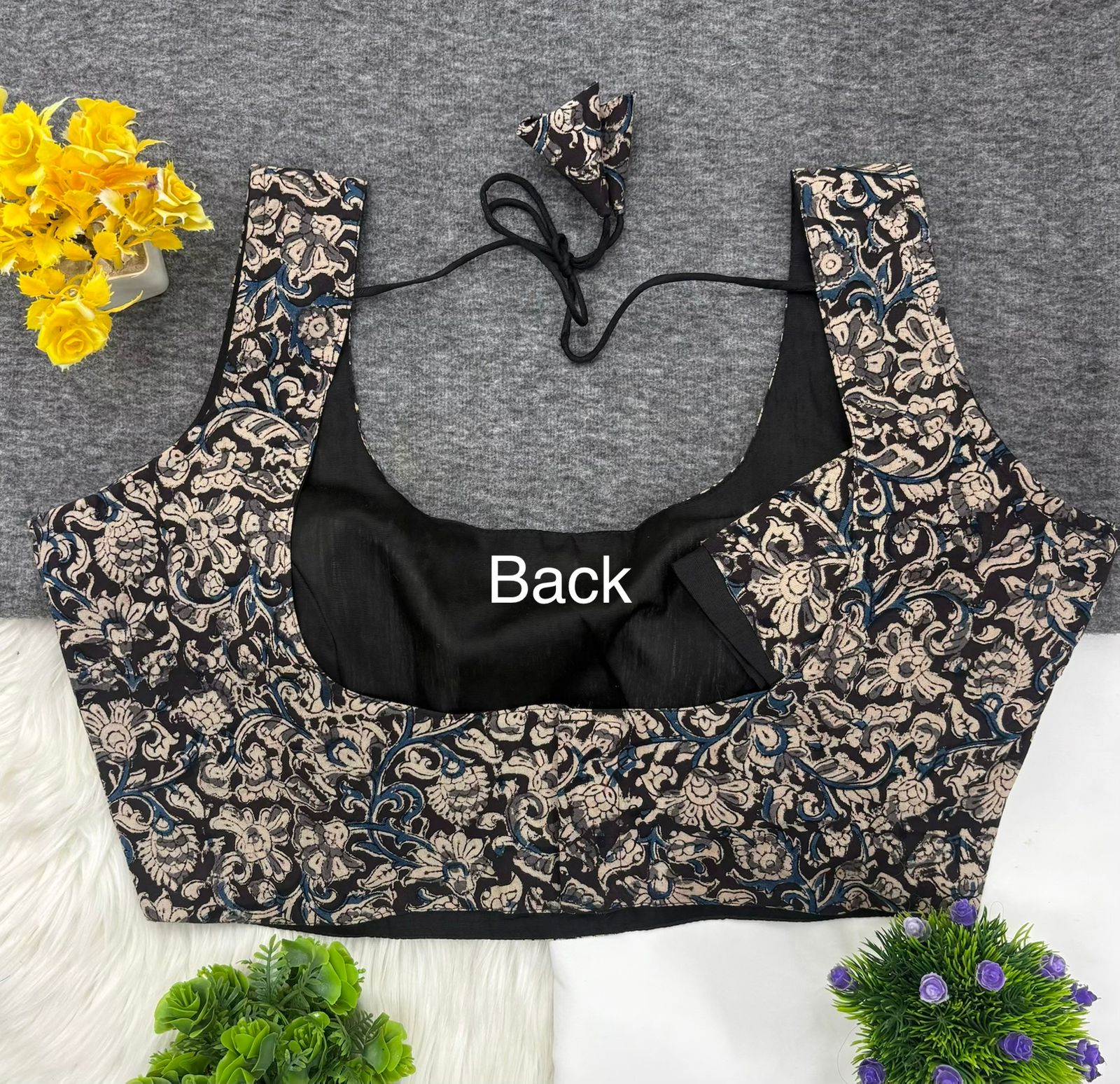
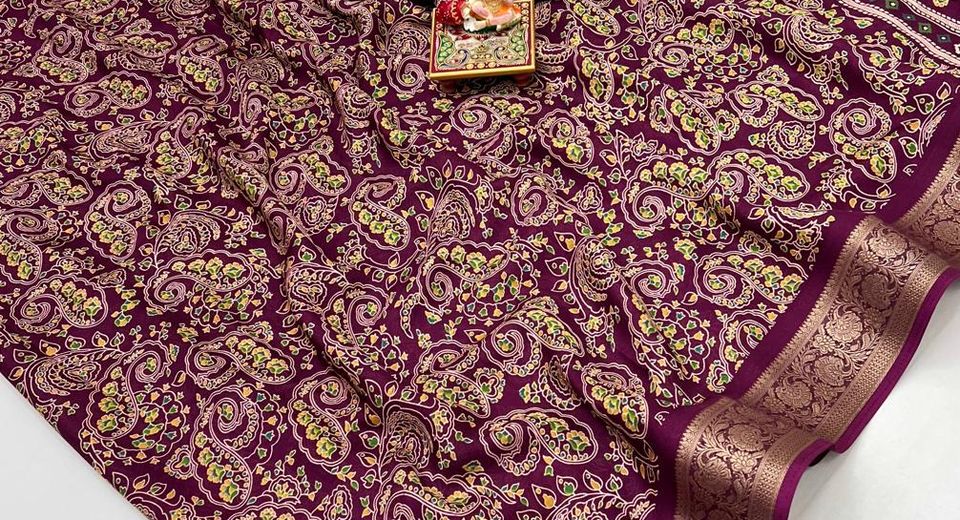
Maroon Mal Cotton Ethnic Saree With Blouse from VARNAVI demonstrates an useful guest-outfit principle: a grounded colour and cotton texture can look festive without competing with ceremonial clothing. Style the saree with minimal gold-toned jewellery, a secure low bun and a blouse with comfortable sleeve coverage. Avoid borrowing a traditional headdress or layering imitation ornaments simply because they appear visually striking in photographs.
Meghalaya Festival Fashion Calendar: Traditional Ethnic Wear and fabric selection
Fabric choice should follow humidity, walking distance and the likelihood of rain before it follows colour or trend. Cotton and linen-cotton are comfortable in warm weather, georgette dries relatively quickly and silk blends provide evening polish with less weight than pure silk. Heavy zari, velvet and dense embroidery are better reserved for indoor winter gatherings or short-duration events.
- Mal cotton: Mal cotton gives a soft, breathable hand and works well for daytime cultural programmes. Press the saree on a medium setting and store it completely dry.
- Linen-cotton: Linen-cotton stays airy and gains character from natural creasing. Use a firm starch only if the weave can tolerate it, because excessive starch can make repeated folds brittle.
- Georgette: Georgette creates a fluid drape and is practical for evening wear. Hand-wash or use a gentle cycle according to the care label, and avoid wringing because twisting can distort the fabric.
- Chinon: Chinon gives a light, flowing fall for indoor celebrations. Use a lining or suitable petticoat when the fabric is sheer, and keep sharp jewellery away from the surface.
- Silk and zari: Banarasi silk, Kanjeevaram and zari-heavy fabrics offer richness for formal winter events, but they need dry storage and should not be left damp after travel.
Printed Mal Cotton Saree With Designer Pallu by VARNAVI is a practical reference for a daytime outfit because a statement pallu can provide visual interest without dense embroidery. Colorful Ethnic Chinon Saree for Women brings a lighter evening option, but a full-length lining and carefully secured pleats are important when walking outdoors or sitting on low platforms.
Meghalaya Festival Fashion Calendar: Traditional Ethnic Wear and respectful styling
Respectful festival styling means distinguishing indigenous ceremonial dress from contemporary ethnic fashion. Clothing can take inspiration from Meghalaya's landscape and textile richness without copying a sacred garment, ceremonial headdress or performance costume. Avoid describing a generic saree or lehenga as Khasi, Jaintia or Garo simply because it's worn at a Meghalaya event.
Accessories should support the outfit rather than turn regional identity into a theme. Choose one focal element, such as a woven stole, silver earrings or a textured handbag, and keep the rest restrained. Do not wear imitation versions of community-specific ornaments unless you understand their use and have permission in the relevant setting.
For a formal indoor celebration, Stylish White Mirror Work Lehenga for Festive Wear can be styled with a plain dupatta, low jewellery and a warm shawl. Mirror work belongs to several Indian festive styling traditions, but it should not be presented as Meghalaya-specific attire. A clean description of the outfit is more respectful than a misleading regional label.
Weather protection can be elegant. A compact umbrella, a cotton underskirt, a washable shoe and a shawl in a breathable wool blend solve practical problems without disturbing the overall silhouette. Keep emergency safety pins, a small sewing kit, blister patches and a dry cloth in the bag, particularly for a full-day programme.
Meghalaya Festival Fashion Calendar: Traditional Ethnic Wear FAQs
The most useful Meghalaya Festival Fashion Calendar: Traditional Ethnic Wear decision is the one that balances regional respect, weather, movement and the formality of the invitation. The following questions cover the choices visitors most often need to make.
Questions About Dressing for Meghalaya’s Festival Calendar
What should I wear to the Wangala Festival?
Wear modest contemporary ethnic clothing such as a cotton saree, salwar suit or kurta set, and avoid presenting generic clothing as Garo traditional dress. Choose secure footwear, a light shawl for November evenings and restrained jewellery so that traditional performers remain the visual focus.
Can I wear a saree to Behdienkhlam?
You can wear a saree to Behdienkhlam if the drape is secure, the fabric is washable and the hem does not trail through wet ground. Georgette, cotton blends and lightweight sarees are more practical than heavy silk, velvet or fragile sequin work during the monsoon.
What is appropriate clothing for Nongkrem Dance Festival?
Modest, neat clothing such as a plain saree, full-length salwar suit or long-sleeved kurta with a shawl is appropriate for visitors. Avoid imitating Khasi ceremonial jewellery, headdresses or dance costumes, and ask permission before photographing ritual spaces or performers.
What do Khasi women traditionally wear at festivals?
Khasi women may wear the Jainsem, a layered draped garment, along with traditional jewellery and other community-specific accessories. The exact styling can vary by ceremony and context, so visitors should not copy ceremonial dress without guidance.
Which fabric is best for a Meghalaya festival in the rainy season?
Light cotton blends, linen-cotton and georgette are generally practical for Meghalaya's rainy season because they are breathable and dry faster than heavy fabrics. Secure the drape, protect valuables in a waterproof pouch and carry spare footwear if the event involves outdoor walking.
How can I style ethnic wear respectfully in Meghalaya?
Style ethnic wear respectfully by wearing contemporary Indian clothing without labelling it as Khasi, Jaintia or Garo traditional dress unless it genuinely follows that community's textile practice. Avoid imitation ceremonial ornaments and choose modest silhouettes, practical layers and permission-based photography.