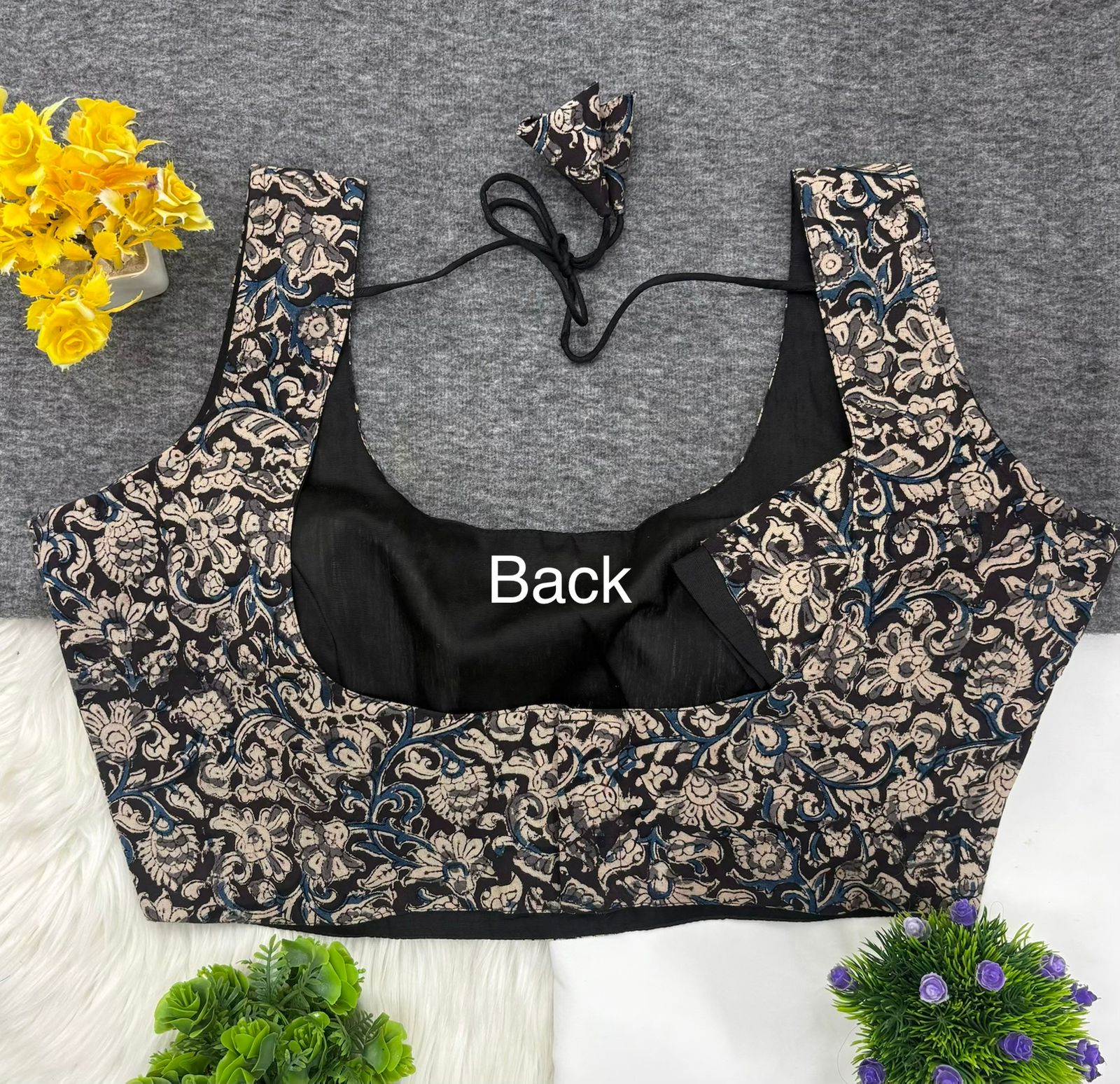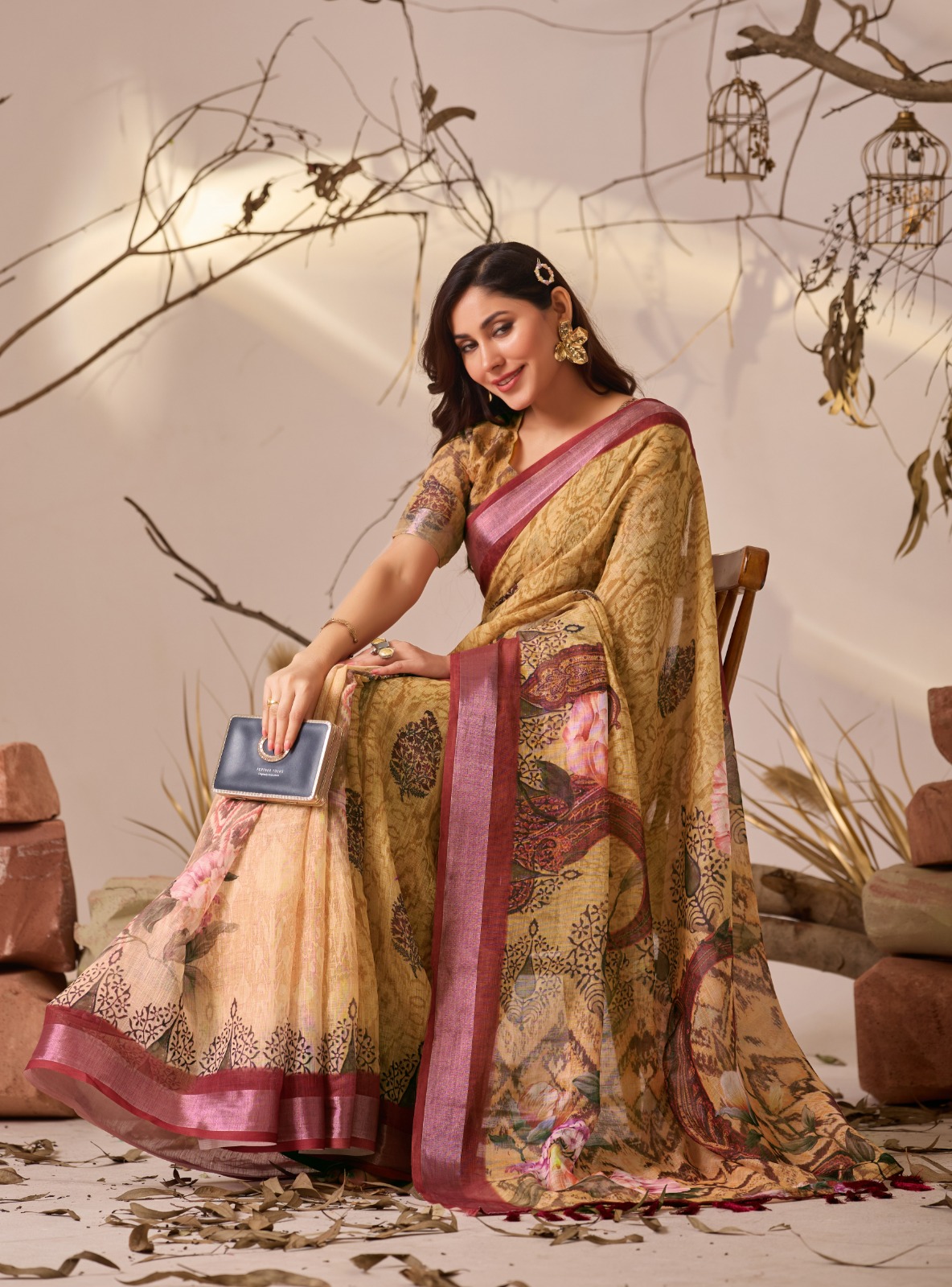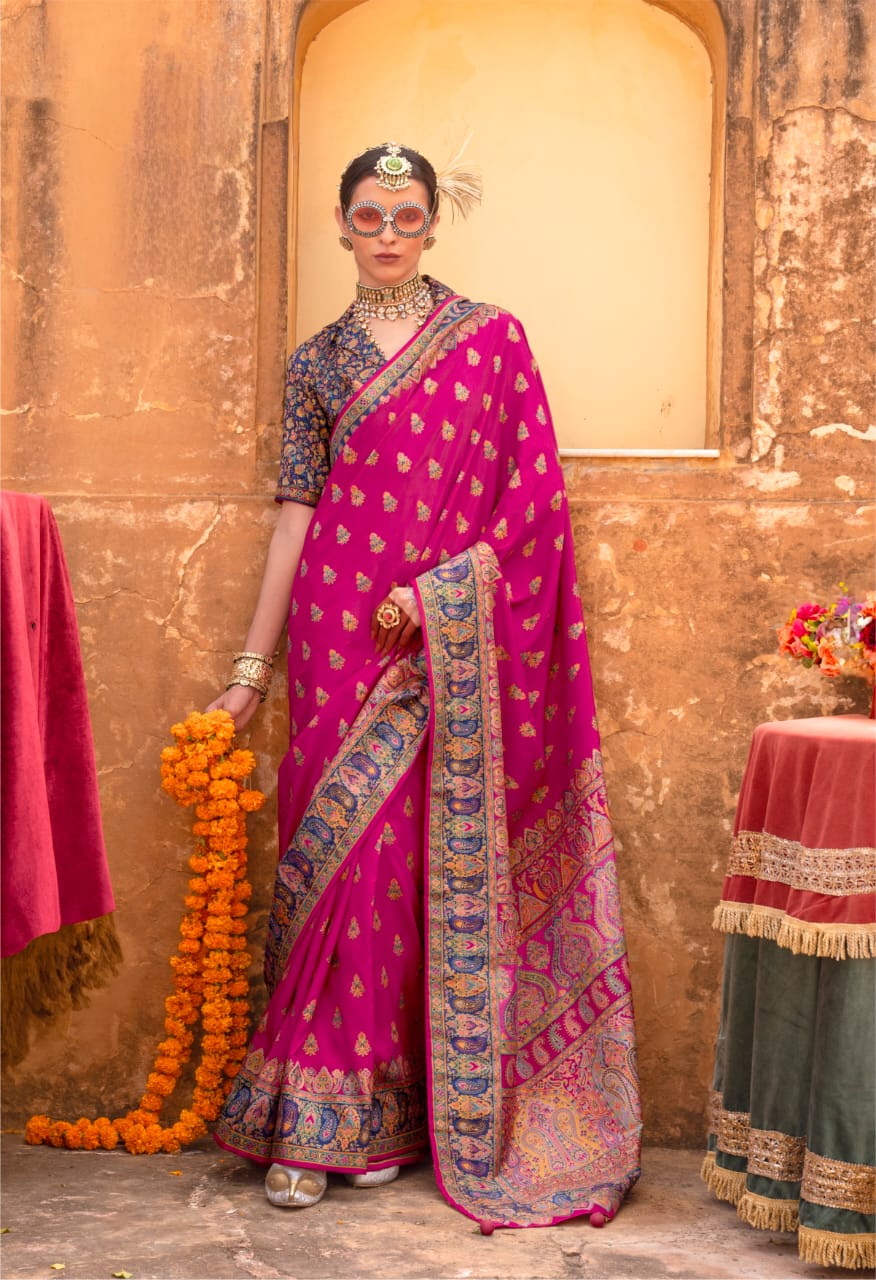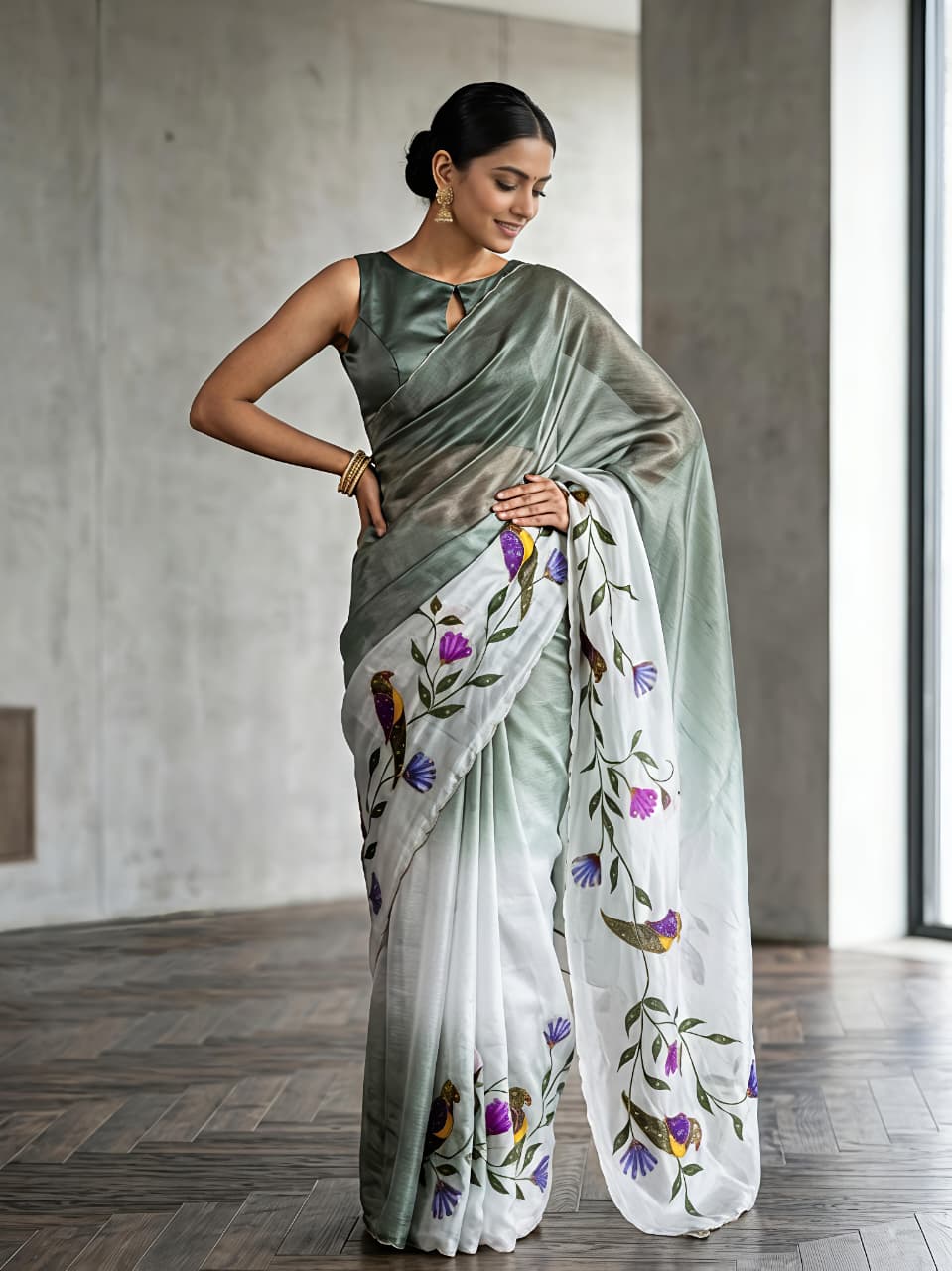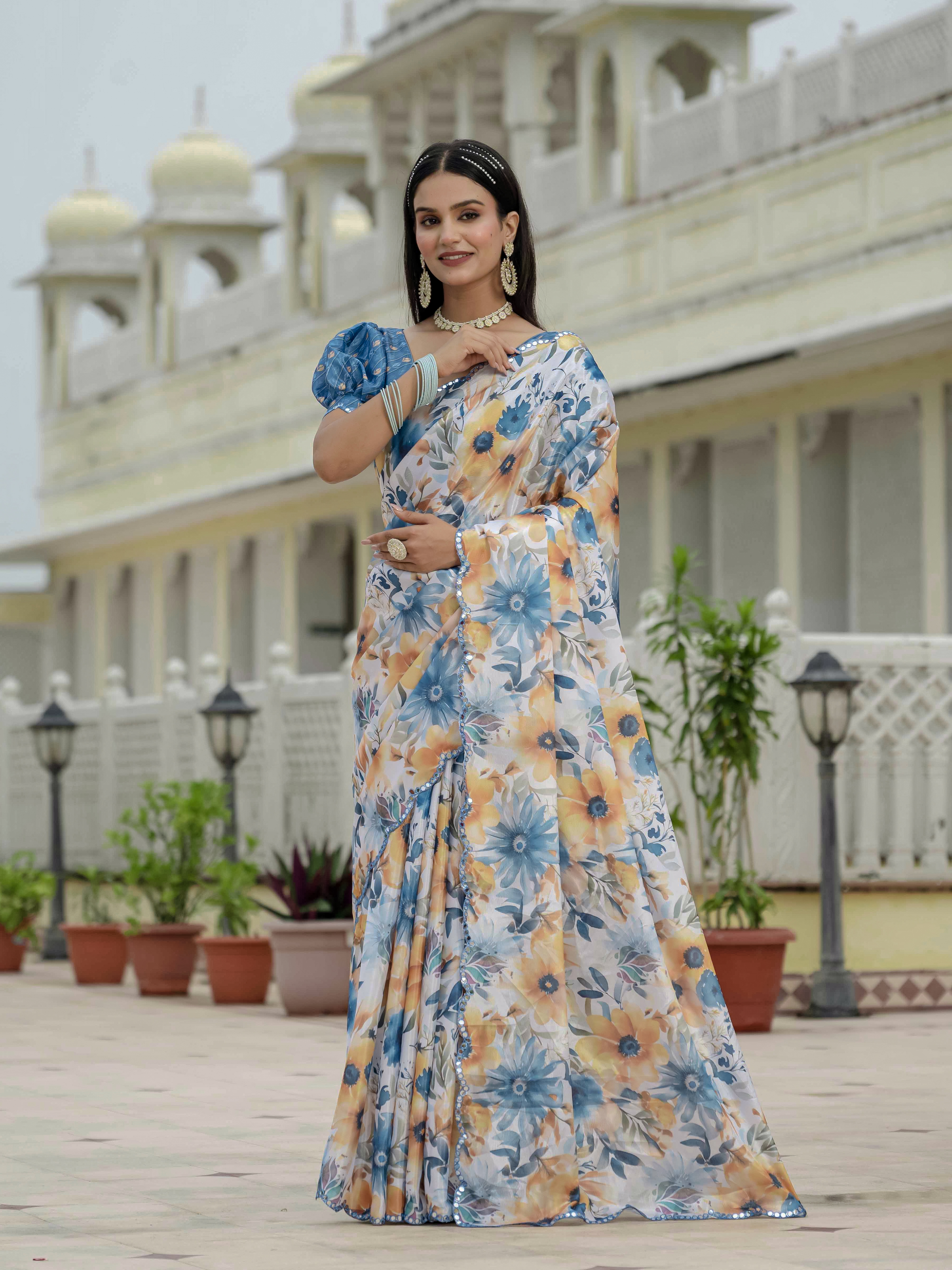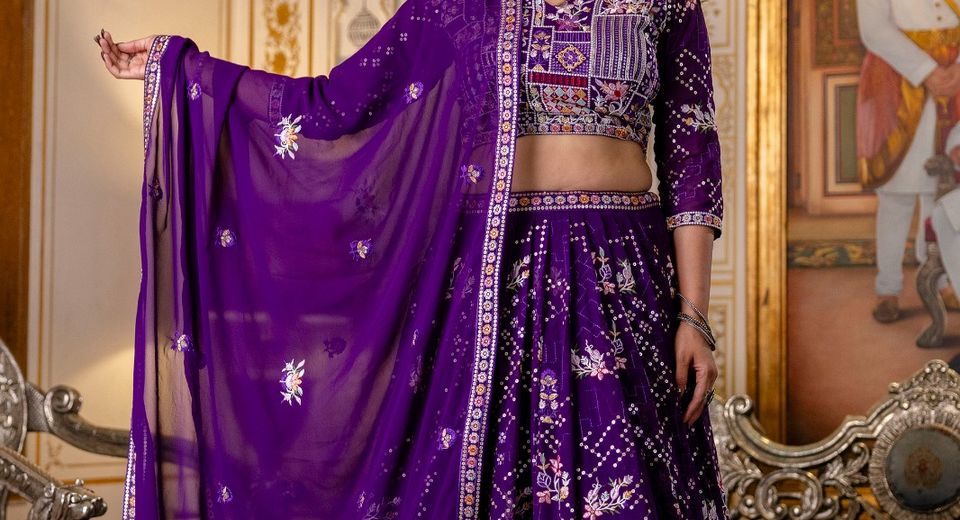
Meghalaya Ethnic Wear Guide: Sarees, Suits & Lehengas should begin with the event, the weather and the amount of movement expected during the day. Meghalaya celebrations often combine regional textile traditions with pan-Indian garments, so a woman may wear a saree for a formal gathering, a salwar suit for practical daytime dressing, or a lehenga choli for a wedding, reception or festive evening.
The right outfit also depends on whether you're attending a Khasi, Jaintia or Garo family celebration, a church wedding, a Haldi ceremony, a reception or a cultural programme. Traditional Meghalaya clothing has its own visual language, while contemporary ethnic wear offers more choice in silhouette, embroidery and styling. The most useful decision isn't simply choosing the prettiest colour; it's matching the garment's construction to the occasion.
Meghalaya Ethnic Wear Guide: Sarees, Suits & Lehengas and Regional Style
Modern ethnic wear in Meghalaya works best when it respects regional identity while allowing the wearer to dress appropriately for a specific ceremony. Khasi women are traditionally associated with garments such as the jainsem and dhara, Jaintia women wear styles including the jainsem and thoh khyllung, and Garo women are known for heritage garments such as dakmanda.
These regional forms are distinct from sarees and lehengas, but they share an appreciation for drape, colour, layered ornament and textile texture. A saree, salwar suit or lehenga serves a different wardrobe purpose rather than replacing time-honoured attire. A saree can create a graceful silhouette for a formal reception, a salwar suit is useful for long family visits and daytime ceremonies, and a lehenga gives more freedom for dancing at a sangeet or festive evening.
For a Meghalaya wedding, styling can acknowledge the region through woven accessories, silver jewellery, locally inspired colour combinations or a restrained approach to embellishment. Regional clothing should not be treated as a costume. A respectful outfit lets the garment's construction and your styling choices work together without copying ceremonial dress inaccurately.
Meghalaya Ethnic Wear Guide: Sarees, Suits & Lehengas for Each Occasion
Choose a lehenga for high-energy festive events, a saree for formal elegance, and a salwar suit for comfort during long or active ceremonies. Venue, duration, movement and formality should determine the final choice.
Lehengas for weddings, receptions and evening functions
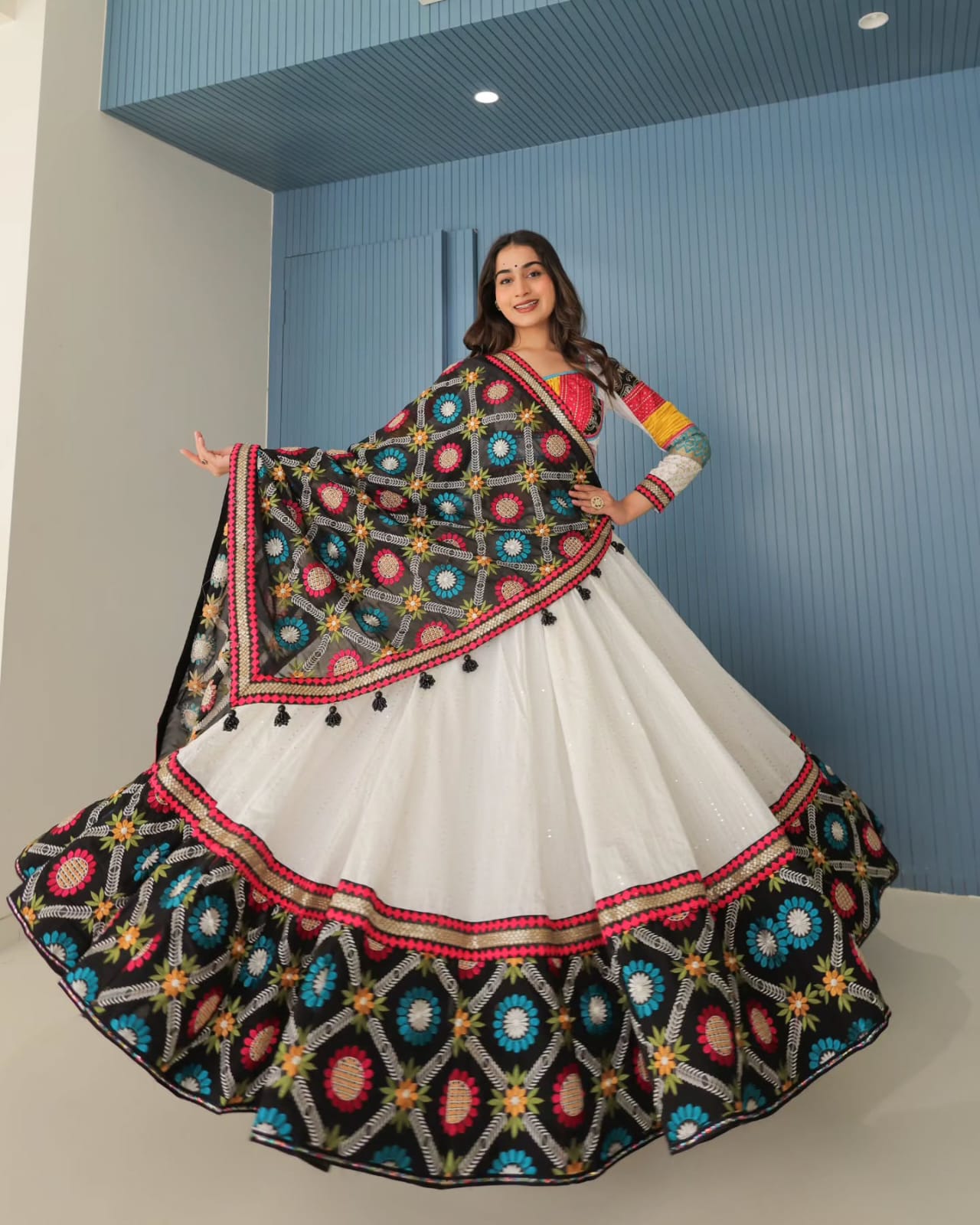
A lehenga choli is practical when a celebration includes dancing, photographs and several hours of standing. A circular or panelled skirt distributes volume around the body, while a fitted choli provides definition without requiring constant pleat adjustment. A dupatta can be pinned over one shoulder or secured across the torso for easier movement.
Bridal lehengas usually carry heavier embroidery, layered borders and more structured blouses, so they need a fitting appointment and sufficient time for alterations. A guest can choose a lighter designer lehenga with threadwork, sequins, mirror work or a printed skirt. Heavy bridal styling is unnecessary for a guest attending a Haldi ceremony, engagement or informal reception.
Designer Threadwork Silk Lehenga Choli Set with Dupatta suits a polished evening setting because silk-look fabric and threadwork create visual richness without relying only on metallic decoration. Pastel Floral Georgette Lehenga Set with Ruffle Blouse gives a softer direction for a daytime wedding or engagement where floral print and a lighter blouse feel appropriate.
Sarees for formal gatherings
A saree is a strong choice when an event calls for a composed, traditionally formal appearance. Banarasi silk, Kanjeevaram, Chanderi and georgette each create a different result, but a Meghalaya event may also require practical attention to humidity, rain and transport.
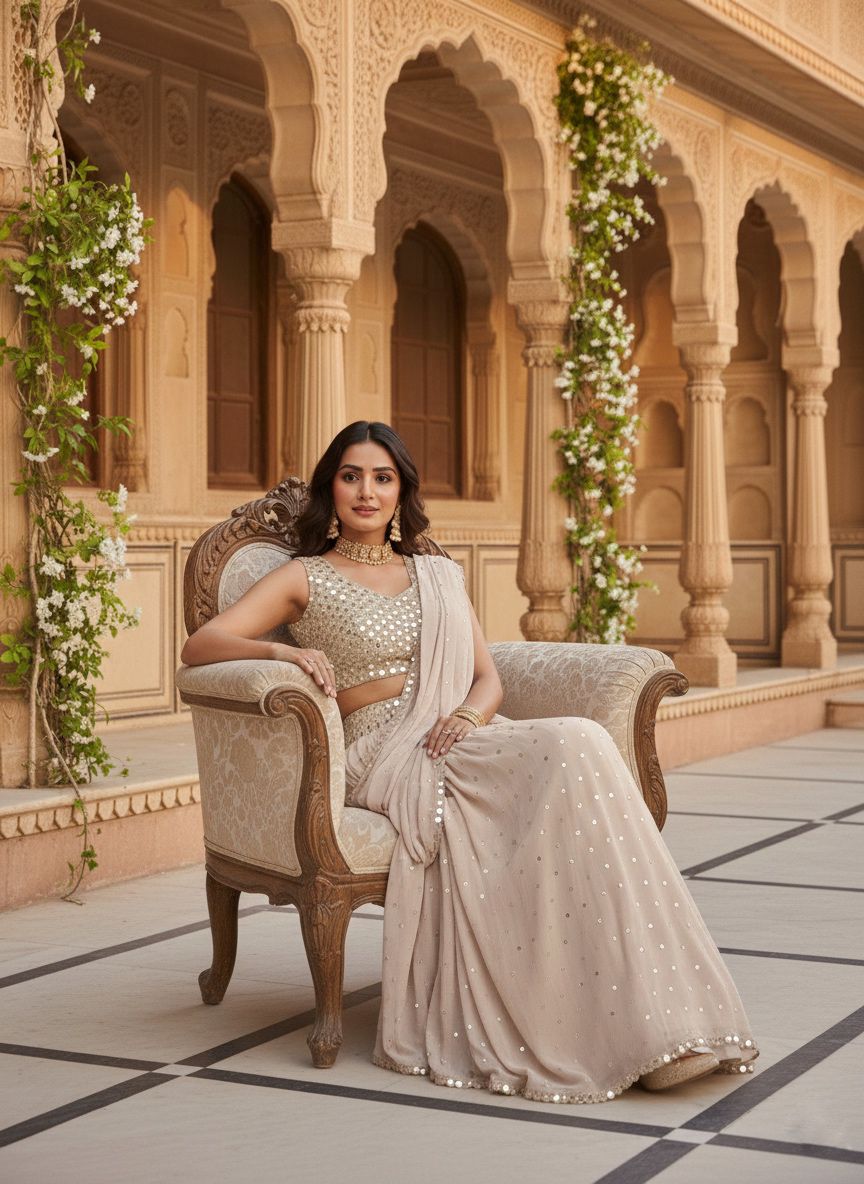
Lightweight sarees are easier to carry through a full day, especially when the venue involves uneven ground or outdoor movement. A ready-to-wear design can reduce preparation time for someone who enjoys the saree silhouette but doesn't regularly practise pleating. Beige Mirror Work Ready to Wear Saree with Blouse shows how mirror work can bring a festive finish to a pre-constructed drape.
Salwar suits for daytime and repeated wear
A salwar suit is usually the most flexible option for daytime shopping, family visits, religious gatherings and ceremonies involving substantial travel. Straight-cut suits create a clean line, anarkali suits add volume through the lower half, and palazzo suits offer ease around the legs while retaining a dressed-up appearance.
Choose a breathable lining, sleeves that allow arm movement and a dupatta that's long enough to cover the front without dragging near wet floors. Fully stitched choli shopping is useful when you want a defined top without uncertainty about blouse construction, but measurements still need to be checked against the seller's size chart.
Meghalaya Ethnic Wear Guide: Sarees, Suits & Lehengas for Rainy Weather
Light to medium-weight fabrics with breathable construction are generally the safest choices for Meghalaya's humid, rainy conditions. Fabric selection should account for ventilation, drying time, lining, embellishment and the amount of time an outfit will spend in transit.
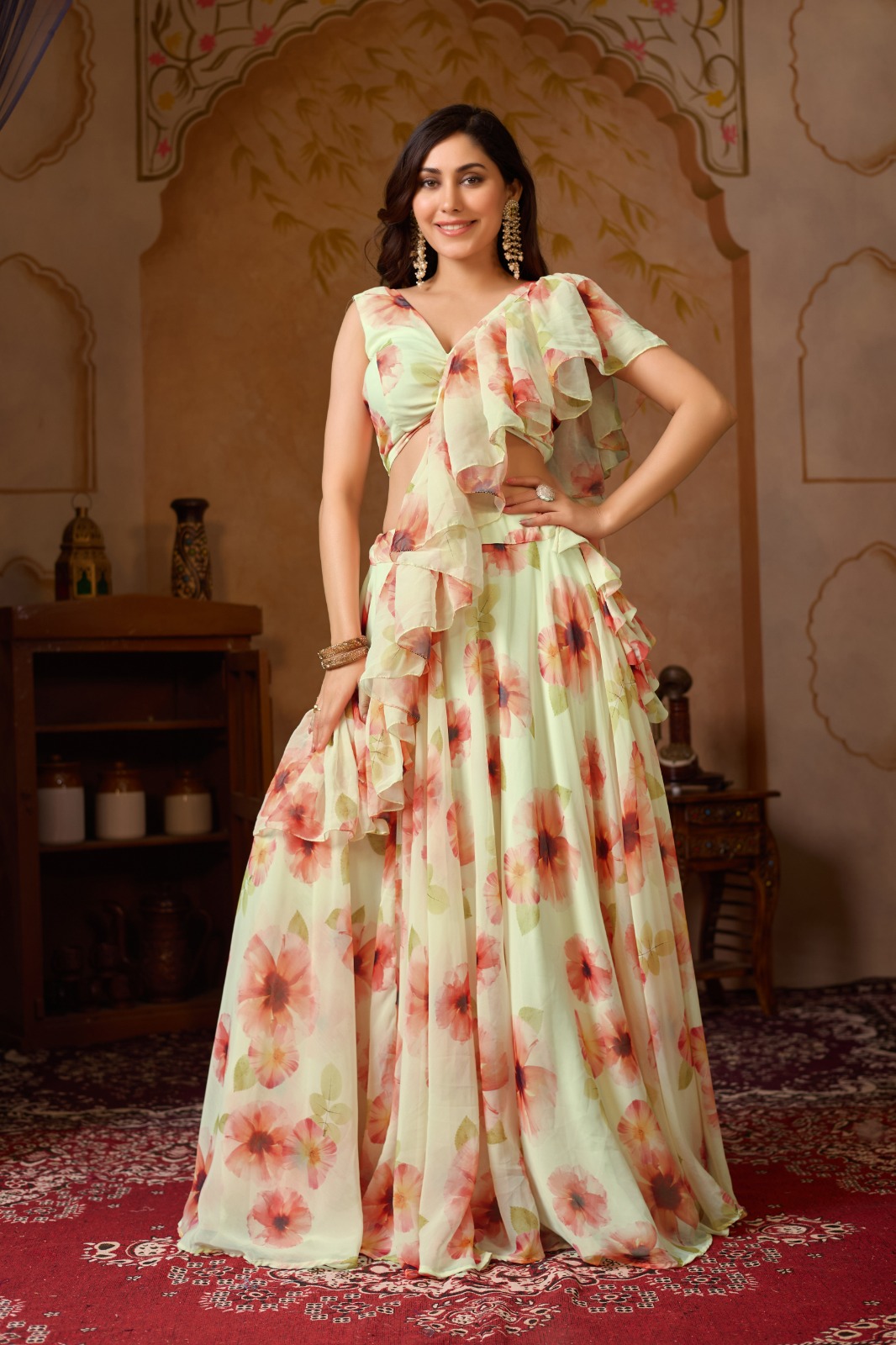
Georgette is fluid and comparatively easy to wear, making it useful for dupattas, ruffle blouses and lightweight skirts. Muslin cotton can feel more comfortable for daytime festivities because its cotton structure is less clingy than many synthetic blends. Silk and silk-blend fabrics give a richer fall but may feel warmer when paired with dense lining or heavy embroidery.
Embroidery changes the practical weight of a garment. Zari, sequins, stones and mirror work can make a skirt noticeably heavier than its base fabric suggests. Mirror work also needs careful packing because pressure from jewellery or a tightly compressed suitcase can crack or loosen decorative pieces.
Multicolor Mirror Work Muslin Cotton Lehenga Choli Set balances a cotton-based feel with a celebratory surface for a daytime function. Blooming Georgette Sequins and Thread Embroidered Lehenga Set with Georgette Dupatta is more suited to an evening event where sequins and thread embroidery can catch artificial light.
Rain also affects footwear and hemlines. A skirt that sits one or two centimetres above the floor is easier to manage near wet entrances than a heavily trailing hem. Block heels, embellished flats or low wedges provide more stability than narrow stilettos on damp or uneven paths.
Meghalaya Ethnic Wear Guide: Sarees, Suits & Lehengas by Colour
Colour should follow the ceremony's mood, the lighting and your role in the event rather than a fixed rule about which shades are universally flattering. Soft pastels work well for morning functions, saturated jewel tones hold their presence in evening photographs, and yellow or green are especially versatile for pre-wedding and festive dressing.
Yellow is a natural choice for a Haldi ceremony, but turmeric paste, flower petals and food stains make washable or less delicate garments more sensible than heavily embellished bridal pieces. Yellow Lehengas gives an useful starting point when you want a sunny palette without combining unrelated shades yourself.
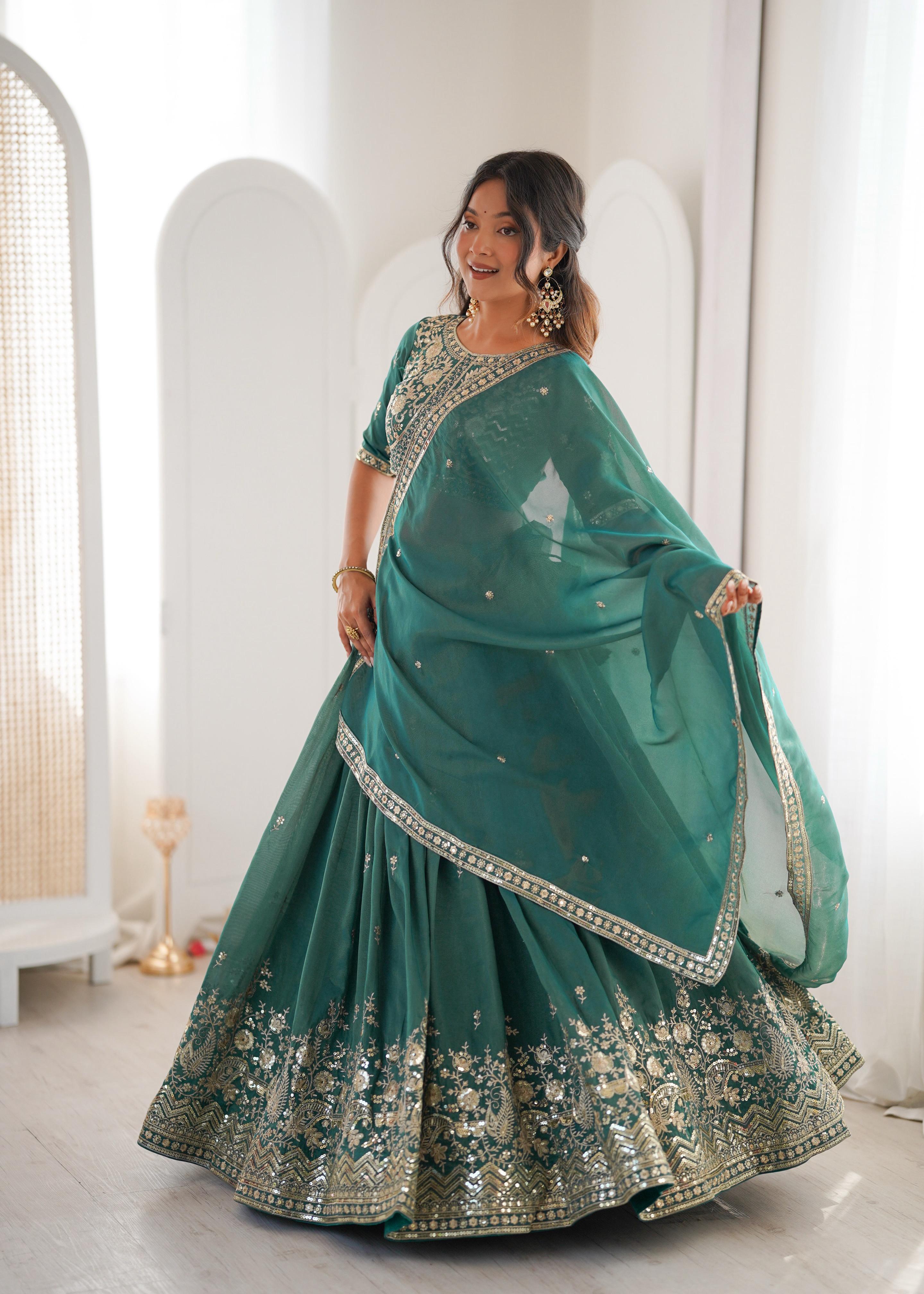
Green works across Mehendi ceremonies, daytime weddings and festive dinners. Emerald, bottle green and leaf green create different levels of contrast against gold jewellery, while sage and pistachio feel lighter for daytime. Green Lehengas helps narrow the search when you want to match green with antique gold, silver or pearl accessories.
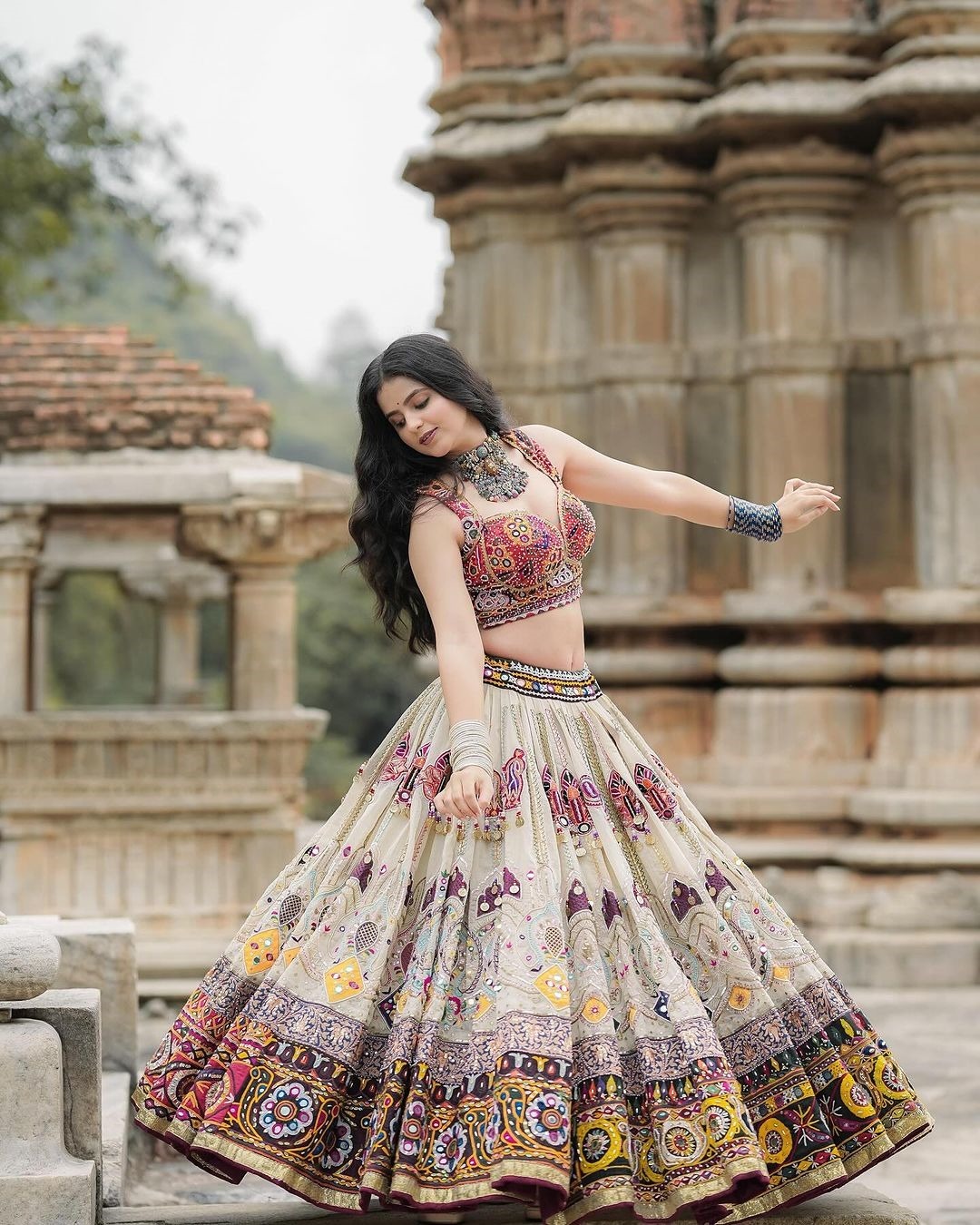
Beige, cream and white can look sophisticated in photographs, especially when mirror work or coloured embroidery supplies contrast. Cream Ethnic Lehenga Choli with Mirror Work Design gives a neutral base for bright earrings and a coloured dupatta. Stylish White Mirror Work Lehenga for Festive Wear creates a cleaner, more contemporary effect.
Beige Ethnic Printed Lehenga Set for Navratri and Garba is especially relevant when the celebration involves circular movement and energetic dancing. A printed skirt can provide visual interest without the weight of dense embroidery, while mirror work connects the outfit to a recognisably festive surface.
Meghalaya Ethnic Wear Guide: Sarees, Suits & Lehengas by Construction
Choose a ready-made lehenga when time and convenience matter, a semi-stitched lehenga when you need more control over measurements, and a designer or heavily embellished set when finish and custom fitting are priorities.
Readymade lehengas
Readymade lehengas are already constructed and are the most convenient choice for last-minute wedding shopping. Confirm the waist measurement, skirt length, blouse measurements, sleeve style and fastening before ordering. A drawstring or adjustable waistband can offer more flexibility than a fixed side zip.
Ready Made Lehenga is suitable for shoppers who want to avoid multiple tailoring visits. Readymade doesn't mean one-size-fits-all, however. A blouse may need adjustment at the bust, shoulder or armhole even when the skirt fits correctly.
Semi-stitched lehengas
Semi-stitched lehengas offer more alteration room because the blouse and skirt are supplied with unfinished or adjustable sections. Semi Stitched Lehengas Collection can suit shoppers who know their preferred neckline, sleeve length and waist placement.
Reliable tailoring remains important for semi-stitched garments. Take measurements over the undergarments you'll actually wear, and include movement allowance rather than measuring a tightly pulled tape. Allow at least 10 to 14 days for careful fitting during a busy wedding season.
Fully stitched choli shopping
Fully stitched choli shopping is best for buyers who want a finished blouse with no major construction decisions left. A fully stitched choli should still be checked for bust ease, armhole comfort, shoulder width and the placement of hooks or zippers.
Ask whether the blouse has seam allowance before ordering. Extra fabric inside the side seams can make a small adjustment possible, while a tightly finished seam may leave little room for alteration. A padded or structured choli may also fit differently from an unlined cotton blouse, even when both carry the same labelled size.
Meghalaya Ethnic Wear Guide: Sarees, Suits & Lehengas with Accessories
Accessories should balance the garment's surface, neckline and occasion rather than compete with every decorative detail. Mirror work, sequins and zari already reflect light, so one strong jewellery element often looks more considered than several unrelated pieces.
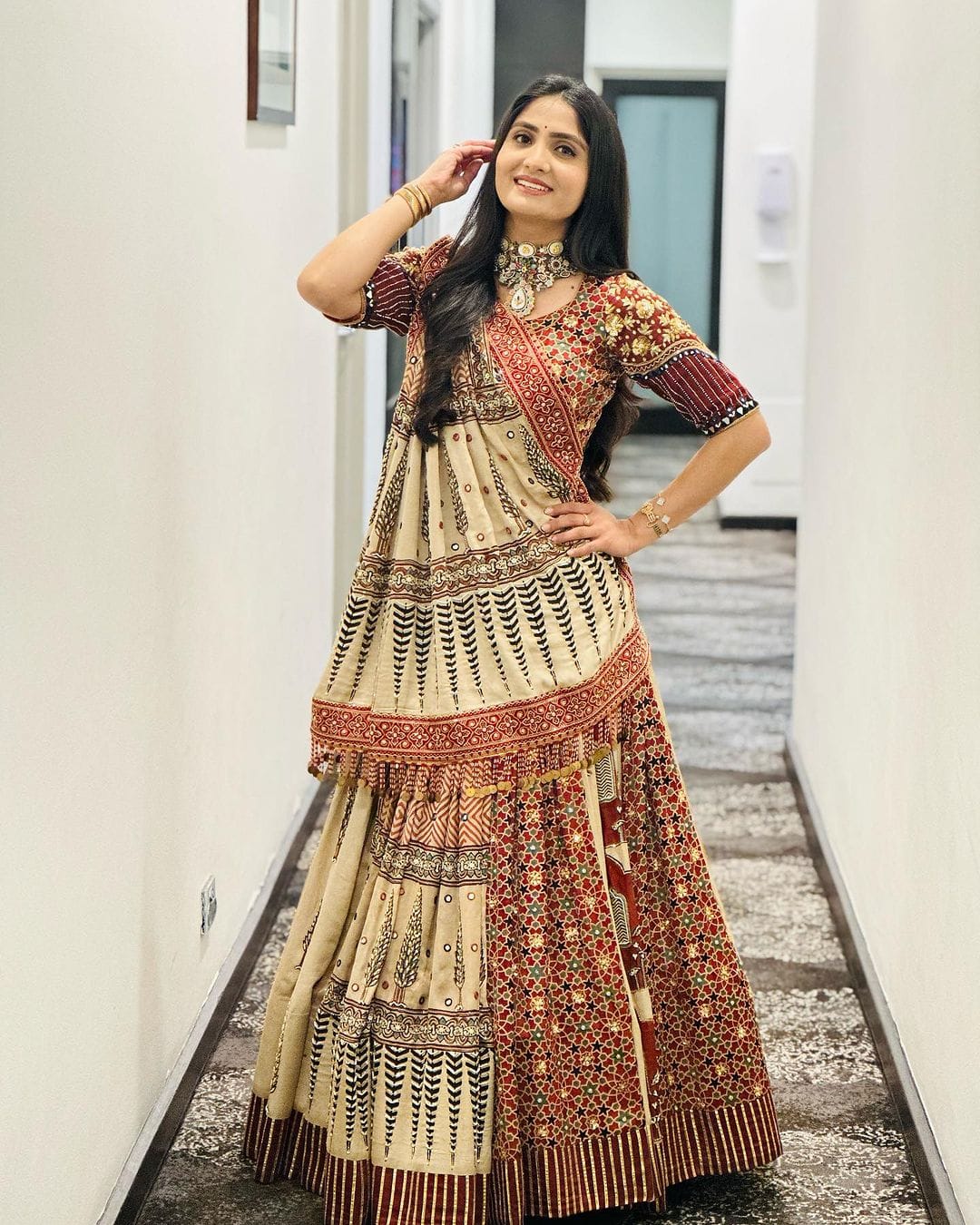
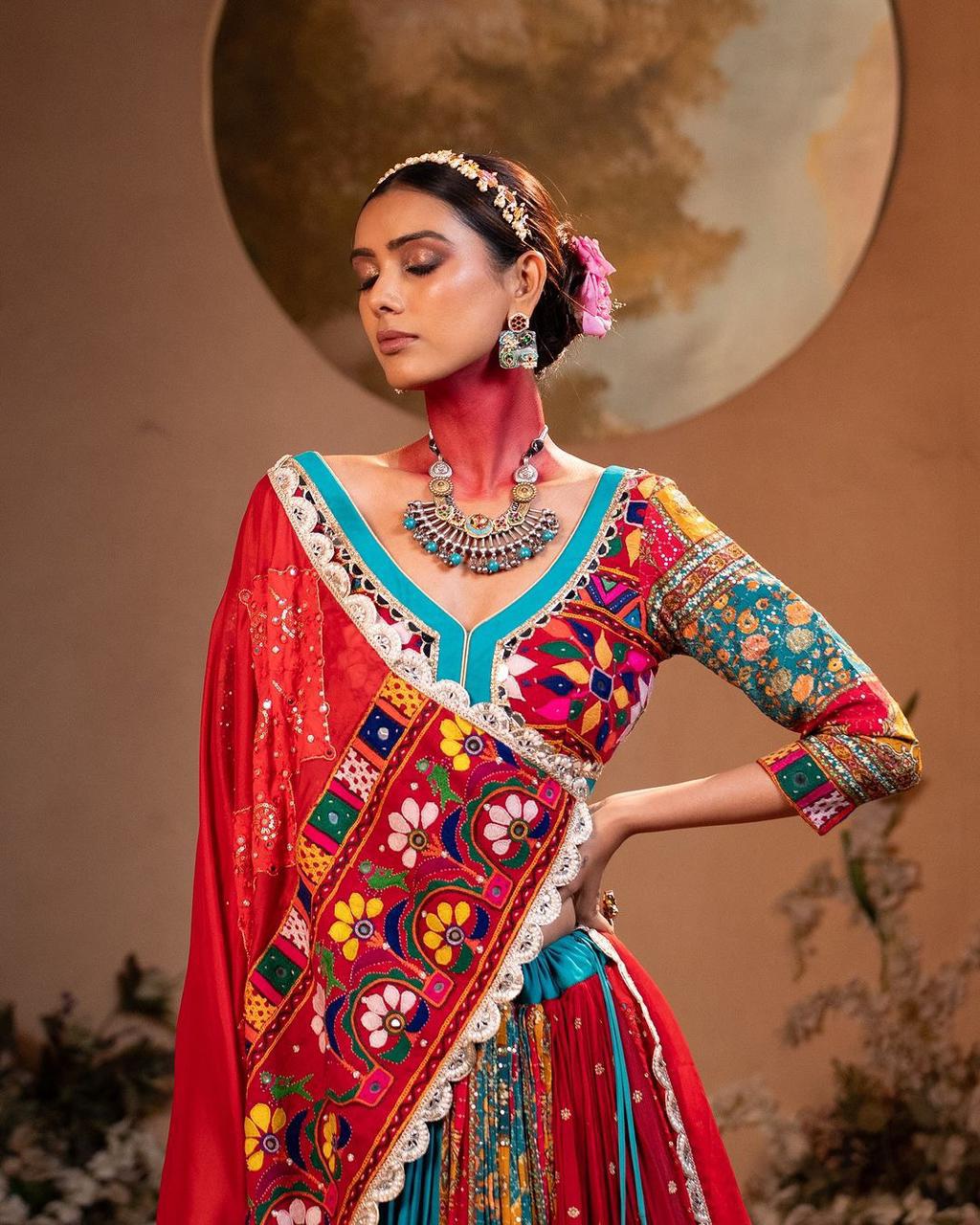
Silver earrings or a traditional-looking metal necklace can complement a colourful lehenga, while pearls soften pastel georgette and cream outfits. Gold jewellery works naturally with maroon, mustard, emerald, rust and warm beige. A contrasting dupatta can transform a neutral lehenga, but the border should not fight with the blouse embroidery.
Choose a compact potli or crossbody-style ethnic bag when you need to carry a phone, cards and keys during a reception. Hair should be secured according to the neckline and weather: a low bun works with a high-neck choli, while a half-up style can keep hair away from the face during humid outdoor events.
Footwear should be selected before finalising the skirt length. Wear the intended shoes during the last fitting because a difference of even three centimetres in heel height changes how the lehenga falls. Comfortable footwear matters particularly for girls and younger guests who may move between ceremony spaces or spend long periods dancing.
Meghalaya Ethnic Wear Guide: Sarees, Suits & Lehengas Care and Packing
Proper storage and transport protect embellishment, colour and shape before and after a Meghalaya celebration. Clean garments according to their care label, dry damp clothing fully and avoid storing embroidered pieces in sealed plastic for long periods.
Fold a mirror-work or sequin lehenga with soft, acid-free tissue between decorated layers. Place the heaviest embroidered section on top rather than pressing it under shoes, jewellery boxes or toiletries. A breathable garment bag is preferable for storage after the outfit has dried completely.
don't iron directly over zari, sequins, stones or mirror work. Use a low-temperature setting on the reverse side with a pressing cloth, or use gentle steam at a safe distance after testing a hidden section. Professional dry cleaning is safer for silk, dense threadwork and garments with fragile attached decoration.
Rainwater and mud should be treated quickly but gently. Blot moisture with a clean towel, avoid rubbing coloured embroidery and allow the garment to air-dry away from direct high heat. Photographing the care label before travel can prevent mistakes when a garment needs cleaning after the event.
Meghalaya Ethnic Wear Guide: Sarees, Suits & Lehengas Shopping Checklist
A successful ethnic-wear purchase comes from checking measurements, fabric, construction, delivery time and return conditions before focusing on decoration. The following checklist reduces common problems during wedding and festival shopping.
- Confirm the event: Note whether the outfit is for a Haldi ceremony, Mehendi, wedding, reception, Garba, church wedding or family gathering.
- Check measurements: Compare bust, waist, hip, shoulder, sleeve and garment-length measurements with the size chart.
- Assess weight: Dense zari, sequins, stones and mirror work can make an outfit tiring after several hours.
- Plan tailoring: Allow 10 to 14 days for semi-stitched alterations and extra time for a complex blouse fitting.
- Consider footwear: Finalise skirt length while wearing the shoes planned for the ceremony.
- Read fabric information: Check the base fabric, lining, embellishment and washing instructions before purchase.
- Pack carefully: Carry embroidered garments in tissue-lined bags and keep them away from moisture.
Shopping for designer, bridal or wedding wear becomes easier when the purchase is judged by repeat usefulness as well as immediate appearance. A lighter lehenga can often be reworn with a different blouse or dupatta, while a neutral saree can serve formal events for several years. A thoughtfully selected outfit should look appropriate in photographs, remain comfortable through the ceremony and survive the journey home.
Common Questions About Meghalaya Ethnic Wear Choices
What should women wear to a wedding in Meghalaya?
Women can wear a lehenga choli, saree or salwar suit to a wedding in Meghalaya, depending on the ceremony and personal comfort. A lighter lehenga works well for dancing and receptions, while a saree suits a formal gathering and a salwar suit is practical for daytime travel or extended family events.
Is a lehenga suitable for a Haldi ceremony in Meghalaya?
A lightweight lehenga is suitable for a Haldi ceremony, especially in yellow, green, pastel or floral shades. Choose washable or moderately embellished fabric because turmeric paste, flower petals and food can stain delicate embroidery.
Should I buy a ready-made or semi-stitched lehenga?
Buy a ready-made lehenga when you need convenience and a semi-stitched lehenga when your blouse or skirt requires more measurement flexibility. A ready-made garment still needs size-chart checking, while a semi-stitched set requires a dependable tailor and alteration time.
Which fabrics are comfortable for ethnic wear in Meghalaya?
Georgette, muslin cotton and other light to medium-weight fabrics are generally comfortable in Meghalaya's humid and rainy conditions. Silk and heavily lined garments can feel warmer, while dense zari, sequins and mirror work increase the total weight of a lehenga.
How can I protect mirror-work lehengas while travelling?
Protect a mirror-work lehenga by placing soft tissue between decorated layers and carrying the garment in a breathable garment bag. Keep jewellery, shoes and toiletries away from the embellishment, and allow any damp garment to dry fully before storage.
What colour lehenga is best for a Mehendi or Garba function?
Green works naturally for a Mehendi function, while multicolour, yellow, beige and vibrant printed combinations suit Garba. The choice should also account for venue lighting, movement, jewellery and whether the garment must be comfortable for several hours of dancing.