Manipuri Wedding Guest Outfits: Traditional Sarees, Phanek & Lehengas need to balance cultural respect, movement and personal style. A guest may wear a handwoven phanek with an inaphi, a graceful saree, or a carefully chosen lehenga depending on the ceremony, venue and family's expectations. The most useful decision isn't simply choosing the brightest outfit; it's understanding which garments belong to Manipuri dress traditions and how a contemporary ensemble can acknowledge them without turning culture into a costume.
Manipuri weddings often involve several gatherings rather than one uniform dress code. A daytime ritual may call for a lighter, easier-to-move-in outfit, while a reception can accommodate more embroidery, shimmer and structured tailoring. Fabric weight, sleeve coverage, footwear and the ability to sit comfortably on the floor can matter as much as colour. The guidance below helps guests make a specific choice instead of relying on vague ethnic-wear rules.
Manipuri Wedding Guest Outfits: What makes the traditional look distinctive?
A traditional Manipuri wedding outfit is distinctive because the phanek, inaphi and handwoven textiles carry regional identity through their shape, weaving and restrained styling. The phanek is a wrapped lower garment, often worn with a blouse or fitted top, while the inaphi is a graceful upper cloth or shawl-like layer that can be draped around the shoulders and torso.
Phanek styles vary across communities and occasions, so one version can't represent every Manipuri family. Some phaneks have horizontal stripes, checks or bold borders; others are quieter and more delicately woven. The garment usually has a practical, straight silhouette that allows walking and sitting with ease. A contrasting blouse, elegant pleats and an inaphi can create a complete formal look without heavy ornamentation.
Manipuri handlooms may use cotton, silk or blended fibres, and the choice affects both appearance and comfort. Cotton is valuable for humid daytime events because it breathes and doesn't cling as readily as synthetic fabric. Silk gives a more formal finish for an evening celebration, although a heavily starched or densely woven phanek may require more careful movement.
A guest should ask the host or a Manipuri friend about community-specific expectations before buying a traditional garment. That small conversation prevents mistakes such as wearing a bridal variation, copying a ritual garment without understanding it, or assuming that one regional style applies to every family in Manipur.
Manipuri Wedding Guest Outfits: How should guests choose between a phanek, saree and lehenga?
Choose a phanek and inaphi for the strongest cultural connection, a saree for flexible formal dressing, and a lehenga when the invitation suggests a contemporary festive or reception look. Venue, ceremony, weather and your familiarity with the garment should guide the final decision.
Phanek and inaphi for a culturally grounded look
A phanek with an inaphi is the most regionally specific option for a guest who has access to an authentic garment and understands how it's worn. Keep the blouse fitted but comfortable, secure the waist wrap firmly, and practise sitting and walking before the wedding day. A narrow border, small earrings and a low bun can look more appropriate than stacking unrelated statement jewellery.
Guests who are not accustomed to wrapped garments should avoid experimenting for the first time immediately before a long ceremony. A safety pin placed discreetly at the inner fold, a well-fitted petticoat or slip where appropriate, and flat footwear can make the outfit more reliable. The inaphi should sit securely on the shoulders rather than repeatedly slipping during greetings and photographs.
Sarees for adaptable ceremony dressing
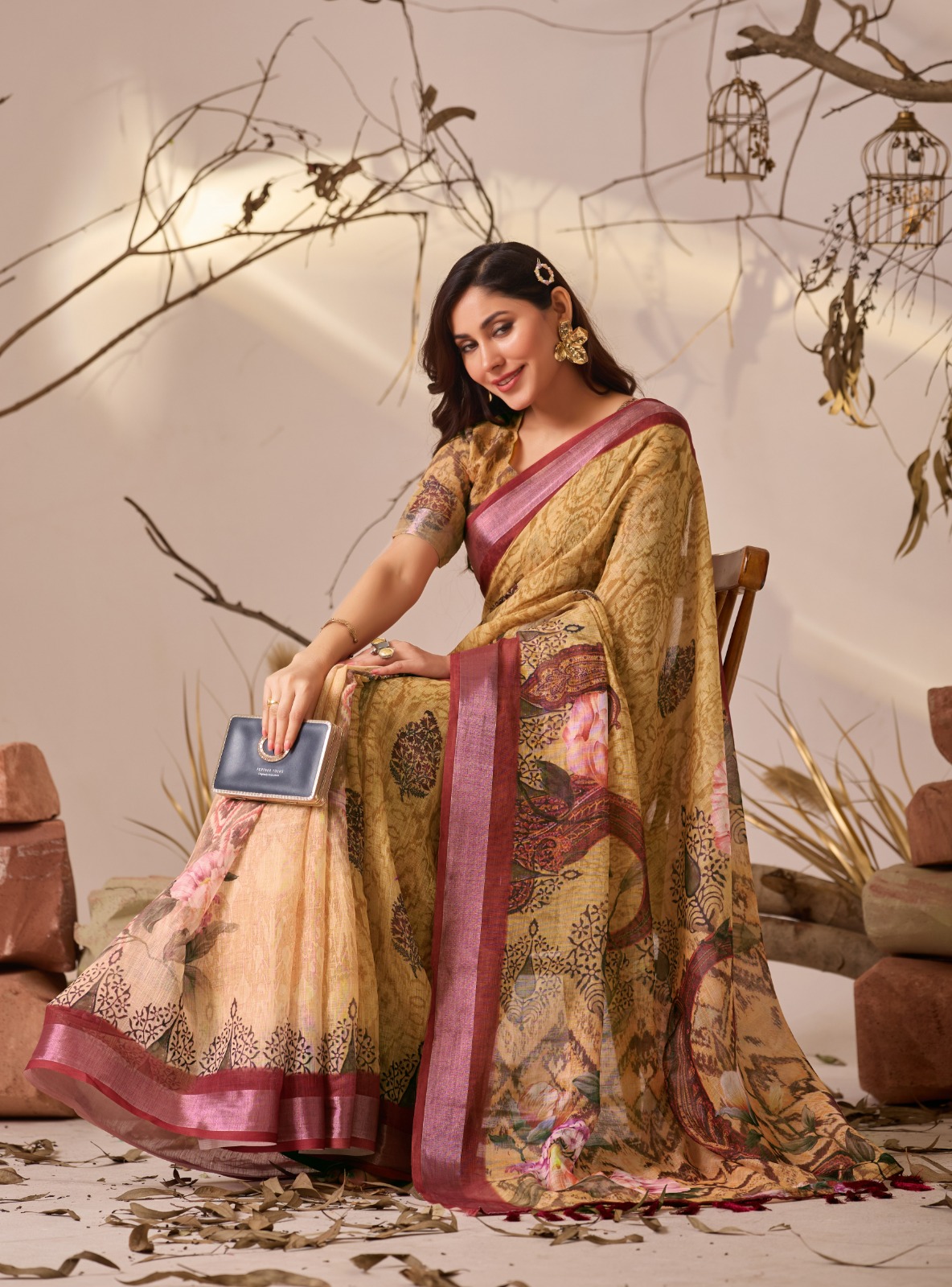
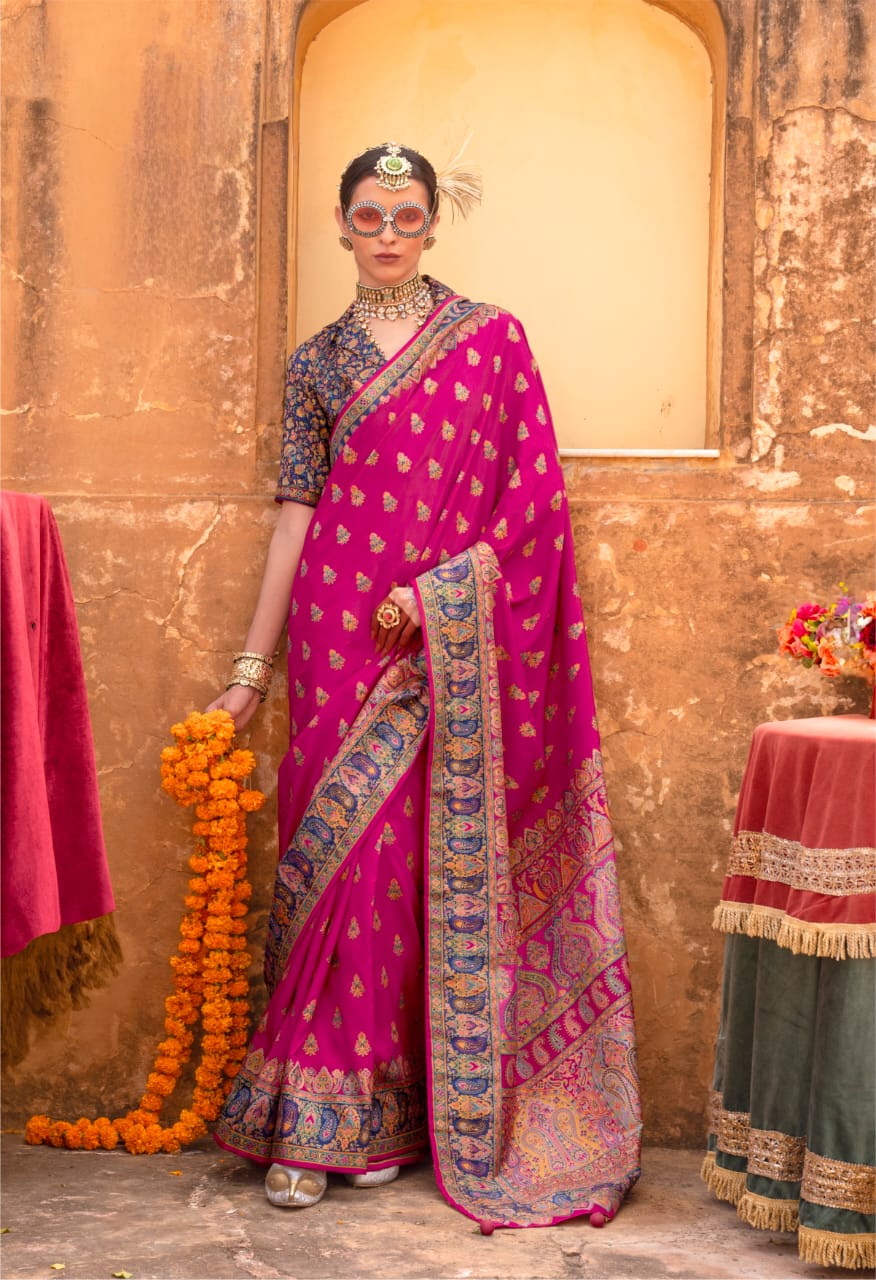
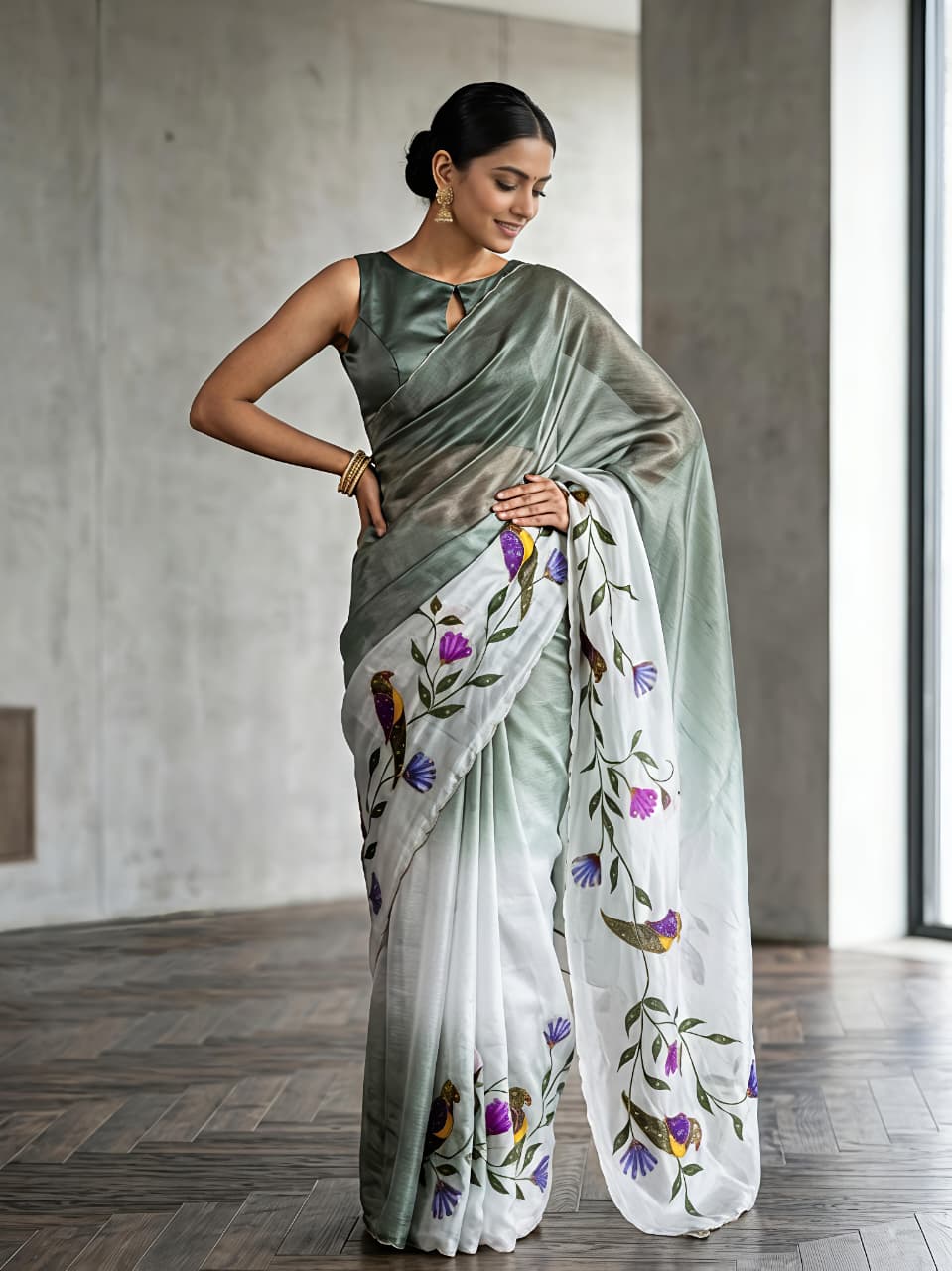
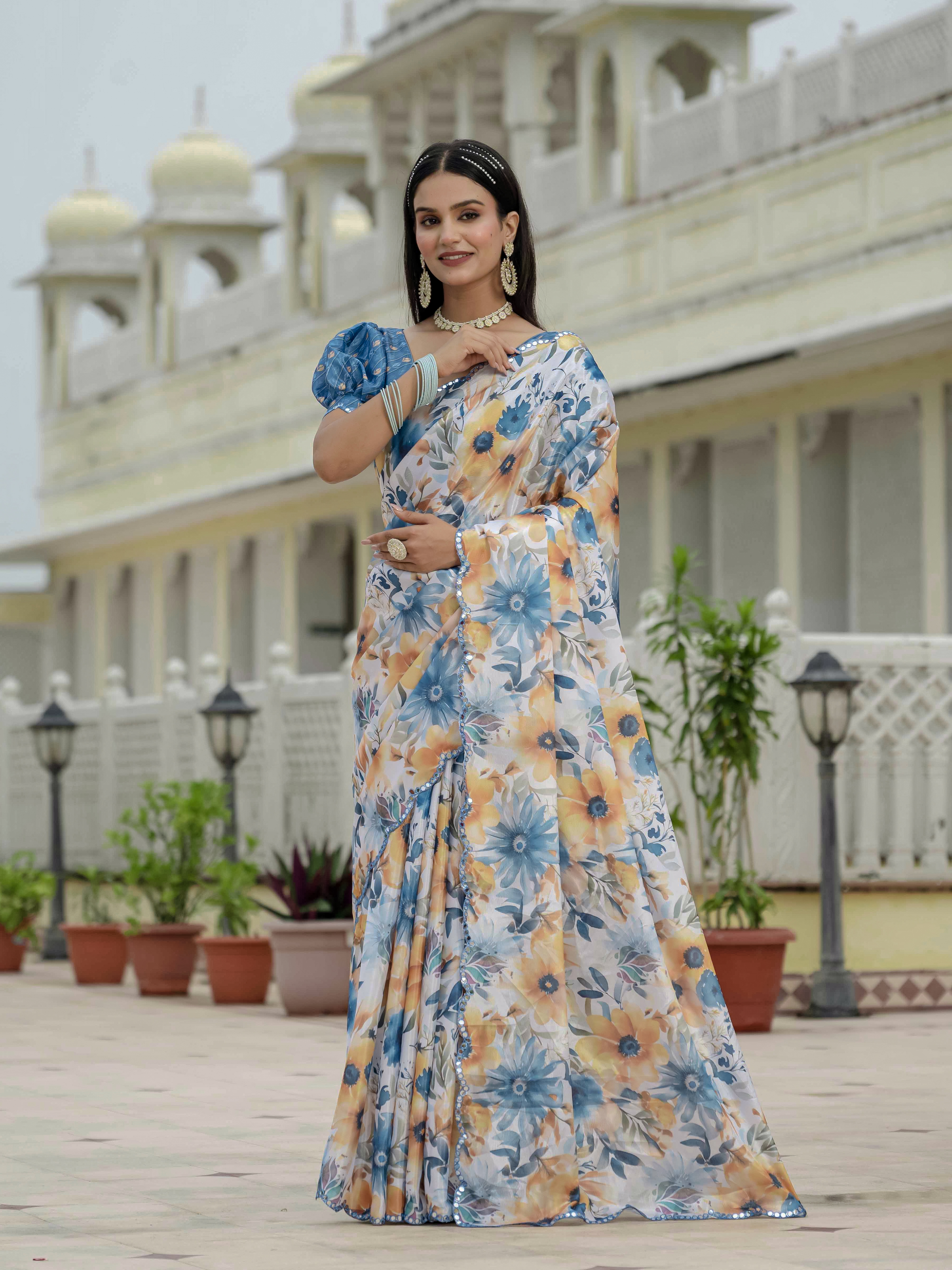
A saree works well when you want formal Indian clothing with a familiar drape and adjustable ornamentation. Banarasi silk, lightweight Chanderi, cotton-silk and soft georgette each create a different effect: Banarasi silk is grand and structured, Chanderi is airy and luminous, and cotton-silk is practical for a warm daytime function.
A saree guest outfit can acknowledge Manipuri aesthetics through a clean border, handloom texture, a jewel-tone blouse and restrained accessories. Avoid presenting a generic saree as a traditional Manipuri costume. It is more accurate to describe the look as a saree styled respectfully for a Manipuri wedding.
Lehengas for modern receptions and festive gatherings
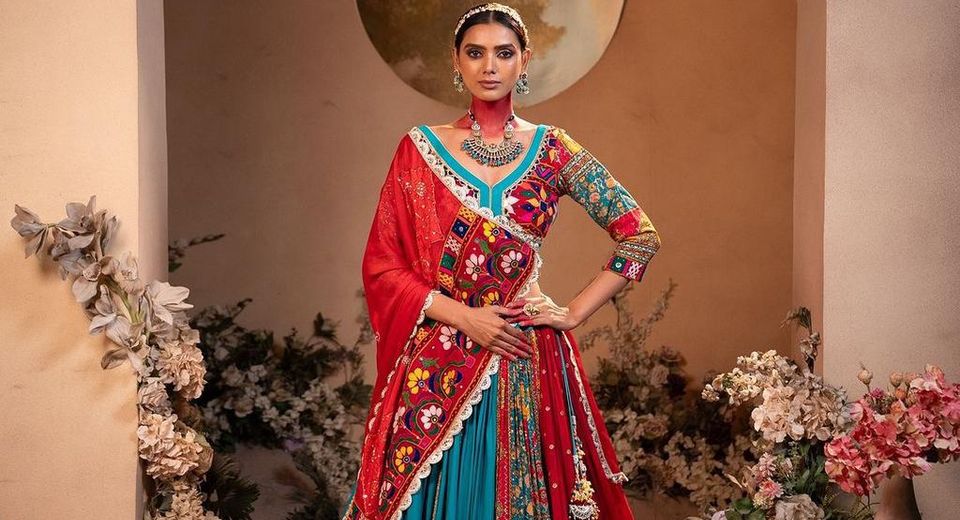
A lehenga is suitable for a Manipuri wedding reception, engagement-style celebration or invitation that specifically mentions festive Indian wear. Choose a comfortable waistband, a dupatta that can be secured, and a skirt that doesn't drag on the floor. Heavy bridal red, excessive gold embroidery and very elaborate head-to-toe styling may compete with the bride.
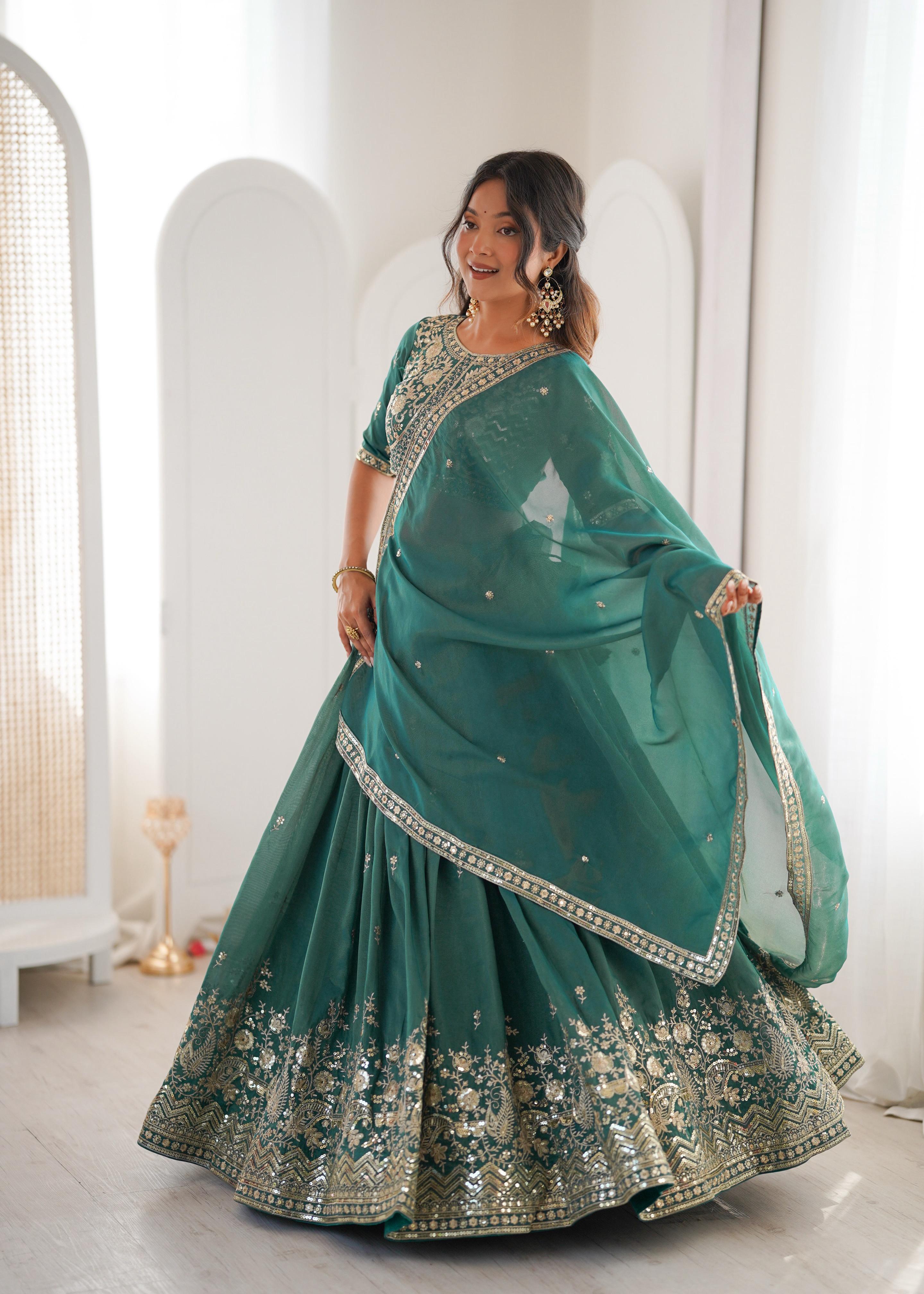
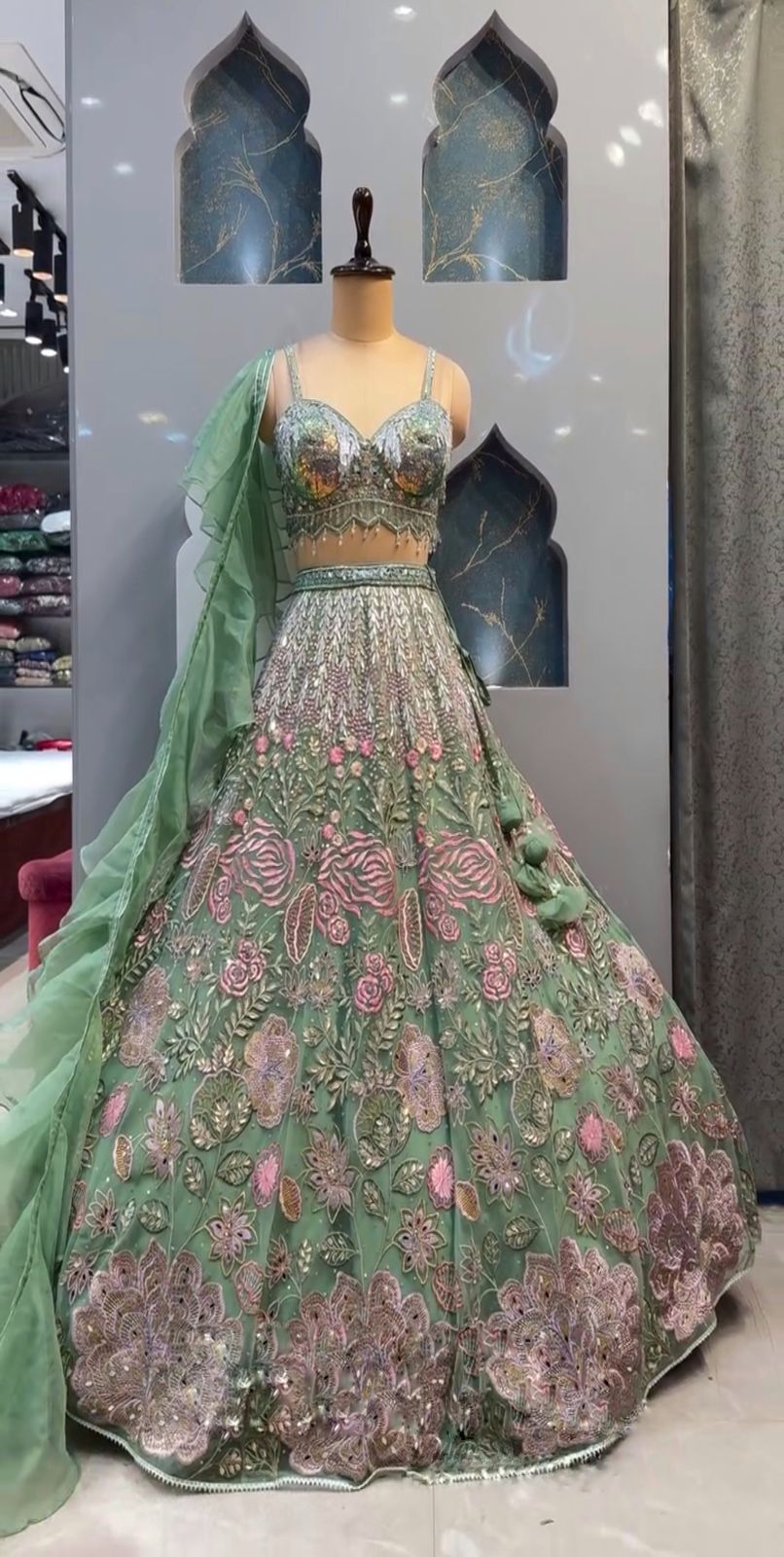
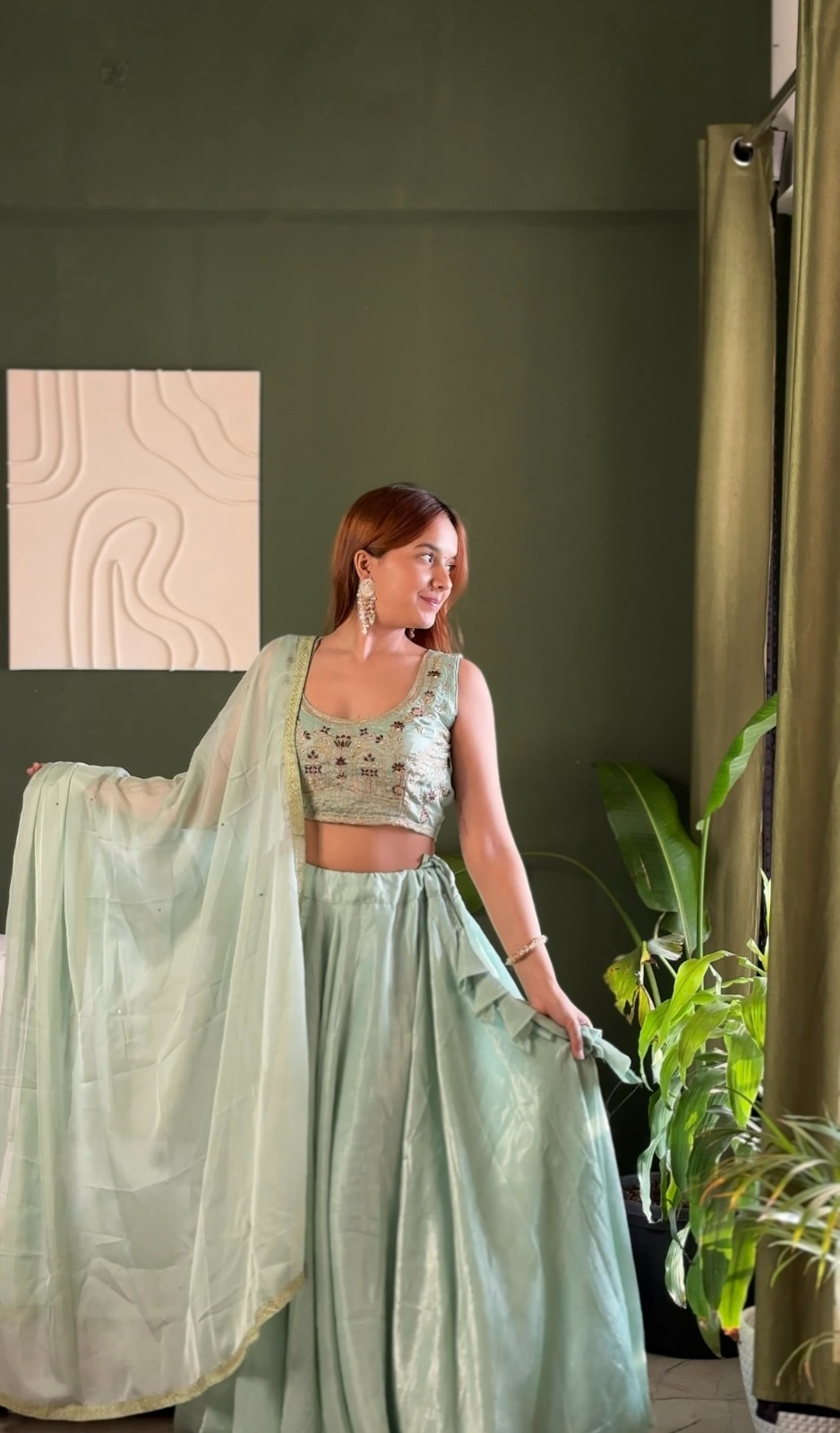
Mint Embroidered Lehenga Set with Net Dupatta for Women offers a softer palette for an evening reception, while Black Wedding & Festive Wear Designer Lehenga creates a sharper formal look when balanced with lighter jewellery. A lehenga isn't a substitute for a phanek, but it can be a polished contemporary choice when the dress code is broad.
Manipuri Wedding Guest Outfits: Which fabrics and silhouettes suit the climate?
Breathable cotton, cotton-silk, lightweight silk and lined but non-sticky fabrics generally work best for wedding guests in Manipur, especially during daytime functions. Climate, venue ventilation and the number of hours spent outdoors should influence the fabric more than the outfit photograph alone.
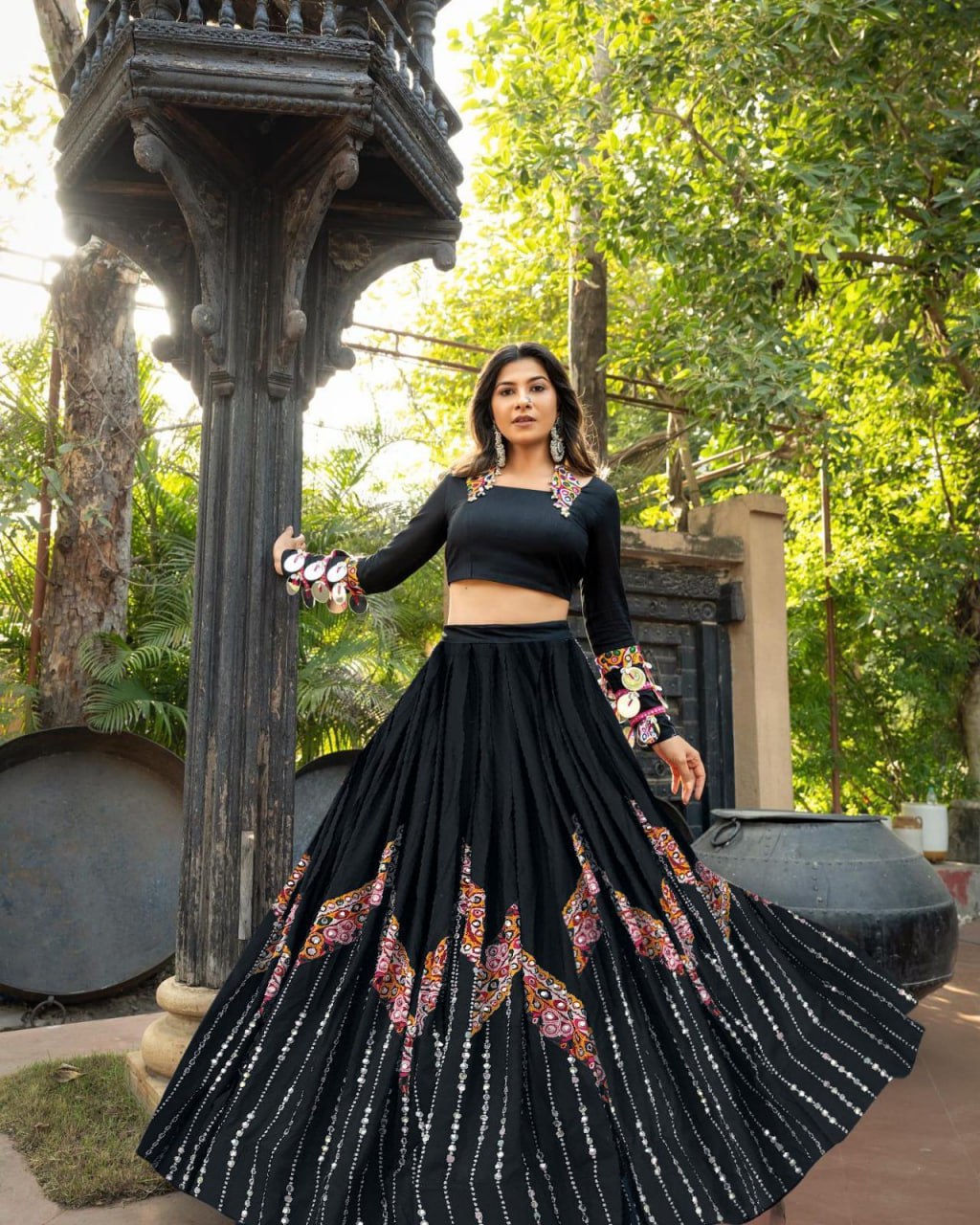
Muslin cotton lehengas are useful for guests who want volume without the heat of multiple synthetic layers. Multicolor Mirror Work Muslin Cotton Lehenga Choli Set and Festive Multicolor Muslin Cotton Lehenga Choli Set demonstrate how colour and surface detail can create occasion presence while keeping the base fabric relatively light. Mirror work adds sparkle, but check the reverse side for rough edges that could catch on seating or irritate the skin.
Net dupattas can look delicate but may snag on jewellery, chair corners and bamboo or cane seating. Organza holds a crisp shape and photographs well, yet it can feel less forgiving around the arms. Chiffon and georgette drape easily, although they may need stronger pins. A lined skirt with a cotton-blend lining is often more comfortable than an unlined skirt worn over synthetic shapewear.
For a saree, Chanderi and light cotton-silk are practical choices for a daytime wedding, while Banarasi silk or silk blends suit a cooler evening reception. Kanjeevaram can be beautiful for a highly formal South Indian wedding, but its substantial silk and traditional grandeur may feel excessive for a small daytime Manipuri gathering unless the family has requested formal silk.
Manipuri Wedding Guest Outfits: How can colour and embellishment remain appropriate?
Wedding-appropriate colour depends on the family's customs, the ceremony and the bride's palette, but guests usually benefit from choosing one strong colour with controlled embellishment. Jewel tones, soft pastels, ivory with coloured embroidery, coral, teal and deep pink can all work when the overall styling remains distinct from bridal dress.
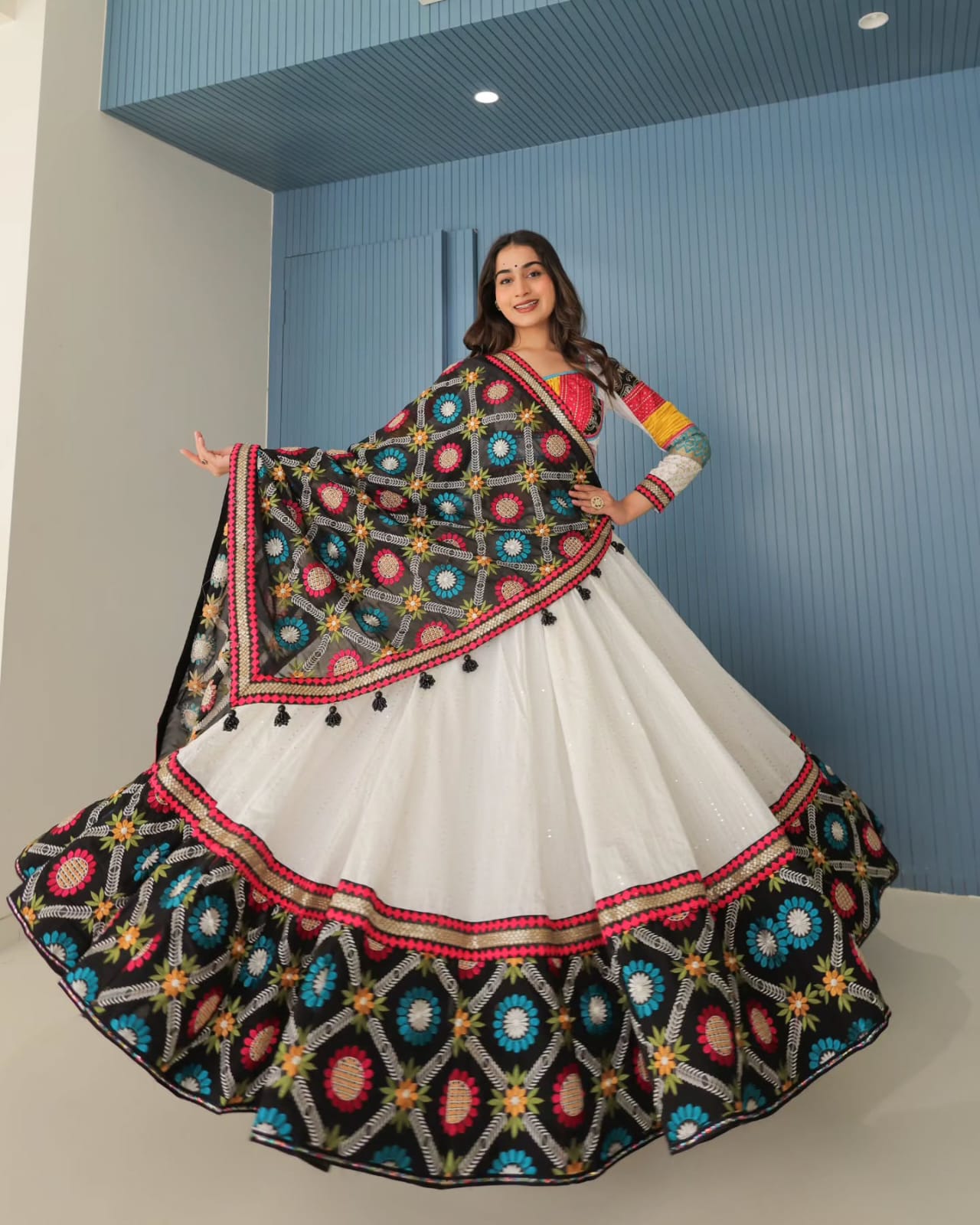
Ask whether white, black or red carries a specific meaning in the family before committing to one of those colours. Stylish White Mirror Work Lehenga for Festive Wear can be styled with coloured jewellery and a brighter dupatta if white is acceptable for the event. Cream Ethnic Lehenga Choli with Mirror Work Design brings a warm neutral alternative, but cream and ivory should still be checked against the bride's outfit.
Mirror work, zari, sequins and thread embroidery each behave differently. Mirror work catches daylight and movement, zari creates a richer metallic surface, and matte thread embroidery looks quieter in photographs. Wearing all three heavily can make an outfit visually busy. One focal element, such as a decorated dupatta or ornate blouse, usually looks more considered than embellishment on every surface.
For a Haldi ceremony, turmeric, oil and flower petals can stain delicate fabrics, so a washable cotton outfit or an inexpensive festive set is sensible. A Haldi Lehenga should allow sitting, walking and occasional contact with coloured paste. Save fragile net, pale silk and heirloom dupattas for a cleaner ceremony.
Manipuri Wedding Guest Outfits: Which accessories and styling details complete the look?
Comfortable footwear, secure draping and moderate jewellery complete a wedding guest outfit more effectively than adding more decoration. Choose accessories that support the garment's textile and silhouette instead of introducing a second competing style.
A phanek and inaphi pair well with small gold or silver earrings, a delicate necklace and a tidy bun or braid. A saree can take jhumkas, a structured clutch and one bangle stack. A lehenga may need only earrings and a maang tikka if the blouse and dupatta already contain mirror work or zari. Avoid wearing a crown-like headpiece unless the hosts specifically request it.
Footwear should have a secure strap or low block heel, particularly when a ceremony involves grass, uneven courtyards, stairs or extended standing. Test the shoes with the full skirt length at least one week in advance. A six-centimetre heel can alter the hemline significantly, while a flat sandal may cause a long lehenga to pool underfoot.
Pin the dupatta at the shoulder and, if needed, at the waist so that both hands remain free for greetings and meals. Carrying a small pouch with safety pins, fashion tape, tissues and a stain-removal wipe is practical. Strong perfume, oversized bags and noisy bangles can become uncomfortable in close seating, so subtle choices are often more considerate.
Manipuri Wedding Guest Outfits: How can guests plan clothing across several functions?
A guest can plan a multi-function wardrobe by assigning a different fabric weight, colour intensity and silhouette to each event. Use breathable cotton or a simple phanek for daytime rituals, a lighter saree or embroidered suit for a family gathering, and a more detailed lehenga or silk saree for an evening reception.
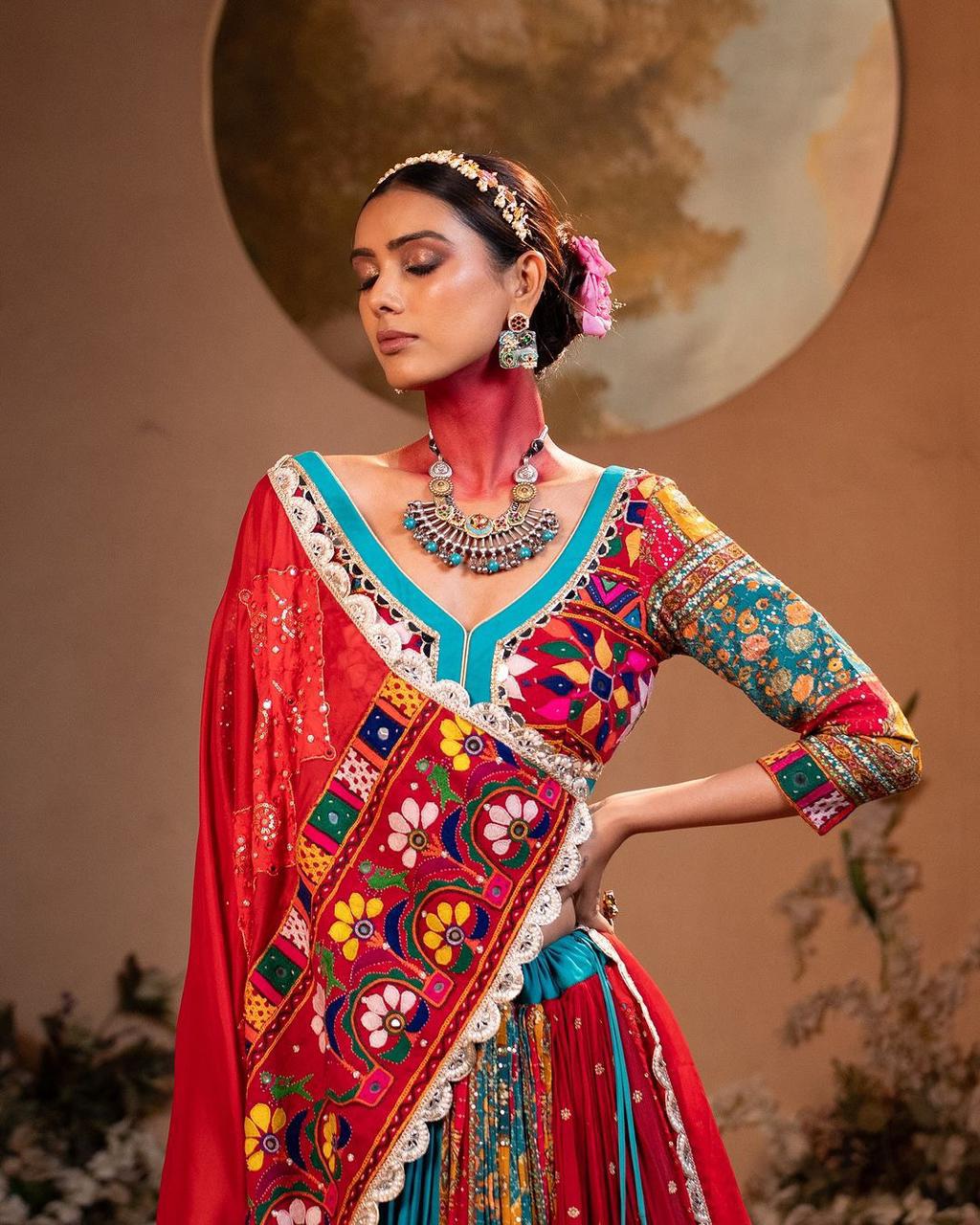
The same garment can also be restyled without appearing repetitive. A plain blouse can be paired with a different inaphi, a saree can receive a new belt or jewellery set, and a lehenga dupatta can be draped over one shoulder for a ceremony before being pinned more securely for dancing. Planning these changes reduces luggage and avoids buying a separate heavily embellished outfit for every invitation.
Pink Lehengas Under 4000 with 50% Discount may help a guest set a colour and budget boundary for a bright festive function. Silk Lehengas Under 3000 can be considered for guests who want a silk-like formal finish without choosing a bridal-scale ensemble. Bridesmaid Lehengas Under 5500 are useful when the wedding party has requested coordinated but non-identical clothing.
Net Lehengas Under 4500 with 51% Discount can suit a cooler indoor reception, but guests should inspect the net construction and lining before purchase. Haldi Lehengas Under 5500 are more practical for a turmeric ceremony when the outfit may be exposed to stains. A low price should not replace checking the waistband, seam finish, skirt length and return measurements.
Order or tailor the outfit at least two to three weeks before the first function. That timeframe allows one alteration, a trial with footwear, and time to replace a missing hook or weak fastening. Guests travelling to Imphal or another city should carry jewellery and fragile dupattas in hand luggage, while keeping the lehenga or saree folded in breathable cotton rather than sealed plastic for several days.
Manipuri Wedding Guest Outfits: What etiquette should non-Manipuri guests remember?
Non-Manipuri guests should show respect by asking about dress expectations, avoiding unverified ceremonial imitation and prioritising modest, comfortable clothing. Cultural appreciation becomes more thoughtful when the guest learns how a garment is worn instead of using regional clothing only as a visual theme.
don't assume that a phanek is simply a skirt or that an inaphi is an interchangeable scarf. The wrap, pleats, length and accompanying blouse can vary, and the correct method may depend on community and occasion. If an elder or host gives guidance, accept it graciously rather than insisting on a styling interpretation copied from a photograph.
Guests should also avoid using sacred motifs, bridal jewellery or ceremonial accessories as decorative props. Photographs are welcome when the hosts are comfortable, but a private ritual should not be interrupted for outfit content. A polished saree or lehenga worn with restraint is better than an inaccurate attempt to reproduce clothing with cultural significance.
Ultimately, the most successful guest outfit lets the wearer participate comfortably while leaving the bride, groom and family visually key. A well-secured phanek, an airy saree or a modestly embellished lehenga can all meet that standard when the garment, styling and ceremony truly belong together.
Questions About Manipuri Wedding Guest Outfits
What should a woman wear to a Manipuri wedding?
A woman can wear a phanek with an inaphi, a saree, or a modest lehenga depending on the ceremony and family dress code. Ask the hosts whether a traditional phanek is expected, and choose breathable fabric and secure footwear for long functions.
Can I wear a lehenga to a Manipuri wedding?
Yes, a lehenga is generally suitable for a reception, engagement gathering or invitation that requests festive Indian wear. Choose comfortable tailoring and moderate embellishment, and avoid bridal-scale red, heavy gold and elaborate headpieces unless the hosts specify otherwise.
What is a phanek and how is it worn?
A phanek is a wrapped lower garment associated with Manipuri dress traditions, usually worn with a blouse or fitted top and often paired with an inaphi. Because draping details vary by community and occasion, guests should learn the correct method from a Manipuri host or trusted source.
Which fabric is best for a Manipuri wedding guest outfit?
Cotton, cotton-silk, lightweight silk and breathable lined fabrics are practical choices, especially for daytime events or humid weather. Muslin cotton can keep a lehenga comfortable, while Banarasi silk, Chanderi and silk blends offer different levels of formality for sarees.
What colours should guests avoid at a Manipuri wedding?
Guests should ask the family before wearing white, black or red because colour meanings and bridal palettes can differ. Cream, ivory, deep red and heavily embellished gold should also be checked against the bride's outfit so the guest ensemble does not resemble bridal clothing.
How should I dress for a Haldi ceremony in Manipur?
Wear a washable, comfortable outfit that can tolerate turmeric, oil and flower petals. A simple cotton lehenga, phanek or festive set with secure footwear is more practical than pale silk, fragile net or an heirloom dupatta.