


Manipuri Wedding Fashion brings together the graceful phanek, the layered innaphi, elegant sarees, comfortable suits and celebratory lehengas. The right outfit depends on the ceremony, the wearer's relationship to the couple, the weather and the amount of movement expected during the day. A wedding wardrobe can honour Manipuri clothing traditions while using contemporary silhouettes that feel practical for receptions, haldi gatherings and evening celebrations.
Manipuri dress traditions are diverse because weddings in Manipur may include Meitei, Naga, Kuki-Zomi and other community customs, along with pan-Indian ceremonies. A phanek may be central for one family, while a silk saree, salwar suit or lehenga may be more suitable for another. Understanding the difference between traditional identity and modern occasion dressing makes the final choice more respectful and more comfortable.
Manipuri Wedding Fashion and the Meaning of Traditional Dress
Manipuri Wedding Fashion is distinct for its balance of wrapped garments, woven textiles, modest draping and ceremonial colour. The phanek, a traditionally wrapped lower garment, is often paired with a blouse or fitted top and an innaphi, a shawl-like upper layer that can be draped around the shoulders or torso.
Manipuri textiles frequently use stripes, checks, geometric details and carefully placed borders rather than relying only on heavy surface embellishment. Handwoven cotton and silk can be lightweight, breathable and visually structured. These qualities matter in weddings because clothing must remain presentable through greeting guests, sitting on the floor, participating in rituals and dancing.
Wedding clothing also changes according to context. A bride's heritage ensemble may be very different from a guest's reception lehenga. A family member attending a religious ceremony may prefer a restrained silk saree or phanek, while a younger guest at an evening reception may choose sequins, mirror work or a net dupatta.
Clothing should be confirmed with the couple's family when a wedding includes a specific community ceremony. A guest can appreciate Manipuri textiles without treating a ceremonial garment as a costume or mixing elements without understanding their use. Asking whether a phanek, innaphi or particular colour is expected is more considerate than relying on assumptions from photographs.
Manipuri Wedding Fashion with Phanek and Innaphi
A phanek and innaphi create a time-honoured Manipuri outfit through a wrapped lower garment and a coordinated upper drape. The phanek is secured around the waist, while the innaphi adds coverage, texture and a ceremonial finish.
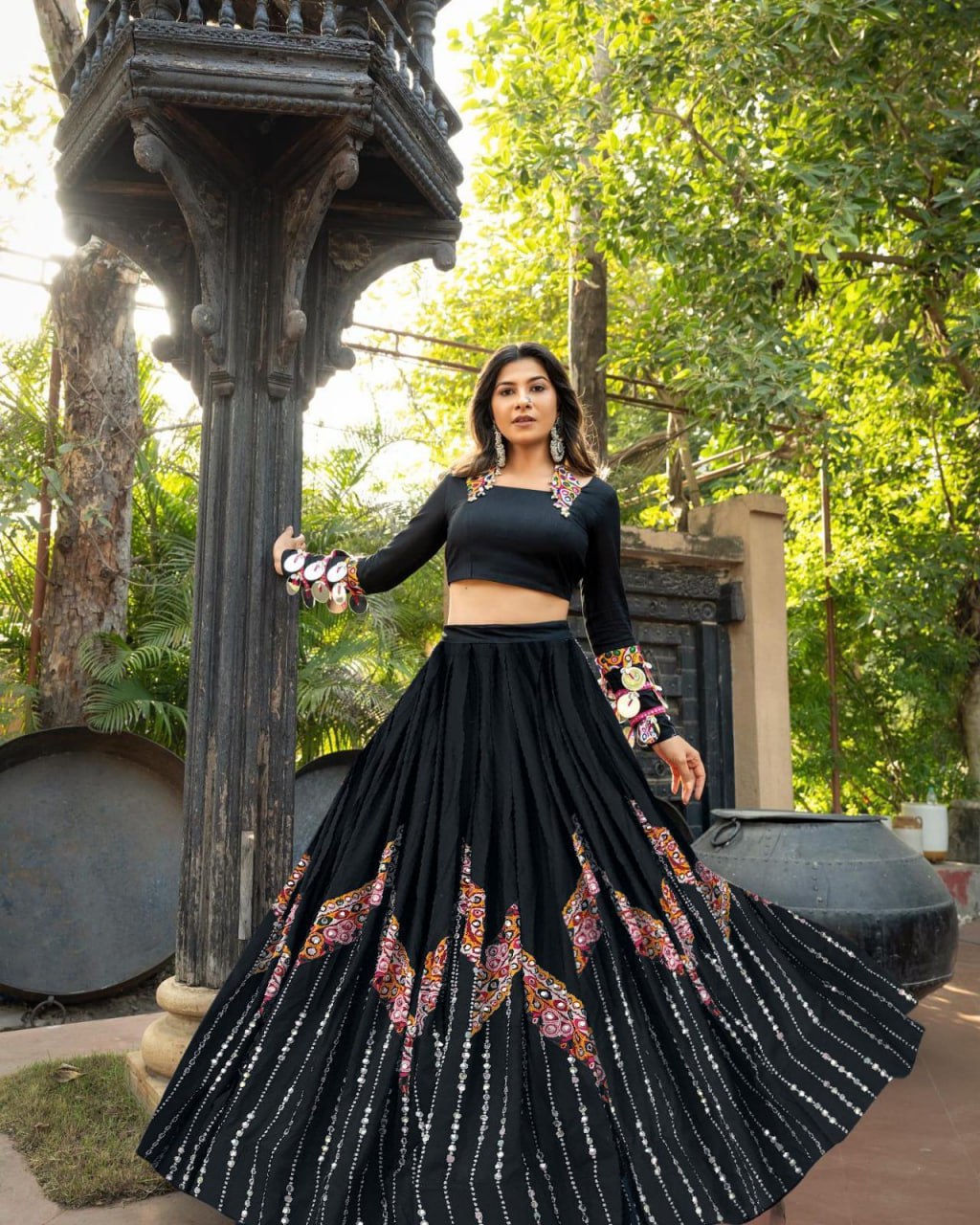
Choosing the phanek
A cotton phanek is useful for daytime ceremonies because it allows airflow and doesn't become heavy during long hours of wear. A silk or silk-blend phanek gives a more formal appearance for an evening wedding, particularly when its border or woven pattern contrasts with a plain blouse.
Fit depends on secure wrapping rather than a conventional stitched waistband alone. Wear a smooth, well-fitted petticoat or underskirt when additional support is needed, and test the sitting and walking range before the event. The top edge should remain secure without pressing tightly into the waist.
Styling the innaphi
An innaphi can be draped over one shoulder, wrapped more fully around the upper body or folded into a neat shawl for a current interpretation. Pin the drape at the shoulder and near the side seam if the wedding includes frequent movement. A small brooch can hold the fabric without competing with the textile pattern.
Jewellery should support the woven design rather than hide it. Silver-toned earrings, a simple necklace, glass bangles or a woven hair accessory can complement a patterned phanek. Avoid combining a highly decorated phanek, an ornate blouse and heavy bridal jewellery unless the ceremony specifically calls for a grander classic presentation.
Manipuri Wedding Fashion with Sarees and Salwar Suits
A saree or salwar suit is a strong choice when the invitation calls for formal ethnic wear but doesn't specify a particular community garment. Sarees offer a polished drape for ceremonies and receptions, while salwar suits provide easier movement for guests who will travel, help with arrangements or spend many hours on their feet.
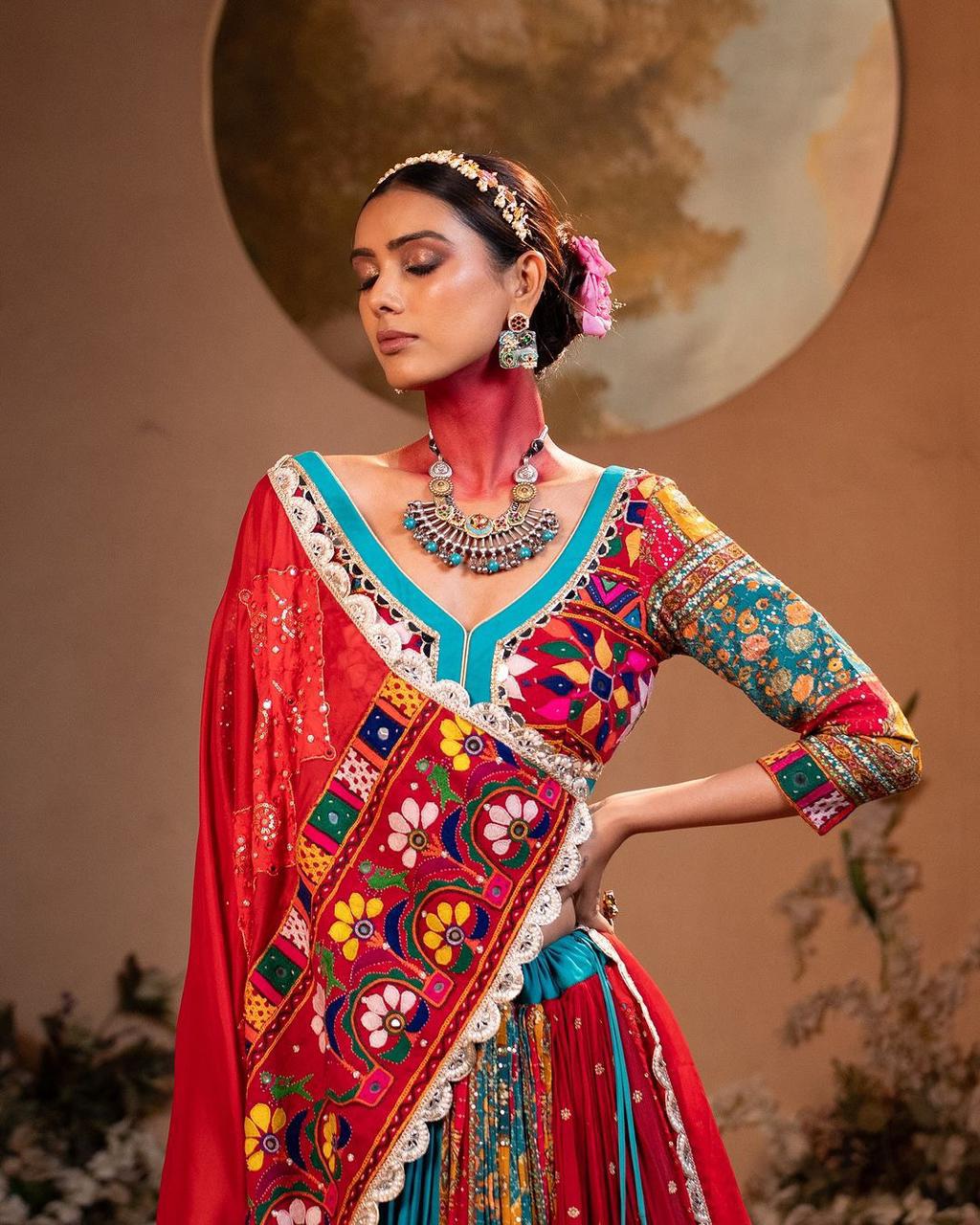
Sarees for wedding ceremonies
Banarasi silk works well for an evening reception because zari borders reflect warm indoor lighting and create a formal finish without requiring extensive jewellery. Chanderi is better suited to a daytime event because its light structure and subtle sheen feel refined without becoming overly heavy. Kanjeevaram can be appropriate for a major family ceremony when a richer silk presence is desired.
A saree with a controlled border is often easier to style with Manipuri-inspired accessories than a saree covered in large motifs. Choose a blouse with a comfortable neckline and sleeves when attending a ceremony where modest coverage is preferred. Secure the pleats with discreet pins and wear footwear before finalising the length.
Salwar suits for comfort
A salwar suit is practical for a daytime wedding, travel-heavy schedule or outdoor celebration because the trousers provide reliable movement and coverage. Silk, cotton-silk, georgette and rayon suits each create a different effect: silk blends look formal, cotton suits breathe well, and georgette drapes softly over the body.
A straight kurta with cigarette pants looks neat for a ceremony, while a flowing anarkali creates more volume for a reception. A dupatta with a woven border can connect an up-to-date suit to regional textile traditions without imitating a phanek. Keep the hem at least a few centimetres above the ground when the venue includes grass, gravel or unpaved pathways.
Manipuri Wedding Fashion and Contemporary Lehengas
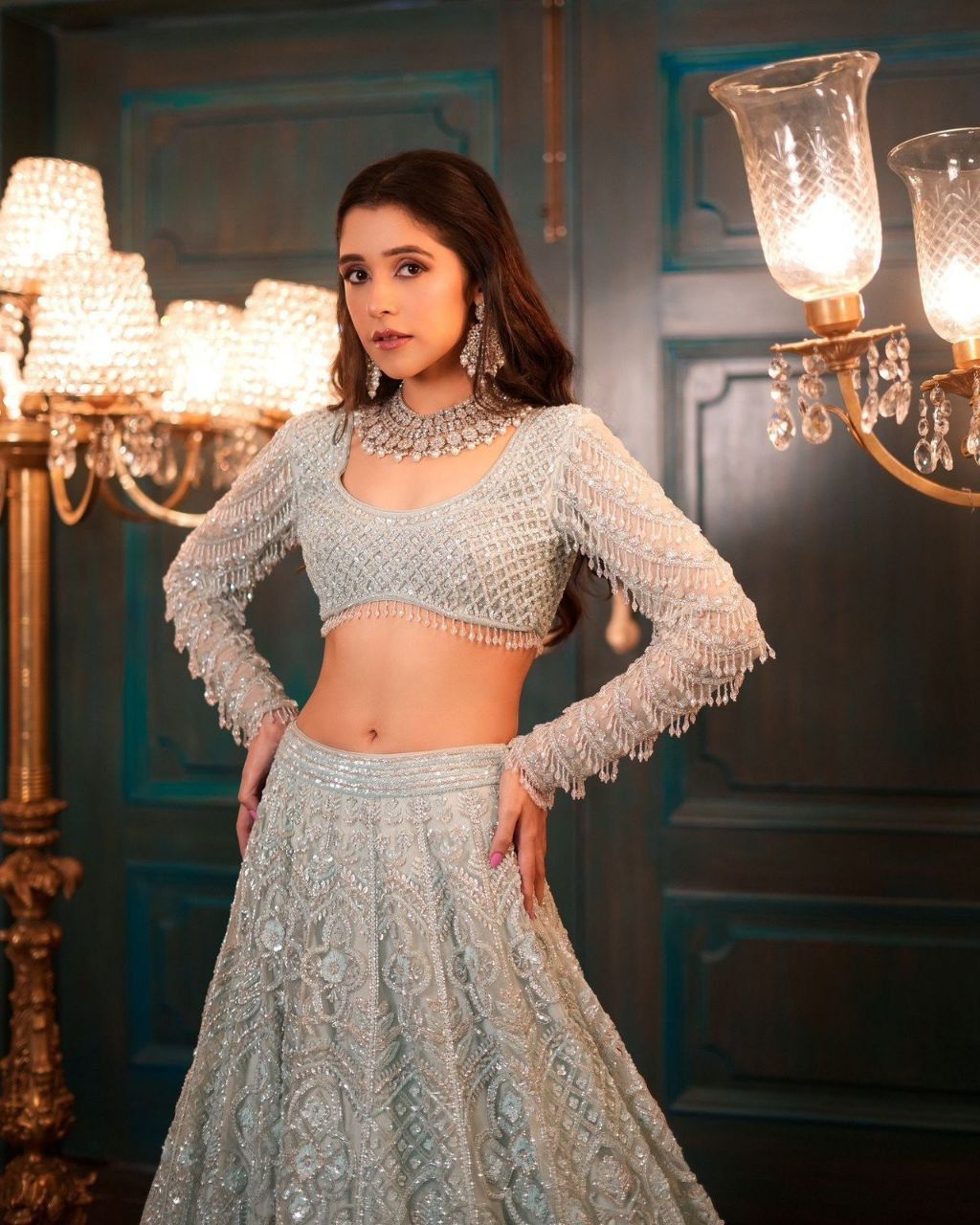
A lehenga fits into Manipuri Wedding Fashion as a contemporary festive option for receptions, sangeet-style gatherings, bridesmaid roles and younger family members. The silhouette works especially well when the event has a pan-Indian dress code, but colour, fabric and jewellery should still respond to the ceremony rather than overpower it.
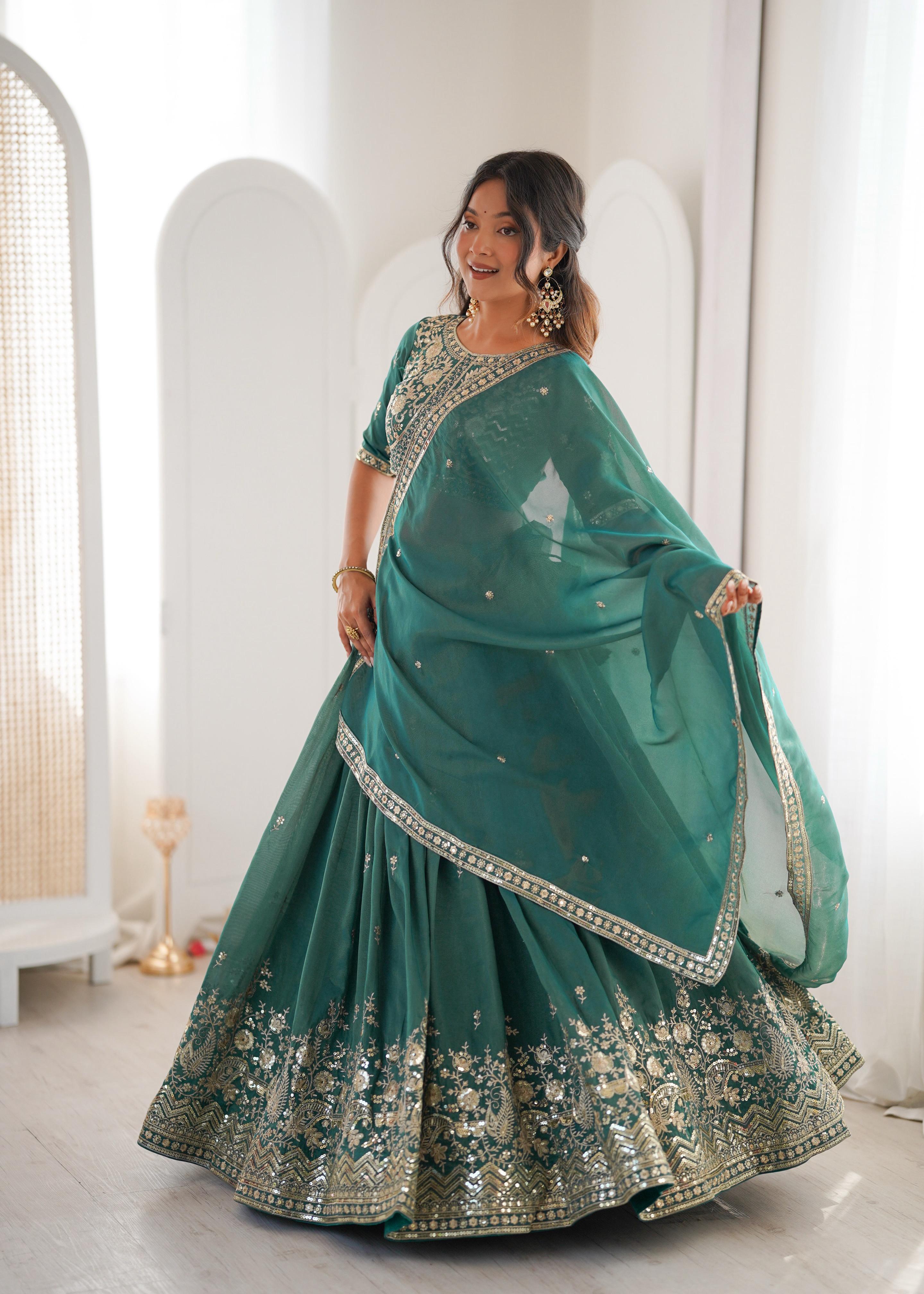
For a daytime function, a lighter skirt and breathable blouse are more comfortable than dense velvet or multiple layers of stiff net. Multicolor Mirror Work Muslin Cotton Lehenga Choli Set illustrates how cotton and mirror work can create a celebratory look without the weight of heavily embroidered silk. Festive White Lehenga Choli with Mirror Work Design can suit a daytime festive gathering when white is culturally appropriate and the wearer isn't visually competing with the bride.
Pastel shades suit garden ceremonies, brunches and daytime receptions. Mint Embroidered Lehenga Set with Net Dupatta for Women offers the softness of a pastel palette, while Cream Peacock Embroidered Net Lehenga Set for Women uses a refined neutral base for a more time-honoured visual mood. Add gold earrings, a low bun and a small potli rather than layering every available accessory.
Bright colours and reflective detail work better after sunset or at a high-energy reception. Red Butterfly Net Sequins Lehenga Set Wedding Wear creates a stronger bridal-family presence, so guests should reserve similarly intense red shades only when the couple or family has confirmed that the colour is acceptable. Designer Threadwork Silk Lehenga Choli Set with Dupatta is more suitable for a formal evening because silk and threadwork hold their shape under indoor lighting.
Silhouette also affects comfort. A-line lehengas distribute volume gradually and are easier to walk in, while heavily layered circular skirts need more room around chairs and dining tables. A blouse should allow the arms to lift comfortably, especially when the wedding includes dancing or repeated greetings. A dupatta with a finished edge and two secure pins is less likely to drag through food, flowers or outdoor dust.
Manipuri Wedding Fashion by Ceremony, Fabric and Colour
Fabric should be selected according to the ceremony's timing, venue and expected activity, while colour should reflect both cultural comfort and the wearer's role. A practical rule is to choose breathable natural or blended fabrics for daytime events and richer silk, threadwork or sequins for evening celebrations.
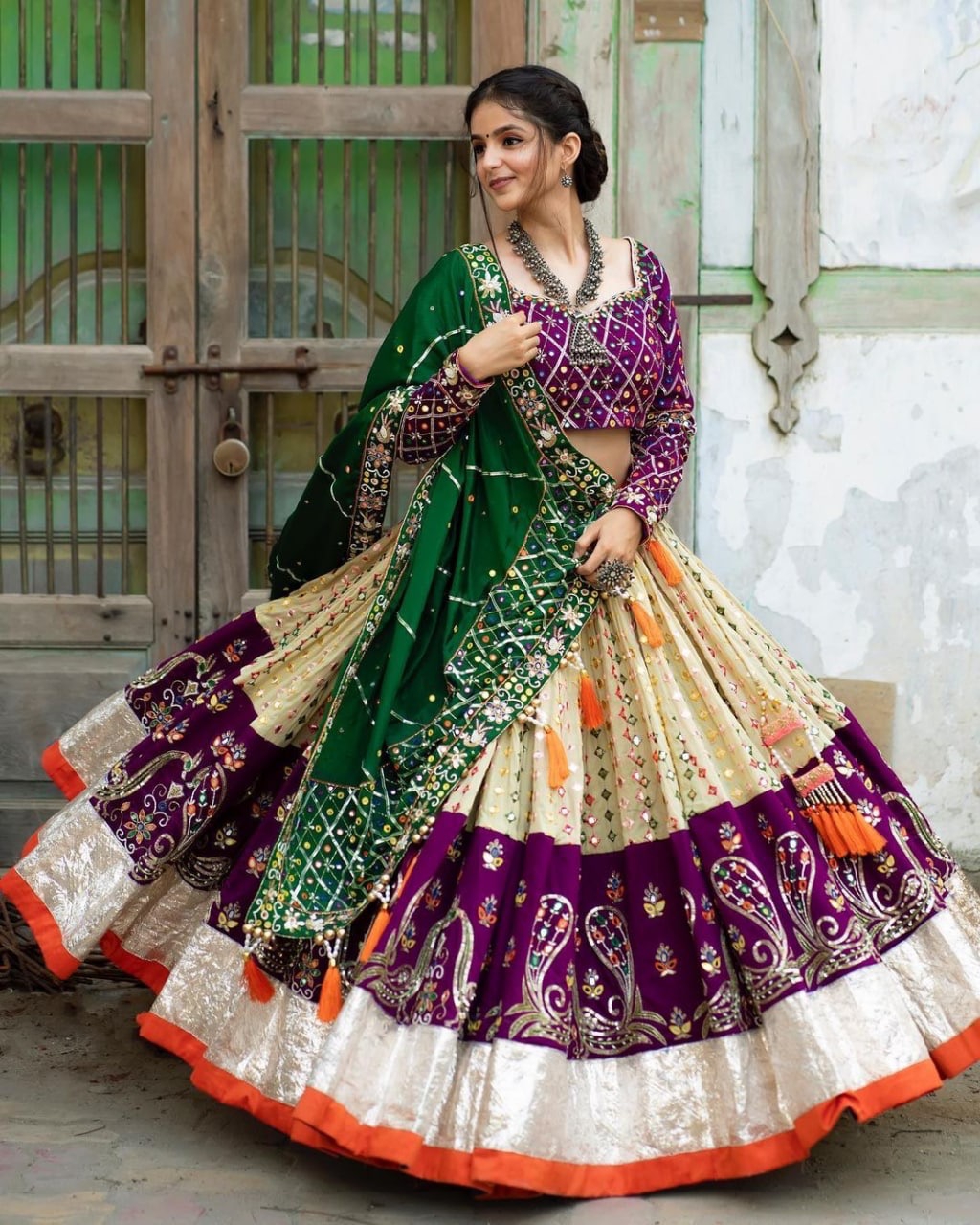
- Haldi ceremony: Cotton, muslin, lightweight silk blends and washable rayon are practical choices. Marigold yellow, turmeric yellow, coral, peach and green create a festive appearance, but avoid delicate fabrics that stain permanently when turmeric paste or flower water is involved.
- Daytime wedding ceremony: Chanderi, cotton-silk, lightweight phanek fabric and soft georgette remain comfortable for several hours. Ivory, rose, leaf green, powder blue and muted magenta photograph well in natural light.
- Evening reception: Banarasi silk, silk blends, sequins, zari, velvet accents and structured net create more depth under artificial lighting. Deep blue, wine, emerald, plum and classic red can look formal without relying on excessive jewellery.
- Outdoor celebration: Choose a hem that won't drag and a dupatta that can be secured at two points. Muslin cotton, lightweight georgette and breathable silk blends are easier to manage than heavy layered net.
Haldi Lehengas Under 5500 can be useful for comparing colour-led outfits designed for a turmeric ceremony, while Silk Lehengas Under 3000 provides a more formal direction at a lower price point. A budget label should not replace checking lining, waistband construction and fabric transparency before purchase.
Colour should also account for photography. Pale yellow and white can lose definition in bright sunlight unless the outfit has a contrasting border or embroidery. Deep red, navy and black can photograph richly indoors, but they may absorb detail in poorly lit venues. A contrasting dupatta, metallic trim or patterned blouse can give a single-colour outfit more visual structure.
How to Budget for Manipuri Wedding Fashion
A wedding outfit budget should include the garment, tailoring, lining adjustments, footwear, jewellery, innerwear and possible delivery alterations. A lower-priced outfit can become expensive if the blouse needs major reconstruction or the skirt requires a new lining.
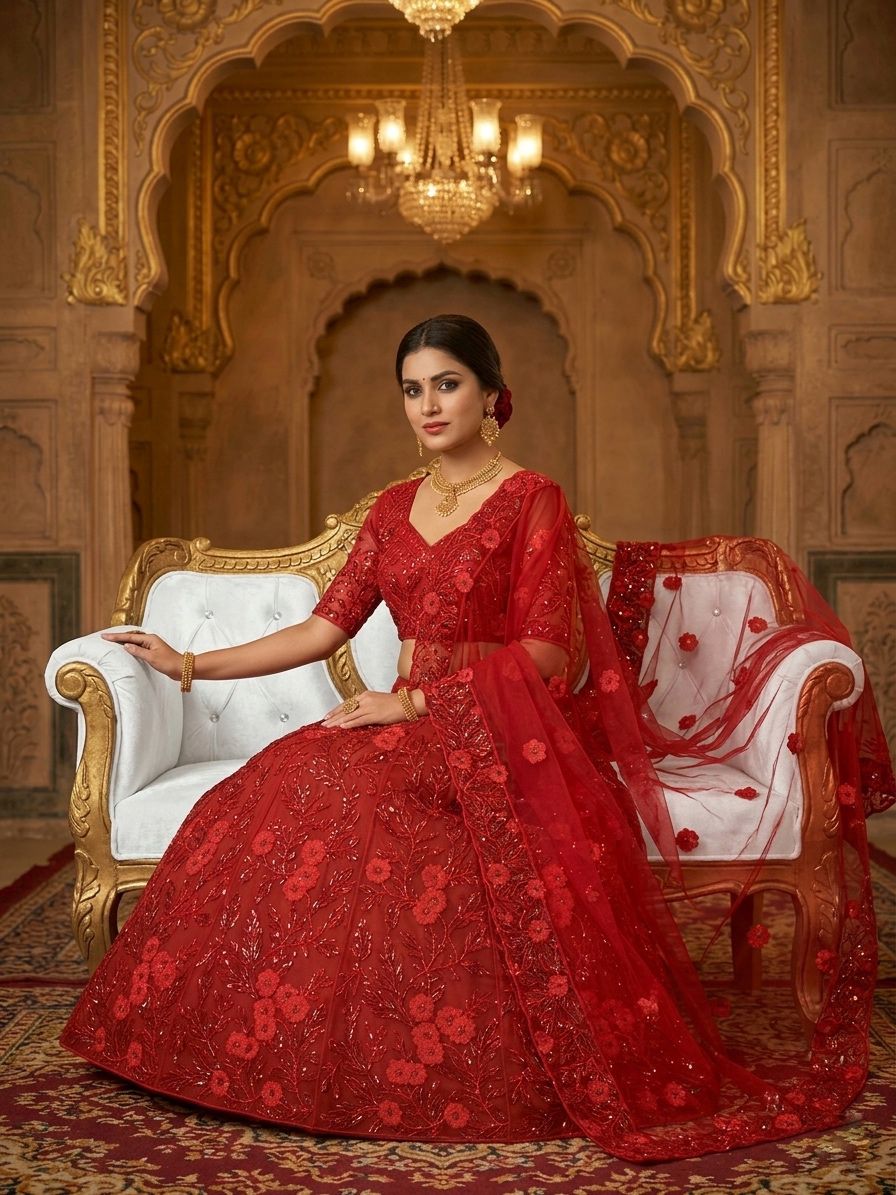
For a guest lehenga, inspect the waist fastening, seam finish, lining and dupatta edges first. A stable hook-and-eye closure is more dependable than a single loose tie, and a lined net skirt is usually more comfortable than unlined layers against the skin. Check whether the blouse has seam allowance before ordering, because an extra 2 to 3 centimetres can make fitting easier.
Useful price comparisons include Pink Lehengas Under 4000 with 50% Discount for colour-led festive dressing, Net Lehengas Under 4500 with 51% Discount for lighter reception styles and Bridesmaid Lehengas Under 5500 when several members of a wedding party need coordinated outfits. Discount percentages should not be the only buying criterion; confirm the final price, size chart, return conditions and dispatch timeframe.
Set aside a tailoring allowance of approximately 10 to 20 percent of the garment price when buying a ready-made lehenga or blouse online. Basic alterations may include shortening the skirt, adjusting shoulder seams, inserting cups or moving hooks. Major changes to embroidery placement, neckline shape or waist construction can cost more and may not be possible without damaging the garment.
How to Style and Care for Manipuri Wedding Fashion
Styling should balance textile detail, jewellery scale and practical movement rather than adding decoration to every visible area. One dominant feature is usually enough: a patterned phanek, an embroidered blouse, a zari saree border or a mirror-work lehenga can lead the look.
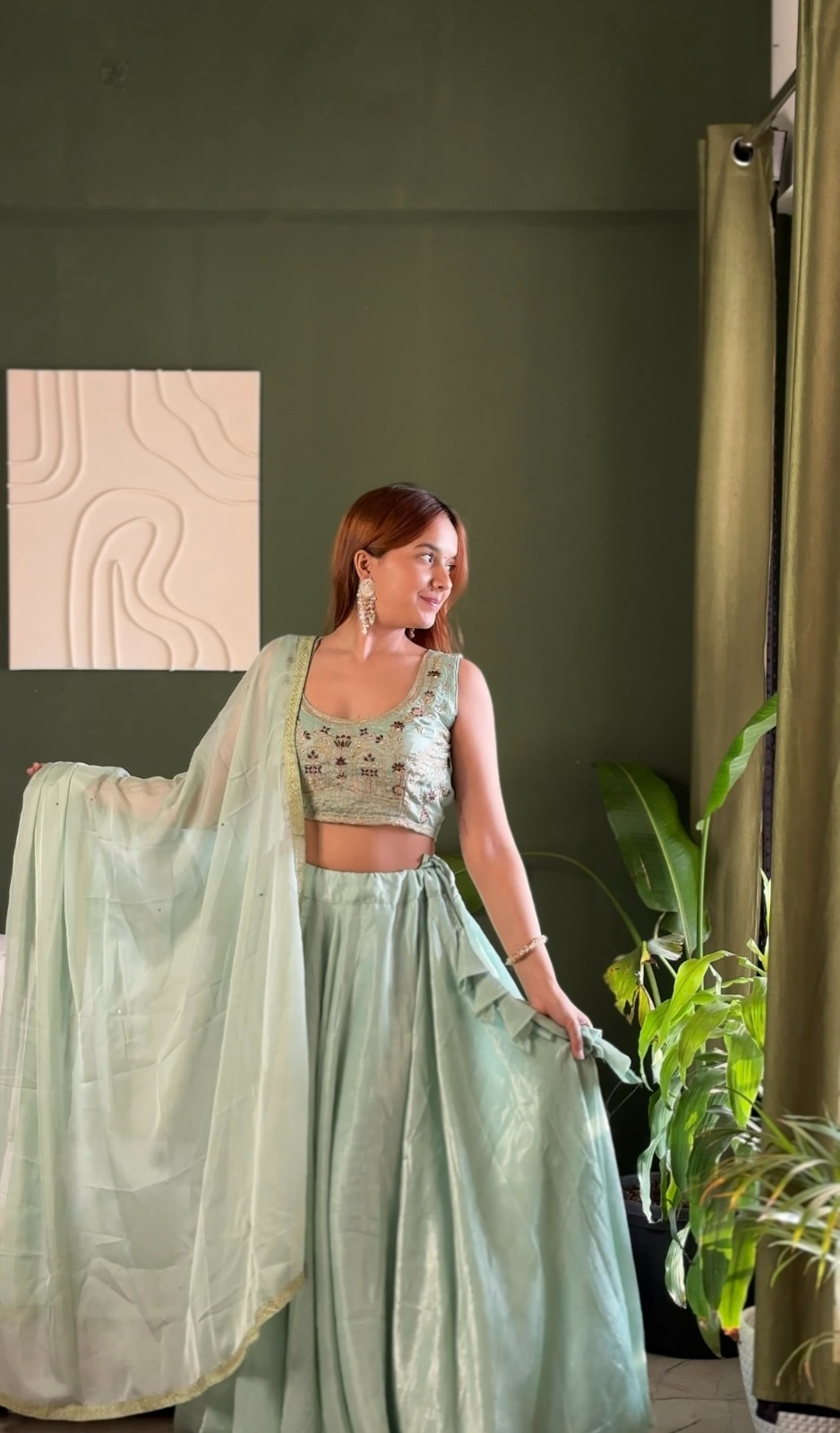
Choose footwear before setting the final hem. A low block heel of 2 to 4 centimetres can improve posture while remaining safer than a narrow stiletto on grass, stone or crowded floors. Carry fashion tape, two safety pins, a small needle-and-thread kit and blister plasters in a discreet pouch.
Care depends on fibre and embellishment. Banarasi silk, Kanjeevaram and heavily embroidered garments should generally be dry-cleaned according to the care label. Cotton phanek, muslin and some rayon garments may be gently hand-washed in cool water, but colour bleeding should be tested on an inner seam first. Never wring net, zari or mirror-work fabric.
Air a wedding outfit after wearing it and remove surface dust with a soft, dry brush. Store silk and embellished garments in breathable cotton covers rather than sealed plastic for long periods. Fold heavy embroidery with tissue paper between layers, and refold stored garments every few months to reduce permanent crease lines.
Manipuri Wedding Fashion Questions Guests Commonly Ask
Guests usually need to balance cultural respect, ceremony-specific expectations, comfort and personal style. The following decisions cover the most common situations.
Can I wear a lehenga to a Manipuri wedding?
Yes, a lehenga is appropriate when the invitation or family dress code allows contemporary Indian festive wear. Choose a lighter lehenga for daytime rituals and reserve dense sequins, silk or darker colours for evening receptions.
What should I wear to a Manipuri Haldi ceremony?
A breathable cotton, muslin or washable silk-blend outfit in yellow, green, peach or coral is suitable for a Manipuri Haldi ceremony. Avoid fragile fabrics and very long hems because turmeric paste, flowers and outdoor movement can stain or soil the garment.
Is a phanek suitable for a wedding guest?
A phanek is suitable for a wedding guest when it's accepted by the host family or reflects the guest's own Manipuri heritage. Pair the phanek with a well-fitted blouse and an innaphi, and ask about the expected drape when attending a specific community ceremony.
Which fabric is best for a daytime Manipuri wedding?
Cotton, muslin, Chanderi, cotton-silk and lightweight georgette are strong choices for a daytime Manipuri wedding. These fabrics are generally cooler and easier to wear for several hours than velvet, dense net or heavily layered silk.
Can I wear red to a Manipuri wedding?
You can wear red to a Manipuri wedding unless the couple or family has reserved red for the bride or a particular ritual. Guests should choose a softer red, use red as an accent or confirm the colour preference before selecting a fully red lehenga.
How can I keep a wedding lehenga comfortable for several hours?
A lined skirt, secure waistband, breathable blouse and correctly measured hem make a wedding lehenga more comfortable for several hours. Test sitting, walking, stair climbing and arm movement at home before the event, and secure the dupatta at the shoulder and waist.
Practical Questions About Manipuri Wedding Fashion
Can I wear a lehenga to a Manipuri wedding?
Yes, a lehenga is appropriate when the invitation or family dress code allows contemporary Indian festive wear. Choose a lighter lehenga for daytime rituals and reserve dense sequins, silk or darker colours for evening receptions.
What should I wear to a Manipuri Haldi ceremony?
A breathable cotton, muslin or washable silk-blend outfit in yellow, green, peach or coral is suitable for a Manipuri Haldi ceremony. Avoid fragile fabrics and very long hems because turmeric paste, flowers and outdoor movement can stain or soil the garment.
Is a phanek suitable for a wedding guest?
A phanek is suitable for a wedding guest when it is accepted by the host family or reflects the guest's own Manipuri heritage. Pair the phanek with a well-fitted blouse and an innaphi, and ask about the expected drape when attending a specific community ceremony.
Which fabric is best for a daytime Manipuri wedding?
Cotton, muslin, Chanderi, cotton-silk and lightweight georgette are strong choices for a daytime Manipuri wedding. These fabrics are generally cooler and easier to wear for several hours than velvet, dense net or heavily layered silk.
Can I wear red to a Manipuri wedding?
You can wear red to a Manipuri wedding unless the couple or family has reserved red for the bride or a particular ritual. Guests should choose a softer red, use red as an accent or confirm the colour preference before selecting a fully red lehenga.
How can I keep a wedding lehenga comfortable for several hours?
A lined skirt, secure waistband, breathable blouse and correctly measured hem make a wedding lehenga more comfortable for several hours. Test sitting, walking, stair climbing and arm movement at home before the event, and secure the dupatta at the shoulder and waist.





