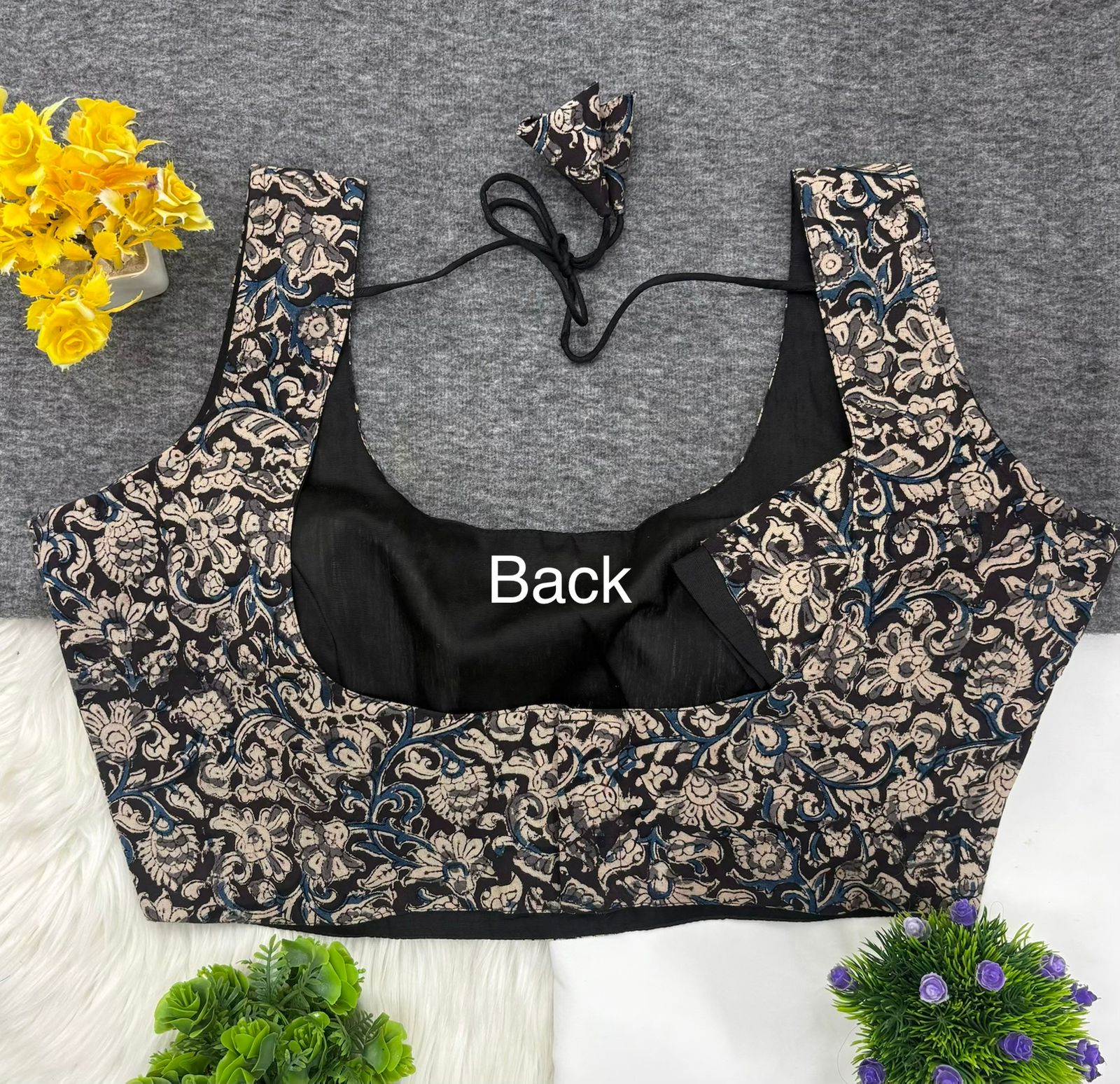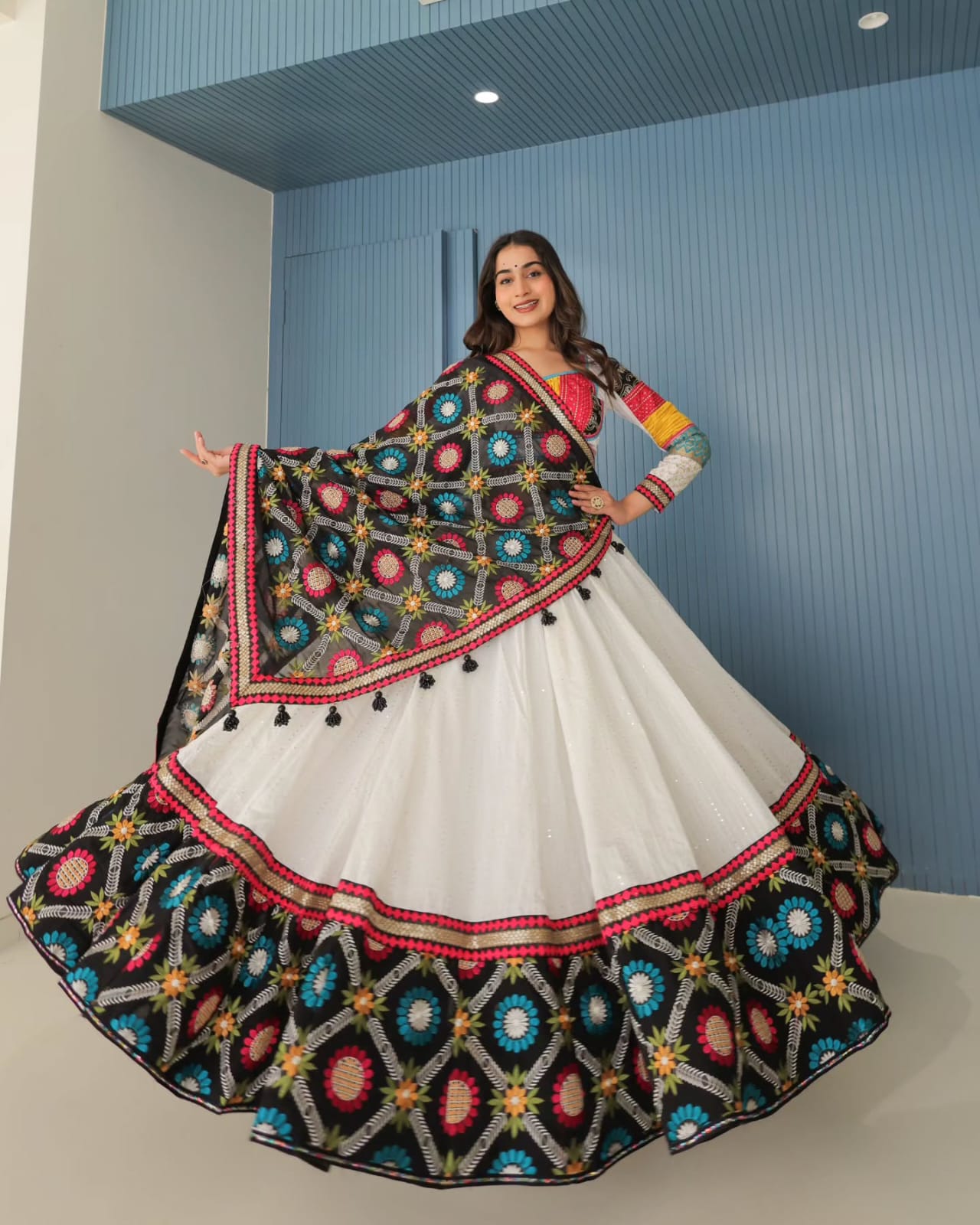
Manipuri Traditional Fashion: Phanek to Modern Ethnic Wear begins with a rectangular handwoven garment, not a stitched skirt or a passing trend. The phanek is traditionally wrapped around the lower body, while the inaphi or innaphi is worn as a graceful upper drape. Together, these garments express Meitei dress traditions through proportion, weaving, colour and movement. Contemporary ethnic wear can borrow that visual language through wrap skirts, straight kurta sets, embroidered jackets and fluid dupattas without copying sacred or community-specific motifs carelessly.
Manipuri Traditional Fashion: Phanek to Modern Ethnic Wear and the role of the phanek
The phanek is central to Manipuri dress because it combines everyday practicality, regional identity and textile skill in one adaptable garment. The traditional wrap generally reaches from the waist towards the ankles, allowing ease of movement while creating a clean horizontal silhouette.
Phaneks may be made from cotton, silk or blended yarns, depending on use, season and household tradition. Everyday cotton versions are breathable in Manipur's humid climate, while finer or more decorative textiles may be selected for ceremonies, festivals and family gatherings. The garment is secured through wrapping and tucking rather than a conventional waistband, so the wearer adjusts the fit according to the body and the chosen drape.
The phanek should not be reduced to a generic Northeast Indian skirt. Different communities in Manipur have their own clothing histories, weaving practices and visual codes. Meitei women's dress, tribal textiles from the hill districts and contemporary commercial interpretations don't represent one single uniform tradition.
Traditional phaneks often use restrained geometric borders, stripes or woven pattern bands. These details are important because they give the garment structure without relying on heavy surface ornamentation. The result is a style that feels composed even when the fabric itself is lightweight.
Manipuri Traditional Fashion: Phanek to Modern Ethnic Wear through the inaphi
The phanek forms the lower layer, and the inaphi supplies the upper drape, shoulder coverage and softness that complete the traditional outfit. The combination balances a firm, patterned lower silhouette with a lighter shawl-like layer above it.
An inaphi can be wrapped around the torso, placed over one shoulder or arranged more loosely according to the event and the wearer's preference. The styling differs from a sari pleat system because the phanek remains a separate wrap garment rather than a continuous length of cloth. That distinction matters when adapting the look for modern clothing.
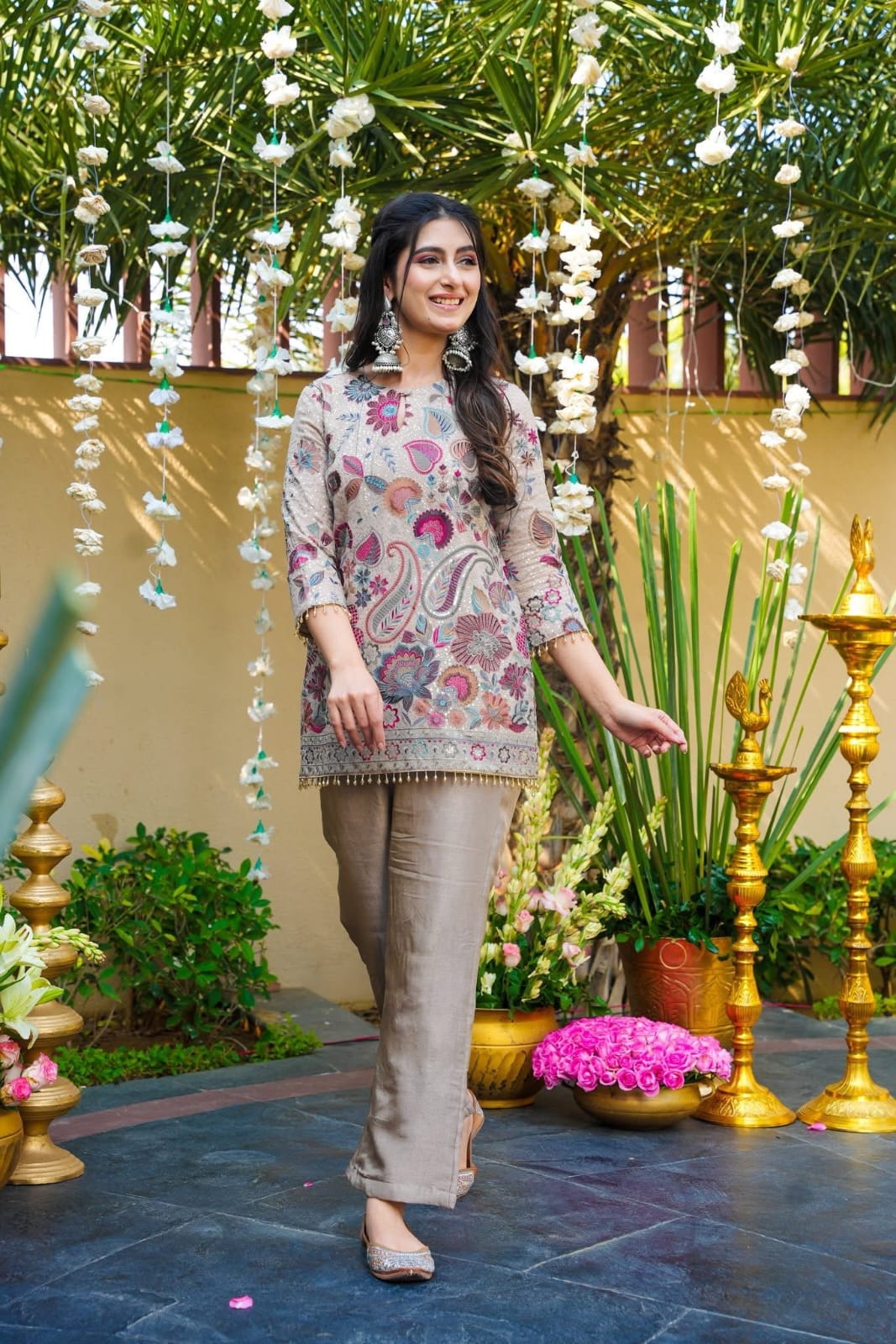
A practical contemporary interpretation can use a straight kurta with a long dupatta that echoes the inaphi's fall. A cropped jacket over a high-waisted palazzo can suggest the layered relationship between upper and lower garments without pretending to reproduce the original dress exactly. Beige Embroidered Silk Kurti Pant Dupatta Set Women demonstrates how a coordinated kurta, trouser and dupatta can create a similarly balanced three-piece appearance.
Layering should preserve visual breathing room. A heavily embroidered kurta, ornate dupatta and dense jewellery can obscure the quiet geometry that makes Manipuri dress distinctive. One strong textile detail, such as a bordered dupatta or a woven jacket, often communicates more effectively than decoration placed everywhere.
Manipuri Traditional Fashion: Phanek to Modern Ethnic Wear and textile identity
Cotton, silk and handwoven blends are among the most useful fabric references when studying Manipuri textile traditions. Cotton supports daily wear, silk adds ceremony and lustre, and blended constructions can offer a more affordable or durable interpretation for modern wardrobes.
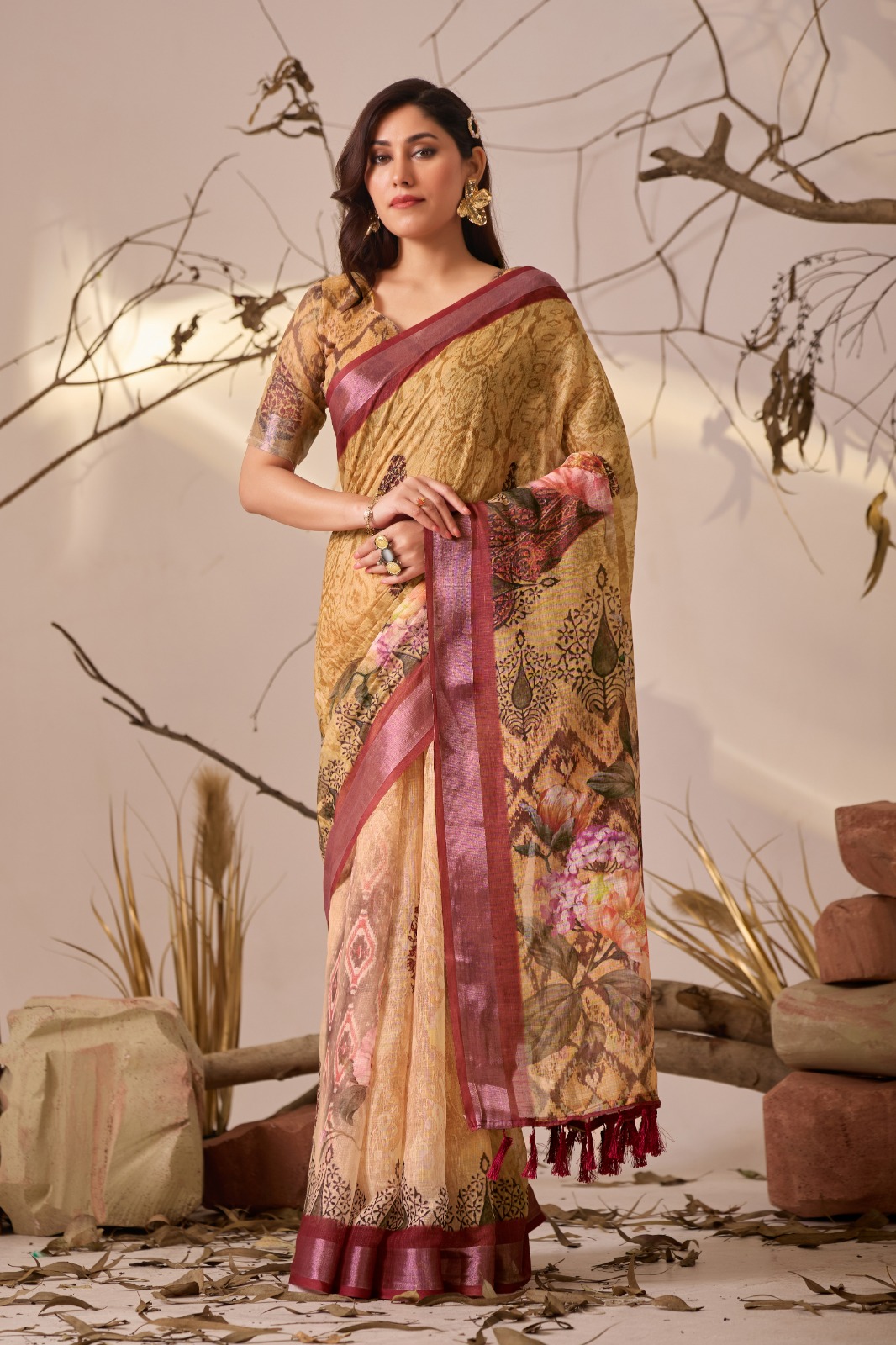
Weave, border and colour
Woven borders often carry more visual importance than scattered embroidery because borders establish the direction and rhythm of the garment. Stripes, checks, stepped geometry and contrasting bands can draw attention to the wrap or hem while keeping the overall surface controlled.
Red, black, white, pink, green and indigo appear often across northeastern Indian textile traditions, although their significance and use vary by community and garment. Colour should therefore be read alongside the weave, occasion and cultural context rather than assigned one adaptable meaning.
Manipuri textiles can be discussed alongside broader Indian fabric knowledge, but they should not be treated as interchangeable with Banarasi silk, Kanjeevaram or Chanderi. Banarasi silk is associated with figured brocade and zari work from Varanasi; Kanjeevaram is recognised for lustrous silk and contrasting woven borders from Tamil Nadu; Chanderi is valued for its light, sheer hand from Madhya Pradesh. These fabrics may appear in a modern wardrobe beside Manipuri-inspired silhouettes, but their histories remain distinct.
Choosing a textile for contemporary wear
A suitable modern fabric should hold the intended shape, remain comfortable for the climate and show its design clearly from a normal standing distance. A breathable cotton or cotton-silk blend works well for daytime events, while silk and silk-look fabrics are better reserved for evening celebrations when their sheen can be appreciated.
Pastel Blue Embroidered Chanderi Kurta Set with Dupatta offers a useful example of lightweight visual structure. Chanderi's airy quality suits warm-weather dressing, while the coordinated set retains enough polish for a small celebration. Elegant Pista Festive Wear Kurta Pant Set takes a different route by using a soft festive colour and a tailored two-piece format that can be styled with a woven stole or a restrained border dupatta.
Manipuri Traditional Fashion: Phanek to Modern Ethnic Wear for daytime dressing
Manipuri traditional fashion can influence daytime ethnic wear through wrap construction, controlled borders, layered draping, breathable textiles and measured proportion. These principles work especially well for office celebrations, cultural programmes, family lunches and daytime festivals.
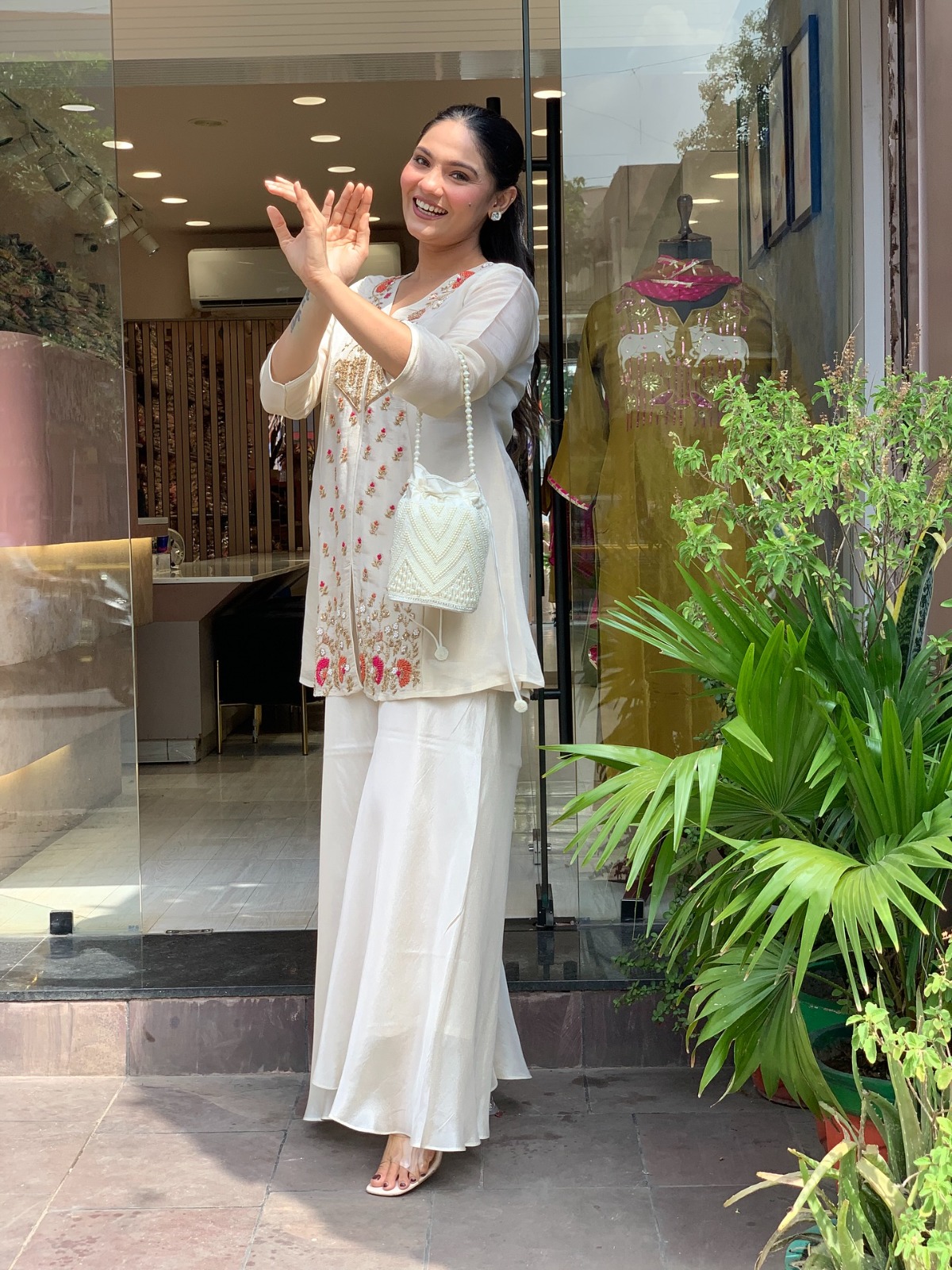
A cotton kurta with straight trousers and a narrow bordered dupatta is practical for a daytime cultural programme, office celebration or family lunch. Choose one dominant colour, keep the jewellery light and let the border provide the visual focus.
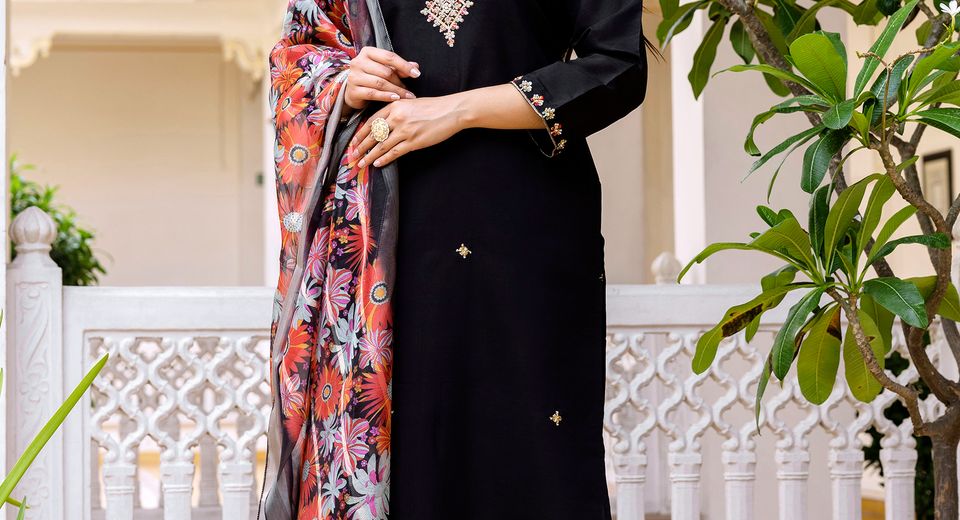
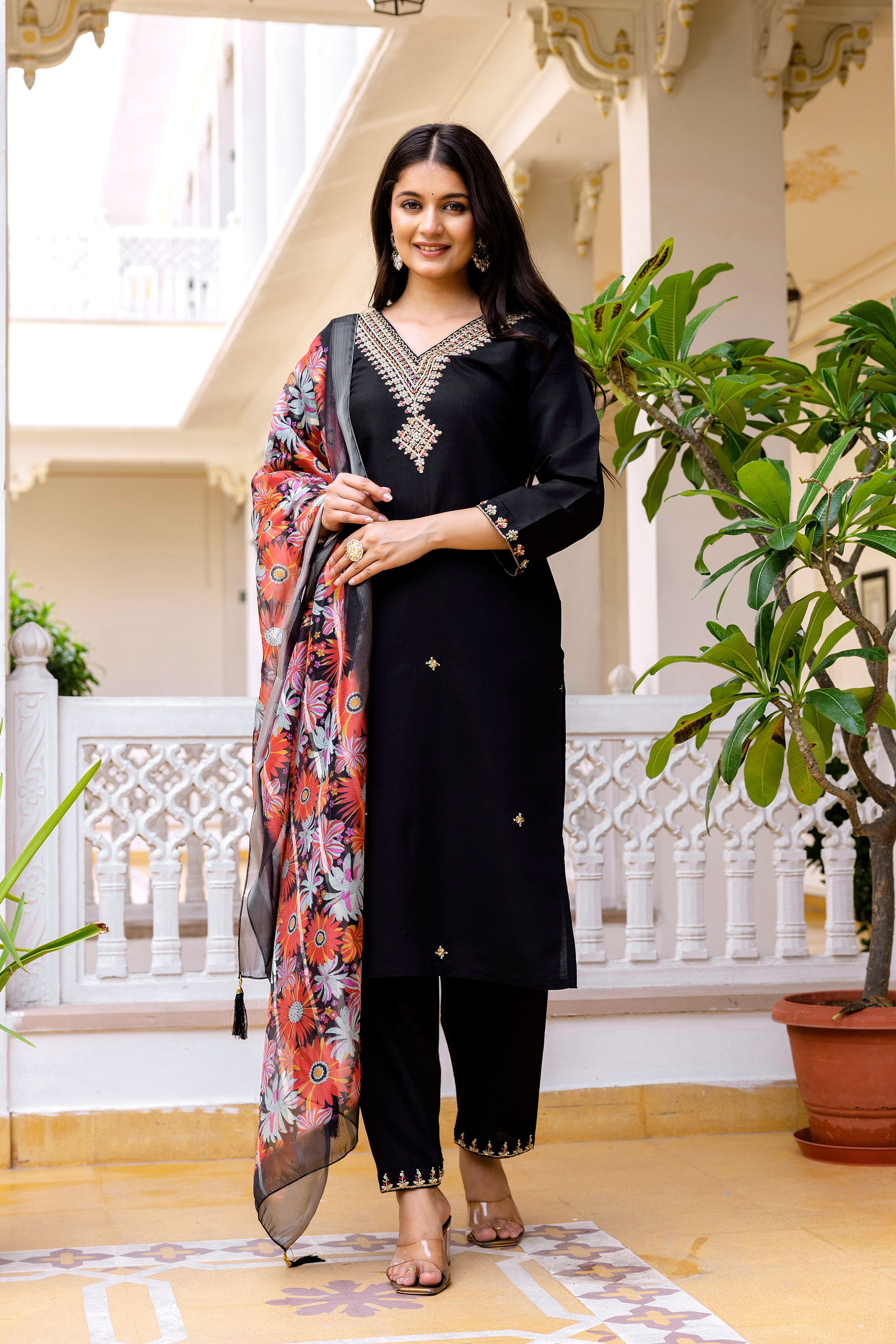
Black Embroidered Chanderi Kurti Pant Dupatta Set shows how a dark base can provide a strong background for delicate embroidery. Silver-toned earrings, a small textile potli and flat sandals can keep the outfit comfortable without turning it into formal eveningwear.
Fit is as important as fabric. A kurta that ends around the knee creates a different proportion from one that reaches the calf, while a narrow trouser keeps the outfit closer to a tailored silhouette. For a phanek-inspired effect, choose a straight or gently flared lower line rather than excessive gathers that make the outfit look costume-like.
Manipuri Traditional Fashion: Phanek to Modern Ethnic Wear for celebrations
A modern festive outfit benefits from one structured layer and one fluid layer. A cropped jacket over a wide-leg palazzo recreates the contrast between a defined lower wrap and a moving upper drape, while a silk kurta with a long dupatta gives a quieter interpretation.
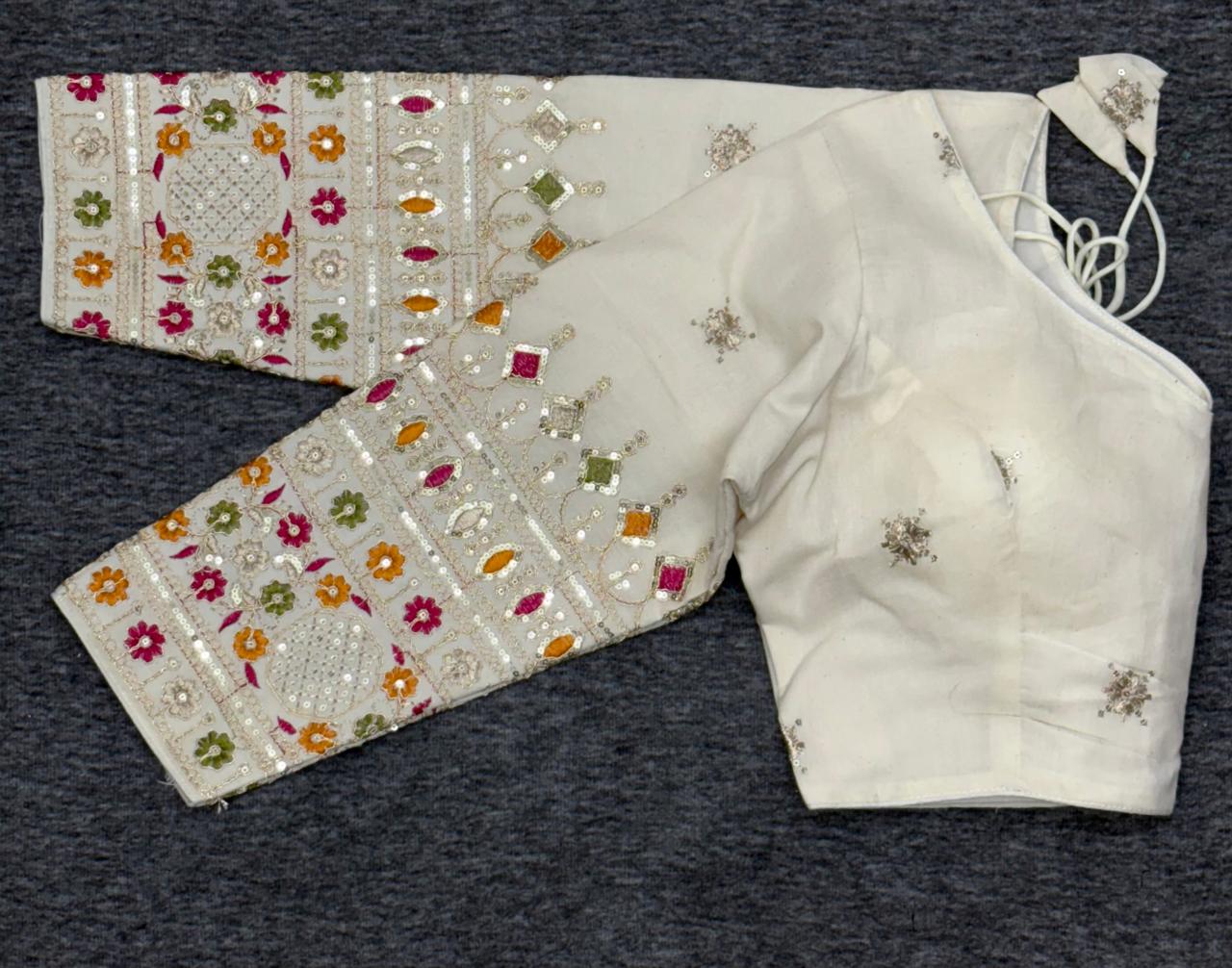
Women's Embroidered Crop Top & Jacket Palazzo Set | Varnavi can be styled with a plain inner layer, low heels and a single statement earring. The jacket should remain the main decorative element; adding a heavily worked dupatta may make the outfit visually crowded.
Modern Taupe Vichitra Silk Embroidered Co-Ord Set for Women suits a more urban reading of ethnic dressing. Taupe and muted metallic embroidery can be paired with black, indigo or deep red accessories, creating a palette that feels contemporary while retaining the elegance of coordinated traditional separates.
Festive styling should also account for movement. Test whether the dupatta remains secure when walking, whether the jacket pulls at the shoulders and whether the trouser hem clears the floor by at least 1 to 2 centimetres when worn with the intended footwear. These small checks prevent a polished outfit from becoming uncomfortable after an hour.
Manipuri Traditional Fashion: Phanek to Modern Ethnic Wear in saree styling
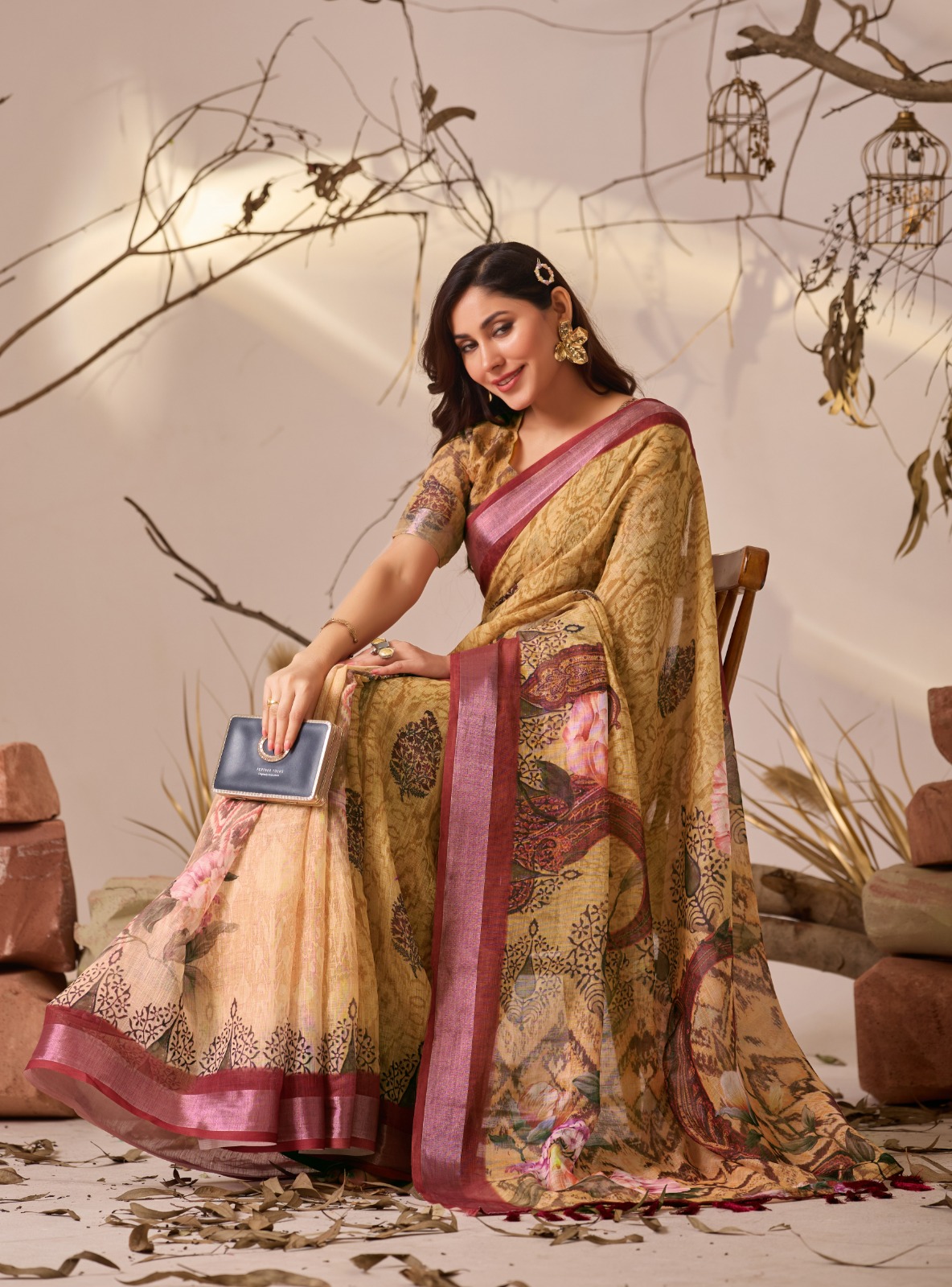
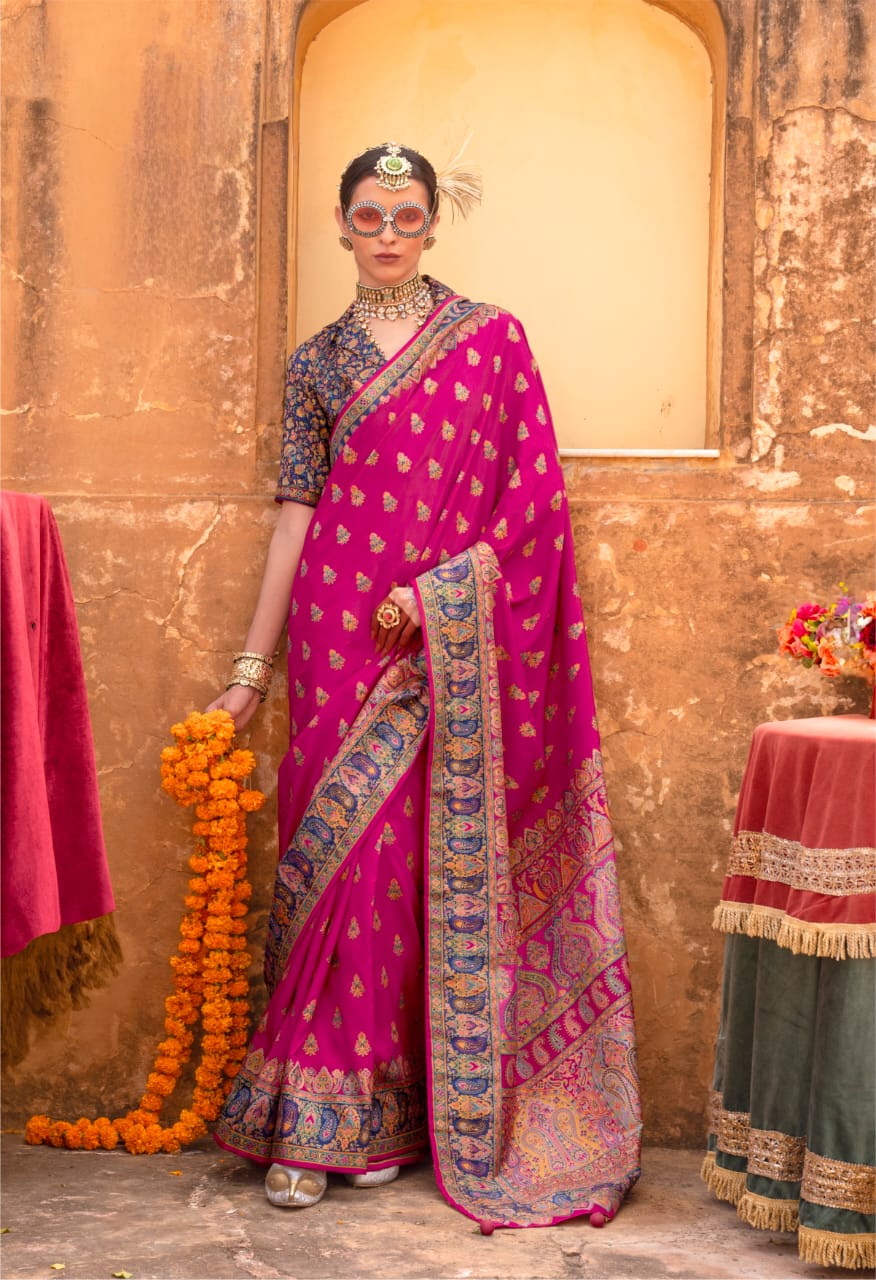
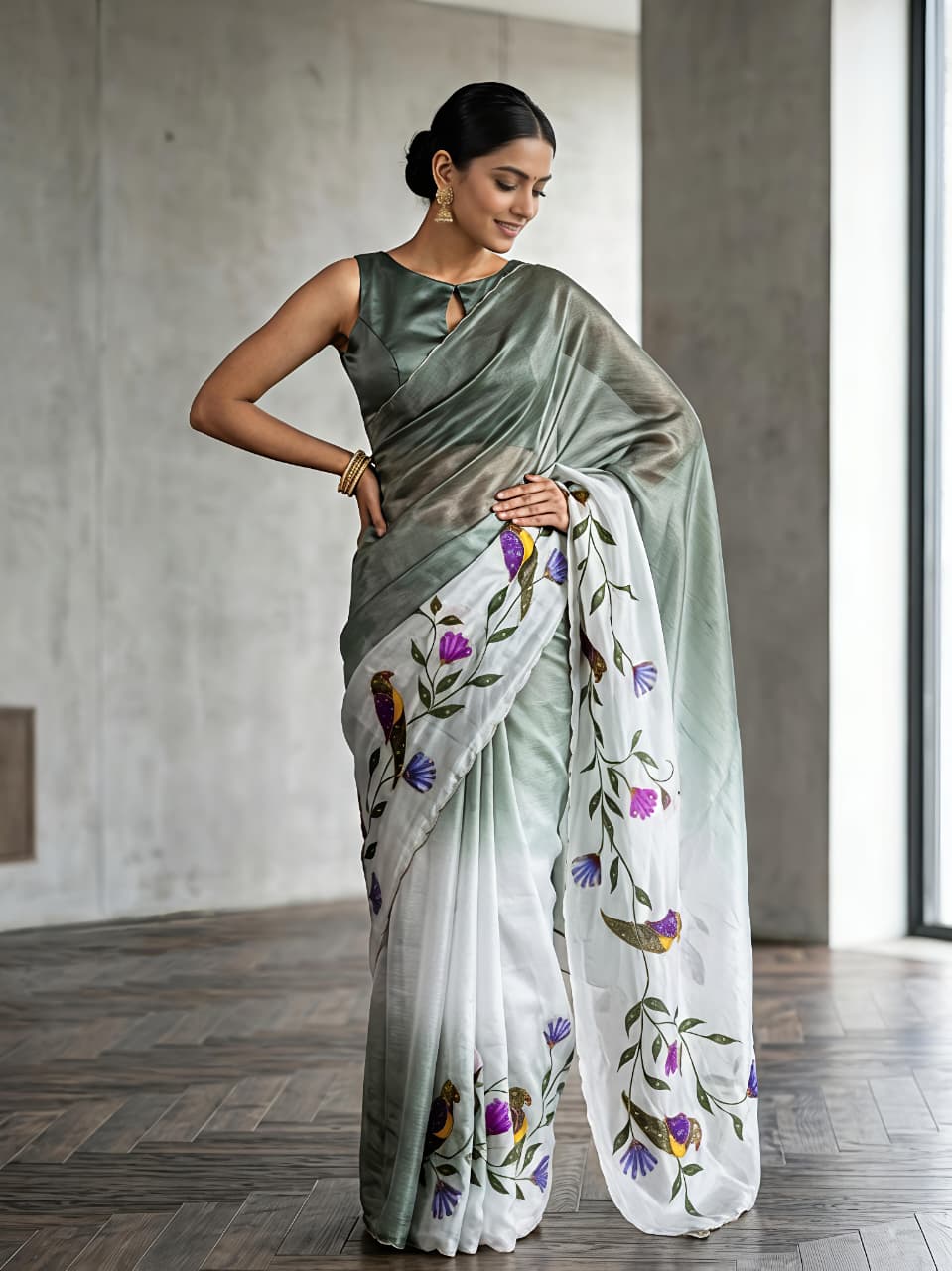
A saree can reference Manipuri styling through a lighter pallu, a clean border and a blouse that doesn't compete with the drape. A cotton saree is particularly effective for daytime wear because its texture gives the outfit character without depending on shine.
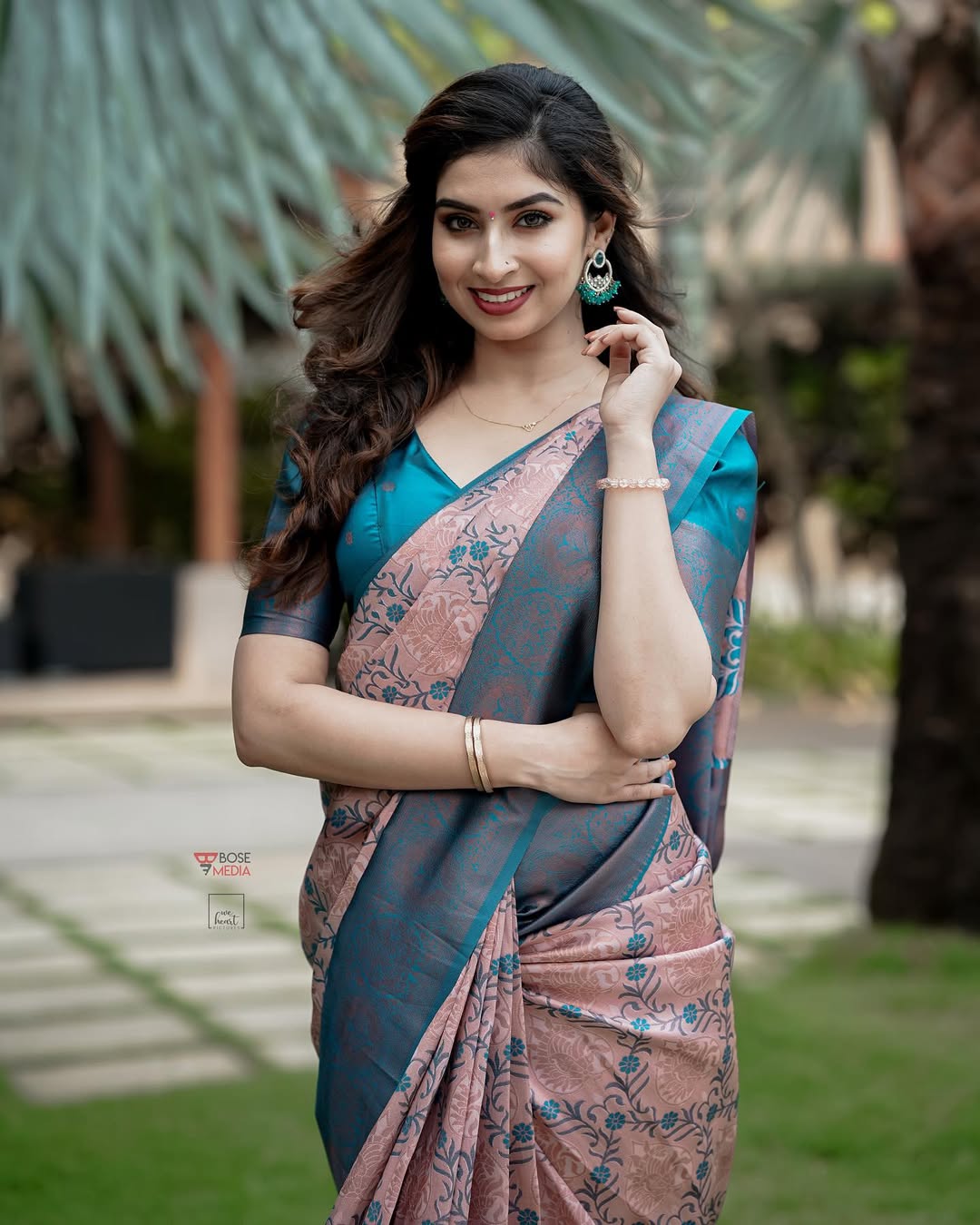
Maroon Mal Cotton Ethnic Saree With Blouse from VARNAVI illustrates why a matte cotton saree can be a strong alternative to embellished festive silk. Keep the pleats narrow, pin the pallu securely and use a simple blouse neckline if the saree already has a noticeable border.
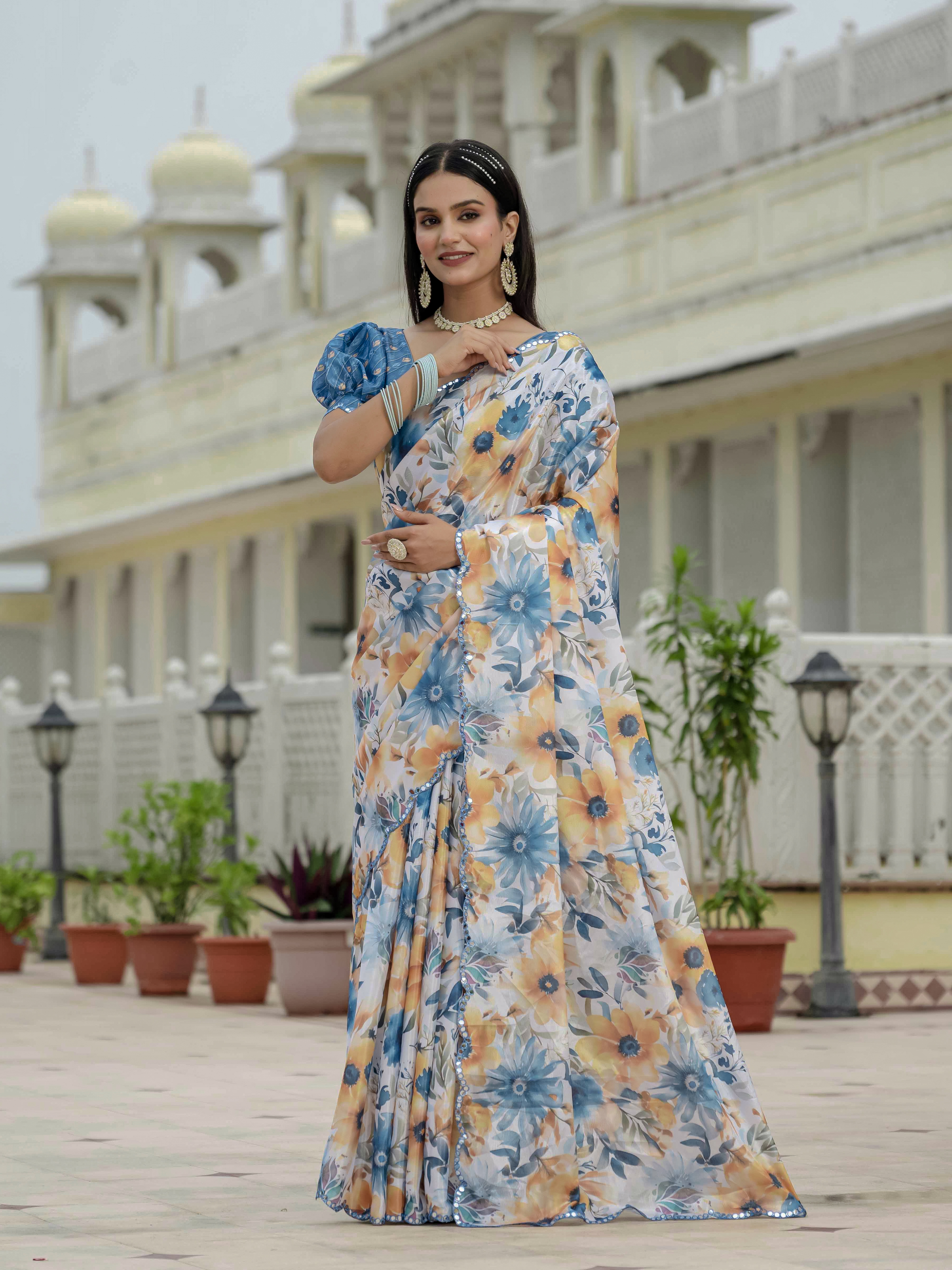
Colorful Ethnic Chinon Saree for Women brings a more fluid occasion-wear direction. Chinon's soft fall can suit evening events, but the saree should be supported with a well-fitted petticoat or shapewear so that the fabric doesn't lose its line while walking or sitting.
A saree doesn't become Manipuri simply because it uses a red-and-black palette or a geometric border. Cultural references are strongest when they arise from thoughtful proportions, textile knowledge and an honest acknowledgement of the garment's original context. A wearer attending a Manipuri cultural programme should follow any dress guidance provided by the organisers.
Manipuri Traditional Fashion: Phanek to Modern Ethnic Wear and respectful occasion dressing
For a Manipuri cultural event, wear a respectful outfit with comfortable coverage, breathable fabric and styling that acknowledges the region without claiming cultural authenticity you don't possess. A simple handloom-inspired saree, a modest kurta set or a coordinated outfit with a restrained border can be appropriate when the invitation doesn't prescribe traditional dress.
Event context determines how much interpretation is suitable. A formal ceremony may call for silk, a carefully arranged dupatta and polished footwear, while a daytime workshop may favour cotton, flat sandals and minimal accessories. If organisers request phanek and inaphi, ask whether they provide guidance on draping, sourcing or community-specific dress expectations.
Colour is worth considering, but colour alone doesn't make an outfit Manipuri. A red-and-black palette may suggest northeastern textile aesthetics, yet the garment's construction, weave and context still matter. Avoid attaching sacred meanings to decorative motifs unless a reliable cultural source or the event organiser confirms them.
Care is part of respectful textile use. Fold cotton phaneks along their existing border lines, store silk away from direct sunlight and avoid hanging heavy embroidered garments for long periods because the weight can distort the shoulders. Air garments after wear, treat small stains promptly and follow the care label before attempting hand washing or ironing.
The most convincing modern interpretation keeps the phanek's practical intelligence in view: a garment should move well, suit its climate, reveal the quality of its textile and support the wearer's life. That approach creates ethnic clothing with cultural awareness instead of decorative borrowing alone.
Common Questions About Manipuri Phanek and Modern Ethnic Wear
What is a phanek in Manipuri dress?
A phanek is a traditional wrapped lower garment worn by women in Manipur, often made from cotton, silk or blended yarns. The phanek is commonly paired with an inaphi, a draped upper cloth, although contemporary outfits may reinterpret the same layered proportion through a kurta, dupatta or jacket.
How is an inaphi worn with a phanek?
An inaphi is worn as an upper drape with a phanek, usually around the torso, over one shoulder or across the upper body. The exact arrangement depends on community, occasion, personal preference and the guidance associated with the garment.
Can a phanek be worn as modern ethnic wear?
A phanek can be adapted for modern ethnic wear as a wrap skirt, coordinated lower garment or styling reference. Pairing a controlled border with a simple kurta, cropped jacket or fluid dupatta preserves the original sense of proportion without presenting a fashion interpretation as traditional dress.
What fabric is suitable for a Manipuri-inspired outfit in summer?
Cotton, cotton-silk blends and lightweight Chanderi are suitable for a summer Manipuri-inspired outfit because they offer breathability and manageable structure. Choose a lighter weave for daytime events and avoid excessive lining or heavy embroidery in humid weather.
What should I wear to a Manipuri cultural event if I do not own a phanek?
A modest kurta set, handloom-inspired saree or coordinated outfit with a restrained border is generally appropriate when no traditional dress code is specified. Follow the organiser's instructions, ask for guidance if phanek and inaphi are requested, and avoid presenting a generic printed skirt as an authentic community garment.
How can I style Manipuri-inspired clothing without making it look like a costume?
Use one clear reference point, such as a wrap silhouette, geometric border or layered drape, and keep the remaining pieces simple. Avoid combining multiple regional motifs, excessive jewellery and heavy embroidery, because restraint makes the textile and construction easier to appreciate.