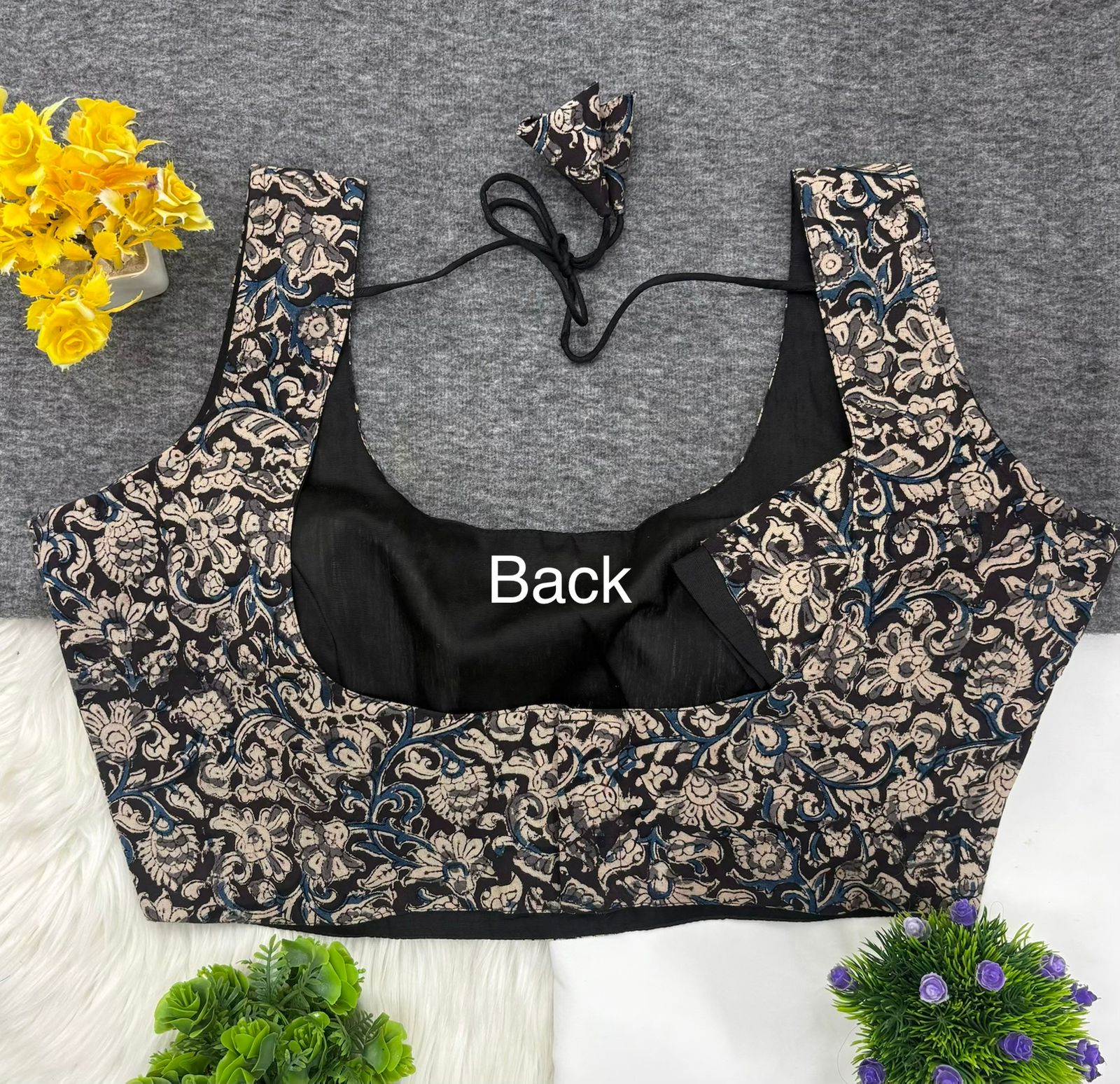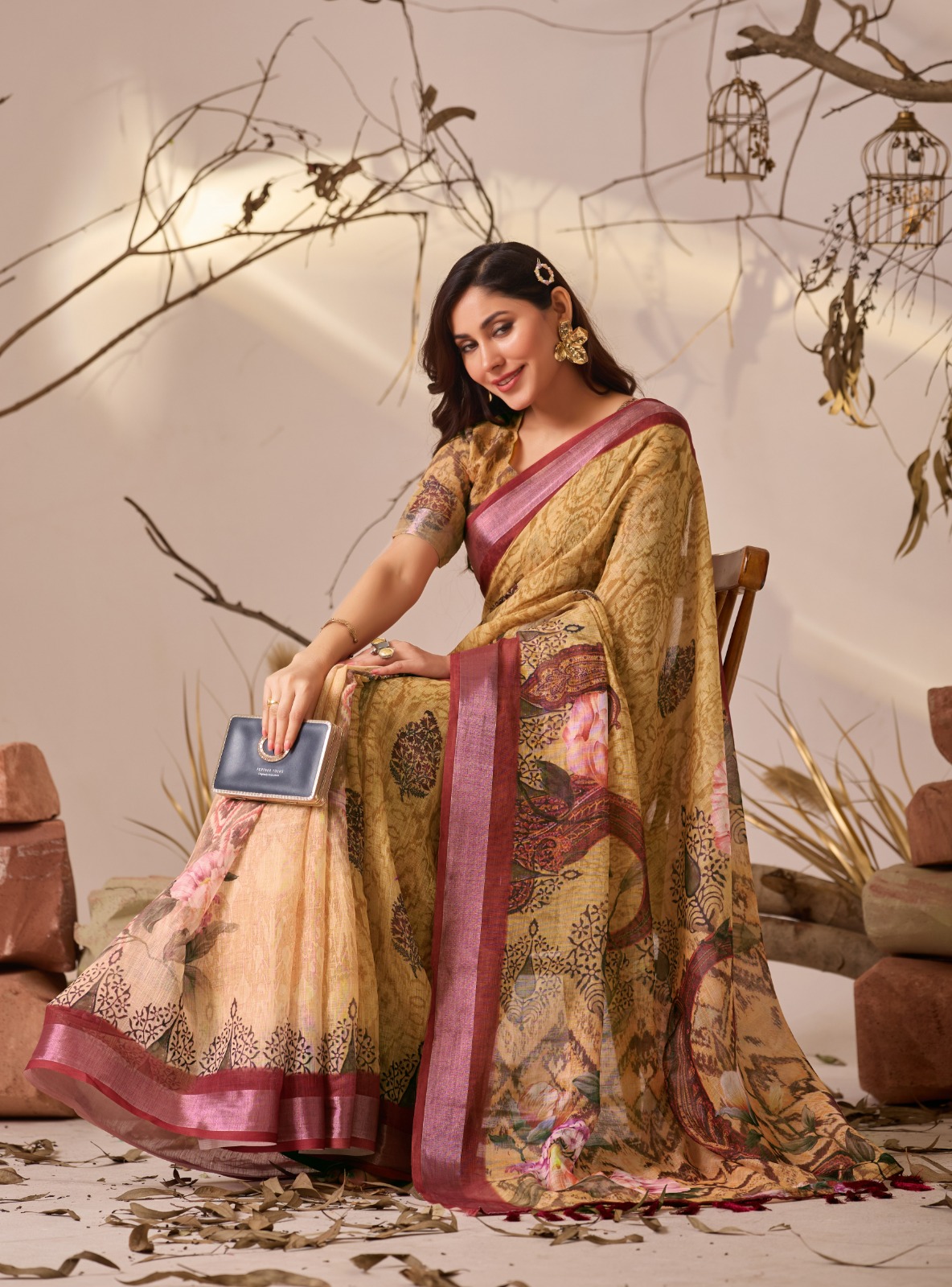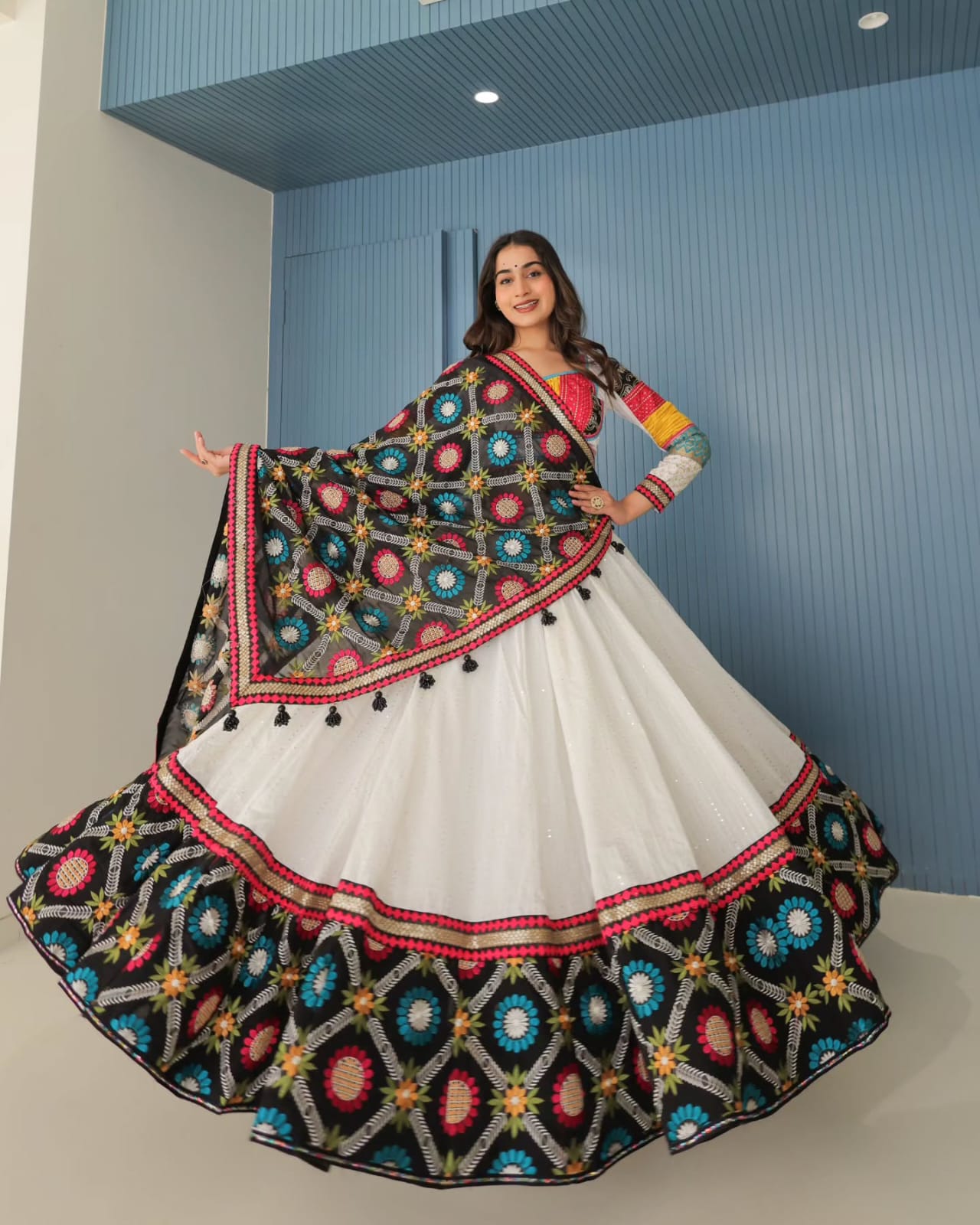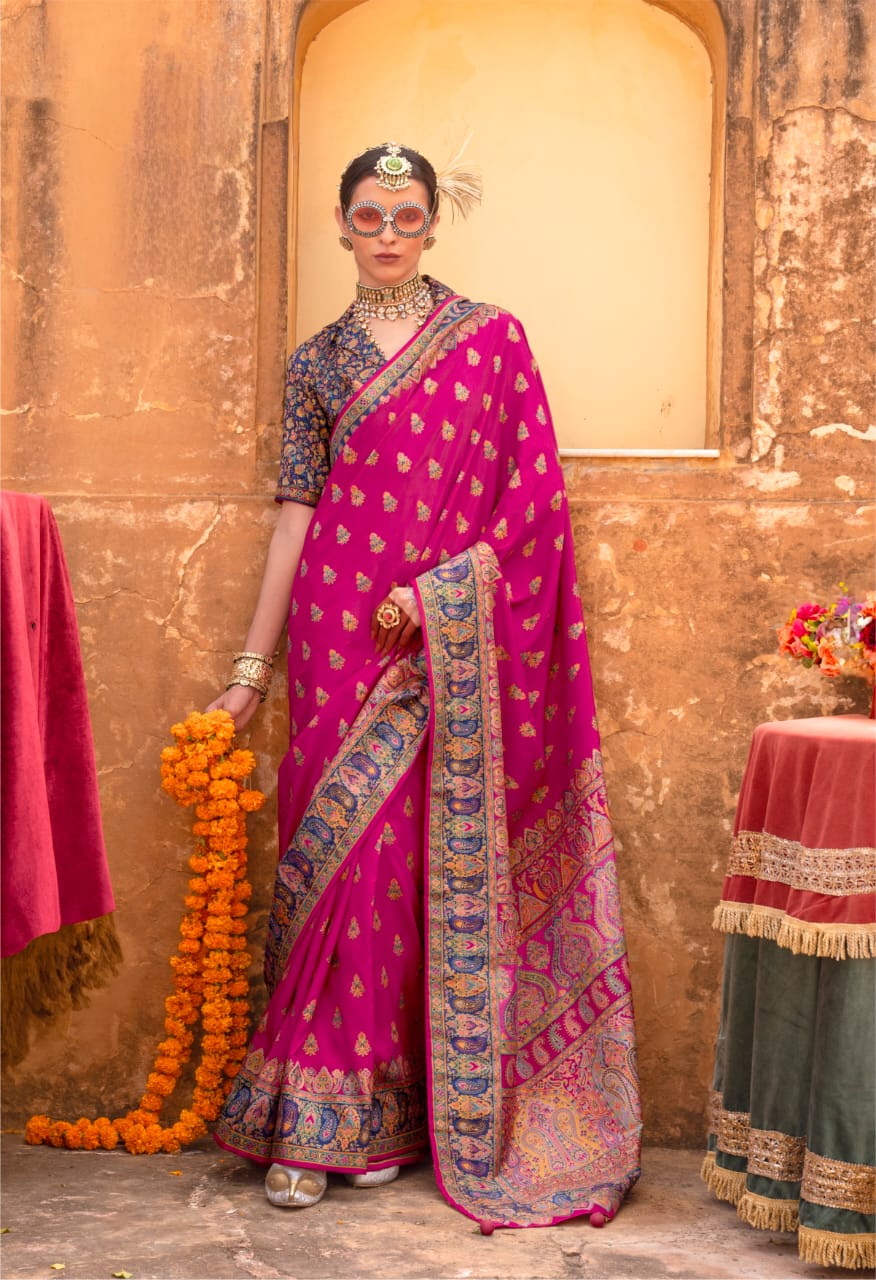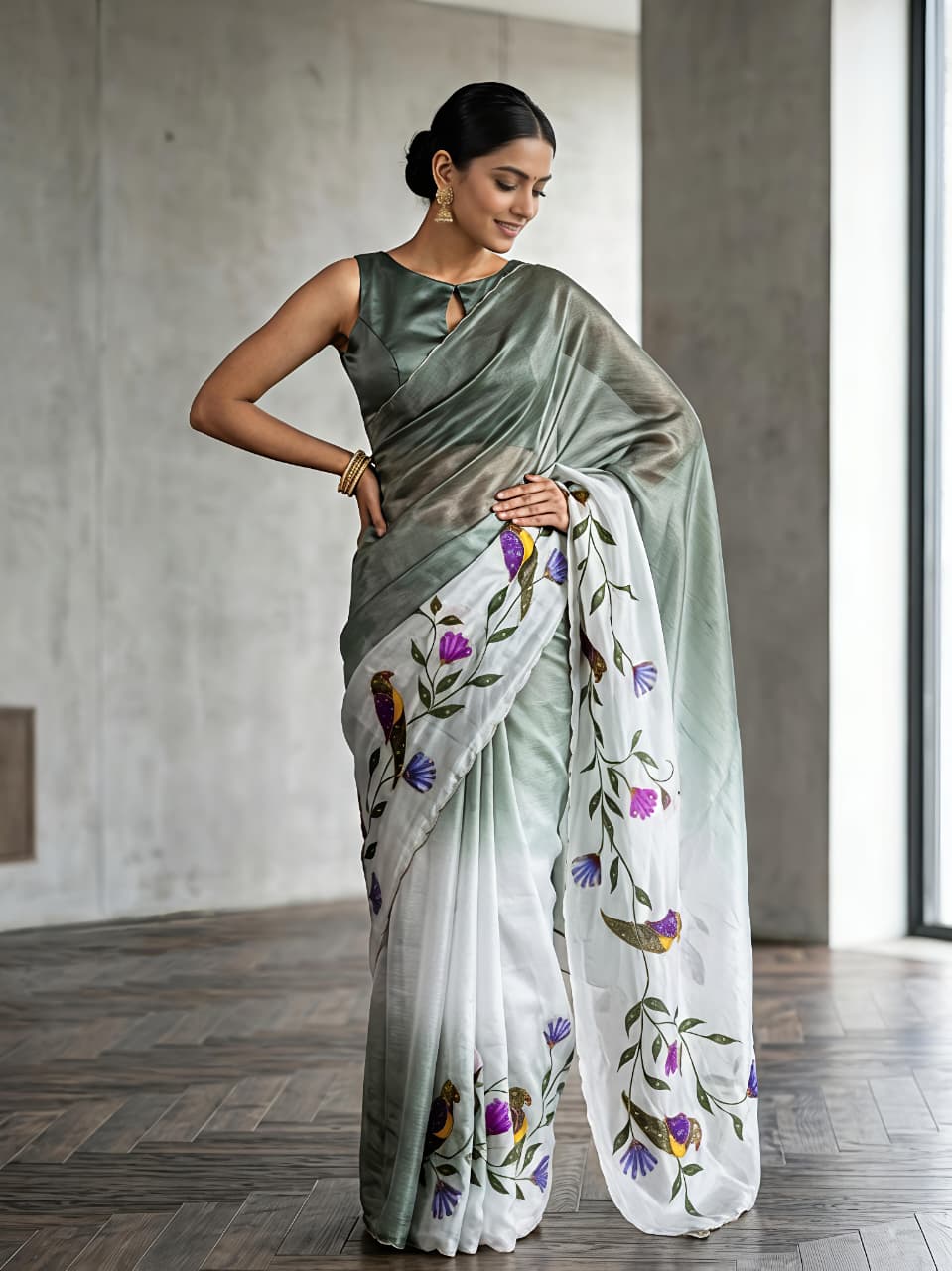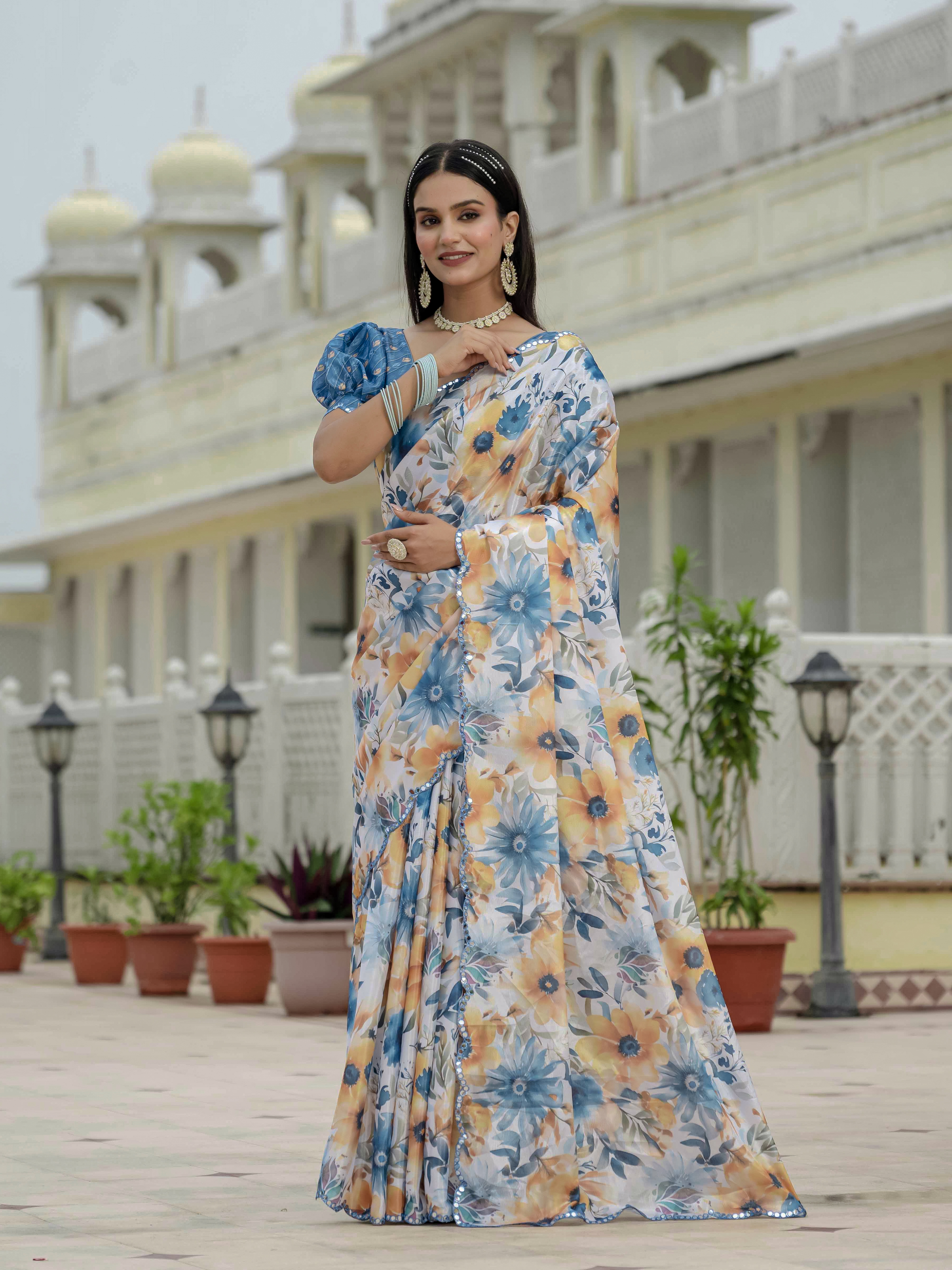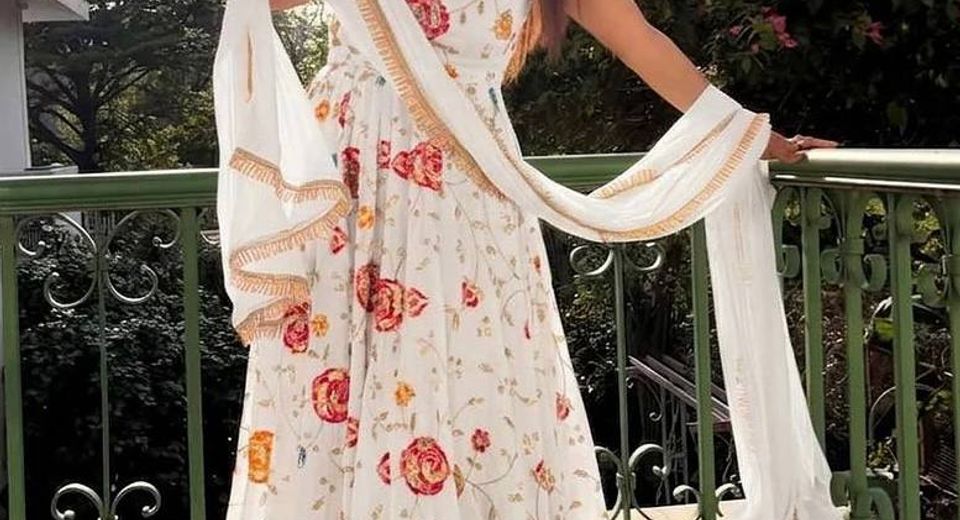
Manipuri Traditional Dress for Women: Phanek & Ethnic Wear Guide begins with two garments that carry much of Manipur's visible identity: the Phanek, a wrapped low garment, and the Innaphi, a graceful upper cloth. Their beauty comes from proportion, weaving, colour and cultural context rather than heavy ornamentation. An useful wardrobe guide should therefore explain how these garments are worn, when they're appropriate and how modern ethnic pieces can transform their character without replacing their meaning.
Manipuri Traditional Dress for Women: Phanek and Innaphi Explained
Manipuri women's traditional dress is distinctive because it combines a wrapped Phanek with an Innaphi or fitted blouse, using handloom textures, restrained ornamentation and regionally meaningful motifs. The silhouette is practical for movement and adaptable for everyday life, ceremonies, dance and festivals.
The Phanek is generally a rectangular length of fabric wrapped around the waist and secured for walking and sitting. Depending on the community, region and occasion, the garment may be plain, striped, checked, patterned or woven with decorative borders. The Innaphi is commonly draped over the upper body and may be styled across one shoulder or around the torso, creating a fluid layer over the blouse.
Manipur has several communities and textile traditions, so no single outfit represents every woman in the state. Meitei clothing, Naga dress traditions, Kuki-Zomi garments and other community-specific forms differ in construction, motifs and ceremonial use. The phrase "Manipuri dress" is therefore best treated as a broad category rather than one fixed costume.
Manipuri clothing also differs from neighbouring Northeast Indian dress in its balance of wrapped fabric and elegant drape. Comparisons can be useful, but garments from Assam, Sikkim, Uttarakhand, Himachal Pradesh and Goa should not be treated as interchangeable with Manipuri attire. The Sikkim Traditional Women's Dress Collection and Traditional Northeast Indian Dress Occasion Collection provide useful comparative references while preserving those distinctions.
Manipuri Traditional Dress for Women: How the Phanek Is Worn
A Phanek is worn by wrapping the fabric around the waist, securing the overlap and allowing the lower edge to fall around the ankle or lower calf without dragging. The exact fold and placement can vary according to community practice, fabric width and personal preference.
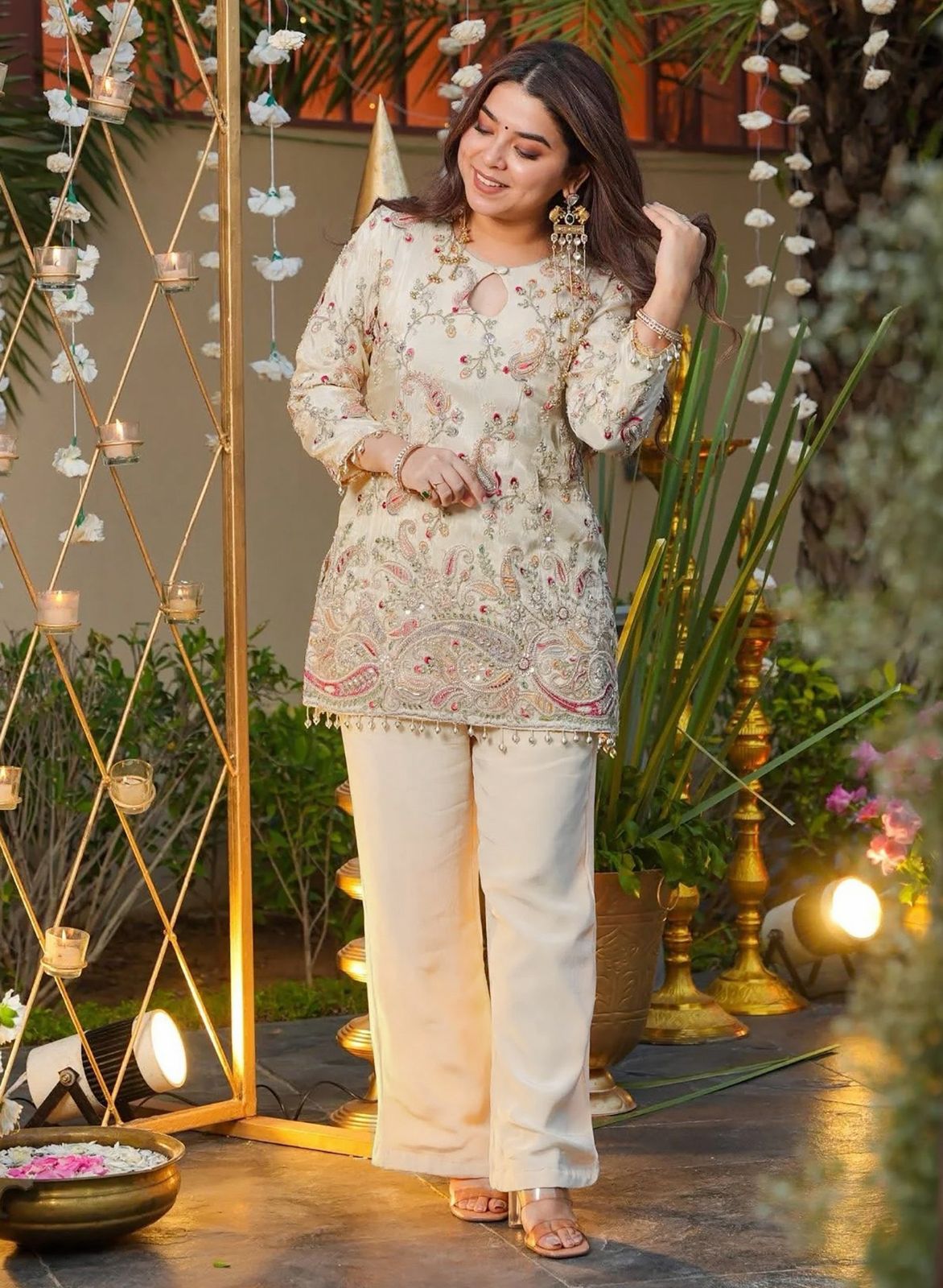
Fabric width matters because a narrow length may open during movement, while excessive volume can create bulk at the waist. For a formal event, a firm handloom cotton or silk-cotton Phanek can hold a clean fold. For daily wear, breathable cotton is more comfortable in Manipur's humid climate. A discreet waist tie or carefully placed tuck improves security without changing the garment's traditional appearance.
The top edge should sit comfortably at the waist rather than cutting into the body. The lower edge should allow easy walking up stairs and sitting on the floor. A trial walk of five to ten minutes before an event can reveal whether the overlap, length and tuck need adjustment.
When a Phanek has a strong border, the border should remain visible and lie level around the lower edge. Uneven placement can make the garment twist as the wearer walks. Ironing the fabric before wrapping also helps create a clean front fold, particularly when the Phanek is made from cotton or a cotton-silk blend.
Manipuri Traditional Dress for Women: Innaphi Draping and Blouse Pairing
The Innaphi is styled over a blouse to cover the upper body while leaving sufficient freedom for the arms and shoulders. Shoulder placement, front coverage and border visibility determine whether the ensemble looks simple, ceremonial or performance-oriented.
Pinning the shoulder discreetly can prevent slipping during a wedding ritual or long cultural programme. The pin should be placed through a seam or a reinforced fold whenever possible, because repeated pinning can damage delicate silk. A narrow decorative border should remain visible rather than being buried under multiple folds.
A plain blouse works well with a patterned Phanek because the woven details remain easy to see. Conversely, a lightly textured or embroidered blouse can add interest to a solid Phanek, provided the Innaphi doesn't introduce too many competing colours. A high, rounded or modest neckline generally keeps the upper silhouette balanced.
Lightweight cotton Innaphi fabrics suit daytime events and warm weather. Silk or silk-cotton layers provide more formality for weddings, festivals and evening programmes. A slippery fabric may need an additional shoulder pin and a carefully pressed fold, while a matte handloom textile usually stays in place more easily.
Manipuri Traditional Dress for Women: Fabrics, Colours and Motifs
Cotton, silk-cotton, eri silk and other handloom-friendly textiles are practical choices because they combine breathability, structure and regional textile character. The best fabric depends on climate, duration of wear, movement and the formality of the event.
Cotton works well for daytime ceremonies and community gatherings because it absorbs moisture and remains comfortable for extended wear. Silk or silk-cotton adds a gentle sheen for weddings and festivals, but a highly slippery weave may require extra pinning. Eri silk, recognised for its warm texture and matte finish, can bring depth to a cooler-season ensemble or a formal shawl-inspired layer.
Motifs should be considered alongside colour. Geometric borders, stripes, checks and repeated woven patterns can give a Phanek a strong vertical or horizontal rhythm. Red, black, white, green and earthy tones appear frequently across Northeast Indian textile traditions, but colour meanings and preferred combinations vary by community and occasion. No single colour has a universal meaning across Manipur.
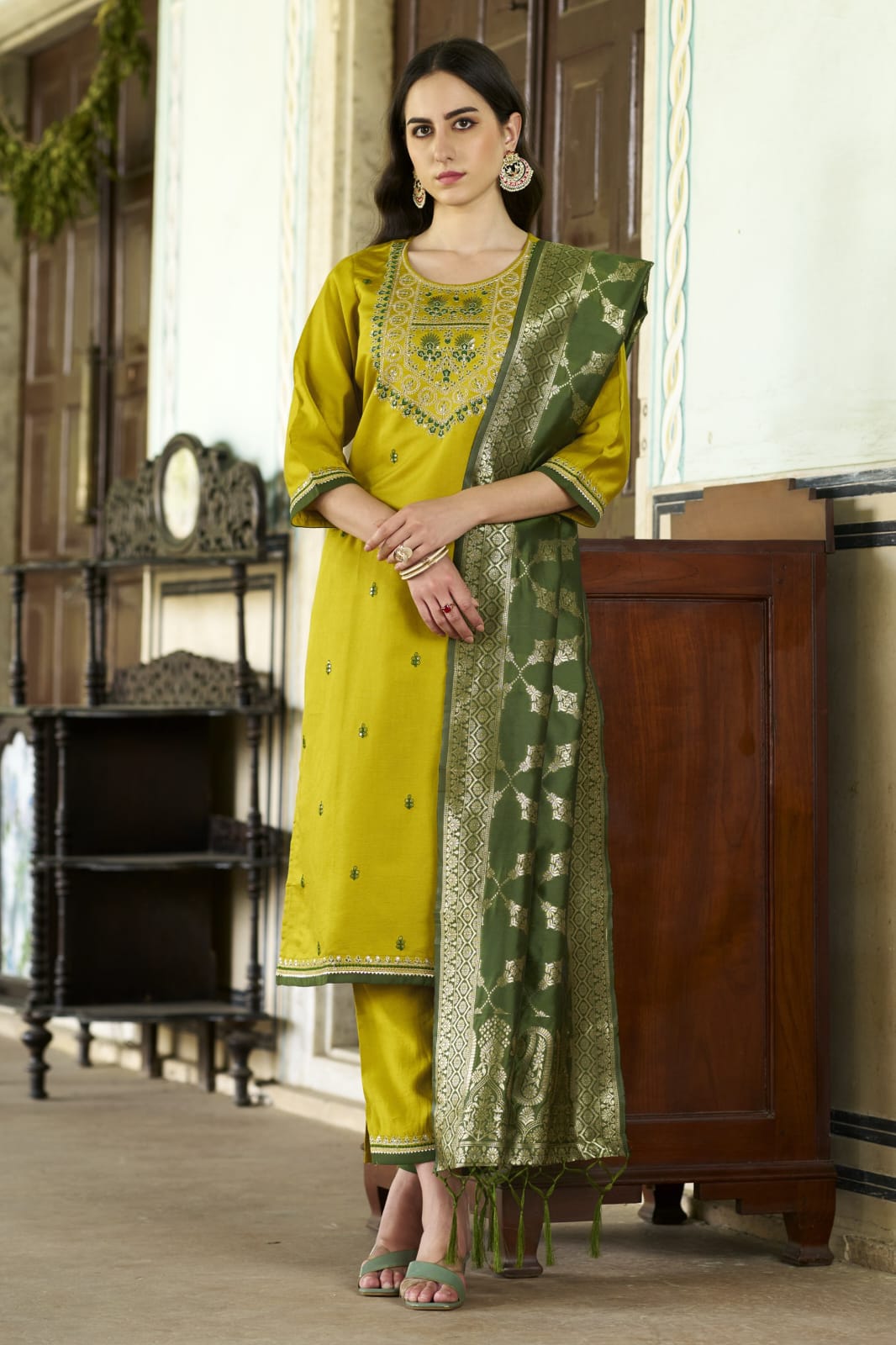
Modern ethnic clothing can echo these principles through texture rather than copying a sacred or community-specific motif. Chanderi supplies lightness and subtle translucence, while zari introduces a reflective festive accent. Mustard Viscose Chanderi Kurta Set with Sequence Embroidery demonstrates how a warm colour and a light woven surface can create a contemporary look inspired by handloom sensibility.
For a richer festive finish, Peach Paithani Style Zari Weave Unstitched Suit uses a zari-led surface that can be tailored into a personal silhouette. Kanchi Cotton Zari Woven Kurti Set with Traditional Dupatta combines breathable cotton with a traditional metallic border. Both examples are modern ethnic wear, not substitutes for an authentic Phanek and Innaphi.
Manipuri Traditional Dress for Women: Styling for Traditional Occasions
Manipuri traditional dress should be styled according to the event's formality, expected movement and cultural setting, with lighter fabrics and simpler jewellery for daytime events and richer borders or silk layers for ceremonies.
For festivals and cultural programmes
A cotton or silk-cotton Phanek with a neatly arranged Innaphi is suitable for a cultural programme when the event encourages regional dress. Choose a blouse with a modest neckline and sleeves that don't interfere with draping. Flat sandals, a low bun and small earrings keep the outfit comfortable for standing, walking or participating in a performance.
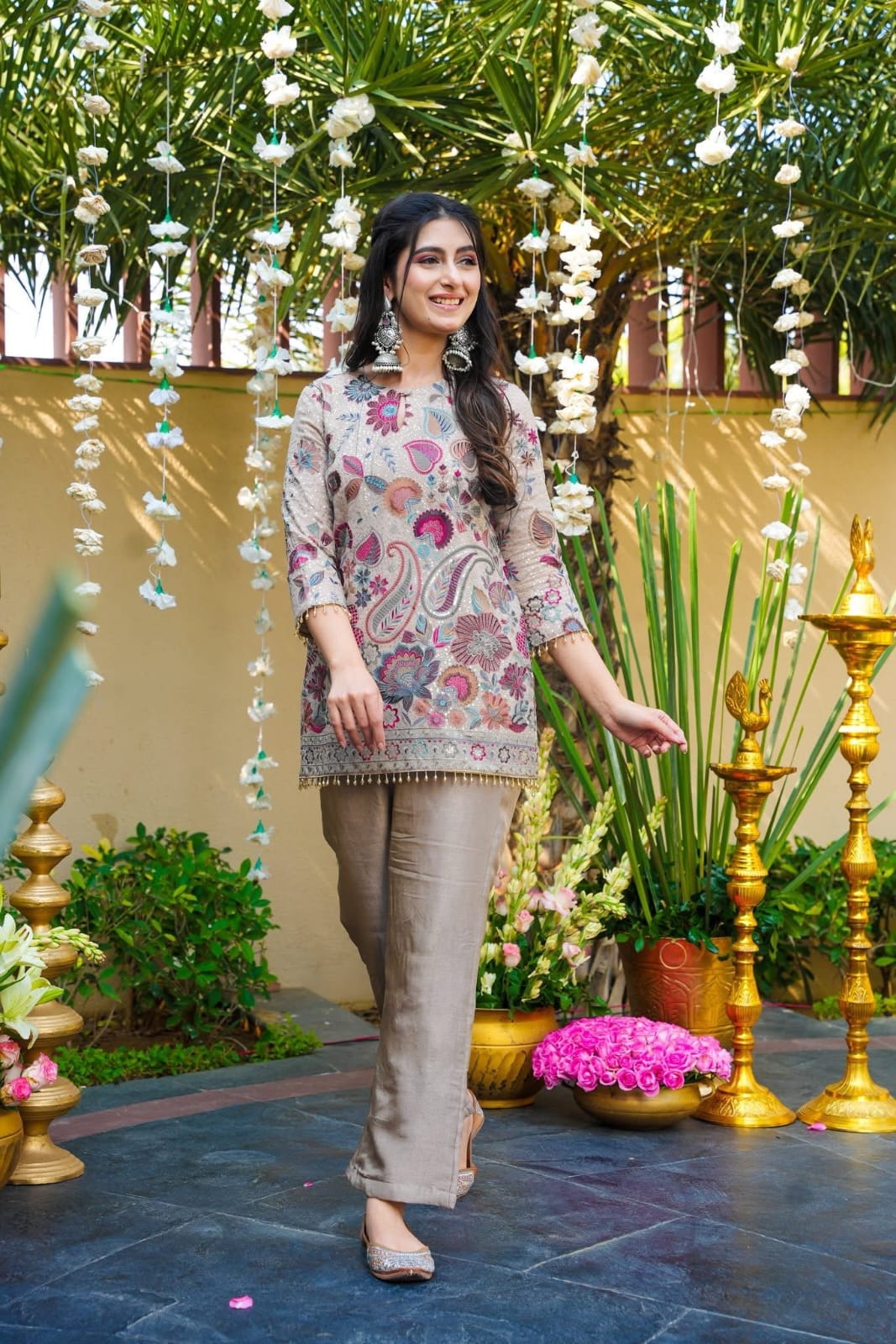
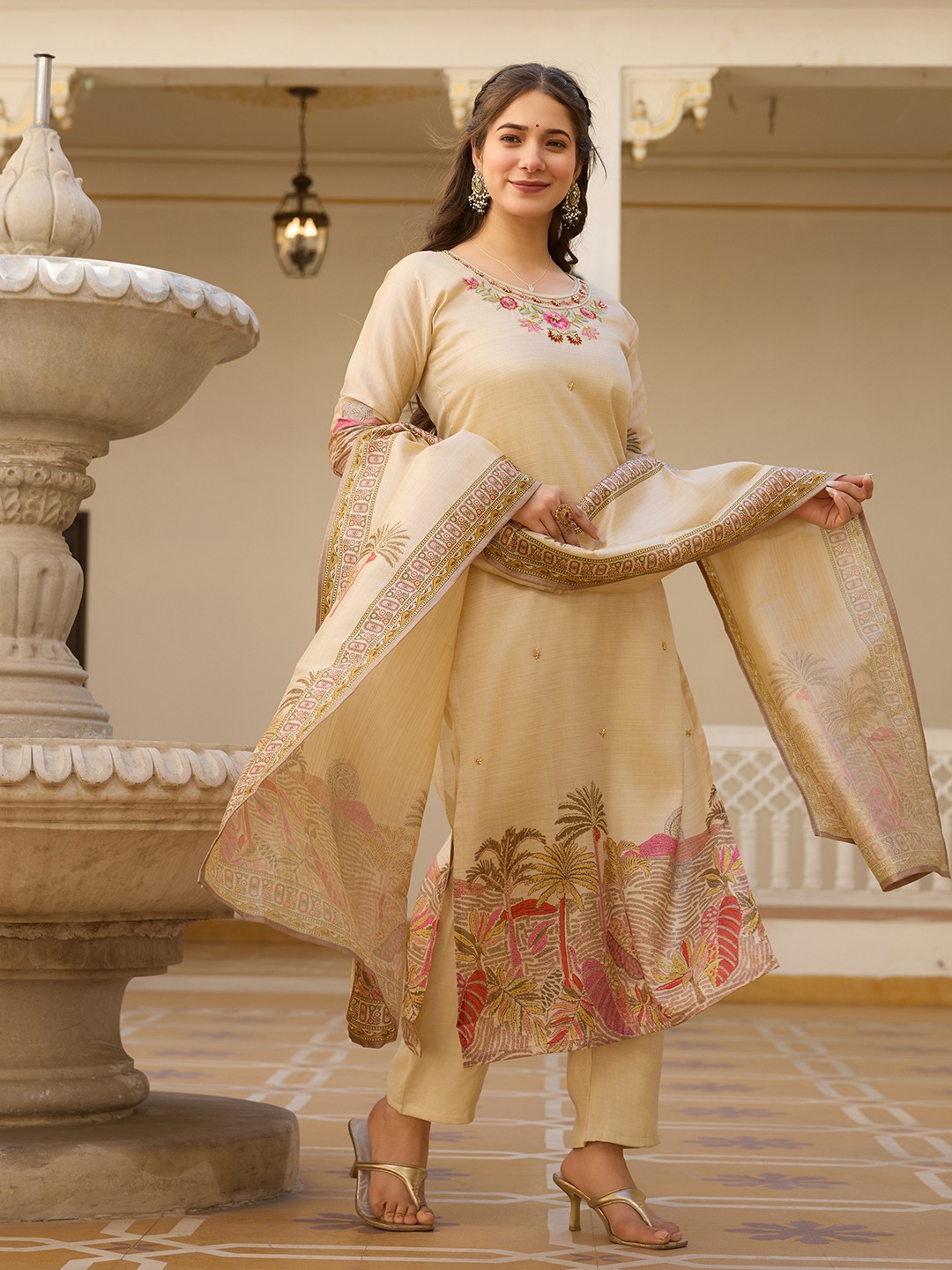
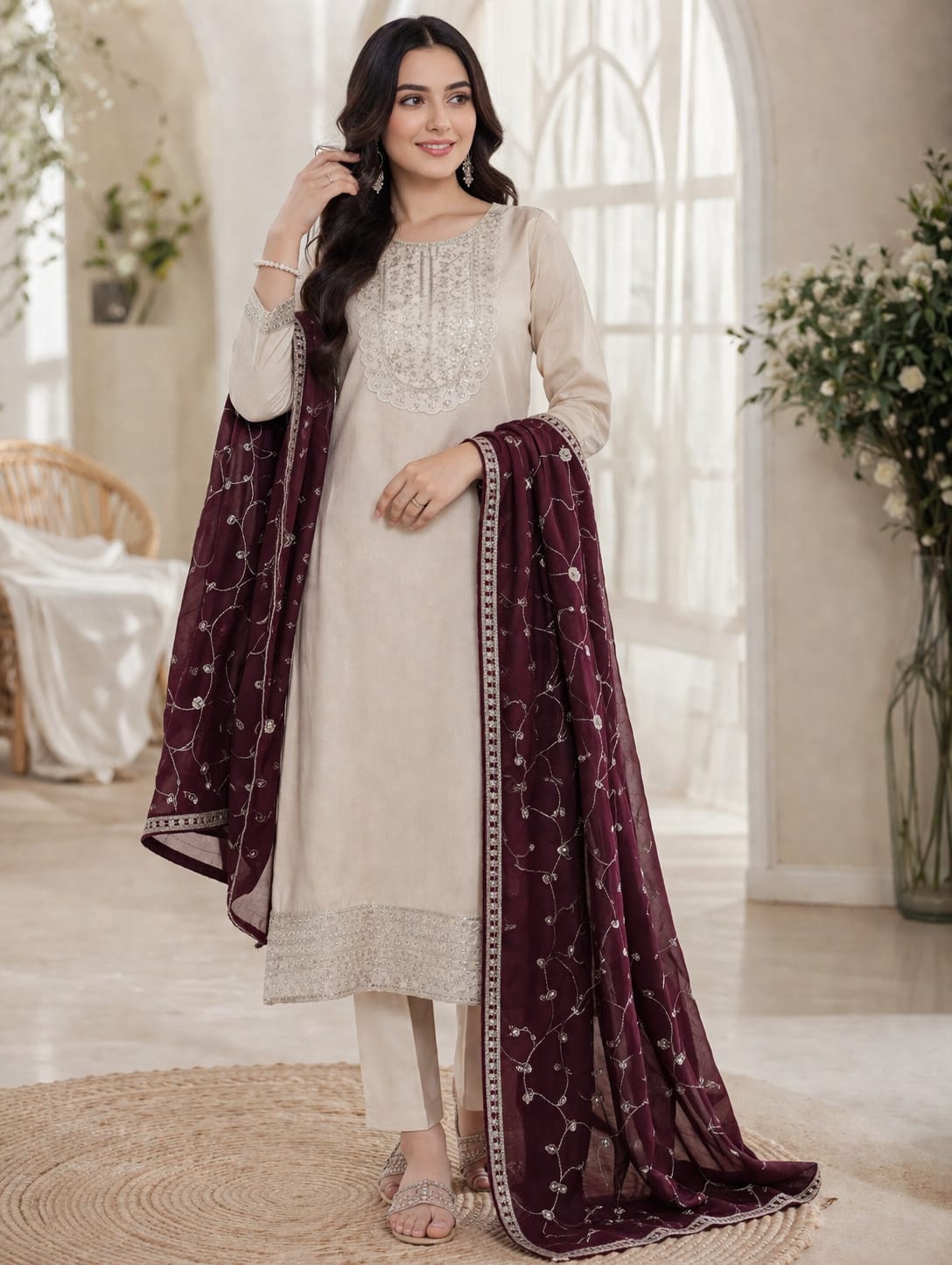
When an authentic Phanek is unavailable, a contemporary kurta set can convey a related handloom mood without falsely presenting itself as traditional Manipuri attire. Graceful Beige Vichitra Silk Embroidered Kurta Set for Women offers a neutral base for a woven dupatta and muted jewellery. Modern Taupe Vichitra Silk Embroidered Co-Ord Set for Women works for a polished urban event where a coordinated silhouette is more practical than a wrapped garment.
For weddings and formal family ceremonies
A formal Manipuri wedding guest outfit benefits from a clean border, controlled shine and secure draping rather than excessive embellishment. Silk, silk-cotton or a structured viscose blend can look refined, while a lightweight Innaphi prevents the ensemble from feeling cumbersome indoors.
Midnight Blue Natural Crepe Patiala Kurta Set with Embroidery can suit an evening celebration because its dark base supports restrained metallic accessories. Peach Assam Silk Kurta Set with Printed Organza Dupatta provides a softer festive option for a daytime function, although an Assam silk outfit should be identified as Assam-inspired rather than called Manipuri dress.
For everyday ethnic dressing
Everyday ethnic dressing calls for washable fabric, a manageable hemline and accessories that don't require constant adjustment. A cotton kurta, straight pants or simple skirt can take visual cues from Manipuri textiles through a contrasting border, woven stole or geometric accessory.
Mustard Embroidered Chanderi Kurta Set for Women - Varnavi. Can be used as an example of occasion-friendly Chanderi styling, but Chanderi remains a Madhya Pradesh textile tradition rather than a specifically Manipuri garment. Clear naming makes cultural dressing more respectful and helps shoppers understand what they're actually buying.
Manipuri Traditional Dress for Women: Respectful Modern Adaptations
A contemporary wardrobe can borrow from Manipuri style respectfully by acknowledging the source, choosing adaptable silhouettes and avoiding invented claims about community meaning. Inspiration should not be presented as authentic traditional dress when the garment is a modern kurta, co-ord set or fusion outfit.
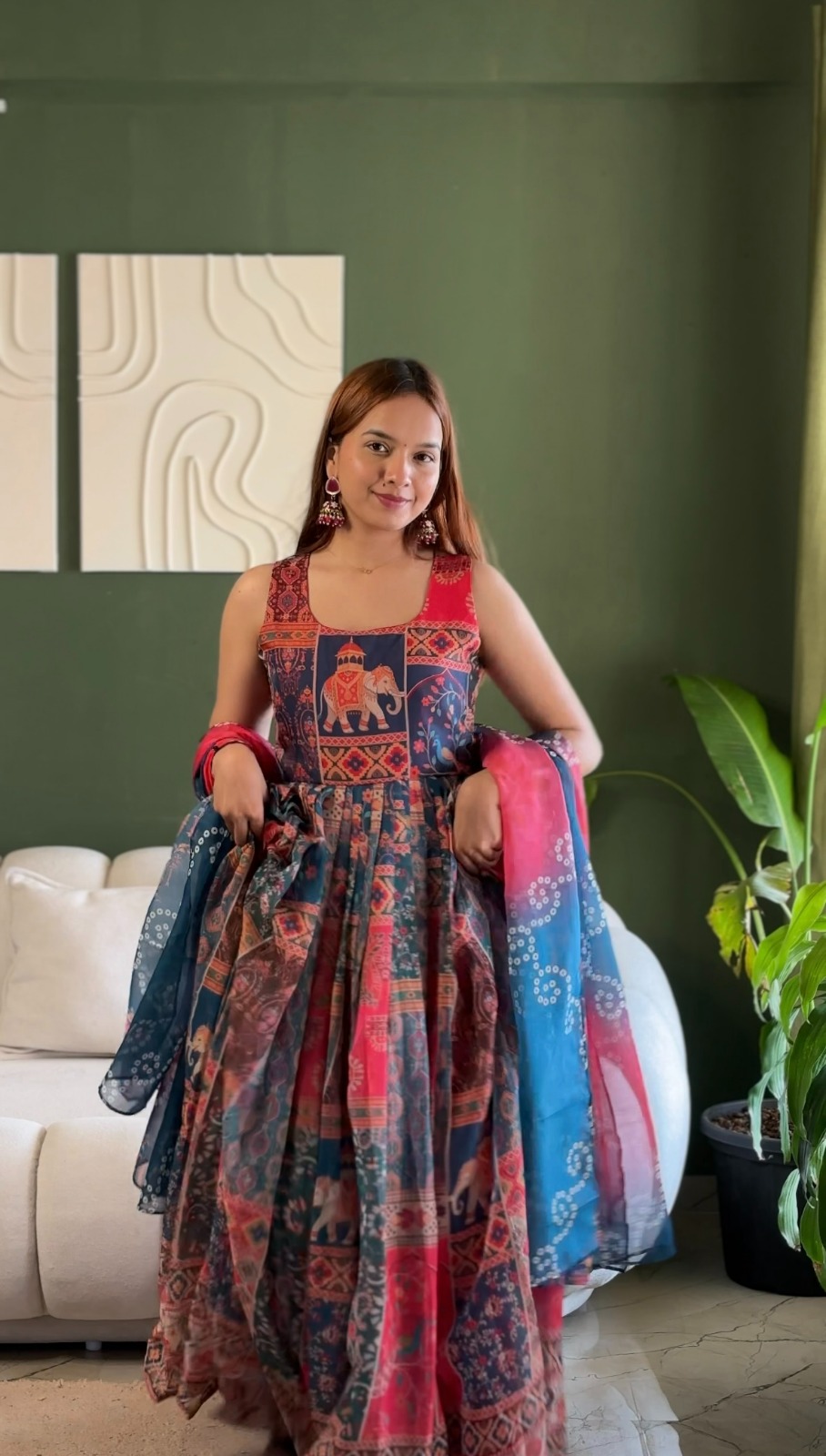
Start with one regional element. A handloom Phanek can be paired with a plain blouse and minimal earrings, or an Innaphi can be used as a shoulder drape over a simple solid-coloured outfit when that styling is appropriate for the setting. Another option is to wear a modern kurta set and add a handwoven stole sourced with clear information about its maker and region.
Silhouette is equally important. Avoid over-layering a voluminous dupatta, jacket and heavy skirt when the goal is to reflect the clean geometry of a Phanek. A single strong border, a defined waist and an uncluttered upper layer usually communicate the reference more effectively than multiple unrelated embellishments.
Regional comparison should also remain precise. Traditional Goa Dress for Women, Traditional Uttarakhand Dress for Women and Traditional Himachal Dress for Women each represent different climates, histories, textiles and silhouettes. These collections may broaden an ethnic wardrobe, but they should not be labelled Manipuri simply because they're also traditional Indian clothing.
Manipuri Traditional Dress for Women: Care, Fit and Buying Checks
A suitable Phanek or Innaphi should be checked for fabric width, colourfastness, border alignment, secure draping and care requirements before purchase. These practical checks matter more than decorative detail because a traditional garment must remain comfortable and stable during wear.
Ask whether the fabric is handloom, powerloom or a blend, and check the fibre content on the label. Handloom cotton may have small irregularities that are normal rather than defective. Zari borders should be examined for loose metallic threads, while printed fabrics should be checked for colour transfer with a white cotton cloth in an inconspicuous area.
Wash cotton separately in cool water for the first few washes because excess dye may bleed. Dry silk and silk-blend garments away from direct, harsh sunlight, and store them folded in breathable muslin rather than sealed plastic. Avoid spraying perfume directly onto zari, silk or delicate embroidered areas.
Fit should be judged by movement rather than by a static mirror view. Walk, sit, raise both arms and turn around before finalising the drape. A garment that feels secure for at least fifteen minutes is more likely to remain comfortable through a ceremony or cultural programme.
Respectful ethnic dressing depends on accurate naming, suitable context and care for the textile's construction. A modern garment can be beautiful without being described as something it's not.
Questions About Phanek, Innaphi and Manipuri Women’s Traditional Dress
What is the traditional dress of women in Manipur?
The Phanek and Innaphi are two important garments in women's traditional clothing from Manipur. The Phanek is a wrapped lower garment, while the Innaphi is a draped upper cloth worn with a blouse; styles vary among communities and occasions.
How is a Manipuri Phanek worn?
A Phanek is wrapped around the waist, with the fabric overlap secured so the garment remains stable during walking and sitting. The lower edge should fall around the ankle or lower calf, and the border should remain level and visible.
What is an Innaphi in Manipuri clothing?
An Innaphi is a draped upper cloth used with a blouse in many Manipuri women's outfits. The Innaphi can be arranged across the shoulder or around the upper body, with the fold and coverage adjusted for the event and the wearer's comfort.
Which fabrics are suitable for Manipuri traditional dress?
Cotton and silk-cotton are practical choices for warm weather, daytime ceremonies and extended wear. Silk, eri silk and structured blends can add formality, but slippery fabrics may require extra pinning to keep the drape secure.
Can I wear a modern kurta set as Manipuri traditional dress?
A modern kurta set can be inspired by Northeast Indian textiles but should not automatically be called authentic Manipuri traditional dress. Accurate descriptions should identify the actual fabric, silhouette and regional source while explaining any styling inspiration.
How should a Phanek and Innaphi be cared for?
Cotton Phanek garments should be washed according to their dye and weave, while silk and zari pieces generally need gentler handling and protection from direct sunlight. Store delicate garments folded in breathable muslin, and keep perfume and moisture away from zari and embroidery.