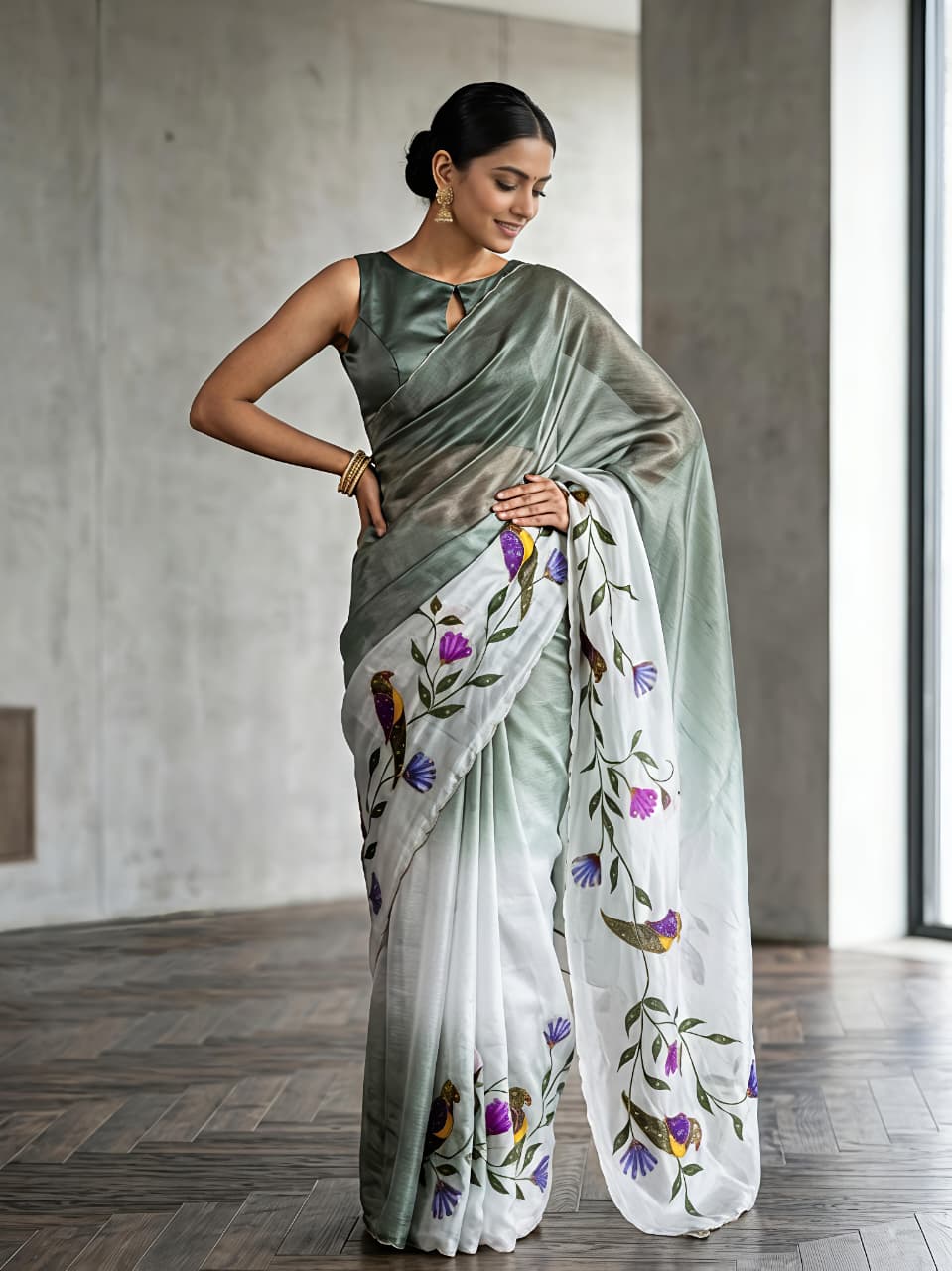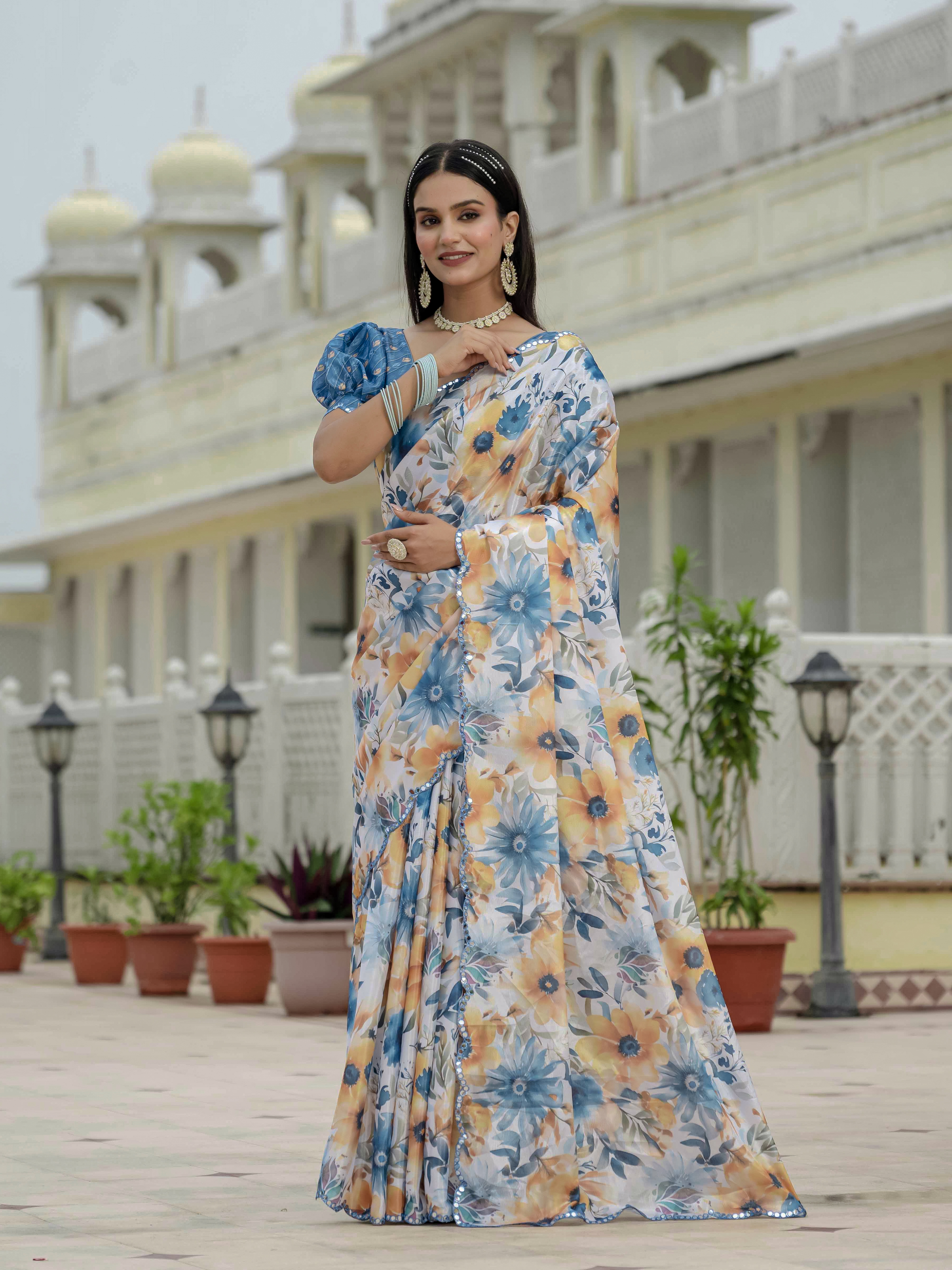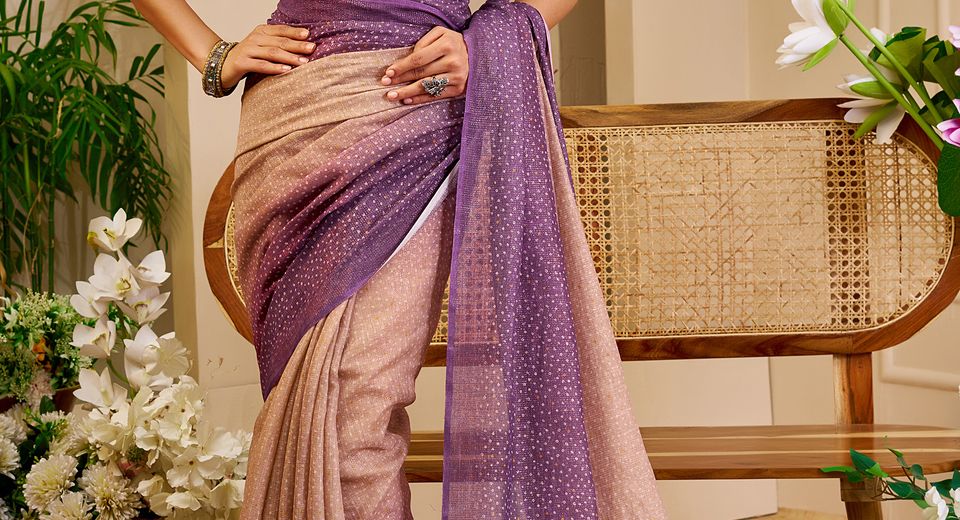
Manipuri Textile-Inspired Saree Ideas for Festivals & Weddings begin with a simple principle: borrow the visual language of Manipur thoughtfully, rather than treating regional motifs as decoration without context. The strongest looks use saturated colour, handloom-like texture, restrained borders and layered styling that recalls the relationship between a phanek and an inaphee. A saree doesn't need to copy a traditional Manipuri garment to carry that atmosphere. The right fabric, blouse, jewellery and drape can create a festive outfit that feels personal, elegant and culturally aware.
Manipuri Textile-Inspired Saree Ideas for Festivals & Weddings: What creates the look?
A saree looks Manipuri-inspired when its colour, texture and styling suggest the region's textile traditions without falsely presenting an ordinary saree as a classic phanek or inaphee. Manipuri dress traditions include the phanek, a wrapped lower garment, and the inaphee, a draped upper cloth. Regional textile references may also include bold geometry, strong colour contrasts and the tactile character of handloom cotton and silk.
Manipuri textile inspiration works particularly well in sarees because a saree already creates two strong visual fields: the body and the pallu. A woven-looking body can echo the grounded quality of a phanek, while a lighter pallu can suggest the airy layering of an inaphee. Borders should support that balance. A wide contrast border may look festive, but a narrow geometric border often feels more refined for a daytime ceremony.
Accuracy matters when using cultural references. Avoid calling every red, black or striped saree "Manipuri" unless the textile is actually made in Manipur or the seller provides that provenance. "Manipuri-inspired" describes a design direction; it doesn't establish the origin of the weave. That distinction allows you to appreciate a textile tradition without making an unsupported claim.
Manipuri Textile-Inspired Saree Ideas for Festivals & Weddings: Which colours work?
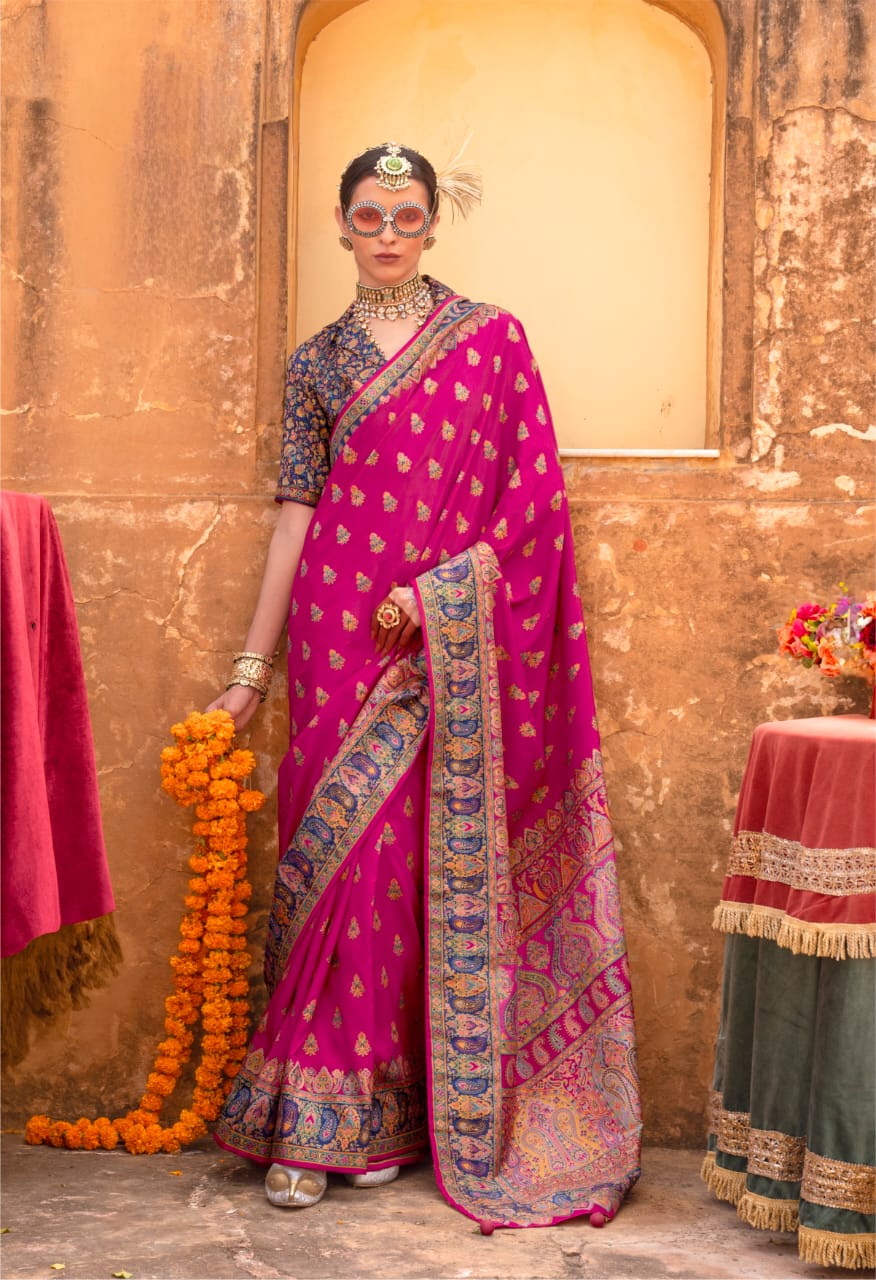
Choose one deep anchor colour, one supporting shade and one restrained metallic accent for a Manipuri-inspired wedding saree. Deep red, maroon, black, indigo, royal blue and magenta provide visual strength, while ivory, soft pink, peach or muted green prevent the outfit from becoming visually heavy.
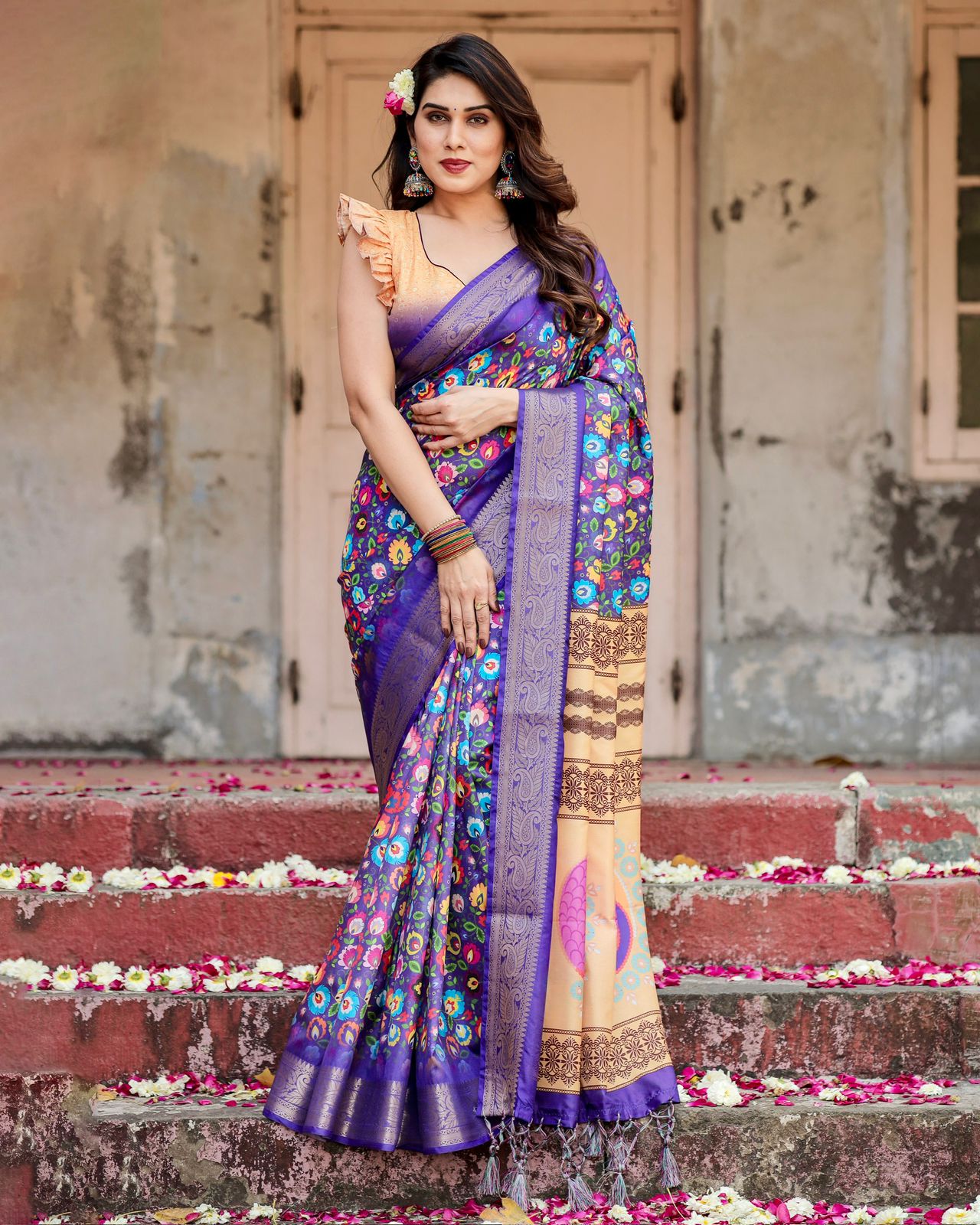
Red works well for a main wedding ceremony or a formal bridal-guest look because red photographs clearly and pairs naturally with antique gold. A red saree with a black or deep maroon blouse creates graphic definition, but the combination benefits from a lighter element such as pearl earrings, an ivory potli or warm-gold bangles. Royal blue offers a less predictable alternative. Royal blue silk with copper or antique-gold jewellery gives the outfit depth without repeating the familiar red-and-gold formula.
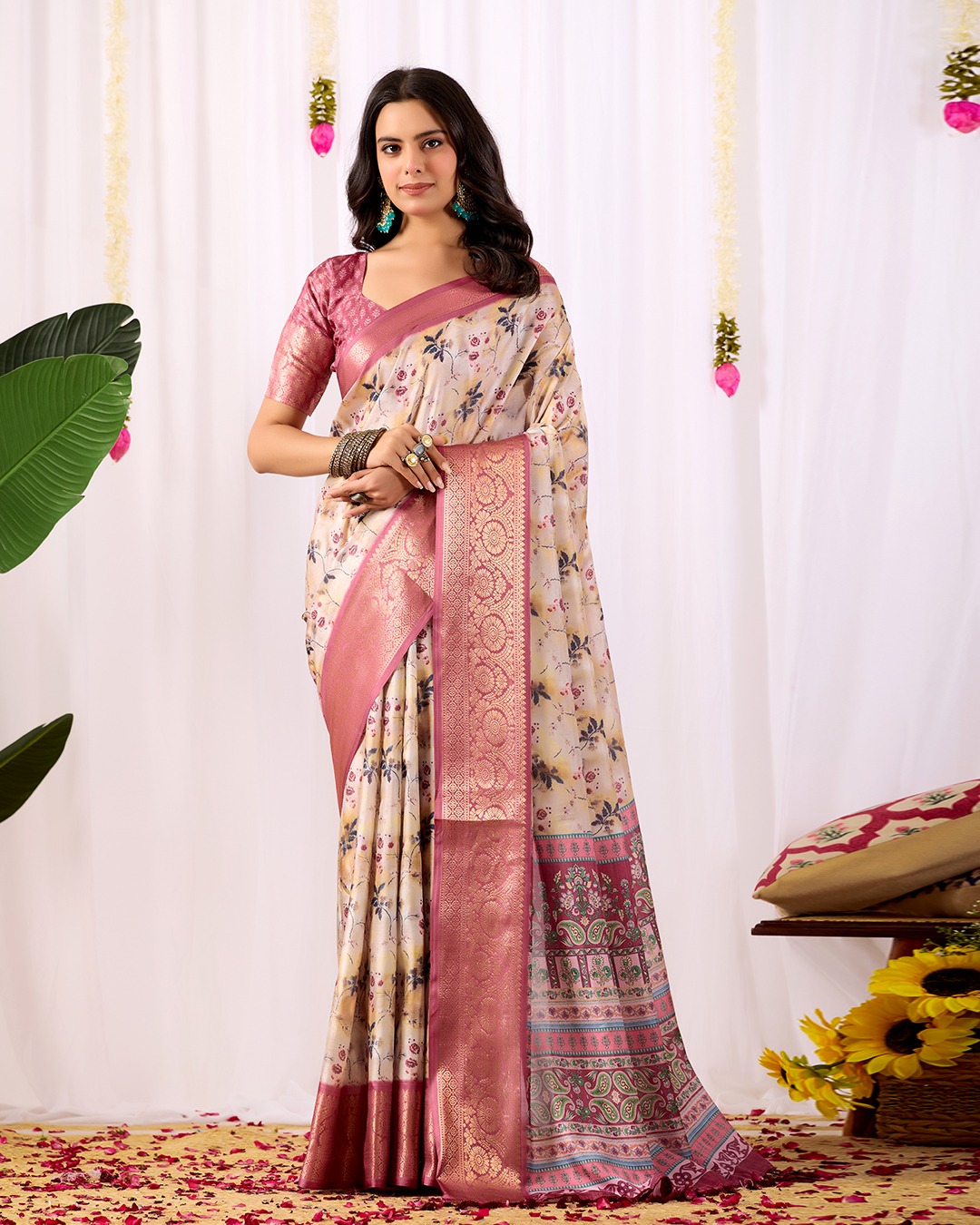
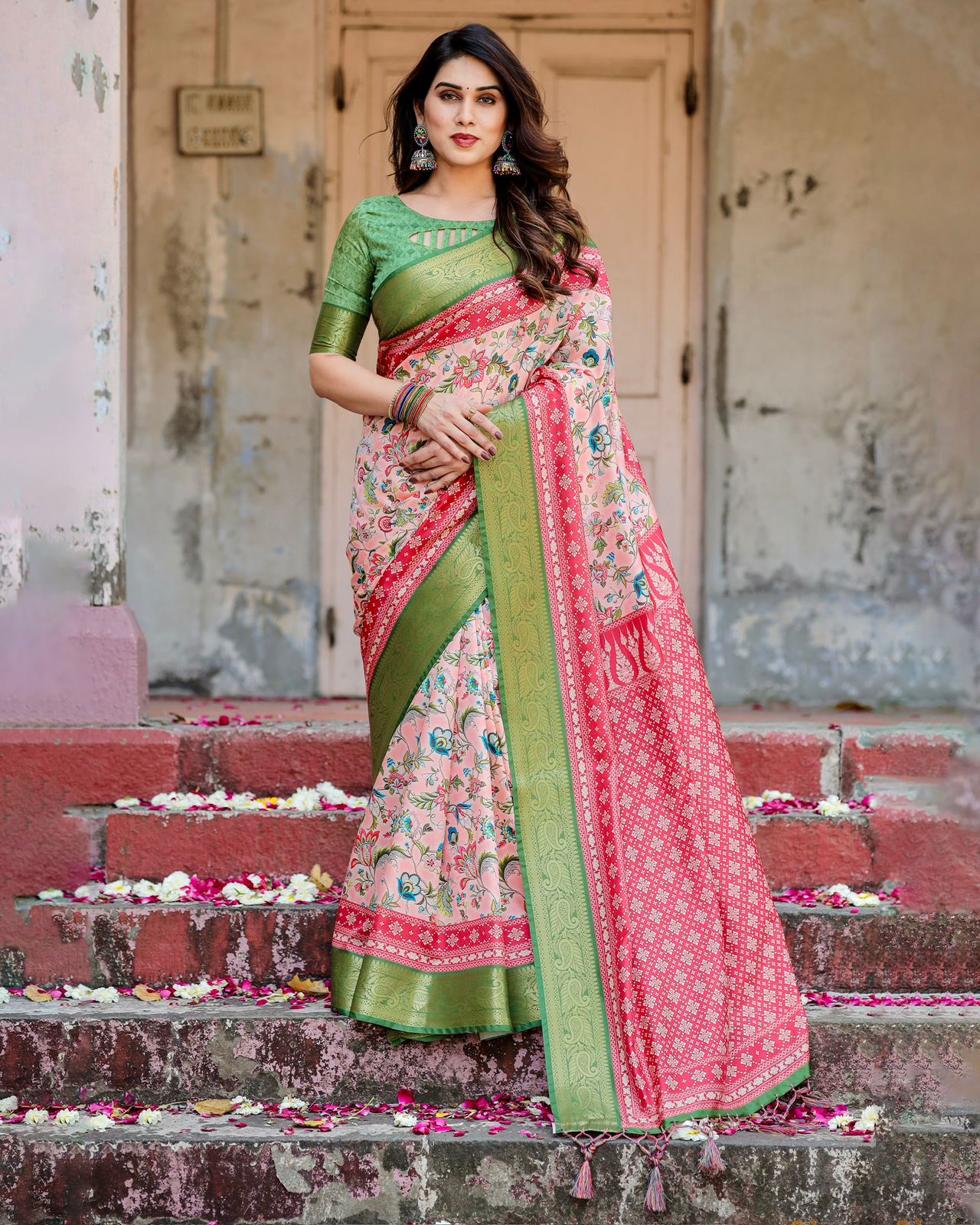
Green and pink suit Haldi ceremony, mehendi and daytime wedding functions because both colours appear fresh in natural light. Pink Green Floral Silk Saree with Zari Border Festive shows how green can act as a supporting colour rather than competing with pink. For a softer interpretation, a pastel base with one strong woven-style border can retain the regional mood while suiting a garden or morning celebration.
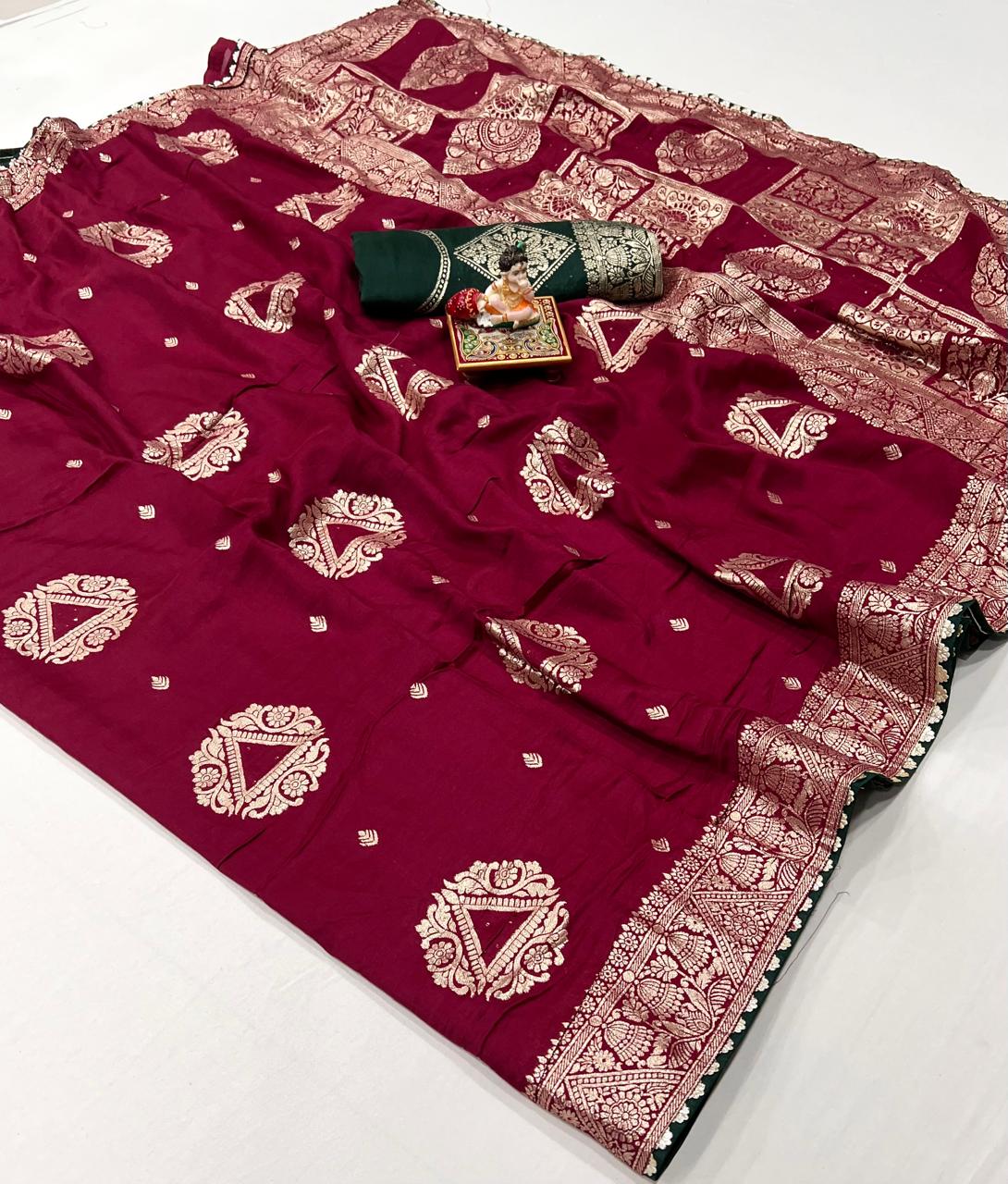
Choose metallic details according to colour temperature. Gold zari complements maroon, red, mustard and warm pink. Copper zari brings out rust, magenta, brick and deep purple. Silver or pewter works better with indigo, cool blue, lavender and grey. Mixing several metallic tones can make a textile-inspired look appear busy, so select one dominant finish for the saree, blouse and jewellery.
Manipuri Textile-Inspired Saree Ideas for Festivals & Weddings: Which fabrics suit them?
Silk, cotton-silk, linen-cotton and light handloom cotton are the most useful fabrics for a Manipuri-inspired saree because they provide visible texture and hold a defined pleat. Fabric choice should follow the event, climate and amount of movement rather than colour alone.
Silk for evening weddings
Silk is the strongest choice for a formal evening wedding because silk catches low light, supports structured pleats and gives a blouse enough body to hold architectural details. Polished Royal Blue Silk Saree for Festive & Wedding Wear suits a jewel-toned styling approach with a high-neck blouse, antique-gold earrings and a compact pallu. Magenta Lichi Silk Saree with Copper Zari Pallu creates a warmer ceremonial effect; pair it with a matte copper blouse instead of adding another shiny gold layer.
Banarasi silk, Kanjeevaram and other formal silk traditions can sit alongside a Manipuri-inspired styling idea, but they should not be relabelled as Manipuri textiles. A Banarasi silk saree carries its own weaving history, especially when zari butis or brocade are prominent. Styling a Banarasi silk saree with a regional colour story is different from claiming that the weave comes from Manipur.
Handloom cotton and linen blends for daytime functions
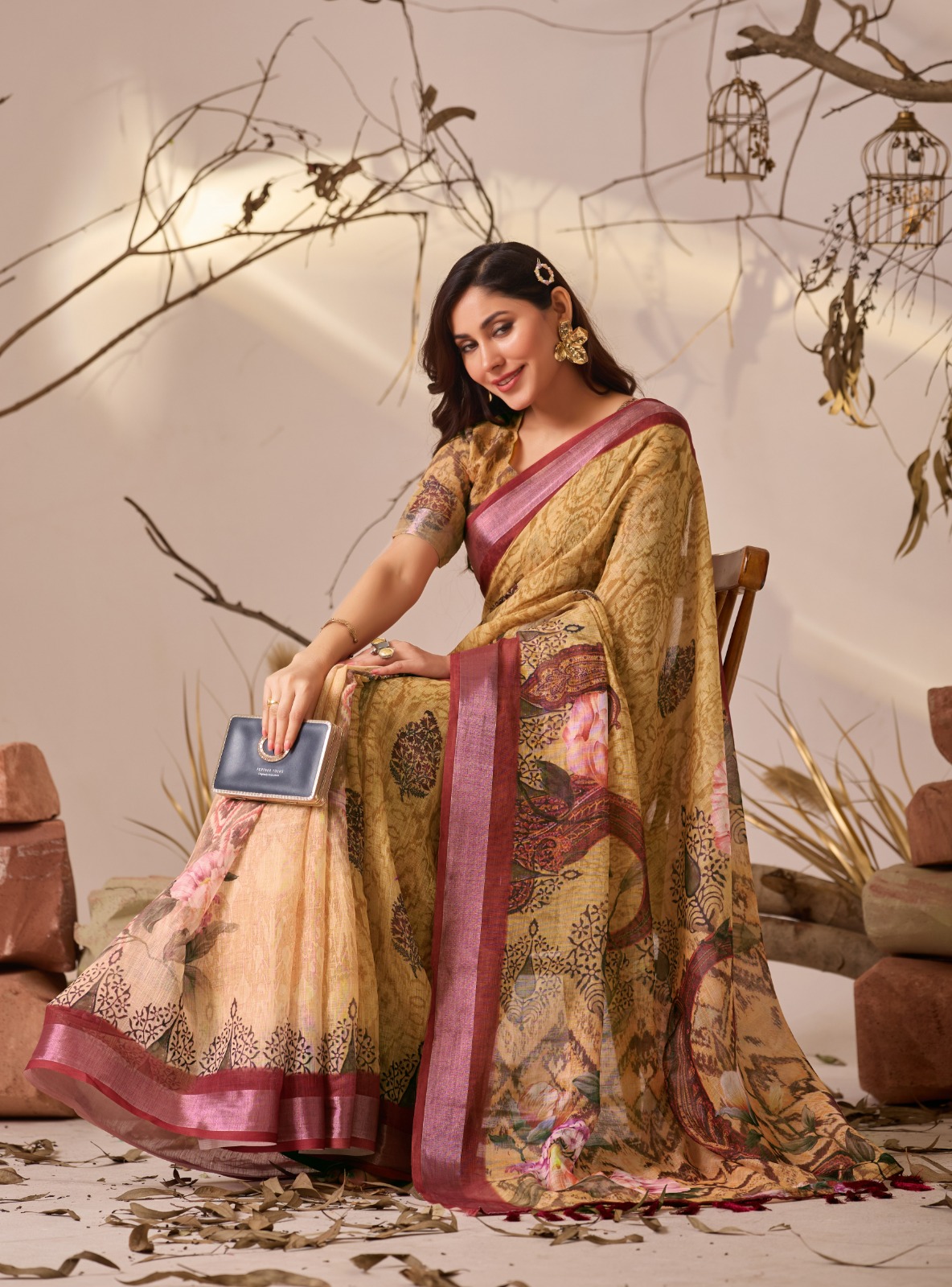
Linen-cotton and handloom cotton are practical for daytime ceremonies because they breathe better than dense silk and remain comfortable through several hours of greeting, sitting and movement. Premium Handloom Silk Saree with Handkatha gives a textural direction for a puja or intimate wedding, where the weave can remain the main feature instead of being covered by heavy jewellery.
Pastel Linen Cotton Floral Print Saree with Designer Blouse suits a lighter interpretation for a morning event or home celebration. Floral prints are not specifically Manipuri by themselves, so add regional influence through a contrasting blouse, a narrow geometric accessory or a carefully chosen colour pairing. Linen-cotton can crease naturally; steam the saree and fold the pleats firmly before dressing so the drape looks deliberate rather than untidy.
Shoppers comparing budgets can browse Latest Wedding Sarees Collection for formal references, Wedding Sarees Collection Under 4000 for accessible ceremony options, or Silk Sarees Under 3000 With Discount when texture and price both matter. A lower price doesn't automatically indicate a less suitable saree; check the fabric composition, border finish and fall before deciding.
Manipuri Textile-Inspired Saree Ideas for Festivals & Weddings: How should you drape one?
Create an inaphee-inspired layered feeling by keeping the saree drape clean and adding a separate light shoulder layer, rather than trying to reproduce an inaphee with the saree itself. A translucent stole, narrow handloom shawl or plain tissue dupatta can sit over one shoulder while the saree pallu remains visible underneath.
For a wedding, use a standard Nivi drape with five to seven front pleats, depending on your height and the saree length. Place the pallu over the left shoulder if you want the border to frame the blouse and jewellery. Keep the pallu between 42 and 48 centimetres wide when spread; a narrower pallu looks sharper, while a wider pallu creates more layered visual volume.
Another option is to pleat the pallu in narrow, even folds and secure it at the shoulder with a discreet pin. Let the lower edge fall at mid-calf rather than dragging near the floor. This makes the outfit easier to manage during a temple visit, wedding procession or dance performance. A belt can secure the waist, but choose a plain metal belt if the saree already has strong pattern or zari.
Purple Peach Tissue Handloom Cotton Saree with Zari Work supports a formal layered drape because tissue adds light-catching movement while cotton grounds the silhouette. Wear the pallu open for photographs and pleated for walking. A hidden safety pin at the waist and two pins inside the shoulder fold are usually enough; too many pins flatten the fabric and make the drape appear stiff.
Manipuri Textile-Inspired Saree Ideas for Festivals & Weddings: Which blouse designs help?
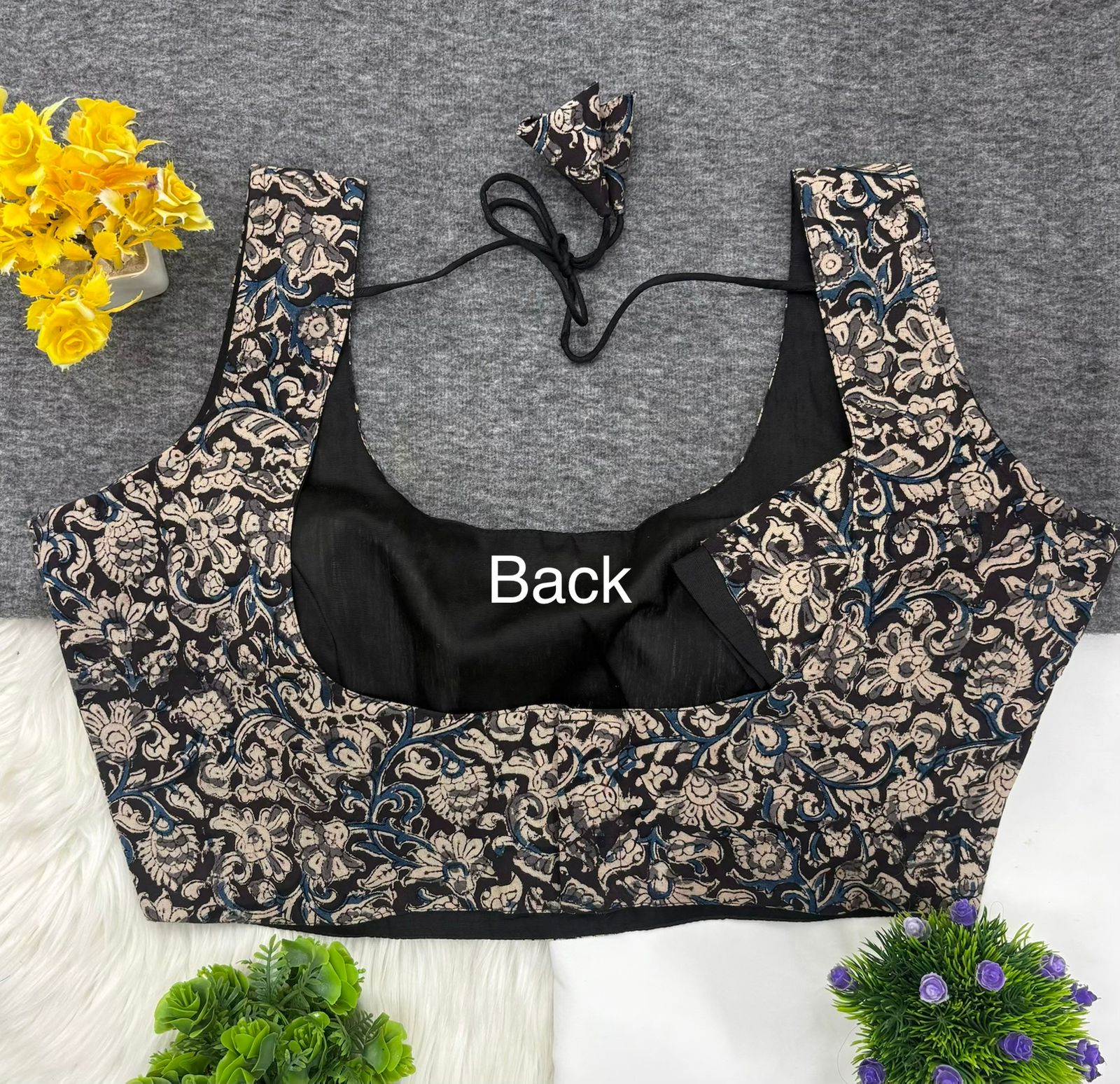
A blouse makes the Manipuri reference intentional when its neckline, sleeve and surface detail reinforce the saree instead of introducing a separate costume idea. High necklines, square necks, elbow-length sleeves, simple back panels and contrast piping are especially effective because they create clean geometry.
Choose a blouse colour from the saree border rather than matching the largest field of colour automatically. A black blouse with red or magenta accents produces a graphic finish. A deep green blouse can draw out a green border in a pink saree. A copper blouse can echo the pallu of Magenta Lichi Silk Saree with Copper Zari Pallu without competing with its body.
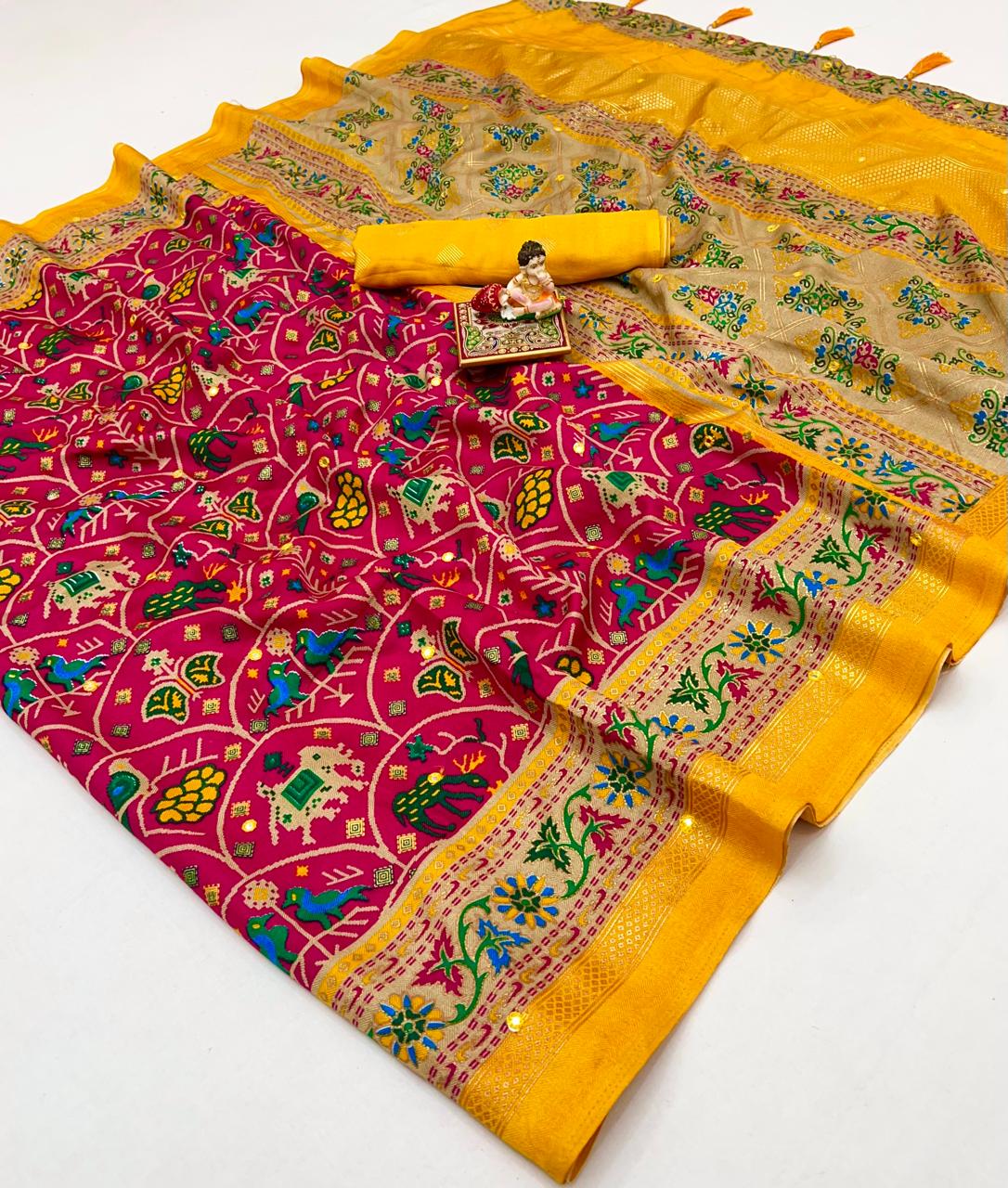
Small woven or embroidered details can reference textile geometry through bands, diamonds, stepped lines or narrow stripes. Keep the motif scale modest: a two- to four-centimetre trim around the sleeve or neckline is enough for a polished wedding outfit. Heavy mirror work, oversized florals and multiple unrelated motifs can dilute the handloom-inspired character.
For a printed saree, a solid blouse usually gives the best balance. Royal Blue Printed Silk Saree can be paired with a plain navy, black or muted rust blouse, depending on the colours in the print. For a plain silk saree, a textured blouse in raw silk or cotton-silk adds contrast without requiring additional embroidery.
Manipuri Textile-Inspired Saree Ideas for Festivals & Weddings: How should you finish the outfit?
Antique gold, oxidised silver, pearls and restrained copper jewellery complement Manipuri-inspired saree styling, with the best choice determined by the saree's metallic detail and colour temperature. Jewellery should provide rhythm around the face and hands while leaving the textile visible.
Antique gold jhumkas, a medium-length coin necklace and two or three slim bangles work for a formal wedding. If the saree contains prominent zari, skip a large necklace and choose statement earrings instead. A black-beaded or red-beaded accessory can add contrast, but avoid combining black beads, heavy gold, a waist belt and a large maang tikka unless the event is highly ceremonial.
Flowers can soften a structured textile look. White tuberose or small jasmine buds work with red, blue and magenta sarees; orange marigolds suit mustard, green and brick tones. Keep floral volume moderate when the saree has a broad border. A low bun, centre-parted hair or a softly braided style allows earrings and the pallu edge to remain visible.
Accessories can also establish the mood of the function. A small woven potli, metallic juttis or a plain sandal works better than several competing statement pieces. Pink Georgette Sarees is an useful colour reference for guests who want a lighter, more fluid look, while Red Banarasi Silk Sarees for Weddings Under 1100 points towards a more time-honoured red-and-zari direction. Neither reference needs to be styled as Manipuri textile; the colour and drape can provide the connection.
Before buying, inspect the saree under daylight and warm indoor light, check whether the border is woven or printed, and confirm the total length. A saree between 5.3 and 5.5 metres generally supports a conventional drape, while a heavier pallu may require a stronger blouse hook and additional pinning. These small checks prevent an attractive festival look from becoming uncomfortable during a long wedding.
Questions About Manipuri-Inspired Sarees for Weddings and Festivals
What colours work best for a Manipuri-inspired wedding saree?
Deep red, maroon, black, indigo, royal blue and magenta work well as anchor colours, while ivory, peach, pink or muted green provide balance. Choose one main colour, one supporting shade and one metallic finish instead of combining several competing tones.
Can I wear a Banarasi silk or Kanjeevaram saree for a Manipuri-inspired look?
Yes, but describe the outfit as Manipuri-inspired styling rather than a Manipuri textile unless the saree's provenance confirms that origin. Banarasi silk and Kanjeevaram have distinct weaving histories, so regional colour, blouse design and layered draping should provide the visual connection.
How can I create an inaphee-inspired layer with a saree?
Wear a clean Nivi saree drape and add a separate lightweight stole or handloom shawl over one shoulder. Keep the additional layer narrower than the saree pallu so the silhouette suggests layering without hiding the saree.
Which fabric is most comfortable for a daytime Manipuri-inspired wedding look?
Linen-cotton, light handloom cotton and cotton-silk are generally more comfortable than dense silk for daytime events in warm weather. These fabrics also provide enough texture to support a handloom-inspired outfit while allowing easier movement.
What blouse design suits a textile-inspired saree?
High necklines, square necks, elbow-length sleeves, contrast piping and simple geometric trims suit a textile-inspired saree. A solid blouse is usually the safest choice with a printed saree, while a textured blouse can add depth to a plain silk saree.
How should I care for a silk saree with zari after a wedding?
Air the saree in shade for several hours, remove pins carefully and fold it with the zari facing inward to reduce surface rubbing. Store silk and zari in breathable cotton or muslin, refold the saree every few months, and avoid direct perfume, moisture and prolonged sunlight.