

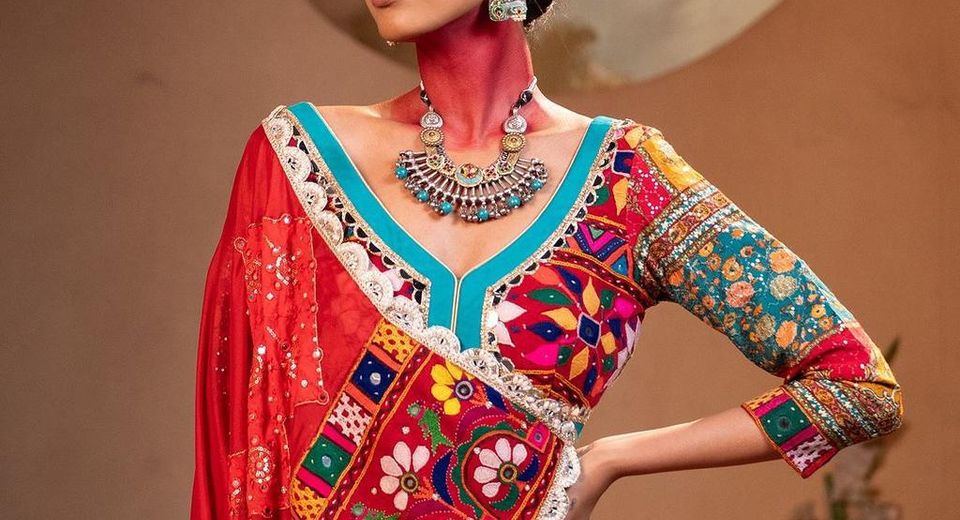
Manipuri Potloi and Why It Is Not an Everyday Lehenga becomes clear when you look at the garment's shape before its decoration. A Potloi is a highly structured traditional skirt associated with Meitei ceremonial dress, especially bridal and ritual contexts. Its firm, rounded silhouette is created through an internal framework and layers of fabric, unlike the soft flare of a conventional lehenga. That construction gives the Potloi cultural presence, but also makes it heavier, less flexible and far less practical for ordinary daily wear.
The distinction matters when shoppers see the words "traditional lehenga" used broadly. A flowing readymade lehenga, a bridal designer set and a Manipuri Potloi may all have a skirt-and-blouse format, but they do not serve the same purpose. Understanding the difference helps with respectful styling, realistic comfort expectations and more informed shopping for weddings, festivals and cultural events.
Manipuri Potloi and Why It Is Not an Everyday Lehenga
Manipuri Potloi is not an everyday lehenga because its rigid architecture, ceremonial symbolism and elaborate hand-finished surface are designed for special dress rather than repeated casual use. The skirt is traditionally shaped into a distinctive cylindrical or barrel-like form, keeping the lower garment visibly upright around the wearer's body.
Conventional lehengas usually depend on gathered panels, pleats, net or a broad circular cut to create movement. A Potloi prioritises a controlled outline instead. The skirt does not simply fall from the waist; the structure supports the garment and preserves its rounded profile while the wearer stands, walks or sits carefully.
Traditional Potloi construction is commonly associated with a cane or bamboo-based framework covered with textile layers, although exact methods and embellishment can vary by maker, community practice and period. Velvet, satin-like cloth, brocade, embroidery, beads, mirrors, sequins and appliqué may appear on particular examples. The important point is the built form: surface decoration is only one part of what makes a Potloi recognisable.
- Shape: a firm, rounded skirt rather than a freely collapsing flare.
- Construction: an internal support system and multiple outer layers can add weight and bulk.
- Context: the garment belongs to ceremonial, bridal or performance-related dress traditions.
- Movement: walking, sitting and entering a vehicle require more planning than with a soft lehenga.
How the Potloi's Structure Changes the Wearing Experience
The Potloi's structure changes comfort because the wearer carries a supported, shaped garment instead of a flexible skirt. A regular lehenga can usually be lifted slightly at the hem, folded for travel and adjusted with a drawstring or waistband. A Potloi needs more careful handling because bending, compressing or folding the framework may distort its silhouette.
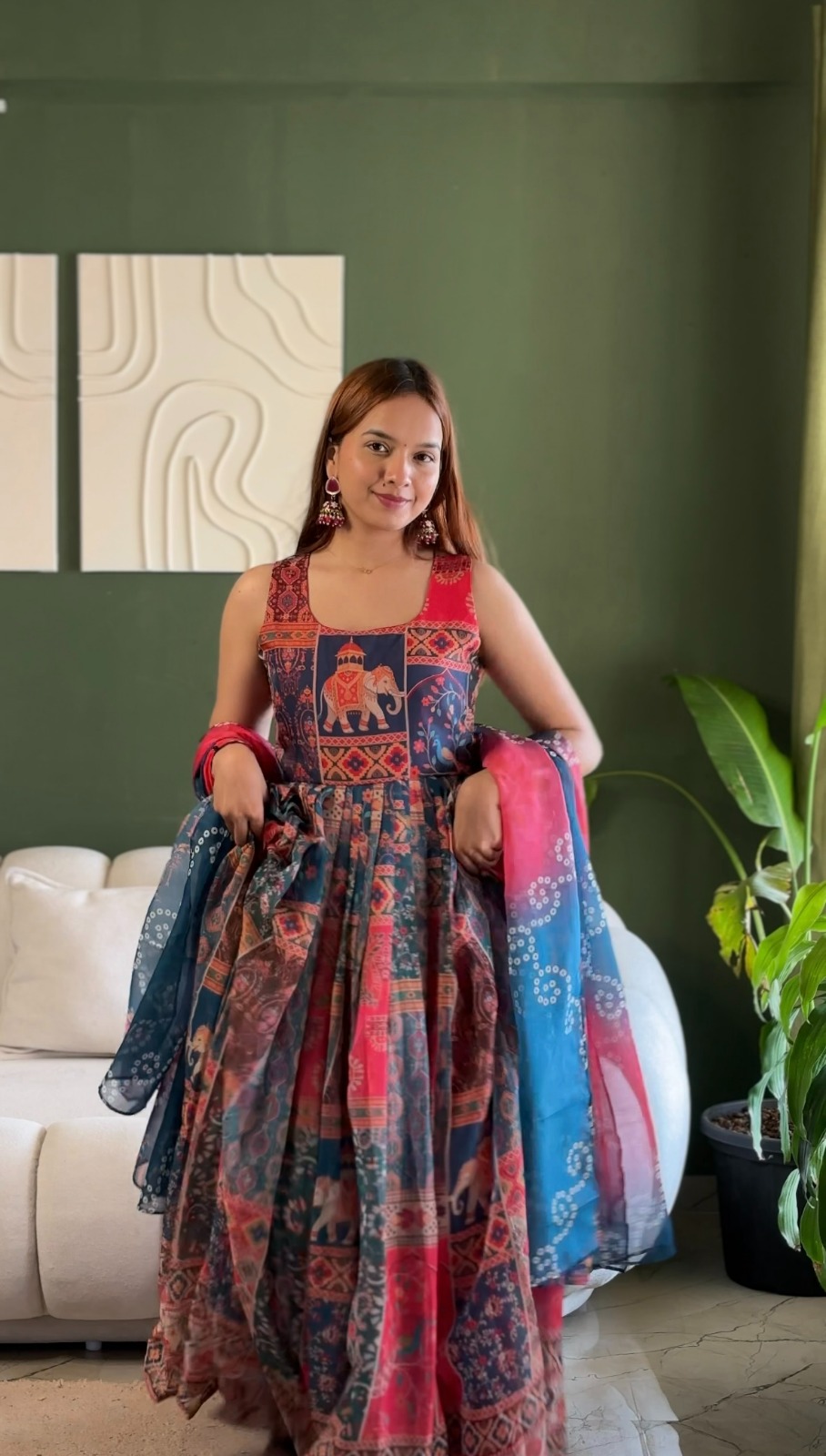
Weight is not determined by decoration alone. A richly worked skirt made from a relatively light textile can still feel manageable if it has a soft construction, while a less glittering Potloi can feel substantial because of its frame and layered body. The final weight depends on the base material, support structure, lining, embellishment and length.
Can you sit comfortably in a Potloi?
You can sit in a Potloi, but you may need a wider seat, a careful sideways approach and assistance when lowering the skirt. The rigid lower shape does not fold neatly under the thighs like a conventional flared lehenga.
For a wedding ceremony or stage appearance, that limitation may be acceptable because the garment is part of a formal visual language. For a long reception involving dining, dancing, stairs and car travel, a softer lehenga is usually more practical. A wearer should ask about the skirt's actual frame, approximate weight and sitting method before committing to a custom or bridal purchase.
Why the Potloi Belongs to Ceremony and Cultural Memory
The Potloi belongs to ceremonial dress because its scale, craftsmanship and controlled silhouette communicate importance beyond ordinary clothing. The garment is closely associated with Manipuri cultural identity and appears in contexts where dress carries social, ritual and artistic meaning.
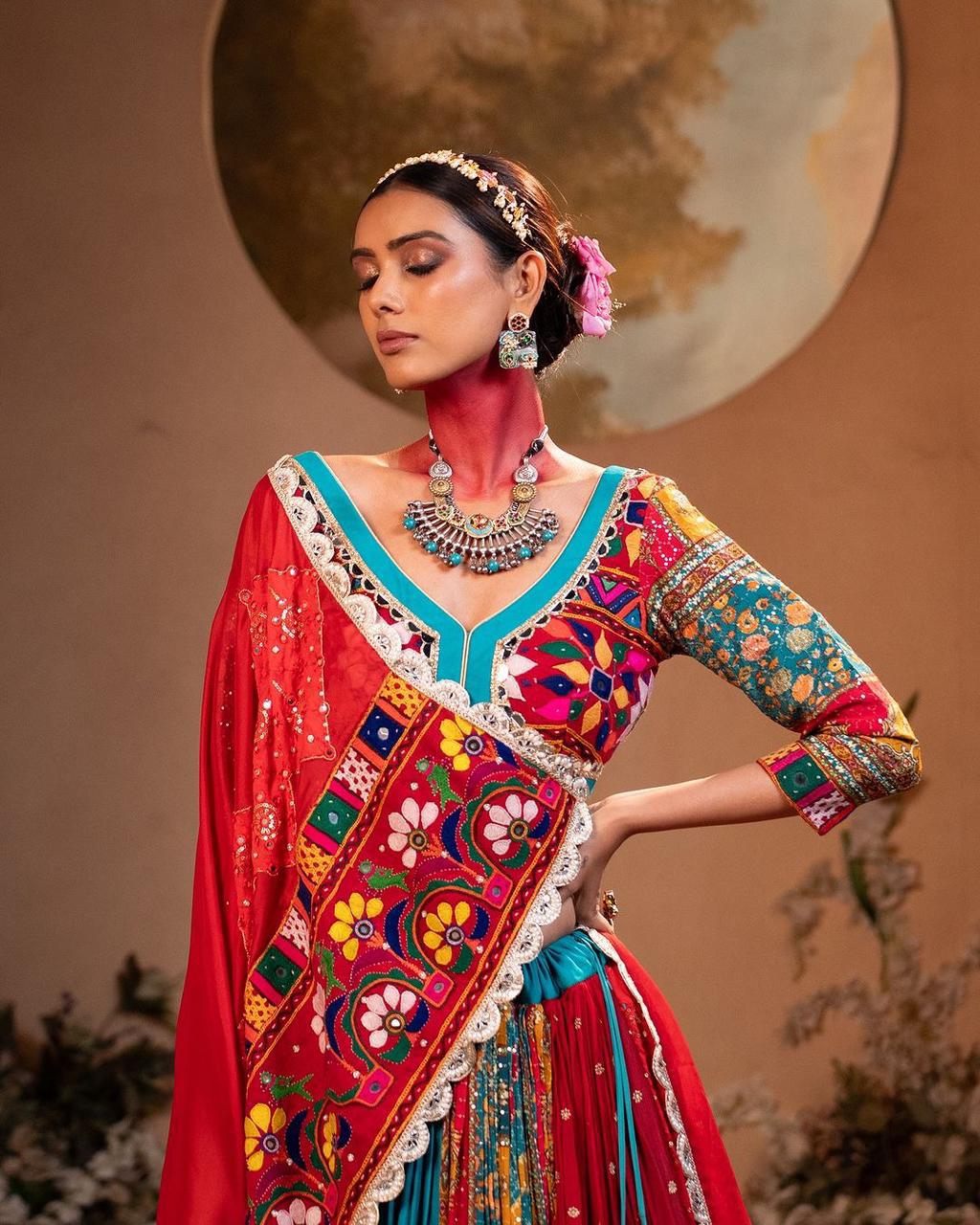
In Meitei traditions, bridal clothing is not selected only for colour or current fashion. The complete ensemble, including the skirt, blouse, veil, jewellery and styling, creates a recognisable ceremonial image. A Potloi may therefore be evaluated through craft lineage and cultural appropriateness as much as through fit or visual trend.
The term also appears in discussions of Manipuri dance and traditional performance imagery, but a performance costume and a bridal garment should not automatically be treated as interchangeable. Construction, ornament, proportions and the way the garment is worn can differ according to purpose. A photograph may show the iconic shape without revealing the practical or cultural distinctions behind it.
For anyone borrowing visual inspiration, naming the source accurately is a mark of respect. Calling every structured skirt a Potloi removes the term from its regional context. A modern lehenga can take inspiration from a sculptural silhouette, but inspiration is not the same as an authentic traditional garment.
How a Potloi Compares with Modern Lehengas
A modern lehenga is generally easier to wear because its skirt is designed for repeated dressing, transport and movement. The difference is easiest to see in the waistband, flare, lining and storage requirements rather than in the embroidery alone.
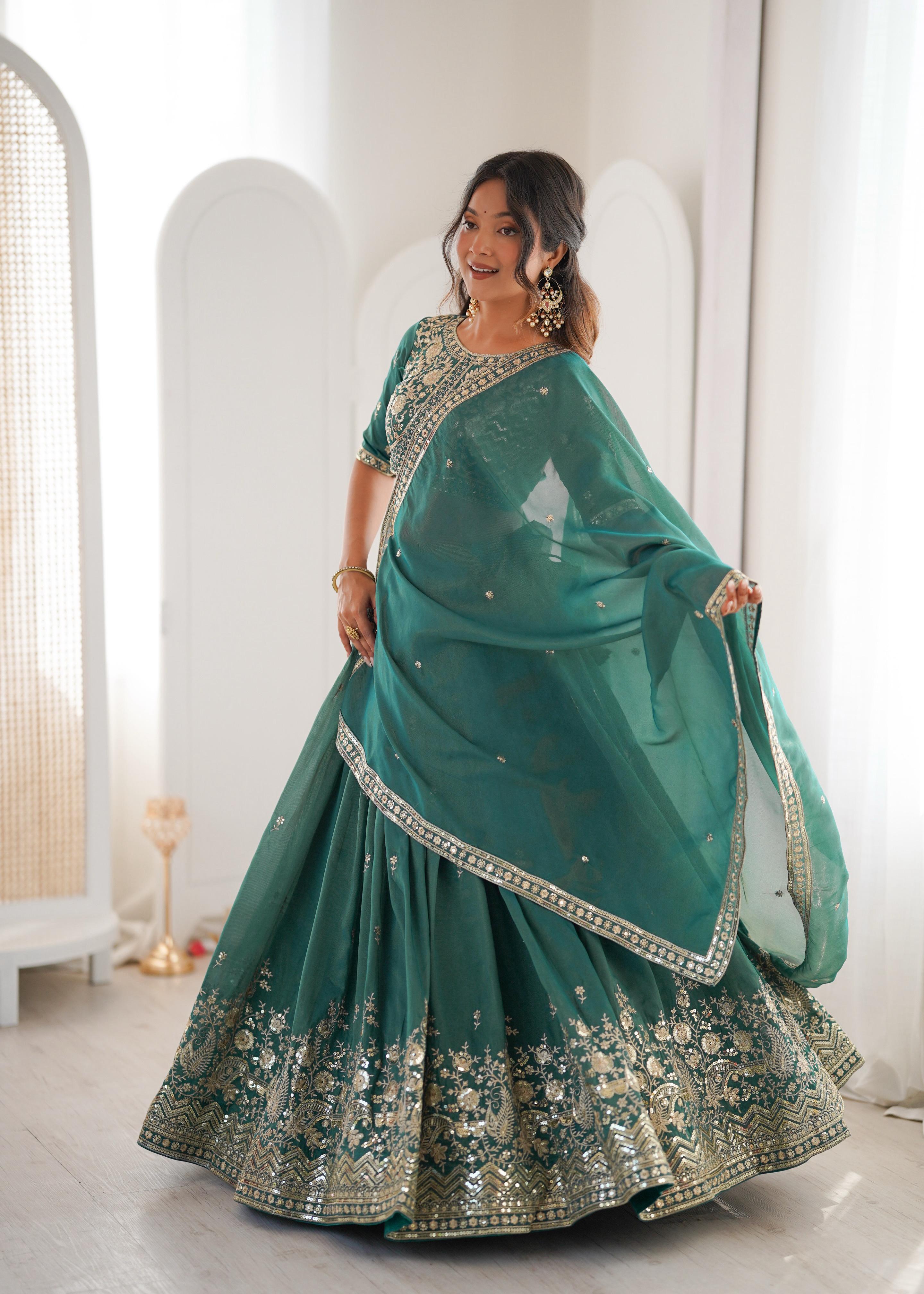
- Soft festive lehenga: muslin cotton, georgette, net or blended fabrics provide a lighter fall and easier walking.
- Bridal lehenga: dense zari, embroidery, velvet or layered net can add weight, but the skirt normally remains foldable.
- Fully stitched choli set: the blouse arrives finished to a particular size range, reducing tailoring time but making measurement checks essential.
- Semi-stitched lehenga: the waist and blouse can often be adjusted by a tailor, making the set useful when measurements fall between standard sizes.
- Potloi: the defining feature is the structured body and ceremonial identity, not simply a broad flare or ornate surface.
For example, the Multicolor Mirror Work Muslin Cotton Lehenga Choli Set illustrates a lighter festive direction: muslin cotton and mirror work create visual interest without suggesting the stiff architecture of a Potloi. The Pastel Grey Embroidered Butterfly Net Lehenga Set offers another contrast, since net creates airiness and volume while retaining conventional lehenga movement.
A Festive Multicolor Muslin Cotton Lehenga Choli Set can suit a daytime celebration where comfort and colour matter. A Stylish White Mirror Work Lehenga for Festive Wear may work for a contemporary festive wardrobe, while a Black Wedding & Festive Wear Designer Lehenga can create a more formal effect without becoming a traditional Manipuri costume.
Choosing the Right Lehenga for the Occasion
The right lehenga depends on movement, duration, weather, dress code and the amount of tailoring time available. A garment that looks suitable in a product photograph may feel wrong after four hours of standing, eating, travelling or dancing.
For weddings and bridal events
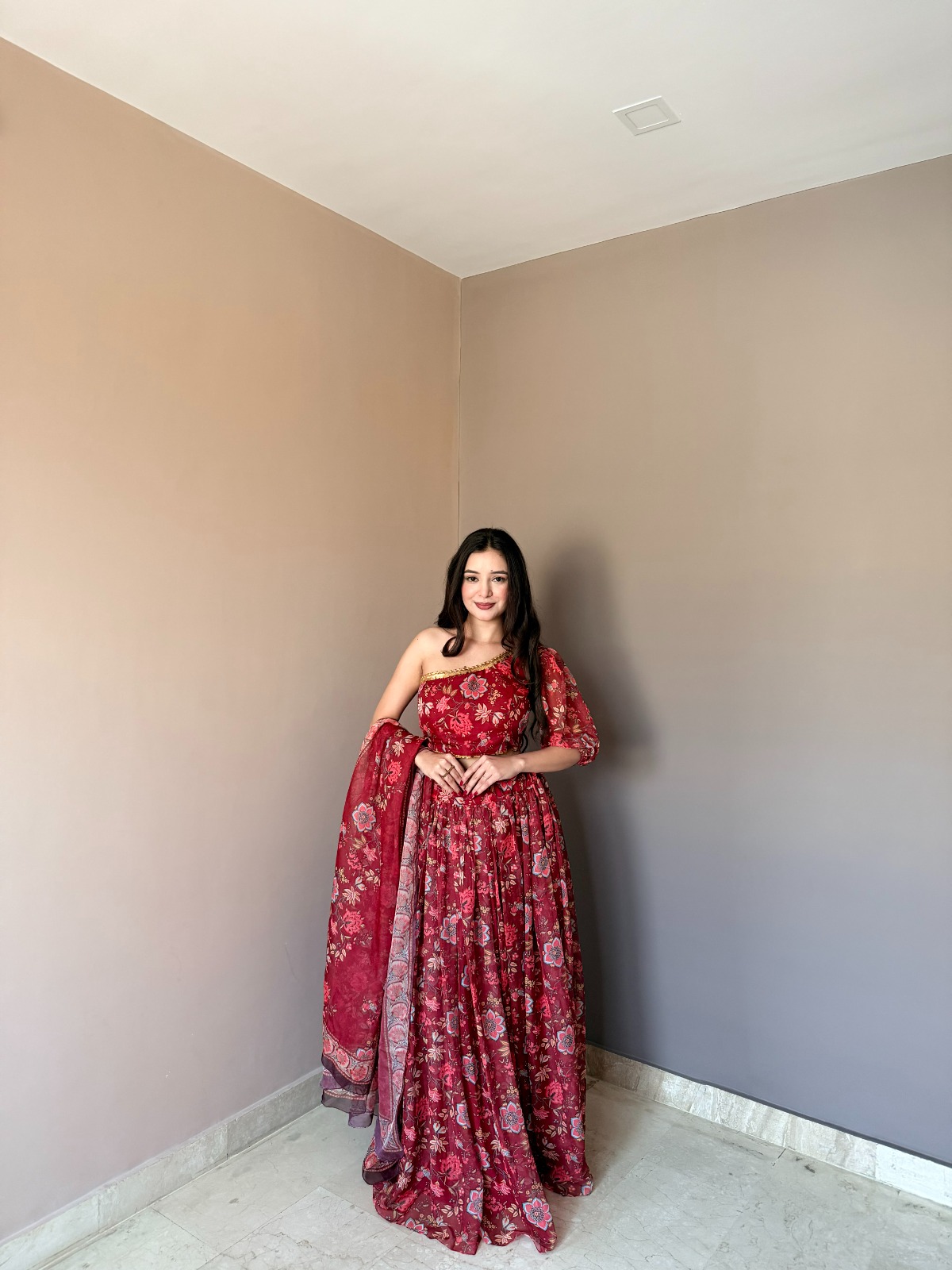
A bridal lehenga should be chosen after checking skirt weight, blouse support, lining comfort and the number of hours it must be worn. Heavy embroidery and zari can be beautiful for the main ceremony, but a lighter outfit may be more practical for the mehendi, Haldi ceremony or post-wedding gathering.
The Vibrant Multicolor Navratri Lehenga Choli Set is better suited to energetic festive dressing than a rigid ceremonial skirt because Navratri involves repeated walking and dancing. The Beige Ethnic Printed Lehenga Set for Navratri and Garba offers a print-led alternative for shoppers who want ease and movement rather than dense bridal embellishment.
For colour-led festive dressing
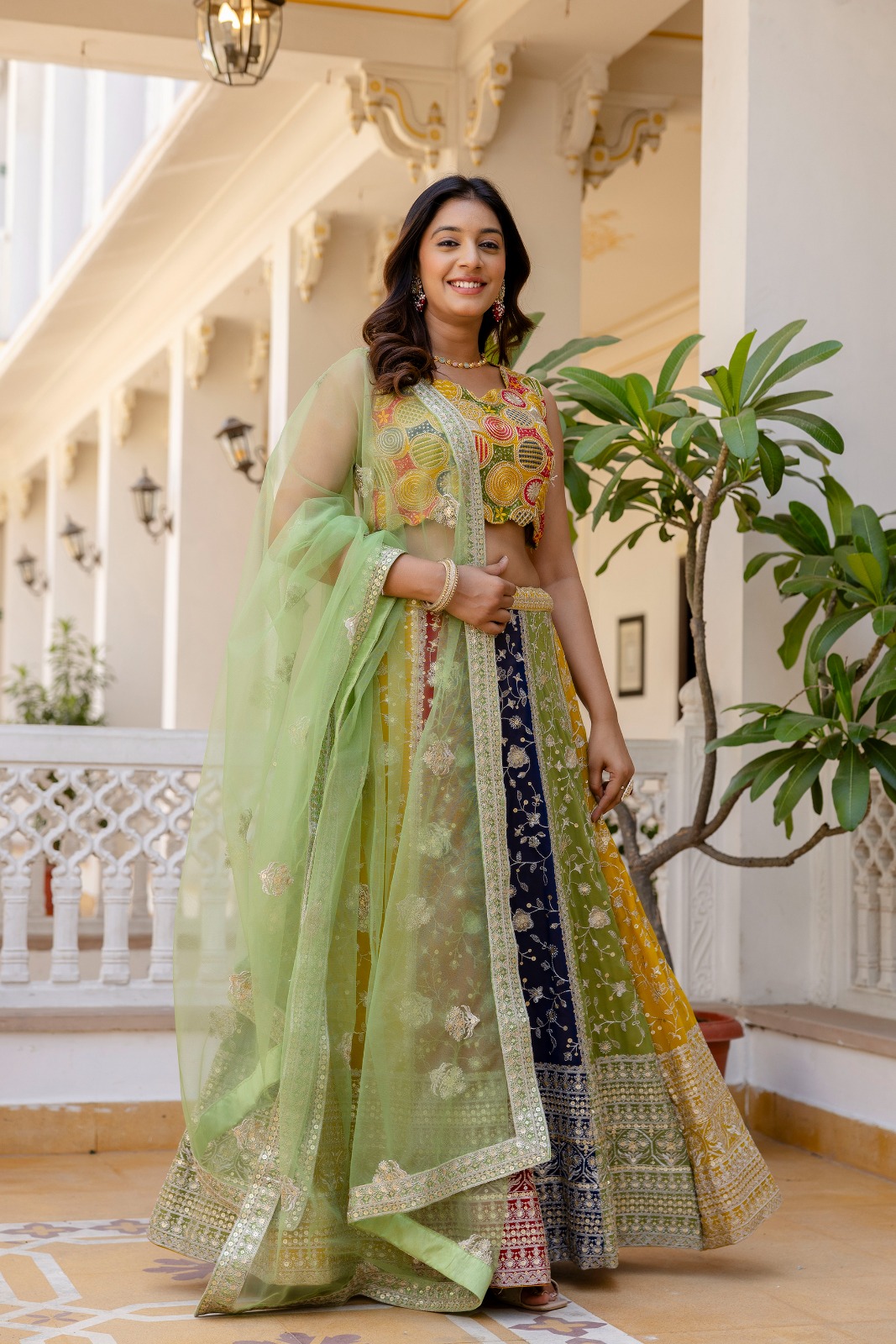
Colour can help narrow a search without forcing a traditional silhouette. Yellow Lehengas can work well for a Haldi ceremony when the brief calls for a cheerful daytime palette, while Green Lehengas can suit mehendi functions and outdoor celebrations. Mehendi Lehengas often balance festive detail with enough mobility for greeting guests and sitting comfortably.
For shoppers who need a completed outfit quickly, a Ready Made Lehenga reduces the amount of tailoring required. A Semi Stitched Lehengas Collection may be preferable when waist, hip or blouse measurements need adjustment. The best choice depends on whether speed or a closer custom fit matters more.
Buying and Fitting Checks Before Ordering
Before ordering any lehenga, measure the waist, high hip, full hip, shoulder, bust and blouse length, then compare those figures with the seller's size chart. Do not rely only on a familiar small, medium or large label because blouse measurements and skirt closures vary between makers.
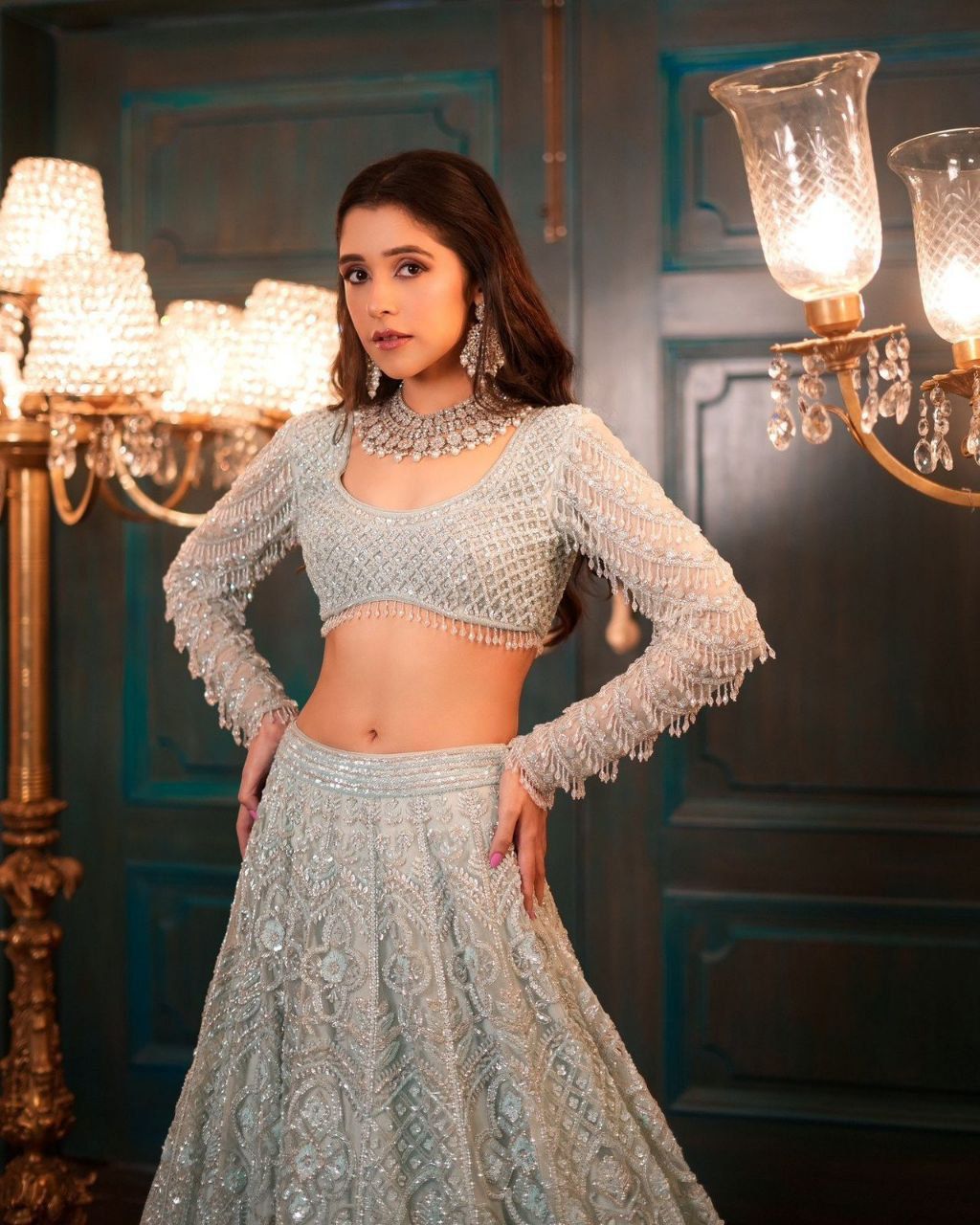
Check whether the blouse is fully stitched, semi-stitched or only cut for tailoring. Fully stitched choli shopping is convenient when the size chart closely matches the wearer, but alteration allowance may be limited around the armhole, bust and shoulder. A semi-stitched blouse gives a tailor more room to refine the fit.
Ask whether the skirt uses an elastic waist, drawstring, hook-and-eye closure or side zip. A drawstring gives more flexibility for small changes in waist measurement, while a fixed zip usually creates a cleaner finish but demands greater accuracy. Ask for the finished skirt length as well, particularly if the wearer is petite or plans to wear a specific heel height.
Fabric choice should match the climate and schedule. Muslin cotton is often more comfortable for daytime celebrations, while georgette and net can provide a lighter visual effect with controlled volume. Dense embroidery, multiple linings and metallic embellishment can increase warmth, so ventilation matters during outdoor weddings or summer festivals.
Storage also deserves attention. Fold a soft lehenga along its panels, place tissue paper between heavy embroidered surfaces and store the garment in a breathable cotton cover. A structured Potloi should not be crushed under other clothing; its internal frame needs protected storage and, where possible, a wide area that does not force the shape flat.
How to Style a Contemporary Lehenga Without Mislabeling a Potloi
A contemporary lehenga can echo the Potloi's sculptural drama through proportion, colour and jewellery without being described as a traditional Potloi. A high-waisted skirt, a shorter structured blouse, controlled volume and a carefully placed dupatta can create a strong silhouette while retaining ordinary lehenga construction.
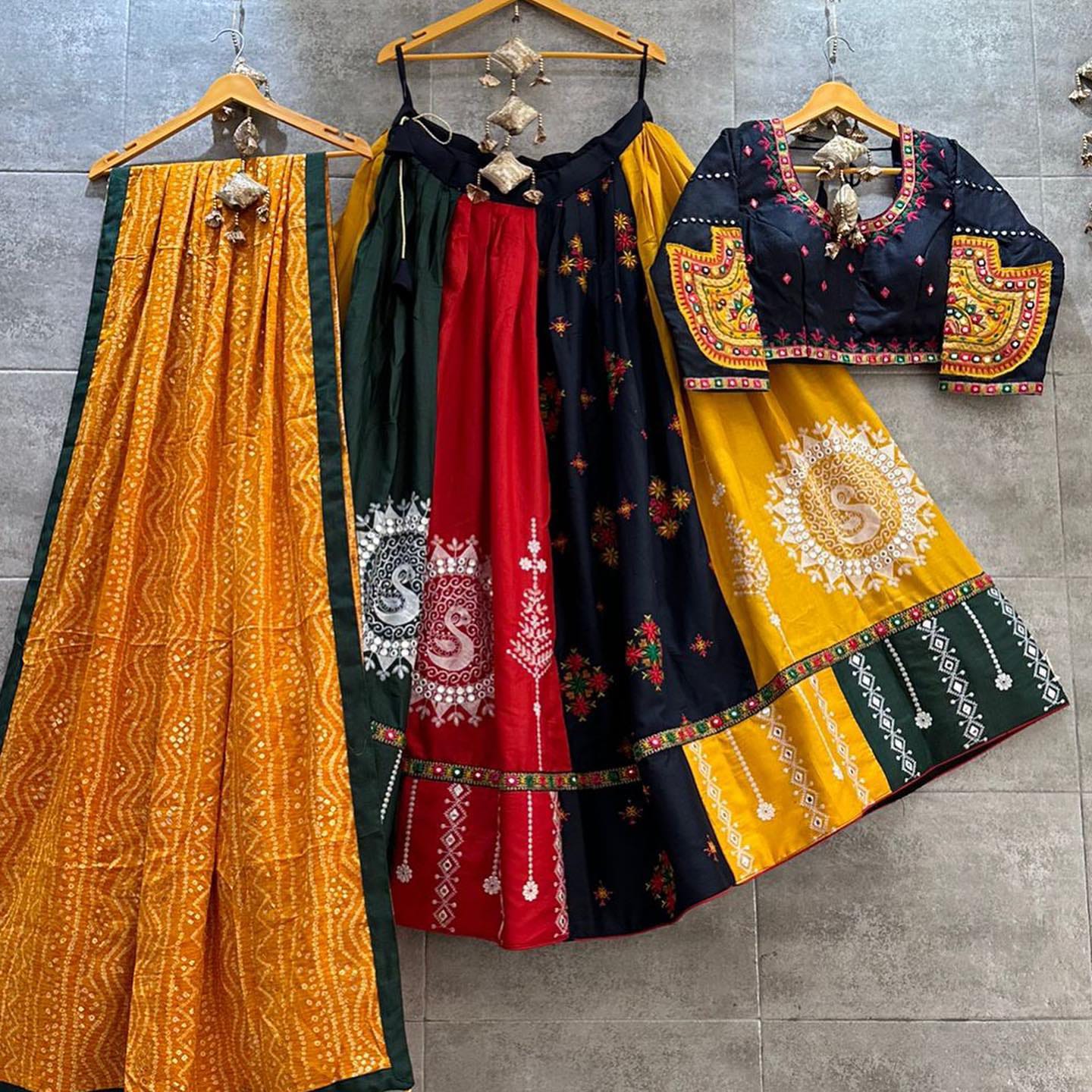
Choose accessories according to the garment's visual weight. Mirror work pairs naturally with silver-toned earrings and restrained bangles, while a heavily embroidered designer lehenga may need fewer competing surface details. A soft net dupatta can add height and movement, whereas a heavier dupatta can make an already elaborate outfit feel restrictive.
Styling for girls or younger wearers should prioritise safe movement, secure closures and manageable weight. Avoid long hems that create a tripping risk, sharp embellishment near the neckline and very heavy dupattas that require constant adjustment. A comfortable festive set will be worn more confidently than a miniature version of a ceremonial garment that limits movement.
Respectful styling also means avoiding a costume-like imitation of a community garment without understanding its context. Use clear language such as "structured lehenga inspired by a sculptural silhouette" when describing a fashion adaptation. Reserve "Manipuri Potloi" for a garment that genuinely belongs to, or is responsibly made in relation to, that tradition.
Final Takeaway for Lehenga Shoppers
The Manipuri Potloi is a ceremonial, structurally supported garment whose cultural meaning is inseparable from its distinctive form. The Potloi is not an everyday lehenga because its frame, weight, storage needs and movement limitations are intentional parts of its identity.
Choose a Potloi when the cultural context, formal purpose and specialised construction are appropriate. Choose a conventional ready-made, fully stitched or semi-stitched lehenga when you need easier travel, longer wear, dancing, repeated use or straightforward tailoring. The most useful buying decision is not based on how ornate a skirt looks; it is based on whether its construction matches the event and the way you expect to move.
Common Questions About Manipuri Potloi and Ceremonial Lehengas
What is a Manipuri Potloi?
A Manipuri Potloi is a highly structured traditional skirt associated with Meitei ceremonial and bridal dress. Its rounded, upright shape is created with an internal support system and layered textile construction rather than only with gathered fabric.
Is a Manipuri Potloi the same as a lehenga?
A Manipuri Potloi and a conventional lehenga share a skirt-and-blouse format but are not the same garment. A Potloi has a distinctive ceremonial identity and rigid construction, while most modern lehengas use softer, foldable fabrics and are designed for easier movement.
Can a Manipuri Potloi be worn for everyday use?
A Manipuri Potloi is generally unsuitable for everyday use because its frame, bulk and ceremonial styling make walking, sitting, travel and storage more demanding. A muslin cotton, georgette or net lehenga is usually more practical for regular festive dressing.
What should I wear instead of a Potloi for a Haldi ceremony?
A lightweight festive lehenga is usually a better choice for a Haldi ceremony than a structured Potloi. Yellow Lehengas, printed sets and muslin cotton lehengas offer easier movement, simpler washing considerations and greater comfort for an outdoor daytime function.
Is a fully stitched choli better than a semi-stitched blouse?
A fully stitched choli is better when the available size closely matches your bust, shoulder and armhole measurements. A semi-stitched blouse is better when you need tailoring flexibility or your measurements fall between standard sizes.
How should a structured Potloi be stored?
A structured Potloi should be stored in a breathable garment cover without being compressed beneath other clothes. Protecting the internal frame from bending, moisture and heavy pressure helps preserve its rounded silhouette.




