Manipuri Phanek Fashion: Traditional Styles & Modern Outfit Ideas begins with a garment that carries history in every stripe, colour and wrap. A phanek is a traditional lower garment worn by Meitei women of Manipur, usually wrapped around the waist and secured with a tuck rather than stitched into a fixed skirt shape. Contemporary wardrobes can pair the phanek with fitted blouses, short jackets, kurtas and carefully chosen accessories without losing sight of its cultural character.
Good styling depends on understanding the difference between an authentic phanek, a woven wrap skirt and a generic printed bottom. Width, border placement, textile weight and the relationship between the upper and lower garments all affect the final silhouette. The most successful modern looks preserve the visual balance of Manipuri dress while adapting proportions for work events, festivals, weddings and informal gatherings.
What makes a traditional phanek distinctive?
A traditional phanek is a rectangular or tubular lower garment wrapped around the body, with colour bands, woven motifs or a contrasting border that give the garment its identity. A phanek may be made from cotton, silk, synthetic blends or handwoven textiles, depending on its purpose, region and price.
Traditional Meitei dress often places the phanek alongside an inaphee, a translucent or lightweight upper cloth draped over the shoulders, and a fitted blouse. The phanek itself can be practical everyday clothing, ceremonial attire or part of a more formal ensemble. Designs associated with Manipur frequently use strong horizontal bands, geometric patterns and saturated shades such as red, black, white, green and purple.
The border deserves special attention because the border is often the strongest visual cue in a phanek outfit. A broad border at the hem can make the lower body appear more structured, while narrow stripes create a lighter and more vertical impression. A wrap with a dense motif usually needs a simpler blouse, whereas a plain phanek can support embroidery, texture or a statement neckline on the upper garment.
How does a phanek stay in place?
A phanek stays in place through a secure waist tuck, a fitted waistband, hidden hooks or a combination of these methods. Traditional wrapping usually requires even tension across the waist and a neat overlap at the side or front.
For a modern stitched version, a concealed side zip or hook fastening can provide convenience while retaining the appearance of a wrap. A tailor should leave enough ease for sitting, walking and climbing stairs; a lower garment that's too tight at the hips will distort the border and make the wrap uncomfortable. A practical allowance of 2.5 to 4 centimetres beyond the body measurement can work for a structured stitched style, although the exact amount depends on the fabric and cut.
Manipuri Phanek Fashion: traditional details worth preserving
Manipuri Phanek Fashion looks most authentic when the styling keeps the garment's woven structure, border and modest proportions visible. Modernisation should add useful layers or updated tailoring, not hide every defining feature under a long, heavily embellished top.
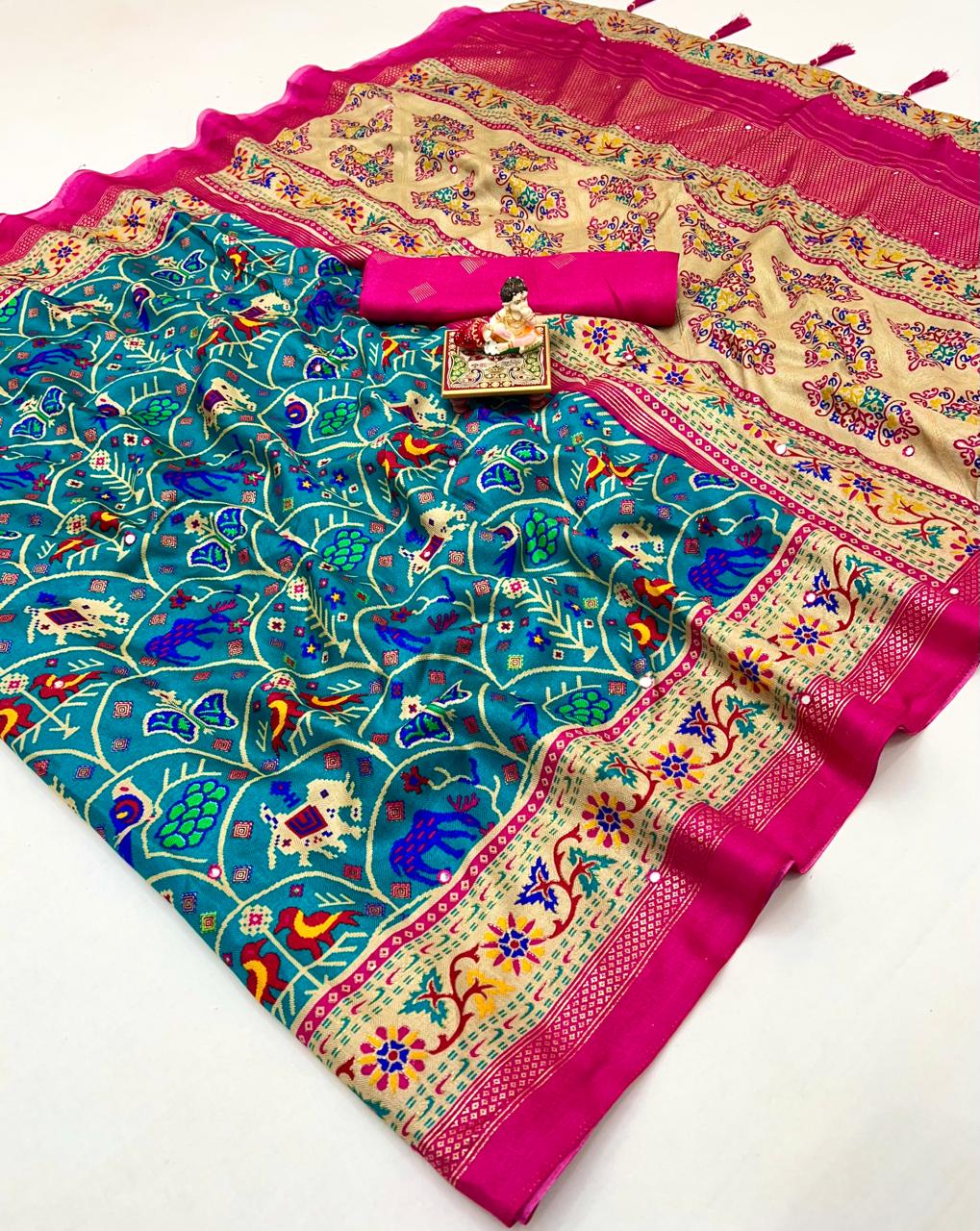
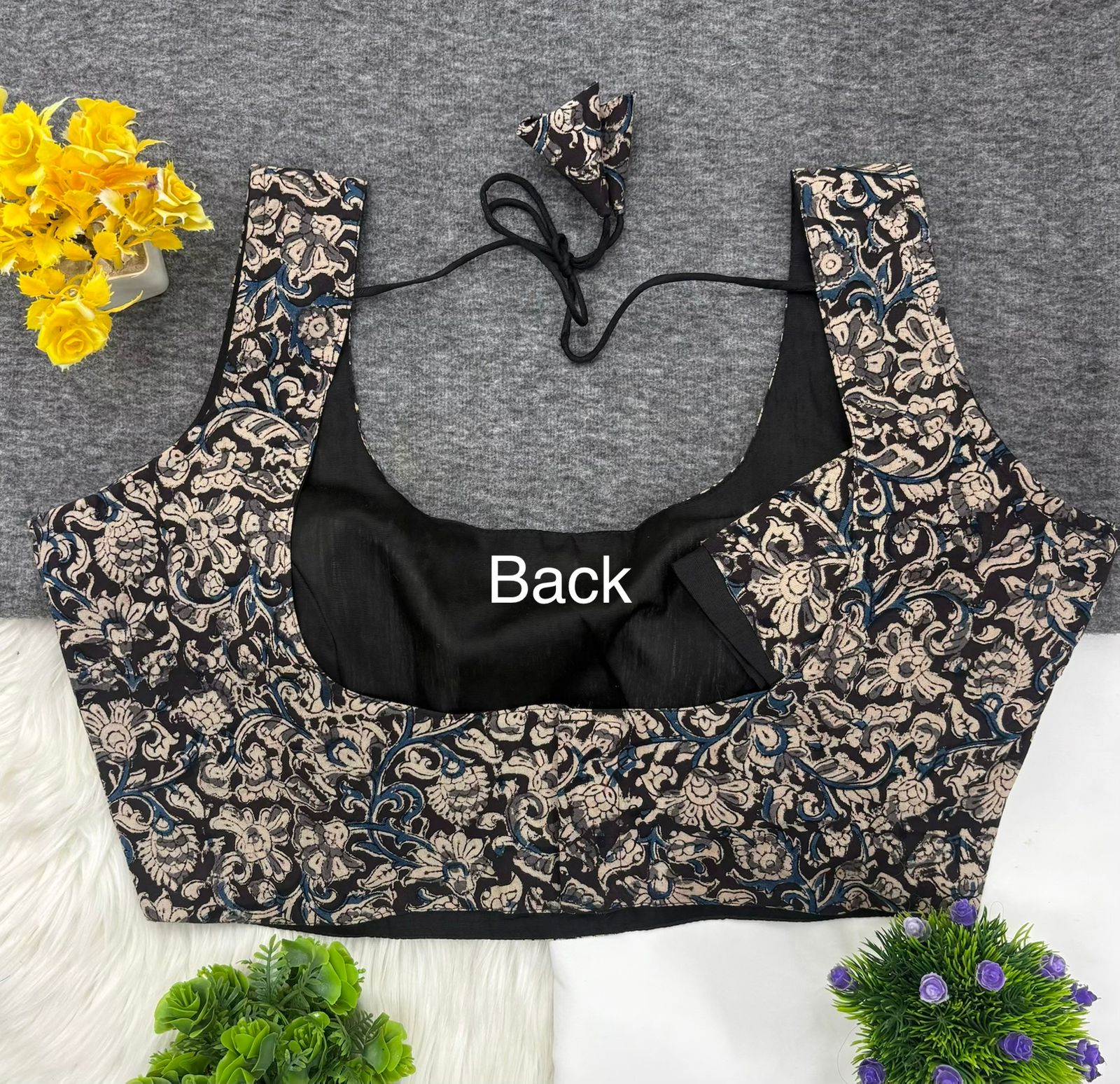
A fitted blouse is the clearest traditional pairing. A blouse ending at or slightly below the natural waist allows the phanek border to remain visible. For a formal interpretation, choose a blouse with three-quarter sleeves, a high round neck or a modest boat neck. For a youthful interpretation, a cropped jacket can replace the conventional upper layer, provided the hem doesn't interrupt the main woven motif awkwardly.
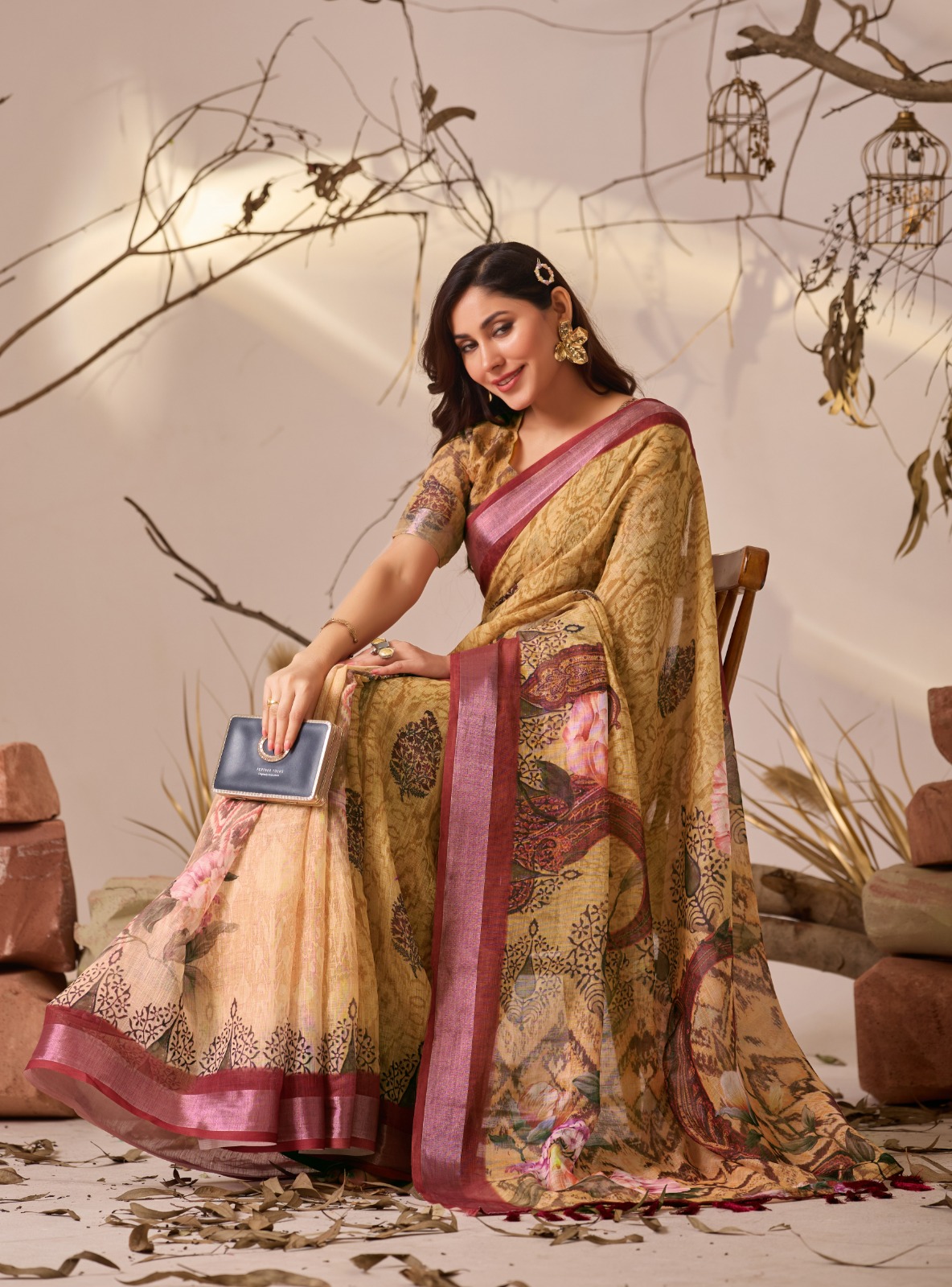
An inaphee-inspired shoulder cloth can be recreated with a lightweight dupatta in cotton, silk or organza. The cloth may be placed over one shoulder, brought across the chest or allowed to fall open at the front. A restrained drape works better than multiple complicated folds because the phanek already supplies horizontal pattern and visual detail.
Jewellery should support the textile rather than compete with it. Silver-toned earrings, small gold studs, a narrow bangle stack or a simple beaded necklace can complement a patterned phanek. Handwoven texture also pairs well with natural fibres, matte metal and fabric footwear. Very large bridal jewellery may overpower a daytime phanek ensemble unless the garment is deliberately designed for a wedding.
How can you create a modern phanek outfit?
A modern phanek outfit works when one traditional element remains dominant and the other garments provide clean, contemporary lines. The easiest formula is a patterned phanek with a solid fitted blouse, cropped jacket or short kurta.
For a festival or cultural programme, combine a red-and-black striped phanek with a black blouse, silver earrings and a short woven jacket. Keep the blouse free of excessive surface work so the border remains legible. Flat sandals or low block heels are safer than very high stilettos because a wrap garment needs comfortable movement.
For a semi-formal dinner, use a deep purple or maroon phanek with a silk blouse and a sheer shoulder drape. A compact potli bag, neatly pinned dupatta and low bun can make the look polished without turning it into conventional lehenga styling. Maroon shades coordinate naturally with the embroidery and rich surface texture of the Maroon Embroidered Chanderi Kurta Set with Dupatta, which can also inspire a phanek pairing through its colour balance and lightweight layering.
For a contemporary office celebration, select a restrained black, navy, taupe or ivory phanek and pair it with a crisp collarless blouse. The Modern Taupe Vichitra Silk Embroidered Co-Ord Set for Women demonstrates how a muted neutral and coordinated separates can look refined without relying on heavy ornamentation. The same principle works with a phanek: keep the palette narrow, repeat one colour in the footwear, and choose a small structured bag.
For a relaxed daytime look, a cotton phanek can be worn with a plain short kurta or a tucked-in handloom shirt. Avoid pairing a voluminous long kurta with a heavily gathered wrap, because two generous silhouettes can conceal the waist and make the outfit appear bulky. A straight upper layer ending above the widest part of the hip usually gives better proportion.
Can a phanek be worn with a kurta?
A phanek can be worn with a kurta when the kurta is short, lightly flared or side-slit enough to reveal the lower garment's border. A long, wide anarkali can hide the wrap and make the combination resemble a conventional skirt set.
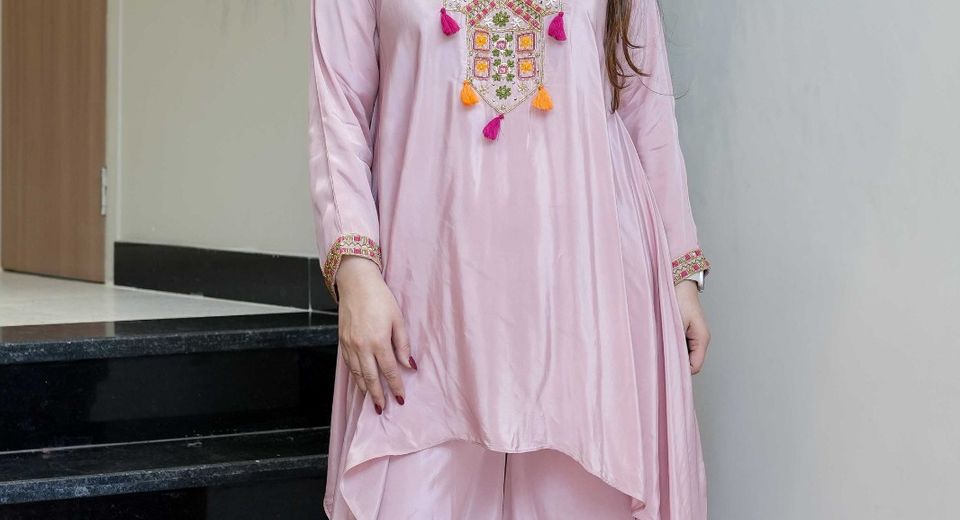
Choose a kurta hem that ends around the upper hip or mid-thigh when the phanek has an important border. Embroidery should be concentrated at the neckline, cuffs or yoke rather than spread across every surface. The Pink Embroidered Kurta Pant Set in French Crepe offers an useful styling reference for coordinating pink embroidery with a clean, fluid base, although a phanek version should retain the wrap's horizontal design instead of copying a trouser silhouette.
Modern outfit ideas for weddings and festive occasions
Wedding and festival styling requires stronger colour, more secure construction and accessories that can withstand several hours of movement. A formal phanek outfit should use a stable waistband, a well-finished inner seam and a blouse that doesn't require constant adjustment.
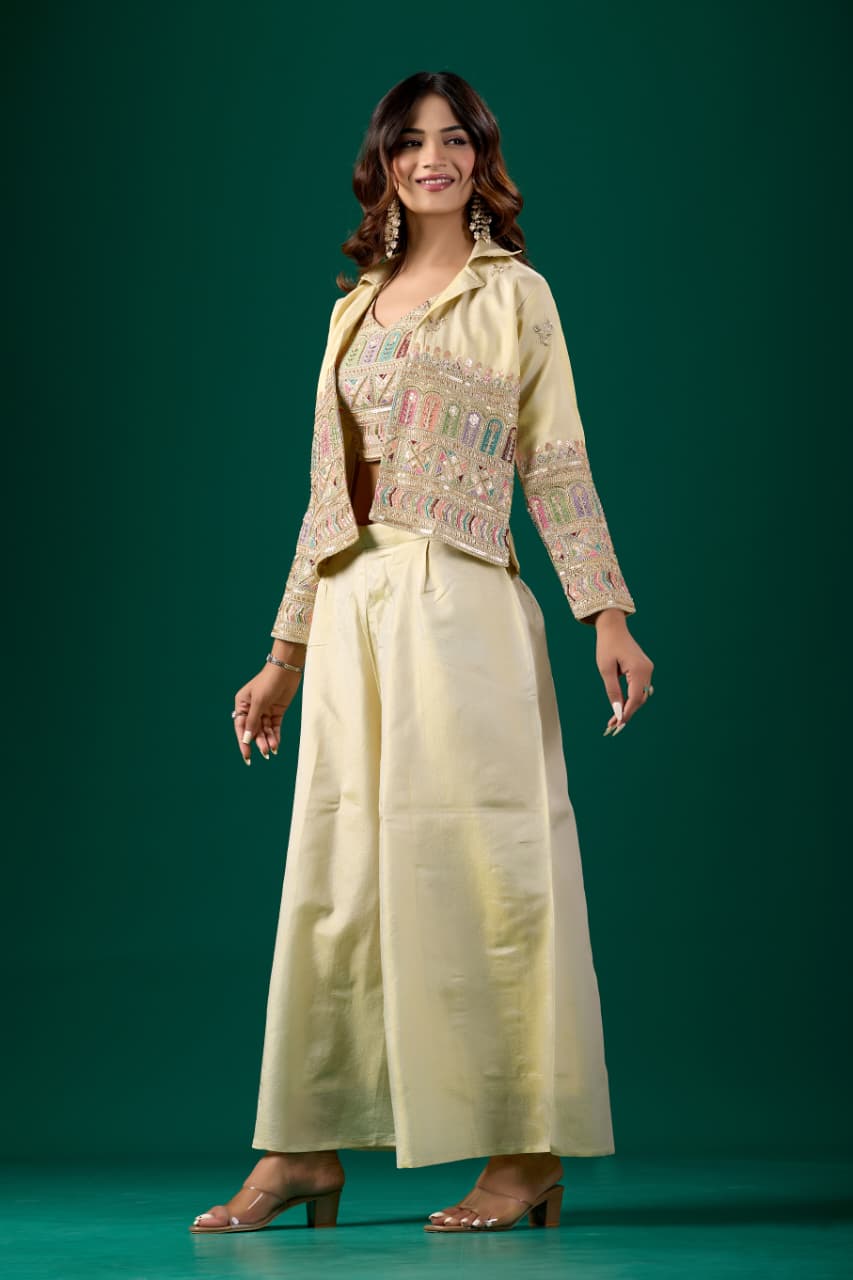
A jewel-toned phanek with zari or metallic border can take the place of a conventional festive skirt. Pair the garment with a plain silk blouse, a short brocade jacket and a dupatta draped over one shoulder. Zari works best when it appears in a defined border or a small accent, because excessive metallic work can obscure the handwoven character of the textile.
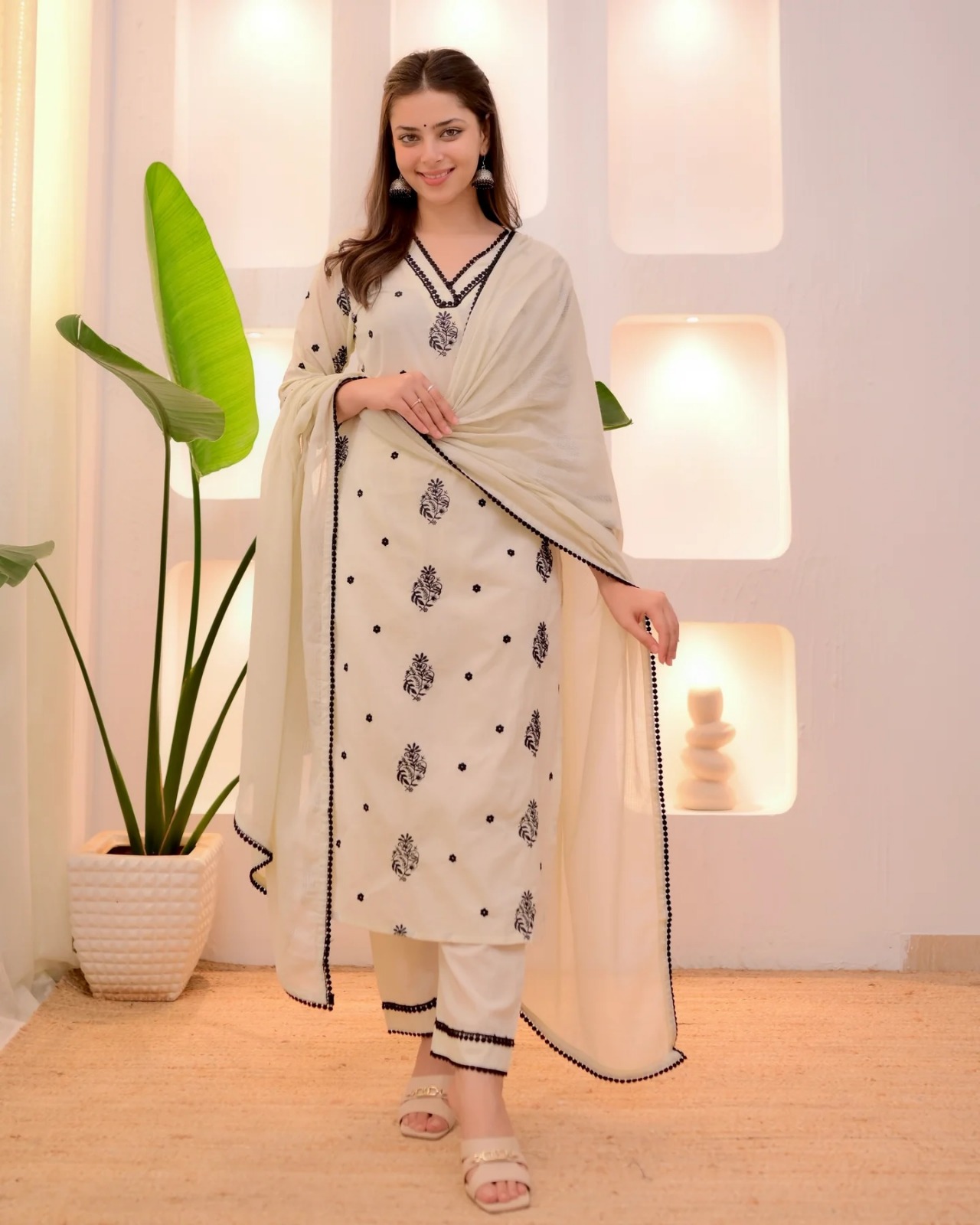
Another option is a black phanek with white or silver patterning, a white blouse and a cropped embroidered jacket. The Stylish Black Kurta Pant Dupatta Set with White Embroidery illustrates the visual clarity created by black-and-white contrast. A phanek ensemble using the same contrast can feel modern, graphic and easy to accessorise with silver jewellery.
For a pre-wedding event, a bright phanek can be paired with a sleeveless blouse and a lightweight dupatta secured with two discreet pins. A Haldi ceremony usually involves turmeric, water and frequent movement, so cotton or washable blends are more practical than delicate silk. Yellow, green and coral are festive choices, but a washable fabric matters more than a trend-led colour.
For a reception or evening celebration, a silk-blend phanek can be matched with a tailored jacket. The Purple Chanderi Silk Embroidered Kurta Set with Dupatta brings an useful lesson in balancing the soft sheen of Chanderi silk with controlled embroidery. Use a similarly restrained approach with a phanek: let the textile provide movement and reserve heavier embellishment for the blouse or jacket.
Fabric, fit and comfort guide
Cotton is the most practical phanek fabric for humid weather, long daytime events and frequent washing. Cotton-silk blends provide more drape and a slightly dressier surface, while silk creates an elegant fall but needs gentler care and more careful storage.
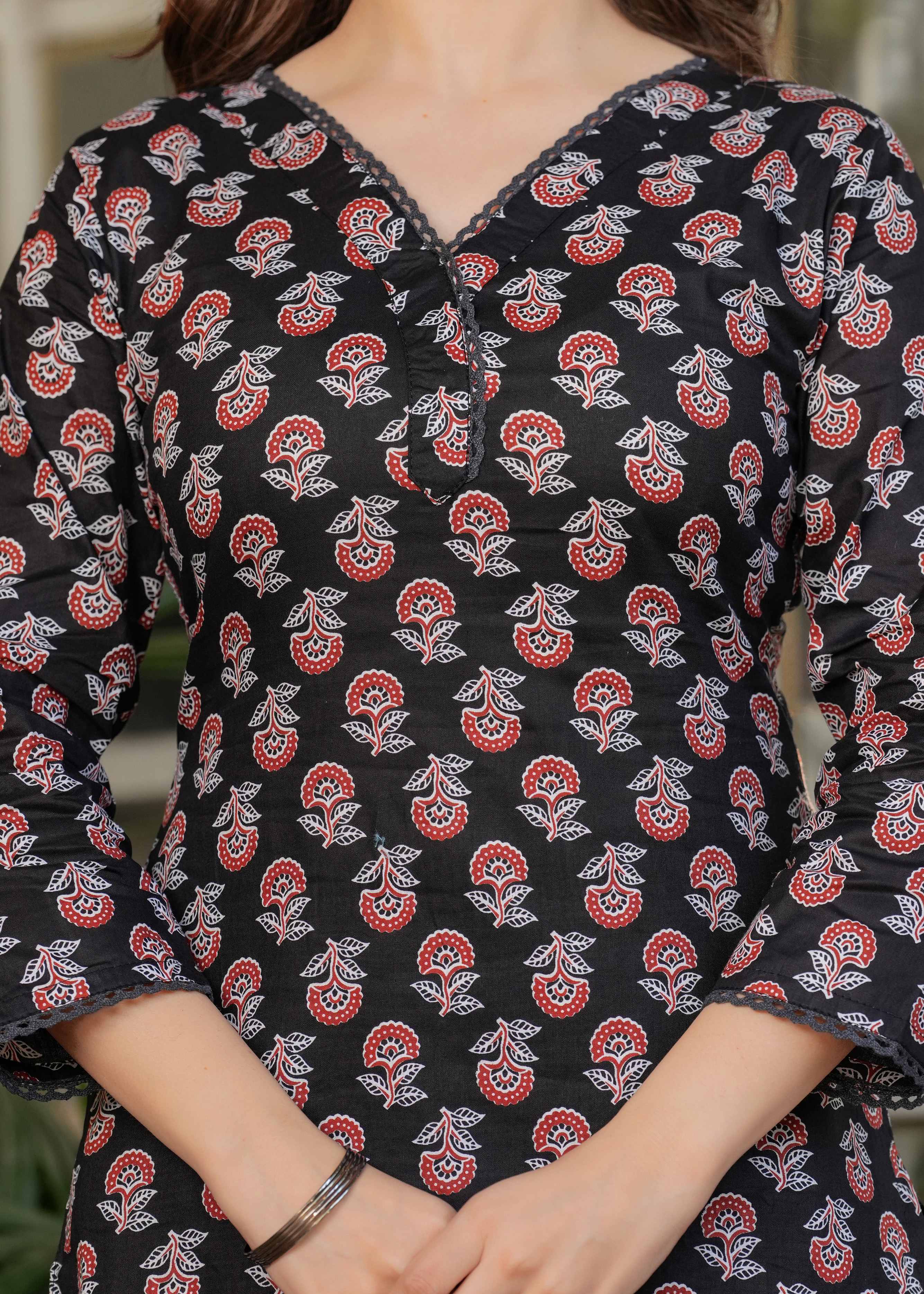
Chanderi can work beautifully for an upper layer or a lightweight coordinated set because Chanderi has a fine, airy texture and a subtle sheen. Banarasi silk is richer and more structured, making Banarasi silk suitable for a formal border or evening garment rather than a hot-weather everyday wrap. Kanjeevaram is heavier and associated with South Indian silk traditions, so Kanjeevaram-inspired styling should be treated as a cross-regional fusion rather than described as a traditional Manipuri textile.
Measure the waist, fullest hip and desired length before buying or commissioning a phanek. The hip measurement matters because a wrap must overlap enough to prevent gaping while still allowing the wearer to walk. A finished length generally falls around the ankle or lower calf, but the best length depends on height, footwear and whether the phanek is intended for daily wear or ceremonial movement.
Check the reverse side for loose threads, uneven joins and scratchy finishing. A woven border should lie flat rather than curl sharply at the edge. Embroidery should have a secure backing, particularly when the garment will be worn with jewellery or a textured jacket that could catch the thread.
Several contemporary ethnic sets can help build a coordinated wardrobe around the same colour principles. The Elegant Pista Festive Wear Kurta Pant Set provides a soft green palette for a festive phanek blouse or dupatta, while the Purple Chanderi Silk Embroidered Kurta Set with Dupatta shows how a single rich colour can carry an entire outfit. These references are most useful for colour and layering, not for replacing the phanek's own structure.
Care and storage for a phanek
A cotton phanek should be washed according to its dye stability, while silk and heavily embellished phaneks should usually be dry-cleaned or gently spot-cleaned. Test a hidden corner for colour bleeding before using water on a dark red, black or indigo textile.
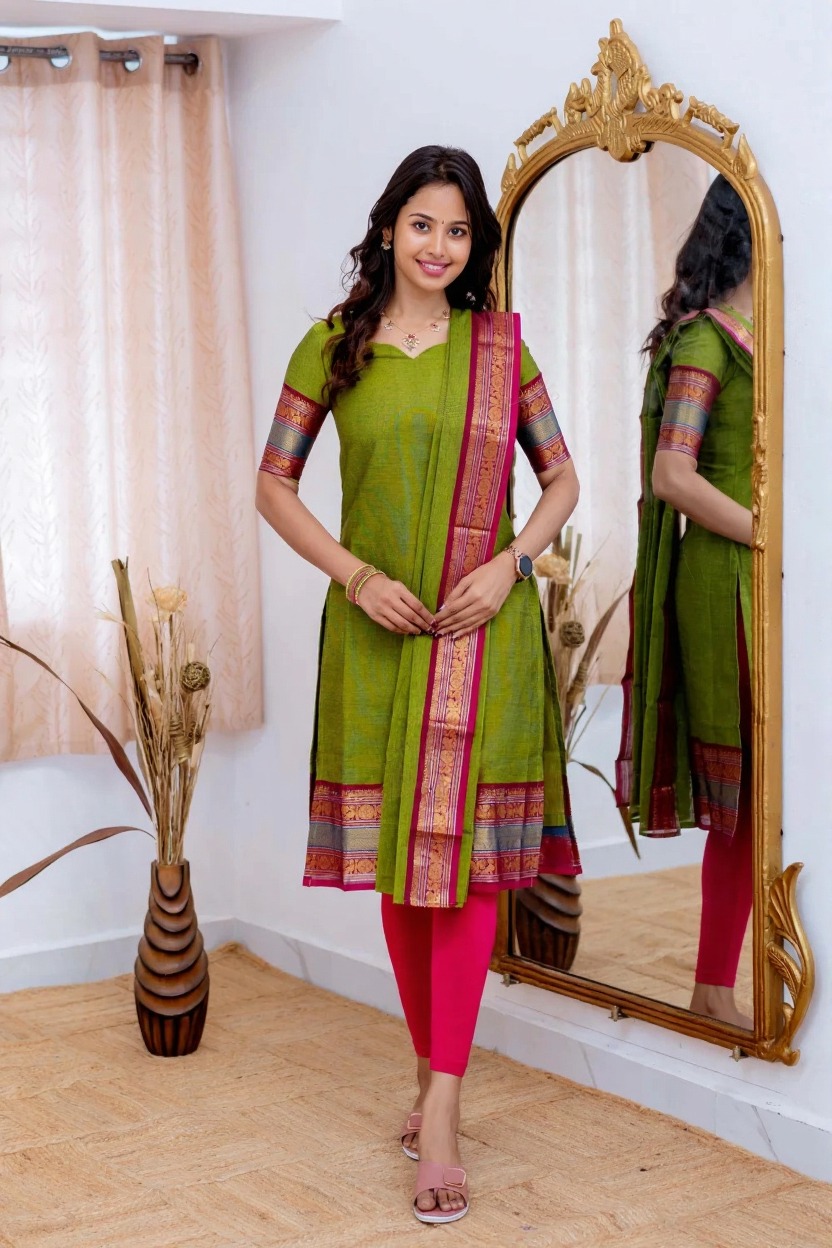
Fold a phanek along the border lines instead of crushing the border into random creases. Store silk and zari pieces in breathable cotton or muslin, away from direct sunlight and damp cupboards. Avoid plastic bags for long-term storage because trapped moisture can encourage odour, mildew or tarnishing of metallic threads.
Press the garment on the reverse side at a low or medium temperature, with a pressing cloth between the iron and the textile. Steam can relax wrinkles, but steam should not be used aggressively on glued embellishment or unstable dyes. Air the garment after wearing it for several hours before folding it away.
Common mistakes when styling a phanek
The most common mistake is treating a phanek like an ordinary maxi skirt and ignoring the waist tuck, border direction and wrap overlap. The garment should sit securely and the principal motif should face outward rather than disappear into the overlap.
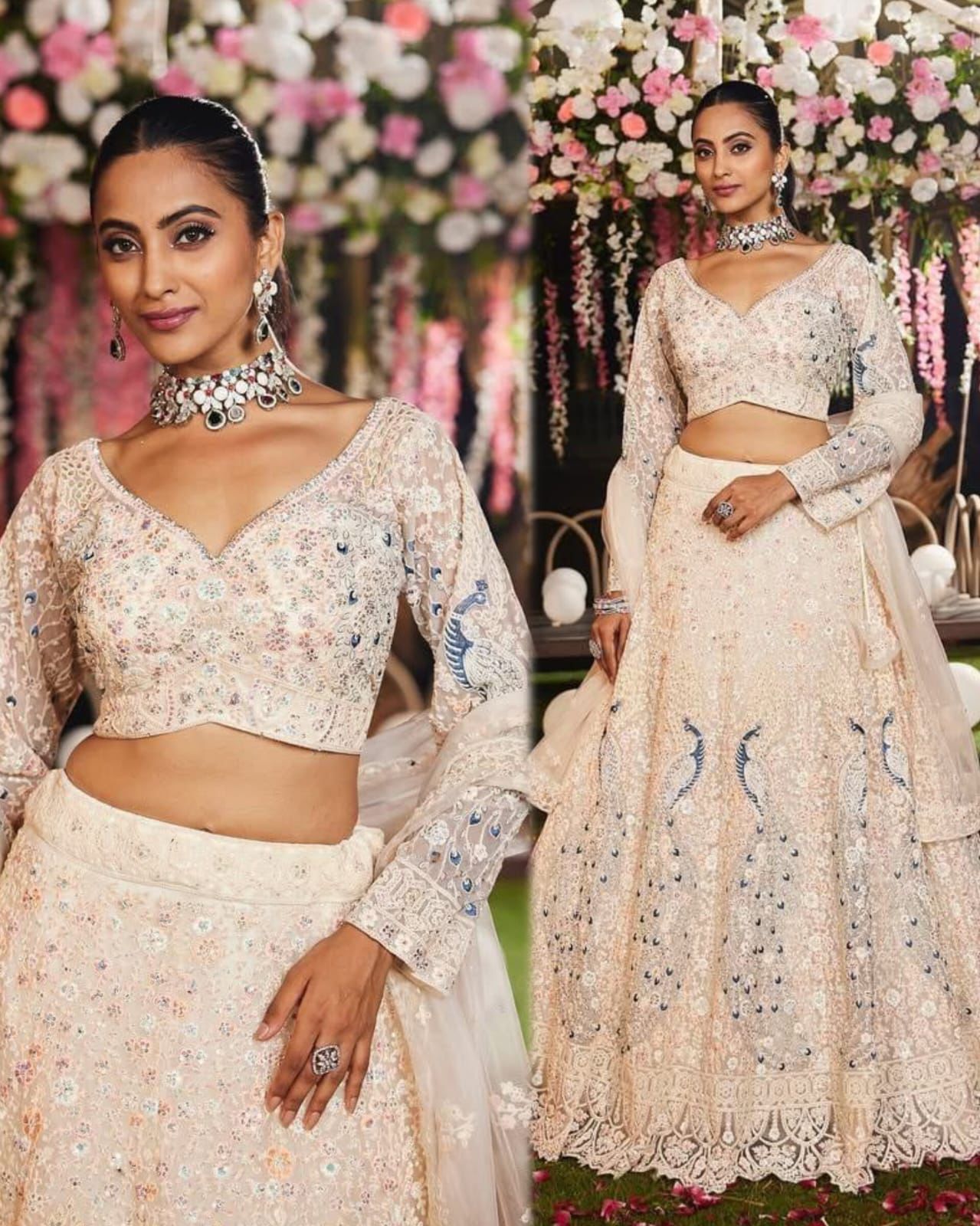
Another mistake is combining several unrelated statement elements: a bold phanek, a heavily embroidered blouse, a large jacket, oversized jewellery and an ornate dupatta. Select one dominant feature and let the remaining pieces provide structure. A patterned phanek usually needs a quieter upper garment, while a plain phanek can support a more decorative blouse.
Incorrect footwear can also affect the silhouette. Very bulky sneakers may visually shorten a long wrap, while very thin sandals may feel unstable with a formal, heavier fabric. Low block heels, embroidered juttis, simple sandals and clean leather flats are practical choices depending on the event.
Cultural context matters as much as appearance. When wearing a phanek outside Manipur, describe the garment accurately, avoid presenting a generic wrap as a complete traditional costume and credit Meitei or Manipuri heritage when discussing the inspiration. Respectful styling allows experimentation without erasing the garment's origin.
Questions About Wearing and Styling a Manipuri Phanek
What is a phanek in Manipuri clothing?
A phanek is a traditional lower garment worn by Meitei women of Manipur. The rectangular or tubular wrap is secured around the waist and may feature woven stripes, geometric motifs or a contrasting border.
How is a Manipuri phanek worn?
A Manipuri phanek is wrapped around the waist with an overlap and secured through a tuck, waistband, hooks or hidden fastenings. The garment is commonly paired with a fitted blouse and may be layered with an inaphee or a lightweight dupatta.
Can I wear a phanek with a modern blouse?
Yes, a phanek works well with a fitted blouse, cropped jacket, collarless shirt or short kurta. Keep the upper garment relatively clean when the phanek has a wide border or dense woven pattern.
Which fabric is best for a phanek in summer?
Cotton is usually the most comfortable summer fabric because cotton allows airflow and is easier to wash. Cotton-silk blends can provide a dressier finish, while heavy silk and metallic zari borders are better suited to shorter evening events.
Can a phanek be worn to a wedding?
A phanek can be styled for a wedding with a silk or silk-blend textile, a tailored blouse, a cropped jacket and a controlled amount of zari or embroidery. Use a secure waistband and test the outfit by walking, sitting and climbing stairs before the event.
How should a silk phanek be stored?
A silk phanek should be aired after use, folded along its border and stored in breathable muslin away from sunlight and dampness. Dry-cleaning or gentle professional cleaning is safer than repeated machine washing for silk, zari and heavy embroidery.