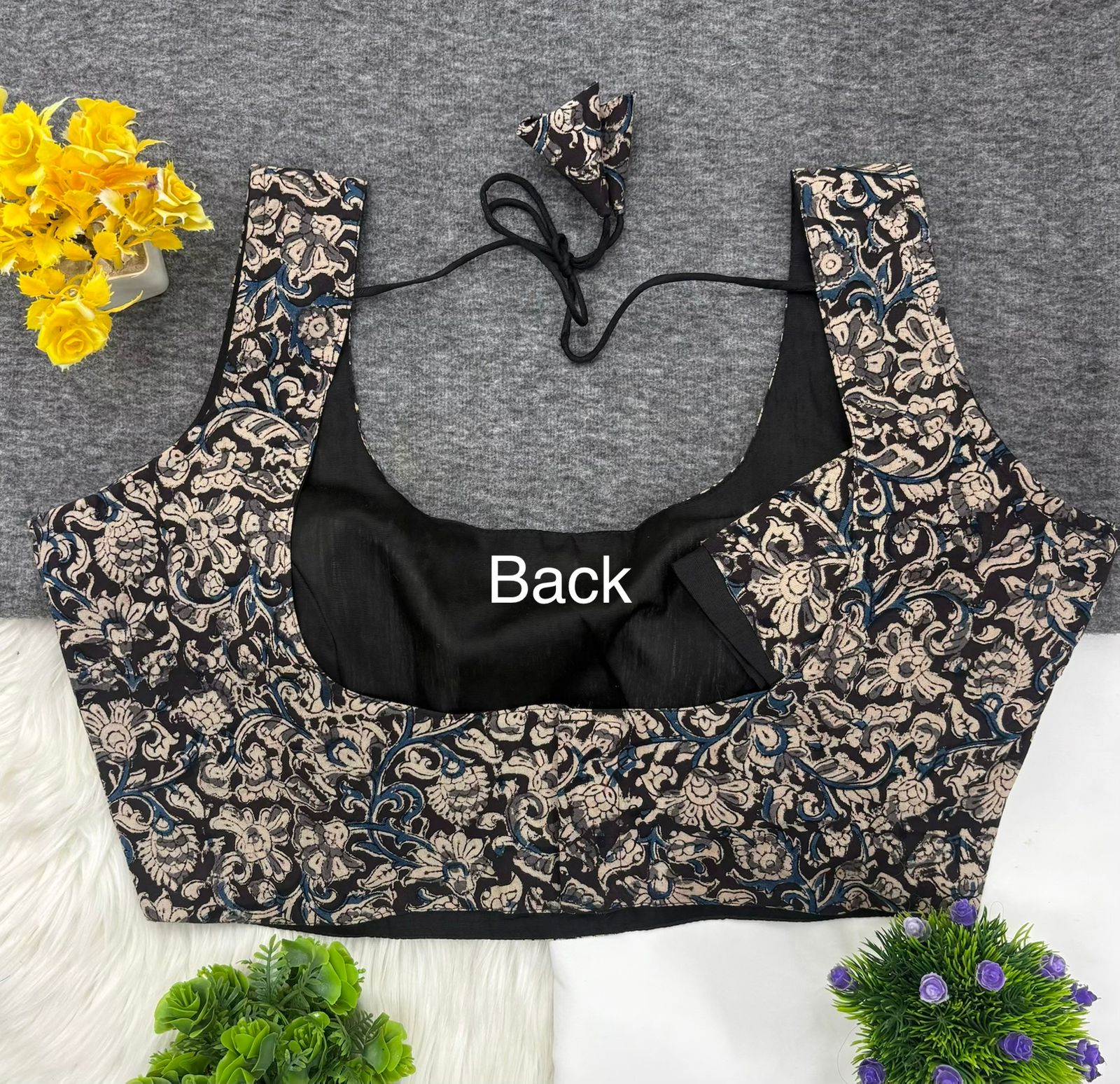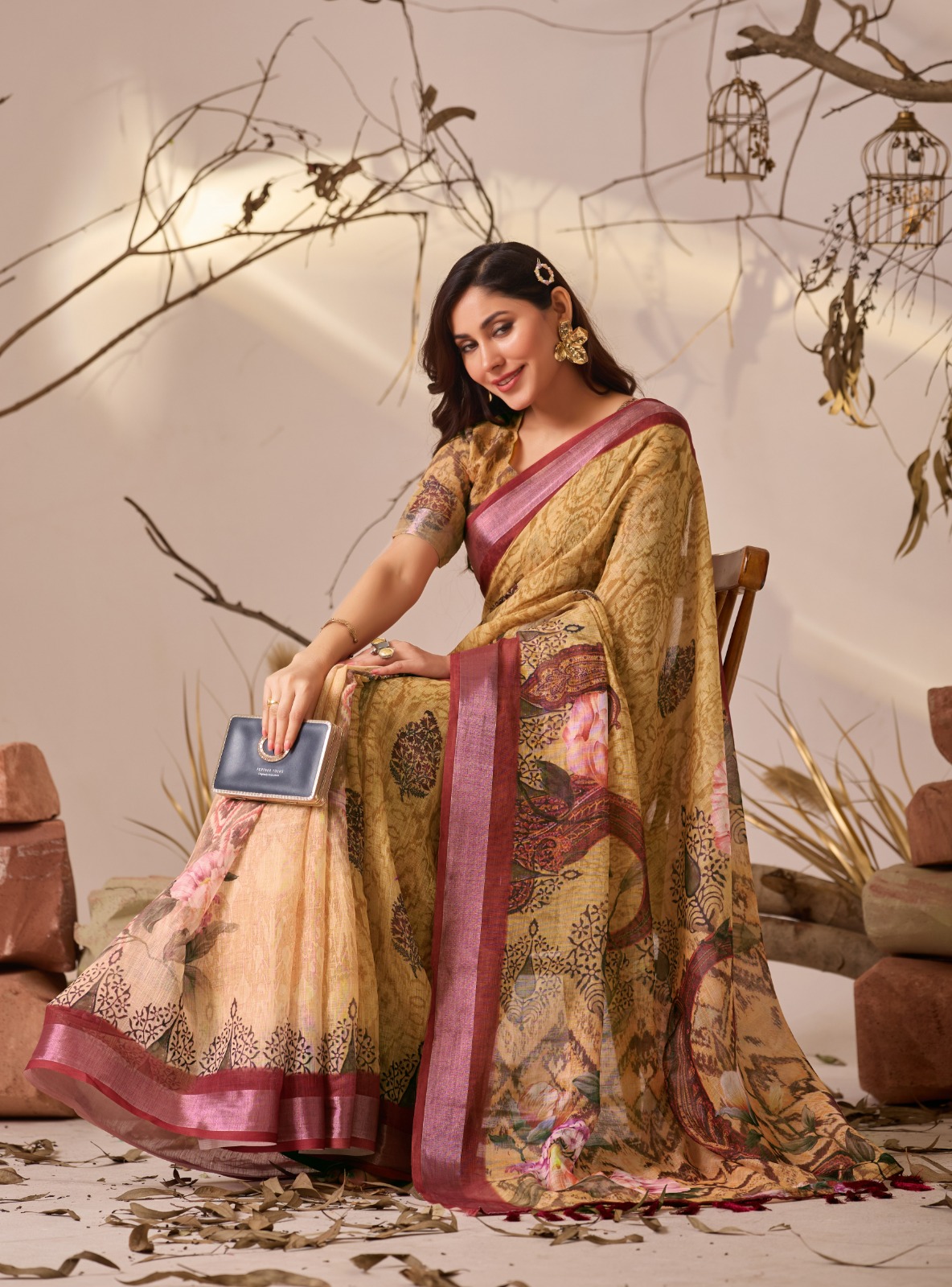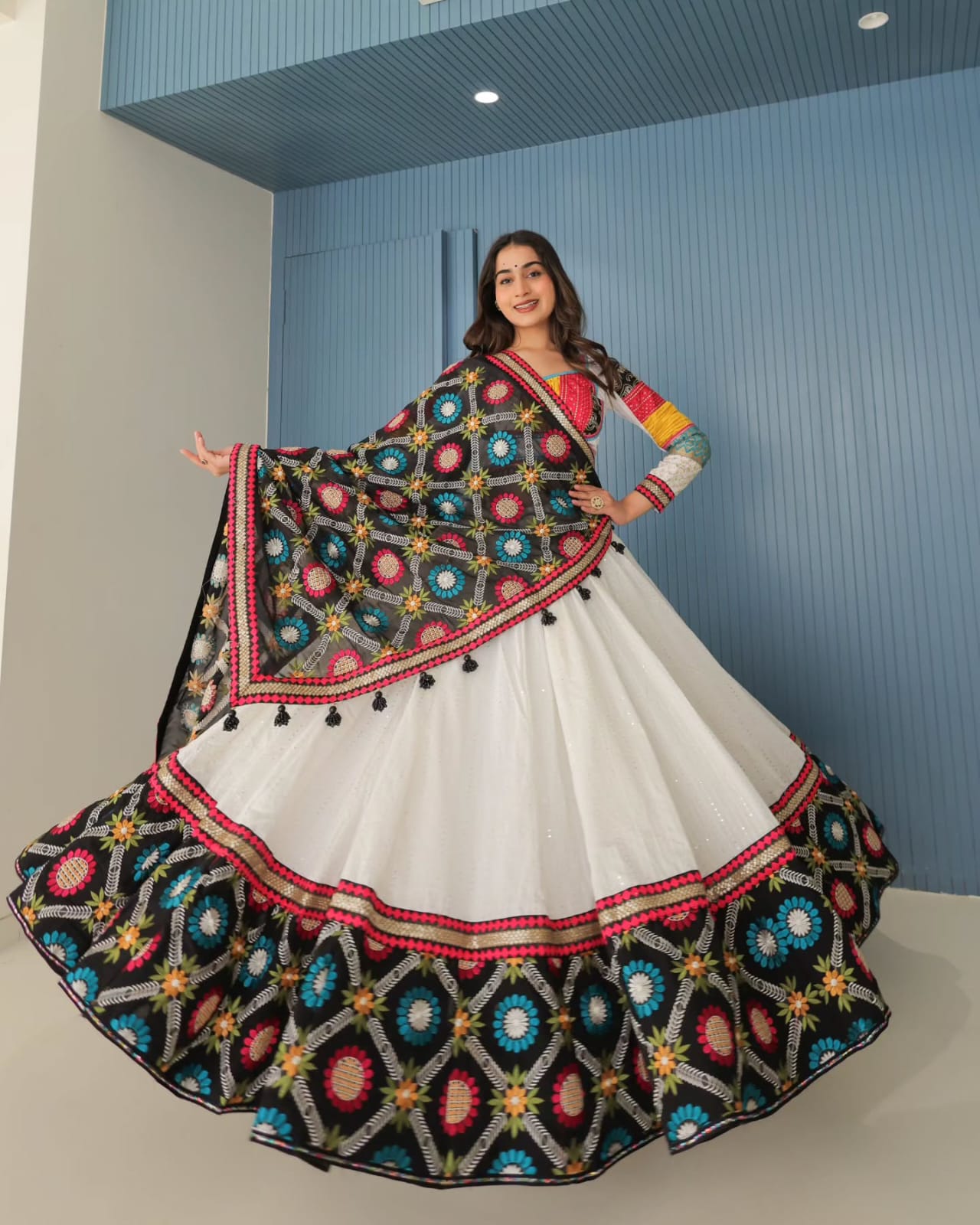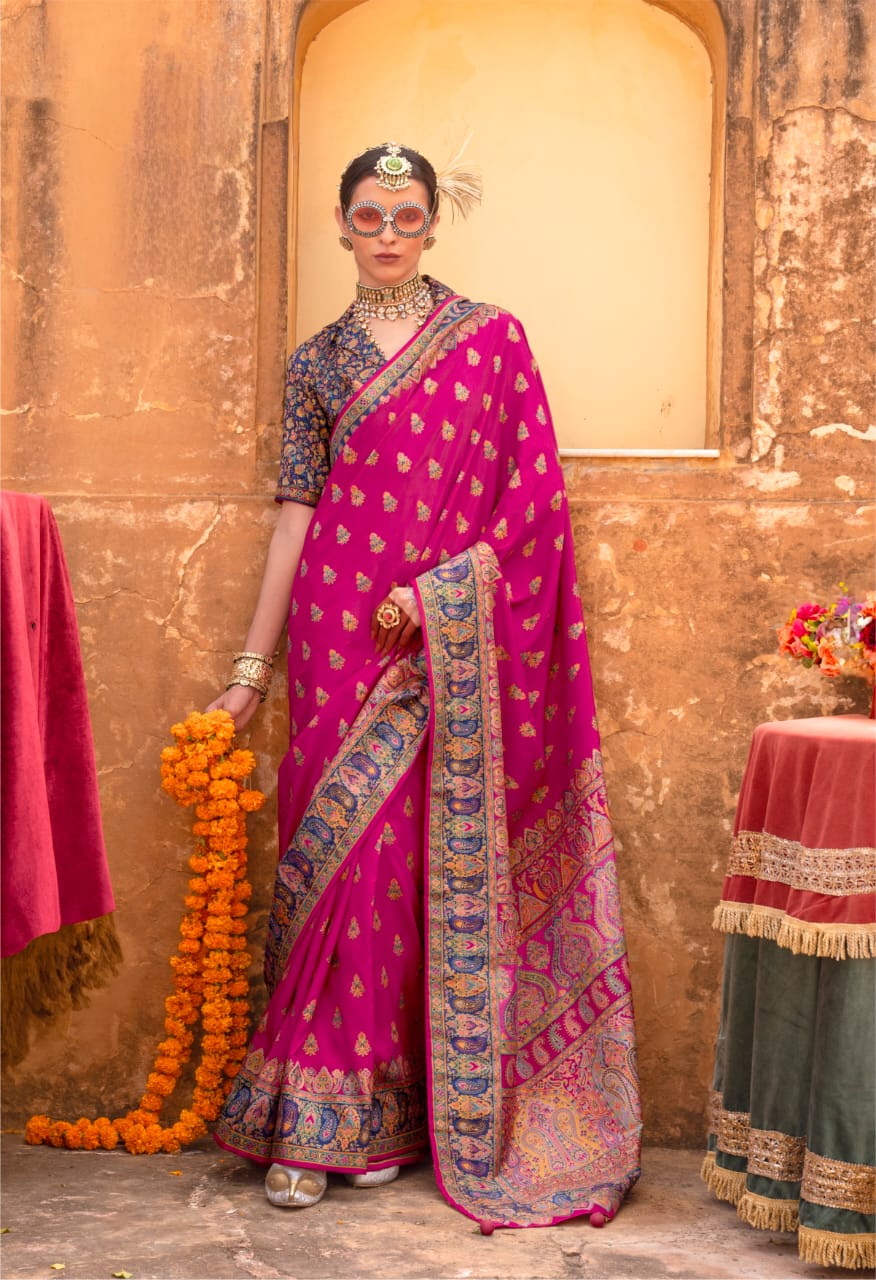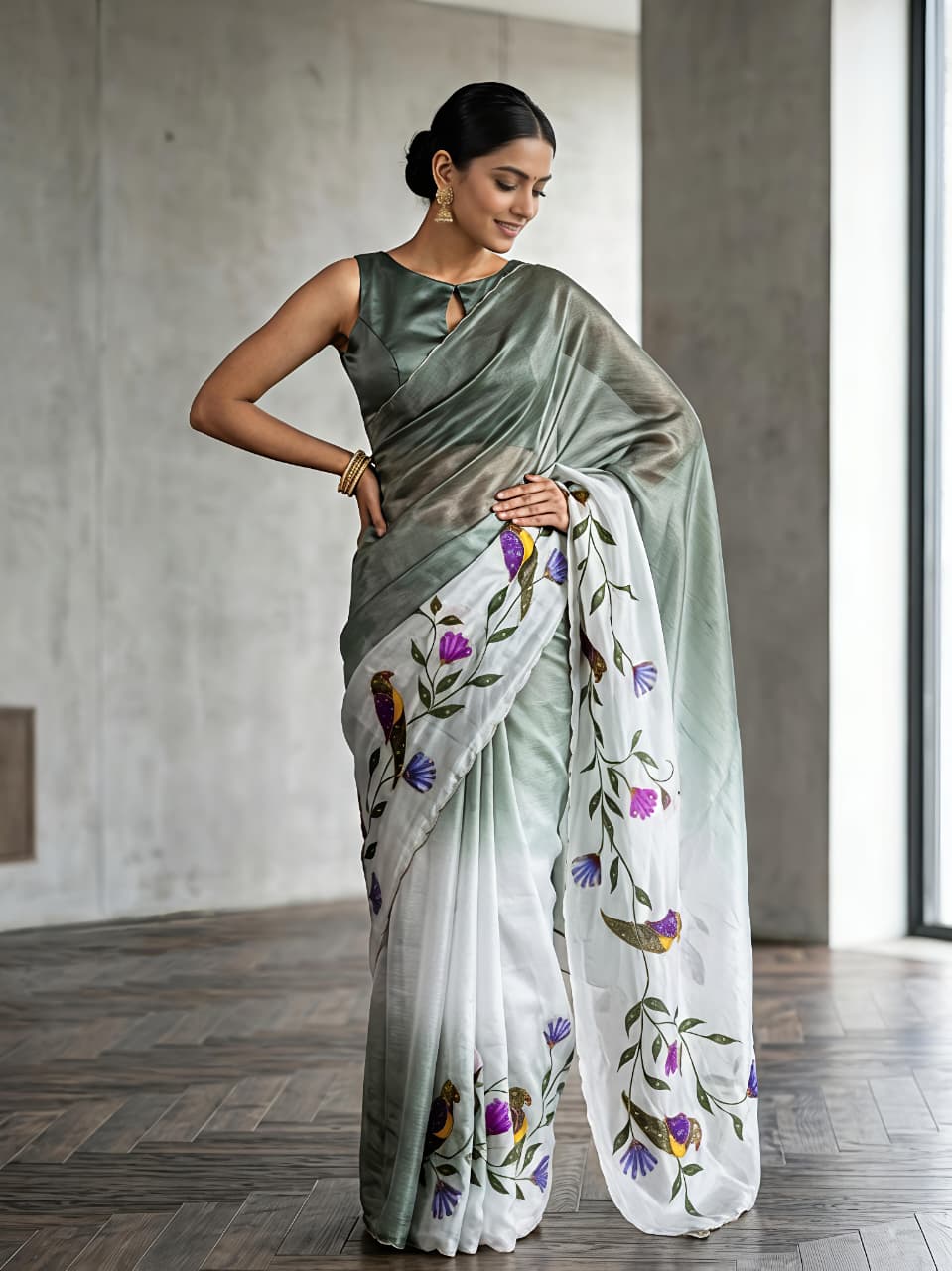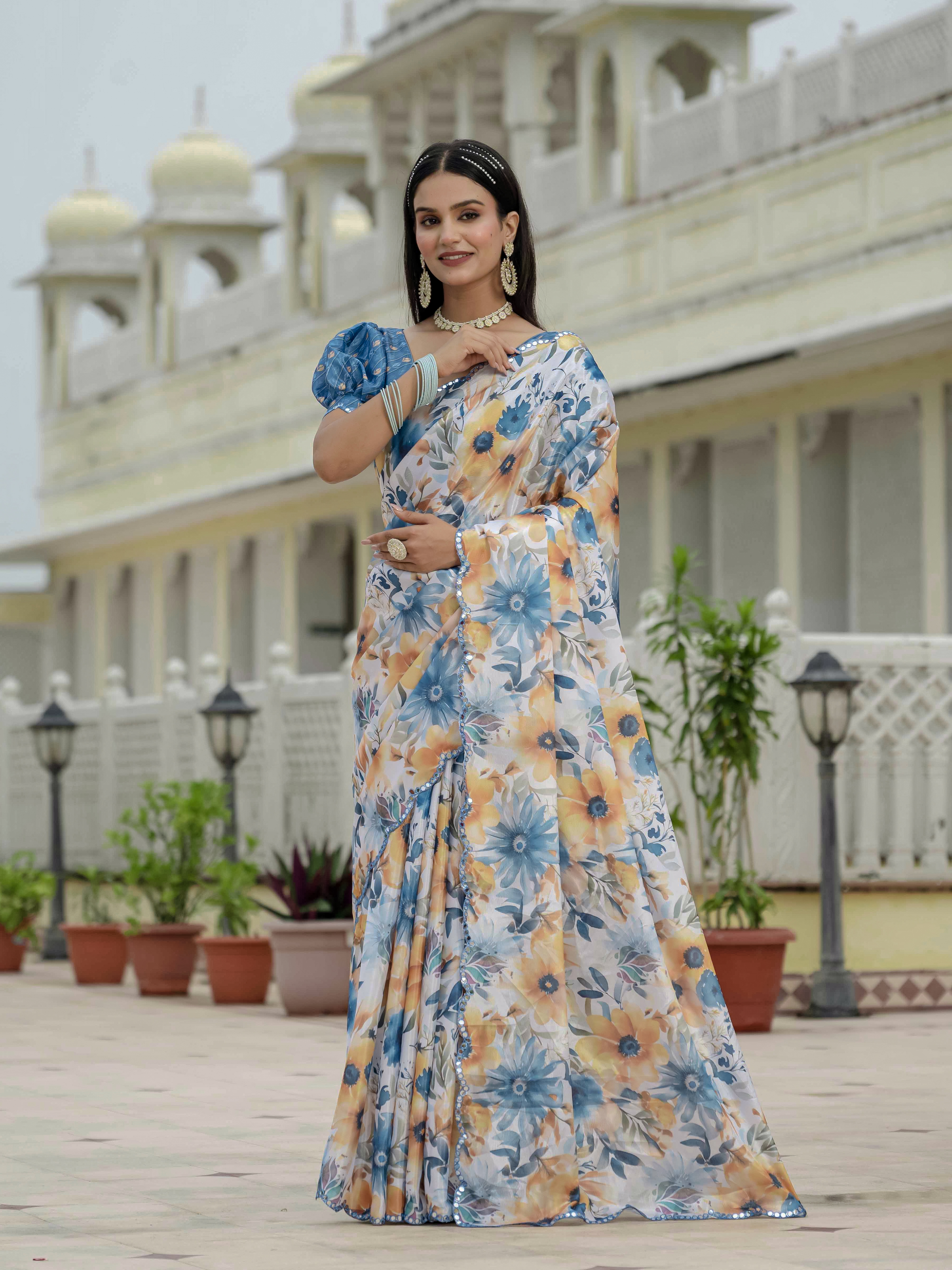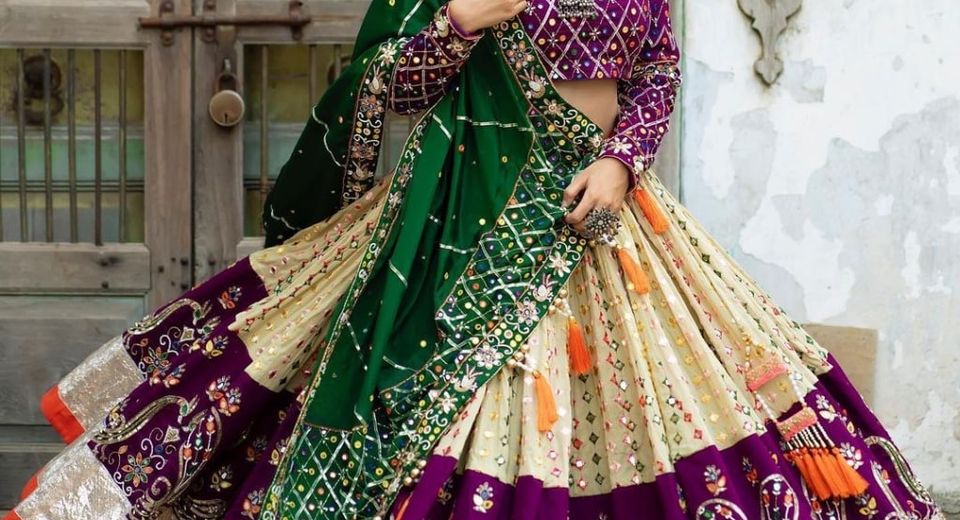
Manipuri-Inspired Lehenga Ideas for Weddings & Cultural Events can help you create a graceful festive outfit with soft movement, luminous colour and a strong sense of place. The most thoughtful approach takes visual cues from Manipur's phanek, inaphi, traditional textiles, floral imagery and the poise associated with Manipuri dance, rather than treating a regional culture as a costume theme. A lehenga can borrow those cues while remaining a contemporary wedding garment.
That distinction matters because the lehenga isn't the defining classic dress of every Manipuri community. Meitei women, for example, are widely associated with the phanek, a wrapped lower garment, worn with an inaphi or another upper drape. Communities across Manipur also have distinct textiles, ornaments and ceremonial practices. A respectful interpretation keeps the original references visible, names them accurately and avoids copying sacred or community-specific dress without context.
Manipuri-Inspired Lehenga Ideas for Weddings & Cultural Events: What Creates the Look?
A Manipuri-inspired lehenga usually combines a fluid skirt and blouse with details influenced by phanek wrapping, inaphi draping, floral landscapes, handwoven textures and the restrained elegance of Manipuri performance traditions. The result should feel light, balanced and culturally informed rather than overloaded with generic ethnic decoration.
Begin with proportion. A clean, gently flared skirt can echo the vertical fall of a wrapped phanek more successfully than a very stiff, heavily tiered silhouette. A dupatta worn across one shoulder and brought neatly around the waist can suggest the practical security of a wrapped textile while preserving the recognisable structure of a lehenga.
Colour can provide the strongest visual connection. Deep red, crimson, maroon, ivory, white, leaf green, pink, saffron and jewel purple all work well when arranged with restraint. Manipuri floral and natural imagery also makes room for lotus pink, orchid, bamboo green and river blue. A single dominant colour with one contrasting border generally looks more refined than six unrelated bright shades.
Textile choices should support movement. Chanderi, silk, cotton-silk, muslin cotton, butter silk and lightweight net can create a skirt that moves easily when walking, greeting guests or joining a cultural programme. Banarasi silk and Kanjeevaram may be beautiful wedding fabrics, but they create a more pan-Indian look unless the cut, drape and surface details clearly carry the Manipuri reference.
Manipuri-Inspired Lehenga Ideas for Weddings & Cultural Events by Silhouette
Which lehenga silhouette works best for a Manipuri-inspired look?
A soft A-line or moderate circular lehenga works best because the shape allows graceful movement without overwhelming the body or the cultural references. A skirt circumference of approximately 3 to 4 metres is usually easier to walk in than a very wide bridal flare, particularly for outdoor ceremonies or cultural performances.
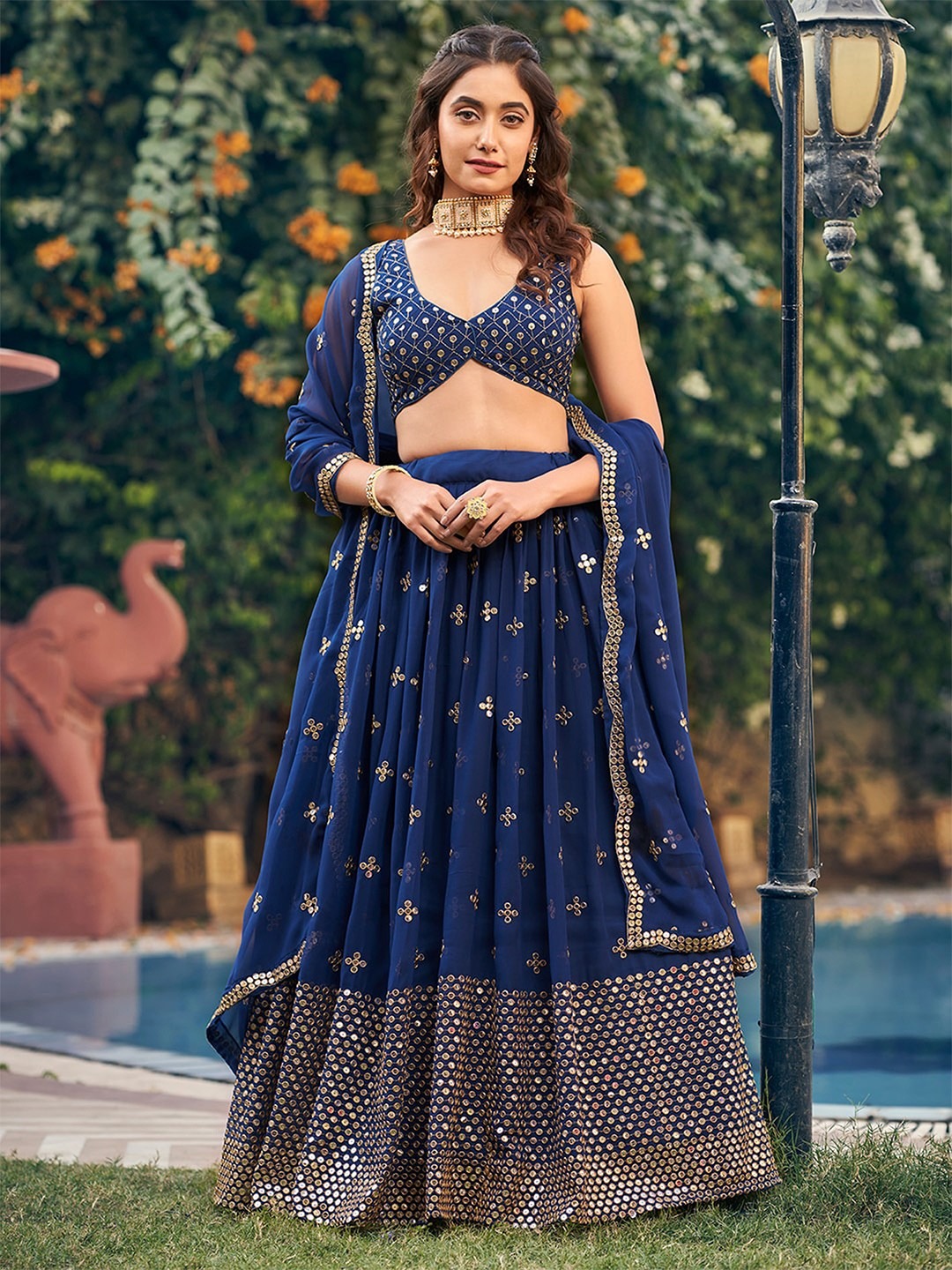
An A-line skirt with a narrow embroidered hem creates a calm vertical line. Pair the skirt with a fitted blouse that has a modest round, square or boat neckline and elbow-length sleeves. This combination suits a wedding guest, bridesmaid or family member who wants a polished outfit without competing with the bride.
A circular lehenga gives more motion for a sangeet, reception or cultural showcase. Choose four to six broad panels instead of many tiny gathered panels, because broad panels make woven borders and floral placement easier to see. A slightly raised waistline can also make the outfit more comfortable for extended sitting.
A panelled skirt with an overlay dupatta offers another useful option. The base skirt can remain plain or lightly textured, while the dupatta carries the visible regional inspiration through a contrasting border, delicate floral embroidery or a controlled mirror-work edge. This design lets you remove the dupatta for dancing or add it for a formal family ceremony.
A lehenga-sari hybrid can suggest a wrapped garment more directly, but the pre-stitched drape needs careful fitting. The drape should sit securely at the waist and leave enough room at the knees for climbing stairs. Safety pins should be placed inside the waistband and shoulder fold, never through visible embroidery or fragile net.
Manipuri-Inspired Lehenga Ideas for Weddings & Cultural Events Through Colour and Motif
Floral motifs, curved borders and controlled mirror work are effective ways to create a Manipuri-influenced festive surface. The strongest designs use one main motif family, such as lotus flowers, leaves or small scattered blossoms, instead of combining unrelated paisley, peacock, geometric and temple patterns on one outfit.
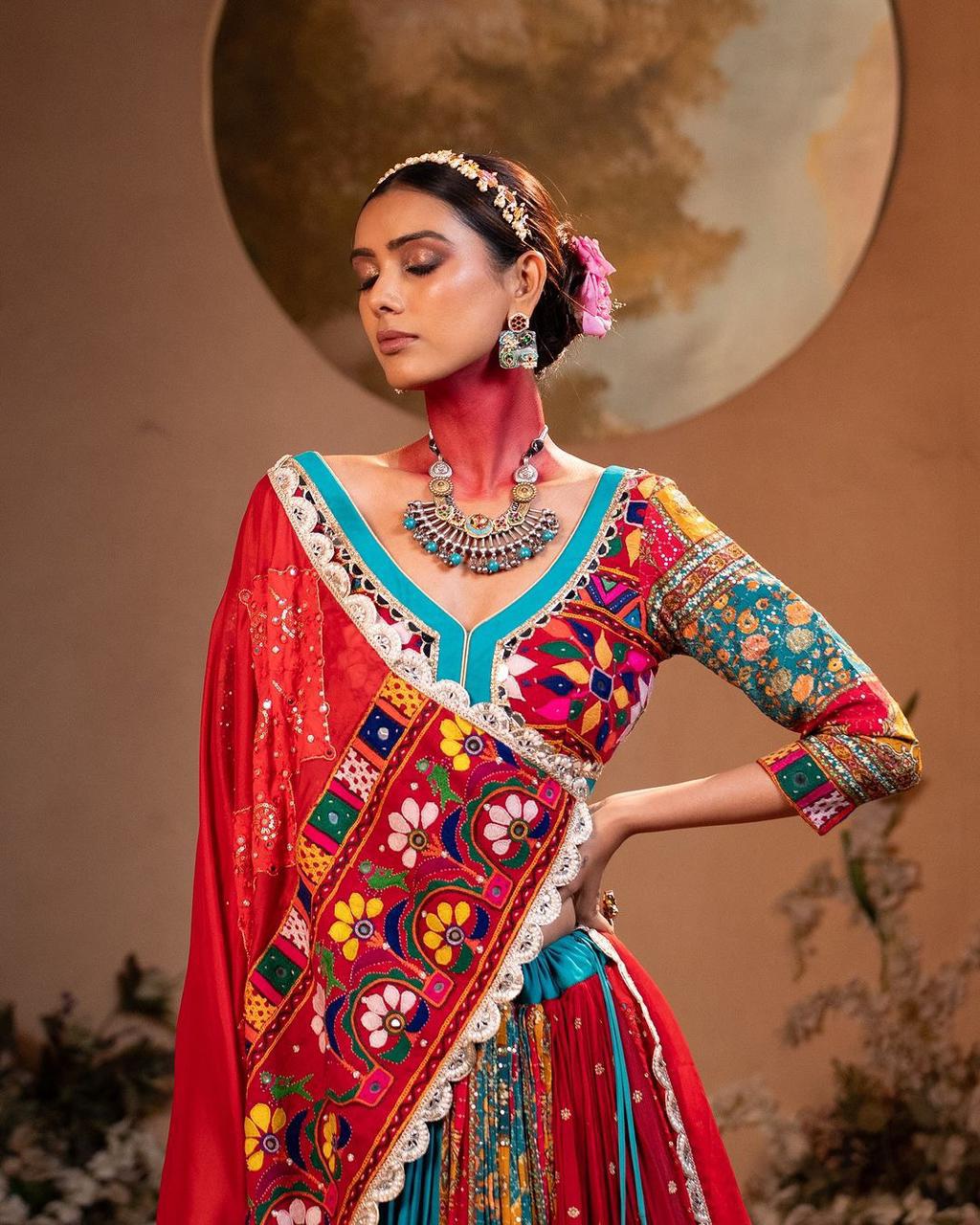
White with red or pink creates a fresh ceremony palette. Festive White Lehenga Choli with Mirror Work Design can work for a daytime cultural event when the styling remains delicate and the jewellery doesn't turn the outfit into a conventional heavy bridal look. Add a red, rose or green dupatta border to give the ivory base more definition.
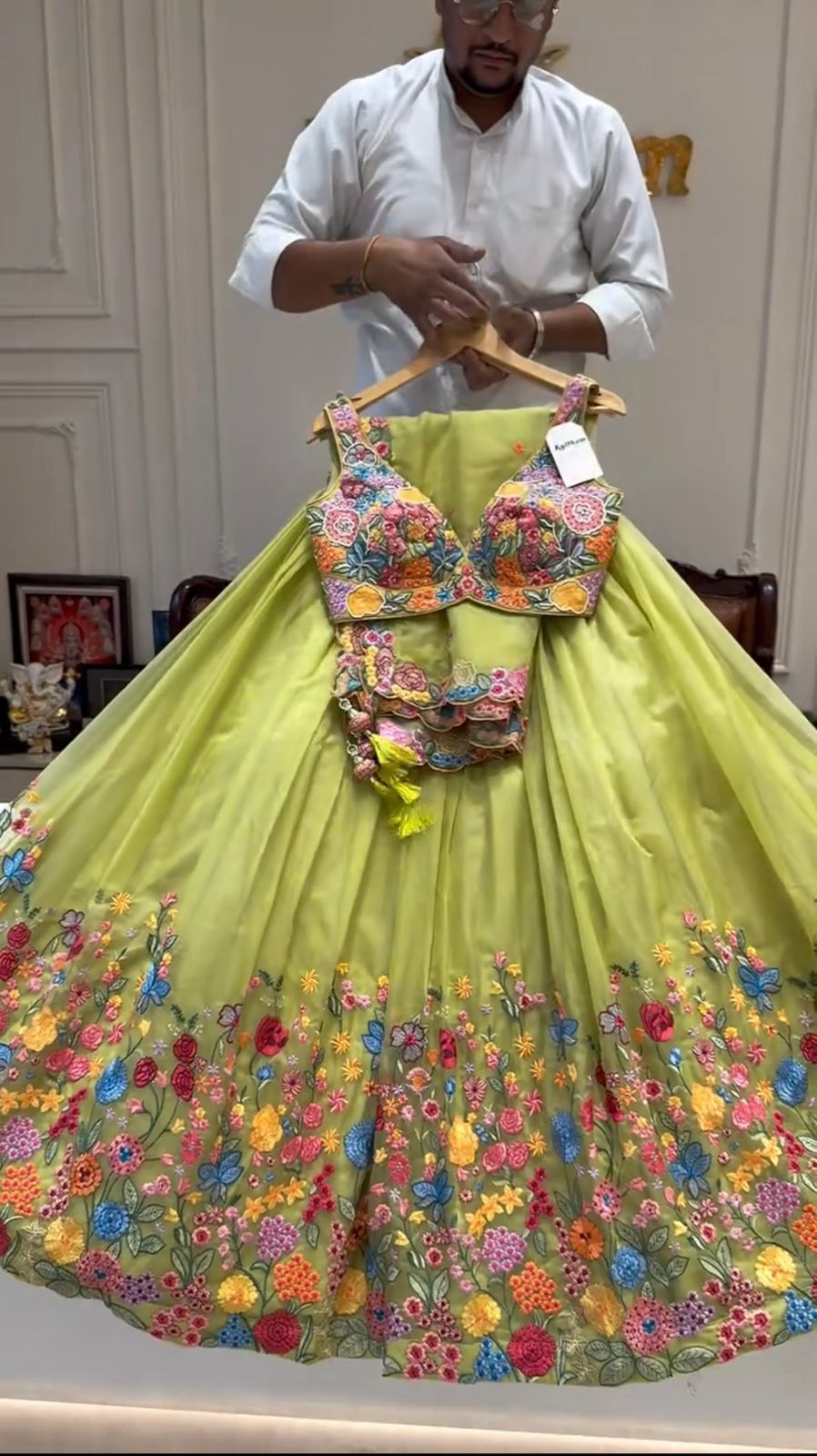
Green and pink recall gardens, flowers and spring celebrations without requiring literal cultural symbols. Lime Floral Embroidered Butterfly Net Lehenga Set suits a daytime mehendi or Haldi ceremony when the lime tone is balanced with antique-gold, ivory or soft pink accessories. Keep the blouse styling clean so the floral embroidery remains the focus.
Red and purple create a more dramatic evening palette. Red Butterfly Net Sequins Lehenga Set Wedding Wear has the surface sparkle suited to a reception, but it can be made more culturally considered with a restrained dupatta drape, low-shine jewellery and a floral hair arrangement rather than a stack of unrelated glittering accessories. Royal Purple Mirror Work Muslin Lehenga Choli Set gives a deeper alternative for an evening cultural programme.
Mirror work should be used as punctuation, not as a substitute for design. Small mirrors along a border, neckline or sleeve cuff provide light-catching detail while leaving the textile visible. Dense mirror work across the entire skirt can add weight and stiffness, which works against the flowing quality that makes this styling direction appealing.
Manipuri-Inspired Lehenga Ideas for Weddings & Cultural Events and Fabric Selection
Which fabric is practical for a Manipuri-inspired wedding lehenga?
Light to medium-weight cotton-silk, muslin cotton, butter silk and Chanderi are practical choices for most wedding and cultural-event settings because they breathe better than multiple layers of heavy synthetic fabric. Lightweight net is useful for volume and translucent dupattas, but net needs a soft lining and careful storage to prevent snagging.
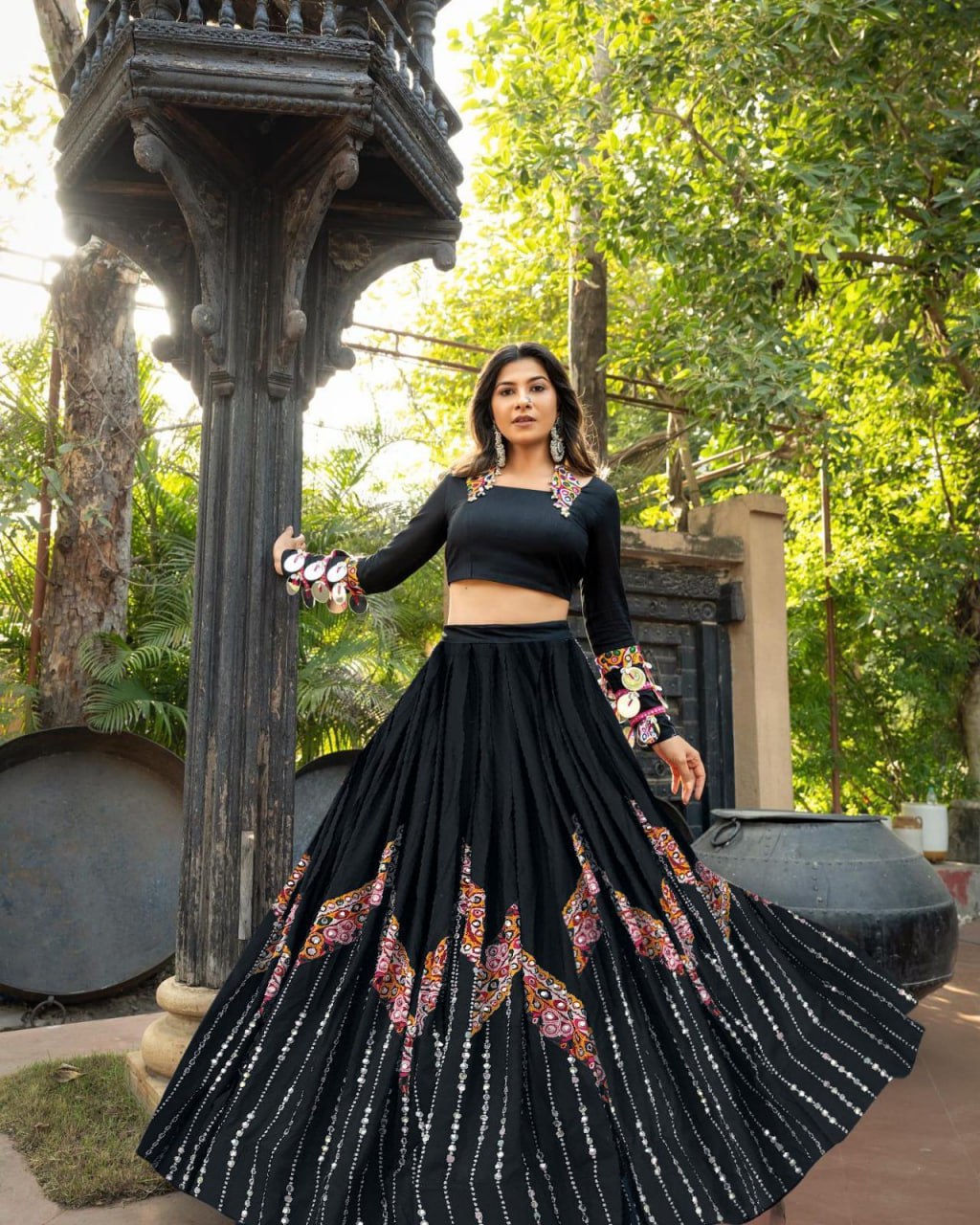
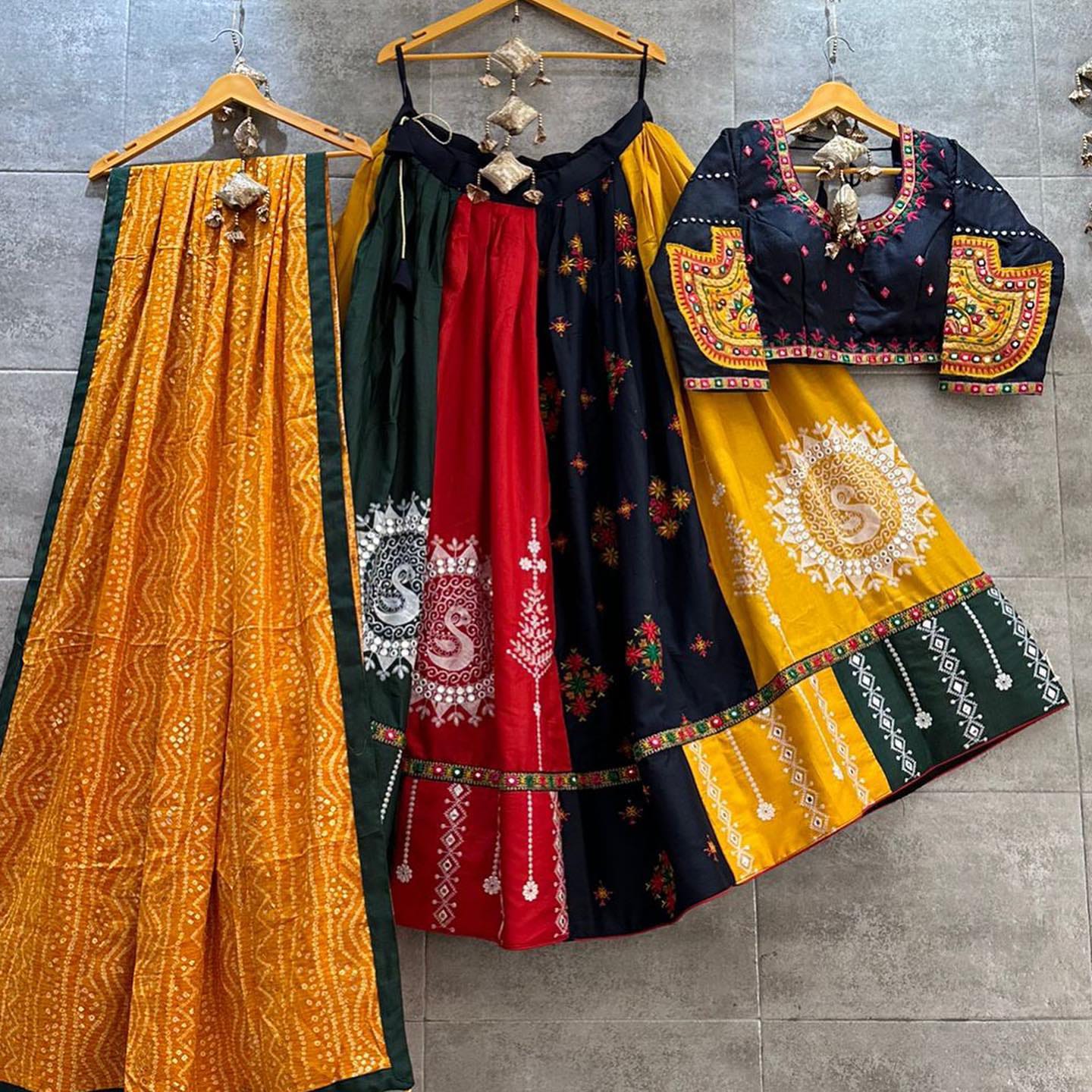
Multicolor Mirror Work Muslin Cotton Lehenga Choli Set demonstrates why muslin cotton can suit a daytime function: the fabric is comparatively easy to move in, while the multicolour surface supplies festive energy. The same principle appears in Vibrant Mirror Work Muslin Lehenga Choli Set Online, which can be styled with fewer accessories when the garment already has a bright, reflective finish.
Butter silk gives a smoother fall and a subtle sheen. Stylish Multicolor Butter Silk Lehenga Choli Set works for a family wedding where you want colour without the weight of brocade. Multicolor Printed Butter Silk Lehenga Choli Set can suit a smaller cultural gathering because a printed surface often feels less formal than extensive sequins or metallic embroidery.
Net is best reserved for an overlay, dupatta or carefully lined skirt panel. Butterfly net can catch on bangles, rings and rough seating, so inspect the garment before the event and keep a small needle-and-thread kit in your handbag. Avoid applying perfume directly to net, sequins or mirror work because alcohol and oils can affect finishes and adhesives.
For a warm outdoor wedding, select a breathable lining, reduce the number of underskirts and use a cotton petticoat or smooth inner layer. For a winter evening reception, add a silk or satin lining and choose a fuller sleeve, but avoid so many layers that the skirt loses its natural swing.
Manipuri-Inspired Lehenga Ideas for Weddings & Cultural Events with Dupatta Styling
A modest blouse with a defined waist gives a Manipuri-inspired lehenga a composed, contemporary shape. Elbow-length sleeves, a higher back neckline and a small amount of embroidery along the cuffs can make the look suitable for a temple-adjacent ceremony or a family cultural event. A cropped blouse is possible, but the visible midriff should be comfortable for sitting, bending and greeting elders.
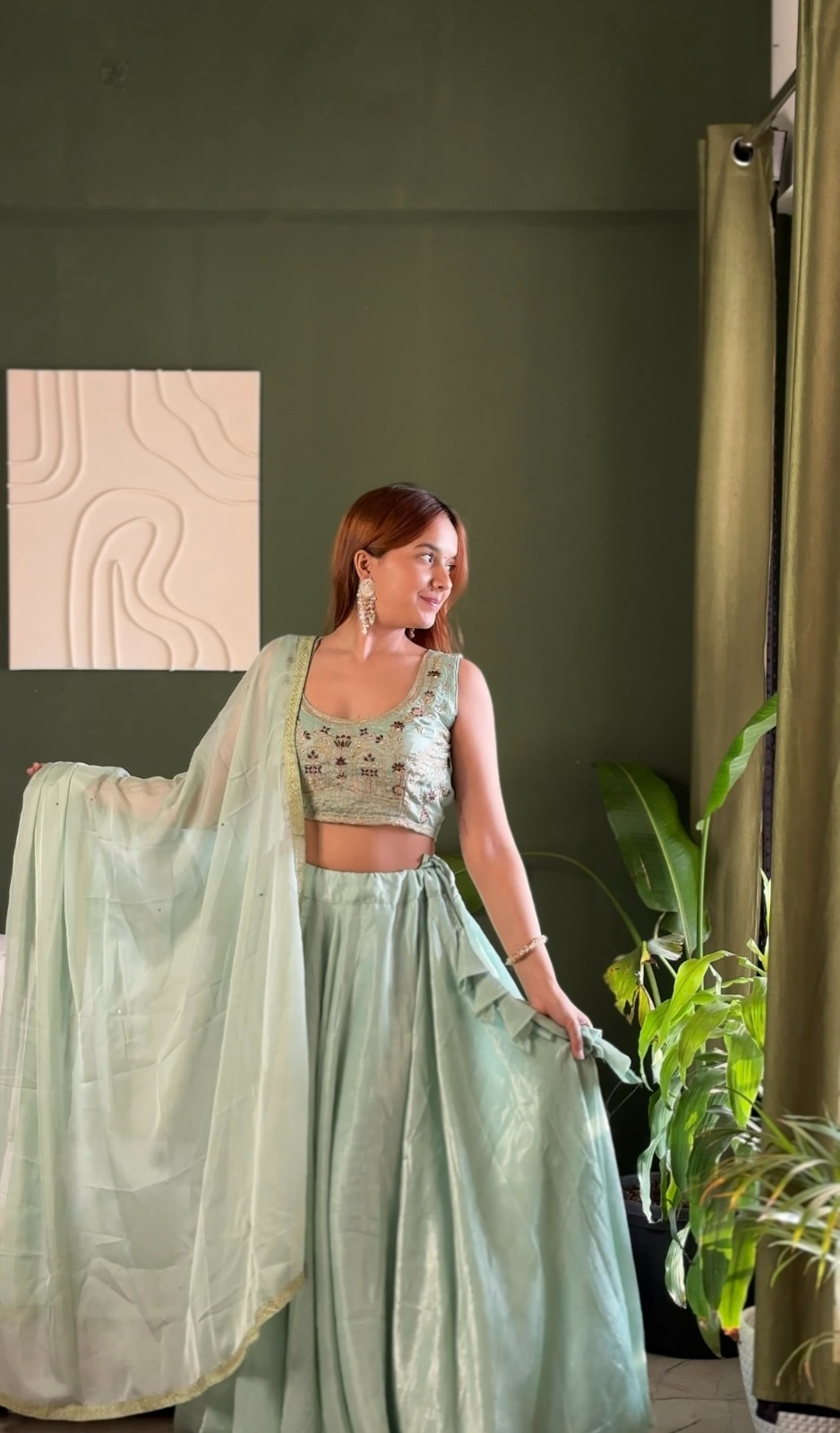
The dupatta is where the regional reference can become most visible. Drape one end over the left shoulder, bring the fabric across the torso and secure a small section at the opposite waist. This arrangement creates a wrapped, grounded appearance and prevents the dupatta from repeatedly slipping during rituals.
A second option is a narrow shoulder drape with both ends falling behind the arms. This keeps the blouse and skirt visible for a reception or stage appearance. Use a contrasting border in red, pink, green or ivory rather than adding heavy embellishment to every surface.
Festive White Lehenga Choli with Mirror Work Design can support a red-bordered shoulder drape, while Royal Purple Mirror Work Muslin Lehenga Choli Set can take an ivory or muted pink dupatta. A strong contrast should be repeated at least twice, such as in the dupatta border and earrings, so the outfit looks intentionally composed.
Manipuri-Inspired Lehenga Ideas for Weddings & Cultural Events with Jewellery
Which jewellery works with a Manipuri-inspired lehenga?
Lightweight jewellery with floral, bead or silver-toned details complements a Manipuri-inspired lehenga without implying that one accessory represents all Manipuri communities. Choose one substantial element, such as chandelier earrings, a layered necklace or a decorative hairpiece, and keep the remaining jewellery quiet.
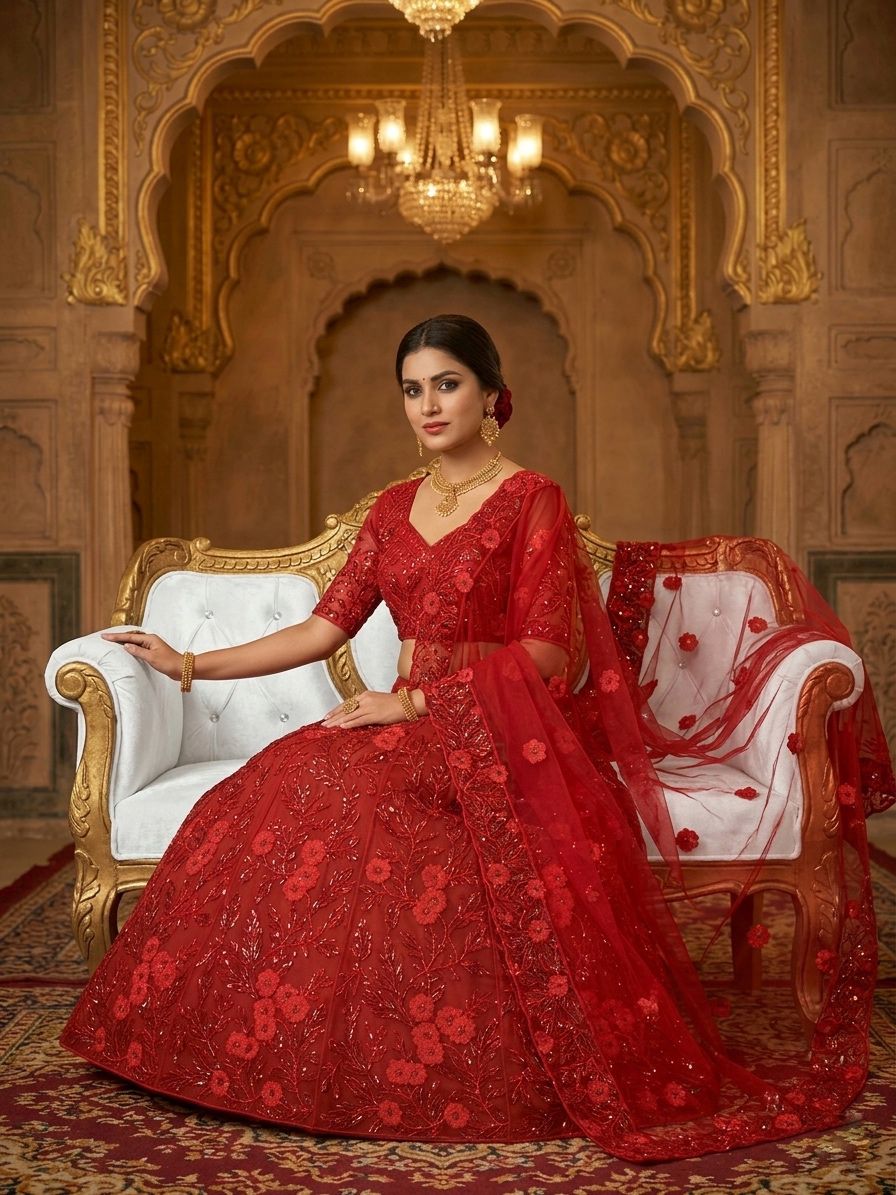
For a daytime ceremony, try silver-toned jhumkas, small pearl drops or a delicate floral hair accessory. For an evening reception, antique-gold earrings or a narrow choker can add warmth to red, purple and green fabrics. Avoid combining a heavy kundan necklace, large maang tikka, stacked bangles and an ornate waist belt if the blouse and skirt already contain dense mirror work.
Hair should support the flowing quality of the outfit. A low bun with fresh flowers, a softly braided style or a half-up arrangement works well for a wedding guest. Secure flowers with discreet pins and use a light setting product, because excess spray can leave residue on silk, muslin cotton and net.
Makeup can follow the colour story rather than attempting a theatrical regional transformation. Soft rose lips, a defined brow and a thin kajal line suit daytime functions. A deeper berry lip or subtle metallic eye can work after sunset, but high-shine makeup should be balanced with low-shine jewellery.
Manipuri-Inspired Lehenga Ideas for Weddings & Cultural Events on a Sensible Budget
A practical budget begins with the event, wear frequency and fabric rather than the discount percentage alone. A daytime guest outfit may need breathable fabric and modest embroidery, while a reception outfit may justify sequins, lining and a more structured blouse. Alteration, lining, tailoring and delivery costs should be included before comparing prices.
The Pink Lehengas Under 4000 with 50% Discount collection can help shoppers compare affordable pink palettes for mehendi functions and daytime ceremonies. Silk Lehengas Under 3000 may be useful when a smoother festive surface matters more than extensive hand embellishment. Bridesmaid Lehengas Under 5500 is relevant for coordinated wedding-party dressing, especially when several outfits need a shared colour family.
Net Lehengas Under 4500 with 51% Discount brings a way to consider lightweight volume, but check lining, seam finishing and the condition of the net before committing to an outdoor event. Haldi Lehengas Under 5500 can be a practical starting point for yellow, lime and floral looks, although washable or easily spot-cleaned fabrics are preferable for turmeric-heavy ceremonies.
Before buying, measure the bust, waist, high hip and full skirt length while wearing the footwear planned for the event. Ask whether the blouse has seam allowance, whether the skirt has an adjustable waistband and whether the dupatta border is finished on all sides. A two-centimetre alteration can improve comfort, but a poorly placed zipper or insufficient hem allowance can be difficult to correct.
Care also affects value. Air the lehenga after wearing it, remove surface dust with a soft brush, and store mirror work and sequins in a breathable garment bag. Fold net with acid-free tissue or a clean cotton cloth between layers, and send silk, embellished muslin cotton and heavily decorated pieces to a professional cleaner rather than washing them at home.
Manipuri-Inspired Lehenga Ideas for Weddings & Cultural Events: Respectful Styling Checklist
Respectful styling begins with accurate references and ends with an outfit that remains comfortable, personal and appropriate to the event. A fashion interpretation should not claim to be classic Manipuri dress when it's a contemporary lehenga influenced by selected Manipuri elements.
- Name the reference accurately: describe phanek or inaphi inspiration specifically instead of calling every Northeast Indian textile Manipuri.
- Use one or two clear cues: a wrapped dupatta, floral border or flowing proportion is often more effective than copying several regional details at once.
- Check community context: avoid reproducing ceremonial, sacred or community-specific motifs without understanding their meaning.
- Prioritise movement: test walking, sitting, climbing stairs and dancing before the wedding day.
- Balance embellishment: pair mirror work or sequins with plain fabric so the outfit retains visual calm.
- Credit artisans and textiles: when a handwoven or regionally made textile is used, learn its material, origin and care requirements.
A good final outfit might pair a moderately flared muslin cotton skirt with a floral border, a blouse with elbow-length sleeves, an ivory dupatta draped across the torso and lightweight silver-toned jewellery. Another option could use purple butter silk, a narrow red border and a low bun decorated with fresh flowers. Both combinations communicate grace without pretending that a modern lehenga is a complete time-honoured Manipuri ensemble.
The most successful Manipuri-Inspired Lehenga Ideas for Weddings & Cultural Events leave room for movement, research and personal expression. When fabric, proportion, colour and draping are chosen with care, the outfit can feel festive while acknowledging the cultural references that shaped it.
Common Questions About Manipuri-Inspired Lehenga Styling
Can I wear a lehenga for a Manipuri cultural event?
Yes, you can wear a contemporary lehenga for a Manipuri cultural event if the invitation or organisers permit it and you describe the outfit honestly as Manipuri-inspired. Avoid presenting a lehenga as traditional Manipuri dress, and use regional references such as phanek-inspired wrapping or floral textiles with care.
What colours work best for a Manipuri-inspired wedding lehenga?
Red, white, pink, green, purple, ivory and saffron work well for a Manipuri-inspired wedding lehenga. Use one dominant colour with a contrasting border or dupatta so the outfit looks considered rather than visually crowded.
Which fabric is best for a lightweight wedding lehenga?
Muslin cotton, cotton-silk, butter silk and Chanderi are practical lightweight choices for wedding lehengas. Lightweight net can add volume, but net should be lined and handled carefully because it can snag on jewellery and rough surfaces.
How should I drape a dupatta with a Manipuri-inspired lehenga?
Drape one end over the left shoulder, bring the fabric across the torso and secure part of it at the opposite waist for a wrapped, stable finish. A simple shoulder drape with both ends falling behind the arms is suitable when you want the blouse and skirt to remain visible.
Can mirror work suit a Manipuri-inspired lehenga?
Yes, mirror work can suit the look when it is concentrated on a border, neckline, sleeve cuff or limited motif placement. Dense mirror work throughout the skirt may add unnecessary weight and can overpower the softer movement associated with this styling direction.
How can I make a cultural-inspired lehenga look respectful?
Use accurate names for references such as phanek and inaphi, research community-specific motifs, and avoid claiming that a modern lehenga is traditional Manipuri clothing. Borrow a small number of clearly understood design cues instead of combining unrelated regional symbols.