

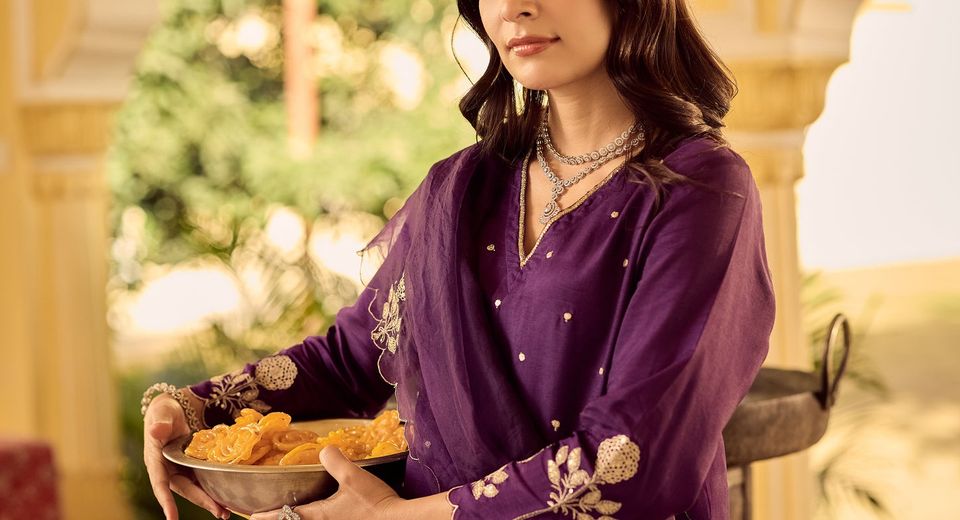
A Manipuri Ethnic Wear Guide for Festivals & Weddings needs to begin with the garments that give Manipuri clothing its identity: the phanek, innaphi, sarong-style wraps, handwoven textiles and richly constructed ceremonial dress. A suitable outfit should honour the event, allow comfortable movement and acknowledge that Manipur includes several communities with distinct traditions. Contemporary Indian clothing can work beautifully when colour, fabric, silhouette and styling are chosen with care.
Festival and wedding dressing in Manipur can't be reduced to one uniform costume. Meitei attire, Naga clothing and Kuki-Zo dress traditions use different textiles, ornamentation and shapes. The right choice depends on whether you're attending a Lai Haraoba celebration, a Raslila performance, a Meitei wedding, a church wedding, a reception or a modern festive gathering inspired by Manipuri style.
Manipuri Ethnic Wear Guide for Festivals & Weddings: What Defines the Tradition?
Manipuri ethnic wear is defined by wrapped silhouettes, handwoven textiles, practical elegance and garments connected to community, dance and ceremony. The phanek is a major women's garment, while the innaphi is commonly worn as a shawl or upper drape.
A phanek is a tube-like or rectangular lower garment wrapped around the waist and secured for movement. Traditional phanek designs may feature horizontal stripes, checks, woven borders or distinctive motifs. A phanek can be paired with a blouse, choli or fitted upper garment, and the styling changes according to age, community, region and occasion.
An innaphi is a long rectangular cloth worn around the upper body. The drape can cover the shoulders, cross the torso or fall more freely, depending on the outfit and event. Handwoven cotton, silk and silk-blend innaphi fabrics are valued for their texture and the visual interest of their borders.
Manipuri clothing also includes textiles and garments associated with dance. The Raslila costume for women is especially recognisable because of the cylindrical skirt, veil, fitted upper section and elaborate decoration. The Potloi, a stiff cylindrical skirt, is linked with classical Manipuri dance presentation and should not be treated as an everyday skirt or a casual costume prop.
For a contemporary wardrobe, the most useful lesson from Manipuri dress is the balance between a controlled silhouette and a fluid drape. A straight kurta with a woven stole, a skirt with a structured border or a saree with a restrained blouse can echo that balance without copying a ceremonial costume inaccurately.
Manipuri Ethnic Wear Guide for Festivals & Weddings: Which Silhouette Works Best?
The best silhouette depends on the activity, formality and cultural setting of the celebration. Choose a wrapped or draped outfit for time-honoured events, a light kurta set for daytime ceremonies and a structured silk saree, lehenga or Anarkali for formal receptions.
For daytime festivals
Daytime festivals call for breathable fabrics and easy movement. Cotton, muslin, Chanderi and lightweight silk blends are more comfortable than heavily lined velvet or dense brocade when an event involves walking, outdoor rituals or several hours of sitting.
A phanek-inspired skirt with a solid blouse and an innaphi-style stole creates a respectful visual reference without requiring a fully heritage ensemble. A salwar suit or kurta set also works well when the fabric has a woven border, small-scale embroidery or a handcrafted-looking texture rather than excessive shine.
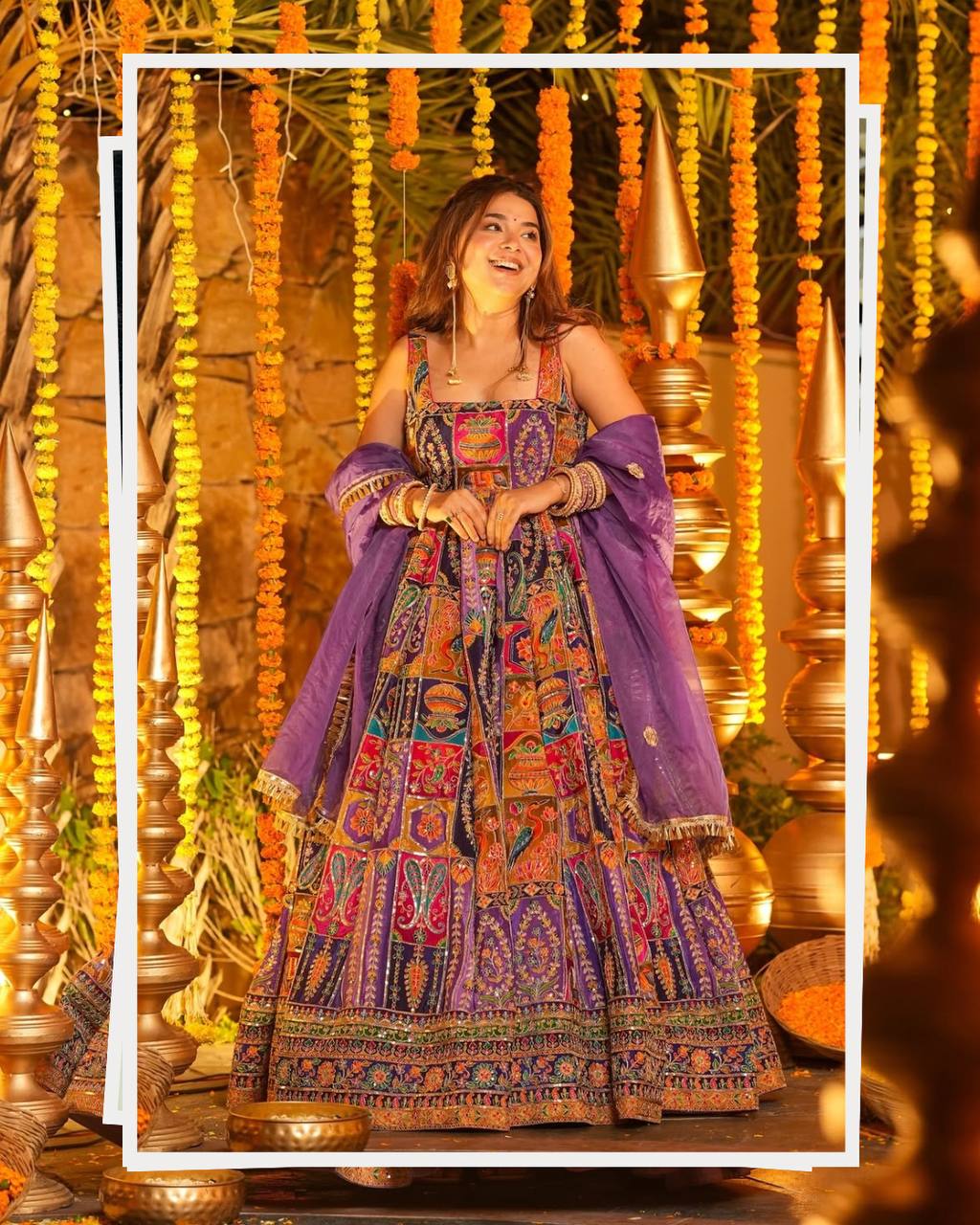
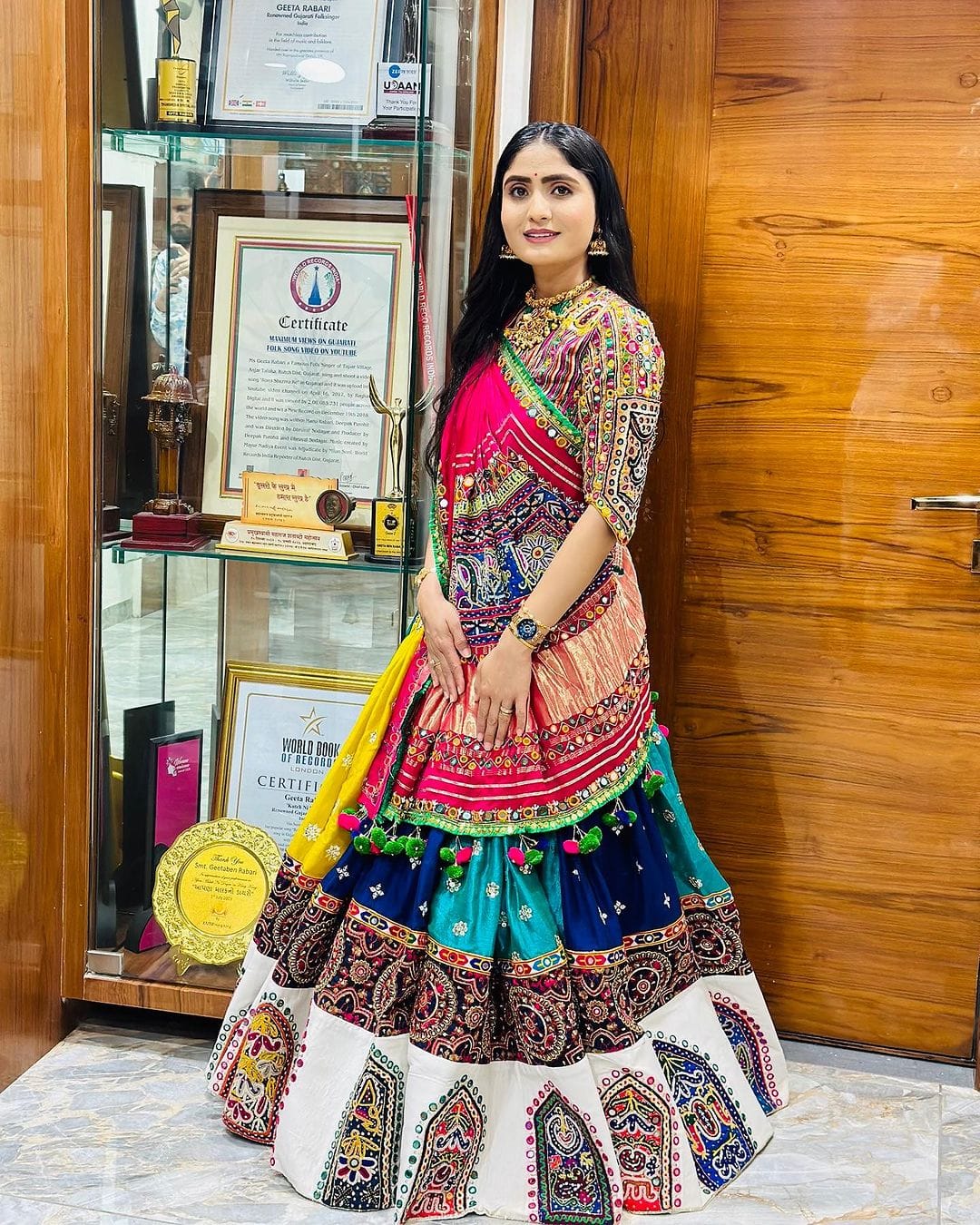
Festive Multicolor Muslin Cotton Lehenga Choli Set is a practical example of a light, colourful silhouette for a daytime celebration. Muslin allows better air circulation than many synthetic fabrics, while a multicolour palette can be balanced with simple earrings and a single-toned dupatta.
For weddings and receptions
Wedding receptions usually permit richer fabrics, longer hems and more substantial jewellery than daytime festivals. Banarasi silk, Maslin silk, brocade, satin-backed silk and zari-woven fabrics create a formal finish, although the weight of the fabric should still match the season and venue.
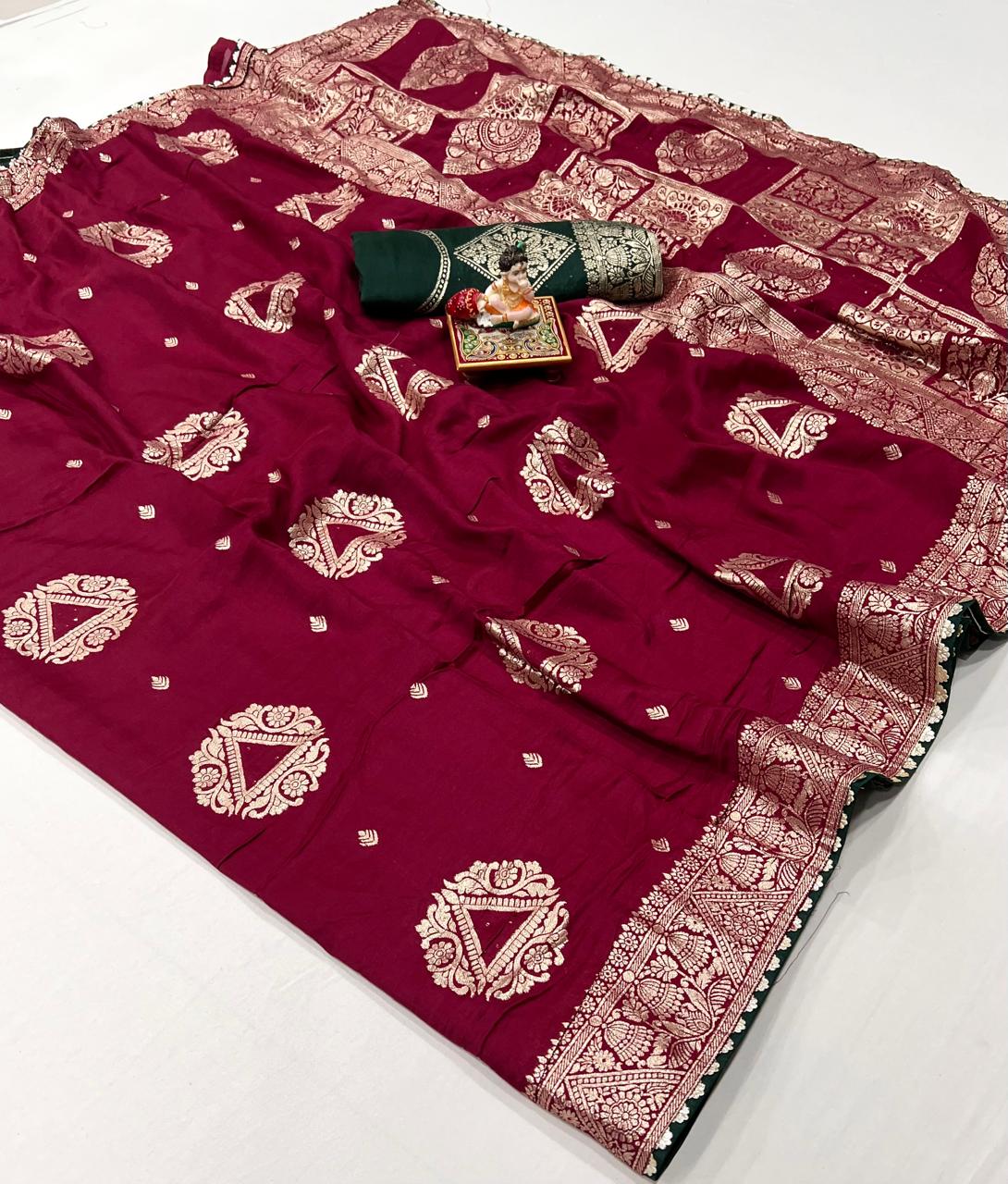
Wedding Wear Maslin Silk Zari Woven Saree Online demonstrates why a zari border can provide ceremony without requiring heavy all-over embellishment. A saree with a defined pallu is especially useful when the blouse is simple, because the drape supplies the principal visual detail.
Festive Wear Maroon Silk Anarkali Suit Set for Women offers another formal direction. A maroon silk Anarkali can suit an evening reception when the hem is comfortable and the dupatta is pinned securely for dining, greeting guests and moving between spaces.
For guests who prefer a current outfit
An up-to-date outfit should preserve the logic of the tradition rather than imitate sacred or performance-specific clothing. A long kurta with a woven stole, a monochrome saree with a contrasting innaphi-like drape or a skirt set with a classic border can communicate respect without presenting a stage costume as regular partywear.
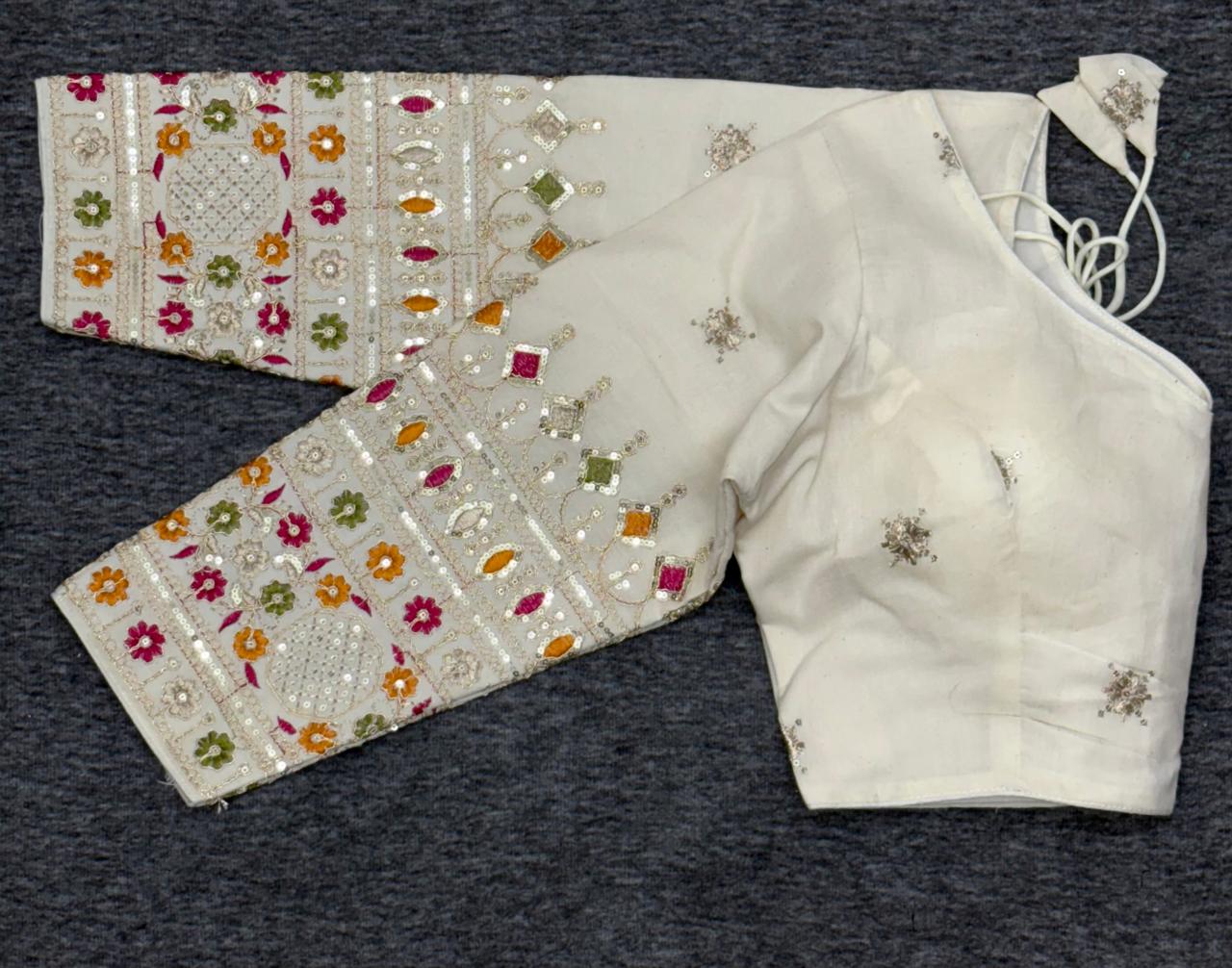
Cream Embroidered Silk Kurta Pant Set for Women works for a more restrained ceremony because cream silk provides formality while the kurta-and-pant shape remains easy to wear. Add a coloured stole or small textile accent instead of combining several competing patterns.
Manipuri Ethnic Wear Guide for Festivals & Weddings: Which Fabrics and Details Suit the Occasion?
Handwoven cotton, silk, muslin, Chanderi and silk blends suit Manipuri celebrations when the fabric brings comfort, a visible weave and an appropriate level of formality. Zari, embroidery, woven borders and mirror work should be selected according to the time of day and the wearer's role.
Handloom cotton is valuable for daytime comfort and has enough texture to look considered without appearing overdressed. Cotton also responds well to pleating and wrapping, which makes it an useful choice for phanek-inspired styling. Muslin feels softer and lighter, but delicate muslin may need careful handling around jewellery and rough seating.
Silk creates a ceremonial appearance through its lustre and drape. Maslin silk and Banarasi silk are suitable for weddings, while Kanjeevaram is a stronger choice when a South Indian wedding setting or family tradition calls for its characteristic silk body and contrast border. Fabric origin and weave should be checked before purchase because the word "silk" alone doesn't indicate weight, durability or authenticity.
Chanderi is known for its lightness and subtle translucency. A Chanderi dupatta can make a heavier kurta feel more balanced, but a lining may be necessary if the garment itself is sheer. Zari adds a metallic finish and should be tested for comfort at the neck, wrist and waist, especially if the wearer has sensitive skin.
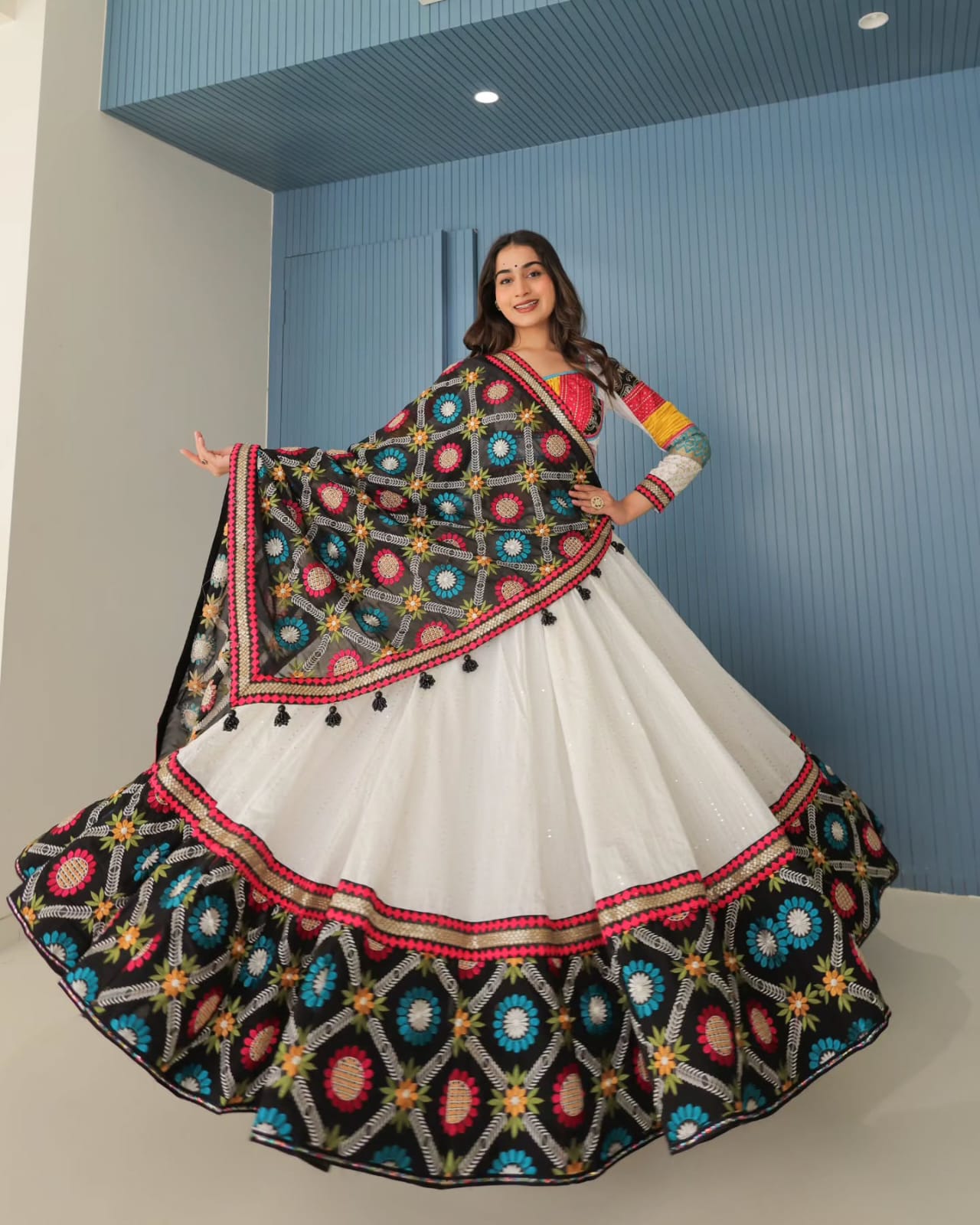
Stylish White Mirror Work Lehenga for Festive Wear shows how reflective embellishment can become the main feature of an outfit. Large mirrors can catch on a shawl, seat or handbag, so pair mirror work with a plain blouse, uncomplicated dupatta and modest jewellery.
Manipuri Ethnic Wear Guide for Festivals & Weddings: How Should You Style the Drapes?
A phanek or draped outfit should be secured at the waist and shoulder before accessories are added. Correct placement matters more than the number of embellishments because an unstable wrap becomes uncomfortable during ceremonies.
For a phanek-inspired look, begin with a fitted but breathable blouse and place the lower wrap so that the waistband sits flat. Use a discreet safety pin on the inner layer if the fabric tends to loosen. The innaphi can rest over both shoulders for a heritage appearance, cross the torso for greater security or fall from one shoulder at a formal indoor event.
Use no more than two prominent textile features in one outfit. A patterned phanek with a zari innaphi needs a plain blouse, while a solid skirt can support an embroidered shawl and statement earrings. This approach keeps the weave and border visible instead of burying them under layered decoration.
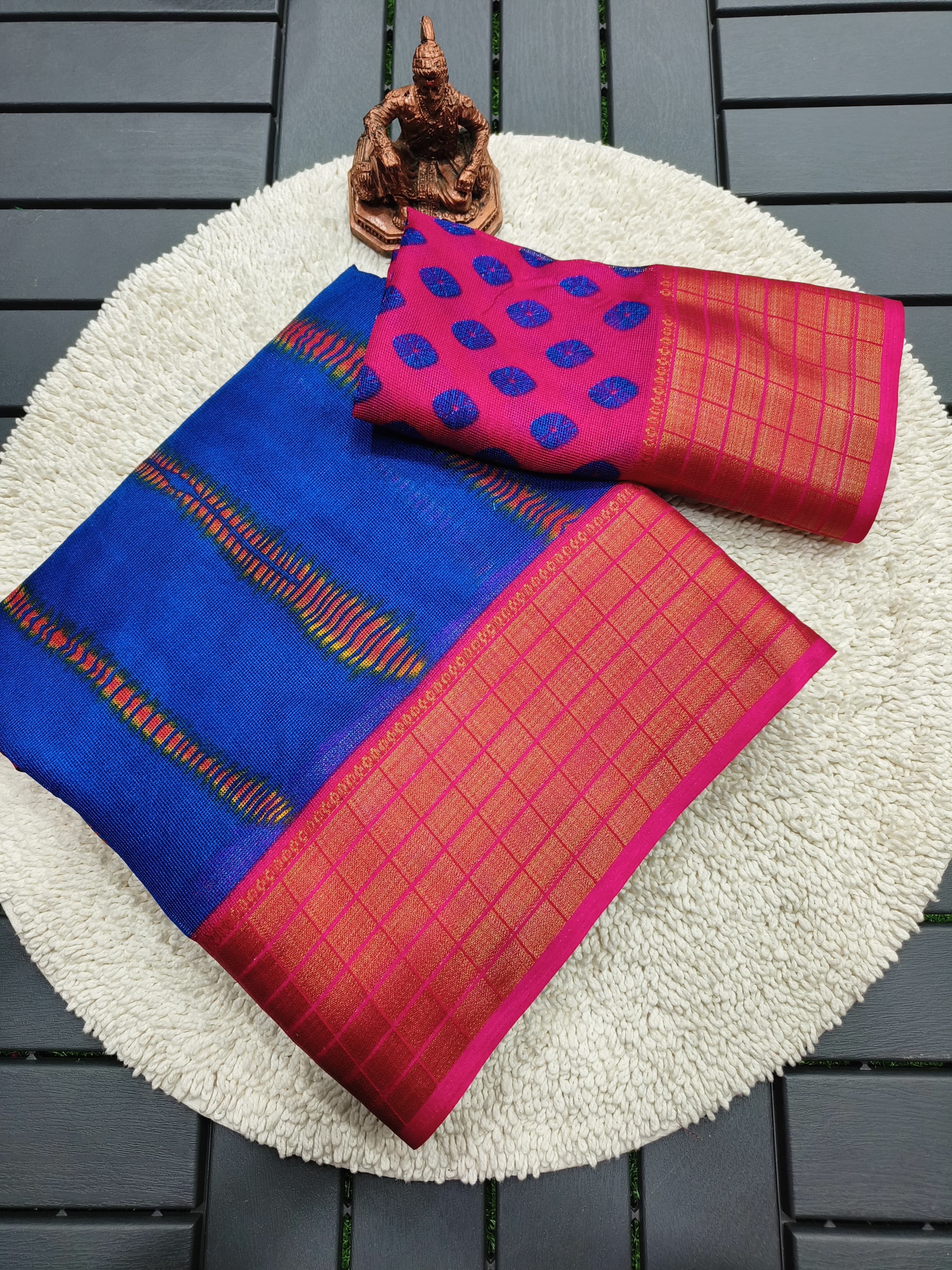
Festive Wear Blue Silk Saree for Women gives an useful example of colour-led styling. Blue silk can be paired with silver-toned jewellery for a cooler palette or with muted gold accessories for a warmer ceremonial effect. A firm pallu fold and a pinned shoulder edge make the saree practical for a long wedding programme.
Multicolor Embroidered Crepe Maxi Suit Set for Festive Wear can be balanced with neutral footwear and a small clutch. Crepe drapes smoothly, but the wearer should check whether the lining restricts walking or creates heat before choosing it for an outdoor festival.
Manipuri Ethnic Wear Guide for Festivals & Weddings: How Do Colour and Jewellery Work?
Colour should reflect the formality of the event, the time of day and the wearer's community context. Deep maroon, indigo, emerald, ivory, cream, white and jewel tones can all work, but no colour should be treated as a universal rule for every Manipuri wedding or festival.
White may be appropriate in some cultural, religious or family settings and may carry different meanings in others. Ask the hosts when the invitation is unclear, particularly if the event includes a specific dress code or ritual. Stylish White Mirror Work Lehenga for Festive Wear can suit a festive evening, but a white outfit should be checked against the family's preferences before a wedding.
Jewellery should support the neckline and drape. Medium jhumkas, small gold or silver studs, a narrow bracelet and a single ring are enough for a daytime celebration. A wedding reception allows a heavier necklace or chandbali, provided the necklace doesn't catch on the innaphi or saree border.
Footwear should be chosen for the floor and schedule rather than only for appearance. Block heels of 2 to 3 inches provide more stability than narrow stilettos for courtyards, grass and uneven pavements. Flat juttis or embellished sandals are sensible choices when a ceremony includes extended standing or temple visits.
Stylish Violet Ethnic Kurta Dupatta Set for Festive Wear shows how a single strong colour can carry an outfit without extensive jewellery. Violet pairs well with antique gold, oxidised silver or pearl accents, depending on whether the desired effect is warm, artisanal or understated.
Manipuri Ethnic Wear Guide for Festivals & Weddings: What Should Guests Avoid?
Guests should avoid presenting ceremonial dance costumes, sacred symbols or community-specific garments as casual fashion without understanding their meaning. Guests should also avoid assuming that one Manipuri outfit represents every community in Manipur.
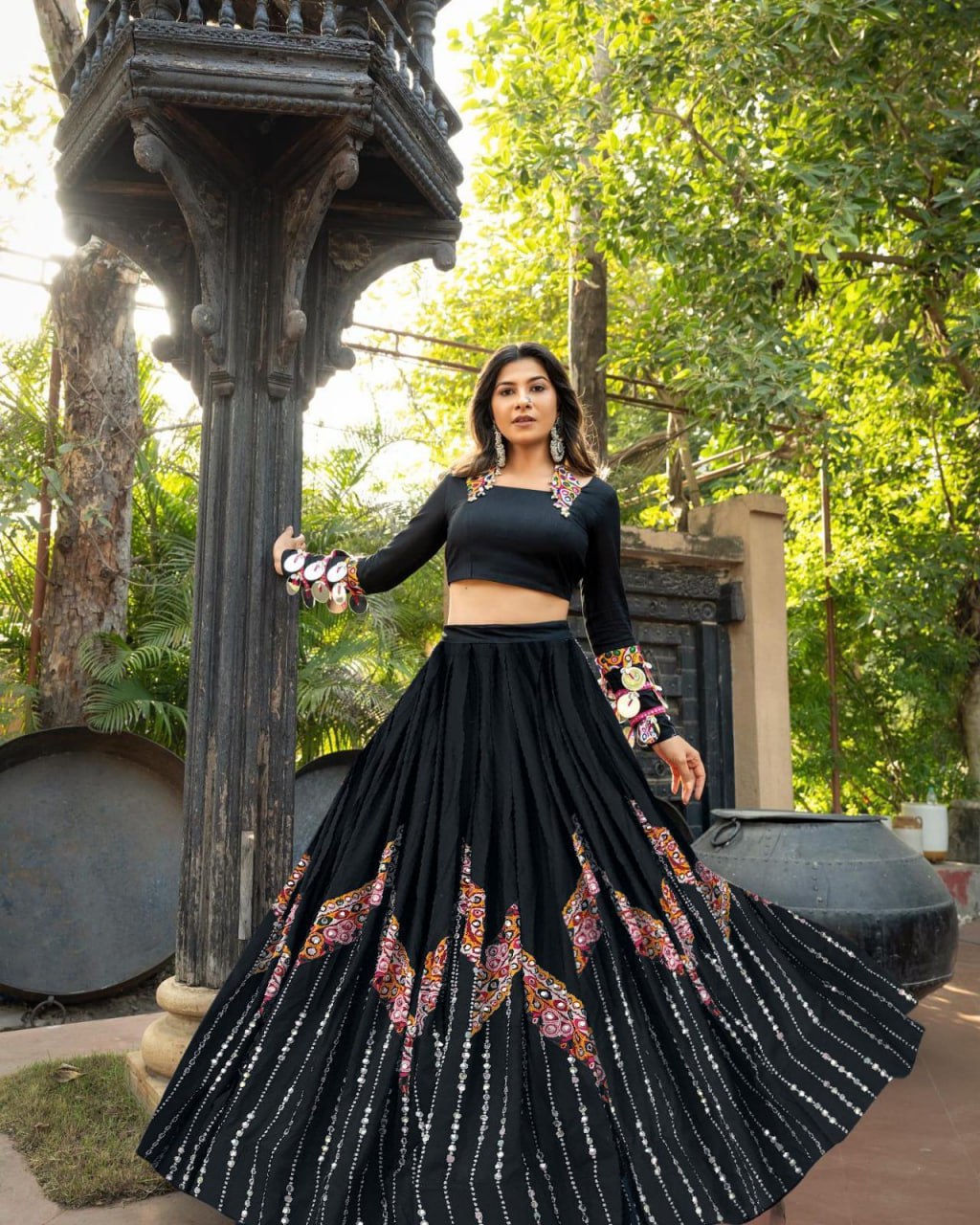
don't wear a Potloi-inspired cylindrical skirt to a party merely because its shape looks distinctive. The Potloi has a specific relationship with Manipuri classical dance and ceremonial presentation. A structured lehenga with a conventional flare is a safer up-to-date alternative when the invitation calls for festive clothing.
Avoid excessive imitation of motifs when you can't identify their cultural context. A woven border, handloom texture or regional colour palette can acknowledge Manipuri aesthetics more responsibly than copying a highly specific ritual garment.
Practical comfort also matters. Very long dupattas can drag on wet ground, dense zari can become hot in humid weather and unlined silk can cling while walking. Test sitting, climbing stairs, eating and raising both arms before wearing an outfit to a full-day event.
Colour restrictions and religious expectations differ between families and communities. When the invitation is vague, a respectful question to the host is more reliable than a generic internet rule. A jewel-toned saree, modest Anarkali or elegant kurta set is usually easier to adapt than an outfit built around a controversial or highly specific symbol.
Manipuri Ethnic Wear Guide for Festivals & Weddings: How Should You Care for the Clothes?
Care depends on the fibre, embellishment and construction, but silk and zari garments generally need gentle dry cleaning, breathable storage and protection from prolonged moisture. Cotton and muslin should be washed only according to the care label because colour bleeding and shrinkage can affect woven borders.
Air a silk saree or embroidered suit after wearing it, but keep the garment away from direct sunlight for extended periods. Fold silk along different lines every few months to reduce permanent creasing. Store zari garments in unbleached cotton or muslin rather than sealed plastic, which can trap humidity and accelerate tarnishing.
Keep mirror work, metal embroidery and sharp-edged zari away from delicate innaphi or dupatta fabrics. Wrap embellished sections in soft tissue before folding. Never iron directly over mirrors, metallic thread, sequins or raised embroidery; use a low-temperature setting with a pressing cloth or choose professional steaming.
Remove perfume, makeup and food marks promptly, but don't rub a stain aggressively. Blot the area with a clean, dry cloth and show the garment to a professional cleaner, especially when the piece contains silk, zari or colour-contrast borders.
For regular use, a fabric inventory helps protect the wardrobe. Record the fibre, wash method, purchase date and alterations for each garment. Such notes make it easier to select a lightweight cotton for a daytime Lai Haraoba gathering and reserve heavier silk for an evening reception.
Manipuri Ethnic Wear Guide for Festivals & Weddings: A Practical Final Checklist
A suitable outfit should satisfy four tests: cultural respect, event-appropriate formality, physical comfort and secure construction. Checking those four points before dressing prevents most styling mistakes.
- Identify the event: Confirm whether the gathering is a festival, ritual, wedding ceremony, reception, dance performance or casual celebration.
- Choose the fabric: Select cotton or muslin for heat and movement, Chanderi for light elegance, and silk or zari for formal evening wear.
- Check the silhouette: Make sure the waist, hem, pallu and dupatta remain secure while walking, sitting and greeting guests.
- Ask about cultural expectations: Clarify colour preferences, community-specific dress codes and whether a time-honoured garment is appropriate for guests.
- Limit competing details: Combine one major textile feature with restrained jewellery and practical footwear.
- Prepare for care: Carry pins, a small stain cloth and a breathable garment bag when transporting silk, zari or heavily embellished clothing.
Manipuri clothing gives a thoughtful model for festive dressing because it joins beauty with movement, textile knowledge and cultural meaning. A carefully selected phanek-inspired wrap, innaphi-style stole, handwoven saree, silk kurta or modest lehenga can feel celebratory while leaving room for the traditions that make each Manipuri festival and wedding distinct.
Common Questions About Manipuri Festival and Wedding Dressing
What do women traditionally wear in Manipur?
Women in Manipur may wear a phanek as a wrapped lower garment with an innaphi as an upper drape, although styles vary between Meitei, Naga, Kuki-Zo and other communities. Formal clothing, dance costumes and wedding attire use different fabrics, silhouettes and embellishments.
What is a phanek and how is it worn?
A phanek is a rectangular or tube-like wrapped lower garment worn around the waist. It is secured for movement and may be paired with a blouse, fitted upper garment and innaphi, with the exact styling varying by community and occasion.
Can I wear a saree to a Manipuri wedding?
Yes, a saree can be appropriate for a Manipuri wedding reception or contemporary celebration when the invitation does not specify traditional community attire. Choose a comfortable drape, moderate embellishment and jewellery that does not interfere with the pallu or other garments.
Is a Potloi a regular Manipuri festive outfit?
No, the Potloi is a stiff cylindrical skirt strongly associated with Manipuri classical dance and ceremonial presentation. Guests should not use a Potloi-inspired costume as ordinary partywear without understanding its context.
Which fabric is best for a Manipuri festival in warm weather?
Cotton, muslin and lightweight silk blends are generally better for warm-weather festivals because they allow easier movement and ventilation. Dense velvet, heavy brocade and heavily lined garments can become uncomfortable during outdoor rituals or long periods of standing.
How can I style Manipuri-inspired clothing respectfully?
Use a wrapped silhouette, handloom texture, woven border or innaphi-style stole without copying a sacred or performance-specific costume. Ask the host about community and dress expectations, then keep the accessories and styling appropriate to the event.




