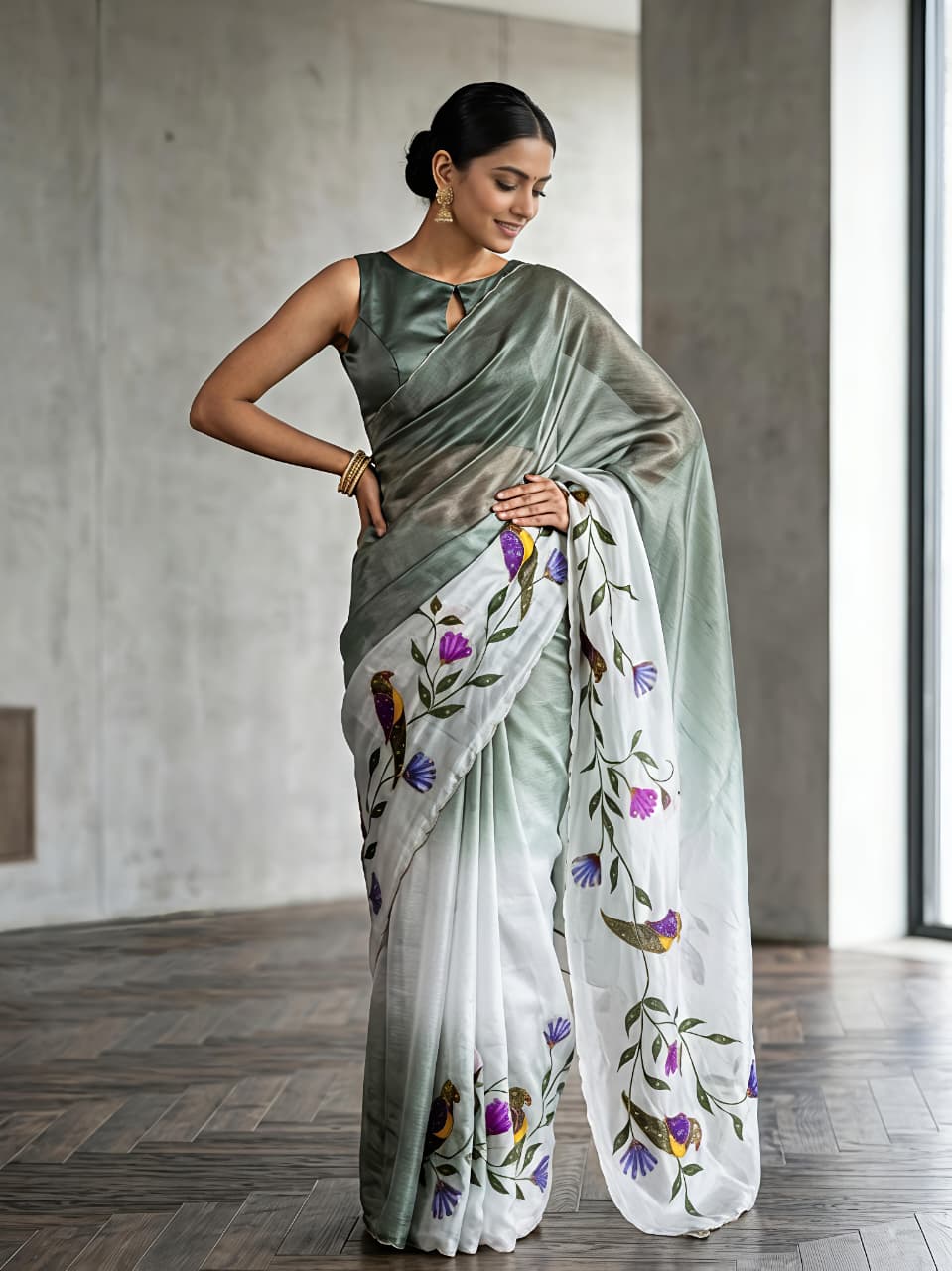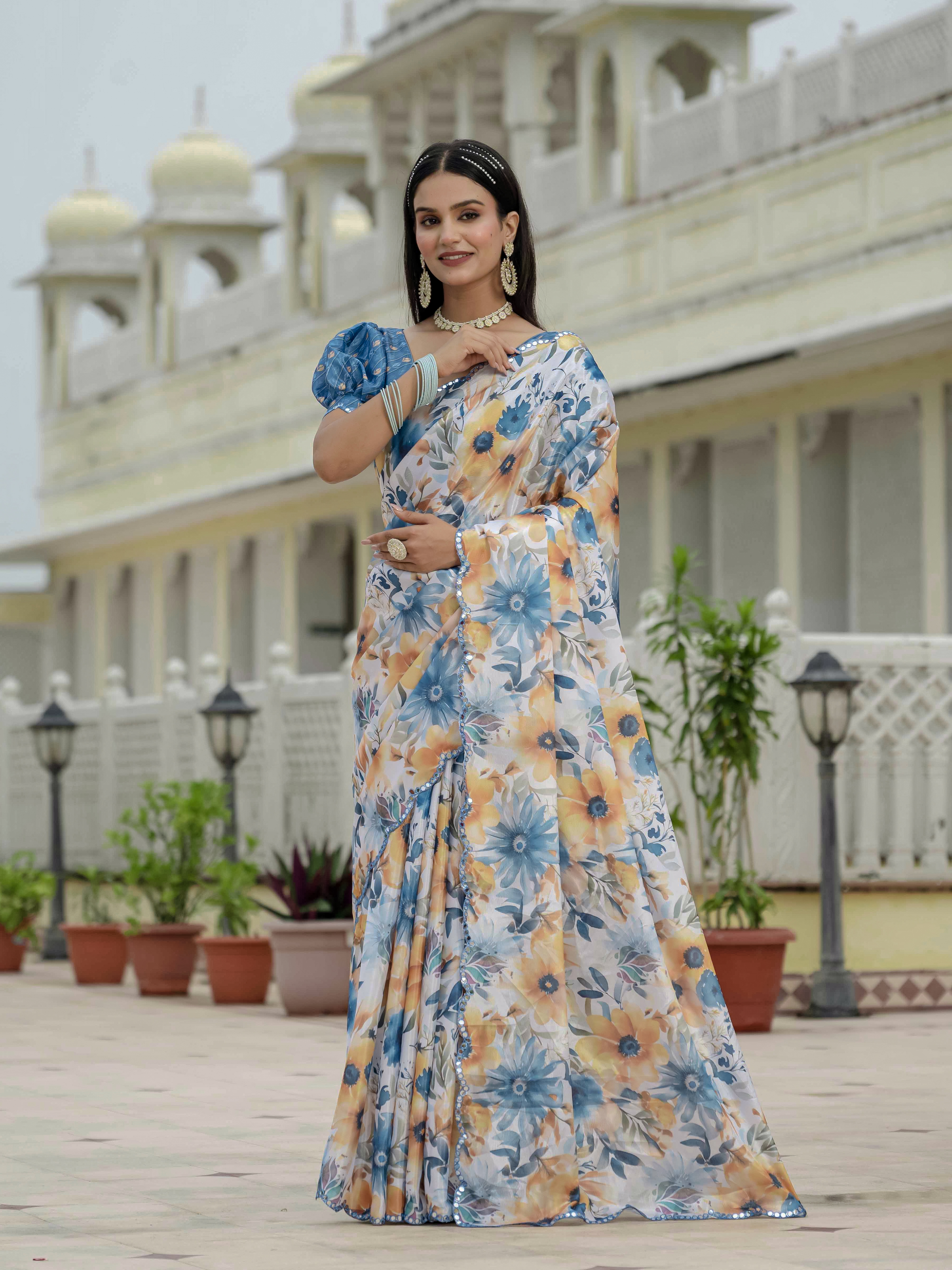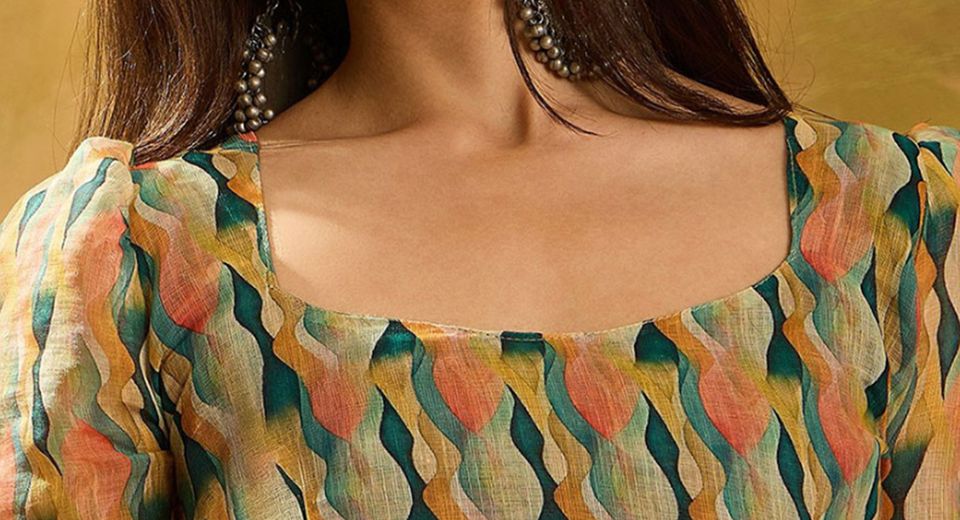
Manipur Festival Saree Styling: Phanek-Inspired Traditional Looks brings the visible language of the phanek into a graceful saree outfit without suggesting that a saree and a phanek are the same garment. The strongest references are colour blocking, horizontal bands, confident borders and realistic movement. A festival celebration look can therefore feel rooted, comfortable and personal rather than costume-same.
A phanek is a heritage wraparound lower garment worn by Manipuri women, often recognised through stripes, checks, geometric patterning or a clear contrast between the body and border. The phanek is worn with an upper garment such as an innaphi or shawl, depending on community, setting and occasion. Saree styling can take inspiration from those visual elements while respecting the original garment and the living culture behind it.
Manipur Festival Saree Styling: Phanek-Inspired Traditional Looks and their defining details
A phanek-inspired saree look works when the saree repeats one or two visual cues, such as a strong border, a striped blouse or a balanced colour block, without copying a traditional Manipuri garment carelessly. The result should look like an intentional fusion of draping traditions rather than a random combination of Northeast Indian references.
Start with the saree body and border as separate design decisions. A saree with a quieter floral or textured body allows a bold border to suggest the structured appearance of a phanek. A saree with a busy print needs a simpler blouse, otherwise the outfit loses the clean rhythm associated with bands and checks.
Colour placement matters more than having many colours. One dominant shade, one border colour and one small accent create a clearer silhouette than five competing tones. Blue with peach, maroon with gold, sea green with cream and charcoal with pink are useful combinations for a festival outfit because they offer contrast while remaining easy to accessorise.
Respectful styling also means avoiding statements that label a saree as a "classic Manipuri phanek." A saree remains a saree. "Phanek-inspired" accurately describes the use of colour, geometry or border placement as a design reference.
Manipur Festival Saree Styling: Phanek-Inspired Traditional Looks through fabric choice
Linen cotton, handloom cotton, Banarasi silk and tissue sarees all suit a festival celebration, but each fabric creates a different kind of movement, shine and visual weight. The best choice depends on the time of day, weather, amount of walking and level of formality.

Linen cotton for daytime gatherings
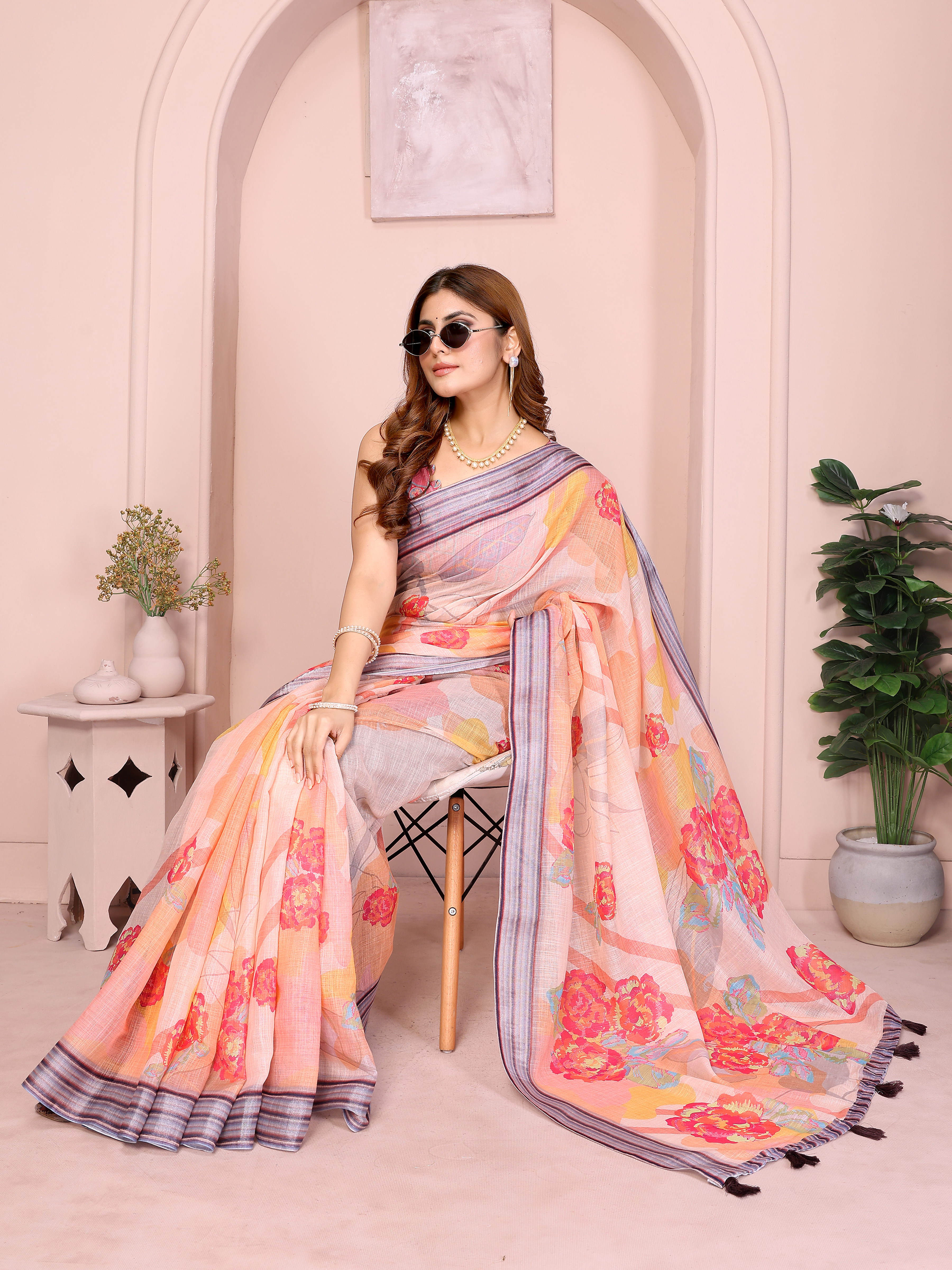
Linen cotton is a practical choice for a daytime puja, community gathering or outdoor festival because the fabric generally feels lighter and less ceremonious than heavy silk. Peach Floral Linen Cotton Saree with Blue Border for Ladies demonstrates how a soft floral body can be sharpened by a contrasting border. Keep the blouse close to the border colour to make the outfit feel more structured.
Peach Floral Linen Cotton Saree with Beautiful Blue Border offers another useful styling direction: treat blue as the phanek-inspired anchor and peach as the main field. Blue glass bangles, a small blue bindi or blue threadwork on the blouse can repeat the border without making the outfit appear matched from head to toe.
Handloom cotton for comfort and texture
Handloom cotton gives a festival saree a matte texture and a more grounded appearance. Sea Green Tissue Handloom Cotton Saree With Floral Patterns can work for a daytime festival celebration when paired with a cream, ivory or muted gold blouse. Tissue Handloom Cotton Saree with Zari Weave & Floral Print adds a little more light through zari while retaining a breathable cotton character.
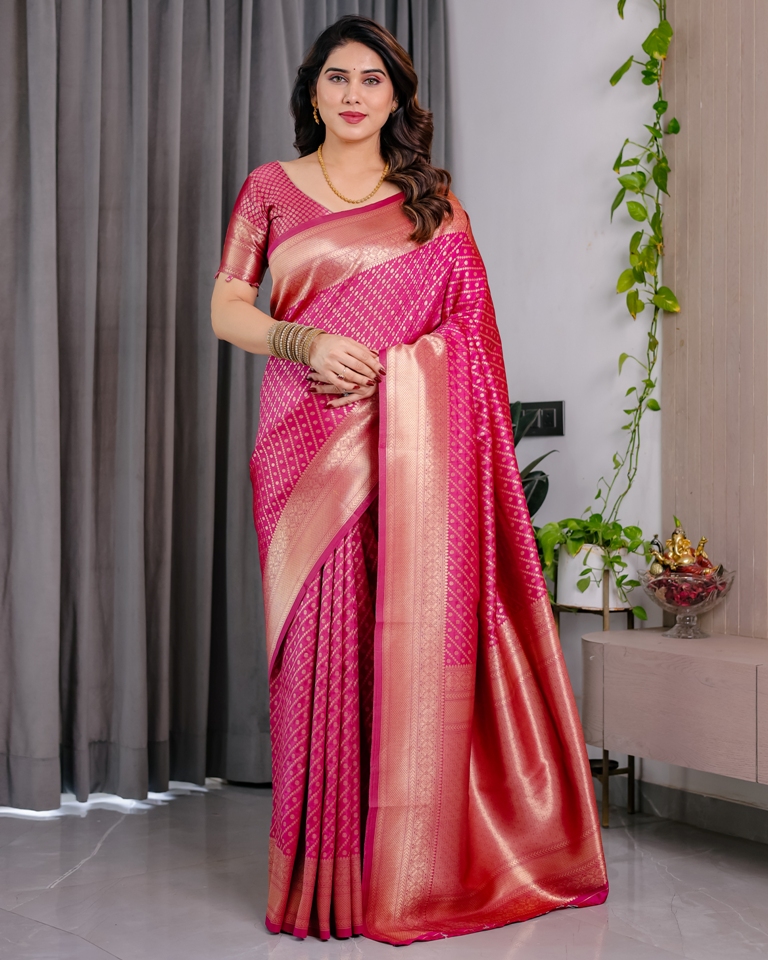
Pastel Floral Tissue Handloom Cotton Saree with Zari Weaves suits a softer silk look Festival styling brief when the event is festive but not highly formal. A narrow metallic bangle stack and a neat low bun are enough to bring out the zari. Excessive sequins would compete with the handloom texture.
Banarasi silk for evening rituals
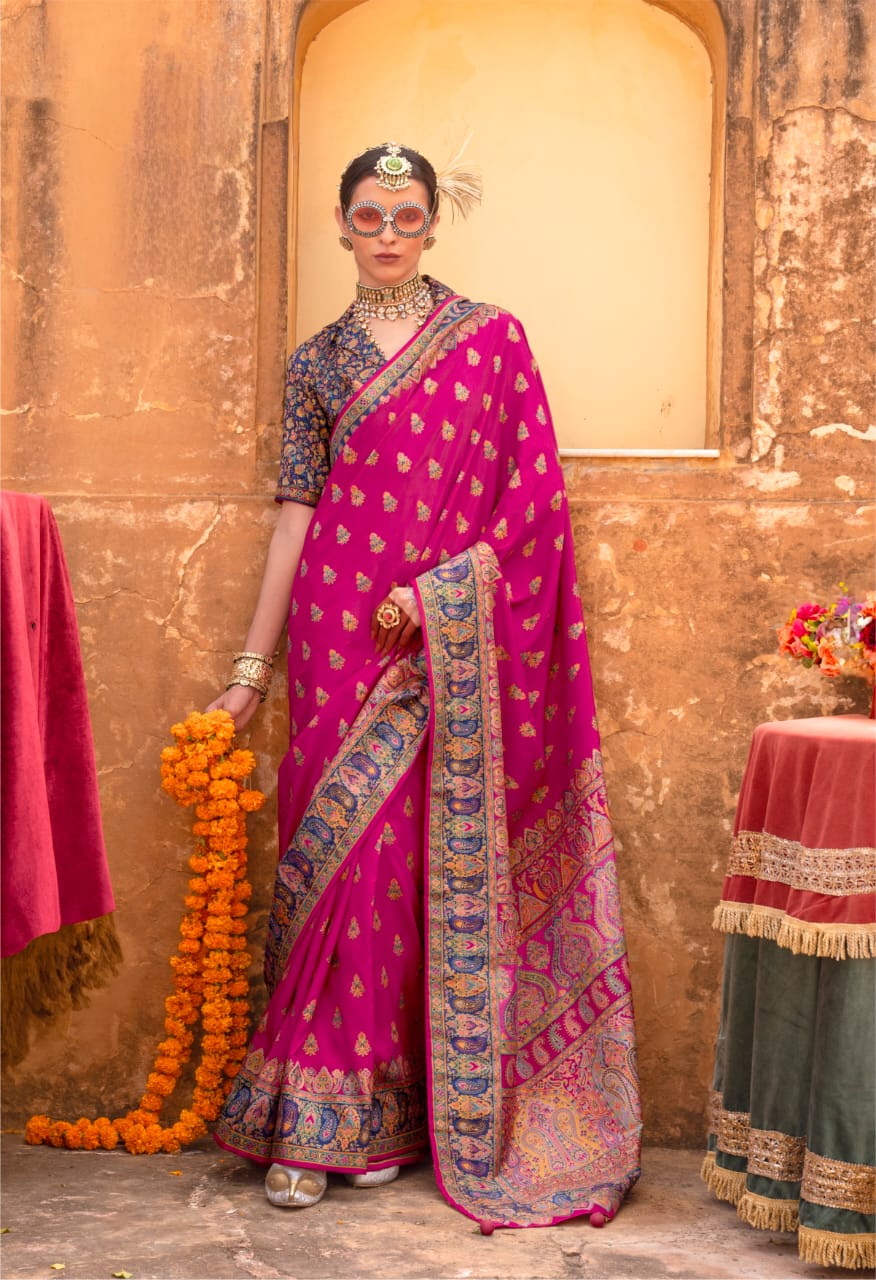
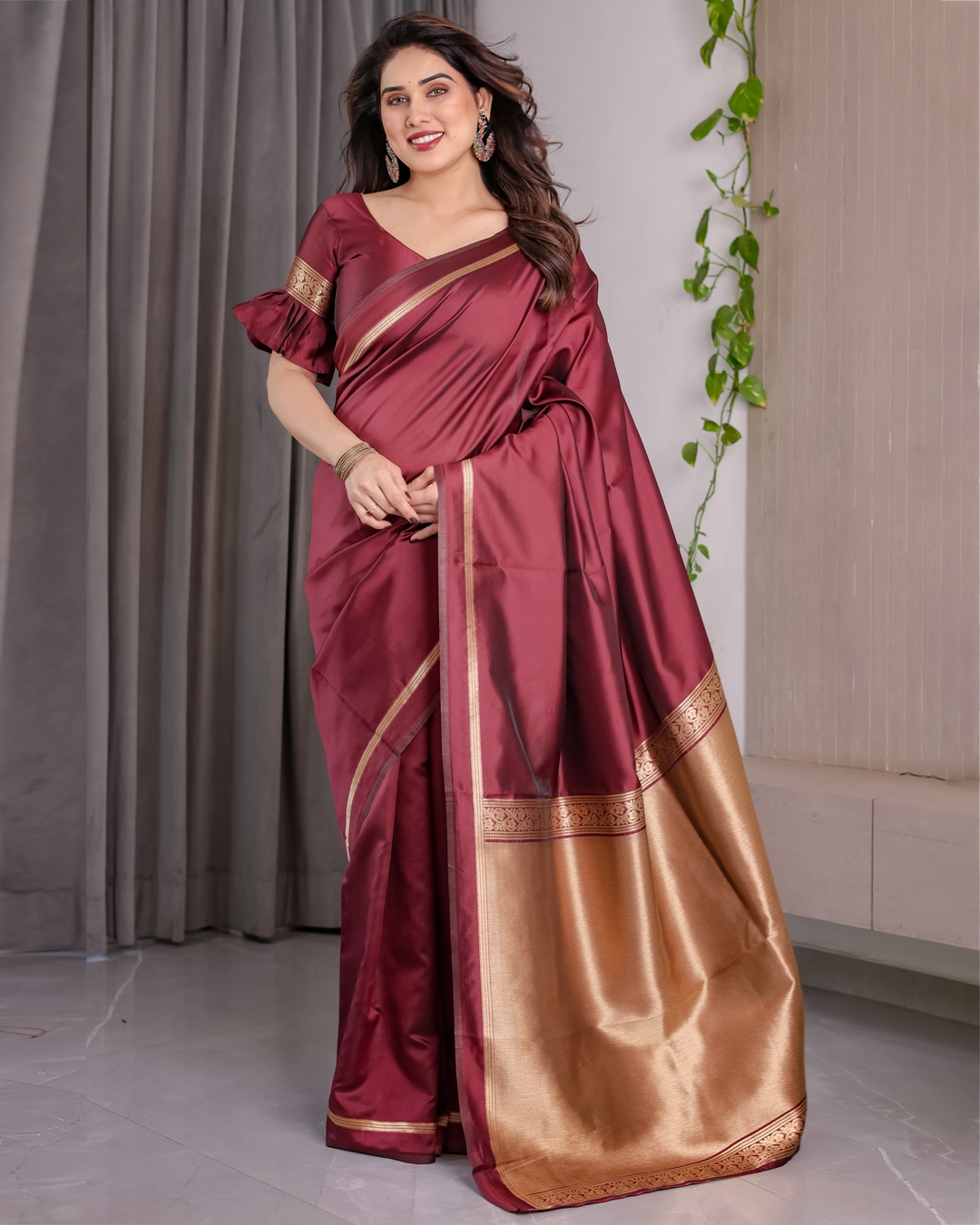
Banarasi silk creates the richest evening effect because zari catches lamp light and photographs strongly. Maroon Banarasi Soft Silk Saree with Golden Zari Border needs very little additional ornament: a plain maroon or antique-gold blouse, jhumkas and a controlled pleat arrangement will provide balance. Banarasi silk is especially appropriate for a family puja, wedding-linked festival gathering or an evening cultural programme.
Silk Sarees Under 3000 With Discount can be a useful shopping category when the budget is limited, but price should not be the only filter. Check the fabric description, border construction, blouse-piece length, care instructions and return measurements before choosing a silk festival celebration outfit.
Manipur Festival Saree Styling: Phanek-Inspired Traditional Looks with colour blocking
A saree echoes phanek colour blocking most effectively when the blouse, border and accessories create three clear horizontal or vertical colour zones. The saree body supplies the main field, the border supplies the band, and the blouse or jewellery supplies a controlled accent.
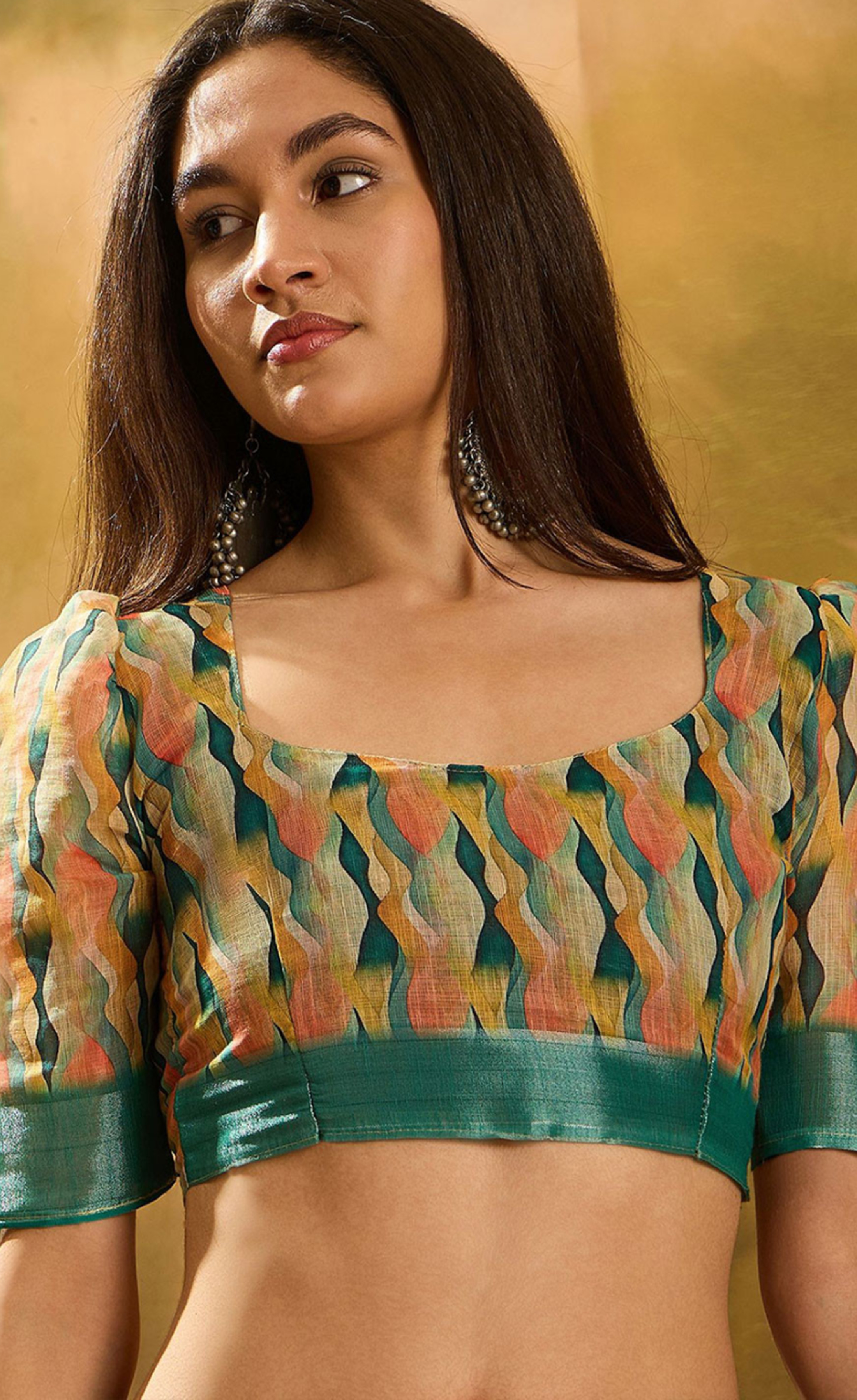
Peach Floral Linen Cotton Saree with Statement Blue Border! Gives a straightforward example. Let peach occupy most of the outfit, use blue for the blouse or blouse piping, and add one neutral element such as a tan potli or ivory sandals. The useful styling detail is the statement blue border, which can carry the entire visual reference.
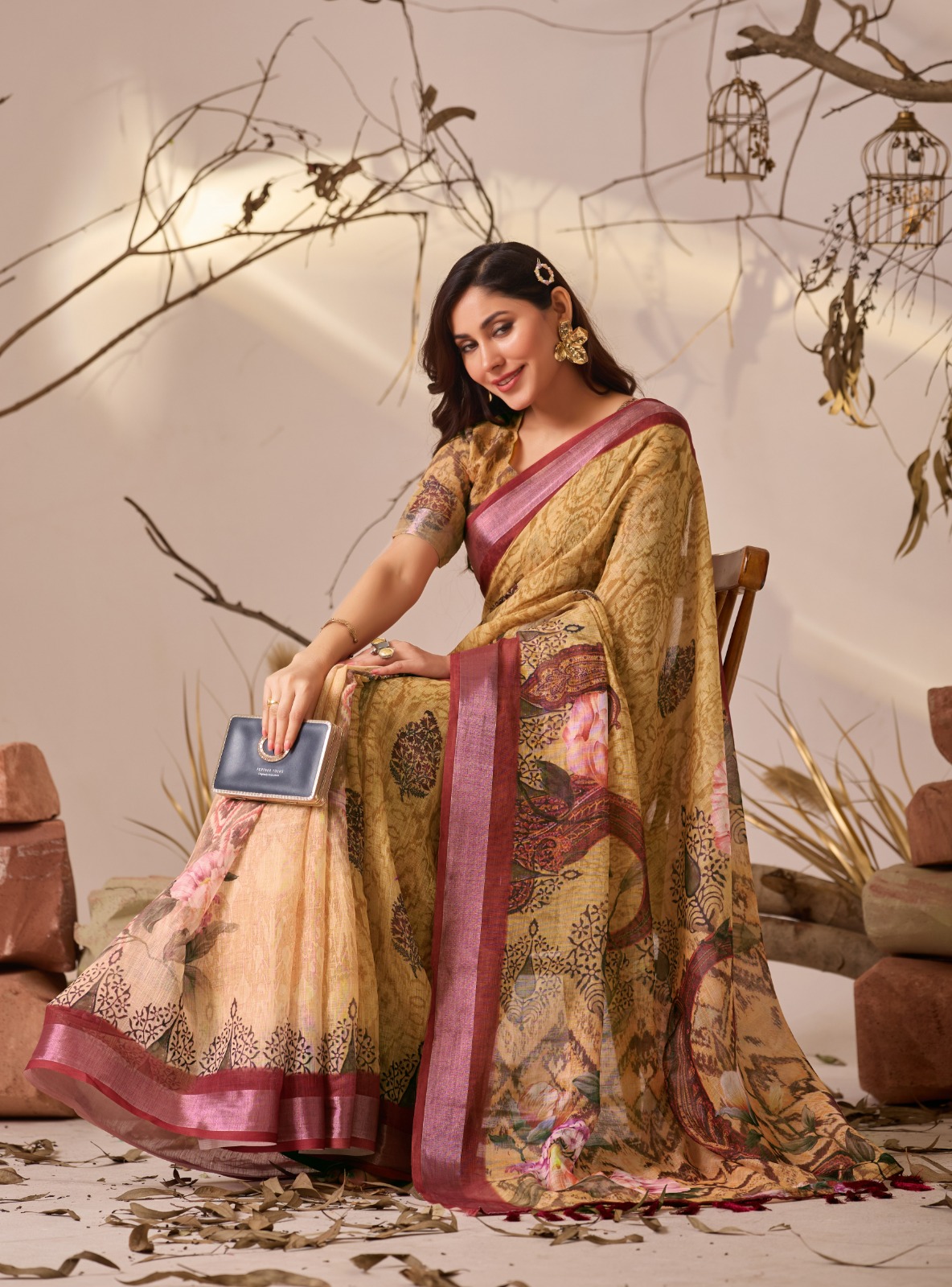
Multicolour Floral Linen Cotton Saree with Blue Border Look needs a slightly quieter blouse because the saree already contains several colours. Select one blue, green or pink shade from the floral pattern, then repeat that shade only once in the jewellery or blouse. A solid blouse prevents the floral body from becoming visually fragmented.
Horizontal stripes can be introduced through a striped blouse, a woven belt or stacked bangles, but avoid adding all three at once. A high-contrast striped blouse is most successful with a plain saree body. A belt is better with a fluid, minimal saree and should sit securely at the natural waist without pulling the pleats out of alignment.
Pink Georgette Sarees can create a lighter, more contemporary version of the same idea. Choose a blue, wine or charcoal blouse rather than another pink layer, and use a slim border or patterned accessory to provide the graphic contrast associated with phanek-inspired styling.
Manipur Festival Saree Styling: Phanek-Inspired Traditional Looks and practical draping
A neat Nivi drape with firm pleats is the most practical foundation for a phanek-inspired saree look because straight pleats show the border clearly and remain manageable while walking. A slightly shorter fall, a secure shoulder pin and a comfortable petticoat make a greater difference to festival-day ease than elaborate draping.
Keep five to seven front pleats of similar width, depending on the saree fabric and personal comfort. Align the lower edges before pinning so the border forms a visible band. Linen cotton and handloom cotton usually hold moderate pleats well, while soft silk may need careful pressing or discreet pins to prevent spreading.
Blouse shapes that support the reference
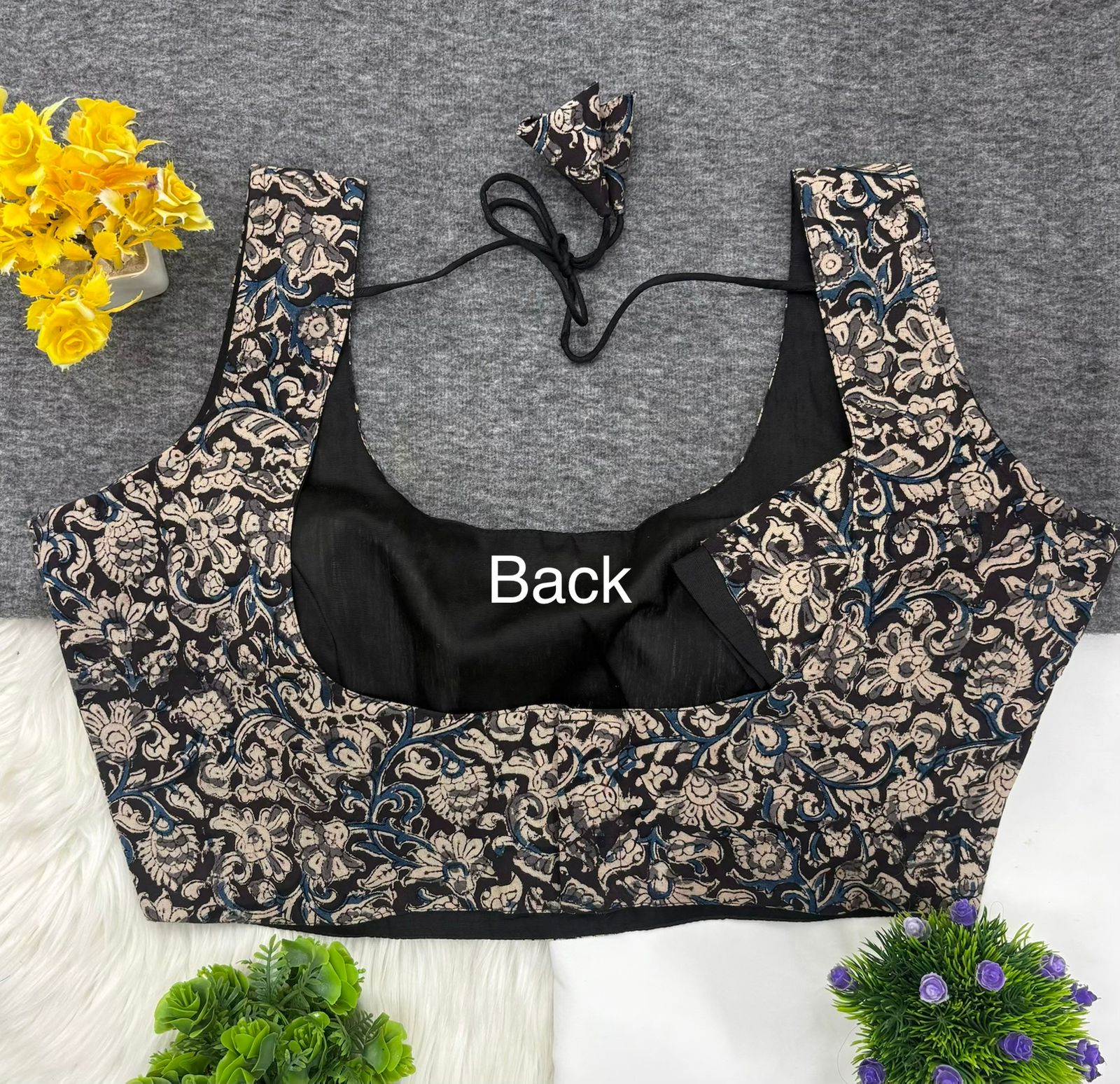
A high-neck, square-neck or elbow-sleeve blouse can support a structured phanek-inspired outfit because each shape gives the upper half a defined outline. A plain blouse with contrast piping is often more effective than a heavily embroidered blouse when the saree already has floral print, zari or a wide border.
For Maroon Banarasi Soft Silk Saree with Golden Zari Border, a three-quarter-sleeve blouse in maroon creates a long, formal line, while a gold blouse increases the shine and makes the outfit more evening-oriented. For sea green cotton, an ivory blouse with a blue or gold neckline can make the colour combination feel fresh without becoming overly coordinated.
Use a functional petticoat that matches the saree body or a close neutral shade. A drawstring that sits securely at the waist, breathable cotton lining and a length that allows the saree to skim the floor will reduce adjustments during a long festival celebration.
Manipur Festival Saree Styling: Phanek-Inspired Traditional Looks with jewellery
Jewellery should repeat the saree's strongest colour or texture once, while the remaining accessories should provide restraint. Silver, oxidised metal, terracotta, wood, gold and fabric jewellery can all work, but the choice should follow the fabric and event rather than a fixed idea of "ethnic" styling.
Oxidised silver earrings suit linen cotton and handloom cotton because their matte surface matches the fabrics' lower sheen. Gold jhumkas or a fine zari-toned necklace suit Banarasi silk and tissue handloom cotton. A woven potli, a narrow textile belt or a small shawl can introduce the tactile quality of woven garments without imitating an innaphi.
Keep footwear practical for temple floors, grass, stairs or extended standing. Low block heels, embellished flats and cushioned sandals are more reliable than delicate stilettos for a community festival. Secure the pallu with two small pins placed from the inside so the border remains visible and the shoulder doesn't become uncomfortable.
Hair styling can remain simple: a low bun, a braid or shoulder-length hair tucked behind one ear gives attention to the border and earrings. Fresh flowers may be appropriate for some celebrations, but they should reflect the wearer's own custom rather than being added as a generic ethnic accessory.
Manipur Festival Saree Styling: Phanek-Inspired Traditional Looks for different celebrations
A daytime festival celebration usually benefits from breathable cotton, moderate jewellery and secure footwear, while an evening ritual can support Banarasi silk, zari and deeper colours. Matching fabric weight to the event prevents the outfit from feeling either too casual or unnecessarily heavy.
For a morning puja, choose linen cotton or handloom cotton in peach, sea green, ivory or blue. A small bindi, stud earrings and a low bun keep the look composed. Cotton festival celebration dressing is particularly useful when the venue is warm, crowded or partly outdoors.
For an evening family gathering, maroon Banarasi silk with golden zari creates a formal silhouette without needing a heavily decorated blouse. Keep the pallu folded neatly over the shoulder if you expect to sit on the floor, greet guests or move between rooms.
For a cultural programme or a more fashion-led festival event, combine a multicolour floral saree with a plain blouse in one extracted shade. Party Wear Sarees may provide useful inspiration for this setting, but a phanek-inspired look remains more convincing when the border and colour structure are allowed to lead instead of adding sequins everywhere.
Red Banarasi Silk Sarees for Weddings Under 1100 can be considered for a budget-conscious wedding-linked celebration, although shoppers should verify fabric composition and zari details before purchase. Gray Color Sarees Under 1000 can offer a modern neutral base for a striped blouse, blue border accessory or oxidised silver jewellery.
Care should begin immediately after the festival. Air cotton sarees fully before folding them, keep zari sarees away from direct sunlight, and place acid-free tissue between folded layers when possible. Never store a damp saree in plastic, and refold stored silk every few months to prevent permanent creases along one fold line.
A phanek-inspired saree outfit becomes most successful when the reference is visible but not overstated. Choose one strong border, one deliberate colour relationship and one practical accessory, then allow the saree's fabric and the wearer's own styling to complete the festival look.
Common Questions About Phanek-Inspired Festival Saree Styling
How can I create a phanek-inspired saree look without wearing a phanek?
Use a saree with a clear border, colour blocking, stripes or restrained geometric detail rather than claiming that the saree is a phanek. Pair the saree with a plain blouse and repeat one border colour in the jewellery or accessories.
Which saree fabric is best for a daytime festival celebration?
Linen cotton or handloom cotton is usually the most practical choice for a daytime festival because both fabrics can feel lighter and more breathable than heavy silk. Choose a firm, manageable drape if you expect to walk or stand for several hours.
Can Banarasi silk work with phanek-inspired styling?
Yes, Banarasi silk works when the styling focuses on colour bands and a clean border rather than excessive ornament. A maroon Banarasi silk saree with golden zari can be paired with a plain blouse and limited gold jewellery for an evening festival look.
What blouse colour works with a blue-bordered peach saree?
A blue blouse creates the strongest border connection, while an ivory or muted gold blouse produces a softer result. Avoid adding several competing prints because the peach-and-blue contrast already provides a clear visual structure.
How many pleats should a festival saree have?
Five to seven front pleats usually provide a neat and practical starting point, although the ideal number depends on the saree width, fabric and wearer's comfort. Align the lower edges and secure the pleats discreetly so the border remains visible while walking.
How should I store a zari or Banarasi saree after a festival?
Air the saree away from direct sunlight before storage, then fold it with acid-free tissue between the layers if available. Keep the saree dry, avoid airtight plastic for long-term storage and refold it every few months to prevent deep permanent creases.