Manipur Festival Fashion Calendar: Traditional Outfits becomes functional when clothing is planned around the festival, its community, and the movement required during the celebration. A phanek with an innaphi may suit a family gathering, while Raslila requires a far more proper costume with a structured potloi. Manipur's festival year follows both the Gregorian calendar and lunar or traditional calendars, so dates can shift annually. The guide below connects major celebrations with clothing traditions, fabric choices, colour considerations, and respectful modern alternatives.
How does the Manipur festival calendar shape traditional dressing?
Manipur's festival calendar shapes traditional dressing through community customs, ritual purpose, season, and the kind of public activity involved. A spring sports festival calls for comfortable clothing, a temple performance demands prescribed costume, and a family feast allows more formal ethnic dressing.
Manipur is home to several communities, including the Meitei, Naga, Kuki-Zo and Pangal communities, each with different textile traditions and ceremonial clothes. The term "Manipuri traditional outfit" therefore covers more than one visible style. A Meitei woman's phanek and innaphi should not be treated as interchangeable with a tribal shawl, a dance costume, or a generic Northeast-inspired garment.
Festival dates also need careful checking. Yaoshang usually falls in February or March, Sajibu Cheiraoba in March or April, Lai Haraoba commonly takes place between April and May, Kang Chingba around June or July, Ningol Chakouba in October or November, and Kut in November. Local observances, lunar calculations, and state calendars can alter the exact date.
Manipur Festival Fashion Calendar: Traditional Outfits by season
February-March: Yaoshang and the colours of spring
Yaoshang is celebrated around the full moon of Lamta, usually in February or March, and combines religious observance, community gatherings, sports, music, and the well-known colour-play tradition. A comfortable phanek, a practical blouse, and a lightweight innaphi create a suitable traditional base for women attending daytime events.
Breathable cotton, muslin, and light silk-cotton blends are more comfortable than heavy brocade during active celebrations. Secure pleats at the waist, choose a blouse with enough arm movement, and wear footwear that can handle walking between neighbourhood events. Bright colours can reflect the celebratory mood, but colour selection should remain personal rather than being presented as a rigid rule.
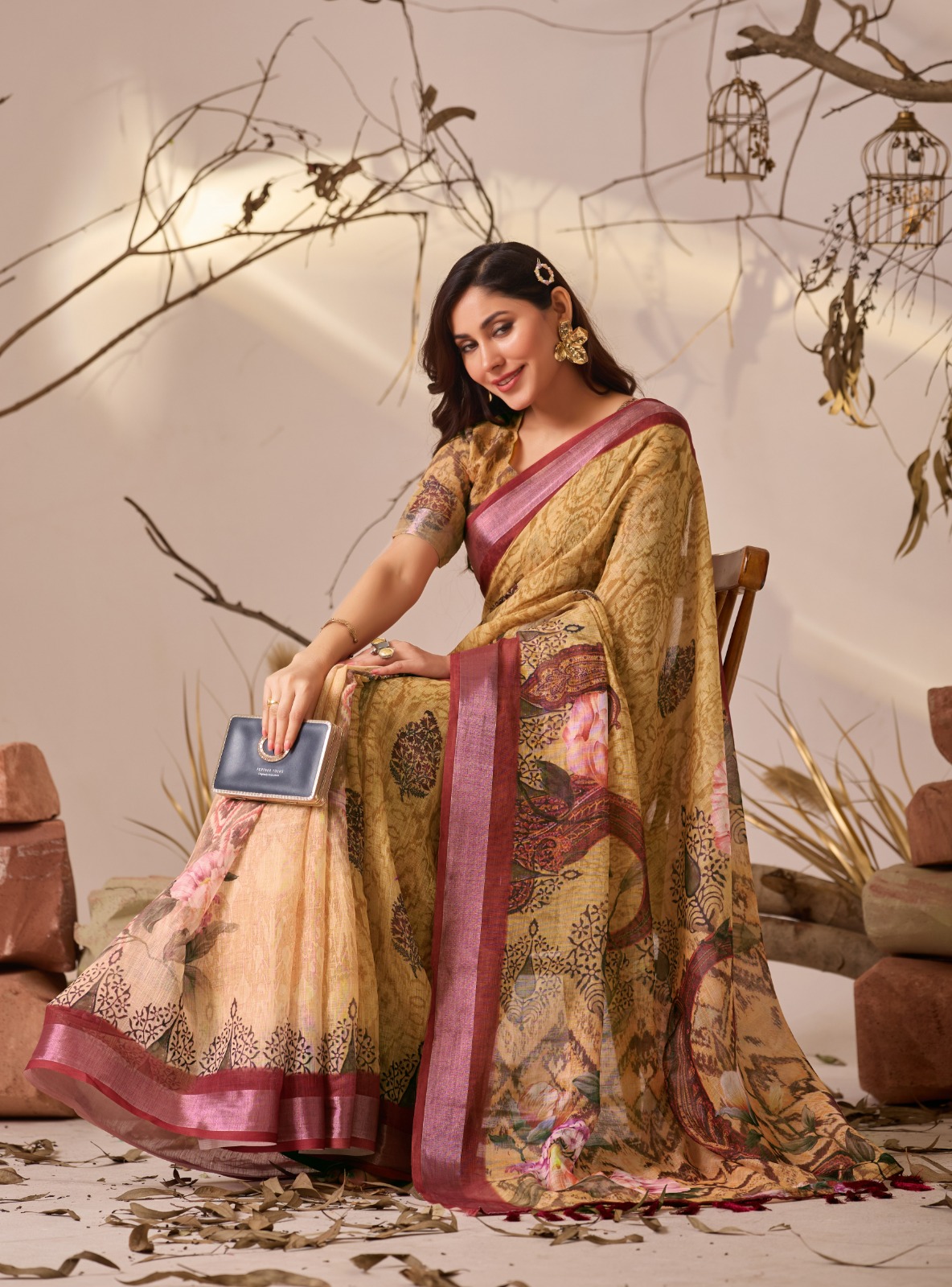
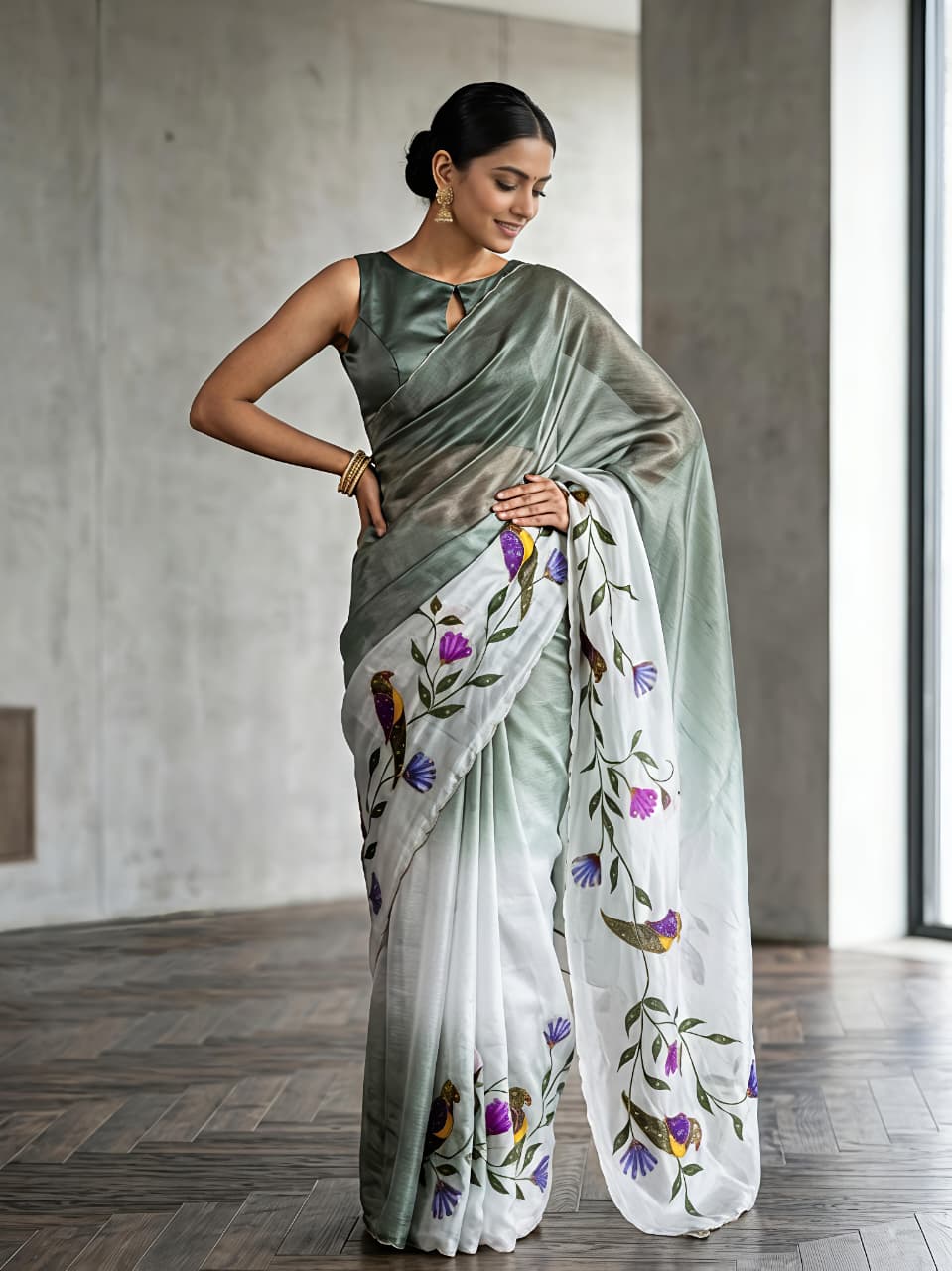
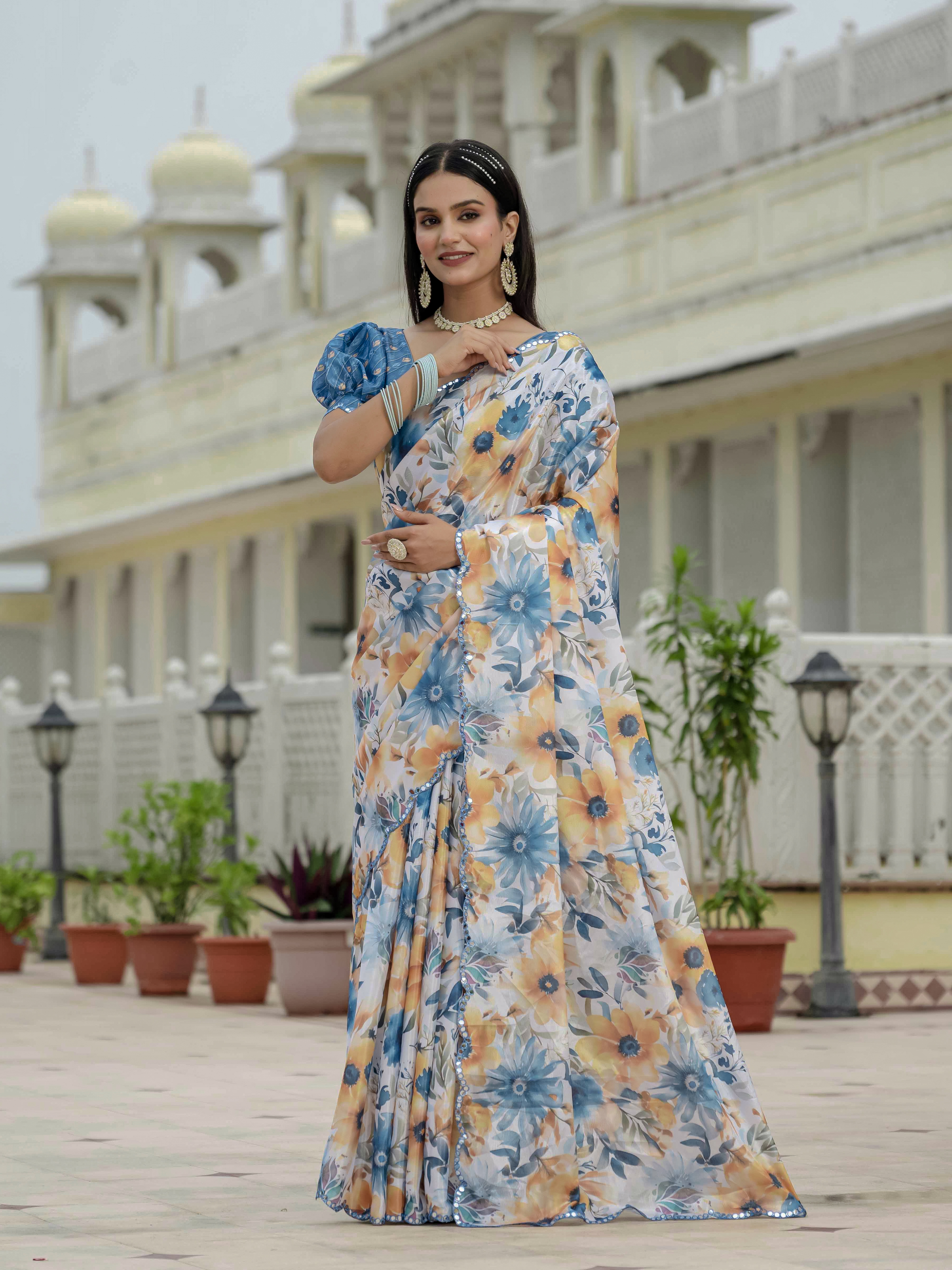
Contemporary festive separates can provide a similar level of ease when a traditional phanek is unavailable. Festive Multicolor Muslin Cotton Lehenga Choli Set offers a breathable, movement-friendly option for a non-ritual gathering, while Colorful Ethnic Chinon Saree for Women works for an evening programme where a draped silhouette is preferred. Neither garment replaces a prescribed Manipuri costume for a ritual performance.
March-April: Sajibu Cheiraoba and the Meitei New Year
Sajibu Cheiraoba marks the Meitei New Year and is generally observed in March or April. Families clean their homes, prepare food, visit relatives, and may climb nearby hills as part of the celebration. A neat phanek with an innaphi, or a clean kurta-and-trouser ensemble, suits the family-oriented nature of the day.
For a home visit, choose fabrics that sit comfortably for long meals and movement across indoor and outdoor spaces. Cotton, handloom textures, and restrained embroidery work well because the focus is on family participation rather than elaborate stage dressing. A narrow border or a contrasting shawl can add visual definition without making the outfit difficult to manage.
An Elegant Pista Festive Wear Kurta Pant Set illustrates how a soft colour palette and coordinated separates can work for a New Year visit. A Silk Festive Kurta Pant Set with Zari Jacquard Dupatta is better suited to an evening reception or a more formal family gathering because zari and silk add warmth and structure. These contemporary choices should be described as inspired festive dressing, not as authentic Meitei ceremonial dress.
April-May: Lai Haraoba and ritual performance
Lai Haraoba is a major Meitei ritual festival that honours traditional deities and includes dance, music, processions, and sacred performances. Visitors should wear modest, comfortable clothing and avoid treating the festival as a costume-themed photo opportunity.
Women attending as guests may wear a well-finished phanek and innaphi, with a blouse that provides secure coverage and allows sitting comfortably. Men may choose a clean kurta with a dhoti or a traditional-style lower garment, depending on the local setting. White, red, black, and other colours may carry different associations across communities and contexts, so copying a performer's costume without understanding its role is best avoided.
Ritual performers and dancers require specialist clothing, not ordinary festive wear. The Raslila costume associated with Manipuri classical dance includes a distinctive cylindrical potloi skirt, a veil, fitted upper garments, jewellery, and carefully arranged hair or head adornment. The potloi is structured and decorated, and its shape allows the dancer's precise movements to remain visible. A standard lehenga should never be labelled a Raslila costume simply because it has embroidery or a flared skirt.
Which traditional outfits belong to Manipur's major celebrations?
Phanek and innaphi
The phanek is a wrapped or woven lower garment worn by Manipuri women, while the innaphi is a draped upper cloth or shawl. Together with a blouse, the combination forms one of the most recognisable Meitei women's ensembles.
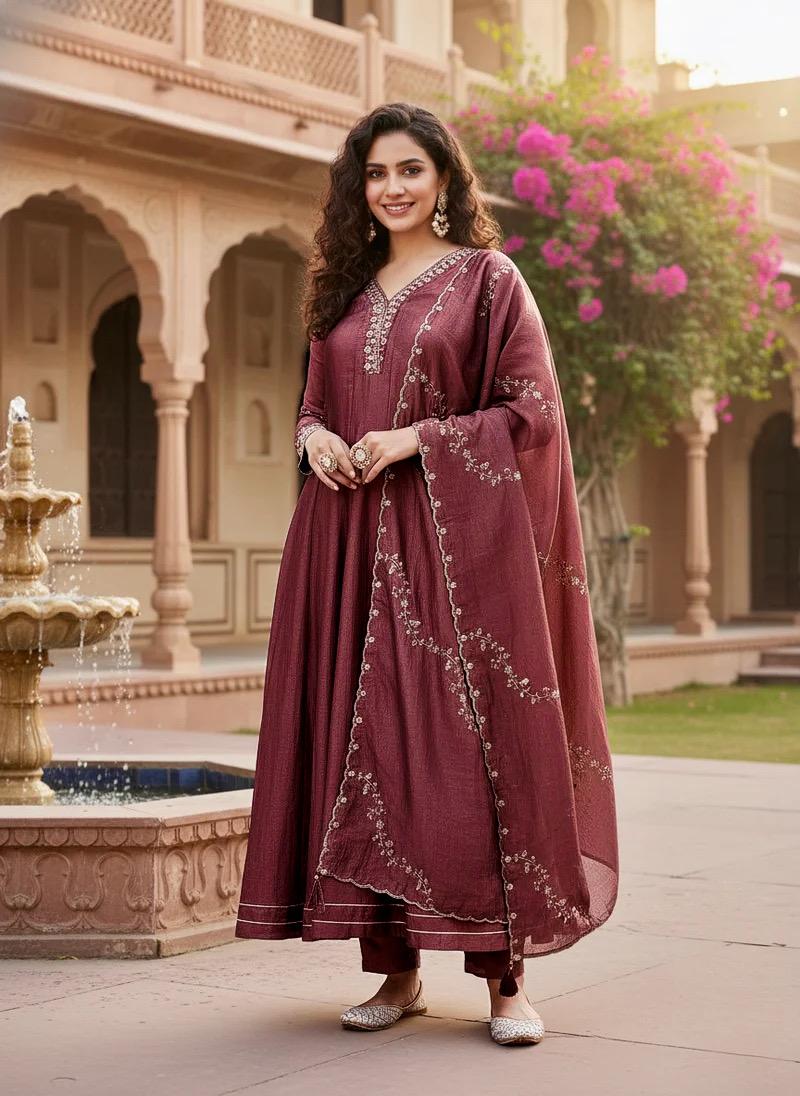
Phaneks vary in weave, border, colour, and construction, and the way a garment is worn can differ by community, age, occasion, and personal preference. A handloom phanek with a defined border often communicates more cultural specificity than a generic printed wrap. The innaphi may be draped over one shoulder or arranged around the upper body according to the event and local practice.
Fit and security matter as much as appearance. Check that the waist fastening stays firm while walking, sit down before leaving home to test the wrap, and pin the innaphi discreetly if the day includes dancing or outdoor movement. A lightweight cotton phanek is practical for summer functions, while silk or silk-cotton versions suit winter receptions and formal evenings.
Men's festive clothing
Men attending Manipuri festivals may wear a dhoti or pheijom with a kurta, a shawl, or a head covering when local custom calls for it. The appropriate choice depends on whether the wearer is a guest, participant, performer, or member of a particular community.
A plain kurta in cotton or silk-cotton is versatile for Sajibu Cheiraoba, Ningol Chakouba visits, and cultural programmes. A white kurta with a contrasting shawl can look formal without competing with ceremonial clothing. For colder evenings, a structured waistcoat or a handloom wrap adds warmth while preserving a clean silhouette.
Silk Festive Kurta Pant Set with Zari Jacquard Dupatta demonstrates how a coordinated men's festive outfit can use texture rather than excessive embellishment. When selecting zari, inspect the reverse side for loose threads and check whether the fabric remains comfortable at the collar, cuffs, and waistband.
Ningol Chakouba and family occasion dressing
Ningol Chakouba is a significant Meitei family festival in which married daughters and sisters are invited to a feast at their parental homes. The celebration emphasises family bonds, hospitality, and reunion, making polished but comfortable clothing appropriate.
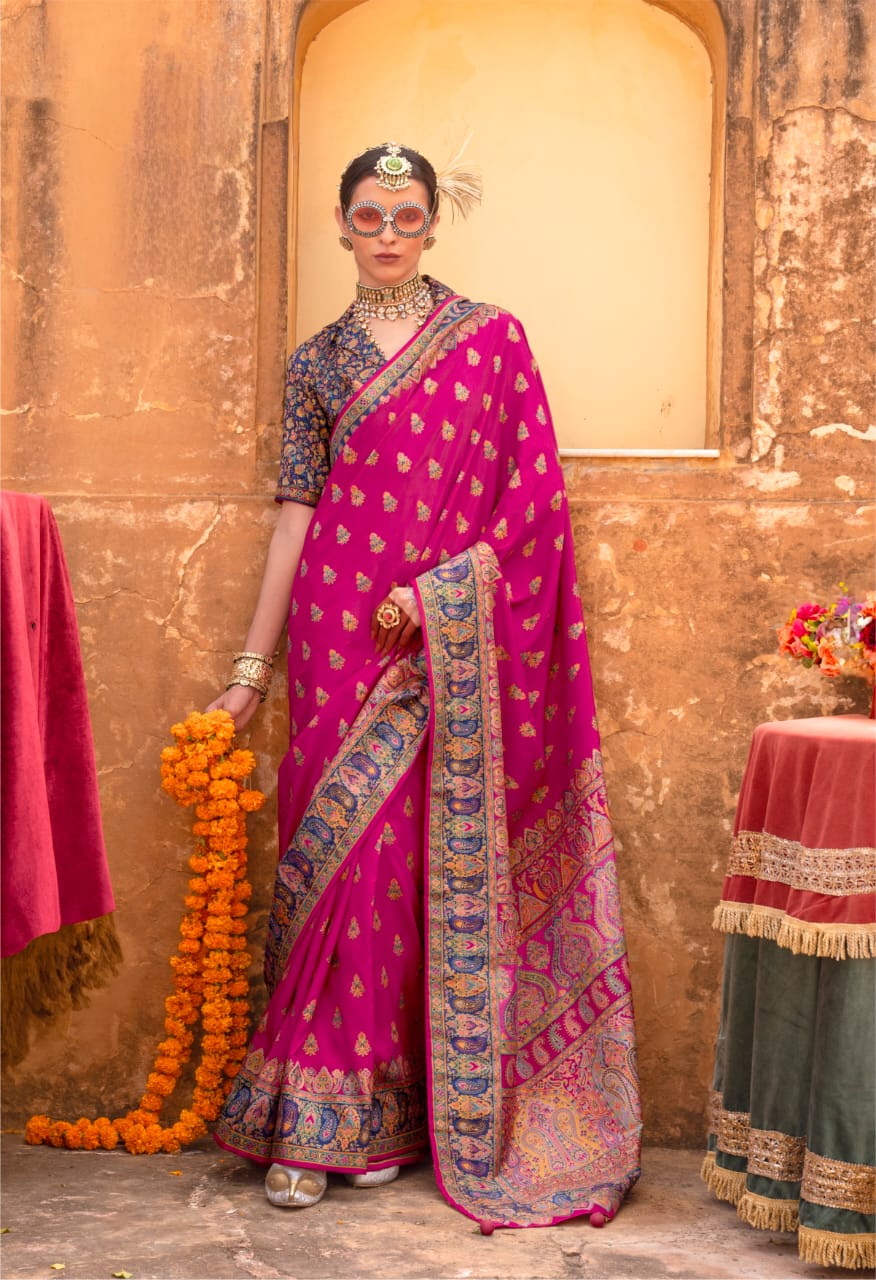
Women may choose a special phanek and innaphi, a handloom saree, or a refined festive ensemble depending on family practice. Men may wear a kurta, traditional lower garment, or a well-tailored ethnic set. Since the day can involve travel, sitting on the floor, eating, and greeting many relatives, clothing should allow movement and remain comfortable for several hours.
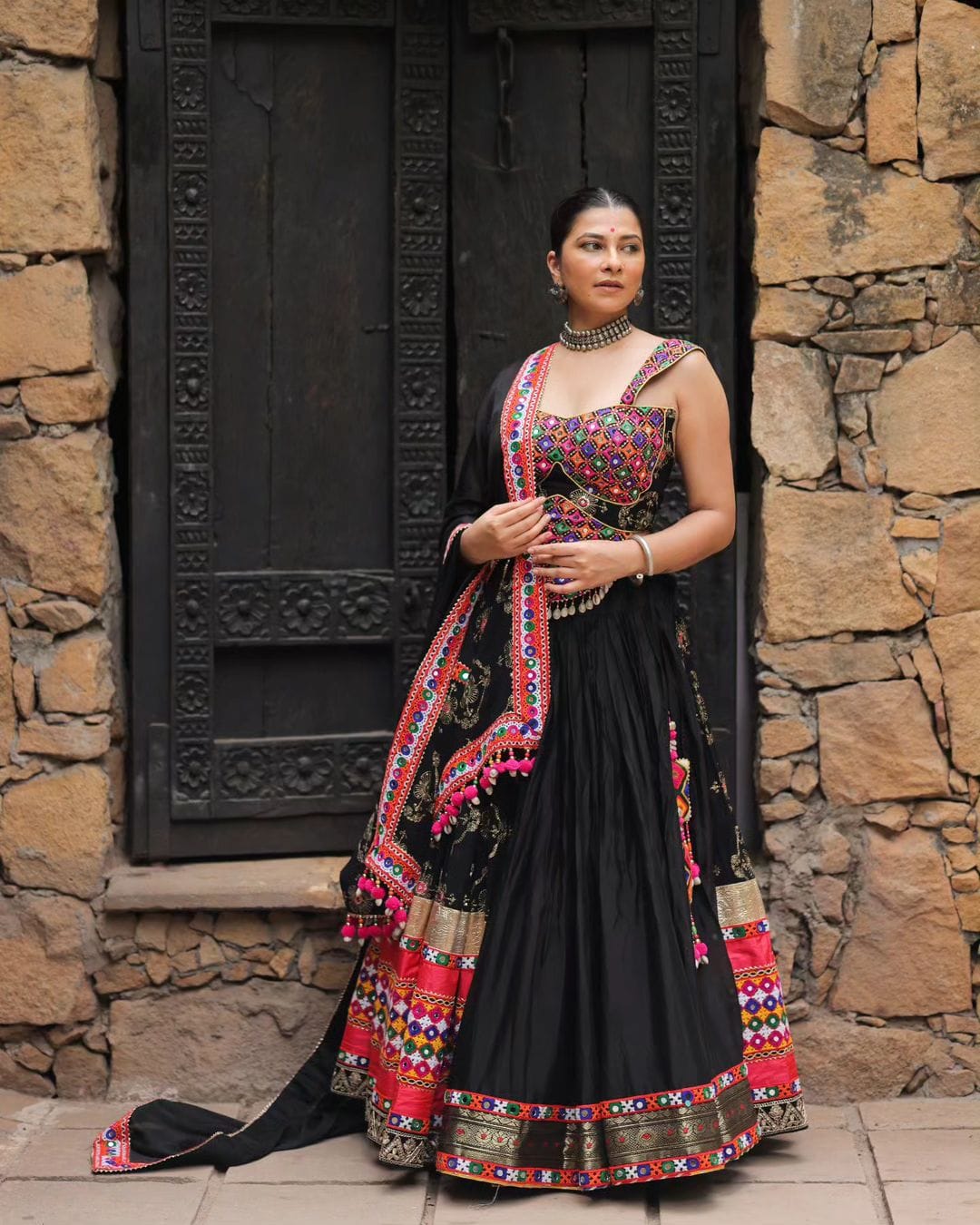
A Modern Taupe Vichitra Silk Embroidered Co-Ord Set for Women can work for a contemporary family lunch when the dress code doesn't require a phanek. A Black Wedding & Festive Wear Designer Lehenga suits a larger evening gathering, but its volume should be checked before choosing it for a home-based feast with floor seating.
How should festival clothing change from monsoon to winter?
Monsoon dressing in Manipur should prioritise quick-drying layers, secure drapes, and footwear that remains stable on wet ground. Kang Chingba, usually associated with June or July, takes place during the rainy season, so a heavy trailing dupatta or floor-length skirt can become inconvenient outdoors.
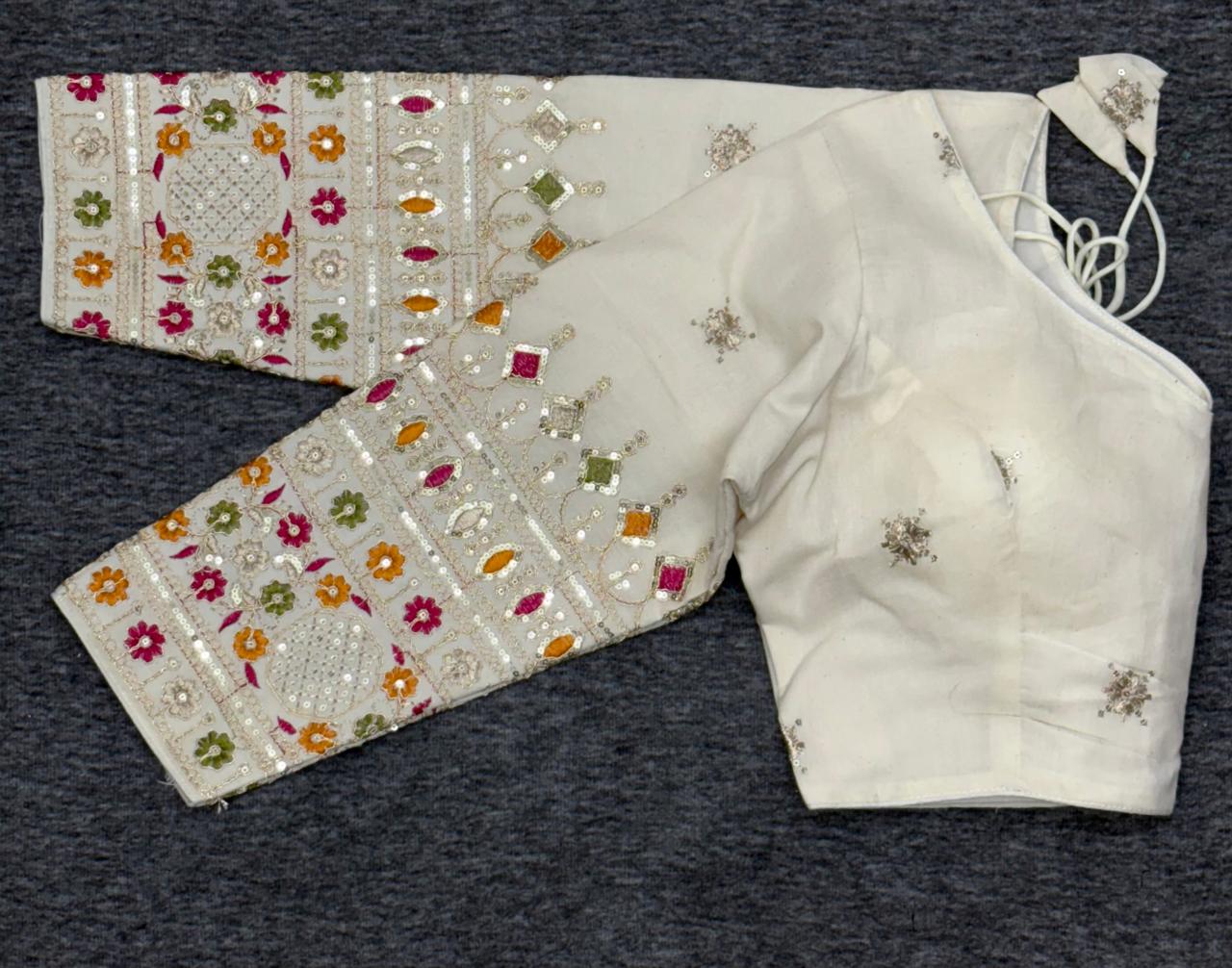
For rainy weather, select cotton, cotton-silk, or lighter synthetic blends that don't become excessively heavy when damp. Carry a transparent garment cover for an extra shawl, and keep the hem of a lehenga or saree away from puddles with a well-adjusted petticoat or underskirt. Rubber-soled sandals or covered shoes are safer than slippery decorative footwear.
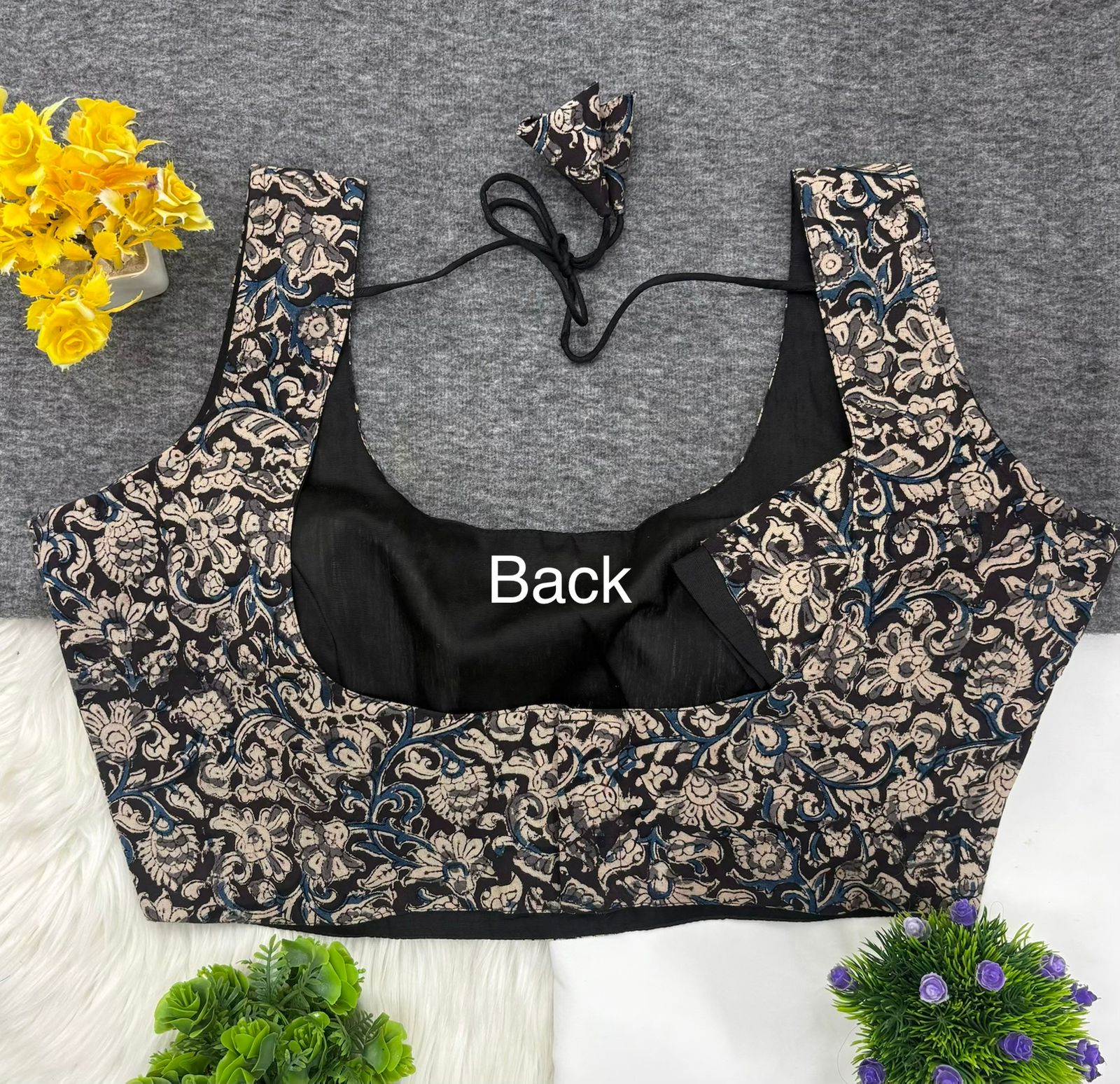
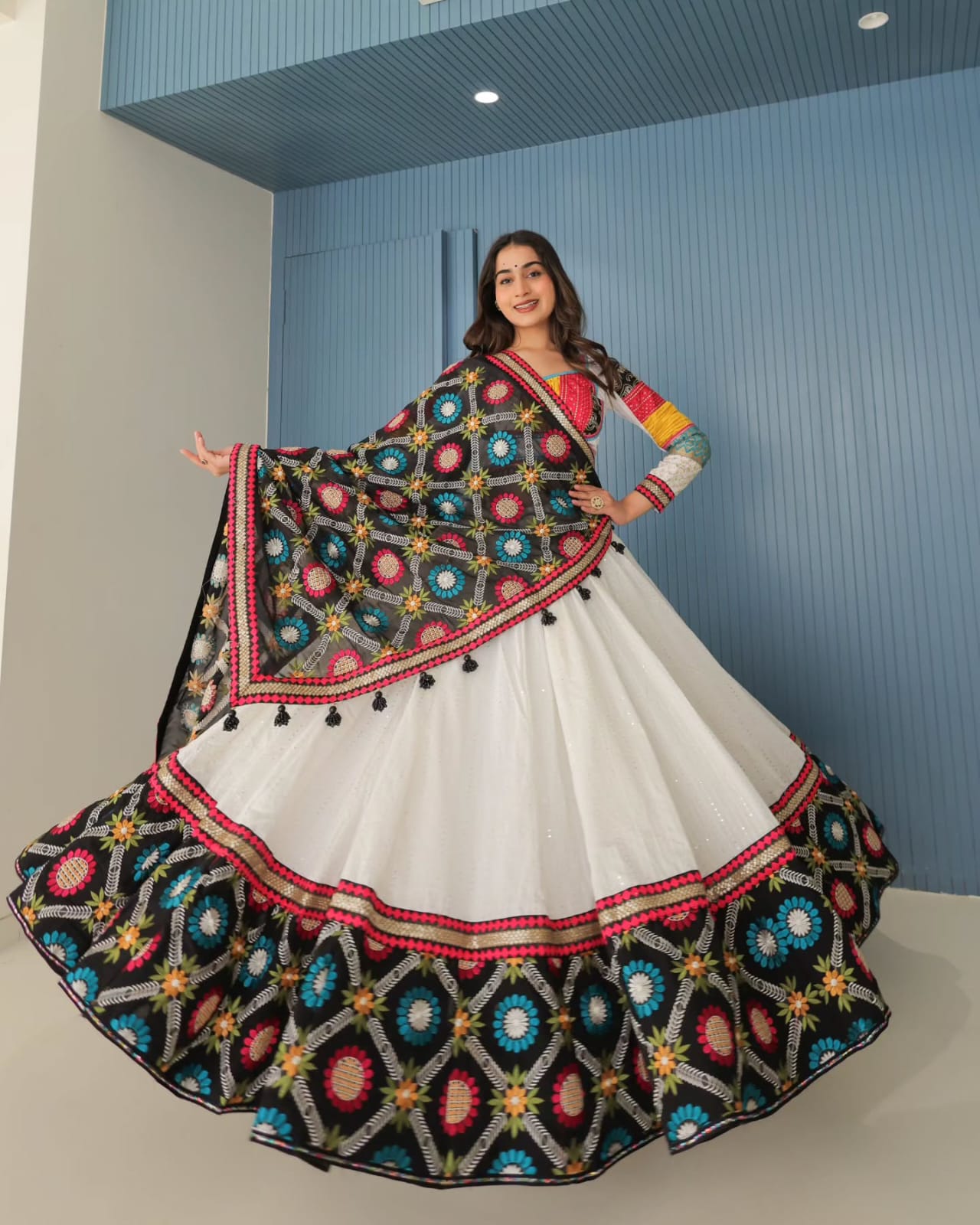
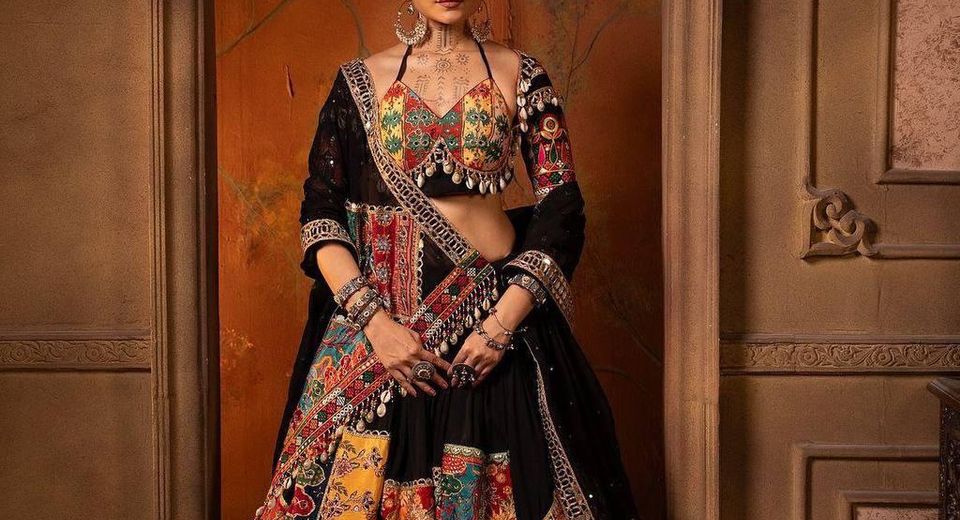
Autumn and early winter festivals permit richer textures. Ningol Chakouba and Kut may suit silk-cotton, Banarasi silk accents, velvet borders, or a zari dupatta, provided the garment remains appropriate to the host family and event. Designer Black Garba Lehenga Choli for Festive Season and Stylish White Mirror Work Lehenga for Festive Wear can be considered for contemporary cultural evenings, but neither should be presented as a traditional Manipuri garment.
Winter evening functions may need a warm layer that doesn't crush embroidery. A plain shawl, longline jacket, or fine wool wrap can be carried separately rather than stitched into the outfit. Avoid placing a rough or colour-bleeding layer directly against silk, zari, or delicate handloom fabric.
How can modern outfits show respect for Manipuri dress?
Modern festive clothing shows respect for Manipuri dress when it distinguishes inspiration from tradition, credits the source, and avoids copying ritual or performance garments for casual use. A contemporary outfit can borrow practical ideas such as a wrap silhouette, a handloom border, a lightweight shawl, or a restrained colour contrast without reproducing sacred symbols or dance regalia.

Start by identifying the event. A wedding reception, college cultural programme, community feast, temple visit, and public festival ground don't have the same dress code. Ask the host or organiser whether traditional attire is expected, whether footwear must be removed, and whether photography is restricted in ritual areas.
Use accurate names in descriptions. A phanek isn't simply a "Northeast skirt," an innaphi isn't merely a generic stole, and a potloi isn't an ordinary lehenga. Precise naming protects cultural meaning and helps shoppers understand what they're actually buying.
Modern styling can also be modest in its treatment of motifs. Avoid cutting a borrowed ceremonial textile into disposable trend pieces, placing sacred imagery on footwear, or using a Raslila-inspired silhouette as a novelty costume. Supporting Manipuri weavers, artisans, dancers, and cultural organisations is more meaningful than using regional references only as visual decoration.
How should you buy and care for a festival outfit?
A festival outfit should be selected at least two weeks before the event so that alterations, blouse fitting, pre-washing, and drape practice can be completed without rushing. Traditional handloom garments may need extra time because borders, texture, and weave irregularities affect the final fit.
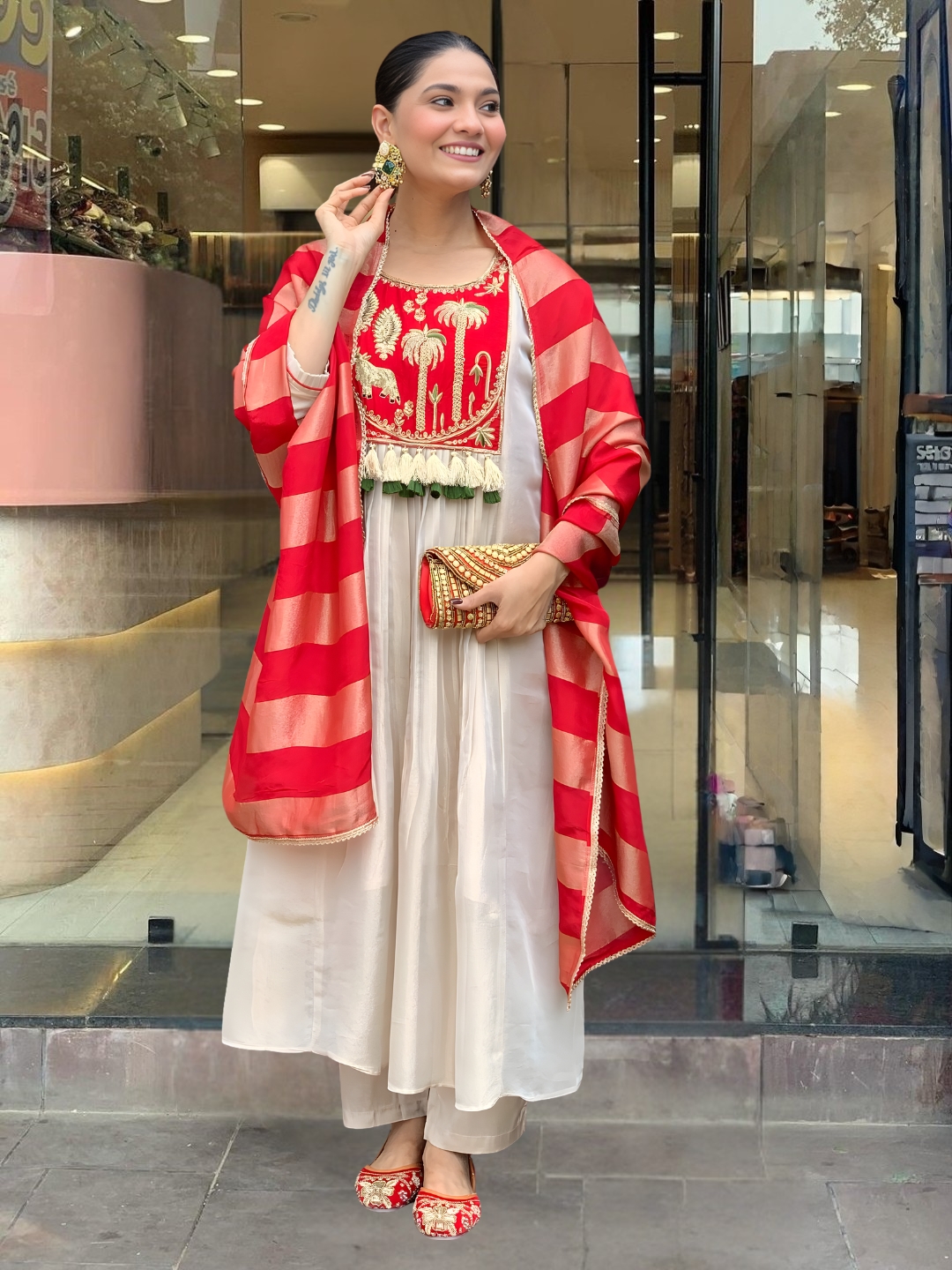
Measure the waist, full length, blouse bust, shoulder, and sleeve opening rather than relying on a single size label. A phanek should stay secure without creating uncomfortable pressure, and an innaphi should provide enough length for the chosen drape. For a lehenga, check the skirt length while wearing the intended footwear because a raised hem can change the fall substantially.
Care instructions depend on fibre and surface work. Dry-clean silk, zari, mirror work, and heavily embroidered garments unless the care label specifically permits washing. Air garments in shade after wearing, remove stains by blotting instead of rubbing, and store silk in breathable cotton rather than sealed plastic for long periods.
Keep zari away from perfume, hair spray, and prolonged humidity because chemical residue can dull metallic surfaces. Fold embroidered garments with soft butter paper or clean muslin between heavy layers, and refold stored silk every few months to reduce permanent crease lines. These small steps can extend the usable life of a festival wardrobe by several seasons.
What does a thoughtful Manipur festival wardrobe contain?
A thoughtful wardrobe contains one breathable daytime outfit, one formal evening option, a secure shawl or innaphi-style layer, comfortable footwear, and accessories that don't interfere with movement. The exact garments should follow the wearer's community, the invitation, and the role they will play at the celebration.
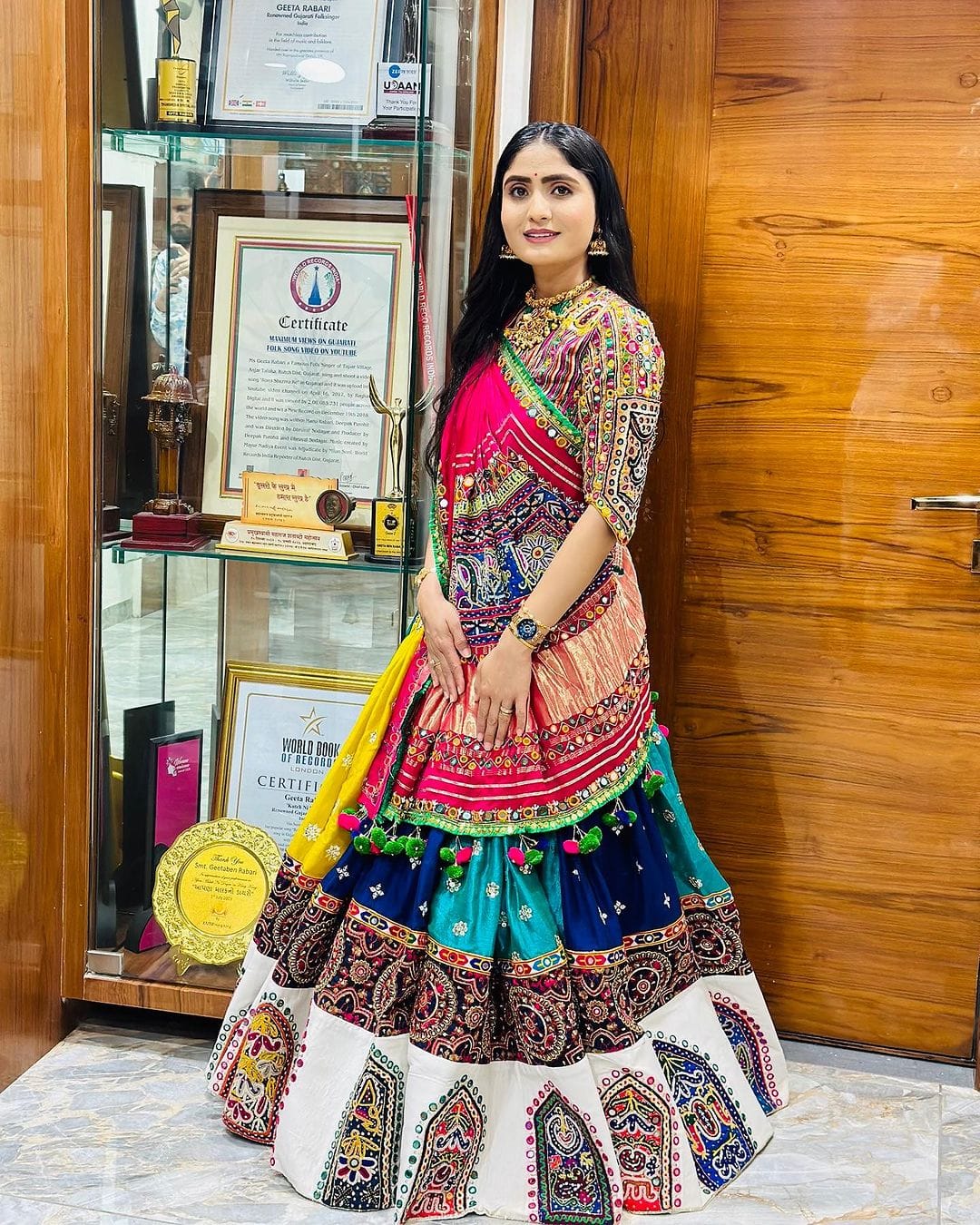
For a visitor, a simple handloom-inspired ensemble may be more appropriate than an elaborate costume. For a participant in a cultural performance, the organiser's instructions take priority over personal styling preferences. For a family festival such as Ningol Chakouba, comfort and respect usually matter more than the most dramatic silhouette.
The strongest festival dressing decisions connect clothing to place and purpose. Knowing when to wear a phanek and innaphi, why a potloi belongs to a specialised dance tradition, how monsoon weather affects fabric. Which contemporary substitutes are clearly labelled gives the Manipur Festival Fashion Calendar: Traditional Outfits practical meaning beyond a list of colours and trends.
Questions About Dressing for Manipur’s Festival Calendar
What is the traditional dress worn by women in Manipur?
A commonly recognised Meitei women's ensemble is the phanek worn with an innaphi and blouse. Styles vary by community, occasion, weave, and region, so a single outfit should not be treated as the dress of every Manipuri community.
What should I wear to Yaoshang in Manipur?
Wear a comfortable phanek with an innaphi, or another breathable ethnic outfit suitable for walking and outdoor activity. Cotton and light muslin are practical because Yaoshang includes community gatherings, sports, and colour-play.
What is a potloi in Manipuri clothing?
A potloi is the structured cylindrical skirt used in the costume of Manipuri classical dance, especially Raslila performances. A potloi is a specialised performance garment and should not be confused with an ordinary lehenga.
What should women wear for Ningol Chakouba?
Women can wear a special phanek and innaphi, a handloom saree, or a polished ethnic outfit suited to the family's customs. Choose clothing that allows comfortable travel, floor seating, eating, and several hours of socialising.
Can I wear a lehenga to a Manipuri festival?
A lehenga can be suitable for a contemporary wedding, reception, or cultural evening when the host permits modern festive wear. A lehenga should not be described as traditional Manipuri dress or used to imitate a Raslila costume without cultural context.
How do I care for a Manipuri handloom or festive garment?
Follow the fibre-specific care label, dry-clean silk and zari when required, blot stains instead of rubbing, and store garments in breathable cotton away from direct sunlight. Refolding stored silk every few months helps prevent permanent crease marks.