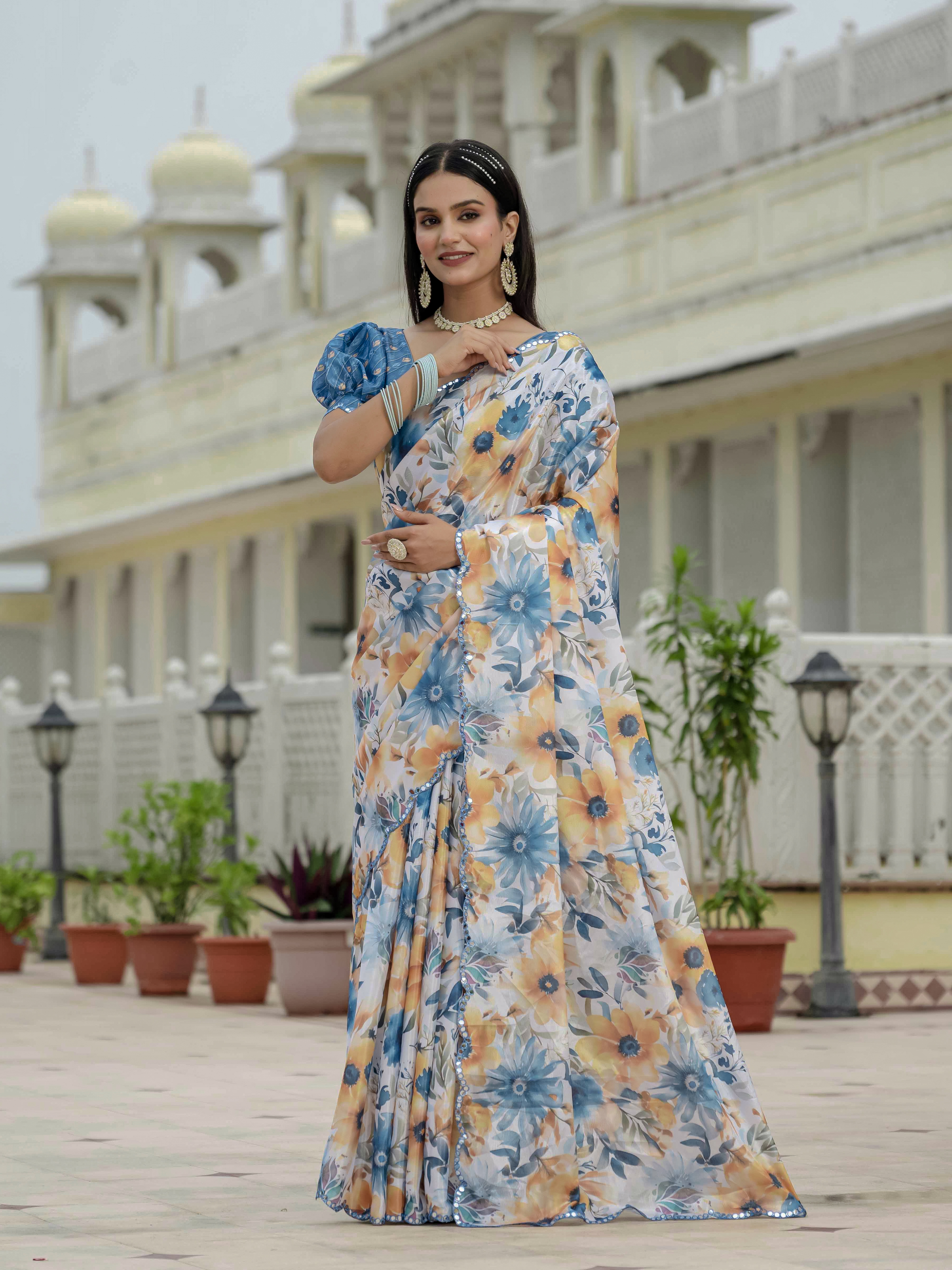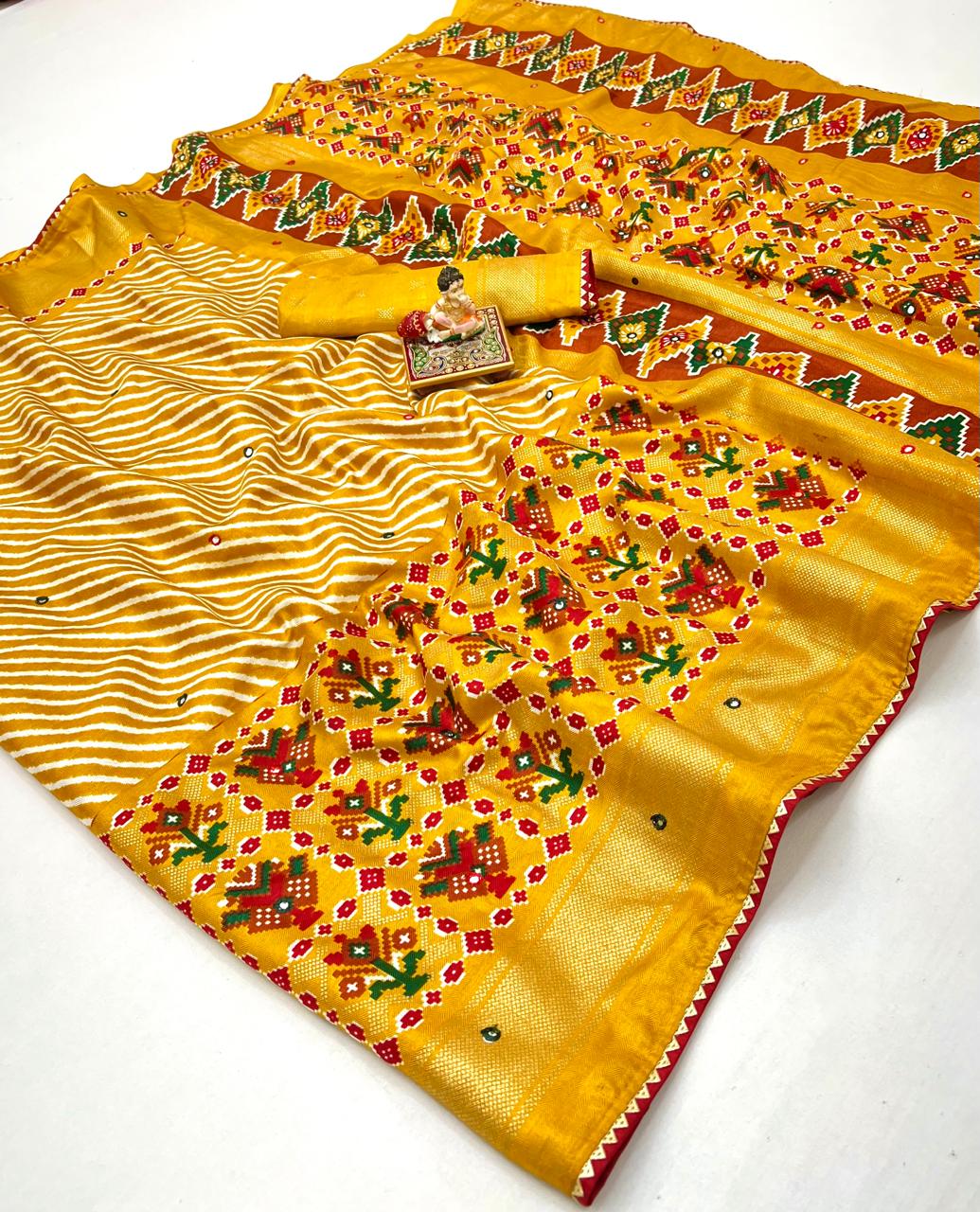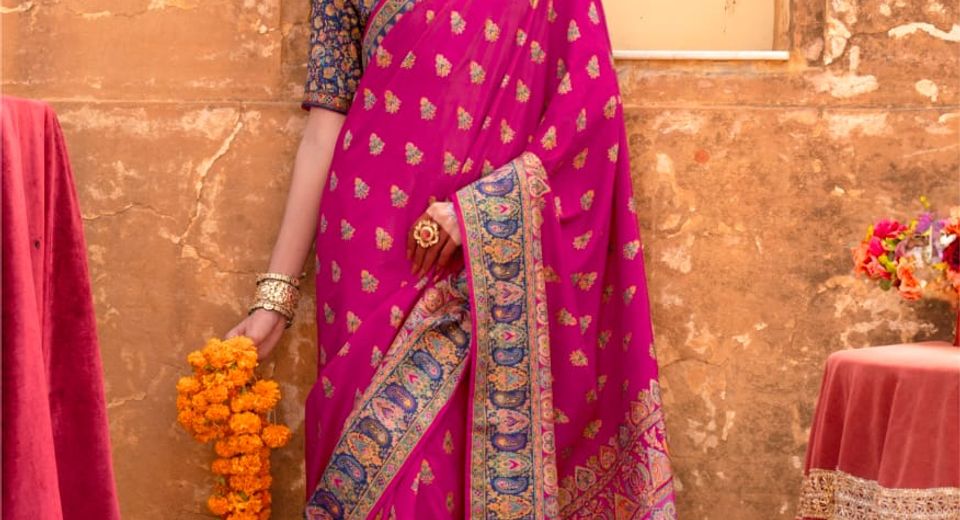
A Maheshwari Saree for Weddings: Blouse & Styling Ideas can give you the polish of silk without the weight of a heavily embellished drape. Maheshwari fabric, traditionally associated with Maheshwar in Madhya Pradesh, is woven in cotton, silk or cotton-silk blends and recognised for its light body, crisp fall and distinctive borders. The right blouse, jewellery and drape determine whether the saree suits a daytime haldi ceremony, a formal pheras ceremony or an evening reception.
Wedding styling becomes easier when you decide three things first: how much movement you need, how formal the venue will be and whether the saree already carries zari or a strong border. A lightly woven Maheshwari saree rarely needs excessive decoration. A well-fitted blouse, deliberate colour contrast and secure pleats often create a more refined result than several competing embellishments.
Maheshwari Saree for Weddings: Blouse & Styling Ideas for Choosing the Right Fabric
A Maheshwari saree suits weddings because its lightweight weave offers comfort, structure and a quietly festive finish. The fabric generally holds pleats neatly while remaining easier to wear for several hours than dense Banarasi silk or a heavily embroidered net saree.
Maheshwari weaving is known for narrow or medium-width borders, geometric motifs, stripes and zari details. Traditional versions may feature a reversible border, allowing the pallu and border to show a subtle contrast when draped. Silk-rich Maheshwari sarees appear more lustrous and formal, while cotton-rich versions feel airy and work particularly well for daytime functions.
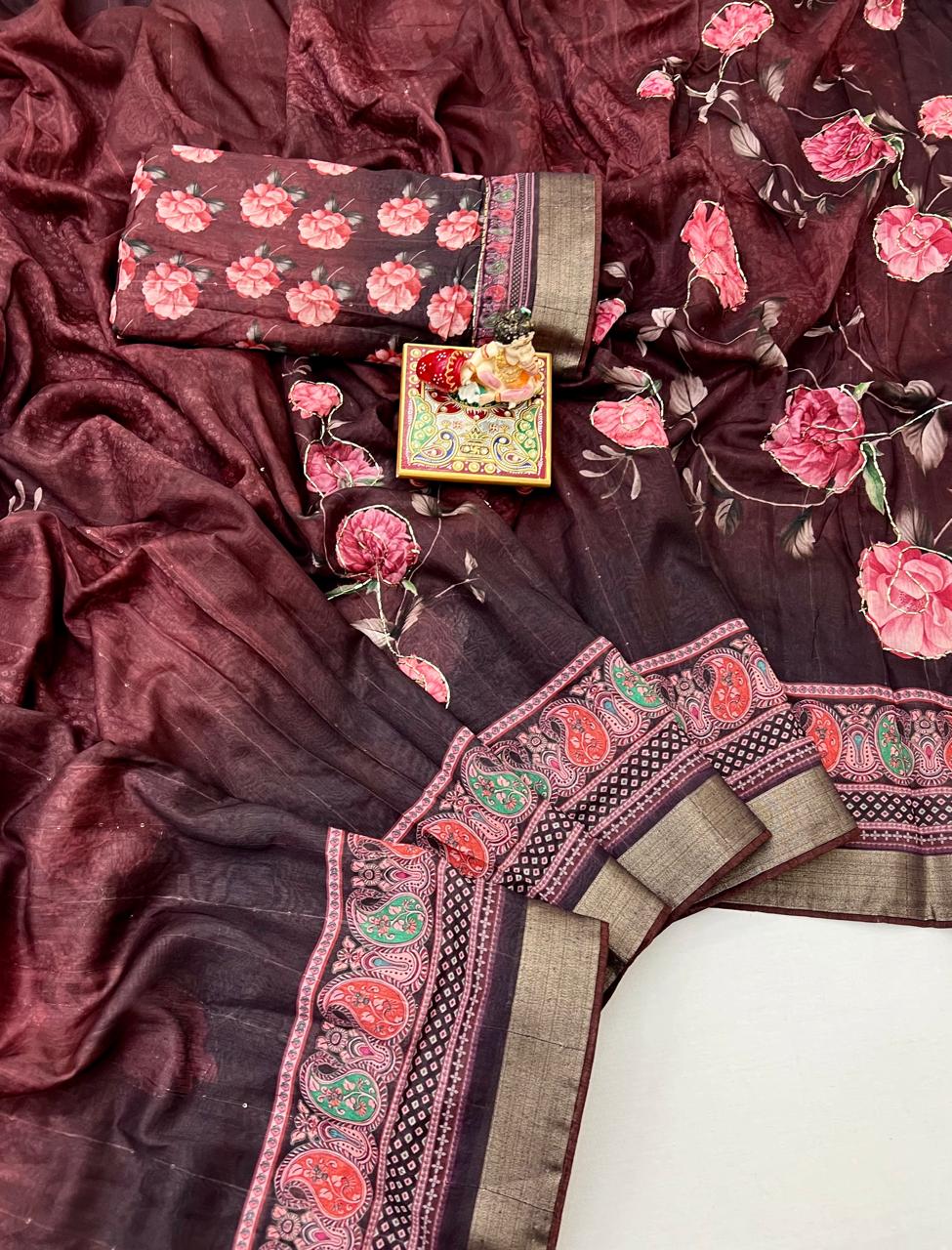
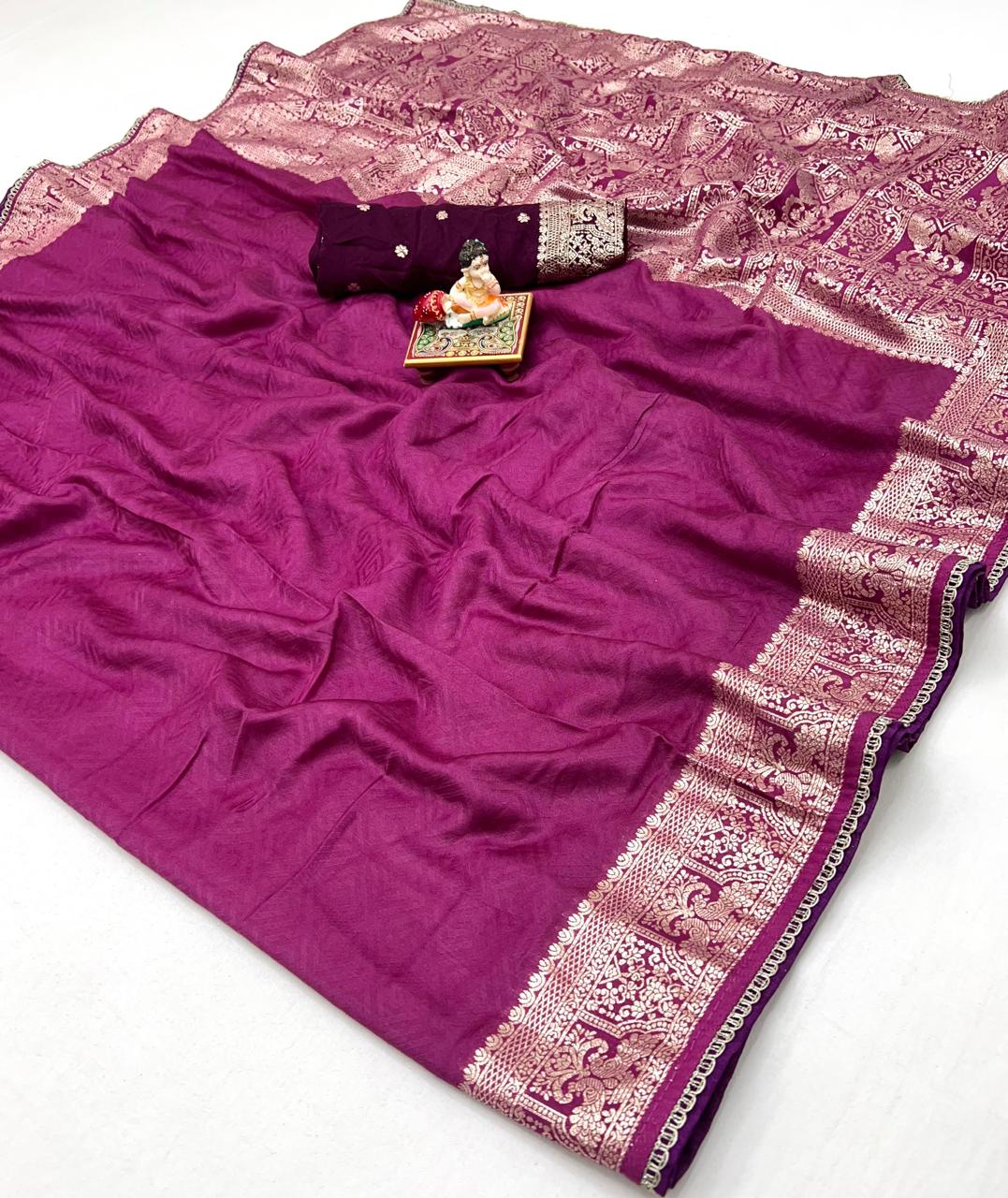
For a wedding guest, Maheshwari fabric creates an useful middle ground: it looks ceremonial without appearing too bridal. For a close family member, a silk-cotton Maheshwari saree can be elevated with a brocade blouse, temple jewellery and a more structured pallu. Maroon Cotton Saree with Zari Work for Wedding demonstrates how a breathable base can still look festive when the border and blouse are coordinated.
Check the fabric composition before buying. A cotton-rich weave is usually more breathable and slightly more matte, whereas a silk-rich weave has greater sheen and a smoother fall. A saree with a broad zari border may feel more formal, but a narrow border can look equally elegant when the blouse and jewellery are carefully chosen.
Maheshwari Saree for Weddings: Blouse & Styling Ideas for Colour and Ceremony
Select the saree colour according to the ceremony, lighting and amount of ornamentation already present in the weave. Day weddings favour coral, pink, mustard, leaf green and powder blue, while evening receptions support maroon, wine, deep purple, navy and jewel-toned red.
Maheshwari Saree for Weddings: Blouse & Styling Ideas for Day Functions
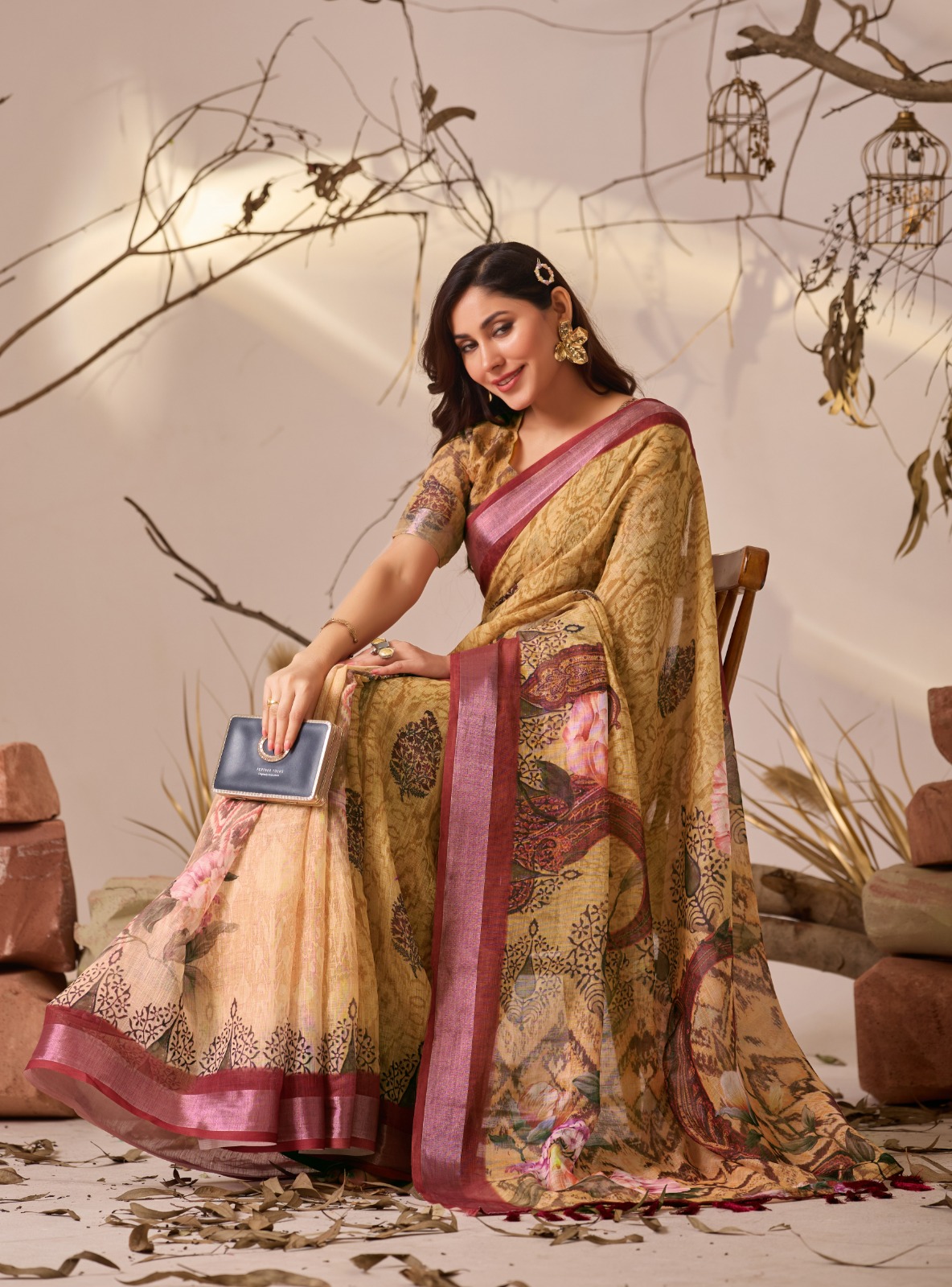
Yellow, turmeric, peach, pink and green create a lively daytime palette without requiring heavy embellishment. Choose a matte or lightly lustrous Maheshwari saree with a contrasting border, then pair it with a blouse in raw silk, cotton silk or textured brocade.
Strong sunlight reveals colour accurately, so warm shades can look brighter outdoors than they do under indoor lighting. A pink saree with a muted gold border and a blouse in rust, maroon or antique gold is easier to balance than a blouse covered in high-shine sequins. Pink Georgette Sarees can also provide colour references if you're comparing a soft pink Maheshwari palette with a more fluid fabric.
Maheshwari Saree for Weddings: Blouse & Styling Ideas for Pheras
Red, maroon, green, rust and gold work well for a formal heritage ceremony, especially when the saree has zari or a defined temple-inspired border. Red doesn't have to mean bridal red; brick, vermilion and deep cherry offer more understated choices for guests.
Red Woven Zari Silk Blend Saree With Brocade Blouse shows how a matching or near-matching blouse can make a zari saree appear more ceremonial. A Maheshwari saree can use the same principle with a blouse that repeats the border colour rather than copying every motif.
Maheshwari Saree for Weddings: Blouse & Styling Ideas for Receptions
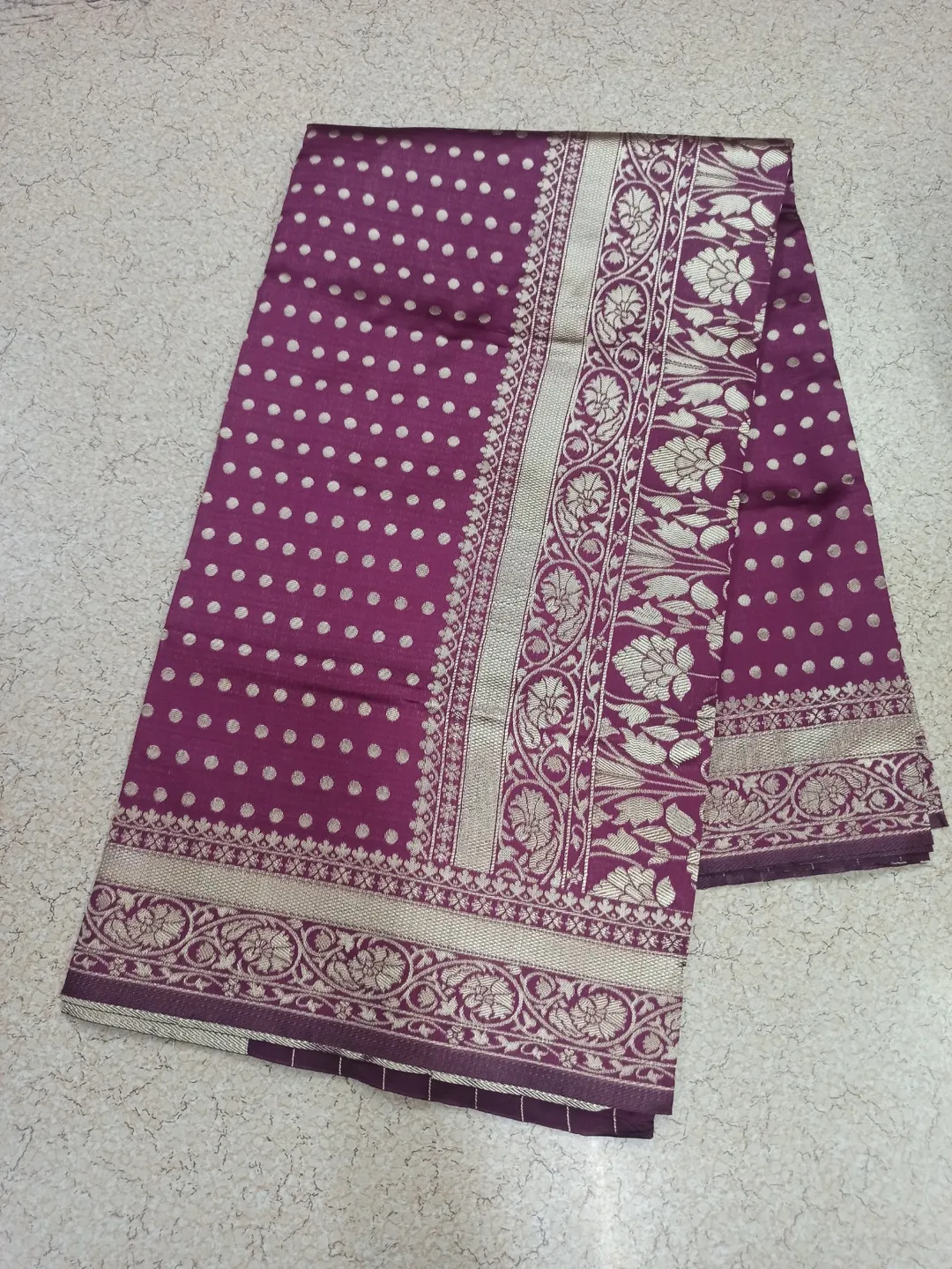
Deep jewel tones and metallic accents suit evening reception lighting because they retain visual depth after sunset. Purple, wine, cobalt, charcoal and forest green pair well with antique gold or silver zari, depending on the saree border.
Purple Silk Blend Zari Woven Saree With Brocade Blouse illustrates a high-contrast evening direction: a rich base, woven shine and a structured blouse. If a Maheshwari saree has a simpler body, borrow the same sense of occasion through a brocade blouse, chandelier earrings or a metallic potli instead of adding sequins to every surface.
Maheshwari Saree for Weddings: Blouse & Styling Ideas for Necklines and Sleeves
The best blouse for a Maheshwari saree repeats one element of the drape, such as its border colour, zari tone or geometric pattern, while keeping the neckline and sleeve proportion suited to your body and the ceremony.
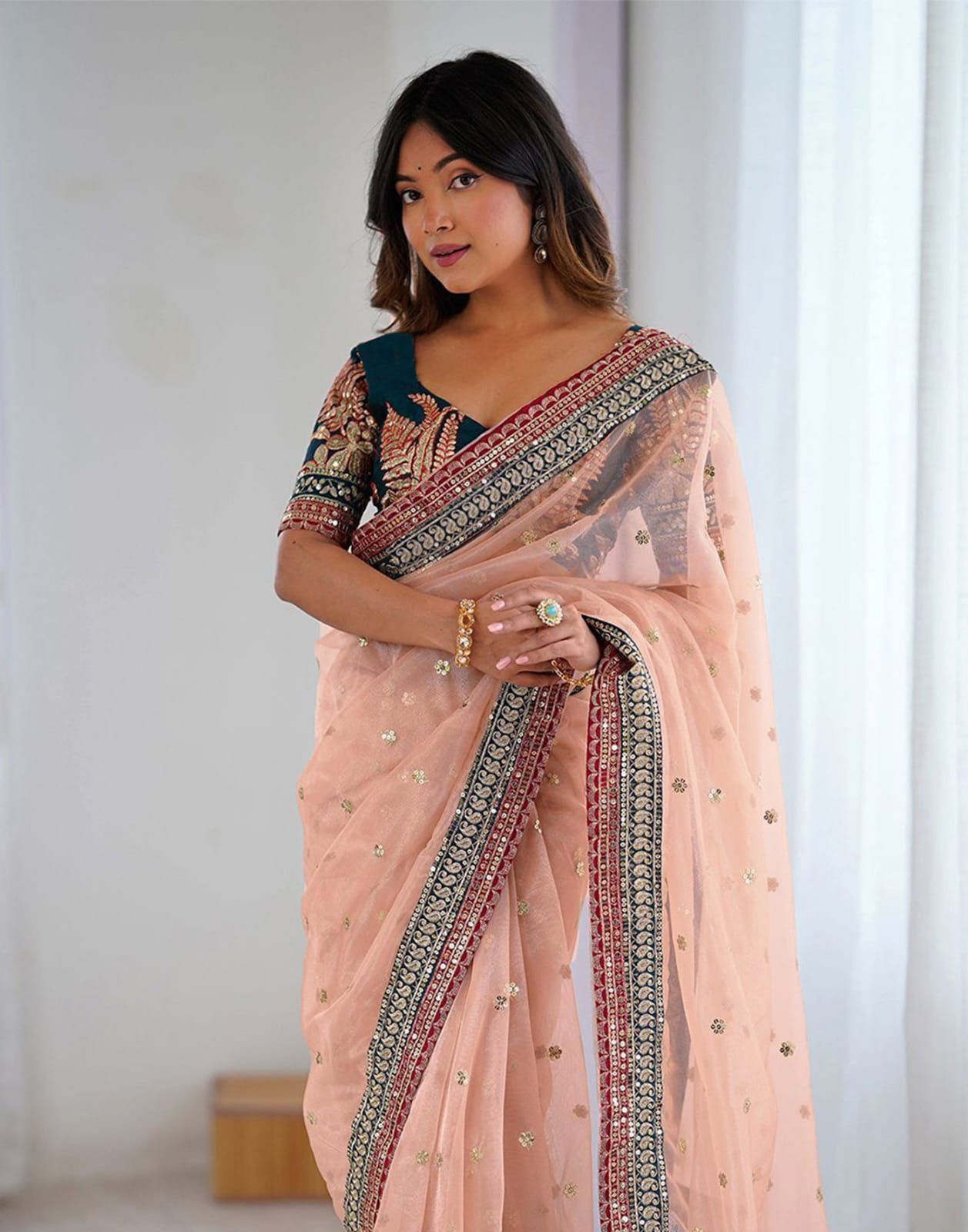
A round-neck blouse with elbow-length sleeves is a dependable choice for a time-honoured wedding look. The cut frames necklaces well, photographs neatly and provides enough coverage for temple visits or family rituals.
A square neckline gives a contemporary line and works particularly well with a broad border or a plain pallu. A modest sweetheart neckline can soften a structured saree, while a high-neck blouse creates a formal silhouette with statement earrings instead of a necklace.
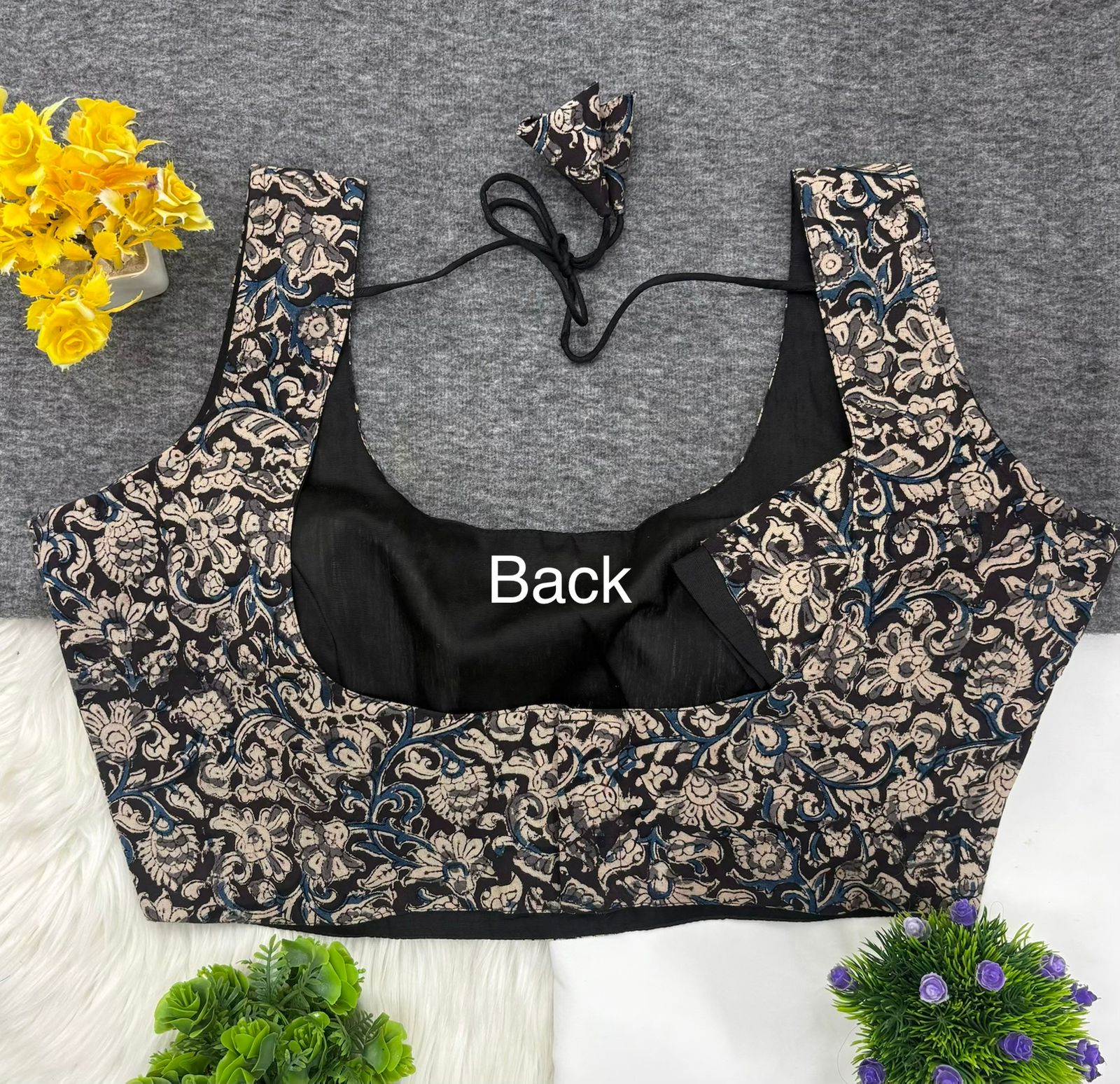
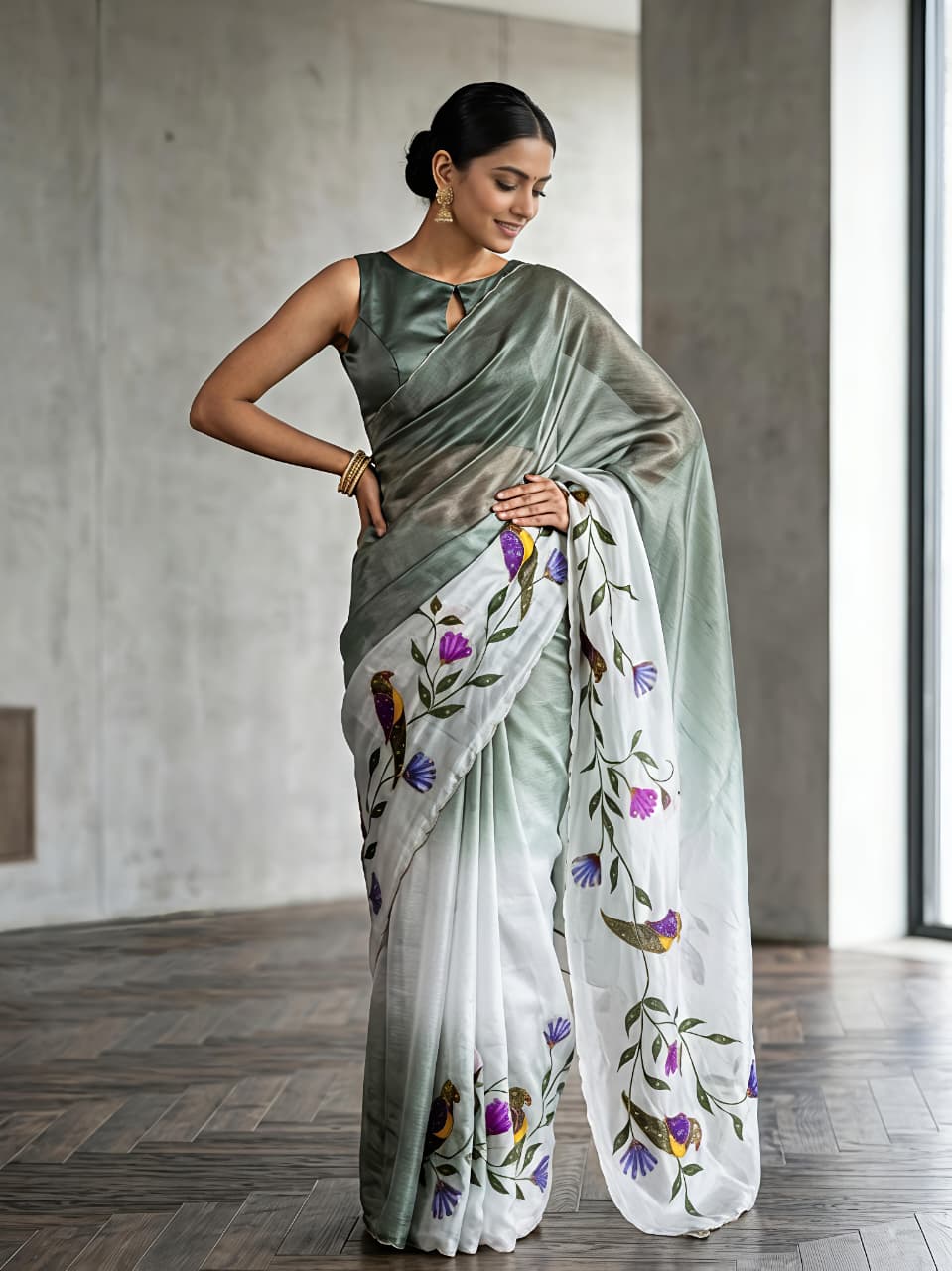
For a modern interpretation, consider a sleeveless blouse with a high back, a short puff sleeve or a three-quarter sleeve with fabric-covered buttons. These details work best when the Maheshwari saree itself isn't overloaded with zari. A simple blouse cut allows the weave, border and pallu to remain the focus.
Raw silk, silk-cotton, brocade, velvet and textured cotton are suitable blouse fabrics for Maheshwari sarees. Raw silk gives a clean structured finish, brocade adds wedding formality, velvet works for cool-weather evening events and cotton silk maintains comfort during long daytime functions.
Use one of four reliable colour strategies. A matching blouse creates a continuous column of colour. A border-matched blouse looks coordinated without being predictable. A tonal blouse creates depth through shades such as rose with maroon. A complementary blouse creates contrast through combinations such as purple with mustard or blue with rust.
For example, a maroon Maheshwari saree can take a maroon blouse with antique-gold piping, a dull-gold brocade blouse or a deep green blouse for contrast. A pink Maheshwari saree can be paired with wine, copper, muted gold or plum instead of automatically choosing bright pink.
Maheshwari Saree for Weddings: Blouse & Styling Ideas for a Secure Drape
A secure Nivi drape with evenly spaced pleats is the most practical choice for a Maheshwari wedding saree because it preserves the border, supports easy walking and photographs clearly from the front.
Use a petticoat that matches the saree colour closely rather than relying on a loose, generic underskirt. A cotton or shapewear petticoat should sit firmly at the waist without restricting breathing. Tuck the saree at the natural waist, make five to seven front pleats of similar width and place the pleats slightly to the left or centre according to the pallu direction.
Pin the pleats from the inside with a small safety pin, then secure the pallu at the shoulder with two pins rather than one. One pin should hold the pallu near the shoulder seam, and another can sit lower inside the fold to prevent the border from slipping while you move.
A Gujarati-style seedha pallu can display a decorative border across the front and works well when the saree has a striking pallu. A Bengali-style drape gives a relaxed, classic volume but may require extra securing at the shoulder. Avoid very tight pleats if the Maheshwari saree is cotton-rich, because pressing the fabric into narrow folds can reduce its natural texture.
For a reception, a pre-pleated finish can save time, but test the stitched pleats while walking, sitting and climbing stairs before the event. Comfortable footwear should be worn during draping so the saree length is adjusted to the actual heel height.
Maheshwari Saree for Weddings: Blouse & Styling Ideas for Jewellery
Gold, antique gold, temple jewellery and restrained pearls complement Maheshwari fabric because they echo the weave without competing with its crisp texture.
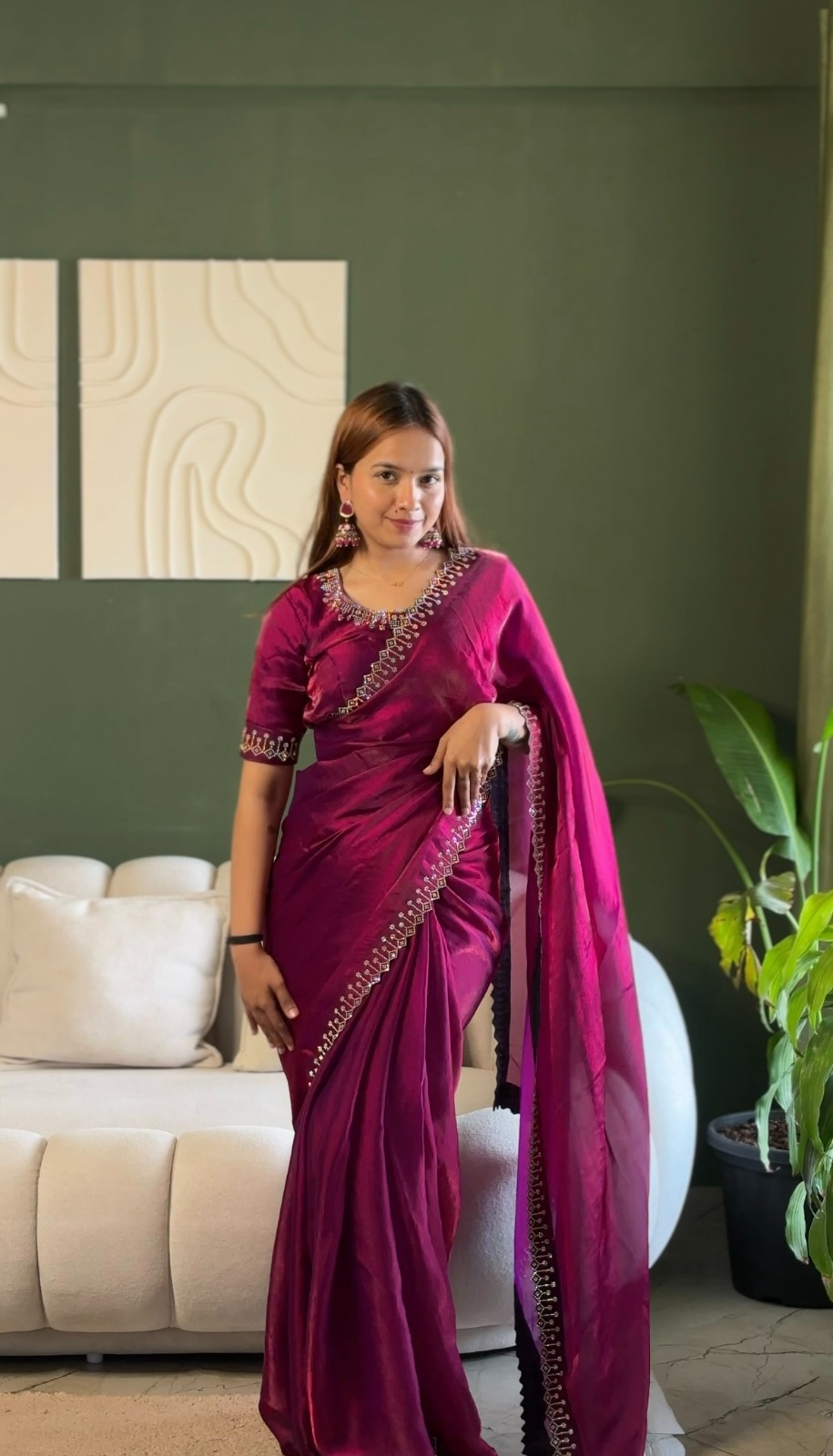
Choose jewellery according to the blouse neckline. A round or square neck works with a short temple necklace, a choker or layered gold chains. A high neck usually looks cleaner with jhumkas, chandbalis or a long pair of earrings and no necklace. A broad zari border can support a heavier necklace, while a narrow border often looks better with one statement accessory.
Gold-plated jhumkas, a heritage bangle stack and a small maang tikka create a classic wedding combination. For a contemporary look, use sculptural earrings, one cuff and a metallic clutch. Pearls work especially well with pastel, ivory and powder-blue Maheshwari sarees, while rubies, garnets or glass stones intensify maroon and red palettes.
Keep the handbag small and structured. A potli works for time-honoured ceremonies, while a compact box clutch is more practical for a reception. Match footwear to the saree's metallic tone, but prioritise a stable 2- to 3-inch heel or embellished flat if the event involves standing for extended periods.
Maheshwari Saree for Weddings: Blouse & Styling Ideas for Multiple Functions
Change the blouse, jewellery and drape rather than buying a separate heavily decorated saree for every function. The same Maheshwari saree can move from a daytime ritual to an evening celebration through controlled styling changes.
- Haldi ceremony: Pair a yellow, peach, pink or green saree with a comfortable cotton-silk blouse, lightweight earrings and flat footwear. Keep jewellery secure and avoid long chains that may catch during group rituals.
- Mehendi: Choose a three-quarter-sleeve blouse or a sleeveless blouse with a secure back. A small potli, stacked bangles and a pinned pallu allow easier movement while applying mehendi.
- Pheras or pooja: Use a red, maroon, green or rust palette with a brocade or raw-silk blouse. Temple jewellery, a neat bun and a defined border create a classic appearance without requiring heavy embroidery.
- Reception: Add a high-neck blouse, statement earrings, a sleek clutch and a more structured pallu. Antique gold or silver accessories can shift the look from daytime heritage to evening formality.
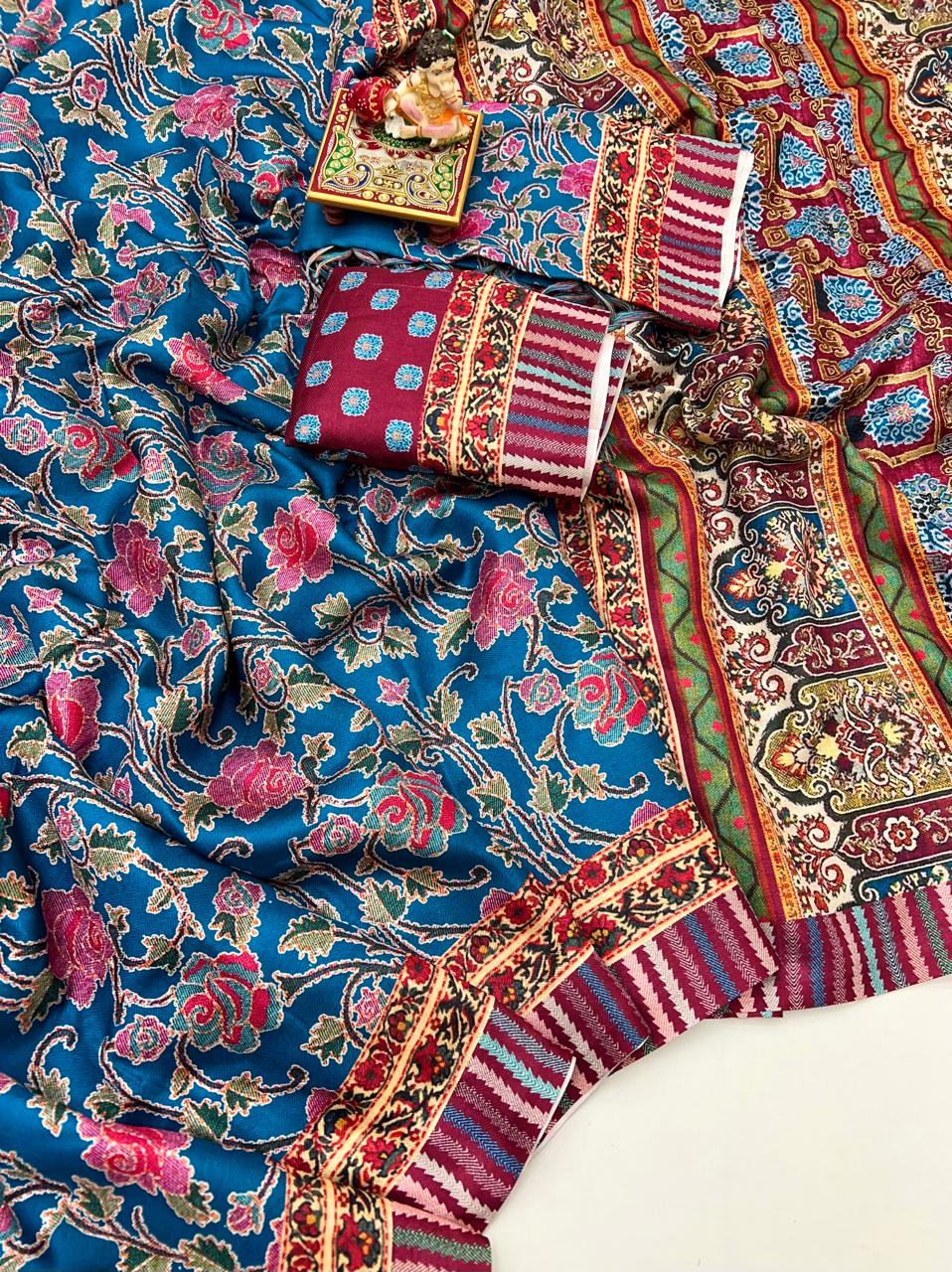
Other saree references can help when planning a complete wedding wardrobe. Maroon Mal Cotton Ethnic Saree With Blouse from VARNAVI brings a lighter cotton direction, while Time-honoured Blue Pashmina Saree With Shawl For Weddings suggests how a blue palette can be made more formal with layered texture. Multicolor Linen Cotton Floral Saree with Blouse Online is useful inspiration for a daytime floral mood, and Peach Embroidered Net Party Wear Saree with Blouse shows a more embellished evening direction.
Collection browsing can also clarify the level of formality you prefer. Silk Sarees Under 3000 With Discount and Red Banarasi Silk Sarees for Weddings Under 1100 represent more heritage silk-led options, while Party Wear Sarees lean towards evening decoration. Gray Color Sarees Under 1000 can inspire a muted palette for a contemporary reception look.
Maheshwari Saree for Weddings: Blouse & Styling Ideas for Care and Fit
Store a Maheshwari saree folded in a clean muslin cloth, away from direct sunlight, moisture and sharp jewellery. Refold the saree every few months so permanent creases don't form along the same lines.
Air the saree after wearing it before storage, particularly if the wedding involved heat, perfume or perspiration. Do not spray perfume directly on zari or silk fibres. Keep neem leaves or a fabric-safe wardrobe protector nearby, but ensure that any natural material doesn't touch damp fabric.
Professional dry cleaning is the safest choice for silk-rich Maheshwari sarees and delicate zari. Cotton-rich Maheshwari sarees may tolerate gentle hand washing, but the care label should always take priority. Avoid wringing, bleach, hot ironing and prolonged soaking.
Press the saree on the reverse side using low to medium heat and a pressing cloth. Place a thin cotton cloth over zari before ironing so metallic threads don't become dull. Test the heat on an inside fold before pressing the visible border.
Fit and care matter as much as colour when choosing a wedding saree. A blouse that allows arm movement, a petticoat that holds the drape and a carefully protected border will keep the outfit comfortable from the first ceremony to the final photographs.
Common Questions About Maheshwari Saree for Weddings Styling
Is a Maheshwari saree suitable for a wedding guest?
Yes, a Maheshwari saree is suitable for a wedding guest because it offers a lightweight structure with a festive border and, in many designs, zari detailing. Choose cotton-rich versions for daytime functions and silk-rich versions with a brocade blouse for pheras or receptions.
Which blouse is best with a Maheshwari saree for a wedding?
A raw-silk, silk-cotton or brocade blouse works well with a Maheshwari saree for a wedding. Match the blouse to the border for a coordinated look, choose a tonal shade for subtle depth or use a complementary colour such as mustard with purple.
What jewellery goes with a Maheshwari wedding saree?
Gold, antique gold, temple jewellery, jhumkas and restrained pearls pair well with a Maheshwari wedding saree. A broad zari border can support a necklace, while a high-neck blouse usually looks better with statement earrings and no necklace.
How should a Maheshwari saree be draped for a wedding?
A secure Nivi drape with five to seven evenly spaced pleats is the most practical wedding option for a Maheshwari saree. Use a matching petticoat, pin the pleats from inside and secure the pallu at the shoulder with two pins.
Can a Maheshwari saree be worn at a reception?
Yes, a silk-rich or zari-bordered Maheshwari saree can suit a reception when paired with a structured blouse, statement earrings and a compact clutch. Deep purple, wine, maroon, navy and forest green work particularly well in evening lighting.
How should a Maheshwari saree be stored after a wedding?
Store a Maheshwari saree clean and completely dry inside a breathable muslin cover, away from direct sunlight and moisture. Use low heat with a pressing cloth for wrinkles, avoid direct ironing on zari and follow the care label for washing or dry cleaning.