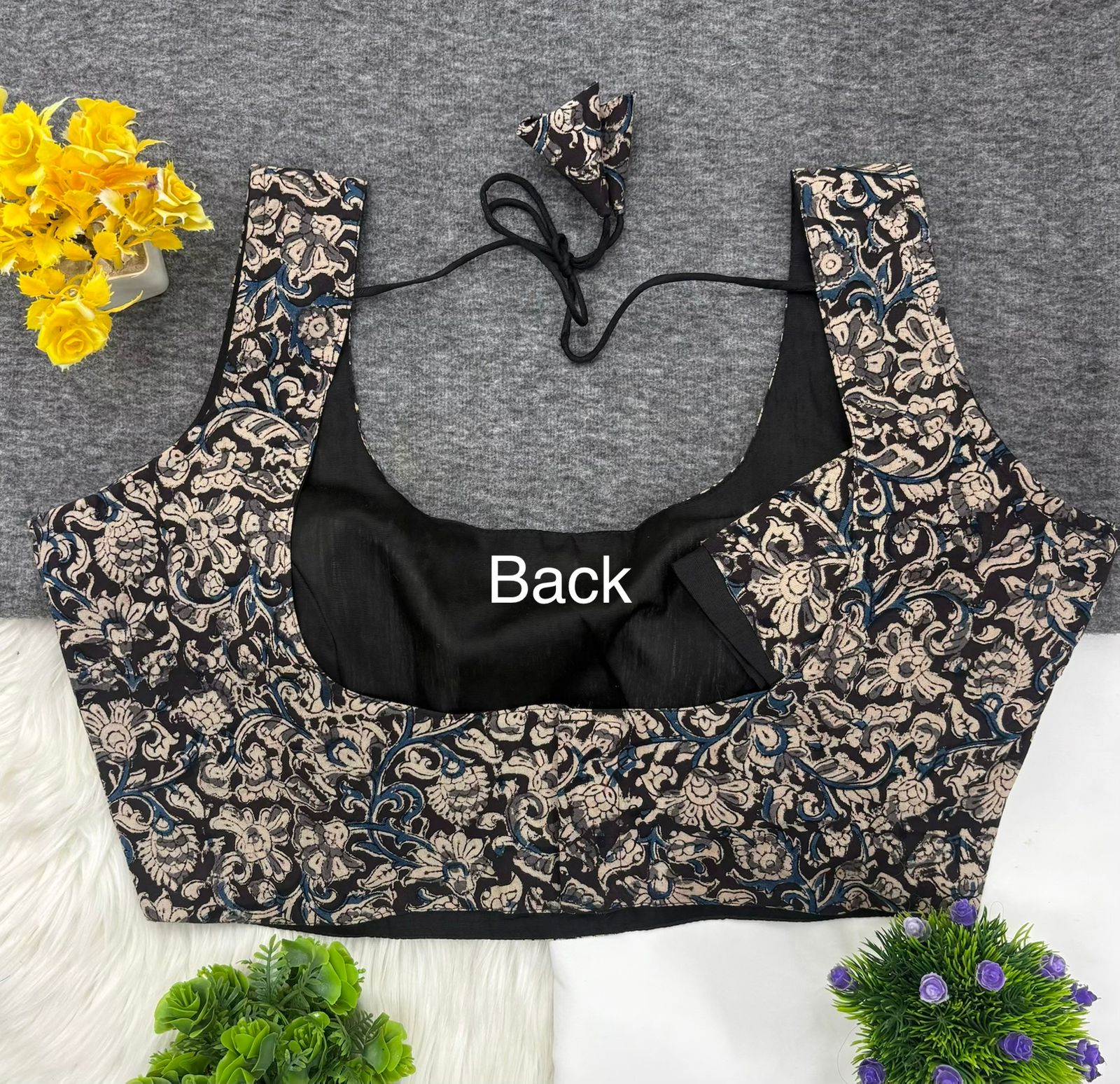
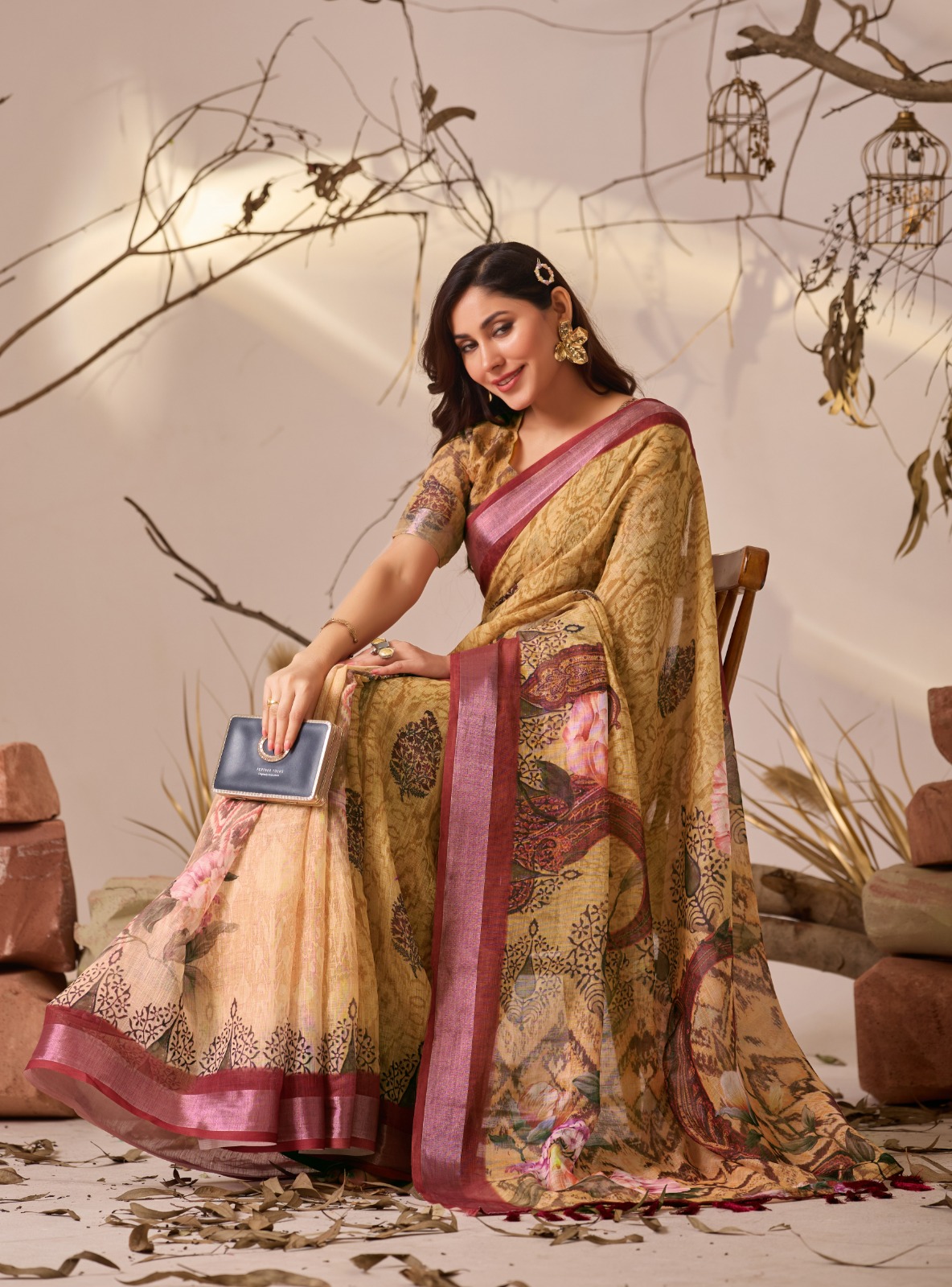
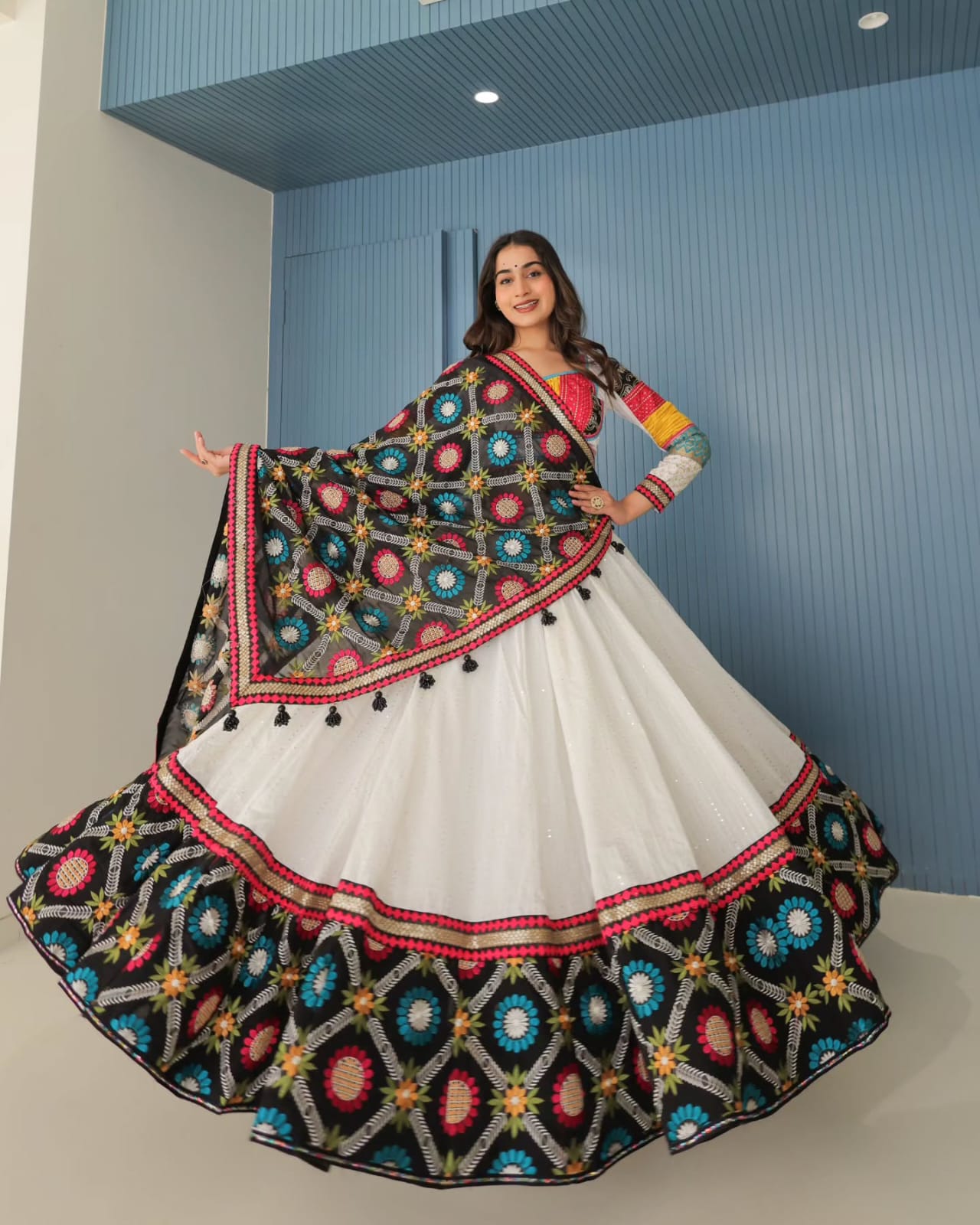
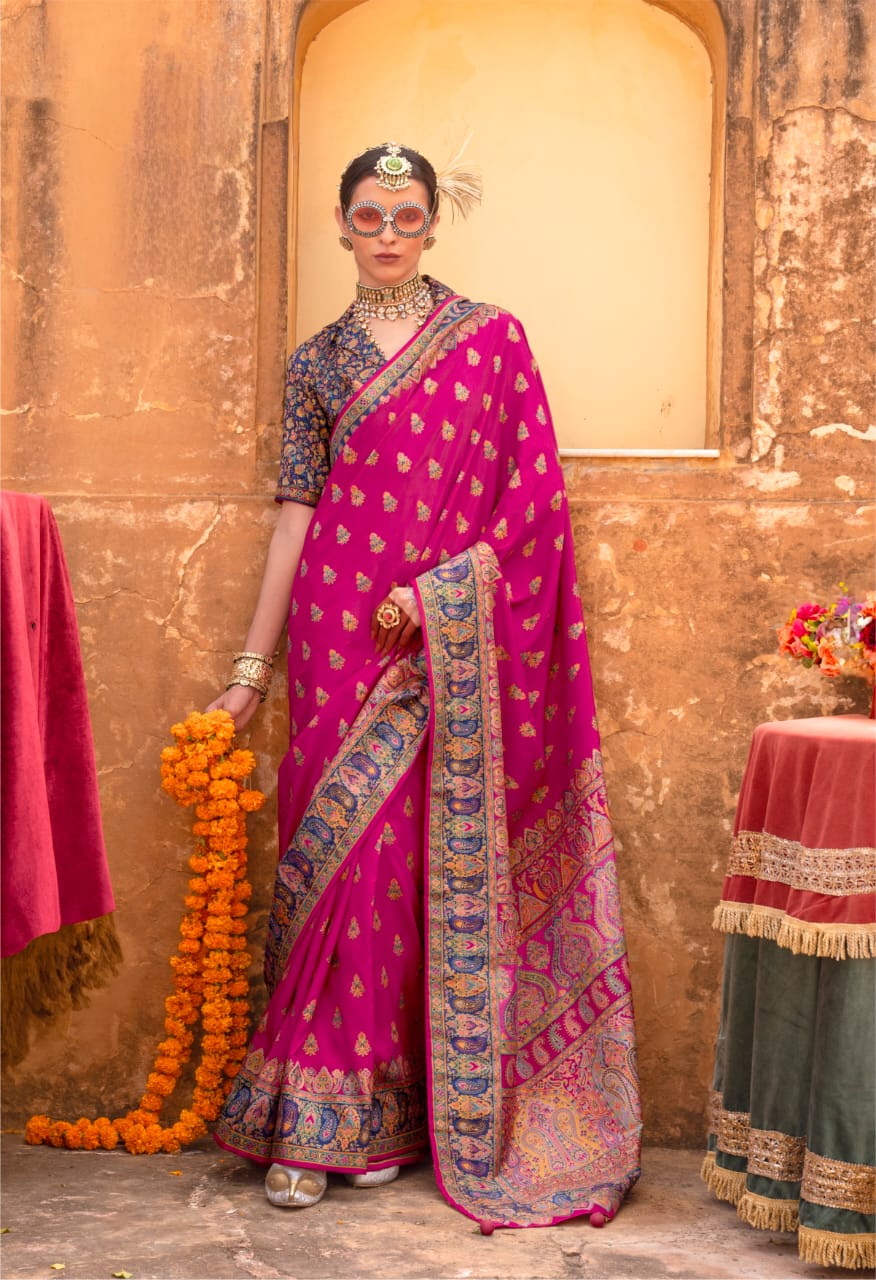
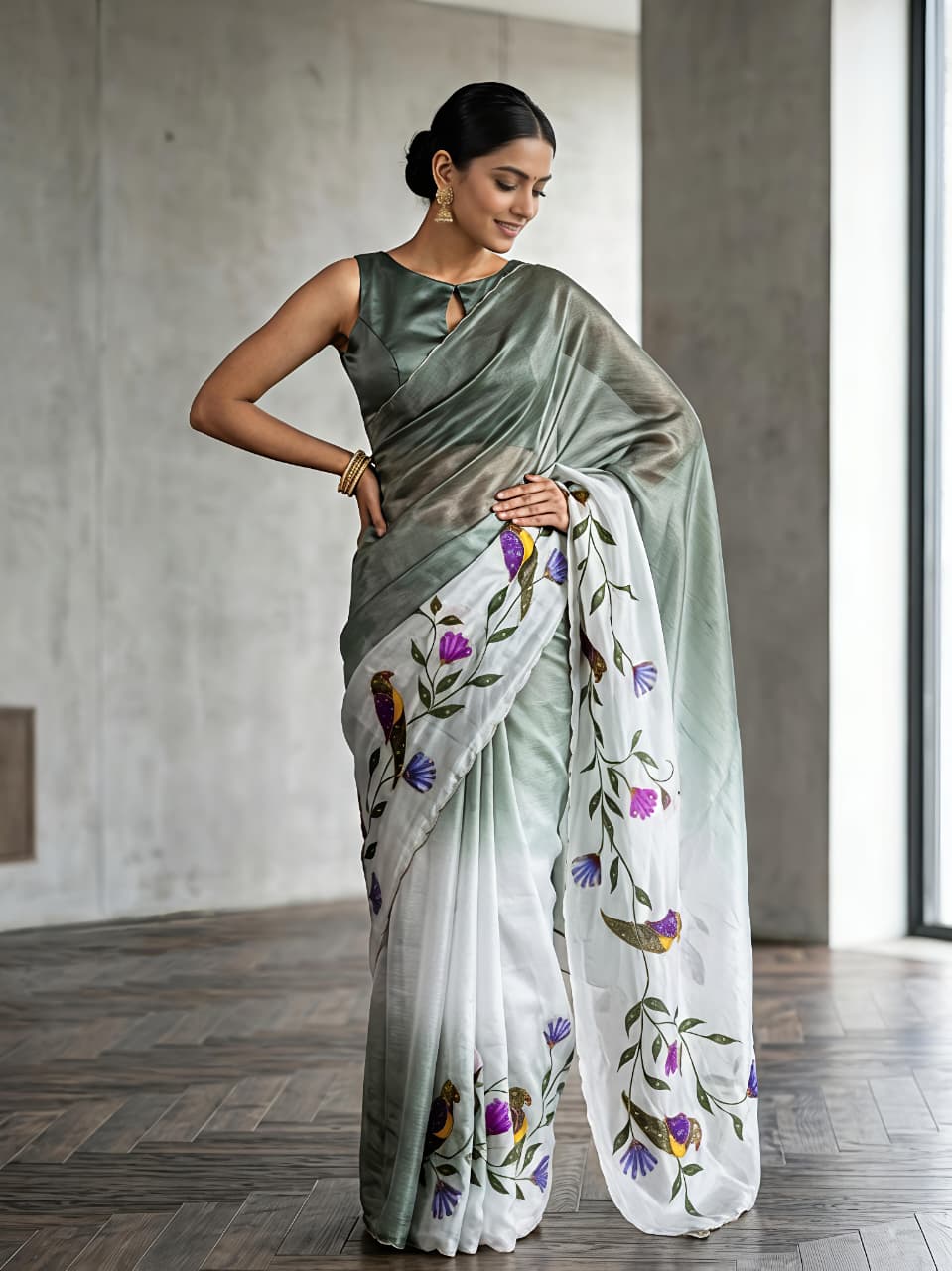
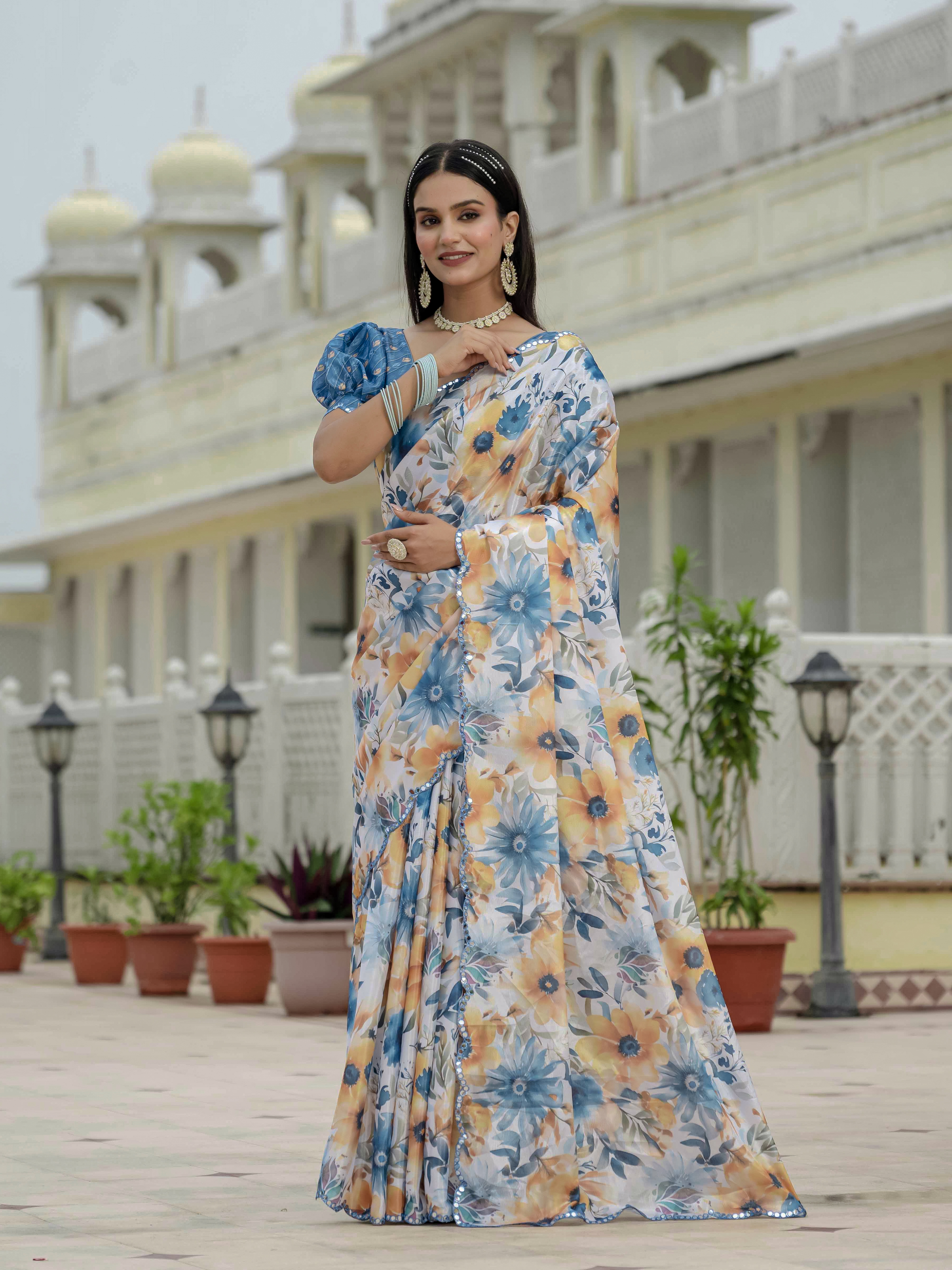
Maheshwari Saree Blouse Designs for Weddings & Festive Looks can change the entire character of a saree, even when the drape, jewellery and footwear remain the same. A well-chosen blouse balances the saree's silk-cotton texture, zari border, pallu and colour instead of competing with them. The most successful wedding blouse isn't always the most embellished one; it's the design that suits the weave, ceremony, weather and wearer.
Maheshwari sarees originated in Maheshwar, Madhya Pradesh, and are woven in cotton, silk or silk-cotton combinations. Many Maheshwari sarees feature reversible borders, fine stripes, geometric motifs and lightweight zari. Those details directly affect blouse selection. A broad zari border may need a restrained blouse, while a plain saree can support decorative sleeves, embroidery or an expressive back.
This guide covers necklines, sleeves, blouse fabrics, colour combinations, embroidery, jewellery and fit. It also explains how to choose one blouse for a daytime mehendi, another for wedding pheras and a third for an evening reception without losing the distinctive character of Maheshwari weaving.
Maheshwari Saree Blouse Designs for Weddings & Festive Looks: How Should You Match the Blouse to the Saree?
The most dependable method is to match the blouse to the saree's visual weight, dominant colour and level of ornamentation. A lightweight Maheshwari silk-cotton saree usually works best with raw silk, silk, cotton silk or a closely matched Maheshwari blouse. A heavy brocade blouse can make a delicate saree appear visually unbalanced.
Begin by identifying the saree's strongest feature. A wide zari border calls for controlled embroidery or a plain textured blouse. A narrow border leaves room for contrast sleeves, a shaped neckline or a detailed back. A striped Maheshwari saree generally looks clearer with a solid blouse because a second all-over pattern can make the outfit appear crowded.
Colour should be assessed in the light in which the saree will be worn. Deep maroon, wine, emerald, rust and navy make a formal wedding mood. Coral, mustard, parrot green, powder blue and pink feel more suited to daytime festive dressing. Gold zari usually harmonises with neutral colours, while silver zari sharpens mauve, grey, cool blue and some jewel tones.
A contrast blouse doesn't need to be dramatically different. Rose pink with magenta, deep green with mustard and copper with rust create definition while preserving a coherent colour story. A tonal blouse in a shade slightly darker or lighter than the saree is the safer choice when the pallu already contains elaborate zari.
Maheshwari Saree Blouse Designs for Weddings & Festive Looks: Which Necklines Work Best?
Round, square, boat, V-shaped and sweetheart necklines are the most adaptable choices for Maheshwari sarees. A medium-depth round neck looks traditional with gold jewellery, a square neck frames a broad collar necklace and a boat neck gives a clean contemporary line to a formal drape.
Necklines for family ceremonies
A high round neck with narrow piping works well for a puja, engagement or daytime wedding function. A modest square neck with a thin zari edge provides structure without excessive decoration. These necklines are practical when the blouse must be worn for several hours and a necklace is an important part of the styling.
A shallow or medium V-neck can lengthen the appearance of the upper body without compromising comfort. A small embroidered motif at the point of the V can connect the blouse to the saree border. An extremely deep V is less practical for active ceremonies because the neckline may shift while sitting, bending or adjusting the pallu.
Necklines for evening receptions
A sweetheart neckline, keyhole neck or asymmetric neckline suits an evening reception when the saree itself is relatively restrained. These details work best when the back and sleeves remain simple. Combining a deep front, dramatic back and elaborate sleeves can distract from the Maheshwari weave.
Collar necks and high necks provide refined coverage and give the blouse a tailored appearance. A standing collar in raw silk or silk looks especially elegant with a sharply pleated pallu. A collar blouse also creates a clear frame for earrings when a necklace is omitted.
Maheshwari Saree Blouse Designs for Weddings & Festive Looks: What Sleeve and Back Details Suit the Weave?
Elbow-length sleeves, short fitted sleeves and three-quarter sleeves are the most versatile options for Maheshwari sarees. Sleeve length should account for the ceremony, weather, jewellery and how much of the blouse remains visible beneath the pallu.
Elbow-length sleeves have a classic proportion and provide enough surface for a narrow zari border, miniature floral embroidery or contrast piping. Short sleeves suit summer haldi ceremonies and daytime festivities, especially when finished with a structured cuff. Three-quarter sleeves create a formal appearance and work well with high-neck or boat-neck blouses.
Sheer sleeves can soften a wedding blouse, but the net, organza or tissue should relate to the saree's finish. Matte net beside a softly lustrous Maheshwari silk-cotton weave creates useful contrast. Overly shiny synthetic fabric can appear disconnected from the handloom texture. A sheer sleeve with a solid cuff is more wearable than a fully transparent sleeve for many family functions.
A plain back with a tie closure is practical for repeated wear and minor size adjustments. A keyhole back brings interest without exposing much skin. A deep U-back or square back can look striking with a neatly pleated pallu, but the blouse needs secure hooks and a finished edge. Lightweight latkans are preferable because heavy decorations can pull the neckline down.
Back embroidery should be sized according to the visible area. A four- to six-centimetre motif can suit a narrow opening, while a larger central motif works with a broad U-back. Zari, resham and small sequins can all be used, but one dominant technique usually looks more refined than several competing embellishments.
Maheshwari Saree Blouse Designs for Weddings & Festive Looks: Which Fabrics and Embellishments Are Practical?
Zari, resham, aari work, mirror work and small sequins create different levels of formality. Zari has the closest visual relationship to a heritage Maheshwari border, while resham embroidery introduces colour without adding substantial metallic shine.
Silk is a strong choice for a wedding blouse because the fabric holds a neckline and sleeve shape well. Raw silk gives a lightly textured, structured finish. Cotton silk suits daytime events and warmer weather. Velvet works for a winter evening wedding, but velvet absorbs light and adds visual weight, so it pairs best with a plain or lightly patterned Maheshwari saree.
For a bride's sister or close family member, a silk blouse with antique gold zari can provide wedding richness without the weight of a heavily embellished lehenga blouse. For a guest, a plain raw silk blouse with a zari sleeve edge is easier to repeat at future celebrations. For a haldi ceremony, cotton silk or Maheshwari cotton with restrained embroidery is more comfortable than dense velvet.
Embroidery placement deserves as much attention as the technique. A border along the sleeve hem can echo the saree border. A small motif near the shoulder can remain visible when the pallu is worn over the left side. A decorated neckline is especially effective with a seedha pallu style because more of the blouse remains visible from the front.
Brocade can be beautiful when the saree has a narrow border, but a brocade blouse paired with a broad zari pallu may look too dense. Similarly, sequins should be used carefully because flash photography can make bright surfaces appear harsher than they look in person.
Maheshwari Saree Blouse Designs for Weddings & Festive Looks: What Works for Each Wedding Function?
The best blouse design changes with the function because a haldi ceremony, wedding pheras and reception have different practical and visual demands.
Haldi and mehendi
Short sleeves, breathable cotton silk and cheerful contrast colours are dependable choices for haldi and mehendi functions. Mustard, turmeric yellow, leaf green, pink and orange work naturally in daytime light. Long trailing ties and delicate three-dimensional embellishments are less practical because they can catch on seating, bangles or fresh mehendi.
A simple round neck with contrast piping looks intentional with a printed or striped Maheshwari saree. Small mirror accents or coloured resham work add festivity without making the blouse difficult to maintain. A secure side zip or back hooks are preferable to a complicated closure when the day involves frequent movement.
Wedding ceremony and pheras
Medium or three-quarter sleeves, a structured neckline and gold or antique zari suit the wedding ceremony. Maroon, red, deep green, purple and mustard create a classic palette, while cream or muted gold can calm a brightly coloured saree. A high round neck, square neck or modest V-neck works especially well with temple jewellery and layered necklaces.
A Maheshwari saree with Kanjeevaram-inspired zari styling can be paired with a blouse that repeats one border colour rather than copying every motif. The result respects the visual language of silk sarees while retaining the lighter character of Maheshwari weaving. Banarasi silk blouses can also work with formal Maheshwari sarees, but the Banarasi motif scale should remain moderate.
Reception and evening celebrations
Evening receptions allow richer fabrics, sculpted necklines and more visible surface detail. Wine, midnight blue, emerald, charcoal and antique gold look sophisticated under artificial lighting. A boat neck with statement earrings, a sweetheart neck with a plain pallu or a high neck with an embroidered back can each create a strong reception look.
A blouse trial under both warm indoor light and daylight can reveal whether the colour and shine are working as expected. Antique gold zari, dull sequins and matte thread often photograph more softly than mirror-bright embellishment.
Maheshwari Saree Blouse Designs for Weddings & Festive Looks: How Should You Pair Jewellery and the Drape?
Jewellery should repeat one element of the blouse or saree rather than introduce an unrelated third story. Gold jhumkas and a short necklace suit a round-neck blouse, while a broad choker often looks better with a square or boat neckline. A high-neck blouse may need only earrings and bangles.
Temple jewellery pairs naturally with zari, mustard, red, green and deep purple. Kundan jewellery suits jewel-toned blouses and formal evening sarees. Pearls soften delicate Maheshwari sarees or blouses in ivory, blush and powder blue. Silver jewellery looks most convincing when the saree contains silver zari or a cool-toned border.
The drape also changes how much blouse detail is visible. A conventional pallu shows more of the shoulder and sleeve, while a seedha pallu reveals more of the front neckline and blouse panel. A pleated pallu benefits from a structured shoulder and secure sleeve seam. A loose pallu allows a decorative back to appear when the wearer turns.
Before finalising the blouse, sit, raise both arms and walk several steps during the fitting. A wedding blouse should not pull across the armhole, gape at the bust or force the wearer to readjust the shoulder every few minutes. For a made-to-measure blouse, allow approximately 1 to 1.5 centimetres of movement ease at the bust, depending on the fabric and personal comfort.
Maheshwari Saree Blouse Designs for Weddings & Festive Looks: How Can You Preserve the Blouse?
Maheshwari and silk blouses should be stored clean, dry and loosely folded in breathable cotton rather than sealed immediately in plastic. Air the blouse after wearing it, remove surface dust with a soft brush and avoid spraying perfume directly on silk, zari or embroidery.
Dry cleaning is generally safer for heavily embellished silk blouses, but the care label and embroidery materials should be checked first. Cotton silk may tolerate gentler laundering, yet zari and colour bleeding remain concerns. Never wring a structured blouse because twisting can distort the neckline, lining and sleeve seam.
Store padded cups and embellished areas so that metal hooks or sequins don't rub against the fabric. Refold the blouse every few months to prevent a permanent crease. These small habits can extend the usable life of a wedding blouse and make a carefully chosen design suitable for several festive seasons.
Practical Questions About Maheshwari Saree Blouse Styling
Which blouse colour goes best with a Maheshwari saree for a wedding?
Deep green, maroon, wine, mustard, antique gold and navy are dependable wedding choices for Maheshwari sarees. Match the blouse to one colour in the border or pallu when the saree already has prominent zari.
Can I wear a contrast blouse with a Maheshwari saree?
Yes, a contrast blouse can add definition without looking disconnected. Rose pink with magenta, deep green with mustard and copper with rust are balanced combinations because the shades remain within a related colour story.
Which blouse fabric is suitable for a Maheshwari saree in summer?
Cotton silk, Maheshwari cotton and lightweight silk are suitable for summer weddings and festive events. These fabrics provide structure while allowing more comfort than velvet, heavy brocade or dense synthetic embellishment.
What sleeve length looks most elegant with a Maheshwari saree?
Elbow-length and three-quarter sleeves are the most versatile choices. Short sleeves suit daytime functions and haldi ceremonies, while three-quarter sleeves create a more formal appearance for pheras and evening receptions.
Can I wear a Banarasi silk blouse with a Maheshwari saree?
Yes, a Banarasi silk blouse can work with a Maheshwari saree when the motif scale and colour are controlled. Choose one dominant border or zari story instead of combining a heavily patterned blouse with an equally ornate pallu.
How should a Maheshwari blouse be stored after a wedding?
Air the blouse before storage and keep it loosely folded in breathable cotton. Heavily embellished or silk blouses should generally be dry-cleaned according to their care instructions, and perfume should not be sprayed directly on zari or embroidery.