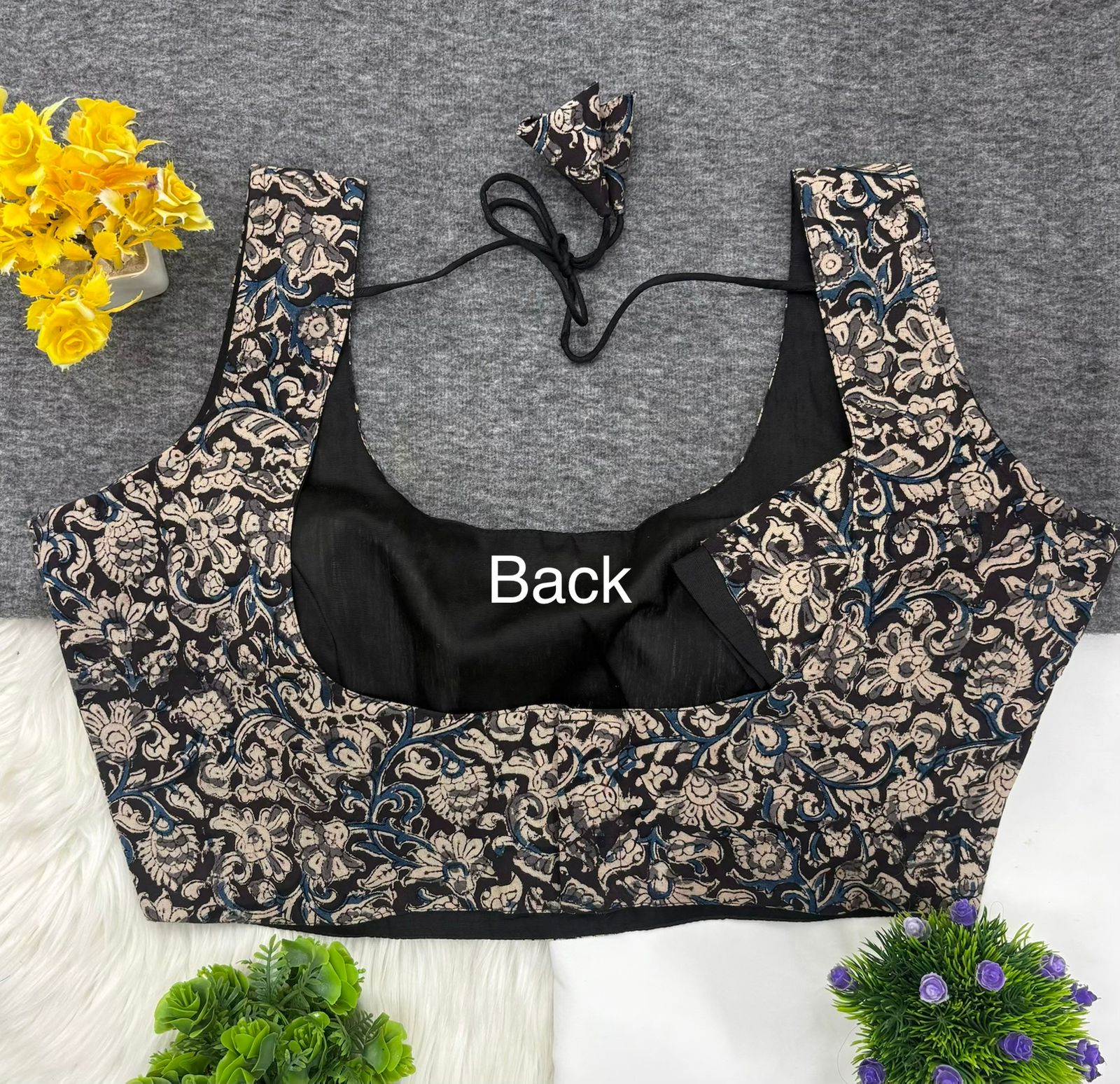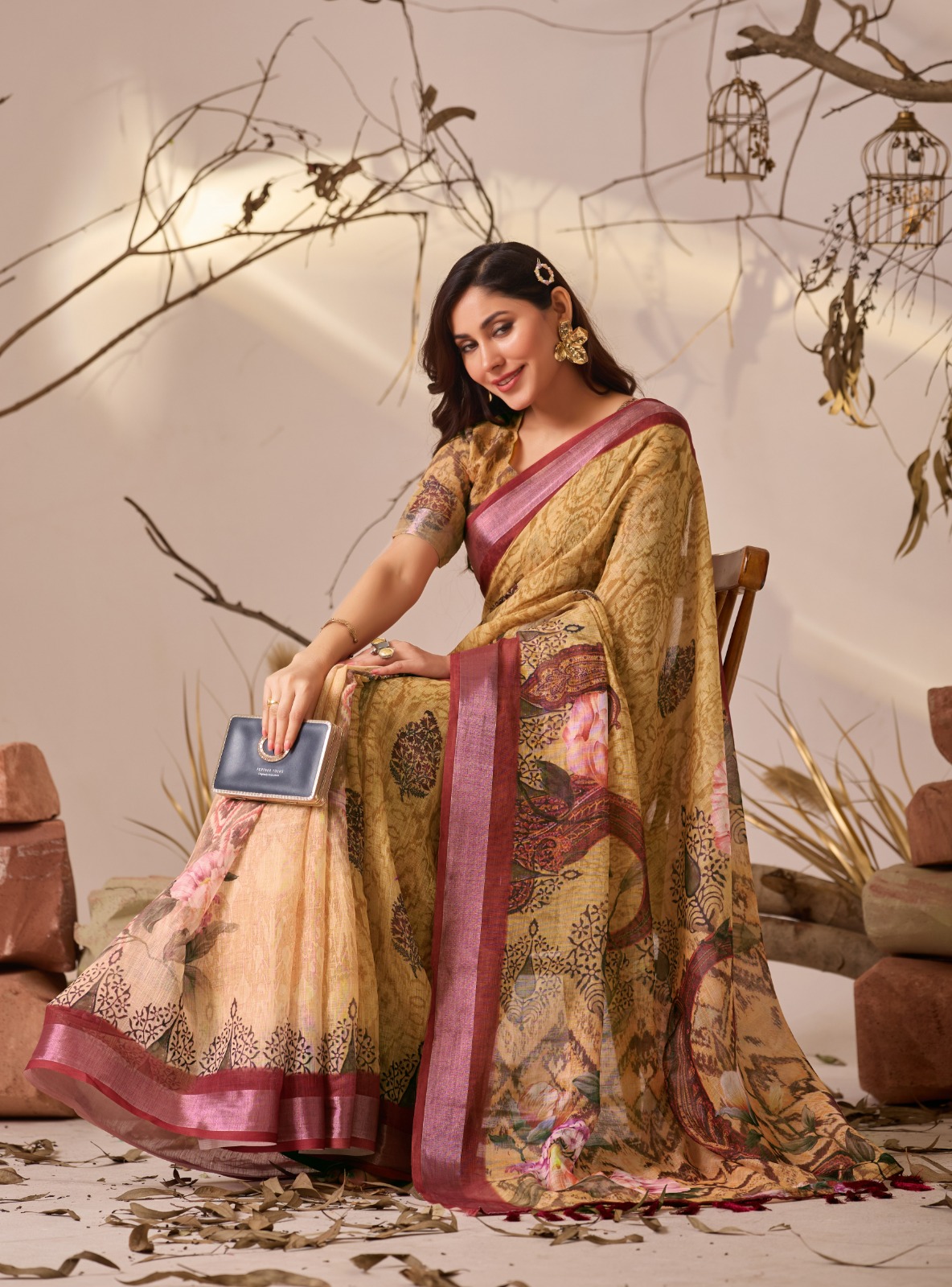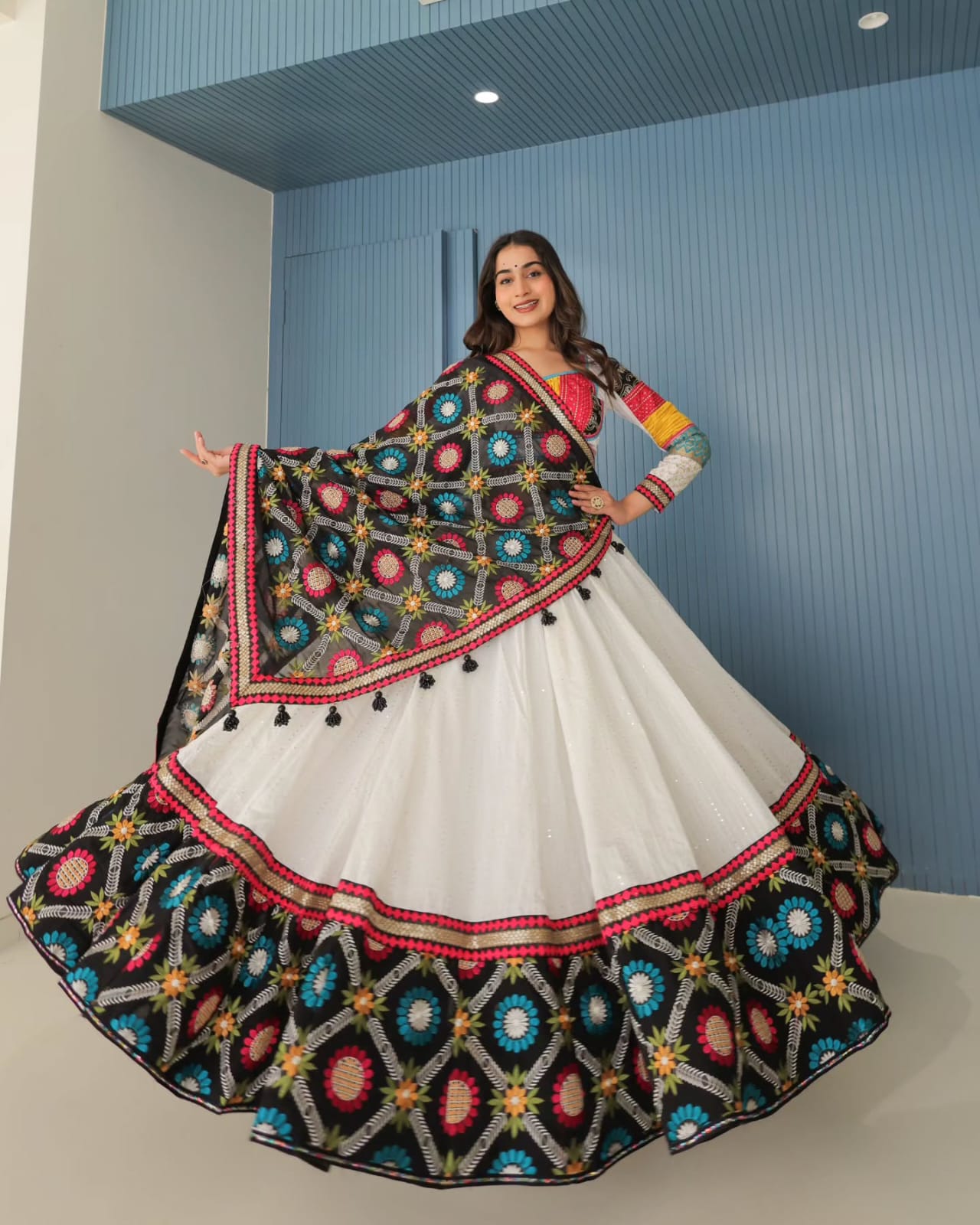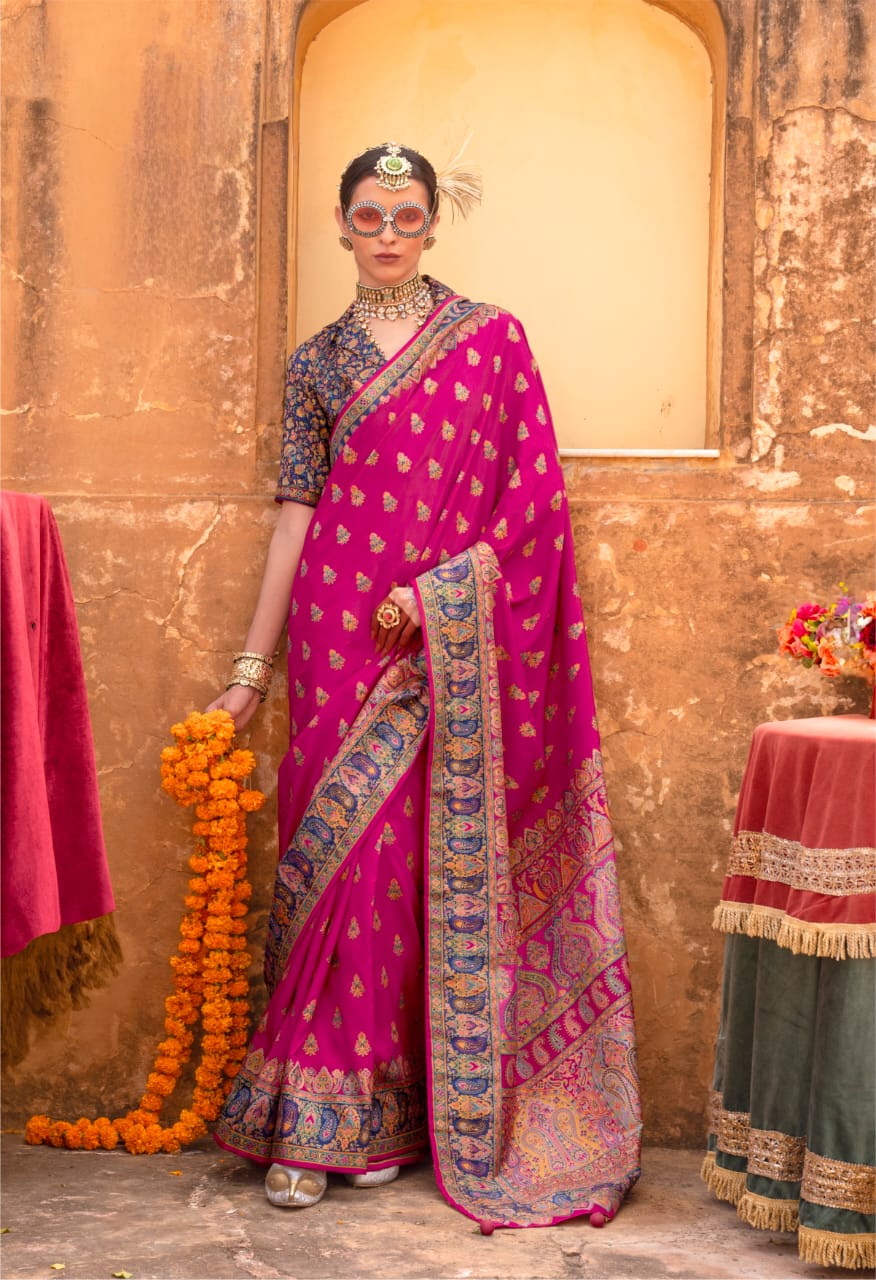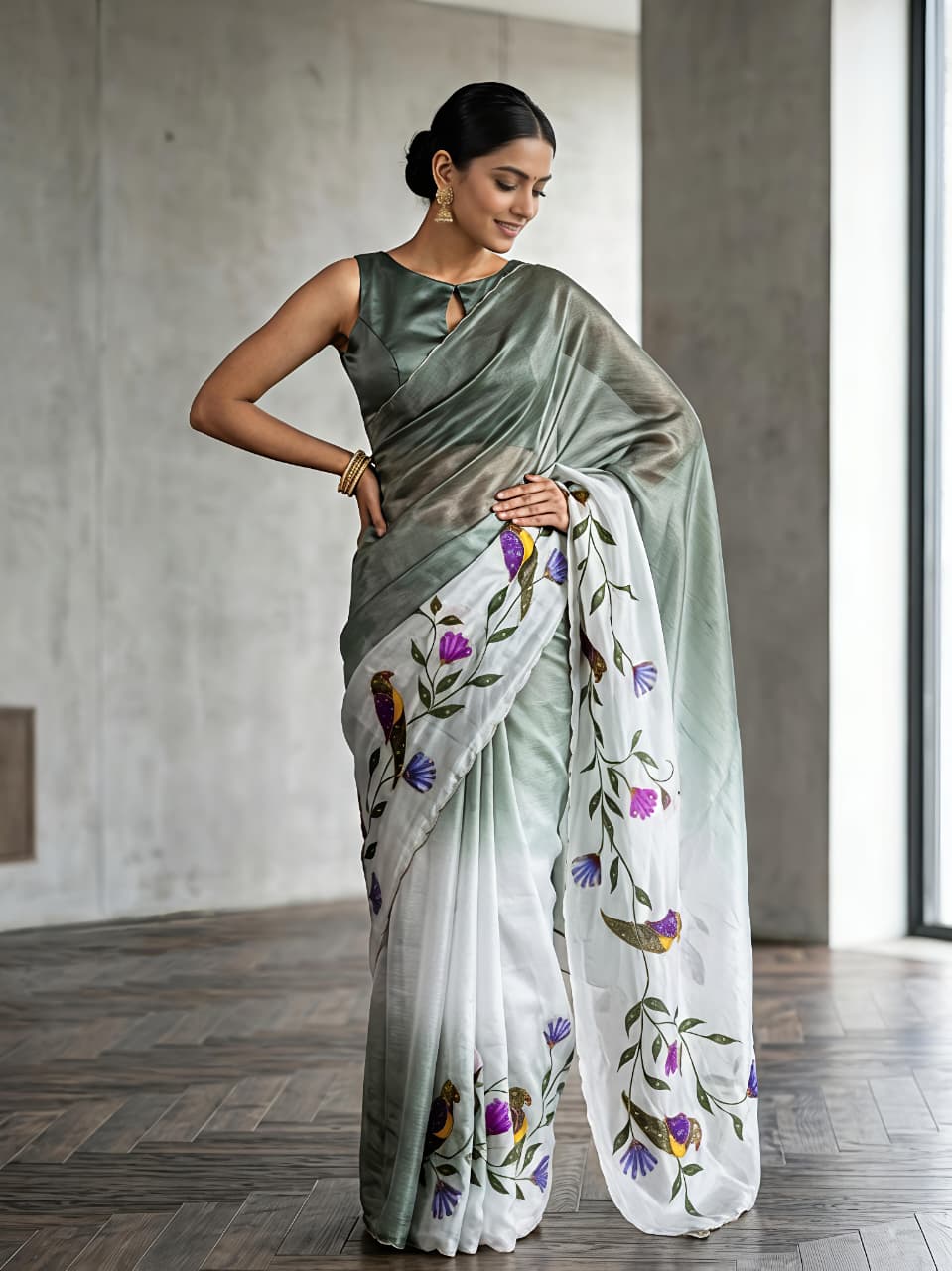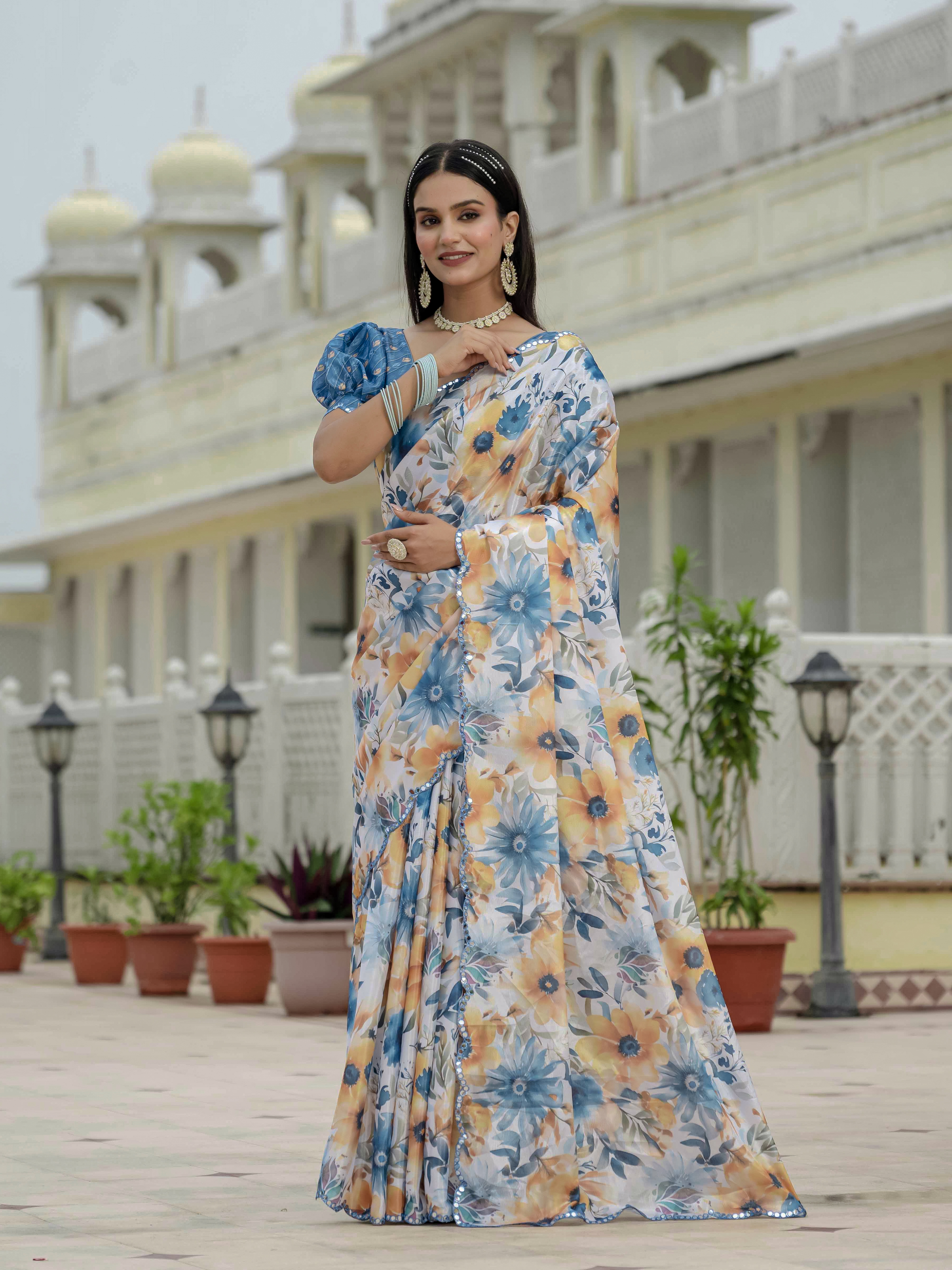
Maharashtrian Traditional Dress for Women: Nauvari & Paithani Guide begins with two garments that serve different purposes: the practical nine-yard Nauvari saree and the richly woven Paithani saree. Both carry regional history, but they don't create the same silhouette, require the same drape, or suit every traditional occasion equally. Understanding fabric, pleat placement, blouse proportions, jewellery and footwear makes a Maharashtrian look feel authentic rather than assembled from unrelated festive pieces.
What makes Maharashtrian women's dress distinctive?
Maharashtrian women's traditional dress is distinctive because it combines a functional lower-body drape with identifiable silk weaving, regional jewellery and strong colour symbolism. The Nauvari saree divides fabric between the legs for ease of movement, while Paithani silk is recognised for handwoven zari, peacock motifs and a contrasting pallu.
The visual language developed across different communities and regions of Maharashtra. A woman from a farming or warrior tradition may wear a Nauvari draped in a way that supports walking, riding or physical work. A bride, older family member or guest at a formal ceremony may choose a Paithani or Paithani-inspired saree because the fabric communicates ceremony, prosperity and lineage.
Traditional styling usually includes a fitted blouse, a neat hair arrangement, a crescent-shaped or round bindi, green glass bangles and gold-toned ornaments. The familiar nath, or Maharashtrian nose ring, often provides the most immediately recognisable detail. A mundavalya worn by the bride and groom is associated particularly with Maharashtrian wedding rituals rather than general festive dressing.
Maharashtrian Traditional Dress for Women: Nauvari & Paithani Guide
The Nauvari and Paithani represent two complementary traditions: Nauvari is a nine-yard saree designed around mobility, while Paithani is a luxury silk associated with elaborate borders, pallu designs and ceremonial dressing. An useful choice depends on the wearer's movement, the formality of the event and the desired regional reference.
How does a Nauvari saree work?
A Nauvari saree works by passing the central portion of the fabric between the legs and securing it at the waist, creating a trouser-like lower drape beneath the remaining saree folds. The style is also called kashta or lugada in some contexts, although names and tying methods vary by region and community.
The standard Nauvari requires approximately nine yards of fabric, compared with the commonly used five-and-a-half to six-and-a-half yards for a regular saree. The extra length allows the fabric to form a secure back tuck, a front pleated section and an upper-body pallu. Some contemporary versions use pre-stitched panels, elasticated waists or attached hooks, but a traditionally tied Nauvari remains adjustable and more adaptable to different body proportions.
Begin with a saree petticoat or fitted lower garment that doesn't add bulk at the thighs. Tuck one end at the centre back, bring the fabric around the waist, and form the leg division before arranging the front pleats. The pallu then travels over one shoulder. A trained draper is valuable for a first attempt because the tension at the waist and the length of the back tuck determine whether the saree stays secure while walking.
When is Paithani the better choice?
Paithani is the better choice for formal weddings, religious ceremonies, milestone celebrations and events where a polished silk saree is expected. Paithani weaving traditionally uses silk and zari, with a richly patterned pallu and border that may feature peacocks, parrots, flowers or geometric forms.
Authentic Paithani silk can be expensive because the price reflects yarn quality, zari content, weaving time and the complexity of the motif. Paithani-style fabrics offer a more accessible way to use familiar colour combinations and border vocabulary, although a style label doesn't necessarily mean the fabric was woven in Yeola, the Maharashtra town strongly associated with Paithani production.
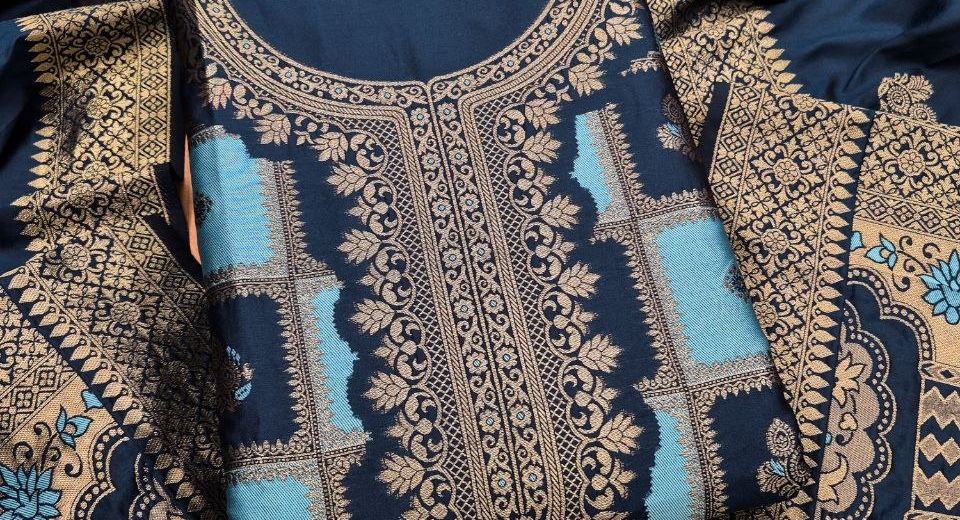
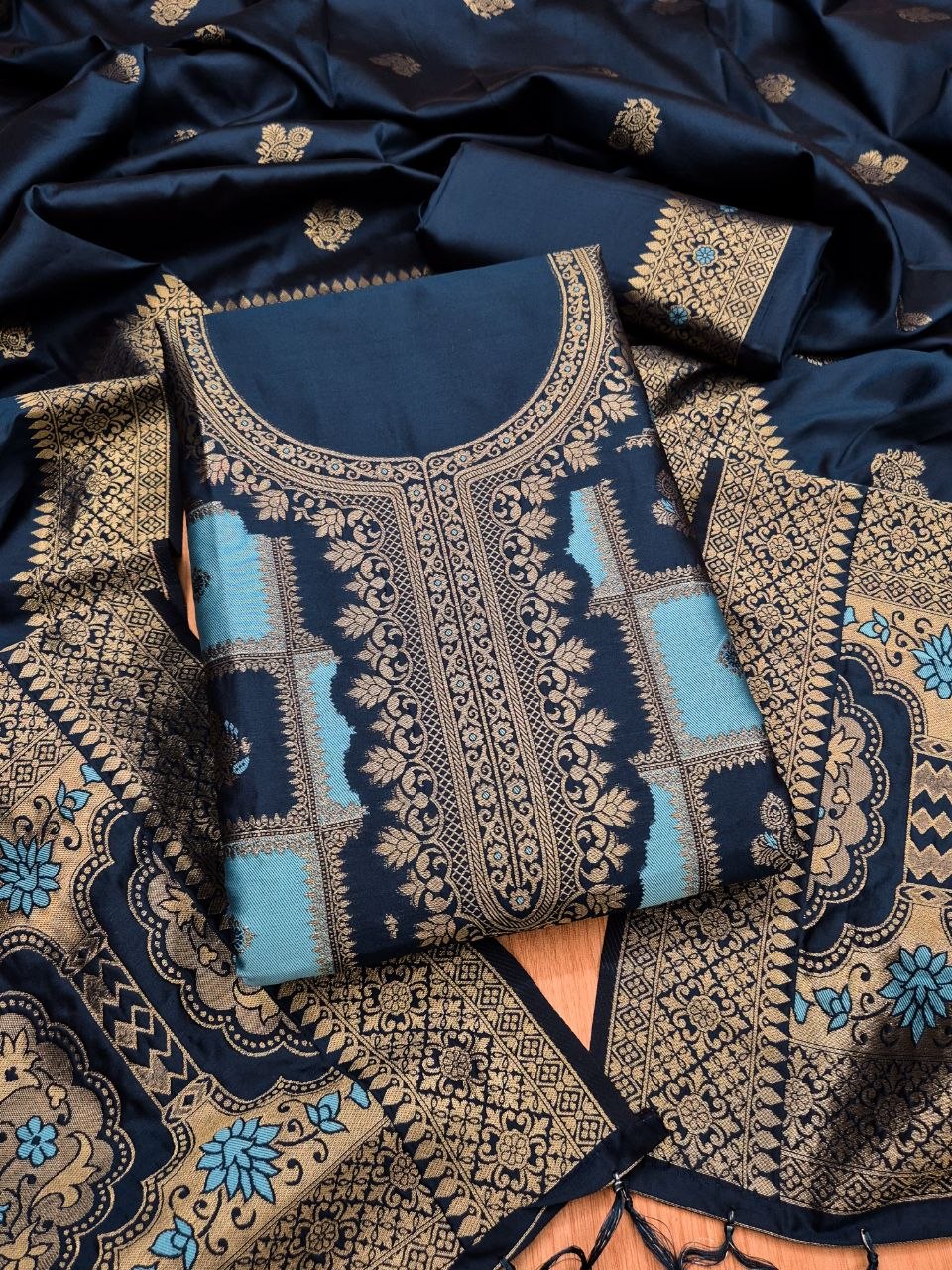
Unstitched suit materials with Paithani-style zari weaving can also translate the visual character into a salwar suit. Navy Blue Paithani Style Zari Woven Unstitched Suit brings a deep base for gold jewellery, while Peach Paithani Style Zari Weave Unstitched Suit creates a softer palette for daytime family functions. These choices are not replacements for a saree when a strict dress code requires one, but they can extend Maharashtrian-inspired dressing into a practical salwar silhouette.
Nauvari and Paithani styling for different traditional occasions
The right Maharashtrian outfit depends on whether the event prioritises movement, ritual importance, daytime comfort or formal presentation. A wedding ceremony, Haldi ceremony, Ganesh Chaturthi gathering and cultural performance each allow a different balance of fabric weight, jewellery and drape complexity.
Wedding ceremonies
A Paithani saree or a carefully draped Nauvari suits a Maharashtrian wedding, with the final decision guided by the wearer's role. Brides may use a traditional Paithani in green, yellow, red or purple, while relatives and guests can choose lighter silk blends, Paithani-style textiles or coordinated salwar suits.
A Nauvari gives a bride a strong traditional silhouette, particularly when paired with a fitted choli, traditional nath, thushi necklace, green glass bangles and a bun decorated with jasmine. Gold jewellery should be distributed across the face, neck, ears and wrists rather than concentrated in one oversized piece. The result looks more coherent when the saree border, blouse and jewellery share one metallic tone.
Haldi ceremony and daytime celebrations
A lighter Nauvari, cotton saree or breathable Paithani-style textile is practical for a Haldi ceremony because it permits movement and handles a warm outdoor setting better than heavily layered silk. Yellow, turmeric, green, coral and peach work naturally with the colour story of a Haldi ceremony.
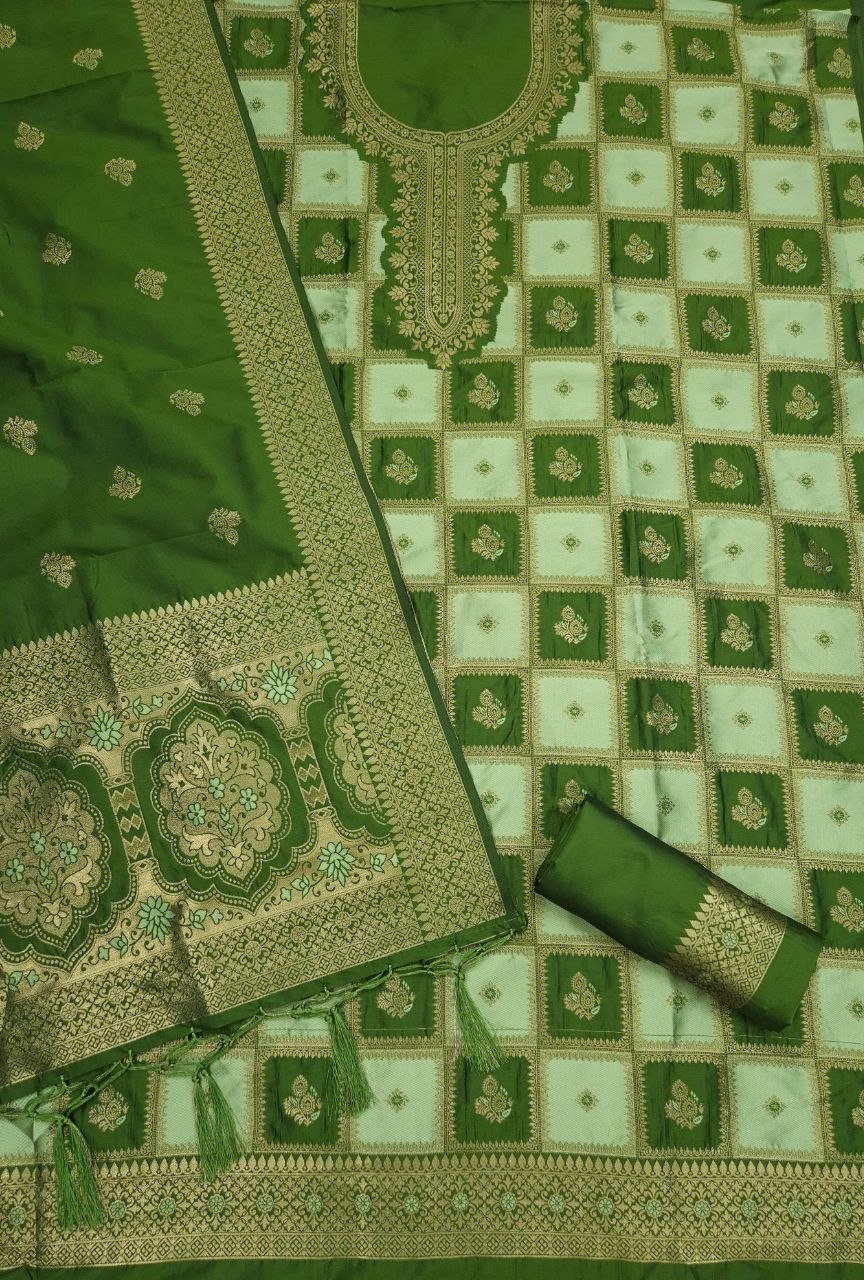
Green Paithani Style Zari Woven Unstitched Suit Material can be tailored into a straight-cut kameez or an anarkali with a narrow zari border for a less restrictive daytime outfit. Mint Green Paithani Style Zari Woven Unstitched Suit Material offers a cooler alternative when the event includes travel, extended sitting or several hours of socialising.
Religious festivals and cultural programmes
A regular saree with a Paithani border or a modest Nauvari is suitable for religious festivals and cultural programmes because both options preserve movement and a recognisable regional identity. Keep the pallu secure with discreet pins, especially during aarti, dancing or stage performances.
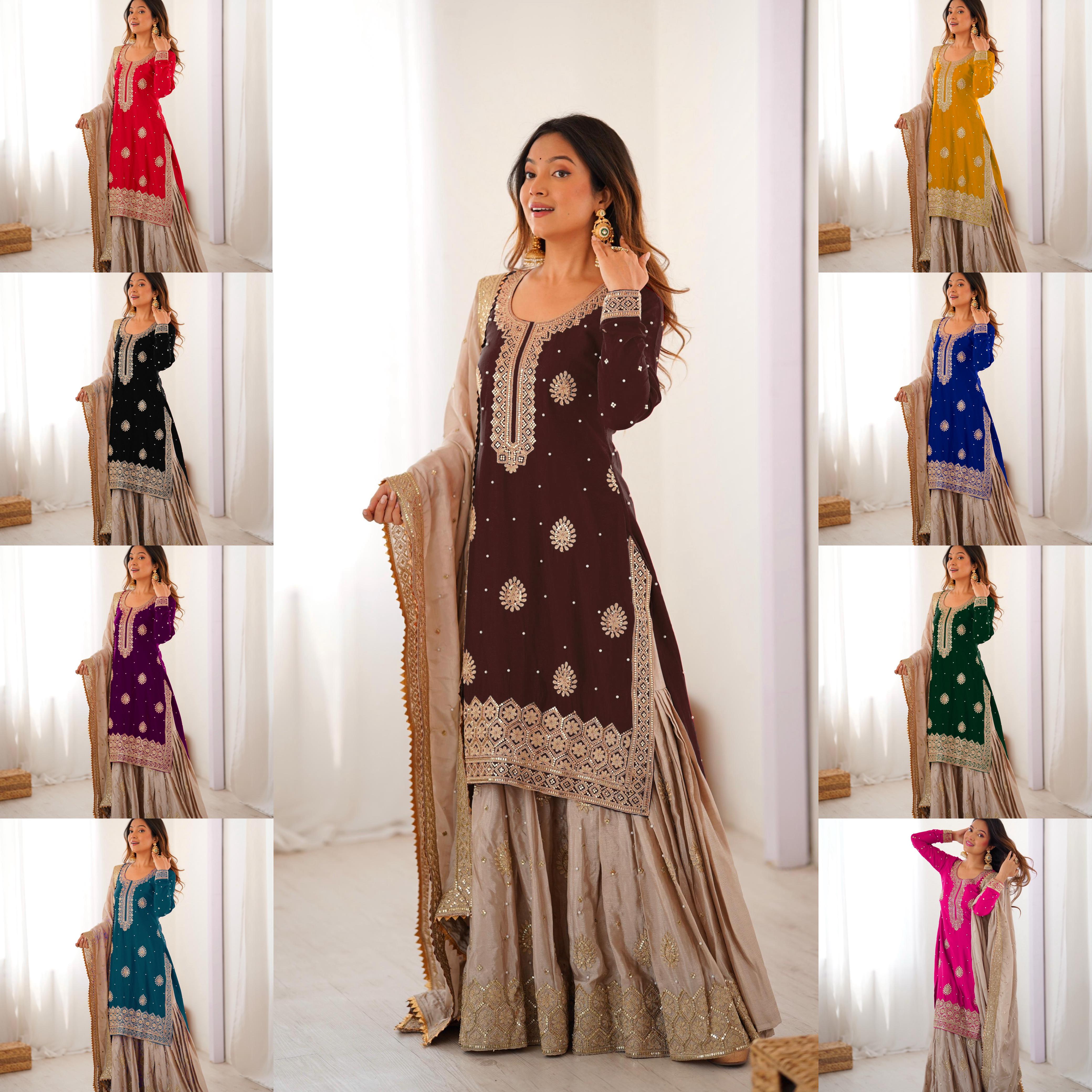
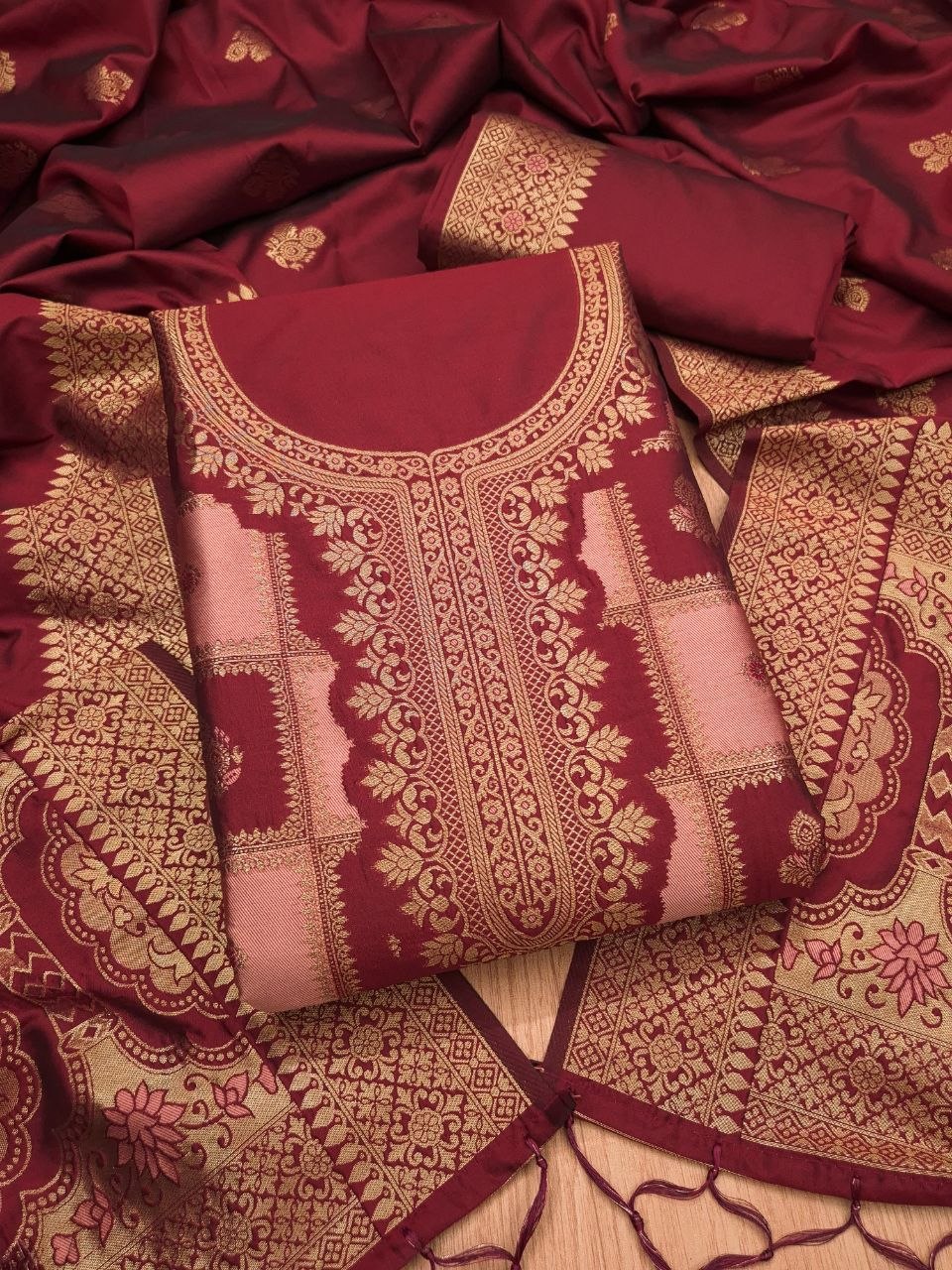
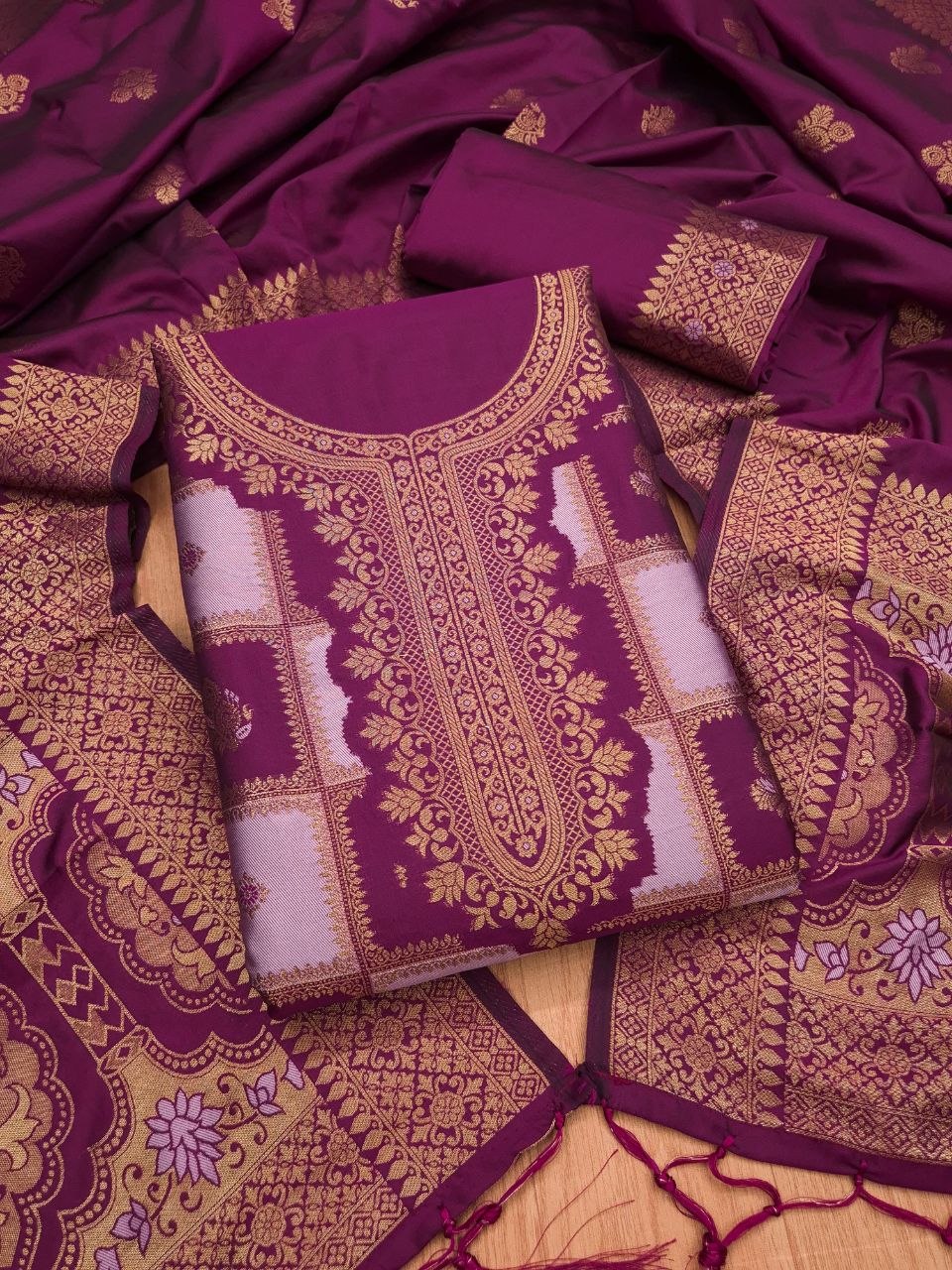
Royal Purple Paithani Style Zari Woven Unstitched Suit Material works well for an evening cultural programme when paired with a plain blouse or kurta lining that doesn't compete with the zari. Maroon Paithani Style Zari Woven Unstitched Suit Material gives a deeper festive effect for winter gatherings and evening puja, while the tailoring can be adjusted for a full sleeve or a more conservative neckline.
How should a Nauvari or Paithani outfit be accessorised?
A Nauvari or Paithani outfit should be accessorised with a nath, gold-toned necklaces, green bangles, earrings, a bindi and a neatly arranged hairstyle, adding pieces according to the event rather than wearing every traditional ornament at once.
The thushi is a close-set necklace made from small gold beads, and the kolhapuri saaj is a pendant necklace associated with Maharashtra. A putli haar uses coin-like motifs, while a tanmani is a short necklace often recognised by its central pendant. These necklaces create different visual weights, so a broad Paithani border usually benefits from one substantial necklace and one shorter layer instead of multiple long chains.
The traditional nath often has a curved profile with pearls or coloured stones. A clip-on nath is an easier option for occasional wear and avoids the discomfort of a pierced ornament. Green glass bangles are widely associated with Maharashtrian bridal styling, but gold bangles, patlya and understated metal bracelets can create a quieter look for guests.
Hair should remain secure under the weight of flowers and ornaments. A low bun decorated with jasmine is classic, while a centre-parted braid can suit a Nauvari drape. Choose footwear with a firm sole and a low heel; narrow high heels can catch in the extra fabric of a nine-yard saree and reduce the practical advantage of the drape.
Which colours and fabrics suit Maharashtrian traditional dressing?
Green, purple, red, maroon, yellow, peach and deep blue suit Maharashtrian traditional dressing because these shades work with gold zari and appear frequently in festive silk palettes. Fabric choice should reflect the duration, temperature and activity level of the event.
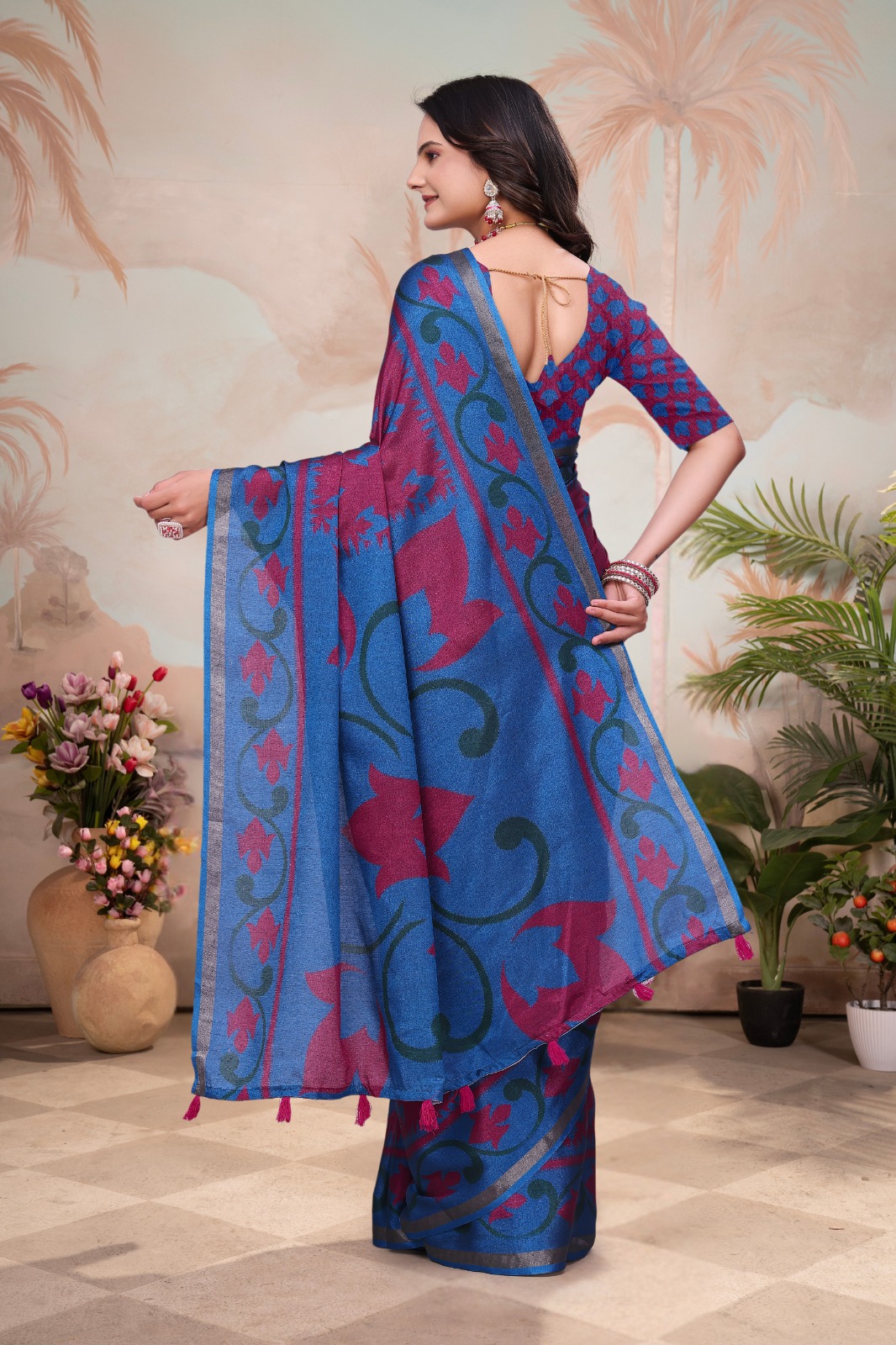
Silk gives Paithani sarees and Paithani-style textiles their formal structure, but silk can feel warm in crowded indoor venues. Cotton, cotton-silk and lighter synthetic blends are more comfortable for daytime use, although the fall and shine will differ from pure silk. Zari may be made from genuine metal-coated thread or metallic imitation yarn, so buyers should check the fabric description rather than assuming that every golden border contains real gold or silver.
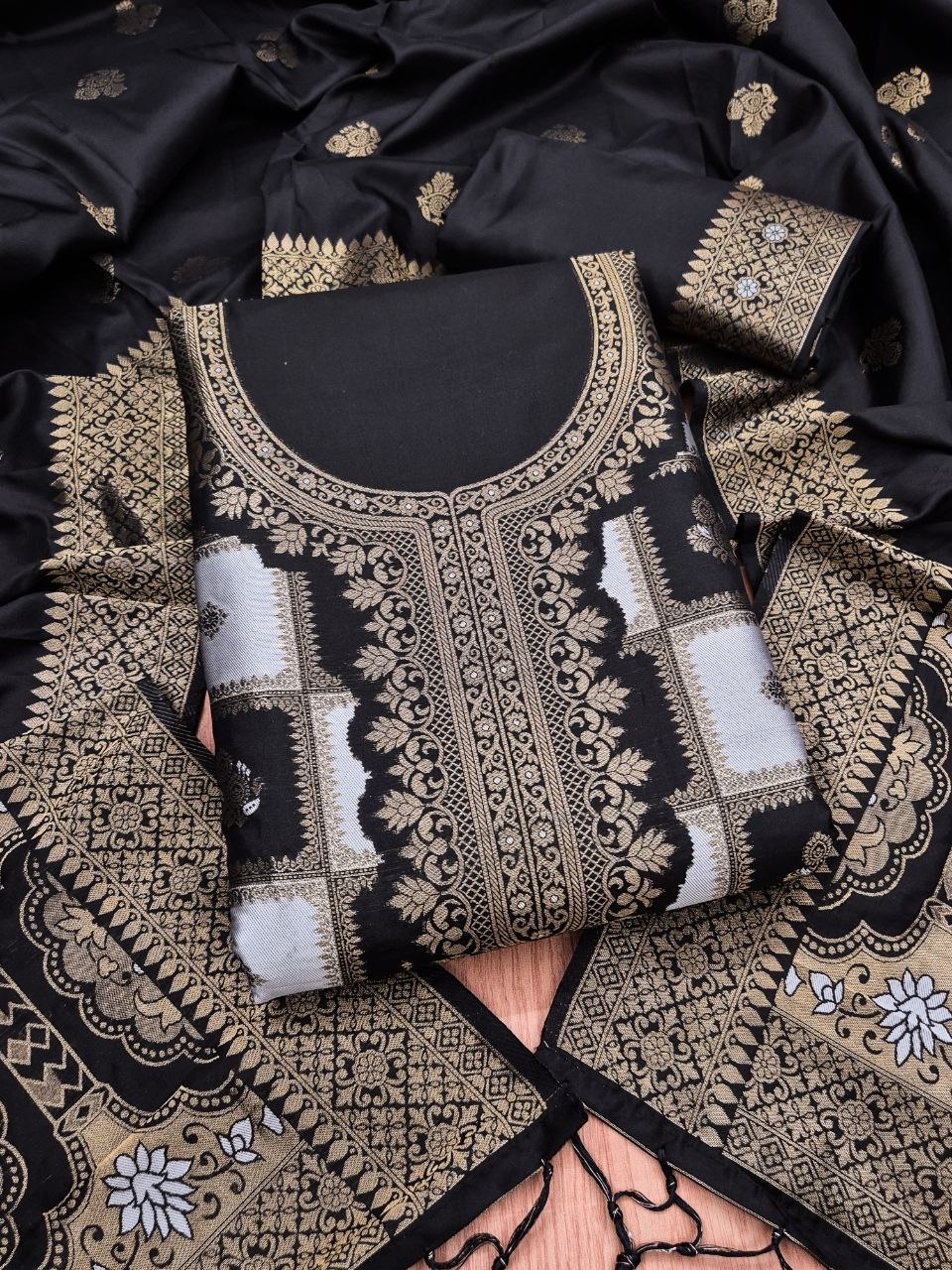
Black Paithani Style Zari Woven Unstitched Suit Material can create a dramatic evening look when balanced with a plain blouse, antique-gold accessories and a bright bindi. Pistachio Green Paithani Style Zari Woven Unstitched Suit Material is gentler for daytime family events. The garment should be lined according to the final silhouette, especially if the material will become a fitted kameez, because lining affects opacity, drape and comfort.
Regional comparison can also help place Maharashtrian clothing within India's wider textile landscape. Traditional Goa Dress for Women often reflects coastal fabrics and Portuguese-influenced styling, while Traditional Uttarakhand Dress for Women and Traditional Himachal Dress for Women use mountain-region silhouettes and ornament traditions. Sikkim Traditional Women's Dress Collection and Traditional Northeast Indian Dress Occasion Collection represent other regional approaches to festive dress, but they should not be treated as interchangeable with Nauvari or Paithani styling.
Buying and fitting advice for a traditional Maharashtrian outfit
A good traditional Maharashtrian outfit begins with checking fabric width, total length, zari details, tailoring allowance and the event's dress expectations. Product names that include Paithani style may refer to a design language rather than a handwoven Paithani saree, so the construction should be verified before purchase.
For an unstitched suit, measure the bust, shoulder, armhole, sleeve length, kurta length and trouser or palazzo length before sending fabric to a tailor. Keep at least 2.5 to 3 centimetres of seam allowance at major seams when the fabric permits. A heavily embellished border needs a cutting plan: place the zari at the hem, sleeve edge or dupatta border before the tailor cuts the panels.
For a Nauvari, check the total yardage and width, then practise the drape at least one week before the event. Wear the intended blouse and footwear during the trial. Sit on a chair, climb a few steps and walk for five minutes; these simple tests reveal whether the back tuck, front pleats or pallu needs adjustment.
For a Paithani saree, examine the reverse side of the pallu and border for loose threads, abrupt motif changes and uneven tension. Handmade variation isn't automatically a defect, but major pulls, broken zari or weak selvedges can worsen during use. Ask whether the saree has been folded with tissue paper and whether the zari requires special storage.
Care instructions for Paithani silk and zari textiles
Paithani silk and zari textiles should be dry-cleaned when necessary, aired after wear and stored folded in breathable cotton rather than sealed in plastic for long periods. Direct sunlight, moisture and perfume are common causes of fading, tarnishing and fibre damage.
don't spray perfume, hairspray or deodorant directly onto silk or zari. Allow perspiration to dry before folding the garment. Refold a saree every few months so that a permanent crease doesn't form along one line. Acid-free tissue or clean muslin between folds helps reduce friction and protects metallic surfaces.
Store a Nauvari without compressing the leg pleats under heavy garments. Store an unstitched suit material flat or loosely rolled after confirming that the zari is completely dry. If turmeric, oil or food falls on the fabric, avoid rubbing the mark; blot gently with a clean, dry cloth and take the garment to a professional cleaner.
Why the Nauvari and Paithani remain relevant
The Nauvari and Paithani remain relevant because they offer two different answers to modern festive dressing: one prioritises movement and embodied tradition, while the other preserves the visual richness of silk, zari and ceremonial craft. Neither needs to be worn only in its most elaborate form.
A beginner can start with a Paithani-inspired salwar suit, a simple nath and a green bangle stack before attempting a full Nauvari drape. An experienced wearer can select a handwoven Paithani for a wedding or use a cotton Nauvari for a cultural performance. The strongest look respects the garment's construction, gives the wearer room to move and uses jewellery as context rather than costume.
Maharashtrian Traditional Dress for Women: Nauvari & Paithani Guide therefore comes down to informed choices. Select Nauvari when the nine-yard drape and freedom of movement matter; select Paithani when silk, zari and formal presentation are central; and use Paithani-style unstitched fabrics when a salwar suit brings the most dependable fit for the celebration.
Common Questions About Nauvari, Paithani and Maharashtrian Festive Dress
What is the difference between a Nauvari saree and a Paithani saree?
A Nauvari is a nine-yard saree draped between the legs to create a mobile, trouser-like lower silhouette. A Paithani is a silk saree known for zari borders, patterned pallus and ceremonial use; a Paithani can be worn in a conventional saree drape or adapted for some regional styles.
Can beginners wear a Nauvari saree comfortably?
Beginners can wear a Nauvari comfortably after practising with a trained draper or using a pre-stitched version. The wearer should test walking, sitting and climbing stairs before the event because waist tension and pleat placement determine security.
What jewellery is traditionally worn with a Maharashtrian saree?
Traditional jewellery may include a nath, thushi, tanmani, kolhapuri saaj, putli haar, green glass bangles and gold earrings. Wearing one prominent necklace, a nath and coordinated bangles usually looks more balanced than combining every ornament at once.
Which colours are suitable for a Maharashtrian wedding outfit?
Green, yellow, red, purple, maroon, peach and deep blue are suitable Maharashtrian wedding colours because they complement gold zari and festive jewellery. The bride's family customs and the wedding ritual may influence whether a particular shade is preferred.
Is Paithani-style fabric the same as an authentic Paithani saree?
Paithani-style fabric is not automatically the same as an authentic handwoven Paithani saree. A genuine Paithani should be evaluated through its weaving origin, silk quality, zari details, motif construction and documentation, while a style fabric may simply reproduce the colour and border vocabulary.
How should a Paithani saree or zari suit material be stored?
Store Paithani silk and zari textiles folded in clean cotton or muslin, away from sunlight and moisture. Refold the garment periodically, avoid plastic for long-term storage and use professional dry cleaning when cleaning is required.