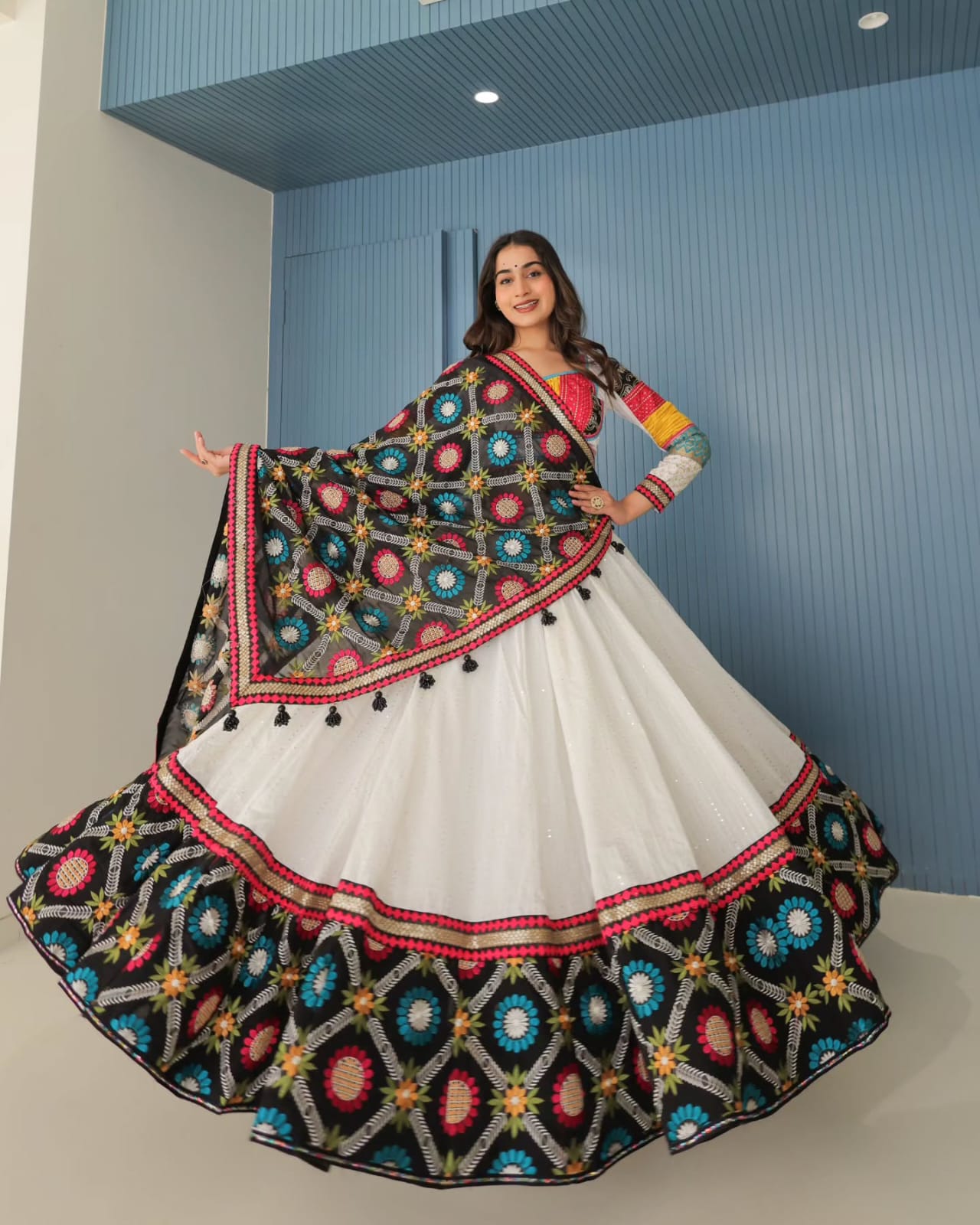
Maharashtrian Saree Colours & Traditional Styling Ideas become easier to apply when colour, drape and ceremony are considered together. A bright green saree can suggest prosperity for a wedding, turmeric yellow suits a Haldi ceremony, and deep maroon gives cotton or silk a more formal presence. Traditional Maharashtrian dressing can take the form of a nine-yard Nauvari saree, a six-yard saree with regional accessories, or a simpler festive outfit that still feels culturally grounded.
Colour alone doesn't create a Maharashtrian look. The recognisable details include the Kashta or Nauvari tuck, a fitted choli, the nath, green glass bangles, a thushi necklace, a round bindi and hair arranged in a bun or braid with flowers. The styling guidance below explains how to combine those elements without making the outfit uncomfortable or visually crowded.
Maharashtrian Saree Colours & Traditional Styling Ideas for Choosing the Right Shade
Green, yellow, red, maroon, orange and blue are practical Maharashtrian saree colours because they carry festive meaning while offering clear options for different times of day. The right shade depends on the ceremony, fabric, border and amount of jewellery you plan to wear.
Green represents prosperity and works across ceremonies
Green is associated with fertility, renewal and good fortune, making green sarees suitable for engagements, weddings, religious festivals and family rituals. Bottle green looks rich with antique-gold zari, while parrot green and leaf green create a lighter daytime effect. Traditional Bottle Green Patola Border Silk Saree works naturally with a gold or rust blouse, a close-fitting thushi necklace and green bangles.
For a daytime puja, choose green cotton or light silk with a restrained border and keep the jewellery close to the face. For an evening wedding, deep green can carry a broader zari border, a nath and layered necklaces. Green also photographs well against marigold decorations because warm yellow flowers create complementary contrast.
Yellow and saffron suit rituals and daytime celebrations
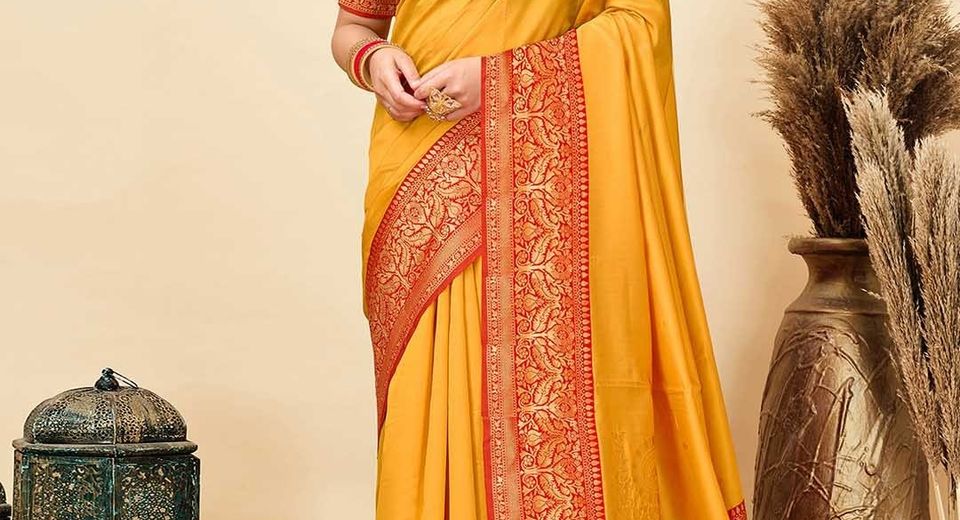
Yellow is a strong choice for a Haldi ceremony because it echoes turmeric and looks lively in natural light. Saffron, mustard and kesari offer the same warmth with a more mature finish for a traditional wedding or Gudi Padwa gathering. Elegant Yellow Silk Saree with Traditional Red Weave shows why a red border or red blouse makes yellow look distinctly festive rather than casual.
Yellow works well with gold-toned jewellery, mogra flowers and a red or green bindi. Avoid combining several additional colours in the blouse, dupatta and jewellery because yellow already has high visual brightness. A simple red blouse, green bangles and a neat bun provide enough contrast for a ceremony-ready outfit.
Red, maroon and orange add formal depth
Red signals celebration and marital auspiciousness, while maroon gives red a deeper and more formal character. Orange and rust bring warmth to handloom cotton and silk without the intensity of pure scarlet. Red sarees with gold borders suit wedding rituals, whereas maroon cotton feels composed for a temple visit, family function or evening cultural programme.
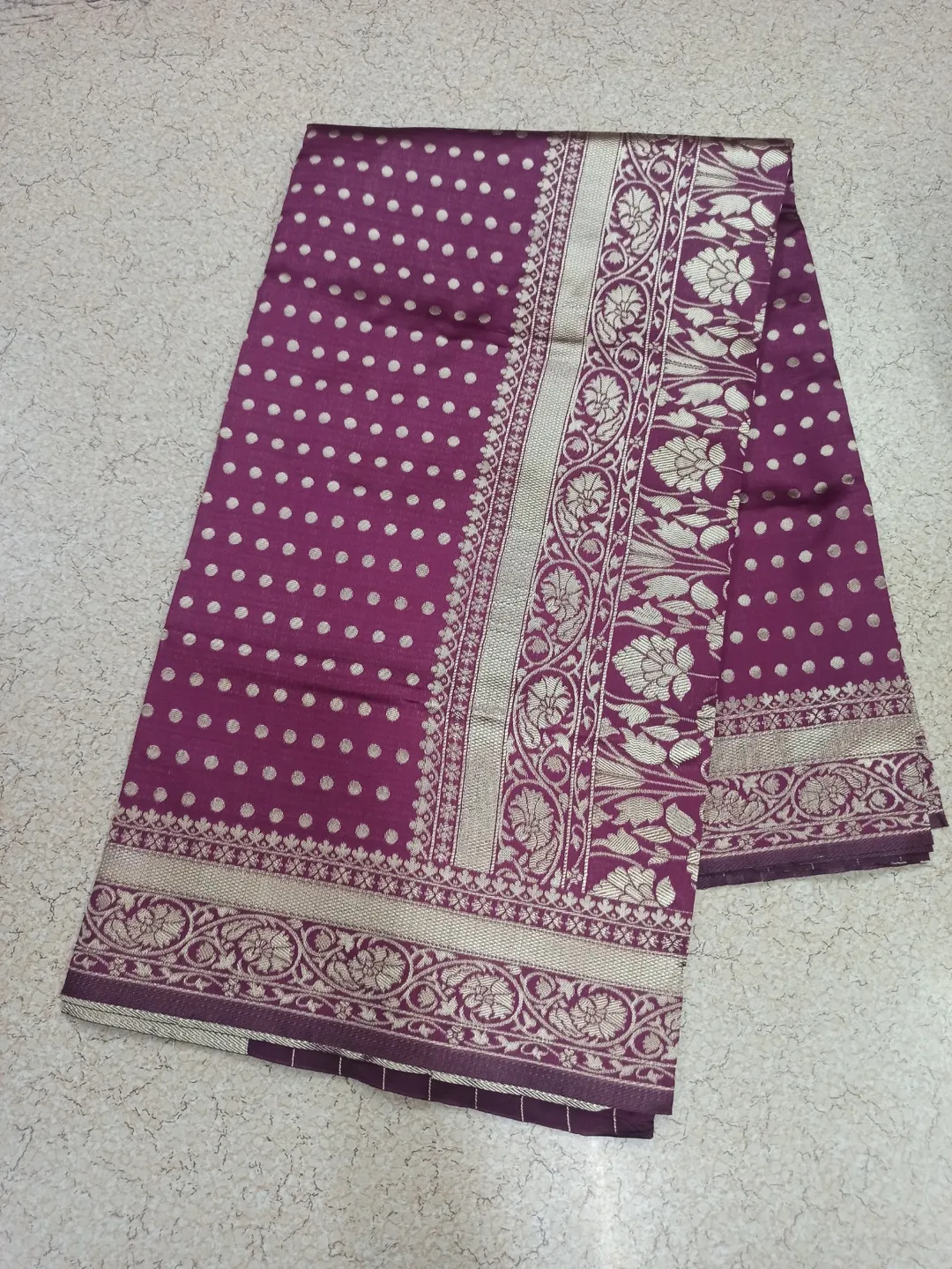
Maroon looks effective with a mustard, antique-gold or bottle-green blouse. Maroon Mal Cotton Ethnic Saree With Blouse illustrates a grounded festive direction: cotton keeps the saree breathable, while the deep colour allows traditional jewellery to stand out. Use a smaller nath and fewer necklaces when the saree already has a noticeable border.
Maharashtrian Saree Colours & Traditional Styling Ideas for the Nauvari Drape
The Kashta or Nauvari drape gives a saree its most recognisable Maharashtrian silhouette by passing the lower pleats between the legs and securing them at the back. The arrangement allows more movement than a conventional Nivi drape. A traditional Nauvari generally uses about nine yards of fabric, although pre-stitched and adapted versions vary.
In a classic Kashta arrangement, the centre pleats are tucked between the legs, the back portion is secured at the waist, and the remaining fabric crosses the torso before falling over the shoulder. The exact tuck differs by region, family custom and whether the wearer prefers a dhoti-style or more modest interpretation. The lower edge should sit securely above the ankle so walking, sitting and climbing stairs remain safe.
Preparing the saree before draping
Pre-pleating the front section saves time and creates a cleaner Nauvari finish. Mark the approximate centre, make even pleats of 3 to 4 inches, and use two concealed safety pins only after checking that the fabric passes comfortably between the legs. Cotton usually holds a tuck more firmly than slippery silk, while soft silk may need a thin underskirt or fitted leggings for stability.
Wear a fitted blouse with sleeves that allow arm movement, and choose a cotton or silk petticoat only if the drape requires extra support. A regular six-yard saree can also be styled in a Maharashtrian-inspired manner with a front pleat arrangement, a shoulder pallu and traditional accessories when a full nine-yard drape is impractical. Comfort matters because the wearer should participate in rituals instead of repeatedly adjusting the saree.
When a regular saree is the better choice
A conventional five-and-a-half or six-yard saree is better for prolonged sitting, travel, formal dining or a fitted contemporary blouse. Blue Red Ikat Silk Saree Online with Zari | Varnavi supports a traditional styling direction through its red-and-blue contrast, zari detail, nath and bun even when worn in a familiar Nivi drape.
Choose the Nauvari drape for movement, folk performances, wedding rituals or a strongly regional visual identity. Choose the regular drape for office-friendly festive wear, long receptions and sarees whose border or pallu should remain fully visible. Both options can look Maharashtrian when the accessories, blouse and hair are coordinated thoughtfully.
Maharashtrian Saree Colours & Traditional Styling Ideas for Blouses and Borders
The blouse should repeat one colour from the saree border or pallu while providing enough contrast to define the upper body. A red blouse with yellow, a rust blouse with bottle green, and a green blouse with maroon are reliable combinations because each pairing has one dominant colour and one supporting colour.
For a traditional wedding, elbow-length sleeves, a close round neck and a well-fitted back create a balanced silhouette. A square neck or modest V-neck can work for a contemporary traditional look, but the blouse should not compete with a heavy zari pallu. A blouse with a subtle woven border is often more versatile than one covered in sequins, especially when the saree already has Patola-style patterning or jacquard detail.
Matching contrast without making the outfit busy
Use a three-colour limit for a coordinated ensemble: one dominant saree colour, one blouse or border contrast, and one metallic or floral accent. Red, yellow and gold form a classic festive group. Green, maroon and antique gold create a deeper wedding palette. Blue, red and gold provide a more contemporary interpretation of traditional contrast.
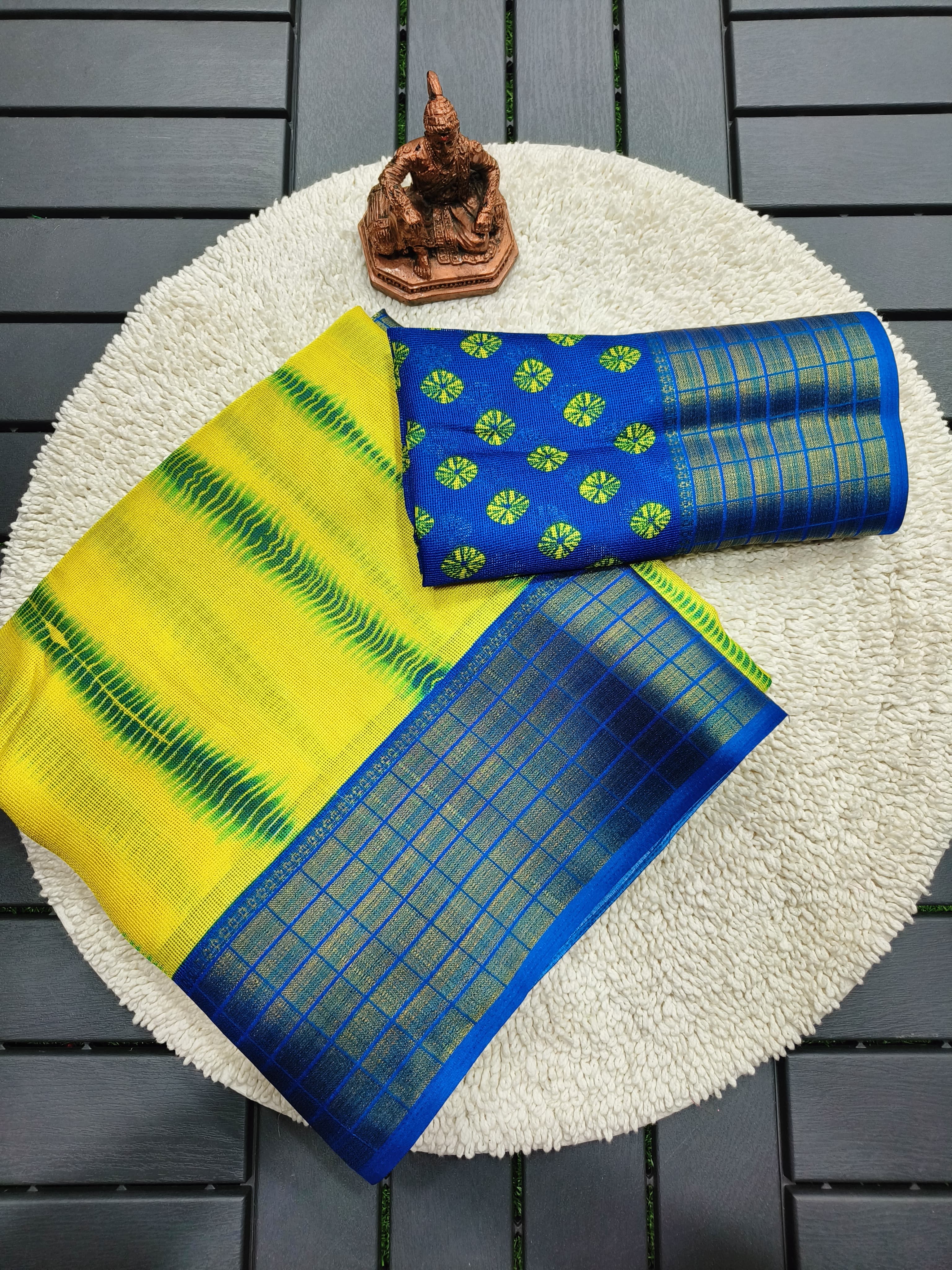
Red Yellow Soft Lichi Silk Saree with Rich Pallu & Jacquard Border already contains strong colour movement and surface detail. Pair the saree with a plain red, yellow or muted-gold blouse instead of adding a heavily printed blouse. Let the pallu fall over the left shoulder with the border visible, and press the front pleats sharply enough to show the weave.
Traditional styling without a conventional blouse
Traditional styling without a conventional blouse is possible when the garment underneath provides secure coverage and support. A fitted choli, high-neck crop top or structured sleeveless blouse can replace a standard short-sleeved blouse, but a loose top may shift during a Nauvari drape or ritual.
For a conservative look, use a blouse with elbow-length sleeves and a high back. For a current family function, a solid-colour structured top can work when its neckline and fabric relate to the saree. Check the shoulder seams, neckline, fabric breathability and armroom before wearing the outfit for several hours.
Maharashtrian Saree Colours & Traditional Styling Ideas for Jewellery and Beauty
Traditional Maharashtrian jewellery completes the look through recognisable forms rather than the total weight of gold. A nath, thushi necklace, tanmaniya pendant, green glass bangles, patlya or traditional gold bangles, jhumkas and a round or crescent bindi are useful building blocks.
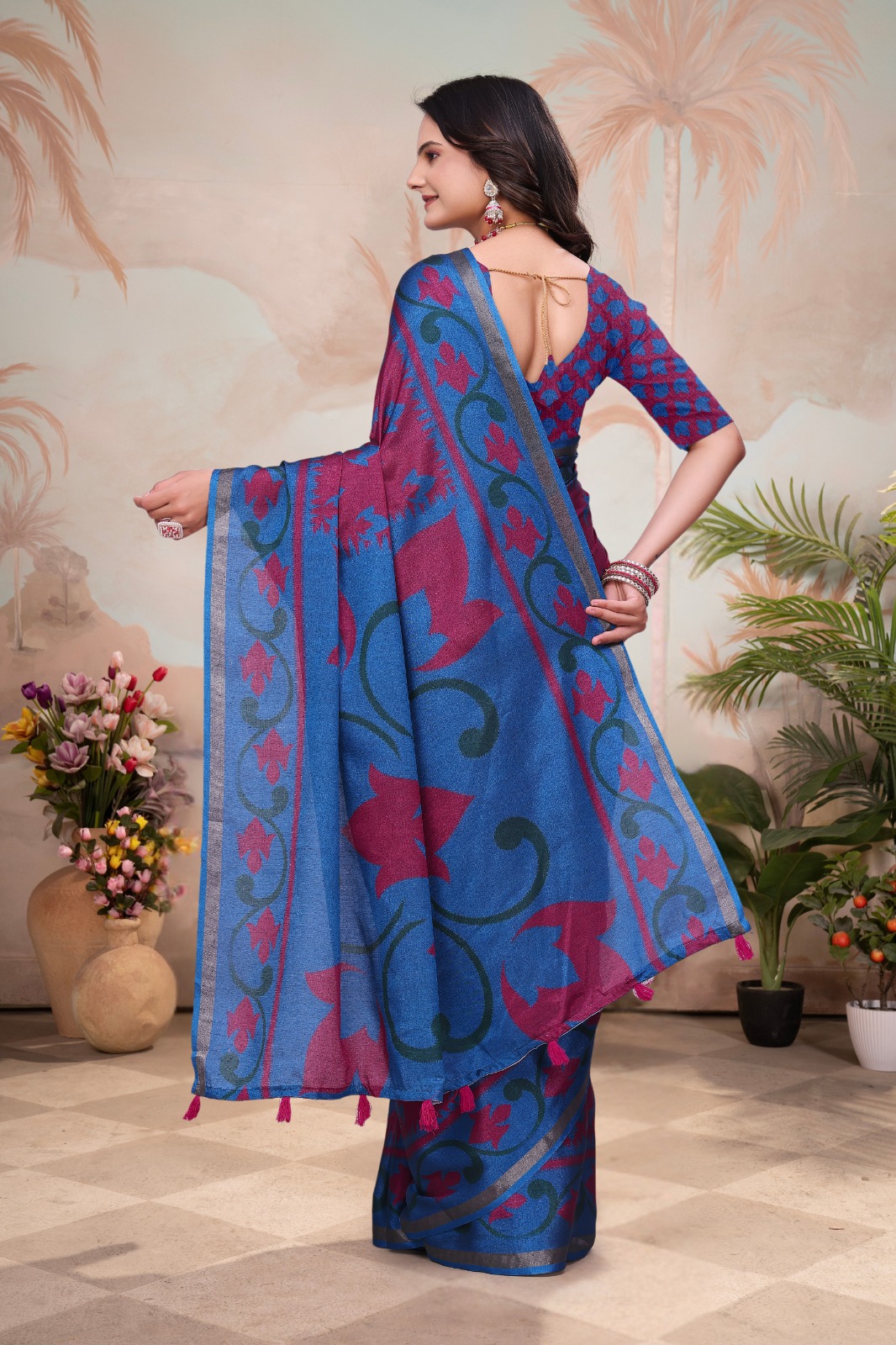
Wear a nath for a wedding, engagement or major festival and choose a smaller nose ring for a long daytime function. A thushi necklace sits close to the neck and suits a high or round blouse neckline. A longer tanmaniya pendant adds vertical length when the blouse is plain. Green bangles are particularly effective with yellow, red and maroon sarees because they introduce a familiar Maharashtrian colour accent.
Hair, flowers and makeup
A low bun, braided bun or neatly pinned braid keeps the pallu and jewellery visible. Mogra gajra adds fragrance and traditional softness, while a smaller flower arrangement is more practical for travel or a long ceremony. A centre-parted hairstyle with a small bindi creates a stronger classic effect than loose waves, which can hide the nath and shoulder drape.
Keep the makeup warm and durable with waterproof kajal, soft gold or brown eye makeup, a defined red or berry lip and a setting spray. A bright red bindi works with yellow, green and maroon, while a dark maroon bindi suits rust, red and deep blue. Avoid excessive highlighter if the saree includes zari because metallic threads already reflect strong light.
Maharashtrian Saree Colours & Traditional Styling Ideas for Fabrics and Shopping
Fabric determines how a traditional saree behaves, so the most attractive colour isn't always the most practical choice. Cotton is breathable and easier to pleat, silk holds a formal shape and reflects light, while soft printed or blended sarees are often easier for travel and repeated festive use.
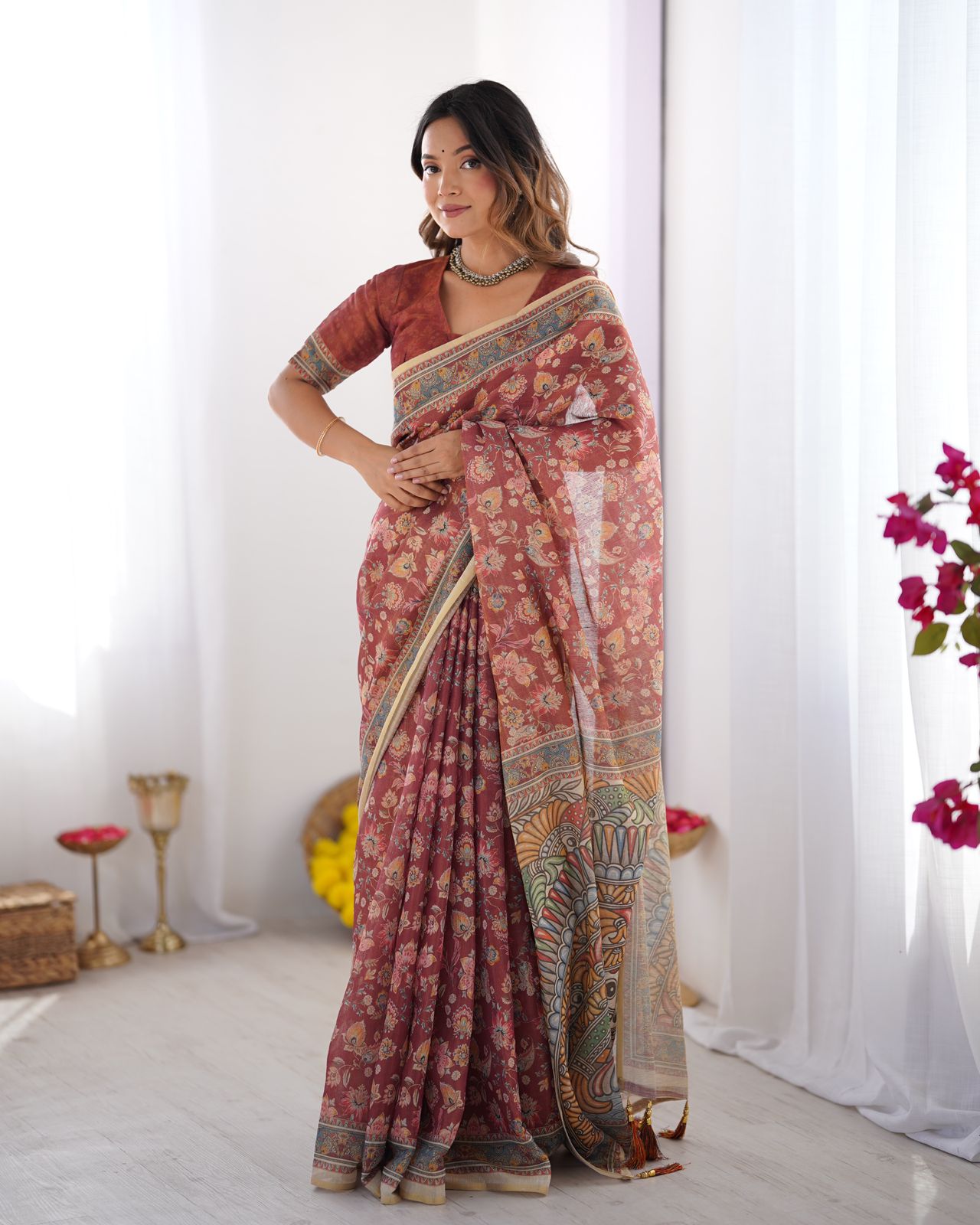
Rust Maroon Handloom Cotton Saree with Floral Print and Traditional offers an useful direction for daytime cultural events because the rust-maroon palette has depth without the weight of heavy silk. Traditional Digital Print Pashmina Saree with Shawl is more suited to cooler weather or a dressier winter gathering, where the accompanying shawl can reinforce the colour story without adding another printed layer.
Online shoppers comparing traditional sarees should check the stated length, blouse-piece inclusion, fabric composition, border construction and care instructions. A nine-yard Nauvari requires different measurements from a standard six-yard saree. A saree listed as silk may refer to several different silk categories, so read the product specification instead of assuming that every silk has the same weight or sheen.
Collection browsing can also be organised by budget and event. Silk Sarees Under 3000 With Discount may help with an affordable festive silk search, while Red Banarasi Silk Sarees for Weddings Under 1100 gives a strong red-and-gold direction for wedding guests. Pink Georgette Sarees suit a softer reception palette, and Party Wear Sarees can provide alternatives when a full regional drape isn't required.
Gray Color Sarees Under 1000 can work for a contemporary traditional look when paired with a green blouse, gold jewellery and a red bindi. The combination demonstrates that Maharashtrian styling doesn't require every garment to be bright. A neutral saree can carry the regional identity through the drape, nath, bangles, flowers and blouse construction.
Care after a traditional ceremony
Air a saree completely before folding it after a long ceremony, particularly when perfume, sweat or flower moisture has touched the fabric. Store Banarasi silk, zari and other metallic-border sarees in breathable cotton or muslin rather than plastic. Fold the saree in a different direction every few months to reduce permanent creases along the same lines.
Wash cotton according to the care label and dry strong colours in shade to reduce fading. Banarasi silk, Kanjeevaram, Chanderi and zari-heavy sarees generally benefit from professional dry cleaning rather than repeated home washing. Remove safety pins before storage, keep jewellery away from the fabric, and refold a saree that will remain packed for more than three months.
Maharashtrian Saree Colours & Traditional Styling Ideas for Building Complete Looks
A complete look needs one clear colour story, one suitable drape and accessories that match the ceremony's duration. For a Haldi ceremony, choose yellow silk or cotton, a red or green blouse, green bangles, a small bindi and flowers. For a traditional wedding, choose bottle green, red or maroon silk, a zari border, a nath, thushi necklace and a secure Nauvari or Nivi drape.
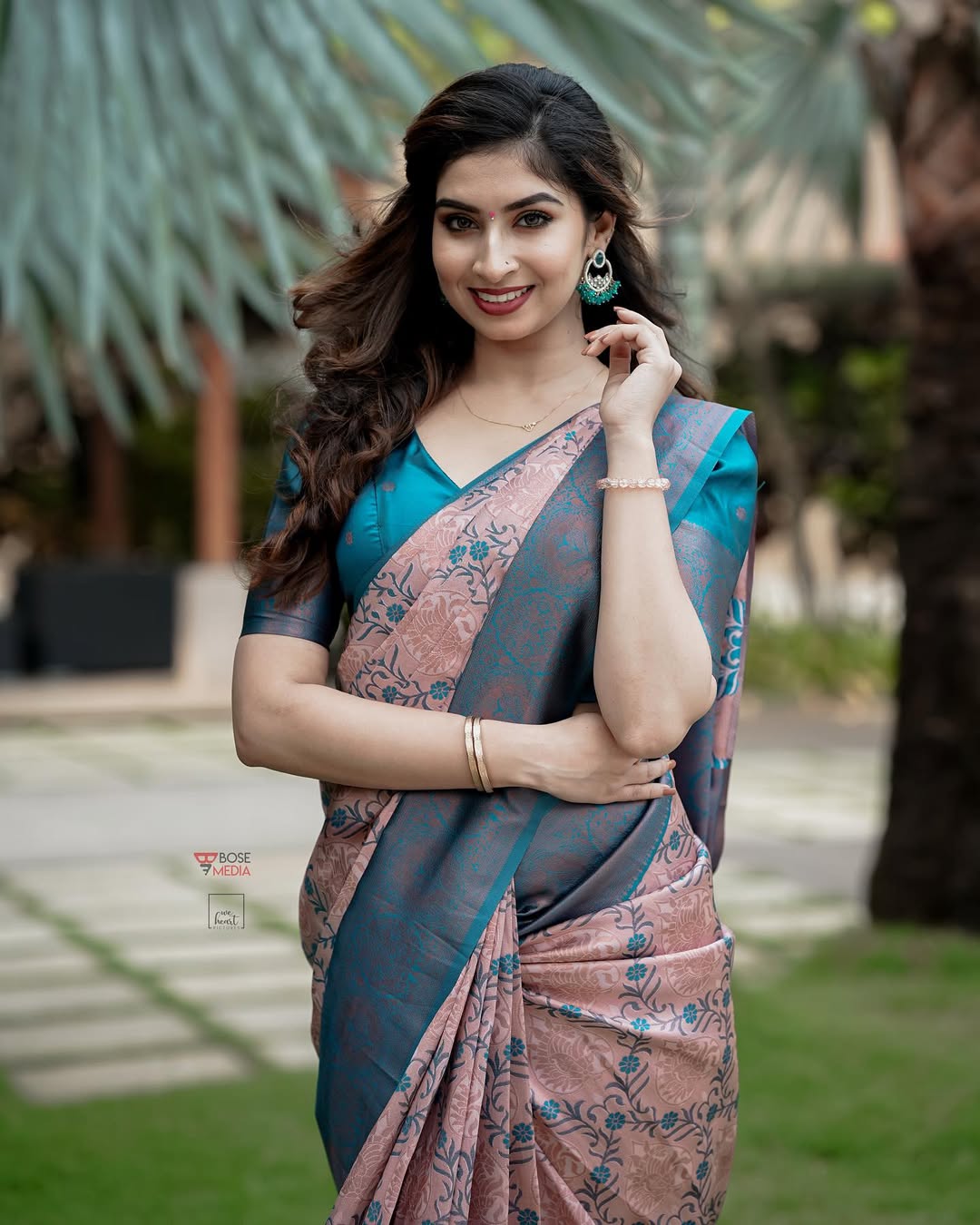
For a daytime puja, a lighter green, yellow or rust cotton saree with modest jewellery keeps the outfit breathable. For an evening reception, maroon, deep green, red or blue silk can support a richer pallu and more structured blouse. For guests who prefer simple traditional styling, one statement necklace, a neat bun, a defined bindi and a contrasting blouse can create more impact than multiple layers of jewellery.
Before leaving home, test the complete outfit for 10 minutes. Sit on a chair, walk up a few steps, raise both arms and check whether the pallu, waistband, blouse and footwear remain secure. This small test catches loose pleats and uncomfortable jewellery before the ceremony begins, which is especially important when wearing a new Nauvari or a slippery silk saree.
Common Questions About Maharashtrian Saree Colours and Traditional Styling
What colours are traditionally worn in Maharashtrian sarees?
Green, yellow, red, maroon, orange and saffron are widely used for traditional Maharashtrian dressing. Green suggests prosperity, yellow suits Haldi ceremonies, and red or maroon creates a more formal wedding appearance.
Which saree drape is traditionally Maharashtrian?
The Kashta or Nauvari drape is the most recognisable traditional Maharashtrian drape. The lower pleats pass between the legs and secure at the back, creating a dhoti-like shape that allows easier movement.
Can I create a Maharashtrian look with a regular six-yard saree?
Yes, a regular six-yard saree can create a Maharashtrian-inspired look with a regional blouse, nath, green bangles, bindi, flowers and traditional jewellery. A conventional drape is often more comfortable for long receptions, travel and extended sitting.
What jewellery goes best with a Maharashtrian saree?
A nath, thushi necklace, tanmaniya pendant, green glass bangles, jhumkas and a traditional bindi are effective choices. Select fewer pieces when the saree has a wide zari border, heavy jacquard pallu or strong print.
What saree colour is suitable for a Maharashtrian Haldi ceremony?
Yellow is the most natural choice for a Haldi ceremony because it reflects the colour of turmeric and photographs well in daylight. A red or green blouse, green bangles and fresh flowers provide traditional contrast without making the outfit too busy.
How should a traditional silk saree be stored after wearing it?
Air the saree before folding it, remove all safety pins and store it in breathable cotton or muslin. Zari-heavy Banarasi silk, Kanjeevaram and other formal silk sarees should generally be dry-cleaned according to their care labels and refolded periodically.