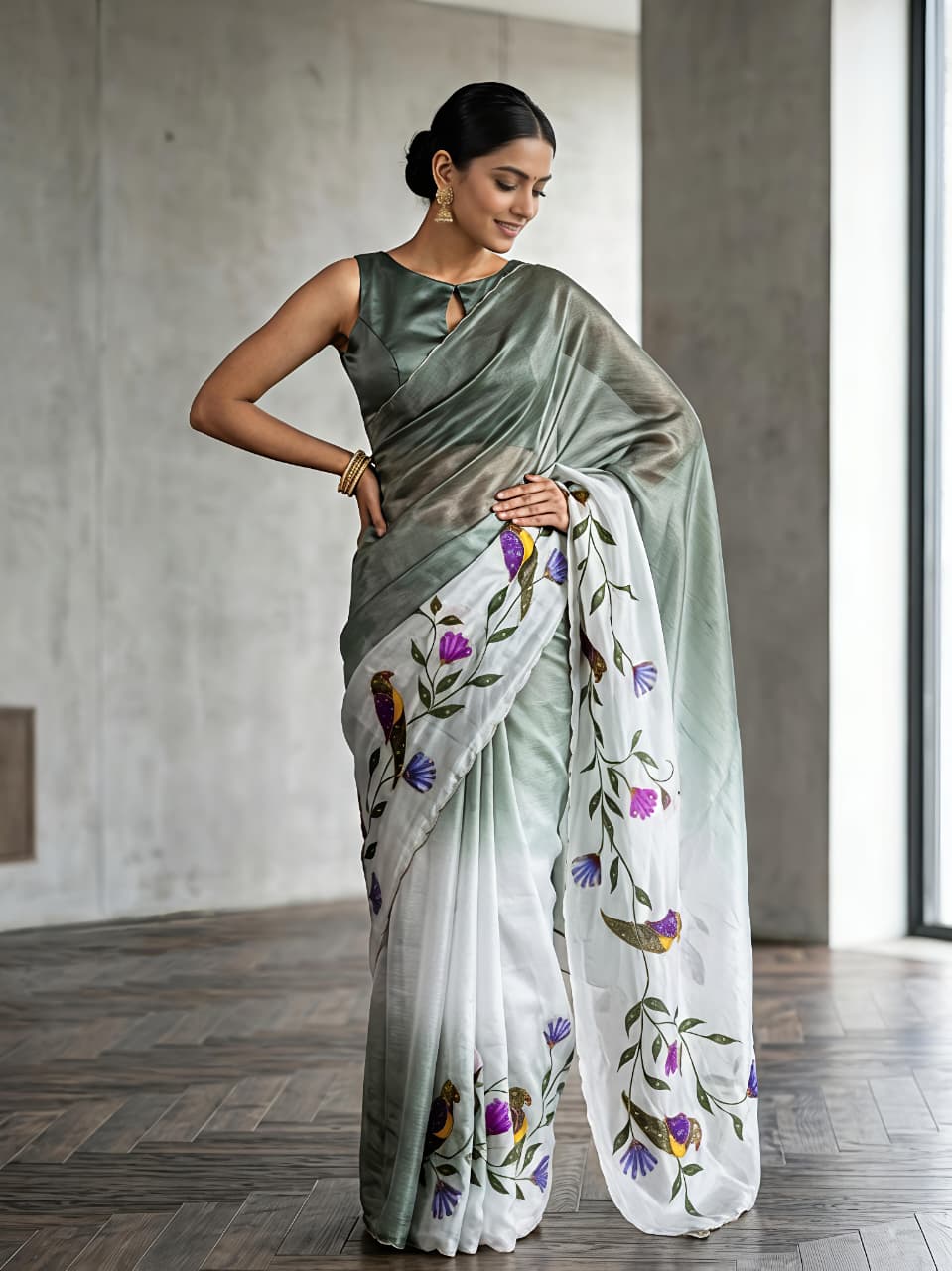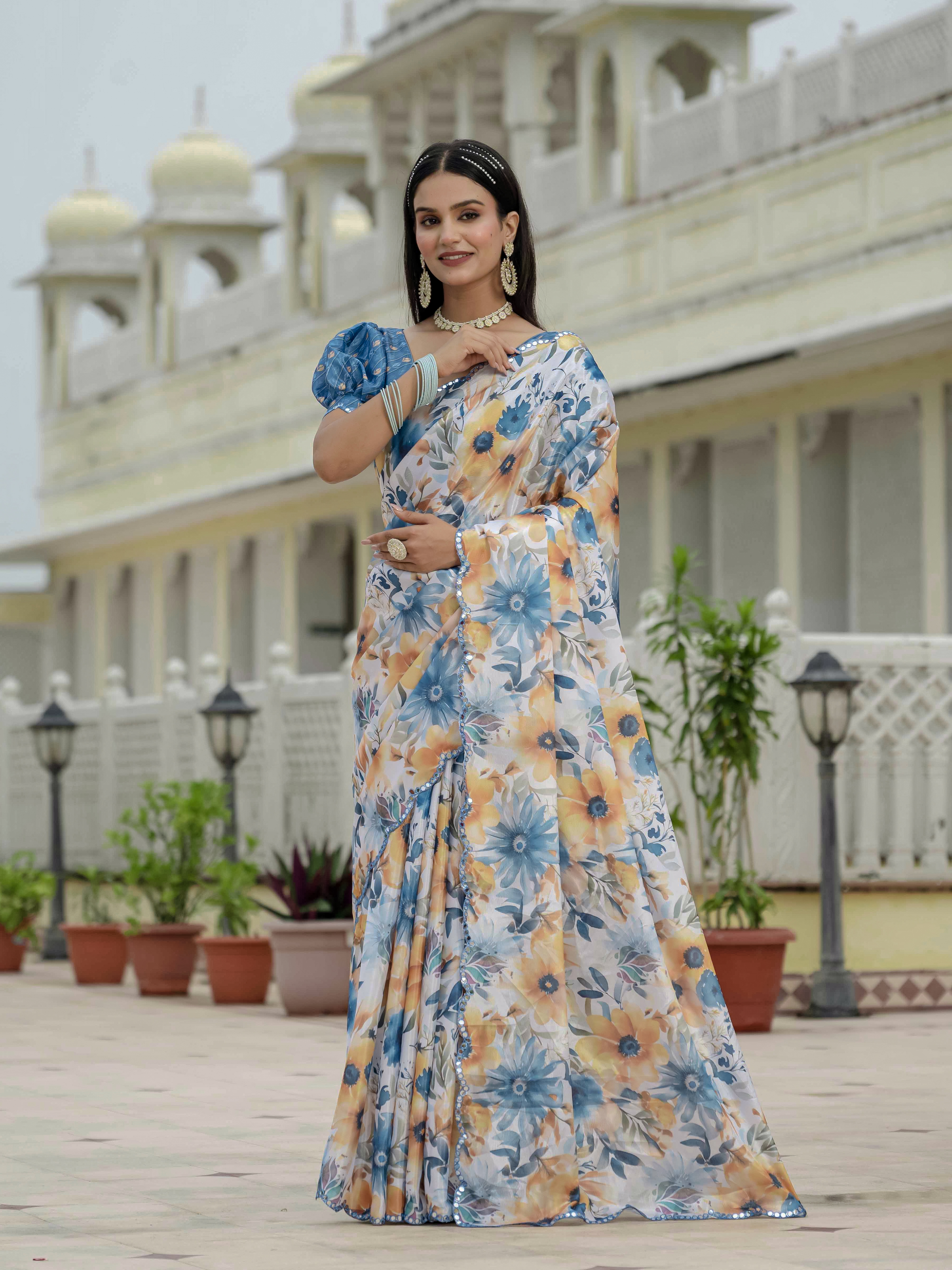
Maharashtrian Nauvari Saree: Traditional Kashta Draping & Modern Styling begins with one practical fact: the nine-yard saree is wrapped between the legs, allowing a wearer to walk, sit and move with greater freedom than a conventional six-yard drape. Also called Kashta or Lugade, the style carries strong associations with Maharashtra, ceremonial dressing, folk performance and older forms of everyday wear. A successful modern look depends less on heavy ornament and more on correct pleat placement, a secure waist and fabric that holds its shape.
The Nauvari silhouette can seem unfamiliar if you've only worn a front-pleated saree, but the construction is logical. The saree forms a dhoti-like lower half, the central pleats are tucked between the legs and secured at the back, and the remaining fabric creates a pallu across the torso. The result is structured, mobile and visibly different from a standard Nivi drape.
Maharashtrian Nauvari Saree: Traditional Kashta Draping & Modern Styling and the distinctive nine-yard shape
The Maharashtrian Nauvari Saree: Traditional Kashta Draping & Modern Styling approach differs from a conventional saree because the lower pleats pass between the legs and are secured at the back, creating a bifurcated, trouser-like shape. The arrangement keeps the ankles clear and distributes fabric around the hips instead of allowing a long front fall.
A traditional Nauvari saree usually measures about eight to nine yards, although regional and contemporary versions may vary in length. A nine-yard saree provides enough fabric for the rear tuck, front pleats and pallu. A shorter saree may be easier for a beginner to manage, but it can leave too little material for a balanced pallu and secure leg section.
Maharashtrian women have historically worn several variations of the drape. A Brahmani style generally presents an ordered front and pallu arrangement, while other regional methods alter the direction of the pallu, the height of the tuck and the amount of fabric gathered at the back. There is no single universal appearance for every community, ceremony or historical period.
The drape also explains why footwear matters. The lower edge should sit close to the ankle without trailing on the floor. A saree that's too long can catch under a heel, while a saree tied too high can expose the ankle and disturb the proportions of the outfit.
How does Maharashtrian Nauvari Saree: Traditional Kashta Draping & Modern Styling begin?
Maharashtrian Nauvari Saree: Traditional Kashta Draping & Modern Styling begins by securing the saree at the waist, forming balanced front pleats, passing the central section between the legs and fixing the rear tuck before arranging the pallu. A helper makes a first attempt easier because the pleat count and fabric tension need checking from the back.
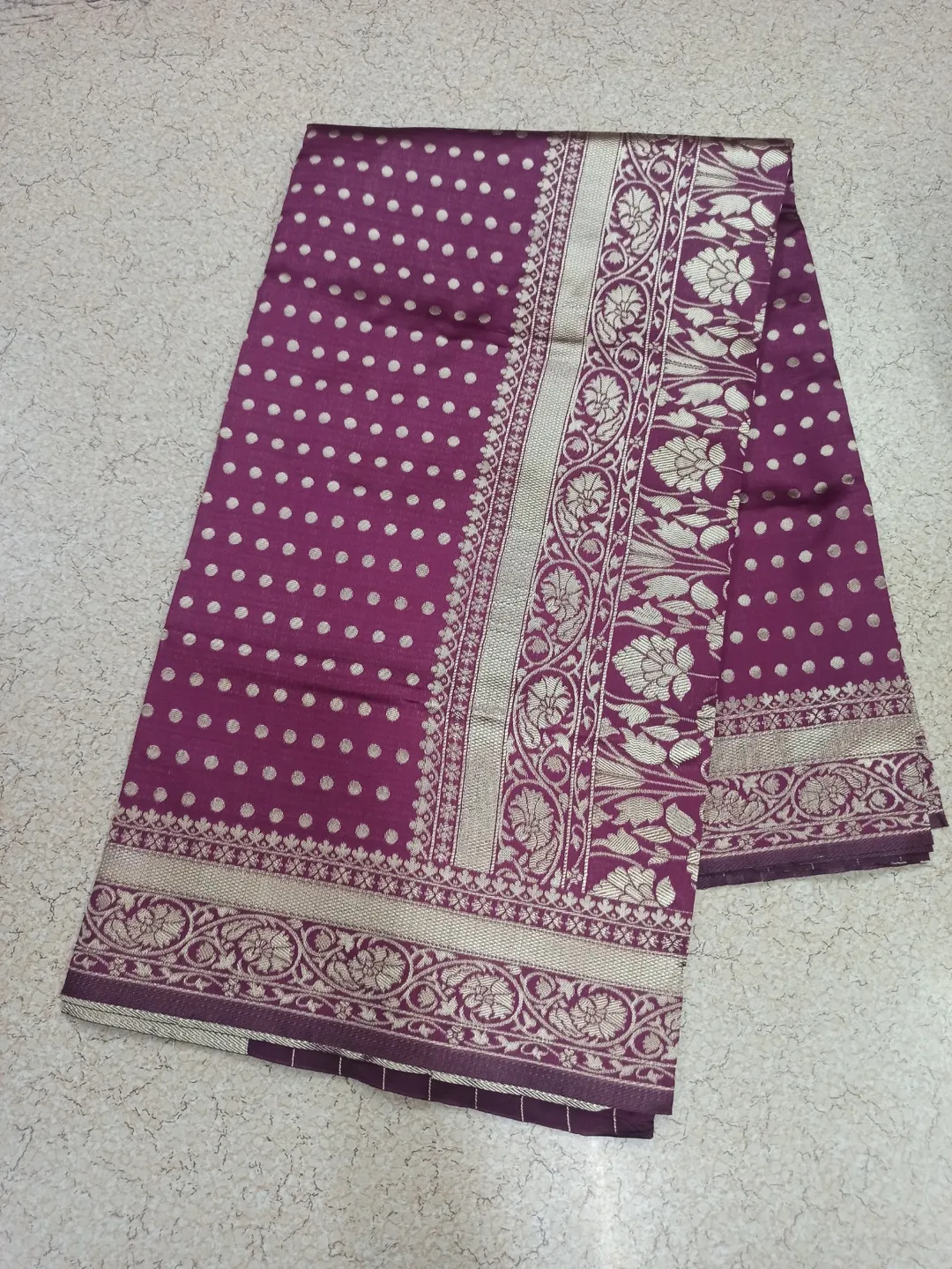
- Prepare the foundation. Wear a close-fitting blouse and a firm petticoat, leggings or cycling shorts beneath the drape. A traditional Nauvari doesn't depend on a flared petticoat in the same way as a standard saree, but a fitted base gives modesty and helps the fabric stay in place.
- Identify the pallu end. Place the decorative end over your left shoulder if you're following a common modern arrangement. Keep approximately 1.5 to 2 metres for the pallu, depending on your height and the desired shoulder fall.
- Make the first waist wrap. Tuck the plain end at the centre front or slightly to the right, then wrap the saree around the waist from right to left. Keep the lower edge parallel to the floor rather than pulling one side upward.
- Form the front pleats. Gather around 8 to 12 pleats, each approximately 2 to 3 inches wide. The exact number depends on the saree length and your waist measurement. Align the pleats carefully and tuck them at the front centre.
- Create the leg section. Bring the remaining central fabric between the legs from front to back. Pull the fabric firmly enough to create movement room, but don't tighten it against the inner thigh. Tuck the upper edge securely at the back waist.
- Arrange the pallu. Bring the free end across the back and over the left shoulder. Pleat the pallu into even folds, pin it at the shoulder and check that the border falls vertically. Some traditional arrangements bring the pallu across the chest in a more compact fashion.
- Test the construction. Walk ten steps, sit on a chair and raise one knee slightly. If the central section pulls, loosen the rear tuck. If the front pleats open, add a small safety pin inside the waist fold instead of pinning through the visible border.
A first-time wearer should practise the full drape at least twice before a wedding or festival. Marking the waist tuck with a small removable thread during practice can save time on the event day. A professional draper is useful for a bridal or stage appearance because rear pleat placement determines both comfort and silhouette.
Which fabrics suit Maharashtrian Nauvari Saree: Traditional Kashta Draping & Modern Styling?
Cotton and lightweight handloom fabrics are generally easiest for a Nauvari saree because they hold pleats without creating excessive bulk between the legs. Silk creates a richer ceremonial finish, but slippery weaves need stronger tucks, discreet pins and more careful movement.
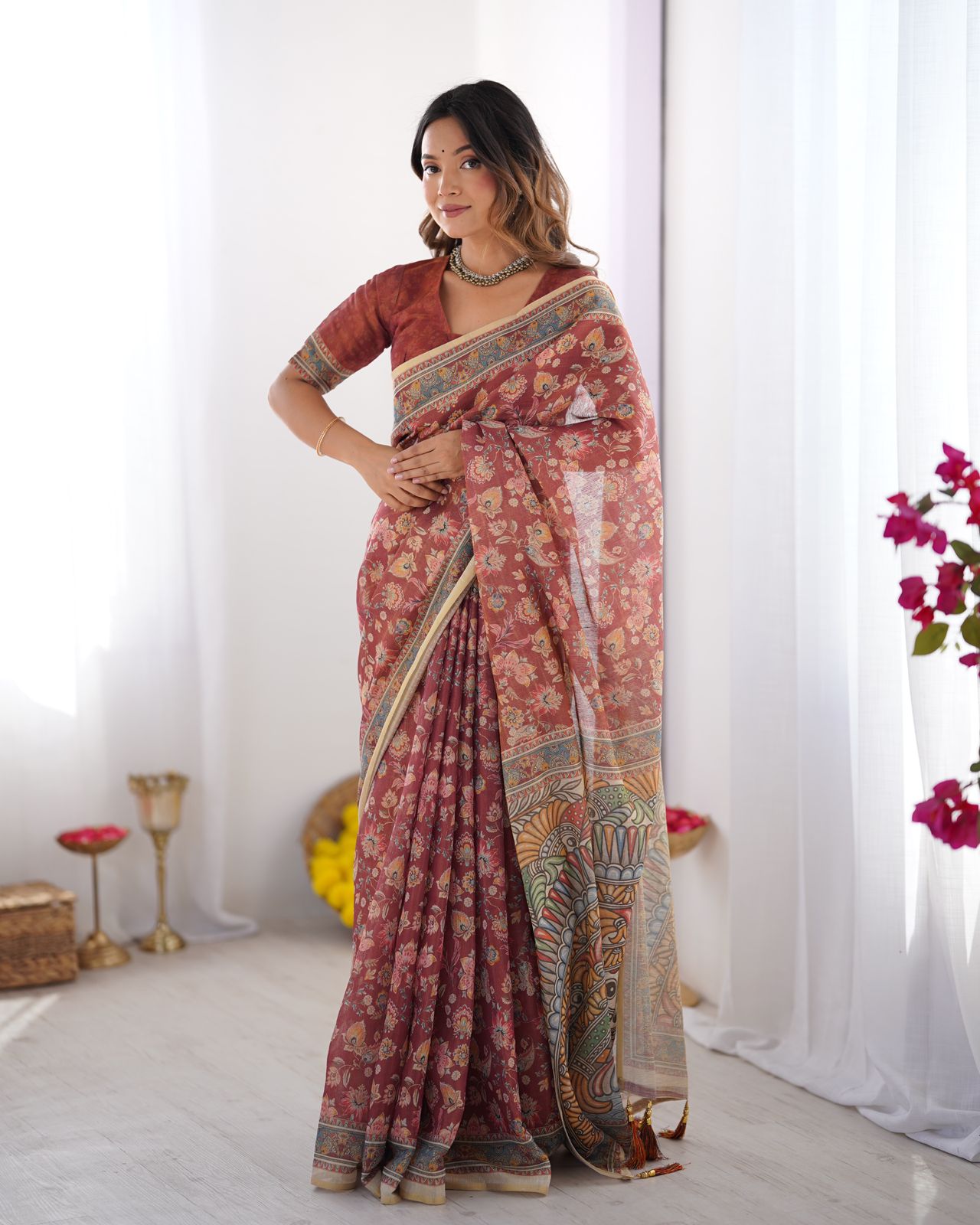
Cotton for daily wear and movement
Mal cotton, handloom cotton and cotton-linen blends are practical choices for daytime traditional events. Mal cotton feels relatively light and breathable, while firmer handloom cotton gives the front pleats a cleaner edge. Maroon Mal Cotton Ethnic Saree With Blouse from VARNAVI illustrates how a soft cotton base can support a grounded ethnic look, although the exact length and construction should be checked before attempting a nine-yard drape.
Handloom cotton can crease during sitting, but the creasing is usually manageable with a steam iron or light pressing. Pastel Floral Tissue Handloom Cotton Saree with Zari Weaves and Rust Maroon Handloom Cotton Saree with Floral Print and Traditional are useful references for colour, texture and border choices. But neither should be assumed to be a nine-yard Nauvari unless the stated measurements confirm it. A six-yard saree can't reproduce the full Kashta structure without modification.
Silk for weddings and formal ceremonies
Silk creates a polished Nauvari appearance for a traditional wedding, religious ceremony or stage performance, especially when the border contains zari. Banarasi silk and heavier brocade can look dramatic, but excess stiffness may make the between-the-legs section uncomfortable. Lightweight silk or silk blends are easier for extended wear than very dense bridal weaves.
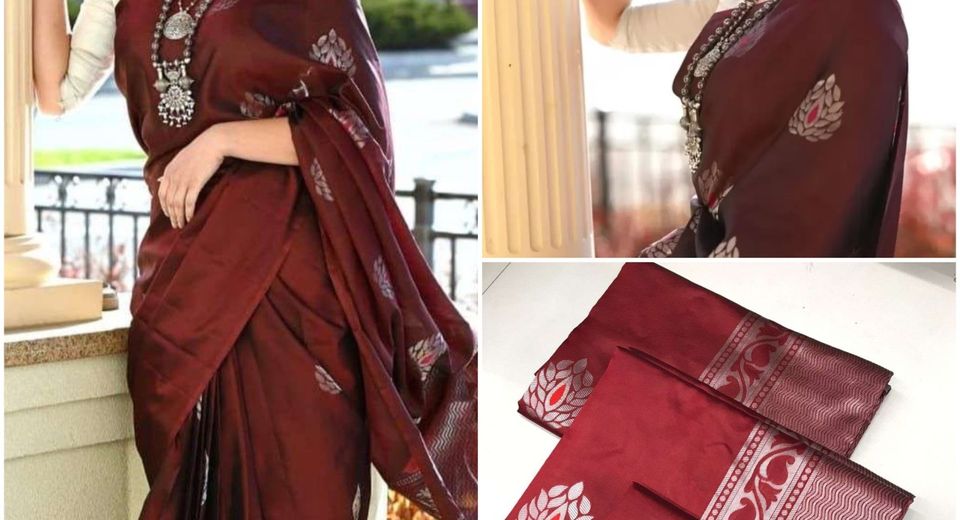
Maroon Soft Lichi Silk Saree with Silver Zari & Jacquard Border shows how a deep colour and a defined border can create visual structure in a formal saree. Maroon Cotton Saree with Zari Work for Wedding offers a more breathable direction for a long ceremony. Both should be checked for length before purchase because a conventional six-yard format won't provide the same Kashta construction.
Chanderi, tissue cotton and other light fabrics can suit a contemporary interpretation, but the drape should be tested before an event. A very sheer fabric may require a full-length fitted base, while slippery silk may need a waist belt or additional internal pinning.
How can Maharashtrian Nauvari Saree: Traditional Kashta Draping & Modern Styling look contemporary?
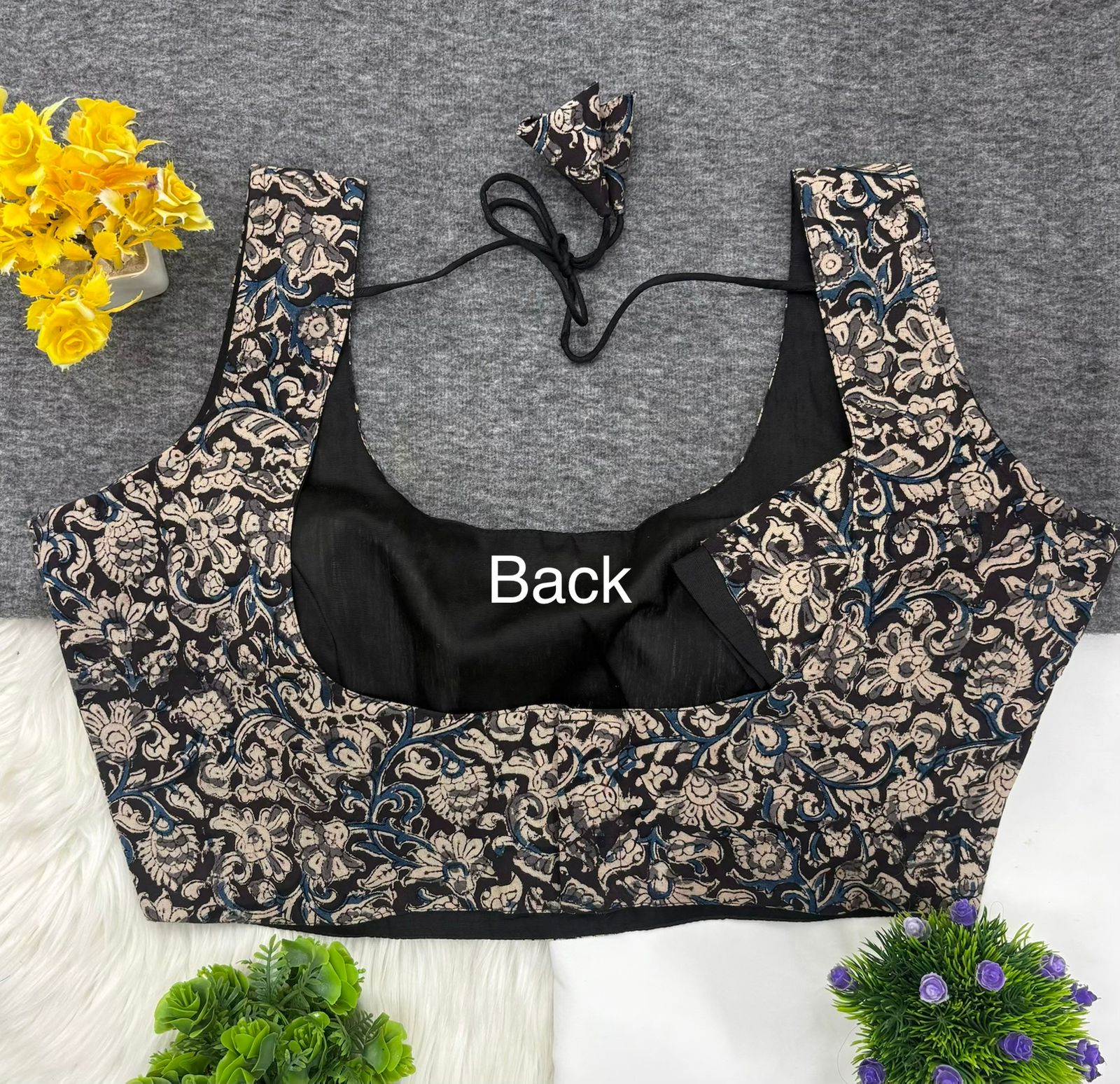
Modern styling works best when the traditional lower drape remains visible while the blouse, jewellery and beauty choices introduce restraint. A cropped blouse with elbow-length sleeves, a fitted high-neck blouse or a simple cotton blouse can all work if the neckline doesn't compete with the pallu.

For a clearly Maharashtrian appearance, pair the saree with a traditional nath, green glass bangles, a thushi necklace, a guchhedar necklace or a simple black-beaded mangalsutra. A crescent-shaped chandrakor bindi and a neatly tied bun reinforce the regional reference without requiring heavy bridal jewellery. Choose one statement element when the saree has a strong zari border.
For a contemporary family function, choose a jewel-tone blouse in maroon, rust, green or muted gold and keep the jewellery to a nath, earrings and bangles. A narrow belt over the waist can stabilise the pleats, but the belt should sit above the tuck rather than compressing the fabric between the legs. Block heels, Kolhapuri sandals or secure flat footwear are safer than narrow stilettos.
A Haldi ceremony calls for washable or easily maintained cotton, especially when turmeric, flower petals and water are part of the ritual. Yellow, turmeric, green and coral work naturally with the Maharashtrian palette. Avoid long tassels near open flames, crowded floors or ceremonial vessels because the pallu already creates movement around the body.
Winter styling can include a fitted full-sleeve blouse, a short embroidered jacket or a shawl placed over the shoulders after the pallu has been secured. Kashmiri Style Pashmina Saree With Shawl Set and Traditional Digital Print Pashmina Saree with Shawl can suggest the layering idea, but pashmina volume may obstruct the signature Kashta leg shape if wrapped too heavily.
Can Maharashtrian Nauvari Saree: Traditional Kashta Draping & Modern Styling work without a blouse?
A traditional Nauvari saree can technically be paired with a separate draped upper cloth, but a fitted blouse is the safer and more practical choice for present-day public wear. Historical clothing practices varied by region, community and period, so a blouse-free interpretation should not be treated as one fixed traditional rule.
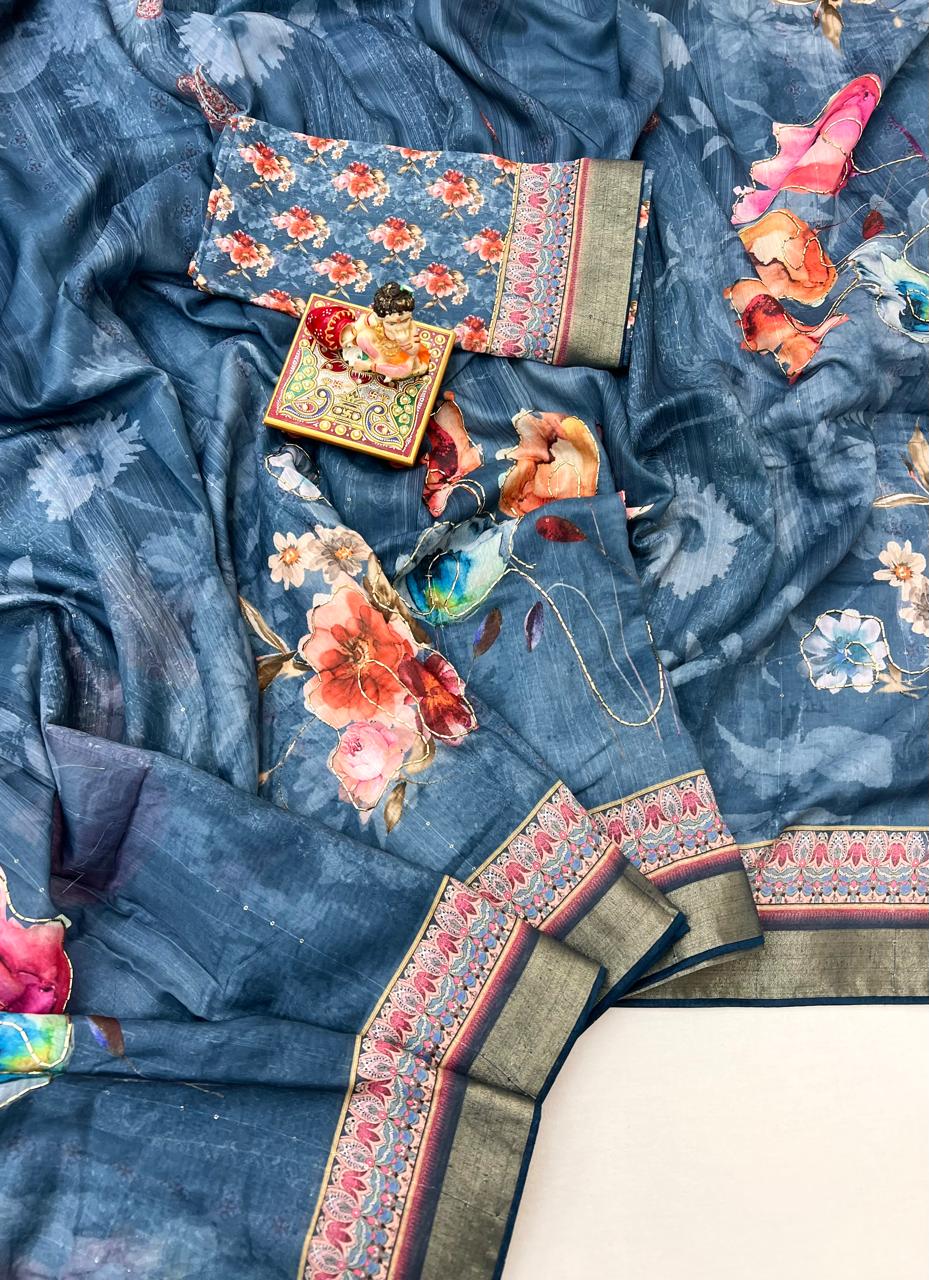
For a modest blouse-free interpretation, wear a well-secured choli or matching inner top beneath the pallu. The upper fabric must cover the bust comfortably, remain opaque during movement and allow the shoulder drape to stay in place. A saree sold without a blouse isn't automatically designed for a traditional Kashta drape.
When shopping online, inspect the product length, fabric width, border placement, blouse-piece inclusion and return measurements before ordering. Collections such as Silk Sarees Under 3000 With Discount, Pink Georgette Sarees and Red Banarasi Silk Sarees for Weddings Under 1100 can help compare fabric, colour and price, but collection labels don't guarantee nine-yard construction.
How should Maharashtrian Nauvari Saree: Traditional Kashta Draping & Modern Styling be chosen for an event?
The event, expected movement and available draping time should determine the fabric and finish. Choose breathable cotton for daytime rituals, a lighter silk or silk blend for weddings and a tested, structured fabric for performances where walking, sitting or dancing is required.

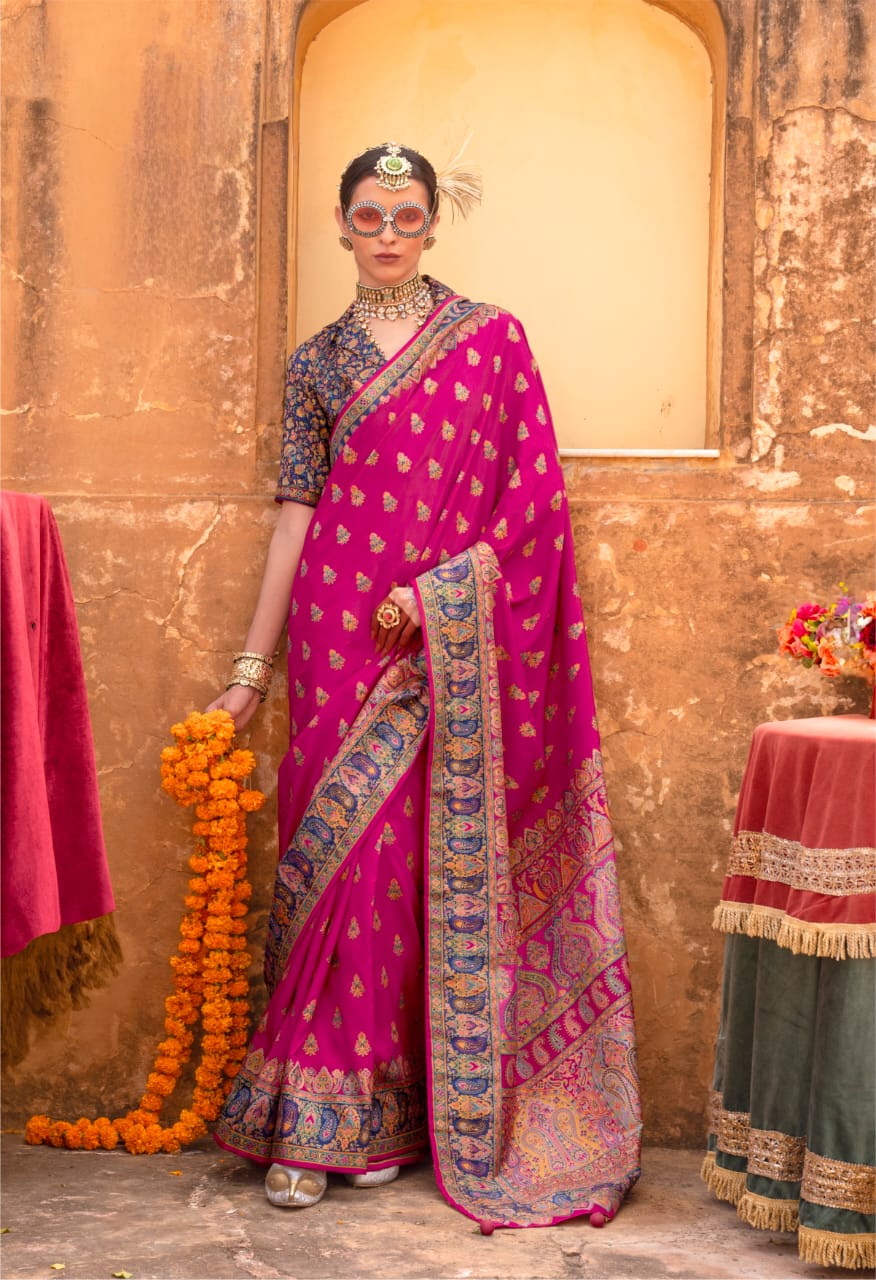
For a traditional wedding, deep maroon, red, green, purple or gold borders create a recognisable ceremonial effect. Red Banarasi Silk Sarees for Weddings Under 1100 may be useful for colour research, while Party Wear Sarees can suggest blouse embellishment and jewellery balance. The final choice should still be checked for length, opacity and pleat stability.
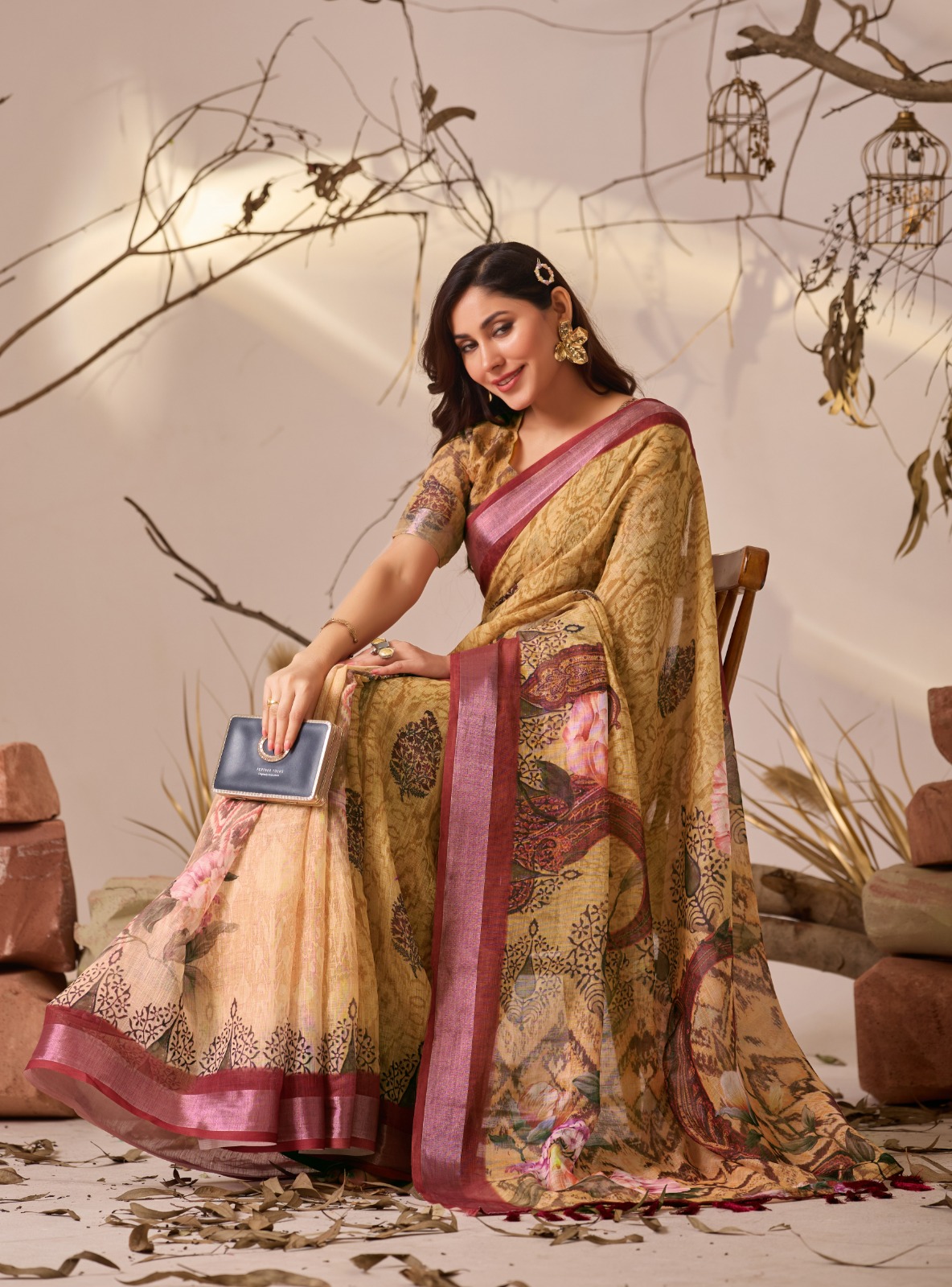
For a simpler traditional appearance, select a solid or lightly printed cotton saree, a fitted blouse and a small number of regional accessories. Mauve Floral Print Linen Cotton Saree with Blouse | VARNAVI brings an useful example of how a soft print and breathable texture can create a quieter ethnic mood, although the garment must be measured before adapting it to a Nauvari technique.
Colour should also be considered alongside photography and lighting. Silver zari looks sharper under cool indoor light, while gold zari often appears warmer outdoors. A contrasting border helps the Kashta pleats remain visible in photographs, whereas an all-over print can soften the structural effect.
Before buying from any website, ask four specific questions: Is the saree eight or nine yards long? What is the exact fabric width? Does the item include a blouse piece? Can the seller confirm whether the border runs continuously around the lower edge? These answers are more useful than a generic claim that a saree is traditional.
Care affects future draping quality. Air cotton sarees in shade after wearing, remove pins before folding, and store zari borders in a soft cotton cloth. Dry-clean silk when the care label requires it, and never iron directly over zari. Fold the saree along existing border lines so repeated storage doesn't create random pressure marks in the pleats.
Questions Readers Ask About Maharashtrian Nauvari Saree Draping
What is the best website to buy a Maharashtrian Nauvari saree online in India?
The best website is one that publishes the exact saree length, fabric, width, blouse-piece details and return conditions. Product photographs alone cannot confirm whether a saree is long enough for a nine-yard Kashta drape, so verify measurements before ordering.
Where can I buy a ready-to-wear Nauvari saree online in India?
Ready-to-wear Nauvari sarees are available from ethnic-wear websites and regional saree sellers, but buyers should confirm whether the pleats and between-the-legs section are pre-stitched. A ready-to-wear version is convenient for beginners, while a traditional unstitched nine-yard saree offers more flexibility in fit and drape.
What are some trending traditional sarees besides a Nauvari saree?
Banarasi silk, Kanjeevaram, Chanderi, Paithani, Kasavu and handloom cotton sarees remain popular traditional choices. Each has a different construction and occasion profile, so a Kanjeevaram or Banarasi silk saree should not be expected to move like a Kashta drape.
Where can I buy an authentic South Indian saree?
Authentic South Indian sarees are best sourced from sellers that identify the weave, region, fibre and artisan or loom details rather than using only a regional name. Look for clear information about Kanjeevaram silk, Kerala Kasavu, Chettinad cotton or other named traditions, along with transparent measurements.
Can I wear a six-yard saree in a Nauvari style?
A six-yard saree can be adapted for a simplified dhoti-inspired drape, but it may not provide enough fabric for a balanced traditional Kashta arrangement. A nine-yard saree is more suitable when the goal is a full traditional Nauvari silhouette with a secure leg tuck and generous pallu.
How do I keep Nauvari pleats secure during a wedding?
Use a firm waist base, discreet safety pins inside the folds and a secure rear tuck, then test the drape by walking and sitting before leaving home. Avoid pinning through visible zari because repeated pinholes can damage the border and make the saree harder to reuse.