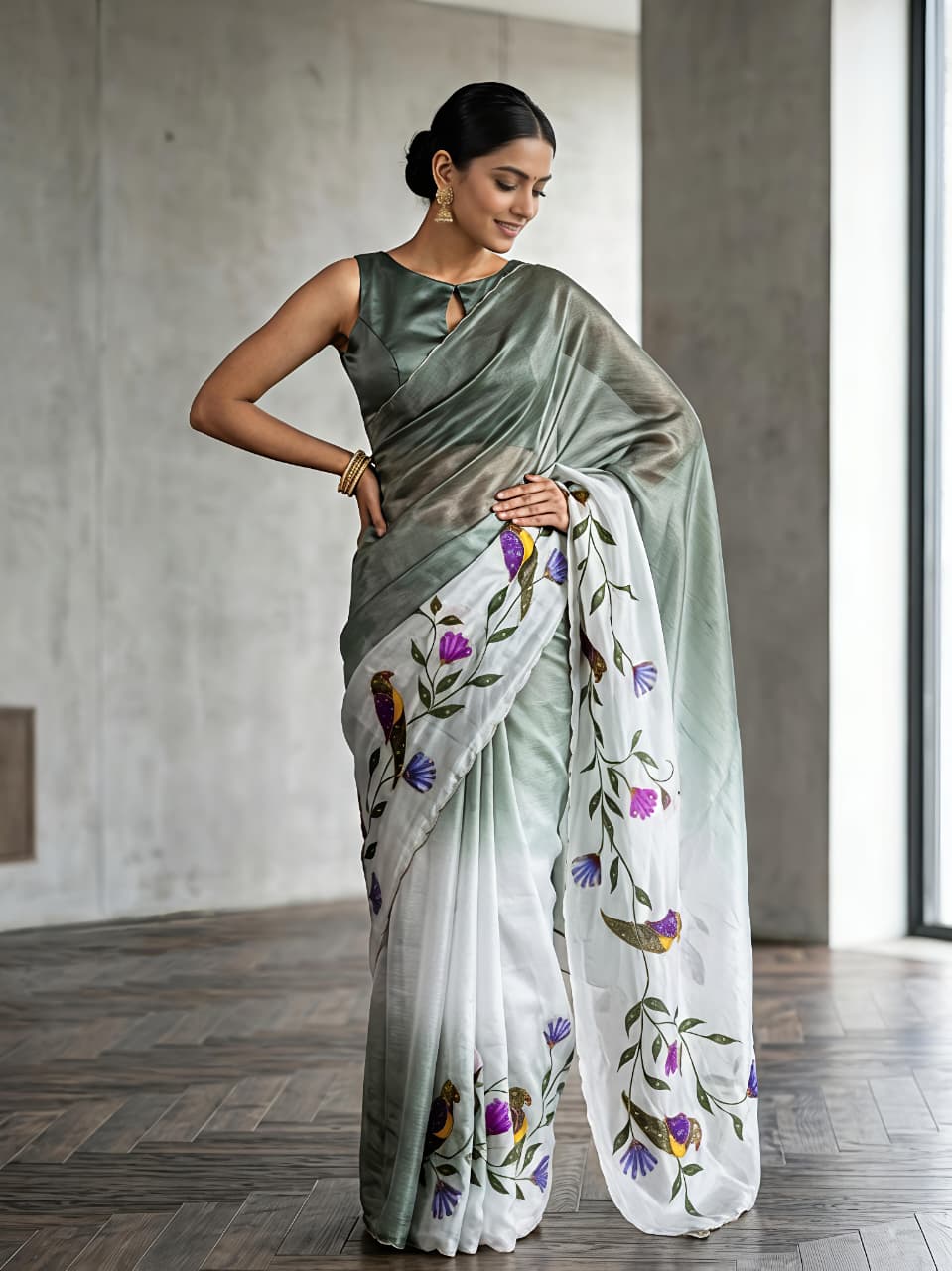
A Maharashtra Festival Fashion Calendar: Sarees & Traditional Wear becomes especially useful when a year includes temple visits, family ceremonies, community celebrations and long festive days in changing weather. The right saree depends on more than colour: fabric weight, drape security, blouse coverage, footwear and the amount of walking all matter. Gudi Padwa calls for a fresh and ceremonial look, Ganesh Chaturthi rewards a practical drape, and Diwali allows richer texture and embellishment.
Maharashtra's festive wardrobe includes the nine-yard Nauvari saree, the six-yard saree, Paithani-inspired silk looks, cotton handlooms and contemporary printed sarees. A thoughtful calendar helps you repeat useful pieces without repeating the same styling, while also preventing last-minute purchases based only on shine or discount.
Maharashtra Festival Fashion Calendar: Sarees & Traditional Wear by season
A Maharashtra Festival Fashion Calendar works best when each celebration is matched with weather, movement and ritual setting. Begin with four questions: Is the event indoors or outdoors? Will you sit on the floor or walk extensively? Is the celebration held during hot weather or the monsoon? Does the family expect a formal traditional look?
March and April festivities usually require breathable cotton, linen cotton or light silk-cotton blends because Maharashtra can become hot before the monsoon. July to September celebrations need secure pleats, quick-drying fabrics and footwear that remains stable on wet ground. October and November bring cooler evenings and more formal gatherings, making silk, tissue, zari and deeper colours easier to wear comfortably.
Keep three wardrobe categories ready: a lightweight daytime saree, a washable saree for crowded or outdoor events, and a more elevated saree for puja and family photographs. A single blouse in ivory, gold, maroon or peacock blue can work with several sarees if the neckline and sleeve length suit the wearer's comfort.
Maharashtra Festival Fashion Calendar: Sarees & Traditional Wear for Gudi Padwa
Gudi Padwa suits a bright, structured saree with a neat drape and traditional accessories. The festival marks the Marathi New Year and is associated with auspicious beginnings, so fresh colours such as yellow, green, pink, orange and red are natural choices.
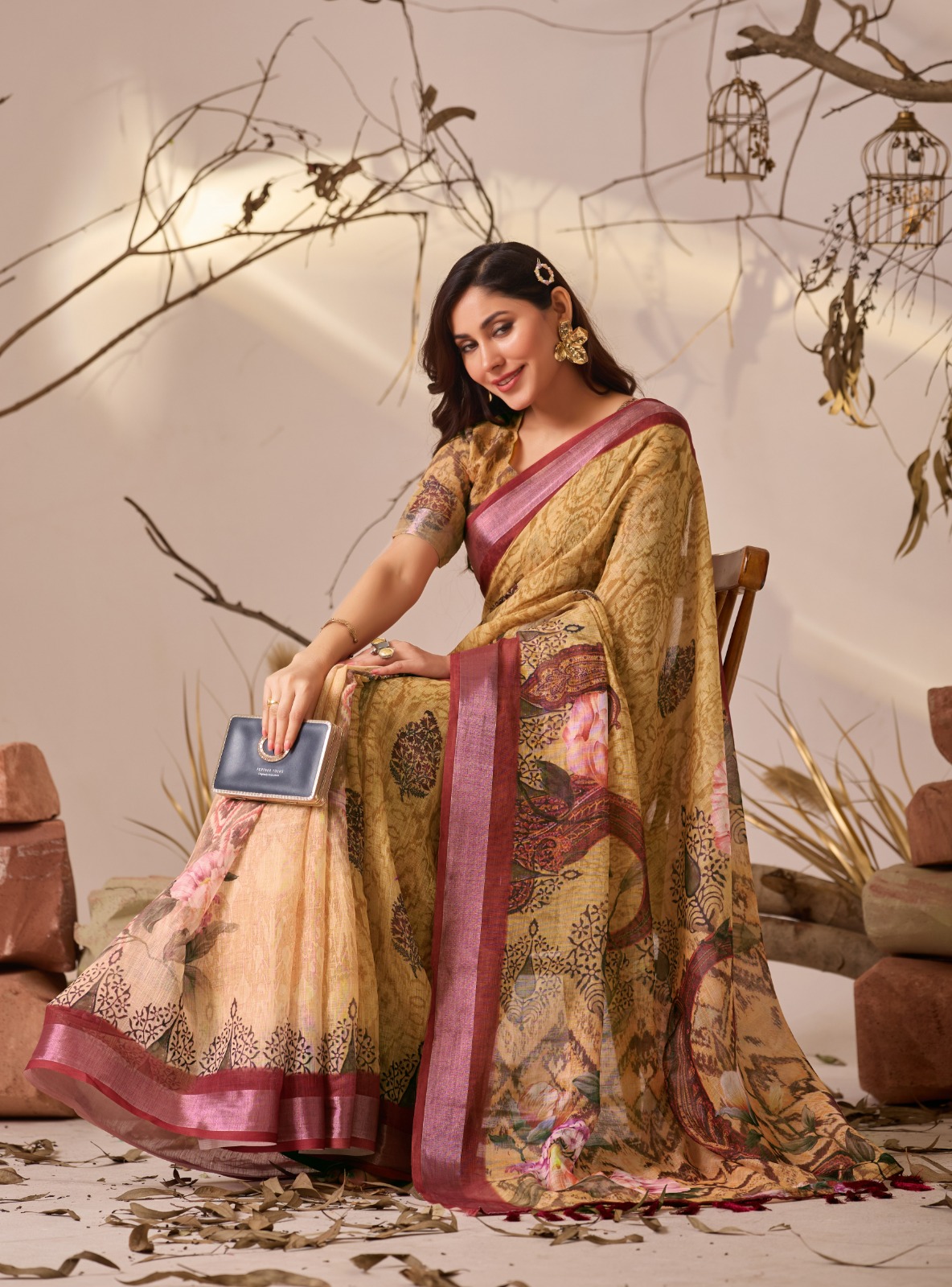
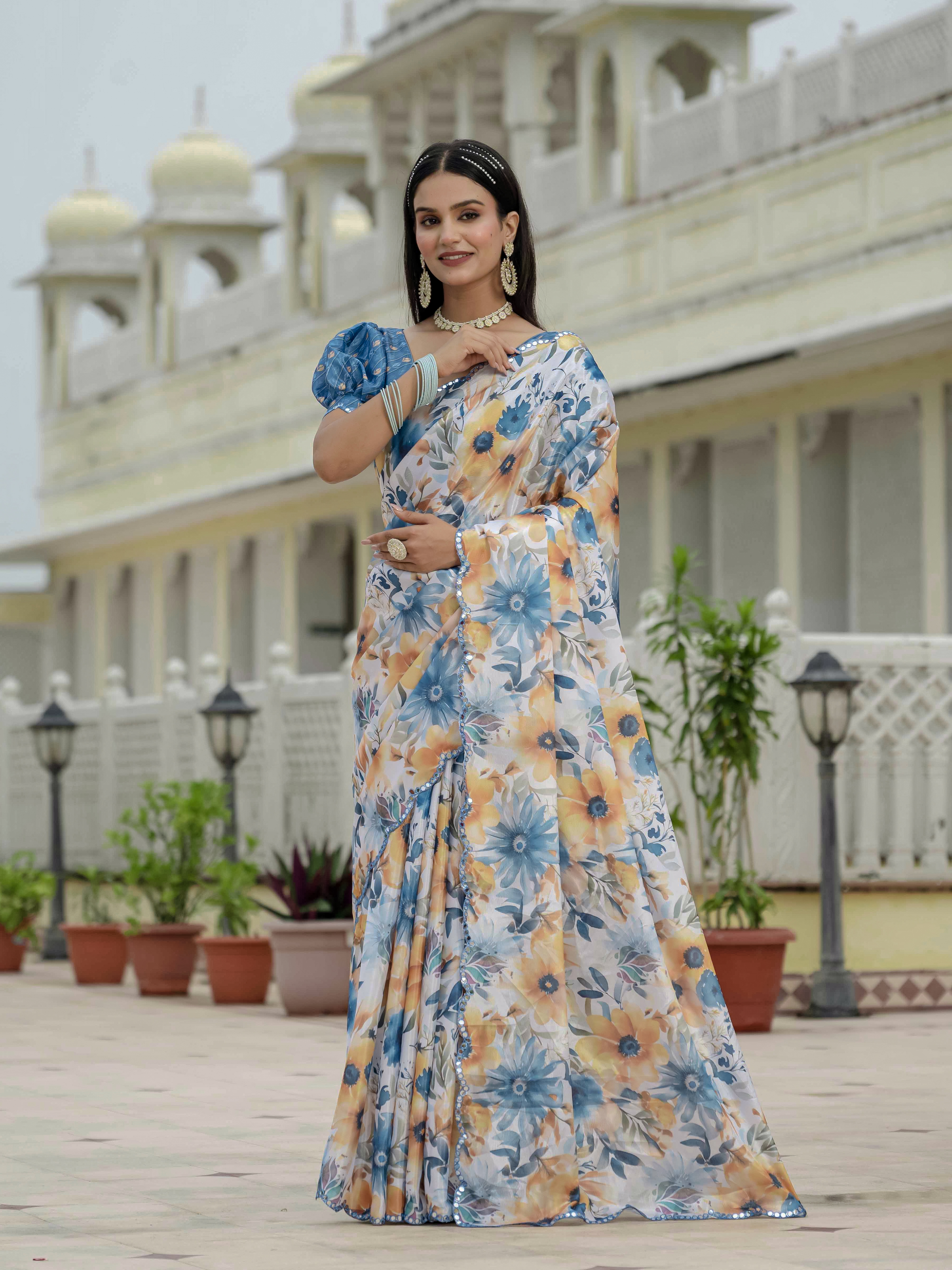
Pastel Linen Cotton Floral Print Saree with Designer Blouse gives a softer interpretation of New Year dressing while retaining a polished silhouette. Linen cotton allows better airflow than heavy synthetic fabric, and a well-fitted blouse reduces preparation time on a busy morning. Gold-toned jhumkas, a small bindi and a gajra can supply traditional detail without making the outfit feel heavy.
Ram Navami and Akshaya Tritiya often involve puja, visiting relatives or daytime gatherings. Pastel Floral Tissue Handloom Cotton Saree with Zari Weaves adds a restrained festive border and a little surface interest while remaining more breathable than a fully embellished design. Keep the pallu folded neatly over the shoulder if temple etiquette or household work requires both hands to remain free.
Which blouse details suit summer festivals?
Short sleeves, breathable lining and a non-restrictive armhole suit summer festivals best. Cotton, cotton-silk or light linen-cotton blouse fabric prevents the damp feeling that can develop under synthetic lining during a long puja.
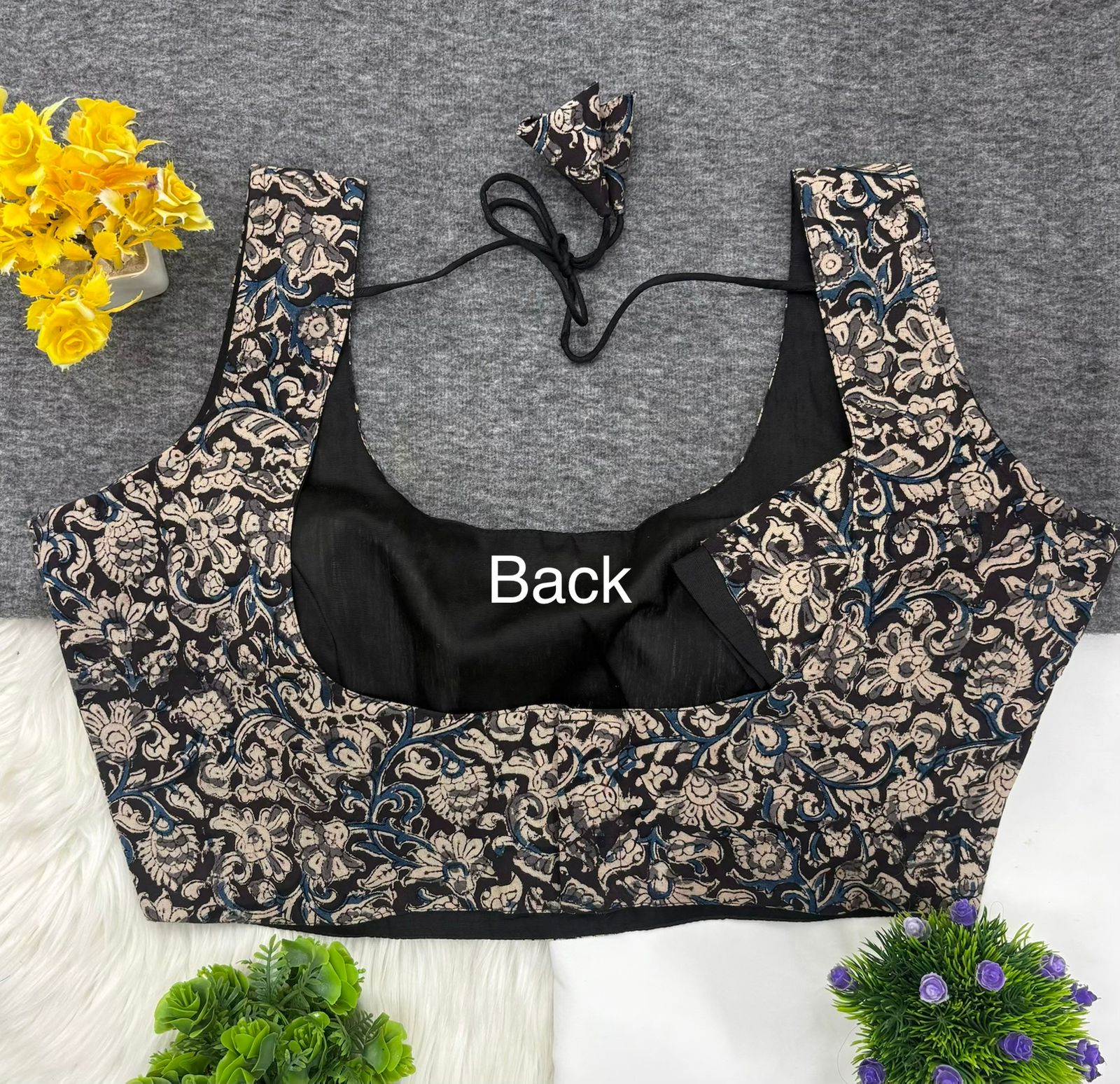
A round or modest V-neck works across family and temple settings, while a high back gives a more traditional appearance. Avoid excessive padded volume under lightweight sarees because padding can distort a soft linen cotton or cotton drape.
Maharashtra Festival Fashion Calendar: Sarees & Traditional Wear for Vat Purnima
Vat Purnima dressing benefits from comfortable cotton sarees in colours that look composed during a long daytime observance. Married women traditionally observe Vat Purnima with prayers connected to marital well-being, and many participants spend time outdoors near a banyan tree.
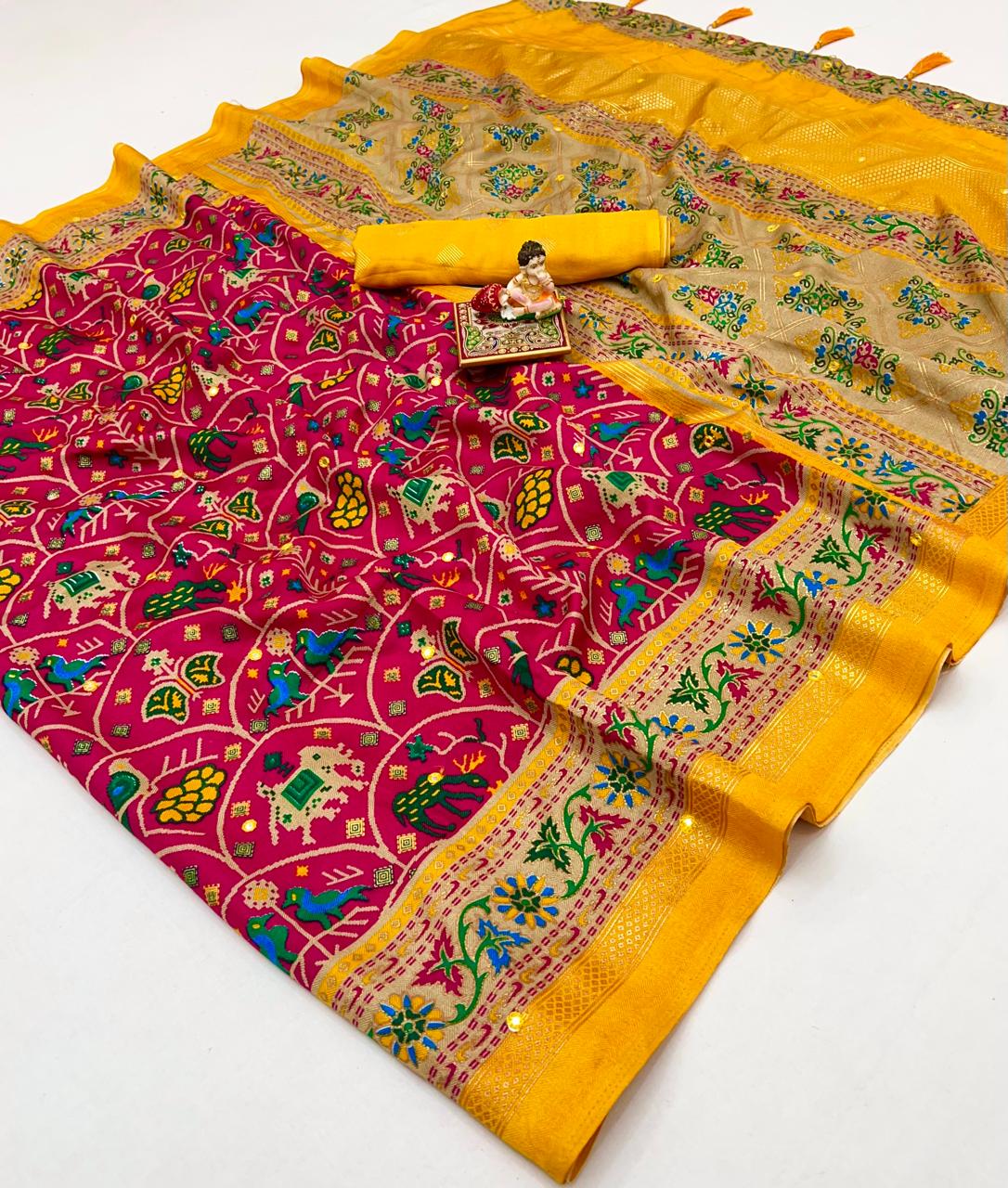
Mal cotton is useful for this period because the fabric generally offers a comfortable balance between structure and breathability. Maroon Mal Cotton Ethnic Saree With Blouse from VARNAVI creates a grounded festive look with a colour that pairs well with antique gold, brass or oxidised jewellery. The deeper shade also photographs clearly in bright outdoor light.
Party Wear Maroon Cotton Saree With Designer Blouse can serve a second purpose for an evening family gathering. Style the same colour family differently by changing the jewellery: use a traditional nath and green glass bangles for a more Maharashtrian appearance, or use a single statement earring and a sleek bun for a contemporary reception.
For late-summer functions, pin the inner pleats at the waist and secure the pallu at the shoulder with a concealed safety pin. A cotton saree pressed while slightly damp often holds cleaner pleats, but the saree must be completely dry before storage to prevent mildew.
Maharashtra Festival Fashion Calendar: Sarees & Traditional Wear during the monsoon
Monsoon festivals call for sarees that dry reasonably quickly, hold their shape and remain manageable in crowded processions or humid rooms. Ashadhi Ekadashi and Nag Panchami may involve temple visits, walking and outdoor waiting, so a lightweight cotton saree is usually more practical than a heavy silk or densely embellished design.
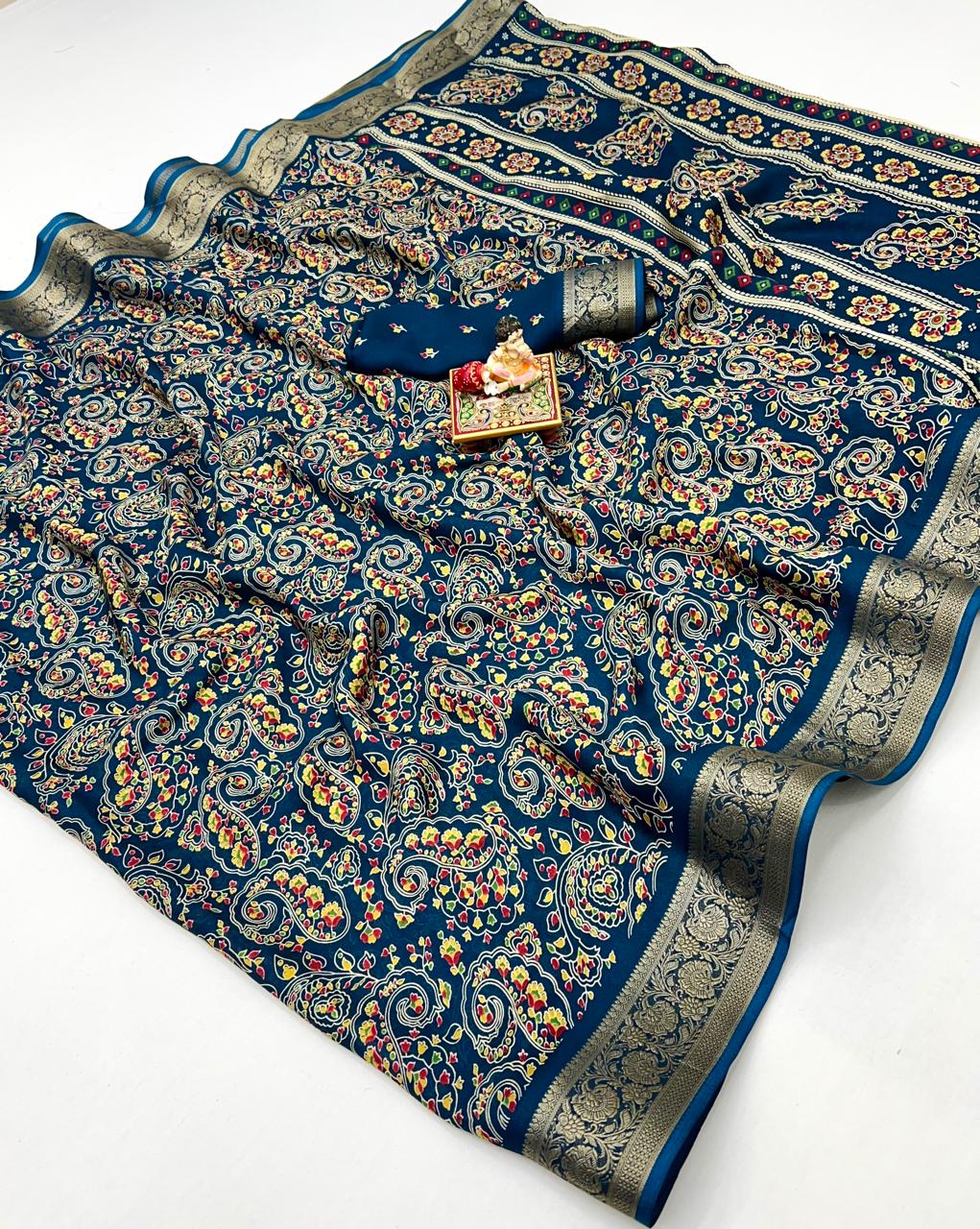
Peach Linen Cotton Floral Print Saree with Blouse for Women brings light colour and breathable texture to daytime monsoon dressing. Peach, coral and muted pink can be balanced with a green blouse, gold earrings or a contrasting bindi. Choose a secure petticoat tie and footwear with a textured sole if the route includes wet pavements.
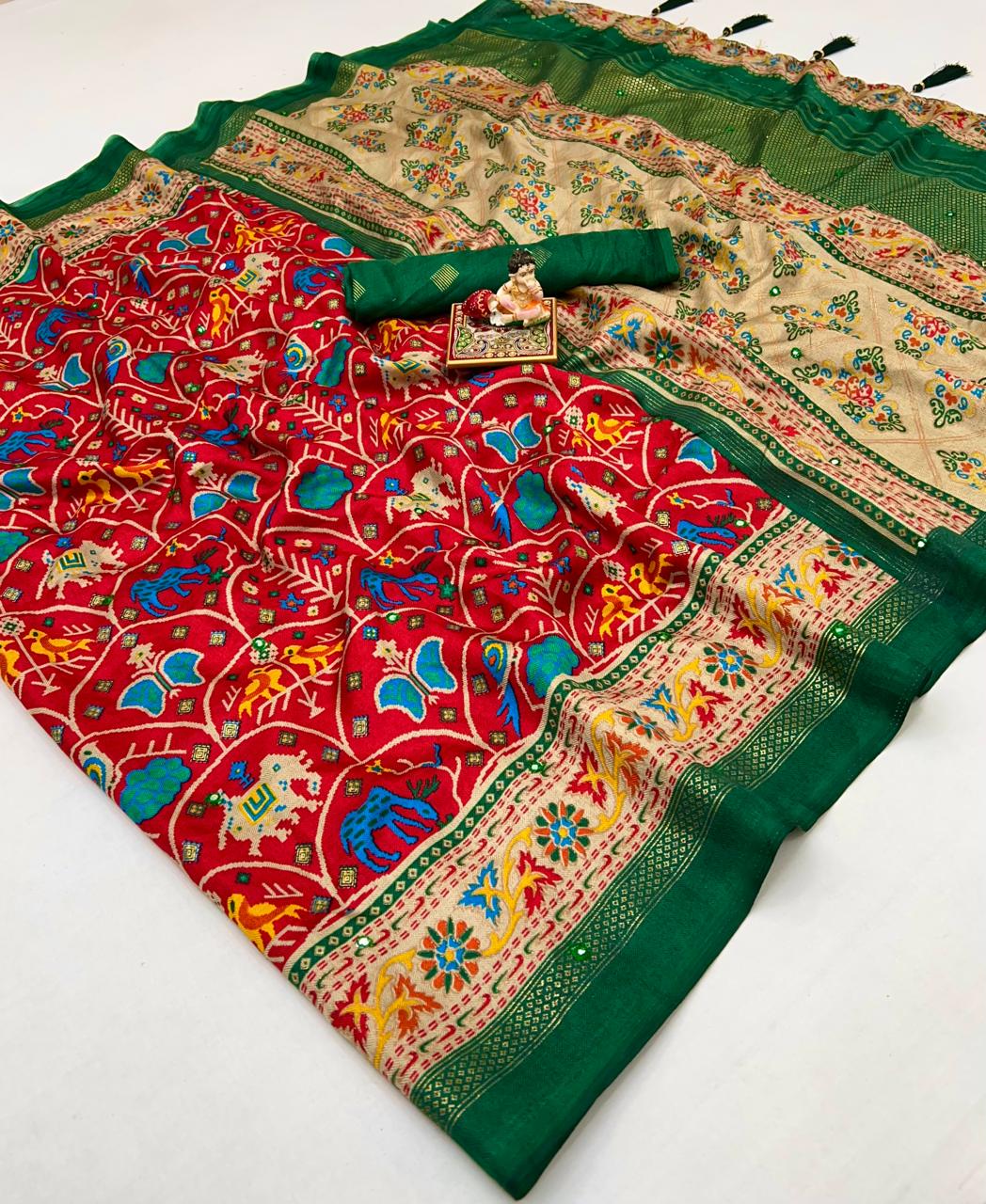
Ganesh Chaturthi is one of Maharashtra's most visible festivals, with household installations, public mandals, music and visits extending over several days. Printed Mal Cotton Saree With Designer Pallu by VARNAVI brings visual interest through the pallu while keeping the overall outfit suitable for movement. A printed saree also hides minor creases better than a plain, high-shine surface.
Blue can be especially effective for a Ganesh Chaturthi wardrobe because it contrasts with warm marigold decoration and red kumkum. Festive Wear Blue Silk Saree for Women is better reserved for an indoor puja, family portrait or evening visit when the saree can stay away from muddy streets. Wear a lighter blouse lining and carry a compact shawl or scarf if the venue uses strong air-conditioning.
How should a saree be secured for a Ganesh Chaturthi visit?
A saree for Ganesh Chaturthi should be secured with pinned pleats, a firmly tied petticoat and one discreet shoulder pin. These three points reduce shifting when the wearer climbs steps, stands in a queue or moves through a crowded mandal.
Choose a pallu length that ends around the knee or lower calf rather than dragging near the ankle. Keep a small emergency kit with two safety pins, a stain-removal wipe and a spare bindi in the handbag.
Maharashtra Festival Fashion Calendar: Sarees & Traditional Wear for Diwali
Navratri, Dussehra and Diwali allow richer colours, more defined borders and dressier accessories because many events take place in the evening. Maroon, royal blue, emerald, magenta, mustard and deep purple work well under warm decorative lighting, while zari and tissue surfaces add visible detail without requiring heavy embroidery.
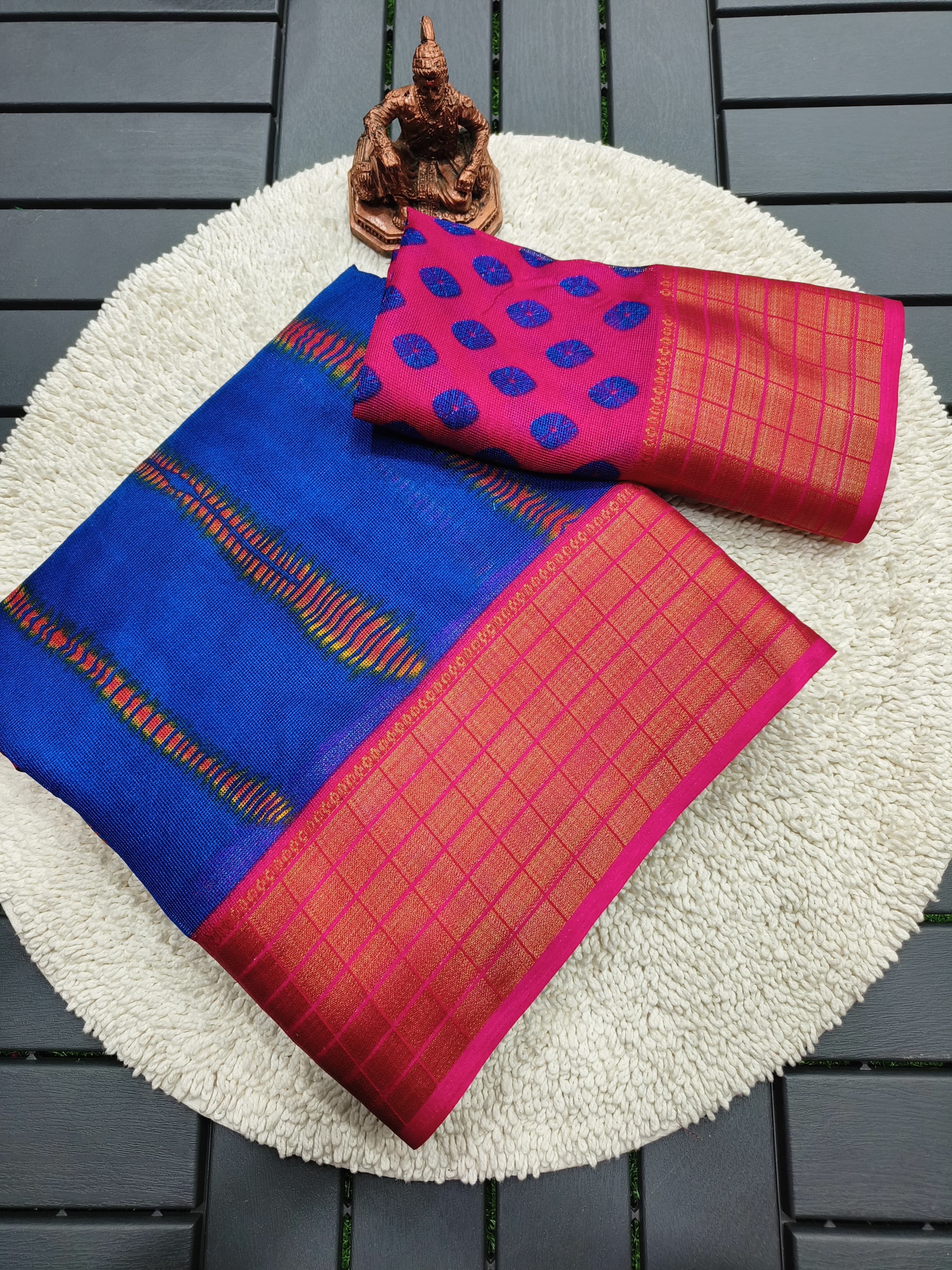
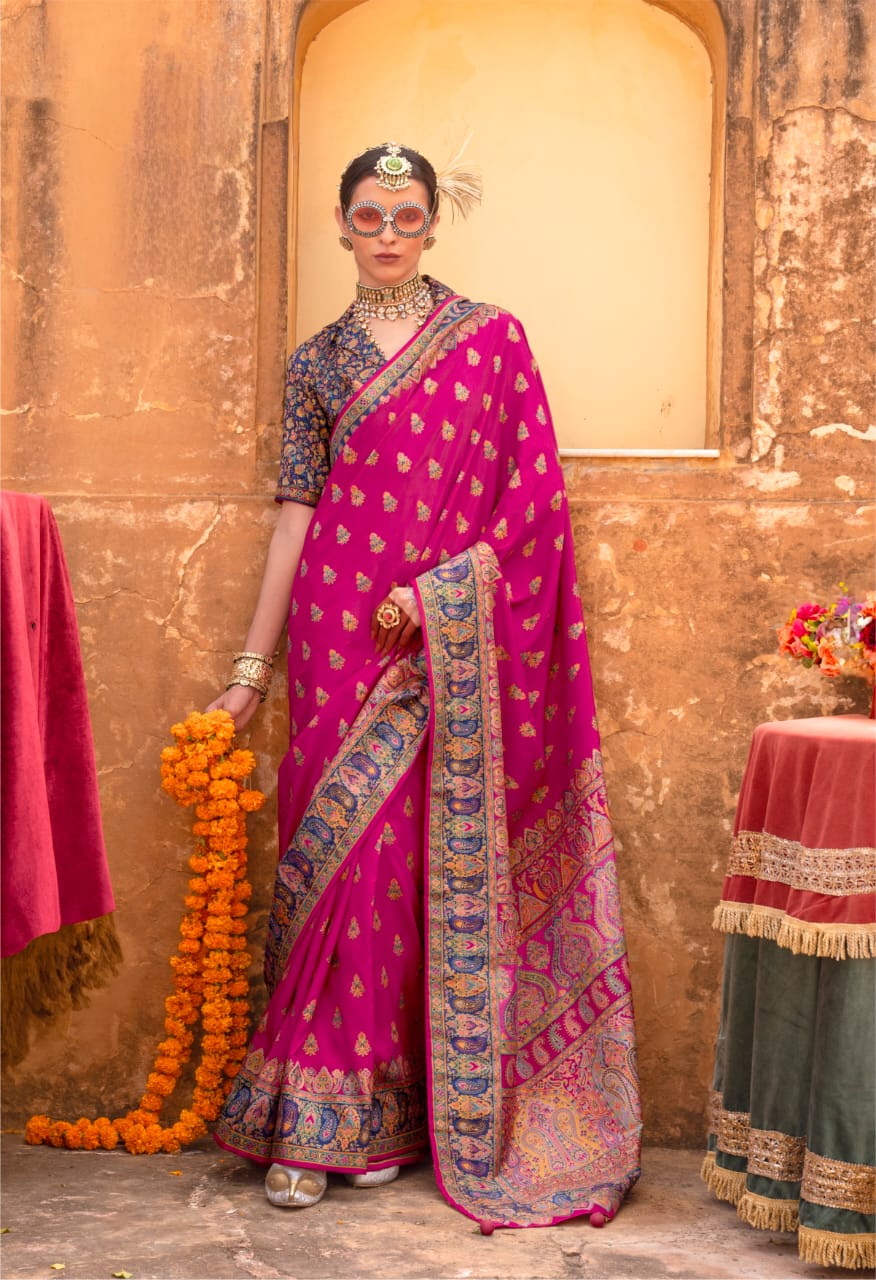
Festive Wear Blue Silk Saree for Women can move from Lakshmi puja to a dinner gathering when paired with a structured blouse, low bun and small gold earrings. Keep jewellery proportionate to the saree border: a broad zari border usually needs fewer competing necklaces than a plain saree.
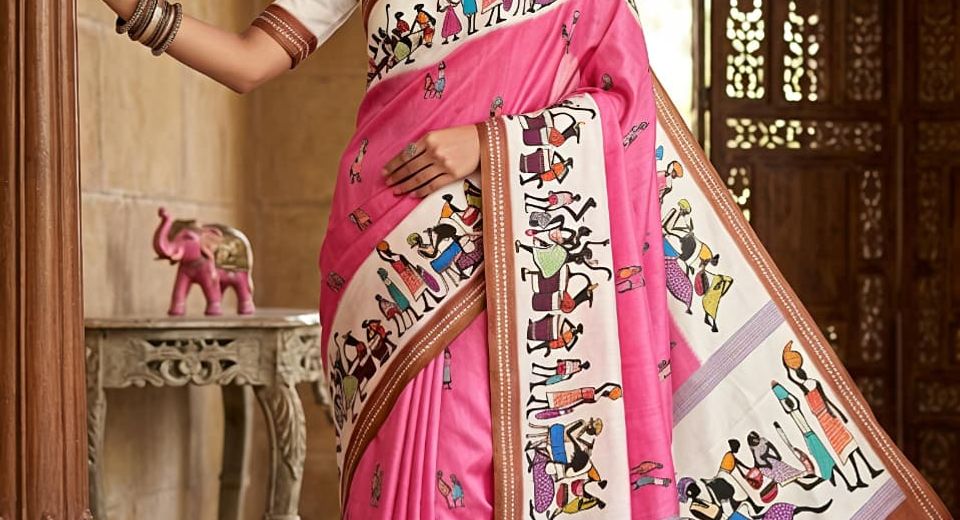
Festive Folk Warli Printed Blue Cotton Saree brings a regional-art feel to daytime Diwali visits or a cultural programme. Warli-inspired imagery has a graphic quality, so keep the blouse relatively simple and let the printed pallu remain visible. Silver jewellery, terracotta earrings or a plain metal bangle can complement the folk character without creating visual clutter.
Diwali dressing also needs practical planning. Oil lamps, rangoli powder and sweets create a higher risk of marks, so avoid wearing the most delicate saree while arranging diyas or cooking. Change into a silk or embellished saree after household preparation, and use a washable cotton saree for earlier tasks.
Maharashtra Festival Fashion Calendar: Sarees & Traditional Wear on a budget
A practical festival wardrobe can be built around fabric versatility rather than the highest number of sarees. One lightweight cotton saree can cover Gudi Padwa, summer puja visits and daytime family gatherings, while one silk or zari-accented saree can cover Diwali and formal evening events.
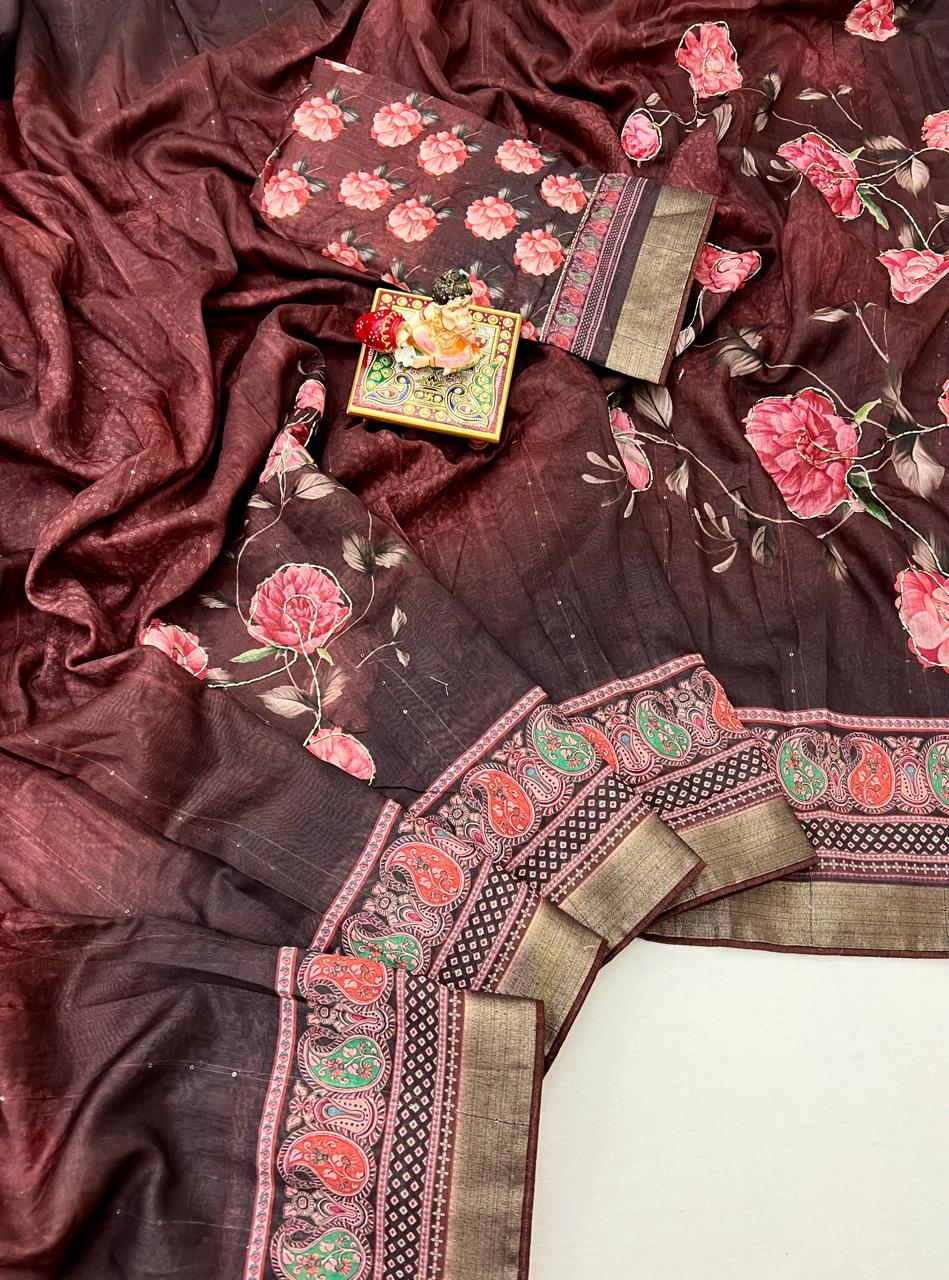
Price planning should include blouse stitching, fall and edging, delivery time and accessories rather than considering only the saree price. Sarees from Rs 1000 to Rs 1500 can be useful for building a breathable daytime rotation. Sarees Under 20% Off and Sarees Under 10% Off may suit shoppers who want a modest reduction while prioritising colour or fabric.
Larger reductions such as Sarees Flat 60% Off and Sarees Flat 50% Off can be worthwhile when the saree matches a genuine wardrobe need. Check the fabric description, blouse piece, measurements, return conditions and care instructions before treating a discount as a saving. A ₹1,200 cotton saree that's worn five times may offer better value than a ₹4,000 ornate saree that's difficult to maintain.
Before ordering, measure the blouse area over a thin fitted garment and allow enough time for alterations. For a festival in the first week of a month, order at least 10 to 14 days early when blouse stitching or fall attachment is required.
Maharashtra Festival Fashion Calendar: Sarees & Traditional Wear care after each event
Festival sarees last longer when they're cleaned, aired and stored according to fibre type. Cotton sarees can usually be gently hand-washed when the care label permits, while Banarasi silk, Kanjeevaram, Chanderi, tissue and heavily zari-worked sarees are safer with specialised dry cleaning or careful professional advice.
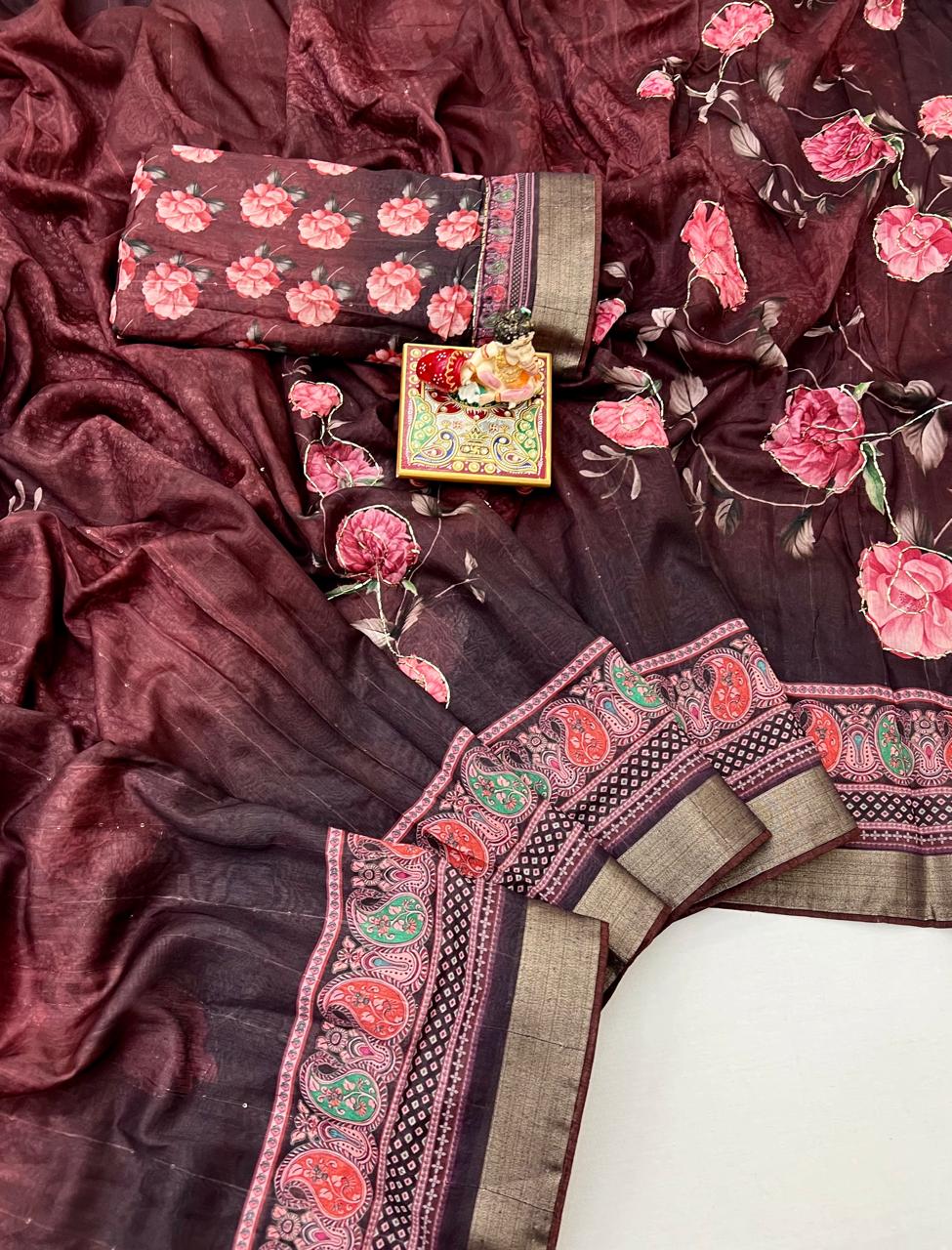
Never store a damp saree after a monsoon visit or a long humid ceremony. Air the saree in shade, remove pins, fold the garment with the zari side inward and refold it every few months to reduce permanent crease lines. Avoid direct, harsh sunlight because strong exposure can fade printed cotton and weaken some dyed fibres.
Keep silk and zari away from cardboard, unlined wood and rough plastic. A clean muslin cover allows ventilation, while silica-gel packets placed near the storage box can help reduce moisture. Do not iron zari directly; place a thin cotton cloth between the iron and the saree and use the lowest suitable temperature.
Record which blouse, jewellery set and footwear worked with each saree. A simple note can make the next Maharashtra Festival Fashion Calendar easier to follow and prevents unnecessary purchases before the next celebration.
Questions About the Maharashtra Festival Fashion Calendar: Sarees & Traditional Wear
What saree is suitable for Gudi Padwa in Maharashtra?
A bright cotton, linen cotton or light silk-cotton saree is suitable for Gudi Padwa. Yellow, green, pink, orange and red create a fresh ceremonial appearance, while a neat pallu, gold-toned jewellery and a gajra reinforce the traditional styling.
Which saree fabric is best for Ganesh Chaturthi?
Lightweight cotton or mal cotton is usually best for Ganesh Chaturthi because the fabric is breathable and manageable in humid, crowded conditions. Pin the pleats and shoulder pallu, and choose a shorter pallu that will not drag on wet streets.
Can I wear a silk saree during a Maharashtra monsoon festival?
A silk saree can be worn for an indoor puja or evening family gathering during the monsoon, but cotton is safer for outdoor visits and processions. Keep silk away from rain and muddy ground, and carry a protective garment bag during travel.
What colours are traditionally worn for Makar Sankranti in Maharashtra?
Black, yellow, green and other bright accents are commonly seen in Maharashtra Makar Sankranti dressing, although family customs vary. A black blouse or border paired with yellow jewellery or a colourful pallu offers a balanced interpretation.
How early should I buy a saree before a festival?
Buy a saree at least 10 to 14 days before a festival when blouse stitching, fall attachment or alterations are needed. Ordering earlier is safer for weddings, custom measurements and purchases made during busy festive periods.
How should I store a saree after Diwali?
Air the saree completely in shade, remove all pins and fold zari inward before storage. Use a clean muslin cover, keep the garment dry and refold it every few months to reduce permanent crease marks.