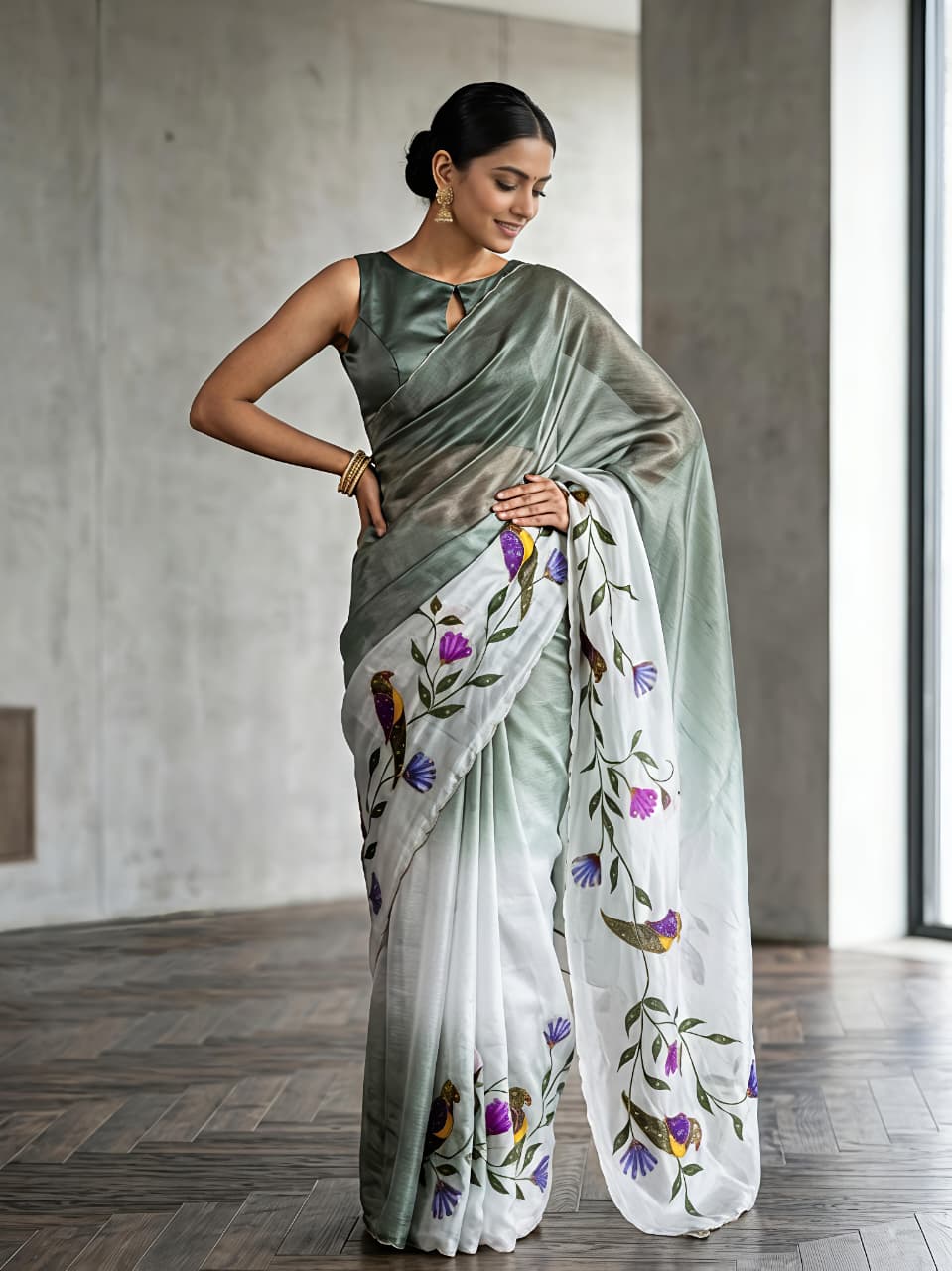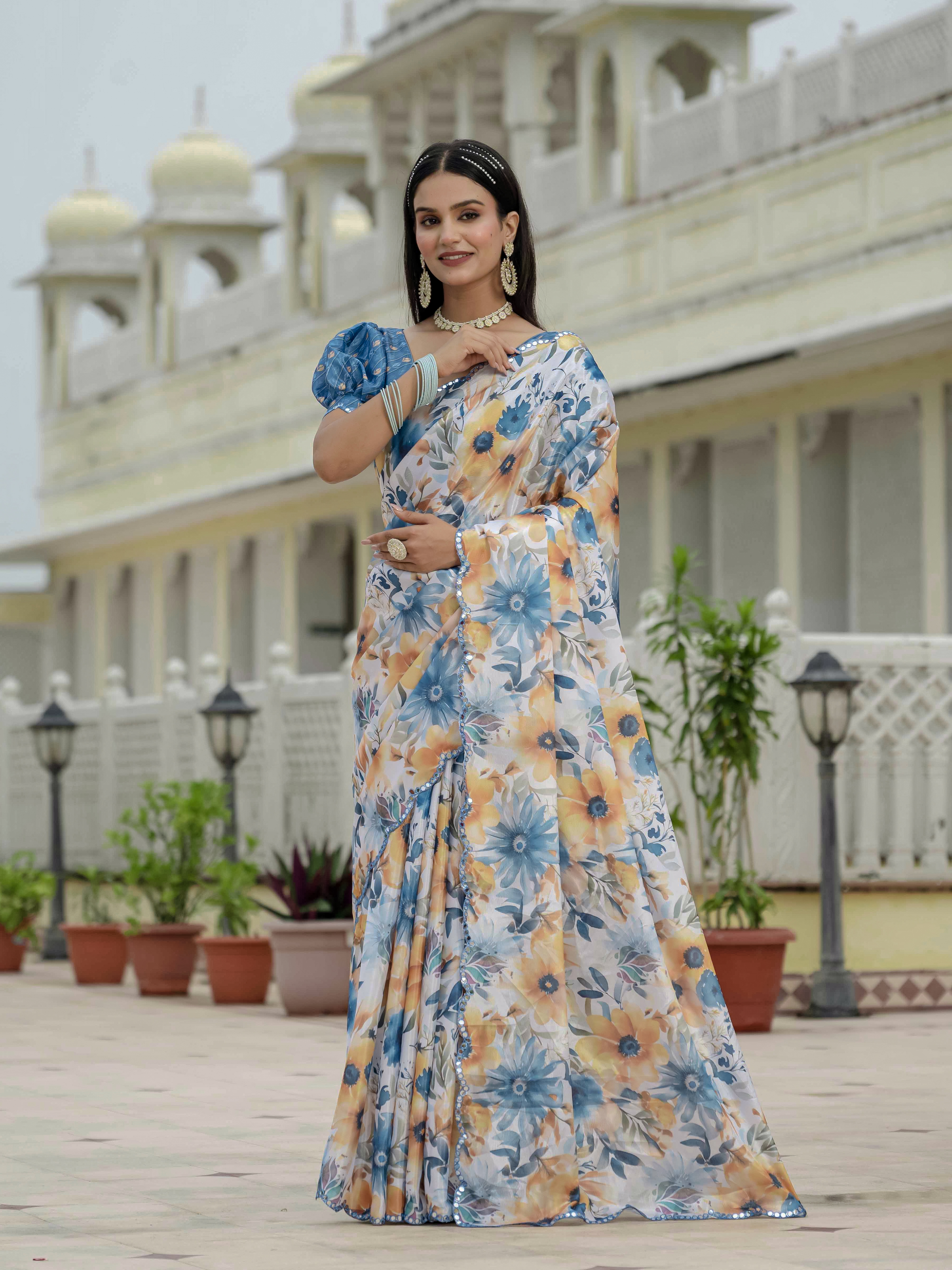
A Maharashtra Ethnic Wear Guide helps when one wedding calendar includes a Haldi ceremony, Mehendi, sangeet, puja and reception. Maharashtra's clothing vocabulary moves between Paithani-inspired colour, the practical drape of a Nauvari saree, sharply finished blouses, comfortable salwar suits and contemporary lehenga choli sets. The right outfit depends on movement, dressing time, weather, ceremony and photographs-not only on embroidery or trend.
Modern Maharashtrian dressing can honour regional details without requiring every garment to be traditionally draped. A jewel-toned lehenga with a structured choli, a bright blouse paired with a silk saree or a light ethnic suit can each feel connected to Maharashtra when colour, jewellery and styling are chosen thoughtfully. The following guide explains how to make those decisions, including when a ready-made outfit is more practical than a semi-stitched design.
Maharashtra Ethnic Wear Guide: What defines a Maharashtra-inspired festive wardrobe?
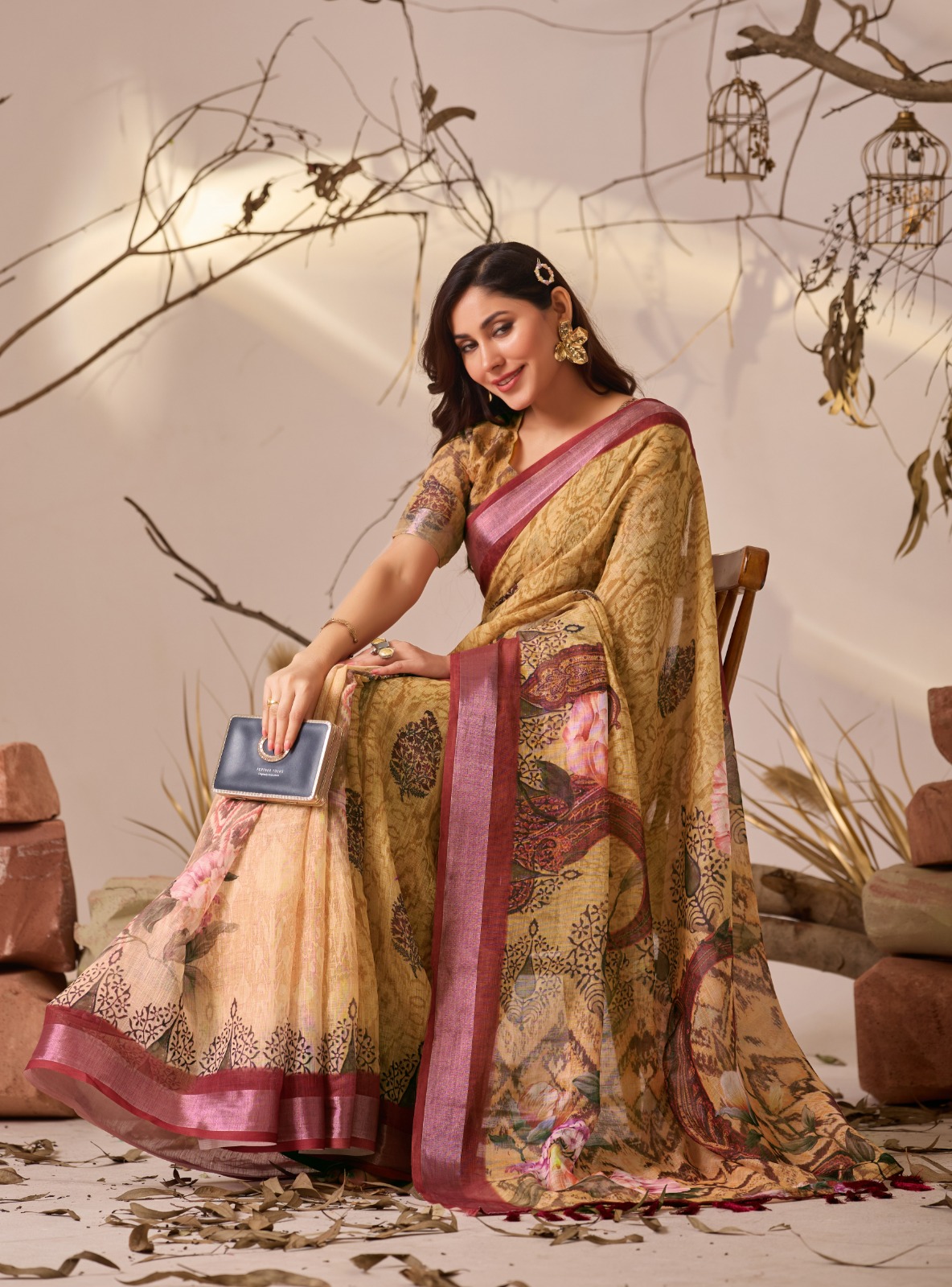
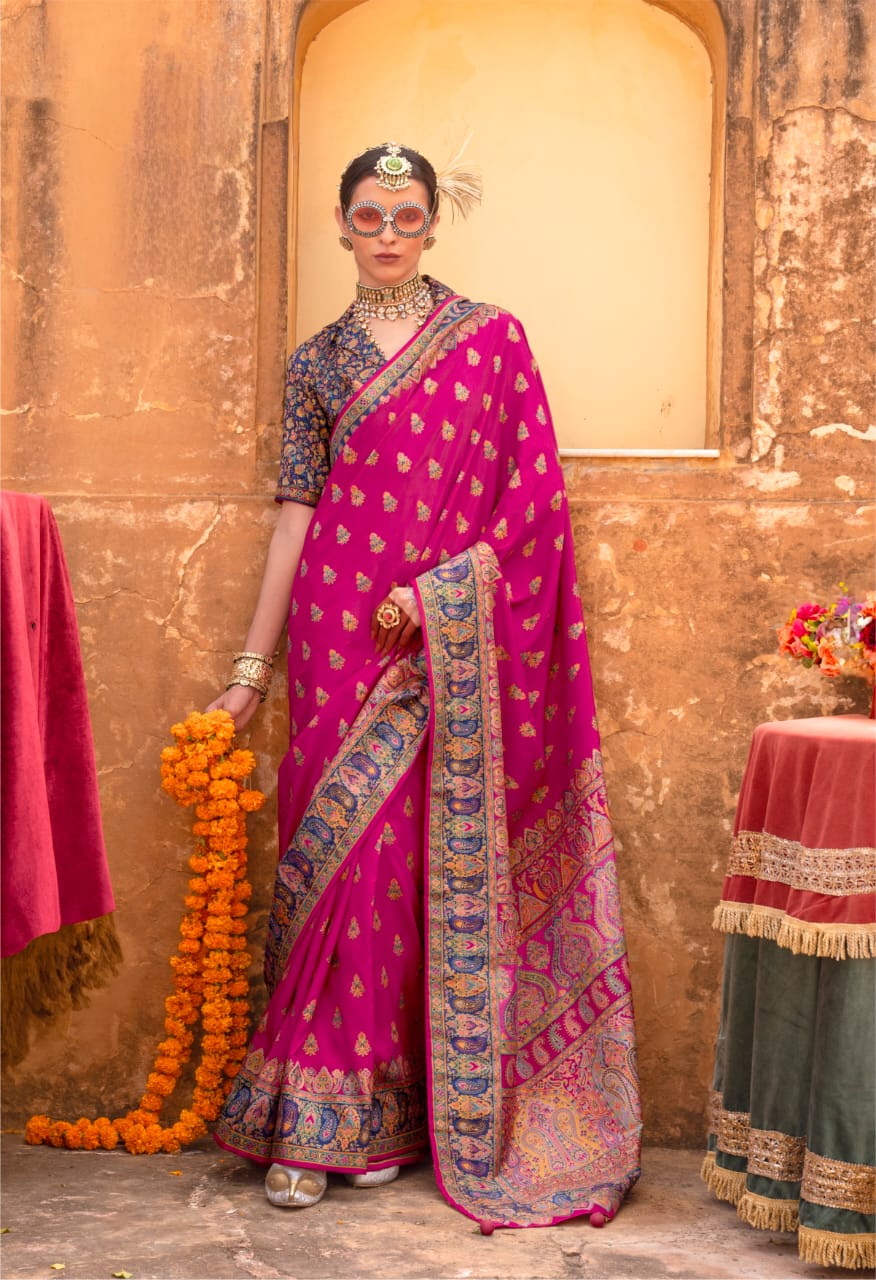
Maharashtra-inspired festive dressing usually combines saturated colour, gold accents, practical silhouettes and recognisable regional accessories. Paithani sarees are associated with rich silk, peacock or floral motifs and zari borders, while the Nauvari saree is known for its shorter, trouser-like drape that allows greater mobility.
A modern wardrobe doesn't need to reproduce either silhouette exactly. A lehenga in green, yellow, magenta or deep purple can echo the colour confidence of Paithani styling, while a nine-yard-inspired border, nath, traditional earrings or a neatly pleated dupatta can add a Maharashtrian reference. Kanjeevaram, Banarasi silk and Chanderi are also useful points of comparison when selecting a fabric, but each creates a different visual weight and comfort level.
Zari contributes a festive gleam, although heavy metallic work isn't automatically suitable for every event. A daytime Haldi ceremony often benefits from cotton, muslin cotton or lightly embellished fabric. An evening wedding or reception can carry denser mirror work, embroidery or a richer woven border. Balancing shine with breathability prevents an outfit from looking overworked.
Maharashtra Ethnic Wear Guide: How should you choose between a saree, suit and lehenga?
Choose a saree for drape-led elegance, a salwar suit for long-wearing comfort and a lehenga for a defined waist-and-skirt silhouette with easy movement during dancing and photographs.
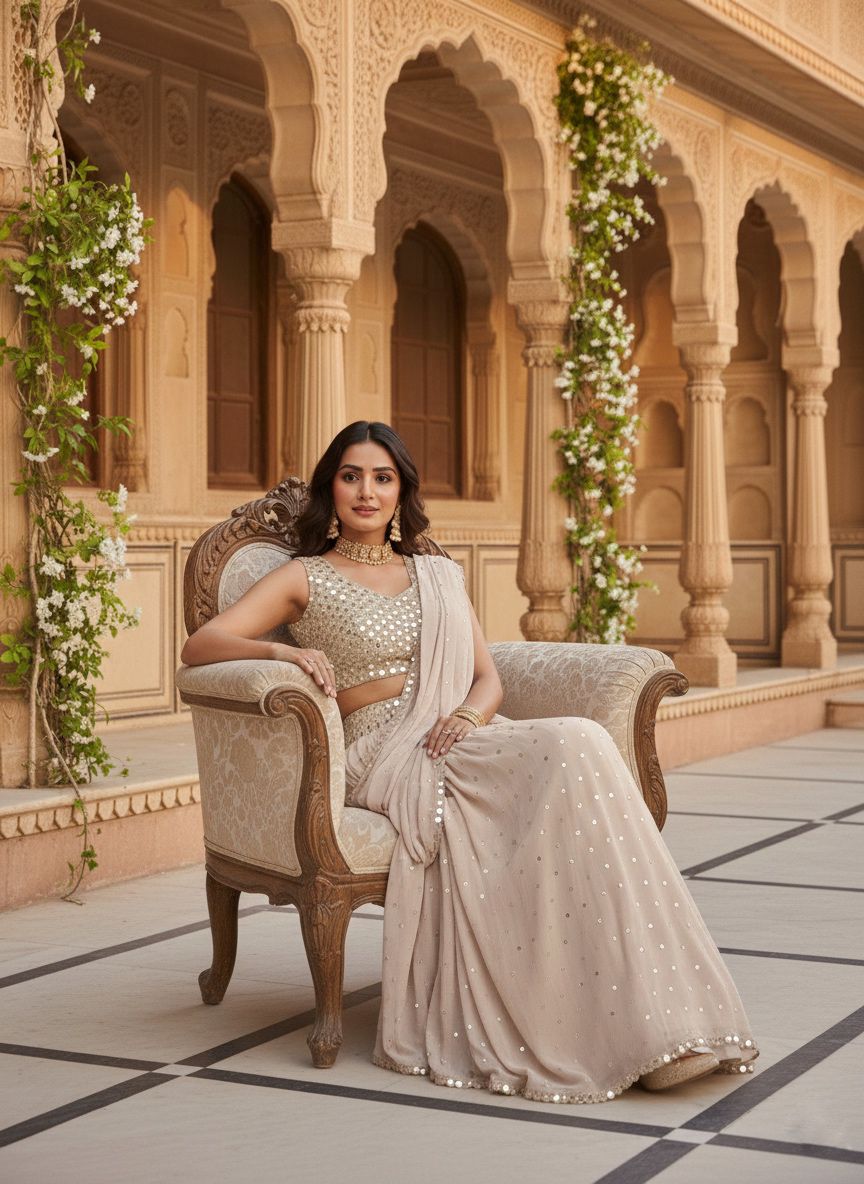
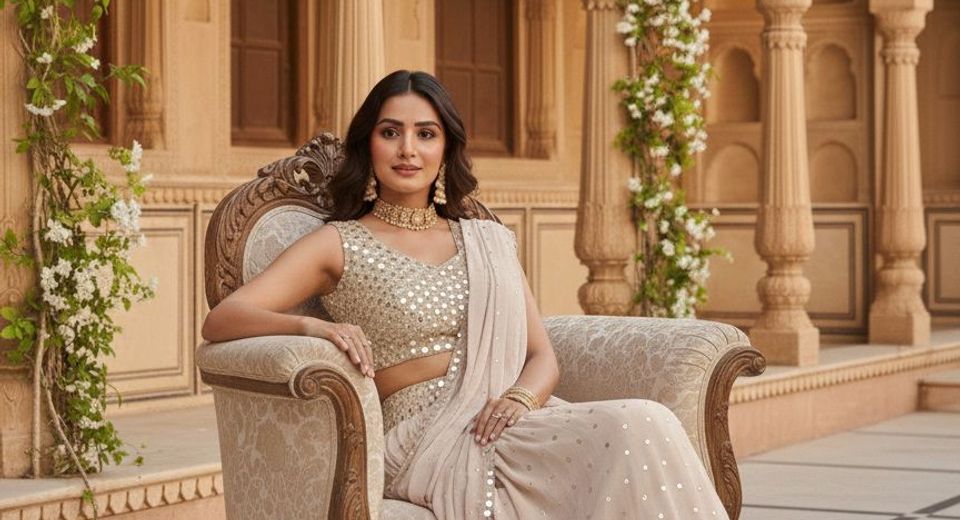
A saree works well for a wedding ceremony, family puja or reception when you enjoy adjusting a pallu and want jewellery to remain the main styling focus. A pre-pleated or ready-to-wear saree reduces dressing time and can be practical for guests travelling to a venue. Beige Mirror Work Ready to Wear Saree with Blouse is an example of a coordinated option for someone who wants saree styling without spending an hour creating pleats.
A salwar suit or palazzo suit is often the most comfortable choice for a full day involving travel, sitting on the floor, serving guests or moving between ceremonies. A longer kurta with a wide-leg palazzo creates an elongated line, while a sharara suit adds festive volume around the lower body without the fitted waistband of many lehengas.
A lehenga choli is a strong choice for Mehendi, sangeet, a wedding guest look or a festive reception because the skirt creates movement and the choli gives the outfit structure. Lehengas also make regional colour references easy: yellow suits a Haldi ceremony, green connects naturally with Mehendi dressing, and red or wine can work for an evening wedding when bridal red isn't required.
Maharashtra Ethnic Wear Guide: Which lehenga construction should you buy?
Buy a fully stitched lehenga when speed and predictable fit matter, and choose a semi-stitched lehenga when you need more alteration flexibility or want a custom-sized finish.
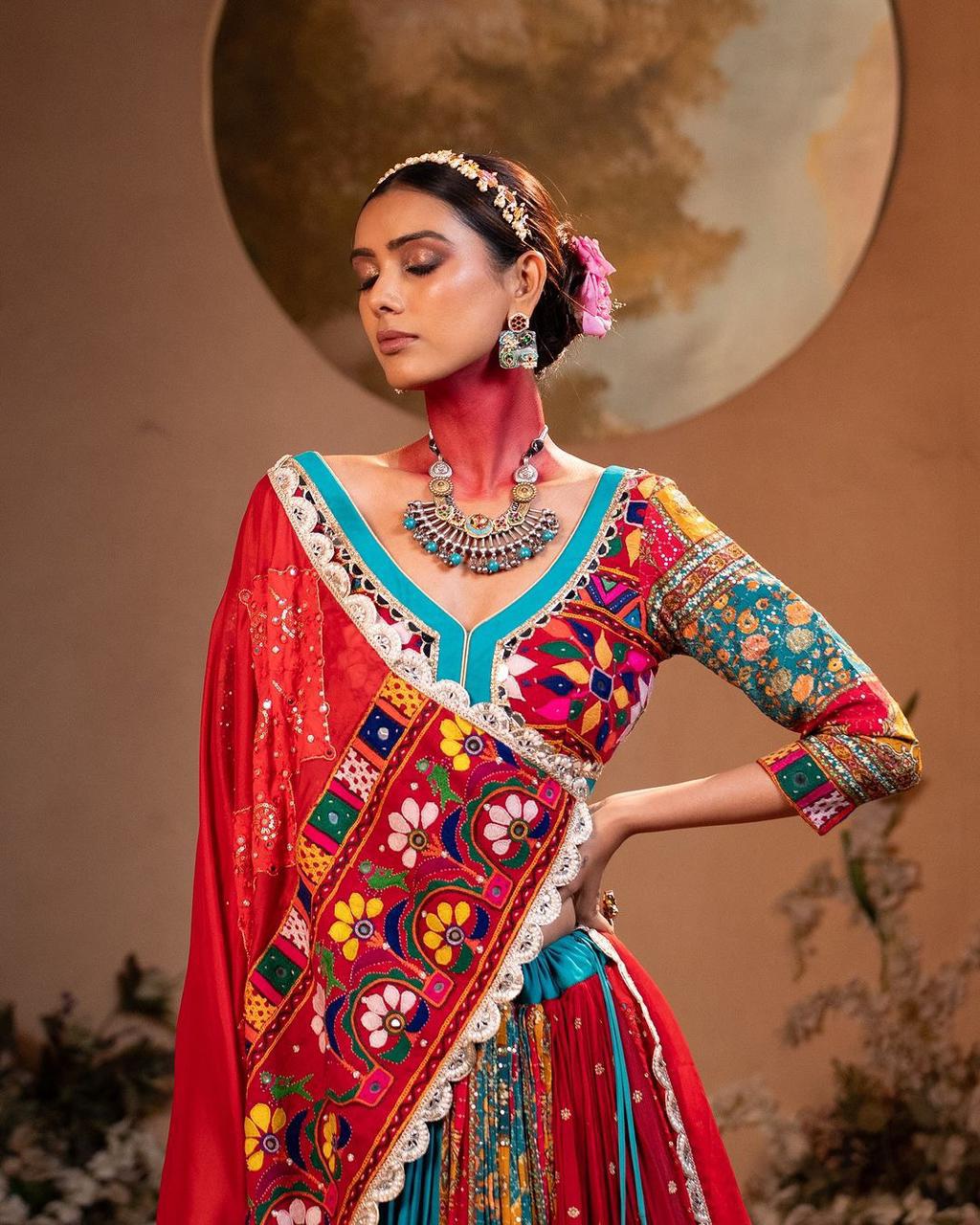
Ready-made and fully stitched options
A ready-made lehenga usually arrives with a finished skirt, choli and dupatta, although the amount of adjustment varies by garment. Fully stitched choli shopping is useful when tailoring time is limited, when buying for girls or teenagers who may not be comfortable with repeated fittings, or when an outfit is needed within one or two weeks.
Measure your bust, underbust, waist and high hip before ordering. Check the garment's finished measurements rather than relying only on a small, medium or large label. A blouse that fits at the bust but pulls across the armhole will remain uncomfortable throughout a ceremony. A skirt should sit securely at the intended waist without requiring constant tightening.
Cream Ethnic Lehenga Choli with Mirror Work Design suits shoppers who want a coordinated choli and skirt with visible festive texture. Cream also leaves room for colourful jewellery, a bright dupatta or a Maharashtrian-style nath to become the focal point.
Semi-stitched and designer options
A semi-stitched lehenga is preferable when the waist, length or blouse proportions need tailoring before the event. Semi Stitched Lehengas Collection options can be particularly useful for petite, tall, curvy or long-torsoed wearers because a tailor can alter the final measurements more precisely than a standard ready-made size.
Allow at least 10 to 14 days for tailoring if the garment needs a new blouse neckline, sleeve adjustment, hem correction or waist alteration. Ask the tailor to preserve the placement of mirror work, borders and motifs. Cutting through a repeated border can make the skirt look uneven, while moving a heavily embellished sleeve may affect its balance.
Designer doesn't always mean bridal. A designer lehenga may simply have more distinctive colour placement, unusual dupatta arrangement or carefully coordinated surface work. Bridal lehengas usually require more planning because the outfit may carry dense embroidery, a heavier skirt and multiple accessories. Guests should avoid copying the bride's exact colour and level of embellishment unless the family has requested coordinated dressing.
Maharashtra Ethnic Wear Guide: Which colours work for Maharashtra ceremonies?
Yellow is the safest classic choice for a Haldi ceremony, green suits Mehendi celebrations and deeper jewel tones are more practical for evening weddings and receptions.
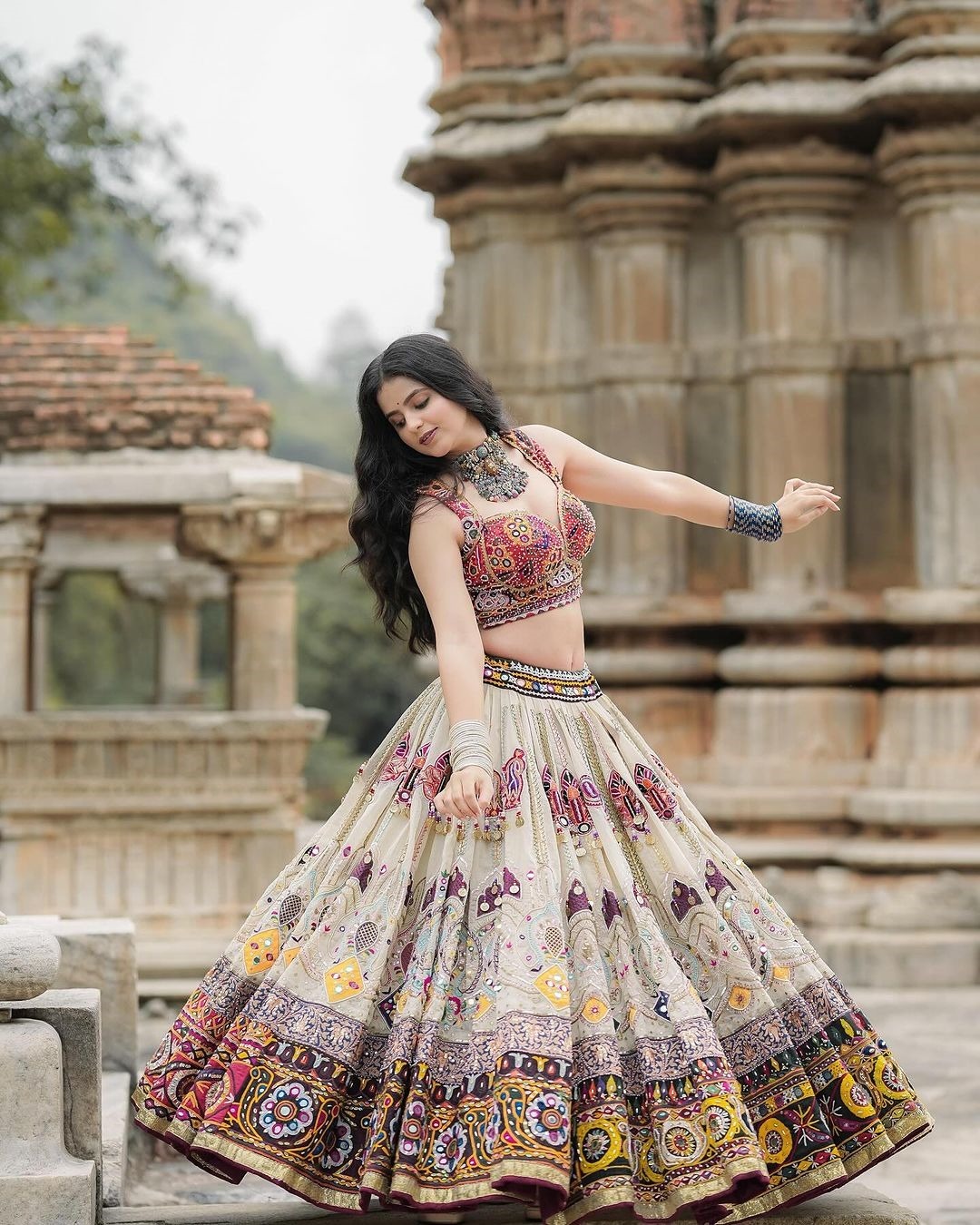
Yellow lehengas photograph brightly in natural light and complement turmeric rituals, but very pale yellow can disappear against warm venue décor. Yellow Lehengas offer a useful starting point for comparing mustard, marigold, lemon and golden shades. Choose a washable or easily cared-for finish if turmeric, flower petals and food are likely to touch the skirt.
Green is associated with Mehendi dressing because it complements fresh leaves and henna. Green Lehengas can range from pistachio and mint to emerald and bottle green. Light green works well for daytime events, while emerald or bottle green gives a more formal effect after sunset. Pairing green with antique gold creates warmth; pairing green with silver or mirror work feels brighter and more contemporary.
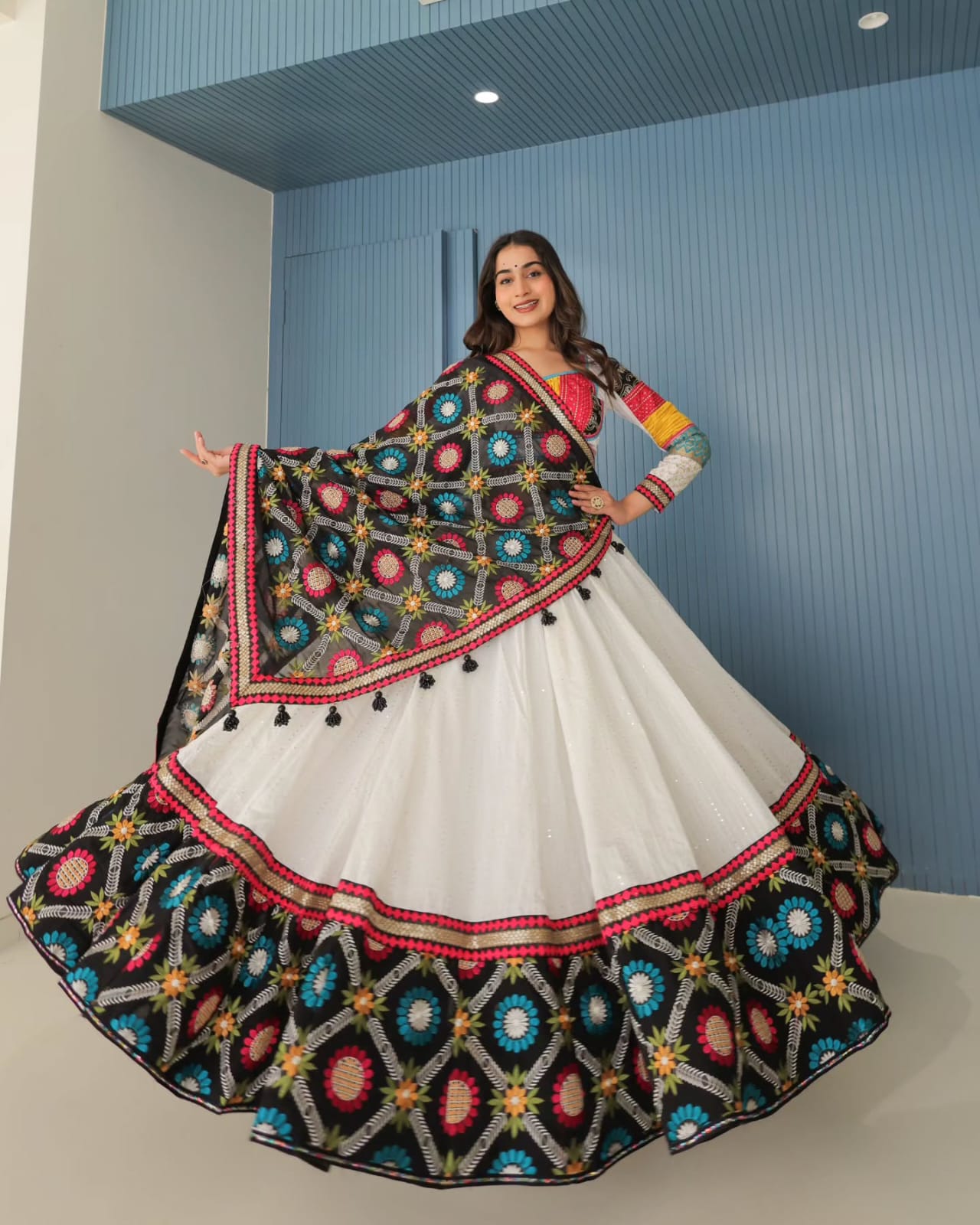
Red, fuchsia, orange, purple and royal blue can all suit Maharashtrian celebrations. Use one dominant colour and one supporting accent rather than combining several equally strong shades. A multicolour garment can solve that problem by repeating several tones in a controlled pattern. Multicolor Mirror Work Muslin Cotton Lehenga Choli Set demonstrates why fabric and colour should be considered together: muslin cotton can make a vivid, reflective design feel more relaxed for daytime wear.
Beige, cream and ivory are valuable when the wearer wants jewellery, blouse detailing or the dupatta to lead. Neutral shades should not be treated as plain; mirror work, zari borders and a contrasting waistband can provide enough definition for photographs.
Maharashtra Ethnic Wear Guide: How do you style the blouse, dupatta and jewellery?
Keep the blouse neckline, sleeve length and support level suited to the ceremony, then use the dupatta and jewellery to introduce the strongest regional detail.
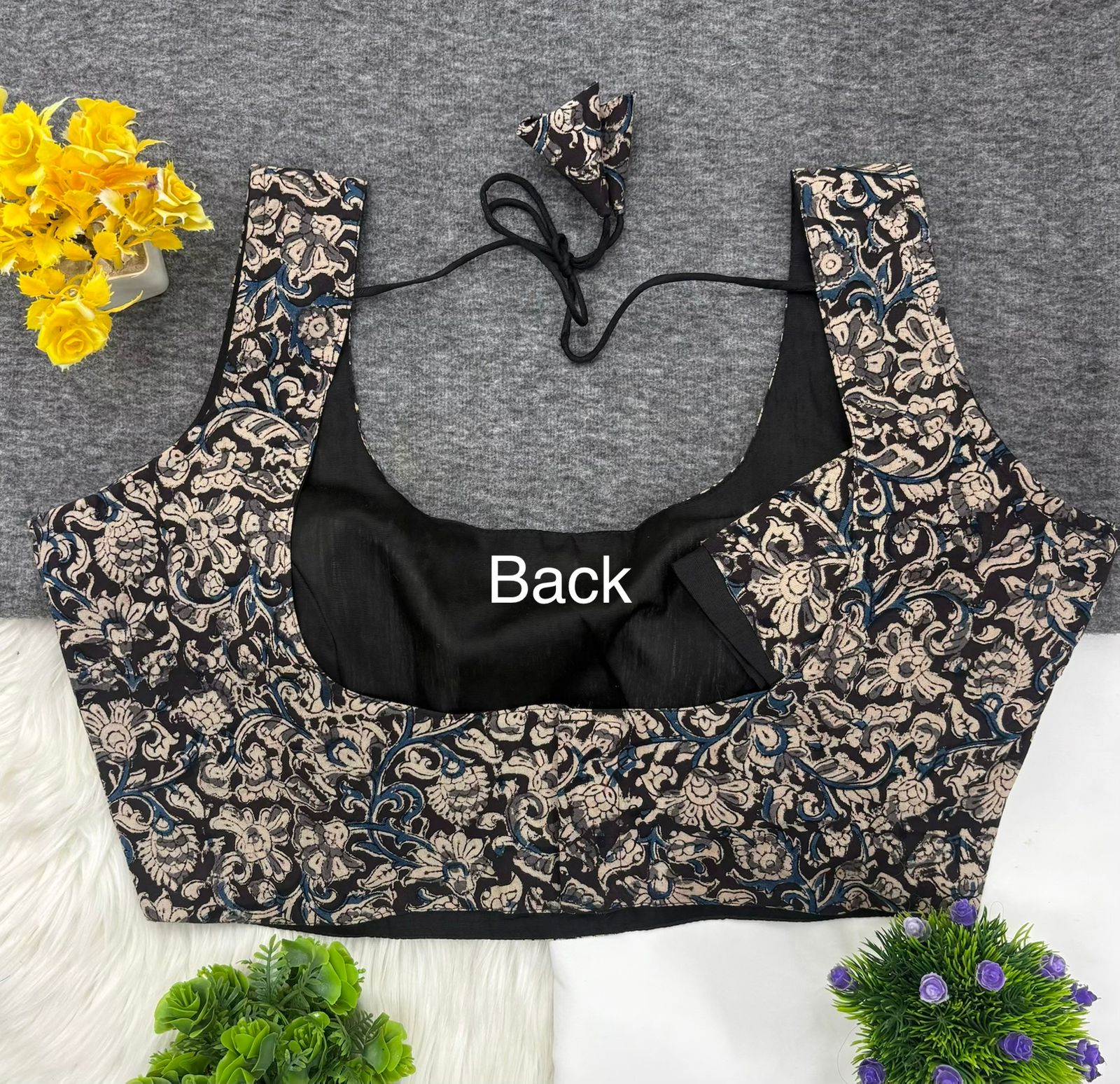
A round or modest V-neck works for a family puja, while a square neck or carefully finished sweetheart shape can suit an evening reception. Sleeves between elbow and three-quarter length provide coverage and support for heavier jewellery. A padded or lined blouse can improve structure, but padding should never replace an accurate bust measurement.
For a lehenga, pin one dupatta securely at the shoulder and arrange the remaining fabric so the border remains visible. A shoulder drape is practical for dancing and greeting guests; a head drape is more ceremonial but needs discreet pins. A contrasting dupatta can connect a neutral lehenga to a Maharashtrian palette without changing the main garment.
A heritage nath, thushi necklace, Kolhapuri-style footwear, green glass bangles or a gajra can create a recognisably Maharashtrian finish. Select two or three strong accessories rather than wearing every regional element at once. Mirror work already catches light, so very large earrings and a heavy necklace may compete with the choli.
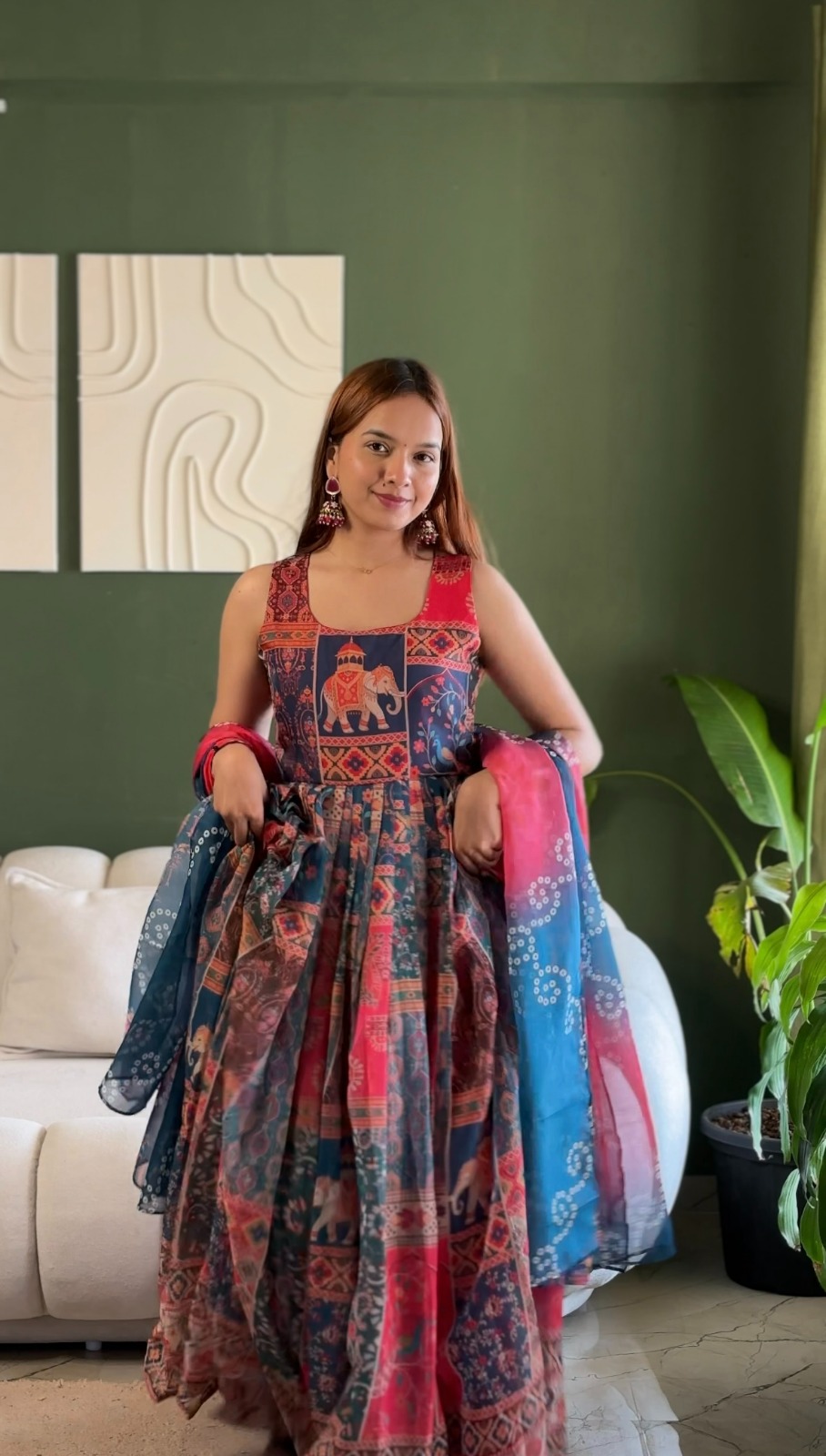
Royal Patola Printed Designer Gown with Elegant Dupatta offers an alternative for a wearer who wants a dress-like silhouette rather than a skirt-and-choli set. A printed gown can be styled with jhumkas, a low bun and a structured dupatta for a formal event while remaining easier to wear than a heavily layered lehenga.
Maharashtra Ethnic Wear Guide: How should you match the outfit to each wedding function?
Match the outfit's weight and surface shine to the event's duration, lighting and level of activity.
- Haldi ceremony: Choose yellow, marigold or soft green in cotton, muslin cotton or another breathable construction. Avoid fragile trailing dupattas and dense work that can catch turmeric.
- Mehendi: Select green, multicolour or light jewel tones with a skirt that allows comfortable sitting and walking. Keep sleeves practical if henna is being applied on the arms.
- Sangeet: Choose a ready-made lehenga or a lighter designer style with a secure waistband and manageable dupatta. Test three movements before the event: walking upstairs, raising both arms and sitting on a chair.
- Wedding ceremony: A silk saree, Banarasi silk-inspired outfit, rich lehenga or embellished suit can suit the formal setting. Keep the hem clear of the floor by approximately 1 to 2 centimetres when wearing footwear.
- Reception: Deeper colours, mirror work, zari and structured blouses perform well under artificial lighting. A gown or sleek lehenga can create a polished silhouette without repeating the ceremony outfit.
Repeat one visual element across the wedding wardrobe if several functions are involved. Green glass bangles, a gold border, a particular shade of pink or a consistent style of earrings can connect separate outfits without making every look identical.
Maharashtra Ethnic Wear Guide: What should you check before buying online?
Check measurements, garment components, fabric, lining, closure details, delivery timing and alteration scope before placing an online ethnic-wear order.
- Measure accurately: Use a soft tape over the undergarments you expect to wear with the outfit. Record bust, waist, shoulder, armhole, skirt length and preferred blouse sleeve length.
- Read the component list: Confirm whether the price includes the choli, skirt, dupatta, can-can, lining, sleeves and belt. A displayed outfit may include styling accessories that are not supplied.
- Assess the fabric: Muslin cotton and cotton blends are generally more comfortable for daytime functions, while heavier synthetic or silk-blend constructions can suit cooler evenings. Fabric names should not be treated as interchangeable.
- Check the closure: A side zip, back zip, dori, hook-and-eye fastening or elastic waist changes how much adjustment is possible. A dori can provide useful flexibility, but it can't correct an incorrectly proportioned blouse.
- Plan delivery: Allow at least seven days between expected delivery and the event for inspection. Allow 10 to 14 additional days when tailoring is needed.
- Inspect embellishment: Gently turn the garment inside out and check whether mirror work, zari or sequins have loose threads. Small loose threads should be secured before first wear rather than pulled.
Shopping becomes more reliable when the buyer selects the outfit according to the event first and the trend second. The most successful Maharashtra-inspired look is one that stays secure while walking, remains comfortable after several hours and uses regional colour or accessories with intention.
Maharashtra Ethnic Wear Guide: How should you care for festive garments?
Protect embellished ethnic wear from moisture, friction, perfume and prolonged sunlight, and follow the garment's stated cleaning instructions.
Air a lehenga or saree in shade after wearing it, then remove jewellery pins and store the garment flat or on a padded hanger. Fold heavy mirror work or zari with acid-free tissue or clean muslin between layers to reduce pressure marks. Avoid storing damp clothing in plastic because trapped moisture can cause odour, colour transfer or fabric damage.
For a small stain, place a clean white cloth beneath the affected area and blot gently with another dry cloth. Do not rub mirror work, zari or printed fabric. Professional dry cleaning is safer for dense embellishment, silk and garments with multiple colours, while a care label should determine whether a cotton or muslin cotton piece can be hand-washed.
Store the dupatta separately if its border is heavier than the central fabric. Keep footwear, metal accessories and sharp brooches away from the skirt to prevent snags. These simple steps preserve the outfit's structure so a carefully chosen ready-made or designer piece can be worn for more than one celebration.
Questions Readers Ask Before Choosing Maharashtra Festive Wear
What should I wear to a Maharashtrian Haldi ceremony?
Yellow, marigold, light green or orange outfits work well for a Haldi ceremony. Choose breathable cotton, muslin cotton or lightly embellished fabric, and avoid delicate trailing dupattas or dense work that can catch turmeric.
Is a ready-made lehenga better than a semi-stitched lehenga?
A ready-made lehenga is better when you need predictable sizing and quick dressing, while a semi-stitched lehenga is better when the waist, skirt length or blouse proportions need tailoring. Allow 10 to 14 days for alterations.
Which colour lehenga is suitable for a Mehendi function?
Green is the most natural choice for a Mehendi function because it complements henna and foliage. Pistachio and mint suit daytime events, while emerald and bottle green create a more formal evening look.
How can I make a lehenga look Maharashtrian?
Use a strong regional colour, a nath, thushi necklace, green glass bangles, Kolhapuri-style footwear or a gajra to create a Maharashtrian finish. Choose two or three such details rather than wearing every accessory together.
How early should I buy a wedding lehenga online?
Buy a ready-made lehenga at least two to three weeks before the event so you can inspect the garment and arrange minor alterations. Buy a semi-stitched or heavily fitted outfit earlier because tailoring may require 10 to 14 days after delivery.
Can a lehenga be worn for a full day of wedding events?
A lehenga can remain comfortable throughout a full day when the waistband is secure, the blouse has adequate support, the skirt allows sitting and the dupatta is pinned safely. Lightweight fabric and manageable embellishment are preferable for travel-heavy schedules.