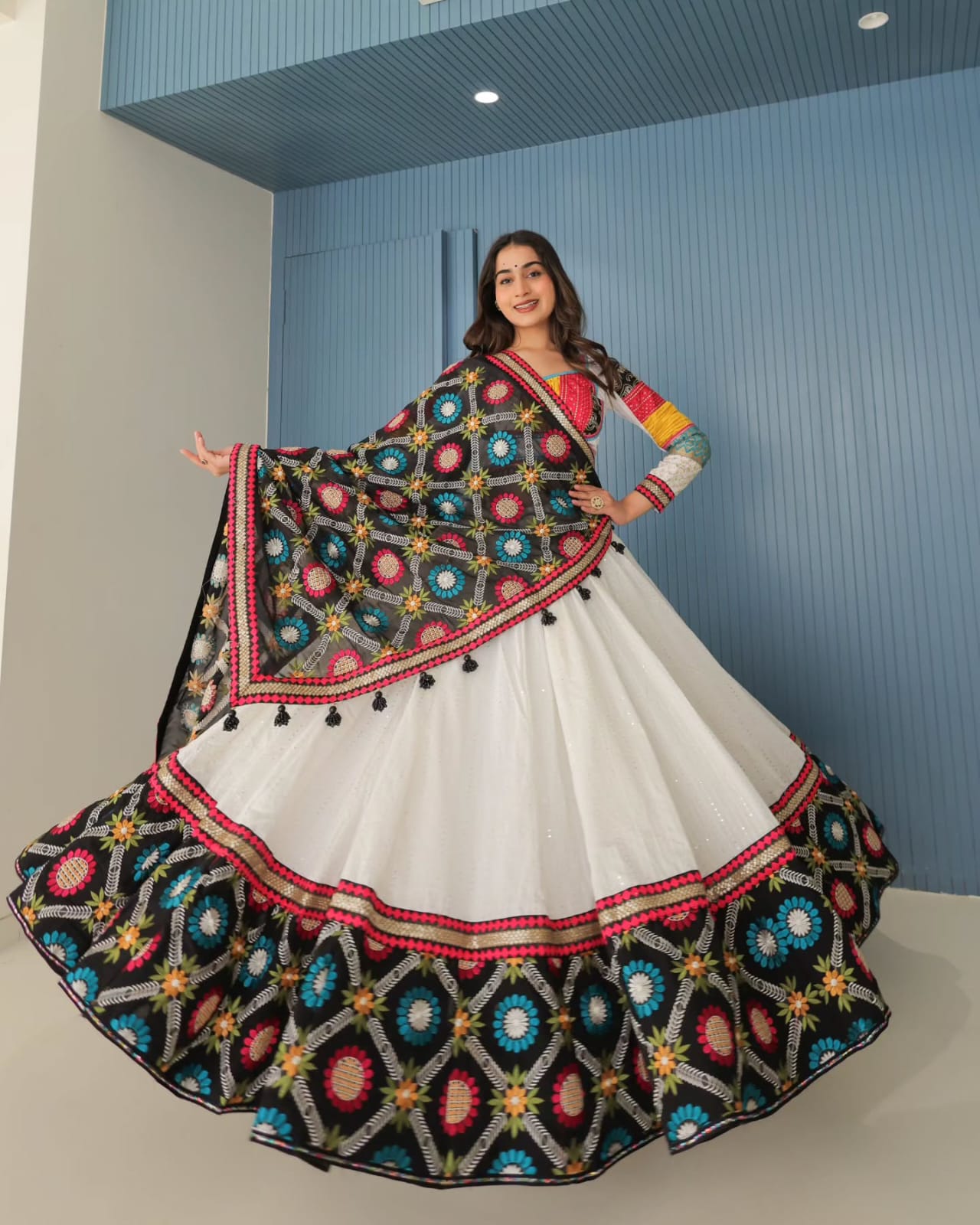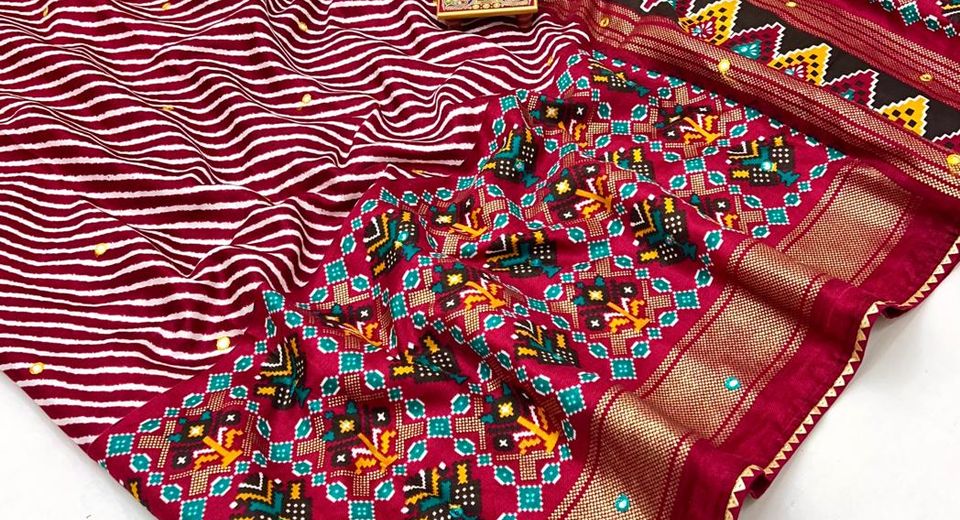
Madhya Pradesh Traditional Sarees carry several distinct textile stories rather than one single style. Chanderi brings a light, translucent hand from the town of Chanderi; Maheshwari is associated with the Narmada-side town of Maheshwar; and Bagh printing adds deep natural colours to cotton and silk-cotton cloth. Knowing the difference helps you choose a saree for a summer ceremony, a traditional wedding, everyday festive dressing or a formal family gathering.
The most useful buying clue isn't the word "traditional" on a product page. Check the fibre, border construction, surface texture, transparency, fall and care instructions. A saree with a delicate zari edge may suit a puja, while a denser silk-cotton body may sit better for several hours of wedding rituals.
Madhya Pradesh Traditional Sarees and the regions behind them
Madhya Pradesh Traditional Sarees are shaped by three especially recognisable traditions: Chanderi weaving, Maheshwari weaving and Bagh block printing. Each tradition has a different relationship between loom, yarn, motif and place.
Chanderi comes from a fine, light handloom tradition
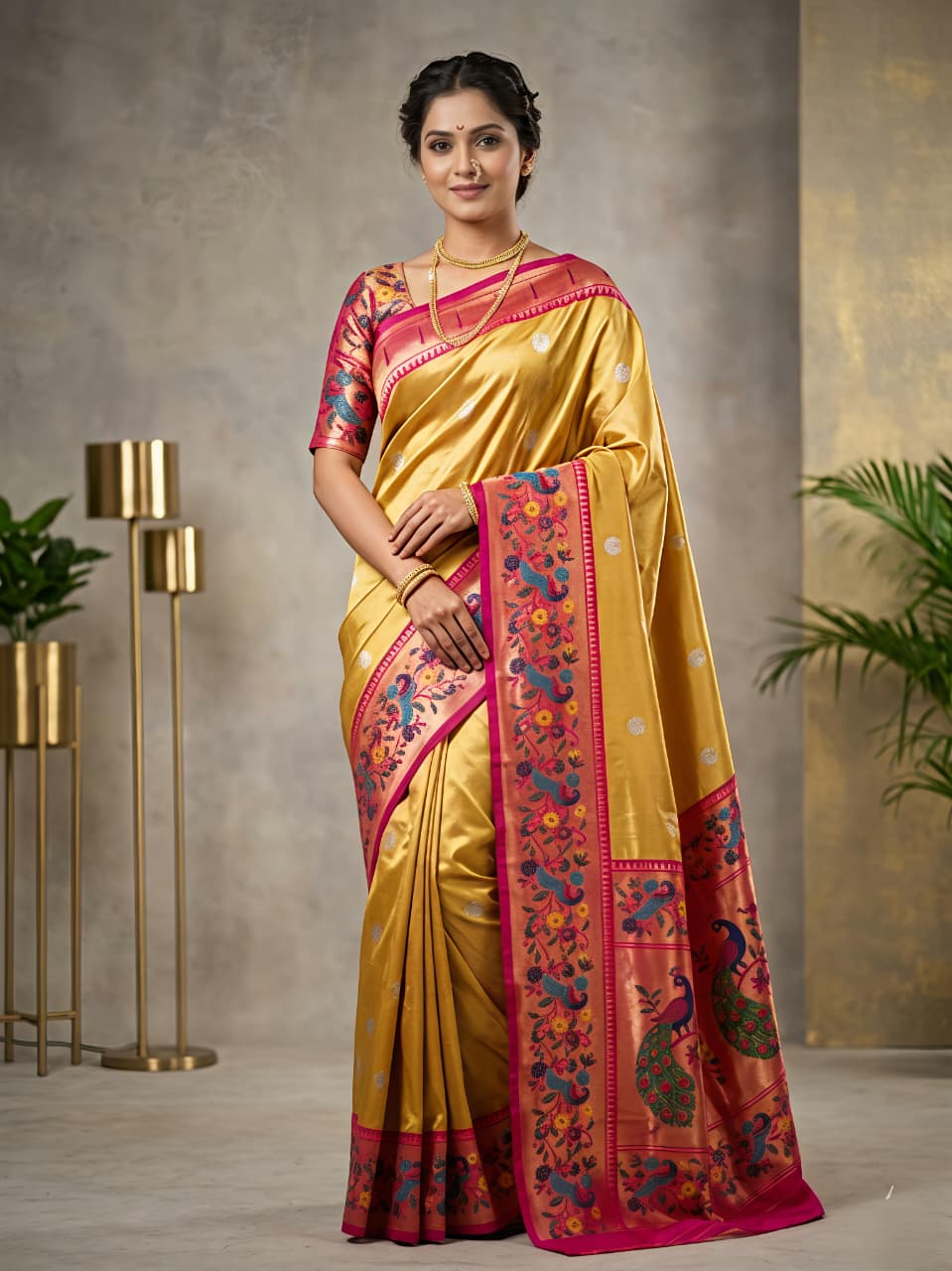
Chanderi sarees are known for a lightweight body, a subtle sheen and a characteristic graceful transparency. Traditional Chanderi may combine silk and cotton, silk and zari, or cotton-based yarns, while contemporary versions vary in fibre composition. Classic motifs include small butis, geometric details, peacocks, flowers and traditional border patterns.
Chanderi's airy construction makes it practical for warm-weather festive dressing, daytime ceremonies and occasions where a saree must remain comfortable for many hours. The same lightness means that a Chanderi saree can show creases, snags or petticoat colour more readily than a heavy silk saree, so the blouse and under-skirt deserve careful attention.
Maheshwari is recognised for reversible borders and clean structure
Maheshwari sarees are associated with Maheshwar and are recognised for a relatively light drape, a firm yet comfortable body and distinctive borders. Traditional Maheshwari designs may feature stripes, checks, small floral motifs and borders inspired by architectural forms, including the local riverside setting. Many classic sarees use contrasting colours on the body and pallu.
Maheshwari fabric often feels more structured than very sheer Chanderi, which helps the pleats hold their shape. Silk-cotton versions are especially versatile because they offer some silk lustre without the weight of a heavily embellished wedding silk. A narrow zari border can make Maheshwari appropriate for a formal lunch, festival or understated wedding guest outfit.
Bagh printing adds a separate surface language
Bagh prints come from the Bagh region of Madhya Pradesh and are traditionally made with hand-carved wooden blocks, natural dyes and repeated geometric or floral arrangements. Red and black are especially associated with Bagh printing, often balanced by an undyed or earthy ground. The print is a surface process, so Bagh cloth should not be confused with a woven Chanderi or Maheshwari pattern.
Bagh-inspired sarees work well when the goal is a visibly artisanal traditional outfit without heavy ornament. The crisp rhythm of the print pairs effectively with a plain blouse, silver jewellery, leather sandals or a restrained gold accessory.
How Madhya Pradesh Traditional Sarees differ in weave, weight and finish
Chanderi is generally the lightest and most luminous choice, Maheshwari usually offers more body and border definition, and Bagh is identified primarily by printed pattern and colour rather than by one exclusive weave. This comparison helps narrow a purchase before you compare colour or price.
- Choose Chanderi when you want an airy saree with a soft sheen, delicate butis or a graceful translucent effect.
- Choose Maheshwari when you prefer a cleaner fall, a more defined pallu and a traditional border that doesn't feel overly heavy.
- Choose Bagh print when the visual appeal should come from hand-blocked red, black and earthy motifs on cotton or silk-cotton cloth.
- Check the fibre label because the name of a regional style doesn't automatically tell you whether the saree is pure silk, silk-cotton, cotton or a modern blend.
- Inspect the reverse side for block-print registration, loose threads and the finish of the zari or border. Slight variation can support handcraft, but weak seams and excessive bleeding indicate a care or quality concern.
An important wardrobe comparison is the difference between a printed Chanderi-inspired saree and a woven Chanderi saree. The former may give you the visual language of flowers at a more accessible price, while the latter expresses more of the loom's transparency and texture. Product descriptions should be read for construction rather than judged by the regional name alone.
Choosing Madhya Pradesh Traditional Sarees for different occasions
The right Madhya Pradesh saree depends on the formality, weather, duration of wear and amount of movement expected. A morning puja, a Haldi ceremony and a wedding reception each reward different fabric decisions.
For daytime rituals and Haldi ceremonies
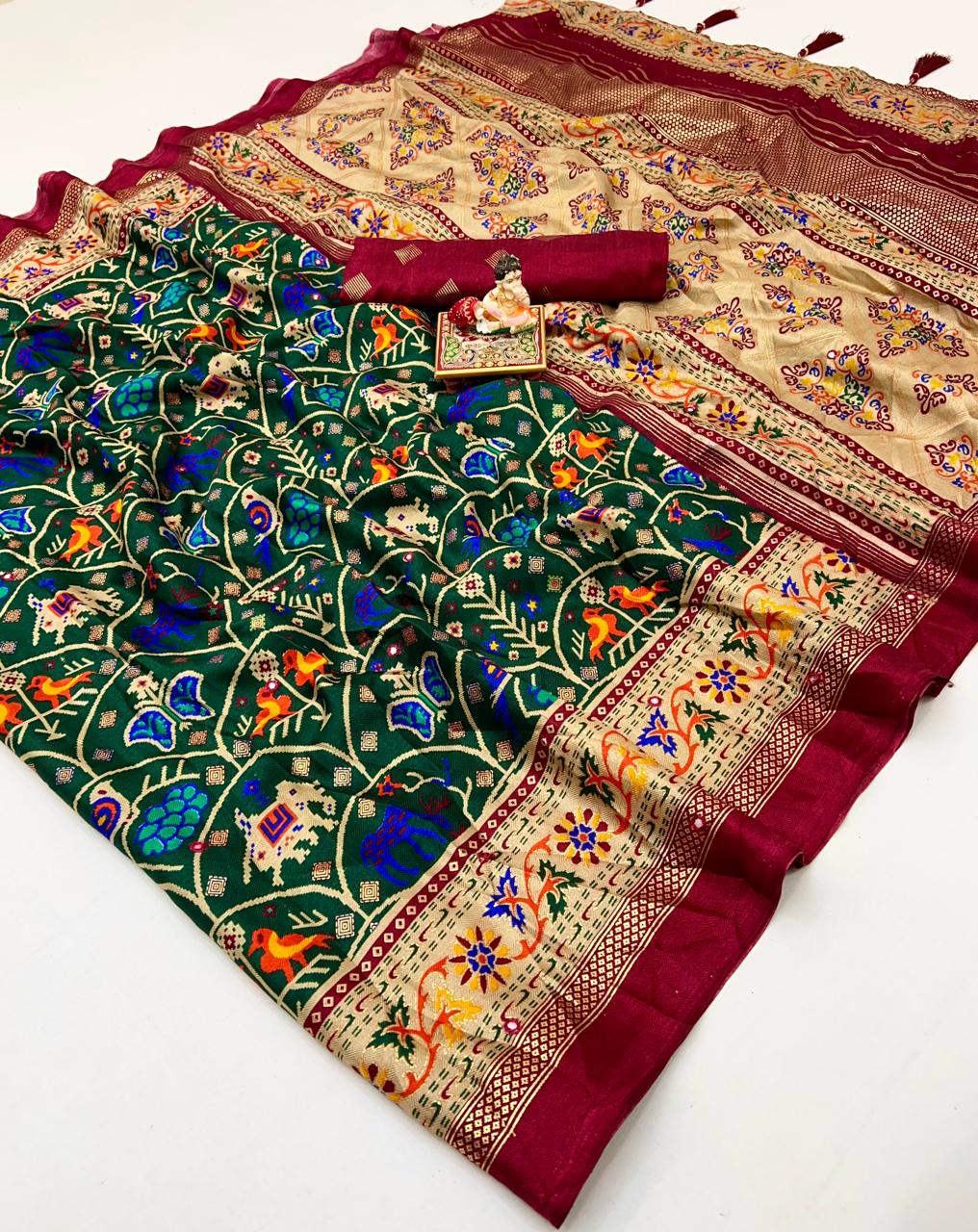
Light Chanderi, cotton or linen-cotton sarees are comfortable choices for a daytime ritual or Haldi ceremony. Yellow, marigold, green, coral and pink can reflect the celebratory setting without requiring dense embellishment. A breathable blouse with short or elbow-length sleeves and a secure pallu keeps the outfit practical around turmeric, flowers and group photographs.
Pastel Linen Cotton Floral Print Saree with Designer Blouse demonstrates how a lighter floral direction can feel festive without becoming ornate. Peach Linen Cotton Floral Print Saree with Blouse for Women gives another useful approach for daytime dressing, especially when paired with gold-toned earrings and a simple low bun.
For weddings and formal family events
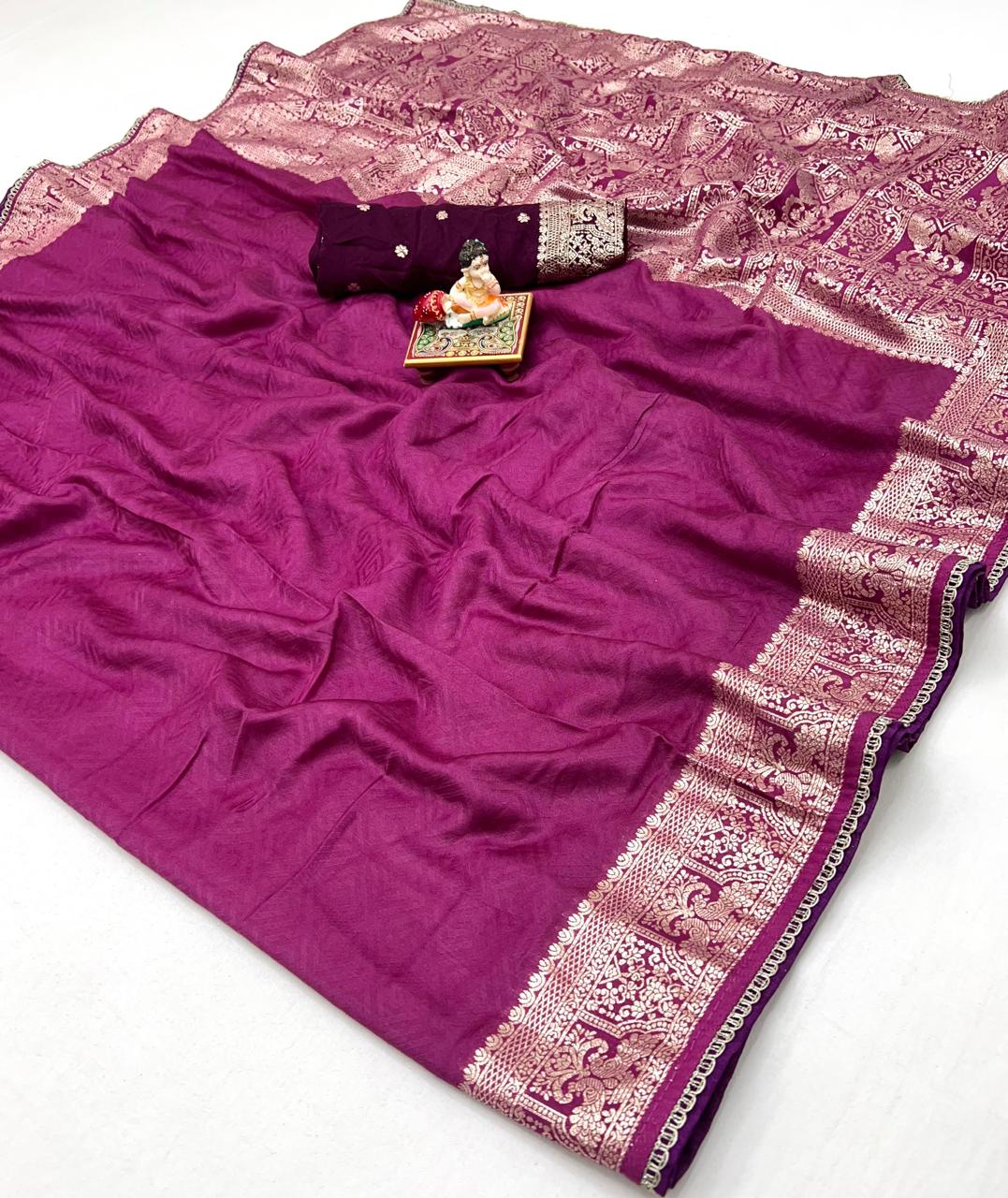
A silk-cotton saree, richer Chanderi or a saree with a controlled zari border is suitable for a traditional wedding when you want polish without the weight of a bridal Kanjeevaram. Deep maroon, wine, emerald, teal and navy create a stronger evening presence, while a contrast blouse prevents the look from appearing flat.
Wine Tissue Handloom Cotton Saree with Zari & Floral Prints shows how a wine ground and zari detail can create occasion depth. Cream Pink Tissue Handloom Cotton Saree with Zari takes a softer route that suits a daytime wedding, engagement or family celebration. Neither colour requires a heavily embroidered blouse; textured silk, brocade or a neatly tailored plain blouse can provide enough contrast.
For understated festive dressing
Pastel Chanderi, tissue cotton and restrained floral prints suit office celebrations, cultural programmes and smaller festive gatherings. Black and maroon can look especially distinctive when the print remains visible and the jewellery is kept selective.
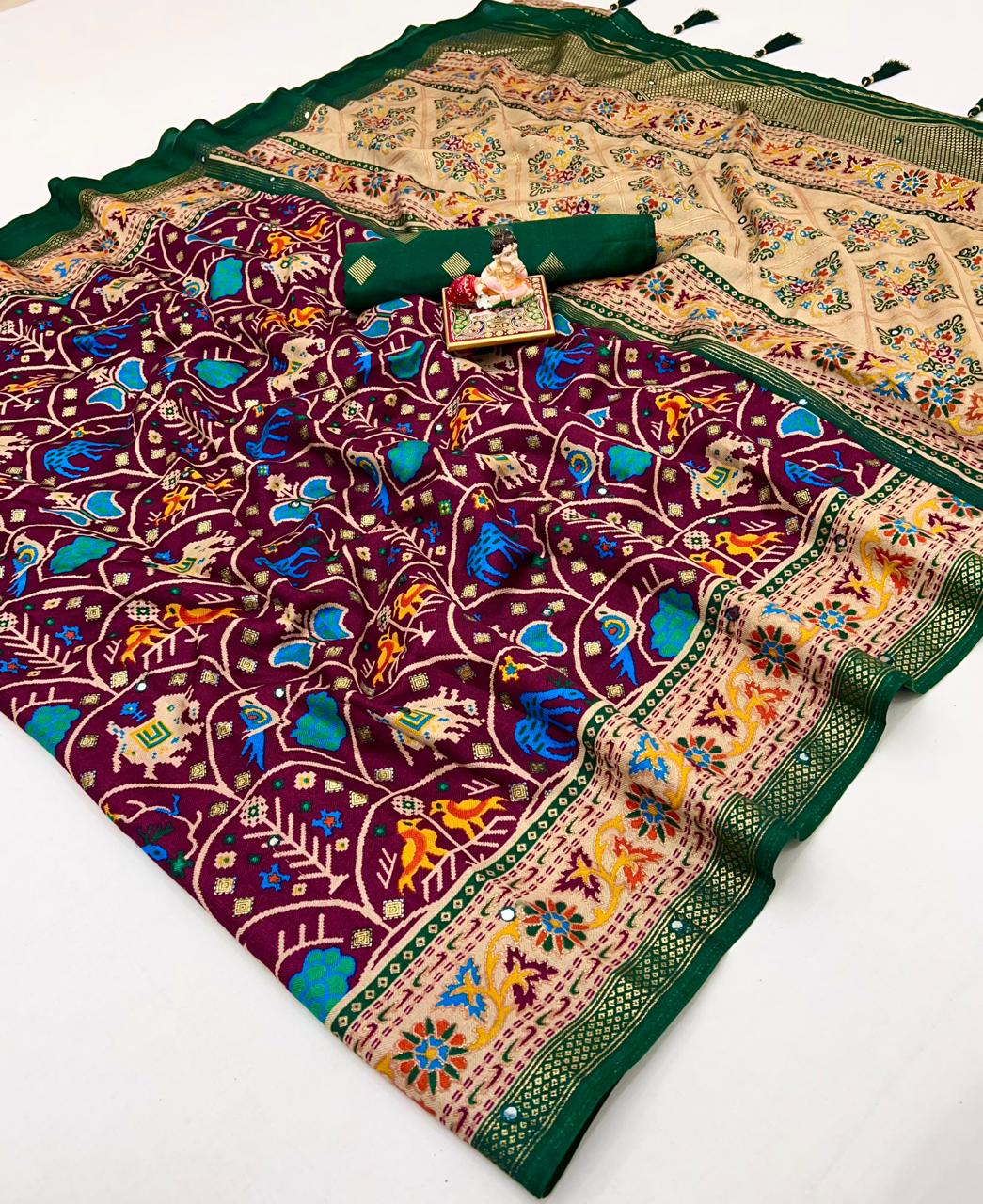
Black Maroon Chanderi Printed Saree for Women illustrates the effect of a dark base with warmer accents. Green Maroon Chanderi Printed Saree Online India brings a jewel-toned alternative for someone who wants colour contrast without a large metallic border. Teal Floral Linen Cotton Saree with Elegant Contrast Border brings another option that can be styled with antique gold for a traditional result or with oxidised silver for a more craft-led finish.
Styling Madhya Pradesh Traditional Sarees without losing their identity
A traditional saree looks most considered when the blouse, drape and accessories support the textile instead of competing with it. Three small decisions usually make more difference than adding more jewellery.
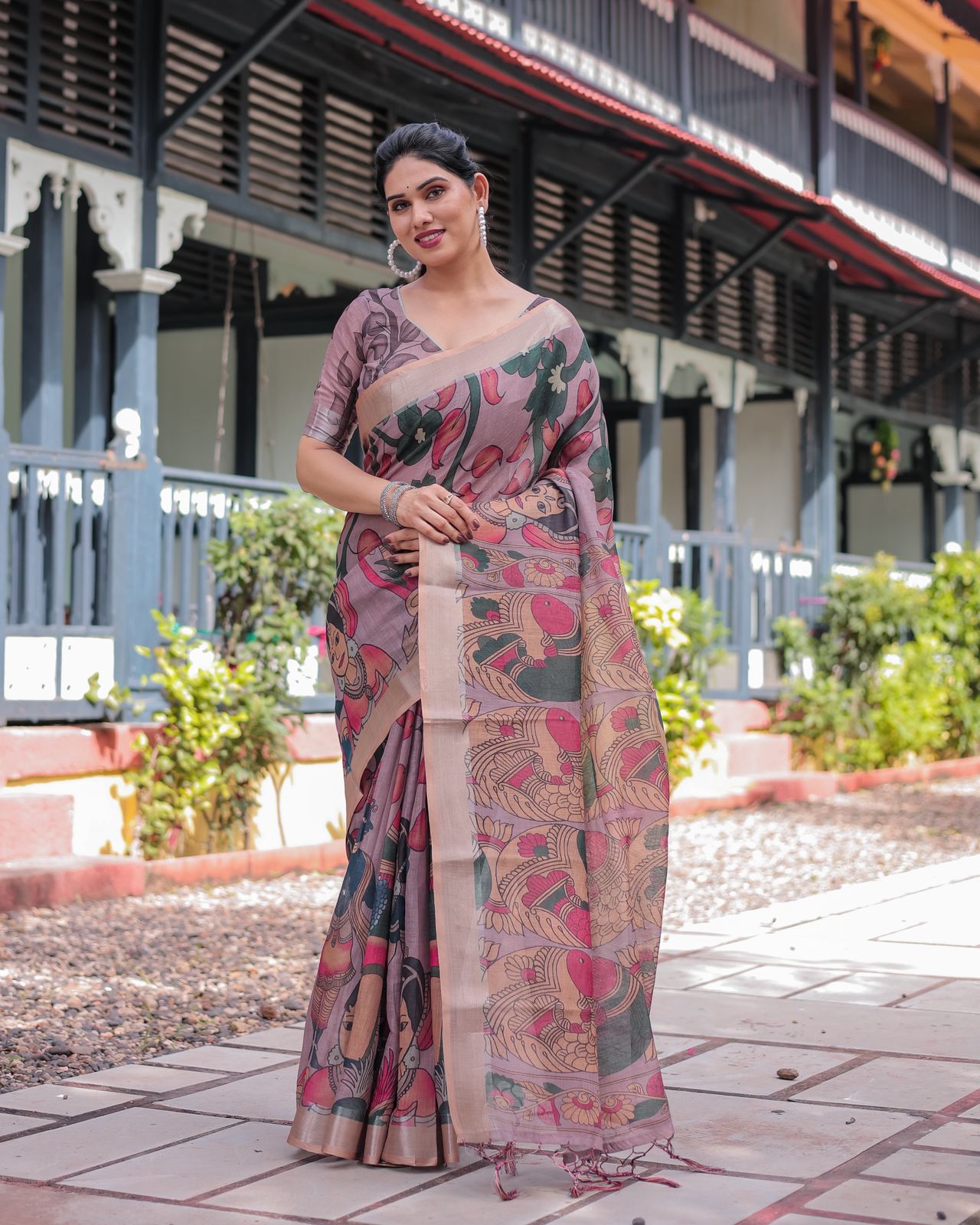
- Match the blouse to the saree's visual weight. A sheer Chanderi needs a well-finished blouse because the silhouette remains visible through the saree. A printed linen-cotton saree can take a solid blouse in a colour drawn from the border or motif.
- Choose the petticoat carefully. A skin-toned or saree-matched petticoat is safer under a translucent Chanderi than a stark white one. A cotton petticoat gives grip, while a satin or fitted underskirt can create a smoother fall when the saree isn't too lightweight.
- Use one clear jewellery story. Silver, kundan, pearls, terracotta and antique gold can all work, but combining several high-shine finishes may obscure an understated handloom. Pick earrings and one neck or wrist element first, then add only what the neckline requires.
A traditional wedding doesn't require every item to be heavily embellished. A contrast border, a gajra, a neat bun and a blouse with a shaped neckline can make a regional textile feel ceremonial while preserving its character. For a simpler traditional look, wear a solid blouse, medium-sized earrings and a narrow belt or no belt at all.
A saree without a blouse isn't automatically ready to wear. Some sellers provide only the saree length, while others include an unstitched blouse piece or a stitched blouse. Check the listing for blouse-piece length, finished measurements, lining and delivery time before planning an event outfit.
Buying Madhya Pradesh Traditional Sarees online with fewer surprises
The safest online purchase starts with a specification check, not a colour impression from a screen. Ask five practical questions: What is the fibre? Is the border woven, printed or embroidered? Is the blouse included? What is the saree length? Which washing method is recommended?
- Read the fibre composition: "silk," "silk-cotton," "linen cotton," "tissue cotton" and "polyester blend" have different feel, fall and care needs.
- Check measurements: a saree commonly measures around 5.5 metres, with a separate blouse piece often measuring close to 0.8 metres, but exact dimensions vary by product.
- Study close-up photographs: look for the edge finish, weave density, print sharpness, pallu design and any visible slubs or irregularities.
- Confirm colour expectations: screen brightness and indoor photography can shift maroon towards red or teal towards blue.
- Compare the price with the construction: a lower price may reflect printed fabric, a synthetic blend, machine finishing or a shorter blouse piece rather than a handwoven textile.
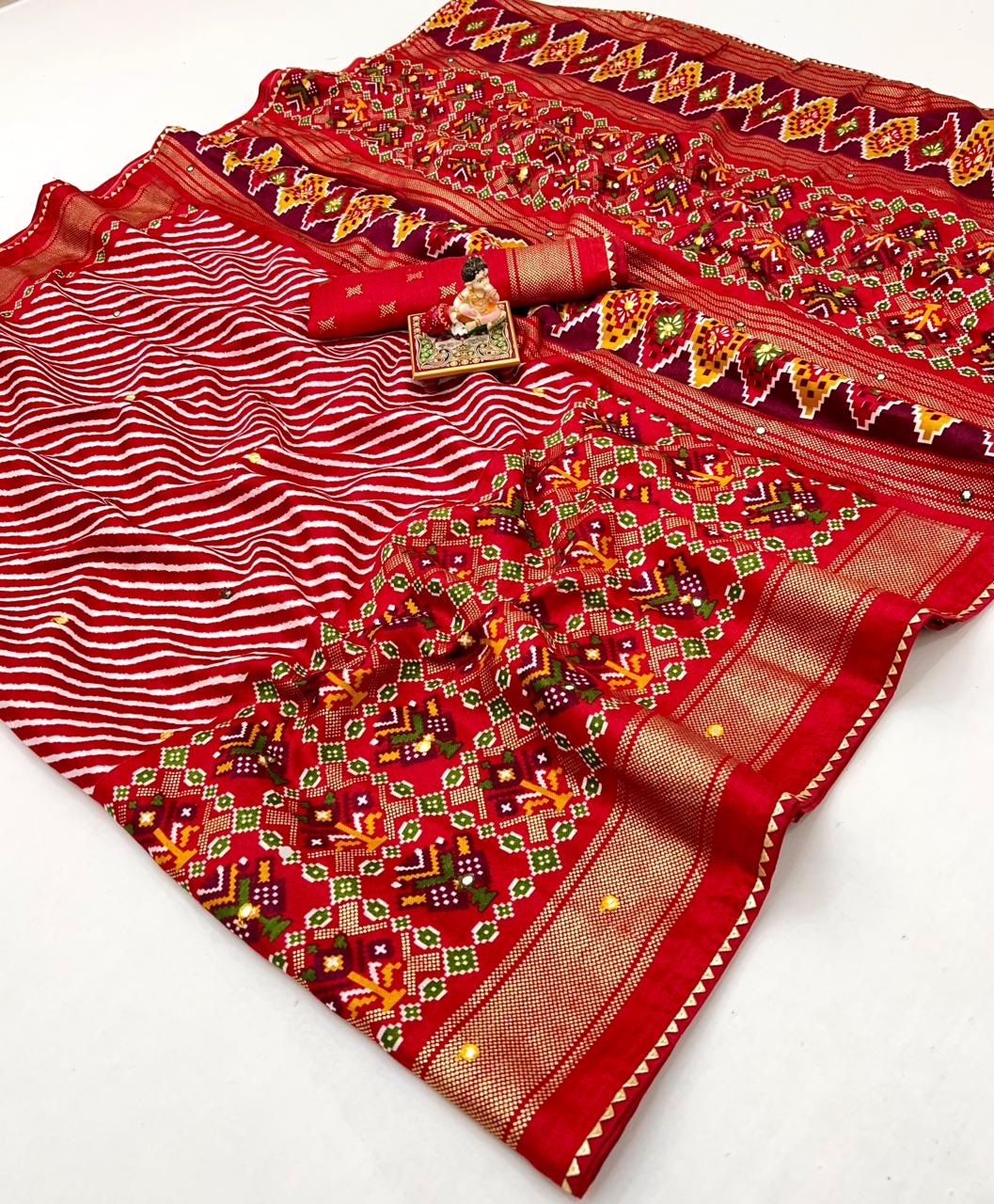
Collection names can also signal the shopping context, but they should not replace fabric details. Silk Sarees Under 3000 With Discount may help a budget-conscious buyer compare festive options. Pink Georgette Sarees and Party Wear Sarees are useful when colour or occasion matters more than regional provenance. Red Banarasi Silk Sarees for Weddings Under 1100 and Gray Color Sarees Under 1000 provide price-led comparisons, although Banarasi silk and Madhya Pradesh handloom traditions should not be treated as interchangeable.
When comparing websites, prefer listings that state the fibre, dimensions, blouse details, lining, wash method and dispatch timeline. Reviews that mention transparency, actual colour, crease behaviour and border quality are more useful than reviews that only call a saree beautiful.
Caring for Madhya Pradesh Traditional Sarees after wearing
Madhya Pradesh Traditional Sarees last longer when they're aired, folded and stored according to their fibre and surface treatment. Delicate Chanderi and zari-bearing sarees need more protection than sturdy cotton prints.
- Air the saree first: hang or spread the saree in shade for a short period after wearing so body moisture doesn't remain trapped in the folds.
- Avoid routine machine washing: dry cleaning is usually safer for silk, zari and tissue surfaces, while washable cotton should follow the stated care label.
- Fold along different lines: refold stored sarees every few months to reduce permanent creasing along one fold.
- Use unbleached cotton storage cloth: cotton wrapping allows airflow and reduces direct contact with plastic, which can trap humidity.
- Keep zari away from moisture: store zari borders away from damp walls, perfumes and cosmetics that may tarnish metallic threads.
don't rub a fresh stain aggressively on Chanderi, tissue cotton or a printed saree. Blot excess moisture with a clean, dry cloth, identify the fibre and consult a professional cleaner if the stain is oily, coloured or close to zari.
Why Madhya Pradesh Traditional Sarees remain relevant
Madhya Pradesh Traditional Sarees remain relevant because they offer visual richness without forcing every wearer into the same level of ornament. Chanderi suits lightness and transparency, Maheshwari gives structure and border definition, and Bagh contributes graphic colour through block printing.
The most rewarding purchase balances regional identity with practical information. Check the fibre, understand the difference between woven motifs and surface prints, choose a blouse that respects the fabric's weight and store the saree away from moisture. Those steps turn a handsome traditional purchase into a wearable part of a long-term wardrobe.
Common Questions About Madhya Pradesh Traditional Sarees
What are the most popular traditional sarees from Madhya Pradesh?
Chanderi and Maheshwari are the best-known traditional saree traditions from Madhya Pradesh, while Bagh printing is another important textile heritage. Chanderi is light and subtly sheer, Maheshwari has a more defined body and border, and Bagh is recognised for hand-blocked geometric and floral prints.
How can I tell a Chanderi saree from a Maheshwari saree?
A Chanderi saree usually feels lighter and more translucent, with a soft sheen and delicate motifs. A Maheshwari saree generally has a slightly firmer fall, clearer border definition and often contrasting stripes, checks or pallu details.
Are Madhya Pradesh traditional sarees suitable for a wedding?
Yes, Chanderi and Maheshwari sarees with silk, silk-cotton or zari details can suit a traditional wedding, especially for guests and family celebrations. Choose deeper colours and a defined border for evening events, or soft tissue and pastel shades for daytime ceremonies.
Can I wear a traditional saree without a blouse?
A saree can be draped without a separately stitched blouse only when the listing includes a suitable blouse piece or the wearer already has a compatible blouse. Confirm whether the product includes a blouse, an unstitched blouse piece or only the saree before buying.
Where can I buy traditional sarees online in India?
Online textile and ethnic-wear websites can be useful when product pages clearly state fibre, saree length, blouse details, care instructions and delivery timelines. Reviews that discuss transparency, colour accuracy and border quality offer better evidence than generic ratings.
How should I wash a Chanderi or zari saree?
Chanderi and zari sarees should generally be handled gently and dry-cleaned when the care label recommends it. Air the saree in shade after wearing, avoid bleach and store the folded saree in breathable cotton away from dampness and direct sunlight.