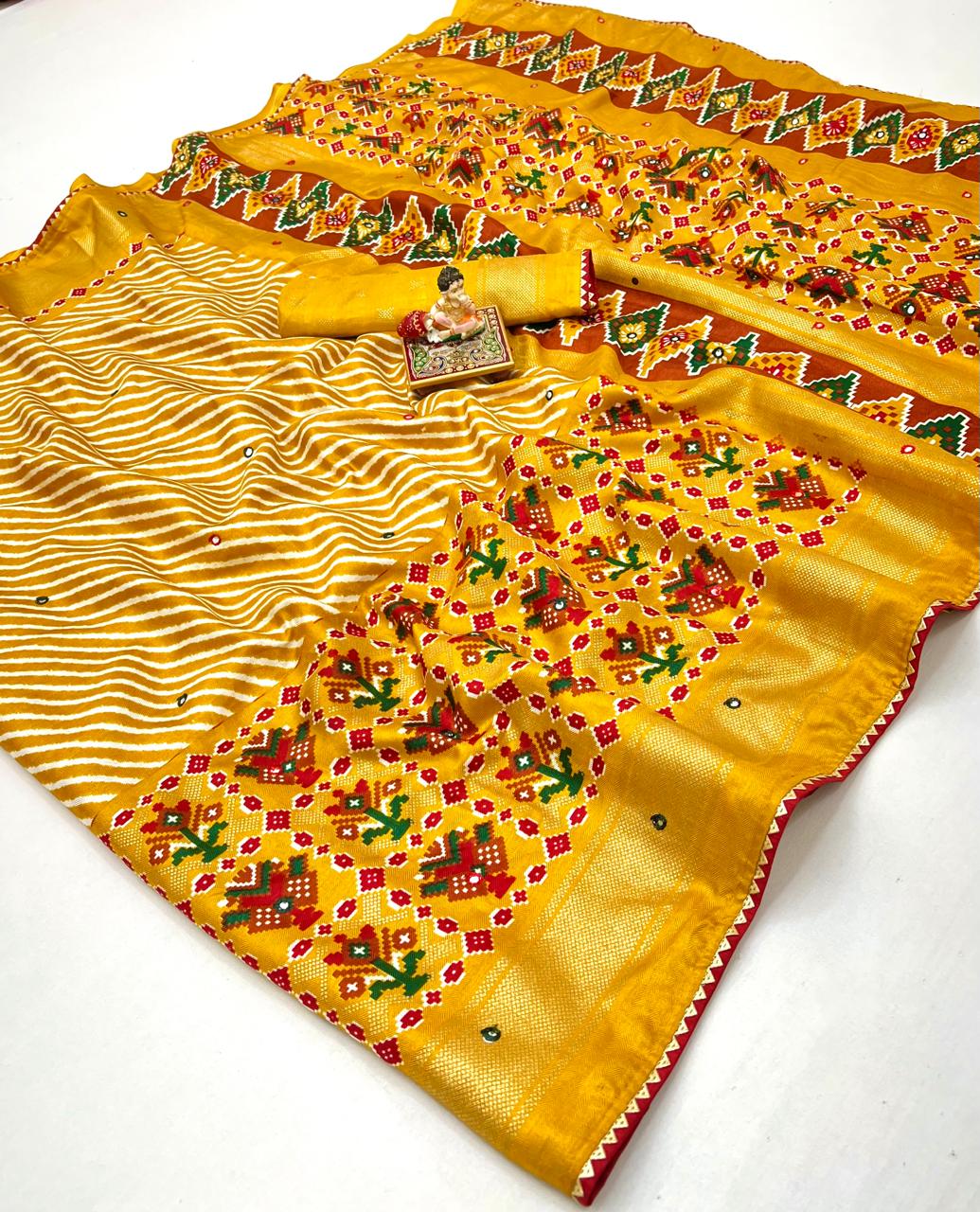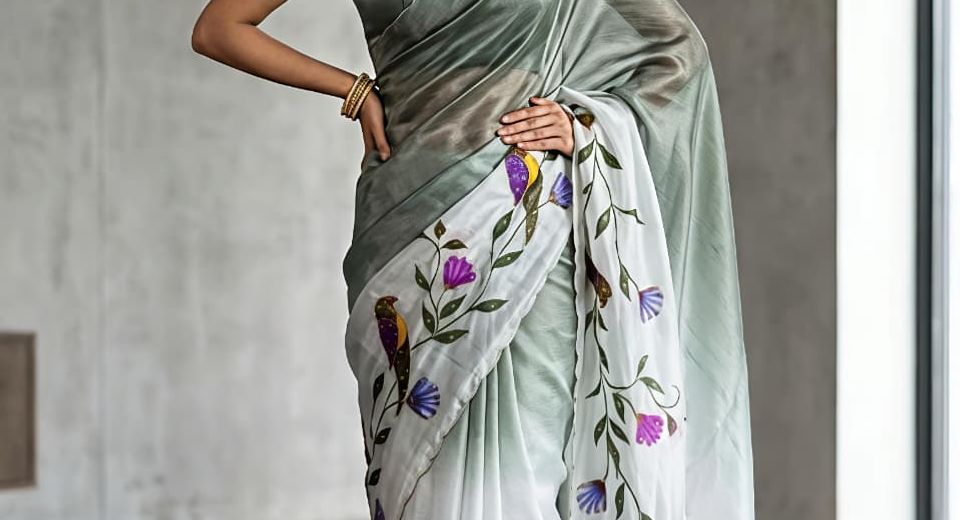
Madhya Pradesh Festival Fashion Calendar: Traditional Outfits becomes useful when one festive wardrobe must work across hot afternoons, cool winter evenings, temple visits, family rituals and energetic community celebrations. Madhya Pradesh has no single festival silhouette: a Malwa gathering, a Garba night in Indore, a Diwali puja in Bhopal and a tribal fair near Jabalpur can each require a different balance of colour, fabric, coverage and movement.
The most reliable approach is to match the garment to the festival setting. Lightweight cottons suit daytime processions and long family visits, silk blends bring polish to evening ceremonies, and a well-fitted kurta set can be more comfortable than a heavily embellished lehenga when the itinerary involves walking. The calendar below maps common festival moments in Madhya Pradesh to traditional outfits that respect both local style and modern comfort.
Madhya Pradesh Festival Fashion Calendar: Traditional Outfits by season
An useful festival fashion calendar matches four details: the month, the time of day, the activity level and the formality of the invitation. A garment selected only for its colour may feel unsuitable after several hours of heat, standing, dancing or travel.
Madhya Pradesh has a varied climate. March to June can bring strong daytime heat, the monsoon months require fabrics that tolerate humidity, and October to February often brings comfortable afternoons with noticeably cooler nights. These changes affect the best choice of weave, lining and layering.
- For daytime rituals: choose cotton, Mal cotton, Chanderi or a light silk-cotton blend with a breathable blouse or kurta.
- For dancing and processions: select secure necklines, anchored dupattas, flexible footwear and silhouettes that leave the ankles clear.
- For winter evenings: use Banarasi silk, Pashmina silk, velvet accents or a shawl over a saree or lehenga.
- For temple visits: prioritise comfortable coverage, a manageable pallu and jewellery that doesn't make movement difficult.
- For formal receptions: reserve heavier zari, Patola-inspired prints, structured blouses and layered jewellery for events where sitting and posing matter more than walking.
Colour can also carry seasonal meaning without turning an outfit into a costume. Yellow and marigold shades work naturally for a Haldi ceremony, red and pink suit wedding functions, green and orange suit Navratri evenings, while deep wine, navy and jewel tones create a richer Diwali or winter-reception look.
Madhya Pradesh Festival Fashion Calendar: Traditional Outfits for Holi and spring rituals
Spring festival outfits in Madhya Pradesh should be light, washable where possible and easy to move in. March often combines warm afternoons with colourful outdoor gatherings, so breathable fabric and a secure drape matter more than dense embellishment.
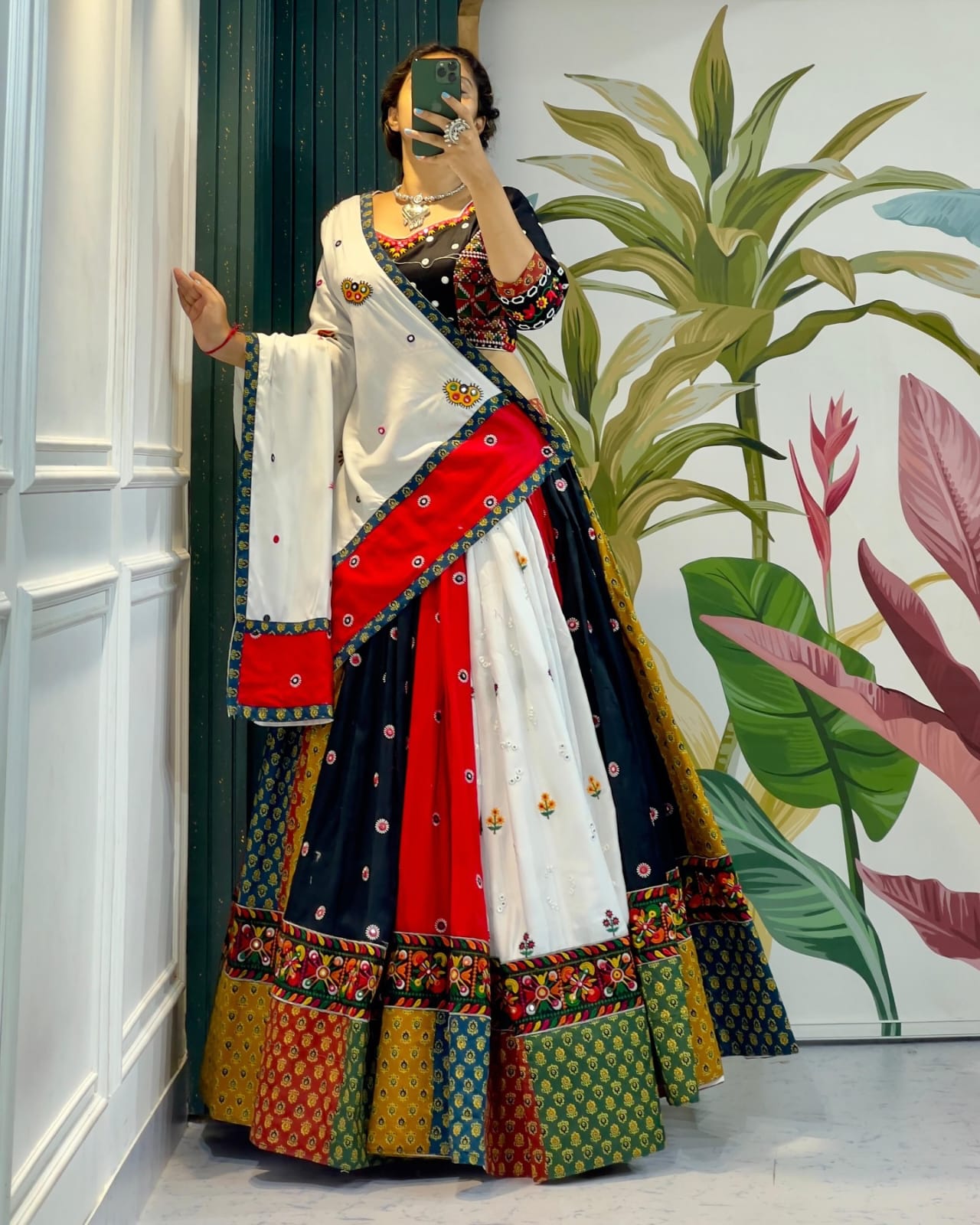
What should you wear for Holi?
Cotton or Mal cotton is the safest choice for Holi because the fabric breathes well and is easier to wash than delicate silk or dense brocade. A simple saree with a tucked pallu, a cotton salwar suit or a short kurta with palazzo trousers allows comfortable movement during visits and community celebrations.
White is traditionally associated with Holi's colour play, but a pale cotton saree can stain permanently. A more practical option is an older cream, yellow or pastel outfit with minimal zari and a washable blouse lining. Avoid long tassels, untreated metallic trims and jewellery with porous stones that can retain colour and moisture.
How can Gangaur dressing look festive without becoming heavy?
Gangaur dressing can combine a bright saree or lehenga with traditional jewellery, a bindi and carefully arranged hair. Red, yellow, green and pink are suitable for a spring palette, while gota, mirror accents or modest zari add festive definition without making the outfit too heavy.
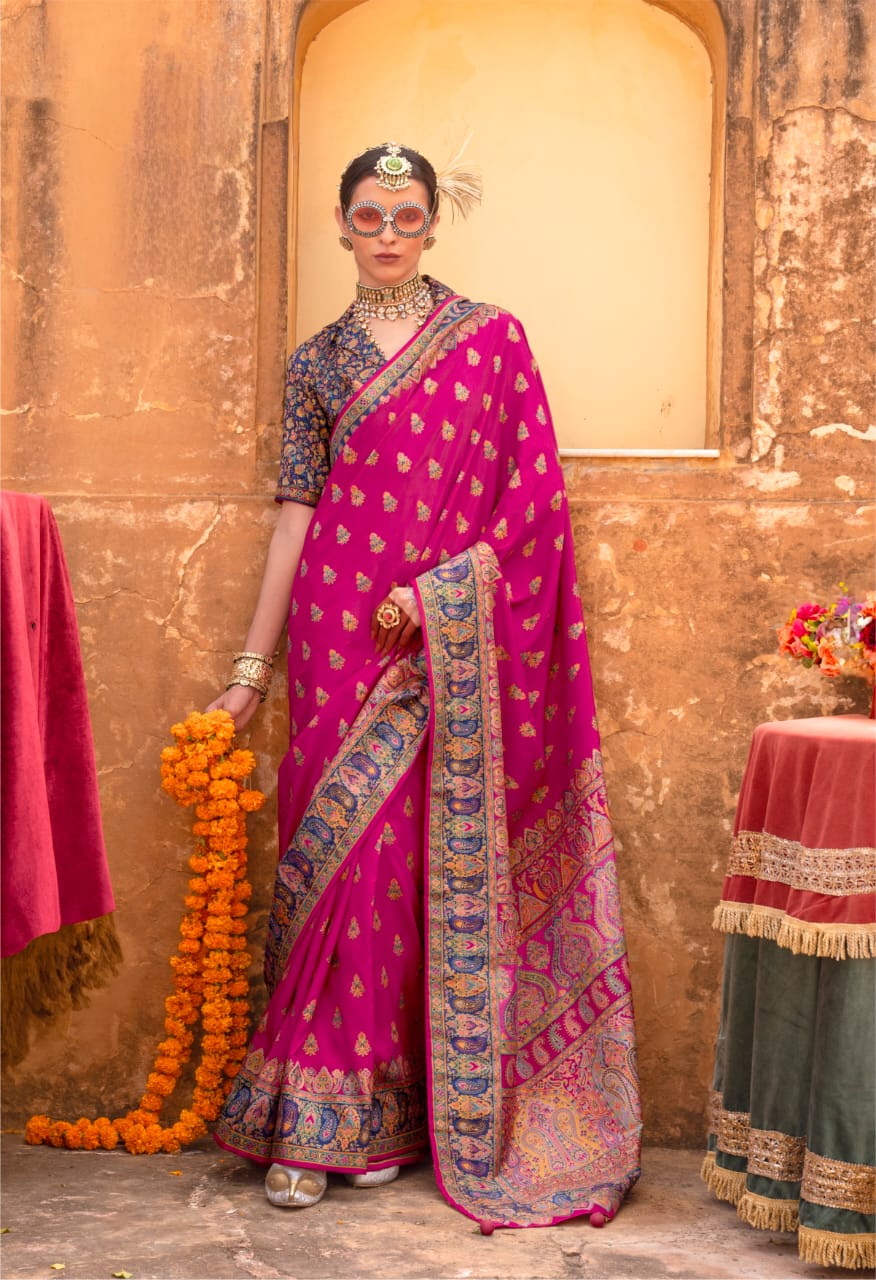
The Designer Rani Pink Patola Print Pashmina Silk Festive Saree suits an evening spring gathering when the weather is mild and a more polished appearance is expected. Pairing a printed saree with a plain blouse prevents the look from becoming visually crowded, while jhumkas and a low bun keep the styling rooted in Indian festive dressing.
A lighter alternative is a printed skirt with a cropped blouse and a short dupatta. Keep the hem several centimetres above the ground to reduce tripping risk, especially when the venue has uneven grass or temporary flooring. Flat juttis with a cushioned insole are more reliable than narrow heels for a long outdoor programme.
Madhya Pradesh Festival Fashion Calendar: Traditional Outfits for Navratri and Garba
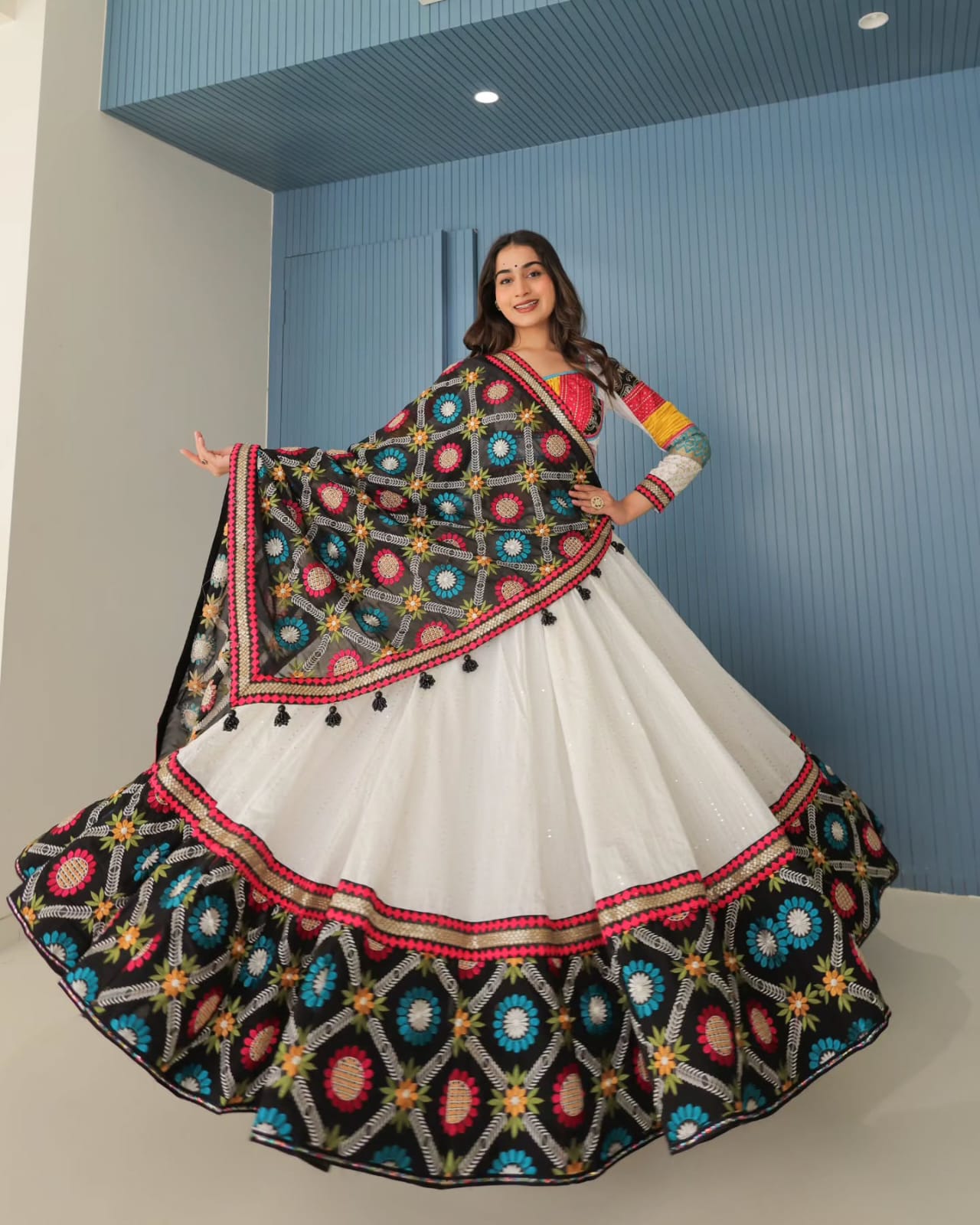
Navratri outfits should allow repeated turning, raised arms and several hours of standing without requiring constant adjustment. A flared lehenga, a secured dupatta and lightweight jewellery usually provide the best combination of movement and festive impact.
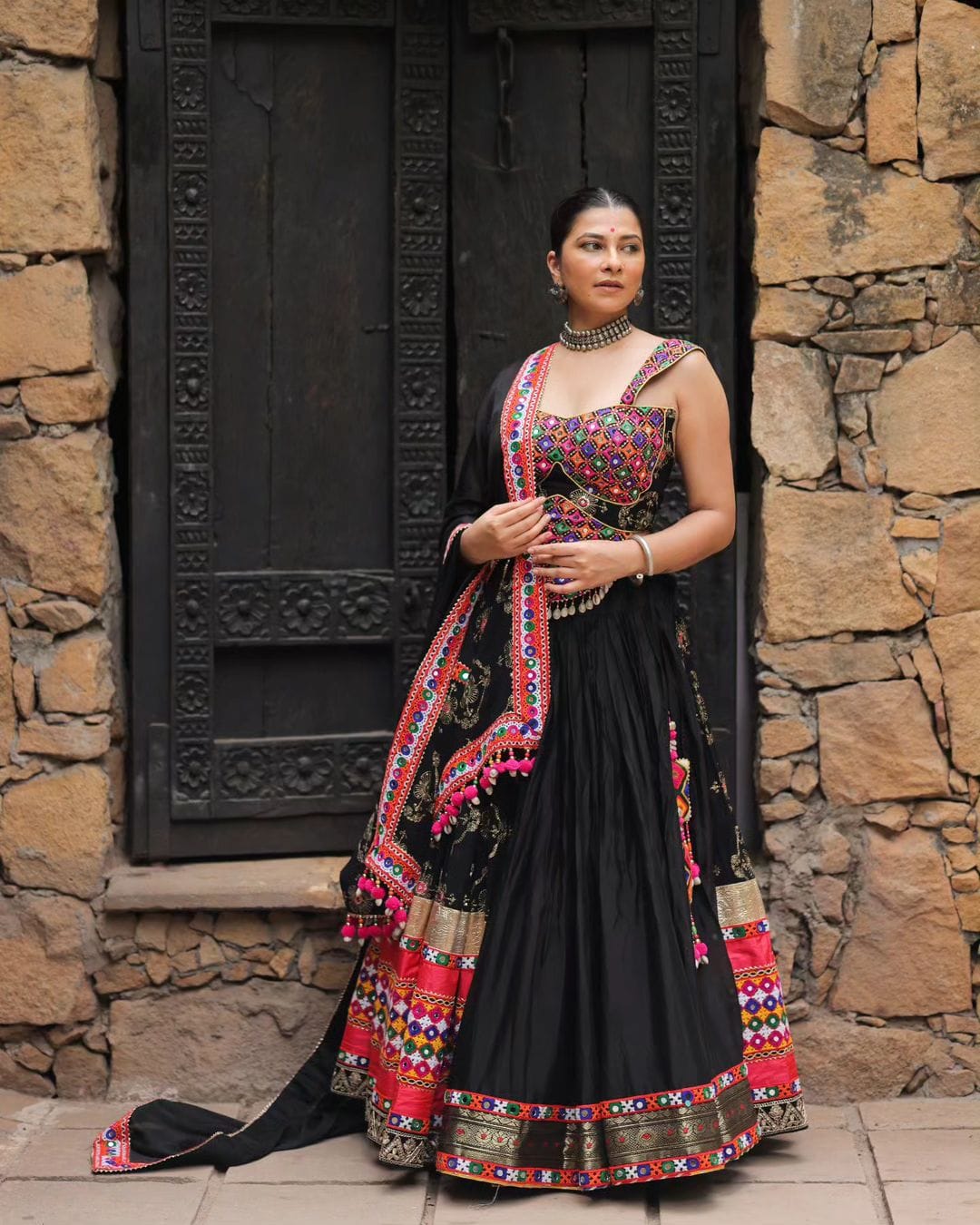
Garba and Dandiya gatherings in cities such as Indore and Bhopal often blend Gujarati-inspired mirror work with broader North and Central Indian styling. Chaniya-choli silhouettes, circular skirts, embroidered blouses and colourful dupattas are common visual references, but the outfit should still be chosen for the actual venue. Outdoor grounds call for breathable lining and stable footwear, while an indoor family event can accommodate more structured embellishment.
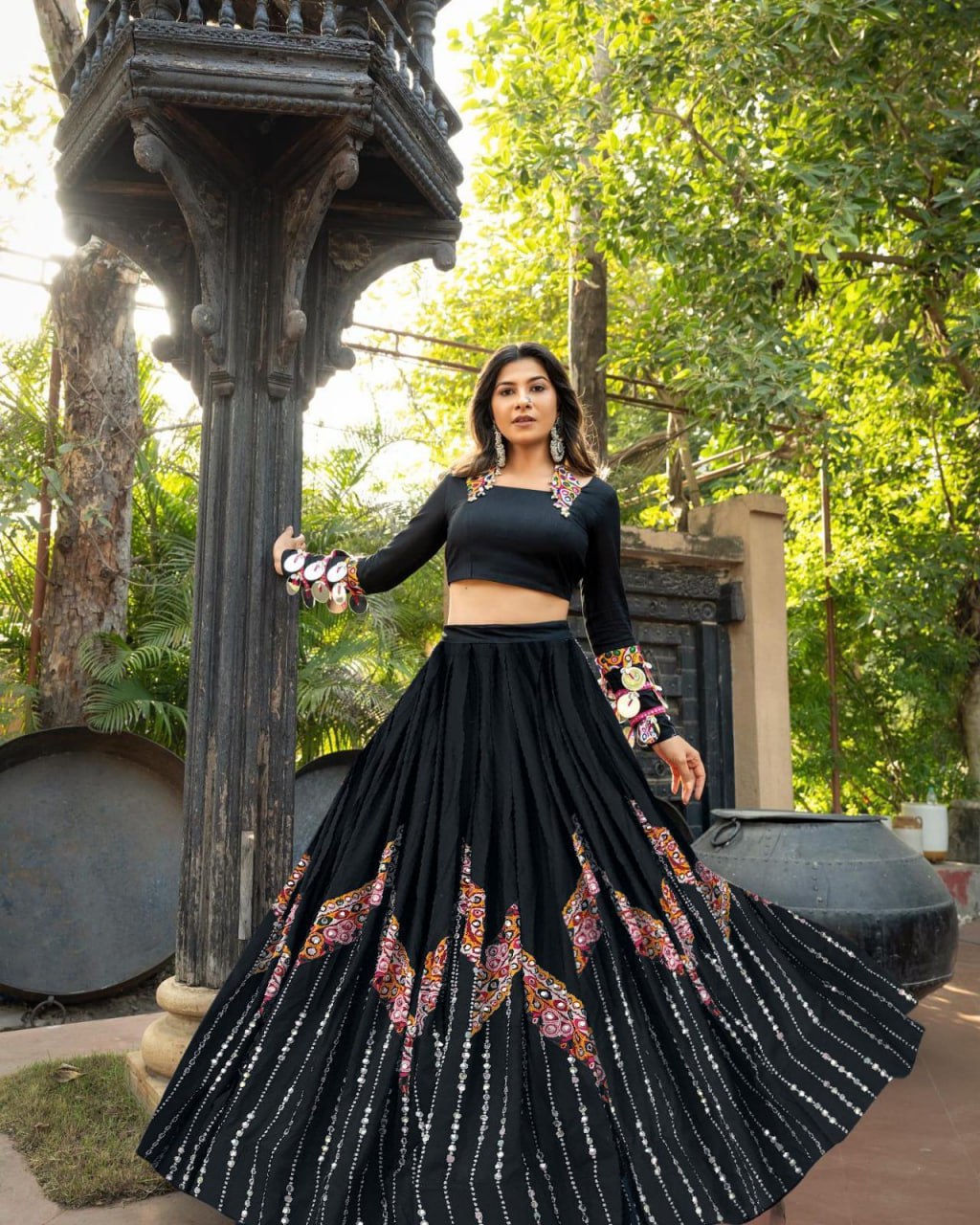
Designer Black Garba Lehenga Choli for Festive Season demonstrates how a dark base can make mirror work, metallic accents or bright embroidery stand out. Black is practical for an evening event, but the blouse fit should allow the shoulders and arms to move freely. Secure the dupatta at one shoulder and the waist if dancing is planned; a loose floating drape can catch on bangles or other dancers.
Use a three-point movement test before wearing a Garba outfit: raise both arms, take a wide step and sit down briefly. If the blouse pulls, the skirt restricts the stride or the dupatta slips, adjust the garment before leaving home. A hem that sits 2 to 4 centimetres above the floor is generally easier to manage than a dragging skirt.
Flat juttis with a cushioned insole are more reliable than narrow heels for a full Garba programme. Choose earrings with secure backs, avoid extremely long necklaces and keep a few safety pins in a small pouch. These minor preparations prevent frequent interruptions during dancing.
Madhya Pradesh Festival Fashion Calendar: Traditional Outfits for Diwali and Dhanteras
Diwali and Dhanteras outfits work best when they look refined under warm indoor lighting and remain comfortable through puja, hosting and visits. Silk, Chanderi, velvet details and restrained zari are strong choices for evening celebrations.
A saree remains versatile because the drape can be adjusted for a formal puja or a relaxed dinner. Banarasi silk creates a traditional, luminous finish through woven zari, while Chanderi offers a lighter, slightly translucent texture suited to homes that remain warm during October and November. A silk-cotton saree can bridge the two, giving a festive surface without the weight of a full silk garment.
Designer Red Patola Print Pashmina Silk Festive Saree brings a rich red base and patterned surface to a Diwali wardrobe. Red works well for family puja and formal visits, but balance the print with a solid blouse and one dominant jewellery style. Large earrings, a necklace and a heavily embellished clutch can compete with a complex saree pattern, so selecting two of the three usually creates a cleaner result.
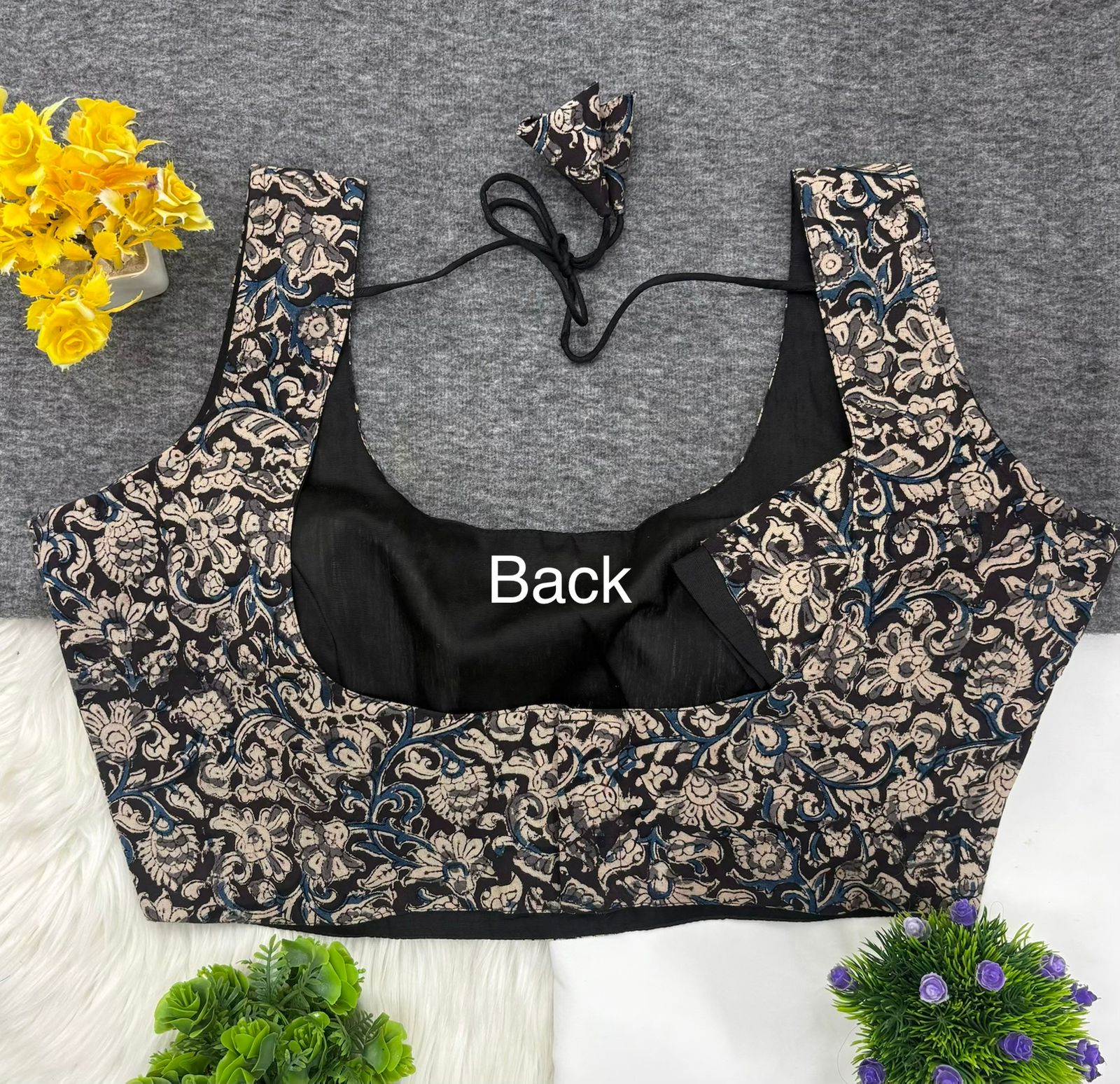
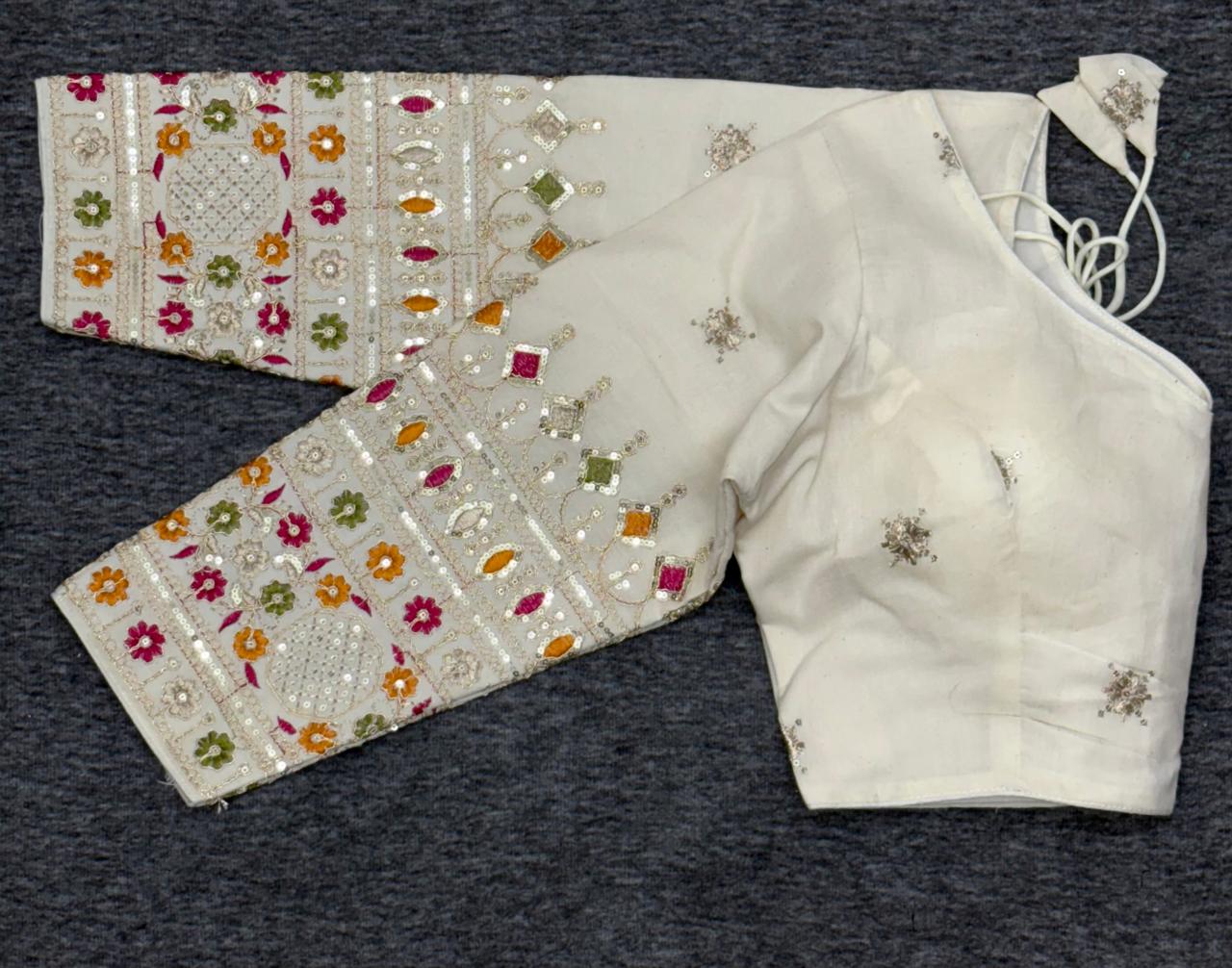
Classic Festive Wear Blouse for Stylish Saree Look can serve as the foundation for more than one Diwali saree. A well-constructed blouse should support the bust without pulling at the armhole, sit flat at the shoulder and have hooks that can be fastened without assistance. A cotton or silk lining improves comfort when zari or textured embroidery touches the skin.
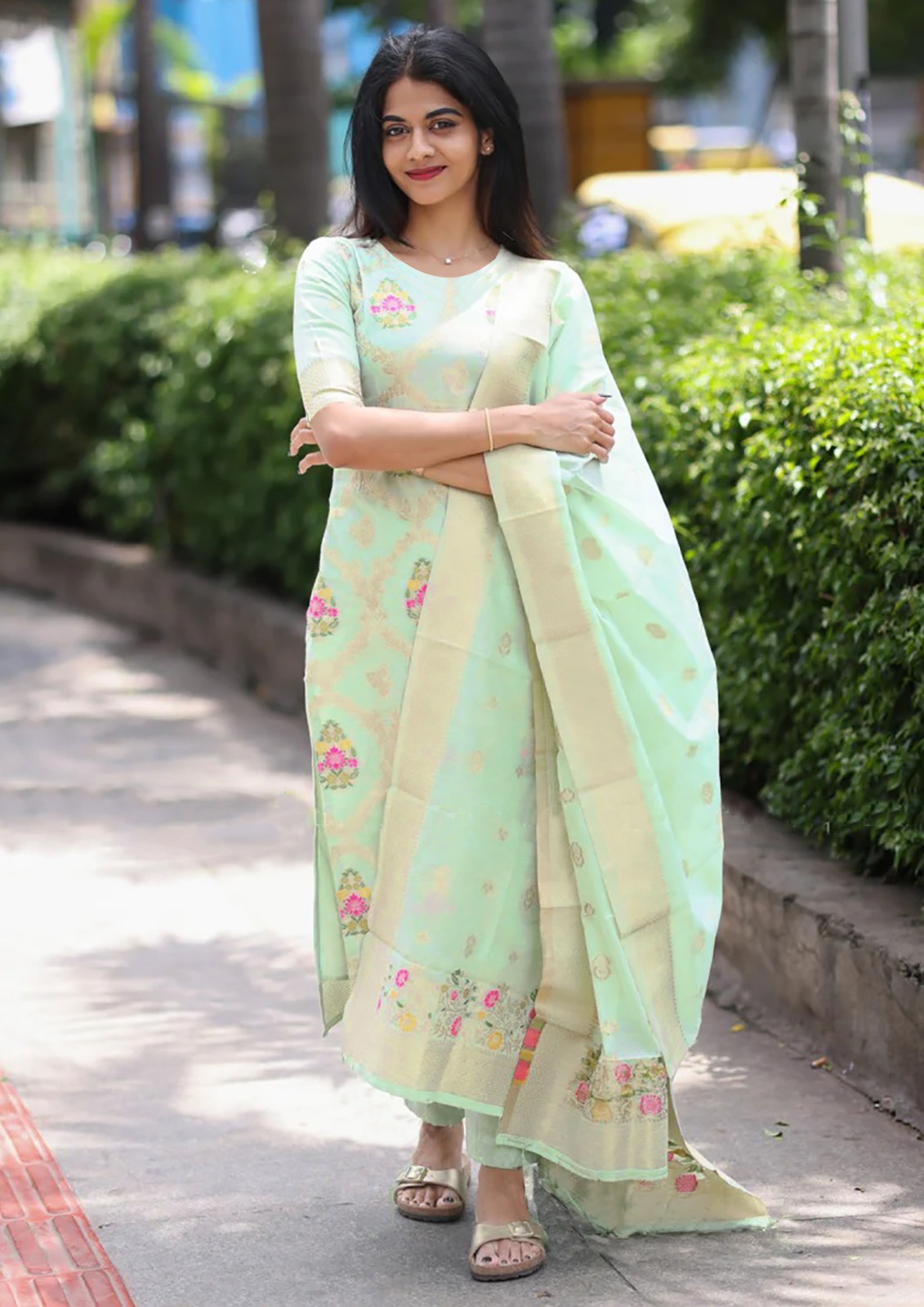
For Dhanteras shopping, a kurta-pant set is a practical alternative to a saree because it leaves both hands and feet relatively free. Elegant Pista Festive Wear Kurta Pant Set brings a softer pastel direction for daytime or early-evening visits. Add gold-toned earrings, embroidered flats and a compact potli rather than stacking heavy accessories that may become inconvenient while shopping.
Madhya Pradesh Festival Fashion Calendar: Traditional Outfits for weddings and Haldi
Wedding-season dressing should be divided by function: Haldi ceremony clothing needs washable ease, while the sangeet, wedding and reception can support more elaborate textiles and silhouettes.
What works for a Haldi ceremony?
Yellow, turmeric, lime, coral and soft green outfits work for a Haldi ceremony, and cotton or lightweight blends are safer than fragile silk because turmeric paste can leave lasting marks. A simple saree, anarkali or kurta set with minimal trailing fabric allows guests to sit on the floor and participate without worrying about the hem.
Keep jewellery modest for Haldi. Small hoops, fabric bangles and flower adornments are easier to clean than unsealed kundan, pearl or oxidised pieces. Choose sandals with a washable upper and avoid suede, unfinished leather or pale fabric footwear.
How should guests dress for a wedding or reception?
Wedding ceremonies and receptions justify richer fabric, more structured tailoring and stronger jewellery because the events are usually less physically messy than Haldi. A lehenga with a supportive blouse works for a reception, while a saree with a secure pleat arrangement is suitable for a ceremony involving walking, blessings and seated rituals.
Black Wedding & Festive Wear Designer Lehenga creates a dramatic evening base that can be softened with a contrasting dupatta in rani pink, emerald or antique gold. Designer Red Patola Print Pashmina Silk Festive Saree can move from a wedding ceremony to a family dinner when the pallu is pinned neatly and the jewellery is reduced after the formal rituals.
Wedding guests should avoid copying the bride's exact colour story or level of ornamentation when that information is known. A printed silk saree, a pastel lehenga or a jewel-toned kurta set can look festive without appearing bridal. Guests should check the invitation for dress expectations, especially when the ceremony follows a local community tradition.
Designer Rani Pink Patola Print Pashmina Silk Festive Saree brings a celebratory pink option for a daytime wedding or evening reception. A plain blouse, a neat pleat arrangement and a low bun allow the Patola-inspired print to remain the focus. For a more traditional finish, add a small bindi and gold-toned earrings rather than several competing accessories.
Madhya Pradesh Festival Fashion Calendar: Traditional Outfits for monsoon and winter events
Monsoon and late-summer festival dressing should prioritise quick-drying fabrics, secure footwear and hems that don't drag across wet ground. Cotton, lighter blends and uncomplicated silhouettes are practical choices for Janmashtami gatherings, local fairs and community celebrations.
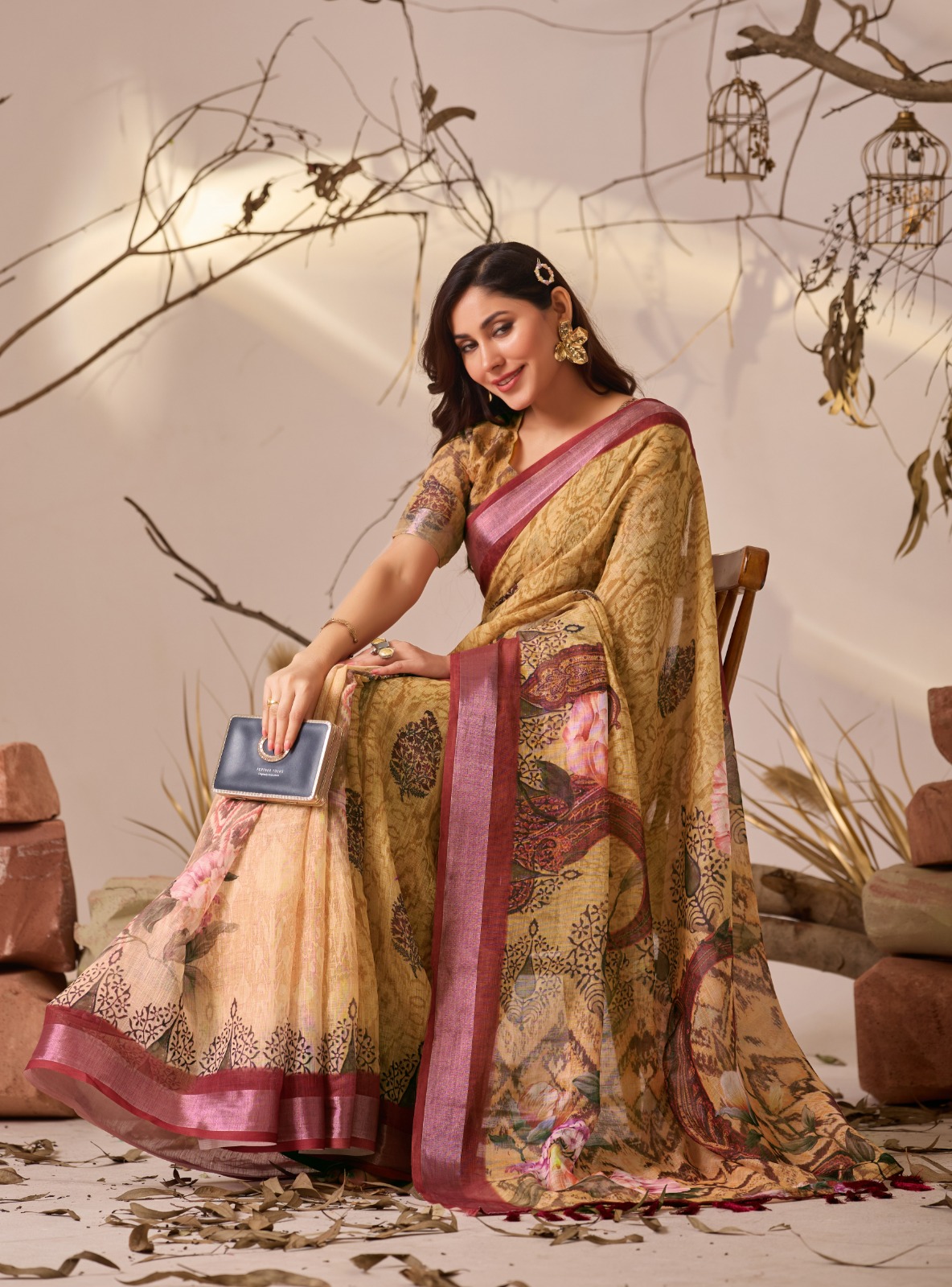
Printed Mal Cotton Saree With Designer Pallu by VARNAVI is suited to a daytime event when breathable texture and a defined pallu are more useful than heavy shine. Pin the saree at the shoulder and secure the lower pleats lightly so the garment stays manageable in humid weather. Avoid wearing an unprotected silk or velvet blouse during a sudden rain shower because those materials can take longer to dry.
Maroon Mal Cotton Ethnic Saree With Blouse from VARNAVI provides a deeper colour direction for an evening gathering while retaining the practical character of Mal cotton. Pair it with antique-gold earrings, a compact handbag and low block heels or embellished flats. A maroon saree also works well with a mustard, beige or muted pink shawl when temperatures fall after sunset.
Janmashtami outfits can include a bright saree, a kurta set or a modest lehenga with comfortable movement for temple visits. Blue, yellow, saffron and peacock green connect naturally with the festival's visual traditions. Keep the dupatta short enough to avoid catching on railings or crowds, and choose jewellery that can be removed easily before entering a busy shrine.
Winter weddings and evening receptions allow heavier textiles such as Pashmina silk, Banarasi silk and velvet-trimmed blouses. Designer Red Patola Print Pashmina Silk Festive Saree and Designer Rani Pink Patola Print Pashmina Silk Festive Saree both provide colour and surface interest without requiring a separate heavily embroidered jacket. Add a plain shawl if the venue is outdoors rather than layering a bulky sweater over the saree blouse.
How to build one practical Madhya Pradesh Festival Fashion Calendar: Traditional Outfits wardrobe
A compact festive wardrobe can cover most Madhya Pradesh celebrations with five core pieces: one breathable saree, one richer saree, one movement-friendly kurta set, one evening lehenga and one adaptable blouse. Accessories and draping changes can create different levels of formality without buying a new outfit for every date.
- Start with a daytime base: choose Mal cotton, cotton or Chanderi for Holi visits, Janmashtami, daytime puja and local fairs.
- Add one evening saree: select Banarasi silk, Pashmina silk or a silk blend for Diwali, winter weddings and formal family dinners.
- Keep one movement-led outfit: use a flared lehenga or comfortable kurta-pant set for Navratri, Garba and long social gatherings.
- Invest in blouse fit: a supportive blouse with a breathable lining can refresh several sarees and reduce last-minute alterations.
- Prepare practical accessories: keep safety pins, fashion tape, a spare earring back, comfortable flats and a light shawl with the festive wardrobe.
Garment care should follow the fibre rather than the festival label. Air cotton and Mal cotton garments in shade after wearing, wash coloured cotton separately the first two times, and avoid wringing zari or silk. Store Banarasi silk and Pashmina silk in breathable muslin, refold them every few months and keep them away from direct sunlight and damp cupboards.
Check the outfit under the lighting and conditions of the event before the festival day. A dark saree can absorb heat at an afternoon gathering, metallic embroidery can look much brighter under indoor lamps, and a long lehenga can become difficult on wet grass. A practical fitting test, suitable footwear and a planned layer often matter more than adding another decorative element.
Questions About Festival Dressing in Madhya Pradesh
What should women wear for Navratri in Madhya Pradesh?
A flared lehenga, chaniya-choli or comfortable kurta set works well for Navratri in Madhya Pradesh. Choose breathable lining, a secured dupatta, flat juttis and jewellery that can withstand several hours of dancing.
Which saree fabric is best for a Madhya Pradesh festival in summer?
Cotton, Mal cotton and lightweight Chanderi are strong summer choices because they allow airflow and feel lighter during daytime rituals. Choose a lined blouse and avoid heavy zari when temperatures are high.
What is suitable for a Haldi ceremony?
A washable cotton saree, light kurta set or simple anarkali in yellow, green, coral or soft pink is suitable for a Haldi ceremony. Minimal jewellery and washable footwear are more practical than delicate silk or heavily embellished accessories.
Can I wear a black lehenga to a festive event in Madhya Pradesh?
A black lehenga is suitable for many evening Garba, wedding and reception events when the invitation does not specify a colour restriction. Bright embroidery, mirror work or a colourful dupatta can keep the look festive while comfortable tailoring supports movement.
What should I wear for Diwali puja and visiting relatives?
A saree in Banarasi silk, Chanderi, silk-cotton or Pashmina silk works for Diwali puja and family visits. Choose a secure pallu, comfortable footwear and moderate jewellery because the schedule may include sitting, walking and hosting.
How should festive sarees be stored after an event?
Air the saree away from direct sunlight, remove surface dust gently and store silk or zari pieces in breathable muslin. Refold stored sarees every few months, keep them away from damp cupboards and follow the care label before washing.