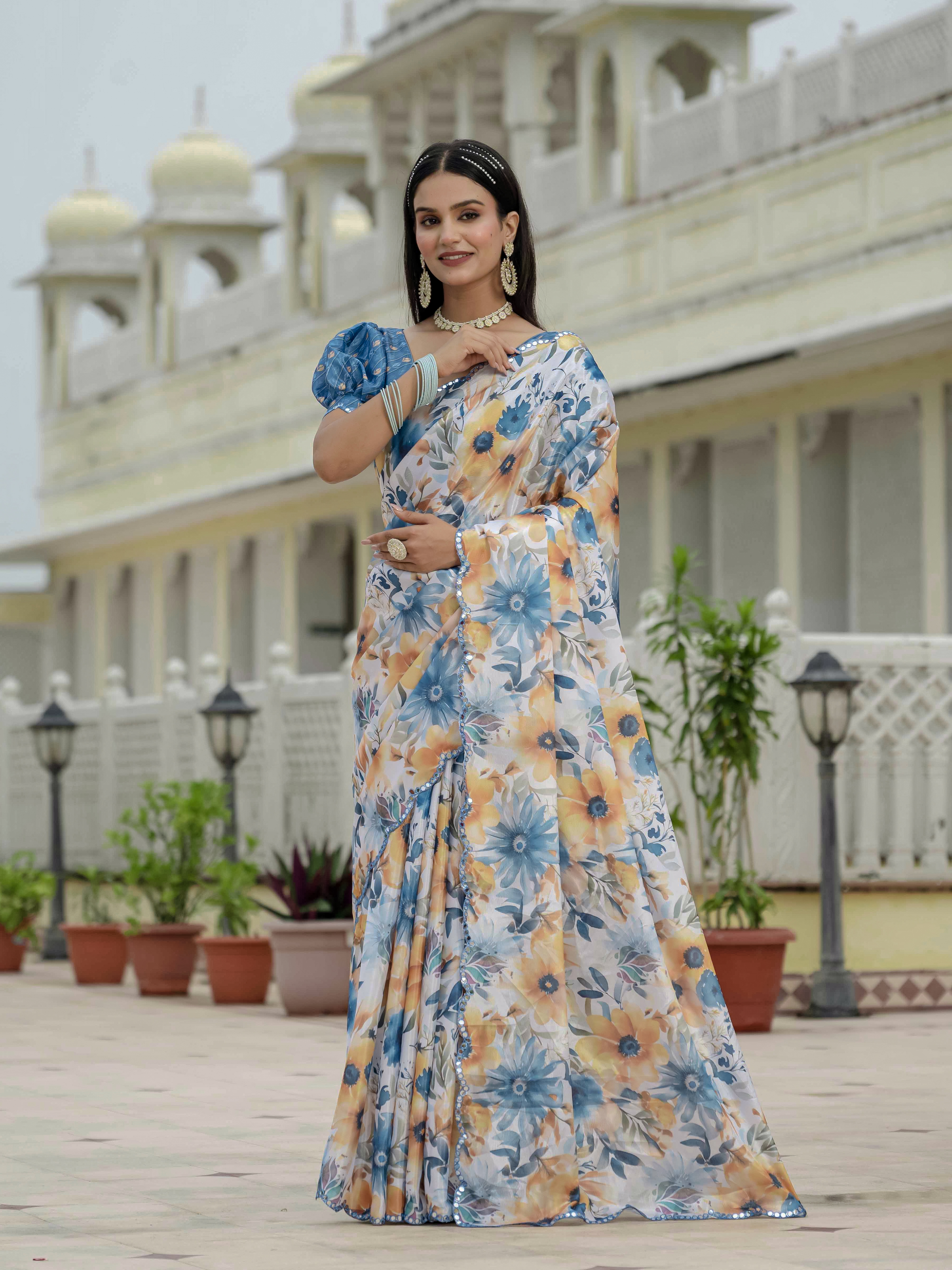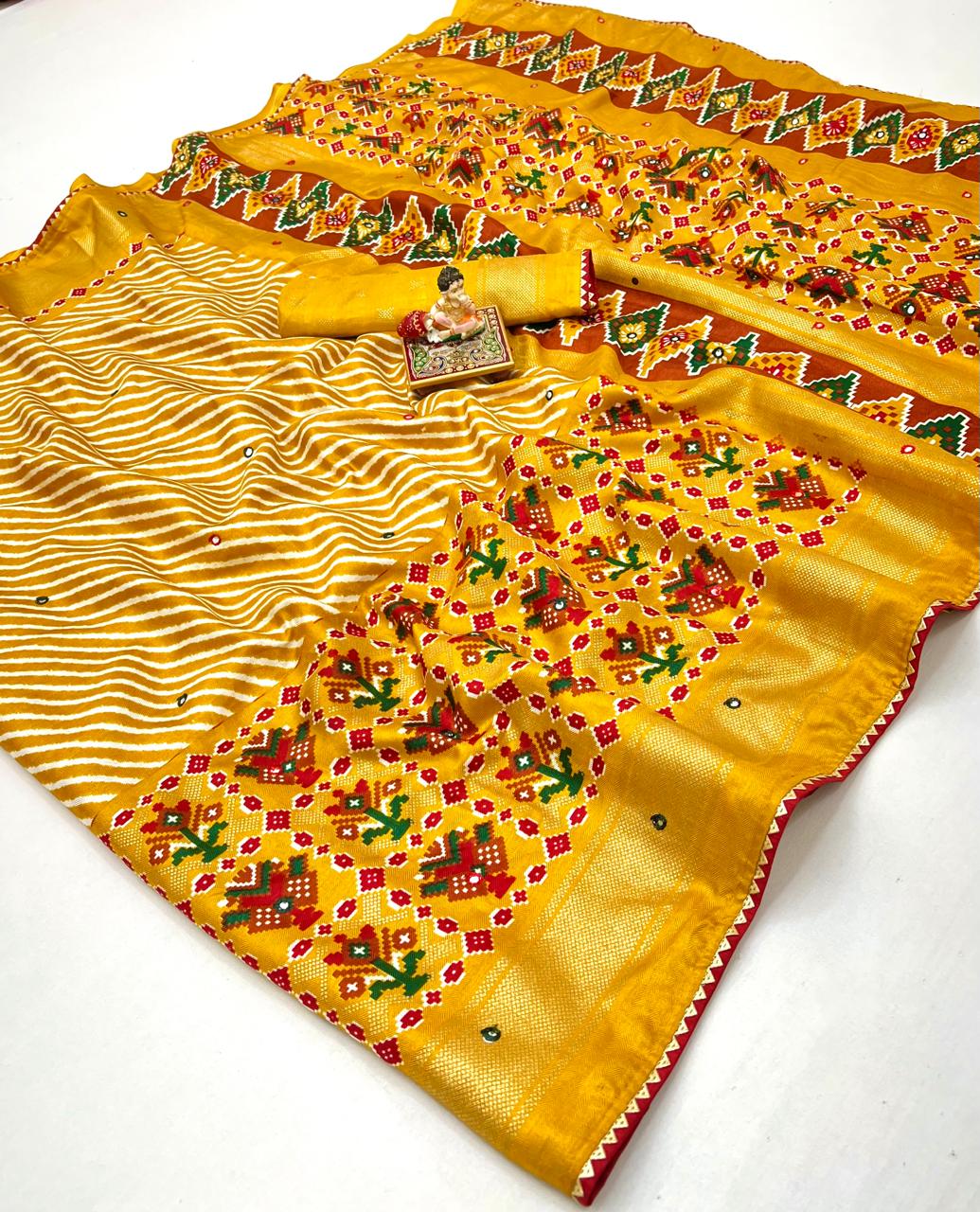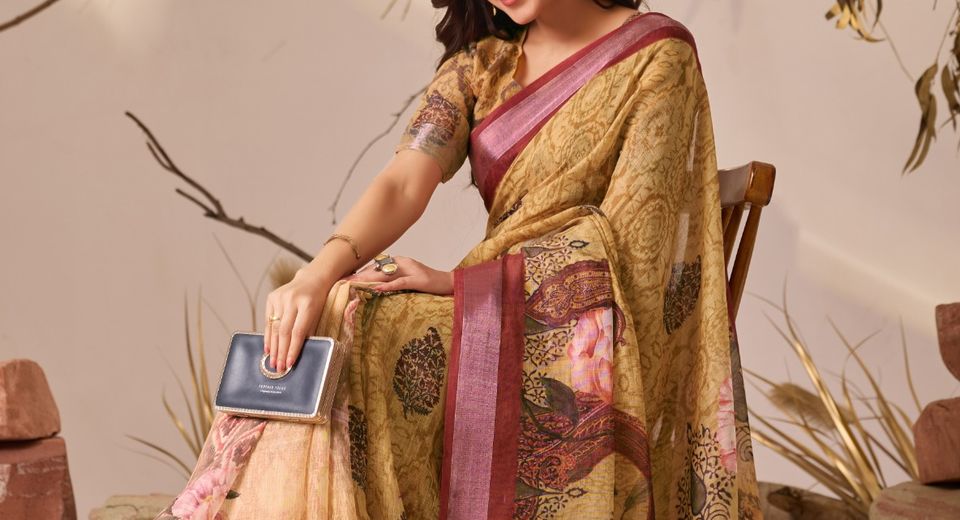
A Madhya Pradesh Ethnic Wear Guide for Modern Women begins with an useful question: which regional details can enter a contemporary wardrobe without becoming costume-like? The answer lies in proportion, fabric weight, surface design and occasion. Maheshwari silk-cotton, Chanderi, hand-block prints and zari can work with shirts, tailored jackets, simple jewellery and practical footwear. The goal isn't to flatten regional identity, but to understand each textile well enough to style it with confidence.
Madhya Pradesh Ethnic Wear Guide for Modern Women: Why These Textiles Matter
Madhya Pradesh textiles suit modern wardrobes because they combine breathable fabrics, controlled ornamentation and adaptable silhouettes. A saree can move from a work presentation to dinner with a blouse change, while a printed cotton drape can serve as a weekend outfit, travel layer or festive daytime look.
Three qualities make the region especially relevant. First, many fabrics are light enough for warm weather and long hours. Second, motifs often provide visual interest without requiring heavy jewellery. Third, the region offers both understated handloom surfaces and celebratory zari, so a wardrobe can cover errands, office gatherings, weddings and religious festivities.
Maheshwari weaving is associated with Maheshwar and is known for silk, cotton and silk-cotton textiles, often with distinctive borders and a relatively crisp fall. Chanderi, linked to the town of Chanderi, is valued for its lightness, subtle transparency and delicate woven motifs. These fabrics are not interchangeable: a Maheshwari saree can feel more structured, while Chanderi often creates an airy, luminous drape.
Maheshwari sarees traditionally feature borders and pallu details that can include stripes, checks or geometric forms. Chanderi commonly has a finer, more translucent appearance, although construction varies by fibre and weave. Asking about fibre composition is essential because a silk Chanderi and a cotton Chanderi will differ in shine, durability and care.
Madhya Pradesh Ethnic Wear Guide for Modern Women: Fabrics to Know
The most useful Madhya Pradesh fabrics for a modern wardrobe are Maheshwari, Chanderi, Mal cotton, linen-cotton blends and regionally inspired hand-block prints. Each fabric makes a different promise about comfort, drape, opacity and maintenance.
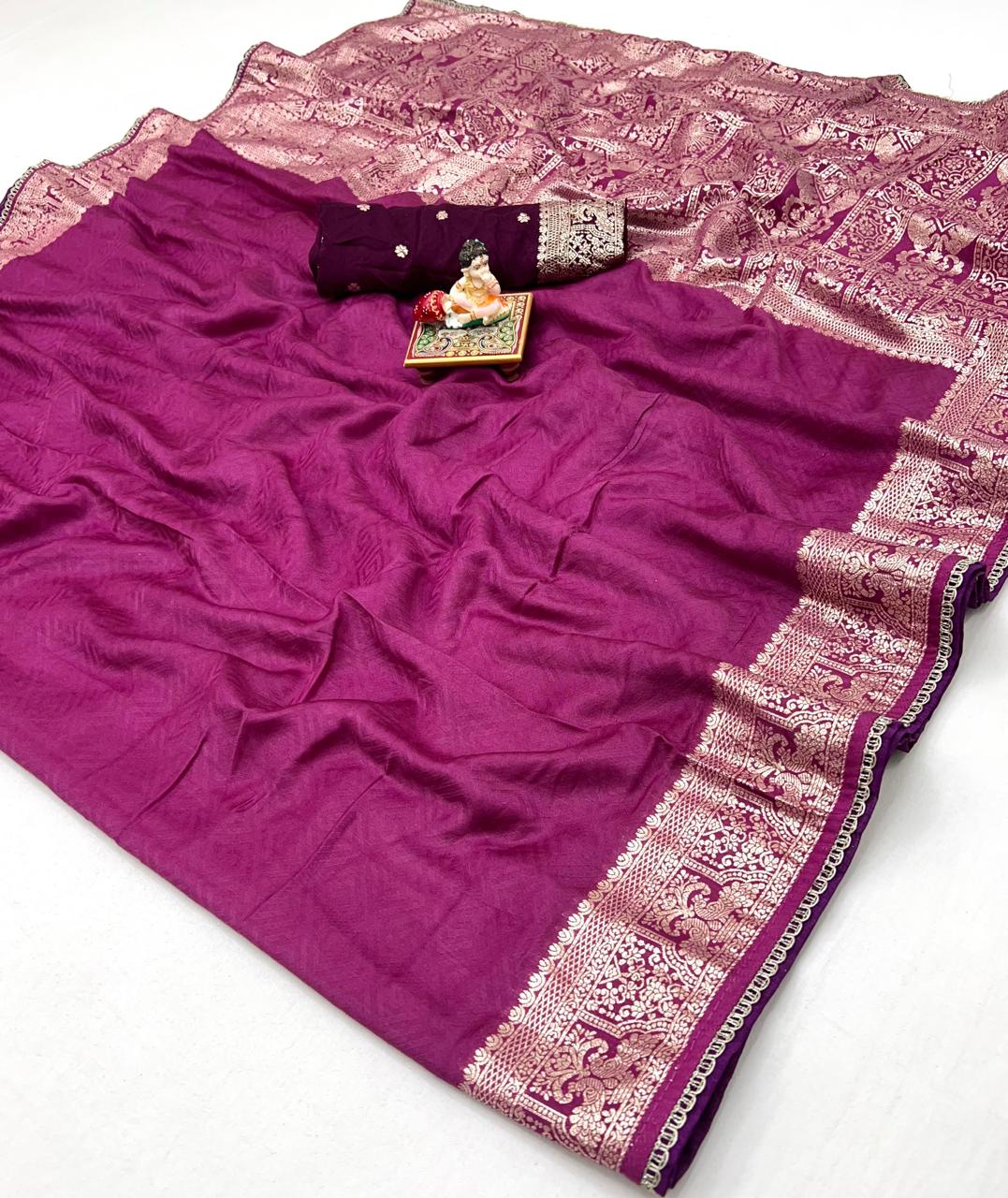
Maheshwari for structure and quiet polish
Maheshwari silk-cotton is a strong choice when a saree needs to hold its pleats and look refined without heavy embroidery. Zari borders, stripes and small geometric details can add formality while keeping the overall garment light. A restrained Maheshwari saree works well with a solid blouse, low heels and a compact shoulder bag for a formal daytime event.
Chanderi for lightness and gentle shine
Chanderi works well when an outfit needs an elegant surface without substantial weight. The fabric can be delicate and slightly sheer, so a well-fitted blouse and suitable lining matter. Chanderi is particularly effective for summer celebrations, intimate pujas and daytime receptions where a soft drape looks more appropriate than dense bridal embellishment.
Printed cottons and blended fabrics for daily wear
Mal cotton, cotton-linen and linen-cotton blends offer practical options for regular use. These fabrics generally breathe better than synthetic-heavy alternatives and create a relaxed, less formal silhouette. Maroon Mal Cotton Ethnic Saree With Blouse from VARNAVI demonstrates how a deeper colour can make a breathable everyday fabric feel evening-ready without adding weight.
Bagh printing, associated with the Bagh region of Madhya Pradesh, is recognised for hand-blocked motifs and earthy colour combinations, often involving red, black and natural tones. A Bagh-inspired textile doesn't need extensive accessories because its print already supplies the visual focus. When shopping, distinguish a genuinely hand-blocked irregularity from poor alignment or a vague machine-made imitation.
Madhya Pradesh Ethnic Wear Guide for Modern Women: Modern Styling Principles
Modern styling works best when one traditional element leads and the remaining pieces provide clean contrast. Choose either a statement border, an expressive print, an ornate blouse or prominent jewellery; using all four at maximum intensity can make an outfit feel visually crowded.
Use blouse proportions to change the mood
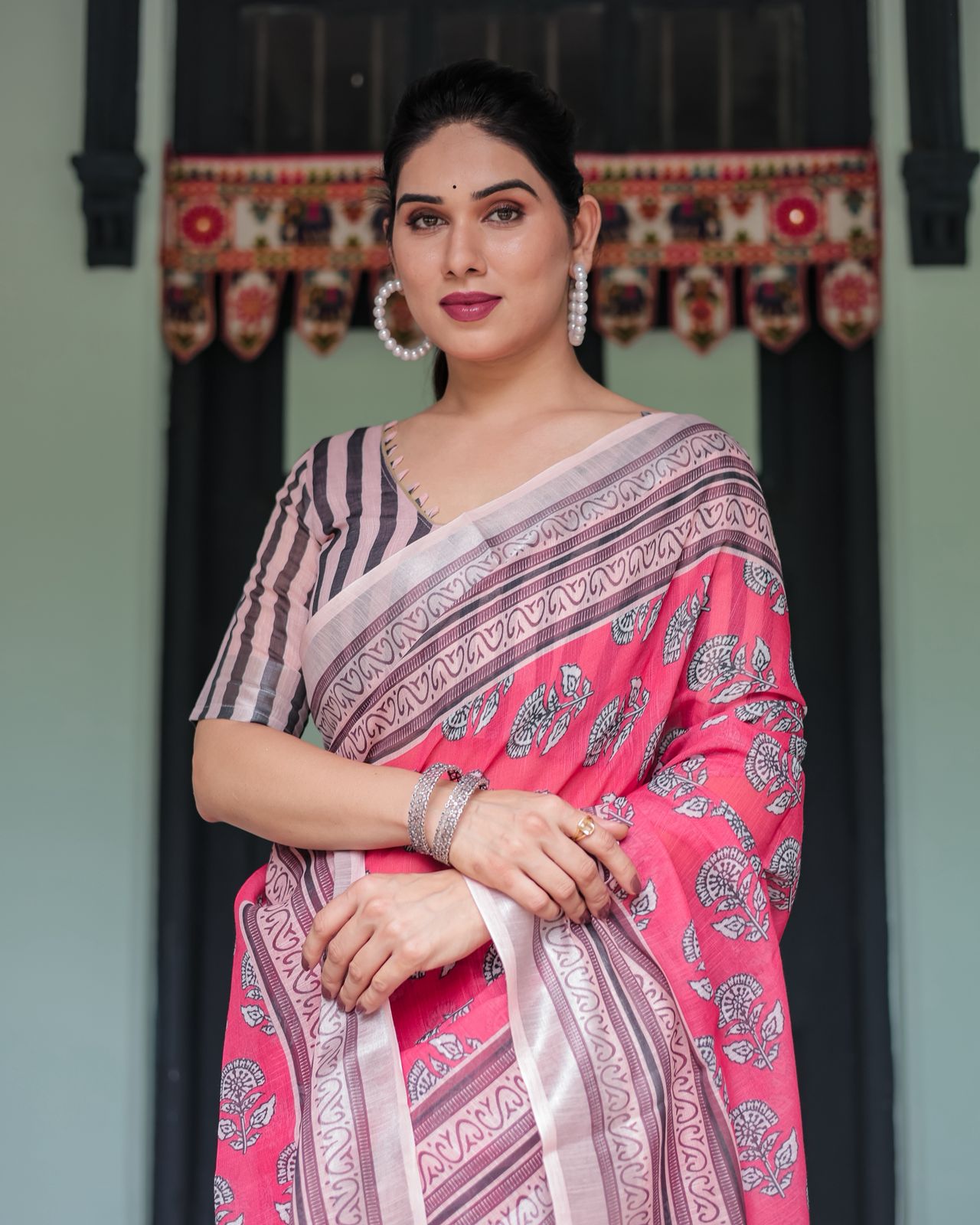
A high-neck blouse gives a saree a sharper, more urban line, while a square neckline or elbow-length sleeve creates a softer festive impression. A plain blouse in black, ivory, maroon, forest green or muted pink can repeat a colour from the saree without copying every detail. For a lighter printed saree, a structured blouse in cotton satin or raw silk can provide useful contrast.
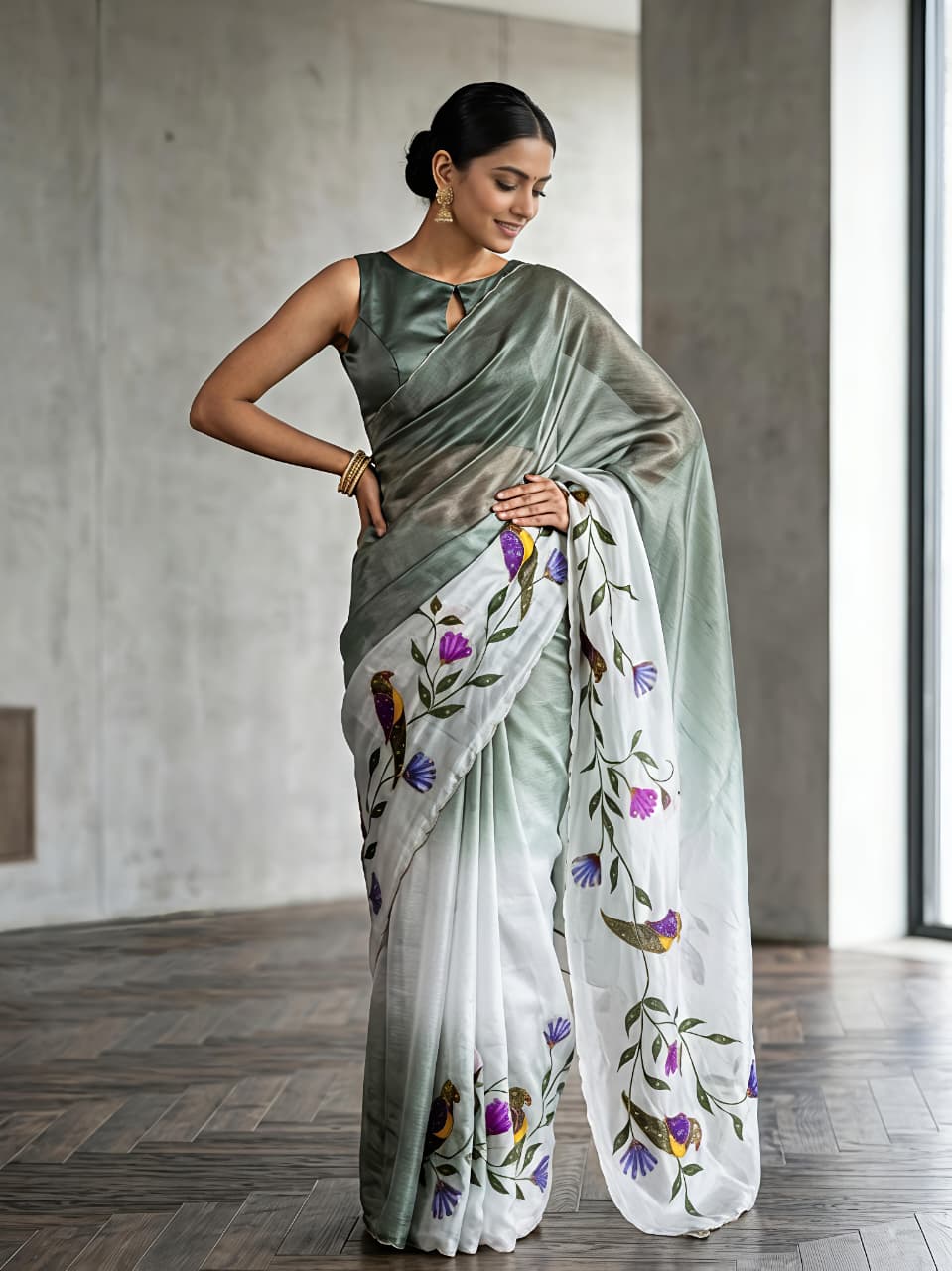
Pastel Linen Cotton Floral Print Saree with Designer Blouse illustrates a balanced approach: the floral surface supplies detail, while a defined blouse prevents the outfit from looking too casual. Mint Green Floral Linen Cotton Saree with Pink Border Style gives another styling route. Pick up the pink border in the blouse or earrings, then keep footwear and handbag neutral.
Build a saree outfit around one modern layer
A cropped tailored jacket, sleeveless long vest or neat belt can modernise a saree without concealing its drape. Wear a jacket only when its length ends at a deliberate point, such as the waist or high hip; an awkward hem can interrupt the pleats. A belt should sit securely over the saree rather than compressing the pleats so tightly that walking becomes uncomfortable.
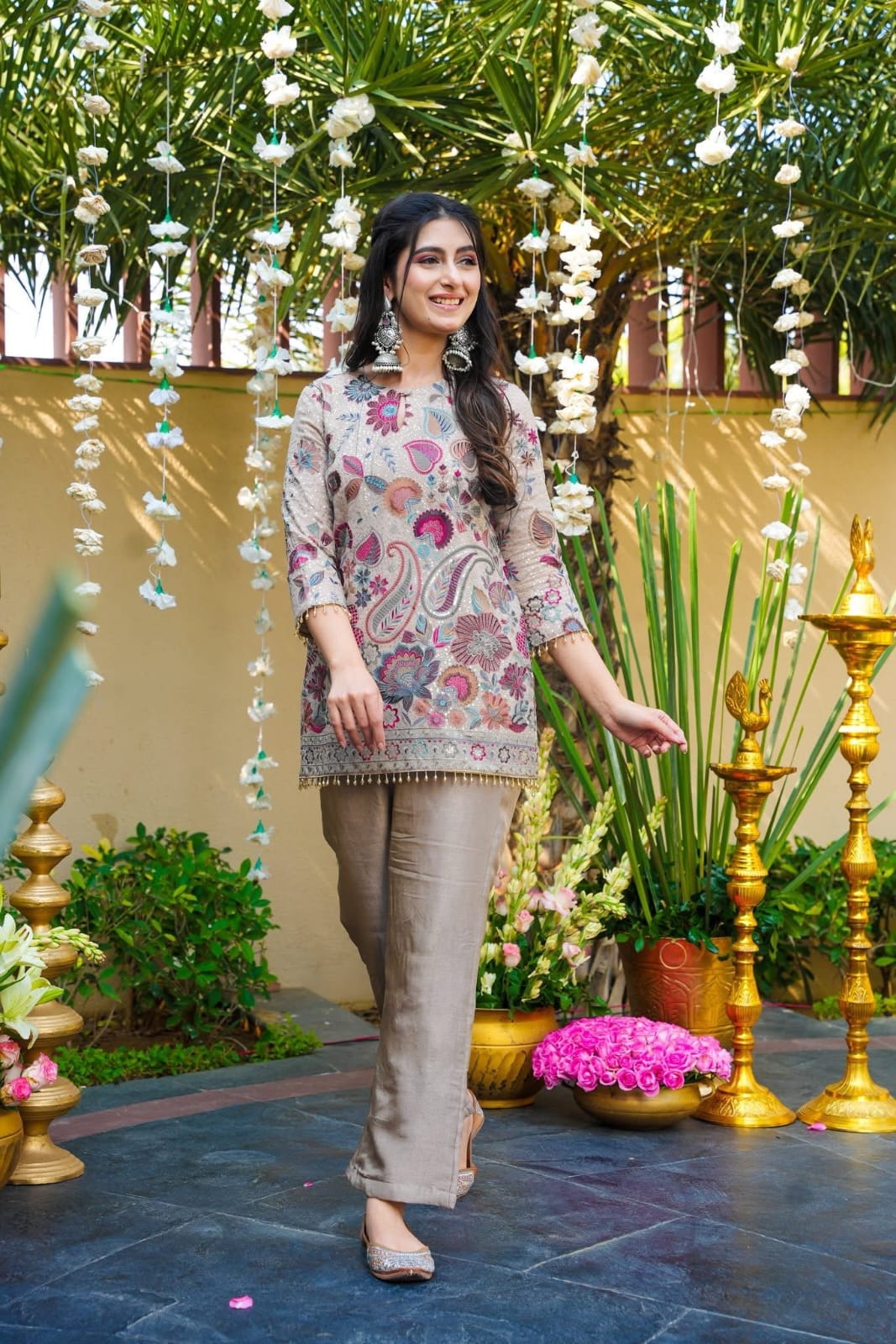
Modern Taupe Vichitra Silk Embroidered Co-Ord Set for Women shows how a coordinated set can provide a contemporary alternative to a saree while retaining an Indian occasion vocabulary. Taupe, beige and muted metallic shades are useful for women who prefer a quieter palette. Add jhumkas or a sculptural cuff, but avoid layering several competing necklace lengths over an embroidered neckline.
Make colour do the work
Colour is often the simplest way to shift ethnic wear between occasions. Maroon, rust, mustard and deep green read as grounded and festive, while mint, blush, ivory and taupe feel lighter for daytime. Mustard Floral Linen Cotton Saree with Unstitched Blouse can be styled with a maroon blouse for a high-contrast festive look or an ivory blouse for a softer daytime result.
Pastel clothing isn't automatically casual. A pastel saree with a crisp border, polished blouse and considered jewellery can suit a formal luncheon. Conversely, a dark saree in breathable cotton can remain relaxed if the blouse, footwear and accessories are simple.
Madhya Pradesh Ethnic Wear Guide for Modern Women: Dressing for Each Occasion
The right Madhya Pradesh ethnic outfit depends on the event's formality, duration, weather and expected movement. Fabric weight and construction are as important as colour when an outfit must remain comfortable for several hours.
For offices and professional gatherings
Choose a light Maheshwari, Chanderi, Mal cotton or linen-cotton saree with a moderate border and a secure blouse for office dressing. Keep the pallu neatly pleated or pinned, select block heels or flats, and carry a medium structured bag. Small earrings, a watch and one ring usually create a more professional finish than a full stack of bangles.
A floral linen-cotton saree can work for a workplace cultural day when the print is balanced by a plain blouse and minimal accessories. Avoid fragile trailing embellishments, very long tassels and jewellery that catches on office chairs or laptop bags.
For a Haldi ceremony and daytime celebrations
A Haldi ceremony calls for washable-looking, movement-friendly clothing because turmeric, water and crowded seating can affect delicate surfaces. Cotton, Mal cotton and linen-cotton are practical choices, while yellow, mustard, green, pink and marigold shades photograph well in natural light. Wear secure sandals, keep the pallu pinned and choose earrings that won't snag in hair or embroidered fabric.
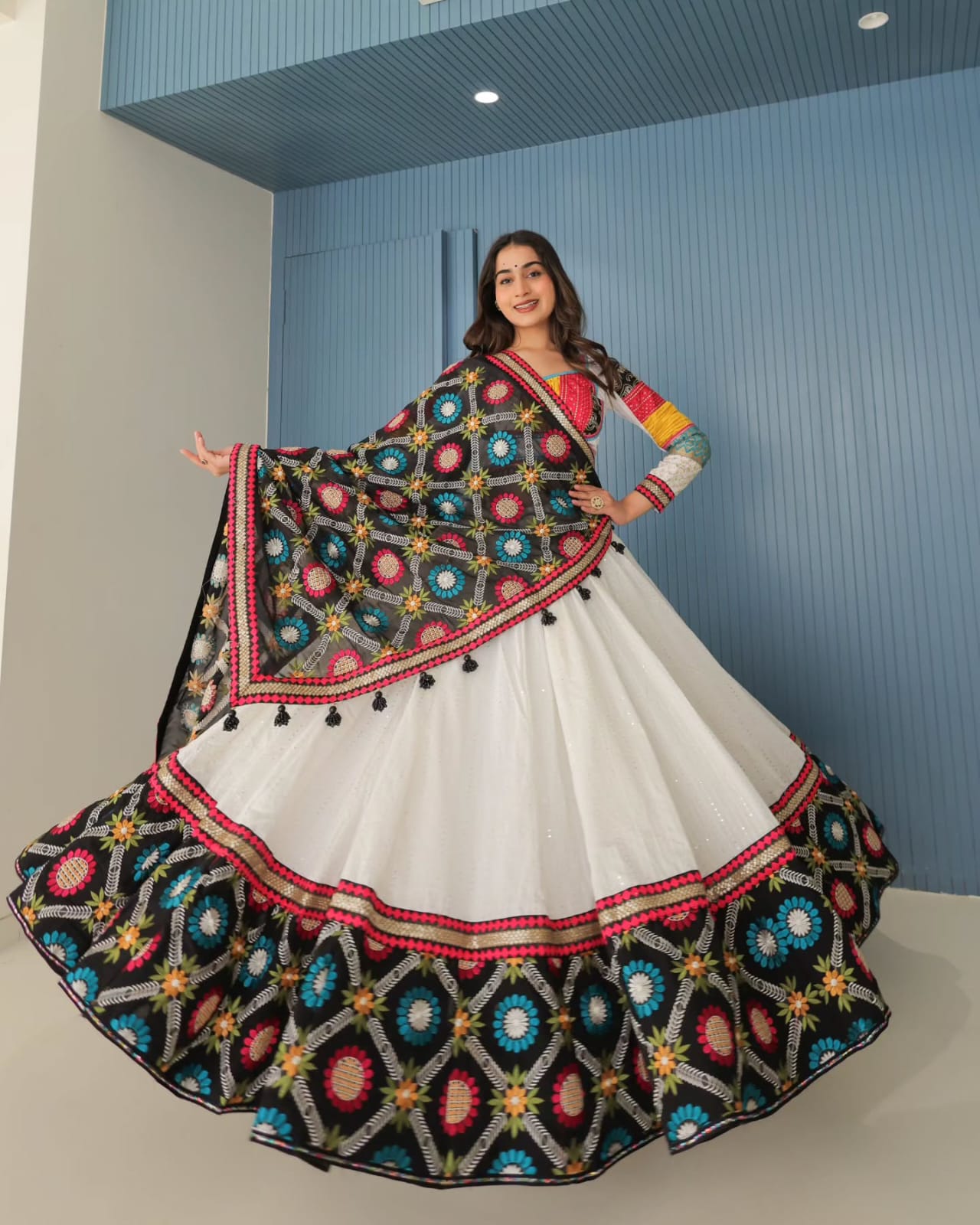
Pink Mirror Work Zari Sharara Suit Set Online - Varnavi gives a festive option for a Haldi ceremony or sangeet when a wearer wants the ease of separate trousers rather than a saree. Mirror work and zari already provide shine, so keep the dupatta arrangement controlled and let the suit remain the principal statement.
For weddings and evening receptions
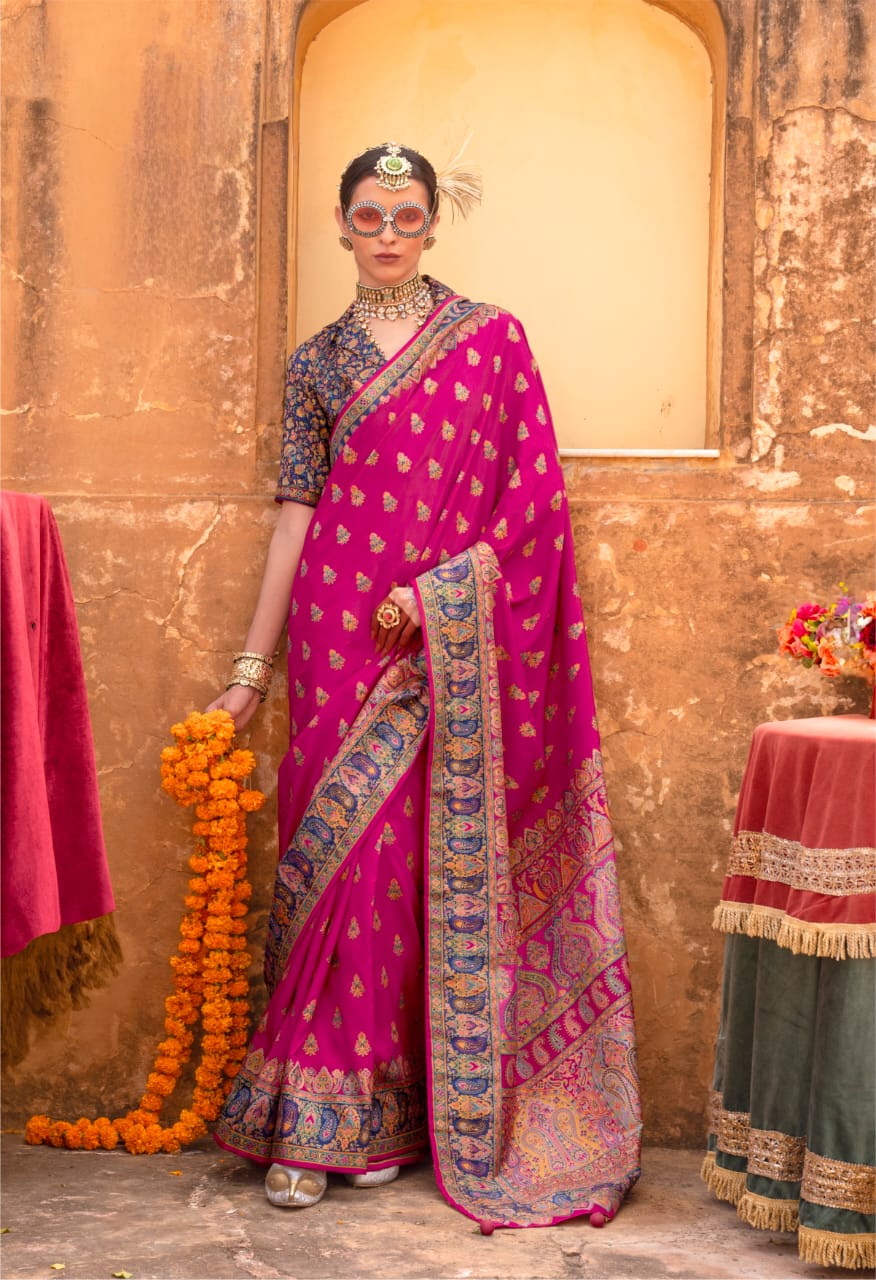
Wedding dressing can support richer silk, zari borders and more elaborate blouses because evening lighting rewards reflective surfaces. Wedding Wear Maslin Silk Zari Woven Saree Online suits that visual language, especially when paired with a well-constructed blouse and jewellery that echoes rather than competes with the zari.
For a guest outfit, reserve the heaviest styling for one area. A zari saree with chandelier earrings can look complete without a layered necklace, while an understated saree can support a dramatic blouse or necklace. Check the invitation before choosing red, ivory or exceptionally bridal embellishment because cultural expectations vary between families and regions.
Madhya Pradesh Ethnic Wear Guide for Modern Women: How to Buy Wisely
Buy regional ethnic wear by checking fibre content, measurements, opacity, finishing and care instructions before judging colour or embroidery. Product photographs rarely reveal whether a saree is stiff, transparent, scratchy or difficult to pleat.
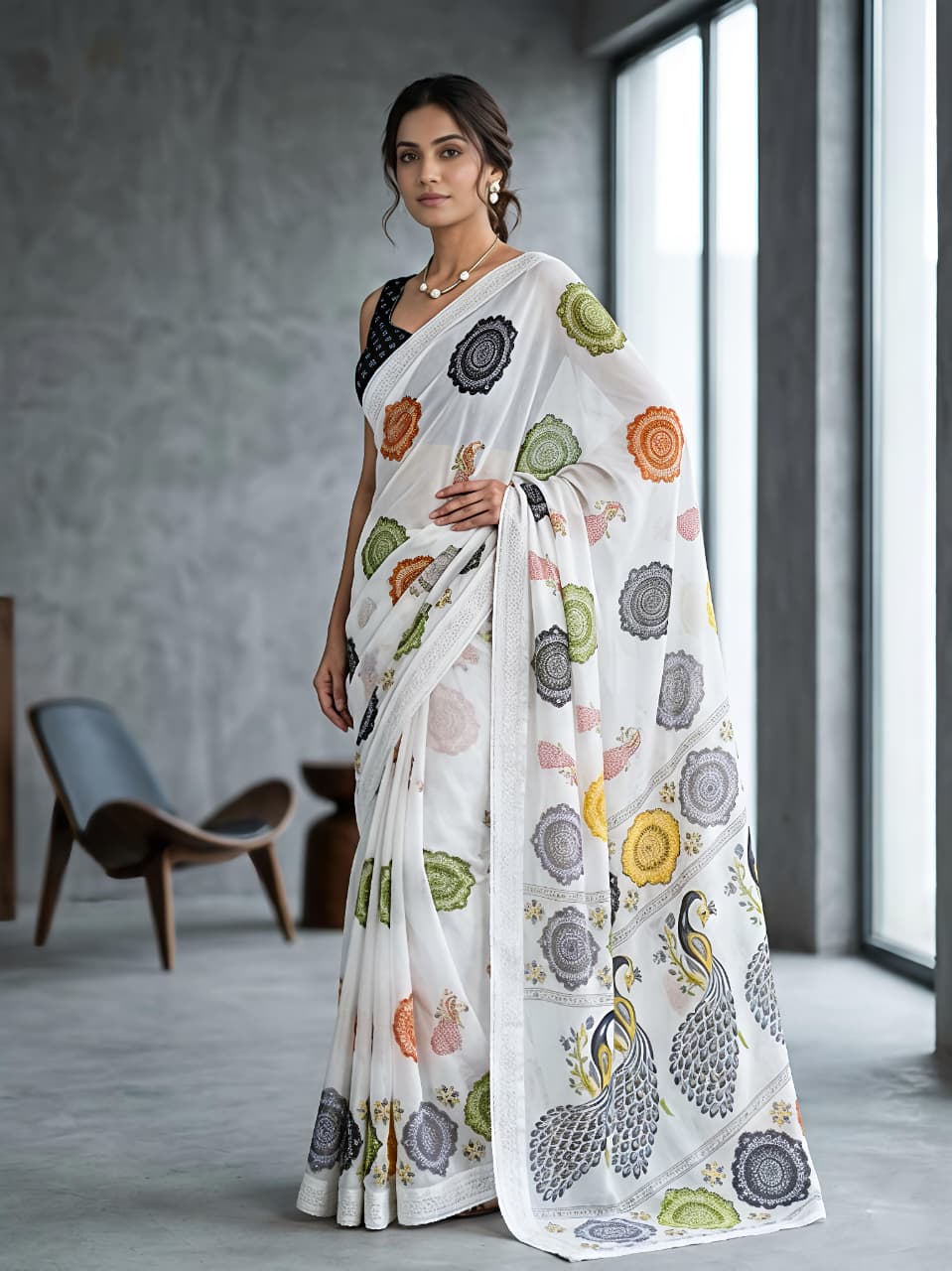
- Read the fibre composition. Confirm whether the garment is pure cotton, silk, silk-cotton, linen-cotton, viscose or a blend. Fibre composition affects breathability, shine, shrinkage and ironing requirements.
- Check usable measurements. Saree length, blouse-piece length, trouser rise, sleeve opening and dupatta dimensions determine whether alterations will be straightforward. An unstitched blouse gives flexibility, but it also requires tailoring time.
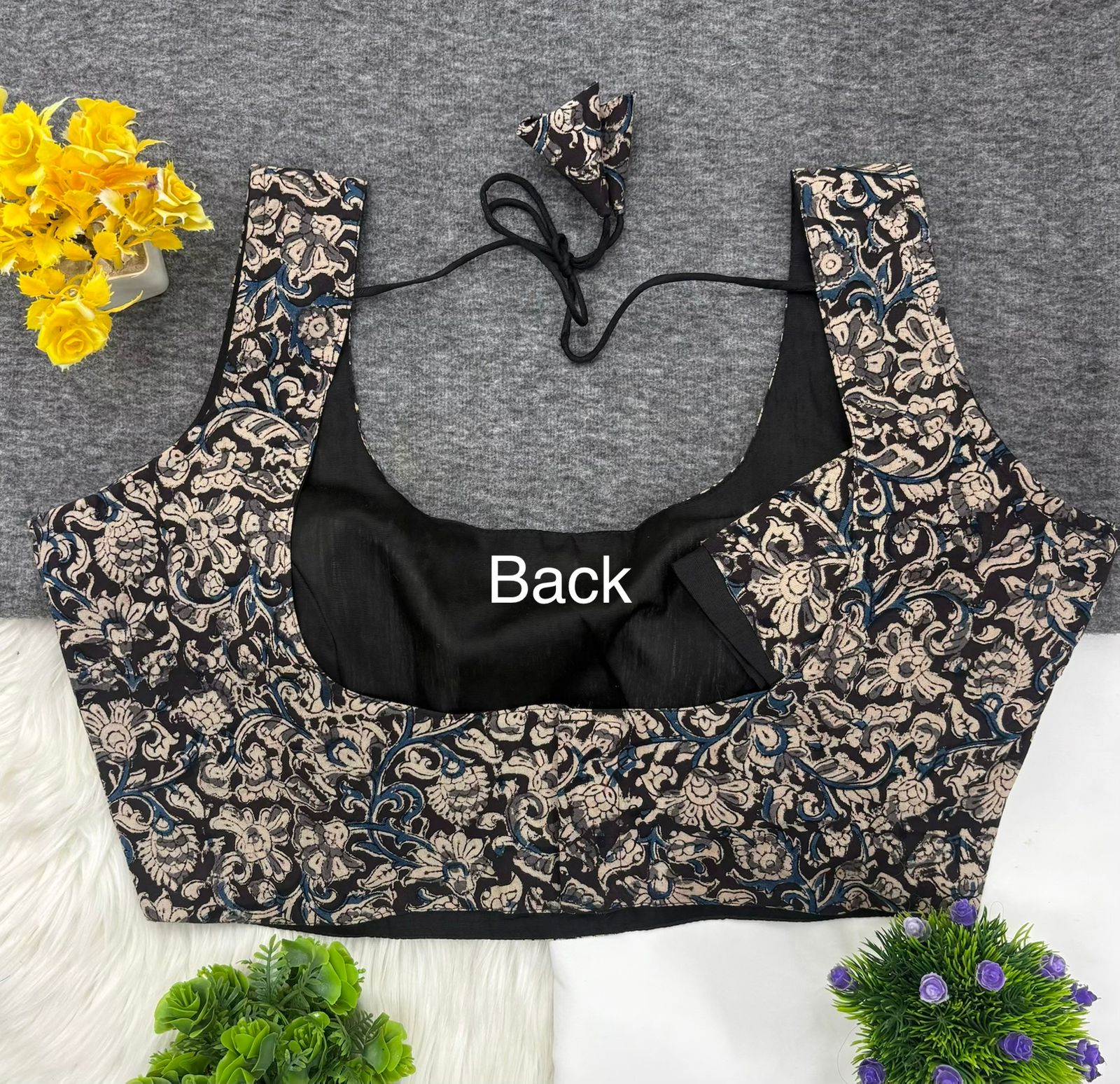
- Study the border and reverse side. Zari should be reasonably secure, printed motifs should have intentional alignment, and embroidery should not create excessive loose threads. A close-up image of the reverse side can reveal finishing quality.
- Ask about transparency. Chanderi and lightweight linen-cotton may need a lined blouse or a carefully selected petticoat. An opaque inner layer can change the visible colour of a pale saree, so test the combination in daylight.
- Allow alteration time. Blouse tailoring commonly requires one fitting and sometimes a second correction. Plan at least 10 to 14 days before a wedding if sleeves, cups, lining or neckline adjustments are needed.
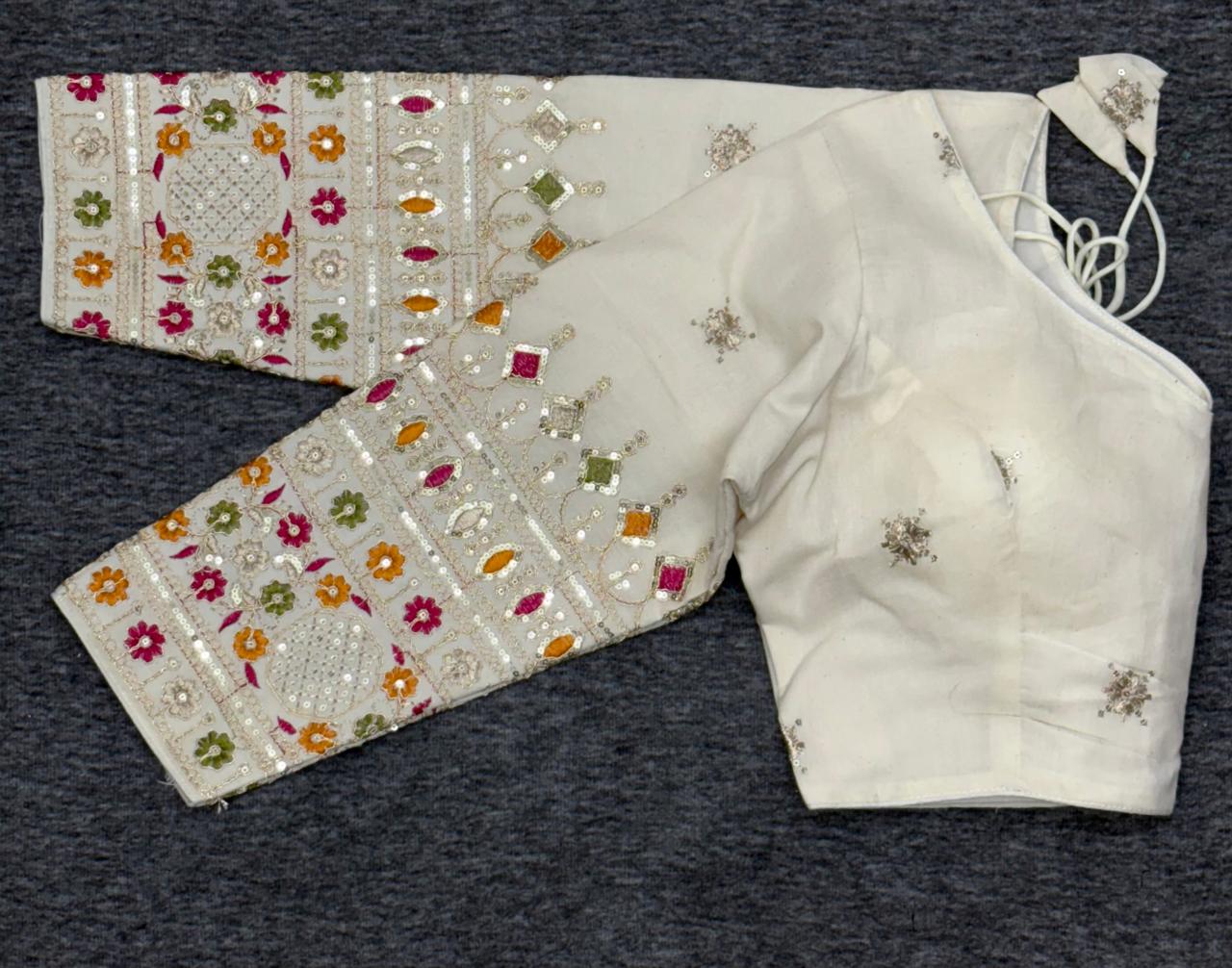
Pastel Linen Cotton Floral Print Saree with Designer Blouse, listed in a lighter palette, is an useful example of why blouse finishing matters as much as the saree print. A clean shoulder fit, correctly placed darts and sufficient lining can make a breathable fabric look significantly more polished.
Madhya Pradesh Ethnic Wear Guide for Modern Women: Care and Wardrobe Longevity
Gentle cleaning, shade drying, low-heat ironing and breathable storage extend the life of Madhya Pradesh ethnic textiles. Care should follow the fibre and surface work rather than the colour alone.
Air a saree after wearing it before folding it away, especially after a humid event. Remove jewellery and accessories before folding so hooks and sharp edges don't catch the weave. Fold silk, Chanderi and zari sarees with the embellished surface inward when possible, and refold stored sarees every few months to reduce permanent crease lines.
Dry cleaning is generally safer for silk, zari-heavy garments, mirror work and intricate embroidery. Cotton and linen-cotton may tolerate gentle hand washing, but colour bleeding must be checked on an unseen edge first. Use cool water, mild detergent and minimal friction; never wring a saree with zari or a delicate woven border.
Dry garments in shade rather than harsh direct sunlight, which can fade maroon, mustard, pink and printed natural-dye tones. Iron cotton and linen-cotton on the reverse side at a suitable temperature. Place a thin cotton cloth between the iron and zari, mirror work or embroidery to prevent snagging and heat damage.
Store textiles in clean cotton or muslin covers instead of sealed plastic for long periods. Add pest protection without allowing camphor or strongly scented materials to touch the fabric directly. A cool, dry cupboard with some air circulation is safer than a damp loft or tightly compressed suitcase.
A considered wardrobe doesn't require dozens of ethnic outfits. Two breathable everyday sarees, one structured festive saree, one versatile co-ord or suit and a dependable blouse colour can cover many occasions. The strongest choices are garments whose fibre, construction and styling options match the wearer's actual schedule.
Common Questions About Madhya Pradesh Ethnic Wear for Modern Women
Which Madhya Pradesh fabrics are best for summer ethnic wear?
Cotton, Mal cotton, cotton-linen, linen-cotton and lightweight Chanderi are practical summer choices because they allow airflow and usually feel lighter than dense synthetic blends. A lined blouse may still be necessary for sheer Chanderi or pale fabrics.
What is the difference between Maheshwari and Chanderi sarees?
Maheshwari sarees generally have a more structured drape and are made in cotton, silk or silk-cotton with recognisable borders and pallu details. Chanderi sarees are typically lighter, more translucent and subtly lustrous, with the final feel depending on whether the textile is cotton, silk or a blend.
How can I style a Madhya Pradesh saree for the office?
Choose a breathable saree with a moderate border, a well-fitted blouse and secure pleats. Add small earrings, a watch, practical heels or flats and a structured bag while avoiding excessive tassels, heavy jewellery and difficult-to-manage drapes.
Can a Madhya Pradesh ethnic outfit work for a Haldi ceremony?
Yes, cotton, Mal cotton and linen-cotton sarees or relaxed sharara sets work well for a Haldi ceremony because they support movement and daytime comfort. Pin the pallu or dupatta securely and avoid delicate surfaces that can be damaged by turmeric, water or crowded seating.
How should I care for a Chanderi or zari saree?
Store Chanderi and zari sarees in breathable muslin or cotton covers, away from direct sunlight and moisture. Use professional dry cleaning for zari-heavy garments, fold the embellished surface inward, and place a thin cloth between the textile and a warm iron.
How can I make ethnic wear look modern without losing its traditional character?
Let one traditional feature lead, such as a Maheshwari border, Bagh-inspired print, zari pallu or mirror-work surface, and pair it with clean contemporary pieces. A tailored blouse, cropped jacket, restrained jewellery, neutral footwear or a structured bag can modernise the outfit without hiding its textile identity.