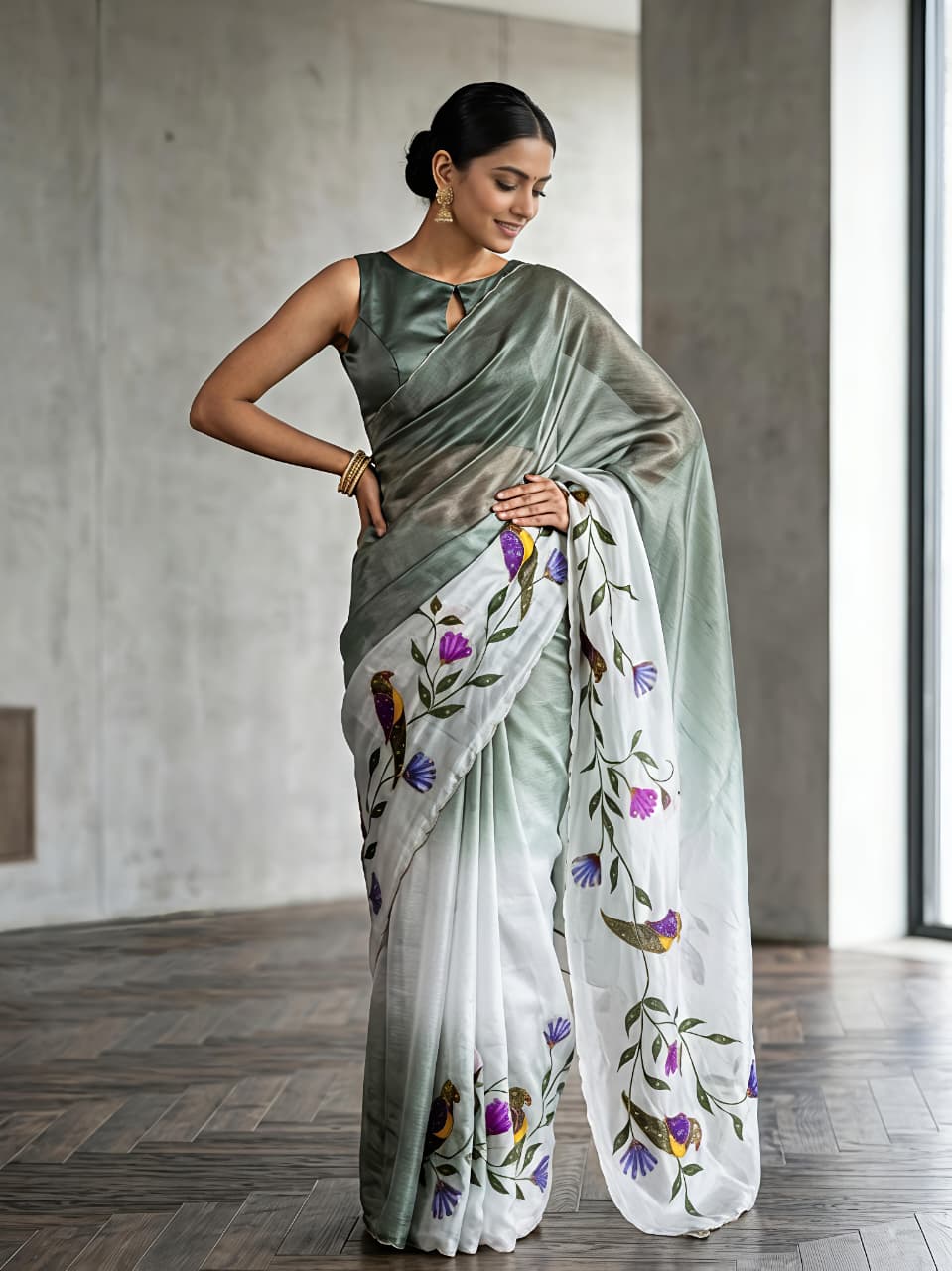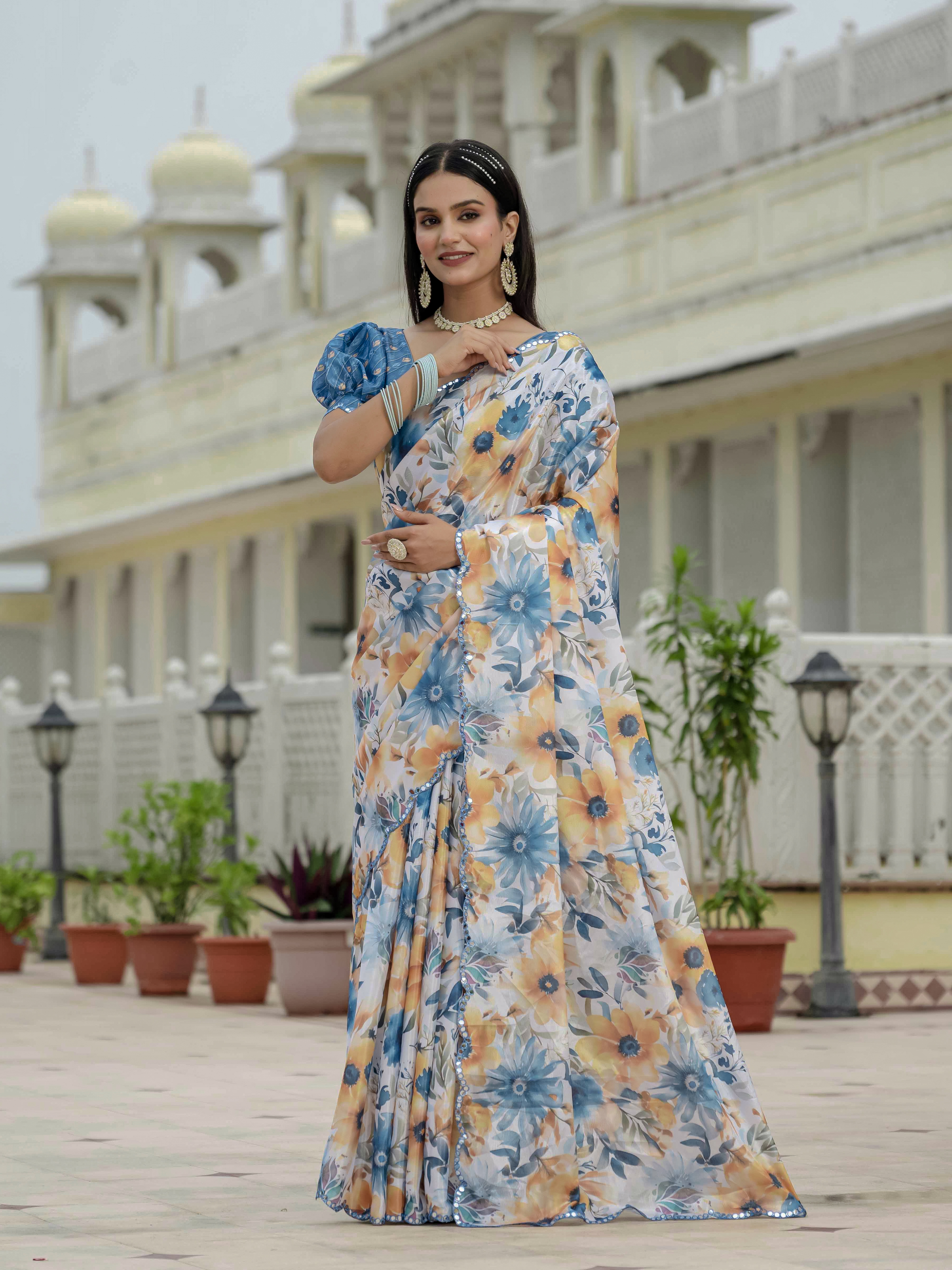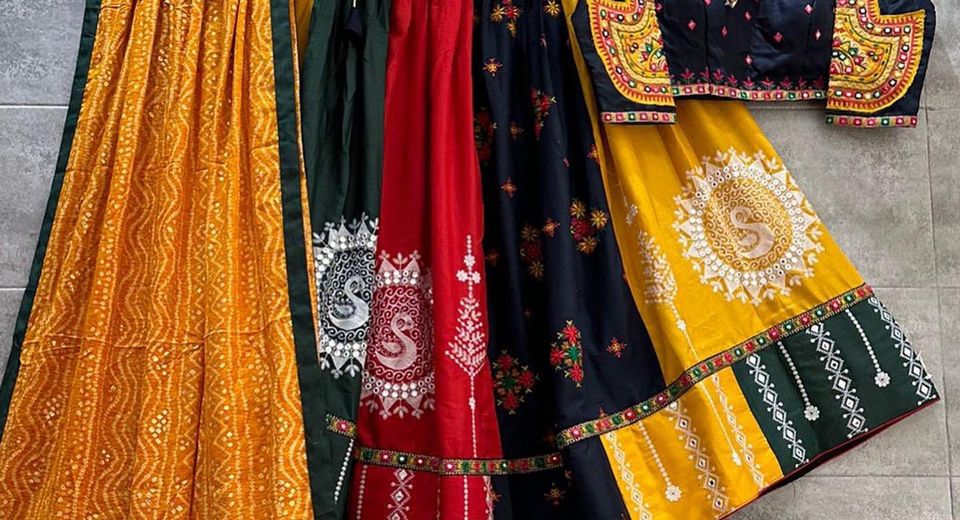
Losar celebrations bring together prayer, family visits, community gatherings and the bright visible language of Himalayan festive clothing. A thoughtful Losar Outfit Guide: Sikkim Sarees, Suits & Lehengas should therefore continue more than colours and embellishment; it should explain how to balance local Sikkimese references with an outfit that feels comfortable and respectful.
Losar marks the Tibetan New Year, although dates, rituals and clothing customs change among communities in Sikkim and across Himalayan regions. Traditional dress can include the bakhu or kho, a wrap-style garment worn with a blouse, belt and layered accessories. Contemporary guests may choose a saree, salwar suit or lehenga, especially for family events, ethnic programmes and evening celebrations. The most successful outfit acknowledges the setting without treating a living tradition as a costume.
How should a Losar Outfit Guide: Sikkim Sarees, Suits & Lehengas shape your choice?
A suitable Losar outfit should communicate festivity, respect and ease of movement. Clothing that's colourful and well-finished works better than an excessively revealing or uncomfortable ensemble, particularly when the day includes temple visits, long meals and greetings with relatives.
Losar gatherings often move between indoor and outdoor spaces, so clothing needs practical structure. A lined lehenga, a full-length anarkali or a saree with a secure pallu can look celebratory while remaining functional. Modest necklines, comfortable sleeves and a dupatta that stays in place are useful choices for prayer halls and family homes.
Respect begins with context. Ask the host whether a temple visit, cultural performance or formal dinner is planned before finalising the outfit. A family celebration may welcome a contemporary pastel lehenga, while a community programme may call for more heritage layering and subdued styling.
Printed motifs can also carry visual meaning, so avoid copying ceremonial insignia or borrowing a complete time-honoured ensemble solely as a fashion statement. Wearing a modern Indian outfit with considered colours and modest detailing is usually a safer choice when you're unfamiliar with local customs.
How can a Losar Outfit Guide: Sikkim Sarees, Suits & Lehengas use Sikkimese influences respectfully?
You can reference Sikkimese festive style through layering, colour, texture and accessories rather than reproducing a complete bakhu or kho. This approach keeps the outfit personal while recognising that heritage garments have cultural history and specific ways of being worn.
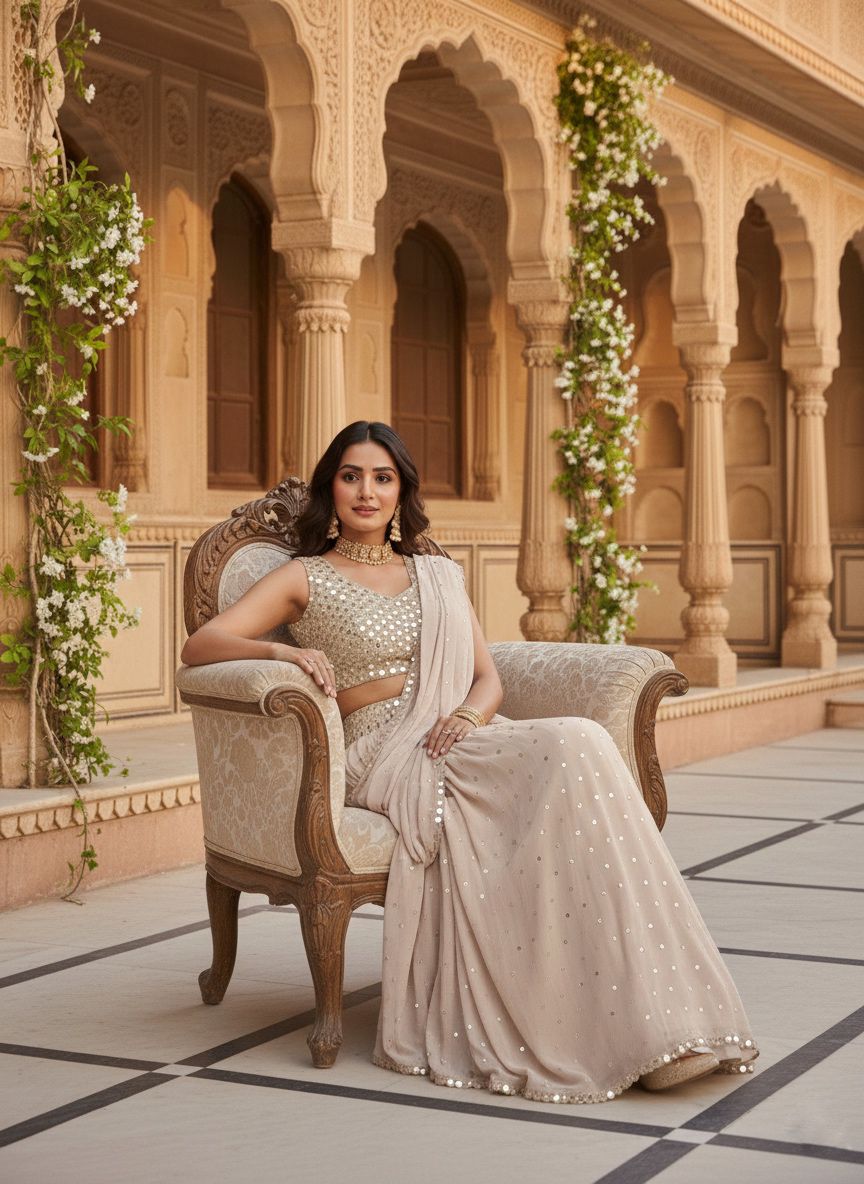
Use wrap-style layering
A shawl, cropped jacket or structured stole can suggest the wrapped silhouette associated with Himalayan clothing. Wear a wool-blend shawl over a silk lehenga in the evening, or add a woven dupatta to a straight suit for a more grounded appearance. A belt at the waist can keep a drape secure, but the belt should complement the outfit rather than imitate a ceremonial accessory exactly.
Choose texture with intention
Silk, brocade, velvet accents and hand-feel textiles suit a winter festival better than very thin unlined fabrics. Banarasi silk and raw silk create visual depth, while georgette and organza provide movement for indoor celebrations. A fabric with a quiet sheen often looks more refined in photographs than dense metallic glitter.
Keep accessories edited
One strong accessory is usually enough for a contemporary Losar outfit. Try silver-toned earrings, a woven clutch, a narrow waist belt or a warm stole instead of combining a heavy necklace, large maang tikka, stacked bangles and ornate hair jewellery. Silver and oxidised finishes can work especially well with jewel tones, although gold zari remains appropriate for formal evening wear.
Which sarees belong in a Losar Outfit Guide: Sikkim Sarees, Suits & Lehengas?
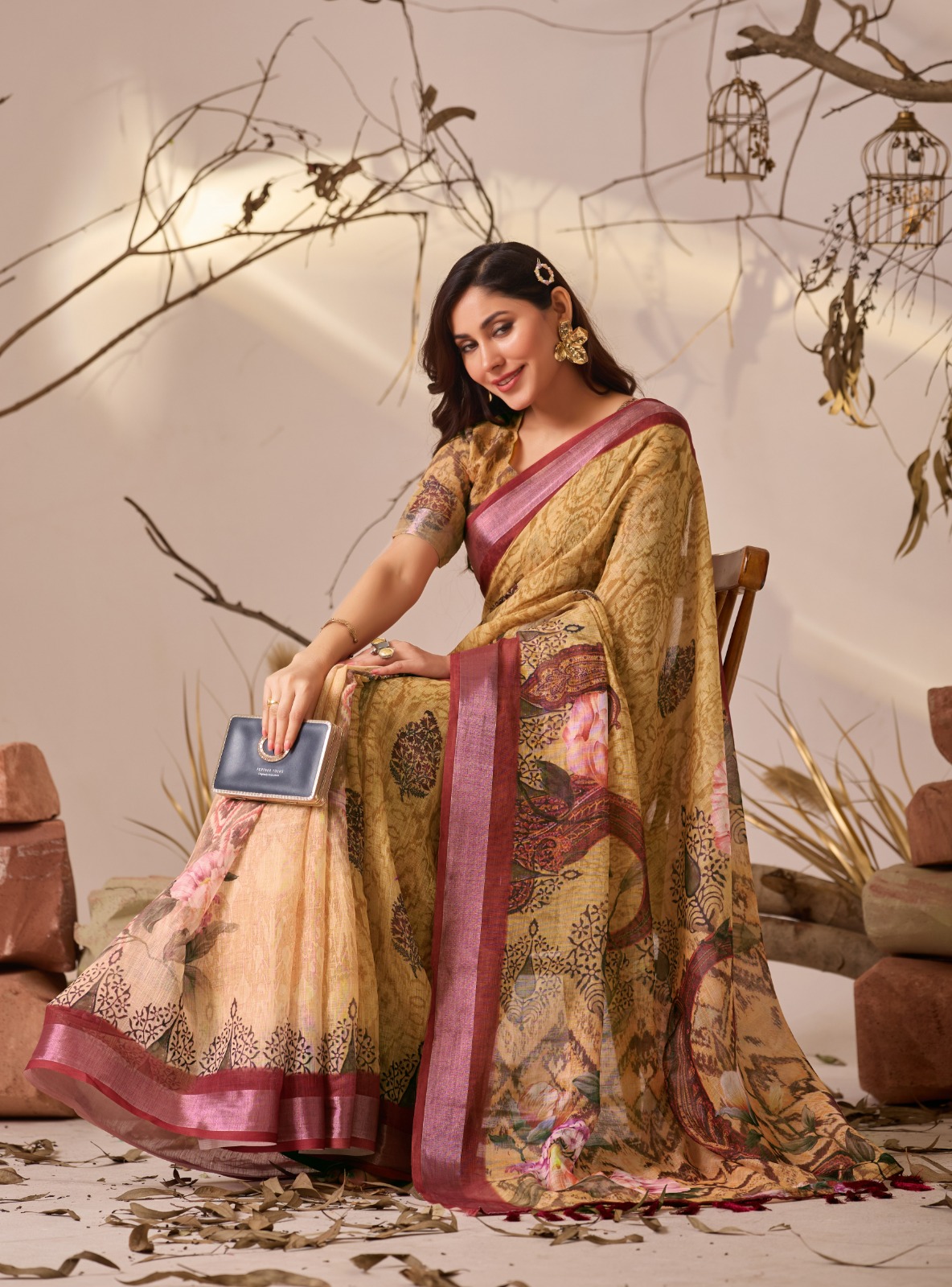
Silk, woven, satin-blend and medium-weight georgette sarees work well for Losar because they provide festive polish without requiring an elaborate silhouette. A saree is particularly practical when you already know how to drape it securely and will be moving between several parts of a long celebration.
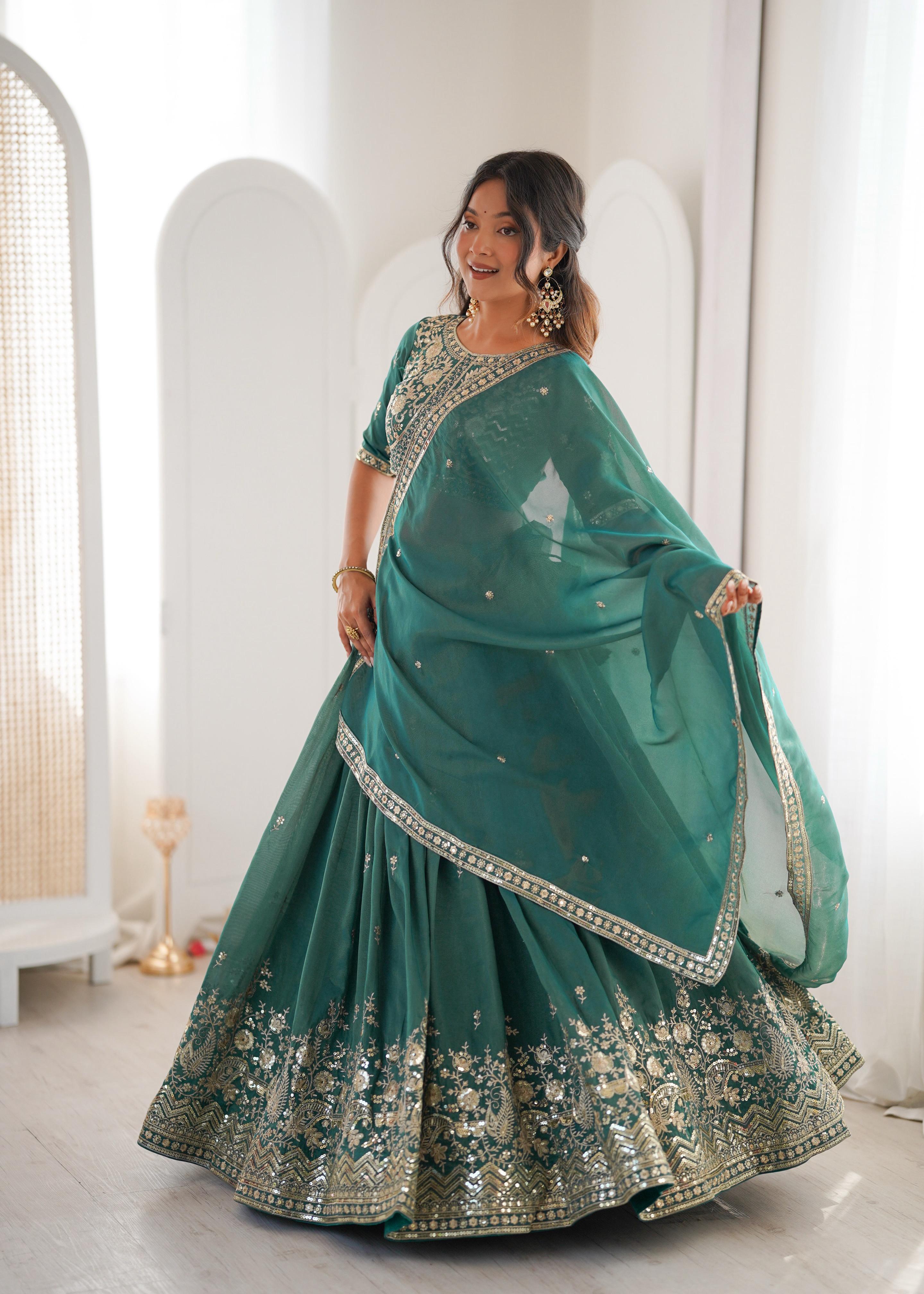
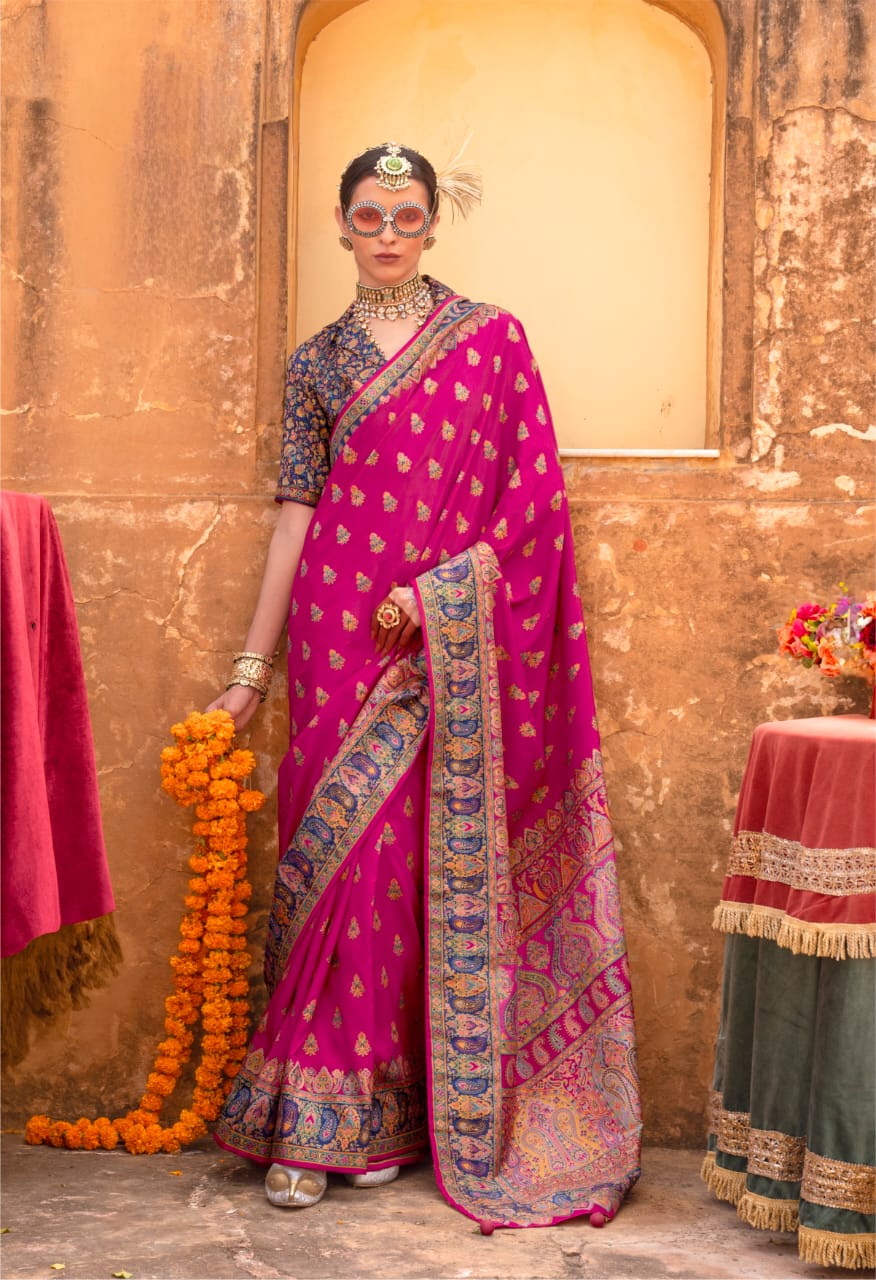
Banarasi silk offers a formal option with woven zari, while Chanderi gives a lighter, airier finish for daytime gatherings. Kanjeevaram can be striking for a formal family event, although its heavier silk and broad borders may feel excessive for a casual house visit. A satin or georgette saree can provide a contemporary alternative when paired with a blouse that has sleeves and reliable support.
Beige Mirror Work Ready to Wear Saree with Blouse illustrates an useful compromise for someone who wants saree styling without spending an hour perfecting pleats. Beige keeps the base understated, while mirror work supplies the festive accent. Pair the saree with small earrings and a warm shawl rather than adding several competing embellishments.
For cold-weather Losar events, choose a blouse with elbow-length or full sleeves and carry a coordinated wrap. A thermal camisole can be worn under a blouse if the neckline and armholes allow it to remain invisible. Avoid very slippery petticoats, because satin and lightweight georgette can shift during walking; a fitted underskirt or a well-constructed ready-to-wear drape gives better security.
Are lehengas right for a Losar Outfit Guide: Sikkim Sarees, Suits & Lehengas?
Lehengas are suitable for Losar when the design is comfortable, modest enough for the event and styled with layers suited to Sikkim's cooler climate. The lehenga should support movement for greetings, sitting cross-legged and walking outdoors rather than functioning only as a photograph-ready statement.
A-line and panelled skirts are usually easier to manage than extremely wide circular skirts. Look for a waistband that sits securely, a lining that prevents transparency and a hem that stays at least 2 to 3 centimetres above the floor. A 3 to 4 metre dupatta is often easier to pin for a festival than an unusually long, heavily embellished drape.
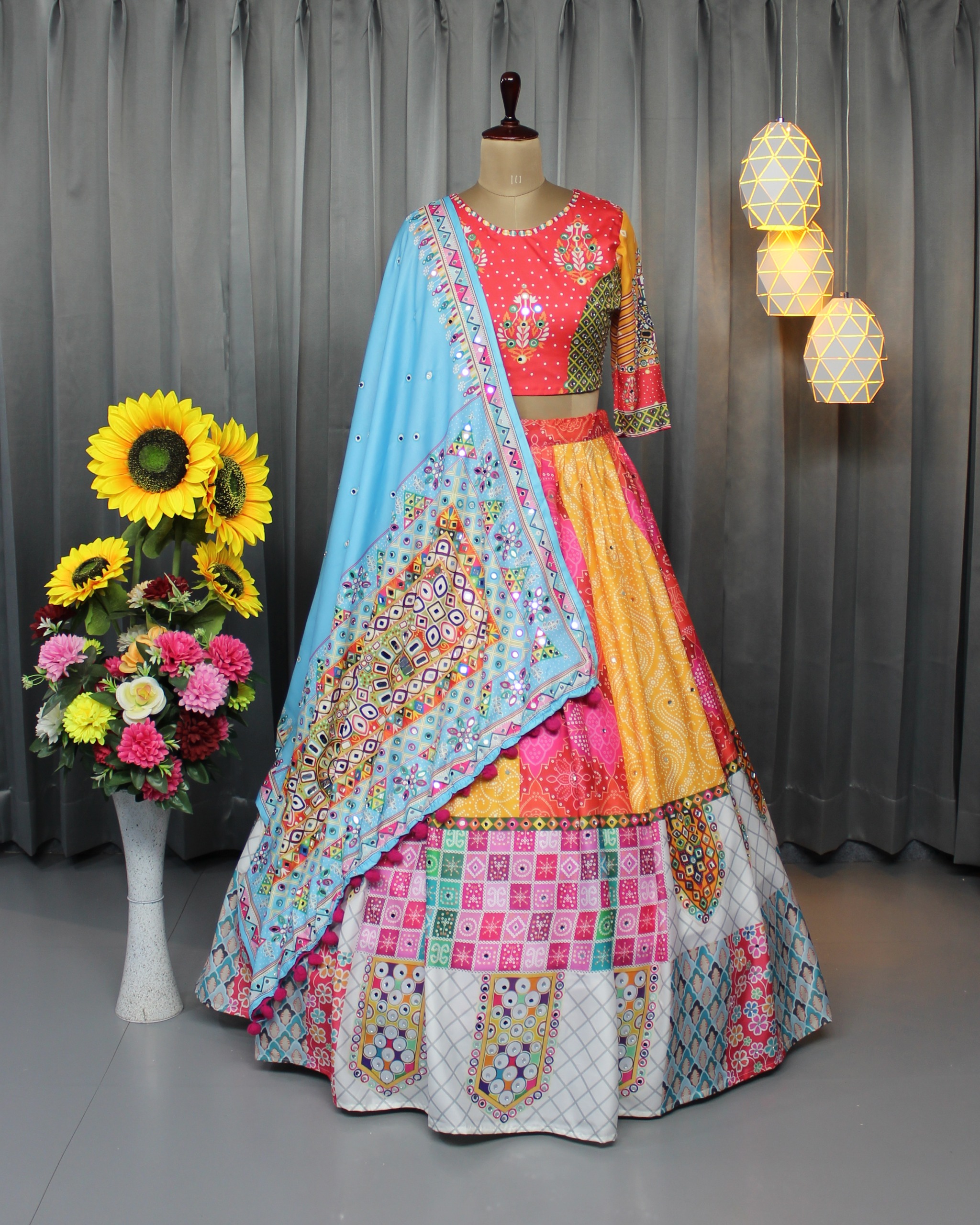
Designer Threadwork Silk Lehenga Choli Set with Dupatta suits a formal evening gathering because silk and threadwork provide richness without requiring excessive reflective decoration. Stylish Multicolor Butter Silk Lehenga Choli Set brings a brighter direction for daytime festivities, especially when the blouse and skirt already contain several colours.
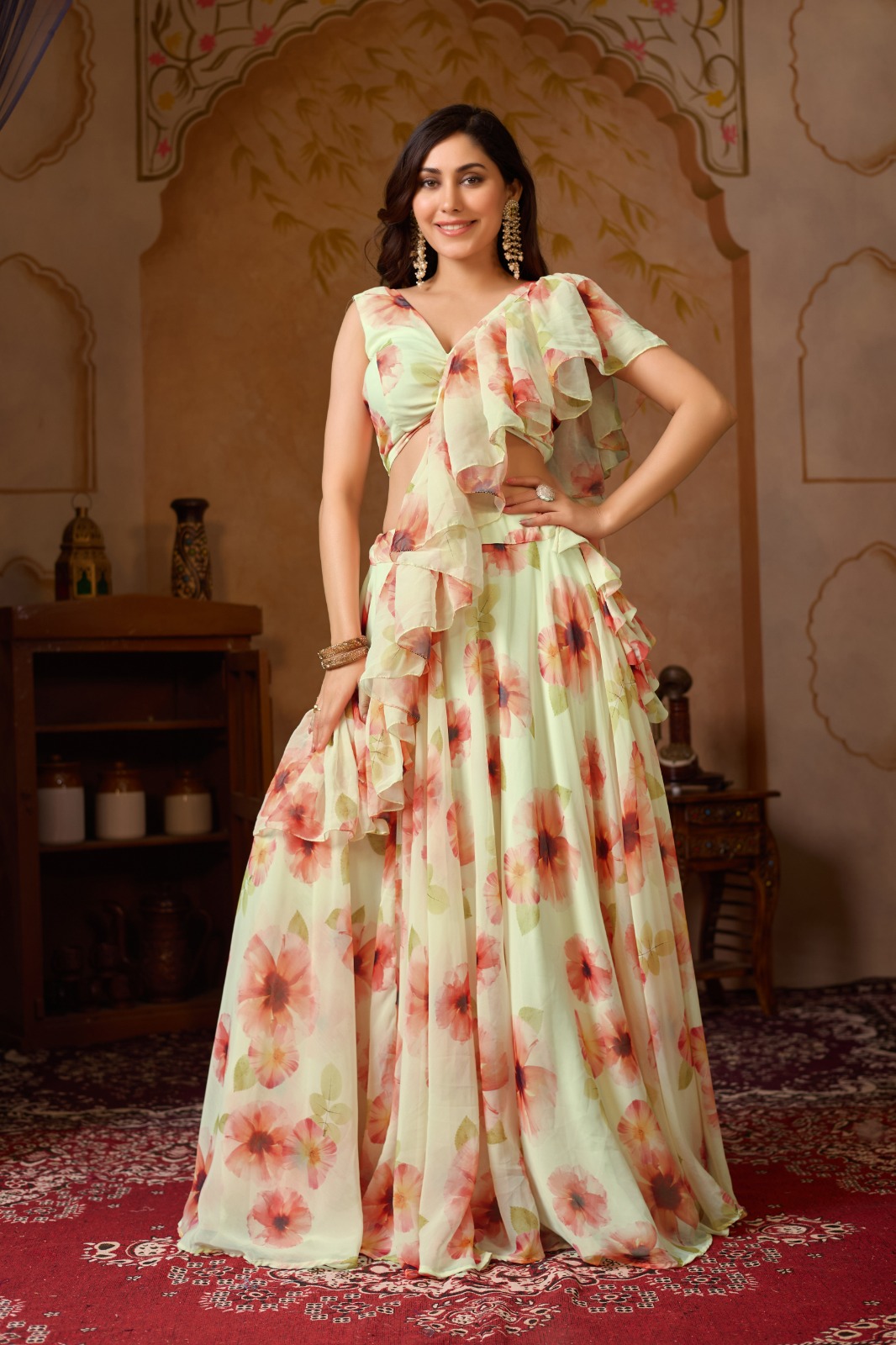
Pastel dressing can work equally well when the embroidery has enough definition. Pastel Floral Georgette Lehenga Set with Ruffle Blouse creates a softer look for a lunch or indoor family gathering. Add a solid-colour shawl and restrained jewellery so the floral print remains the main visual feature.
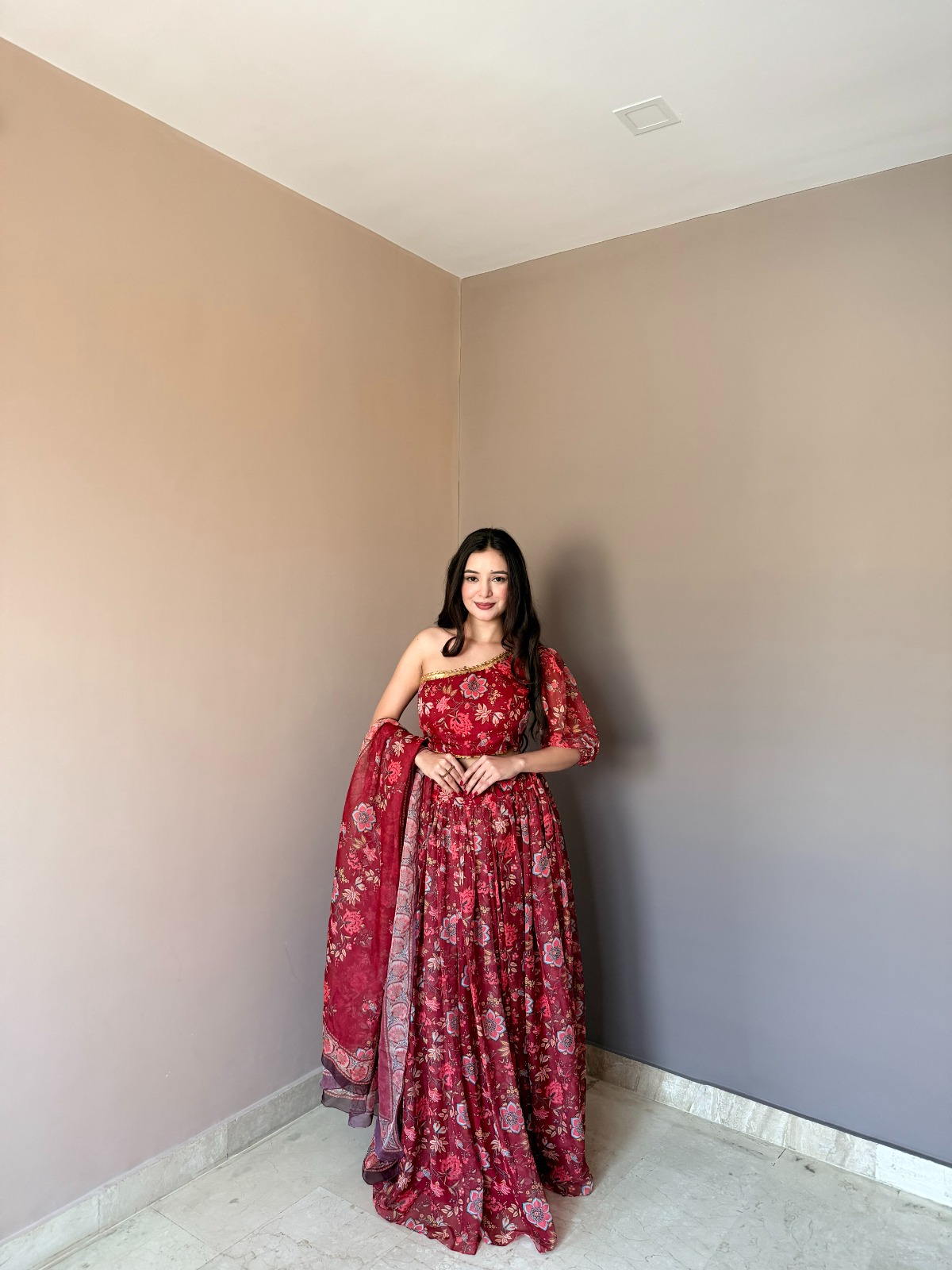
Red and magenta are strong choices for evening celebrations, but the shade should suit the venue. Magenta Satin Embroidered Lehenga Set Online gives a jewel-toned finish, while Red Floral Organza Lehenga Set with One Shoulder Blouse is more fashion-forward and may be better for a reception than a prayer-focused event. An one-shoulder blouse should be checked for secure fit before a long day of movement.
What should a Losar Outfit Guide: Sikkim Sarees, Suits & Lehengas recommend for family gatherings?
A comfortable salwar suit, anarkali or moderately embellished lehenga is usually the most versatile choice for a Losar family gathering. These silhouettes allow easy sitting, walking and eating while still looking festive in family photographs.
A straight kurta with palazzo pants works well for daytime visits because the trousers give more freedom than a narrow churidar. Choose silk-blend, cotton-silk or lined georgette for a polished finish. A full-length anarkali provides more coverage and warmth, while a sharara suit creates a celebratory shape without the weight of a large lehenga skirt.
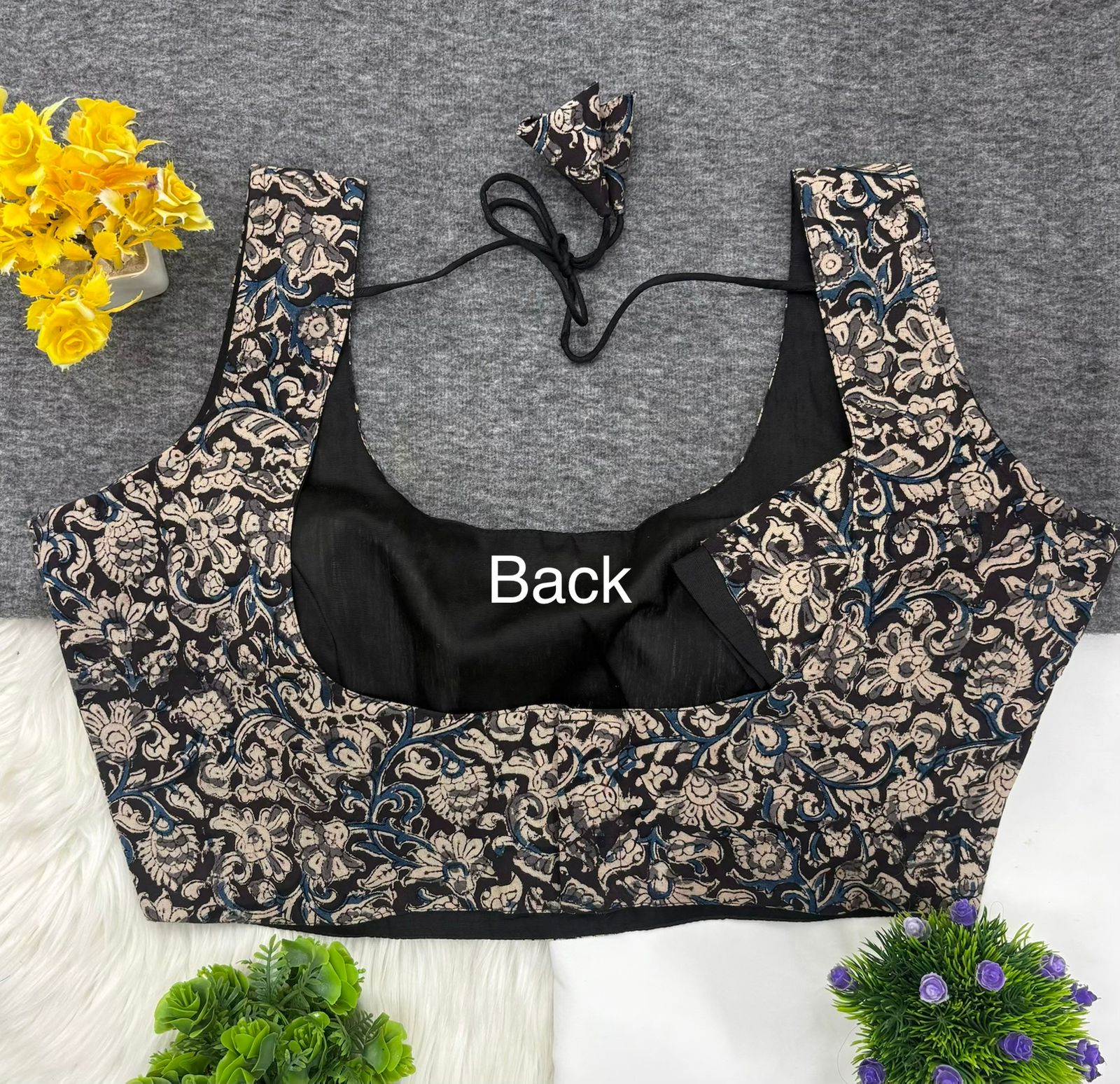
Neckline and sleeve decisions matter more than many shoppers expect. A round, boat or shallow V-neck is easy to layer under a shawl. Three-quarter sleeves protect the arms from cold air and make the outfit suitable for visits that include a place of worship. A dupatta with a small border can be pinned at both shoulders, leaving the hands free for greetings and meals.
Budget-conscious shoppers can compare Pink Lehengas Under 4000 with 50% Discount for colourful options, but price should not be the only consideration. Check whether the skirt is lined, whether the waistband has hooks or a drawstring, and whether the listed measurements include ease for sitting. Silk Lehengas Under 3000 may also be useful for a compact festive wardrobe, provided the fabric composition and care instructions are clear.
Bridesmaid Lehengas Under 5500 can offer coordinated colour ideas for siblings or cousins attending the same Losar gathering. Matching every outfit exactly is unnecessary; choosing a shared colour family, such as magenta, saffron, emerald or blush, creates visual harmony while allowing each person to select a comfortable silhouette.
How should colours and fabrics work in a Losar Outfit Guide: Sikkim Sarees, Suits & Lehengas?
Choose colours according to the time, venue and amount of existing embellishment rather than following a single "Losar colour." Losar clothing doesn't have one universal palette for every Sikkimese community, household or event.
Red, maroon, saffron, mustard, emerald and royal blue create a heritage festive mood, while peach, lilac, blush and powder blue suit daytime celebrations. White, cream and beige can look elegant when balanced with coloured embroidery, a bright dupatta or metallic accessories. Avoid assuming that a colour has the same ritual meaning in every family or monastery setting.
Embroidery should relate to the scale of the event. Threadwork, small sequins and narrow zari borders are practical for a family lunch. Mirror work, dense sequin panels and metallic thread are more appropriate for evening gatherings where the lighting can support their sparkle. Large motifs may overwhelm a petite frame, while vertical embroidery can visually lengthen a shorter silhouette.
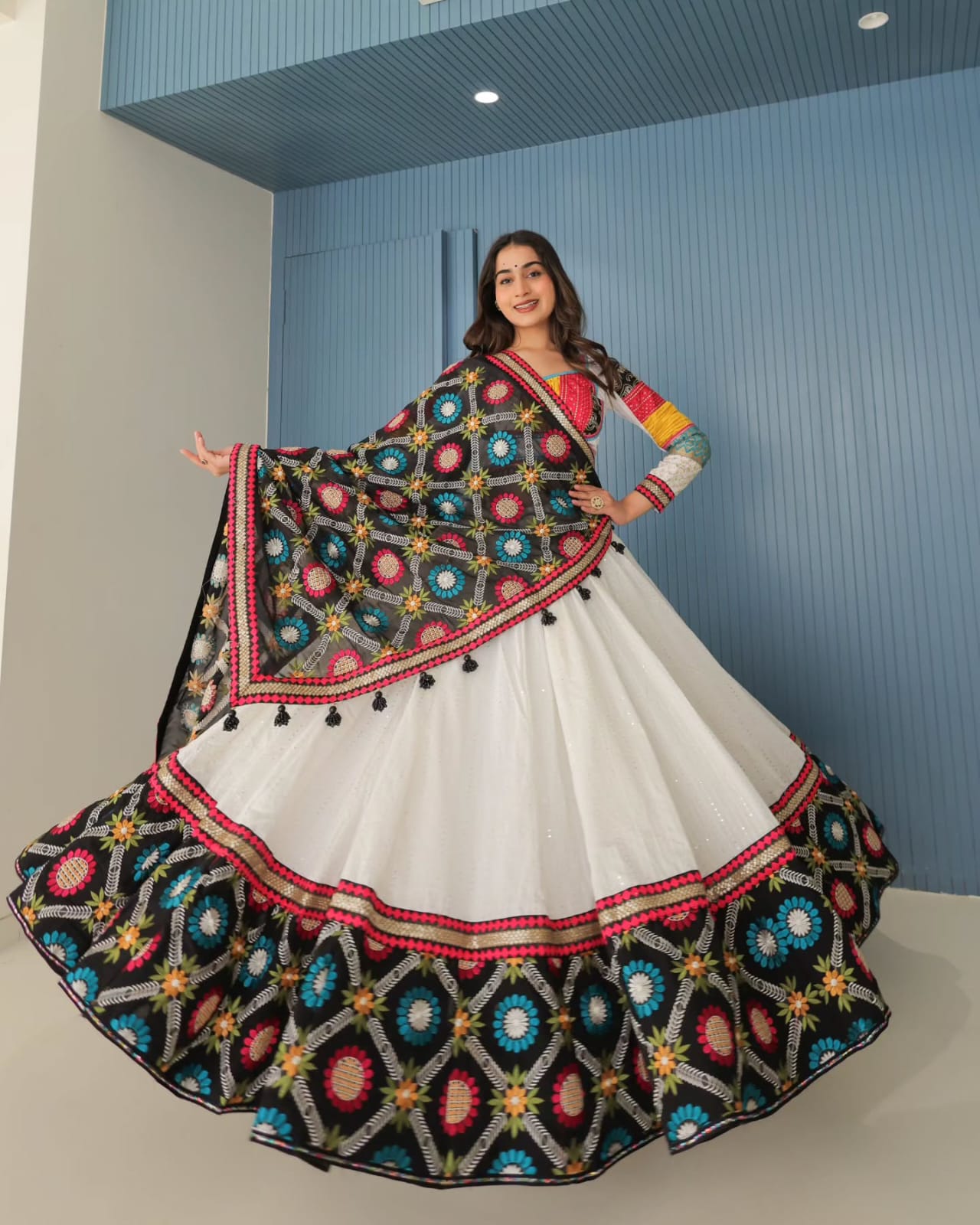
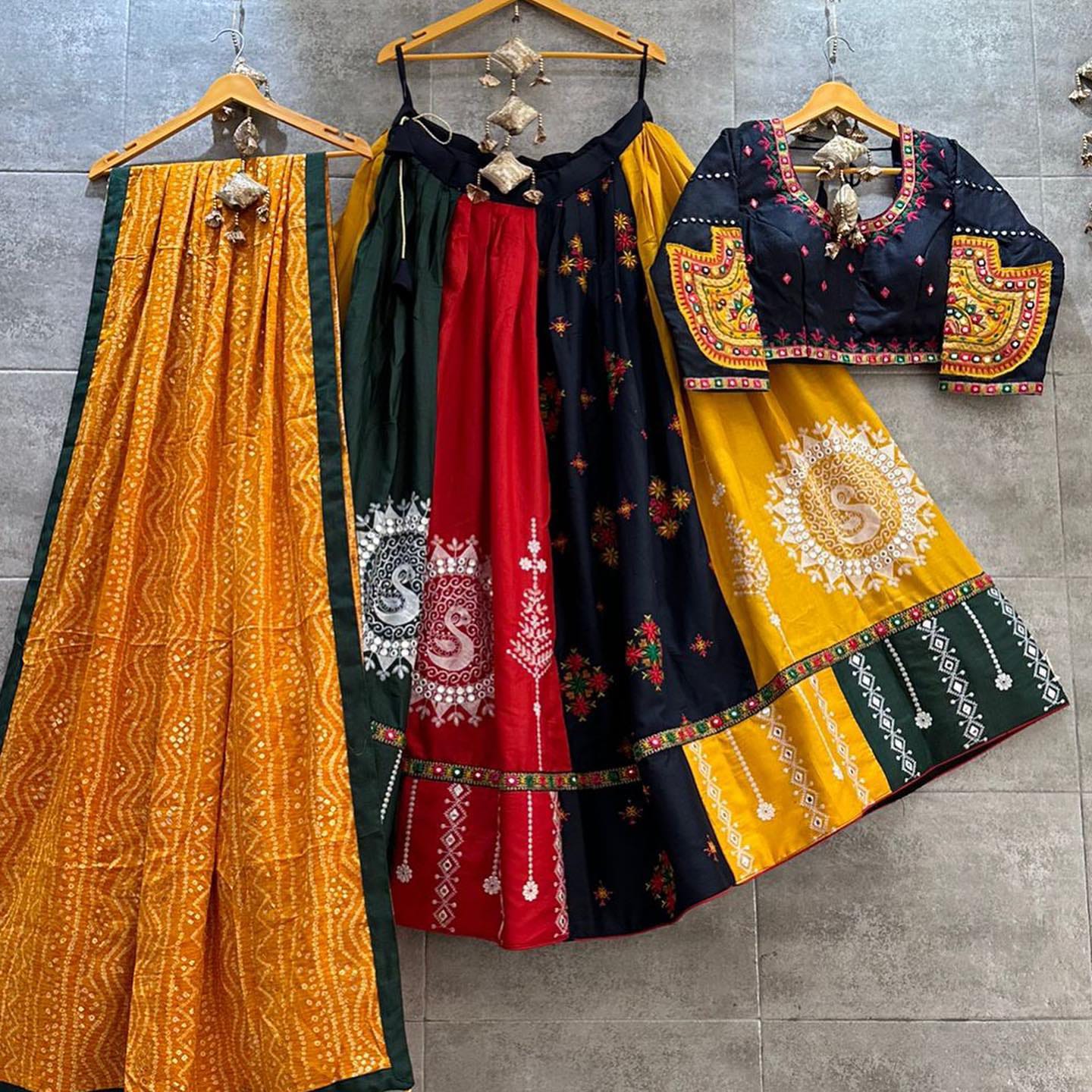
Colorful Patch Print Butter Silk Lehenga Choli Set demonstrates how colour can provide a festive effect without heavy surface work. If the print is already busy, use plain jewellery and a single-colour dupatta. A printed butter silk lehenga can also be more comfortable than a heavily embellished skirt during an afternoon event.
Haldi Lehengas Under 5500 is another useful reference point for bright yellow, green and pink combinations, even when the final outfit is intended for Losar rather than a Haldi ceremony. Use the collection as colour inspiration, then check whether the chosen garment has enough sleeve coverage, lining and warmth for a Sikkim celebration.
Net Lehengas Under 4500 with 51% Discount may suit an indoor evening programme, but net requires careful inspection. Check the lining, seams and underskirt before purchase, because an unlined net skirt can feel cold, snag on jewellery and become uncomfortable during prolonged sitting.
How can you make a Losar Outfit Guide: Sikkim Sarees, Suits & Lehengas practical?
A practical Losar outfit needs secure fastenings, warm layering, comfortable footwear and a care plan for embellished fabrics. These details determine whether an attractive outfit remains wearable throughout a long festival day.
Test the outfit at home for at least 20 minutes before the event. Sit on a chair and on the floor, walk up stairs, raise both arms and check whether the blouse pulls, the waistband digs in or the dupatta slips. Add safety pins only after confirming that the fabric can tolerate them; delicate organza and fine net can show puncture marks.
Choose footwear with a cushioned sole and a stable heel of no more than 2 to 3 inches if outdoor walking is expected. Metallic juttis, embroidered flats or low block heels are generally easier to manage than narrow stilettos. Carry blister patches and a small fashion tape roll in the evening bag.
Care requirements should influence the purchase. Banarasi silk, zari and heavily embellished garments usually need dry cleaning or gentle professional cleaning, while some polyester blends can be hand-washed in cold water. Never soak zari, mirror work or glued embellishments for several hours. Store a fully dry lehenga in a cotton garment bag rather than sealed plastic, and fold heavy skirts in a way that doesn't permanently compress the embroidery.
Losar clothing can be festive without being wasteful. A silk blouse that works with a saree, lehenga or palazzo suit will offer more future wear than a highly specialised piece. A solid shawl, neutral clutch and comfortable metallic footwear can also connect several outfits across winter celebrations.
The strongest Losar look combines cultural awareness with personal comfort: choose a contemporary silhouette, add thoughtful texture and leave room for the people, rituals and conversations that make the festival meaningful.
Practical Questions About Losar Sarees, Suits and Lehengas
What should women wear for Losar in Sikkim?
Women can wear a saree, salwar suit, anarkali or lehenga for Losar, provided the outfit is comfortable, respectful and suitable for the planned gathering. A shawl, full or three-quarter sleeves and secure draping are useful for Sikkim's cooler weather.
Is a lehenga appropriate for a Losar celebration?
A lehenga is appropriate for a Losar celebration when its silhouette allows easy movement and its styling suits the venue. Choose a lined skirt, a secure waistband, a manageable dupatta and moderate embellishment for family or prayer-focused events.
What colours are suitable for a Losar outfit?
Red, maroon, saffron, mustard, emerald, royal blue, peach and pastel shades can all work for Losar outfits. Colour preferences vary between families and communities, so venue, time of day and host guidance should influence the final choice.
How can I include Sikkimese style without wearing a traditional bakhu?
You can include Sikkimese-inspired elements through a wrap-style shawl, woven dupatta, layered texture, silver jewellery or a structured belt. Avoid reproducing ceremonial clothing without understanding its cultural context.
What fabric is best for a Losar outfit in cold weather?
Silk, raw silk, velvet accents, lined georgette and medium-weight brocade are practical choices for a cooler Losar celebration. Very thin unlined net and lightweight chiffon may feel uncomfortable outdoors unless worn over warm layers.
How do I keep a Losar saree or lehenga comfortable all day?
Test the outfit by sitting, walking and raising your arms before the event, then secure the dupatta and check the waistband. Cushioned footwear, a warm shawl, breathable lining and a small repair kit can make a major difference during a long celebration.