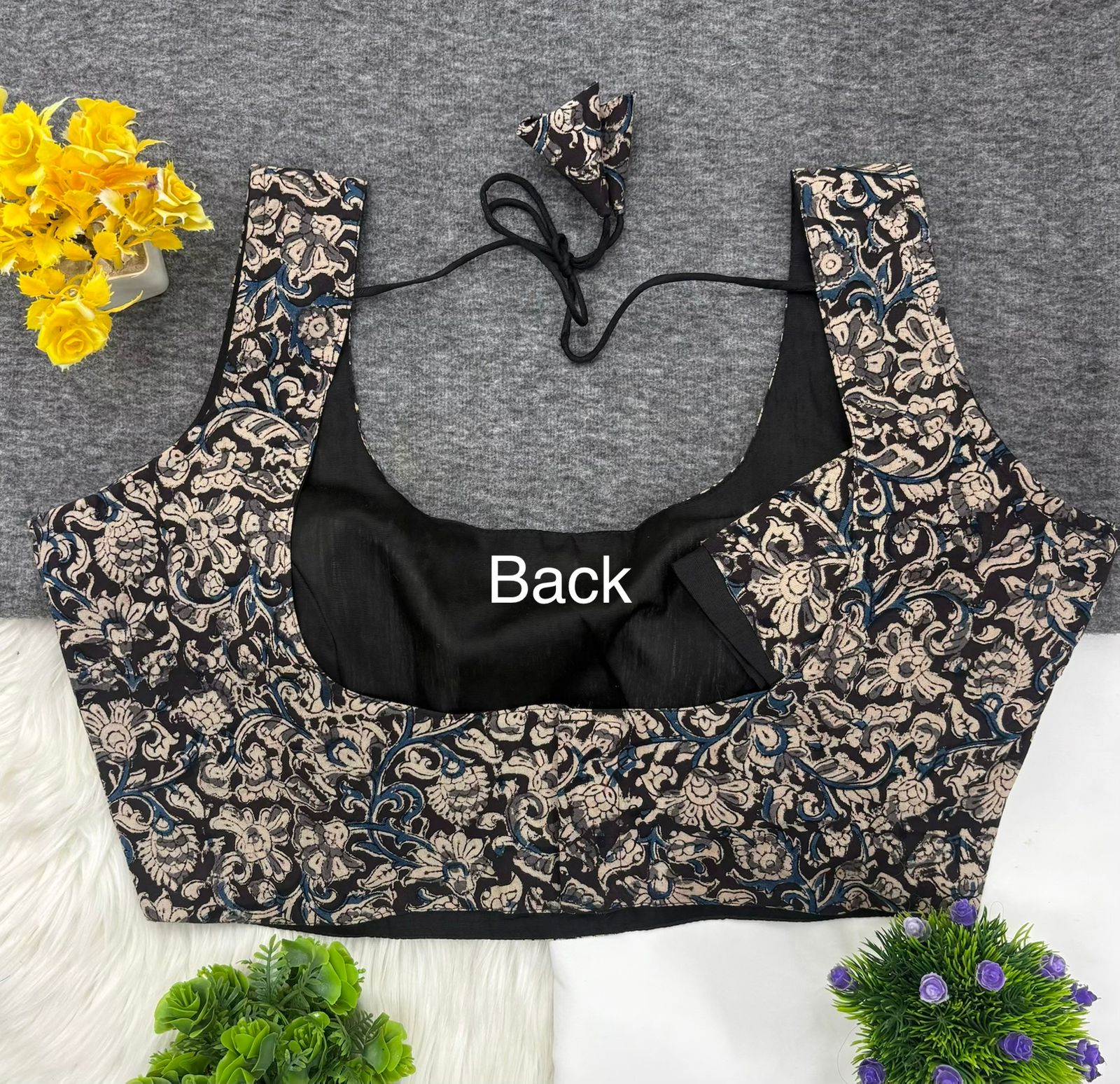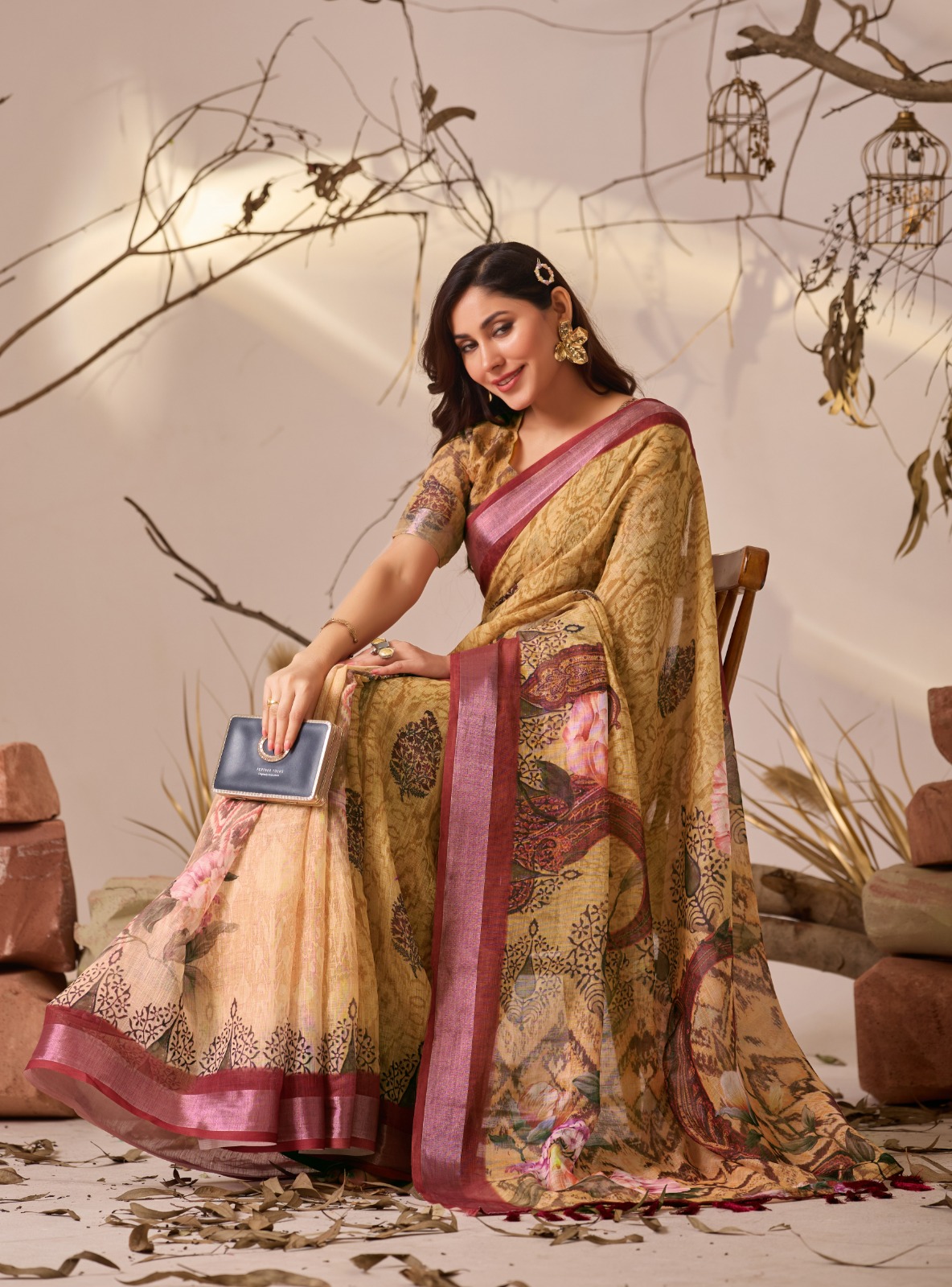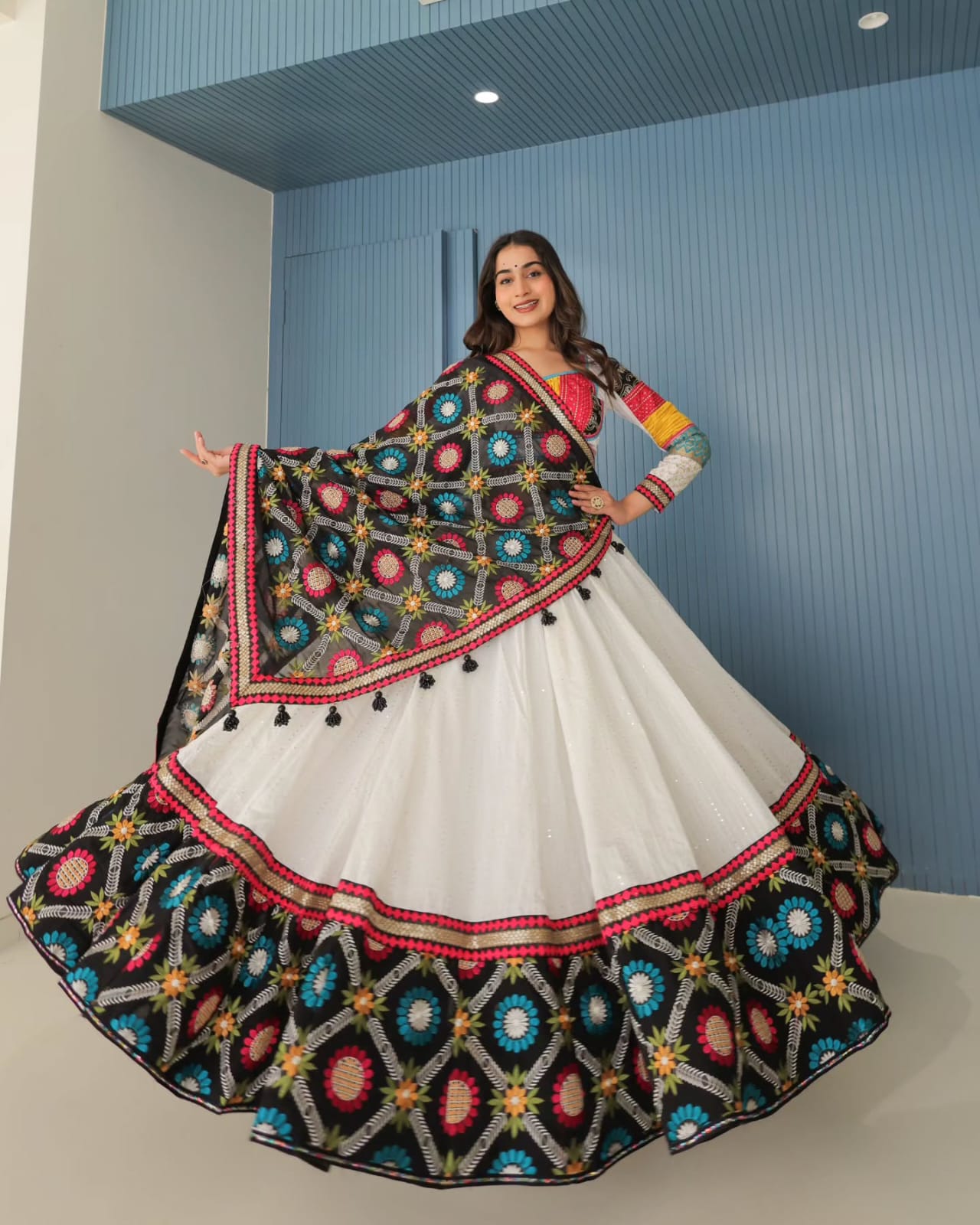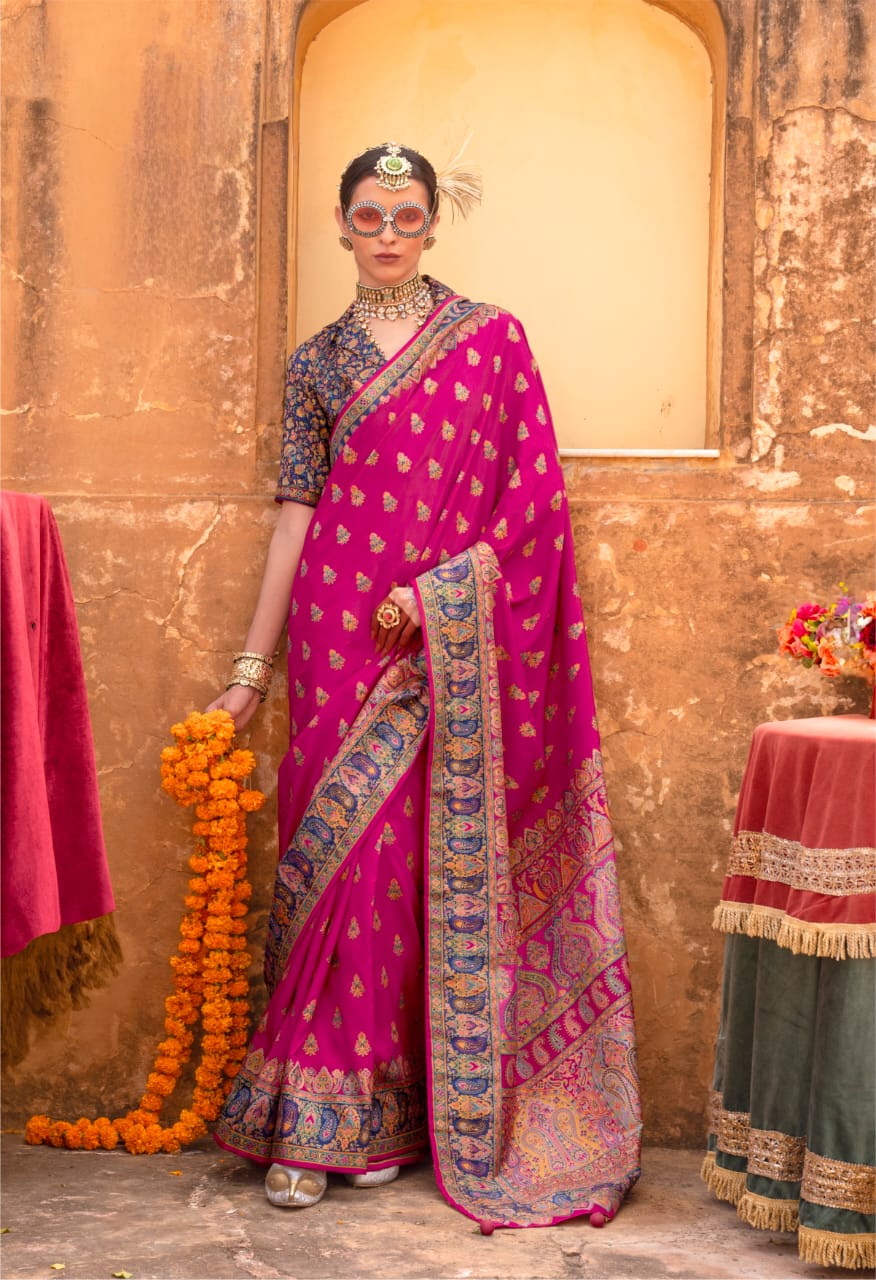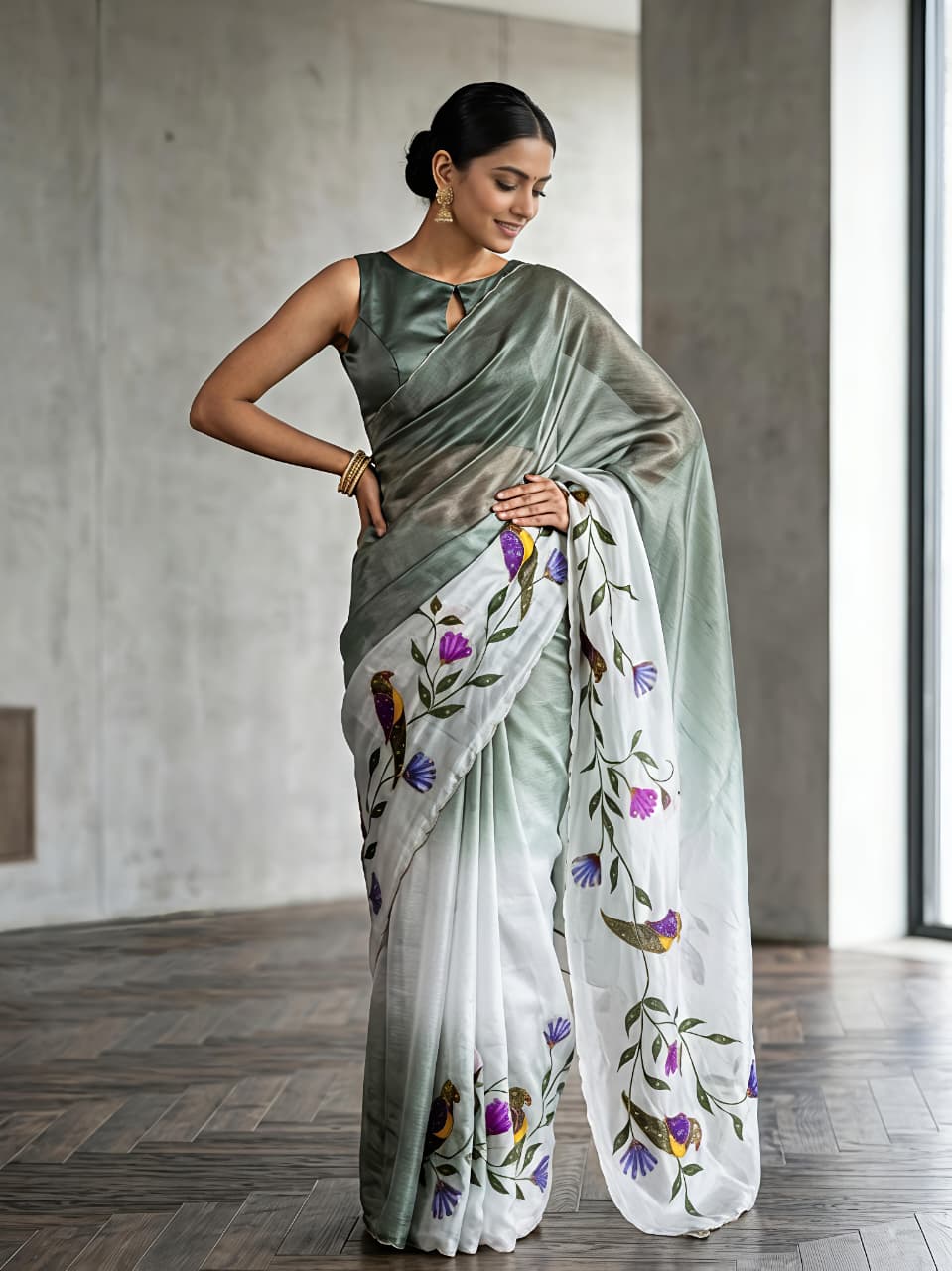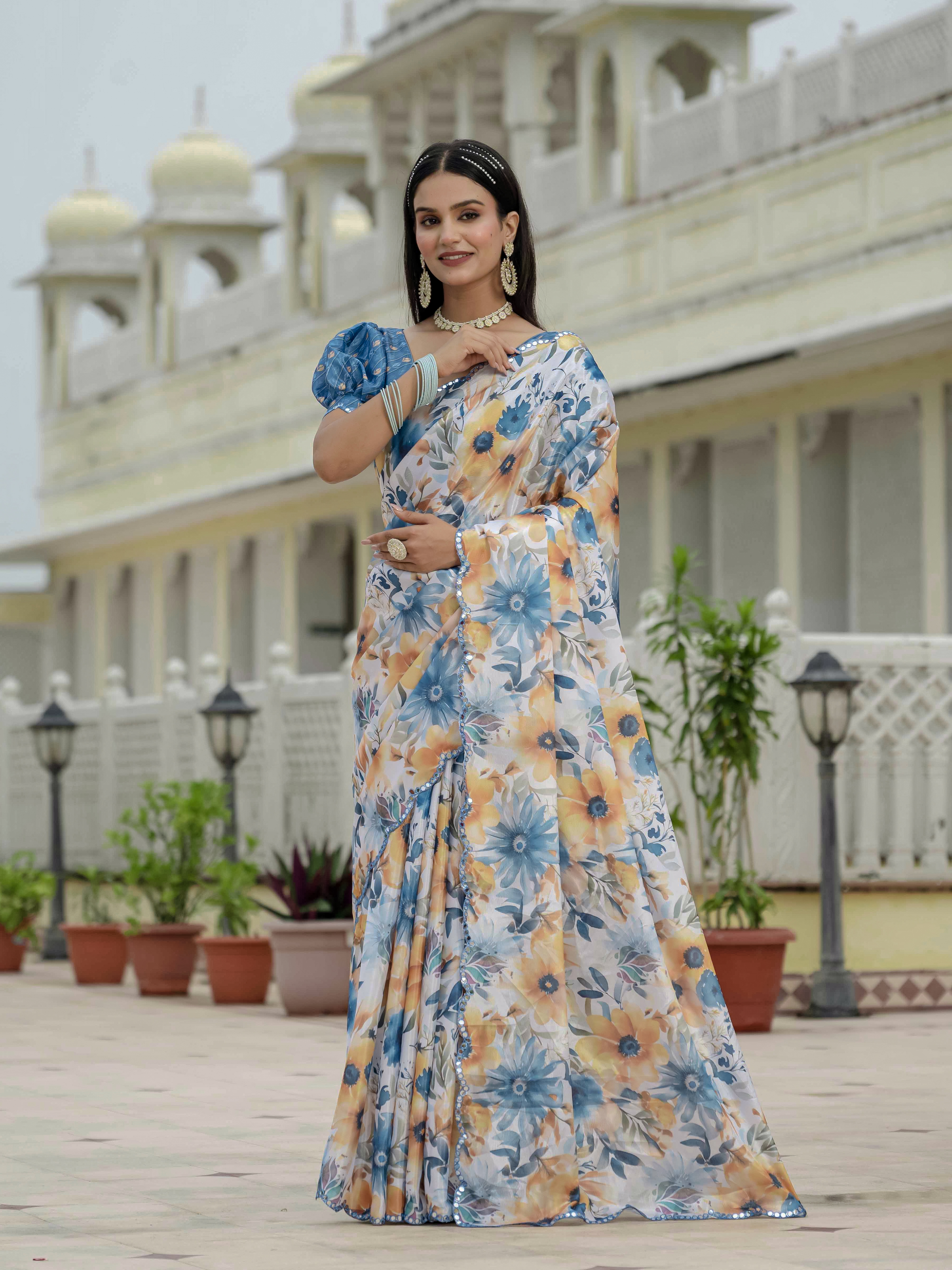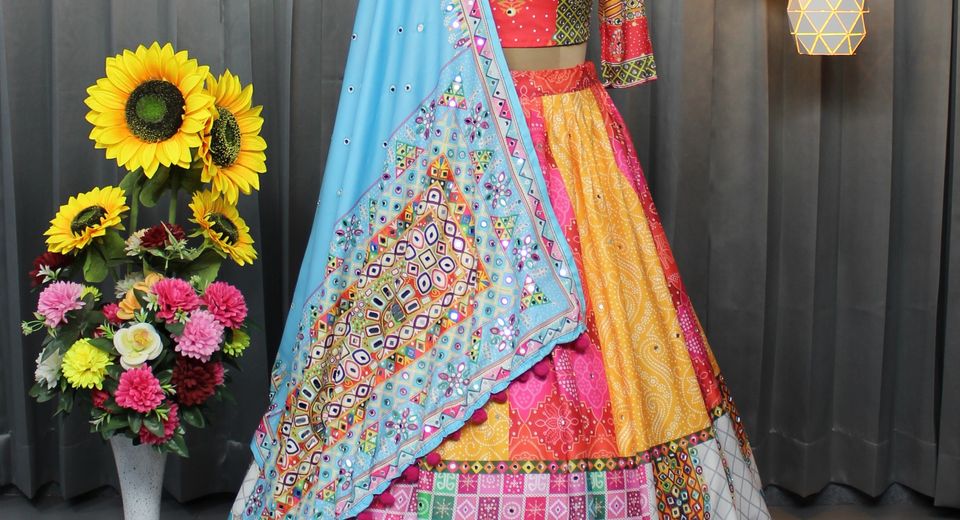
A thoughtful Losar Outfit Guide: Arunachal Sarees, Suits & Lehengas should begin with cultural context, not just colour trends. Losar marks the Tibetan and Himalayan New Year, but communities across Arunachal Pradesh observe it in different ways. Monpa communities associated with Tawang and West Kameng celebrate Losar with prayer, family gatherings, community events and traditional clothing, while other Himalayan communities may follow different calendars and customs. A saree, salwar suit or lehenga can work for a contemporary celebration, but no single outfit represents every Arunachal tradition.
The most useful approach is to choose clothing that allows respectful participation, comfortable movement and weather-appropriate layering. A polished outfit can borrow festive colour, texture and silhouette without presenting a generic lehenga as authentic tribal dress. The guidance below explains how to make those decisions for home visits, monastery-area travel, cultural programmes, festive lunches and evening gatherings.
Losar Outfit Guide: Arunachal Sarees, Suits & Lehengas for Different Gatherings
A comfortable salwar suit, modest saree or light-to-medium-weight lehenga is a practical choice for a contemporary Losar gathering. The right outfit depends on the location, formality, weather, amount of walking and whether you'll enter a prayer space.
Losar celebrations may include early-morning prayers, visits to relatives, cultural performances and outdoor movement. In Tawang and other high-altitude areas, temperatures can remain cold during the festival period, so a sleeveless blouse or cropped top may need a warm shawl, full-length coat or thermal layer underneath. An outfit that looks festive indoors but becomes difficult to manage outdoors is rarely an useful choice.
For a family lunch or house visit, a printed salwar suit with a neatly arranged dupatta gives ease and modest coverage. For a cultural programme or evening reception, a lehenga choli set adds formality without requiring a heavily embellished bridal construction. A saree can look elegant for seated gatherings, but a pre-stitched or ready-to-wear saree is more practical if you expect stairs, travel or extended standing.
Prayer spaces require additional awareness. Avoid very long hems that drag on the floor, noisy metal embellishment that can catch on furniture, or styling that makes it difficult to cover the shoulders when needed. Local hosts, family members or organisers are the best source of guidance when a celebration includes a specific monastery, village custom or community dress code.
Losar Outfit Guide: Arunachal Sarees, Suits & Lehengas by Garment Type
Choose a saree for a graceful drape, a suit for movement and coverage, and a lehenga for a coordinated festive silhouette. Each category solves a different practical problem.
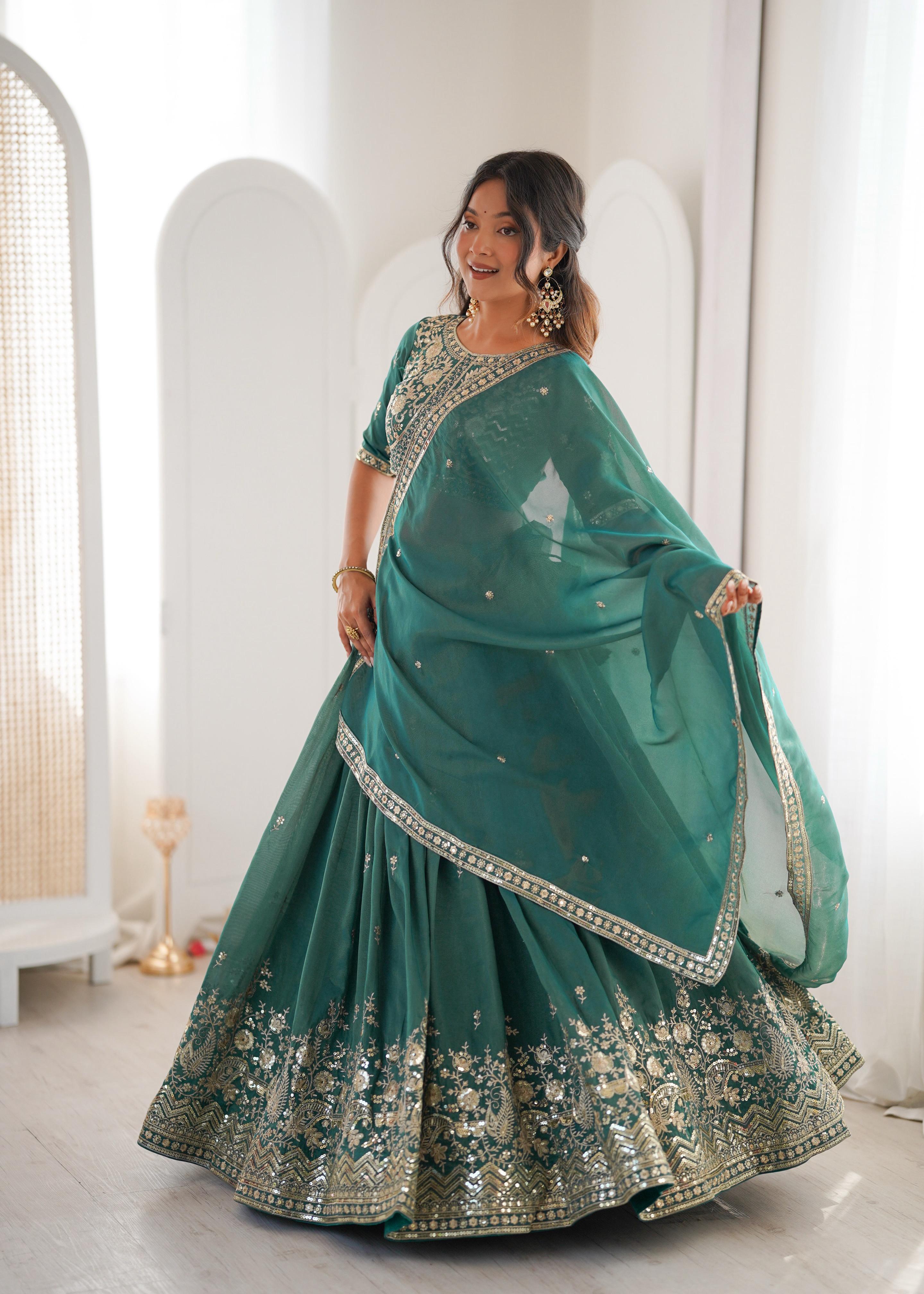
When does a saree work well for Losar?
A saree suits a formal family gathering, cultural presentation or seated celebration where you want a heritage-inspired drape. A lightweight saree is easier to pleat and less tiring than a dense wedding weave when you'll wear it for six or more hours. A pre-stitched option can reduce adjustment during travel, although the blouse fit and petticoat or inner structure still matter.
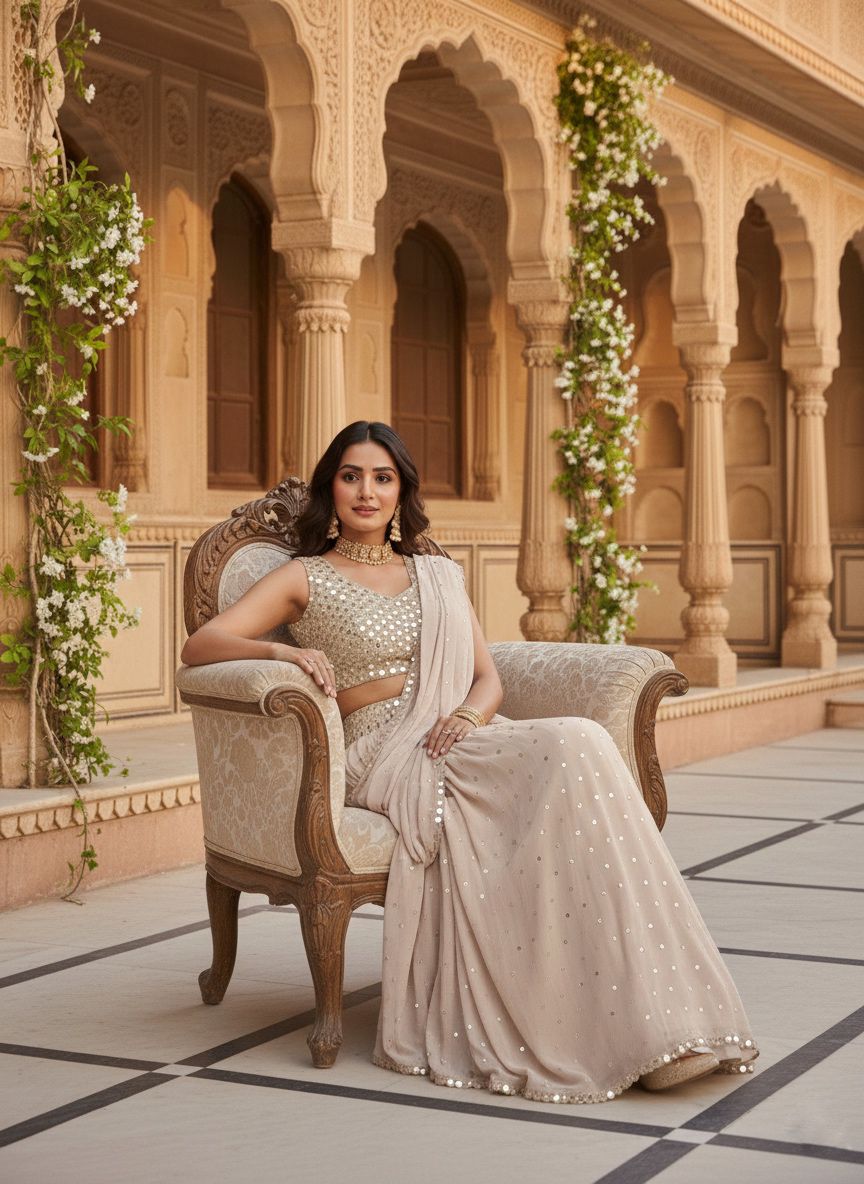
The Beige Mirror Work Ready to Wear Saree with Blouse offers an example of a festive option that avoids repeated re-pleating. Mirror work catches light attractively, but hard embellishments can feel uncomfortable under a shawl or during a long journey. Test the blouse neckline, sleeve opening and waist fit before wearing the saree to an outdoor event.
When is a suit the better choice?
A salwar suit is usually the most versatile option for walking, family visits and cool weather. Straight pants, palazzos or a salwar paired with a longer kurta allow easier movement than a full circular skirt. A dupatta also provides an additional layer when temperatures change.
Choose a suit with a lining if the outer fabric is sheer, and check whether the sleeves allow a thermal vest underneath. A cotton-silk, rayon or medium-weight silk-blend suit can feel more manageable than a heavily sequinned design during daytime celebrations. For an outdoor event, test the neckline, sleeve opening and trouser waistband while sitting, walking and lifting your arms.
When does a lehenga suit a Losar celebration?
A lehenga is suitable for a festive evening, family celebration or cultural programme when you want a coordinated, dressier look. A moderate flare is easier to walk in than an extremely broad bridal skirt, especially on steps or uneven ground. A lehenga with a separate dupatta also gives more styling flexibility than a fixed one-piece dress.
A modern lehenga should be described as contemporary festive wear, not automatically as Arunachal classic dress. Arunachal Pradesh contains many distinct indigenous clothing traditions, textiles and ornaments. Wearing a fashionable lehenga respectfully means avoiding claims that a generic print or embellishment is a specific community textile unless a reliable source confirms it.
Losar Outfit Guide: Arunachal Sarees, Suits & Lehengas in Suitable Colours
Rich red, saffron, yellow, green, blue and jewel tones suit festive Losar dressing, while breathable silk blends, georgette and lined fabrics help balance celebration with comfort. Colour should support the setting rather than replace cultural understanding.
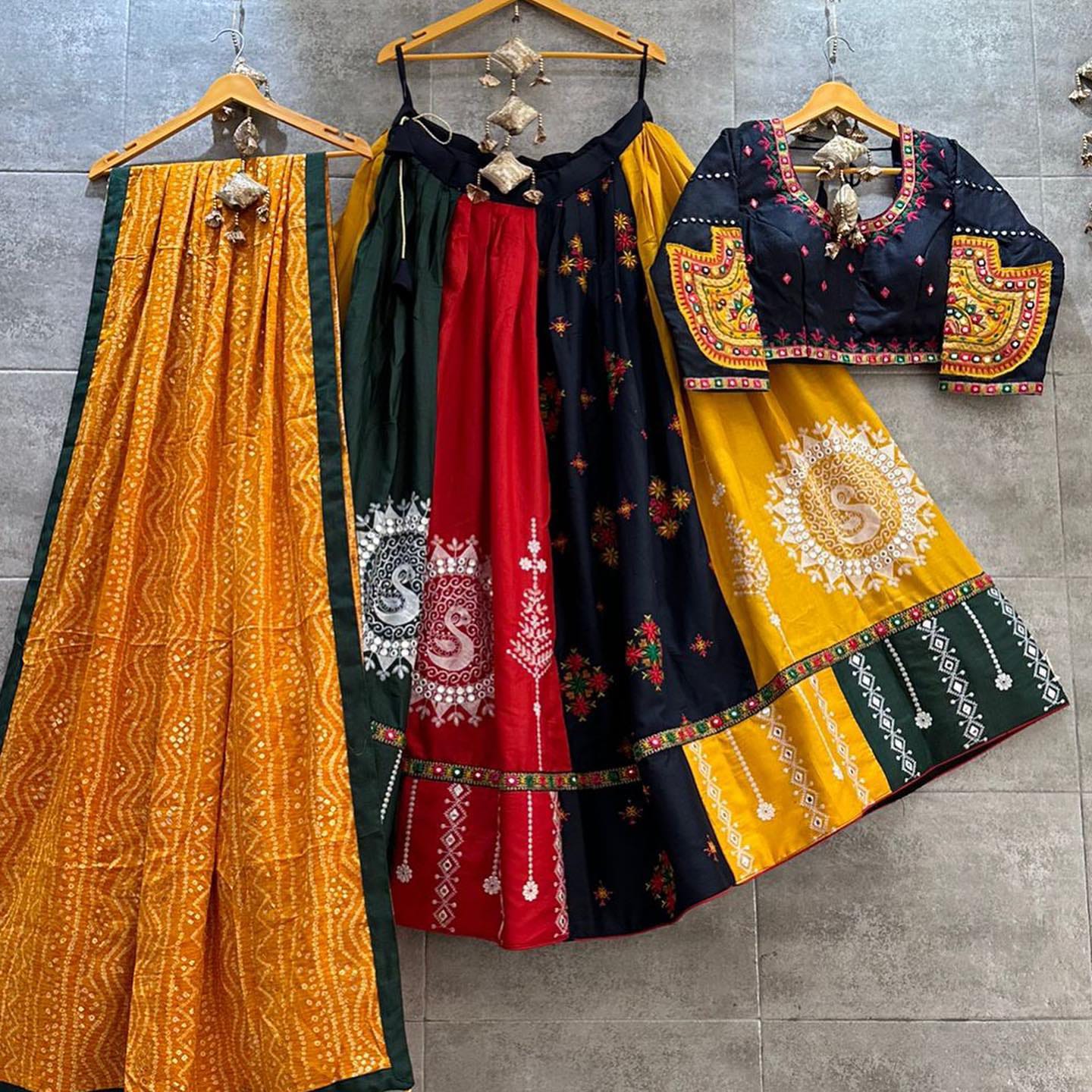
Red and saffron can create a ceremonial mood, but a complete outfit in one intense shade may feel visually heavy. A red skirt with a muted blouse, or a yellow dupatta over a green suit, produces contrast without excessive embellishment. Yellow is useful for daytime events because it photographs clearly in natural light. Green gives a fresh, less expected festive palette.
Silk has several different behaviours. Butter silk generally gives a smooth, glossy surface and can hold a printed or embellished look without becoming as heavy as some bridal fabrics. Georgette drapes softly and often feels lighter, but it may need a lining in the skirt and careful handling around jewellery. Velvet or dense brocade can be warm, but those fabrics may become uncomfortable indoors if layered over thermal clothing.
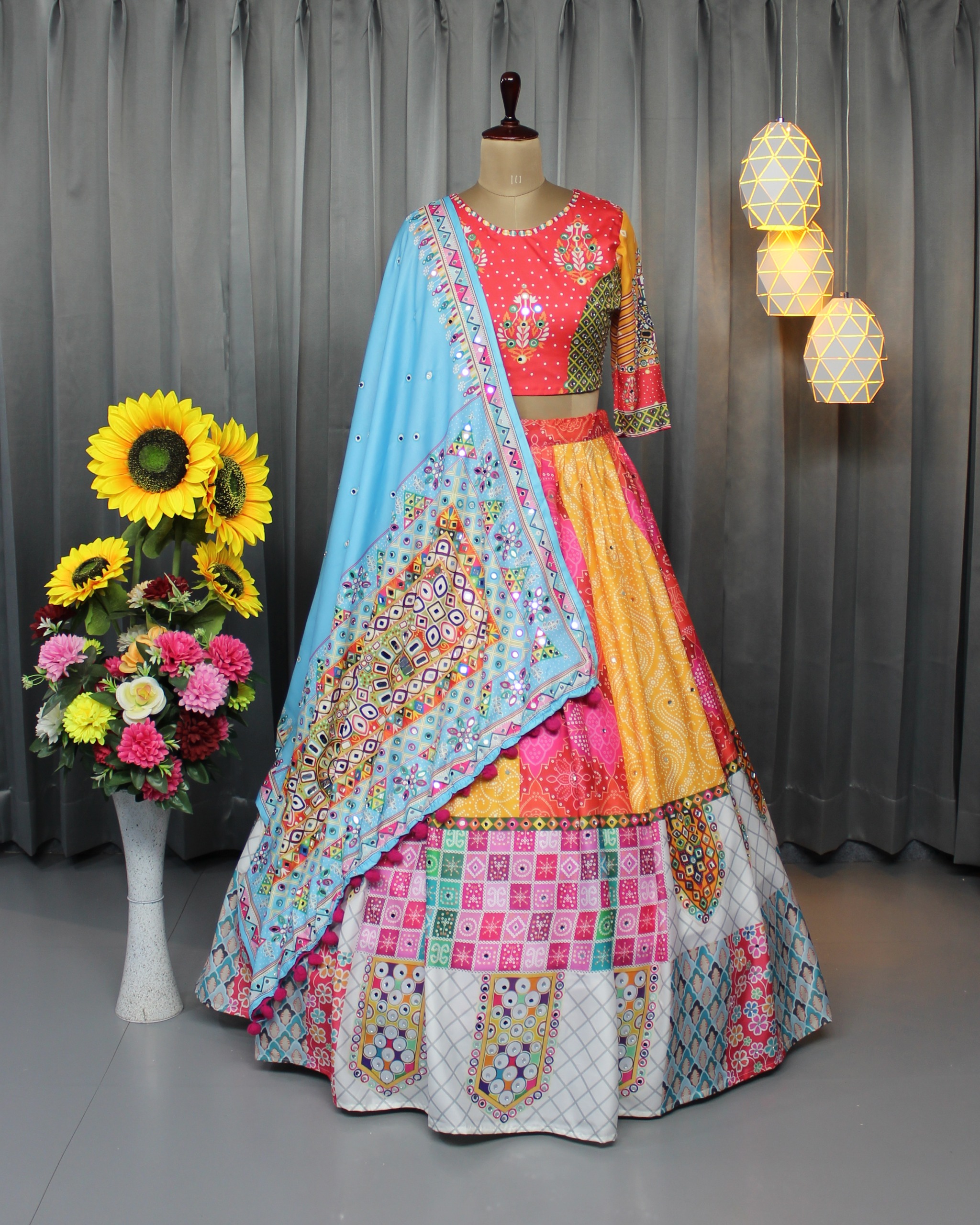
The Stylish Multicolor Butter Silk Lehenga Choli Set demonstrates how several tones can be coordinated through the blouse and dupatta. The Colorful Patch Print Butter Silk Lehenga Choli Set takes a more graphic direction, which can suit a daytime gathering when paired with restrained jewellery.
Readers looking for colour-led edits can compare the Yellow Lehengas and Green Lehengas collections before deciding on a palette. A collection label can narrow a search, but the final choice should still be based on lining, sleeve comfort, closure quality and the amount of walking planned.
Losar Outfit Guide: Arunachal Sarees, Suits & Lehengas for Cold Weather
Layering a Losar outfit with a warm base, a compatible shawl and secure accessories is the most reliable way to stay comfortable in Arunachal's cooler locations. The layer closest to the skin should be smooth and lightweight, while the outer layer can provide warmth and visual contrast.
Wear a thin thermal camisole or full-sleeved inner layer beneath a blouse when the cut allows it. Avoid thick innerwear that changes the blouse fit or pulls embroidery against the skin. A longline slip beneath a georgette skirt can reduce static and improve opacity without adding substantial weight.
A wool or silk shawl can sit over a saree, suit or lehenga without competing with every decorative element. If the outfit already includes mirror work or metallic thread, choose a solid shawl in a calm tone. If the outfit is printed or pastel, a deeper shawl can provide useful contrast. Keep the shawl long enough to cover the shoulders and upper arms, but not so long that it trails near steps.
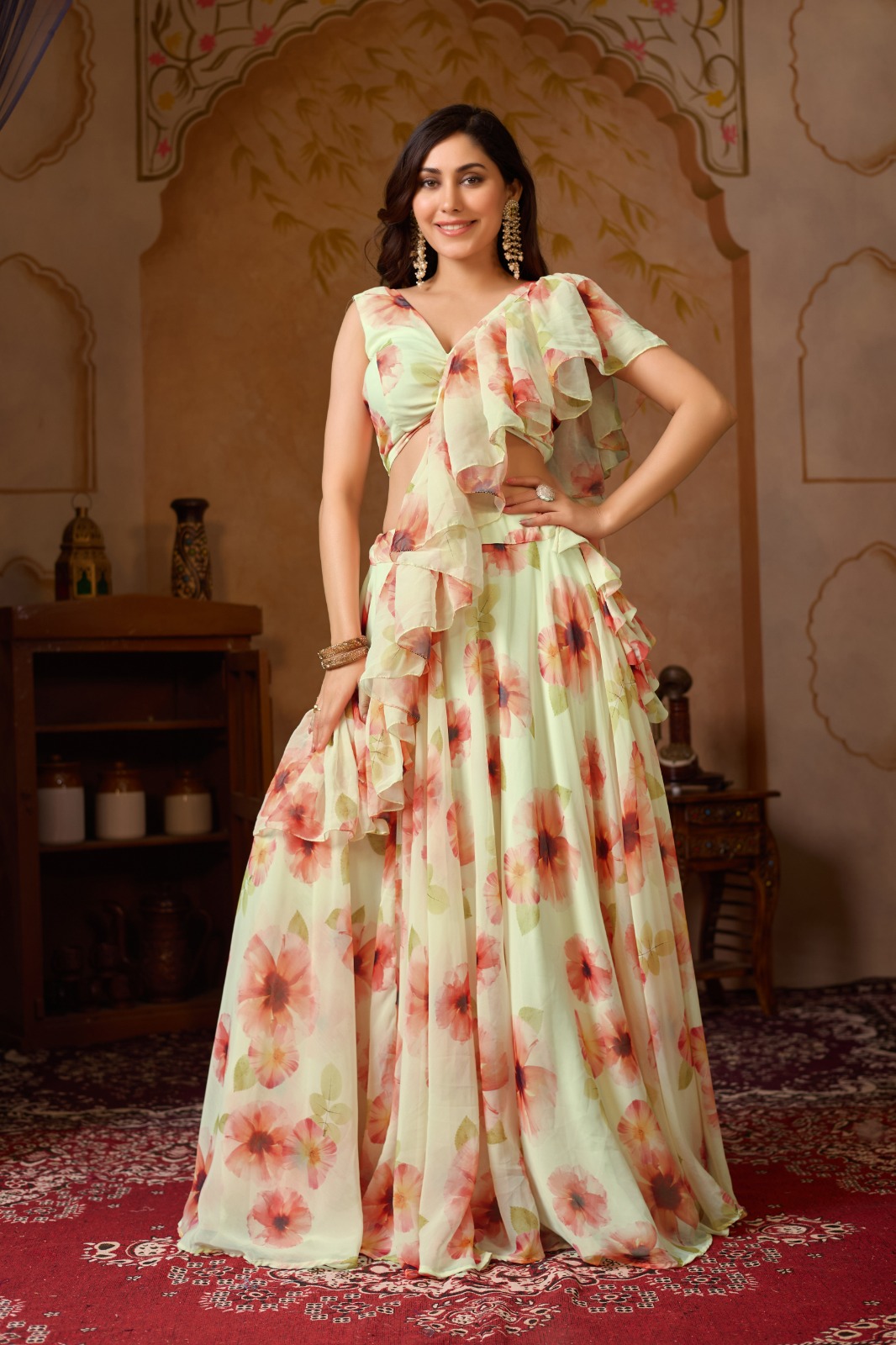
The Pastel Floral Georgette Lehenga Set with Ruffle Blouse gives a softer daytime direction, but a georgette skirt should be checked for opacity and static before wear. A full-length slip and low-static lining can improve comfort in cold, dry weather. For a richer evening effect, the Designer Threadwork Silk Lehenga Choli Set with Dupatta gives structure without requiring the largest possible amount of stonework.
Mirror work can be attractive for photographs, but mirror pieces may catch on woollens or press into the body when sitting. Wear a smooth inner layer beneath mirror-work garments and test the dupatta border against the shawl before leaving home.
Losar Outfit Guide: Arunachal Sarees, Suits & Lehengas with the Right Fit
A well-fitted waist, comfortable blouse and manageable hem are more important than maximum flare or the greatest amount of surface decoration. Fit should be assessed through movement rather than by standing still in front of a mirror.
What should you check before buying a lehenga?
Measure your natural waist and compare it with the garment size chart rather than relying on your usual trouser size. Check the skirt length while wearing the footwear planned for the celebration. A hem that sits two to five centimetres above the floor is generally easier to walk in than a floor-pooling hem, especially on stairs or outdoor paths.
Ask whether the waistband has an elastic panel, drawstring, hook-and-eye closure or side zip. A drawstring or adjustable panel can be helpful when meals, winter layers or long travel are involved. Inspect the lining as well because a scratchy seam can become more irritating than the decorative outer fabric after several hours.
Should you choose fully stitched or semi-stitched clothing?
Fully stitched choli shopping is convenient when you need a finished garment quickly, while a semi-stitched lehenga brings more room for alteration. The Ready Made Lehenga collection is relevant when a shorter shopping timeline matters. The Semi Stitched Lehengas Collection may suit someone who wants a more customised fit or needs changes to the blouse length.
Confirm the alteration allowance before ordering. A seam allowance of several centimetres can help a tailor adjust the side seams, but extra fabric can't always correct a blouse that's too small across the shoulders. Check the size chart, garment measurements, closure type and expected dispatch timeframe together rather than relying on a product photograph.
How should you secure the dupatta?
Pin the dupatta at the shoulder and, if necessary, at the waist before leaving home. A single shoulder pin is often insufficient during dancing, greeting guests or climbing stairs. For cold weather, place a warm shawl over the shoulders without burying the blouse neckline or crushing delicate embroidery.
The Multicolor Printed Butter Silk Lehenga Choli Set can work when you want a coordinated print with less dependence on heavy jewellery. The Red Multicolor Butter Silk Mirror Work Lehenga Set creates a stronger evening statement, so balance it with simpler earrings and a plain shawl. The Beige Ethnic Printed Lehenga Set for Navratri and Garba shows why the intended occasion on a garment name should be treated as styling inspiration, not proof that the design belongs to a specific Losar tradition.
Losar Outfit Guide: Arunachal Sarees, Suits & Lehengas for Respectful Styling
Respectful Losar styling means distinguishing contemporary festive fashion from documented community dress while asking local hosts about specific customs. Clothing can acknowledge the celebration through neatness, colour and comfort without imitating ceremonial clothing or sacred symbols.
Avoid attaching labels such as Monpa, Nyishi or Adi to a generic print, motif or silhouette unless the garment has a documented connection to that community. Indigenous dress may carry meaning through construction, textile technique, ornament and context, and those details can't be established by colour alone.
Keep jewellery practical for travel. Small hoops, a lightweight pendant, two or three bangles and a secure hair accessory are usually easier to manage than multiple long chains or oversized earrings. Remove noisy accessories before entering quiet prayer areas if local etiquette suggests doing so.
Bridal shopping also requires careful distinction. A bridal lehenga may be appropriate for a wedding linked to Losar celebrations, but it's usually excessive for a family lunch or monastery visit. For girls and younger guests, choose washable fabrics, shorter manageable hems and secure fastenings rather than heavy adult-style embellishment.
The Mehendi Lehengas collection can be useful for comparing softer festive colour combinations, even when the celebration isn't a mehendi ceremony. Similarly, a product such as the Red Multicolor Butter Silk Mirror Work Lehenga Set can be restyled with a quieter blouse accessory or plain dupatta for a less bridal result.
Care also affects whether a garment remains useful beyond one festival. Air a silk or georgette outfit after wearing it, remove surface dust with a soft brush, and store it in a breathable cotton cover. Do not machine-wash zari, mirror work or dense threadwork without checking the care label. Fold embellished garments with tissue paper between decorated surfaces to reduce snagging.
A thoughtful Losar outfit therefore combines three decisions: respect for local context, suitability for the day's activities and a fit that remains comfortable after several hours. That combination will serve a family visit, cultural programme or festive gathering more successfully than following a single colour trend.
Common Questions About Choosing a Losar Outfit in Arunachal Styles
What is the best outfit for a Losar celebration in Arunachal Pradesh?
A comfortable salwar suit, modest saree or moderately flared lehenga can work for a contemporary Losar celebration. Choose according to the location, weather, amount of walking and any guidance from local hosts or organisers.
Can I wear a lehenga for Losar?
Yes, a lehenga is suitable for a festive family gathering, cultural programme or evening event. Select a manageable hem, secure waist, comfortable blouse and practical dupatta, and do not describe a generic lehenga as traditional Arunachal dress without evidence.
What colours are suitable for a Losar outfit?
Red, saffron, yellow, green, blue and jewel tones can create a festive appearance. A balanced combination, such as a bright dupatta with a muted outfit, is often more versatile than wearing one intense colour from head to toe.
Should I choose a ready-made or semi-stitched lehenga?
Choose a ready-made lehenga when you need a finished garment quickly and the available measurements fit you well. Choose a semi-stitched lehenga when you need more flexibility for blouse, waist or length alterations.
How can I stay warm while wearing a lehenga for Losar?
Wear a thin thermal layer beneath a compatible blouse, use a lined skirt and carry a wool or silk shawl. Check the outfit while sitting and walking with the layers in place so that the waistband and blouse do not become restrictive.
Is a saree practical for a Losar celebration?
A saree is practical for a seated or formal gathering when the drape is secure and the fabric is manageable. A ready-to-wear saree can be easier for travel, stairs and extended standing than an unstructured drape, but the blouse and inner fit still need to be tested.