

Garba, dandiya, temple visits and family gatherings can turn one Navratri evening into six or more hours of standing, walking and dancing. Lightweight Salwar Suits for Long Navratri Celebrations make those hours easier when the fabric, fit, lining and dupatta are chosen with equal care. Festive clothing still needs colour, embroidery and polish, but comfort depends on practical details that are easy to overlook while shopping.
A useful Navratri outfit should allow a full arm swing, remain secure while moving, avoid excessive warmth and stay presentable after several hours. The right choice isn't automatically the thinnest suit; a well-constructed Chanderi, georgette or silk-blend set can feel more wearable than a poorly finished lightweight garment. Fabric weight, surface texture and construction all affect how a salwar suit performs during a long celebration.
Why Lightweight Salwar Suits for Long Navratri Celebrations Make Sense
Lightweight salwar suits reduce fatigue because they place less weight on the shoulders, waist and legs during extended movement. A lighter kurta and dupatta are especially useful for garba, where repeated arm movements and circular steps can make heavy clothing feel restrictive.
Navratri events often involve changing environments. A person may travel by car, stand outdoors near a pandal, enter a crowded hall and dance under warm lighting in the same outfit. Breathable fabrics and a moderate amount of embellishment help the body regulate heat better than dense layers or heavily padded garments.
Light clothing also simplifies accessories. A pair of jhumkas, comfortable footwear and a compact potli can complete a festive look without competing with heavy sequins or a bulky dupatta. A suit with controlled embroidery gives you more freedom to add bangles, a waist belt or a colourful bindi.
Long celebrations place stress on seams, hems and fastenings. A practical salwar suit should have secure stitching at the armhole, enough ease across the hip and a dupatta that doesn't constantly slip. Checking these construction points is more valuable than judging a garment only by its first photograph.
Which Fabrics Stay Comfortable During a Long Navratri Event?
Viscose Chanderi, georgette, Chanderi silk and selected Assam silk blends can offer a useful balance of lightness, drape and festive appearance for long Navratri events. The best fabric depends on the venue, weather, amount of movement and the amount of lining used.
Viscose Chanderi and Chanderi silk
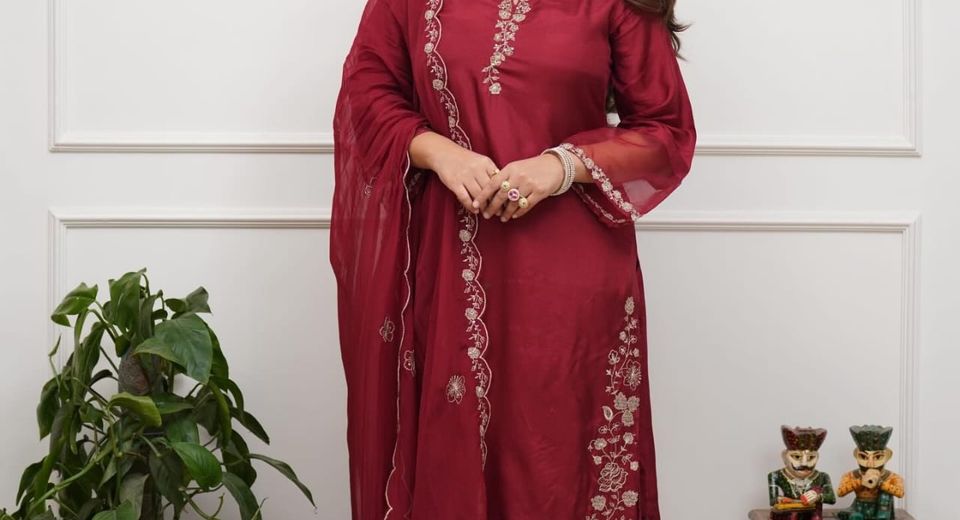
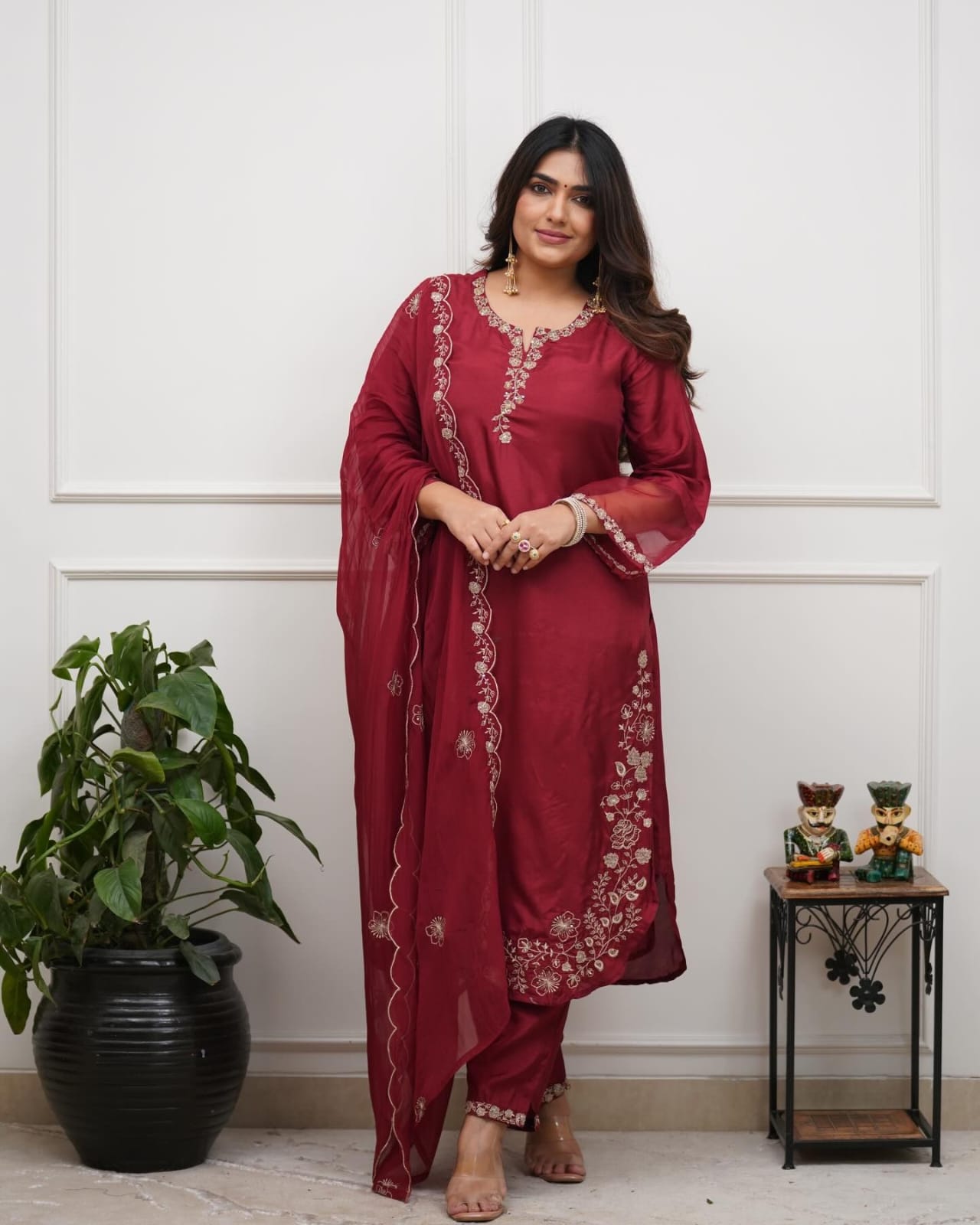
Viscose Chanderi usually feels light and fluid, while Chanderi silk brings a slightly more structured festive finish. The Maroon Viscose Chanderi Silk Embroidered Kurta Set for Women illustrates how embroidery can add ceremony without requiring a thick, layered silhouette. Maroon also works well for evening celebrations because it looks rich under warm indoor lighting.
The Mustard Viscose Chanderi Kurta Set with Sequence Embroidery is another useful colour direction for Navratri. Mustard sits comfortably within a festive palette and pairs well with oxidised silver jewellery, gold-toned bangles or a contrasting dupatta. Check whether the garment has a full lining before wearing it for several hours, because lining can affect breathability more than the outer fabric alone.
Georgette
Georgette is a useful choice when a flowing drape and low visual weight matter during dancing. The Lavender Georgette Kurti Pant Set with Embroidery & Dupatta demonstrates a soft colour and fluid-set approach that can work for a lighter evening look. Georgette may cling slightly depending on the weave and lining, so a smooth inner layer and a correctly sized pant improve comfort.
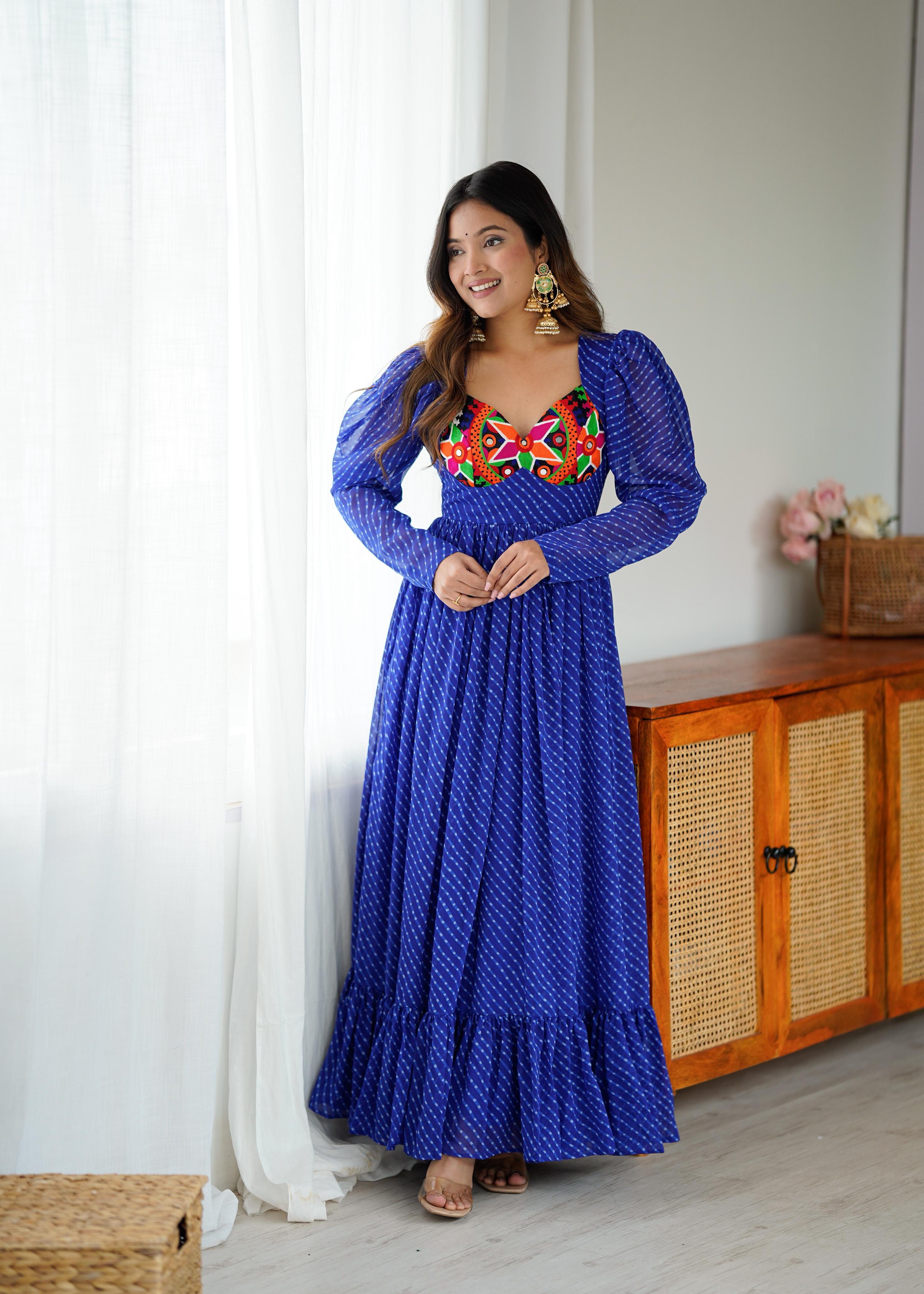
The Blue Printed Georgette Designer Gown for Women Festive offers a gown-style alternative to a conventional kurta-and-pant shape. A gown can feel easy to wear because it avoids a separate waistband, but the hem requires attention in crowded spaces. Choose footwear that keeps the hem clear of the floor and avoid a length that catches under the heel.
Silk, crepe and organza details
Silk doesn't always mean heavy, but dense silk, thick crepe and multiple layers can become warm during active celebrations. The Elegant Beige Vichitra Silk Embroidered Kurta Set for Women can suit a quieter puja or family dinner when a refined surface is more important than maximum dance mobility.
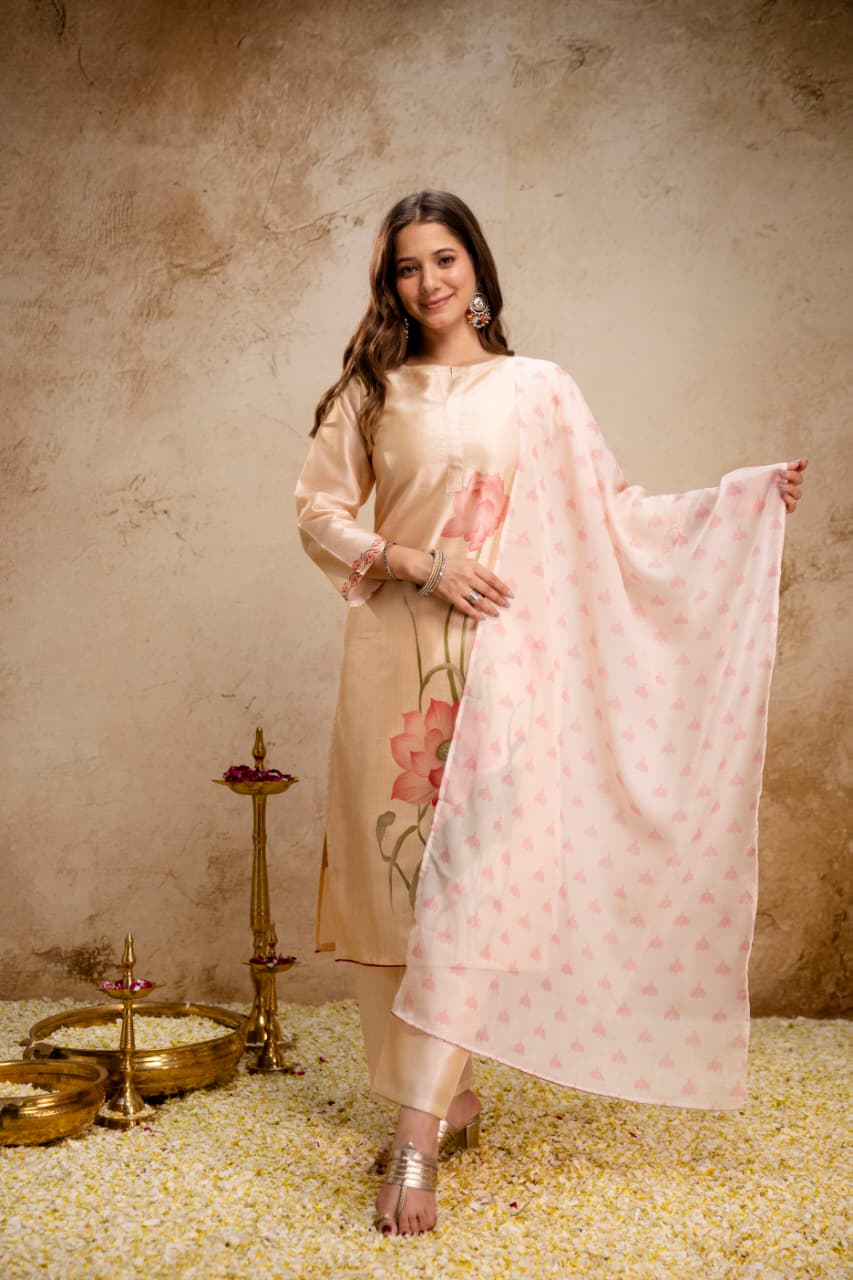
Organza is usually best used as a dupatta accent rather than as a large number of overlapping layers. The Peach Assam Silk Kurta Set with Printed Organza Dupatta combines a richer kurta fabric with a visually airy dupatta. Assam silk can provide festive body, while the printed organza keeps the styling from appearing too dense; still, test the dupatta edge and pin placement before leaving home.
Which Salwar Suit Silhouettes Allow Better Movement?
Straight kurtas with relaxed pants, kurti-and-pant sets and moderate A-line shapes generally allow easier movement than very narrow trousers or heavily flared layers. A good silhouette leaves room at the shoulder, hip and knee without looking oversized.
For garba, the armhole is particularly important. Raise both arms, rotate the shoulders and take two large steps when trying on a suit. Pulling across the upper back or underarm indicates that the kurta may become uncomfortable during repeated dance movements. A sleeve ending two to four centimetres above the wrist can also reduce interference with bangles and hand movements.
Palazzo trousers offer generous room around the calf and ankle, but excessive width can brush against footwear or another dancer. Straight pants are easier to manage in crowded venues, while a narrow pant works best only when the fabric has enough stretch or the cut includes adequate ease. Measure the garment's actual hip and thigh width instead of relying only on the labelled size.
Anarkali silhouettes create attractive movement through flare, but the flare should match the venue. A broad floor-length hem needs more space and careful footwear, whereas a calf-length or moderate-flare design is easier near crowded dance circles. The Ladies Dress Anarkali Salwar Suits collection is relevant when you want the visual movement of an Anarkali while comparing different lengths and levels of volume.
How Should You Choose Embroidery and Embellishment for Navratri?
Choose embroidery according to the number of hours you'll wear the suit, because dense sequins and metallic work add both weight and friction. Strategic embroidery around the neckline, sleeve border or hem can look festive without covering the entire garment.
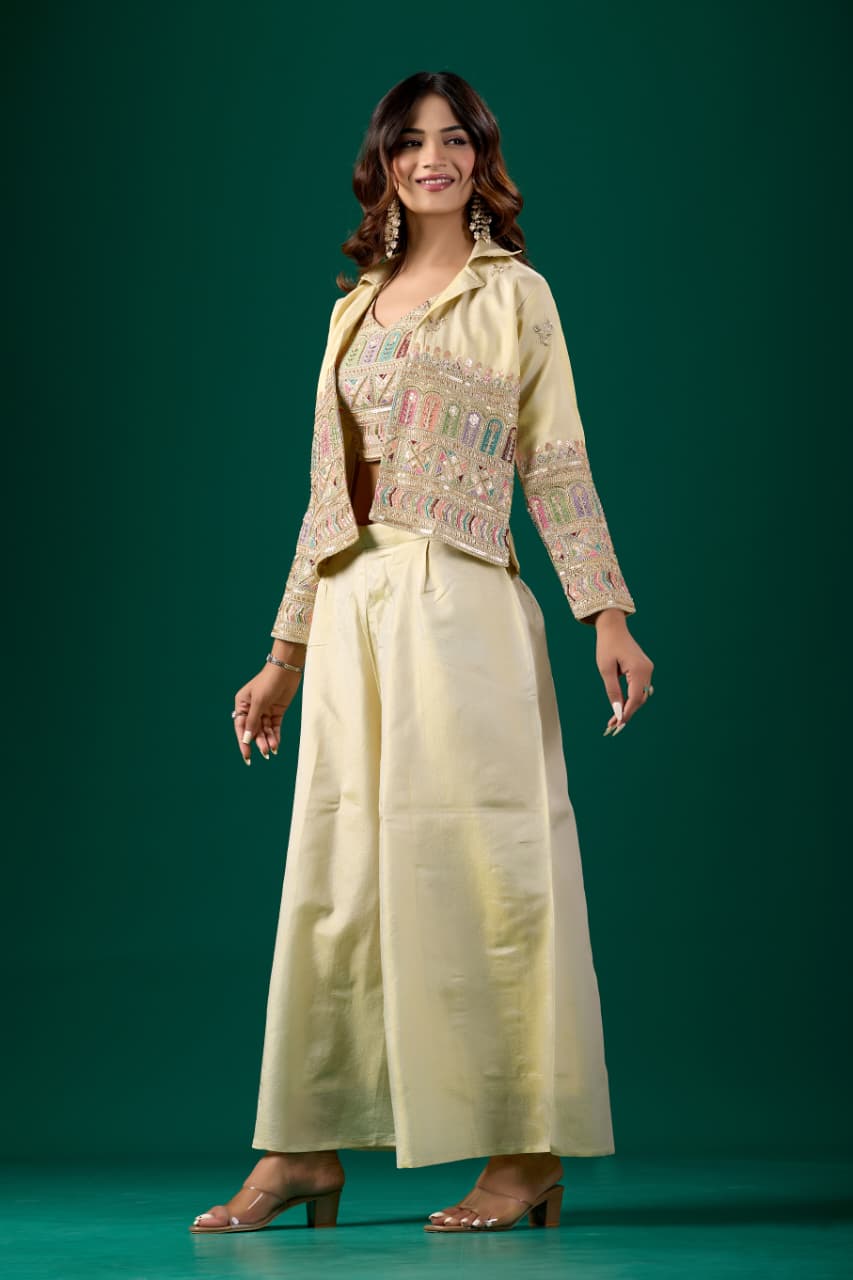
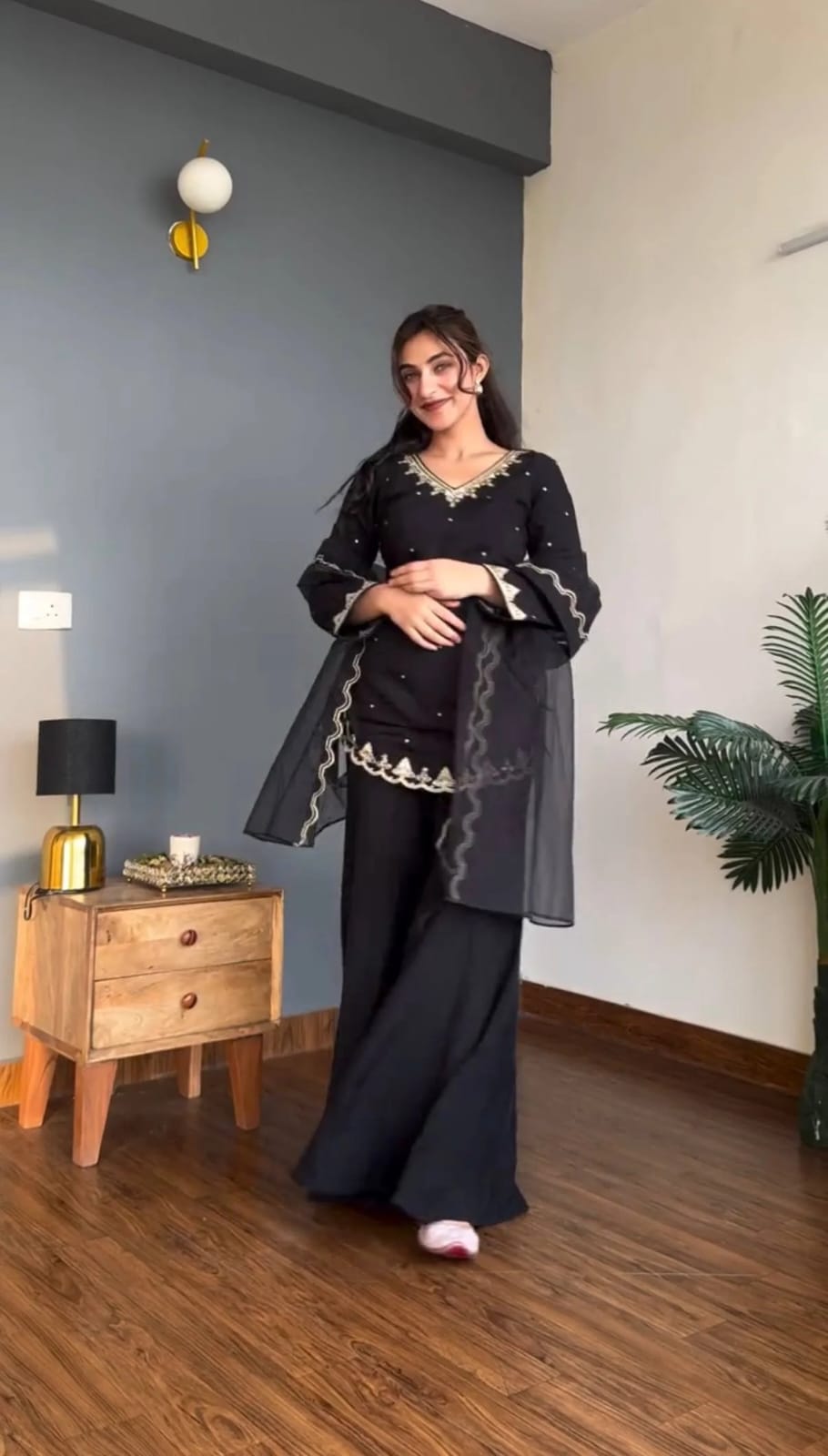
Sequence work should lie flat against the fabric and should not scratch the underarm or neckline. The Black Heavy Silk Crepe Kurta Set with Sequence Embroidery may suit a shorter indoor gathering or a formal dinner, but the heavy silk crepe and sequence detailing deserve a comfort check before a full night of dancing. Wear a soft camisole or slip underneath if the embellishment feels rough.
Embroidery also affects care after the event. Loose sequins can catch on jewellery, bags and rough seating, while zari borders can crease if folded carelessly. Turn embellished garments inside out, place them in a breathable cotton cover and avoid pressing directly over metallic work.
Colour can create a festive impression without extra surface decoration. Maroon, mustard, lavender, peach, royal blue and black each create a different mood. A rich colour with restrained embroidery may be more practical for a nine-day wardrobe than a heavily decorated outfit that can only be worn for one type of event.
What Makes a Dupatta Practical for Long Celebrations?
A practical dupatta is light enough to stay comfortable, long enough to drape securely and finished with an edge that doesn't constantly catch on jewellery. Dupatta management matters because loose fabric becomes distracting when walking or dancing.
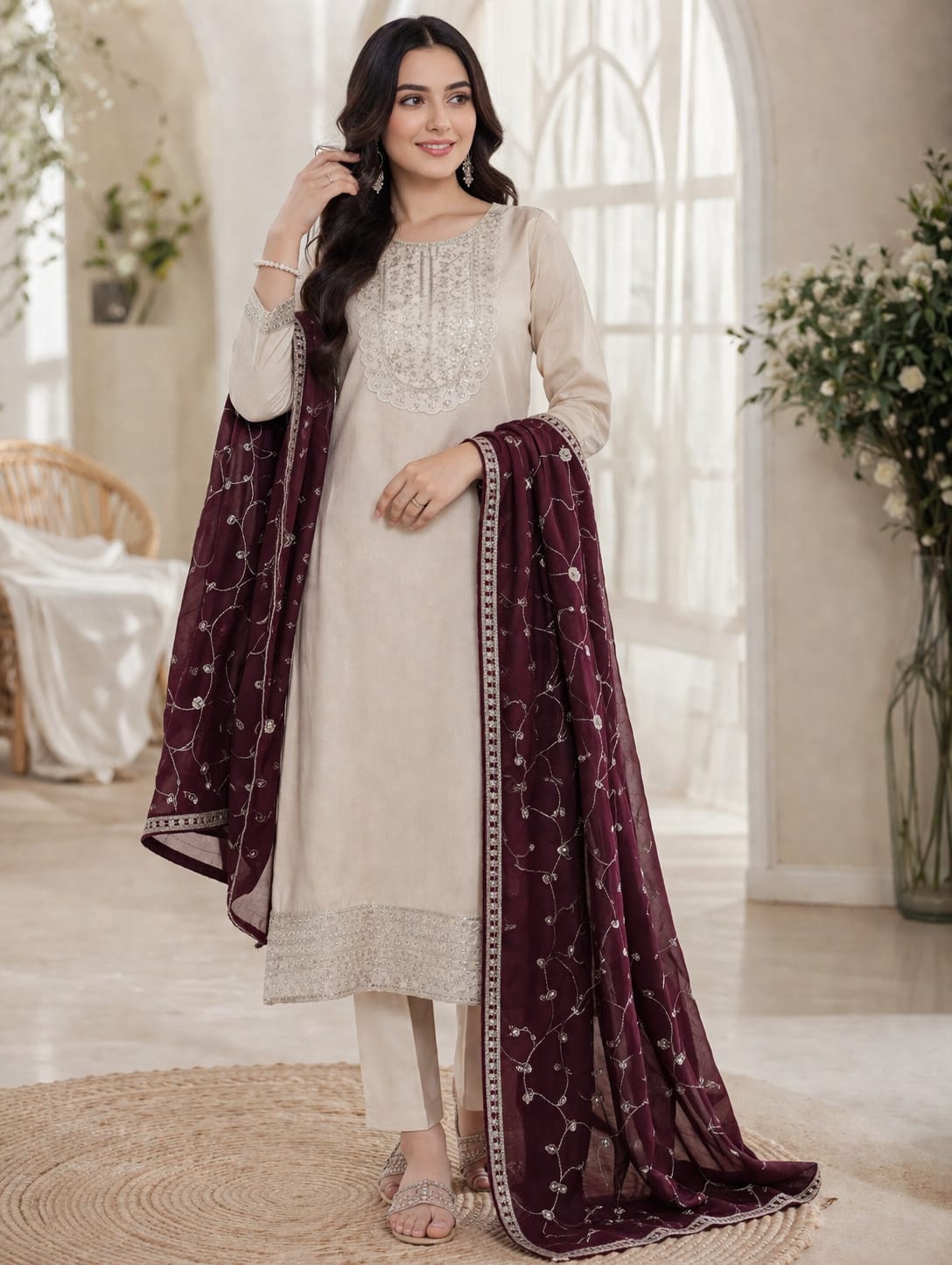
Pin one shoulder near the collarbone and use a second small pin near the waist when the venue will be crowded. Avoid placing a sharp pin directly through delicate organza or a heavily embroidered border. A brooch can secure the drape attractively, but a brooch with an exposed clasp may snag georgette or chiffon.
For active dancing, a front drape or a neatly pleated shoulder drape is more secure than leaving both ends loose. If you prefer a flowing style, keep the front end shorter and pin the back end at the shoulder. A dupatta made from organza, georgette or another light fabric can provide visual contrast without adding the bulk of a second heavy layer.
Pack the dupatta separately when travelling to the venue. Fold it along the border, place tissue paper between embellished sections and carry two safety pins in a small pouch. These small preparations prevent last-minute draping problems in a crowded washroom or car.
How Can You Build a Nine-Day Navratri Wardrobe Without Repeating the Same Look?
Build variety by changing colour, silhouette, jewellery and dupatta treatment rather than buying nine heavily embellished suits. Three or four well-chosen lightweight sets can create several distinct combinations across the festival.
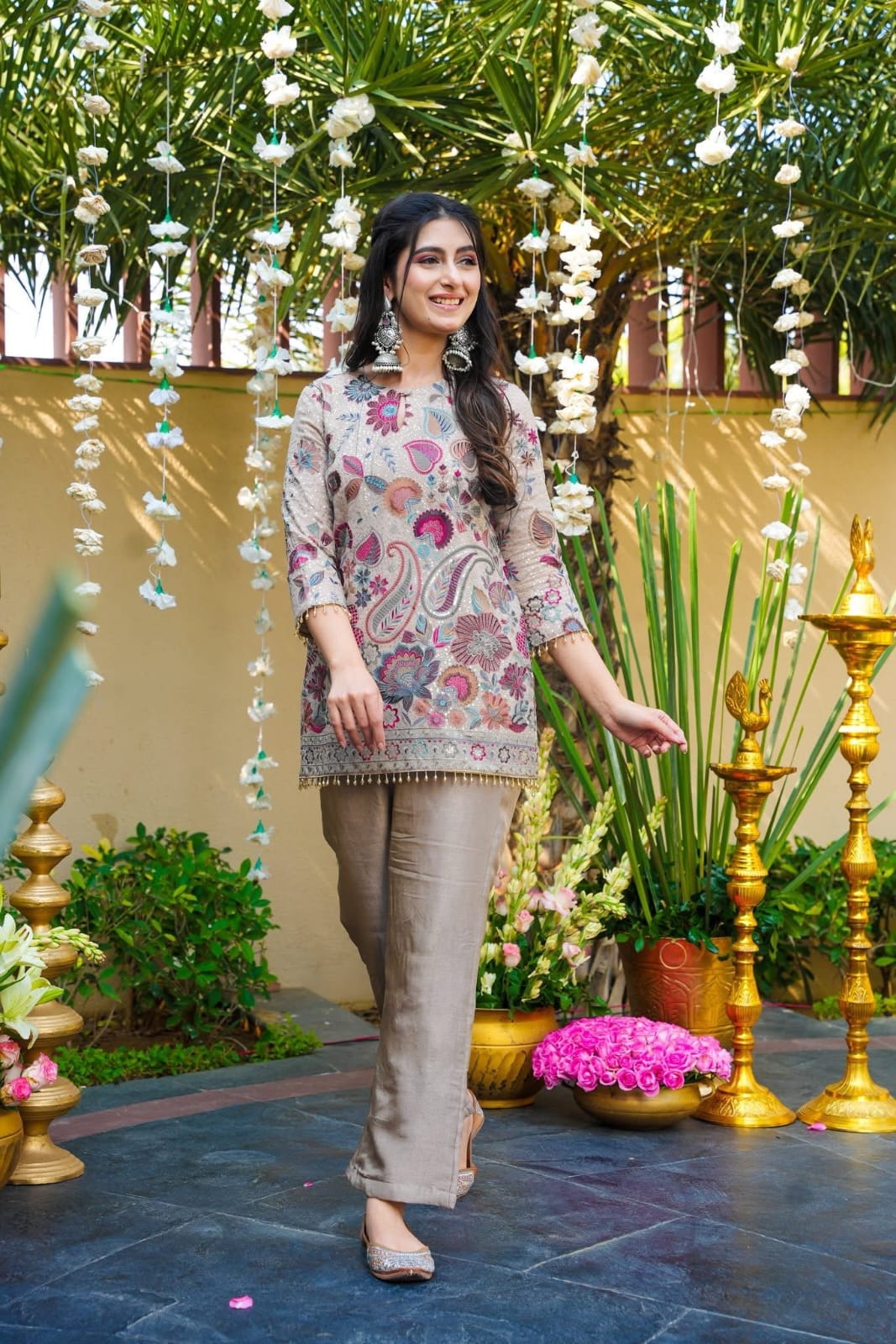
Use a mustard or peach set for a daytime puja, a lavender or blue look for an evening garba event and a maroon or black outfit for a more formal gathering. The Peach Assam Silk Kurta Set with Printed Organza Dupatta can carry a polished family-event look, while the Lavender Georgette Kurti Pant Set with Embroidery & Dupatta can feel lighter for extended movement.
Collections such as Dress Materials can be useful when you prefer to select a fabric and tailor the fit for repeated wear. Ready-made sets from Salwar Suits with 30% Off and Salwar Suits Flat 40% Off can make comparison easier when you're building a practical festive wardrobe, but discount labels should never replace checking measurements, lining and embellishment quality.
Accessories can change the appearance of a familiar suit. Pair silver jewellery with mustard or lavender, gold accents with peach or maroon and black accessories with a blue printed set. A different braid, bun, bindi colour or footwear choice can create a noticeably new look without adding fabric weight.
What Should You Check Before Buying a Navratri Salwar Suit?
Check measurements, fabric composition, lining, garment weight, sleeve comfort, trouser ease, dupatta length and care instructions before buying a Navratri salwar suit. These checks predict comfort more accurately than colour or model photography.
- Measure the body: Record bust, waist, hip, shoulder and preferred kurta length, then compare those measurements with the garment chart.
- Check movement ease: Allow roughly 5 to 8 centimetres of ease around the bust and hip when the fabric has little or no stretch, depending on your preferred fit.
- Inspect the lining: Confirm whether the kurta, sleeves and trousers are lined, because extra lining can increase warmth and weight.
- Assess the hem: Wear the intended footwear and ensure the kurta, gown or Anarkali hem doesn't drag.
- Examine embellishment: Run a hand lightly over the inside neckline and armhole to identify scratchy threads, sharp sequins or exposed hooks.
- Plan the dupatta: Confirm the length, border stiffness and whether the fabric can tolerate pins.
- Check delivery time: Order early enough to allow alterations, usually at least 10 to 14 days before the first planned event.
Dress Materials and Red Dress Materials Under 2000 may suit shoppers who want a colour-led search or a specific budget range, while ready-made kurta sets reduce tailoring time. Whichever route you choose, leave time for a trial wearing at home. A 20-minute fitting will reveal shoulder tightness, slipping waistbands and uncomfortable embellishment before a six-hour celebration does.
How Do You Care for a Lightweight Festive Suit After Navratri?
Air the suit in shade, treat small marks promptly and follow the garment's stated wash instructions after each long celebration. Immediate storage while the garment is damp from perspiration can create odour and weaken delicate embroidery.
don't automatically machine-wash silk, Chanderi, organza or heavily embellished garments. Dry cleaning may be safer for structured or decorated pieces, while some washable viscose and georgette garments may tolerate gentle hand washing in cool water if the care label permits it. Never wring a dupatta, and press water out between clean towels instead.
Store a clean suit in a breathable cotton garment bag rather than sealed plastic. Fold embellished areas with soft tissue, keep dark colours away from damp walls and avoid hanging very heavy garments by thin wire hangers. These steps help protect zari, sequence work, printed surfaces and delicate borders between festivals.
Comfortable Navratri dressing comes from matching the garment to the event rather than choosing the most decorated option available. A breathable base, movement-friendly cut, secure dupatta and sensible embellishment allow you to stay present for the entire celebration, from the first prayer to the final dance.
Questions About Staying Comfortable in Salwar Suits Through Navratri
Which fabric is best for a comfortable Navratri salwar suit?
Viscose Chanderi, georgette and lighter Chanderi silk blends are practical choices for long Navratri events because they can provide a lighter drape and festive finish. The lining, embroidery density and fit still matter, so compare the complete garment rather than the outer fabric alone.
Are palazzo salwar suits suitable for garba?
Palazzo salwar suits can work well for garba when the trouser width does not catch on footwear or nearby dancers. Choose a secure waistband, adequate hip ease and a length that stays clear of the floor.
How can I stop my dupatta from slipping while dancing?
Pin the dupatta near the collarbone and secure a second point near the waist for active dancing. A light georgette or organza dupatta with a manageable border is usually easier to control than a heavy, stiff drape.
How much ease should a Navratri kurta have for dancing?
A kurta with approximately 5 to 8 centimetres of ease around the bust and hip can allow movement when the fabric has little stretch, although personal fit preferences vary. Test the garment by raising both arms and taking large steps before wearing it to an event.
Can I wear a heavily embroidered salwar suit for a long Navratri celebration?
You can wear a heavily embroidered suit for a long celebration if the embellishment does not scratch, the garment is not excessively warm and the weight feels comfortable during movement. Dense sequence work is often better suited to shorter formal gatherings than several hours of continuous dancing.
How early should I buy a Navratri salwar suit?
Buy a ready-made Navratri salwar suit at least 10 to 14 days before the event when possible. That timeframe leaves room for delivery, fitting, minor alterations and a trial wearing with the planned footwear and accessories.





