Lehenga Planning When the Bride Has Requested a Pastel Dress Code requires more thought than choosing the palest outfit available. A pastel wedding palette can include blush pink, powder blue, sage, mint, lilac, butter yellow, peach and soft grey, but every shade behaves differently under daylight, indoor lighting and camera flash. The most successful guest outfit respects the bride's colour direction while retaining enough contrast, texture and personal style.
Before shopping, ask for three details: the approved colour family, the function for which you're dressing and whether the bride wants guests to avoid any particular shade. A pastel dress code may apply only to the Haldi ceremony, or it may continue across the mehendi, sangeet and reception. That distinction affects fabric, embroidery, footwear, care requirements and budget.
Start with the wedding palette, not with one pastel shade
A pastel dress code usually sets a mood rather than requiring every guest to wear the same colour. The bride's palette should guide your undertone, saturation and embellishment choices, while your lehenga should remain visually distinct from the bridal outfit.
Request a reference photograph, invitation palette or digital colour board if the wording is vague. "Pastel" can mean dusty rose to one person and bright candy pink to another. A useful method is to divide likely colours into warm, cool and neutral groups.
- Warm pastels: peach, apricot, butter yellow, blush with a golden cast and pistachio usually suit gold zari, champagne sequins and warm-toned jewellery.
- Cool pastels: powder blue, lilac, icy pink, lavender and blue-grey work naturally with silver zari, pearls and crystal embroidery.
- Neutral pastels: sage, mint, dove grey, ivory and greige can take either gold or silver, depending on the blouse, border and accessories.
Choose a shade at least one step away from the bride's lehenga if the bridal colour has been shared. If the bride is wearing blush pink, a guest can select sage, mint, powder blue or soft grey instead of matching the same pink. Colour separation makes group photographs clearer and avoids the impression of competing with the bride.
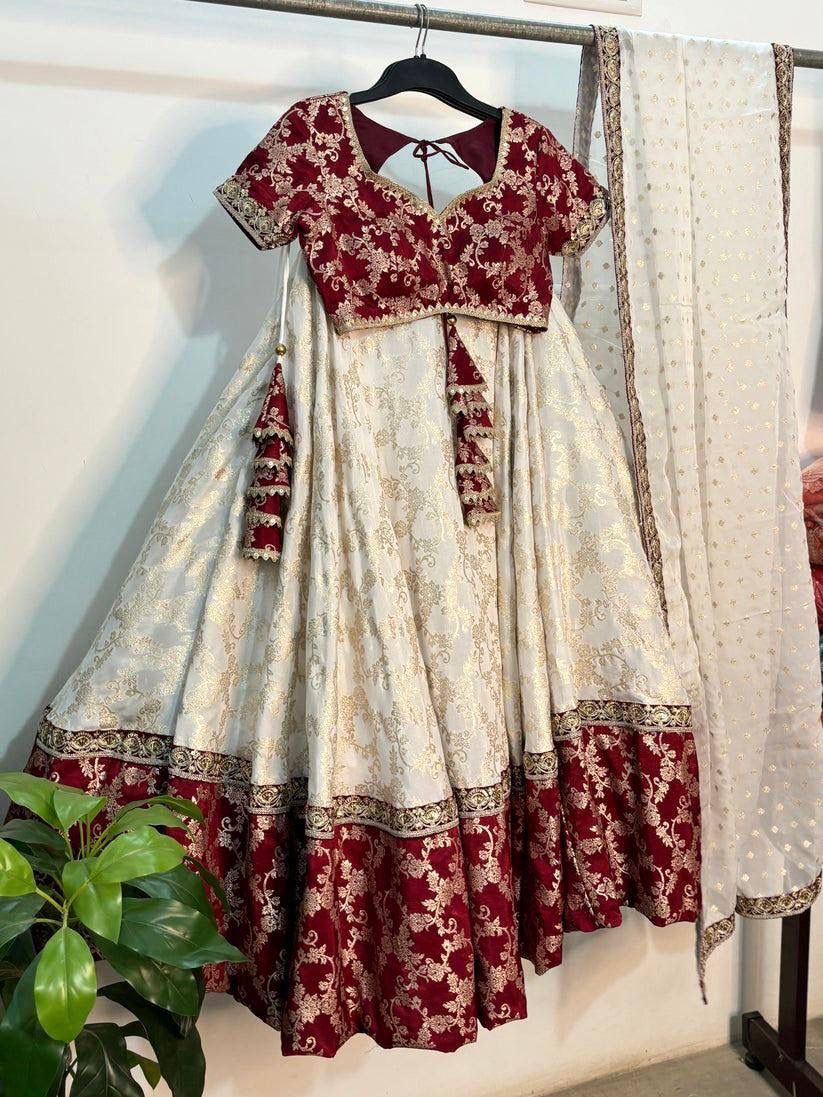
White, ivory and very pale champagne are not automatically safe choices. Bridal outfits often use those shades, and some families consider near-white clothing unsuitable for wedding guests. Confirm before buying an ivory lehenga, particularly for the wedding ceremony or reception.
Lehenga Planning When the Bride Has Requested a Pastel Dress Code should begin with fabric
Georgette, butterfly net, chinon silk and butter silk are practical starting points for a pastel wedding lehenga because they create movement without making a soft colour appear visually heavy.
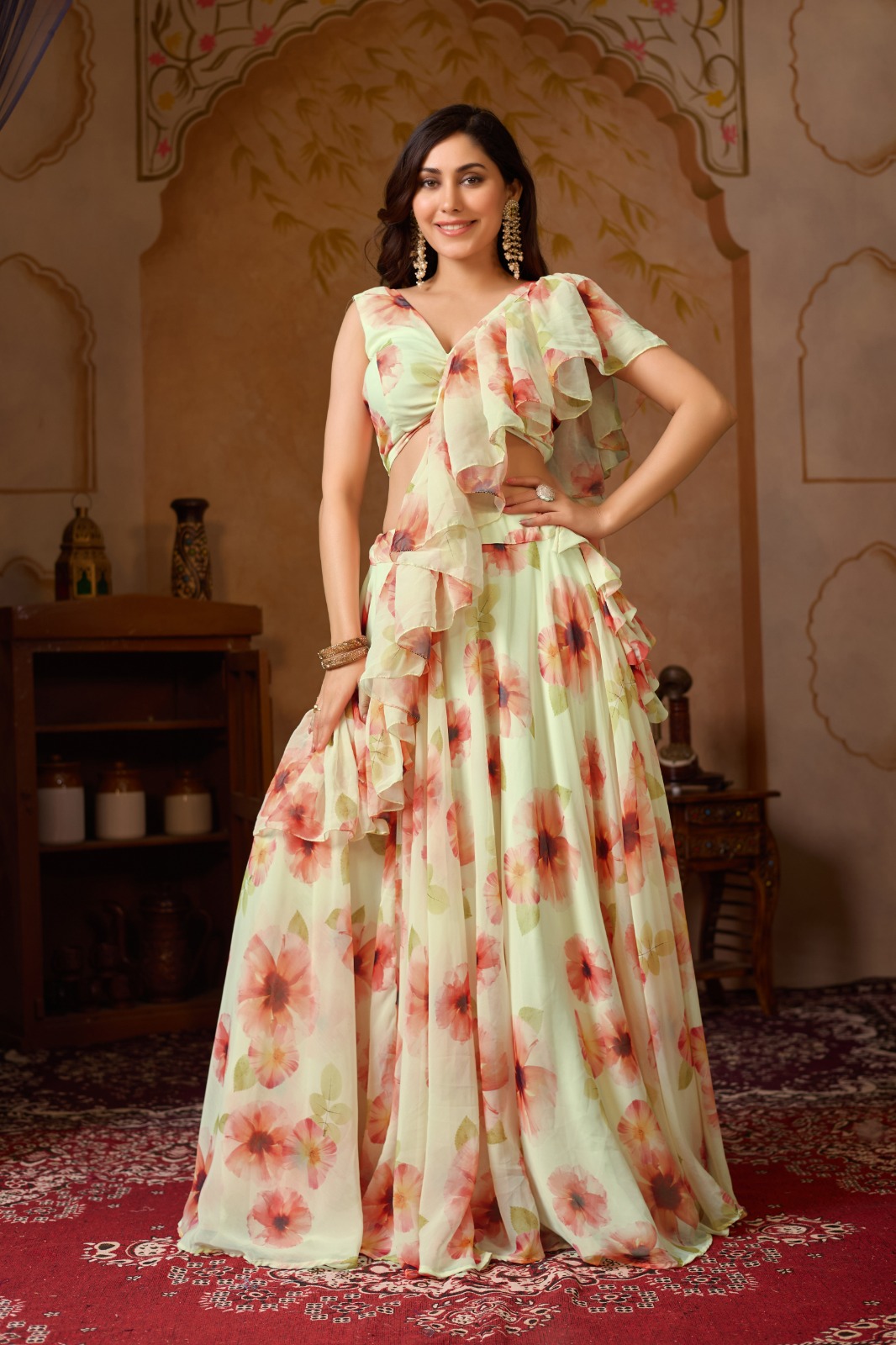
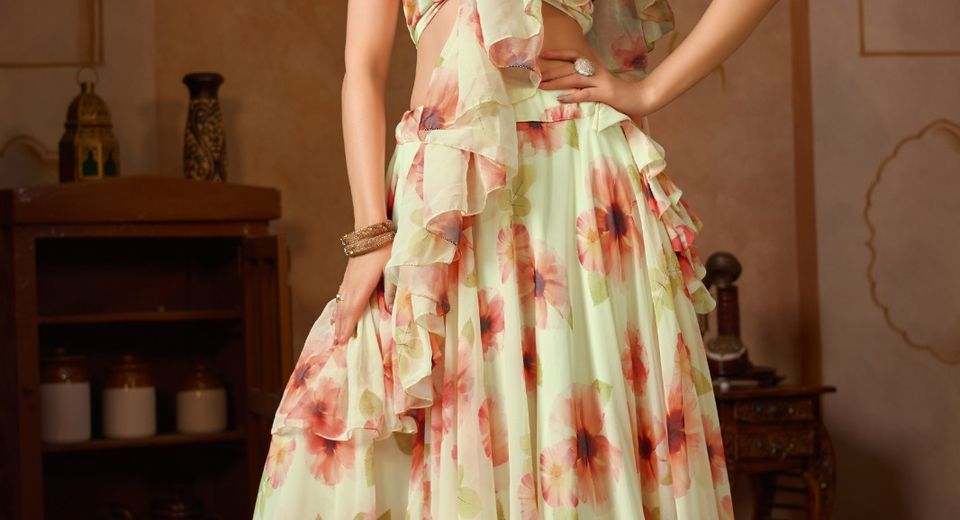
For daytime mehendi and Haldi functions, choose a fabric that remains breathable and allows comfortable sitting. Pastel Floral Georgette Lehenga Set with Ruffle Blouse is an example of a light-moving silhouette that can suit a daytime celebration or a sangeet involving dancing. Ruffles add movement, but check that the blouse neckline and armholes remain comfortable when you raise your arms.
Butterfly net creates volume through layers, so it can look festive without depending on dense metallic work. Pastel Grey Embroidered Butterfly Net Lehenga Set illustrates how grey can remain celebratory when embroidery supplies definition. Pastel grey also pairs well with silver, rose-gold or pearl accessories.
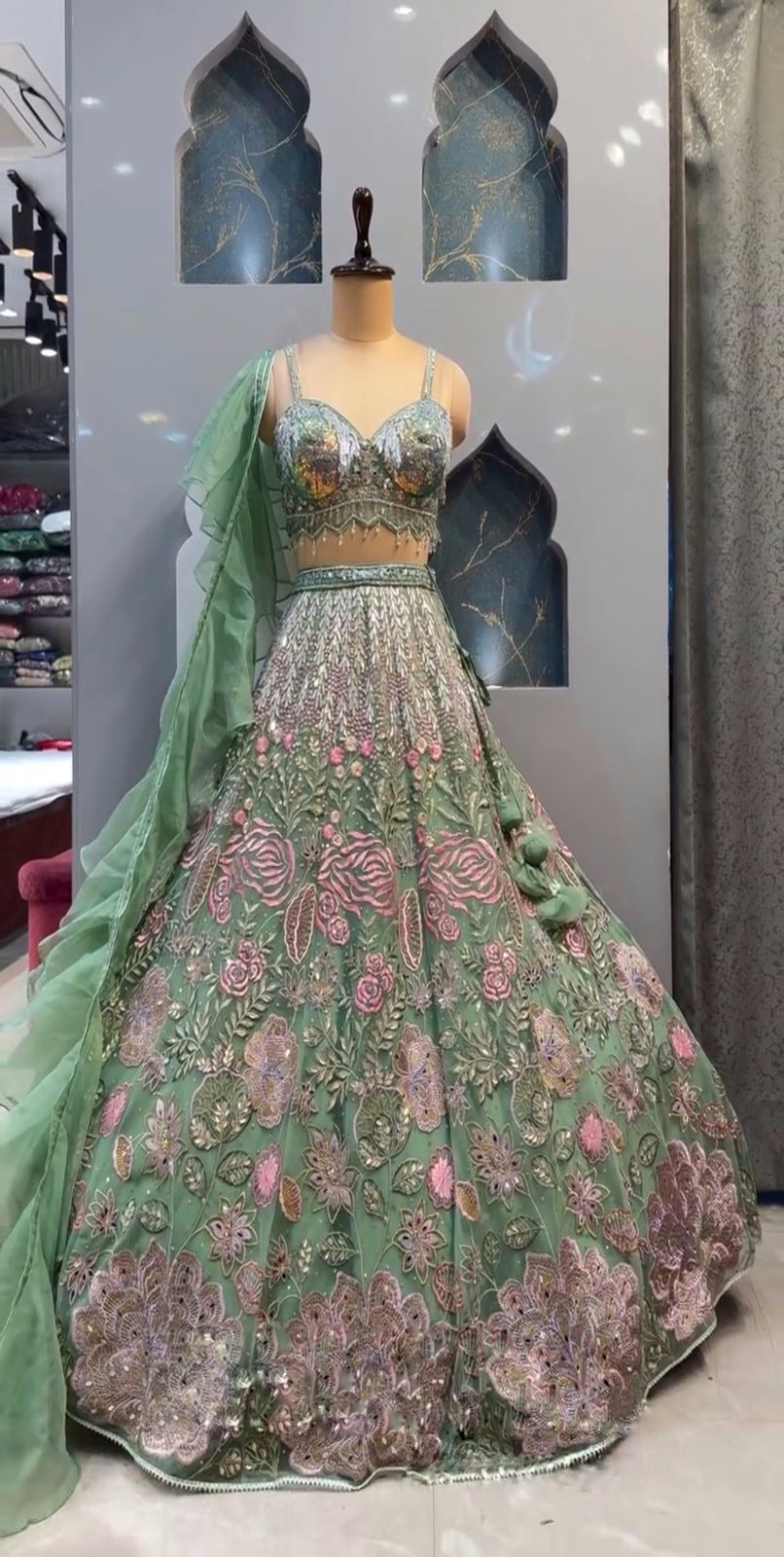
Chinon silk has a smoother, richer fall and can support sequins without appearing flat. Green Chinon Silk Sequins Embroidered Lehenga Set shows why a soft green can move towards evening wear when the surface includes controlled sparkle. Choose a similar fabric for a reception or sangeet if you want polish without the visual weight of a traditional bridal lehenga.
Warm-weather guests should inspect the lining as carefully as the outer fabric. Polyester lining can feel uncomfortable after several hours in a crowded venue, especially under stage lights. Check whether the skirt has enough lining to prevent transparency, whether the waistband sits securely and whether the dupatta edge feels scratchy against the neck or arm.
Lightweight outer fabric doesn't always mean a cool outfit. Multiple net layers, synthetic lining and heavy sequin work can trap heat. Evaluate the complete garment rather than judging breathability from the skirt's top layer.
Choose the silhouette and blouse fit before the decoration
A well-fitted blouse and stable waistband matter more than maximum flare when you'll sit, walk, eat and dance for several hours.
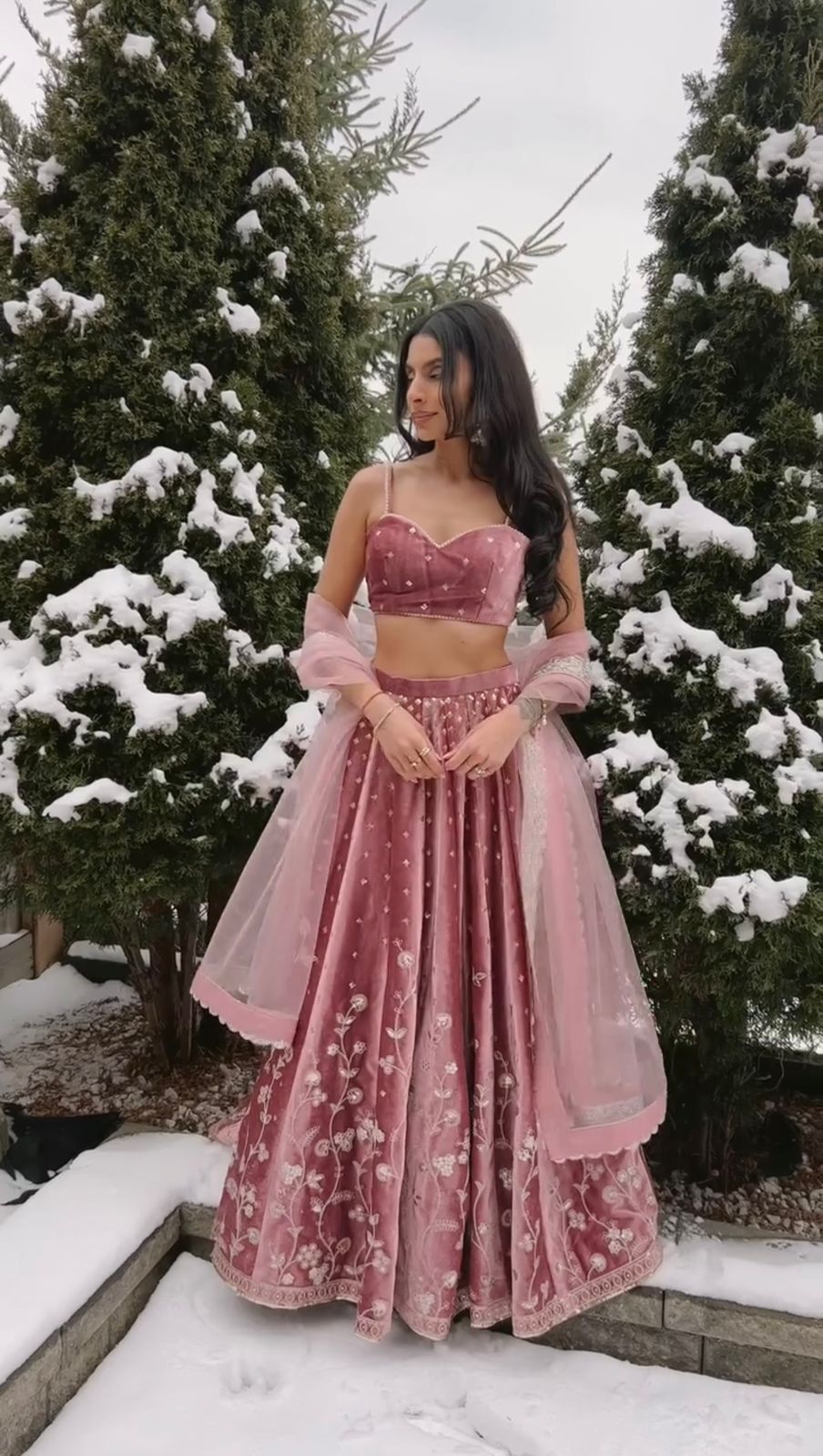
A-line skirts suit many body proportions and are easier to manage in crowded venues. Circular or heavily flared skirts create dramatic movement for the sangeet, but they need adequate space and a dependable layered hem. A narrow skirt can look elegant for a reception but may restrict walking if the fabric has little give.
The blouse determines both comfort and the perceived formality of the outfit. A high-neck or elbow-sleeve blouse gives a more covered appearance, while a sleeveless or strappy cut can make a pastel shade feel contemporary. Check the armhole depth by lifting both arms; a blouse that feels fine while standing may pull when you dance or reach for a camera.
Fully stitched choli shopping is useful when the event is close and you need predictable construction. A ready-made lehenga set can simplify sizing, but measure your bust, underbust, waist and high hip against the seller's chart instead of relying on a usual small, medium or large label. A ready-made waistband that's two inches too tight can't always be corrected easily.
A semi-stitched design offers more adjustment when your measurements fall between standard sizes. Semi Stitched Lehengas Collection can suit shoppers who want a personalised fit but have enough time for a local tailor to alter the blouse, waistband and hem. Allow at least 10 to 14 days for alterations during wedding season, and allow longer when several garments need finishing.
Ask whether the blouse has extra seam allowance, whether the skirt waistband includes hooks as well as a drawstring and whether the dupatta has finished edges. These construction details affect comfort, durability and the possibility of future alterations.
Use embroidery and contrast to keep a pastel lehenga from looking washed out
Pastel lehengas photograph best when the outfit contains at least one defined contrast, such as embroidery, a darker border, a textured blouse or jewellery with a clear metallic finish.
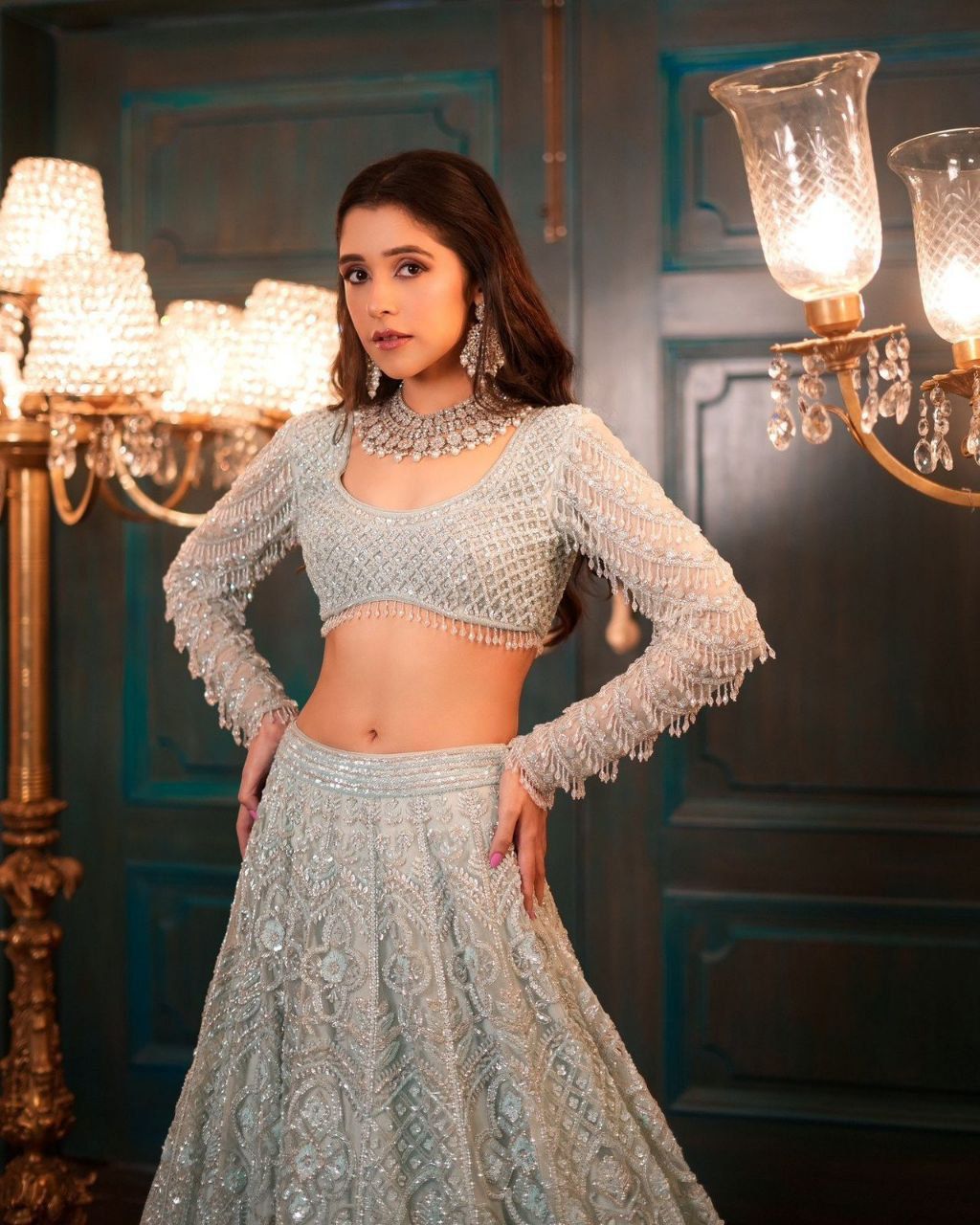
Soft colours can lose definition against pale décor, daylight walls and bright camera flashes. Tonal embroidery keeps the outfit delicate but may need a contrasting blouse or stronger earrings. Mint can look fresh with pearl and silver details, while the same mint becomes warmer with antique gold thread and champagne sequins.
Mint Embroidered Lehenga Set with Net Dupatta for Women is a useful reference for building a monochromatic pastel look. Keep the blouse, skirt and dupatta within the same colour family, then add definition through a structured clutch, metallic sandals or a contrasting lip colour.
Floral embroidery introduces visual detail without requiring heavy bridal-style embellishment. Lime Floral Embroidered Butterfly Net Lehenga Set shows how a brighter pastel-adjacent shade can remain connected to a soft dress code when the base is balanced by floral motifs and a light net layer. Lime may work particularly well for a mehendi, but confirm that the bride considers it part of the approved palette.
Multicolour embroidery requires more restraint in accessories. Stylish Multicolor Butter Silk Lehenga Choli Set can become the focal point, so choose one jewellery colour from the embroidery instead of combining gold, silver, coloured stones and pearls. A pastel outfit doesn't need every accessory to be pastel; it needs a clear visual hierarchy.
Save dense sequins, extensive threadwork and wide borders for evening functions unless the bride has requested a highly embellished daytime look. A pastel base with heavy shine can appear bridal under direct light. Green Chinon Silk Sequins Embroidered Lehenga Set or a similar evening-weight design is better suited to a reception or sangeet than a morning Haldi ceremony.
Assign different lehenga priorities to each wedding function
One pastel lehenga doesn't need to serve every function; a practical wedding wardrobe assigns different levels of movement, coverage and embellishment to each event.
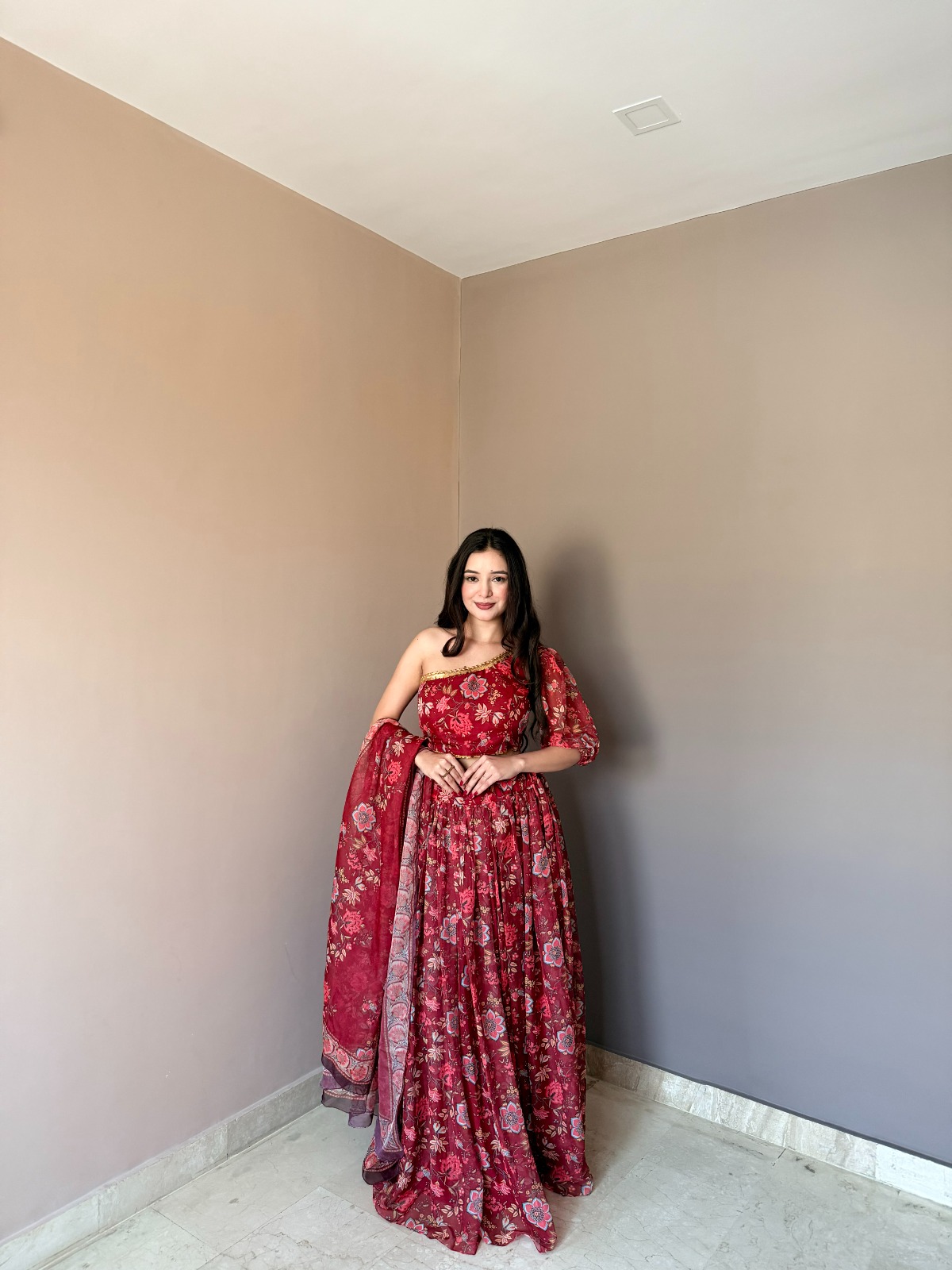
For a Haldi ceremony, choose a washable or less delicate outfit and avoid a long trailing dupatta. Turmeric, flower petals and water can permanently mark silk blends, net and pale linings. A short dupatta drape, secure earrings and flat footwear reduce the risk of damage while allowing you to participate comfortably.
Mehendi Lehengas often benefit from lighter skirts, shorter or pinned dupattas and sleeves that leave the forearms accessible. Green Lehengas can be especially appropriate for mehendi, but select sage, mint or soft lime when the dress code is muted rather than choosing a highly saturated emerald. A comfortable waist and a blouse that doesn't press against the elbows matter during a long henna appointment.
Yellow Lehengas work naturally for Haldi and daytime celebrations, but choose butter yellow, pale marigold or muted lemon when the bride has asked for pastels. Avoid heavy velvet or dense zari for an outdoor morning function unless the weather and venue make the additional weight comfortable.
A sangeet allows more movement and sparkle. A skirt with enough flare for dancing, a securely pinned dupatta and low block heels are more useful than a very long train. Test three dance-like movements at home before the event: taking a long step, turning and raising both arms.
A reception usually supports richer fabric and more defined shine. Designer Threadwork Silk Lehenga Choli Set with Dupatta can illustrate how threadwork gives a pastel-friendly outfit a more formal finish without requiring an intensely dark base. Keep the jewellery focused if the blouse and dupatta already contain dense embroidery.
A bridal outfit requires a different level of ornamentation, so guests should avoid copying the bride's exact silhouette, colour and embroidery pattern. Pink Bridal Sequins Lehenga Set with Heavy Flare may be visually suited to a bridal-style event, but a guest should wear such a statement design only after confirming that the bride is comfortable with the level of sparkle and the shade of pink.
Coordinate jewellery, dupatta and footwear without overmatching
Pastel lehenga styling works best when one accessory provides contrast and the remaining pieces support it.
Silver jewellery suits powder blue, lilac, cool pink and pastel grey. Gold jewellery complements peach, butter yellow, pistachio and warm blush. Rose gold bridges warm and cool palettes, while pearls soften nearly every pastel shade without making the outfit look unfinished.
Match the dupatta drape to the function rather than copying a social-media pose. Pin one shoulder for dancing, use a front drape for fuller coverage or carry the dupatta over both shoulders when sitting for a formal ceremony. A net dupatta may need small discreet pins at the shoulder and waist to prevent repeated adjustment.
Choose footwear with a heel height you can manage for at least four hours. Two- to three-inch block heels offer more stability than narrow stilettos on lawns, tiled courtyards and uneven walkways. Carry foldable flats only as a backup; the primary shoes should still coordinate with the hem length checked during the final fitting.
Use makeup to restore definition rather than adding another bright colour. Peach blush and warm nude lips suit peach or yellow pastels, while rose, mauve and soft berry tones can balance grey, lilac or powder blue. A soft smoky eye may be enough for a sequined evening lehenga, so avoid competing with heavy embroidery through equally intense eye makeup and jewellery.
Build a reliable shopping and fitting timeline
A wedding guest should begin searching four to six weeks before the function, or earlier for a semi-stitched or heavily altered lehenga.
During the first week, confirm the dress code, event time, venue surface, weather and bridal colour. During the second week, compare measurements, fabric, lining, return conditions and delivery time. Schedule the first fitting at least 14 days before the event, then complete the final hem, blouse adjustment and dupatta finishing no later than three days before departure.
Inspect a delivered outfit in natural light. Photograph the lehenga beside a white sheet and beside a medium-coloured surface to check whether the pastel shade appears too pale, too grey or more saturated than expected. Examine seams, hooks, zips, embroidery attachment and areas where sequins may catch on bangles or handbags.
Try the complete outfit with the actual jewellery, undergarments, footwear and hairstyle. Sit on a chair for 10 minutes, walk up stairs, raise both arms and turn once. These simple tests reveal a tight waistband, a slipping dupatta, a scratchy neckline or a hem that's unsafe with heels.
Store a pastel lehenga in a clean breathable garment bag away from direct sunlight. Do not spray perfume directly on silk, sequins or net. After the wedding, follow the care label and use professional cleaning for embellished garments; home washing can distort embroidery, loosen sequins and create water marks on pale fabrics.
Lehenga Planning When the Bride Has Requested a Pastel Dress Code succeeds when the outfit respects the palette, suits the function and remains comfortable beyond the first photograph. A considered shade, stable fit, appropriate fabric and restrained accessories will make a pastel lehenga look intentional rather than merely pale.
Practical Questions About Choosing a Pastel Wedding Lehenga
How do I choose a pastel lehenga without matching the bride?
Ask for the bride's colour and select a different undertone or neighbouring shade. If the bride is wearing blush pink, sage, mint, powder blue or soft grey can create separation while remaining within a pastel palette.
Which pastel lehenga fabric is best for a daytime wedding?
Georgette, lightweight butterfly net and breathable lined fabrics are generally practical for daytime weddings. Check the lining and number of layers, because heavy synthetic lining, multiple net layers and dense sequins can feel hot even when the outer fabric looks light.
Is a ready-made or semi-stitched lehenga better for wedding shopping?
A ready-made lehenga is useful when the event is close and the size chart matches your measurements. A semi-stitched lehenga is better when your measurements fall between standard sizes or you have at least 10 to 14 days for tailoring.
Can I wear a bright colour when the wedding dress code is pastel?
Choose a softened version of the colour rather than a highly saturated shade. Sage instead of emerald, butter yellow instead of strong yellow and dusty rose instead of hot pink are more likely to respect a pastel dress code, but the bride's palette should be the final guide.
What jewellery works with a pastel lehenga?
Silver and pearls complement cool pastels such as lilac, powder blue and grey, while gold suits peach, butter yellow and warm blush. Rose gold can bridge both groups, and one defined metallic finish usually looks more polished than mixing several competing finishes.
How early should I buy and alter a pastel lehenga?
Start shopping four to six weeks before the wedding and arrange the first fitting at least 14 days before the event. Complete the final hem, blouse adjustment and dupatta finishing at least three days before travel or the wedding function.