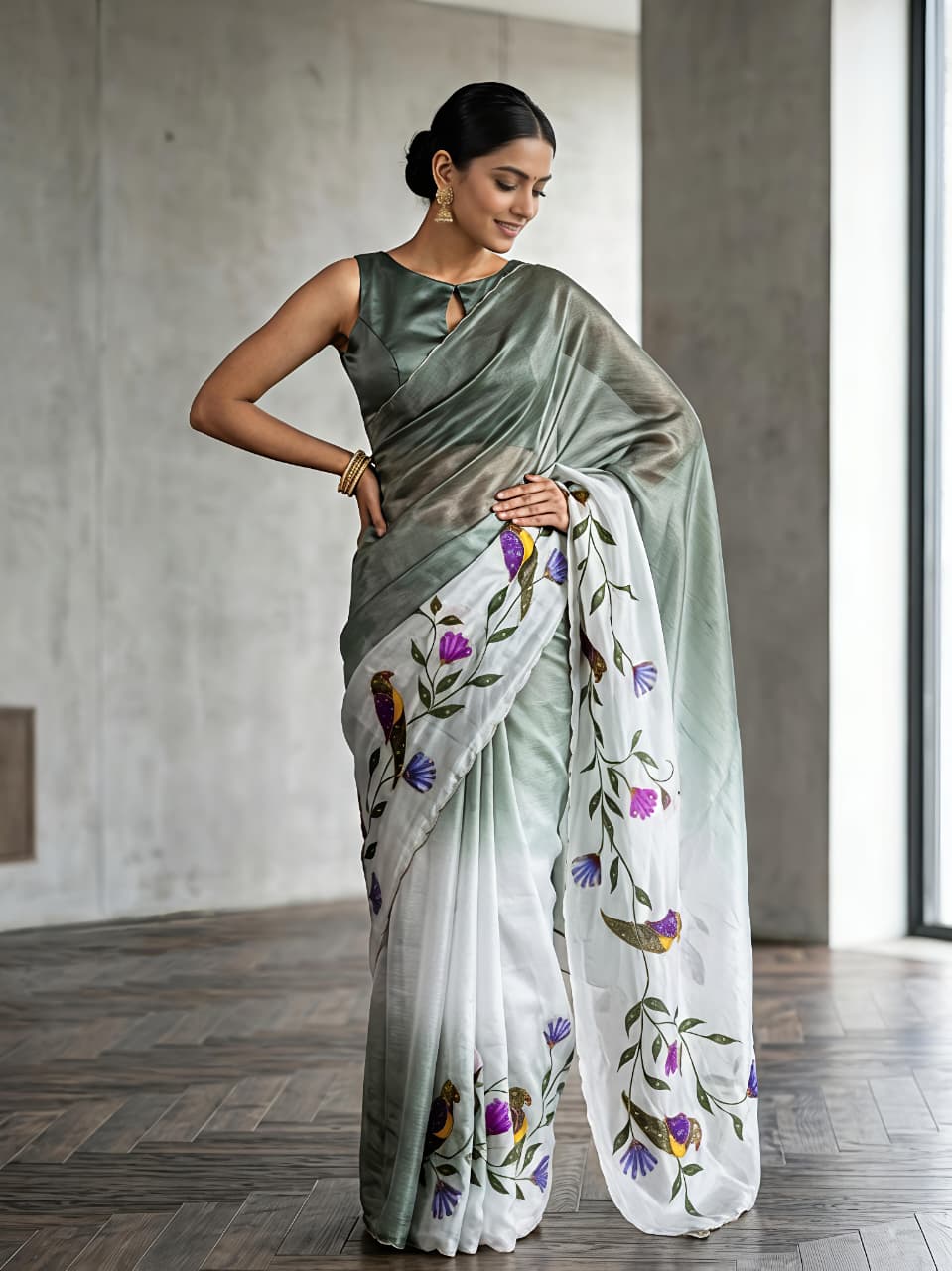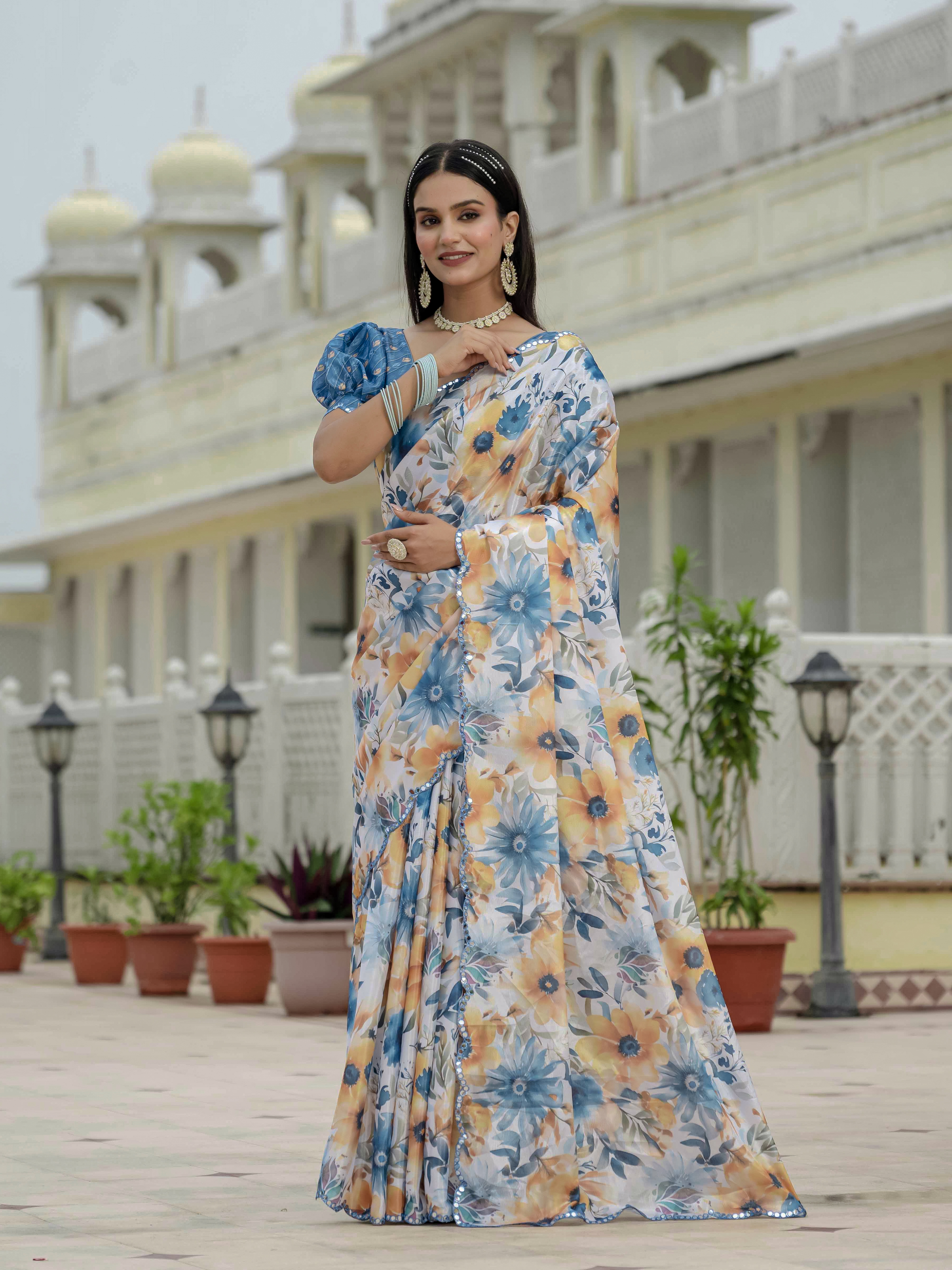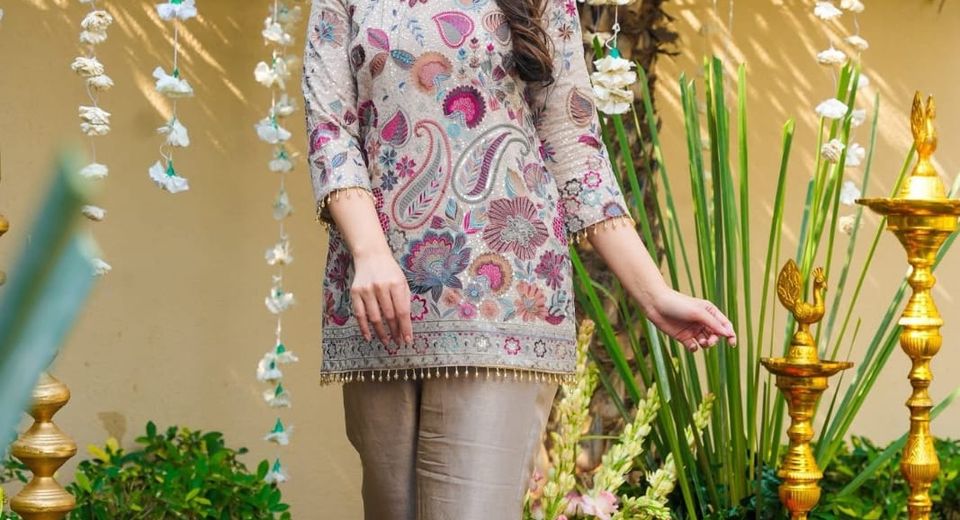
Choosing the Latest Salwar Suits for Wedding Guests involves more than selecting the heaviest embroidery or the brightest colour. A good wedding guest outfit must suit the ceremony, remain comfortable through several hours of standing and sitting, photograph well, and allow enough movement for greetings, meals and dancing. The right decision depends on fabric weight, silhouette, sleeve design, neckline, lining, footwear and the timing of the wedding function.
Salwar suits work particularly well for Indian weddings because they offer the polish of occasion wear without the constant adjustment that some drapes require. A straight-cut suit can feel composed at a daytime ceremony, while an Anarkali suit or embellished sharara can create more movement for an evening reception. Understanding those differences makes shopping more efficient and helps prevent an outfit from looking either too casual or unnecessarily bridal.
How to Choose the Latest Salwar Suits for Wedding Guests
The best choice starts with the wedding function, expected weather and amount of movement rather than with decoration alone. A daytime Haldi ceremony usually suits lighter fabrics and cheerful colours, while a night reception can support deeper tones, zari, sequins and richer textures.
For a mehendi function, cotton silk, Chanderi, rayon and lightweight georgette provide comfort in warm weather and still look festive with printed dupattas or restrained embroidery. For a sangeet, a flared Anarkali or sharara offers visual movement and works well with a short or medium-length jacket. For the wedding ceremony, silk blends, Banarasi silk details and formal embroidery create a dressier finish without copying the bride's heavily ornate look.
Reception dressing allows more contrast and shine. Black, wine, emerald, navy and rust orange tend to appear sophisticated under indoor lighting, especially when paired with antique zari, sequin work or pearl-like moti details. A pale pastel can also work for an evening event when the fabric has enough structure and the accessories add definition.
- Haldi: Choose breathable fabrics, yellow, lime, coral or pink, and embroidery that won't snag easily.
- Mehendi: Select a comfortable printed or embroidered suit with a dupatta that can be secured over one shoulder.
- Sangeet: Look for flared panels, sharara trousers or a jacket that responds well to movement.
- Wedding ceremony: Consider elegant silk blends, zari borders and balanced embellishment.
- Reception: Darker colours, structured tailoring and controlled shimmer usually photograph effectively.
Which Salwar Suit Silhouette Works Best for a Wedding Guest?
Anarkali, straight-cut, palazzo and sharara silhouettes each create a different balance of movement, proportion and formality. The most flattering silhouette is the one that fits the wearer's shoulder, bust, waist and hip measurements while leaving practical room for sitting.
Anarkali suits
An Anarkali suit creates a long, flowing line through the body and is especially effective for evening weddings. A six-panel or eight-panel flare provides volume without needing a separate skirt, while a fitted yoke keeps the upper body neat. A floor-length Anarkali looks formal with heels, but a calf-length version is often easier to manage during crowded ceremonies.
The Ladies Dress Anarkali Salwar Suits collection is useful for comparing different flare levels, necklines and embellishment placements. A heavily decorated hem looks beautiful when standing, but a lighter hem can be more practical when the venue involves stairs, grass or outdoor seating.
Straight-cut and A-line suits
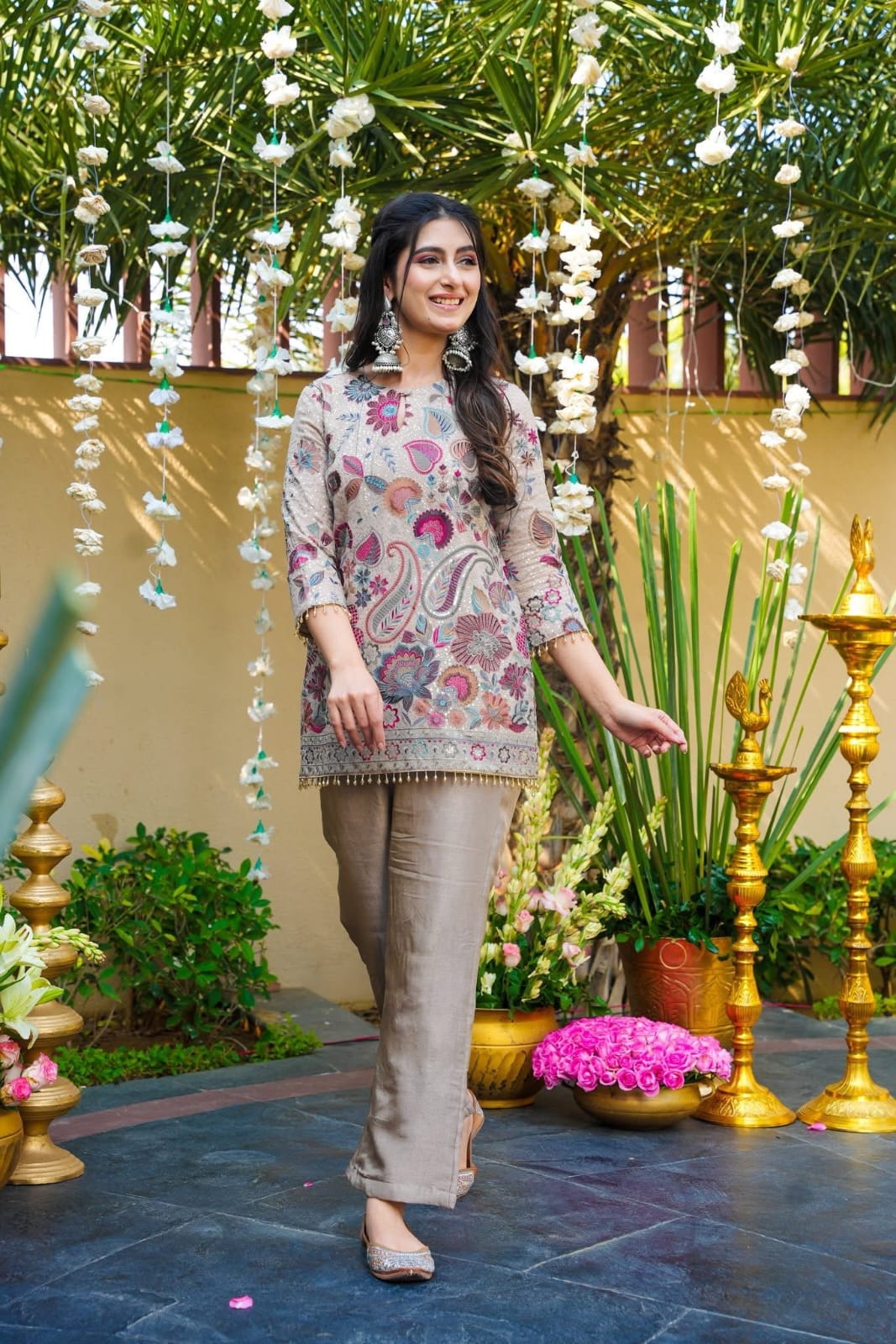
A straight-cut or A-line salwar suit is the most versatile option for moving between wedding events. The clean vertical shape works with cigarette trousers, churidar pants or palazzos, and the kameez can be worn again with a different dupatta. Side slits should be high enough for comfortable walking but not so high that the outfit loses its formal appearance.
A taupe or muted neutral suit can look particularly refined when the fabric has surface texture. Modern Taupe Vichitra Silk Embroidered Co-Ord Set for Women demonstrates how a restrained colour can gain occasion value through silk texture and embroidery rather than excessive contrast.
Sharara and palazzo suits
Sharara and palazzo suits add width below the knee and create a festive silhouette with less fabric around the ankles than a very full Anarkali. Sharara trousers pair well with shorter kameez lengths, whereas wide palazzos look balanced with a longer straight or A-line kurta. These styles are comfortable for sitting cross-legged or moving between different parts of a venue, provided the trouser hem doesn't drag.
Which Fabrics Are Practical for Wedding Guest Salwar Suits?
Georgette, crepe, Chanderi, cotton silk, Vichitra silk and silk blends are practical choices because they combine visual richness with manageable weight. Fabric selection should account for temperature, lining, embroidery density and whether the wedding includes outdoor travel.
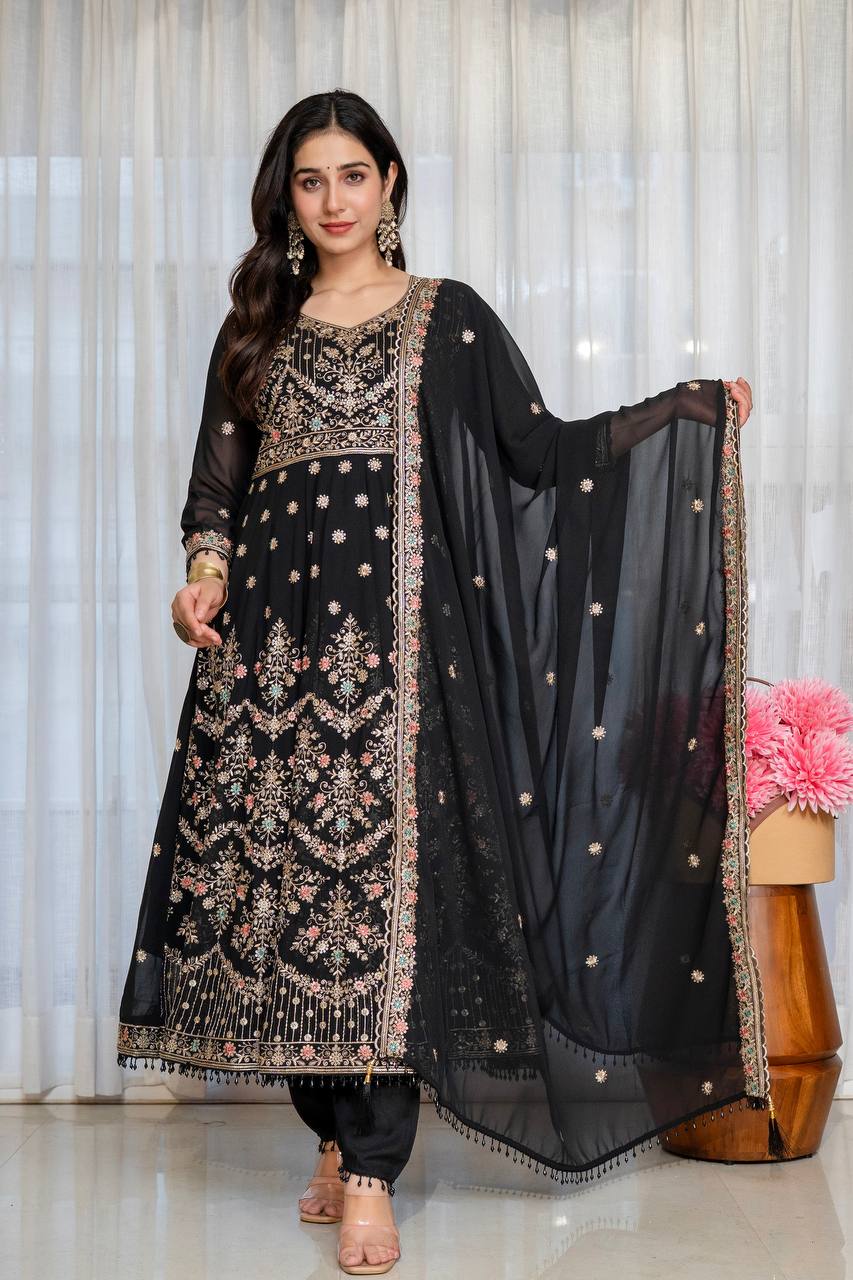
Georgette has a fluid fall and suits Anarkali panels, gathered sleeves and dupattas. Georgette may need a good lining because its fluid surface can reveal the outline of the garment underneath. Crepe drapes smoothly and resists some visible wrinkling, making it useful for travel, although heavily embellished crepe can become weighty.
Chanderi has a crisp, airy quality that works beautifully for daytime ceremonies. Chanderi may feel slightly sheer, so check whether the bodice and skirt portion have adequate lining. Banarasi silk and silk blends offer a richer hand feel and are suitable for cooler evenings, but thick brocade or dense zari can become uncomfortable in humid weather.
Vichitra silk has a soft sheen and a slightly structured fall that supports coordinated sets and formal straight-cut suits. Embroidery on Vichitra silk can add enough detail for a reception without requiring a very heavy dupatta. Cotton silk is another reliable compromise for guests who want a festive surface with more breathability than pure silk.
- Check the lining at the bust, waist and lower skirt before judging the outer fabric.
- Hold the embellished section vertically to see whether zari or sequin work pulls the fabric downward.
- Rub a small hidden area gently to identify loose metallic threads or unstable surface decoration.
- Choose lighter fabric for outdoor functions and heavier silk blends for air-conditioned evening venues.
How Should Colour and Embellishment Be Balanced?
Wedding guest colours look polished when one visual element leads and the remaining details support it. A bright base colour needs controlled embellishment, while a neutral or dark base can carry more metallic work, contrast piping or a decorative dupatta.
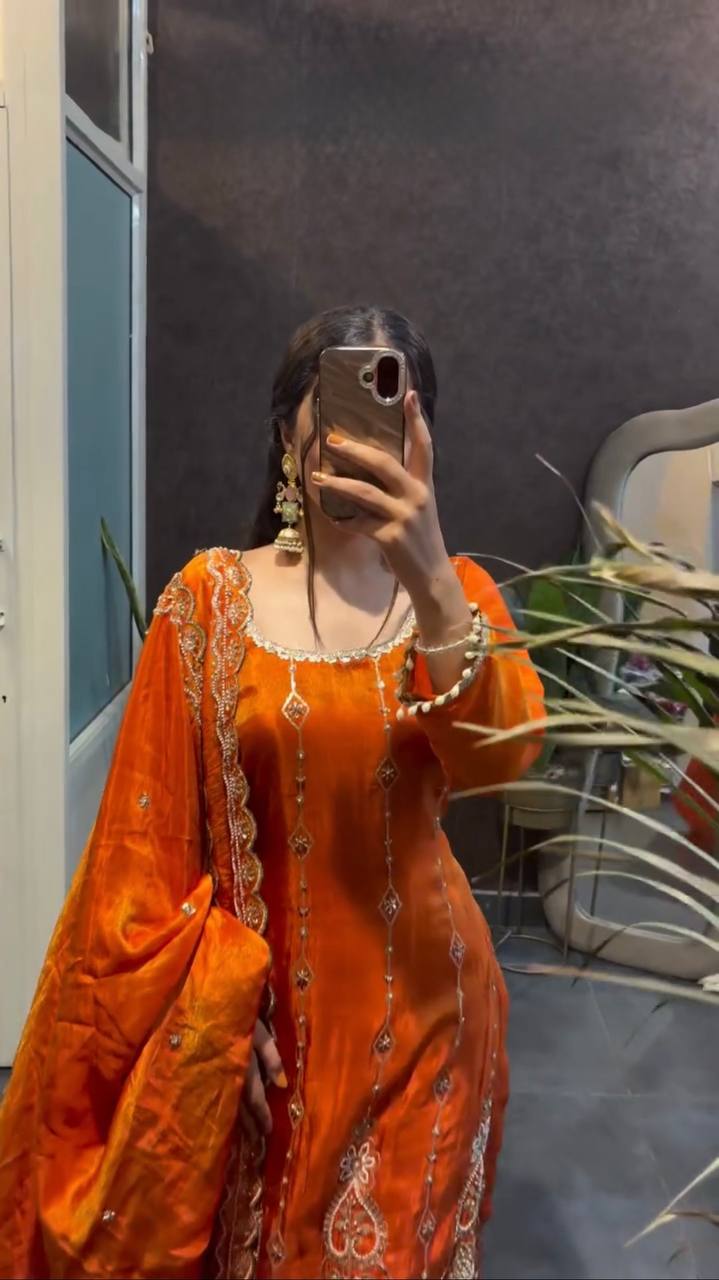
Rust orange, coral, fuchsia, mustard and leaf green are expressive choices for daytime celebrations. Rust Orange Embroidered Readymade Suit Set for Women shows how a warm colour can feel festive without relying on bridal red. Soft peach, powder blue, lavender and mint are effective when the wedding palette is pastel, but the outfit should include embroidery, a border or jewellery with enough contrast to avoid appearing like everyday office wear.
Black works well for evening receptions when the event dress code permits it. Black Anarkali Suit Set with Sequin Zari and Moti Lace Work combines a dark base with reflective sequin zari and moti lace, creating definition under artificial light. Black should be styled with deliberate accessories, because very matte fabric and minimal jewellery can look too restrained for a formal reception.
Red, deep maroon and bridal pink deserve extra care because they may resemble the bride's palette. Guests can still wear these colours, but selecting a secondary shade, simpler embroidery or a distinctly different silhouette helps preserve visual separation. Zari should complement the fabric rather than cover every surface; antique gold suits warm colours, silver suits cool pastels, and champagne metallics bridge the two.
What Should You Check Before Buying a Wedding Guest Salwar Suit?
A reliable purchase check covers measurements, garment construction, transparency, closure quality and the complete styling cost. Product photographs alone can't show whether a suit will remain comfortable after several hours of wear.
Fit and construction
Measure the bust, waist, hip, shoulder and desired garment length while wearing the type of innerwear planned for the event. A kameez should allow approximately 5 to 8 centimetres of ease at the bust for comfortable sitting and arm movement, although the exact amount depends on the cut and fabric. Check that the armhole doesn't restrict the upper arm and that the sleeve opening doesn't press against bracelets.
Examine whether the trousers have a functional waistband, whether the dupatta has a finished edge and whether the neckline sits flat. A hidden side zip can improve the fit of an Anarkali, while elastic trousers are convenient but should not pinch after a full meal. Readymade suits save tailoring time, but minor alterations to sleeve length, trouser hem or side seams may still improve the final result.
Budget and wardrobe value
A wedding guest budget should include tailoring, footwear, jewellery, innerwear, bag and possible transport or delivery costs. A moderately embellished suit that can be restyled with a different dupatta often gives better wardrobe value than a highly specific outfit designed for one event.
Discount collections can make comparison easier, but the percentage reduction should not replace checking fabric composition and finishing. Salwar Suits with 30% Off and Salwar Suits Flat 40% Off can be useful starting points for price-conscious browsing, while Dress Materials may suit shoppers who already have a trusted tailor and want control over the final fit. Red Dress Materials Under 2000 is relevant when a guest wants to set a firm material budget before adding stitching charges.
How Can You Style a Salwar Suit Without Looking Overdressed?
Balanced styling comes from pairing one statement element with quieter accessories. A decorated neckline may need only small earrings, while a plain kameez can support a bold choker or layered necklace.
For an embroidered Anarkali, choose earrings that echo the embroidery metal and a small clutch that doesn't compete with the flare. For a straight-cut suit, a structured potli or metallic sling bag adds ceremony-appropriate detail. Sharara trousers already create volume, so a shorter necklace or slim bangles can keep the upper body from appearing crowded.
Footwear should match the hem and venue. Block heels between 4 and 6 centimetres offer stability for lawns and uneven floors, while slim heels can work in an indoor reception with smooth flooring. Juttis and embellished flats are sensible for long ceremonies, but the sole should provide enough grip for polished stone or tiled surfaces.
Secure a slippery dupatta with two concealed safety pins, one near the shoulder and one at the waist, using a small fabric patch underneath to protect delicate material. A lightweight organza dupatta adds structure, while a soft georgette dupatta creates movement. Avoid stacking a heavy necklace, large earrings, ornate bangles and a decorated hair accessory together; two strong jewellery choices are usually sufficient.
How Should Wedding Guest Salwar Suits Be Stored and Cleaned?
Embroidered salwar suits should usually be professionally dry-cleaned when the care label permits, then stored completely dry in a breathable garment bag. Correct care protects zari, sequins, moti work, silk fibres and dyed fabrics from premature damage.
Air the suit after wearing it for several hours before storing it, especially if it was worn in humid weather. Do not spray perfume directly onto zari, sequins or silk; apply fragrance to the skin and allow it to dry before dressing. Fold heavily embellished garments with acid-free tissue or a clean cotton layer between decorated surfaces to prevent snagging.
Small spills should be blotted with a clean, dry cloth rather than rubbed. Water can create rings on some silk blends, and vigorous rubbing may loosen embroidery. Do not iron directly over zari, sequins or moti lace; use a pressing cloth and the lowest suitable temperature, or use professional steaming for a formal garment.
Before travelling, place the folded suit in a breathable cotton cover, keep jewellery separately wrapped, and carry the dupatta in a flat layer rather than tightly rolling it. These simple steps reduce creasing and prevent metal embellishment from catching on the main garment.
What Makes a Wedding Guest Salwar Suit Worth Rewearing?
A rewearable salwar suit has an adaptable base colour, comfortable construction and accessories that can be changed for different events. Rewear value increases when the kameez works with more than one bottom or the dupatta can transform a simple suit.
A muted taupe, navy, ivory, rust or deep green base can move from a family wedding to a festive dinner with a change of jewellery. A highly ornate dupatta can be paired with a plain kurta later, while a richly embroidered kameez can be softened with a lightweight solid dupatta. Coordinated sets are especially useful because each piece may later be separated into different outfits.
The strongest Latest Salwar Suits for Wedding Guests choices therefore combine occasion detail with everyday practicality. When colour, fabric, fit and embellishment are considered together, a salwar suit can look celebratory in photographs, remain comfortable through a long function and make more than one appearance in the wardrobe.
Practical Questions About Choosing Wedding Guest Salwar Suits
Which salwar suit is best for a wedding guest?
An Anarkali, straight-cut suit, sharara or palazzo suit can work well, depending on the function and the wearer's comfort. Choose lighter fabrics and breathable construction for daytime events, and consider silk blends, zari or sequins for formal evening receptions.
Can wedding guests wear black salwar suits?
Wedding guests can wear black salwar suits for many evening receptions, provided the event does not prohibit black attire. Sequin zari, moti details, metallic jewellery or a contrasting dupatta can make black look festive rather than understated.
What colour salwar suit should I wear to a Haldi ceremony?
Yellow, mustard, lime, coral, pink and fresh green are suitable choices for a Haldi ceremony. Select washable or easy-care fabrics when turmeric and outdoor activity may create a higher risk of staining.
Is an Anarkali suit comfortable for a long wedding ceremony?
An Anarkali suit can be comfortable for a long ceremony when the flare is not excessively heavy and the lining allows movement. Check the armhole, waist ease, hem length and fabric weight before buying, particularly if the venue has stairs or outdoor seating.
How much embroidery is appropriate for a wedding guest outfit?
Moderate embroidery is appropriate for most wedding guests, while dense bridal-style embellishment may appear excessive. Let one feature lead, such as a decorated neckline, embroidered hem, sequin dupatta or ornate sleeve, and keep the remaining details balanced.
How should an embroidered salwar suit be packed for travel?
Pack a completely dry embroidered suit in a breathable garment bag with clean tissue or cotton separating embellished surfaces. Keep jewellery away from the fabric, avoid tight rolling, and use professional cleaning or a pressing cloth instead of direct high heat.