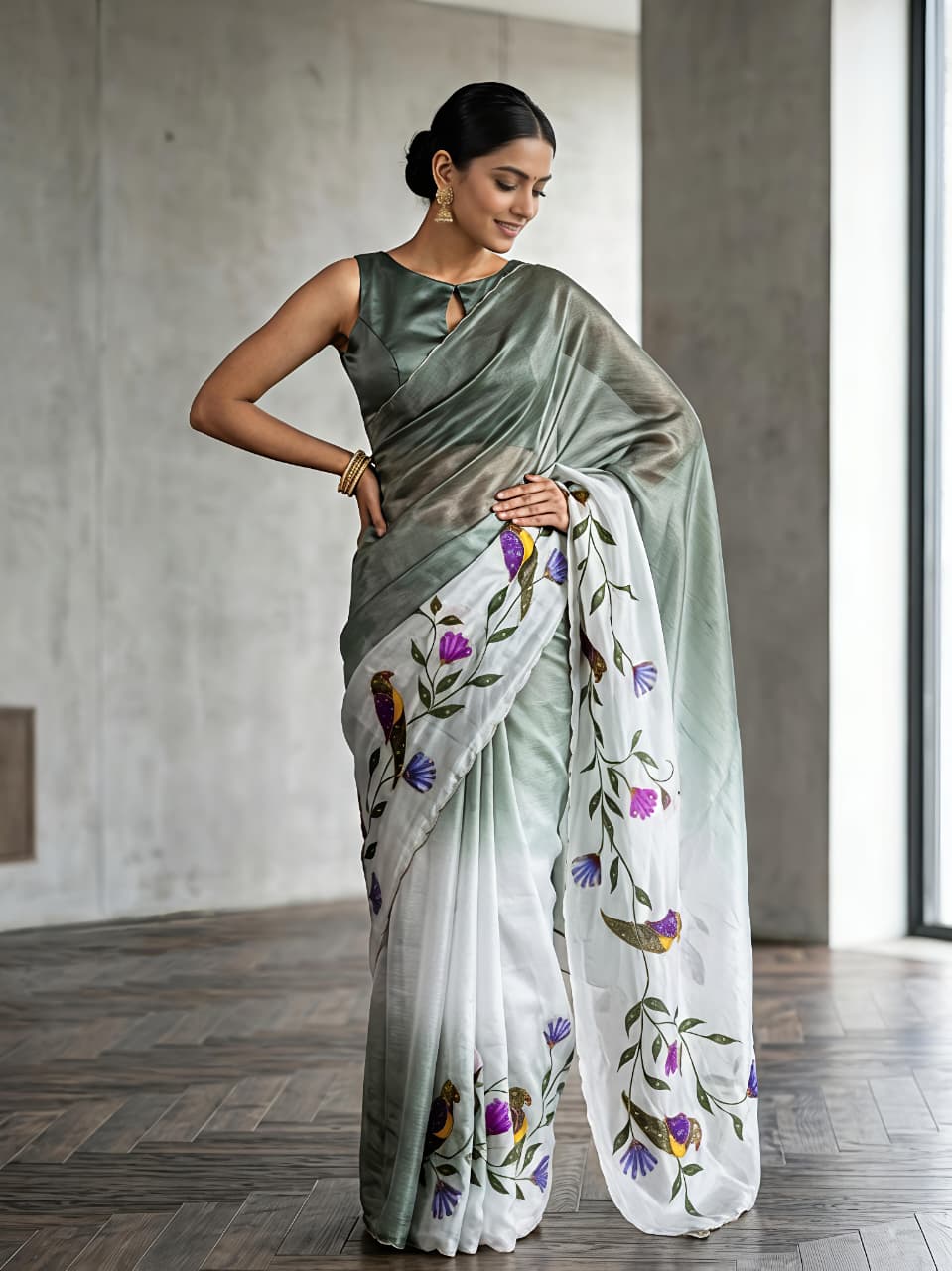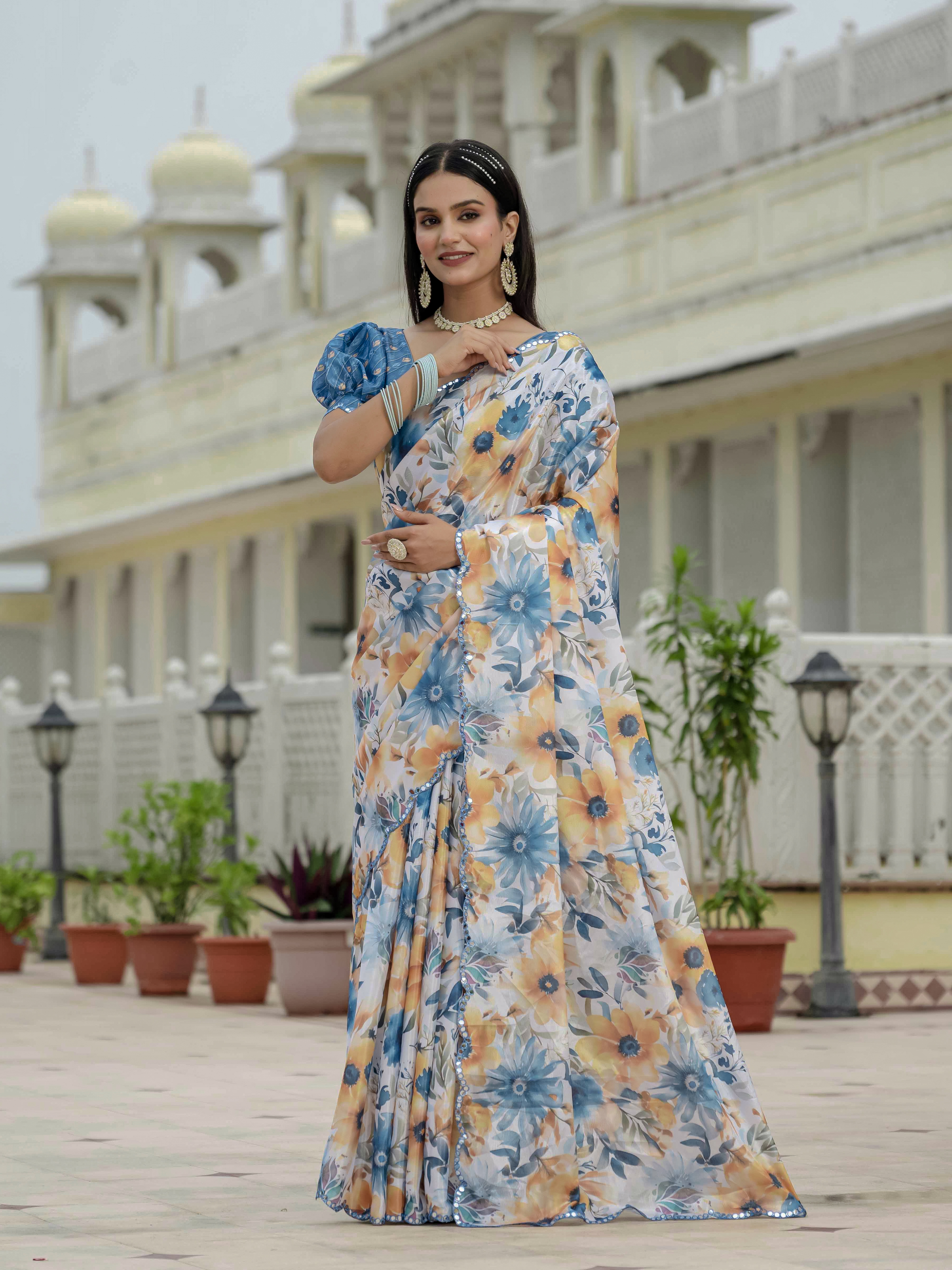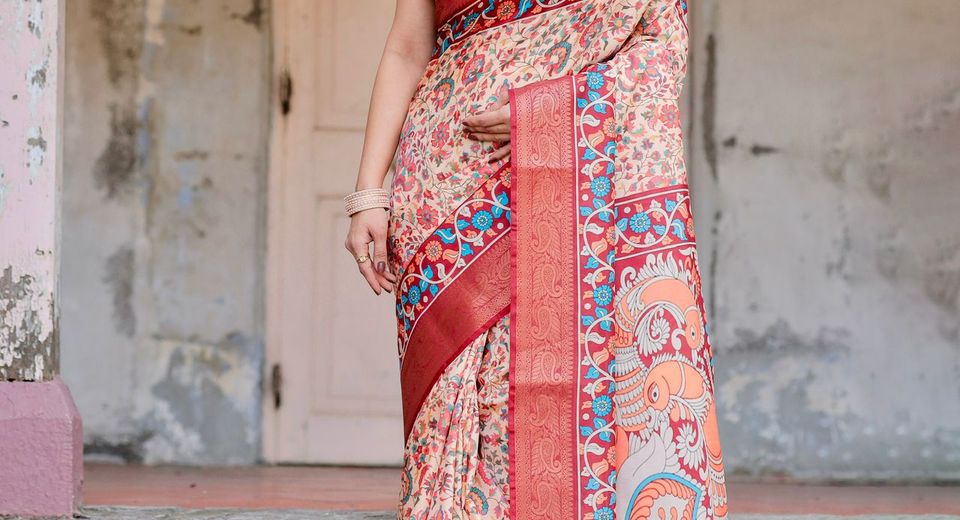
Red and white carry an unmistakable festive language during Bengal's Durga Puja: the red border brings warmth and celebration, while the white ground keeps the look luminous in daylight and pandal lighting. Laal Paar Saree Styling: Bengali Durga Puja Looks & Blouse Ideas becomes especially useful when you want to honour that visual tradition without sacrificing movement, comfort or personal style. The most successful outfit depends on more than choosing a red-bordered saree. The weave, pleat width, blouse proportion, jewellery weight, drape security and makeup finish must work together.
A Bengali Puja saree can look ceremonial at Ashtami anjali, graceful at a family lunch and expressive during Sindoor Khela. The same red-and-white palette can also appear contemporary when paired with a square-neck blouse, a compact bun or restrained modern jewellery. The guide below explains how to make those choices deliberately.
Laal Paar Saree Styling: What makes the look traditionally Bengali?
Traditional Laal Paar Saree Styling relies on a white or ivory saree with a red border, a clearly visible pallu and a drape that allows the red edge to frame the body. The classic Bengali atpoure drape places the pallu over the left shoulder and often brings a portion forward across the torso, creating the recognisable broad, sculptural end panel.
The red border doesn't need to be identical on every saree. A narrow cotton laal paar border creates a rooted, everyday Puja mood, while a red Banarasi silk saree with zari gives the same colour story a more formal finish. Gold zari, woven butti motifs and brocade borders introduce light without replacing the red-and-white identity.
For a balanced silhouette, select a border width according to height and blouse detail. A border between 3 and 5 inches gives a visible festive frame without overwhelming a petite frame. A wider 6- to 8-inch border suits a plain blouse and a more dramatic traditional drape. A heavily decorated blouse usually looks cleaner with a medium-width border.
Does the saree have to be pure white and red?
The saree doesn't have to be pure white and scarlet to look Bengali-inspired. Ivory, cream, beige and muted maroon can preserve the visual contrast while making the outfit softer or more wearable. Red Beige Banarasi Silk Saree with Floral Pattern demonstrates how a warm neutral ground can support red and gold without appearing stark.
Colour temperature matters when combining accessories. Vermilion red works naturally with antique gold, while a cooler crimson can be paired with silver-toned accents or pearls. Avoid introducing several unrelated bright colours, because the laal paar border should remain the visual anchor.
Laal Paar Saree Styling: Which fabrics suit a full day of Durga Puja?
Cotton, linen cotton, soft silk and lightweight Banarasi silk are practical Durga Puja choices because each offers a different balance of breathability, structure and formality. Cotton and linen cotton suit humid afternoons, while silk blend and soft silk hold pleats more sharply for evening gatherings.
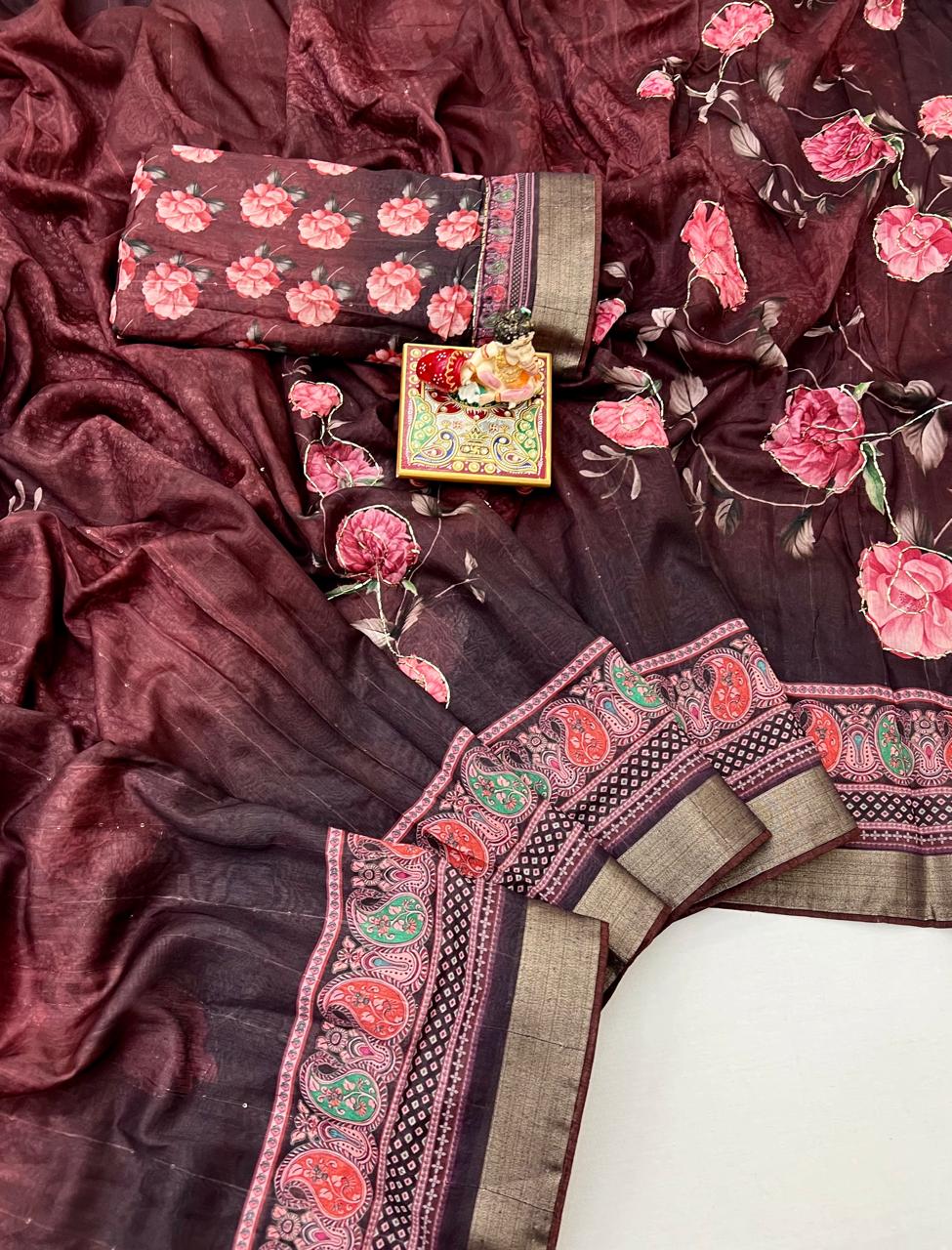
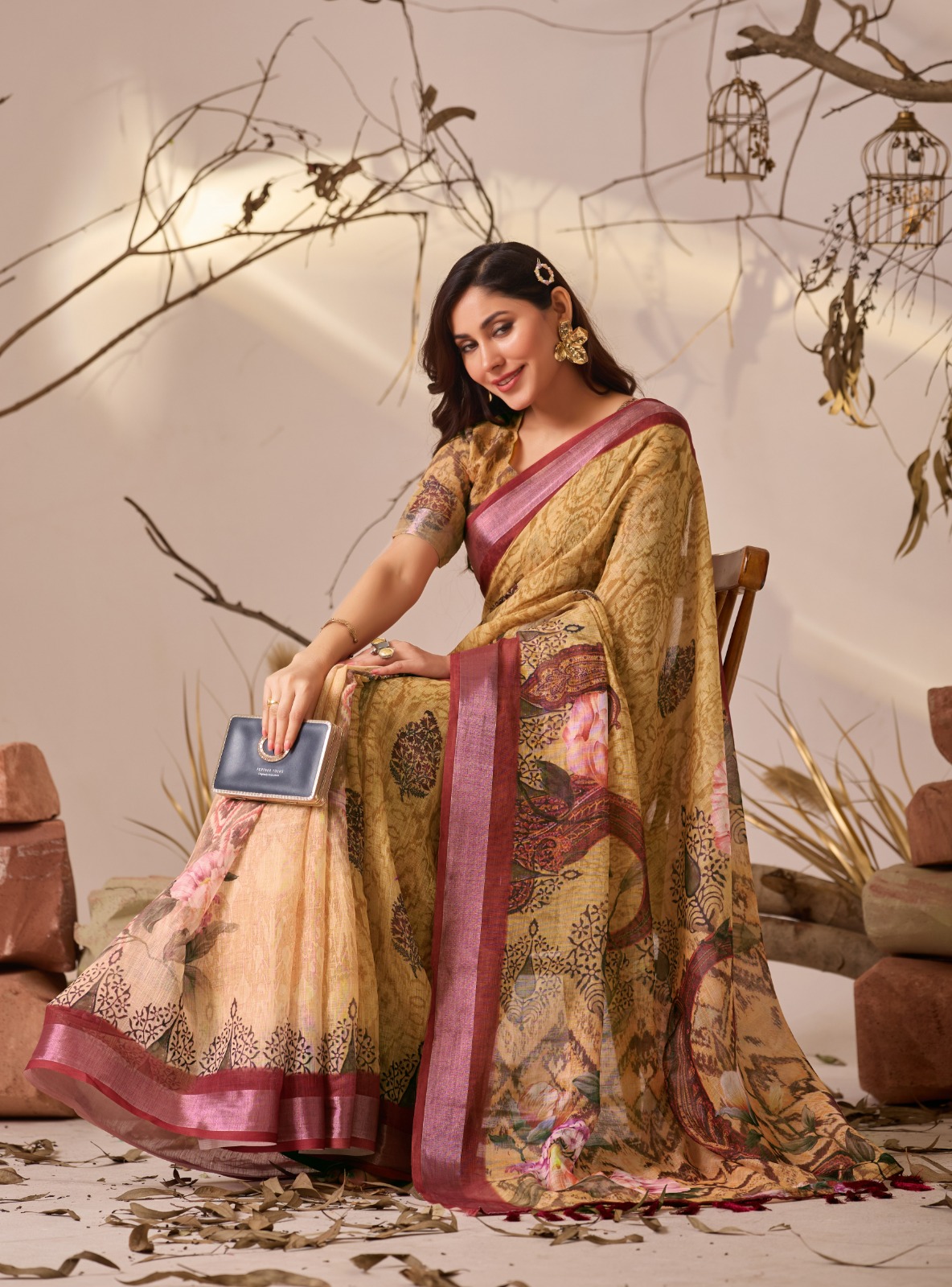
Red Floral Linen Cotton Saree with Beautiful Printed Border is an useful reference for a daytime look because linen cotton tends to feel airier than dense silk. Printed borders keep the outfit visually active when the blouse and jewellery are simple. A cotton petticoat with a firm drawstring prevents the saree from slipping during long walks between pandals.
Red Dola Silk Butti Saree With Jacquard Border gives a different balance: the textured border and butti surface create festive interest without requiring a large necklace. Dola silk generally photographs well because its surface catches light, but the wearer should check whether the fabric feels comfortable in warm, crowded spaces.
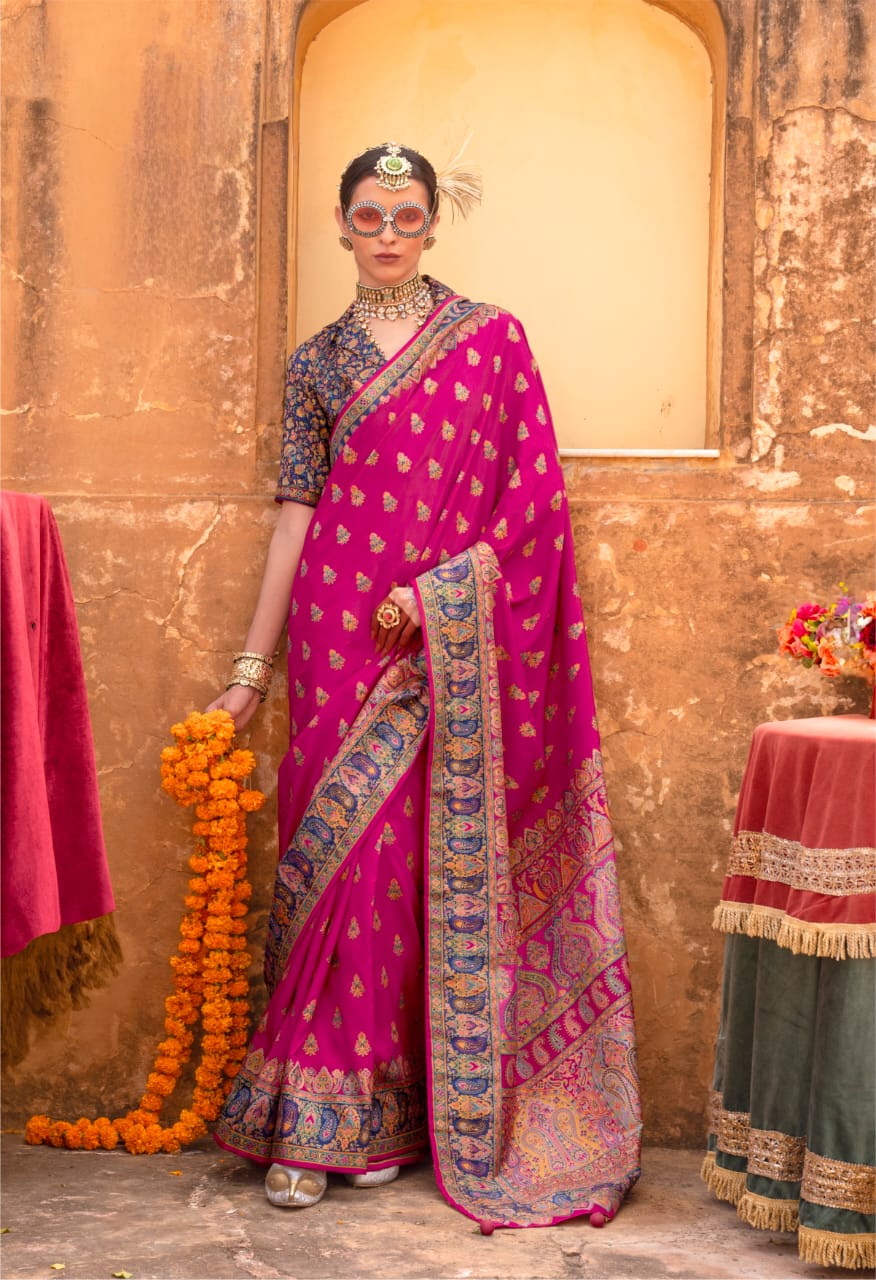
For a formal evening visit, Red Woven Zari Silk Blend Saree With Brocade Blouse creates a coordinated texture story. The woven zari and brocade blouse already provide detail, so large earrings may be enough. Red Banarasi Soft Silk Saree With Golden Zari Floral Border is another occasion-ready direction when the goal is a more luminous, traditional finish.
Red Banarasi Silk Saree With Elegant Zari Borde brings another way to build a festive outfit around a prominent border. A saree with visible zari can work particularly well for evening aarti, when warm lights bring out metallic threads. Keep the blouse surface calmer if the border is broad and heavily patterned.
How should you choose between cotton and silk?
Choose cotton or linen cotton for walking, outdoor pandal visits and humid daytime ceremonies; choose silk or a silk blend for seated evening events, family portraits and more formal rituals. A silk blend can be an useful middle ground when you want a crisp fall without the weight of dense pure silk.
Check the fabric's transparency before styling a white saree. Pale fabrics may need a white or skin-toned petticoat with a smooth finish rather than a strongly contrasting underskirt. A well-fitted petticoat should end near the ankle and allow the saree's border to remain visible above the footwear.
Collections such as Party Wear Sarees can help when comparing fabrics for evening dressing, while Silk Sarees Under 3000 With Discount may be relevant for shoppers who want a silk finish within a defined budget. Collection names should guide comparison, not replace checking fabric composition, saree length and blouse-piece details.
Laal Paar Saree Styling: Which blouse ideas complement the saree?
The best blouse for a laal paar saree repeats one element from the saree-colour, border, texture or motif-without copying every detail. A red blouse creates the strongest traditional contrast, while an ivory, gold, black or deep maroon blouse can make the outfit more individual.
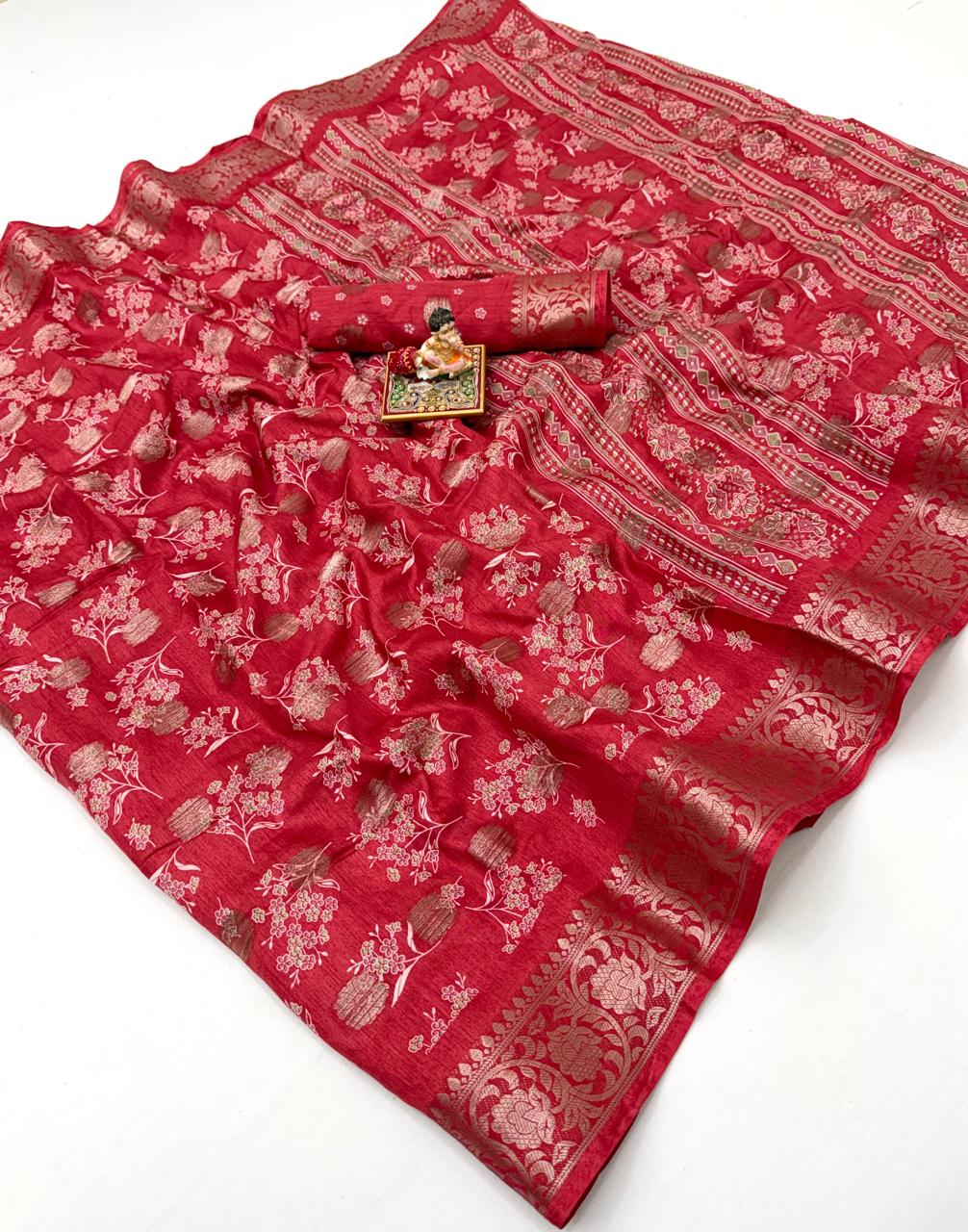
Traditional red blouse
A red blouse with a round neck, elbow-length sleeves and a modest back is the most dependable choice for Durga Puja. Elbow-length sleeves suit the broad pallu and create a composed silhouette for anjali, family photographs and Sindoor Khela. Choose a neckline depth that remains comfortable when the pallu is pinned across the shoulder.
For a plain saree, add a red blouse with subtle zari piping, fabric-covered buttons or small embroidered motifs. For a saree with a brocade border, use a matte red blouse so the outfit doesn't become visually heavy. A red blouse also makes gold jhumkas and a conch-shell bangle set feel integrated rather than over-styled.
Ivory, beige and gold blouse options
An ivory or beige blouse softens the contrast of red and white and works particularly well with gold zari. A high-neck ivory blouse looks polished with a Banarasi saree, while a short-sleeved beige blouse creates a lighter daytime appearance. Red Beige Banarasi Silk Saree with Floral Pattern can be styled with a plain beige blouse when the floral pattern already supplies enough surface detail.
A gold blouse is best reserved for sarees with restrained borders or evening celebrations. Matte raw silk or tissue-inspired gold fabric is easier to wear than an intensely sequinned blouse. Keep the gold close to the saree's zari tone; yellow gold and antique gold can look noticeably different under indoor lighting.
Contemporary blouse silhouettes
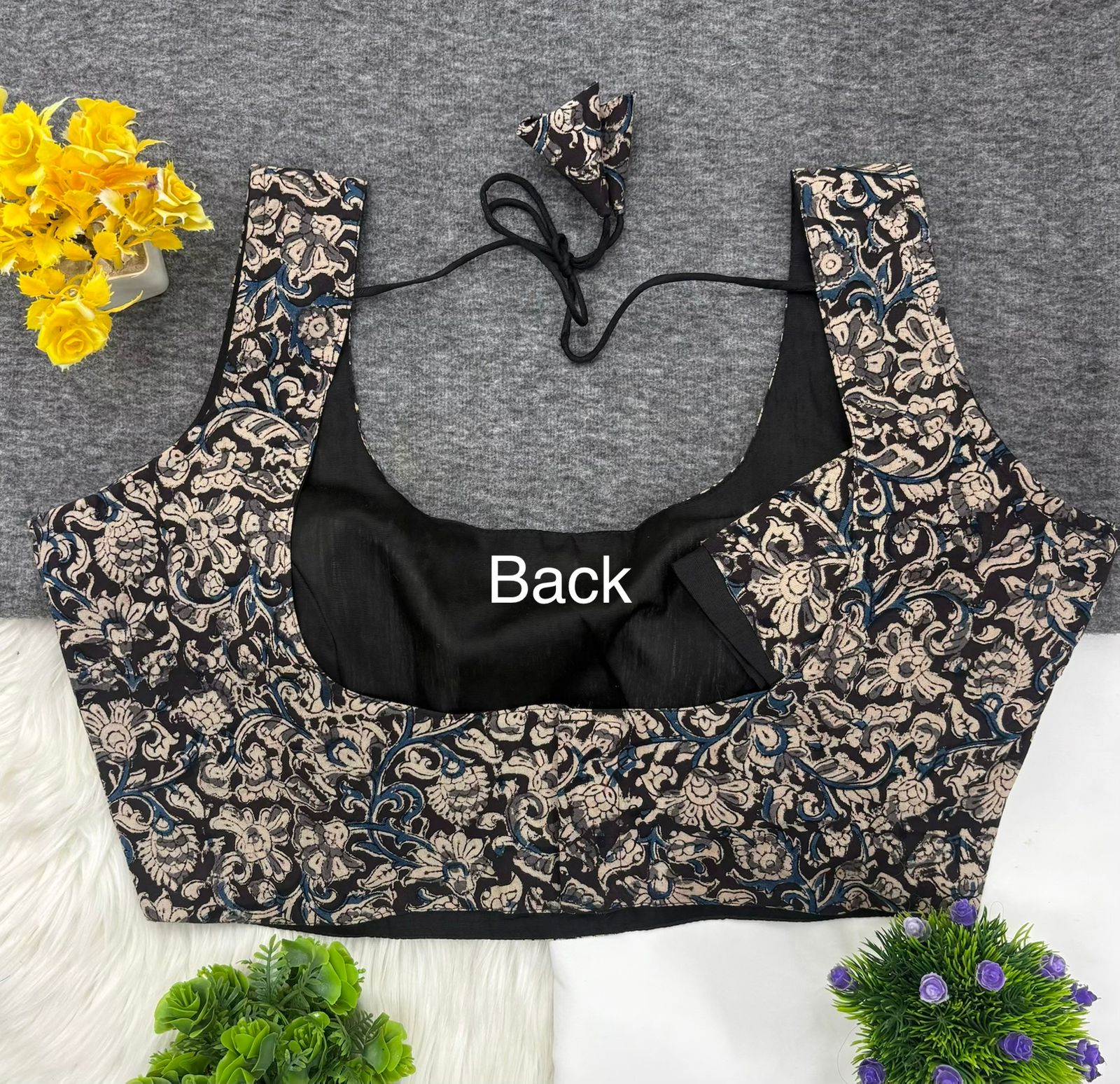
A square neck, sweetheart neck or structured boat neck introduces a contemporary line while preserving the traditional saree. A sleeveless blouse suits a private gathering or evening party, whereas cap sleeves and elbow sleeves are more practical for temple visits and crowded public celebrations.
Deep backs require reliable hooks and a pallu arrangement that won't shift during movement. Test the blouse while raising both arms before Puja day. A blouse that pulls at the armhole can make pleats loosen and can become uncomfortable during several hours of standing.
Laal Paar Saree Styling: How should you drape the saree for comfort?
A secure Bengali-inspired drape begins with a firm petticoat, a comfortable blouse and 6 to 8 front pleats of equal width. Tuck the saree at the waist, form the pleats so the red border falls evenly, secure the pleats with two concealed safety pins and then arrange the pallu across the left shoulder.
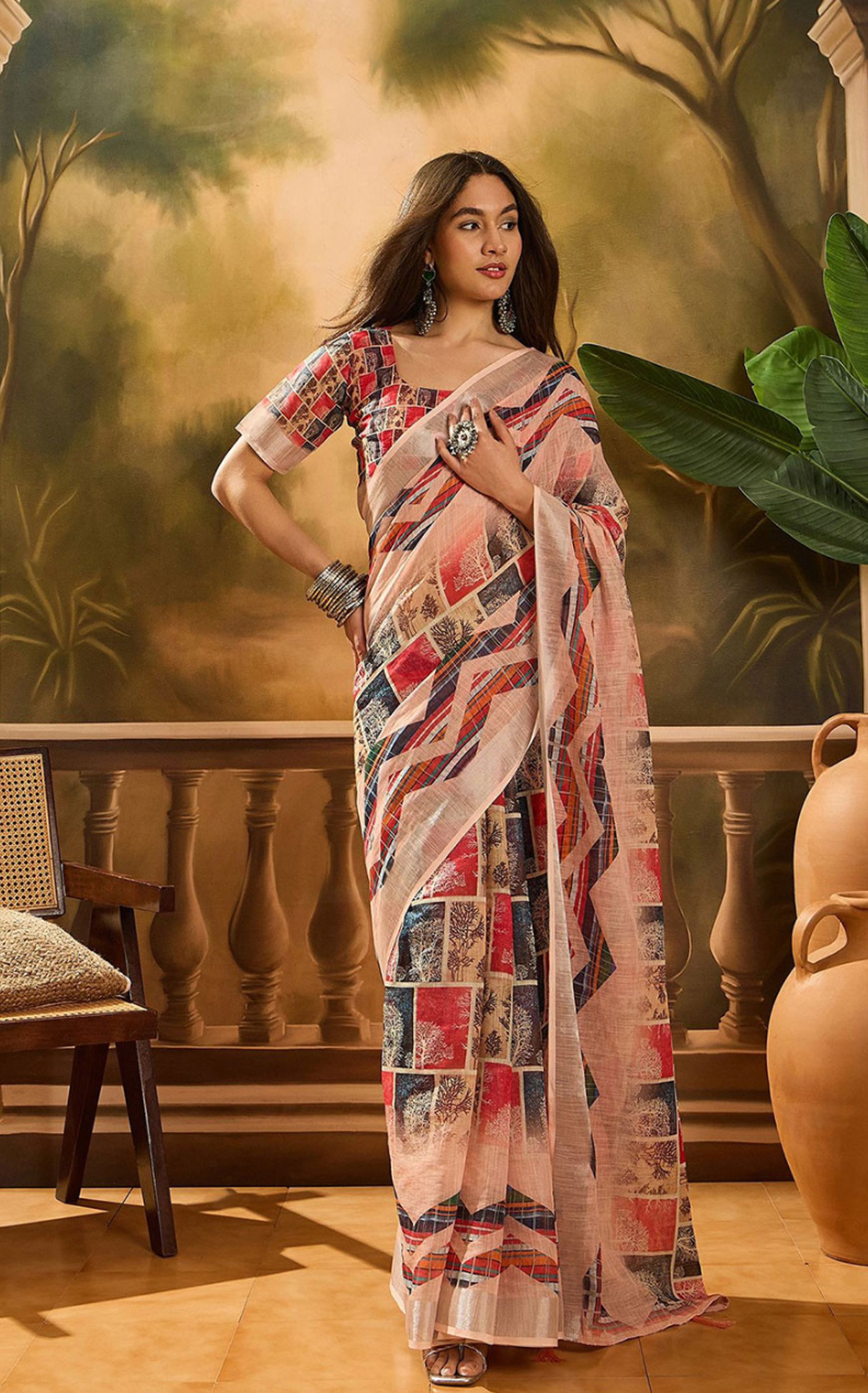
Traditional atpoure styling can include a broad pallu brought forward over the right shoulder or arm. That arrangement looks expressive but needs discreet pins at the shoulder and near the blouse side seam. Use rust-resistant safety pins with covered tips so the silk or zari doesn't snag.
For a more secure current drape, keep the front pleats narrow and place the pallu in a clean single fall over the left shoulder. A belt worn beneath or over the saree can hold the waist area in place, but a visible belt should match the jewellery finish or blouse detailing rather than appear accidental.
Pinning should support the saree, not flatten its character. Pin the pleats at the waistband, the pallu at the shoulder and, if needed, the inner pallu near the bust. Avoid placing a pin through prominent zari flowers, because repeated punctures can weaken metallic threads.
Wear low block heels, cushioned sandals or embellished flats for pandal-hopping. Footwear with a 1.5- to 2.5-inch stable heel can prevent the saree hem from dragging without creating the instability of a narrow high heel. Test the finished saree with the chosen footwear before leaving home.
Laal Paar Saree Styling: Which jewellery, hair and makeup choices complete it?
Gold-toned jewellery, conch-shell bangles, red glass bangles and a defined red bindi complete a classic Bengali Puja look. The amount of jewellery should respond to the saree's surface: a dense zari saree needs fewer pieces, while a plain cotton saree can support a larger necklace or layered chains.
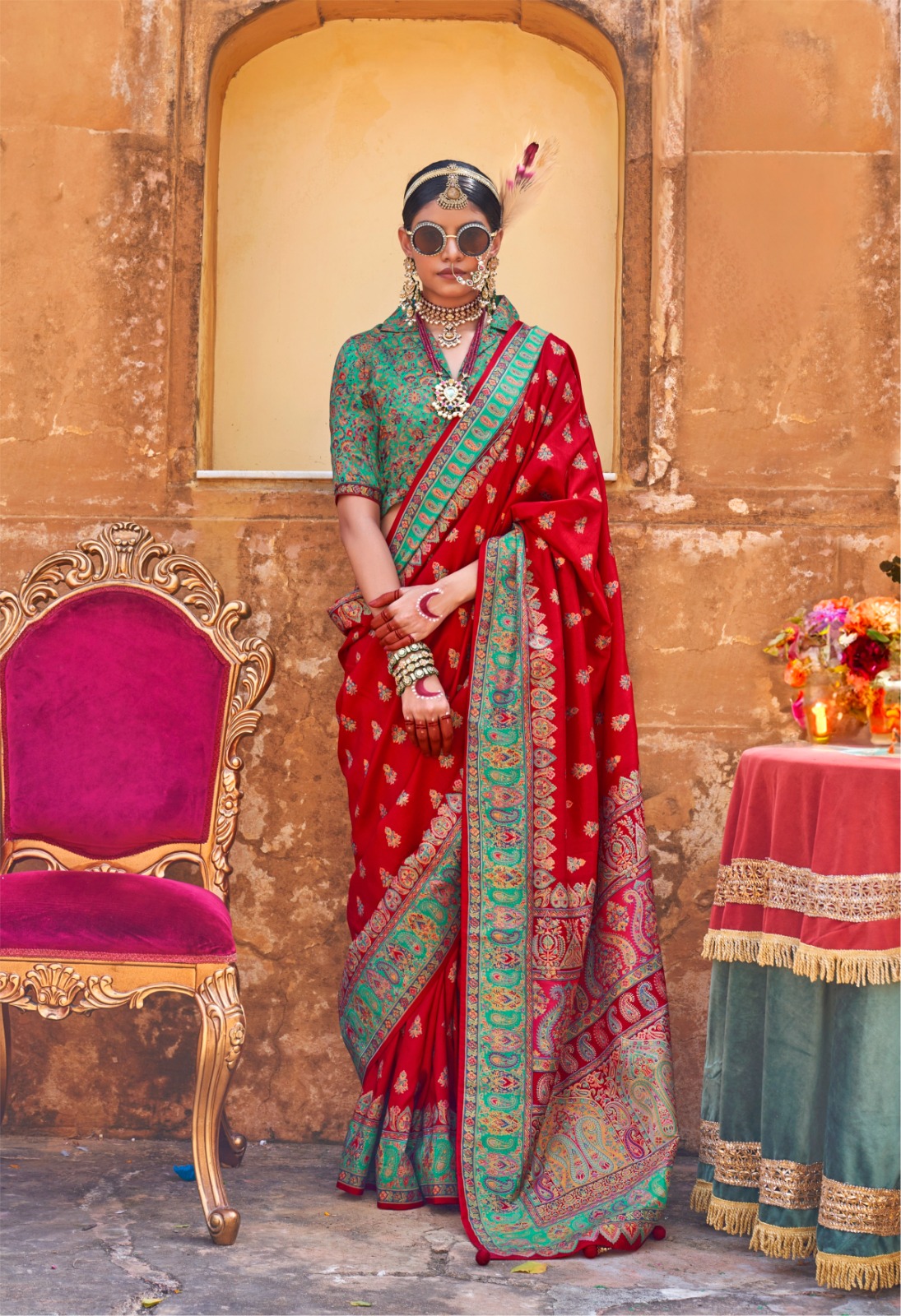
Traditional Bengali jewellery can include jhumkas, a short gold necklace, a longer chain, bangles and a nose pin. Choose two focal areas rather than wearing every available piece. Large jhumkas and stacked bangles may be enough when the blouse has an embroidered neckline.
A low bun, centre-parted hair and a line of white flowers create a recognisable festive finish. Jasmine or tuberose works especially well with red-and-white sarees because the flowers echo the palette without introducing another strong colour. A low braid is a practical alternative for humid weather and long outdoor visits.
Makeup should remain durable rather than excessively glossy. Use a light base, waterproof kajal, a warm red or terracotta lip and a defined red bindi. Blotting paper is more useful than adding powder repeatedly in humid conditions. Apply sunscreen before makeup for daytime pandal visits and carry lipstick for touch-ups after bhog or meals.
Pink Georgette Sarees can offer useful colour references for makeup and accessory comparison, but a laal paar outfit usually benefits from keeping the strongest pinks away from the face. Maroon Mal Cotton Ethnic Saree With Blouse from VARNAVI shows how a deeper red family can inspire a more subdued lipstick or antique-gold jewellery combination.
Laal Paar Saree Styling: How can one saree create different Puja looks?
One laal paar saree can shift from devotional morning dressing to evening celebration through changes in blouse, drape, jewellery and makeup. A cotton saree with a red printed border can be paired with a simple red blouse, small gold earrings and a low bun for anjali. The same saree can become more formal with a brocade blouse, a broader pallu arrangement, statement earrings and a deeper red lip.
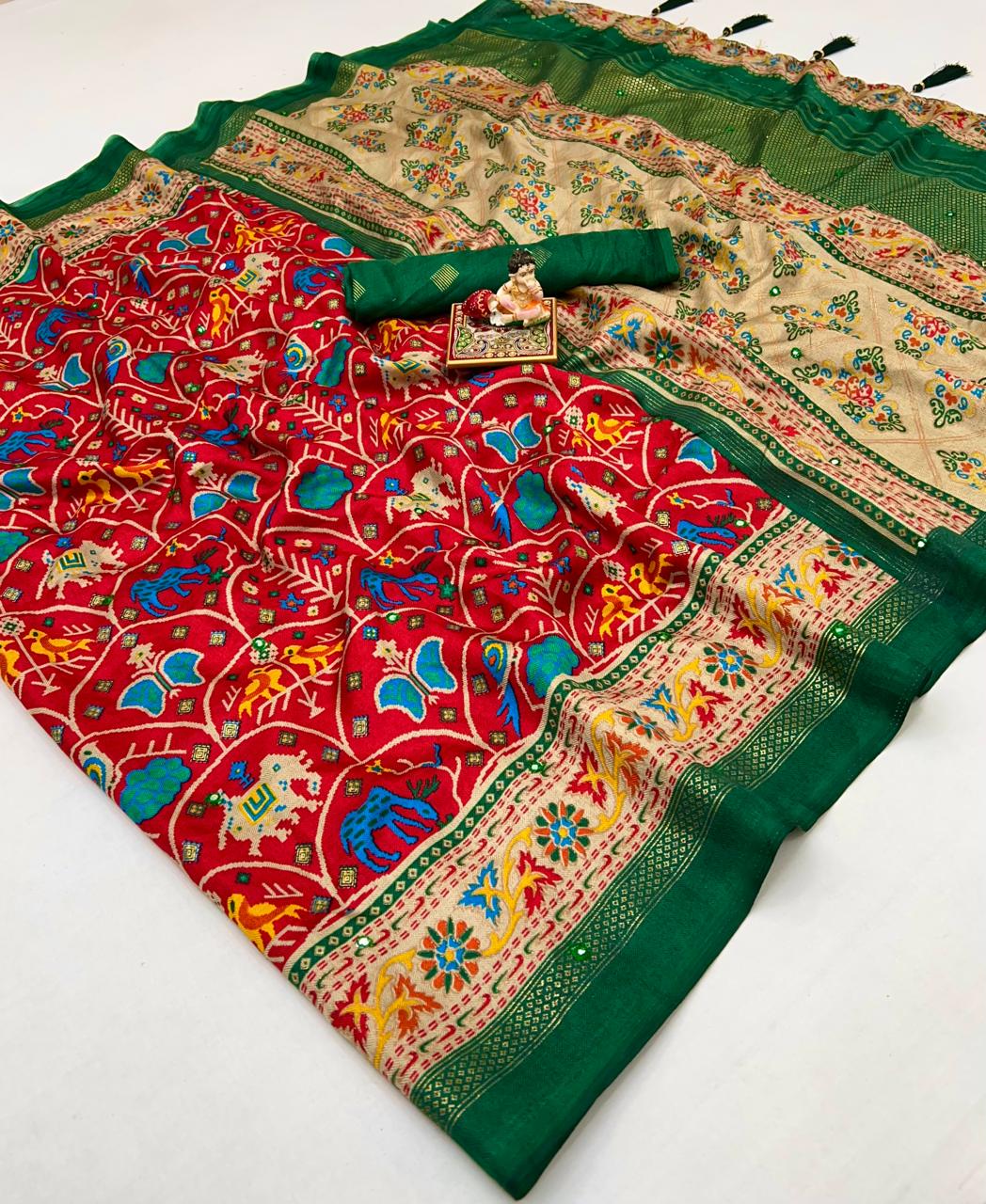
For a daytime family lunch, use a compact Bengali drape, a beige or ivory blouse and lightweight bangles. For evening aarti, choose a more structured pallu, add a zari belt or longer necklace and switch to a soft silk or Banarasi weave. The outfit will feel changed even though the colour story remains constant.
Red Banarasi Silk Sarees for Weddings Under 1100 can be an useful collection reference for understanding how zari density changes the perceived formality of red silk. Budget labels should still be checked against actual weave, lining, blouse-piece length and care instructions before purchase.
Storage matters after the celebration. Air the saree away from direct sunlight, remove temporary pins, fold zari sarees with soft muslin and refold them every few months to reduce permanent creases. Dry-clean silk and zari when the care label recommends it, while many cotton sarees can be hand-washed gently in cool water with a mild detergent.
Laal Paar Saree Styling works best when tradition informs the outfit without limiting practical decisions. A breathable fabric, secure pleats, an appropriately proportioned blouse and a controlled jewellery plan will keep the look graceful from the first ritual to the final photograph.
Common Questions About Laal Paar Saree Styling for Durga Puja
How do I style a laal paar saree for Durga Puja?
Pair a white, ivory or beige saree with a red border with a red, ivory or gold blouse, traditional gold jewellery and a red bindi. Use a secure Bengali-inspired drape, comfortable footwear and a low bun or braid for a look that remains practical during long Puja visits.
Which blouse colour looks best with a red and white Bengali saree?
A red blouse is the most traditional choice, while ivory, beige, gold and deep maroon create softer or more contemporary variations. Match the blouse to the saree's border density: choose a plainer blouse when the saree already has heavy zari or brocade.
Is cotton or silk better for a full day of Durga Puja?
Cotton and linen cotton are better for humid daytime pandal visits because they are generally lighter and more breathable. Soft silk and silk blends suit evening events when you want sharper pleats and a more formal appearance.
How do I keep Bengali saree pleats secure while walking?
Use a firm, well-fitted petticoat, create 6 to 8 even pleats and secure the pleats at the waistband with concealed safety pins. Pin the pallu at the shoulder and wear stable flats or block heels that have been tested with the finished saree.
What jewellery goes with a laal paar saree?
Gold jhumkas, conch-shell bangles, red glass bangles, a red bindi and a short gold necklace create a classic Bengali combination. Limit the number of statement pieces when the saree contains dense zari or a prominent brocade border.
Can I wear a laal paar saree in a modern way?
Yes, a square-neck, boat-neck or structured sleeveless blouse can modernise the outfit while the red border preserves its festive identity. A clean single-fall pallu, minimal jewellery and contemporary footwear create a more current look without losing the Bengali colour story.