

Kumaoni Traditional Wear carries the visual memory of Uttarakhand through colour, symbolism and occasion-specific dressing. The Pichora, also called Pichoda in some usage, is especially recognised for a bright saffron or yellow ground, a red border and auspicious motifs such as the swastika, bells, sun and lotus. A contemporary wardrobe can translate those cues into sarees, blouses and traditional salwar suits without presenting every printed or embroidered outfit as an authentic ceremonial Pichora.
That distinction matters when choosing festive clothing. A Pichora is connected with Kumaoni cultural practice, while a Pichora-inspired garment borrows selected colours, placement or motifs for modern wear. The difference allows a wearer to enjoy the design language thoughtfully, whether she chooses a draped saree for a wedding, a coordinated kurta set for a puja or a blouse with a traditional red-and-yellow accent.
What does Kumaoni Traditional Wear reveal about the Pichora?
Pichora is significant because Kumaoni women traditionally wear it during important Hindu ceremonies, weddings and family rituals as a symbol of auspiciousness, protection and celebration. The garment is commonly associated with a yellow or saffron field, red edging and repeated sacred imagery rather than one fixed contemporary silhouette.
In many Kumaoni households, the Pichora has been associated with married women and ceremonial milestones. The design isn't merely decorative: the colours and motifs communicate blessings, fertility, prosperity and divine presence. Regional practice can vary by family, community and generation, so no single contemporary interpretation should be treated as the only authentic version.
The saffron-yellow base creates warmth and visibility in a ceremonial setting. Red introduces energy and is often used on borders, dots or motif outlines. A traditional swastika motif represents auspiciousness in the South Asian religious context; it should not be confused with the later political symbol that carries a different cultural meaning. Floral forms, bells and geometric arrangements add rhythm to the textile.
Current designers frequently use embroidery, block printing, woven borders or small motif clusters instead of reproducing a full ceremonial Pichora. A restrained blouse border, a red dupatta edge or a saffron neckline can suggest Kumaoni influence while keeping the outfit practical for repeated wear.
How can Kumaoni Traditional Wear inspire sarees and blouses?
Pichora-inspired sarees work best when one or two recognisable elements anchor the design: a saffron-yellow body, a red pallu, auspicious motifs or a temple-like border. A saree doesn't need to copy every detail of a ceremonial textile to communicate a Kumaoni reference.
For a strong festive look, pair a warm yellow or saffron saree with a red blouse and gold-toned jewellery. A red saree with a yellow woven border offers a deeper, more evening-appropriate variation. For daytime ceremonies, ivory, cream or muted mustard can soften the palette while a red border keeps the cultural reference visible.
A blouse is often the easiest way to introduce the design language without committing to a full traditional costume. Consider a round neck with narrow red piping, elbow-length sleeves with yellow embroidery or a back panel carrying a small lotus, bell or geometric motif. Avoid placing too many unrelated symbols together; a single repeated motif usually looks more intentional than a crowded surface.
Textile weight should match the event. Banarasi silk and heavier silk blends suit weddings and evening ceremonies, while Chanderi and cotton are more comfortable for daytime pujas and summer celebrations. Kanjeevaram is a South Indian silk tradition rather than a Kumaoni textile, but its structured zari borders can be used in a broader pan-Indian festive wardrobe when the design is described accurately.
Jewellery can reinforce a mountain-inspired mood without becoming costume-like. Gold jhumkas, a simple nath-inspired nose pin, red glass bangles and a small bindi are sufficient for most outfits. A large set of accessories isn't necessary when the saree already has a contrast border or embroidered pallu.
Which fabrics work best for Kumaoni Traditional Wear suits?
Cotton, Chanderi, Chanderi silk and lightweight silk blends are practical choices for Pichora-inspired traditional salwar suits because they balance festive texture with movement. The right fabric depends on climate, ceremony length, lining and the amount of surface work.
Cotton salwar suits traditional wearers choose for daytime functions are breathable and easy to sit or move in. A cotton kurta with a red dupatta and saffron detail can feel ceremonial without becoming heavy. Cotton also accepts block prints and embroidery clearly, making it useful for motifs inspired by bells, flowers and geometric borders.
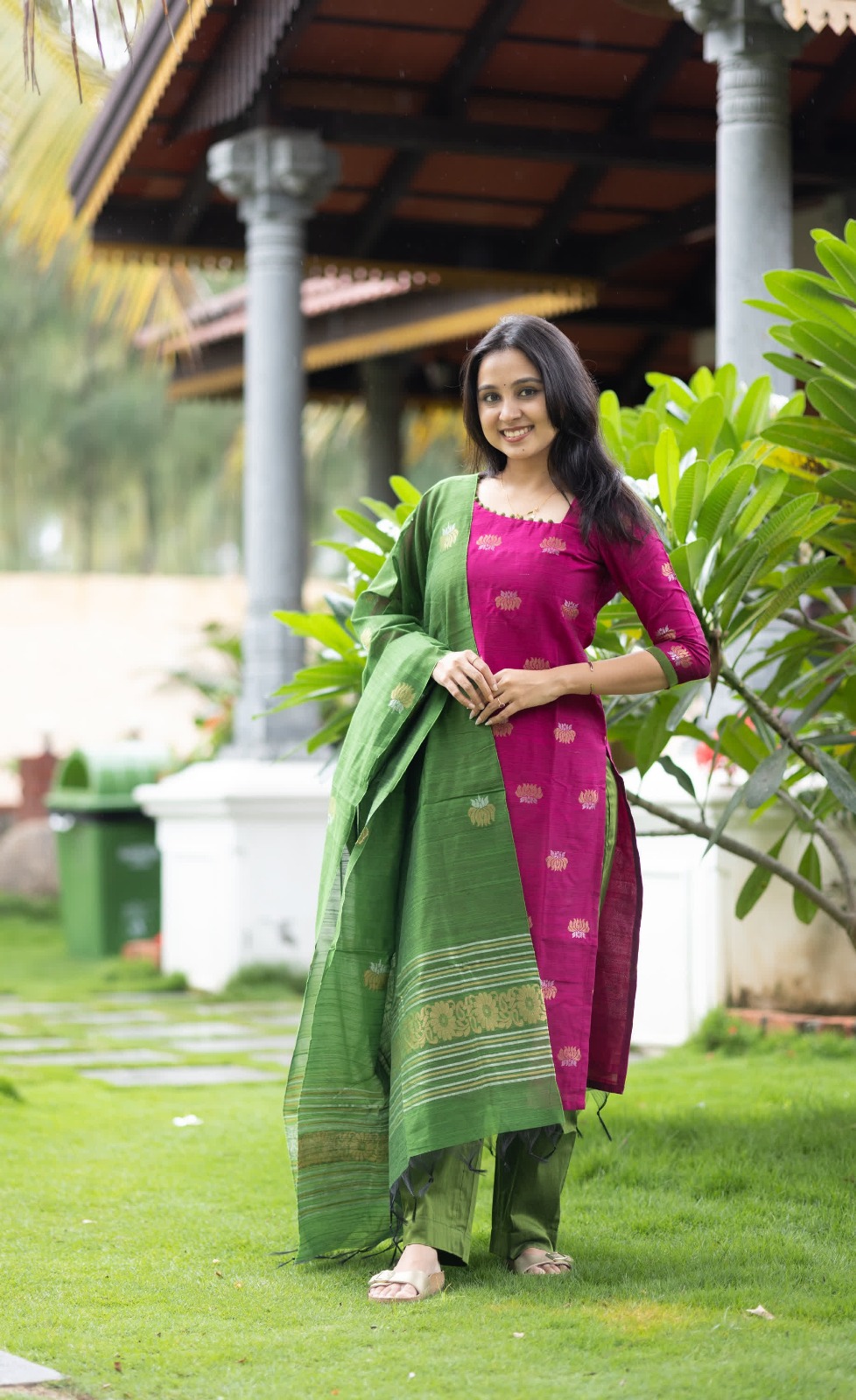
Chanderi adds a subtle sheen and a light, airy fall. The fabric works particularly well for a straight kurta with a flowing dupatta because it looks polished while remaining comfortable in warm weather. Pista Green Embroidered Chanderi Kurta Dupatta Set shows how a soft regional colour can be paired with festive surface detail without relying on a bright red-and-yellow palette.
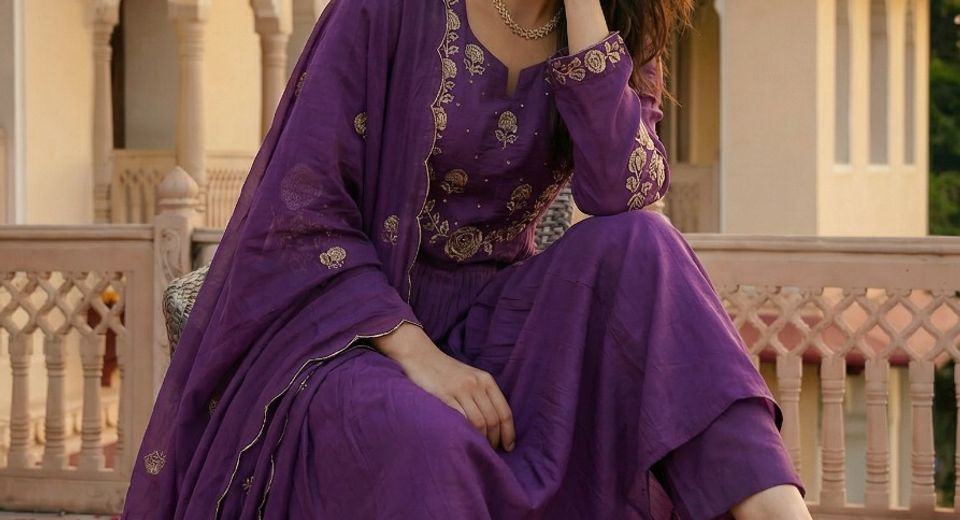
Chanderi silk has more body and a slightly richer appearance than lightweight cotton. Purple Chanderi Silk Embroidered Kurta Set with Dupatta demonstrates how a jewel tone can serve a formal festive wardrobe when the wearer wants cultural styling without a literal Pichora colour match. Pista Green Embroidered Chanderi Silk Kurta Set gives another refined direction for a family ceremony or daytime celebration.
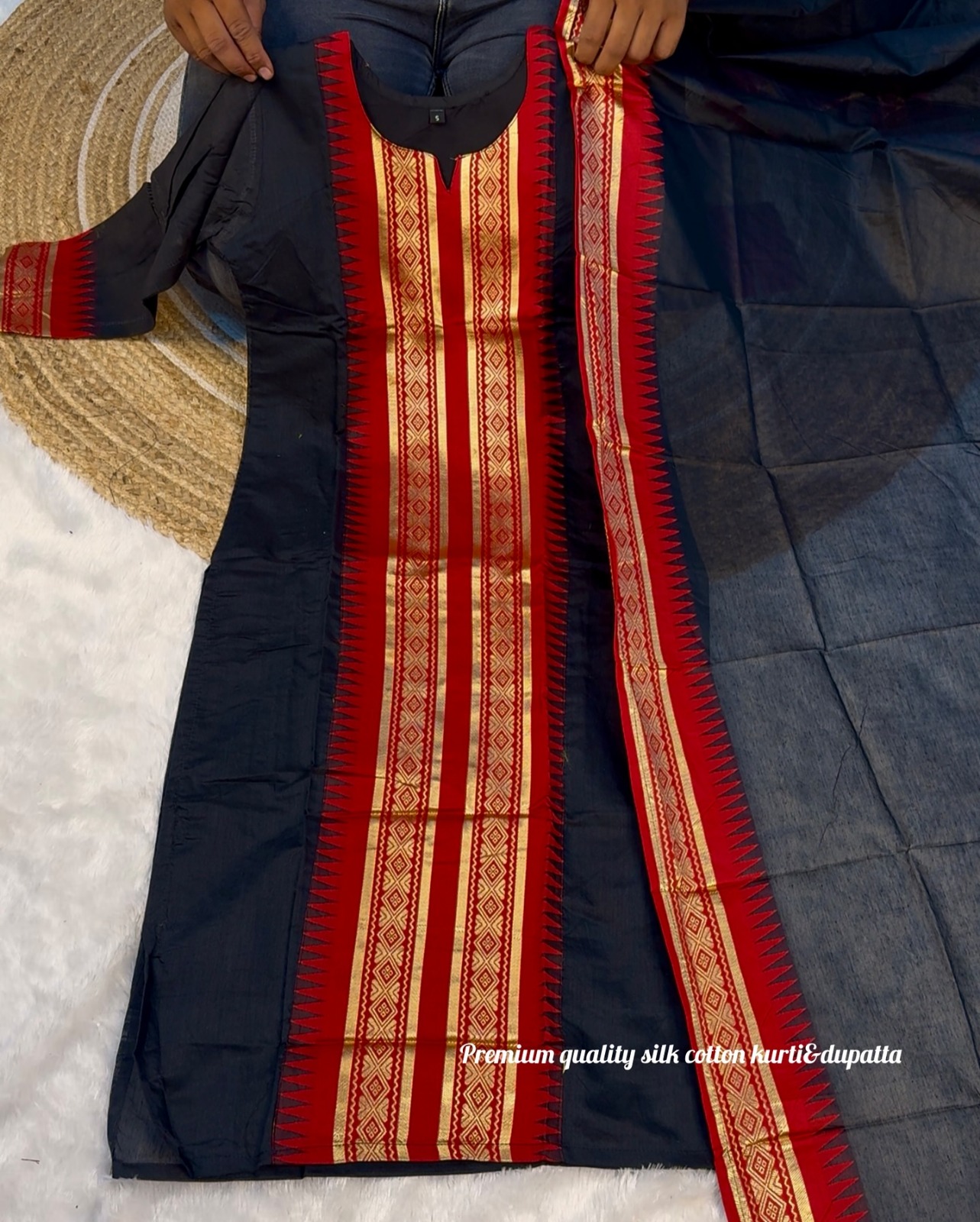
For a more woven, traditional feel, Kanchi Cotton Zari Woven Kurti Set with Traditional Dupatta brings together cotton comfort, zari interest and a dupatta-led silhouette. Zari can echo the celebratory quality of a border, but zari alone doesn't make a garment Kumaoni; the cultural reference comes from colour, motifs and styling choices taken together.
Fabric transparency and lining deserve attention before purchase. Lightweight Chanderi may need a lining in the kurta or blouse, especially when the garment is pale. Cotton generally needs less structural support, while silk blends may benefit from careful pressing and padded hangers to protect embroidery and zari.
How should Kumaoni Traditional Wear guide salwar suit styling?
Women should style traditional salwar suits with one clear Pichora-inspired cue, such as a saffron-red palette, a symbolic border or a contrasting dupatta, rather than combining every regional detail at once.
A straight kurta, cigarette pant and contrasting dupatta create a clean silhouette for a puja or formal family lunch. Cream Chanderi Embroidered Kurta Set with Dupatta can be styled with red bangles, a red potli and gold earrings to introduce contrast through accessories. Cream also gives embroidered motifs enough space to remain visible.
Rani pink gives a contemporary festive alternative to classic red. Rani Pink Chanderi Embroidered Kurta Set Dupatta can be balanced with antique-gold jewellery and a warm yellow accessory, such as a narrow dupatta border, embroidered footwear or a small clutch. Keeping the third colour limited prevents the outfit from looking visually crowded.
Ivory works well when a ceremony calls for elegance rather than saturated colour. Ivory Floral Embroidered Chanderi Silk Kurta Set Women can be paired with a saffron dupatta or red footwear for a subtle Pichora-inspired interpretation. Floral embroidery isn't automatically a Kumaoni motif, so the outfit should be described as inspired by the palette or festive styling rather than labelled an authentic Pichora.
An anarkali can create a more dramatic occasion silhouette, while a straight-cut suit is easier to rewear for office celebrations and formal gatherings. A palazzo suit gives additional movement and can look contemporary with a short embroidered kurta. A sharara suit is suitable for a sangeet or wedding event, although its silhouette comes from a wider North Indian festive vocabulary rather than exclusively from Kumaoni dress.
Elegant Pista Festive Wear Kurta Pant Set is suited to a lighter festive interpretation because a kurta-and-pant combination allows the wearer to add a red dupatta, woven belt or traditional jewellery separately. Styling separates in this way can be more versatile than purchasing a heavily coordinated outfit for one ceremony.
How do regional collections complement Kumaoni Traditional Wear?
Regional salwar suit collections are useful for comparing colour systems, silhouettes and craft references, but garments from another region should not be relabelled as Kumaoni Pichora wear.
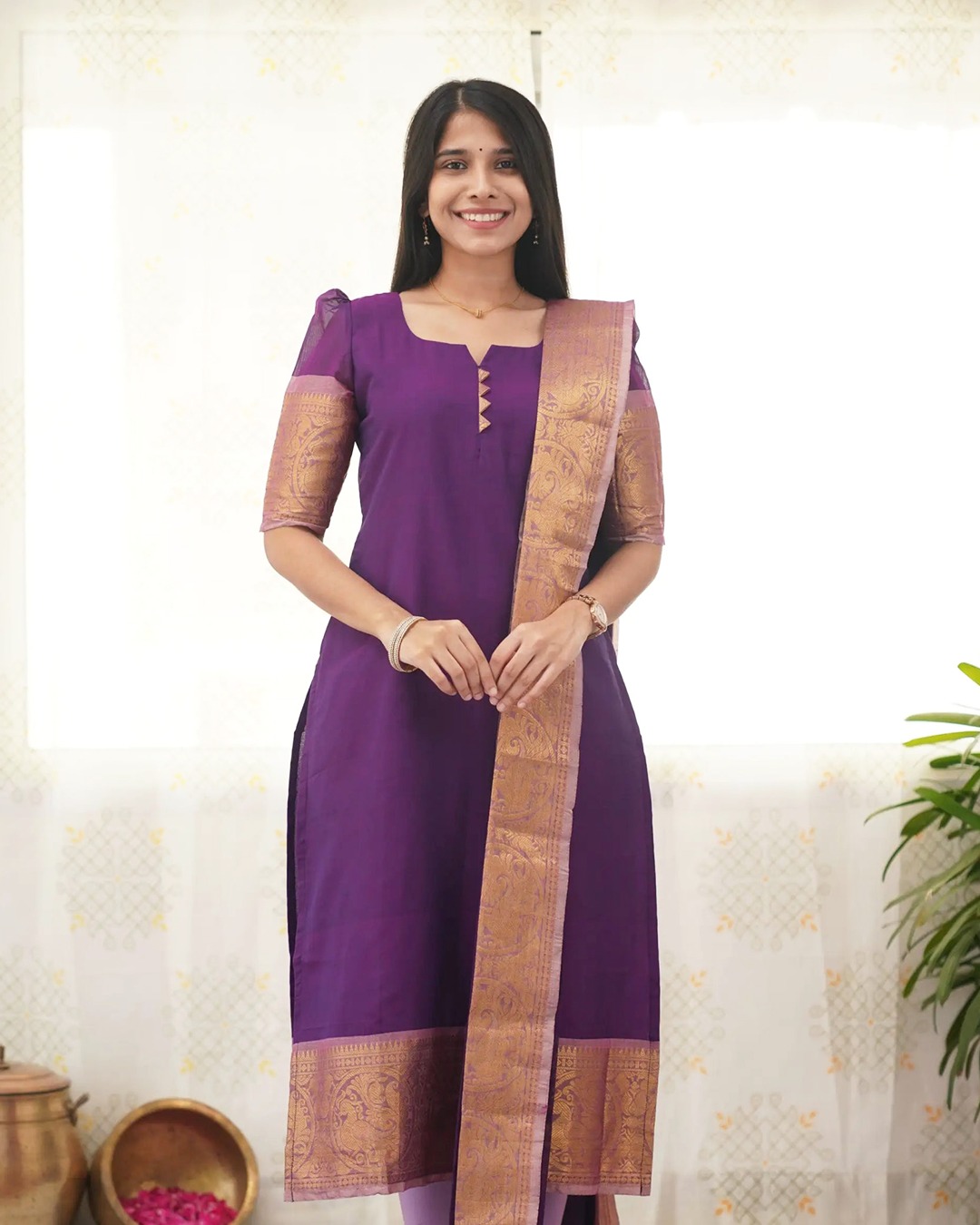
Traditional Salwar Suits in Festive Colours is a practical direction for finding saffron, red, yellow, pink and jewel-toned outfits that can be styled with Kumaoni-inspired accessories. Garhwali Traditional Salwar Suits may feel geographically related because Garhwal and Kumaon are both regions of Uttarakhand, but Garhwali and Kumaoni traditions have their own histories and visual vocabularies.
Traditional Bihari Salwar Suits, Traditional Madhya Pradesh Salwar Suits and Traditional Haryana Salwar Suits can broaden a festive wardrobe with different approaches to prints, embroidery, fabric and cut. A buyer should preserve those distinctions when describing an outfit. Regional fashion becomes more meaningful when similarities are appreciated without erasing the places and communities that produced them.
For shoppers comparing collections, read the fabric composition, lining information, closure details and dupatta dimensions before focusing only on embroidery. A fully stitched salwar suit saves alteration time, but fit still depends on shoulder width, bust ease, sleeve circumference and trouser rise. A readymade salwar suit can still require minor alterations at the sleeve, hem or waist.
How can Kumaoni Traditional Wear be chosen for different occasions?
The best Pichora-inspired outfit depends on the ceremony's formality, time of day, weather and expected movement. A lightweight cotton or Chanderi suit works for a daytime puja, while silk, richer embroidery and a more structured dupatta suit an evening wedding.
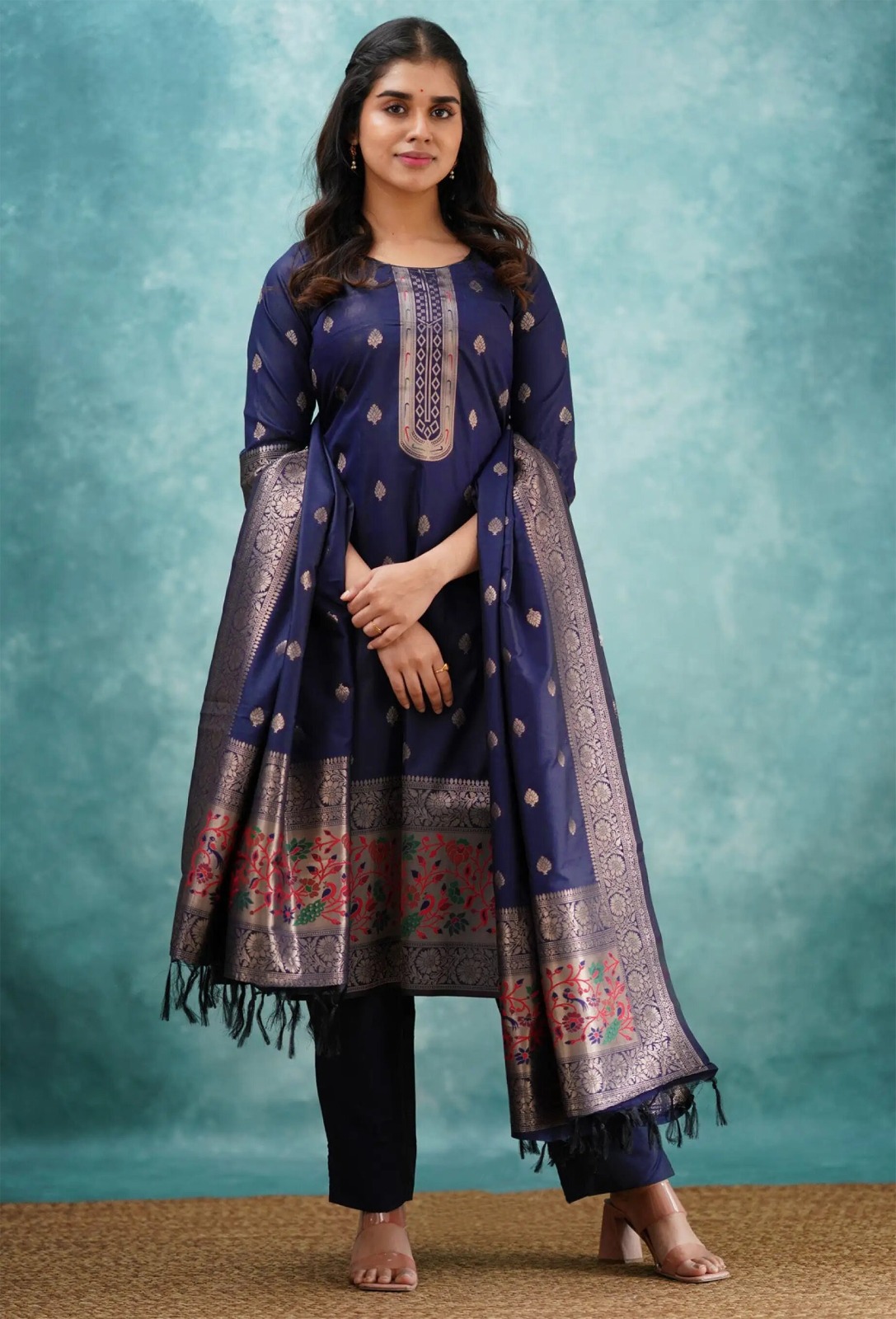
For a Haldi ceremony, yellow, saffron and turmeric tones naturally complement the setting, but breathable cotton or light Chanderi is more practical than heavy silk. Choose three-quarter sleeves, a manageable dupatta and footwear that remains comfortable on outdoor surfaces. Small gold or floral earrings can complete the look without competing with the ceremony's bright colour.
For a wedding, a silk saree, embroidered blouse or Chanderi silk kurta set can carry more visual weight. A red border, gold zari and traditional jewellery create a ceremonial effect, while a plain blouse or restrained dupatta prevents the overall outfit from appearing overworked. Check whether the event includes dancing or travel before choosing a long, heavily embellished hem.
For a formal daytime gathering, a cream, ivory, pista or muted pink suit provides polish without the intensity of bridal red. Formal salwar suit ladies choose for professional or family occasions should have a clean neckline, controlled embroidery and a dupatta that stays in place. A straight trouser or cigarette pant generally looks more formal than a very flared silhouette.
Men's salwar suits traditional dress varies by region and isn't a direct equivalent of the women's Pichora. Men attending a Kumaoni-themed gathering can consider a kurta, churidar, waistcoat or regional cap while coordinating with the event's colour palette. Accurate regional naming remains important because Kumaoni, Garhwali and other Uttarakhand traditions are related but not interchangeable.
How should Kumaoni Traditional Wear be cared for?
Care instructions should follow the garment's most delicate material, embroidery or zari rather than the wearer's preferred cleaning routine. Chanderi, silk, zari and hand-applied embellishment generally benefit from gentle handling and professional dry cleaning when the label recommends it.
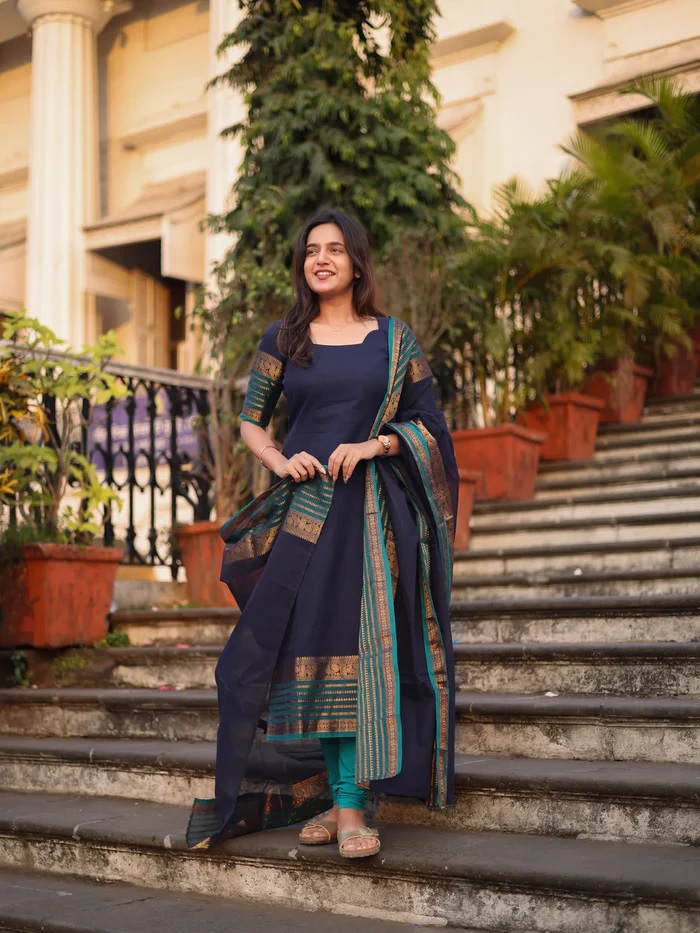
Air a worn garment in shade before storing it, and never leave perspiration or perfume residue on silk for long periods. Fold sarees and dupattas with acid-free tissue or soft cotton between embroidered sections. Refold stored garments every few months to reduce permanent crease lines, especially along zari borders.
Keep Chanderi and silk away from direct sunlight for extended storage because strong light can fade saffron, red, pink and purple dyes. Use a breathable cotton garment bag instead of sealed plastic. Store jewellery separately so hooks and sharp edges can't catch the weave.
Press delicate garments from the reverse side at a low or medium temperature, using a pressing cloth over embroidery and zari. Test colourfastness on an inside seam before spot-cleaning a red or saffron section. These simple precautions help a Pichora-inspired saree, blouse or suit remain wearable beyond one festival season.
Questions About Pichora-Inspired Kumaoni Sarees and Salwar Suits
What is Kumaoni Traditional Wear associated with?
Kumaoni Traditional Wear is associated with the culture of the Kumaon region in Uttarakhand, with the Pichora especially linked to weddings, religious ceremonies and auspicious family occasions. Yellow or saffron grounds, red borders and symbolic motifs are common visual references.
How can I style a Pichora-inspired saree without copying a ceremonial Pichora?
Choose one or two references, such as a saffron-and-red palette, a symbolic border or a small embroidered motif. Pair the saree with restrained gold jewellery and avoid describing a modern interpretation as an authentic ceremonial Pichora.
Which fabric is suitable for a traditional salwar suit in summer?
Cotton and lightweight Chanderi are suitable for summer because they allow airflow and remain comfortable during long daytime ceremonies. A lined Chanderi kurta may be preferable when the fabric is sheer or the embroidery is substantial.
Are Garhwali and Kumaoni traditional clothes the same?
Garhwali and Kumaoni traditions both come from Uttarakhand, but they are not identical. Their garments, motifs, ceremonial uses and regional histories should be described separately even when their colour palettes or festive styling overlap.
Which salwar suit is trending for festive occasions?
Straight-cut Chanderi suits, embroidered kurta-and-pant sets, palazzo suits and lightweight anarkalis remain versatile festive choices. A Pichora-inspired red, saffron or yellow accent can give a contemporary suit a Kumaoni reference without making the outfit difficult to rewear.
Where can I buy women’s traditional suit sets online in India?
Look for sellers that clearly provide fabric composition, size measurements, lining details, garment dimensions and care instructions. Readymade and fully stitched suit sets are convenient, but checking shoulder, bust, sleeve and trouser measurements is still necessary for a reliable fit.





