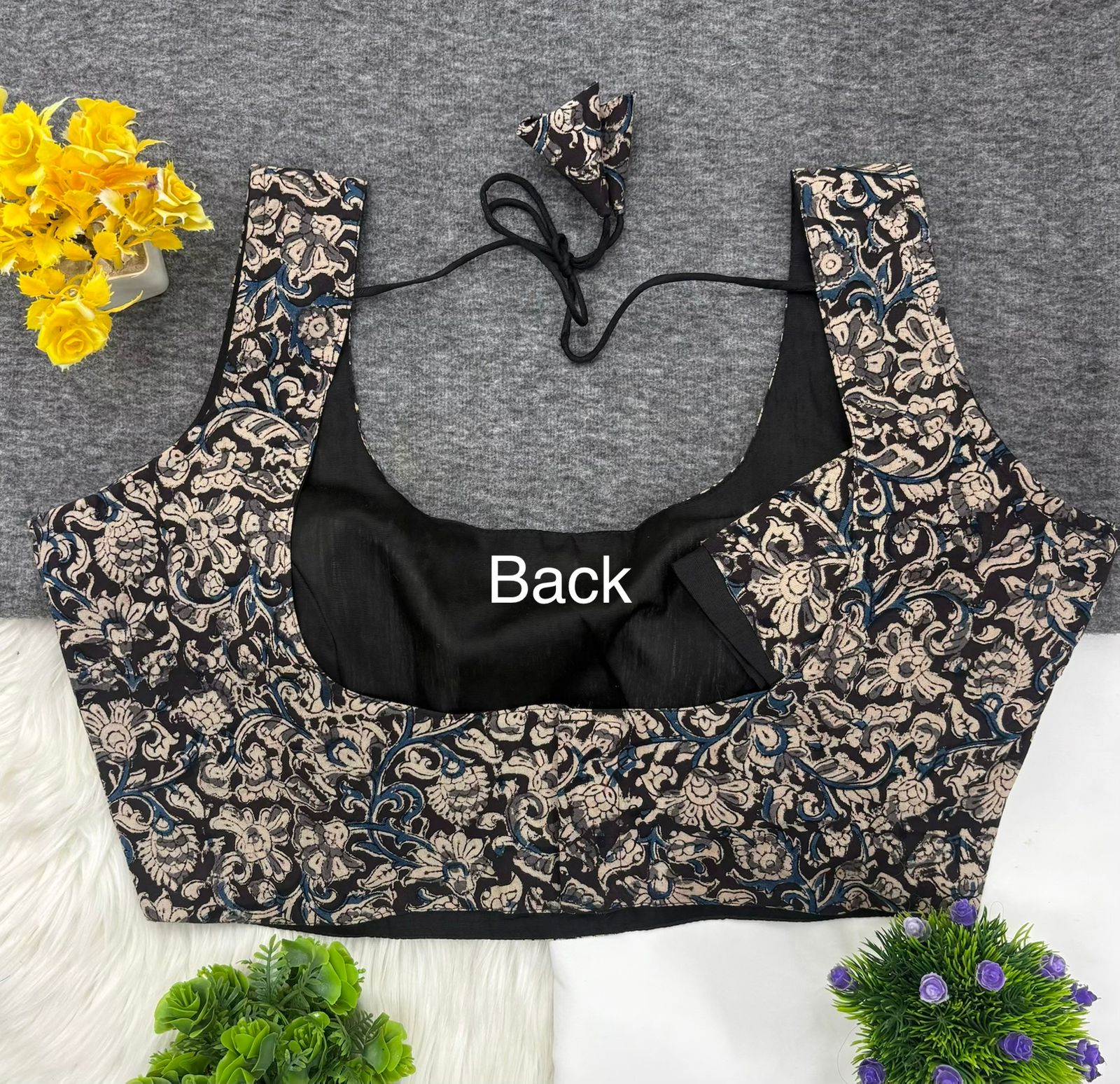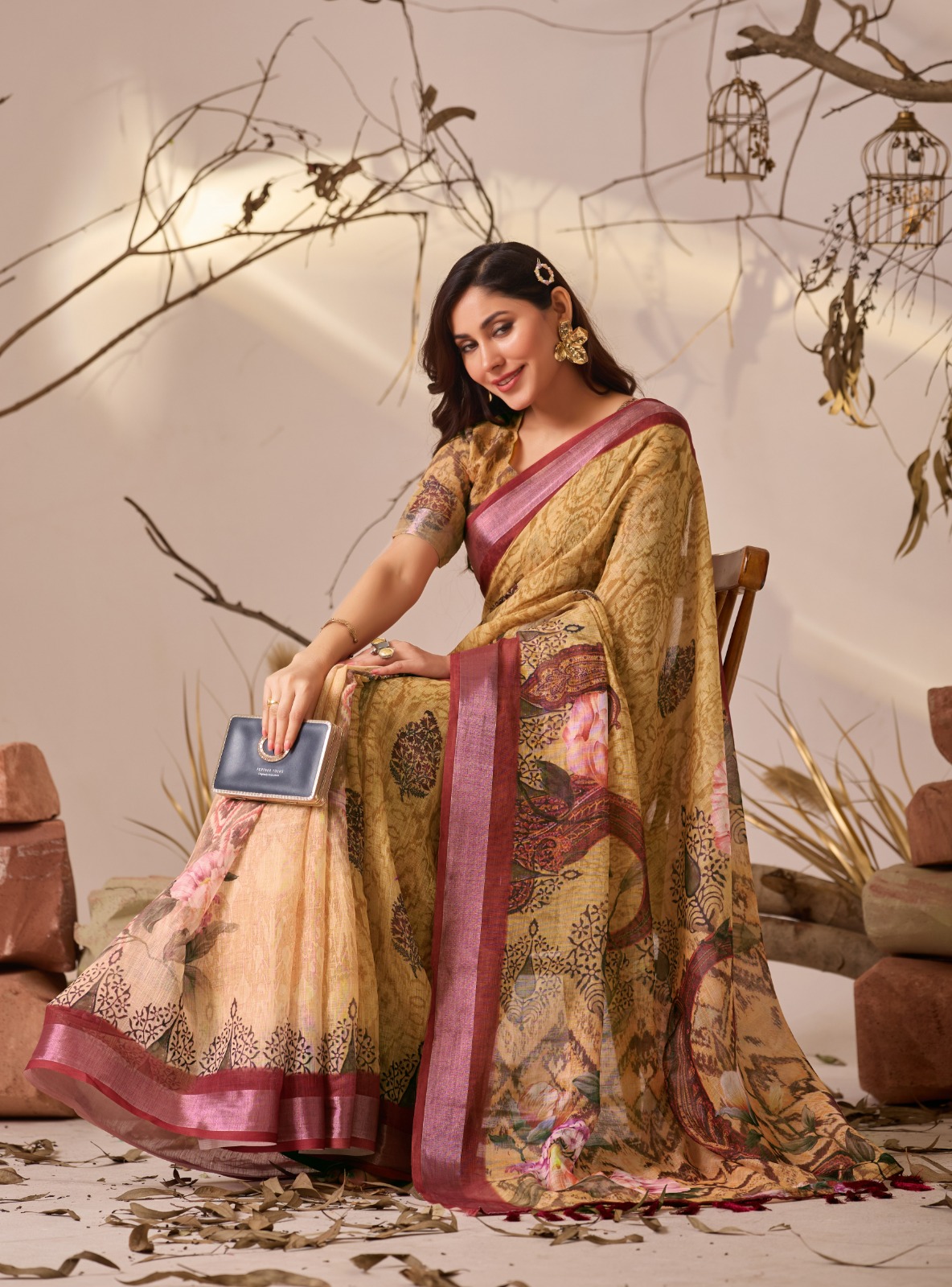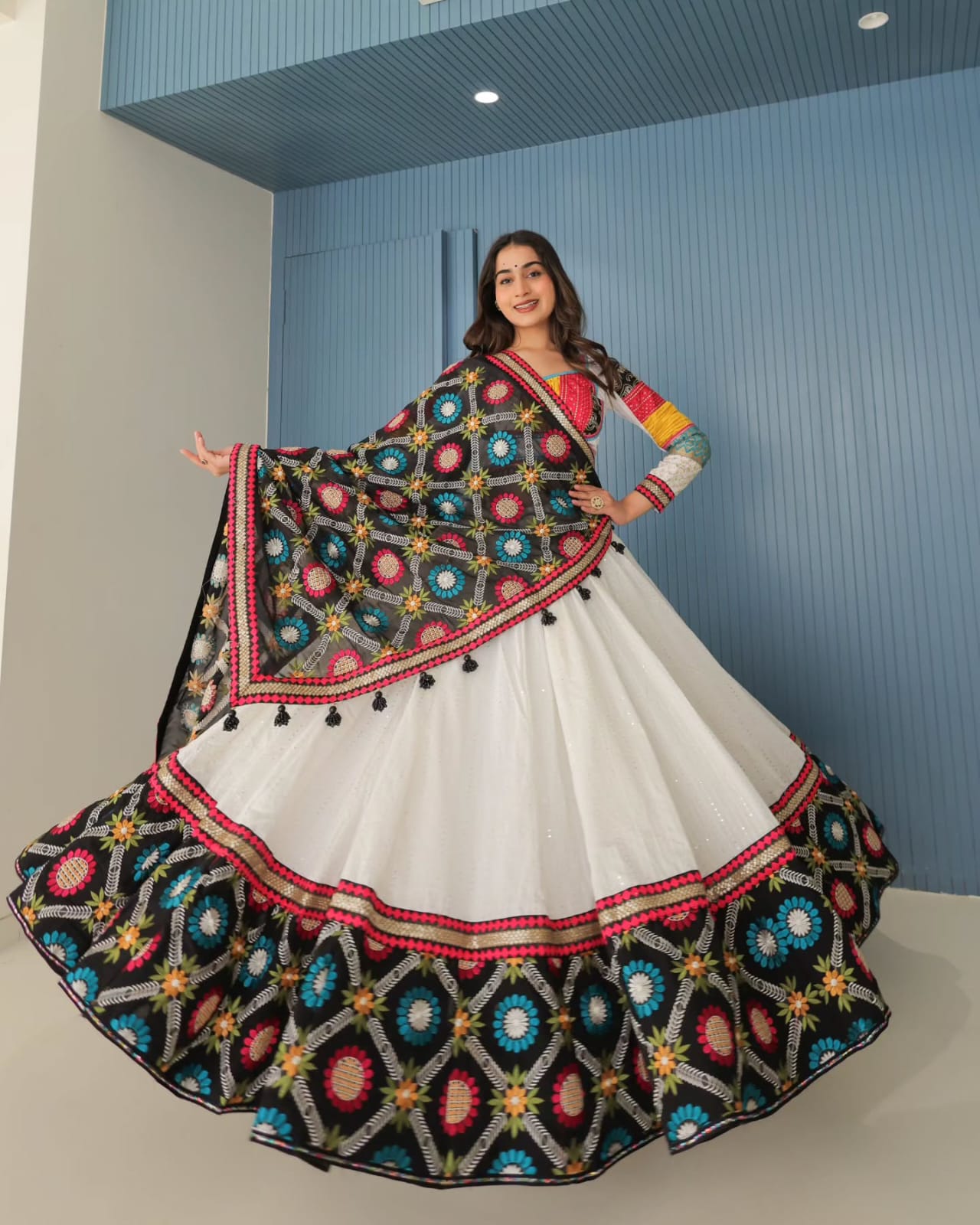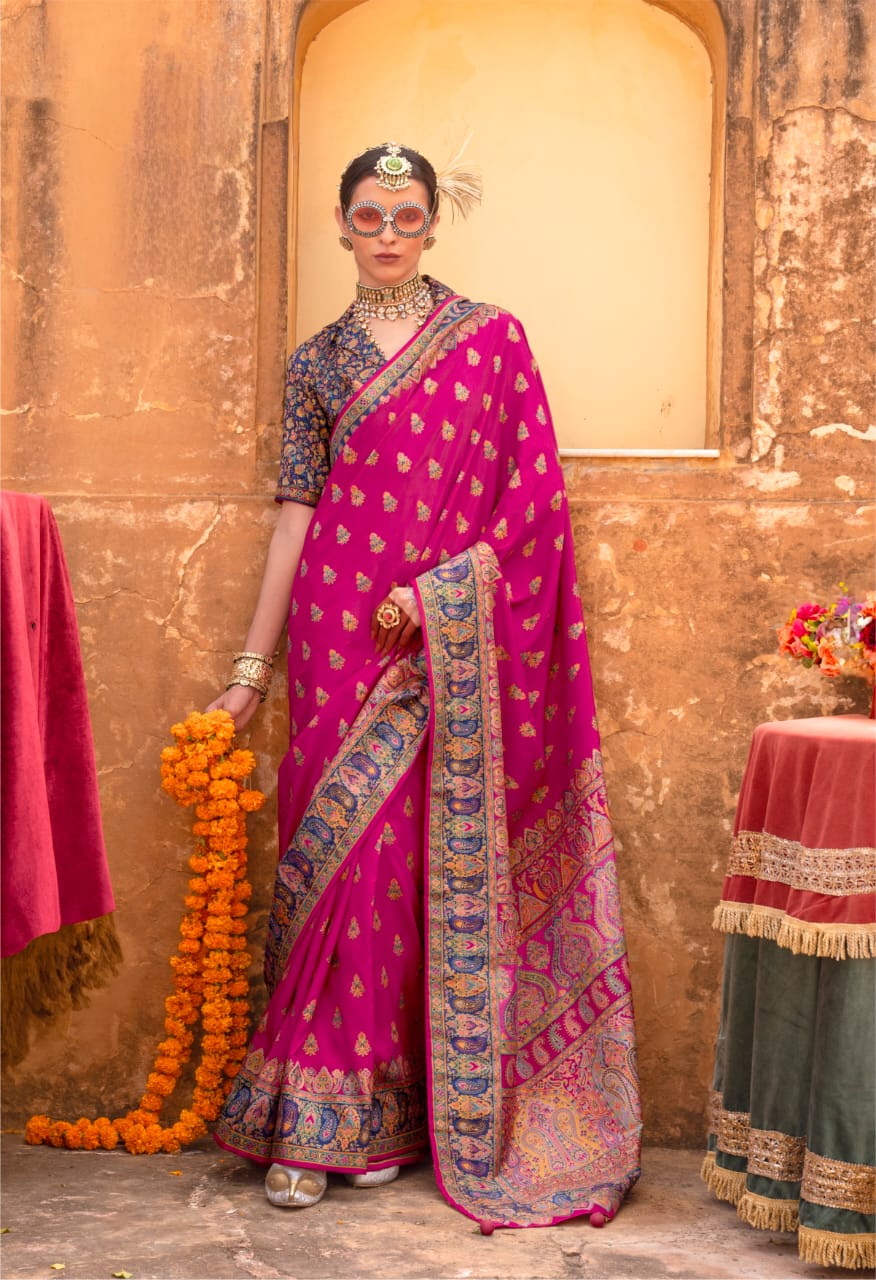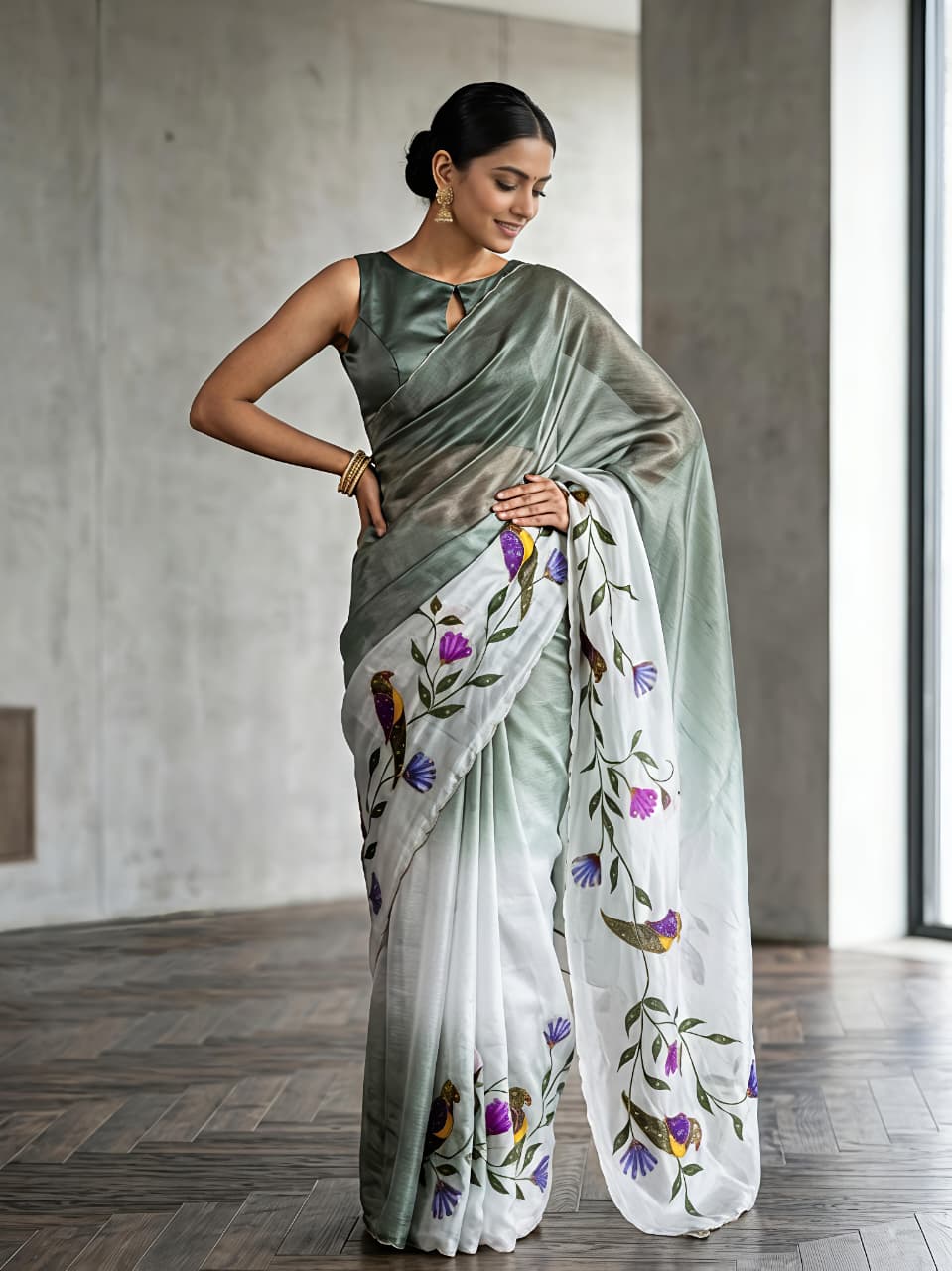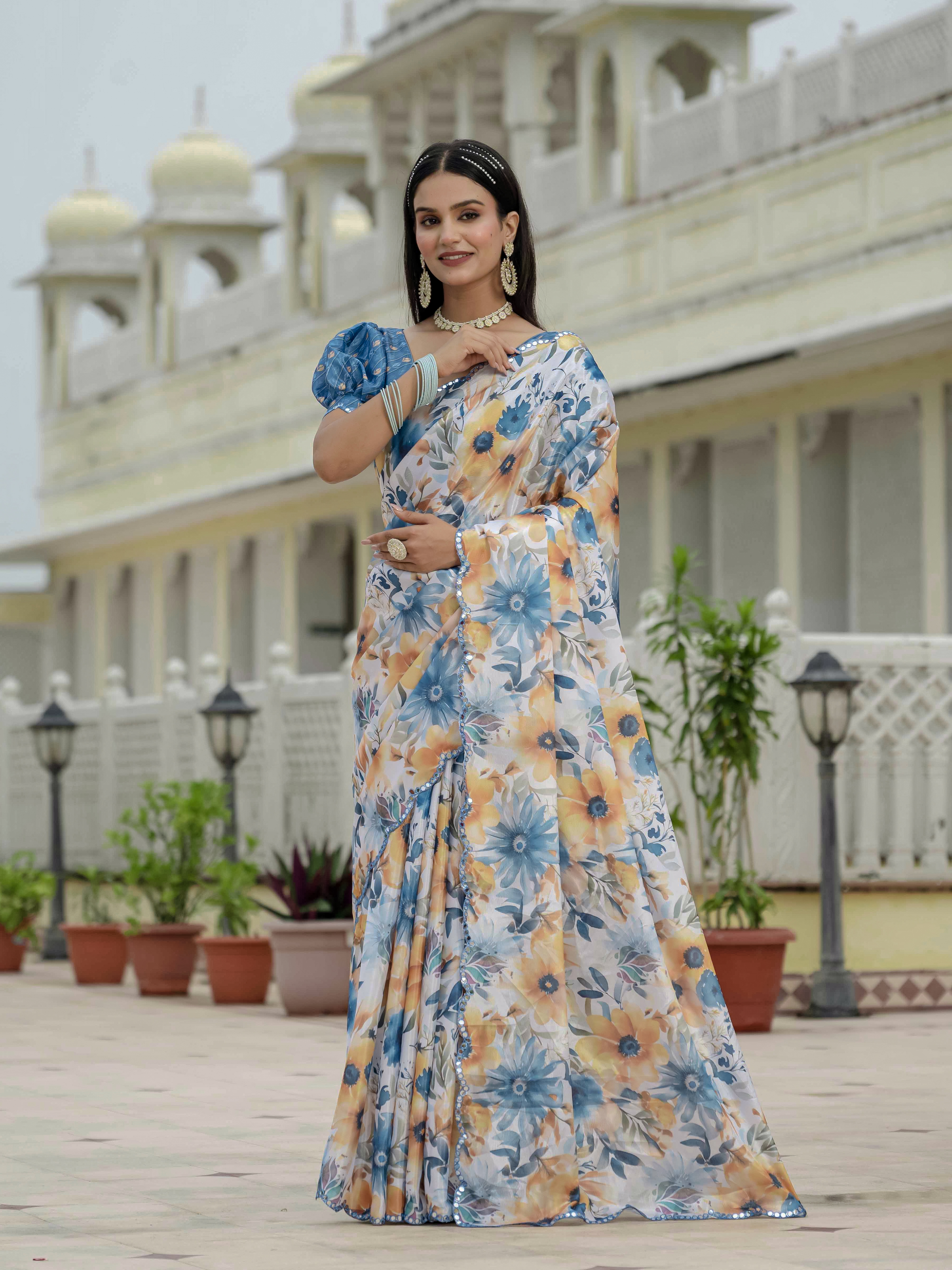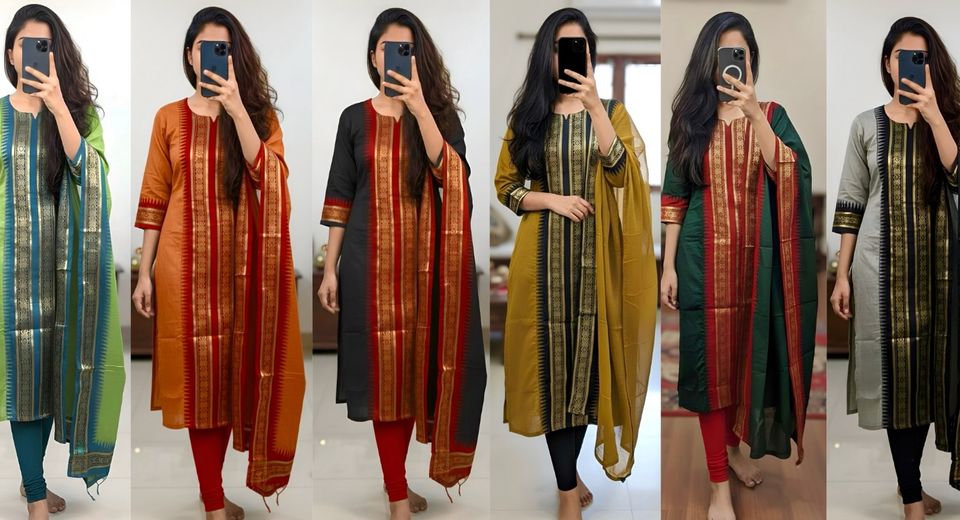
A Kullu Fashion Guide: Pahari Colours, Fabrics, Shawls & Outfits begins with the landscape of Himachal Pradesh, where wool, woven borders and practical layers developed for cold mountain weather. Kullu clothing isn't defined by one fixed costume; it combines regional weaving traditions, shawls, woollens, caps, wraps and modern ethnic garments. The most useful way to borrow Kullu style is to understand the materials and colour relationships first, then build an outfit around one clearly chosen textile.
Kullu-inspired dressing can work for a winter wedding, a Haldi ceremony, a hill holiday or an ordinary workday. A woven shawl can become the focal point over a plain kurta, while Pahari-inspired colours can bring warmth to cotton, silk or blended fabrics. Cultural respect matters too: Kullu shawls carry regional craft histories, so styling them thoughtfully is more valuable than treating every geometric border as a generic winter print.
Kullu Fashion Guide: Pahari Colours, Fabrics, Shawls & Outfits and the Regional Story
Kullu fashion is distinctive because it joins mountain utility with recognisable woven borders, woollen textures and strong colour contrasts. Traditional Kullu shawls are associated with the Kullu Valley in Himachal Pradesh and are commonly woven on handlooms using wool, although contemporary versions may include cotton, silk or synthetic fibres.
The most visible design feature is often the border, locally associated with patterned bands that may use geometric forms, stripes and repeated motifs. Borders can appear on shawls, stoles, caps and other woven accessories. A Kullu shawl is therefore more than a warm layer: its edge carries much of the visible identity that makes the textile recognisable.
Traditional Himachali clothing varies by district, community, climate and occasion. Women may wear woollen wraps, long skirts, blouses, salwar-style garments and head coverings, while men's regional dress can include woollen coats, trousers, caps and the distinctive Kullu topi. The Kullu topi is usually a structured woollen cap with a band, and its pattern and colour can signal regional style without turning the whole outfit into costume.
Kullu and Kashmiri textile traditions should not be treated as interchangeable. Kashmiri shawls have their own embroidery, weaving and motif histories, while Kullu shawls are strongly associated with Himachali geometric borders and woollen weaving. A pashmina saree with a shawl may create a beautiful winter ensemble, but every patterned wrap should not be labelled a Kullu shawl.
Kullu Fashion Guide: Pahari Colours, Fabrics, Shawls & Outfits for Building a Palette
A Pahari palette usually combines earthy base shades with concentrated accents such as crimson, maroon, mustard, forest green, indigo, rust and deep purple. Mountain light, cedar forests, terraced fields and winter skies provide useful visual references for these combinations, but no single colour chart represents every Pahari community.
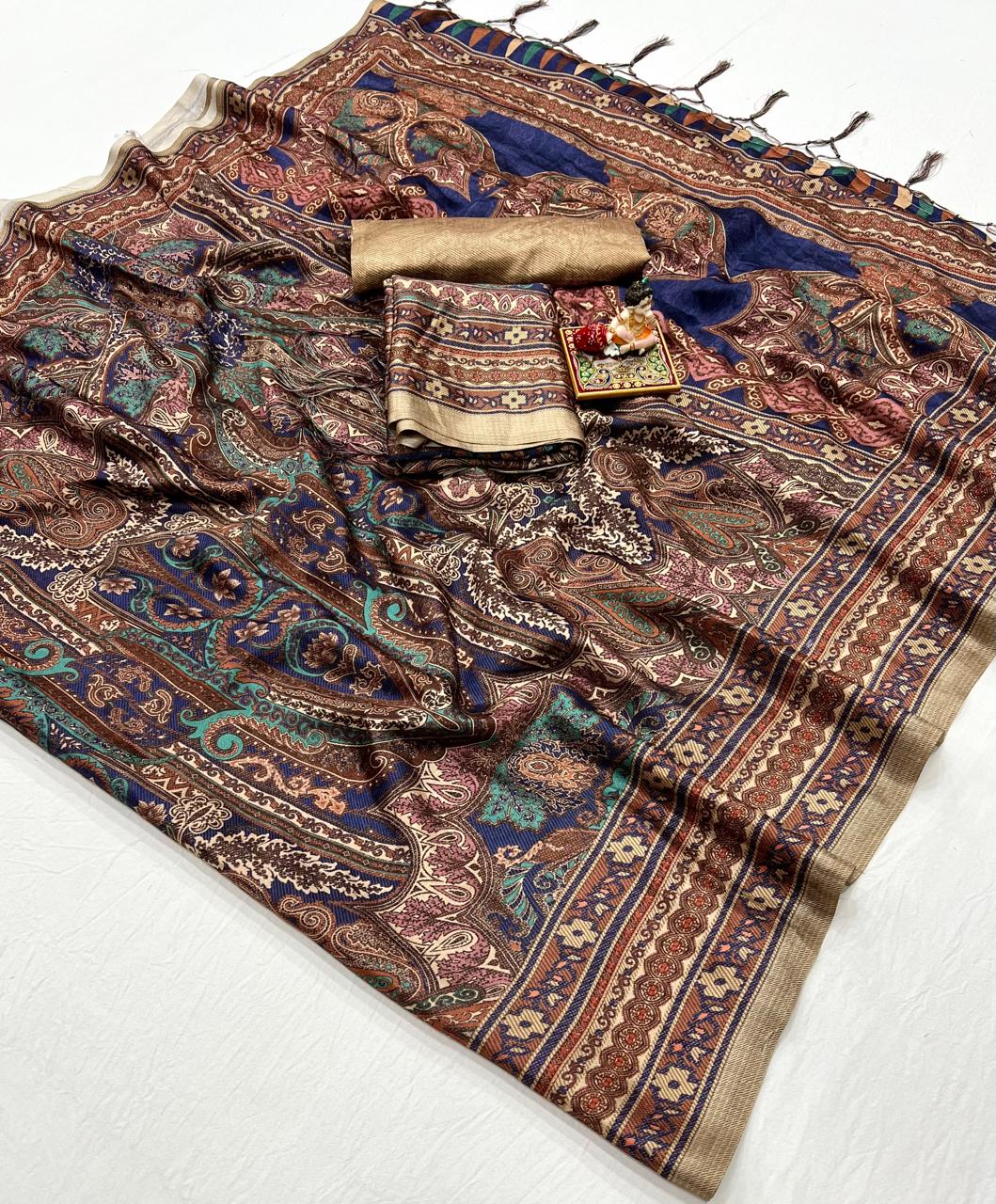
Use three colours rather than every bright shade
The most wearable Kullu-inspired palette uses one grounded base, one warm accent and one small high-contrast detail. Charcoal with mustard and red feels closer to a winter textile than a head-to-toe mix of six bright colours. Cream with forest green and burgundy works well for a daytime kurta, while navy with rust and saffron creates a sharper evening combination.
Mustard is especially effective because it connects naturally with wool, wood, dried grasses and autumn landscapes. Mustard Floral Pashmina Saree with Shawl & Blouse can be styled with antique-gold jewellery and muted brown or deep green footwear rather than another bright shade. Pista green offers a cooler alternative; Elegant Pista Festive Wear Kurta Pant Set can be warmed with a rust shawl, maroon potli bag or terracotta earrings.
Let the border provide the contrast
A patterned shawl should usually be paired with a quieter garment when the border is wide or multicoloured. A plain kurta and solid trousers allow the woven edge to remain legible. If the outfit already includes a printed saree, a narrow-border shawl or single-colour stole prevents competing patterns from flattening the look.
Kullu Fashion Guide: Pahari Colours, Fabrics, Shawls & Outfits by Material
Wool is the most climate-appropriate fabric for authentic Kullu winter dressing, while cotton, pashmina, silk and blends adapt the visual language for milder weather and formal occasions. Fabric choice should follow temperature, drape, texture and care requirements rather than colour alone.
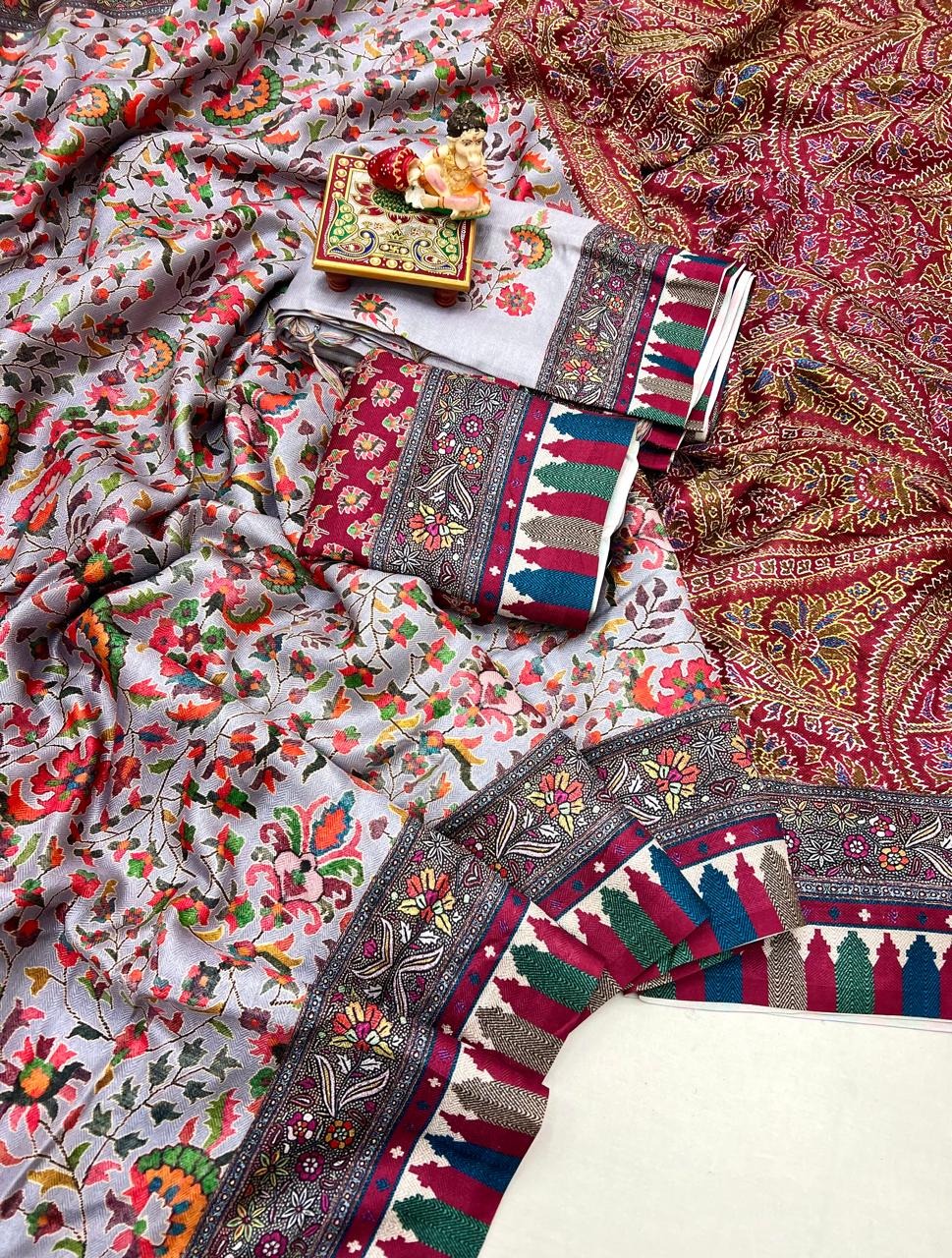
Wool and wool blends
Wool provides insulation because its fibres trap air, making it practical for shawls, caps, jackets and heavy wraps. Handwoven wool may have small irregularities, slight differences in thickness and a more tactile surface than a machine-made acrylic product. A wool-blend shawl can be easier to maintain, but the fibre percentage should be checked before purchase because acrylic behaves differently from natural wool during washing and pilling.
Pashmina and fine shawl fabrics
Pashmina is valued for softness, light weight and warmth, but products sold under the name may contain pure cashmere, blends, viscose or synthetic fibres. A fine pashmina-style wrap works particularly well with sarees because it adds insulation without the bulky outline of a heavy blanket shawl. Traditional Digital Print Pashmina Saree with Shawl and Kashmiri Style Pashmina Saree With Shawl Set show how a soft wrap can be integrated into formal draping.
A buyer should check the stated fibre composition, dimensions, finishing and care instructions before treating a shawl as a pure pashmina investment. A very low price may indicate a blend or synthetic construction, although price alone can't prove fibre quality. A burn test should never be performed on a garment because it can damage the textile and release harmful fumes.
Cotton and cotton jacquard
Cotton is better suited to warm daytime events, indoor celebrations and transitional seasons than dense wool. Kanchi cotton, jacquard and woven cotton can support a Kullu-inspired palette through texture and border contrast without producing excessive heat. Kanchi Cotton Zari Woven Kurti Set with Traditional Dupatta combines a structured weave with a dupatta that can carry the stronger colour note.
Jacquard fabric creates patterns through the weave rather than through a surface print, so the design often has more depth and a slightly firmer hand. Kanchi Cotton Jacquard Kurti Dupatta Set Online can be styled with a woollen stole in winter or worn with a lighter cotton dupatta in warmer weather. Such combinations make regional inspiration practical rather than seasonally restrictive.
Kullu Fashion Guide: Pahari Colours, Fabrics, Shawls & Outfits for Layering
A Kullu shawl should be styled as the outfit's visual anchor, with the rest of the clothing kept simple enough for the border, weave or motif to remain visible. The most reliable methods are a shoulder drape, a front wrap, a belted layer or a saree-pallu placement.
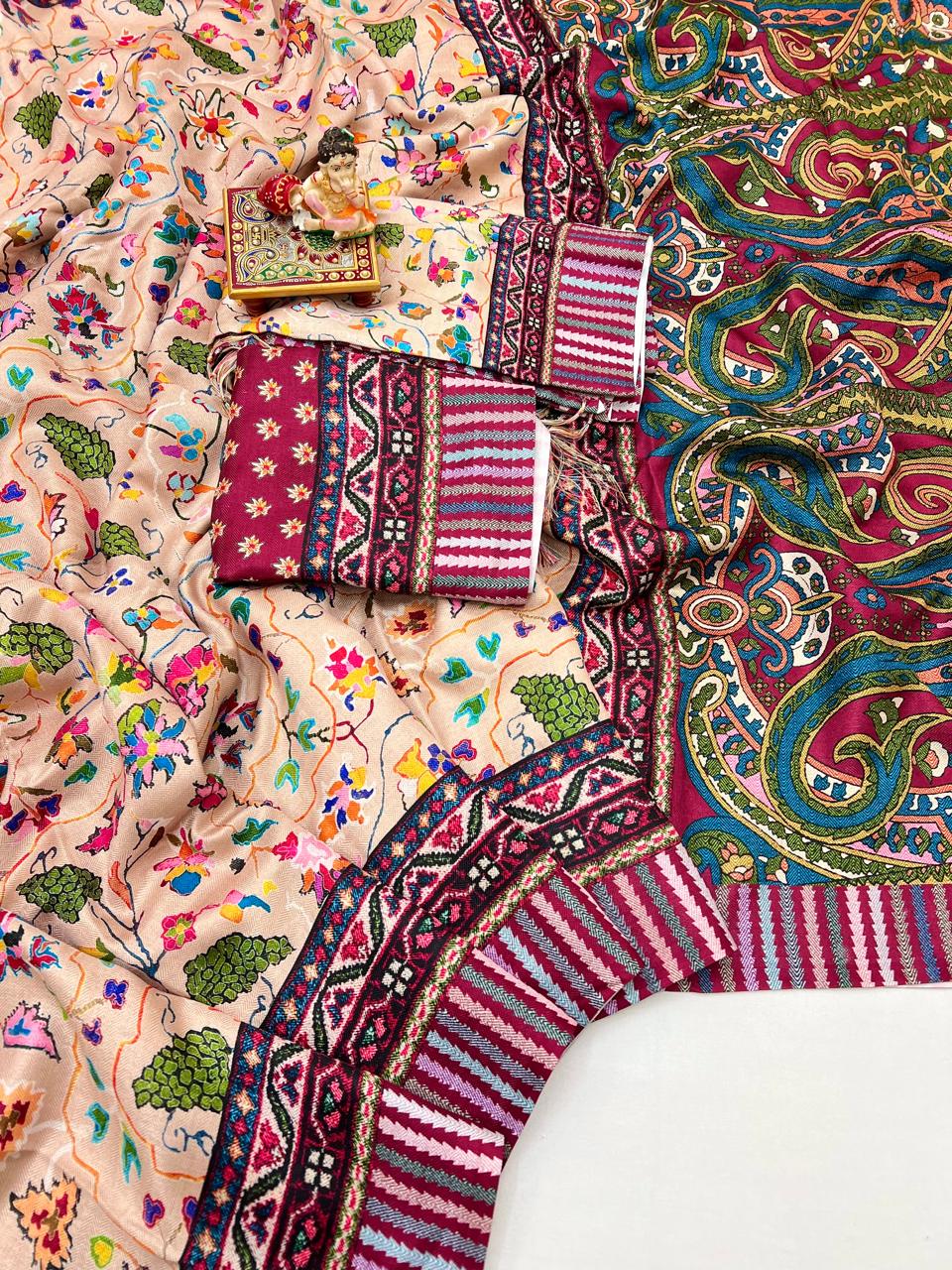
With a kurta and trousers
Place the shawl evenly over both shoulders when the kurta has a straight silhouette and minimal surface decoration. For a more structured look, fold the shawl lengthwise, position the patterned border near the face and secure one side with a discreet brooch. A plain ivory, black, navy or charcoal kurta gives a multicoloured shawl enough contrast.
Kanchi Cotton Woven Kurta Pant Dupatta Set gives an useful base for a shawl because its coordinated kurta and trousers establish a clean vertical line. Keep the dupatta folded away if the shawl has a broad border, or use the set's dupatta for a lighter indoor layer and reserve the woollen piece for outdoor travel.
With a saree
A shawl pairs best with a saree when the drape is secure at the shoulder and the shawl doesn't hide the pleats completely. A narrow shoulder drape works for formal photographs, while a front wrap is more practical in cold weather. Pinning the shawl at the shoulder and waist can prevent repeated readjustment during a reception.
Multicolor Paisley Pashmina Saree With Shawl Set already contains a strong pattern language, so jewellery should remain relatively controlled. Choose one metal family, repeat one shade from the shawl in the blouse or footwear and avoid adding a heavily embroidered jacket. The result feels layered rather than visually crowded.
Traditional Digital Print Pashmina Saree with Shawl can take a similar approach when the print is prominent. Let the shawl fall behind one shoulder for photographs, then bring it across the front when moving outdoors. A medium-sized brooch can secure the fabric without creating a second dominant motif.
With a festive kurta set
A Kullu-inspired shawl can soften the polished finish of a salwar suit or add winter practicality to a festive kurta and pant set. A shawl with red or maroon in its border can connect a neutral suit to lacquer bangles, while a green or blue border can be echoed in earrings or a small handbag. A coordinated accessory is usually more effective than matching every garment exactly.
Kullu Fashion Guide: Pahari Colours, Fabrics, Shawls & Outfits for Occasions
The right Kullu-inspired outfit depends on the event's temperature, movement requirements and level of formality. Cotton sets suit daytime gatherings, pashmina sarees suit dressier winter functions, and layered kurta outfits work well for travel or outdoor celebrations.
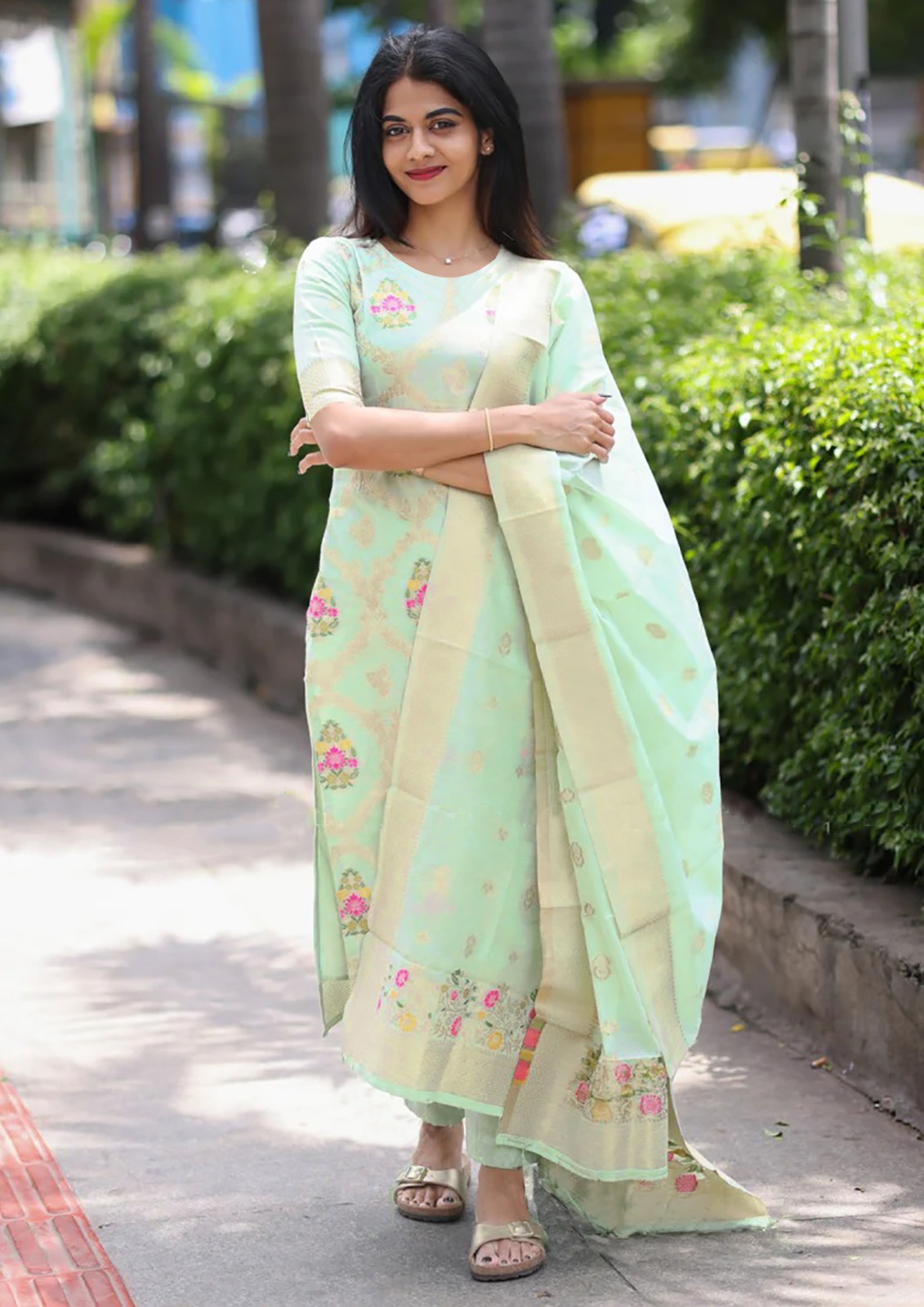
For a Haldi ceremony
Choose breathable cotton, a cheerful accent colour and footwear that can handle movement for a Haldi ceremony. Mustard, turmeric yellow, pista, coral and leaf green can reference the festive setting without requiring a heavy textile. A cotton kurta set with a woven dupatta is more practical than a long, loose shawl near turmeric paste, flowers and crowded seating.
Kanchi Cotton Zari Woven Kurti Set with Traditional Dupatta can be made more Pahari in spirit through a maroon bindi, oxidised silver earrings and a compact woven bag. Avoid trailing fringes if the ceremony involves outdoor seating or active rituals, because loose ends can catch on chairs and jewellery.
For a winter wedding
A pashmina saree with a coordinated shawl is suitable for a winter wedding because it combines formal drape with an additional layer. Deep red, wine, emerald, navy and antique gold create evening depth, while zari should be balanced with matte accessories such as wooden bangles, oxidised silver or a plain clutch.
Kashmiri Style Pashmina Saree With Shawl Set can suit a formal reception when the blouse and jewellery remain streamlined. Mustard Floral Pashmina Saree with Shawl & Blouse is more expressive for a daytime function, especially with a plain blouse neckline and low-contrast footwear.
For travel and everyday winter wear
Travel clothing should allow easy walking, temperature changes and repeated sitting, so a straight kurta, trousers, flat shoes and a medium-weight shawl are more practical than a trailing saree layer. Keep one end of the shawl secured with a brooch or tucked under a cross-body bag when moving through crowded spaces.
Elegant Pista Festive Wear Kurta Pant Set can move from a daytime visit to a dinner when paired with a rust or maroon wrap. Kanchi Cotton Woven Kurta Pant Dupatta Set works for milder weather, while a woollen outer layer can be added when temperatures fall after sunset.
Kullu Fashion Guide: Pahari Colours, Fabrics, Shawls & Outfits and Care
Correct care depends on the fibre, but most wool, pashmina and delicate woven shawls should be protected from hot water, harsh detergent, wringing and direct high heat. Read the care label first because a pashmina-style blend and a handwoven wool shawl may require different treatment.
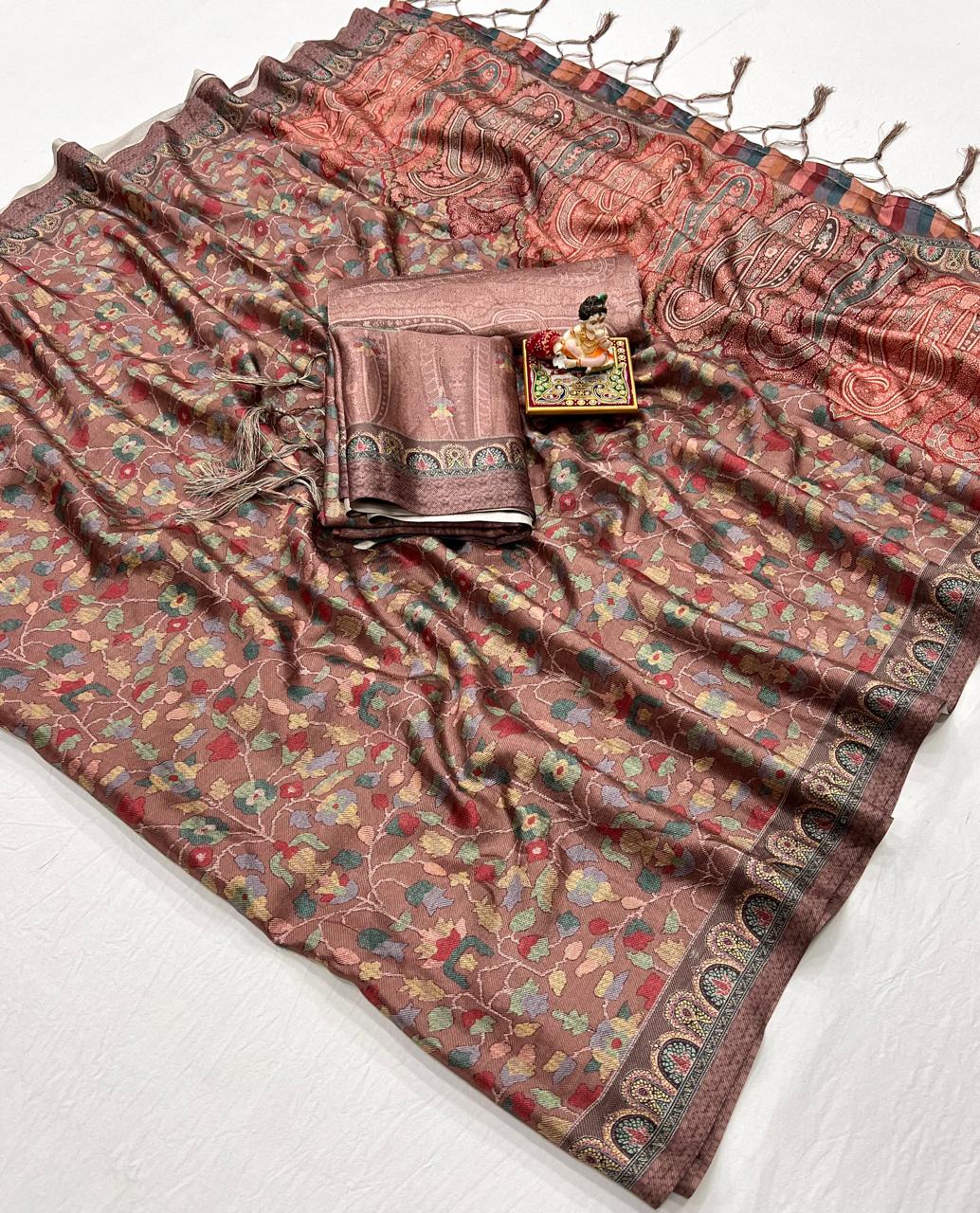
Air a shawl after wearing it instead of washing it after every use. Fold a clean shawl loosely and store it in a breathable cotton cover, adding cedar blocks or dried neem leaves nearby if moth protection is needed. Avoid placing strong camphor directly against fine fibres because direct contact can leave odour or marks.
For wool or pashmina, professional dry cleaning is often safer than home washing when the care label specifies dry clean only. If hand washing is permitted, use cool water and a small amount of wool detergent, support the full garment while lifting it, press out water inside a towel and dry it flat away from sunlight. Hanging a wet shawl can stretch the shoulders and distort the border.
Store zari garments away from moisture and perfume because metallic threads can tarnish or discolour. Fold zari sections inward with soft tissue paper between layers, and never iron directly over metallic work. A low-temperature iron on the reverse side, with a pressing cloth, is safer when ironing is allowed by the care label.
A thoughtful Kullu-inspired wardrobe doesn't require every garment to be traditionally woven. One well-chosen shawl, a restrained Pahari colour palette and respect for regional distinctions can bring the character of Himachal Pradesh into contemporary sarees, kurtis and festive sets without turning cultural clothing into a costume.
Common Questions About Kullu Colours, Shawls and Winter Outfits
What colours are traditionally associated with Kullu fashion?
Kullu fashion commonly uses strong contrasting shades such as red, maroon, mustard, green, blue, black and cream. The exact palette varies by textile, region, maker and contemporary design, so no single colour combination represents every Kullu garment.
What fabric is best for a Kullu shawl?
Wool is the most climate-appropriate traditional choice for a Kullu shawl because it provides warmth and structure. Pashmina, cotton, silk and blends can be suitable alternatives, but buyers should check the fibre composition and care instructions before purchasing.
How can a Kullu shawl be worn with a saree?
A Kullu shawl can be worn over one shoulder, wrapped across the front or secured at the shoulder and waist with discreet pins. Keep the saree and blouse relatively simple when the shawl has a wide multicoloured border.
Are Kullu and Kashmiri shawls the same?
Kullu and Kashmiri shawls are different regional textile traditions. Kullu shawls are strongly associated with Himachali woollen weaving and geometric borders, while Kashmiri shawls have distinct weaving, embroidery and motif histories.
Can Kullu-inspired clothing be worn at a Haldi ceremony?
Yes, Kullu-inspired clothing can suit a Haldi ceremony when breathable cotton, secure drapes and practical footwear are chosen. A cotton kurta set with a woven dupatta is generally easier to manage than a loose woollen shawl near turmeric paste and active rituals.
How should a wool or pashmina shawl be stored?
A clean wool or pashmina shawl should be folded loosely in a breathable cotton cover and stored away from moisture, direct sunlight and strong perfume. Follow the care label, avoid hot water and use professional cleaning when the label specifies dry cleaning.