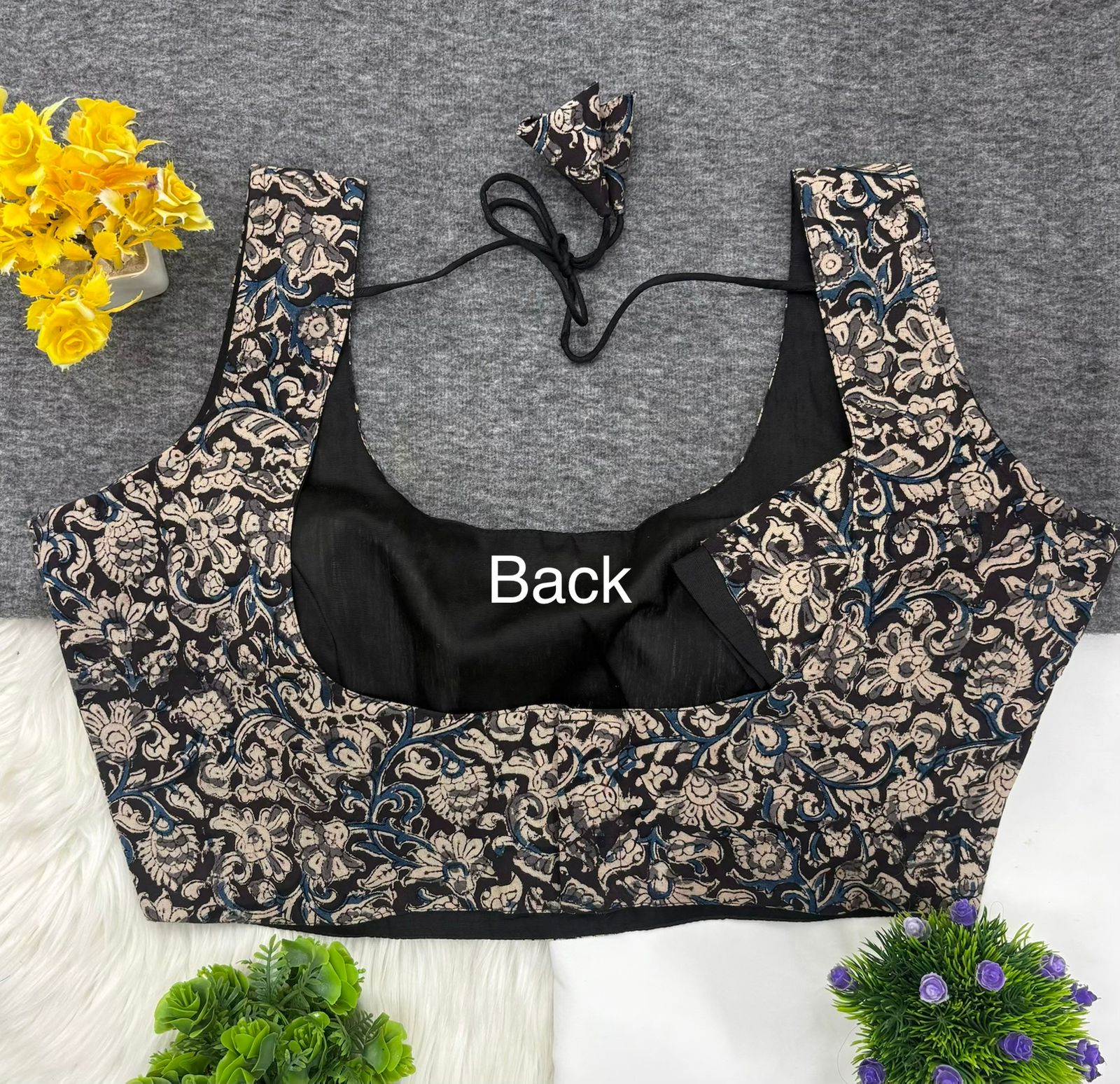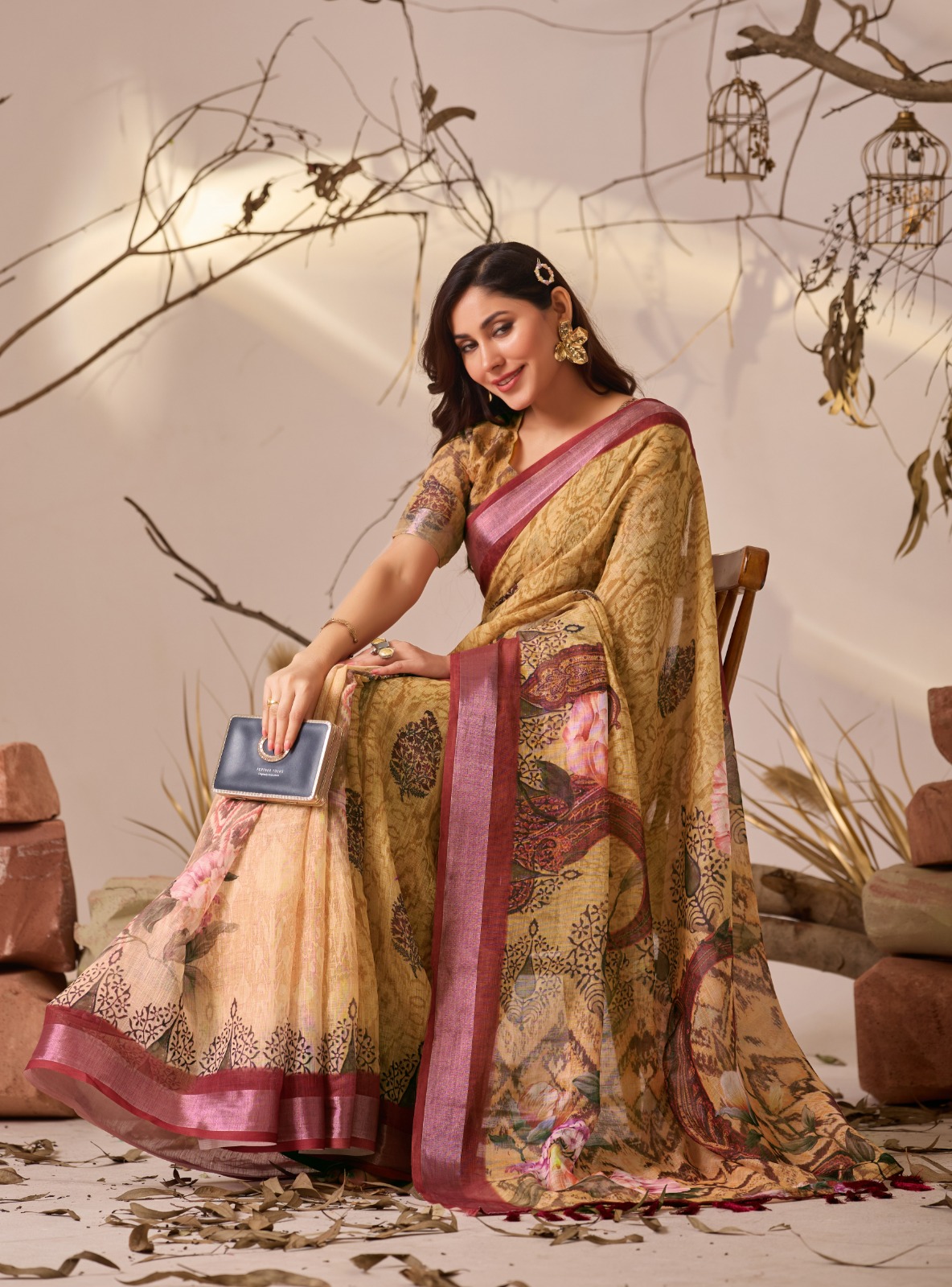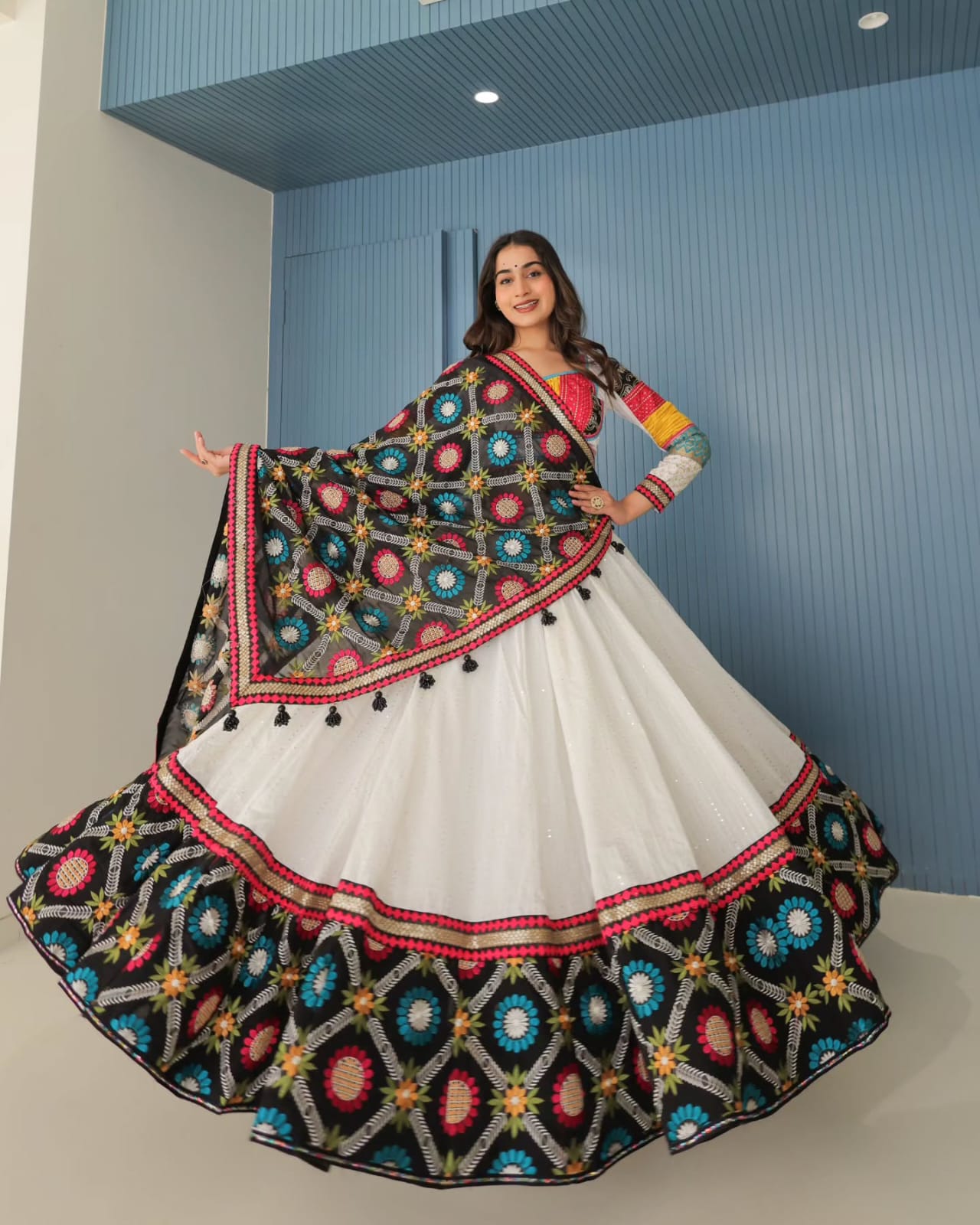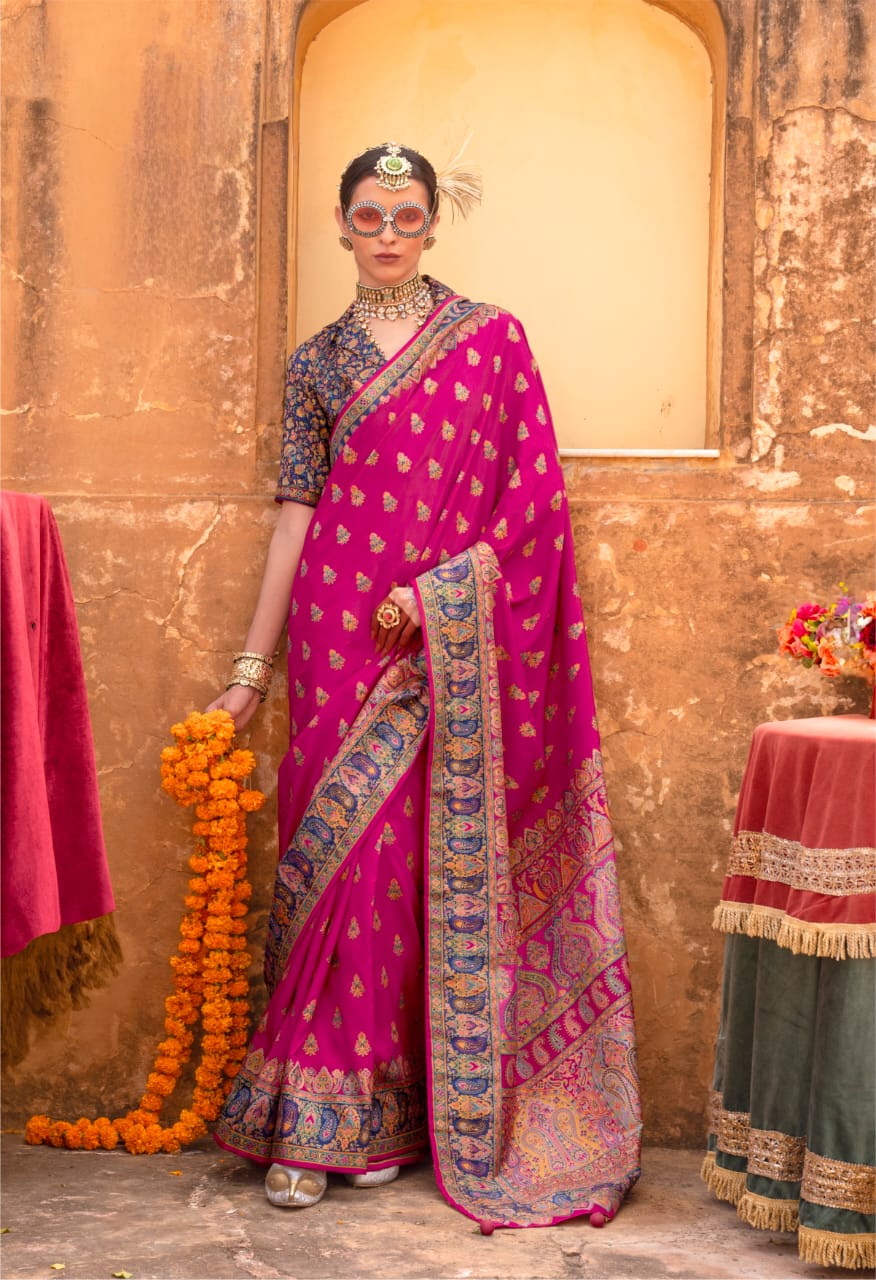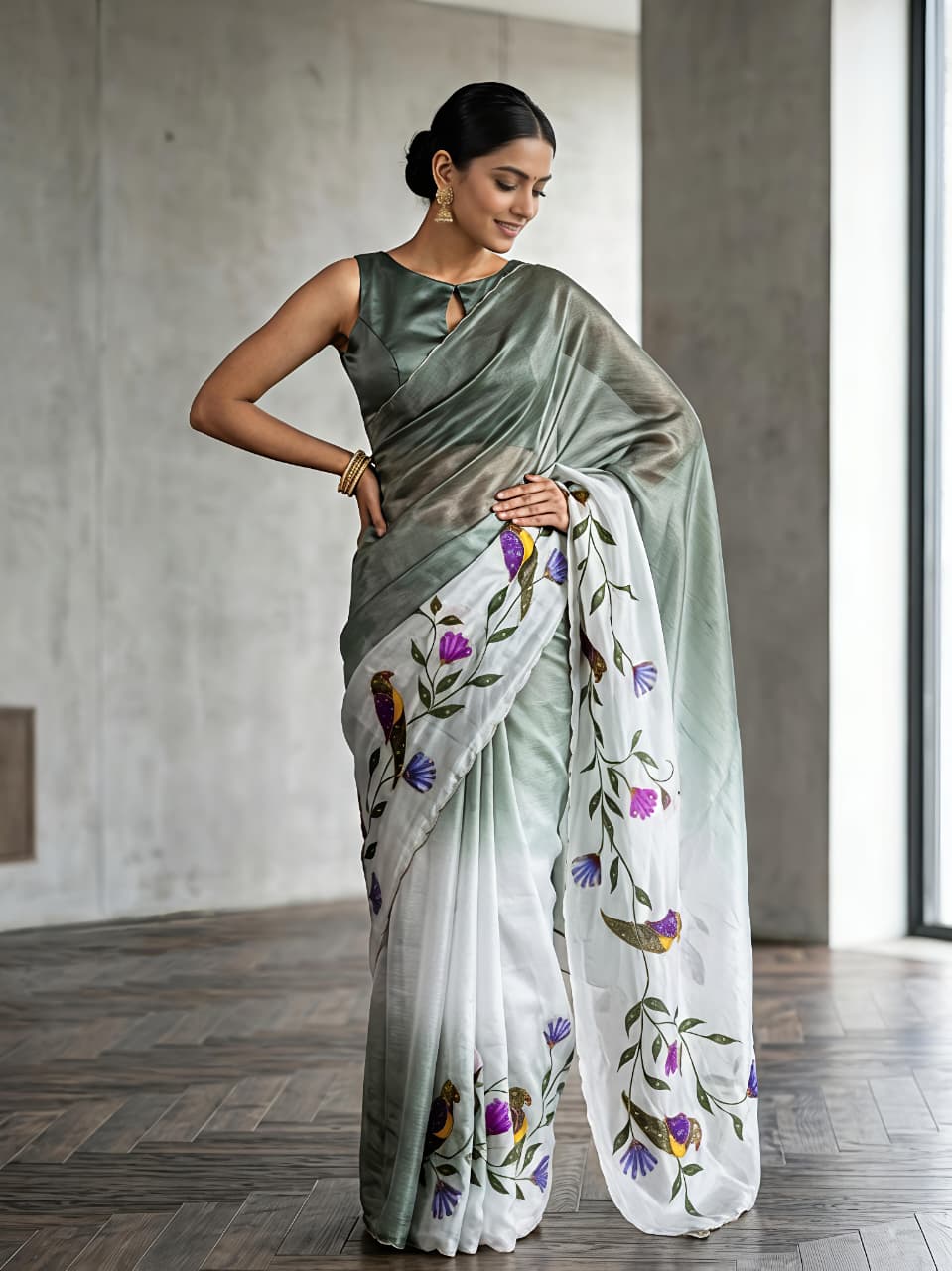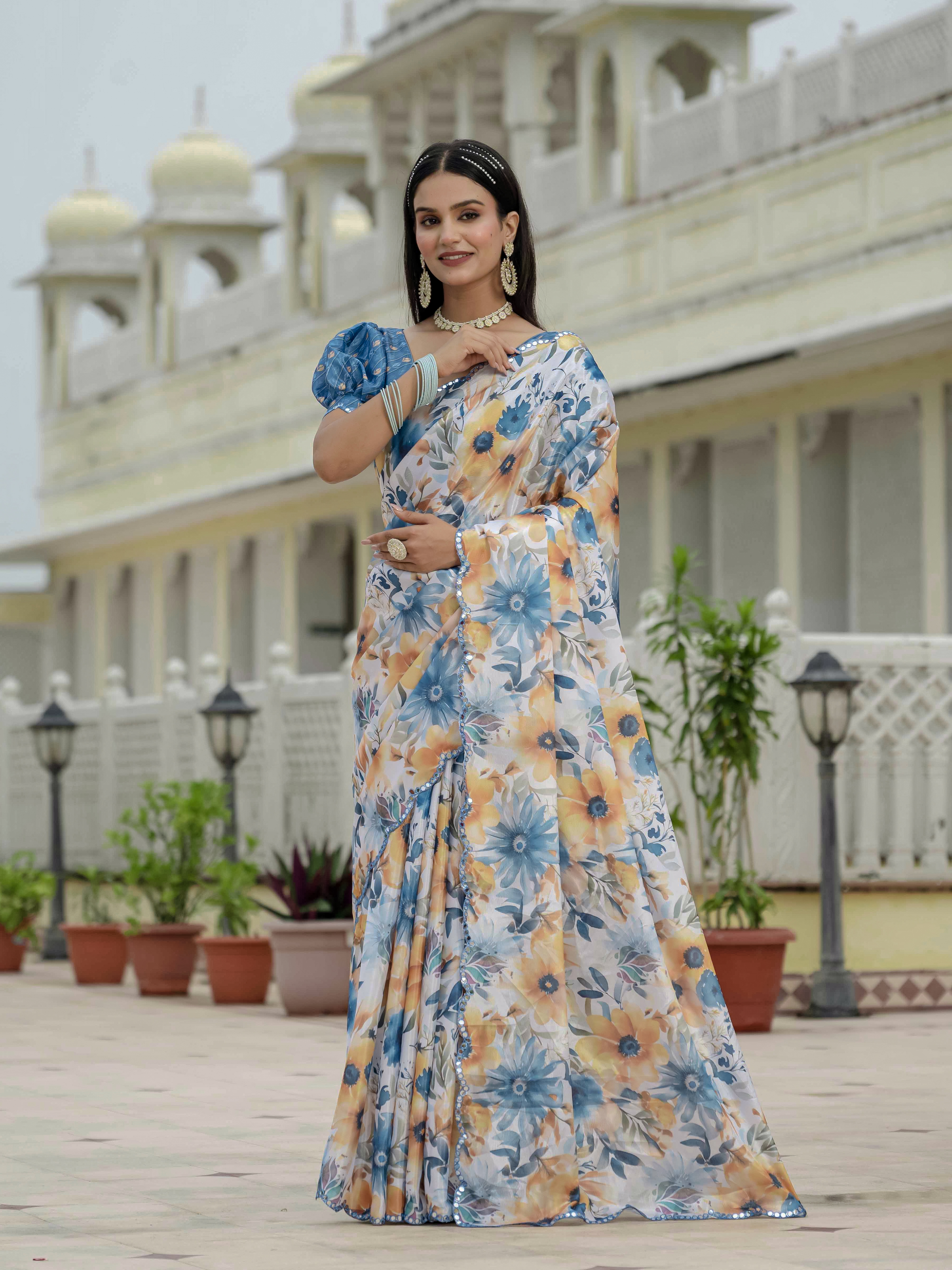
Kosa Silk Sarees carry a softly textured surface, a warm natural lustre and a direct connection to Chhattisgarh's silk-weaving heritage. Kosa is the regional name commonly used for Tussar silk, particularly silk made from wild silkworm varieties found across central India. The fabric doesn't have the glass-like smoothness of highly processed mulberry silk; its slightly irregular slub, breathable handle and muted glow are part of its character.
A good purchase begins with understanding the fibre, weave, finish and occasion. The following guide explains how Kosa silk is made, how to distinguish it from similar fabrics, which colours and borders suit different events, and how to preserve the saree after wearing it.
What makes Kosa Silk Sarees distinctive?
Kosa Silk Sarees are distinctive because they combine wild Tussar silk's visible texture with the structured drape of a handloom or powerloom saree. The silk fibre comes from cocoons of wild silkworms, especially the Antheraea mylitta variety associated with central and eastern India.
Kosa silk usually has a dry, lightly crisp hand-feel rather than an extremely slippery surface. Small variations in the yarn can create subtle horizontal or diagonal texture. Those variations are not automatically flaws; they often indicate the natural character of the fibre. The base colour may range from ivory and beige to honey, copper, muted gold and deeper dyed shades.
Chhattisgarh is especially associated with Kosa production in areas such as Champa and surrounding weaving communities. Traditional Kosa textiles may be woven with local motifs, nature-inspired forms and zari borders. Contemporary sarees may combine a Kosa-like silk base with jacquard work, woven patterns or contrasting pallus designed for urban wardrobes.
Compared with Banarasi silk, which is often recognised for brocade density and elaborate metallic patterning, Kosa silk is generally valued for its organic texture and understated sheen. Compared with Chanderi, Kosa usually feels more textured and substantial, while Chanderi is known for its light, translucent drape. These comparisons help shoppers assess fabric descriptions more realistically.
How is Kosa silk produced in Chhattisgarh?
Kosa silk production begins with the collection or cultivation of wild silk cocoons, followed by reeling, yarn preparation, dyeing and weaving. The exact process varies between regions, cooperatives and individual workshops, so every Kosa saree doesn't follow one identical production method.
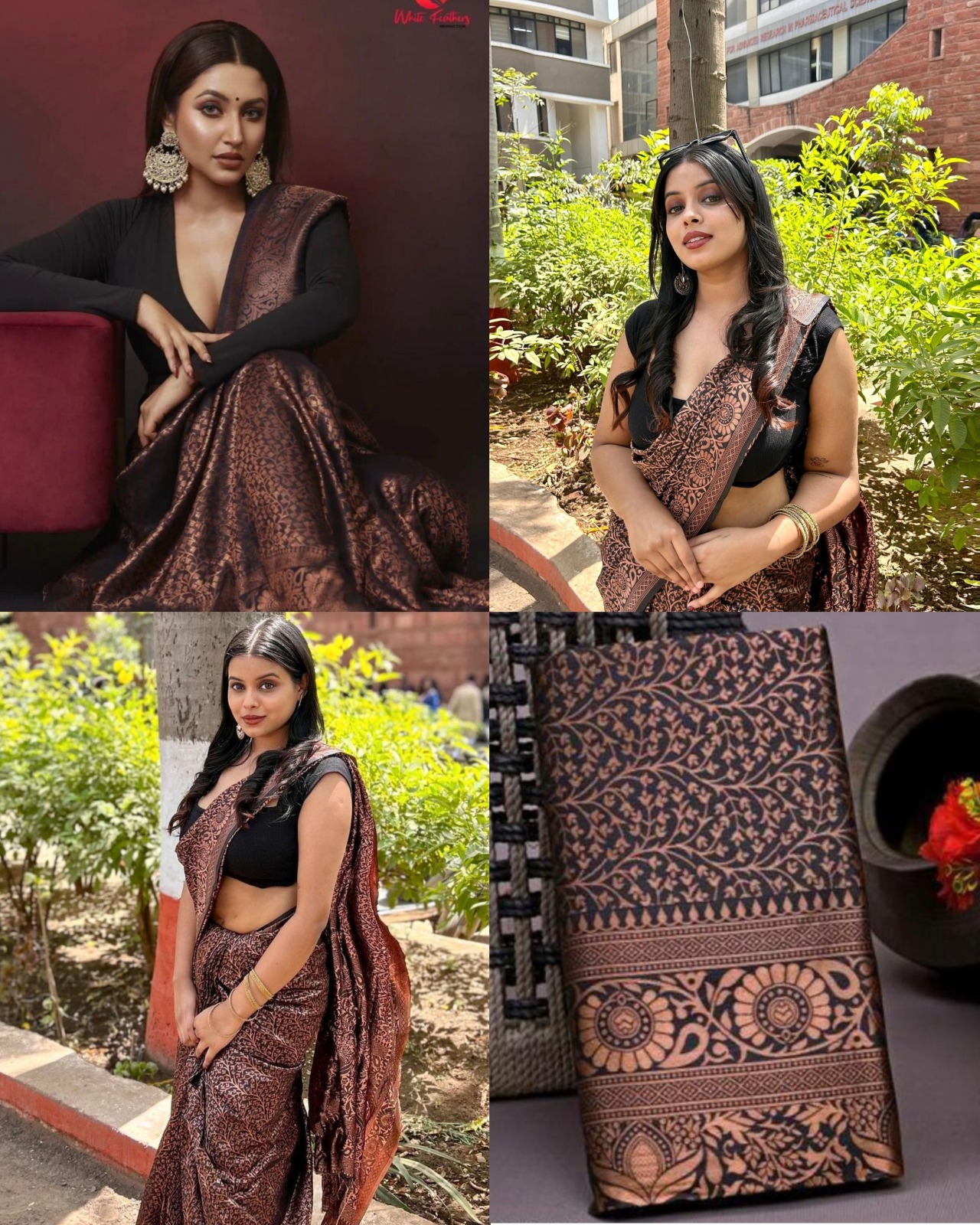
From cocoon to yarn
Wild Tussar cocoons generally produce a stronger, more textured filament than many cultivated mulberry cocoons. Reeling may involve several filaments being combined to form an usable yarn. The resulting thread can show natural variation in thickness, which contributes to the characteristic slubbed appearance of Kosa silk.
After reeling, yarns may be degummed to soften the fibre, dyed in skeins or dyed after weaving, and prepared for the loom. Some weavers retain a natural golden or beige base, while others use colours such as maroon, magenta, black, teal, mustard and purple. Zari may be introduced through the border, pallu or all-over motifs.
What the loom contributes
The loom determines much of the saree's final identity. Plain weaving creates a quieter surface, while jacquard attachments allow repeated motifs and denser patterning. A richly patterned pallu can add weight at the shoulder, whereas a simpler pallu often produces an easier everyday drape.
Chhattisgarh handloom traditions should not be reduced to a single visual style. A saree can use Kosa silk and still look minimal, festive, heavily ornamented or contemporary. Checking the product description for the fibre composition, weaving method and zari details is more reliable than judging authenticity by colour alone.
How can you identify a genuine-looking Kosa silk saree?
A genuine-looking Kosa silk saree usually shows a naturally uneven texture, a restrained lustre, a firm yet flexible drape and clear information about its silk composition. No single home test can prove fibre authenticity, so several clues should be considered together.
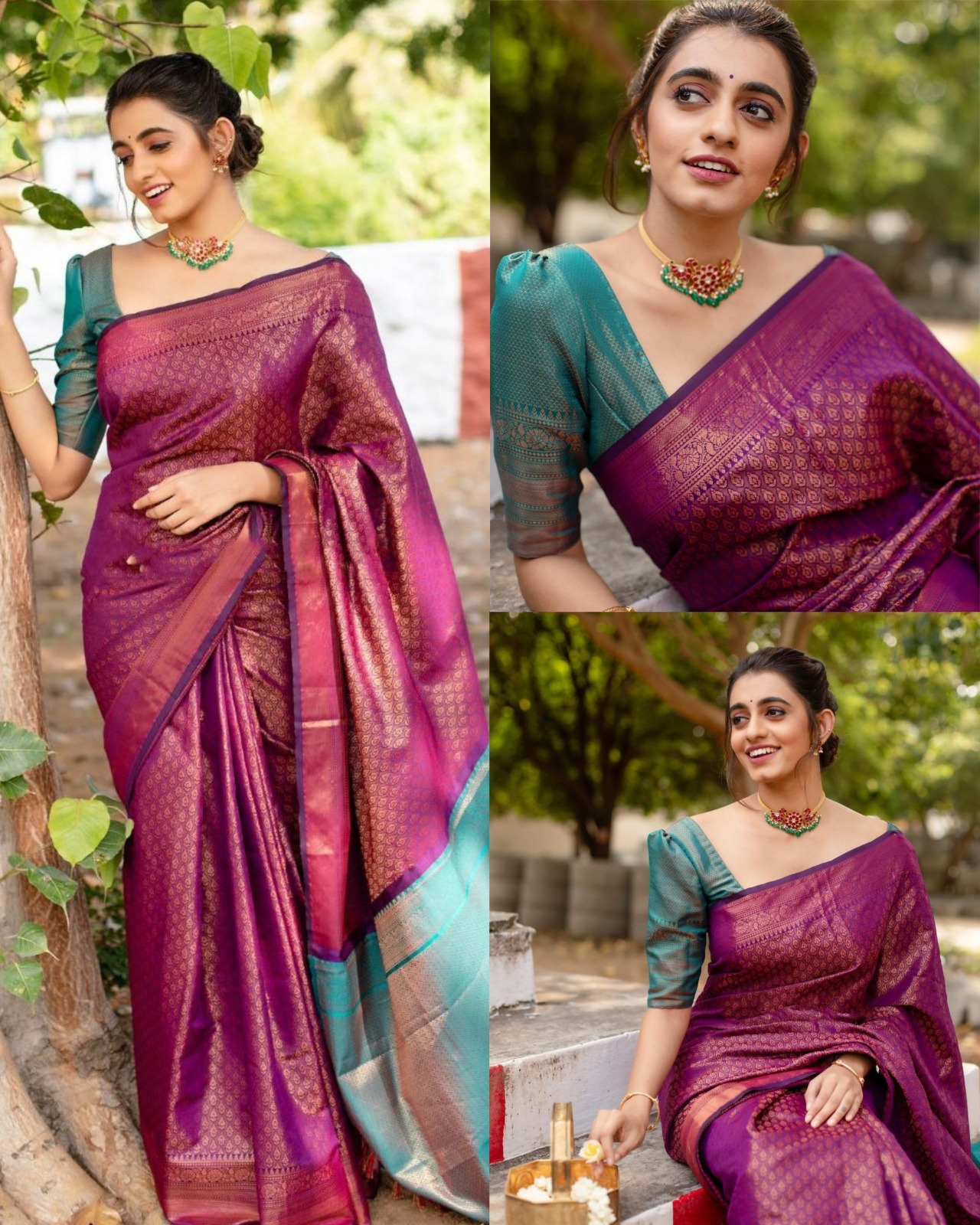
- Examine the surface: Kosa silk often has fine slubs and a softly grainy appearance. An entirely uniform, highly glossy surface may indicate a synthetic blend or a different silk category.
- Check the drape: Kosa silk generally falls with more body than georgette or lightweight crepe. The saree should form defined pleats without collapsing immediately.
- Look at the reverse side: Woven motifs may show a logical continuation of threads on the reverse. Printed designs usually appear flatter, with less structural relationship between the front and back.
- Read the fibre details: "Pure silk," "Kosa silk," "Tussar silk," "silk blend" and "art silk" describe different expectations. Ask for clarification if the listing uses these terms interchangeably.
- Assess the zari: Zari may be genuine metal-coated thread, tested zari or imitation metallic yarn. A description should state what is being used rather than relying only on the word "zari."
A flame test should not be performed on a finished saree because it damages the fabric and can't reliably distinguish every blend without controlled testing. A silk mark, handloom certification or a transparent fibre declaration offers more useful evidence than a risky burn test.
Which colours and designs work best for different occasions?
The most suitable Kosa silk colour depends on the formality of the event, the time of day and the amount of jewellery you plan to wear. Deeper colours and metallic contrast suit evening celebrations, while natural, pastel and medium-toned shades work well for daytime ceremonies.
Weddings and reception events
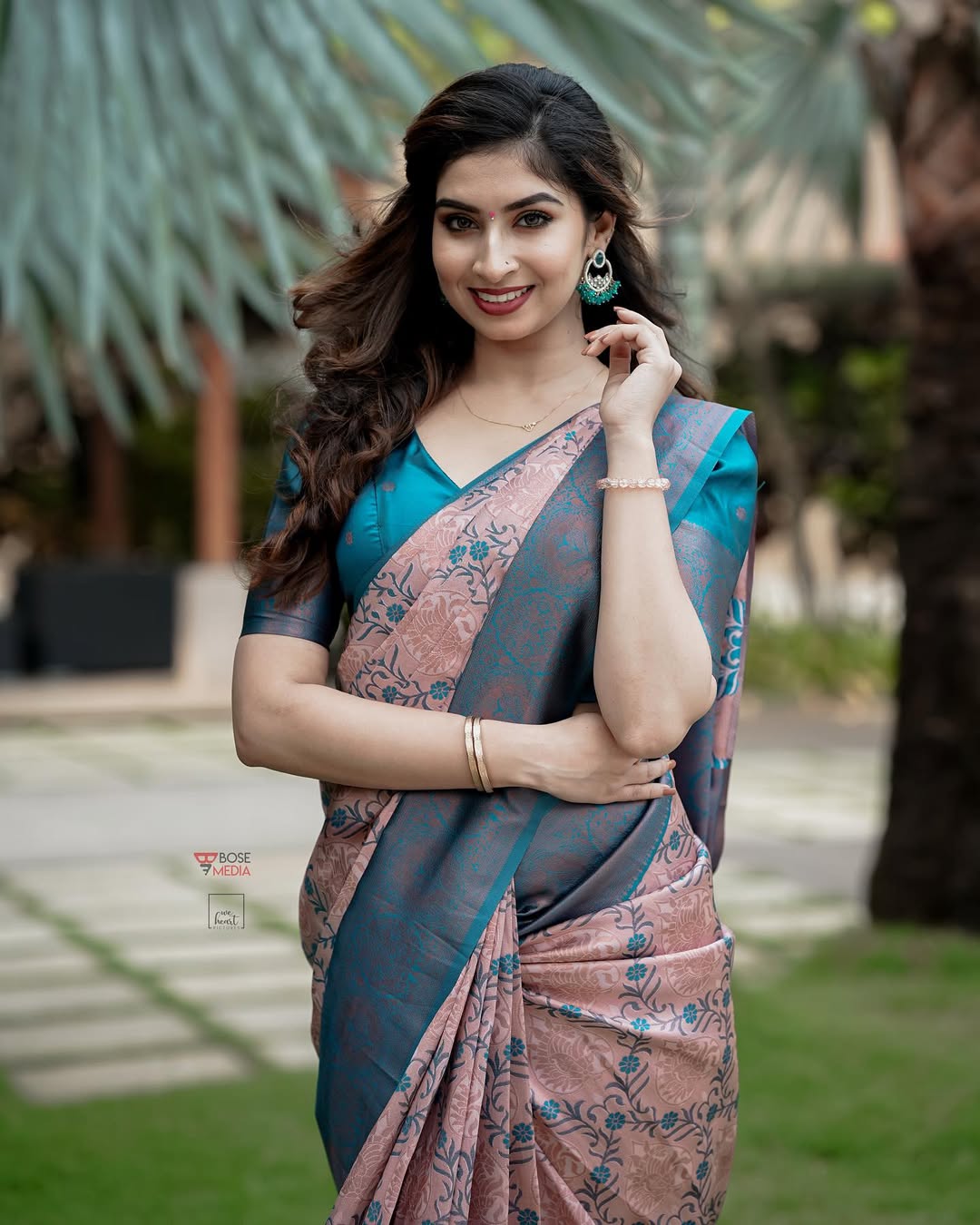
Maroon, black, magenta, deep purple and jewel-toned Kosa silk create a strong foundation for wedding dressing. A saree such as Magenta Lichi Silk Saree with Copper Zari Pallu demonstrates how copper-toned metallic work can warm a vivid base without requiring a heavy necklace. Black Gold Jacquard Lichi Silk Saree with Rich Pallu brings a more dramatic direction for an evening reception.
Red and maroon sarees pair effectively with antique gold jewellery, while black bases can be balanced with ruby-toned earrings, a gold kamarband or a contrasting blouse. A dense pallu should be allowed to remain visible; avoid covering it completely with a heavily embroidered shawl.
Haldi ceremony and daytime festivities
Yellow, peach, coral, teal and soft pink shades suit a Haldi ceremony because they photograph well in natural light and complement marigold décor. Peach Lichi Silk Saree with Rich Pallu & Jacquard Work gives a festive example without the visual weight of a very dark base.
Choose a blouse with elbow-length sleeves or a comfortable short sleeve if the ceremony involves movement. Secure the pleats with discreet pins and use a breathable cotton or silk-blend lining in the blouse to reduce discomfort during warm outdoor functions.
Office events and intimate gatherings
Muted purple, grey, beige, teal and restrained black-and-gold combinations can make Kosa silk suitable for cultural programmes, formal dinners and work celebrations. Purple Zari Woven Lichi Silk Saree Online - Varnavi shows how a single strong colour and woven zari can create impact without a heavily layered border.
For a lighter visual effect, pair a textured silk saree with a plain blouse and small earrings. A compact handbag, low block heel and neatly pinned pallu keep the look practical while preserving the fabric's structure.
How should you style Kosa silk for a balanced silhouette?
Kosa silk is easiest to style when the blouse, jewellery and pleat width respect the saree's natural structure. The saree's body and pallu already provide visual definition, so every accessory doesn't need to be ornate.
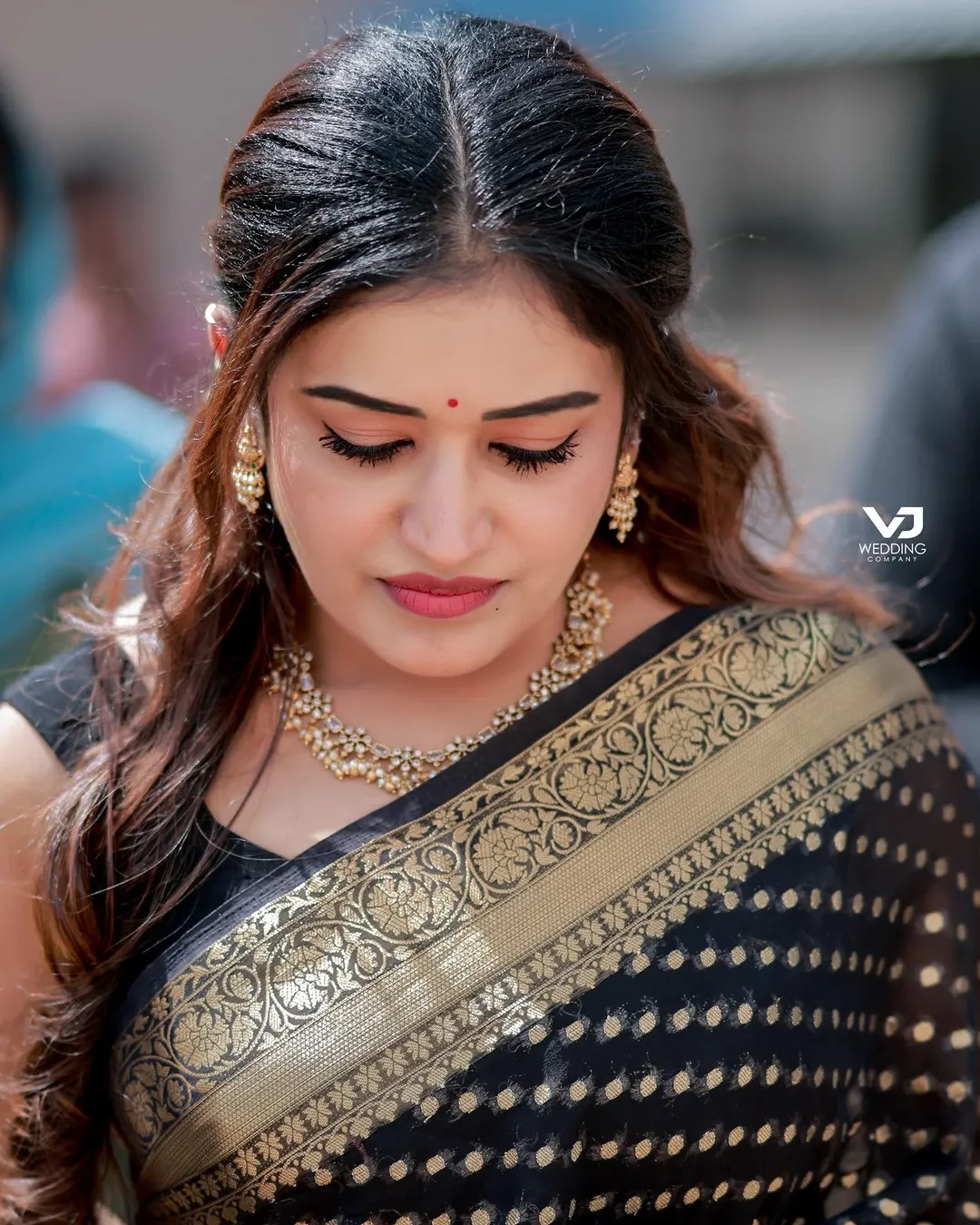
A structured blouse in raw silk, cotton silk or a matching woven fabric gives a polished finish. A plain blouse can highlight a jacquard pallu, while a lightly patterned blouse can connect a contrast border to the rest of the outfit. For a saree with copper zari, antique gold, bronze or warm rose-gold accessories usually look more integrated than very bright silver.
Five to seven front pleats generally create a clean formal drape, although the exact number depends on saree width, body shape and fabric thickness. Press the pleats lightly and pin them at the waist before arranging the pallu. A shoulder pallu works for formal events; a shorter pleated pallu gives better mobility at daytime gatherings.
Footwear should be selected before final hemming or pinning because heel height changes the saree length. A 1.5- to 2.5-inch block heel is usually easier to walk in than a narrow stiletto, especially when the saree has a firm silk body. Keep the pallu clear of trailing floors, open flames and rough jewellery edges.
Not every silk saree needs a time-honoured blouse. A high-neck blouse, fitted long-sleeve blouse or simple sleeveless blouse can modernise a Kosa-inspired look, provided the neckline and sleeve shape balance the width of the border. The goal is proportion: a broad zari border generally benefits from a clean blouse, while a plain saree can support more sculptural tailoring.
How do Kosa Silk Sarees compare with related silk styles?
Kosa Silk Sarees differ from related silk styles mainly through fibre origin, texture, weight and surface finish. Understanding those differences makes online comparisons more useful.
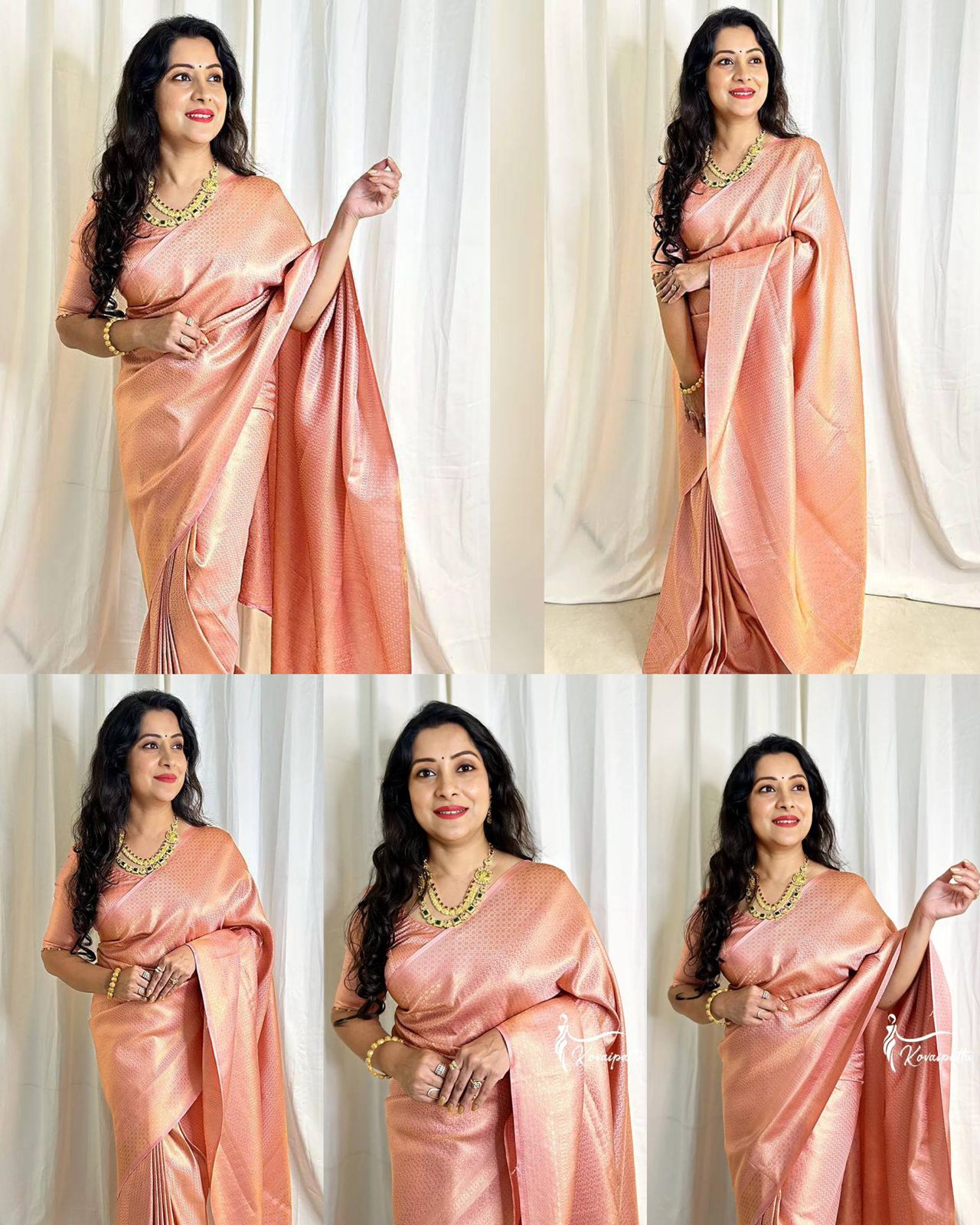
- Kosa and Banarasi silk: Banarasi silk is associated with brocade weaving, metallic motifs and elaborate pallu or border work from Varanasi. Kosa silk usually foregrounds natural texture and a softer, less mirror-like sheen, although Kosa sarees can also include rich zari or jacquard work.
- Kosa and Kanjeevaram: Kanjeevaram silk is traditionally woven in Tamil Nadu with a firm body, distinctive contrasting borders and often a joined pallu construction. Kosa tends to feel more textured and less dense, with a different type of natural lustre.
- Kosa and Chanderi: Chanderi is light, airy and frequently translucent, making it comfortable for hot weather and delicate festive dressing. Kosa normally has more body and a more visible grain.
- Kosa and Lichi silk: "Lichi silk" may refer to a surface or weave description used in retail rather than one universally standardised fibre category. Product descriptions should be checked carefully to determine whether the saree is pure silk, a blend or a silk-look textile.
For shoppers comparing price, the fibre percentage, handloom status, zari material, amount of jacquard work and finishing quality matter more than the colour name. A saree listed in Silk Sarees Under 3000 With Discount may be an accessible choice, but a low price should prompt closer attention to composition and return details rather than an assumption that every piece has the same silk content.
How should you wash and store a Kosa silk saree?
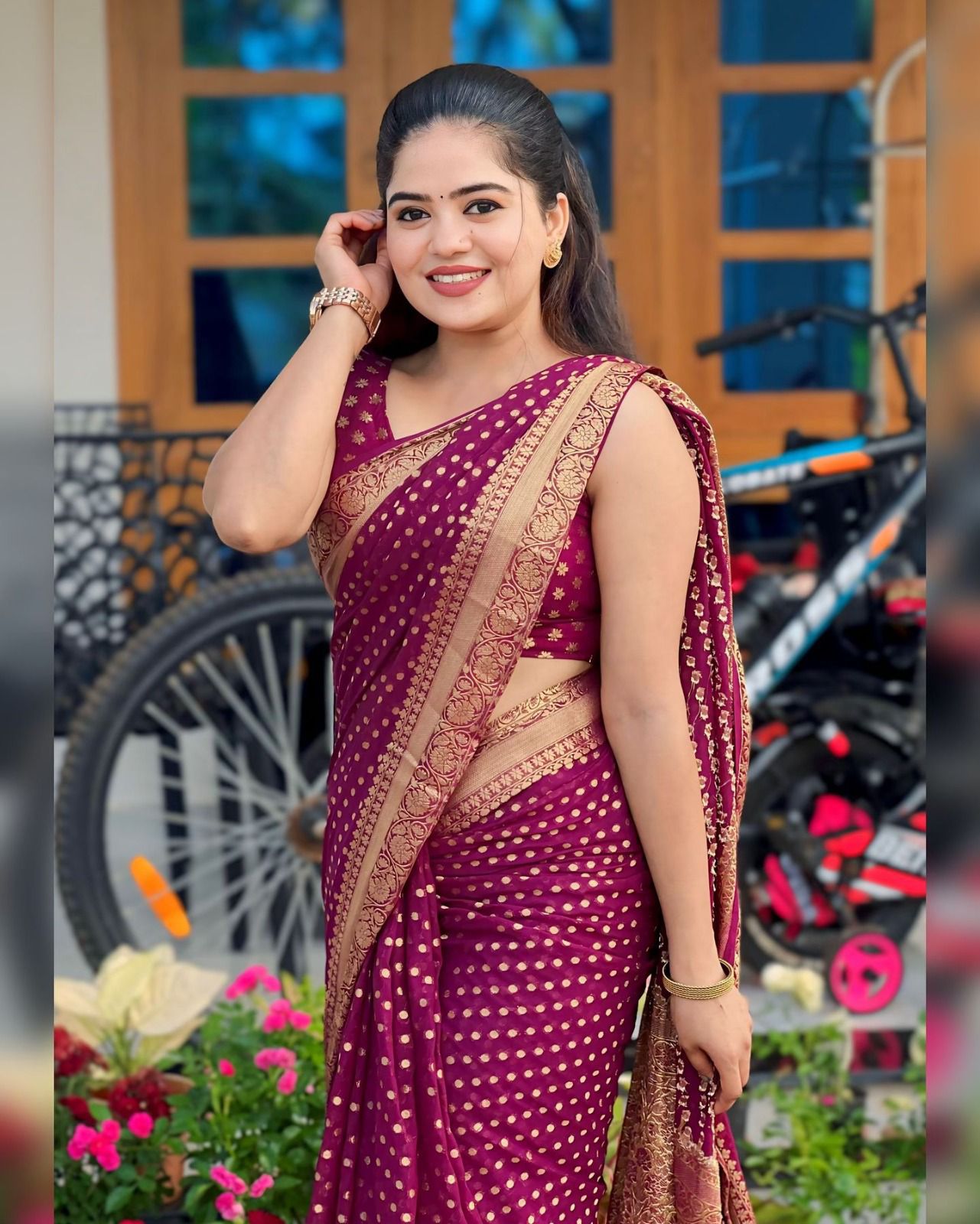
Kosa silk should be dry-cleaned when the saree has zari, dark dye, heavy jacquard work or visible stains. Gentle handling, low light and breathable storage protect the fibre more effectively than frequent washing.
- Air the saree in shade after wearing it for several hours, away from direct sunlight and strong heat.
- Remove surface dust with a very soft brush or clean, dry muslin cloth.
- don't rub stains, soak the saree, wring the fabric or apply perfume directly to the silk.
- Use a reputable dry cleaner familiar with silk and metallic thread for serious cleaning.
- Fold the saree along different lines every few months to reduce permanent crease stress.
- Wrap the saree in unbleached cotton or muslin and store it in a dry cupboard.
- Keep neem leaves or a properly enclosed cedar sachet nearby, but don't place scented or oily materials directly against the silk.
Strong sunlight can fade magenta, purple, teal and black dyes, while damp storage can encourage mildew and tarnish zari. Refold a stored saree every eight to twelve weeks and inspect it for moisture, insect activity or colour transfer. Never store silk in airtight plastic for long periods because trapped humidity can damage both fibre and metallic work.
What should you check before buying Kosa silk online?
Before buying Kosa silk online, verify the fibre description, measurements, blouse-piece information, zari type, lining details and care instructions. Product photographs alone can't establish fabric composition.
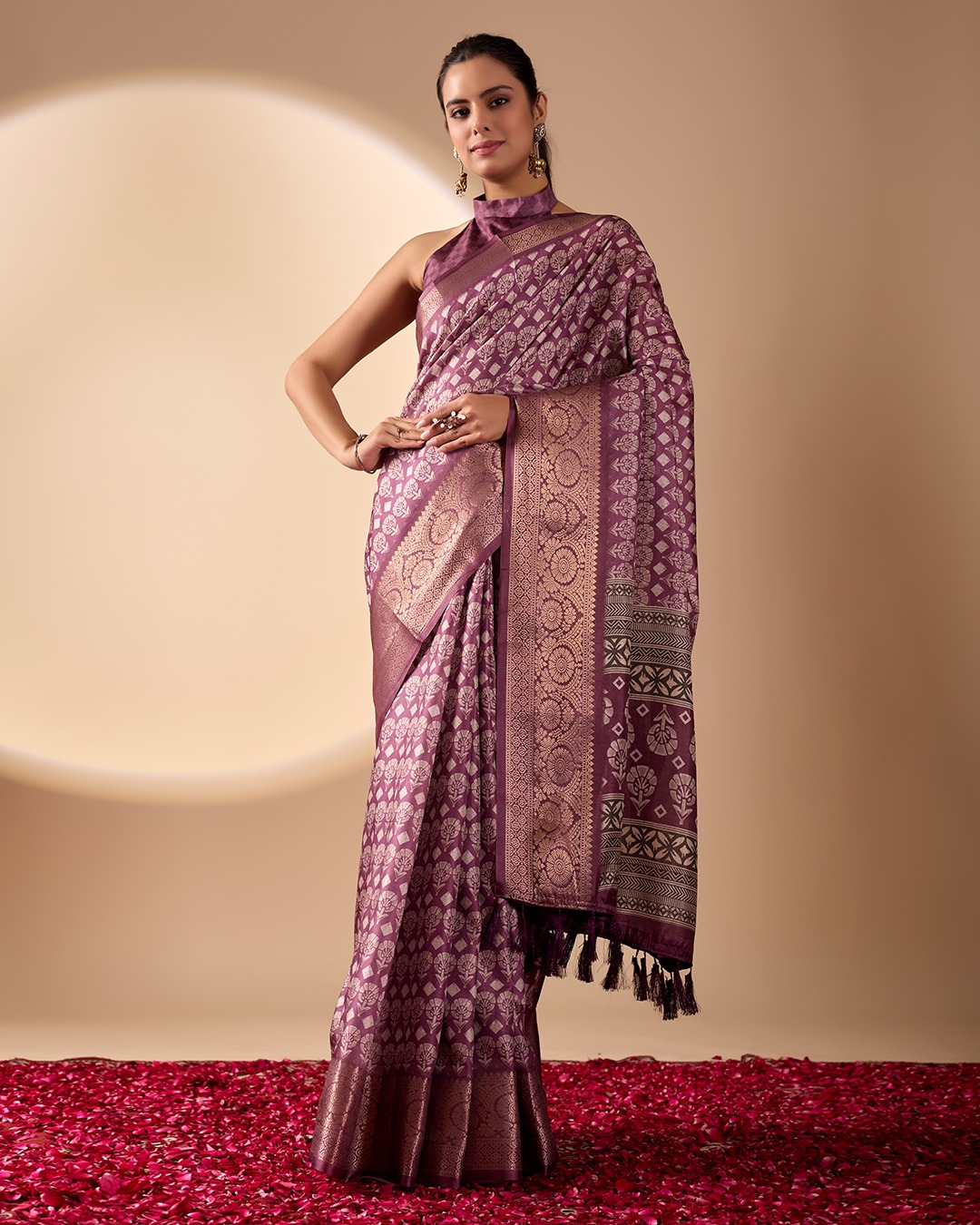
Check whether the listed length is approximately 5.3 to 5.5 metres for the saree and whether a separate blouse piece is included. Ask for close-up images of the weave, border and reverse side when the product page doesn't provide them. Confirm whether the colour may vary between screens, especially for magenta, maroon, teal and black.
For shoppers who want a contemporary silk wardrobe, Black Copper Lichi Silk Saree with Rich Jacquard Work and Maroon Lichi Silk Jacquard Saree with Rich Pallu illustrate two darker, occasion-ready directions. Pastel Peach Teal Banarasi Lichi Silk Saree Zari Work shows how a softer palette can retain a festive metallic accent, while Magenta Zari Banarasi Lichi Silk Saree With Blouse is useful for buyers who want a coordinated blouse option.
Collection labels can also help narrow the search, but they should not replace fabric checks. Party Wear Sarees may include several fibres and constructions, while Red Banarasi Silk Sarees for Weddings Under 1100 is primarily a colour-and-occasion grouping. Gray Color Sarees Under 1000 can be useful for comparing understated palettes, but price and colour alone don't establish Kosa authenticity.
The most dependable purchase combines a clear material declaration with detailed photographs and a care policy suited to silk. Kosa silk rewards that attention: its slightly irregular grain, warm sheen and structured fall become more distinctive with thoughtful styling rather than excessive ornamentation.
Common Questions About Kosa Silk and Chhattisgarh Sarees
Is Kosa silk the same as Tussar silk?
Kosa silk is a regional term commonly used for Tussar silk, especially the wild Tussar silk associated with Chhattisgarh and central India. Retail descriptions can vary, so check whether the saree is pure Kosa silk, a Tussar blend or a silk-look textile.
How can I identify a Kosa silk saree at home?
Look for a softly grainy texture, natural slubs, moderate lustre and a firm but flexible drape. A fibre declaration, handloom information and close-up weave photographs are more dependable than a burn test, which can damage the saree and give misleading results.
Is Kosa silk suitable for weddings?
Kosa silk is suitable for weddings when the saree has an appropriate pallu, zari border or jacquard finish. Maroon, magenta, black, purple and copper-toned designs work particularly well for evening celebrations, while lighter peach and teal shades suit daytime functions.
Can Kosa silk sarees be washed at home?
Dry cleaning is the safest choice for Kosa silk sarees with zari, dark dyes or heavy jacquard work. Avoid soaking, wringing, scrubbing and direct sunlight; air the saree in shade and store it wrapped in breathable cotton or muslin.
What blouse works best with a Kosa silk saree?
A structured raw-silk, cotton-silk or matching woven blouse works well with Kosa silk. Choose a plain blouse for a dense jacquard pallu, or use a lightly patterned blouse to connect a contrast border with the rest of the outfit.
Does Kosa silk have a shiny finish like Banarasi silk?
Kosa silk usually has a warm, restrained lustre rather than the highly reflective surface often associated with heavily brocaded Banarasi silk. Zari, dyeing and finishing can increase the visual shine, but the natural Kosa texture generally remains visible.