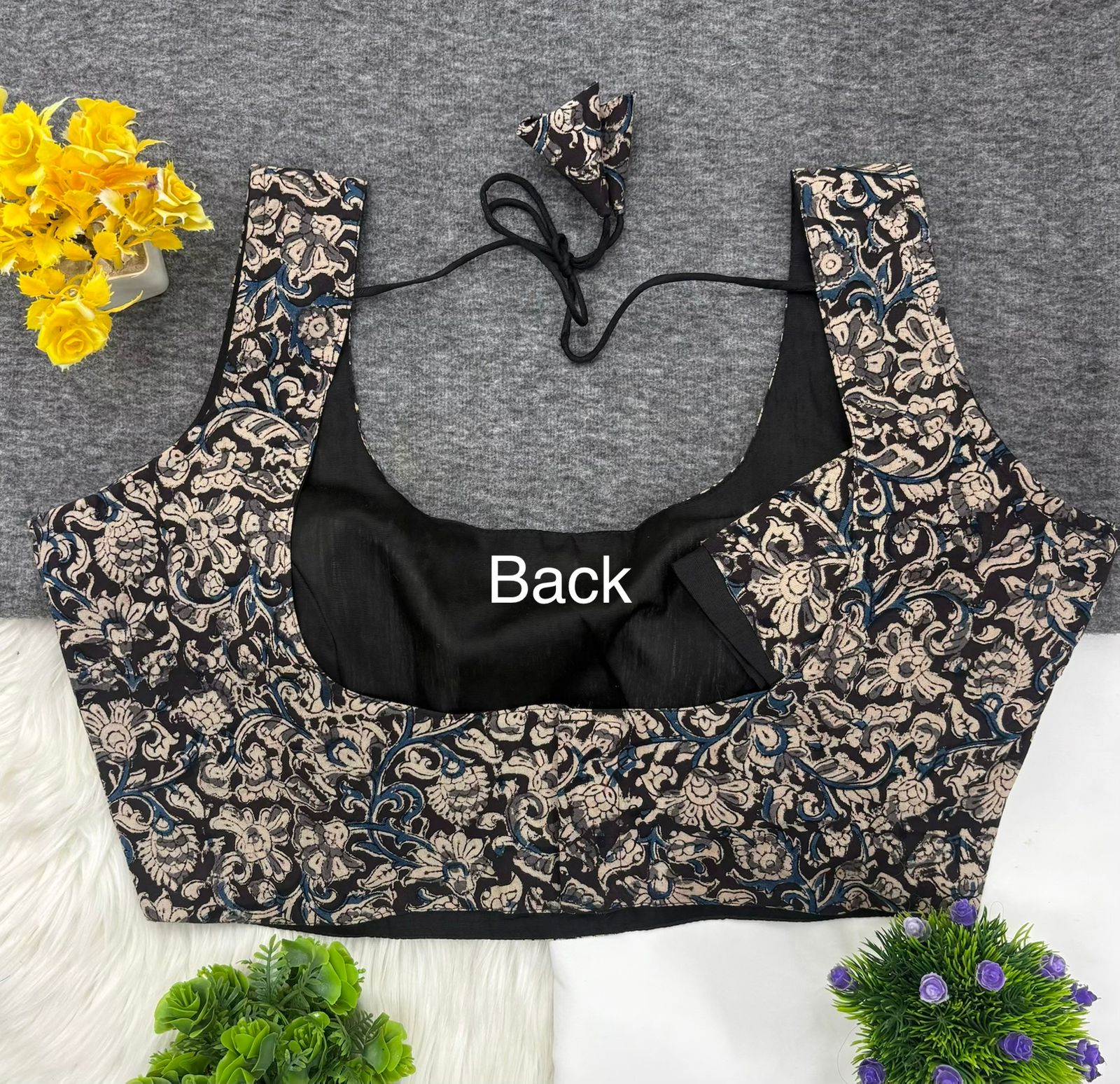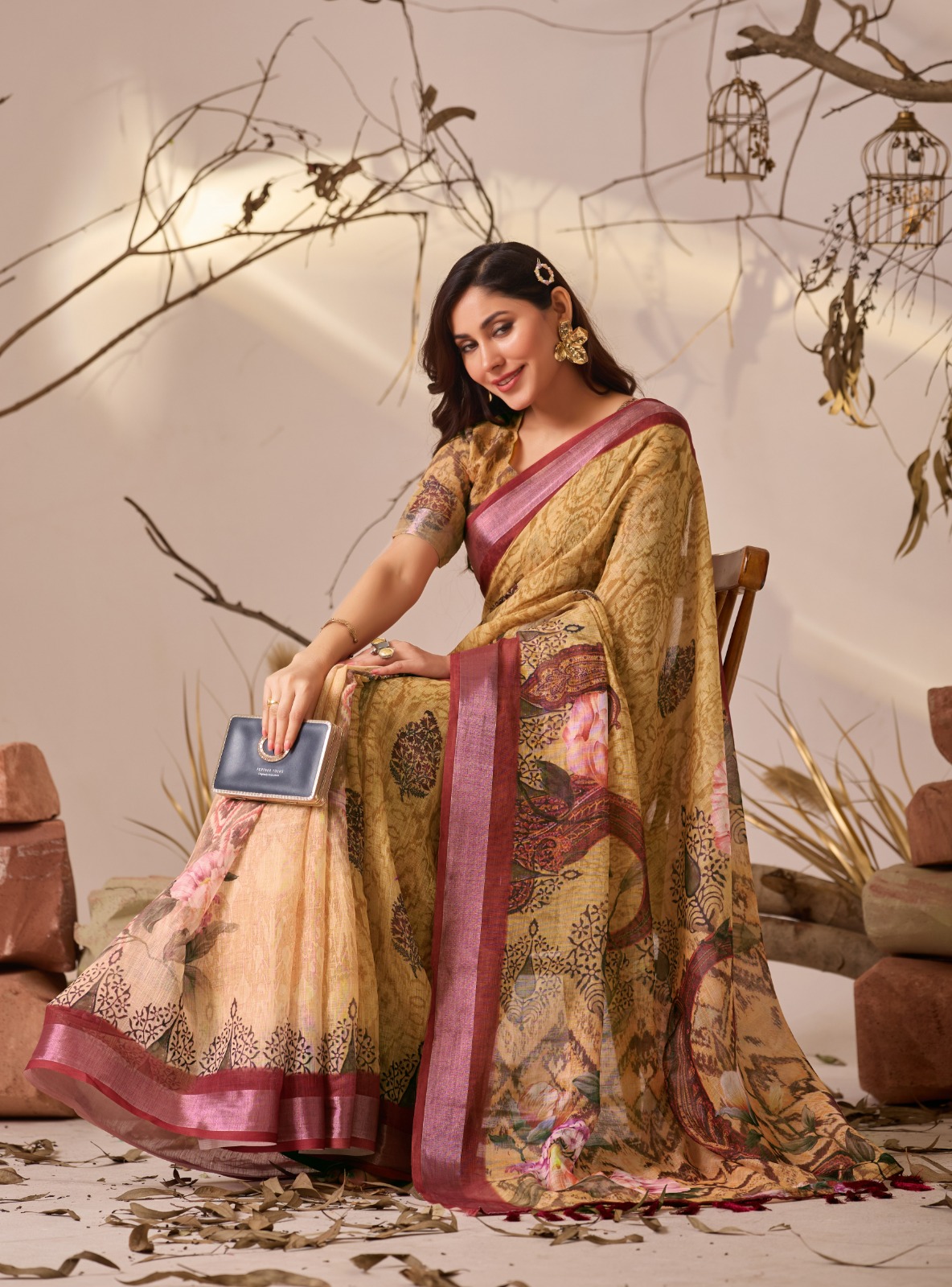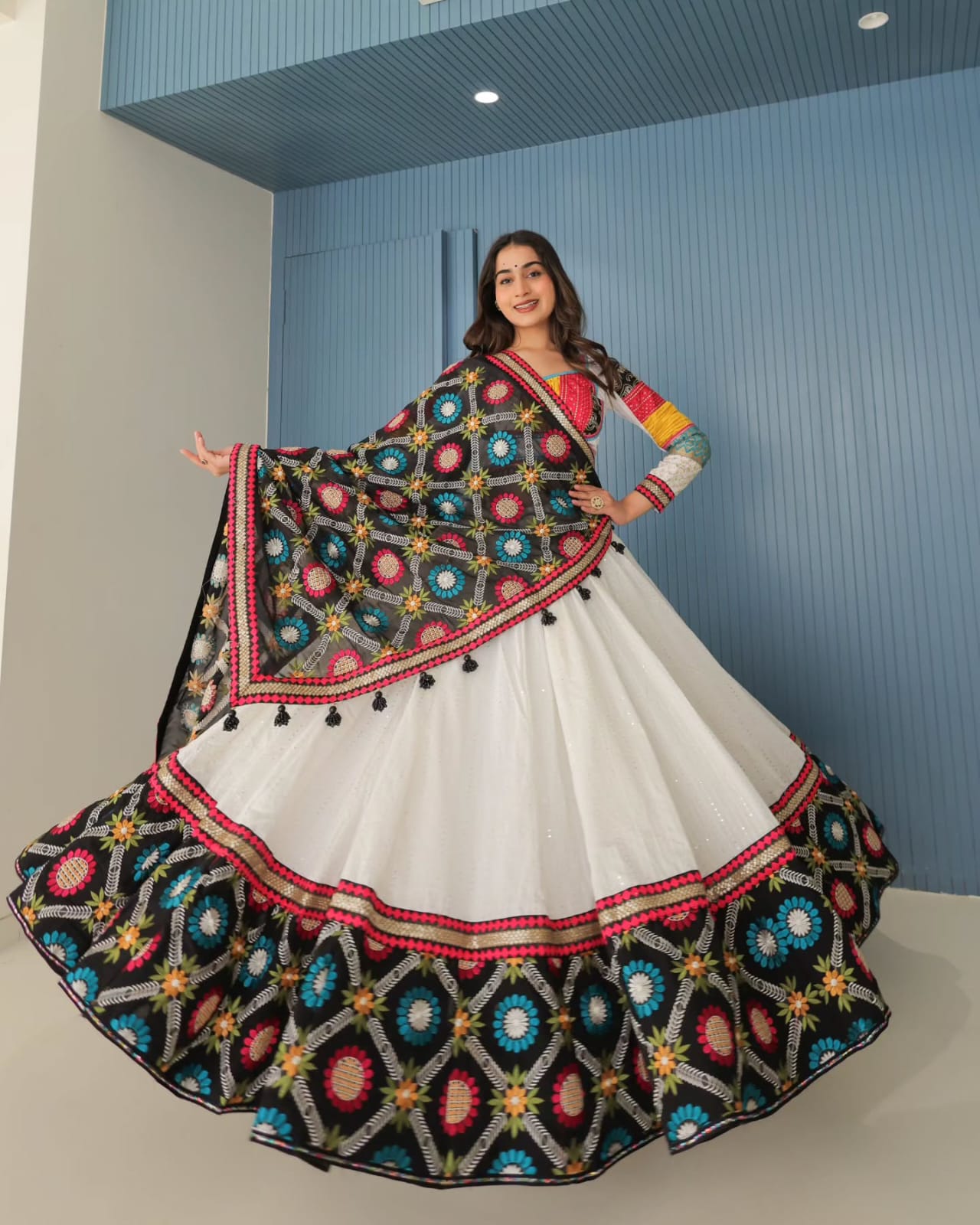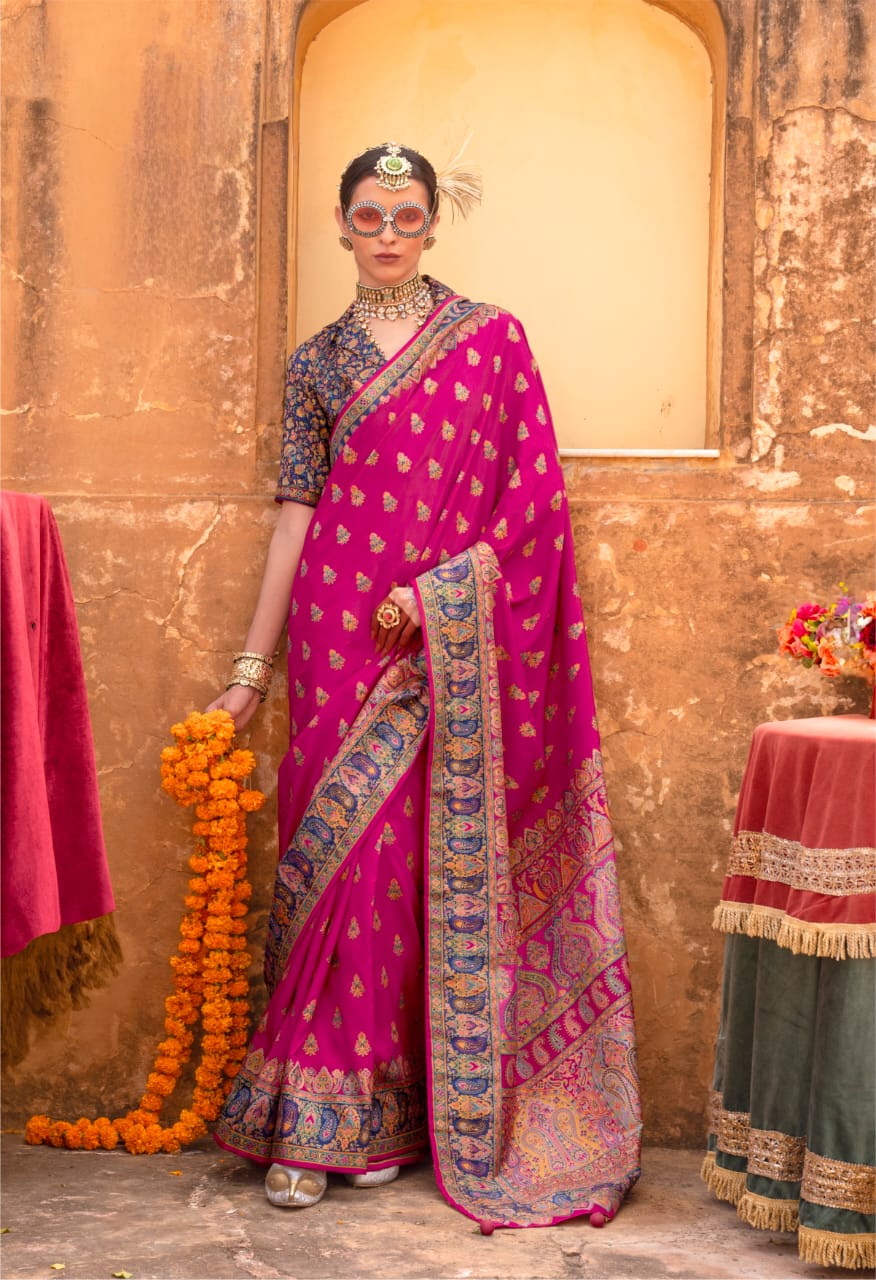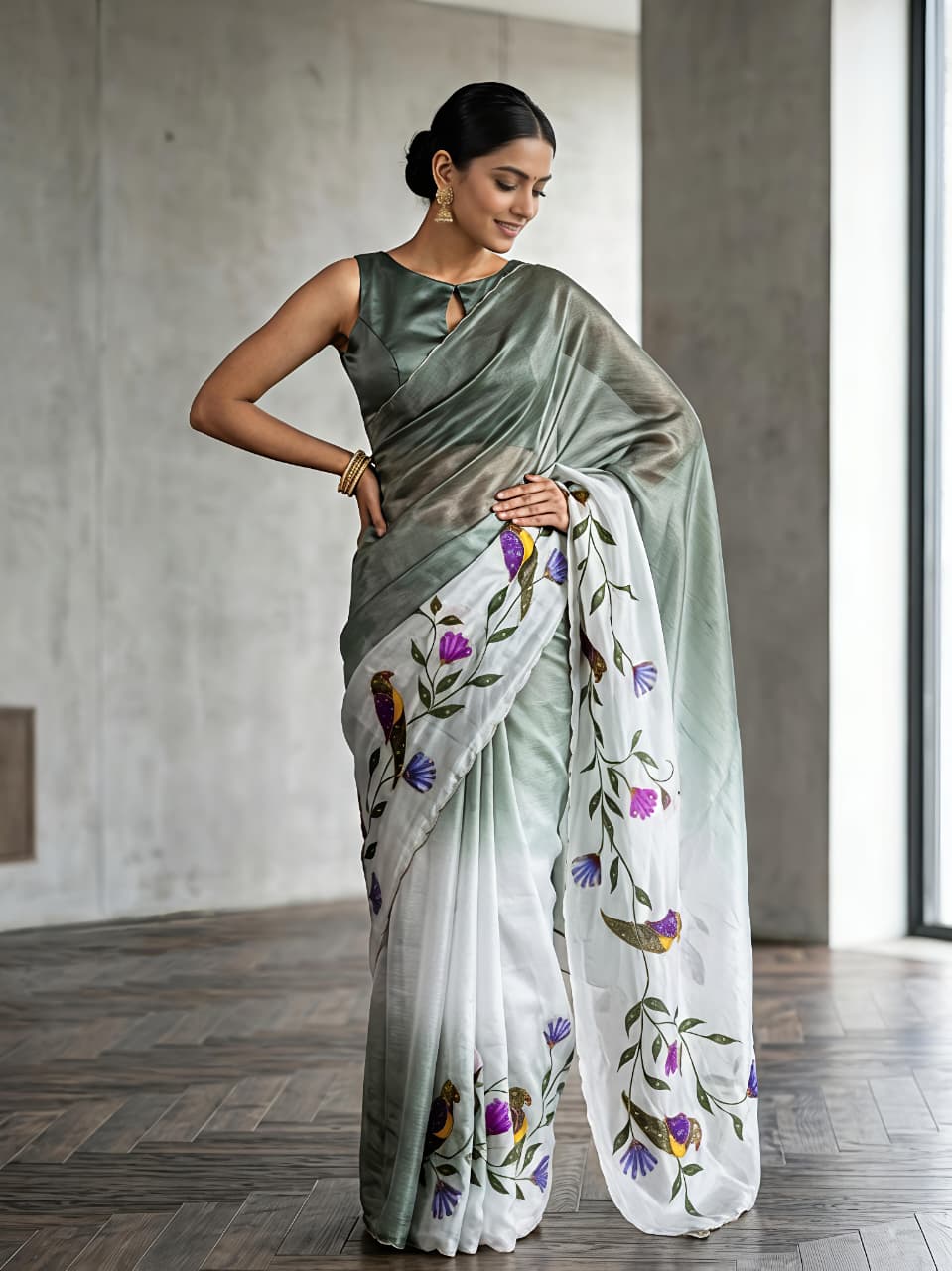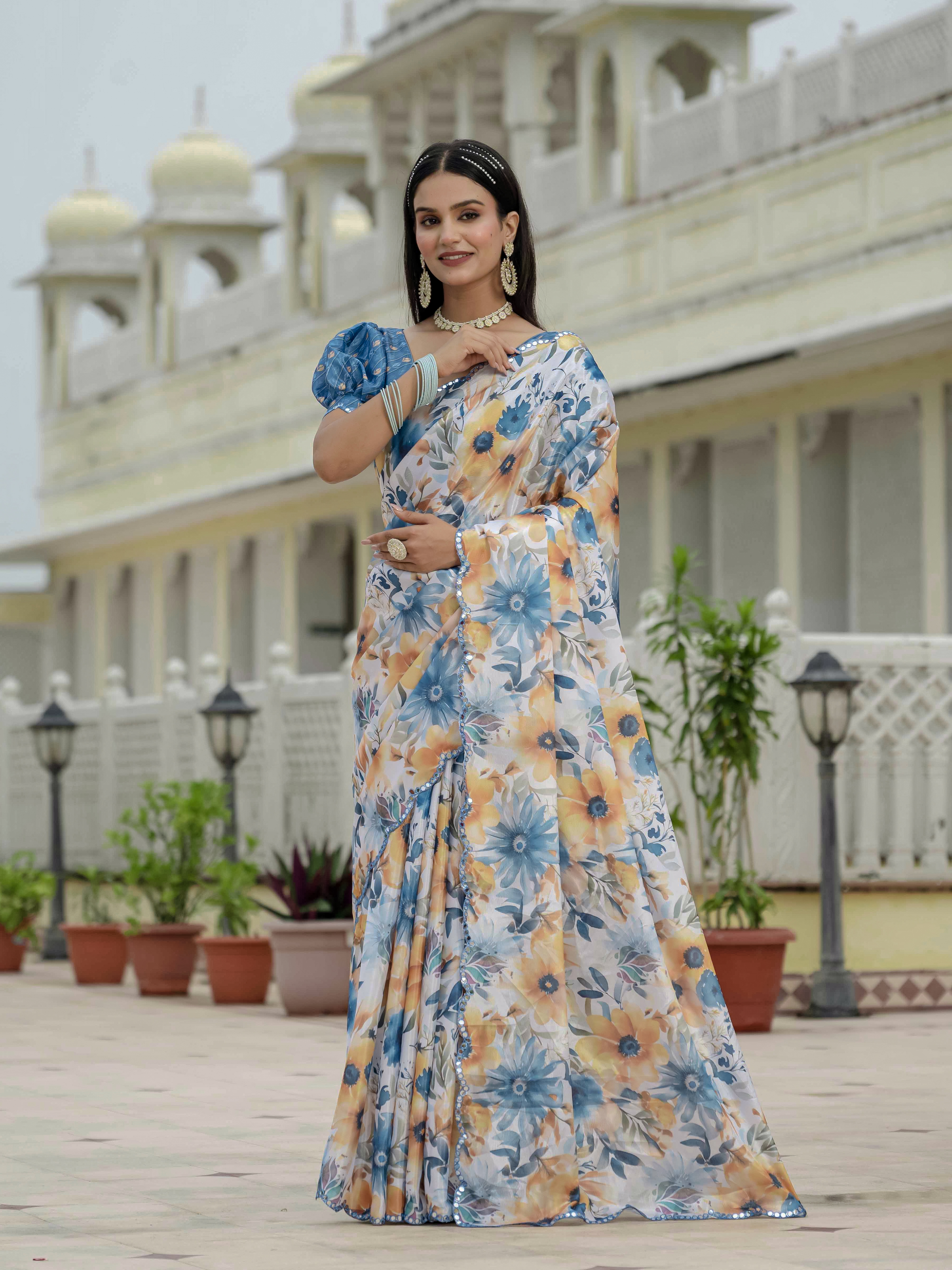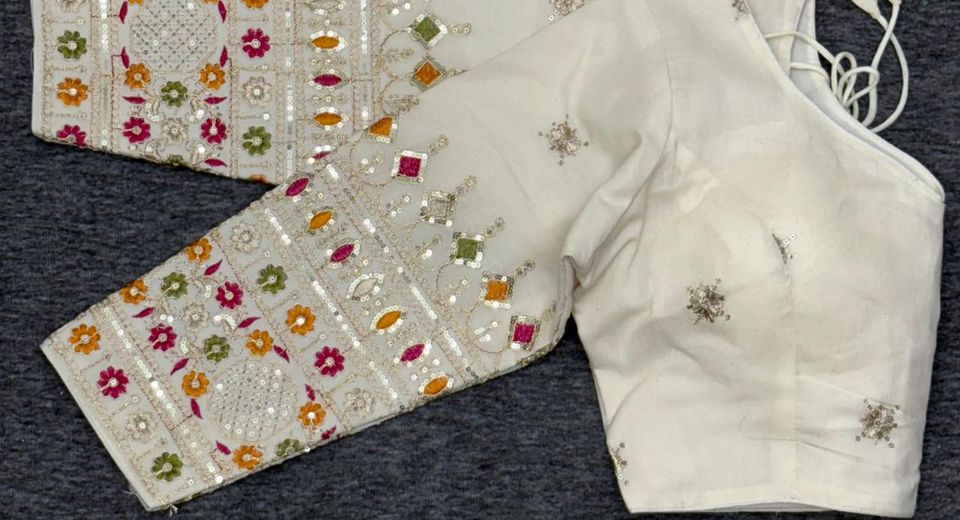
Kosa Silk Saree Blouse Designs for Festivals & Weddings need to balance the character of the saree with the practical demands of a long celebration. Kosa silk, a variety of tussar silk associated strongly with Chhattisgarh, has a gently textured surface and a warm, muted lustre rather than the high gloss of many synthetic satins. The right blouse therefore depends on more than a fashionable neckline: fibre compatibility, lining, sleeve movement, colour depth and the saree border all matter.
A successful pairing can look richly traditional without becoming heavy or uncomfortable. A structured blouse in a related earth tone can support a handwoven Kosa saree, while controlled zari, resham embroidery or small beadwork can make the outfit appropriate for a wedding reception. The most useful choices begin with the saree weave and the hours you expect to wear the blouse.
Why Kosa silk needs a considered blouse pairing
Kosa silk usually has a dry, slightly irregular texture, so a blouse with moderate structure and a compatible surface creates the most harmonious finish. Very shiny fabrics can look visually disconnected from Kosa silk, while matte silk, cotton silk, raw silk and textured brocade generally sit more naturally beside it.
Kosa silk is valued for natural slubs, a breathable feel and a subdued golden undertone. Those qualities make the saree especially attractive in rust, madder red, mustard, beige, off-white, olive, charcoal, deep blue and burnt orange. A blouse can repeat one of those tones for a serene ensemble or introduce a clear contrast such as wine, emerald, navy or antique gold.
Wedding lighting also changes how the combination appears. Warm indoor lights bring out copper and gold in Kosa silk, whereas daylight reveals the weave and makes bright synthetic embellishment more noticeable. A blouse with zari, resham or small beadwork should echo the saree border rather than compete with every texture in the drape.
Kosa Silk Saree Blouse Designs for Festivals & Weddings by neckline and sleeve
The most versatile Kosa silk blouse has a neckline and sleeve length chosen around the saree border, jewellery plan and required arm movement. A medium-depth round, square or soft V-neck works for most wedding sarees because each shape can accommodate necklaces without crowding the face.
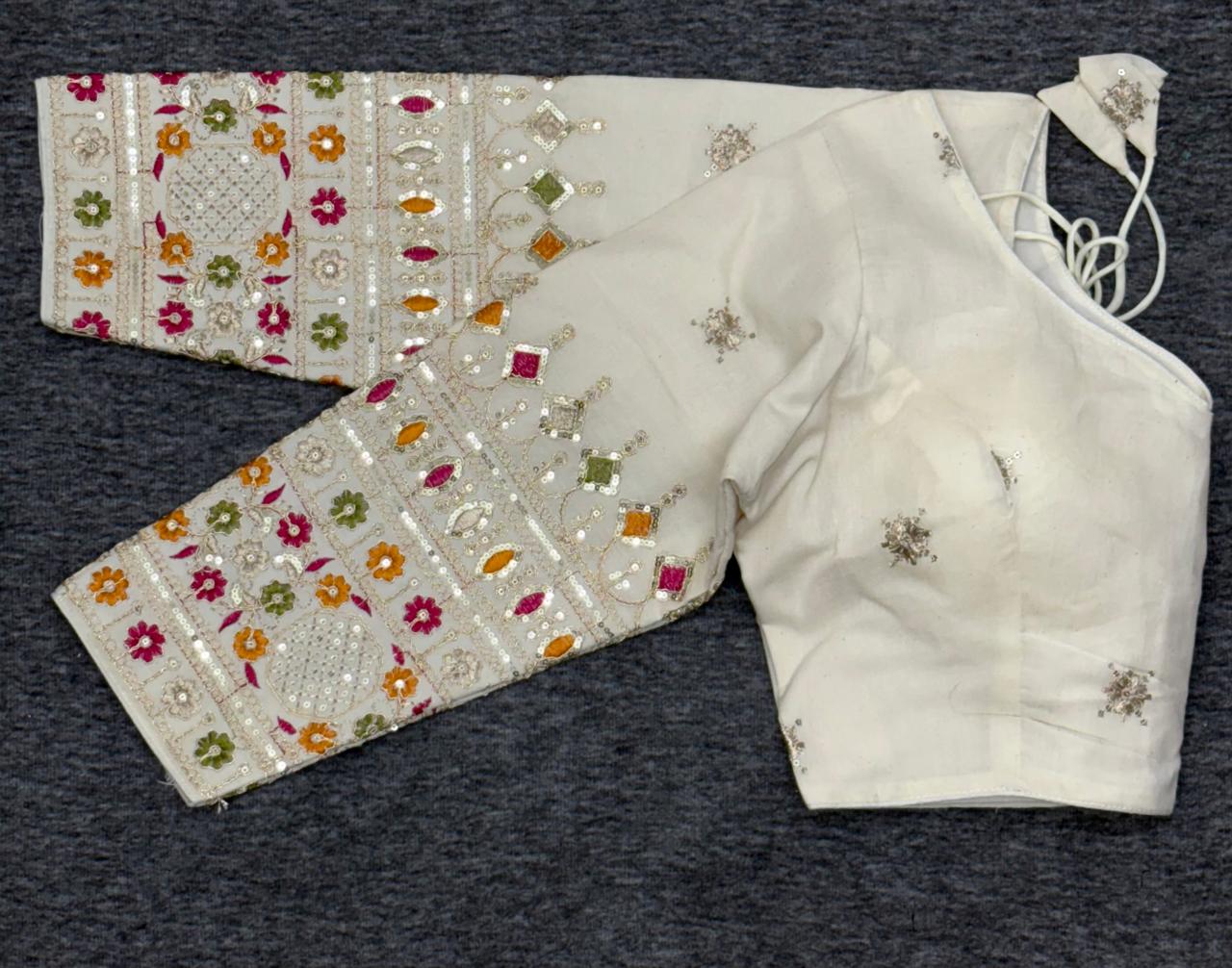
Necklines that suit heritage styling
A round neck gives a grounded, classic appearance and works particularly well with a long rani haar or layered gold chains. A square neck adds definition to a plain Kosa saree and looks balanced with jhumkas when the blouse has a high back. A modest V-neck visually lengthens the upper body and pairs well with a single pendant or a broad choker.
A boat neck can look elegant with a narrow Kosa border, but the shoulder width must be checked carefully during fitting. A high neck creates a more formal effect for winter weddings or evening receptions, especially when the blouse uses antique zari or tonal embroidery. Deep backs and halter shapes can be attractive for a reception, but they're less practical for rituals involving repeated bending, sitting or moving around guests.
Sleeves for movement and proportion
Elbow-length sleeves are the safest choice for a classic wedding blouse because they provide coverage, frame bangles and allow comfortable arm movement. Short sleeves suit petite proportions and lighter festive sarees, while three-quarter sleeves create a stately look with a broad border or statement earrings.
Small fabric-covered buttons, piping or a narrow zari edge can finish sleeves without making them stiff. If the saree already has a wide metallic border, a clean sleeve with one matching line of zari is usually more polished than dense embellishment. Sleeveless blouses can work for a cocktail-style reception, but a well-finished armhole and supportive construction are essential for comfort.
How to match colour, texture and embellishment
Colour matching works best when the blouse repeats one visible element of the saree instead of trying to copy its entire palette. A rust Kosa saree can take a deep maroon or antique-gold blouse, while a natural beige Kosa saree can be sharpened with indigo, bottle green or black.
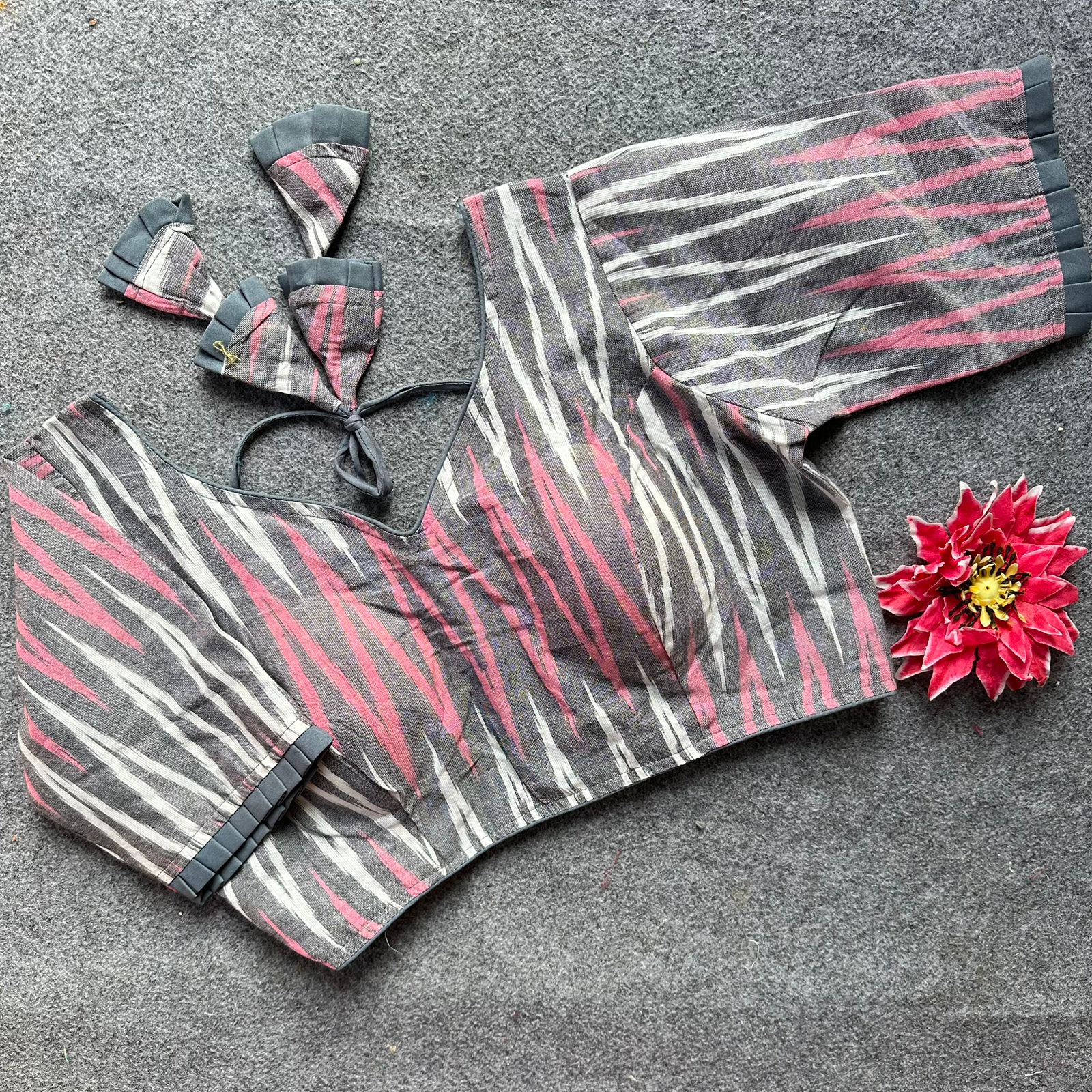
A blue accent offers a useful example of controlled contrast. Blue Zari Work Cotton Saree for Wedding shows how a cool base and metallic detail can be carried into a blouse without requiring identical fabric. A plain navy or indigo blouse with a slim gold border would preserve the saree's visual focus, while a heavily sequinned blue blouse could make the combination feel overly reflective.
Gold zari is a natural companion to Kosa silk because both fabrics take warmth. Antique gold often looks more integrated than bright yellow gold. Silver zari can work with charcoal, grey, ivory and blue Kosa sarees, especially for evening functions. Copper thread and matte beads complement the natural character of tussar silk particularly well.
Embroidery scale should follow the saree border. A narrow border benefits from restrained motifs around the neckline or sleeve edge. A broad woven border can support a larger but still concentrated motif on the back or sleeve. Scattered sequins across the entire front may catch beautifully in photographs, but sequins can feel scratchy during a six-hour ceremony and may snag the saree.
Blouse fabrics and linings that improve comfort
A Kosa silk saree blouse doesn't need to be made from identical Kosa silk to look coordinated. Raw silk, silk-cotton, Banarasi silk, lightweight brocade and good-quality cotton can all work when their weight and colour relate to the saree.
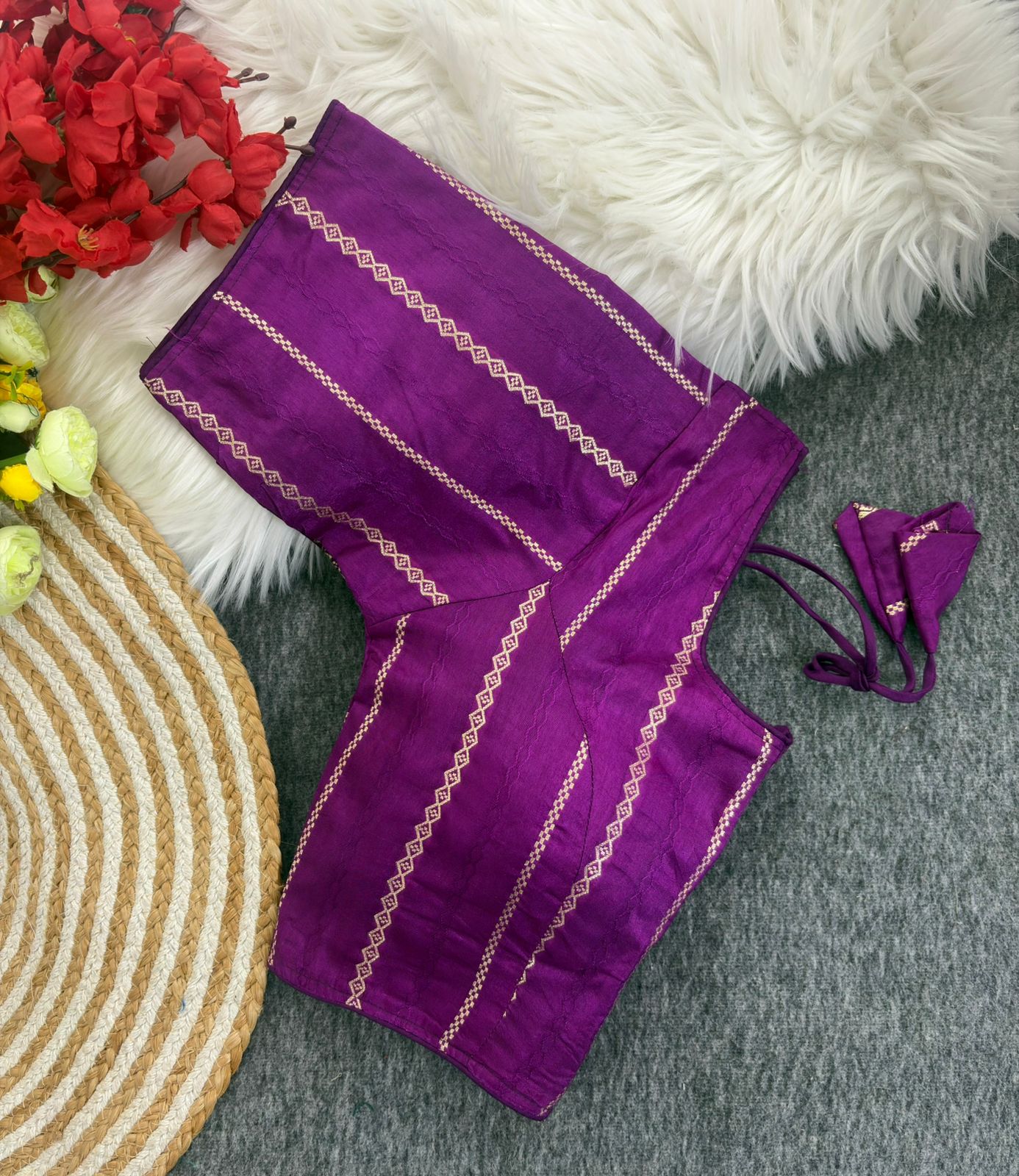
Banarasi silk brings a richer, more formal surface and suits a wedding reception or the bride's close family. Banarasi Silk Golden Jari Padded Blouse for Women demonstrates how golden jari can provide a strong focal point with a time-honoured silk saree. Pairing a detailed Banarasi blouse with a plain Kosa saree usually creates better balance than combining it with another heavily patterned drape.
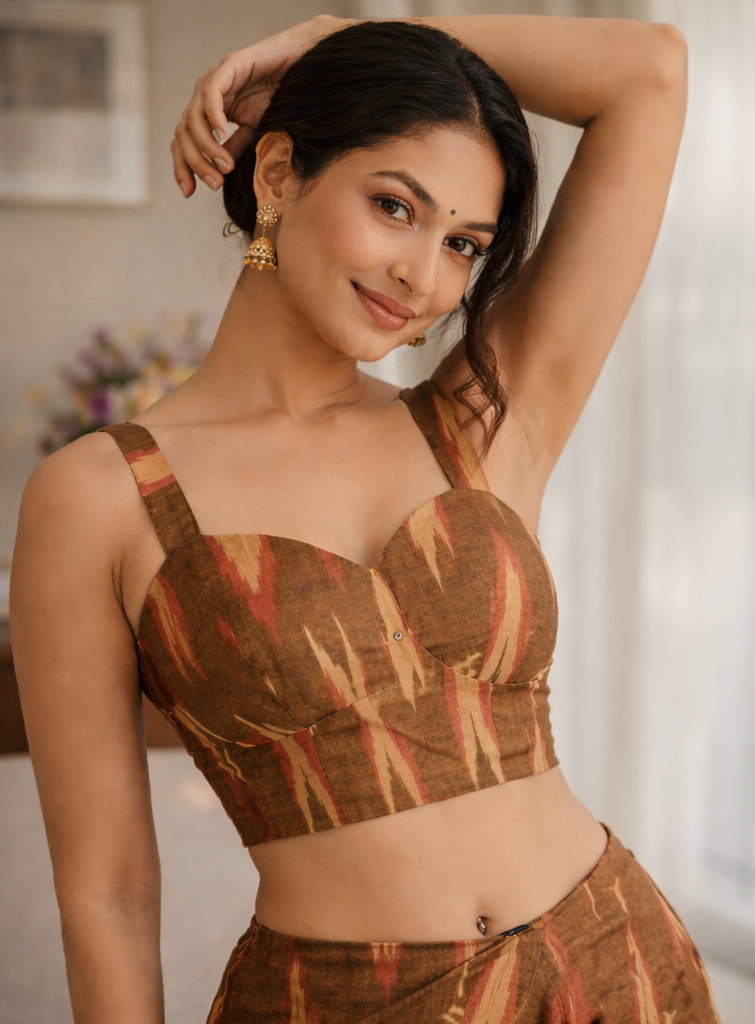
Cotton is often the most comfortable choice for a daytime Haldi ceremony, temple visit or outdoor function. Cotton Ikat introduces geometric interest while keeping the outfit visually connected to handloom traditions. Brown Ikat Cotton Padded Blouse Sleeveless Stylish can support a warm-toned Kosa saree, while Cream Ikat Cotton Padded Blouse Sleeveless Trendy can brighten a rust, maroon or dark green drape.
A lining should be smooth, breathable and firmly attached at the armholes. Cotton voile, cotton satin or a soft silk-cotton lining can reduce friction better than rough synthetic lining. A padded blouse doesn't have to be heavily stiff. Light removable cups or moderate padding can create a clean drape while preserving comfort during sitting and dancing.
Choosing a blouse for each wedding function
The function determines how much embellishment, coverage and movement a Kosa silk blouse should provide. Daytime rituals generally reward breathable fabrics and controlled decoration, while evening receptions can accommodate deeper colours, metallic surfaces and more sculptural tailoring.
Haldi and daytime ceremonies
A daytime Haldi ceremony calls for a breathable lining, secure fastenings and sleeves that don't interfere with movement. A cream, brown, turmeric yellow, green or rust blouse with cotton construction keeps the look festive without making the outfit feel formal too early in the day.
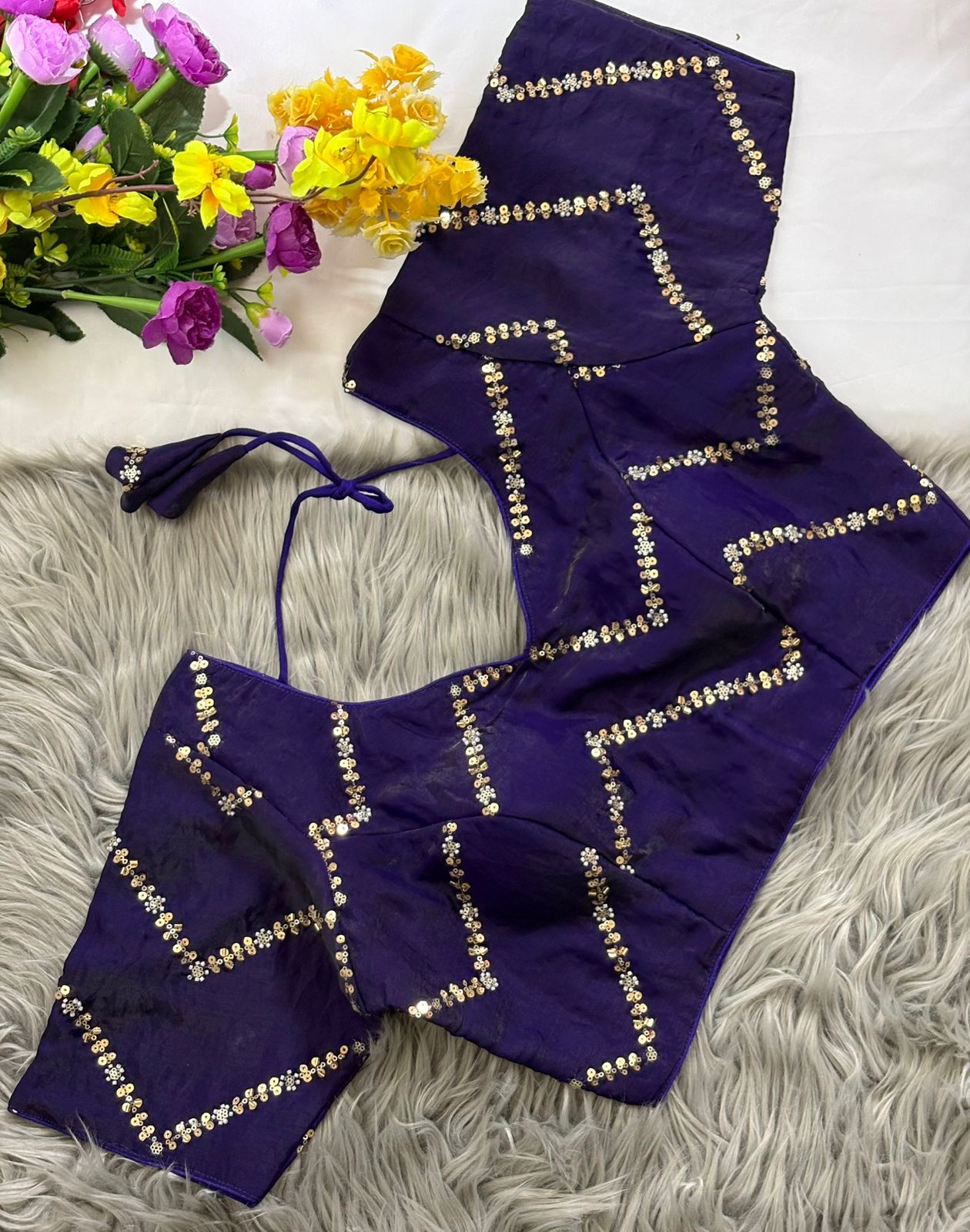
Fendy Silk Zigzag Moti Work Readymade Blouse can inspire a playful approach when a Kosa saree needs surface interest rather than heavy zari. Moti work should be checked for secure stitching because loose beads can catch on a textured silk drape. A readymade blouse is useful when the shoulder and bust measurements align closely, but alterations may still be needed at the side seams and sleeve opening.
Wedding ceremony and family portraits
A wedding ceremony suits a blouse with dependable support, a defined neckline and enough coverage for sitting through rituals. Elbow sleeves, a secure back closure and a lining that doesn't shift are more valuable than an elaborate back design hidden by the pallu.
Classic Festive Wear Blouse for Stylish Saree Look can anchor a textured Kosa saree when jewellery and the saree border already provide detail. For portraits, place the strongest visual element where the camera can see it: the neckline, sleeve border or visible shoulder rather than only the back.
Reception and evening celebrations
An evening reception allows a more dramatic neckline, metallic thread, sculpted sleeve or contrasting blouse colour. The blouse should still match the saree's weight; a rigid brocade can pull against a lightweight Kosa drape and disturb the pleats.
A fitted silk blouse with restrained golden jari, a deep jewel tone or a clean sleeveless cut can look contemporary without losing Indian character. The most wearable reception designs combine one dramatic feature with quiet details elsewhere, such as a deep back with plain sleeves or a metallic front with a simple neckline.
Fit measurements that matter more than the design sketch
Accurate bust, underbust, shoulder, armhole, sleeve and blouse-length measurements determine whether a wedding blouse remains comfortable after several hours. A blouse that fits only at the bust can pull across the back, restrict breathing or cause the saree to sit unevenly.
Measure the bust while standing naturally, without compressing the chest. Measure the underbust separately because the lower edge needs to stay stable without digging into the rib cage. Shoulder width should be taken from one shoulder point to the other. Armhole depth should allow the arm to lift without forcing the blouse upward.
Try the blouse with the actual saree before the final alteration. Sit on a chair, raise both arms, turn sideways and practise securing the pallu. These movements reveal tightness that may not appear while standing still. Leave a modest seam allowance where possible because wedding-day meals, innerwear changes and natural body fluctuation can affect comfort.
Readymade padded styles are easiest to wear when the cup position, bust point and shoulder width match the wearer. Padding that sits too high can distort the neckline, while padding that's too firm can make the blouse feel hot. A tailor can often improve the result by adjusting the side seams, hooks, shoulder slope and back length.
Jewellery and draping choices that complete the outfit
Jewellery should repeat the blouse's strongest finish rather than introduce an unrelated metal. Gold jhumkas and a slim waist belt suit antique zari, while oxidised silver works better with charcoal, indigo, grey or cooler blue Kosa sarees. Pearls and matte beads soften a blouse with minimal metallic work.
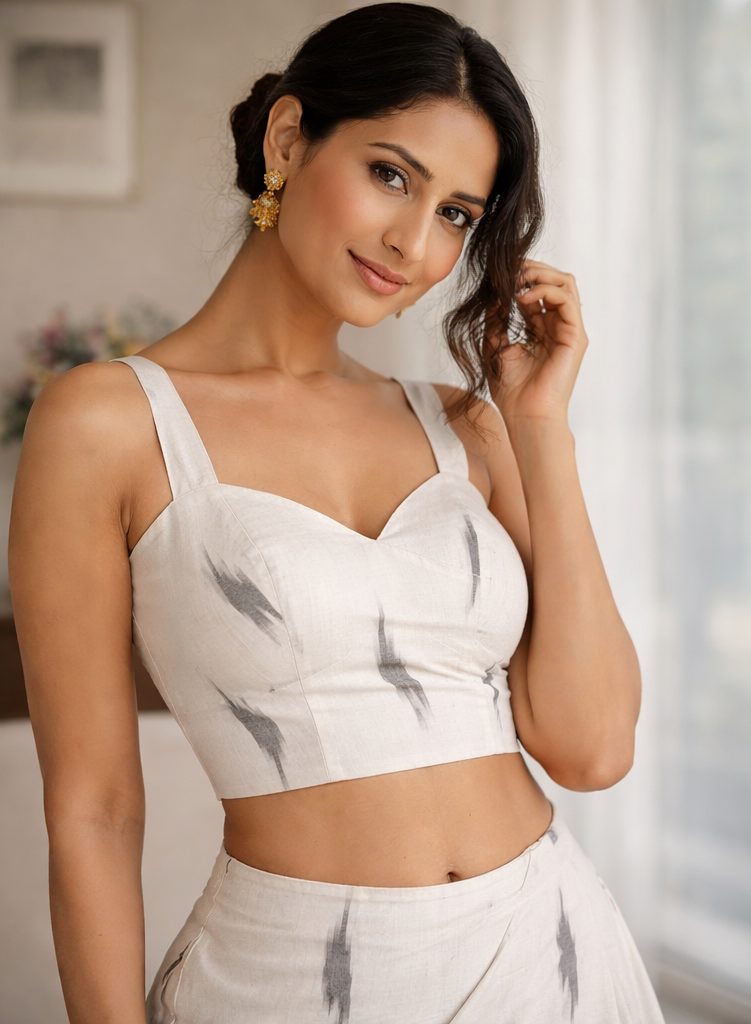
A neat front pleat and a pallu pinned at the shoulder help a textured Kosa saree remain orderly around a structured blouse. Pinning the pallu at two points, near the shoulder and below the waist, reduces slipping without flattening the weave. A slightly wider pallu fold can display a woven border, whereas narrow pleats keep a heavily worked blouse visible.
Keep the handbag and footwear quieter when the blouse includes moti work, zari or a strong Ikat pattern. Conversely, a plain cream or brown blouse can support an ornate potli, layered necklace or embroidered footwear. The outfit looks intentional when only two or three elements carry the highest level of detail.
Care and storage for a Kosa silk blouse
Kosa silk and embellished blouse fabrics should be dry-cleaned only when the care label recommends it, and surface dust should be removed with a soft, dry brush after each wear. Avoid spraying perfume, deodorant or hair products directly onto silk because alcohol and oils can leave permanent marks.
Air the blouse in shade for several hours before storage. Fold embellished pieces with soft unprinted tissue between the folds, and store them in a breathable cotton bag rather than sealed plastic. Keep zari away from damp walls and humid bathrooms because moisture can dull metallic thread and encourage colour transfer.
Never wring, twist or scrub Kosa silk. A small stain should be shown to a professional cleaner instead of treated with home bleach, detergent or lemon juice. Store padded blouses flat when possible, and don't place heavy saree stacks on top of structured cups because prolonged pressure can deform the shape.
The strongest Kosa Silk Saree Blouse Designs for Festivals & Weddings combine textile harmony with movement, support and care. Choose the blouse after examining the saree's border, wearing duration, ceremony setting and jewellery plan. That sequence produces a more polished result than selecting a neckline from a photograph alone.
Common Questions About Styling Kosa Silk Sarees for Celebrations
Which blouse colour looks best with a Kosa silk saree?
Rust, maroon, antique gold, mustard, indigo, bottle green, cream and deep blue pair especially well with Kosa silk. Choose a related shade for a traditional appearance or use one contrasting colour drawn from the saree border for definition.
Can I wear a Banarasi silk blouse with a Kosa silk saree?
Yes, a Banarasi silk blouse works well with a plain or lightly bordered Kosa saree. Keep the blouse's zari or brocade detail controlled so the heavier Banarasi surface does not compete with the saree's natural texture.
Are cotton blouses suitable for Kosa silk sarees at weddings?
Cotton blouses are suitable for daytime weddings, Haldi ceremonies and outdoor functions because they are breathable and easy to move in. Cotton Ikat, cotton silk and lined cotton work particularly well with warm-toned or handwoven Kosa sarees.
Which blouse neckline is most comfortable for a long wedding ceremony?
A medium round, square or soft V-neck with elbow-length sleeves is usually the most comfortable choice for a long ceremony. The neckline should allow natural breathing and the armhole should permit lifting the arms without pulling the blouse upward.
How should a Kosa silk blouse be stored?
Air the blouse in shade after wearing it, then fold it with soft tissue if it has zari, beads or embroidery. Store the blouse in a breathable cotton bag away from moisture, direct sunlight and heavy items that could flatten padding.
Can a readymade blouse be altered to fit a Kosa silk saree outfit?
A readymade blouse can usually be altered at the side seams, shoulder, sleeve opening and back closure when the base bust and cup position are close to the required measurements. Major changes to the armhole, neckline or padding placement may require a custom blouse instead.