Khasi Traditional Fashion carries the climate, craft knowledge and social identity of Meghalaya into every drape. The most recognisable Khasi women's garments include the Jainsem, a two-piece wrapped outfit, and the Dhara or Jainsem Dhara, a more layered drape often associated with ceremonial dressing. Modern wardrobes can draw from these forms through handwoven textiles, restrained borders, natural fibres and layered silhouettes without treating Khasi clothing as a costume.
A useful starting point is to separate Khasi clothing from the deep category of Northeast Indian dress. Khasi, Jaintia and Garo communities have different histories and garment traditions, even though Meghalaya's styles are often grouped together online. A thoughtful outfit therefore names the textile, silhouette or community influence it draws from alternatively of calling every northeastern-inspired look "tribal wear."
Khasi Traditional Fashion and the distinctive language of Jainsem drapes
Khasi Traditional Fashion is distinctive because draped layers, woven cloth and functional styling work together rather than relying only on surface decoration. A traditional outfit communicates how fabric is wrapped around the body, how a shawl is positioned, and when a particular textile is worn.
The Jainsem is commonly formed from two rectangular pieces of cloth fastened over the shoulders and wrapped around the body. The Dhara adds another layer and can create a more formal, flowing appearance. A Jainsem isn't identical to a saree: the construction, fastening and proportion are different, and the garment doesn't depend on a pleated lower drape tucked at the waist.
Khasi women may also wear a blouse or fitted top beneath the draped layers, while a shawl or additional cloth can provide warmth in Meghalaya's cooler upland climate. Traditional accessories, including jewellery and decorative pins, complete the appearance. The exact arrangement varies by family, locality, age, event and personal preference, so no single image represents every Khasi wearer.
Khasi Traditional Fashion through Ryndia and Meghalaya textiles
Ryndia, also called eri or endi silk, is one of the most important textile references for Meghalaya-inspired dressing. Ryndia is produced by a non-violent silk process in which the silkworm is generally allowed to complete its life cycle before the cocoon is opened, giving the yarn a soft, slightly textured character.
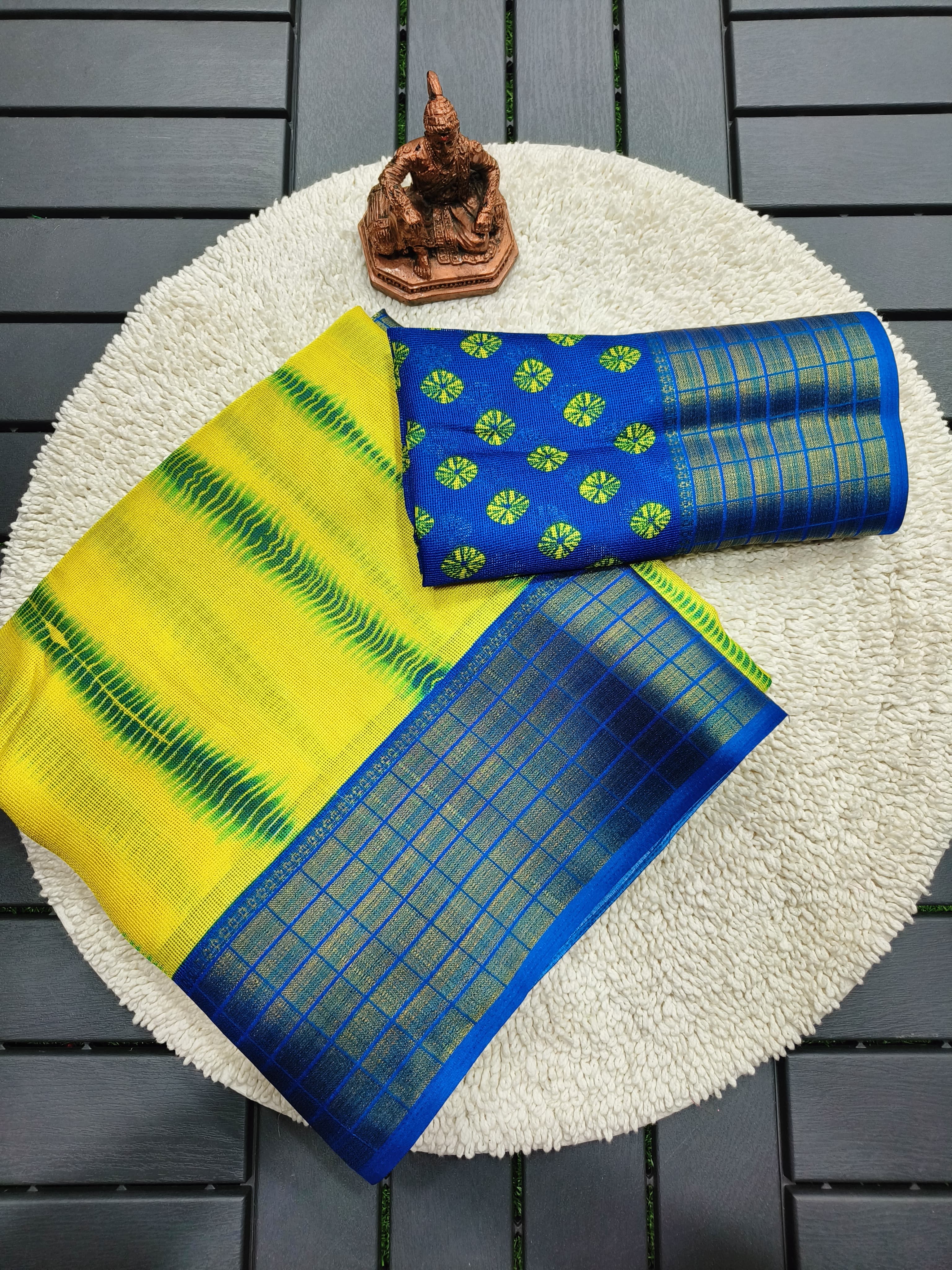
Ryndia is valued for warmth, breathability and a matte surface rather than the high shine associated with many commercial silk satins. The cloth can appear in earthy beige, cream, rust, muted red and brown tones, although contemporary weavers and designers use a wider palette. Cotton is also important for lightweight everyday textiles, especially in a region where comfort and moisture management matter.
Meghalaya's textile landscape includes more than one community tradition. Garo weaving, Jaintia dress customs and Khasi textile practices should not be collapsed into a single category. Handloom cloth may be woven on different looms, finished with contrasting borders or decorated with checks, stripes and restrained motifs. The value of a textile comes from its fibre, spinning, weaving method and maker's skill, not simply from a label such as "ethnic."
How can a shopper identify a genuine handwoven textile?
A genuine handwoven textile usually shows small variations in yarn thickness, selvedge structure and motif alignment rather than machine-perfect repetition. Ask whether the seller can name the fibre, weaving location, finishing method and care requirement.
Ryndia silk should not be confused with every fabric marketed as "raw silk" or "tussar." Tussar silk, Banarasi silk, Chanderi and Kanjeevaram are valuable Indian textile traditions, but they're not interchangeable with Ryndia. A transparent description should identify the actual fibre instead of using a broad silk label to suggest regional authenticity.
Khasi Traditional Fashion adapted for practical modern outfits
Jainsem-inspired styling works best when the layered proportion is retained while the fabric and fastening are adjusted for everyday movement. A rectangular handloom stole, long overlay or wrap skirt can echo the visual logic of a Jainsem without claiming to reproduce a traditional garment exactly.
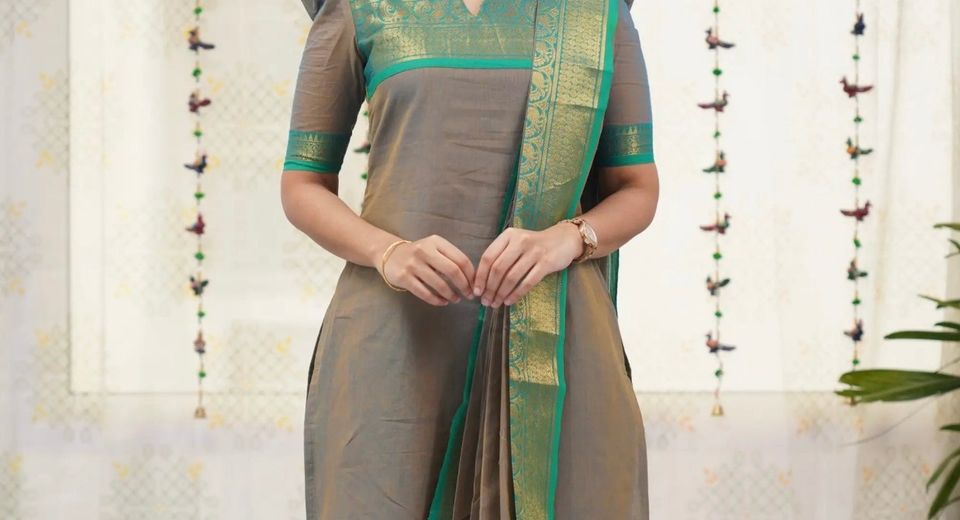
For a work-friendly interpretation, pair a solid cotton kurta with straight trousers and a narrow woven stole placed over one shoulder and secured with a discreet brooch. Keep the base garment simple so the border and texture remain visible. Modern Taupe Vichitra Silk Embroidered Co-Ord Set for Women can provide a contemporary foundation, although its polished silk finish creates a modern interpretation rather than a traditional Khasi outfit.
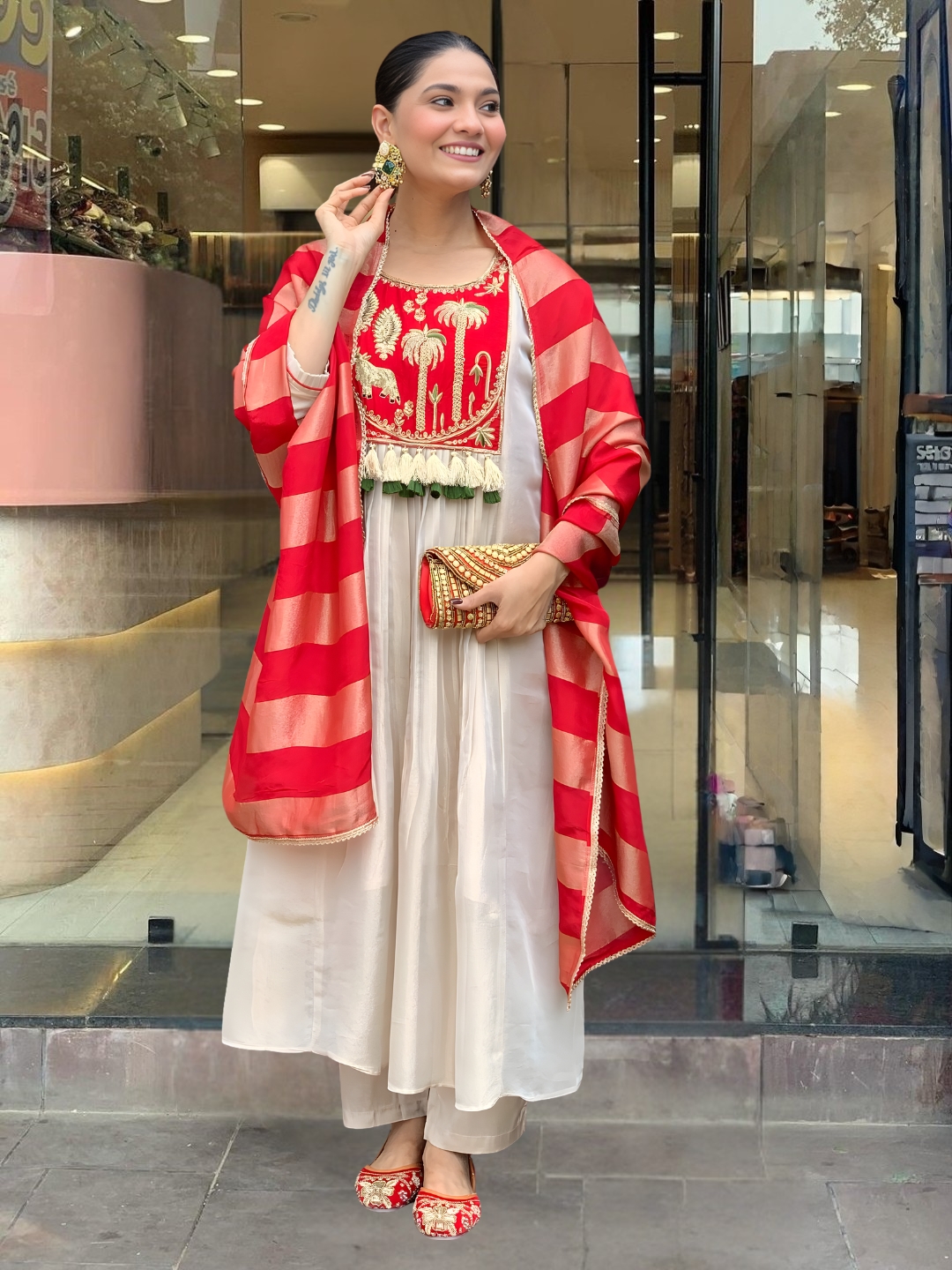
For a festive event, a layered dupatta can suggest the depth of a Dhara while remaining familiar to wearers of salwar suits. Silk Festive Kurta Pant Set with Zari Jacquard Dupatta offers a practical example of this approach: use the dupatta as a second vertical layer, keep the kurta free of excessive accessories, and let the woven surface carry the visual interest.
A shorter wrap worn over a long dress can create movement without adding the volume of two full rectangular cloths. Choose a firm pin at the shoulder and test the drape by sitting, walking and raising both arms. These checks matter because a beautiful layer that slips constantly won't function as everyday clothing.
Khasi Traditional Fashion outfit ideas for different occasions
A Khasi-inspired outfit should match the formality, weather and movement required by the event. Textile texture and layered lines can create a connection to Meghalaya without copying ceremonial dress for a casual setting.
For a daytime cultural programme
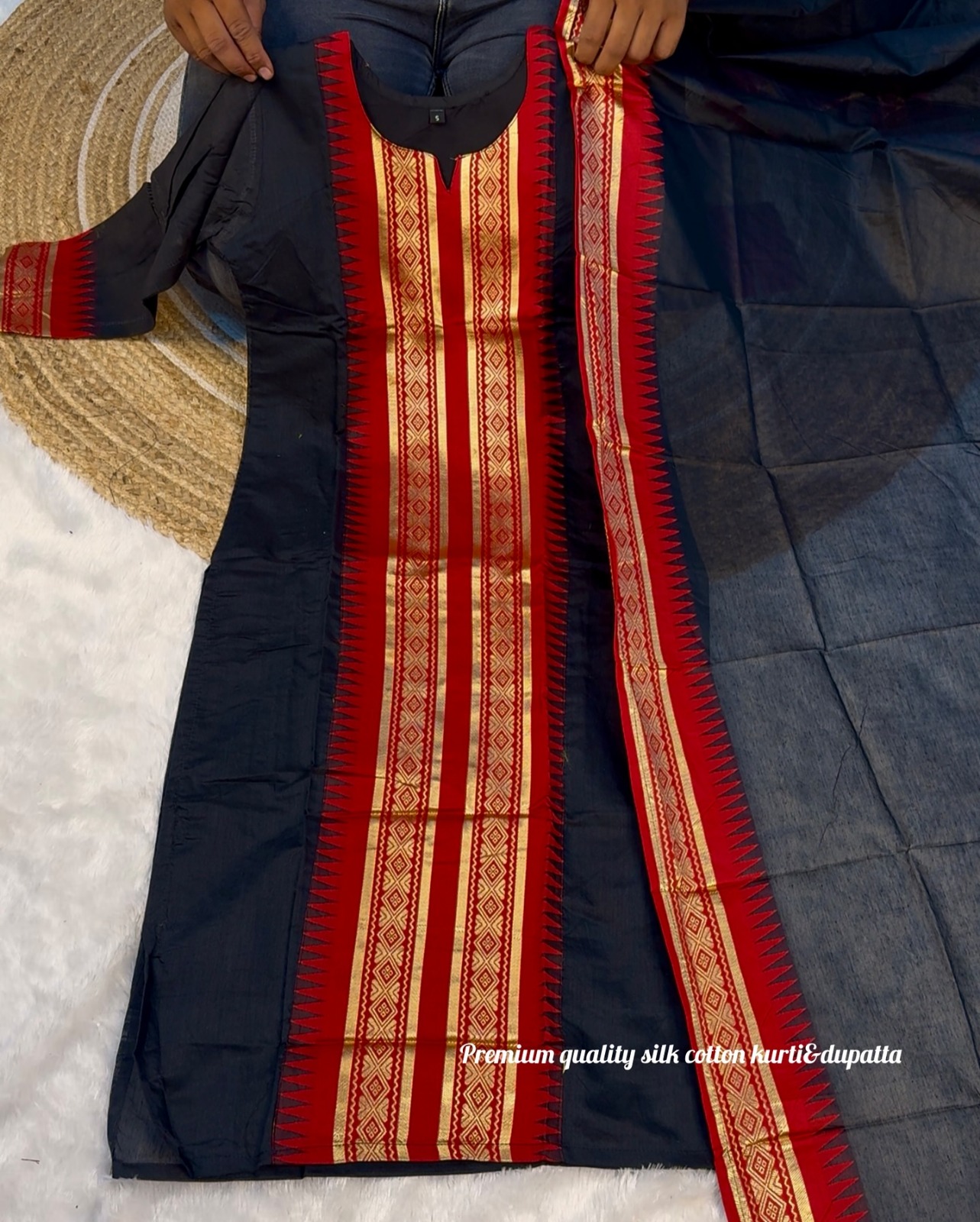
Wear a breathable cotton kurta, straight trousers and a handloom-style stole with a defined border. Elegant Grey Zari Weave Kurti with Dupatta Set can work as a subdued base when paired with minimal jewellery and a structured shoulder drape. Grey, charcoal, cream and muted maroon keep the styling grounded while allowing a border to stand out.
For a festive family gathering
Choose one statement textile and keep the remaining pieces quiet. Elegant Silk Embroidered Kurta Pant Set with Jacquard Dupatta gives a layered festive effect; arrange the dupatta in a loose shoulder fall rather than a heavily pleated front so the outfit retains visual ease.
For a saree-led interpretation
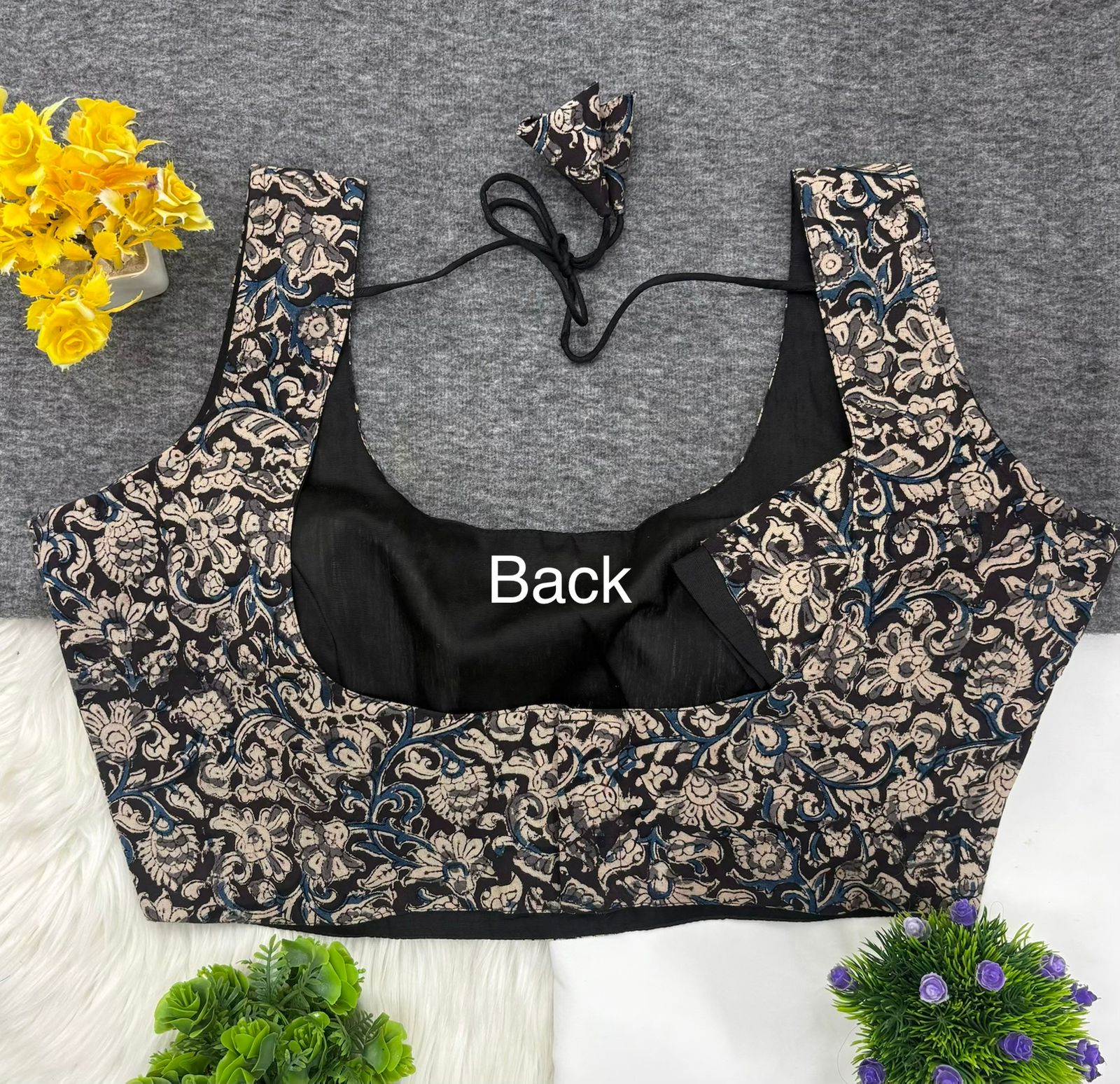
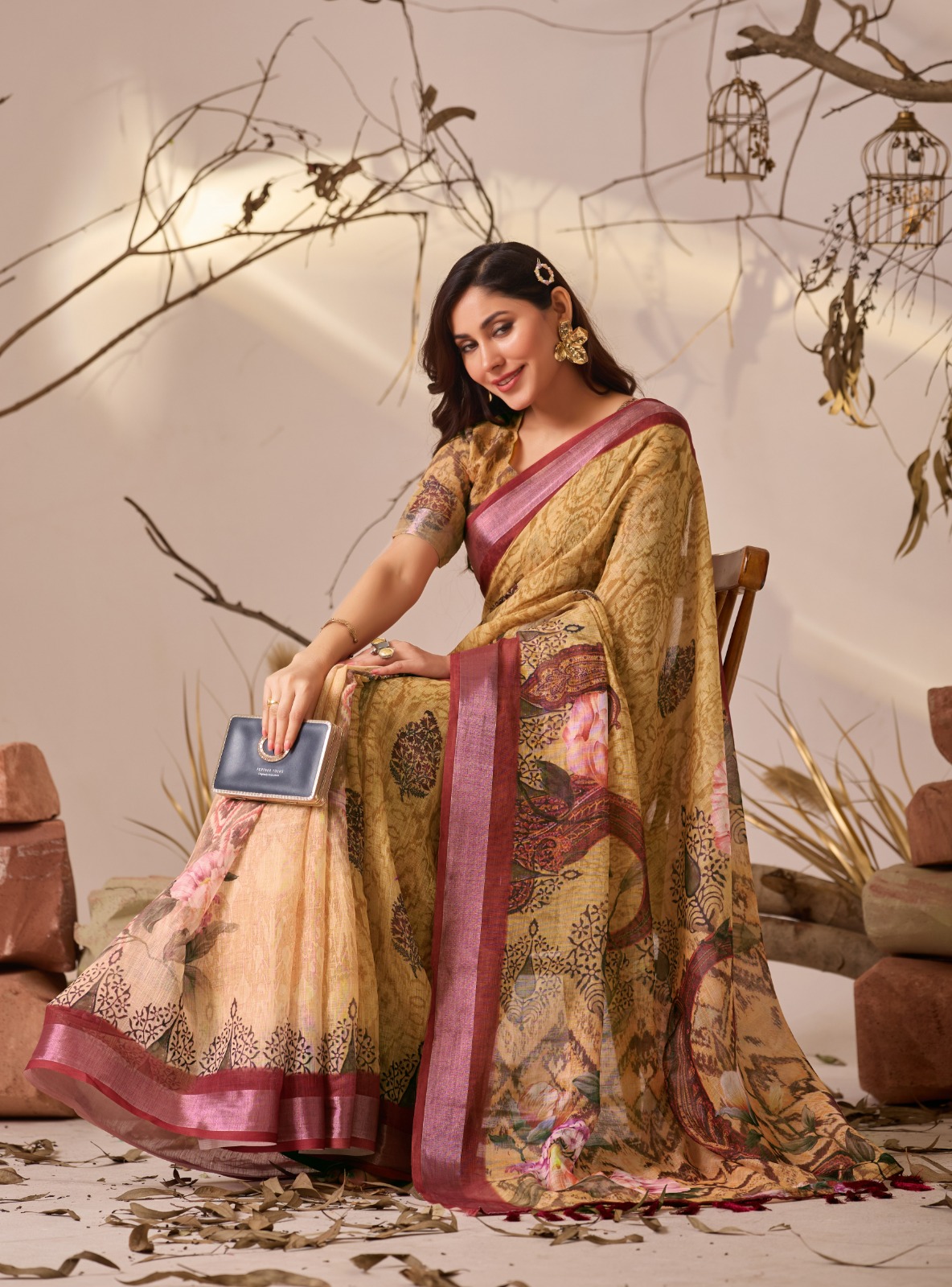
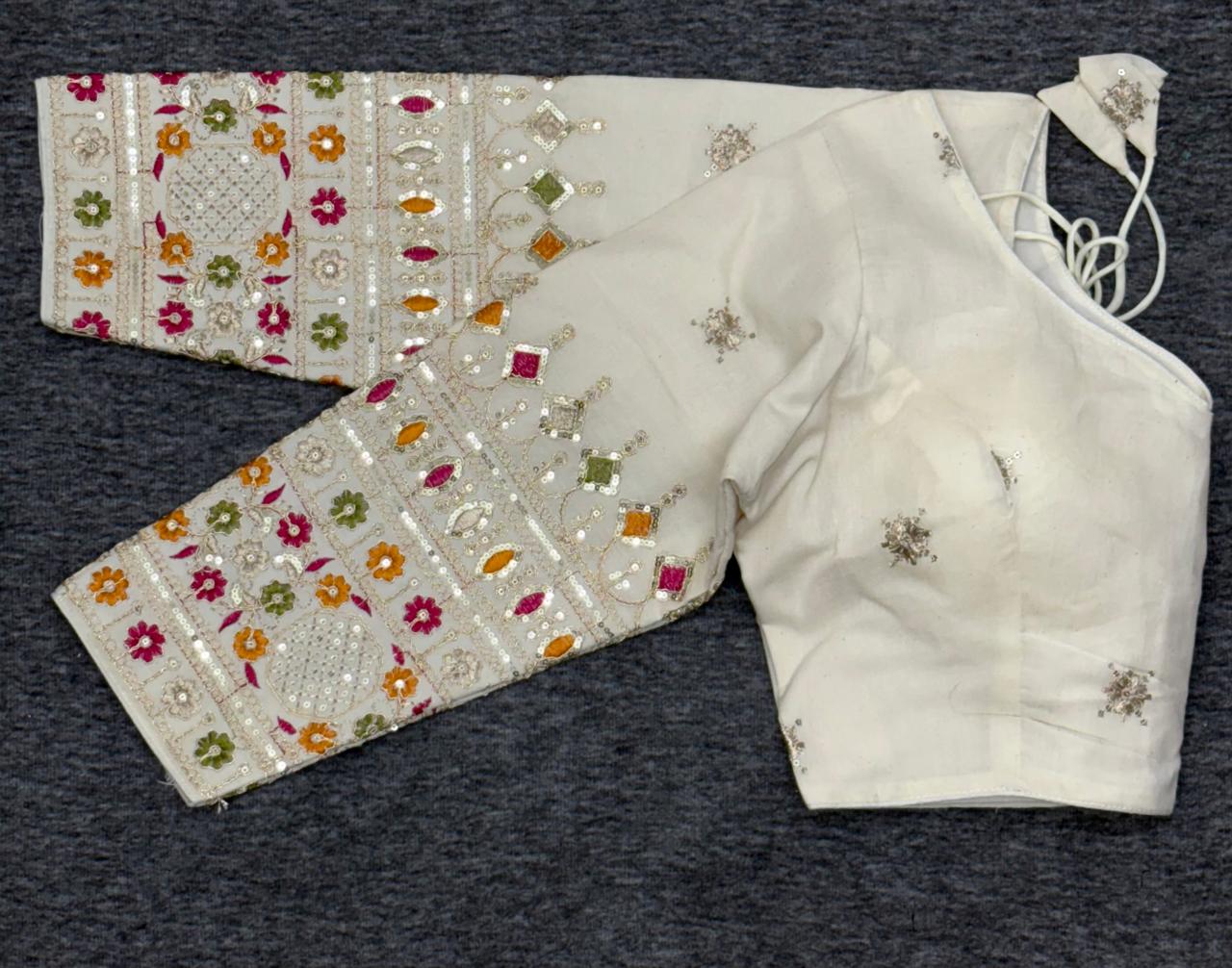
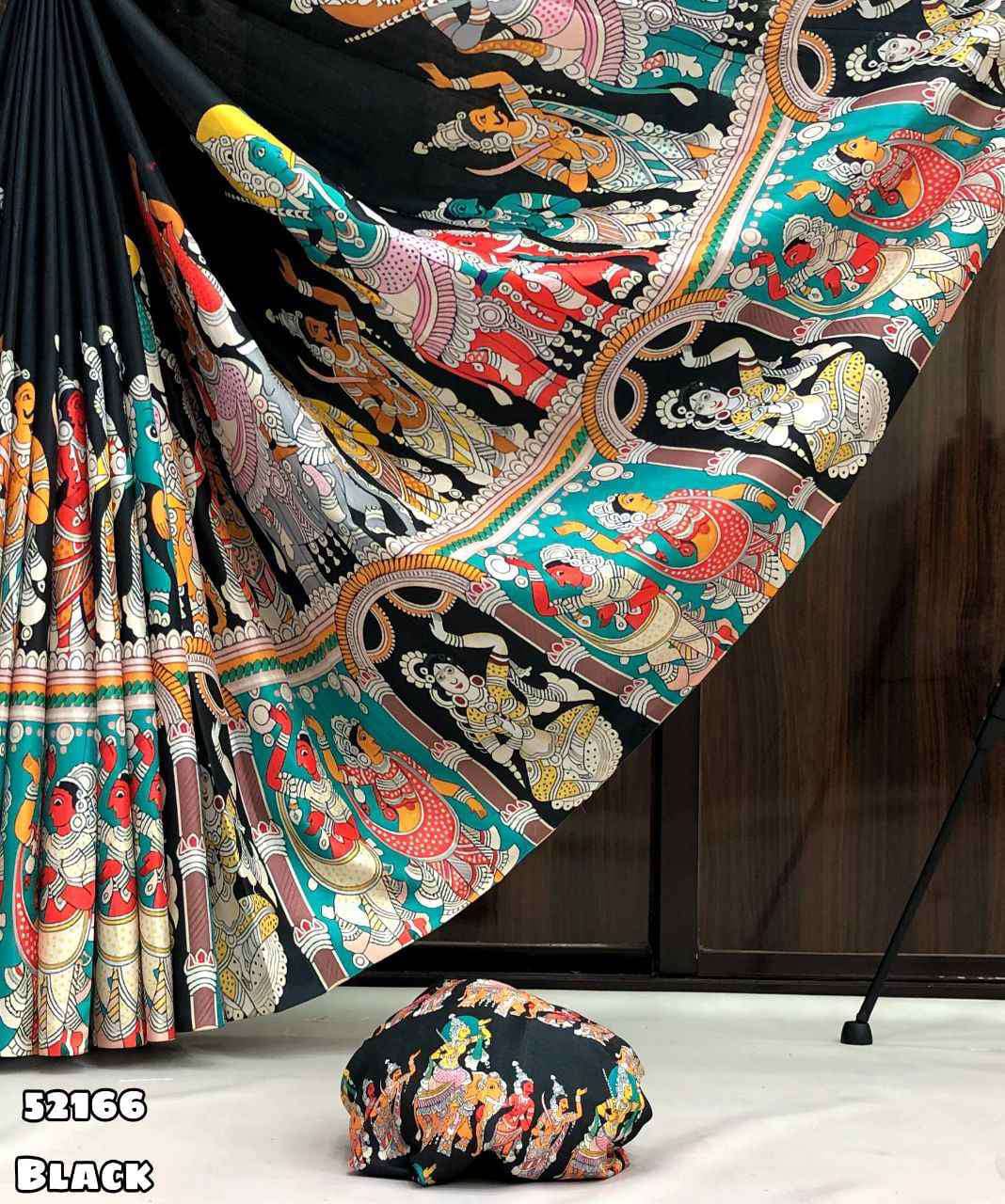
A saree can borrow from Khasi-inspired styling through a separate shawl, a woven blouse texture or a restrained border. Black Traditional Kalamkari Print Silk Saree already has a strong printed surface, so add a plain textured wrap instead of another ornate layer. Classic Festive Wear Blouse for Stylish Saree Look can support this approach when jewellery and draping remain uncomplicated.
For a polished contemporary look
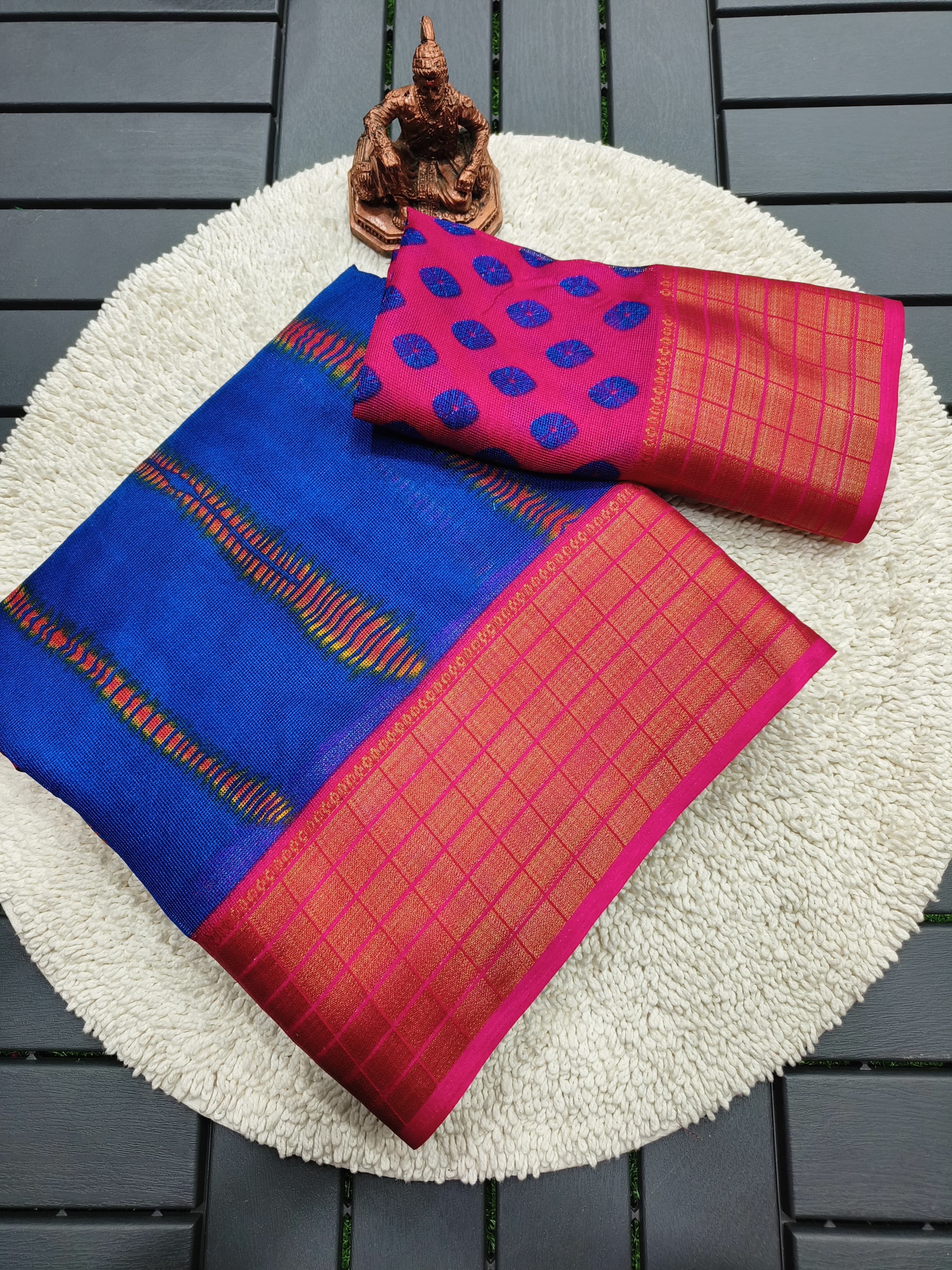
A kurti with a woven dupatta provides the easiest entry point for someone unfamiliar with wrapped garments. Kanchi Cotton Jacquard Kurti Dupatta Set Online and Black Kanchi Cotton Jacquard Kurti with Woven Dupatta Set both demonstrate how a textured dupatta can become the main styling feature. These outfits are contemporary ethnic wear, not substitutes for a traditional Jainsem.
Khasi Traditional Fashion styled with cultural accuracy and respect
Respectful styling begins with accurate language, clear sourcing and acknowledgement that Khasi clothing belongs to living communities. Describe a garment as "Khasi-inspired" only when the design genuinely draws from a known silhouette, textile or wrapping idea, and avoid presenting a generic shawl as an authentic Jainsem.
don't combine unrelated symbols, motifs and garments simply because they appear "Northeastern." A Khasi Jainsem, a Naga shawl, an Assamese mekhela chador and a Mizo puan come from different cultural contexts. Researching the name and use of a garment is more meaningful than adding a vaguely regional accessory for visual effect.
Occasion also matters. A ceremonial Khasi dress may carry social significance that makes it unsuitable for novelty dressing, themed parties or imitation performances. For ordinary fashion use, choose a contemporary wrap, handloom stole or layered kurta and explain the inspiration honestly.
Purchasing from a transparent handloom seller is another practical step. Look for information about the weaver or cooperative, fibre content, production location and washing method. A low price doesn't automatically indicate exploitation, but a product described only with words such as "authentic tribal" and "ethnic luxury" gives too little information to evaluate its origin.
Khasi Traditional Fashion colours, accessories and care choices
Earthy neutrals, deep reds, forest greens, indigo, cream and charcoal complement the visual language often associated with Meghalaya handlooms. Bright colour is also possible, but using one saturated shade with a natural textile prevents the outfit from looking like a collection of unrelated festive elements.
Silver-toned jewellery, small metal earrings, a simple brooch and a woven or fabric bag usually support layered garments better than a complete set of heavy gold jewellery. A brooch is functional as well as decorative because it can hold a wrap securely at the shoulder.
Keep hair and makeup balanced against the textile. A low bun, braid or clean open hairstyle allows a shawl border to remain visible, while fresh skin, defined eyes and a muted lip suit daytime events. For a wedding or evening celebration, one stronger element such as an embroidered cuff or statement earrings is enough when the drape already has multiple layers.
Care should follow the fibre rather than the visual style. Ryndia silk, silk blends and zari surfaces generally benefit from professional dry cleaning or gentle hand cleaning only when the care label permits it. Fold silk garments with soft muslin or plain cotton rather than plastic, keep zari away from direct perfume and store textiles in a cool, dry place. Air a handloom wrap after wearing it, but avoid prolonged direct sunlight because natural dyes and silk fibres can fade or weaken.
Check measurements before buying a contemporary outfit intended for layered styling. Allow approximately 5 to 8 centimetres of extra shoulder or side ease if a dupatta will be pinned over a sleeve, and choose a hem that won't catch under a longer wrap. These small adjustments make a modern interpretation comfortable while preserving the deliberate vertical lines associated with layered Khasi dressing.
Questions readers ask about Khasi Traditional Fashion
Khasi Traditional Fashion can be approached thoughtfully by learning the garment names, distinguishing Meghalaya textiles and adapting only the elements that suit the occasion. The answers below address the most common practical questions.
What is a Jainsem in Khasi clothing?
A Jainsem is a traditional Khasi women's garment made from wrapped rectangular cloth, commonly arranged in two layers and secured over the shoulders. A Jainsem differs from a saree in its construction, fastening and draped proportions.
Is Ryndia the same as tussar silk?
Ryndia is eri or endi silk, while tussar silk comes from different silkworm species and has a separate regional and textile history. Both can have a textured surface, but fibre names, production methods and care requirements are not identical.
Can a Jainsem be worn as everyday modern clothing?
A traditional Jainsem can be worn for suitable cultural, family or ceremonial settings, while Jainsem-inspired layers can be adapted more easily for everyday wardrobes. A long wrap, textured stole or simple overlay can echo the silhouette without falsely presenting contemporary clothing as a traditional garment.
What should I wear to a Khasi cultural event?
Wear clothing appropriate to the invitation and follow any guidance from Khasi hosts or organisers. A respectful choice may include a modest kurta set with a woven stole, while formal events may call for a properly sourced traditional garment rather than a generic "Northeast-inspired" costume.
How should Ryndia silk be cared for?
Ryndia silk should be protected from harsh detergents, wringing and prolonged sunlight. Follow the garment label, use professional dry cleaning when recommended, and store the textile folded in breathable cotton or muslin.
How can modern ethnic wear reference Khasi style without copying it?
Use broad design principles such as layered draping, natural texture, functional fastening and restrained borders, then describe the result as Khasi-inspired. Avoid copying ceremonial details, misnaming another community's garment or claiming machine-made fabric is handwoven without evidence.
Questions About Khasi Traditional Fashion, Jainsem Drapes and Meghalaya Textiles
What is a Jainsem in Khasi clothing?
A Jainsem is a traditional Khasi women's garment made from wrapped rectangular cloth, commonly arranged in two layers and secured over the shoulders. A Jainsem differs from a saree in its construction, fastening and draped proportions.
Is Ryndia the same as tussar silk?
Ryndia is eri or endi silk, while tussar silk comes from different silkworm species and has a separate regional and textile history. Both can have a textured surface, but their fibre names, production methods and care requirements are not identical.
Can a Jainsem be worn as everyday modern clothing?
A traditional Jainsem can be worn for suitable cultural, family or ceremonial settings, while Jainsem-inspired layers can be adapted more easily for everyday wardrobes. A long wrap, textured stole or simple overlay can echo the silhouette without falsely presenting contemporary clothing as a traditional garment.
What should I wear to a Khasi cultural event?
Wear clothing appropriate to the invitation and follow any guidance from Khasi hosts or organisers. A respectful choice may include a modest kurta set with a woven stole, while formal events may call for a properly sourced traditional garment rather than a generic "Northeast-inspired" costume.
How should Ryndia silk be cared for?
Ryndia silk should be protected from harsh detergents, wringing and prolonged sunlight. Follow the garment label, use professional dry cleaning when recommended, and store the textile folded in breathable cotton or muslin.
How can modern ethnic wear reference Khasi style without copying it?
Use broad design principles such as layered draping, natural texture, functional fastening and restrained borders, then describe the result as Khasi-inspired. Avoid copying ceremonial details, misnaming another community's garment or claiming machine-made fabric is handwoven without evidence.