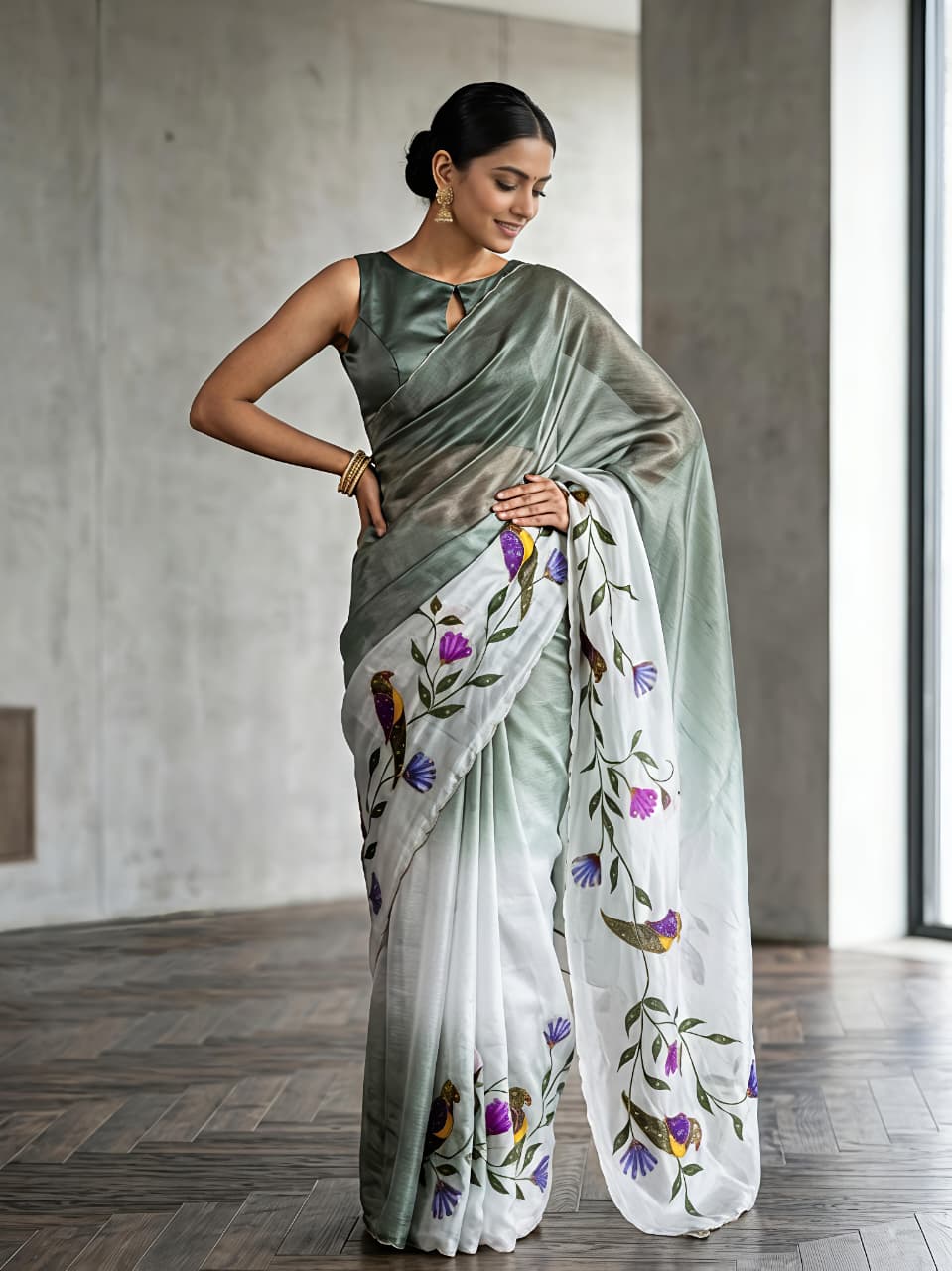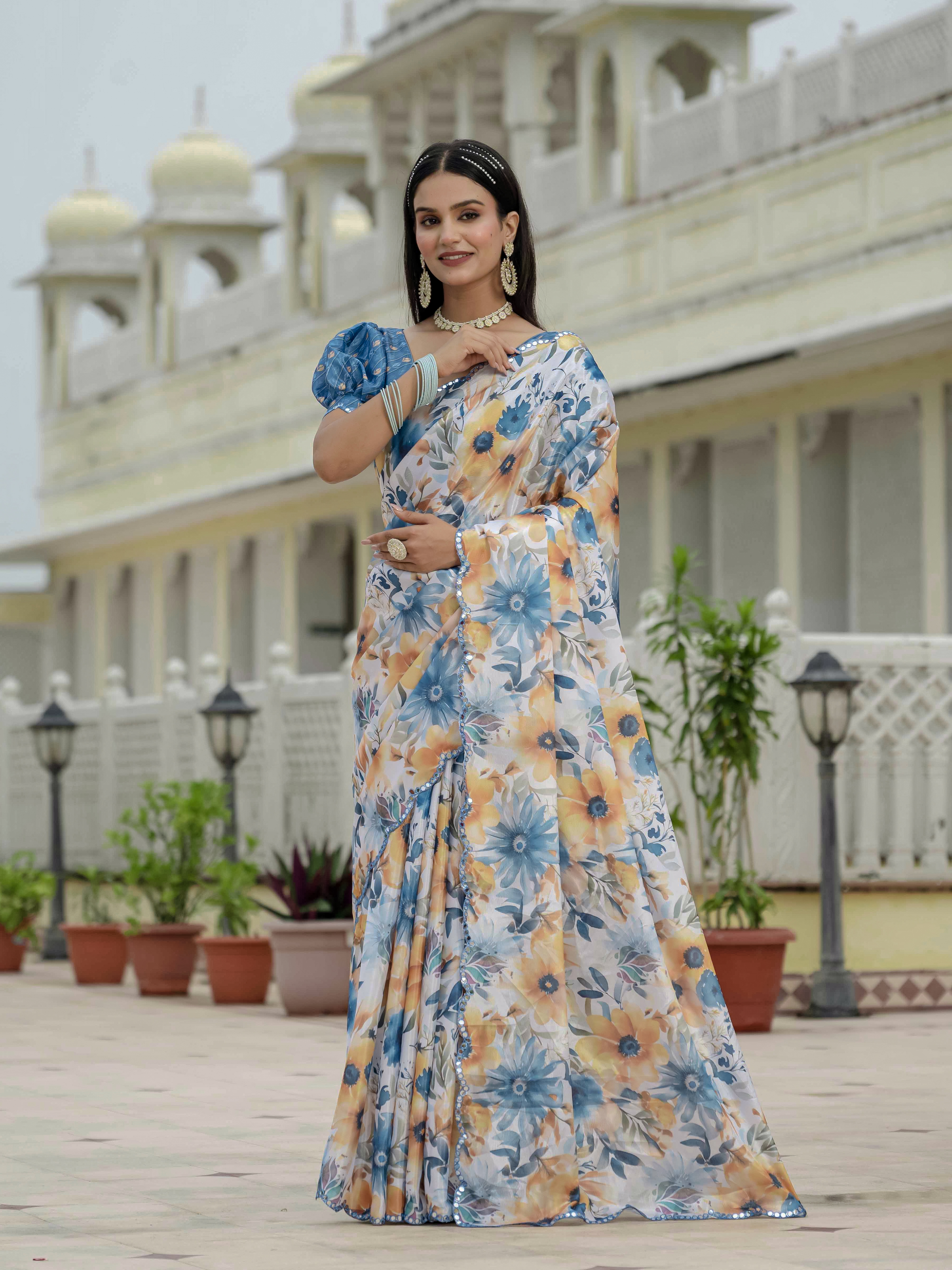
Kerala Wedding Guest Outfits: Sarees and Salwar Suits for Women should balance celebration, climate, movement and local dressing traditions. A crisp saree with a gold border remains a dependable choice, but a well-cut salwar suit can be equally appropriate for women who prefer easier movement or need an outfit that works across several ceremonies. The right decision depends on the venue, time of day, fabric, level of embellishment and the wedding ritual you'll attend.
Kerala Wedding Guest Outfits: Sarees and Salwar Suits for Women for Different Ceremonies
Women should wear a polished saree or an elegant salwar suit in a breathable fabric, with gold, ivory, jewel or festive colours chosen according to the ceremony. Kerala weddings often involve temple visits, standing, photography and warm weather, so comfort and respectful coverage matter as much as decoration.
The traditional reference point is the Kerala kasavu saree, usually an off-white or cream textile finished with a gold zari border. A guest doesn't need to copy the bride's exact styling, but a cream saree with a restrained zari edge, a silk saree in a rich colour or a sophisticated salwar suit can acknowledge the setting without looking costume-like.
For a daytime Hindu wedding, choose lighter embroidery, soft silk, cotton-silk, Chanderi or fluid georgette. Evening receptions allow deeper colours, sequins, velvet accents and more pronounced jewellery. A church wedding may suit a jewel-toned saree, an embroidered kurta set or a floor-length Anarkali, while a temple ceremony calls for a less revealing blouse and a dupatta that stays securely in place.
Read the invitation carefully before choosing the outfit. A wedding ceremony held in a temple usually calls for covered shoulders and a hemline that allows comfortable sitting. A hotel reception gives you more freedom to wear sequins, a dramatic sleeve or a longer Anarkali. A family lunch may need less surface decoration than the evening reception, especially when it takes place outdoors.
Kerala Wedding Guest Outfits: Sarees and Salwar Suits for Women Compared
Choose a saree when you want a classic silhouette and are comfortable managing pleats, while a salwar suit is better when you need reliable movement, quick dressing and easier all-day comfort.
When a saree works best
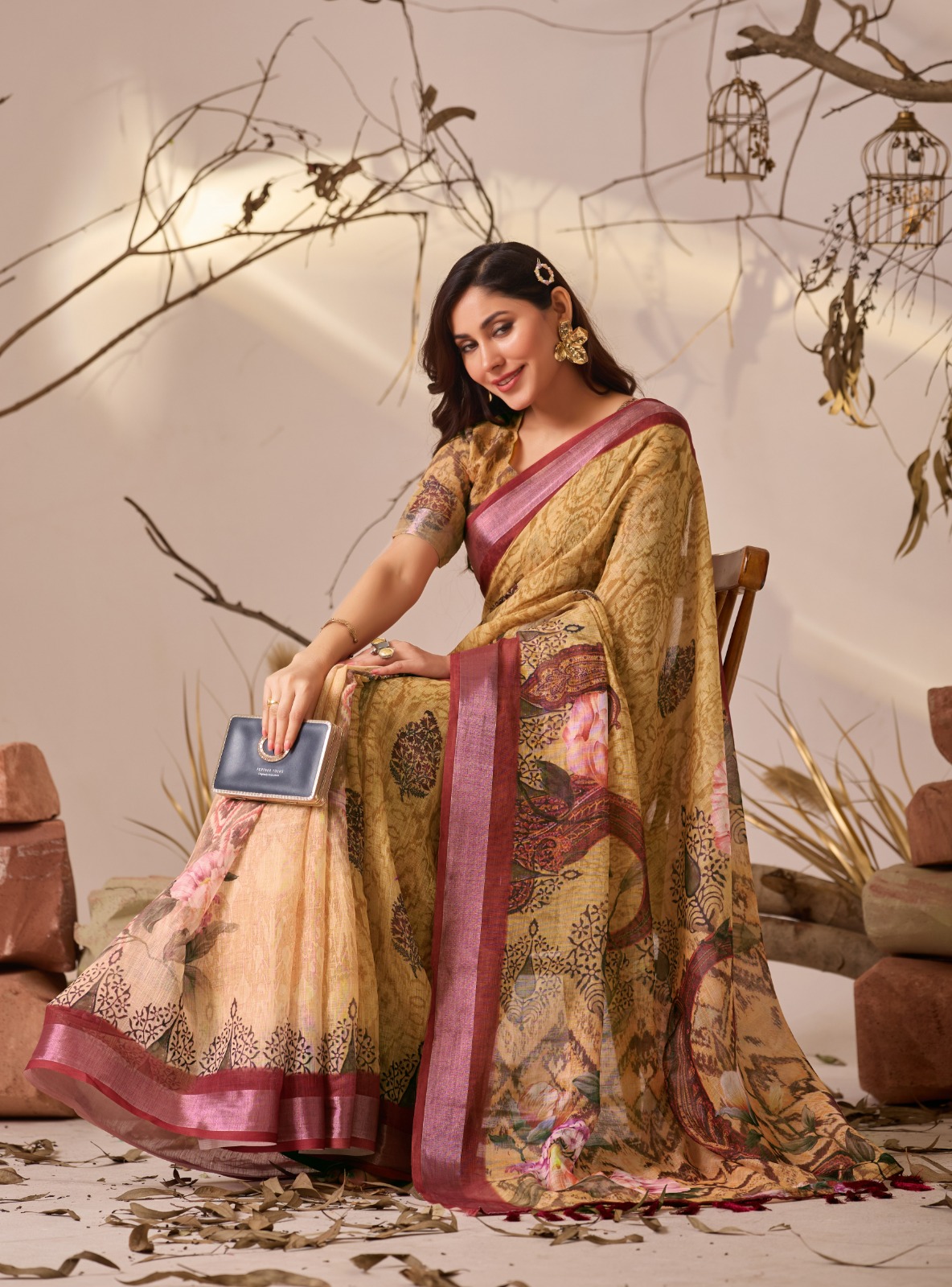
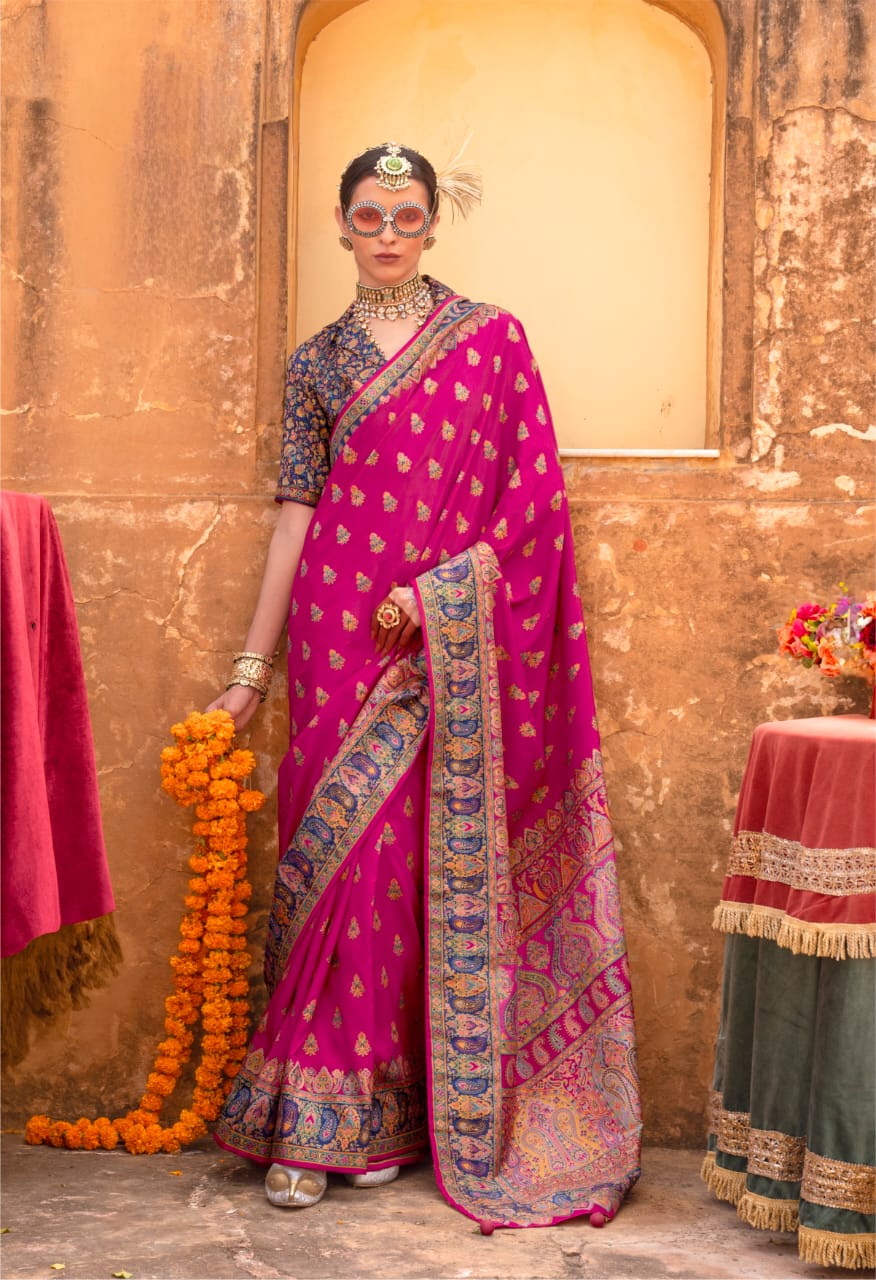
A saree creates a graceful formal line and photographs beautifully during the exchange of garlands, blessings and family portraits. Banarasi silk, Kanjeevaram silk, Kerala kasavu, tissue silk and lightweight organza each offer a different visual effect. Banarasi silk brings visible woven motifs and a celebratory sheen; Kanjeevaram provides a structured drape and strong zari borders; Kerala kasavu offers understated regional relevance.
Pick a saree with a manageable pallu if the venue includes outdoor travel or several hours of standing. A pallu measuring roughly 2 to 2.5 metres is usually easier to pin securely than an exceptionally long, heavily embellished one. Cotton-silk and Chanderi sarees are practical for daytime functions because they feel lighter than dense brocade.
When a salwar suit works best
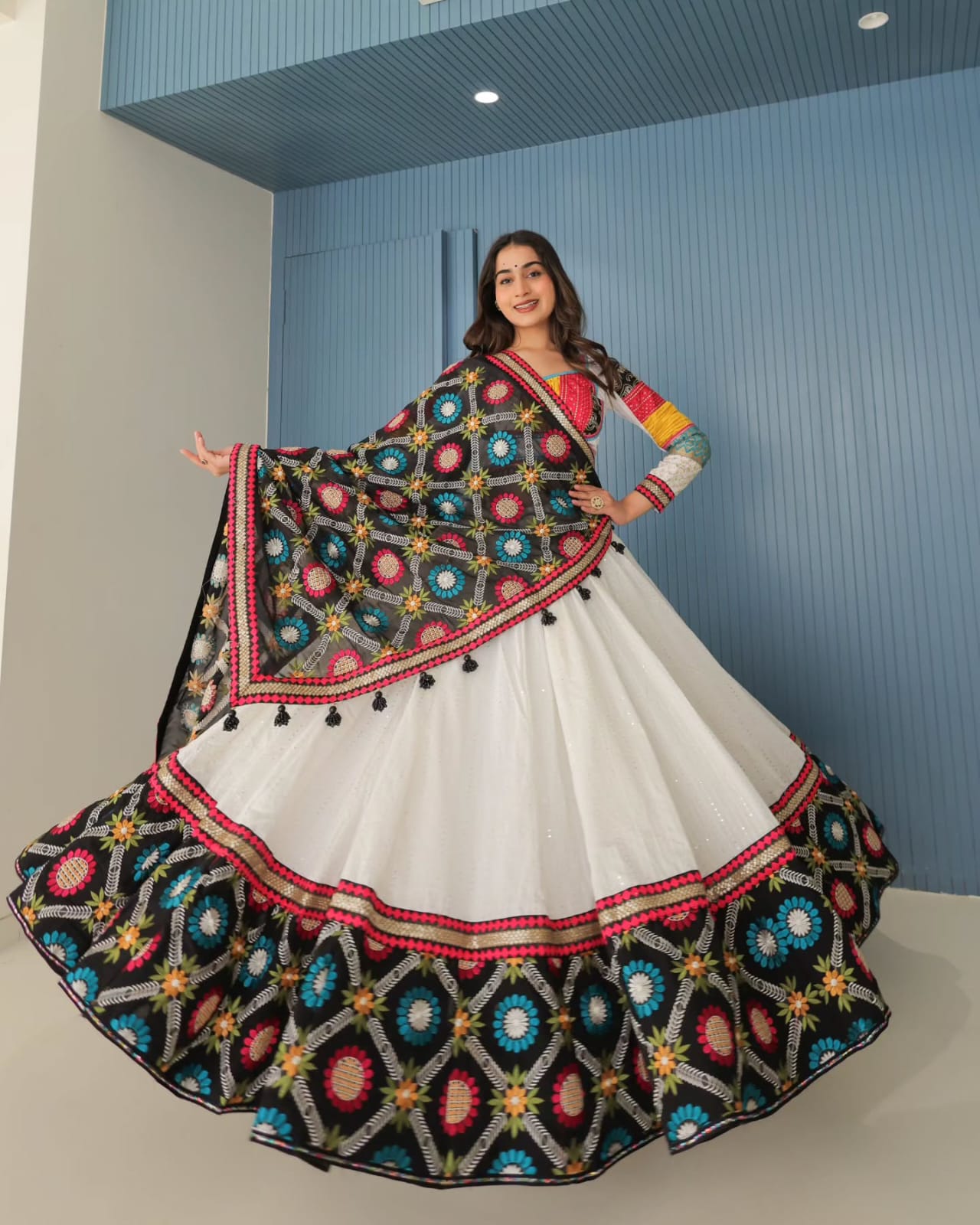
A salwar suit is the practical choice for guests who will travel between ceremonies, help elderly relatives, attend a reception after the wedding or prefer covered, easy movement. A straight kurta with cigarette pants looks refined without excessive volume, while a flared Anarkali creates more drama for an evening reception. A palazzo suit can provide airflow in humid weather, although very wide trousers require care around crowded seating and staircases.
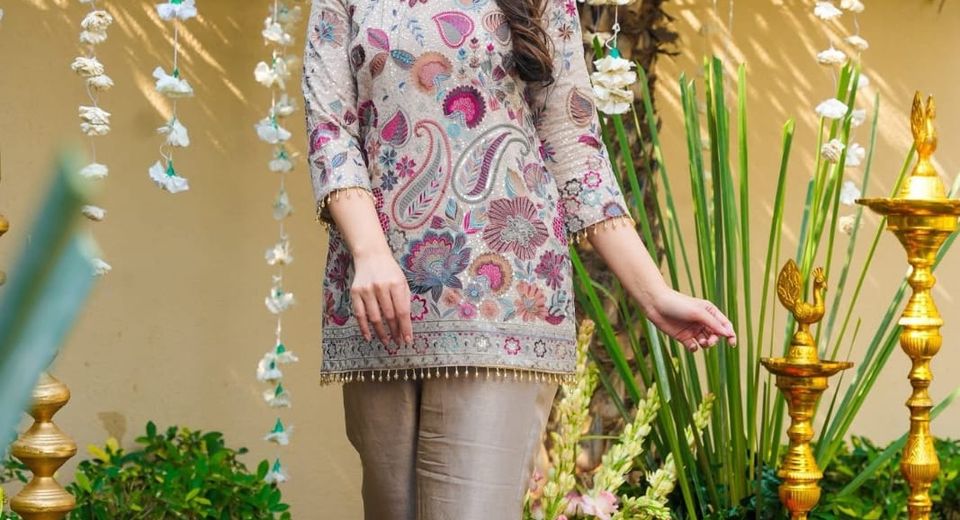
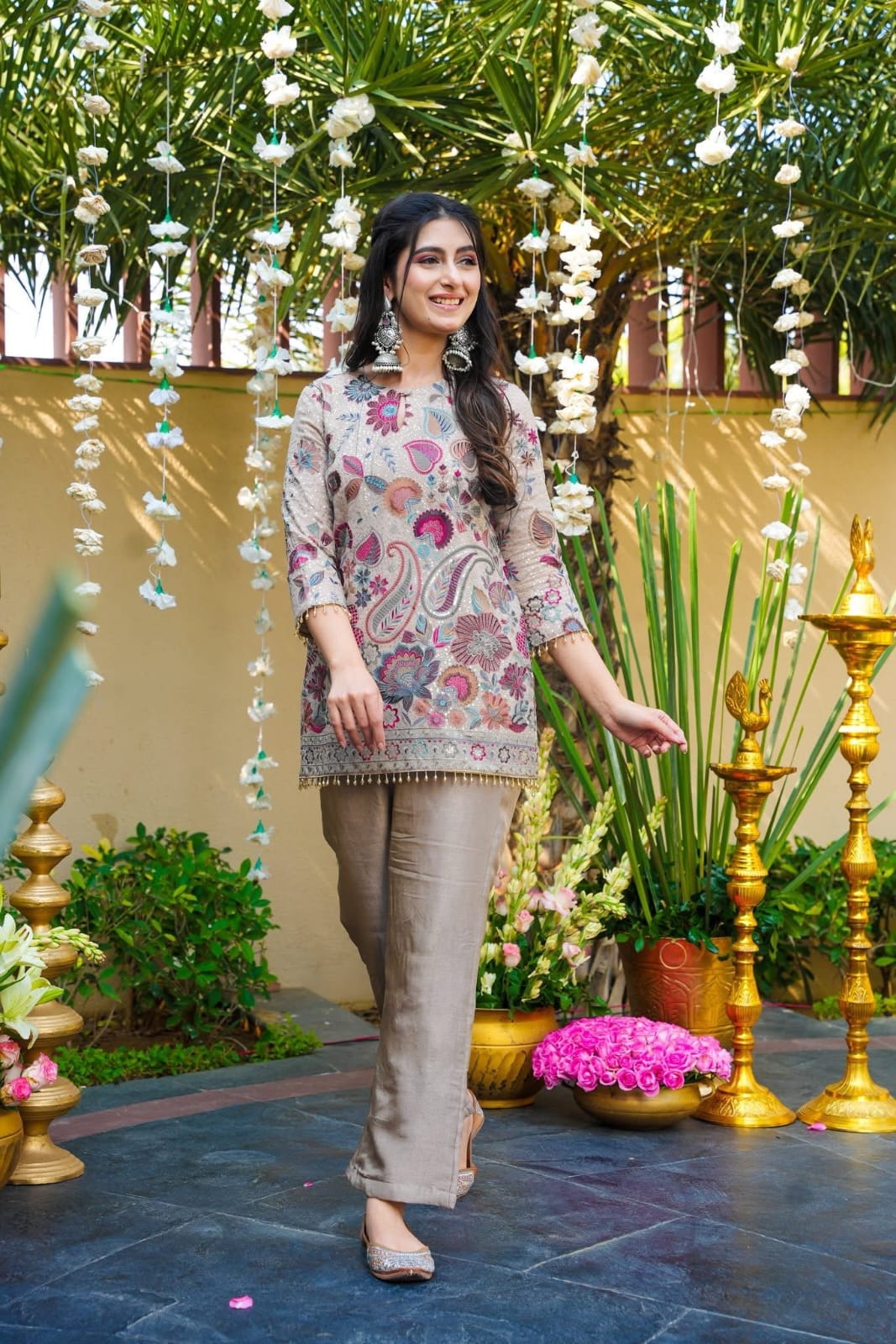
The Modern Taupe Vichitra Silk Embroidered Co-Ord Set for Women demonstrates how a coordinated outfit can feel contemporary while retaining a festive textile finish. A co-ord set is especially useful when you want the visual neatness of matching separates without arranging saree pleats.
Kerala Wedding Guest Outfits: Sarees and Salwar Suits for Women by Colour
Gold, cream, ivory, coral, rust, emerald, teal, rose, maroon and deep blue are generally effective wedding guest colours, provided the outfit doesn't imitate the bride's specific attire or overpower the ceremony.
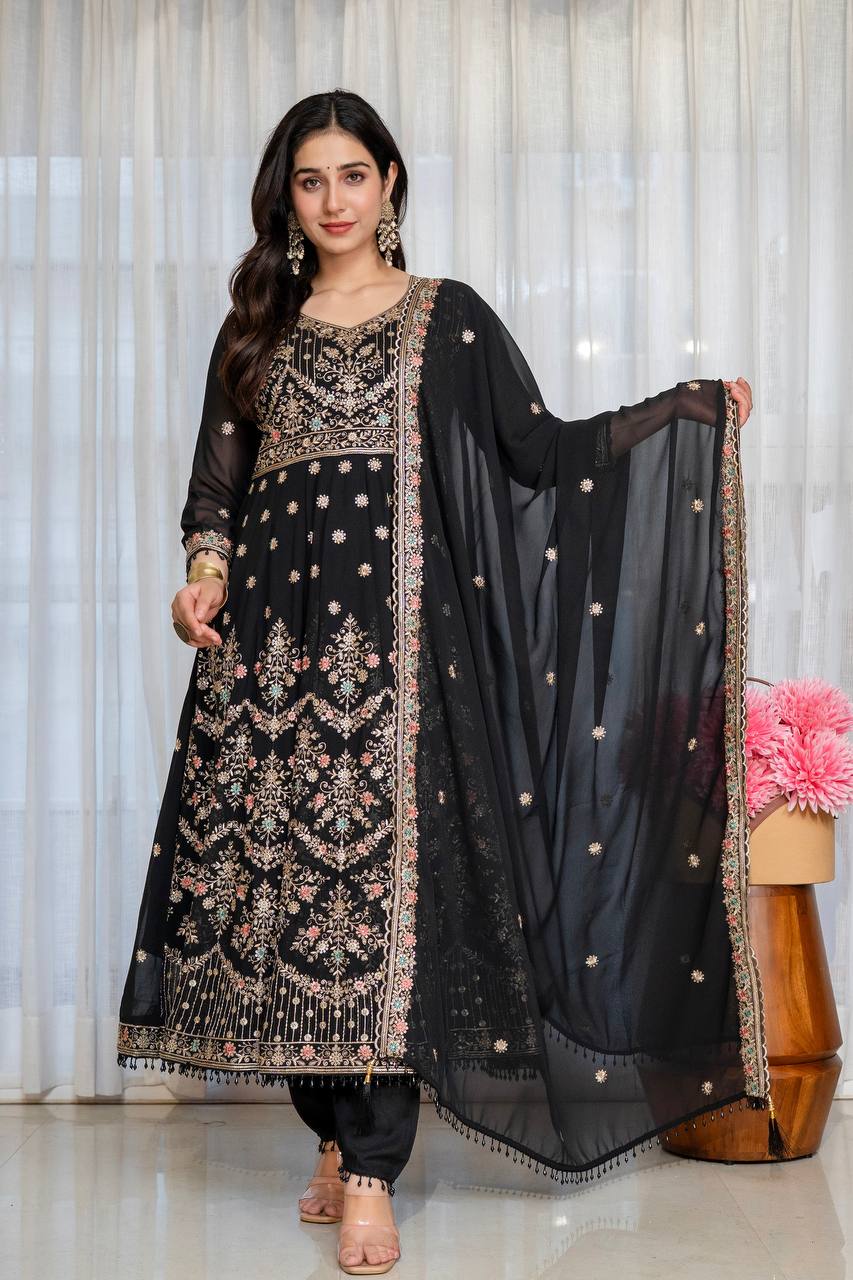
White and off-white require context rather than automatic avoidance. Kerala kasavu sarees commonly use an ivory base, so cream isn't inherently inappropriate; however, an entirely plain white outfit may appear too restrained for a wedding or may conflict with regional and religious expectations. Add gold zari, coloured embroidery, a bright blouse or contrasting jewellery when wearing an ivory base.
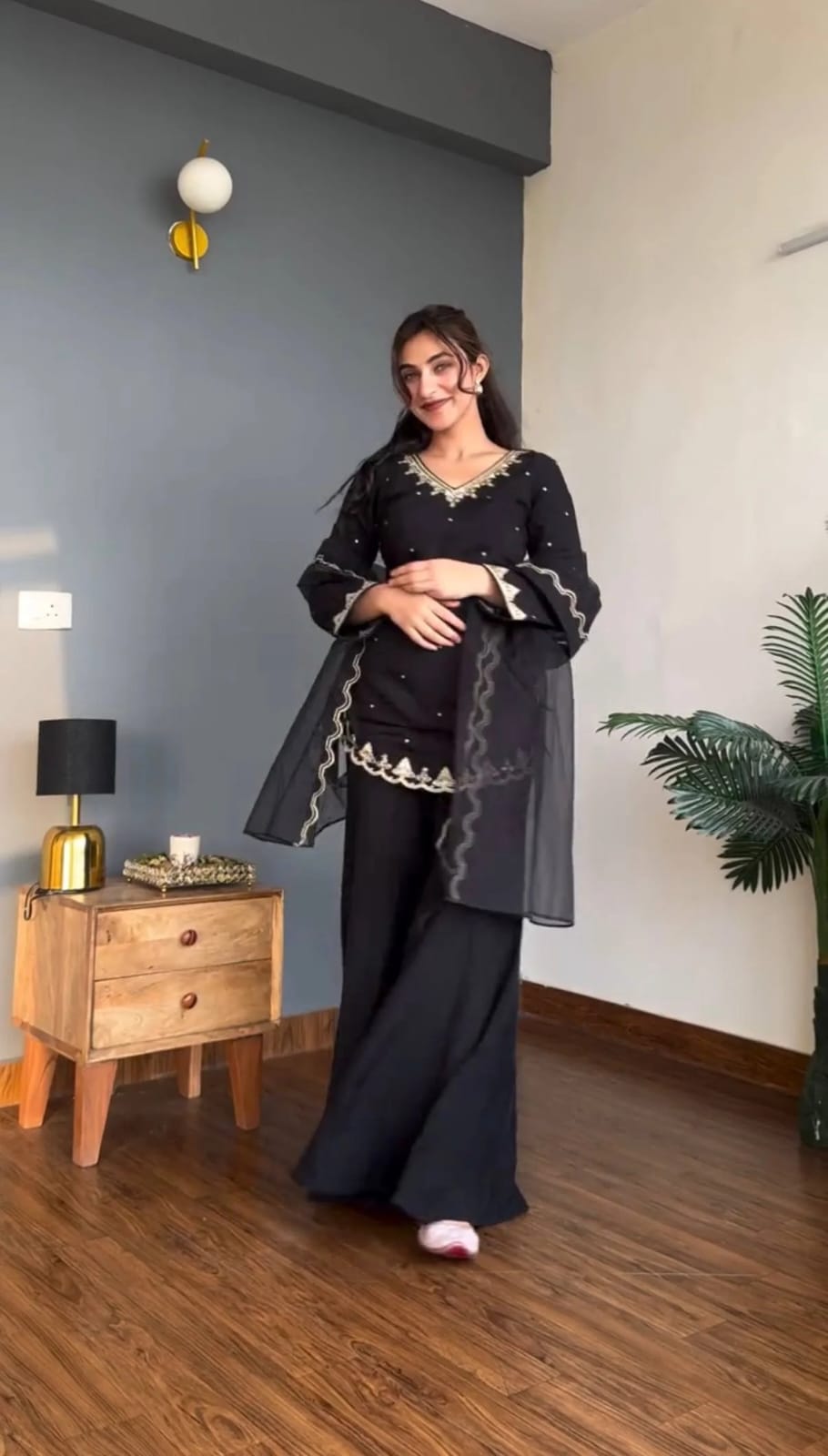
Black can work particularly well for a reception, cocktail-style event or evening gathering when balanced with gold, silver or jewel-toned accessories. The Black Anarkali Suit Set with Sequin Zari and Moti Lace Work uses surface detail to make black feel celebratory rather than sombre. The Black Heavy Silk Crepe Kurta Set with Sequence Embroidery brings another evening direction, especially when styled with metallic earrings and a bright lip colour.
Rust orange, burnt orange and terracotta complement Kerala's gold-and-ivory visual language while adding warmth. The Rust Orange Embroidered Readymade Suit Set for Women can guide a daytime-to-evening palette because rust looks festive in natural light and remains rich under indoor lighting. Jewel tones such as emerald and peacock blue are strong choices when the invitation specifies a formal reception.
Avoid treating colour rules as universal. Some families prefer guests to avoid red because red is associated with bridal clothing, while other families welcome it. Ask a close family member when the invitation is unclear, particularly if the ceremony follows a specific community tradition.
Kerala Wedding Guest Outfits: Sarees and Salwar Suits for Women in Comfortable Fabrics
Cotton, cotton-silk, Chanderi, linen blends, lightweight silk and breathable georgette are usually the most comfortable choices for Kerala wedding guests, particularly between March and May or during humid monsoon weather.
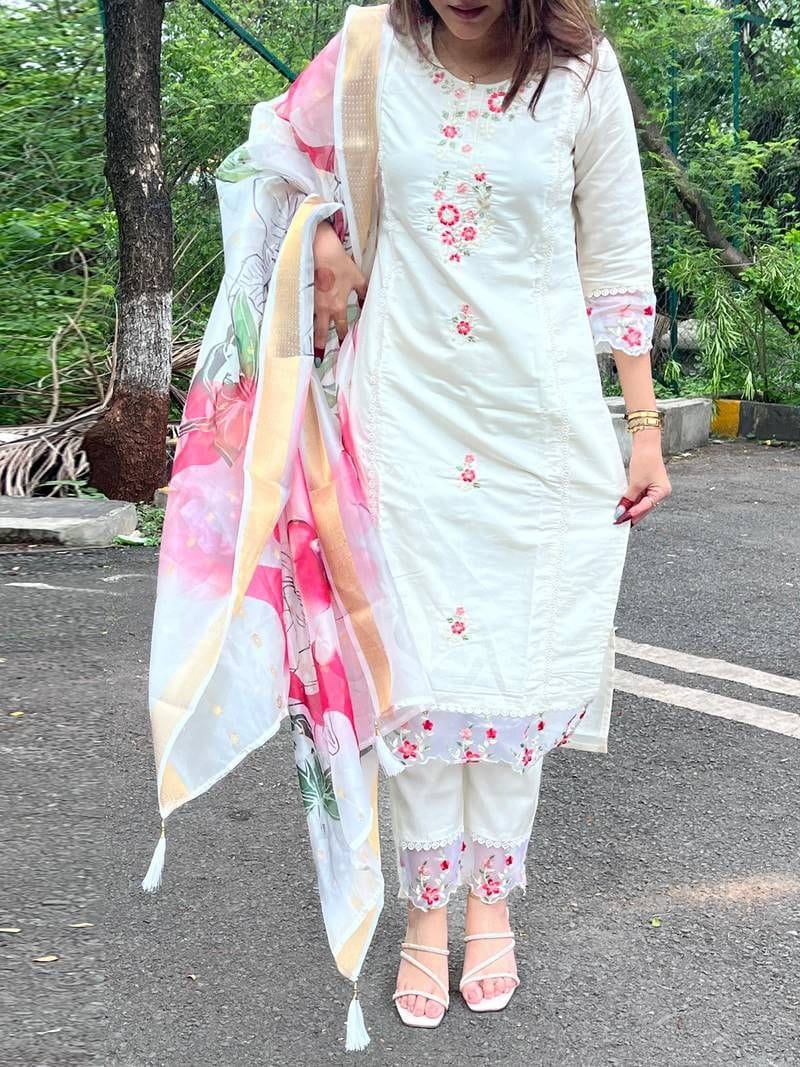
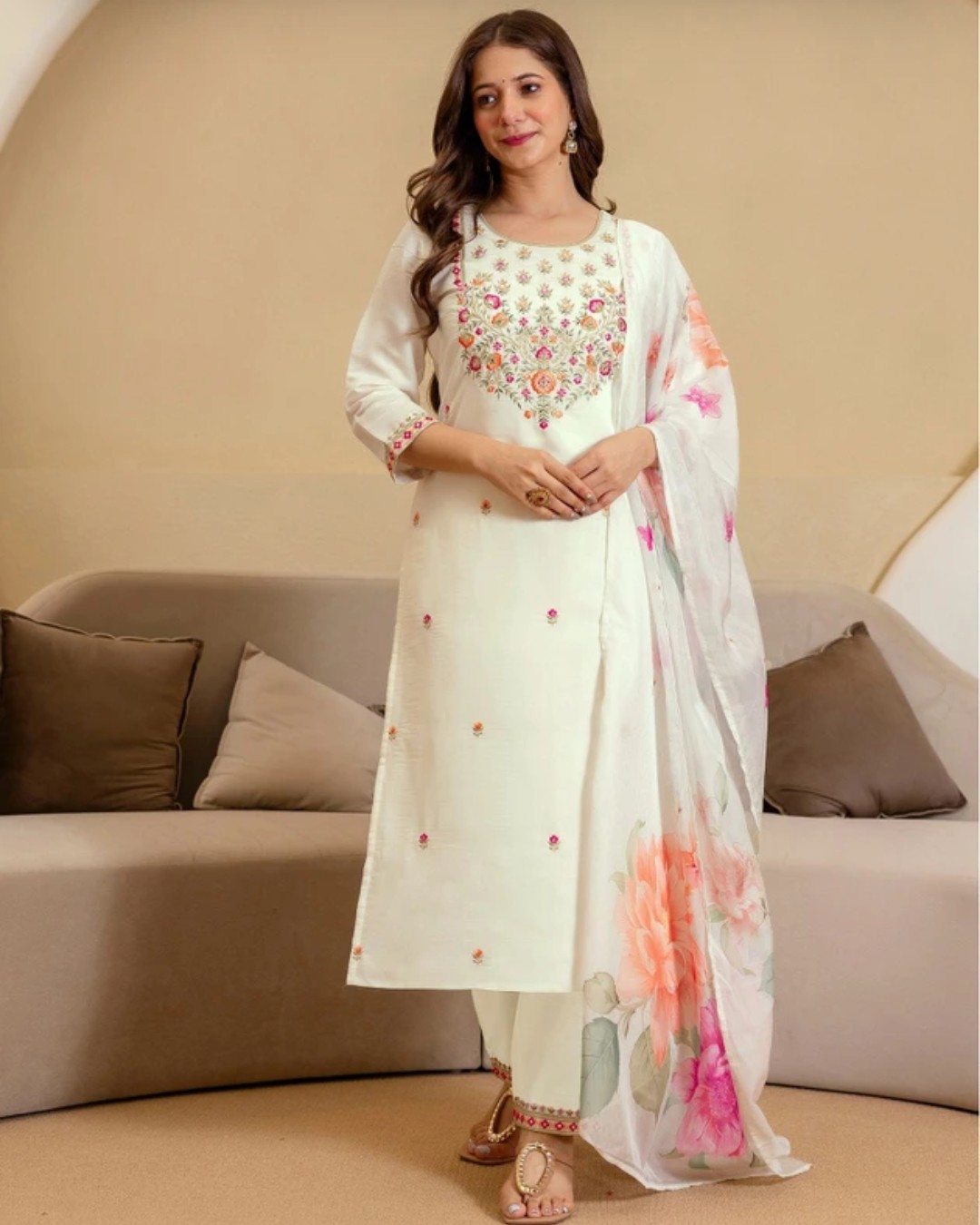
Fabric weight affects comfort more than decoration alone. A heavily lined polyester suit can feel warmer than a lightly embroidered silk-blend outfit, while dense velvet is best reserved for air-conditioned evening venues. Chanderi has a light hand and a slight sheen, making it suitable for daytime celebrations. The White Chanderi Kurta Set with Floral Embroidery and Dupatta shows how floral detail can make a pale outfit festive without relying on heavy metallic work.
Silk needs more attention to venue and timing. Banarasi silk and Kanjeevaram are excellent for formal weddings, but their weight can become tiring during long outdoor ceremonies. Vichitra silk, soft silk blends and silk crepe often provide the lustre associated with occasion wear while remaining easier to sit and move in.
Check the lining, sleeve construction and neckline before buying a suit. Cotton voile or breathable lining is more comfortable than thick synthetic lining, and elbow-length sleeves can provide coverage without trapping as much heat as close-fitting full sleeves. A dupatta made from organza may look polished but can slip easily; Chanderi, chiffon or lightly textured fabric is often easier to pin.
Monsoon guests should also consider drying and transport. Pack a saree or salwar suit in a breathable garment bag rather than a sealed plastic cover, and carry a compact shawl or stole for strongly air-conditioned reception halls. Darker footwear and a low heel are practical when rain may affect outdoor pathways.
Kerala Wedding Guest Outfits: Sarees and Salwar Suits for Women with the Right Styling
Style a Kerala wedding saree with secure pleats, a blouse that echoes one border colour and jewellery that matches the saree's metallic finish.
A cream or ivory saree with gold zari pairs naturally with a gold blouse, muted maroon blouse or deep green blouse. Keep the blouse neckline moderately high when attending a temple ceremony, and select sleeves that allow the arm to move comfortably during greetings and photographs. A contrast blouse is an effective way to separate a guest's look from a more heritage bridal kasavu ensemble.
Pin the pallu at the shoulder and, when necessary, add a second discreet pin near the waist. The pallu should remain broad and visible rather than collapsing into a narrow strip. Wear a well-fitted petticoat in a breathable material, and test the complete drape by sitting, walking up steps and raising one arm before leaving home.
Accessories can change the formality of the same saree. A gold kasu mala, jhumkas and a slim bangle stack suit a time-honoured daytime wedding. Pearl earrings, a delicate chain and a low bun create a quieter look for a church ceremony. Statement earrings can replace a necklace when the saree has a heavily decorated blouse or a wide zari border.
Styling a salwar suit for a wedding guest
Style a salwar suit for a Kerala wedding by controlling proportion, adding one strong festive detail and securing the dupatta for movement.
A straight kurta looks polished with cigarette pants and pointed juttis, while a flared Anarkali benefits from simple footwear and earrings because the silhouette already creates volume. Palazzo trousers work well with shorter kurtas or fitted bodices, but a long, wide kurta with very wide palazzos can obscure the outfit's shape.
Embellishment should suit the event rather than cover every surface. Sequin zari, resham embroidery, cutdana, pearl edging and subtle lace can all look festive. The White Chanderi Kurta Set with Floral Embroidery and Dupatta is better suited to a daytime ceremony when paired with gold-toned sandals, whereas the Black Anarkali Suit Set with Sequin Zari and Moti Lace Work has enough evening detail to need only restrained accessories.
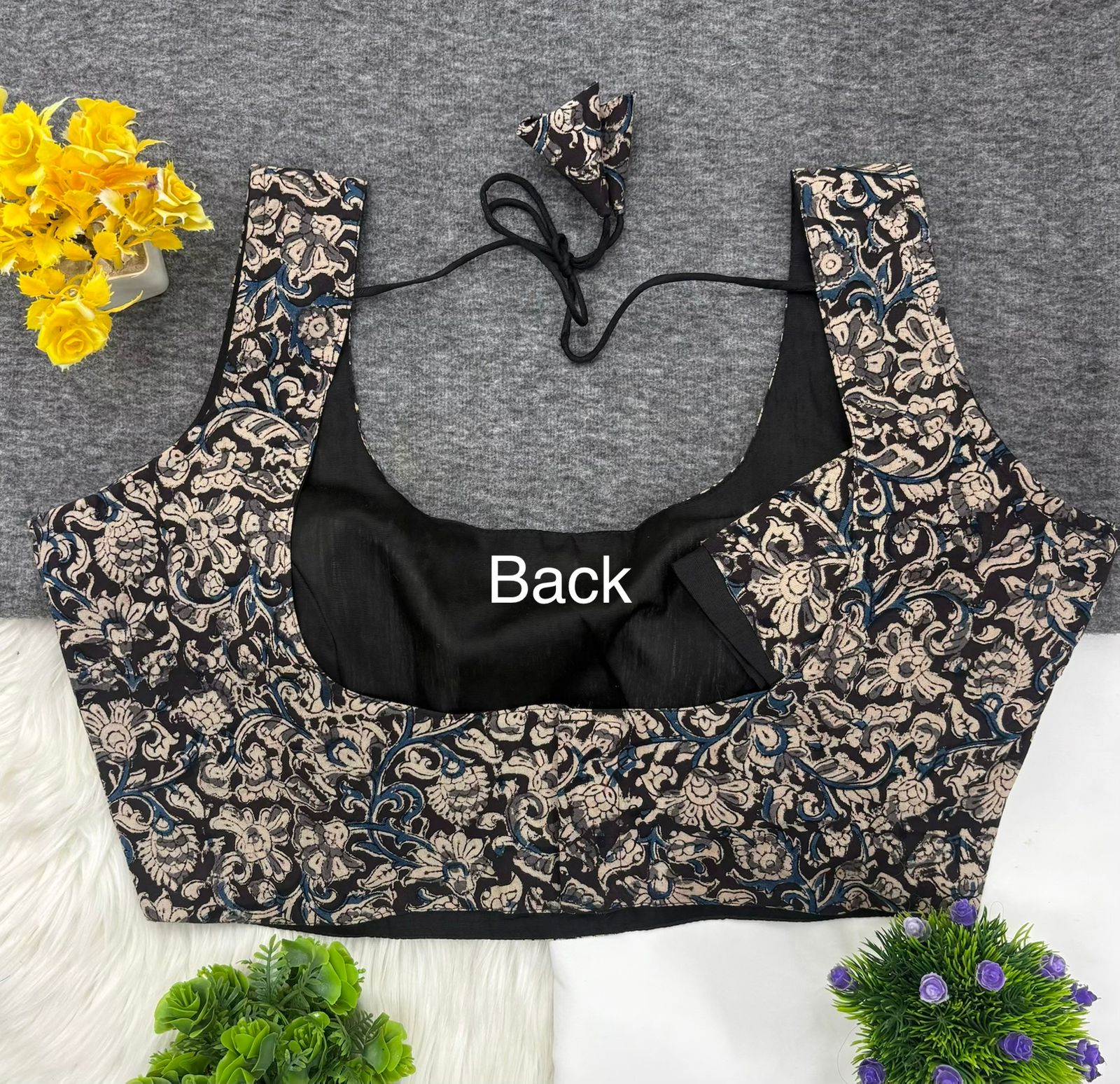
Regional textile references can add meaning without forcing a literal theme. Karnataka Silk Salwar Suits point towards silk texture and South Indian colour combinations. Maharashtra Paithani Inspired Salwar Suits can introduce peacock, magenta and gold references through motifs or borders. Kalamkari Print Salwar Suits (Copy) work for guests who prefer narrative prints, especially at a pre-wedding lunch or informal family gathering. Punjab Phulkari Embroidered Salwar Suits bring colourful threadwork and are naturally suited to a lively mehendi or sangeet-style event. Kashmir Embroidered Salwar Suits provide a detailed floral direction for an indoor reception or cooler-season celebration.
Secure the dupatta with two small pins at the shoulder and one near the side seam. Keep the pins on the underside so they don't catch the embroidery. A small potli, compact clutch or shoulder bag leaves both hands free for greetings and photographs.
Kerala Wedding Guest Outfits: Sarees and Salwar Suits for Women for a Practical Final Check
A successful wedding guest outfit should pass a movement, weather and formality check before it leaves the wardrobe.
- Check the venue: Confirm whether the wedding takes place in a temple, church, home, resort or banquet hall.
- Check the timing: Select lighter fabrics and softer colours for morning ceremonies, and reserve heavier silk, sequins or deeper shades for evening events.
- Check the weather: Choose breathable layers for humidity and carry a cover for delicate textiles during monsoon travel.
- Check the fit: Sit, walk, climb stairs and raise your arms before finalising the blouse, kurta, trousers or petticoat.
- Check the accessories: Match gold jewellery with gold zari and avoid adding a necklace, statement earrings and an elaborate hairpiece when the outfit already has heavy embellishment.
- Check the ceremony: Keep shoulders covered and choose a secure dupatta for temple or family rituals where modesty and movement are important.
The most dependable Kerala wedding guest wardrobe includes one breathable daytime outfit, one more embellished evening outfit and versatile accessories that can alter the level of formality. A saree gives cultural elegance and a distinctive drape, while a salwar suit brings comfort, coverage and dependable movement. Choosing according to the ceremony rather than following a single rigid dress code leads to a more respectful and enjoyable look.
Common Questions About Kerala Wedding Guest Outfits
Can I wear a salwar suit to a Kerala wedding?
Yes, an elegant salwar suit is appropriate for a Kerala wedding, especially when it uses silk, Chanderi, cotton-silk or another polished fabric. Choose a well-fitted kurta, refined embroidery and a securely pinned dupatta for temple or family ceremonies.
Is a kasavu saree suitable for a wedding guest?
A Kerala kasavu saree is suitable for a wedding guest when the styling is distinct from the bride's outfit. Choose a restrained zari border, a contrasting blouse and moderate jewellery rather than copying a heavily traditional bridal look.
What should I wear to a daytime Kerala wedding?
Wear a breathable saree or salwar suit in Chanderi, cotton-silk, lightweight silk or georgette for a daytime Kerala wedding. Cream, pastel, coral, rust, teal and soft jewel tones work well with lighter embroidery.
Can women wear black to a Kerala wedding?
Women can wear black to many Kerala wedding receptions, particularly evening events, when black is balanced with gold, silver or colourful accessories. Ask the family about colour preferences if the ceremony follows a specific community tradition.
Which jewellery suits a Kerala wedding guest saree?
Gold jhumkas, a kasu mala, slim bangles and a small bindi suit a traditional Kerala wedding saree. Pearl jewellery or a single statement pair of earrings creates a quieter look when the saree already has a wide zari border or ornate blouse.
How can I stay comfortable in a Kerala wedding outfit?
Choose breathable fabric, avoid excessively tight lining, wear stable footwear and test the outfit by sitting and walking before the ceremony. Secure saree pleats or the salwar suit dupatta with discreet pins, and carry a light stole for air-conditioned venues.