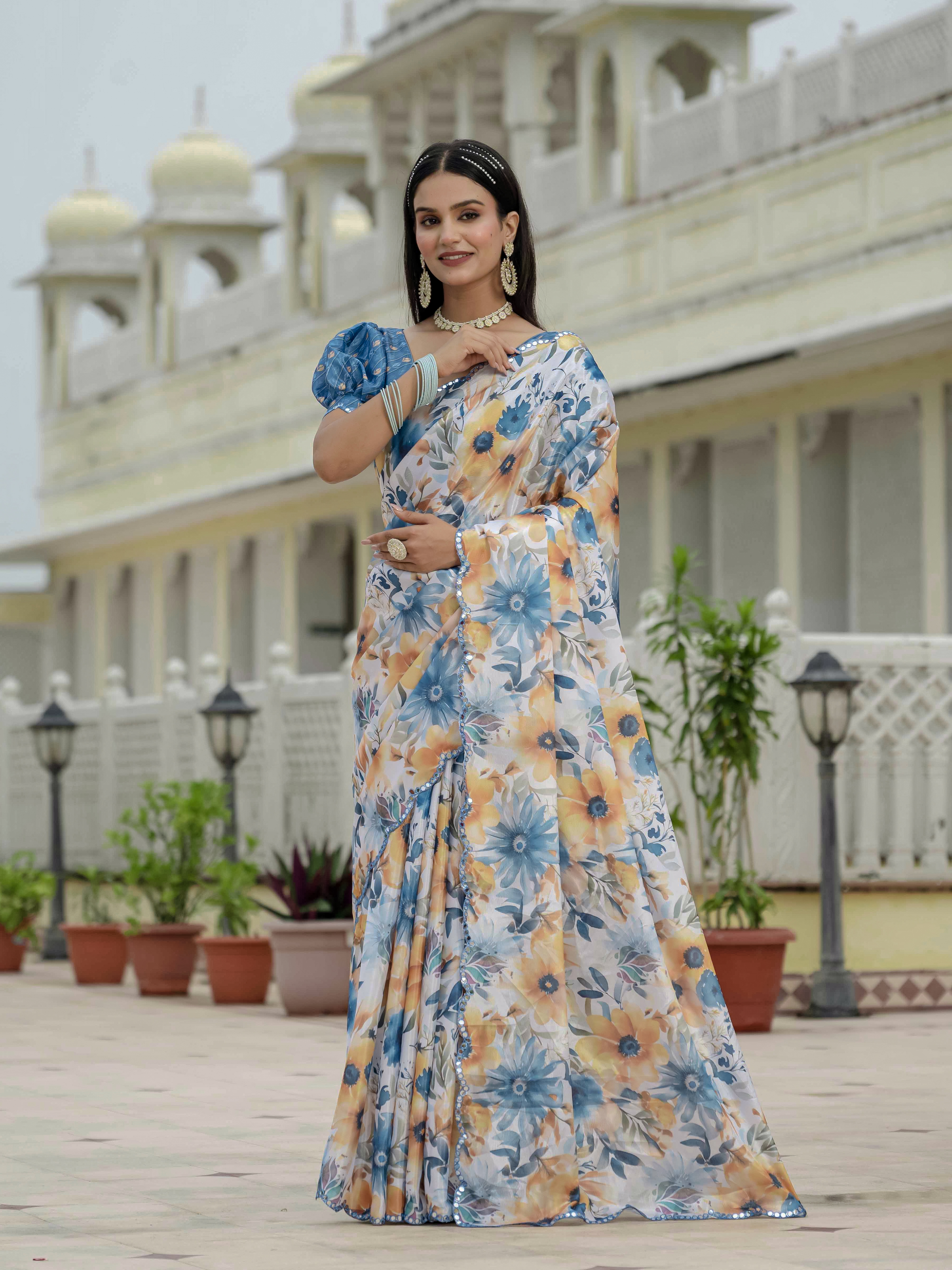
Kerala Temple Festival Fashion: Best Sarees and Blouse Combinations begins with a practical question: will the outfit remain graceful, secure and comfortable through rituals, processions and family gatherings? The most dependable answer is a breathable saree, a well-fitted blouse, restrained jewellery and footwear suitable for walking on temple courtyards. A beautiful outfit should not require constant adjustment.
Kerala festive dressing often centres on the kasavu saree, recognised by its white, ivory or cream ground and metallic zari border. Cotton, silk-cotton, Chanderi and lightweight silk can also work, depending on the time of day and the amount of movement involved. Blouse colour, sleeve length, neckline, petticoat fit and draping method all influence whether the final appearance feels appropriate for a temple visit.
A temple festival may include standing in queues, sitting on the floor, attending a cultural programme or joining a family meal. These details make fabric weight and blouse construction just as important as colour. The strongest combinations look traditional because every element supports the saree rather than competing with it.
Kerala Temple Festival Fashion: Best Sarees and Blouse Combinations for a Respectful Look
Kerala Temple Festival Fashion: Best Sarees and Blouse Combinations works best when the outfit combines modest coverage, classic materials, controlled ornamentation and freedom of movement. A stable drape and a properly measured blouse generally create more elegance than heavy surface decoration.
Many temple festivals involve entering sanctum areas, walking through crowded courtyards and bending to light lamps or offer prayers. A blouse with a secure shoulder fit and a moderate neckline prevents repeated adjustments. Sleeves that reach the elbow or sit just above it provide coverage while remaining manageable in humid weather.
Gold zari is a natural choice because it echoes the visual language of kasavu weaving and temple jewellery. A narrow zari border suits a daytime ritual, while a wider border or richer blouse colour can suit an evening celebration. Excessive sequins may catch on jewellery and can look disconnected from the quiet character of Kerala handloom dressing.
Kerala Temple Festival Fashion: Best Sarees and Blouse Combinations for Kasavu Sarees
Kasavu cotton sarees, Kerala handloom sarees and silk-cotton sarees are the most versatile choices for a Kerala temple festival. Each fabric offers a different balance of breathability, sheen, formality and ease of movement.
Kerala Temple Festival Fashion: Best Sarees and Blouse Combinations in Cotton
Kasavu cotton is the most recognisable choice for a heritage Kerala appearance because its cream or white body keeps the zari border visible. Cotton absorbs perspiration better than many synthetic fabrics, making it useful for morning rituals and outdoor processions. A medium-width border of approximately 1.5 to 3 inches is easier to manage than an exceptionally broad border when walking or sitting.
Kerala handloom sarees may contain small irregularities in the weave, and those variations reflect handmade character rather than poor quality. An ivory saree with antique-gold zari creates a softer effect than bright yellow gold. A white saree with a maroon, red, green or mustard border adds colour while preserving the time-honoured foundation.
Kerala Temple Festival Fashion: Best Sarees and Blouse Combinations in Silk and Chanderi
Silk-cotton sarees provide more sheen than plain cotton while remaining lighter than many pure silk sarees. Chanderi can suit an indoor temple celebration because its airy structure feels light, but the pleats should be pinned securely. Pure silk, including Banarasi silk, suits an evening gathering or major family celebration, although a heavy weave may feel warm during an outdoor ritual.
Kanjeevaram sarees create a formal South Indian appearance through substantial silk, contrast borders and woven motifs. Kanjeevaram is most practical when the wearer will spend limited time walking in heat or navigating crowded spaces. A lighter silk-cotton saree can provide a similarly festive effect with less weight.
Kerala Temple Festival Fashion: Best Sarees and Blouse Combinations for Blouse Selection
The best blouse for a Kerala saree matches the saree's visual weight, repeats one colour from the border and permits comfortable arm movement. Bust, under-bust, shoulder and upper-arm measurements matter more than a general size label.
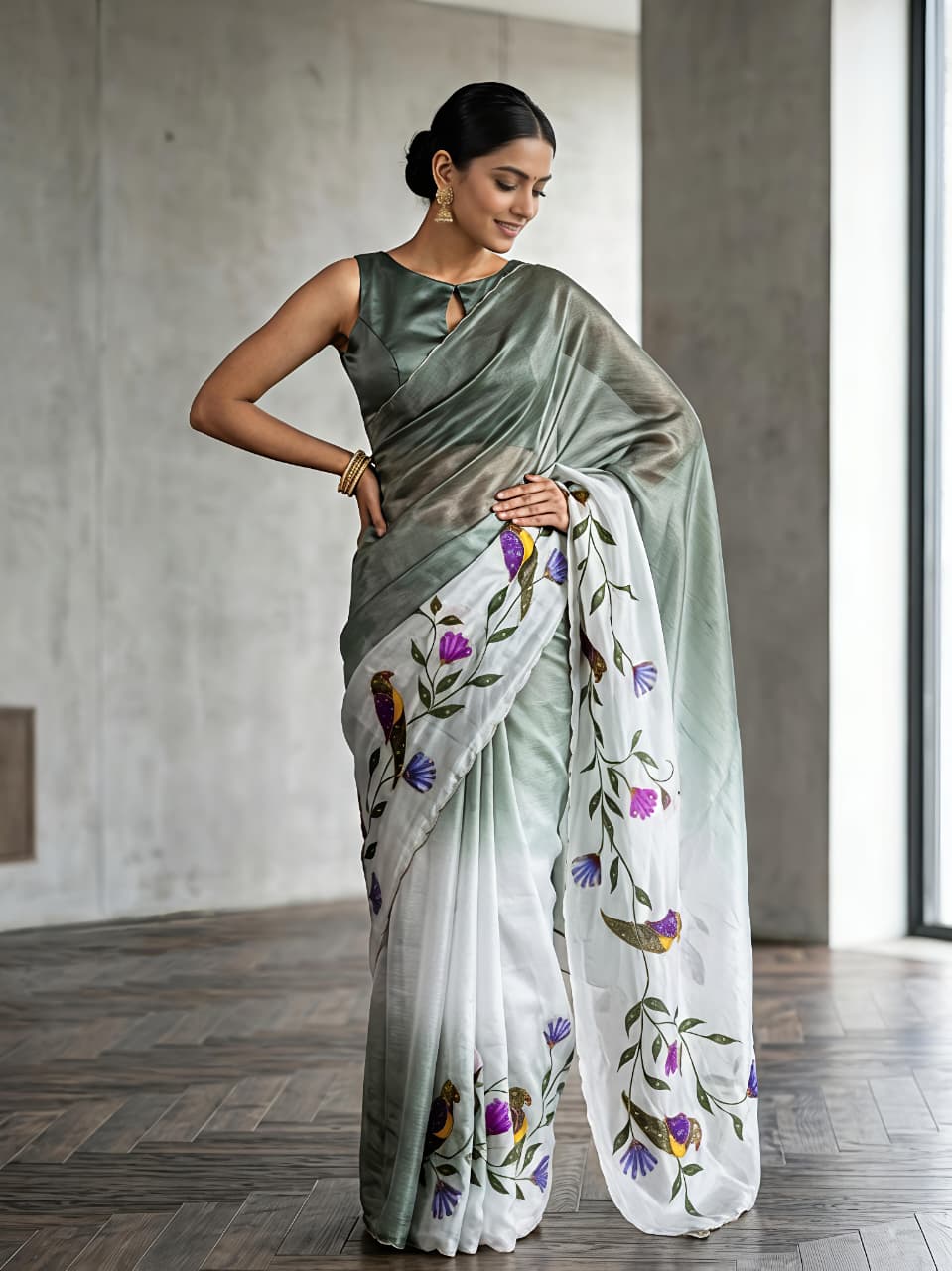
An ivory kasavu saree with gold zari pairs naturally with gold, ivory, maroon, bottle-green or deep red. A plain blouse keeps the zari prominent, while a small woven motif or restrained print adds detail without overwhelming the border. A white saree with a coloured border usually looks more coordinated when the blouse repeats the border colour instead of introducing another strong shade.
Kerala Temple Festival Fashion: Best Sarees and Blouse Combinations with Suitable Necklines
Round neck, modest V-neck, boat neck and collar necklines suit most temple-festival settings. A high round neck brings additional coverage and looks neat with a tightly pleated pallu. A modest V-neck lengthens the upper body visually, but the neckline should remain secure when the wearer bends or sits.
Elbow-length sleeves are dependable for classic styling, especially when the saree has a broad zari border. Short sleeves may feel cooler, while three-quarter sleeves provide additional coverage for evening events. Very deep backs, extreme plunging necklines and cut-out designs may be less practical for temple visits because they require greater attention to coverage.
Kerala Temple Festival Fashion: Best Sarees and Blouse Combinations with Cotton Blouses
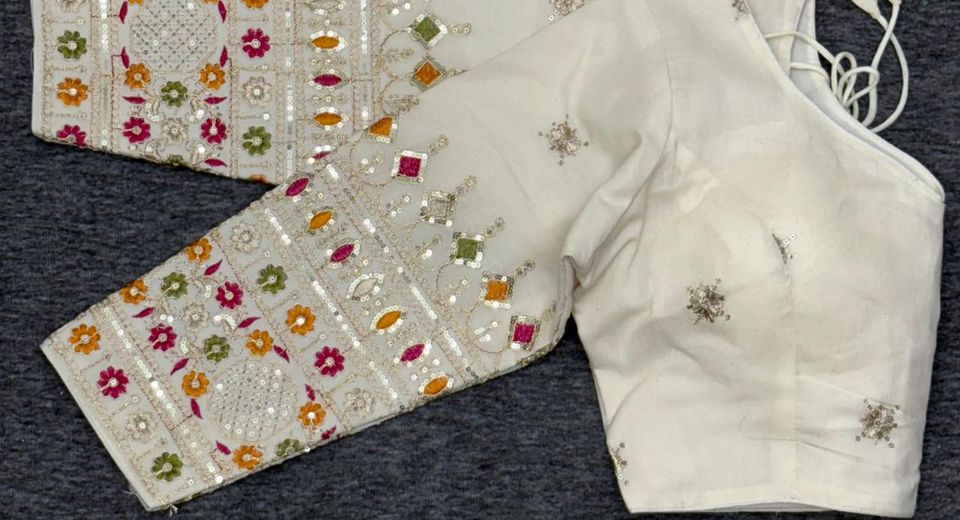
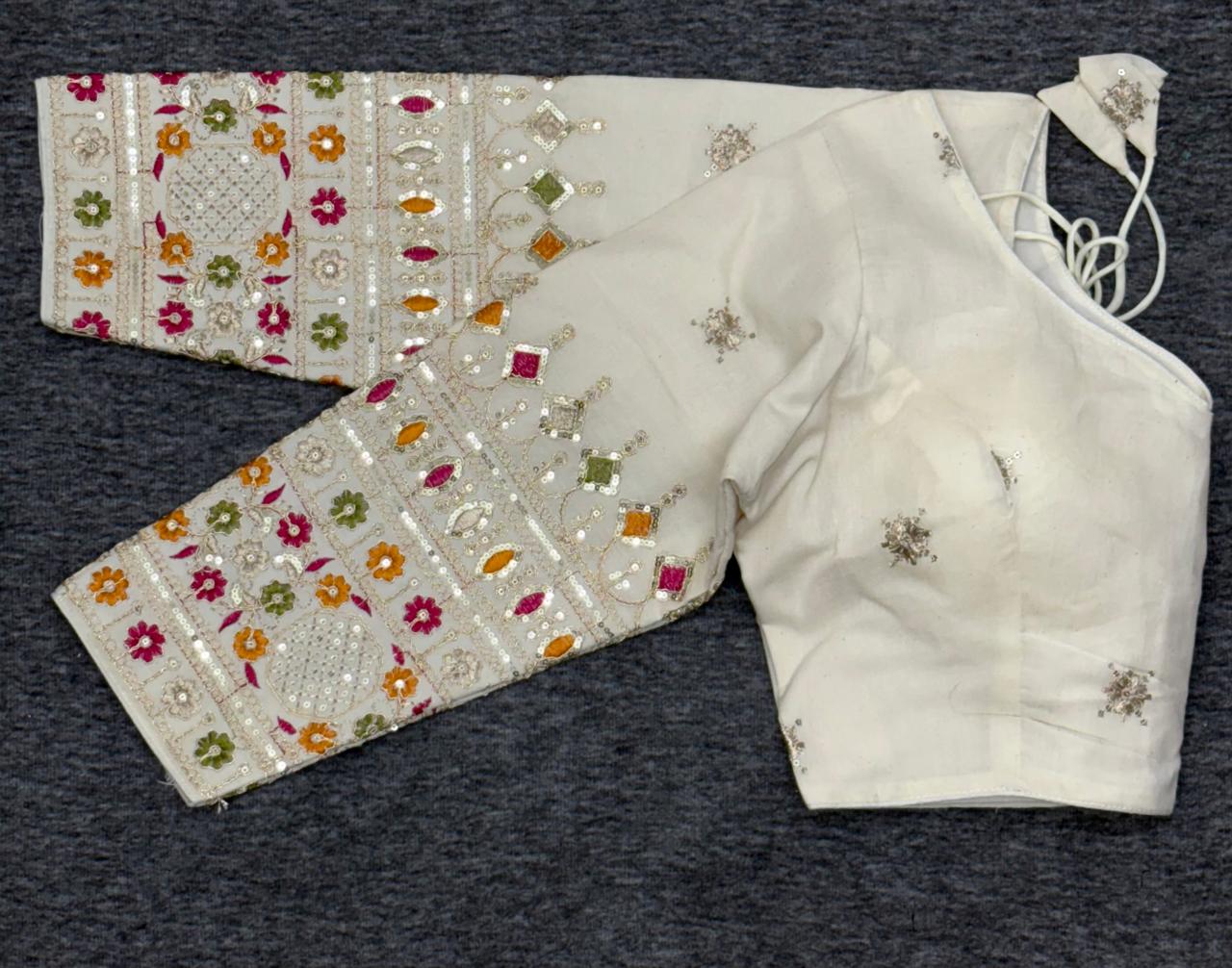
Classic festive tailoring works with almost any heritage saree because a clean silhouette keeps attention on the border and drape. Classic Festive Wear Blouse for Stylish Saree Look illustrates this adaptable direction and can support a kasavu saree without making the outfit appear excessively styled.
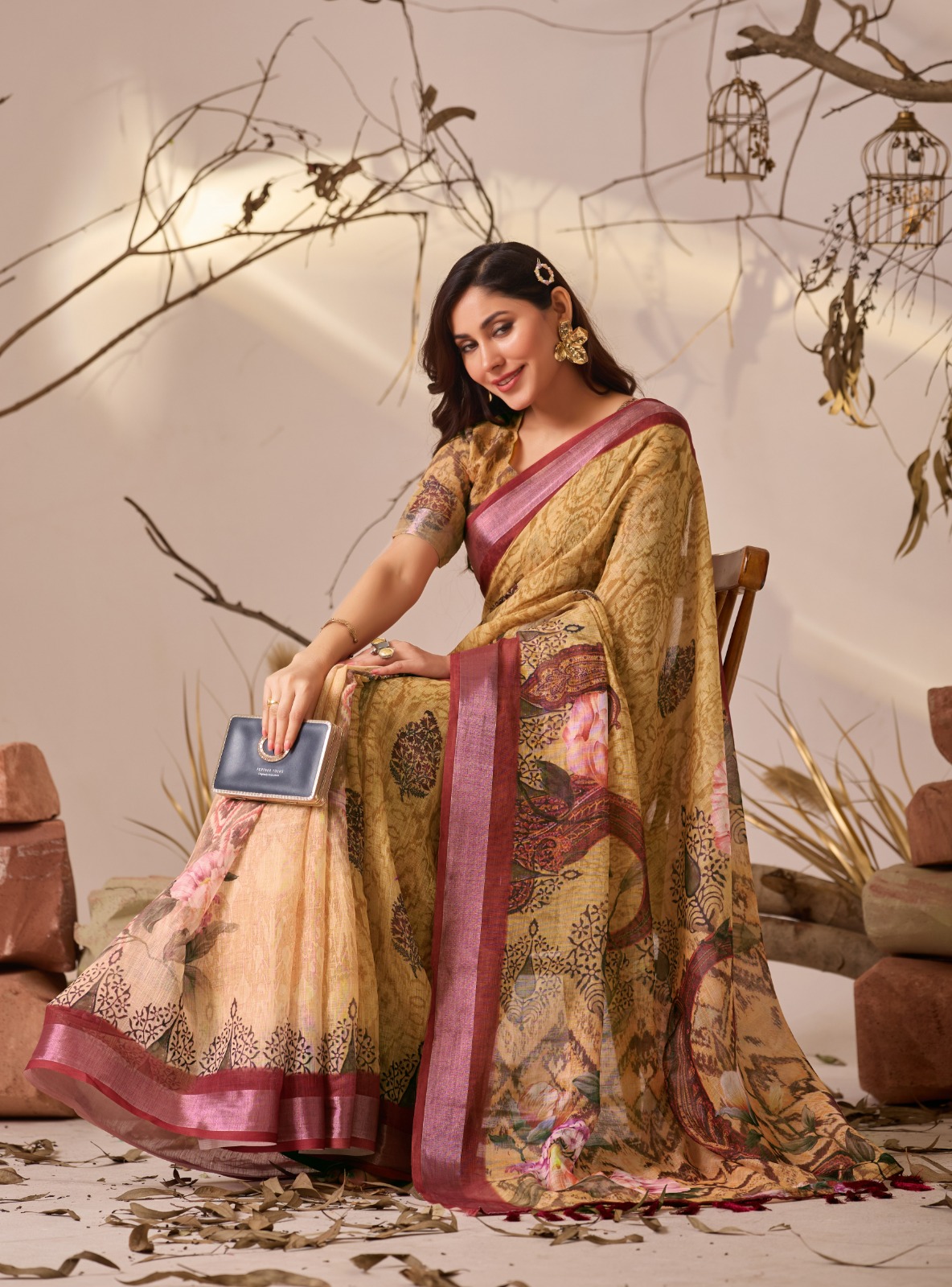
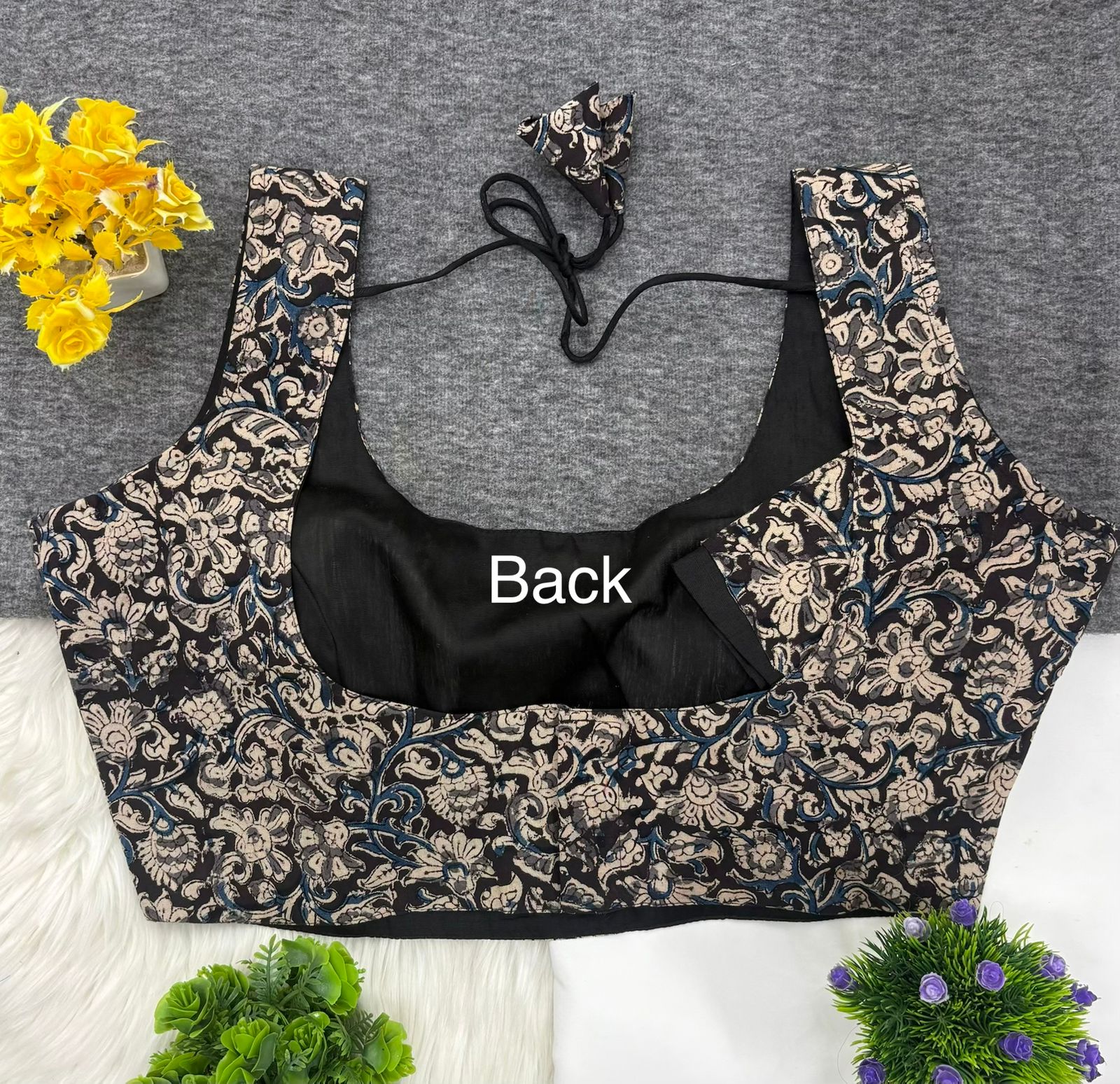
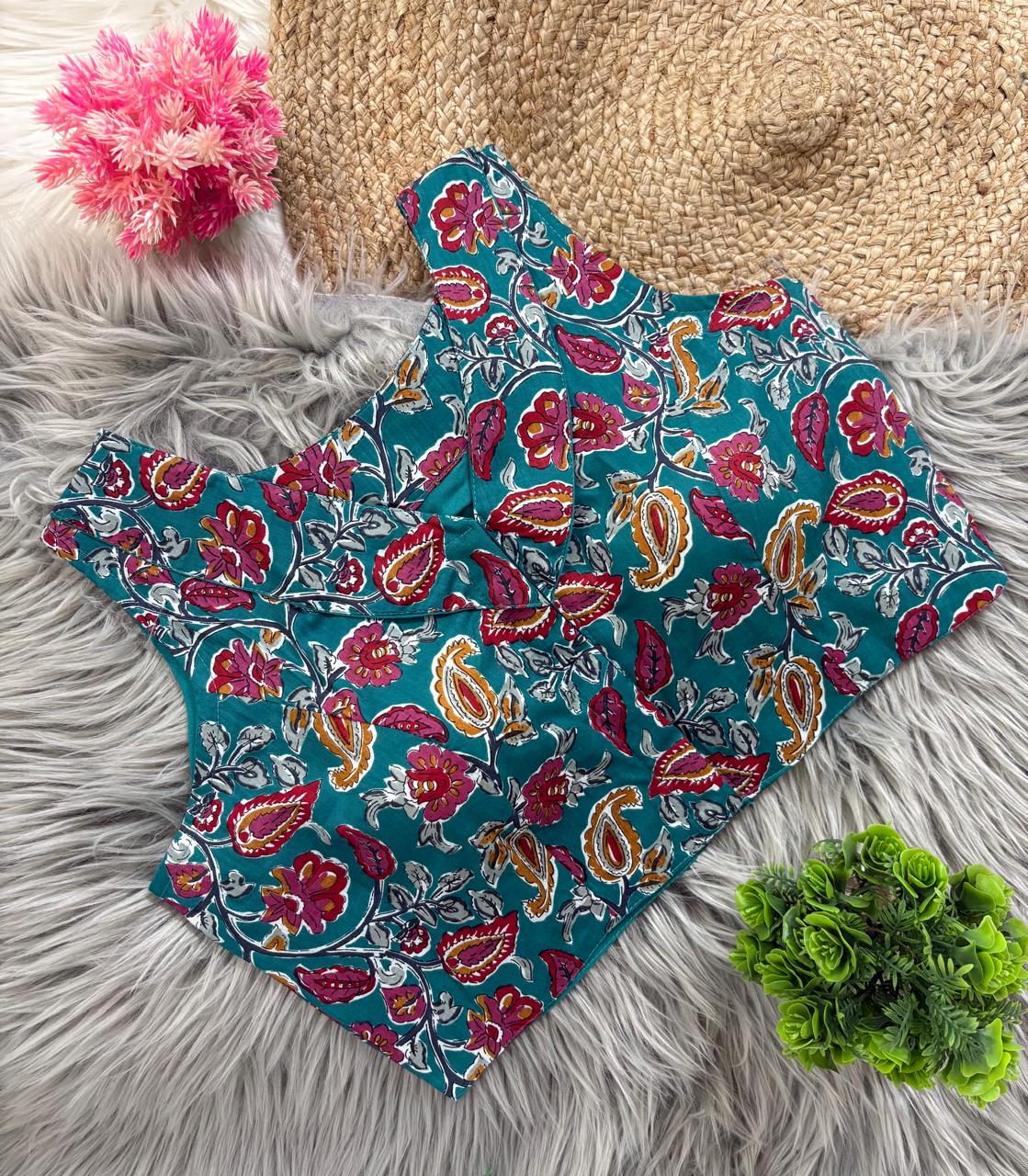
Printed cotton creates a more artisanal and regional mood. Pure Kalamkari Cotton Padded Blouse for Women can be paired with an ivory or cream saree when the print contains maroon, rust, green or mustard accents. Padding can provide structure under a thin cotton saree, although the blouse should still lie smoothly at the armhole and bust.
A collar or V-neck Kalamkari blouse gives heritage dressing a slightly sharper interpretation. Kalamkari Cotton V Neck Collar Blouse for Women works particularly well with a plain Kerala saree because the neckline and print provide detail while the saree supplies a quiet base. Jewellery should remain simpler when the blouse has a dense print.
Kerala Temple Festival Fashion: Best Sarees and Blouse Combinations by Colour
Ivory, cream, white, gold, maroon, red, green, mustard and deep blue create reliable colour combinations for a Kerala festival saree. A balanced palette normally contains one neutral foundation, one border colour and one controlled accent.
An ivory kasavu saree with a maroon blouse looks ceremonial and photographs clearly in both daylight and warm temple lighting. A cream saree with a bottle-green blouse feels grounded and complements antique-gold jewellery. A red blouse creates a more dramatic festive effect, while mustard or rust produces a softer handloom-inspired palette.
Pastel blouses can suit a white or cream saree when the festival takes place during the day. Blush pink, muted lavender and sage green feel less heritage-inspired than maroon or green, but they can look elegant with a narrow zari border and restrained jewellery. Neon colours and highly contrasting synthetic shine may distract from the quiet simplicity associated with Kerala handloom dressing.
Match the blouse to the saree border when the saree includes red, green or maroon detailing. Choose a neutral blouse when the border is already wide or ornate. A printed Kalamkari blouse should repeat at least one saree or jewellery colour so the combination appears intentional rather than assembled from unrelated pieces.
Kerala Temple Festival Fashion: Best Sarees and Blouse Combinations with Jewellery
Gold-toned temple jewellery, a small kasu mala, jhumkas, bangles and a neat hair arrangement complete a Kerala festival saree without overwhelming the handloom fabric. Jewellery should repeat the metallic tone of the saree border rather than introduce a competing finish.
A kasu mala or short gold chain works with a high or round neckline, while a longer chain suits a modest V-neck. Jhumkas are more practical than very long earrings when the wearer will move through crowds. A small bindi, jasmine flowers and a low bun or braid reinforce the classic setting without requiring elaborate styling.
Choose a structured potli or compact shoulder bag instead of a large everyday tote. A small bag should hold a phone, tissues, safety pins, a comb and blister plasters without pulling at the saree. A narrow belt is usually unnecessary because it changes the fluid fall of a traditional drape.
Kerala Temple Festival Fashion: Best Sarees and Blouse Combinations for Comfort
Comfort during a long festival depends on breathable fabric, secure inner layers, low-friction footwear and enough time to test the complete outfit. A saree becomes impractical when the pallu slips, the blouse restricts the arms or the sandals cause pain after an hour.
Wear a cotton or moisture-managing petticoat with a firm but comfortable waistband. The petticoat should end close to the ankle rather than dragging on the ground. The saree hem should clear the floor by approximately 1 to 2 centimetres when worn with the intended footwear. A well-fitted petticoat helps the pleats stay aligned while walking.
Flat sandals, low wedges or cushioned kolhapuri-style footwear are safer than narrow high heels on uneven temple grounds. Break in new footwear at home for at least two short sessions before the festival. Carry two or three safety pins and a small strip of fashion tape, but don't use pins to compensate for an incorrectly sized blouse.
Try the complete outfit for 20 to 30 minutes before leaving home. Sit on the floor, raise both arms, walk up stairs and turn from side to side. These tests reveal whether the blouse pulls at the armhole, whether the pallu needs an extra pin and whether the saree pleats remain clear of the feet.
Kerala Temple Festival Fashion: Best Sarees and Blouse Combinations for Morning and Evening
Morning temple rituals suit breathable cotton, minimal makeup and lighter jewellery, while evening celebrations can accommodate silk-cotton, richer blouse colours and more pronounced gold accents. Styling should reflect temperature, lighting and the amount of walking involved.
Kerala Temple Festival Fashion: Best Sarees and Blouse Combinations for Morning Rituals
A cream kasavu cotton saree with a maroon, green or ivory blouse is a dependable morning combination. Choose a breathable lining, a low bun or braid and jewellery that won't become uncomfortable in humidity. A firmly pinned pallu is useful when the morning includes a procession or extended time outdoors.
Kerala Temple Festival Fashion: Best Sarees and Blouse Combinations for Evening Events
An evening celebration can support a silk-cotton saree, deeper blouse colour and slightly stronger jewellery. Antique-gold earrings and a wider bangle stack complement zari without creating excessive shine. If the event includes a cultural programme, choose a fabric that catches light gently while remaining easy to sit in.
Makeup should remain weather-aware. Waterproof kajal, a light base, a compact powder and a transfer-resistant lip colour are more practical than multiple heavy layers. Hair should be secured before jewellery is added, because repeated hair adjustments can disturb the blouse and pallu.
Kerala Temple Festival Fashion: Best Sarees and Blouse Combinations Care Guide
Store a festival saree clean, dry and folded along different lines every few months to reduce permanent creases. Cotton should be aired before storage, while silk and zari should be folded in soft, uncoloured cotton rather than sealed immediately in plastic.
Dry-clean heavily zari-worked silk when the care label recommends professional cleaning. Hand-wash suitable cotton separately in cool water with a mild detergent, and avoid wringing because twisting can distort the border. Kalamkari cotton should be washed according to its colourfastness instructions, especially when the print contains deep red, indigo or mustard dyes.
Blouses should be aired after wear before being placed in a wardrobe. Sweat and body oils can weaken fabric and leave marks around the neckline or underarms. Store padded blouses flat or on a broad hanger so the cups and shoulder seams don't become misshapen.
Kerala Temple Festival Fashion: Best Sarees and Blouse Combinations becomes easier when the wearer plans around the festival's actual conditions. Kasavu cotton is a strong choice for heat, silk-cotton adds moderate formality, and a blouse that repeats the saree border colour creates visual balance. Secure draping, breathable layers and sensible footwear complete the look more effectively than unnecessary decoration.
Common Questions About Kerala Temple Festival Sarees and Blouses
Which saree is best for a Kerala temple festival?
A kasavu cotton or Kerala handloom saree is usually the most practical choice for a Kerala temple festival. Cotton remains breathable during outdoor rituals, while silk-cotton offers additional sheen for evening celebrations.
Which blouse colour goes with a cream kasavu saree?
Maroon, bottle-green, deep red, ivory, gold, mustard and rust all work well with a cream kasavu saree. Matching the blouse to the saree border usually creates the most coordinated result.
Can I wear a printed blouse with a Kerala saree?
A printed blouse can work well with a plain cream or ivory Kerala saree when the print repeats one saree or jewellery colour. A Kalamkari cotton blouse adds detail, so jewellery and accessories should remain restrained.
What blouse neckline is suitable for a temple visit?
A round neck, modest V-neck, boat neck or collar neckline is generally suitable for a temple visit. The neckline should remain secure when the wearer bends, sits or raises both arms.
How can I keep a Kerala saree comfortable during a long festival?
Use a well-fitted cotton petticoat, breathable saree fabric, secure pallu pins and low-friction footwear. Test the complete outfit for 20 to 30 minutes by sitting, walking and raising the arms before leaving home.
Can I wear Kanjeevaram or Banarasi silk to a Kerala temple festival?
Kanjeevaram and Banarasi silk can suit an evening celebration or formal family gathering, but they may feel heavy during outdoor rituals. Silk-cotton or lightweight silk is usually more comfortable when the event involves extended walking.