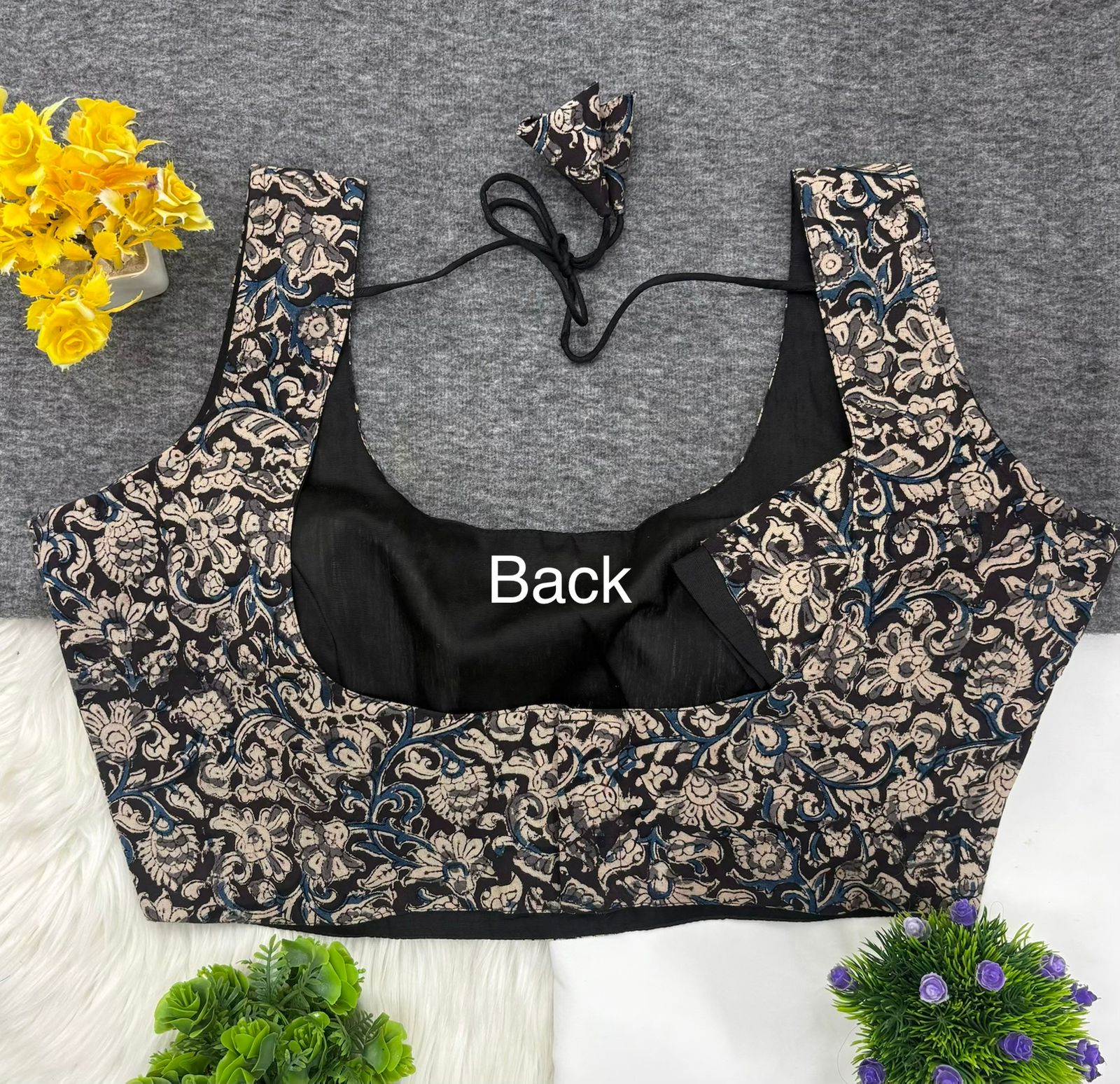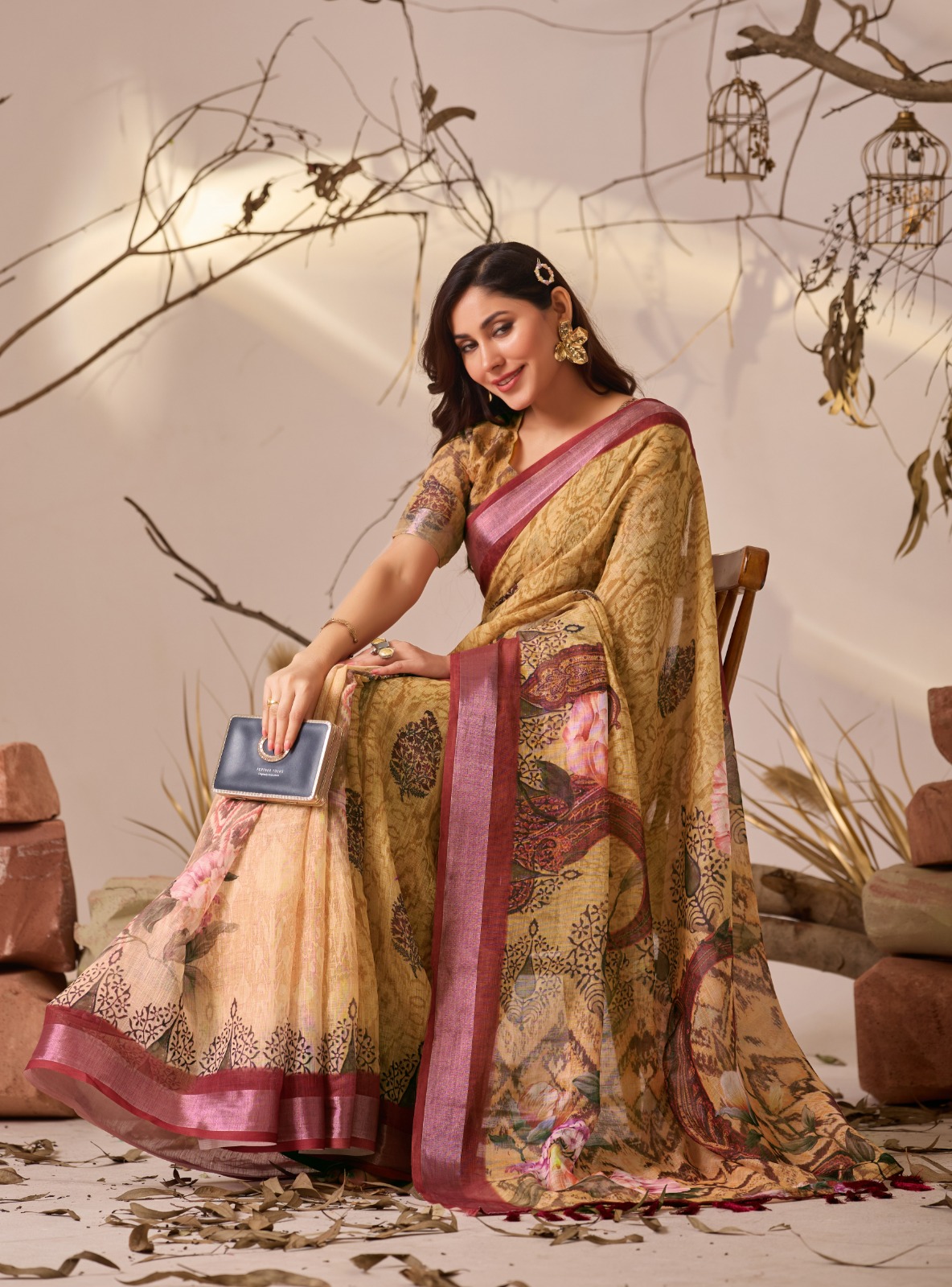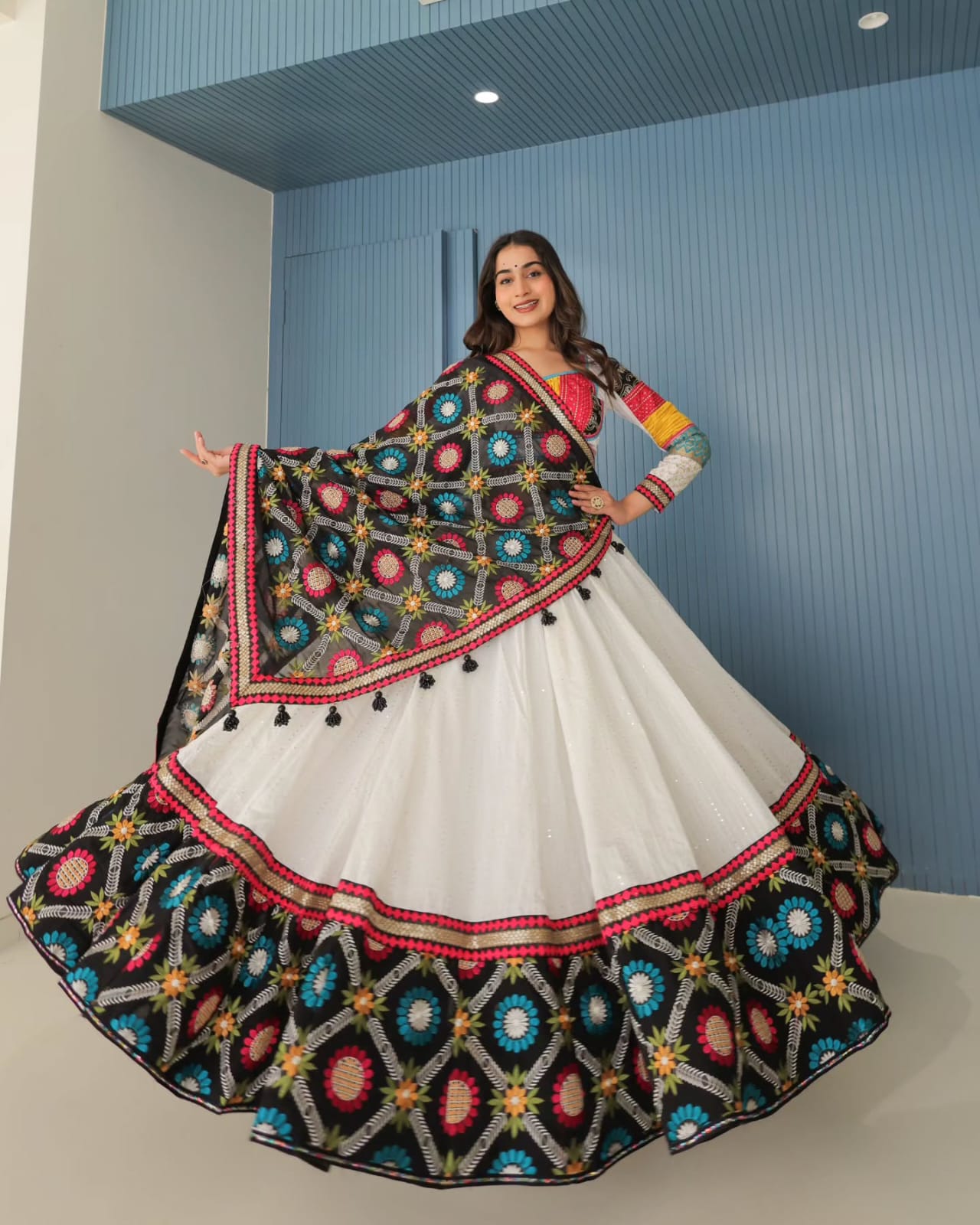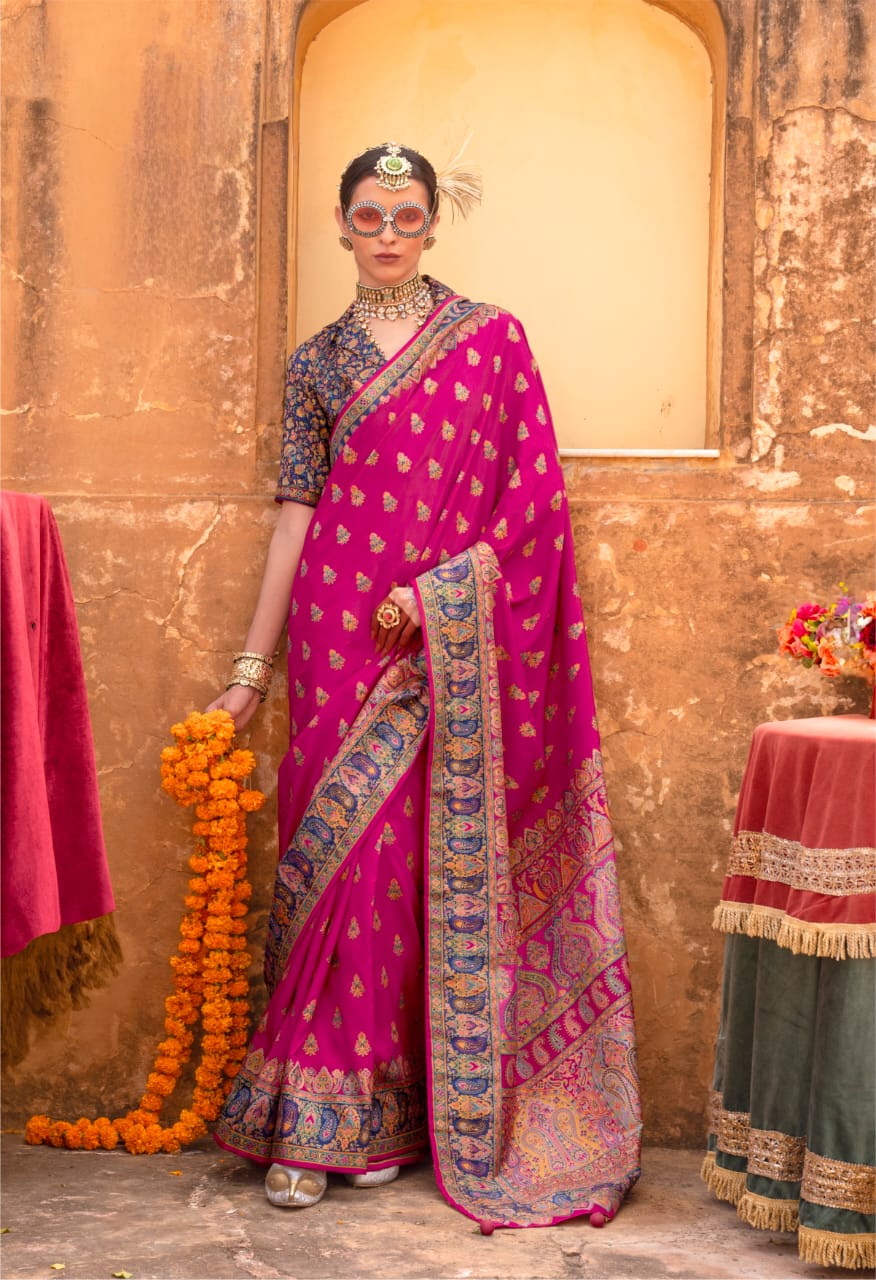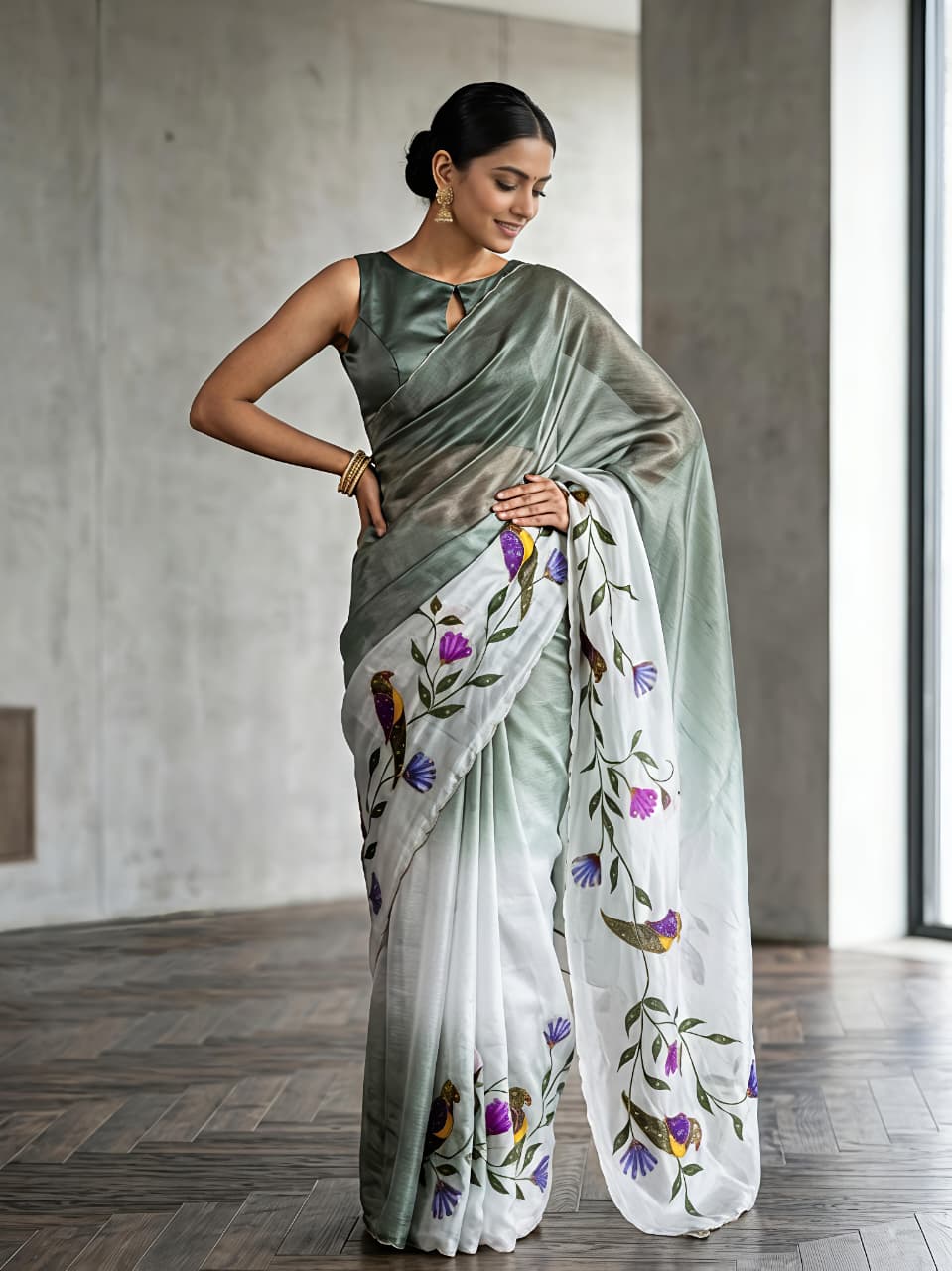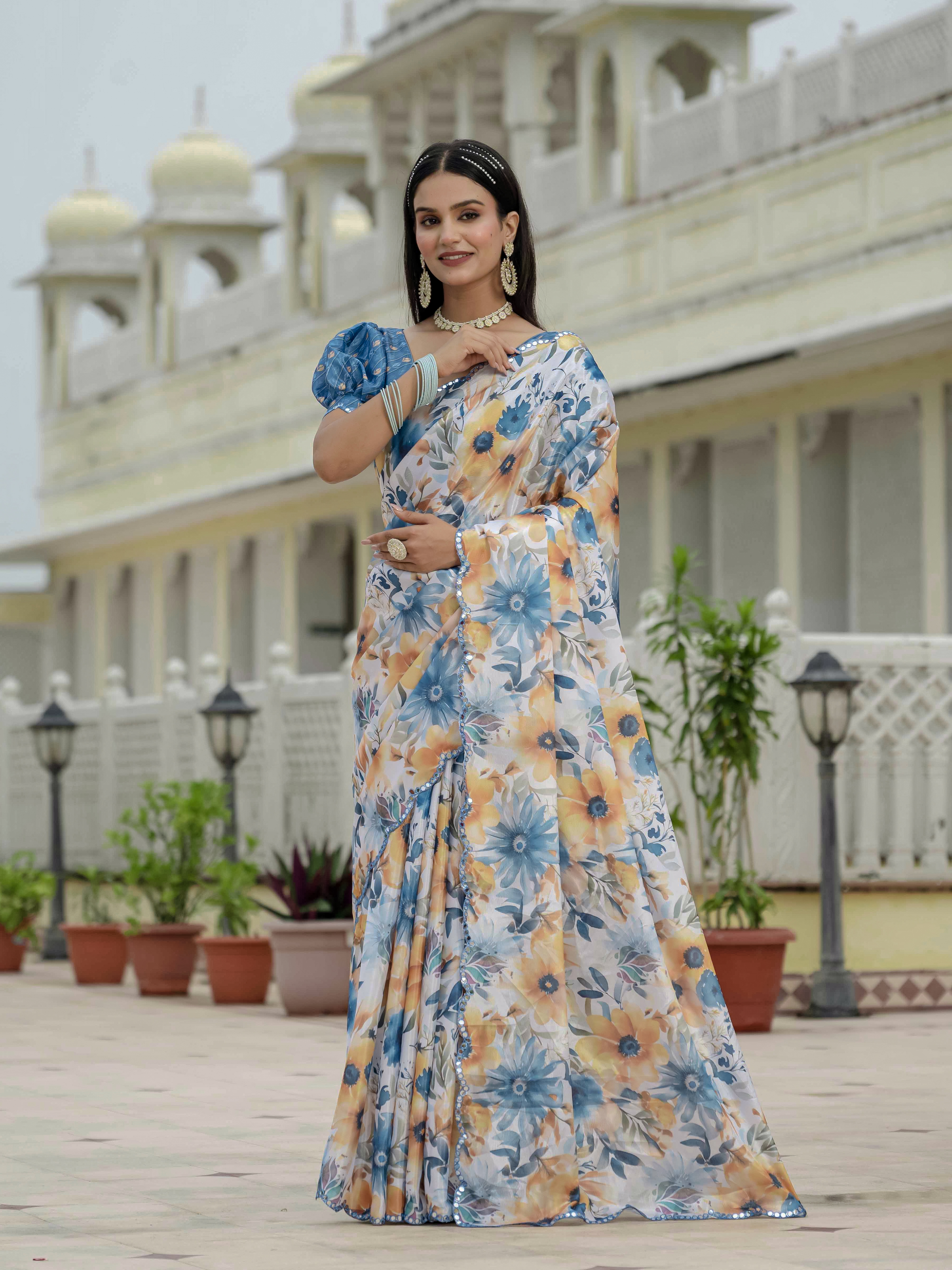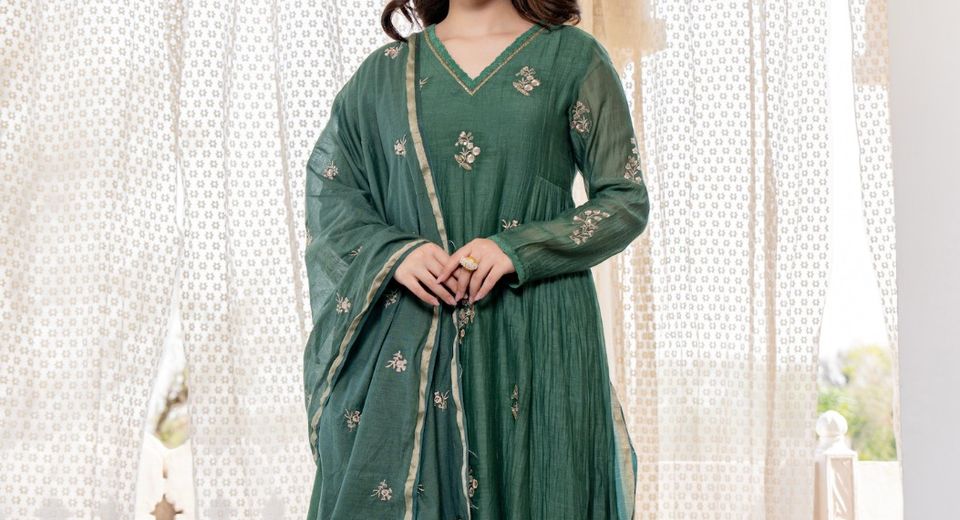
Kati Bihu outfit ideas should honour the quiet, devotional character of Kati Bihu while allowing you to move comfortably through prayers, household rituals and evening gatherings. A mekhela chador offers the strongest Assamese connection, while a saree or a well-cut salwar suit can work beautifully when styled with restraint, breathable fabric and meaningful details.
Kati Bihu, also called Kongali Bihu, falls in the Assamese month of Kati, usually around October. The festival is associated with lighting earthen lamps near the tulsi plant, praying for a healthy crop and observing a more restrained mood than the lively Bohag Bihu celebrations. That context affects clothing choices: refined colour, graceful drape and practical comfort often feel more appropriate than heavy bridal embellishment.
Kati Bihu Outfit Ideas: How should you choose the right festive outfit?
The right Kati Bihu outfit depends on the ritual, venue, weather and amount of traditional Assamese identity you want your clothing to express. Choose a mekhela chador for cultural formality, a saree for versatile elegance, or a salwar suit for easy movement and reliable all-day comfort.
An useful decision starts with four questions. Will you sit on the floor for prayer? Will you walk outdoors near a tulsi plant or paddy field? Are you attending a family gathering after the ritual? Will the outfit need to work for several hours without constant adjustment? Answers to these questions are more helpful than choosing a garment only because its embroidery photographs well.
- For a home puja: Select a lightweight mekhela chador, cotton saree or straight kurta set in a calm colour.
- For a community event: Choose a saree or salwar suit with a secure dupatta and modest, comfortable footwear.
- For evening visits: Add a slightly richer weave such as Chanderi or Vichitra silk, with small earrings and a neatly finished hairstyle.
- For long periods of standing: Prefer a straight kurta, cigarette pant or palazzo-style bottom over restrictive layers and very long hems.
Women looking for festive salwar suits should also consider the time required for dressing. A readymade salwar suit set can be especially useful when the outfit must be worn soon after work, travel or household preparations.
Kati Bihu Outfit Ideas: Why is mekhela chador the most rooted choice?
A mekhela chador is the most recognisably Assamese option because it uses a two-piece drape: the mekhela forms the lower half and the chador is wrapped across the upper body. The garment is usually secured with pleats and a tuck rather than the petticoat-and-pallu system used for a saree.
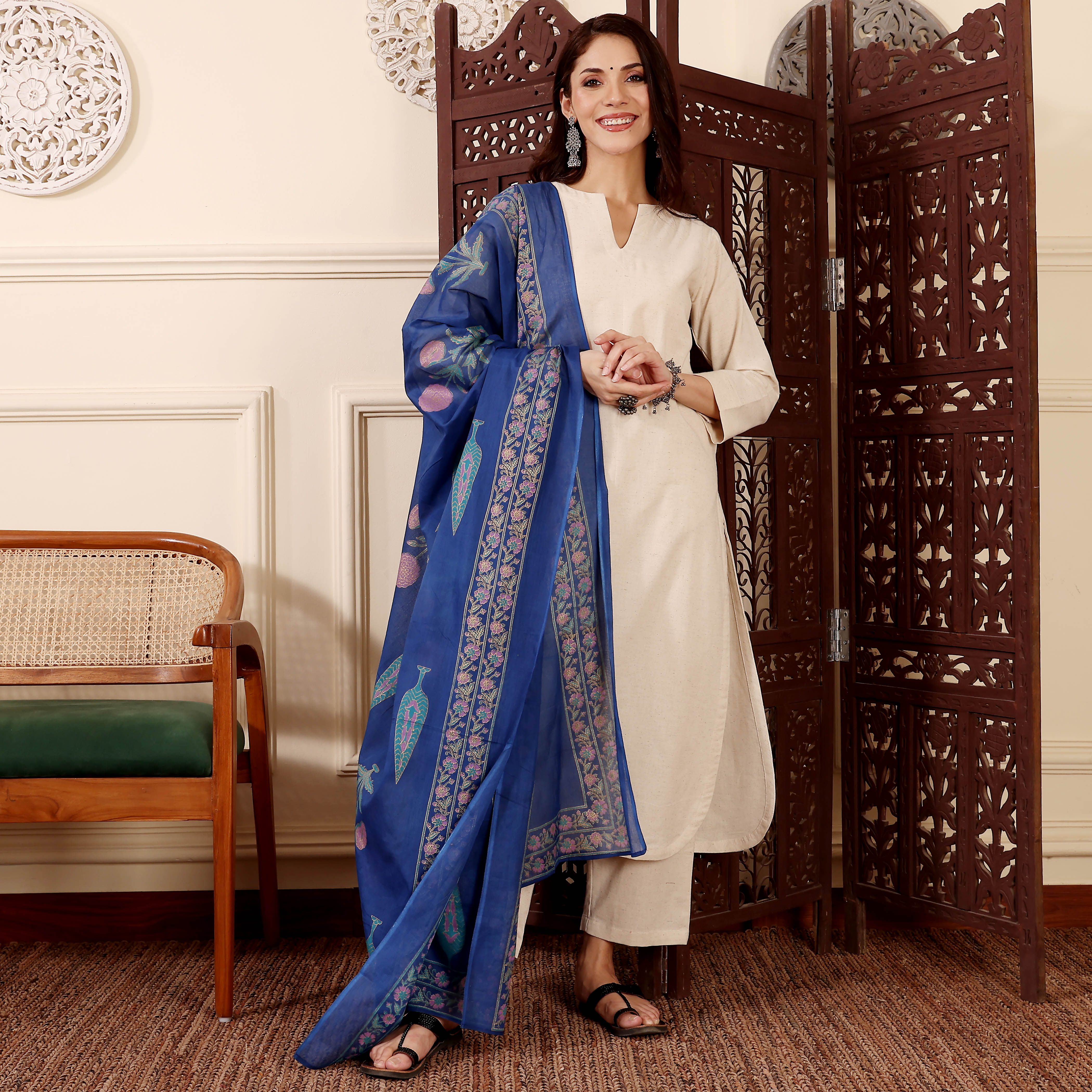
For Kati Bihu, a subdued mekhela chador in white, cream, beige, soft yellow or pale green can look especially fitting. Time-honoured motifs, woven borders and Assamese gamosa-inspired details provide cultural character without requiring dense sequins. Red accents are also meaningful in Assamese textiles, but a narrow border or blouse detail is often enough for a daytime ritual.
How can a mekhela chador be made easier to wear?
A mekhela chador becomes easier to manage when the lower pleats are pinned discreetly, the blouse fits across the shoulders and the chador has enough length to cover the torso without dragging. Wear a smooth, comfortable petticoat or underskirt underneath if the fabric is sheer, and test sitting, walking and climbing stairs before leaving home.
Keep jewellery balanced with the weave. A pair of gold-toned jhumkas, a small bindi and one or two bangles can support the outfit without competing with a classic border. A low bun or braid is practical around diyas and helps keep the chador away from the face during aarti.
Not every Assamese celebration requires a highly ornate mekhela chador. A simple handloom-inspired set can be more suitable for Kati Bihu than a heavily embellished wedding ensemble, particularly when the gathering centres on prayer and agricultural gratitude.
Kati Bihu Outfit Ideas: When does a saree work best?
A saree works for Kati Bihu when the drape is secure, the fabric is breathable and the styling acknowledges the festival's understated mood. Cotton, Chanderi silk, light silk blends and soft handloom textures are generally more practical than stiff brocade for a long day.
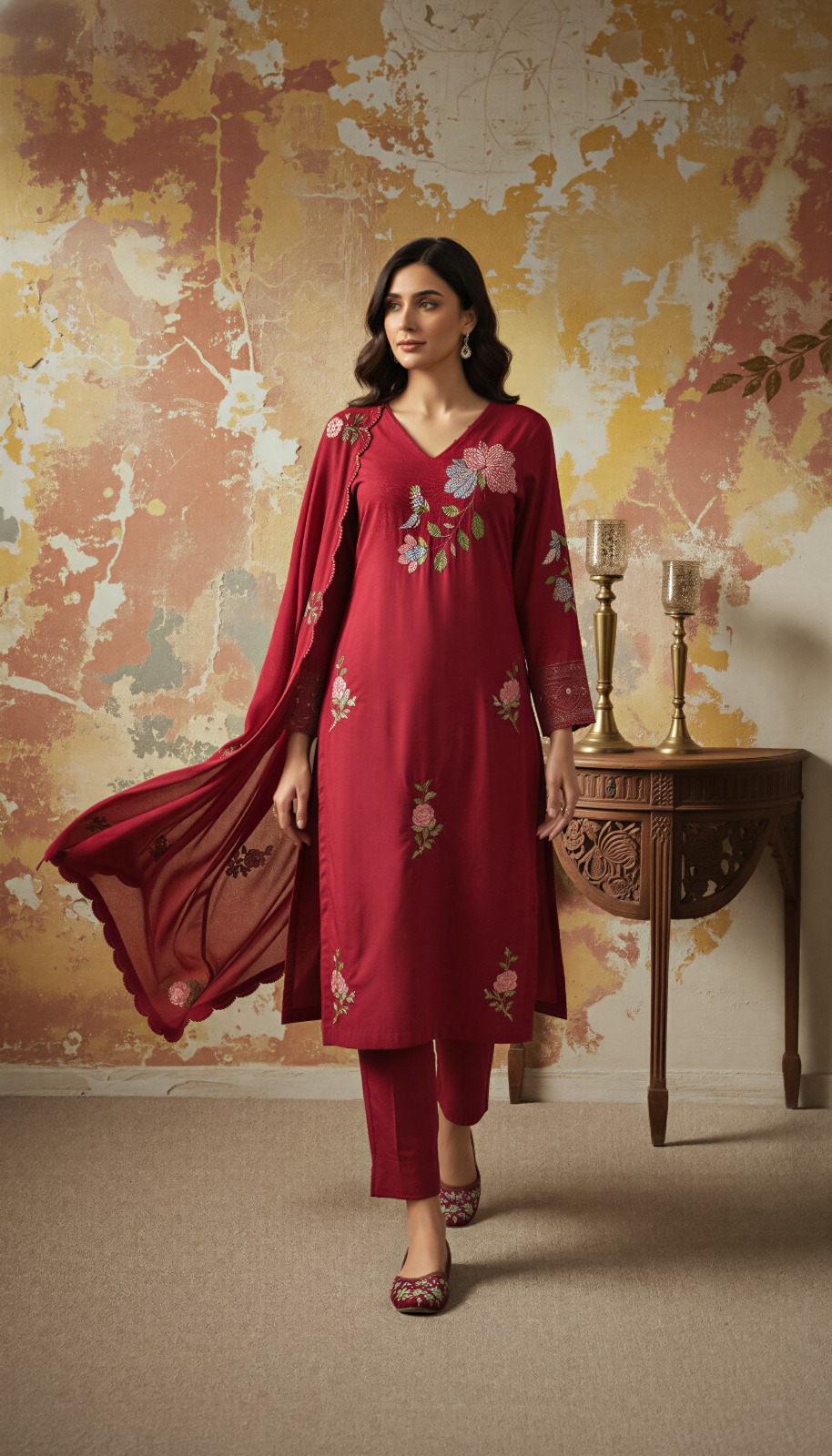
A white or ivory saree with a red, green or gold border creates a clean festive palette. Yellow suggests lamps and harvest, while green connects naturally with fields and new growth. A deep maroon or indigo saree can suit an evening gathering, especially when paired with a plain blouse rather than multiple glittering accessories.
Banarasi silk and Kanjeevaram can be beautiful for a more formal family celebration, but their weight and warmth may be unnecessary for a small home ritual. A lighter Chanderi saree can provide a festive sheen while remaining easier to pleat and carry. The best saree is one that allows you to sit comfortably and keep the pallu in place.
Which saree details matter most?
The pallu, blouse fit and footwear matter more than the number of decorative elements. A pallu secured with a hidden shoulder pin reduces repeated adjustments, a cotton-lined blouse improves comfort, and a low block heel or embellished flat prevents the hem from catching while walking.
Choose a blouse with enough coverage for the event and avoid sleeves that restrict arm movement during prayer. If the saree has a strong woven border, keep the blouse solid or minimally embroidered. If the saree is plain, a textured blouse or Assamese-inspired red border can supply definition.
Kati Bihu Outfit Ideas: Why are salwar suits practical?
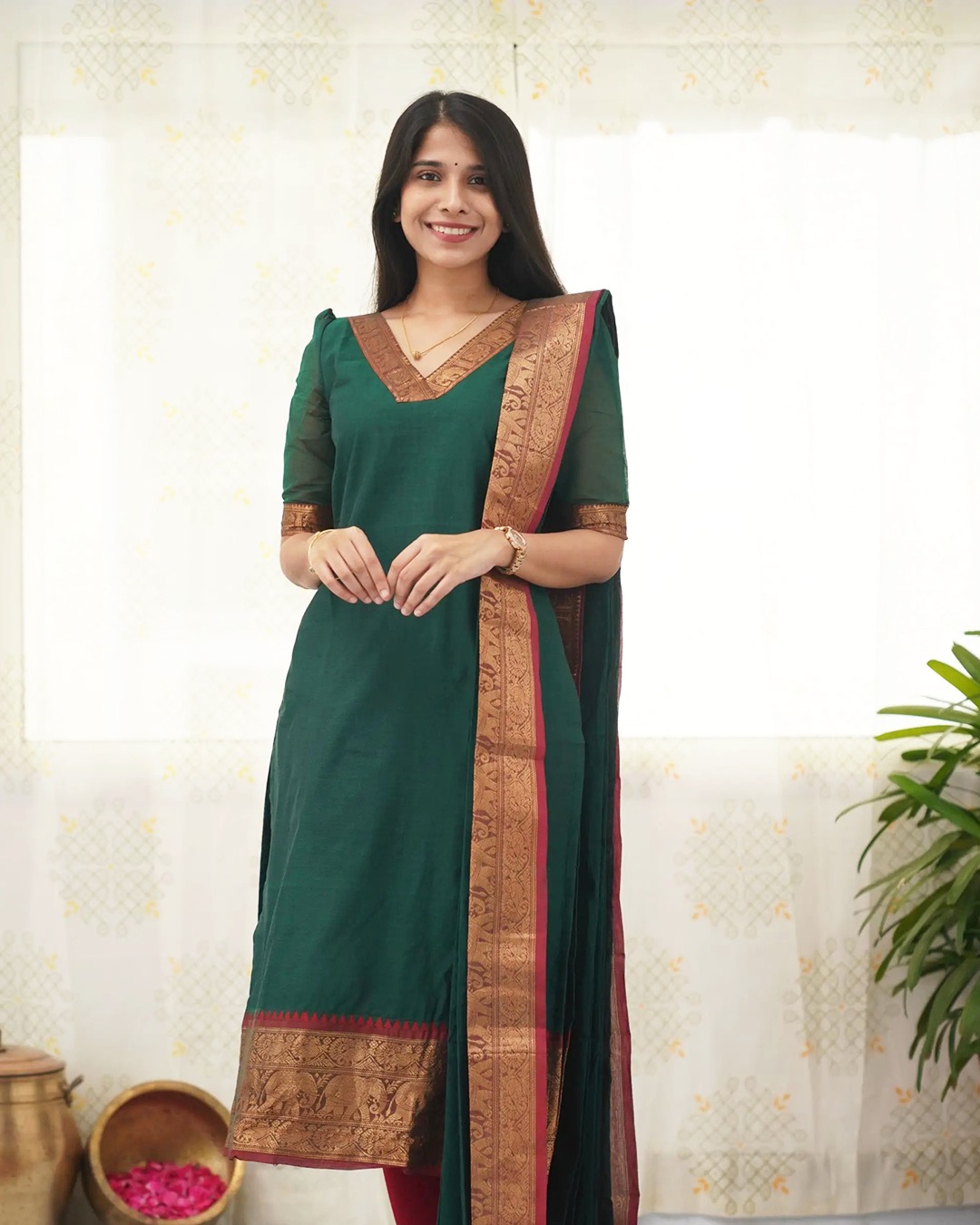
Salwar suits are practical Kati Bihu outfit ideas because they provide secure coverage, easy movement and simple wash-and-wear care. A straight kurta with trousers or a coordinated set is particularly useful for women who will travel, help prepare food, sit on the floor or attend several homes in one day.
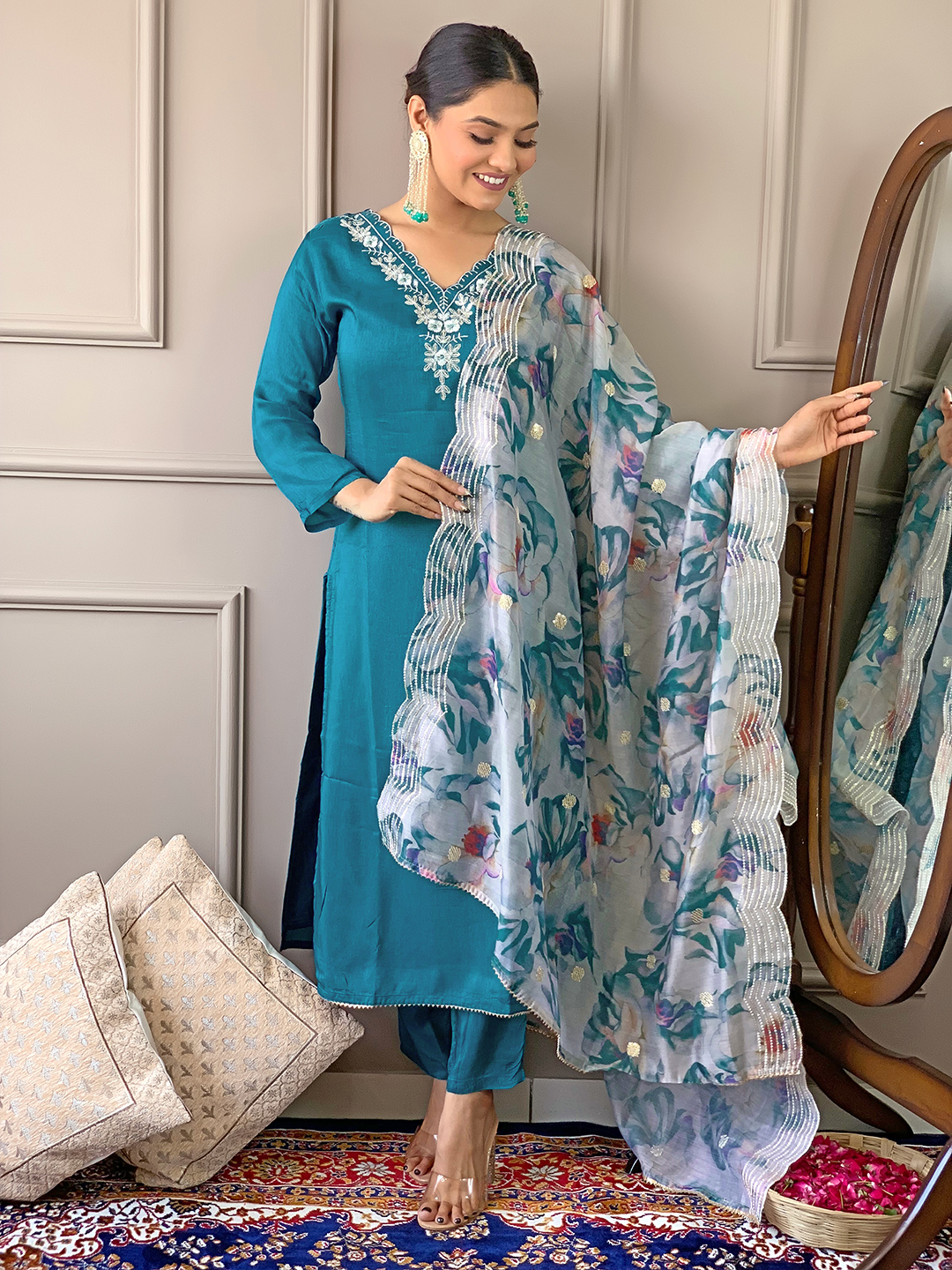
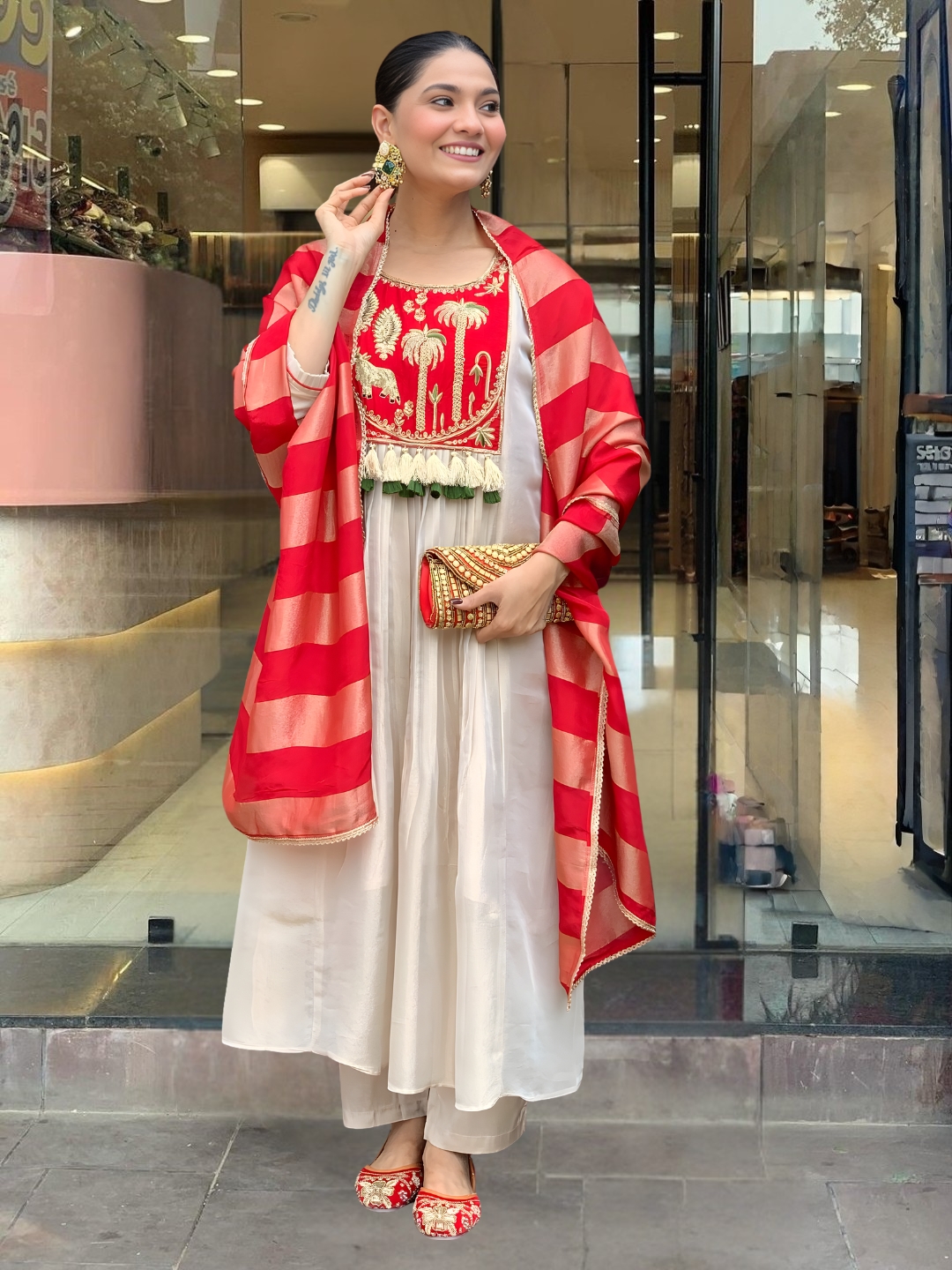
Chanderi is a strong festive choice because the fabric has a light, graceful surface and doesn't feel as heavy as many embellished silks. Beige Kurta Set with Blue Chanderi Dupatta for Women shows how a neutral kurta and cool-toned dupatta can look celebratory without appearing loud. Pastel Blue Embroidered Chanderi Kurta Set with Dupatta brings a similarly gentle palette for daytime prayers.
A deeper colour can transition more easily from puja to an evening family gathering. Maroon Embroidered Chanderi Kurta Set with Dupatta provides visual richness through colour, while Rani Pink Chanderi Embroidered Kurta Set Dupatta creates a brighter festive impression. Keep the rest of the styling quiet when the kurta already includes embroidery.
Which salwar suit silhouette should you select?
A straight kurta with cigarette pants is the easiest salwar suit silhouette for movement, while a longer A-line kurta gives more room around the legs and suits a heritage festive setting. A palazzo suit brings airflow, but the wide hem should not be so long that it touches oil lamps, wet ground or stair edges.
For a polished but not overly formal look, Elegant Green Chanderi Silk Kurti Pant Dupatta Set combines a festive colour with a structured three-piece format. Modern Taupe Vichitra Silk Embroidered Co-Ord Set for Women is better suited to an urban family gathering or evening visit where a contemporary silhouette feels natural.
Readymade salwar suit sets are useful when time is limited because the kurta, bottom and dupatta are already proportioned together. Check garment measurements rather than relying only on a small, medium or large label. Allow at least 2 to 3 centimetres of ease at the bust and hips if you expect to sit, bend or layer a camisole underneath.
Brown Embroidered Vichitra Silk Kurti Set with Dupatta illustrates how an earthy shade can feel festive without relying on bright pink or red. Embroidered Salwar Suit Set for Women can suit a more decorative family gathering when the embroidery is balanced with understated jewellery and simple footwear.
Kati Bihu Outfit Ideas: Which colours and fabrics feel appropriate?
Kati Bihu colours work best when they suggest lamps, soil, foliage and woven Assamese textiles without turning the outfit into a costume. Cream, ivory, muted yellow, leaf green, terracotta, maroon, red and soft blue are adaptable choices for both heritage and contemporary clothing.
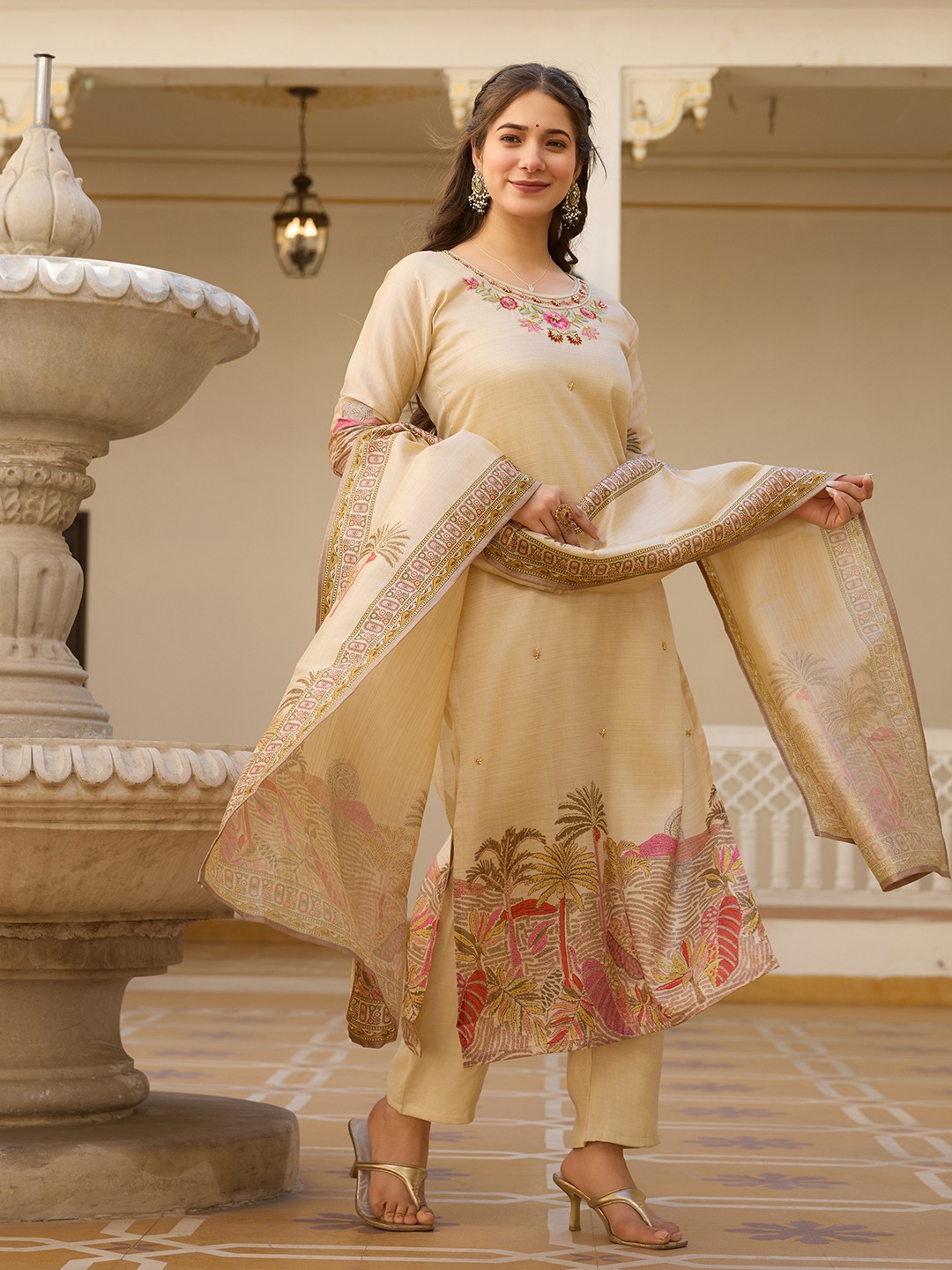
Cotton salwar suits are valuable for warm daytime celebrations because cotton absorbs moisture and allows air circulation. A cotton or cotton-blend kurta also works well when you're helping with household preparations. Chanderi suits add a more delicate festive finish, while Vichitra silk gives a smoother, dressier appearance for an evening event.
Fabric weight matters in October, when conditions can vary across Assam and other parts of India. A heavy lined garment may feel uncomfortable indoors, while an unlined sheer dupatta may need a camisole or slip for coverage. Check whether embroidery is concentrated at the neckline, sleeves or hem, because dense threadwork can make a supposedly light outfit feel warmer.
Different regional collections can also provide useful styling references without replacing Assamese dress. Gujarati Festive Salwar Suits may suggest brighter colour blocking, while Marwari Style Festive Salwar Suits can inspire richer jewel tones. Kalamkari Print Salwar Suits (Copy) offer a print-led direction for someone who prefers a less embellished look.
Kati Bihu Outfit Ideas: How can accessories and regional references be balanced?
Accessories create an Assamese reference through texture, colour and restraint rather than excessive decoration. A red-bordered stole, woven scarf, small gold earrings, a classic-style bracelet or a gamosa-inspired accent can connect a simple salwar suit to the cultural setting.
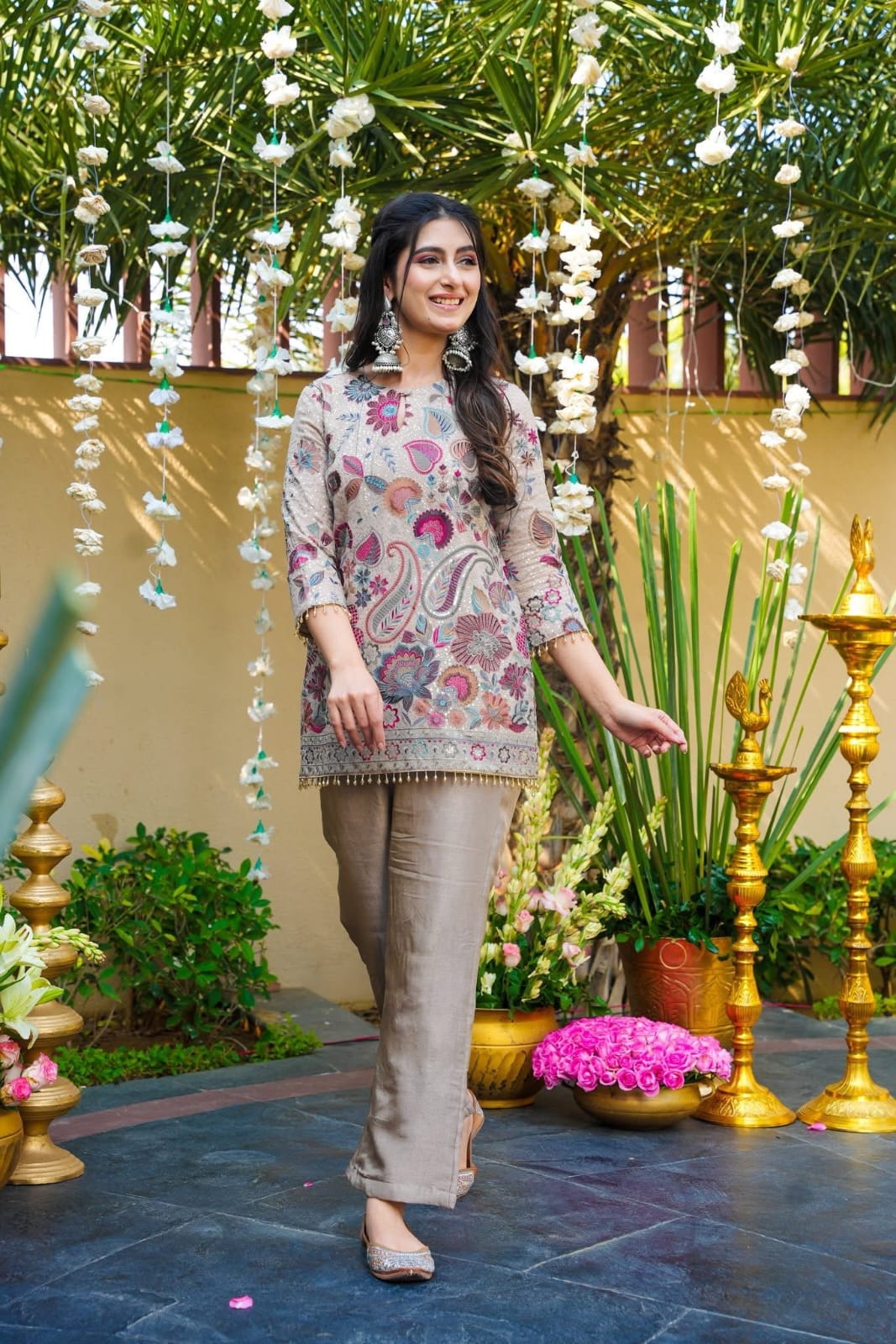
Choose one focal element. A statement pair of earrings can accompany a plain kurta, while a richly embroidered dupatta may need only small studs and a slim bangle. Avoid long, loose jewellery near diyas, cooking areas or crowded spaces. A compact potli or small crossbody bag keeps both hands free for greetings and ritual items.
Footwear should be stable and easy to remove if you'll enter several homes. Embellished flats, low wedges and cushioned sandals are generally more useful than narrow stilettos. Keep a few safety pins, a small sewing kit and hair ties in your bag for practical outfit maintenance.
Maharashtra Paithani Inspired Salwar Suits can demonstrate how a strong border or time-honoured colour placement adds occasion value to a simple silhouette. Punjab Phulkari Embroidered Salwar Suits can offer a lively embroidery reference, but dense multicoloured threadwork should be balanced with a plain dupatta if the goal is a calm Kati Bihu look.
Hair should remain secure around lamps and during prayer. A low bun, braid or half-up style works with a mekhela chador, saree or salwar suit. A small bindi and neatly applied kajal can complete the look without making the outfit feel like wedding wear.
Kati Bihu Outfit Ideas: What should you check before wearing the outfit?
A final fit and safety check should happen at least one day before Kati Bihu. Confirm that the hem doesn't touch the floor, the dupatta can be pinned comfortably, the blouse or kurta allows arm movement and the footwear remains stable after several minutes of walking.
- Try sitting on the floor and rising without pulling the fabric.
- Walk up and down stairs to test the length of the saree, mekhela or palazzo hem.
- Place a hidden pin at the shoulder or waist if the drape shifts during movement.
- Check embroidery, zari and sequins for rough edges that may irritate the skin.
- Steam or iron the garment according to its fabric label, then store it on a broad hanger or fold it with tissue paper.
Hand-wash or dry-clean Chanderi silk and Vichitra silk according to the care label rather than treating both like cotton. Keep zari away from direct perfume, moisture and high heat. Air a festive garment after wearing it, and store it only when fully dry.
The most successful outfit will respect both the festival and the person wearing it. A mekhela chador carries the strongest cultural association, a saree gives adaptable grace, and a salwar suit gives dependable comfort. Thoughtful fabric selection, secure draping and restrained accessories can make any of these choices feel appropriate for Kati Bihu.
Kati Bihu Outfit Ideas: Common questions about festive dressing
What is the most traditional outfit for Kati Bihu?
The mekhela chador is the most culturally specific traditional outfit for Kati Bihu because it belongs to Assamese dress. Choose a lightweight woven style with a restrained border for prayer and family rituals.
Can I wear a salwar suit for Kati Bihu?
You can wear a salwar suit for Kati Bihu, especially when comfort, travel or household activity is important. Select a straight or A-line kurta in cotton, Chanderi or light silk, and secure the dupatta so it doesn't interfere with movement.
Which colours are suitable for a Kati Bihu outfit?
Cream, white, yellow, green, red, maroon, terracotta and soft blue are suitable Kati Bihu colours. Combine one calm base shade with a red, gold or green border instead of using several competing bright colours.
Is a saree suitable for a Kati Bihu puja?
A saree is suitable for a Kati Bihu puja when the fabric is comfortable and the pallu is securely pinned. Cotton, light silk and Chanderi are generally easier to manage than very heavy brocade.
What should I wear for a Kati Bihu celebration in warm weather?
Cotton salwar suits, lightweight mekhela chador sets and breathable sarees are suitable for warm weather. Avoid excessive lining and choose footwear that remains comfortable during standing, walking and sitting.
How can I make a readymade salwar suit look more festive?
A readymade salwar suit looks more festive when the dupatta is draped neatly and paired with one considered accessory, such as jhumkas, a woven stole or a bangle. Coordinated footwear, a tidy hairstyle and a small bindi can add polish without excessive embellishment.
Common Questions About Kati Bihu Festive Dressing
What is the most traditional outfit for Kati Bihu?
The mekhela chador is the most culturally specific traditional outfit for Kati Bihu because it belongs to Assamese dress. Choose a lightweight woven style with a restrained border for prayer and family rituals.
Can I wear a salwar suit for Kati Bihu?
You can wear a salwar suit for Kati Bihu, especially when comfort, travel or household activity is important. Select a straight or A-line kurta in cotton, Chanderi or light silk, and secure the dupatta so it does not interfere with movement.
Which colours are suitable for a Kati Bihu outfit?
Cream, white, yellow, green, red, maroon, terracotta and soft blue are suitable Kati Bihu colours. Combine one calm base shade with a red, gold or green border instead of using several competing bright colours.
Is a saree suitable for a Kati Bihu puja?
A saree is suitable for a Kati Bihu puja when the fabric is comfortable and the pallu is securely pinned. Cotton, light silk and Chanderi are generally easier to manage than very heavy brocade.
What should I wear for a Kati Bihu celebration in warm weather?
Cotton salwar suits, lightweight mekhela chador sets and breathable sarees are suitable for warm weather. Avoid excessive lining and choose footwear that remains comfortable during standing, walking and sitting.
How can I make a readymade salwar suit look more festive?
A readymade salwar suit looks more festive when the dupatta is draped neatly and paired with one considered accessory, such as jhumkas, a woven stole or a bangle. Coordinated footwear, a tidy hairstyle and a small bindi can add polish without excessive embellishment.