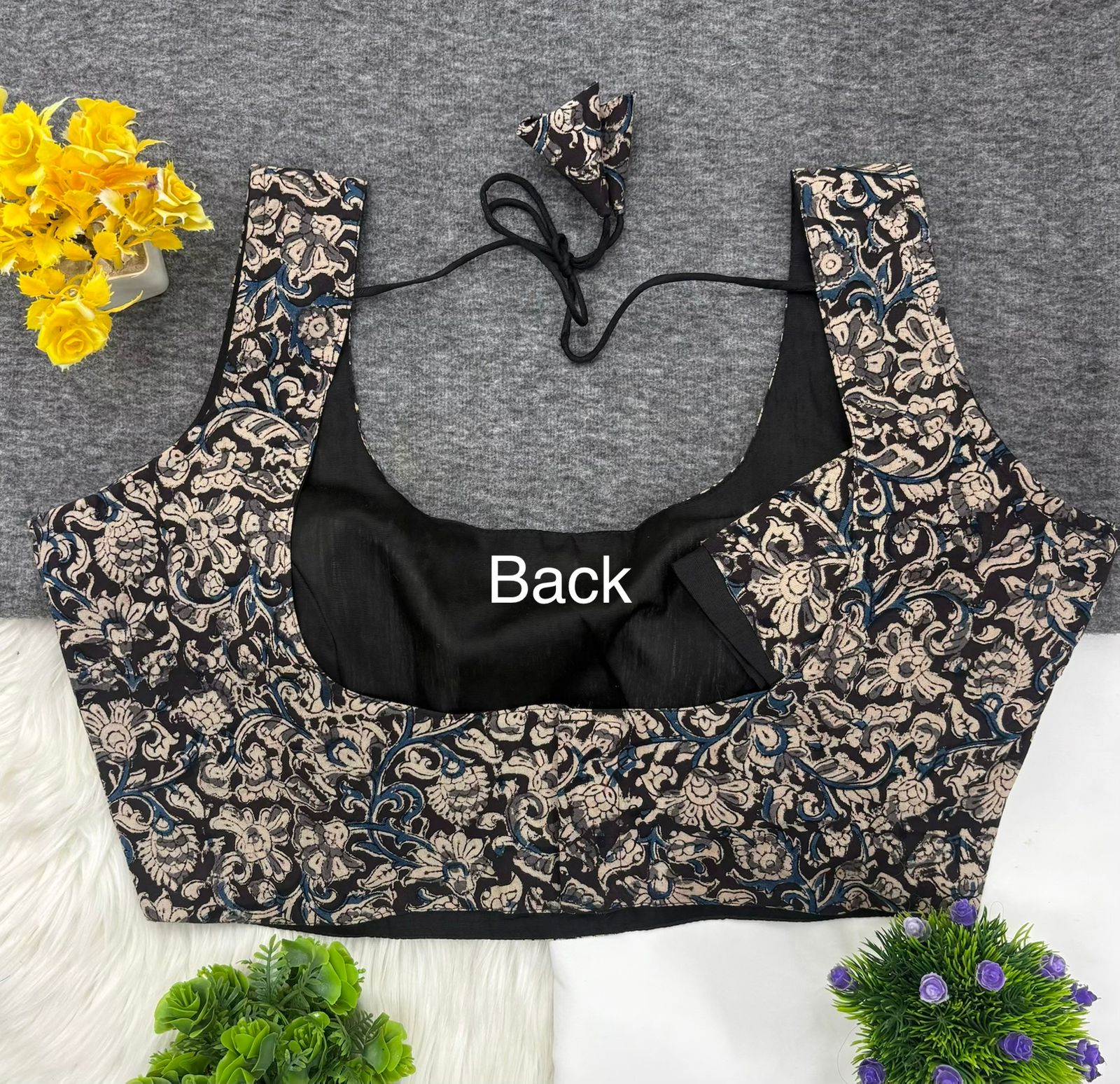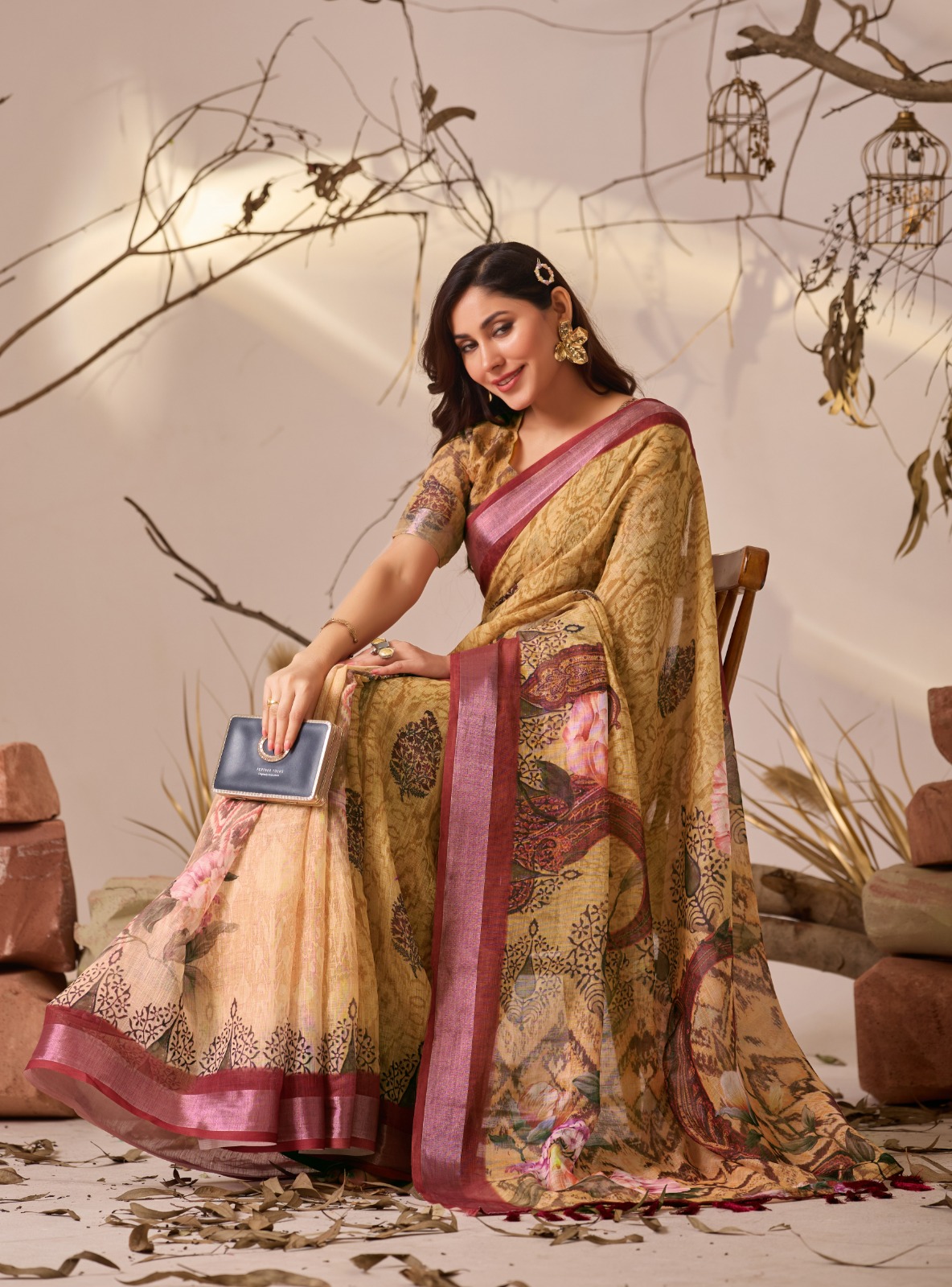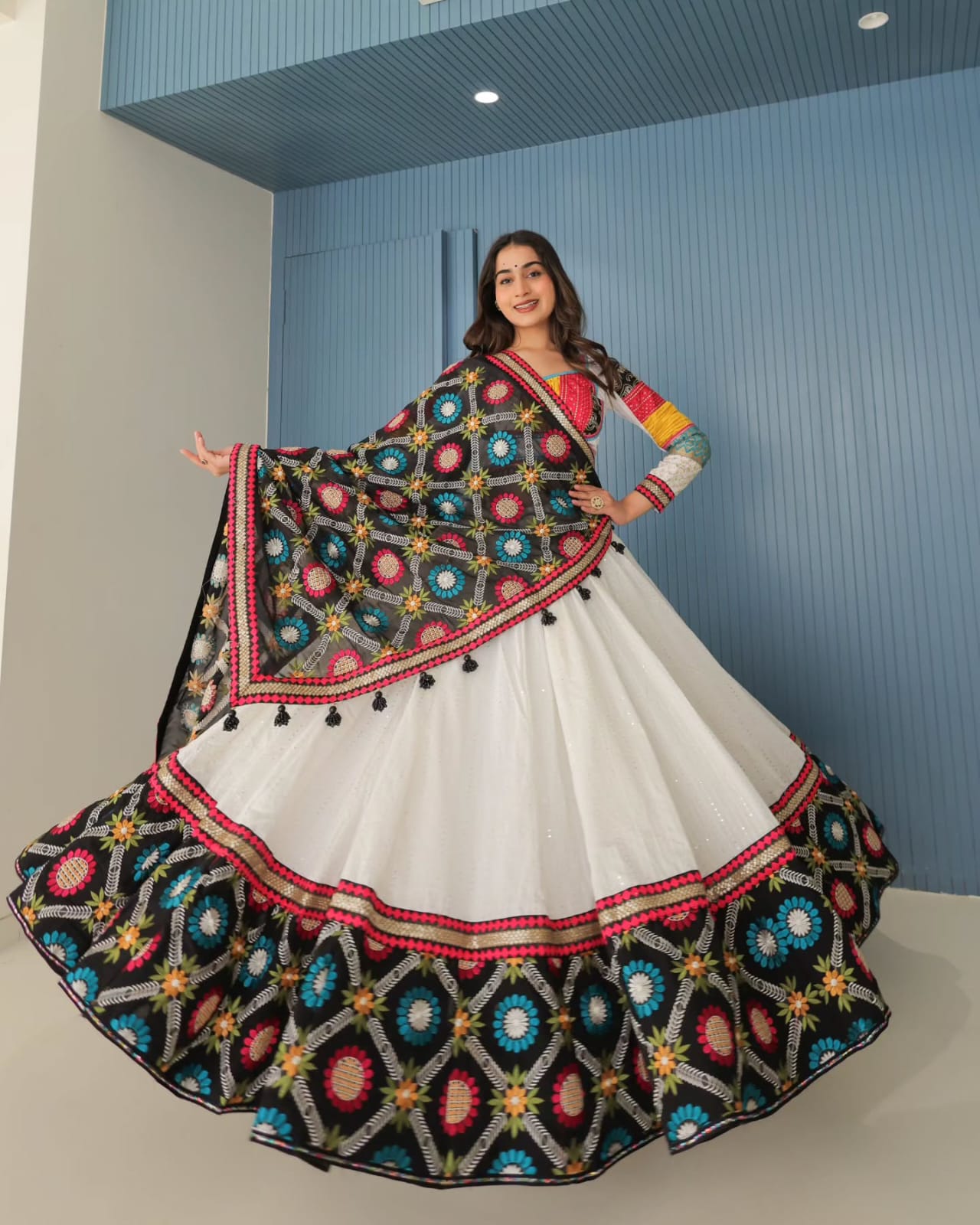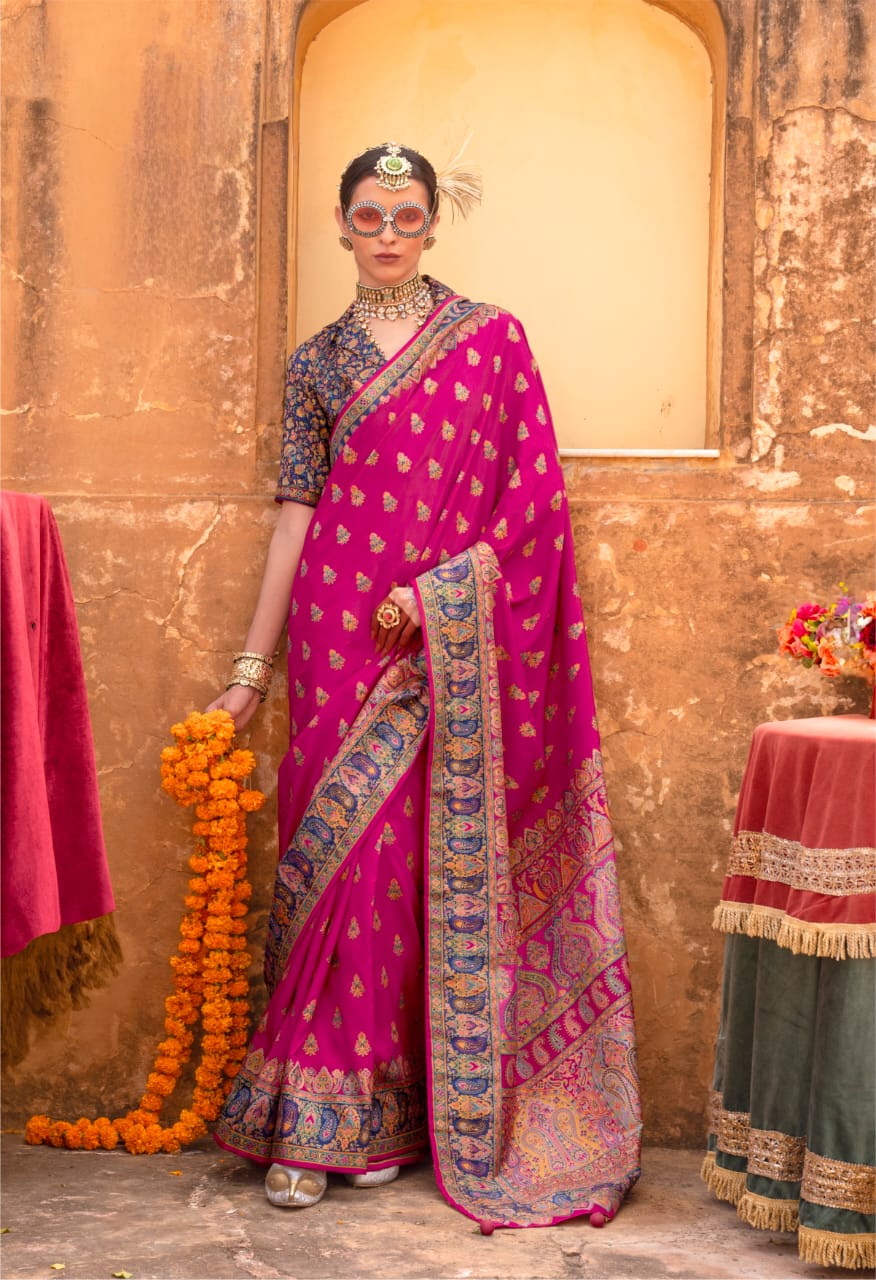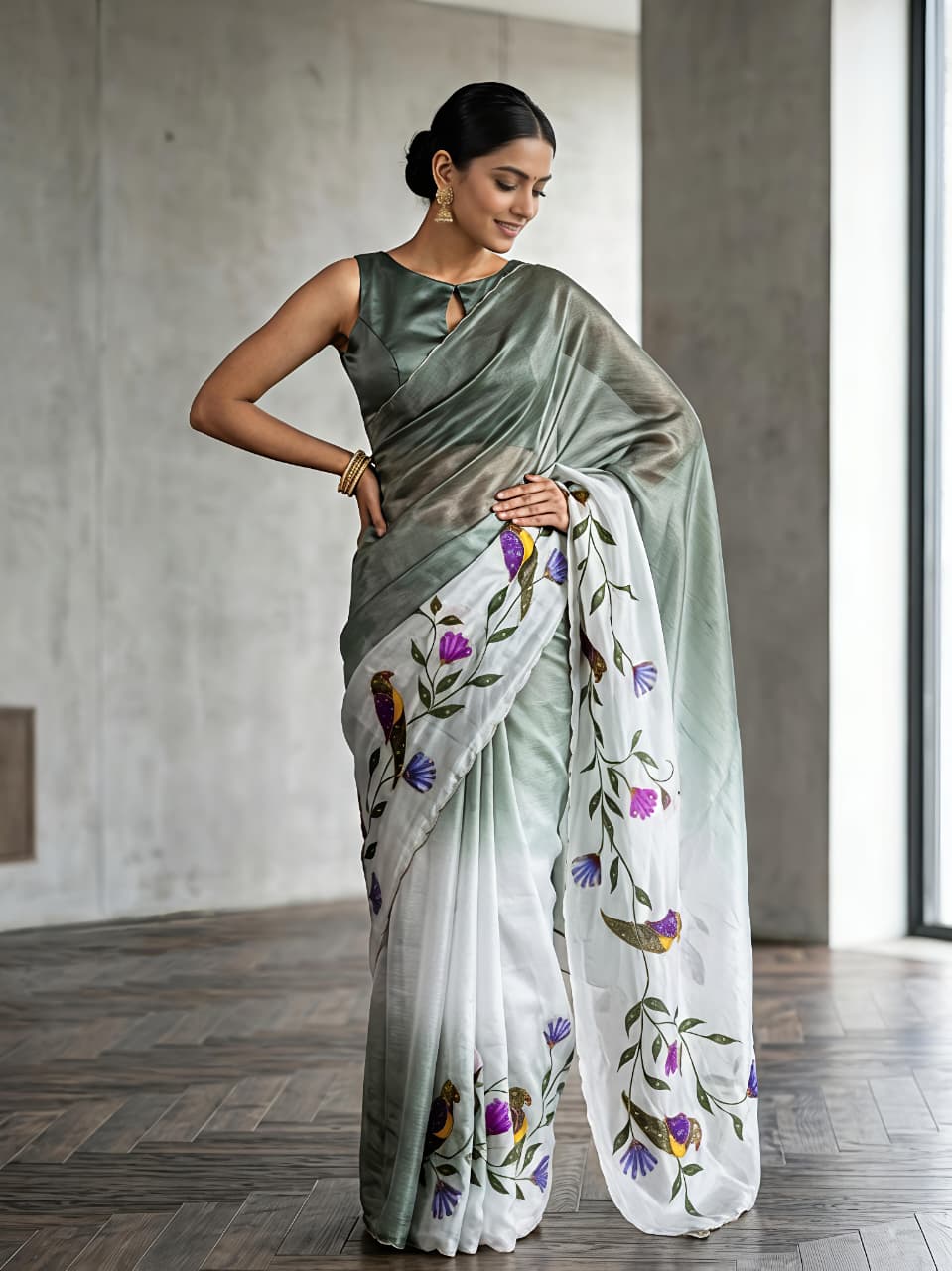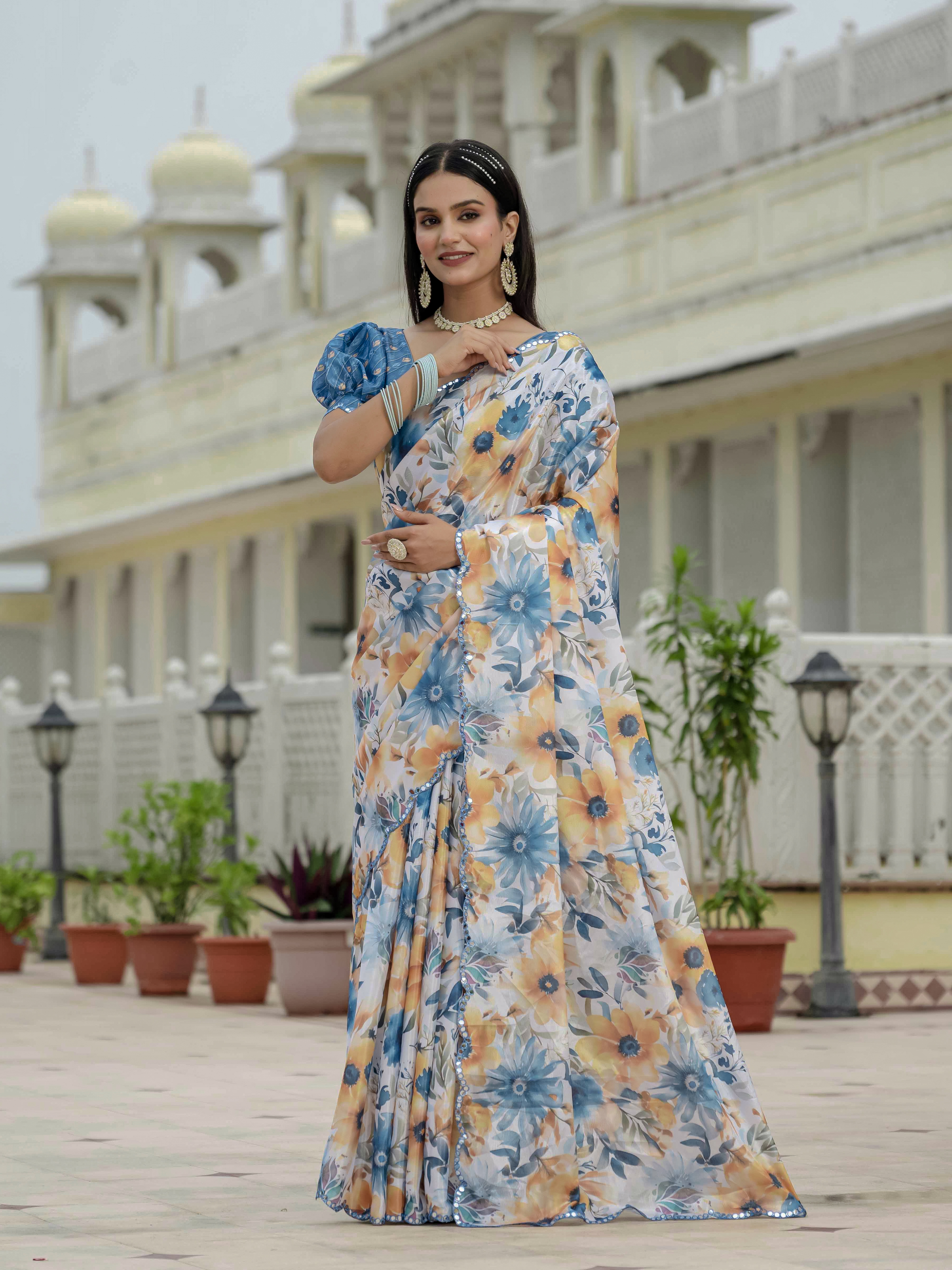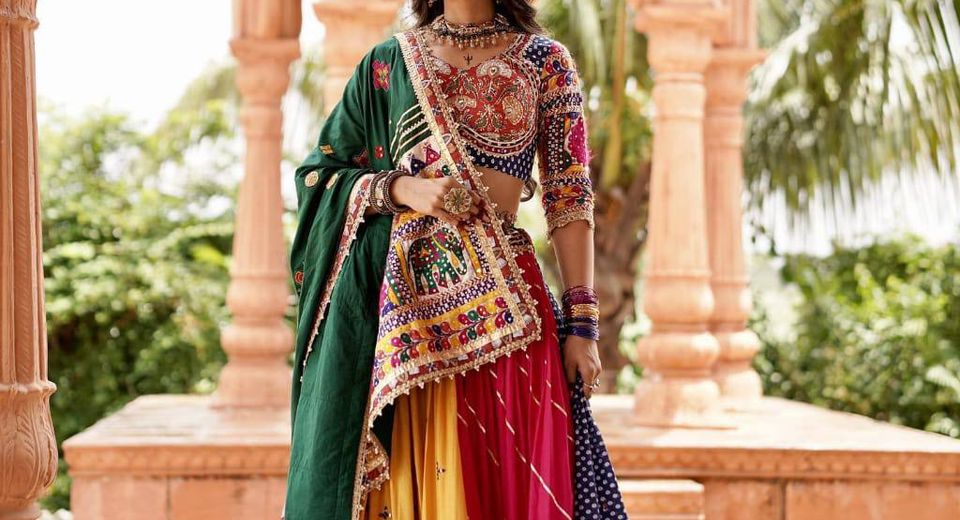
Kashmiri Wedding Lehenga Ideas for Bridesmaids & Guests should begin with the wedding schedule, not with a colour trend. Kashmiri celebrations often move between intimate family rituals, daytime gatherings and formal evening receptions, so the most successful outfit balances movement, warmth, modesty and visual richness. A lehenga with a controlled silhouette, a well-finished choli and a secure dupatta can look ceremonial without becoming difficult to wear.
The bride's outfit usually carries the highest level of embellishment, so bridesmaids and guests can create distinction through colour, texture, layering and jewellery rather than maximum sparkle. The guide below explains how to choose a lehenga for each ceremony, compare ready-made and semi-stitched options, and style mirror work, jacquard, georgette and embroidered details thoughtfully.
Kashmiri Wedding Lehenga Ideas for Bridesmaids & Guests by Ceremony
The ceremony should determine the weight, colour intensity and amount of embellishment in a wedding lehenga. A daytime mehendi needs easier movement and breathable layers, while a formal reception can support a darker palette, denser surface work and a more structured blouse.
Mehendi and daytime family gatherings
Green, yellow, mint, ivory and soft pink work especially well for daytime wedding functions because these colours reflect natural light without looking heavy. A lehenga with a georgette skirt, cotton lining or net dupatta can remain comfortable during several hours of greeting relatives, sitting on the floor and moving between indoor and outdoor spaces.
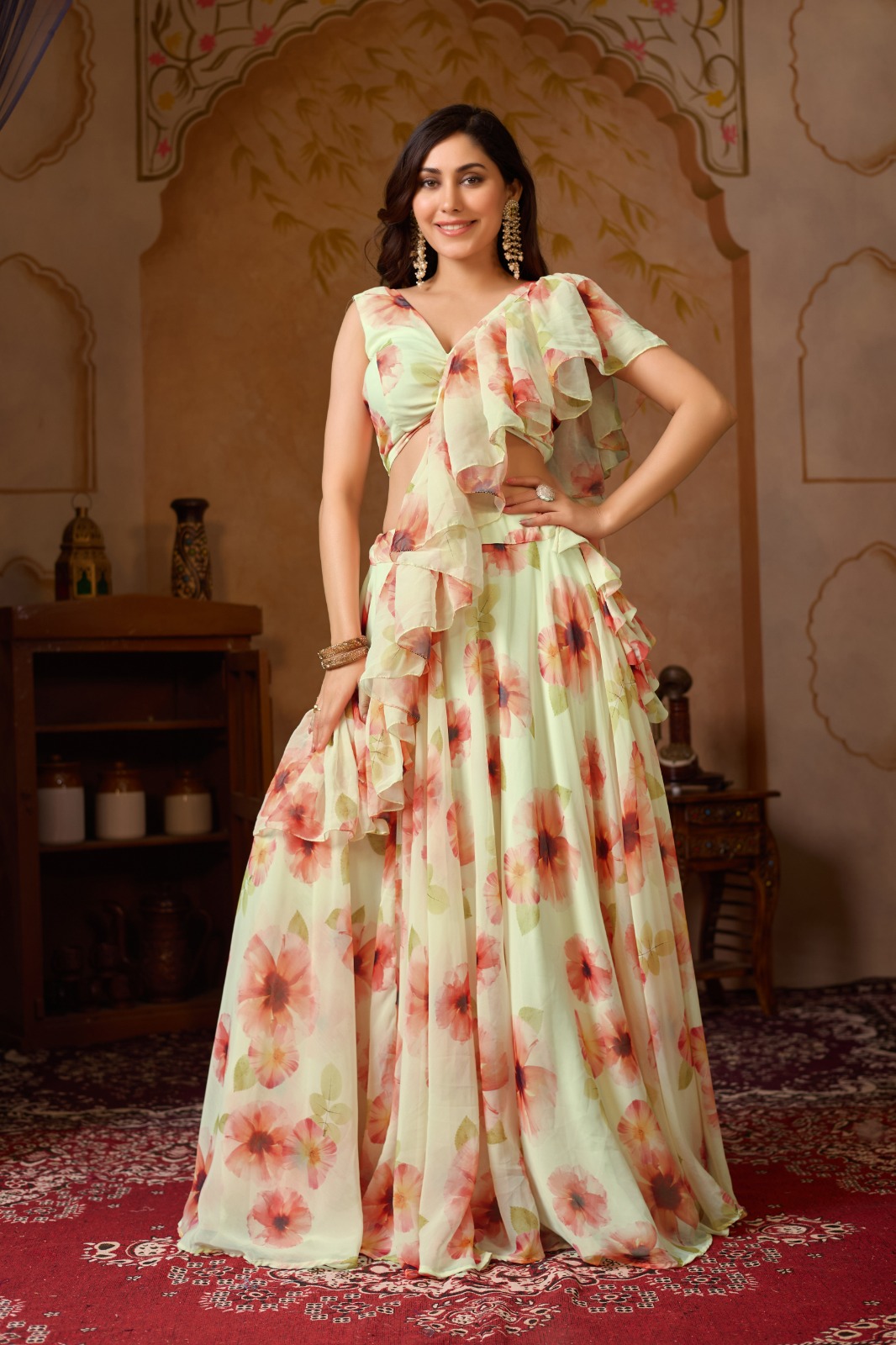
The Mehendi Lehengas collection is an useful starting point when the function calls for colour and movement rather than formal bridal grandeur. The Mint Embroidered Lehenga Set with Net Dupatta for Women offers a softer direction for a bridesmaid, while the Pastel Floral Georgette Lehenga Set with Ruffle Blouse suits a guest who wants a contemporary floral surface without a heavily traditional silhouette.
Sangeet and evening celebrations
An evening sangeet supports stronger contrast, reflective details and a blouse that stays secure while dancing. Emerald, navy, wine, black, royal blue and deep maroon photograph well under warm venue lighting, particularly when the outfit includes restrained zari, sequins or mirror work.
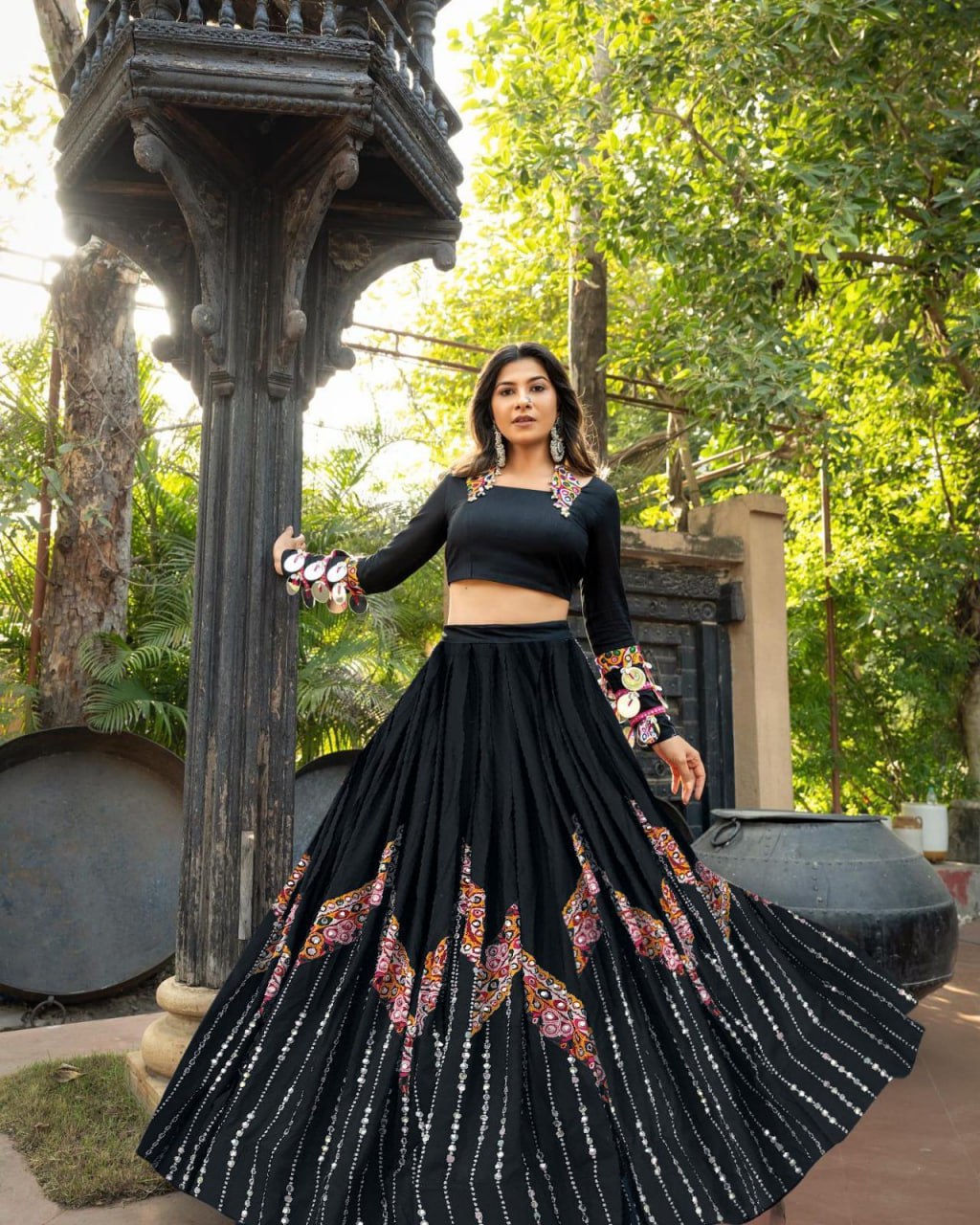
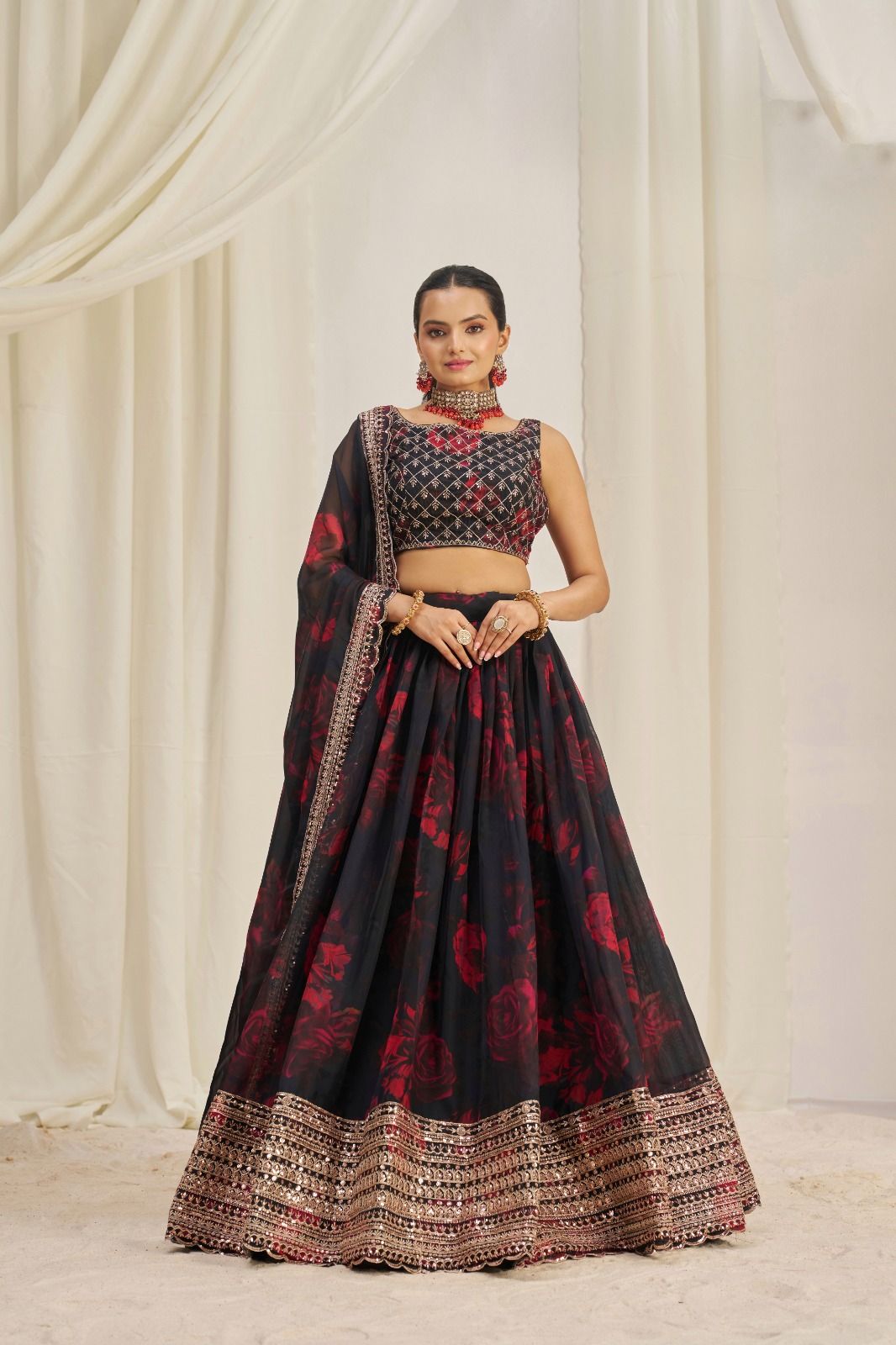
The Black Wedding & Festive Wear Designer Lehenga can anchor a dramatic guest look when paired with antique-gold jewellery and a lighter dupatta. A black lehenga should be balanced with warm metallics, coloured glass bangles or a vivid clutch if the family prefers a more celebratory appearance.
Wedding ceremony and reception
A wedding ceremony or reception calls for polished structure, controlled embellishment and a colour that respects the bride's palette. Cream, maroon, blue, rose, muted gold and jewel green can look formal without automatically repeating a bridal red or deep crimson ensemble.
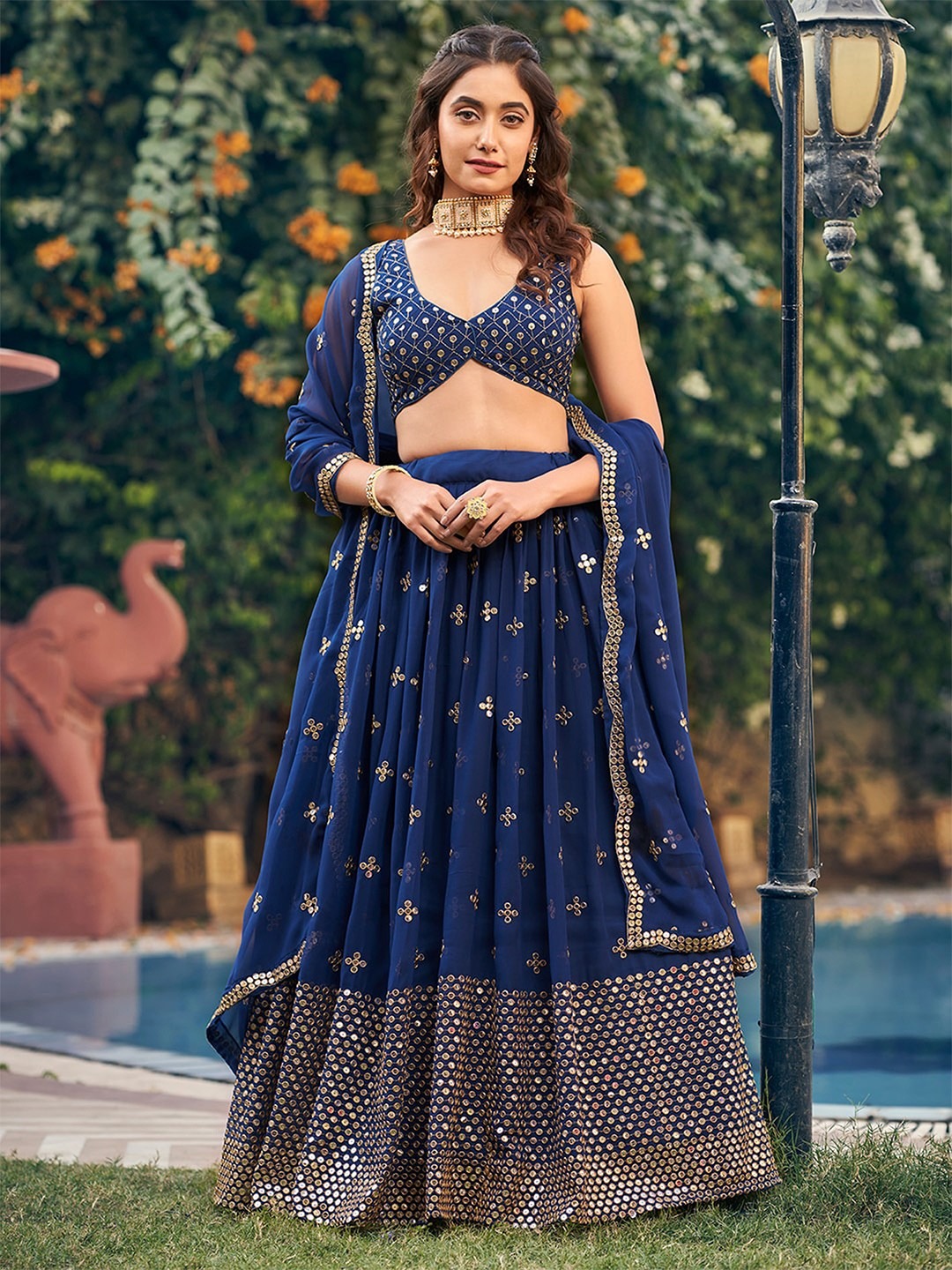
The Cream & Maroon Jacquard Lehenga Choli with Dupatta Set gives a guest a richer woven texture without requiring all-over glitter. The Exclusive Blue Traditional Navratri Lehenga Choli can also work for an evening wedding when styled with a sleek bun, traditional earrings and a dupatta draped securely over one shoulder.
How to Choose Colours That Feel Kashmiri Without Looking Costume-Like
A Kashmiri-influenced wedding palette works best when it combines one saturated colour with one quiet neutral and one metal accent. Deep blue with ivory and silver, maroon with cream and antique gold, or green with muted pink and gold creates visual depth without forcing every accessory to match.
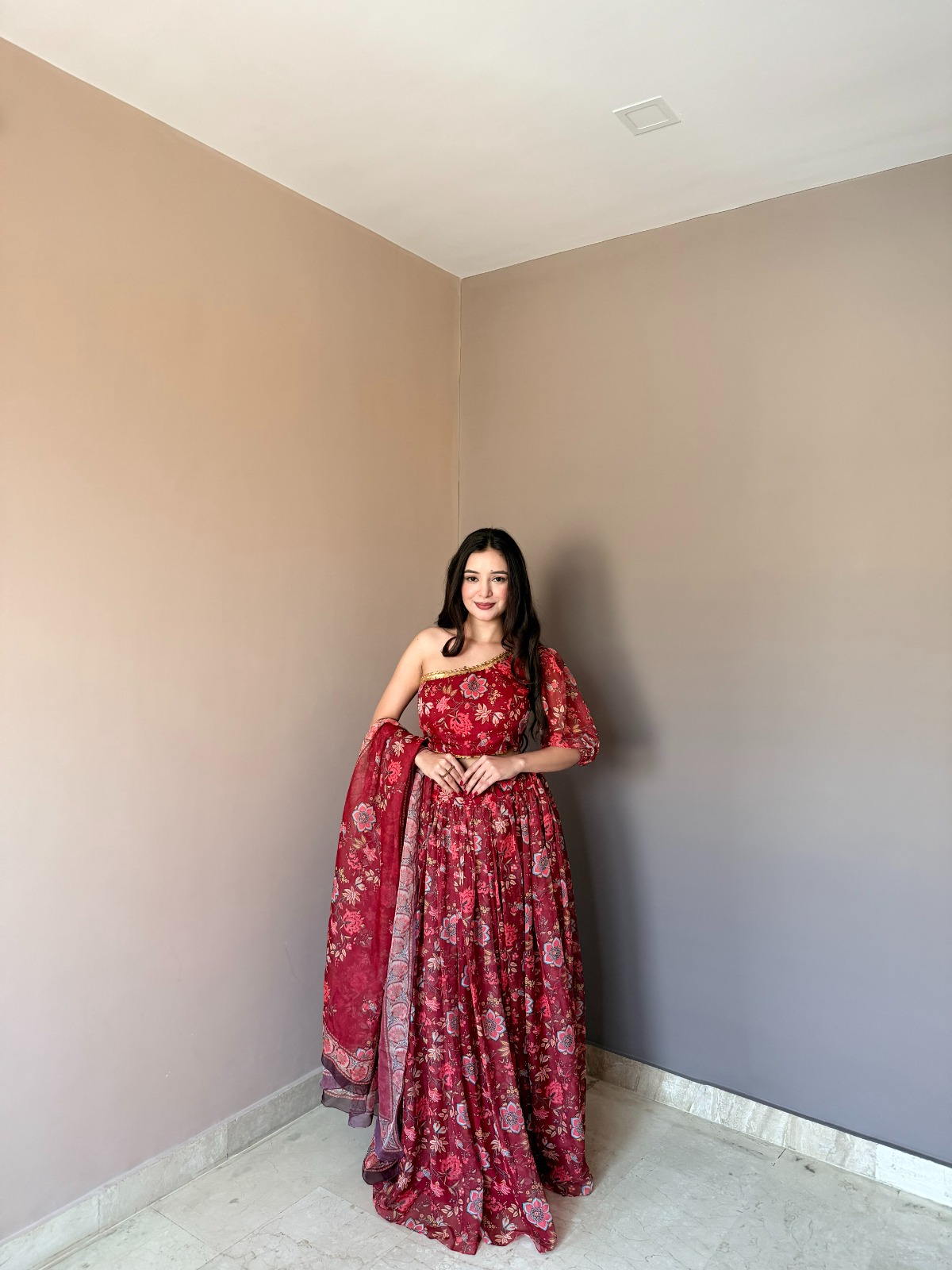
Colour symbolism can guide the decision, but personal colouring and ceremony lighting matter more than rigid rules. Yellow and saffron feel lively for a Haldi ceremony, green connects naturally with mehendi styling, and blue or maroon adds formality after sunset. The Yellow Lehengas and Green Lehengas collections can help narrow the search when the invitation specifies a bright daytime dress code.
White requires context. A Festive White Lehenga Choli with Mirror Work Design or a Stylish White Mirror Work Lehenga for Festive Wear can look elegant for a daytime celebration. But a guest should confirm that white is welcome because some families reserve all-white clothing for specific rituals or avoid it entirely. Coloured jewellery, a rose or green dupatta, and warm makeup can make white feel festive rather than bridal-minimal.
Red isn't automatically off-limits, but a guest should avoid a full bridal-red combination with dense gold embroidery unless the family has encouraged it. A maroon skirt with a cream blouse, or a red dupatta over a quieter base, preserves the colour's celebratory quality while leaving the bride's strongest visual territory clear.
Fabric, Embellishment and Comfort for a Long Wedding Day
Fabric choice affects how a lehenga moves, photographs and feels after six hours of wear. Georgette drapes softly, jacquard provides woven body, muslin cotton feels more breathable, and net adds volume or transparency but may need careful handling around jewellery and rough surfaces.
Match the textile to the venue
For a winter Kashmiri wedding, jacquard, lined georgette and layered skirts can provide more body and warmth than a single lightweight layer. The Cream & Maroon Jacquard Lehenga Choli with Dupatta Set is appropriate for a guest who wants a visibly structured outfit with less reliance on surface sparkle.
For a summer or indoor daytime event, a lighter skirt and breathable lining are more practical. The Multicolor Mirror Work Muslin Cotton Lehenga Choli Set combines a cotton-based foundation with reflective decoration, making it an useful option when the outfit needs festive detail without the feel of a very heavy brocade.
Use embellishment strategically
Mirror work, zari, embroidery and sequins should support the outfit's shape instead of hiding it. Concentrated decoration on the blouse neckline, hem or dupatta border can look more refined than evenly distributing heavy work across every panel.
Mirror work catches direct light and camera flash, so a multicoloured or white mirror-work lehenga may need simpler jewellery. Zari has a warmer, more traditional glow and pairs naturally with gold-toned accessories. Embroidered florals soften a formal silhouette, while geometric motifs create a sharper, more modern appearance.
Check the skirt's lining, seam finishing and hem before buying. A lining that ends above the hem can cause transparency when the skirt moves, while a stiff unfinished border can catch on footwear. A practical test is to sit, climb two steps and rotate once while wearing the outfit; pulling at the waist or catching at the ankles signals a fit problem.
Ready-Made, Fully Stitched or Semi-Stitched: Which Lehenga Fits Your Plan?
Ready-made and fully stitched lehengas are the safest choice when the wedding is soon, while semi-stitched lehengas offer more flexibility when measurements or styling preferences need adjustment. The right format depends on your deadline, body measurements and access to a reliable tailor.
When ready-made makes sense
A readymade lehenga works well when the bust, waist and skirt length already fall close to standard measurements. A fully stitched choli also reduces last-minute uncertainty because the neckline, sleeve opening and fastening have already been constructed.
The Ready Made Lehenga collection suits shoppers who need a coordinated skirt, choli and dupatta without arranging separate tailoring. Fully stitched choli shopping is particularly useful for bridesmaids living in different cities, because every member of the group can order a complete outfit and make only small alterations locally.
Ask for garment measurements rather than relying only on a small, medium or large label. Compare bust, under-bust, waist, shoulder, sleeve and blouse length with a garment that fits you well. A lehenga waistband should sit securely without compressing the stomach, and the choli should allow one full arm lift without pulling across the bust.
When semi-stitched is worth considering
A semi-stitched lehenga is useful when the wearer needs a more customised waist, blouse length or skirt flare. The Semi Stitched Lehengas Collection gives a tailor room to adjust important measurements, but the tailoring appointment should happen at least two weeks before the event.
Ask whether the seam allowance permits expansion, whether the blouse has hook-and-eye or zip fastening, and whether the skirt waist uses a drawstring, elastic or fixed band. A tailor can often alter length and waist more easily than a heavily embellished neckline, so the neckline and sleeve design should be selected carefully before purchase.
Designer styling doesn't always require a designer price point. A simple skirt with an unusually well-finished blouse, a precise dupatta border and good tailoring can look more elevated than a heavily decorated outfit with poor proportions. Bridesmaids can also coordinate through one shared detail, such as matching blouse sleeves or jewellery, rather than wearing identical lehengas.
Dupatta Drapes and Jewellery for a Kashmiri Wedding Look
The most secure dupatta drape for a busy wedding is a shoulder placement anchored with discreet pins and balanced by a second point at the waist or opposite shoulder. Security matters because loose fabric can snag on chairs, food-service tables and jewellery during family rituals.
For a traditional appearance, pleat the dupatta narrowly over one shoulder and let the border remain visible. For greater coverage, bring the fabric across the chest and pin it inside the choli near the shoulder seam. A net dupatta creates a light, airy frame around the face, while a heavier woven or embellished dupatta adds warmth and formality.
Jewellery should repeat one element from the lehenga rather than compete with every detail. Gold jhumkas suit maroon, cream and zari; silver-toned earrings complement blue, mint and cooler mirror work; and coloured stones can connect a plain blouse to a multicoloured skirt. If the choli has a high neckline or dense embroidery, choose earrings and bangles instead of a large necklace.
Footwear should add approximately 2 to 3 centimetres of height only if the skirt has been measured for it. Wear the actual wedding footwear during the final hem appointment. A skirt hem that's too long can collect dust and become a tripping hazard, while a hem that's too short can expose the petticoat or footwear when walking.
Three Complete Outfit Formulas for Bridesmaids and Guests
A complete outfit formula prevents colour, jewellery and makeup from competing for attention. The following combinations offer different levels of formality while keeping the lehenga at the centre of the look.
Soft daytime bridesmaid
Choose a mint or pastel floral lehenga, pearl or kundan-style earrings, a low bun and comfortable embellished flats. The Mint Embroidered Lehenga Set with Net Dupatta for Women benefits from a blush, ivory or soft-gold makeup palette and a small potli rather than a large shoulder bag.
Keep the blouse fit close but not restrictive, especially if the bridesmaid will help with guest welcomes, gifts or photographs. A pinned net dupatta and low-profile bangles will stay practical through several hours of movement.
Colourful mehendi guest
Choose a green, yellow or multicoloured lehenga with metallic sandals, lightweight jhumkas and a contrasting dupatta. The Multicolor Mirror Work Muslin Cotton Lehenga Choli Set already gives visual variety, so neutral footwear and one metal finish will keep the outfit from appearing crowded.
Keep the hairstyle off the face if the ceremony includes outdoor photographs. A braid or low ponytail also reduces the chance that hair will catch on mirror work or a decorated blouse neckline.
Formal evening guest
Choose deep blue, black, maroon or cream with antique-gold jewellery, a defined eye and a structured clutch. The Black Wedding & Festive Wear Designer Lehenga can look formal with a gold blouse detail, while the Exclusive Blue Traditional Navratri Lehenga Choli benefits from silver or diamond-look accents rather than mixing several metals.
Leave the most elaborate red bridal styling, oversized head jewellery and extremely long trailing dupatta to the bride unless the family has requested coordinated attire. Understated restraint is especially valuable in group photographs, where visual balance matters as much as individual styling.
Shopping and Alteration Checklist Before You Order
A reliable lehenga purchase includes measurement checks, delivery planning and a complete try-on before the wedding. Ordering at least three to four weeks ahead leaves time for alterations, while semi-stitched pieces may need an earlier appointment depending on the tailor.
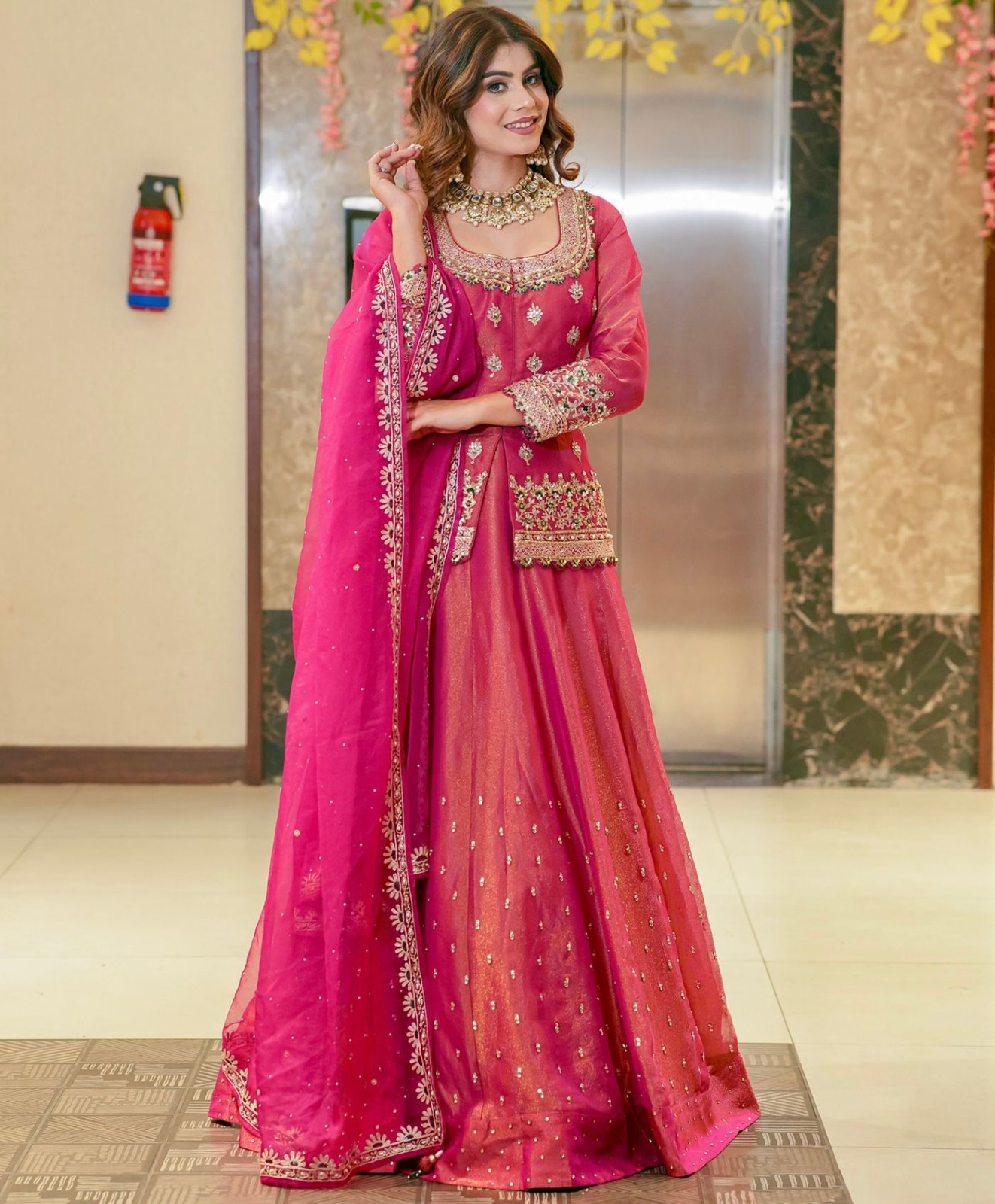
- Measure accurately: Record bust, under-bust, natural waist, high hip, shoulder, armhole, sleeve length and preferred skirt length while wearing the undergarments intended for the outfit.
- Confirm the set contents: Check whether the listing includes the choli, skirt, dupatta, lining, can-can or additional sleeves, because photographs may show styling pieces separately.
- Inspect the fastening: Test hooks, zips, drawstrings and elastic after sitting and walking. A beautiful choli that gaps or digs in won't remain comfortable.
- Plan the blouse fit: Allow room for a modesty panel, bra coverage or sleeve alteration if the neckline is deeper than your usual preference.
- Test the dupatta: Pin the intended drape and move both arms forward. The dupatta should stay secure without pulling the choli sideways.
- Pack for travel: Use a broad hanger for the blouse, fold the skirt inside a breathable garment bag and carry spare hooks, safety pins, fashion tape and a small sewing kit.
Care instructions deserve equal attention. Store mirror-work lehengas away from rough fabrics, fold embellished panels inward with tissue paper, and avoid pressing directly over zari, sequins or mirrors. Air the outfit after the event before storing it in a dry wardrobe; professional dry cleaning is safer than machine washing for embellished cholis and lined skirts.
A Kashmiri wedding look becomes memorable through proportion and intention: a colour that suits the ceremony, a fabric that survives the schedule, a blouse that fits while moving and a dupatta that stays in place. Bridesmaids and guests don't need the heaviest lehenga in the room; they need a well-resolved outfit that feels respectful, personal and comfortable from the first ritual to the final photograph.
Questions Bridesmaids and Guests Ask About Kashmiri Wedding Lehengas
What colour lehenga should a guest wear to a Kashmiri wedding?
Green, yellow, blue, maroon, cream, mint and muted pink are versatile choices for Kashmiri wedding guests. Avoid a fully bridal-red or heavily embellished combination unless the family has specifically requested it, and confirm whether white is appropriate for the ceremony.
Are ready-made lehengas suitable for bridesmaids?
Ready-made lehengas are suitable when the standard bust, waist and skirt measurements are close to the wearer's measurements. A fully stitched choli is especially practical for bridesmaids who need a coordinated outfit quickly, but the garment should still be tried on and altered before the wedding.
What should I wear to a Kashmiri wedding mehendi or Haldi ceremony?
A lightweight green, yellow, mint or floral lehenga is suitable for a mehendi or Haldi ceremony. Choose breathable lining, secure footwear and a dupatta that can be pinned firmly because daytime rituals often involve more movement than a seated reception.
Is mirror work appropriate for a wedding guest lehenga?
Mirror work is appropriate for a wedding guest lehenga when the overall outfit remains balanced and does not imitate the bride's most elaborate styling. Pair a mirror-work lehenga with simpler jewellery, especially when the skirt already has multicoloured or high-contrast decoration.
Should I buy a fully stitched choli or a semi-stitched lehenga?
Buy a fully stitched choli when the wedding is close or you need predictable construction, and choose a semi-stitched lehenga when you need meaningful waist, blouse or length adjustments. Arrange tailoring at least two weeks before the event and confirm that the seams allow alteration.
How can I keep a lehenga comfortable during a long wedding day?
Choose a breathable or properly lined fabric, measure the hem with the actual footwear, and secure the dupatta at two points. Test the lehenga by sitting, walking and raising both arms before the event, and carry safety pins, fashion tape and spare hooks for minor repairs.