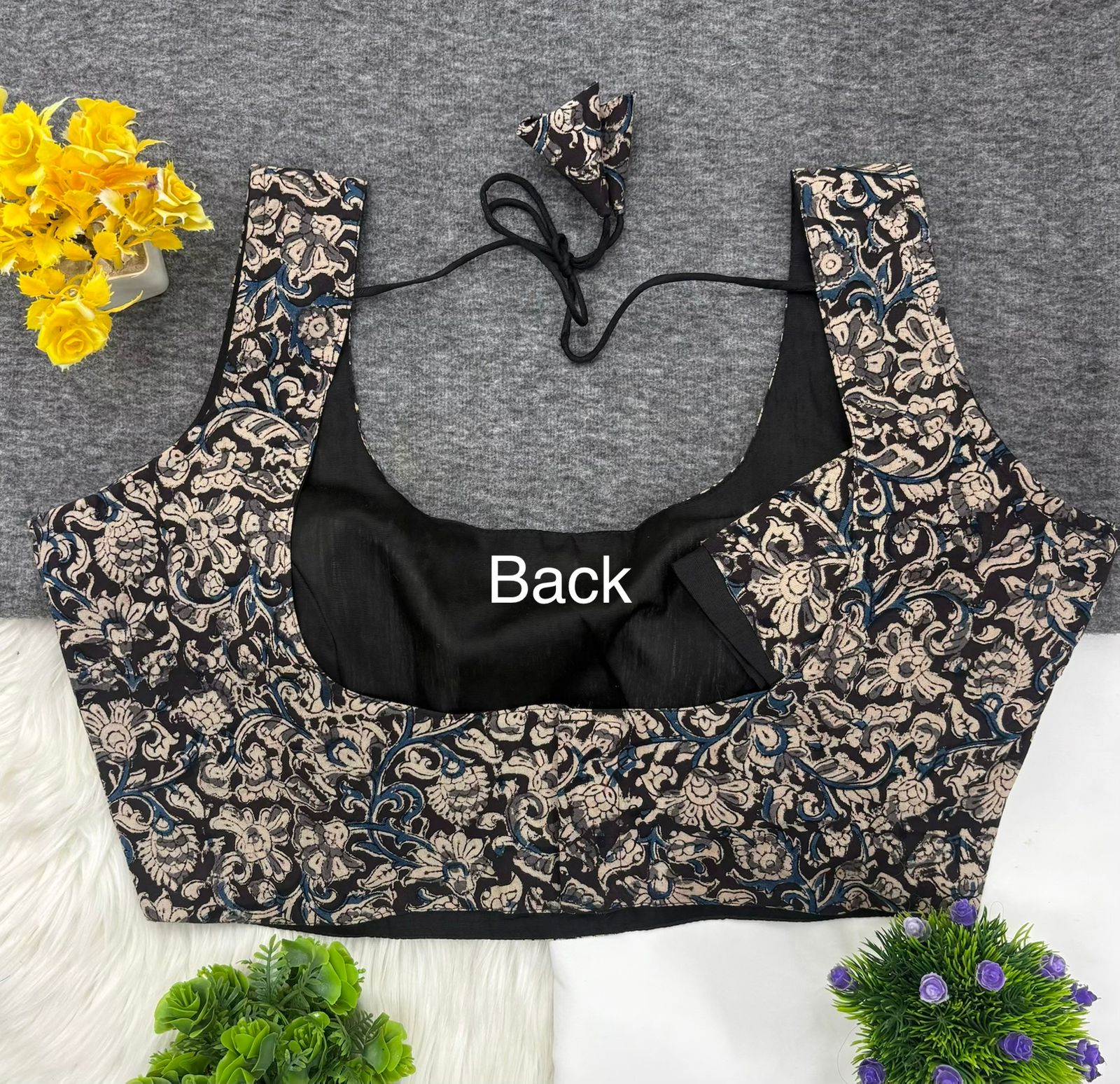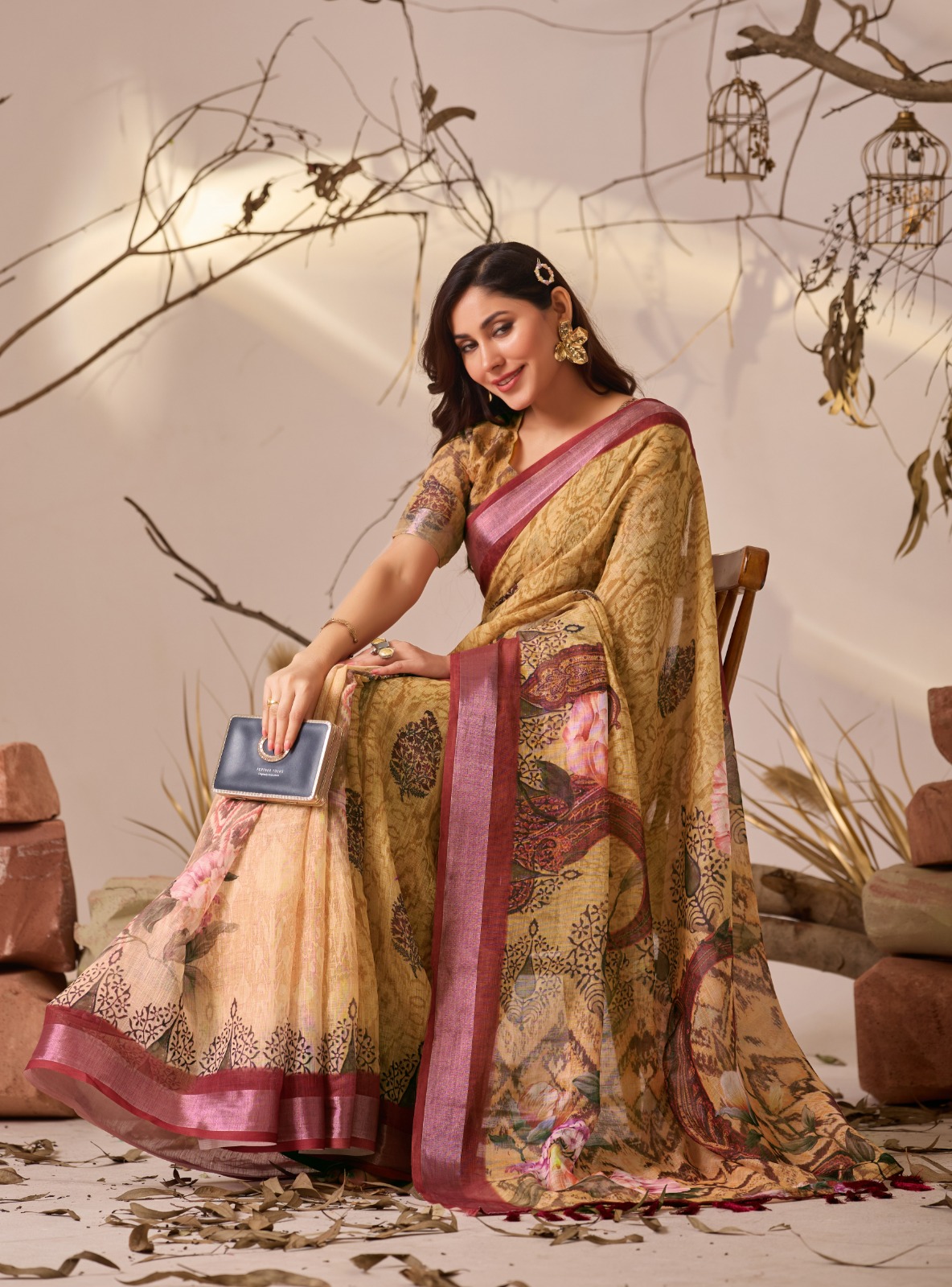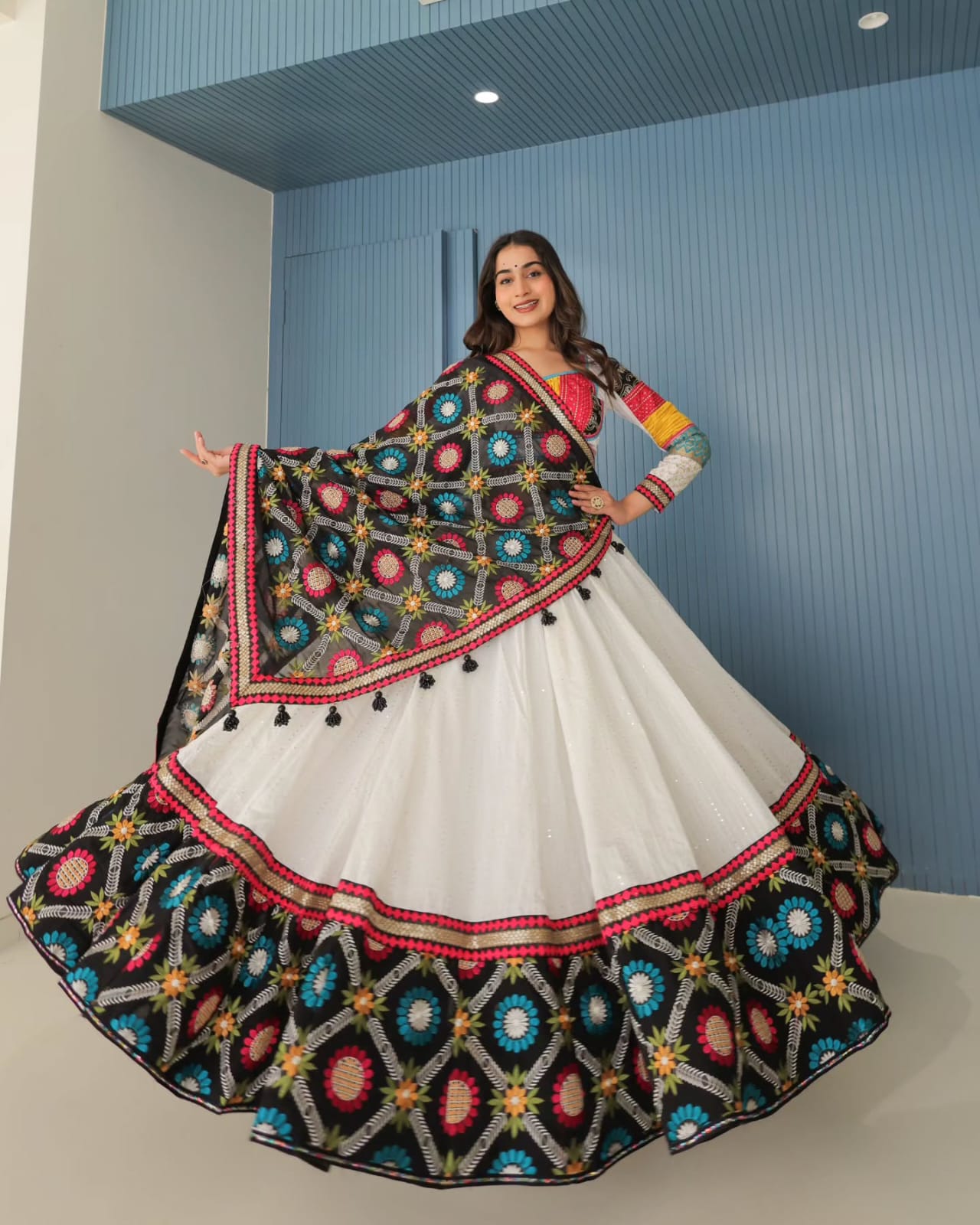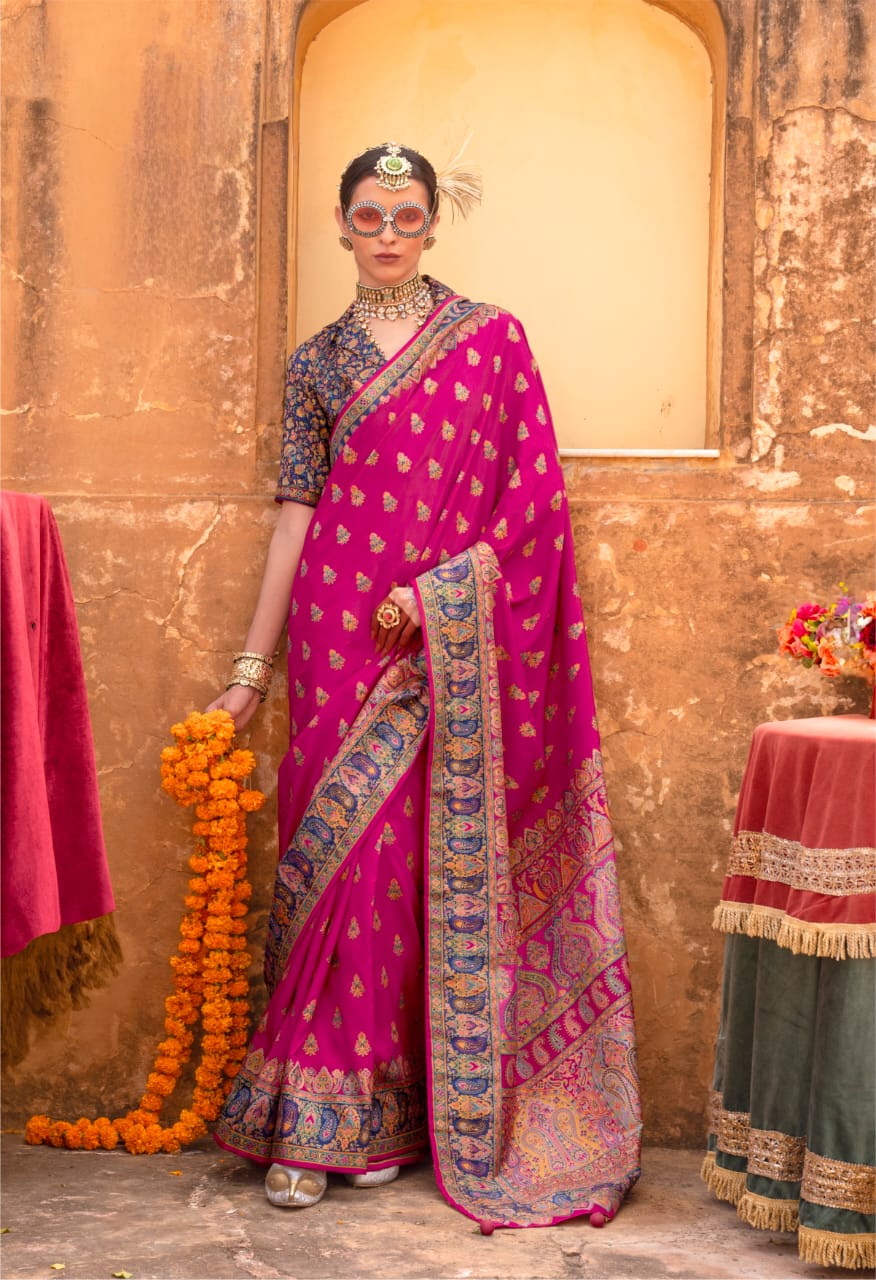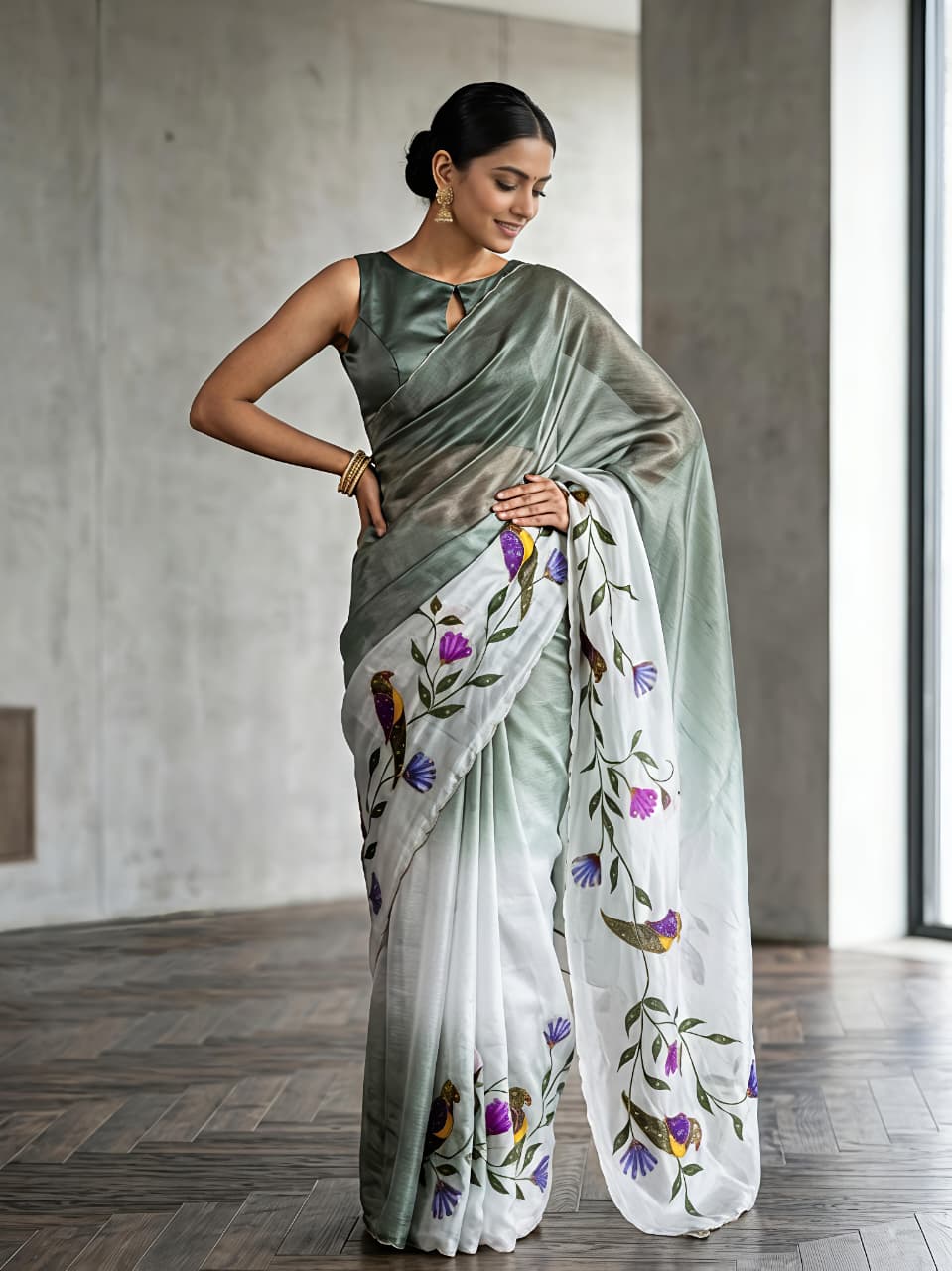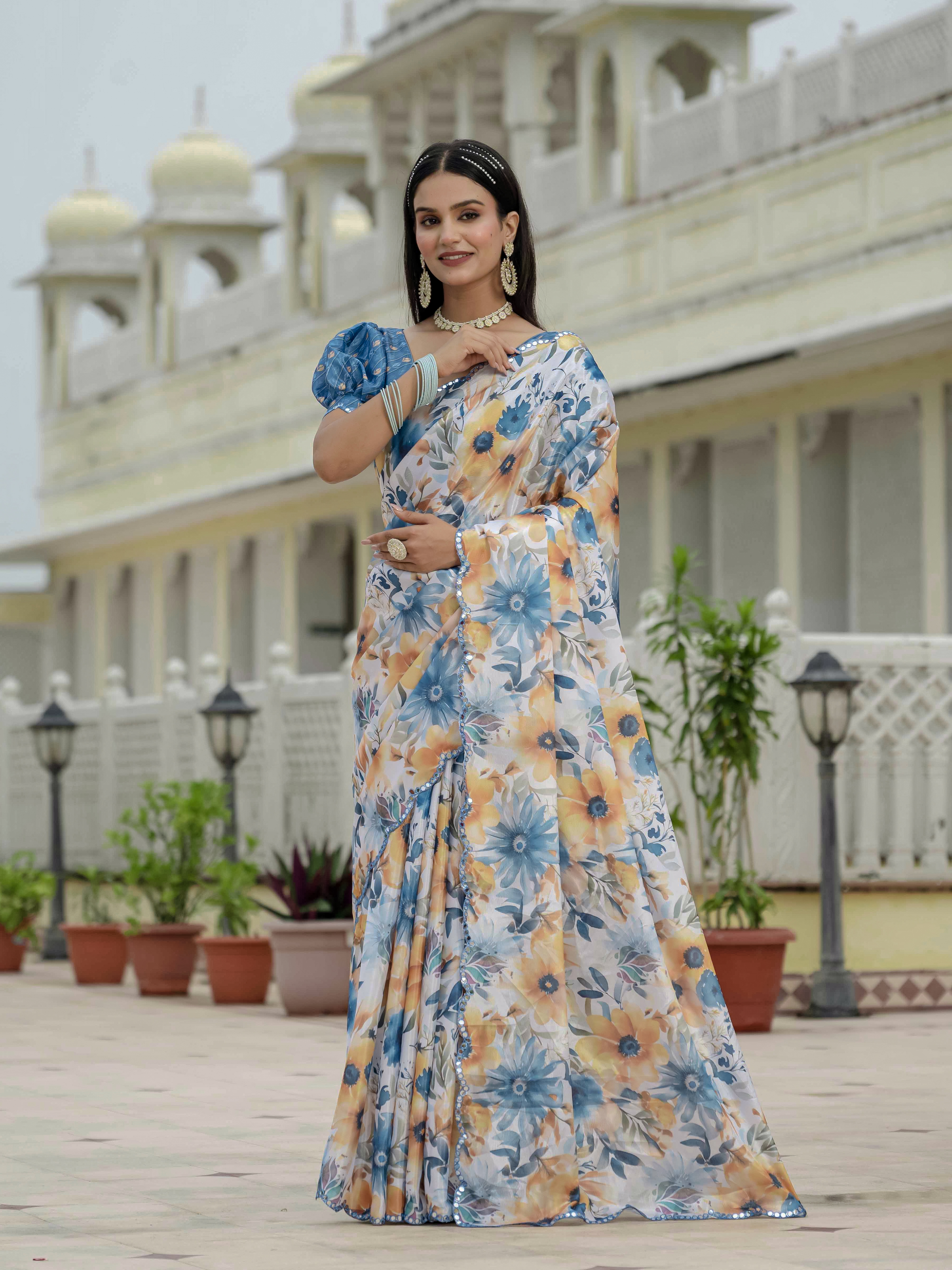
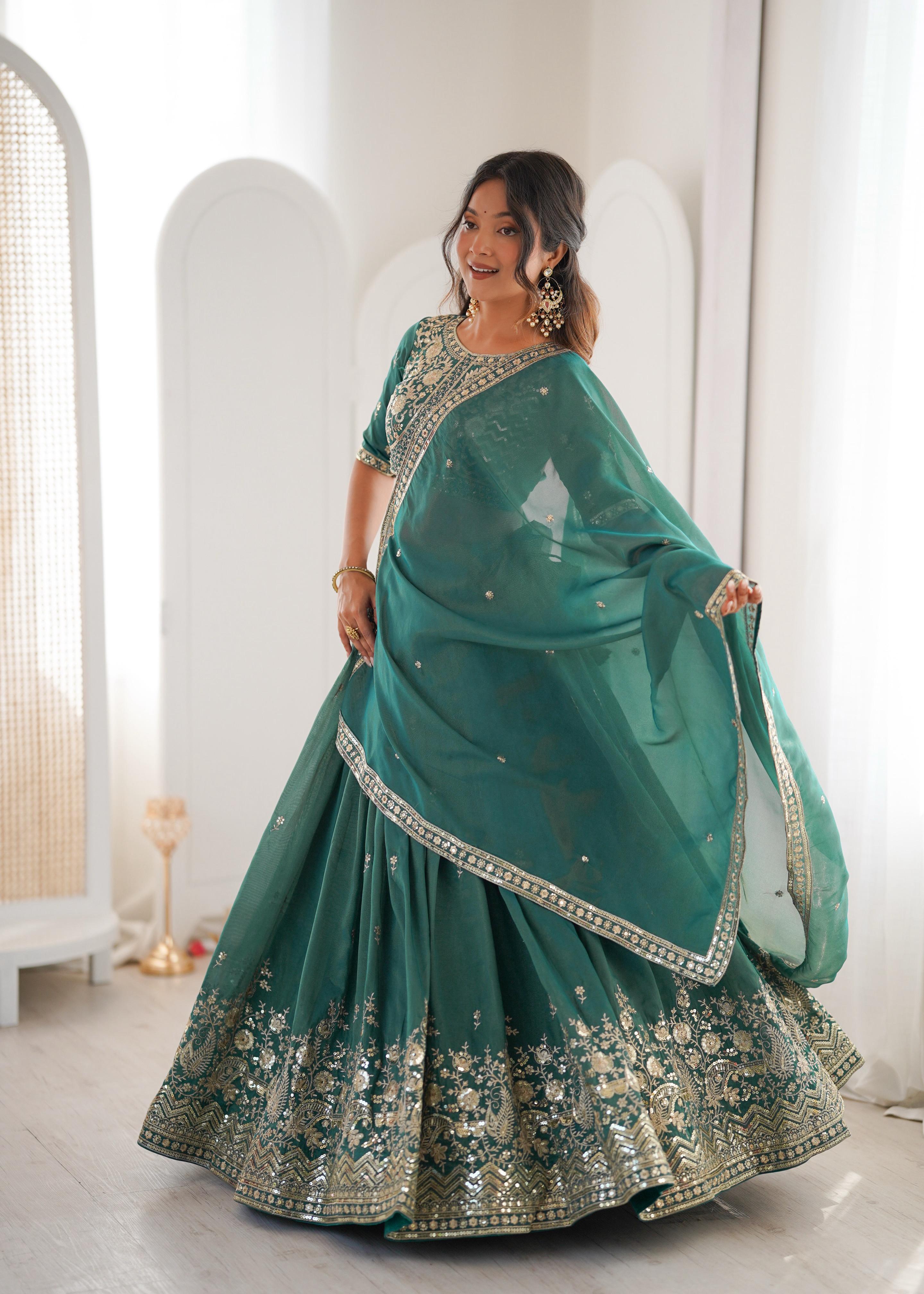
Kashmiri Wedding Guest Outfits can combine the warmth of a pheran with the movement of a lehenga, the elegance of a saree and the sparkle expected at an Indian celebration. A successful look doesn't require wearing a traditional pheran from hem to sleeve. Pheran-inspired proportions, Kashmiri embroidery references, velvet textures, jewel colours and practical layering can bring regional character to a wedding wardrobe without making the outfit feel costume-like.
The right choice depends on four details: the wedding ceremony, the weather, the venue and how much walking or dancing the guest expects to do. A daytime Haldi ceremony calls for lighter fabrics and controlled embellishment, while a winter reception can support velvet, brocade, heavier zari and a dramatic dupatta.
Kashmiri Wedding Guest Outfits: What Defines the Look?
Kashmiri Wedding Guest Outfits usually draw their character from layered silhouettes, deep winter colours, delicate floral motifs and textile details associated with Kashmir. Heritage Kashmiri clothing includes the pheran, a loose, long tunic worn by women and men, while Kashmiri needlework includes sozni and ari embroidery, often seen in fine floral patterns.
A wedding guest doesn't need to copy a complete heritage ensemble to acknowledge that visual language. A floor-length anarkali with a relaxed over-layer, a lehenga with a long velvet jacket, or a saree styled with a high-neck embroidered blouse can create a similar sense of graceful volume. Kashmiri-inspired dressing works best when one or two regional references are balanced with a contemporary Indian wedding silhouette.
Which colours suit a Kashmiri-inspired wedding look?
Jewel tones, ivory, cream, dusty rose, saffron, walnut brown, emerald, burgundy and midnight blue suit a Kashmiri-inspired wedding look. Blush, cream and pistachio photograph well in daylight, while wine, black, royal blue and antique gold carry more visual weight at night.
Kashmiri textiles often use contrast rather than a single flat colour. A cream lehenga with gold embroidery, a burgundy dupatta over a muted outfit, or a black blouse with antique zari can provide the depth associated with winter dressing. A controlled palette of two main colours and one metallic accent generally looks more polished than several competing brights.
Kashmiri Wedding Guest Outfits with Pheran-Inspired Details
Pheran-inspired styling works by borrowing the pheran's long line, roomy sleeve, high neckline or embroidered surface and pairing that feature with a familiar wedding garment. The result remains comfortable and recognisably festive while retaining a Kashmiri reference.
A long jacket over a lehenga is the most straightforward interpretation. Choose a jacket that ends below the hip or near the calf, then keep the lehenga skirt relatively clean so the layers don't compete. Velvet suits a December or January wedding, while georgette, silk-blend or lightweight brocade works better for an indoor spring celebration.
A high-neck blouse creates another subtle reference. Pairing a high-neck blouse with a saree or lehenga gives the neckline a modest, tailored quality that resembles the covered upper silhouette of a pheran. Three-quarter sleeves, cuffed sleeves and embroidered sleeve borders add definition without requiring heavy jewellery.
A shawl-style dupatta offers a softer interpretation. Drape a wool-blend, pashmina-style or velvet-edged dupatta over both shoulders and secure one side near the waist. Genuine pashmina requires careful sourcing because many products labelled "pashmina" are synthetic blends, so check fibre composition and care instructions before buying.
Cream Ethnic Lehenga Choli with Mirror Work Design can support a pheran-inspired interpretation when paired with a long ivory or wine-toned jacket. Mirror work supplies festive light, while the additional layer creates the elongated proportion associated with the regional silhouette.
Kashmiri Wedding Guest Outfits: Saree or Lehenga?
The best garment depends on movement, weather and the formality of the wedding rather than on a single definition of Kashmiri style. Sarees offer an elegant vertical line, lehengas provide ease for dancing, and long layered outfits offer the most practical winter coverage.
When should a guest choose a saree?
A guest should choose a saree for a formal evening reception, a sit-down wedding dinner or a venue where a refined silhouette is more useful than extensive movement. Silk, Banarasi silk, tissue, satin and velvet-border sarees can look especially rich with a high-neck or full-sleeve blouse.
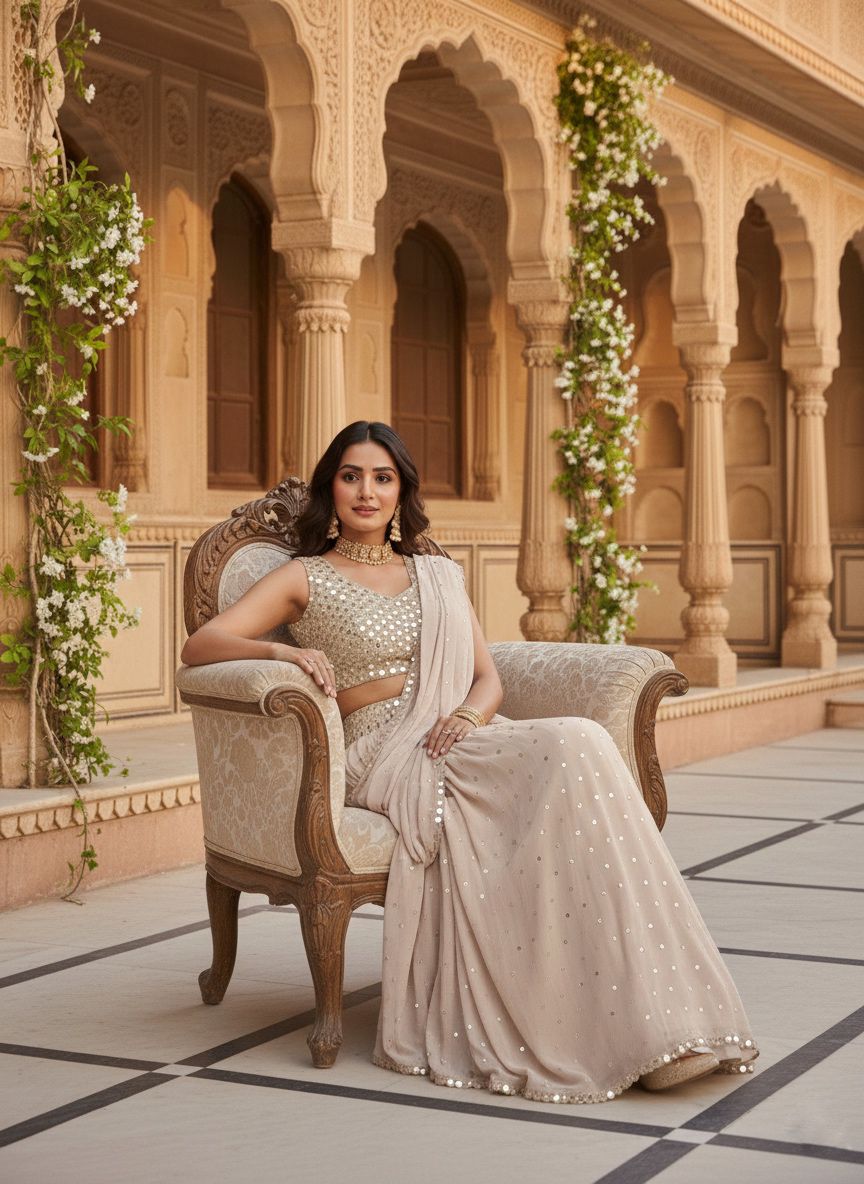
Beige Mirror Work Ready to Wear Saree with Blouse is useful for guests who want saree elegance without spending time on pleating. The beige base allows antique gold earrings, a wine shawl or a deep green potli to introduce stronger Kashmiri-inspired colour. Ready-to-wear construction also helps guests who expect to move between a ceremony, photographs and dinner.
For a lighter daytime function, choose Chanderi, organza or georgette and keep the blouse embroidery concentrated around the neckline and cuffs. For a cold evening, add a cropped velvet jacket or a shawl draped over one shoulder. A bulky coat can flatten pleats and pull a saree border out of alignment, so adjust the pallu before putting on outerwear.
When is a lehenga more practical?
A lehenga is more practical for a sangeet, reception or large wedding venue where the guest expects to dance, walk and sit repeatedly. A properly fitted waistband, a lightweight lining and a dupatta secured at the shoulder make a lehenga easier to manage than a heavily embellished saree.
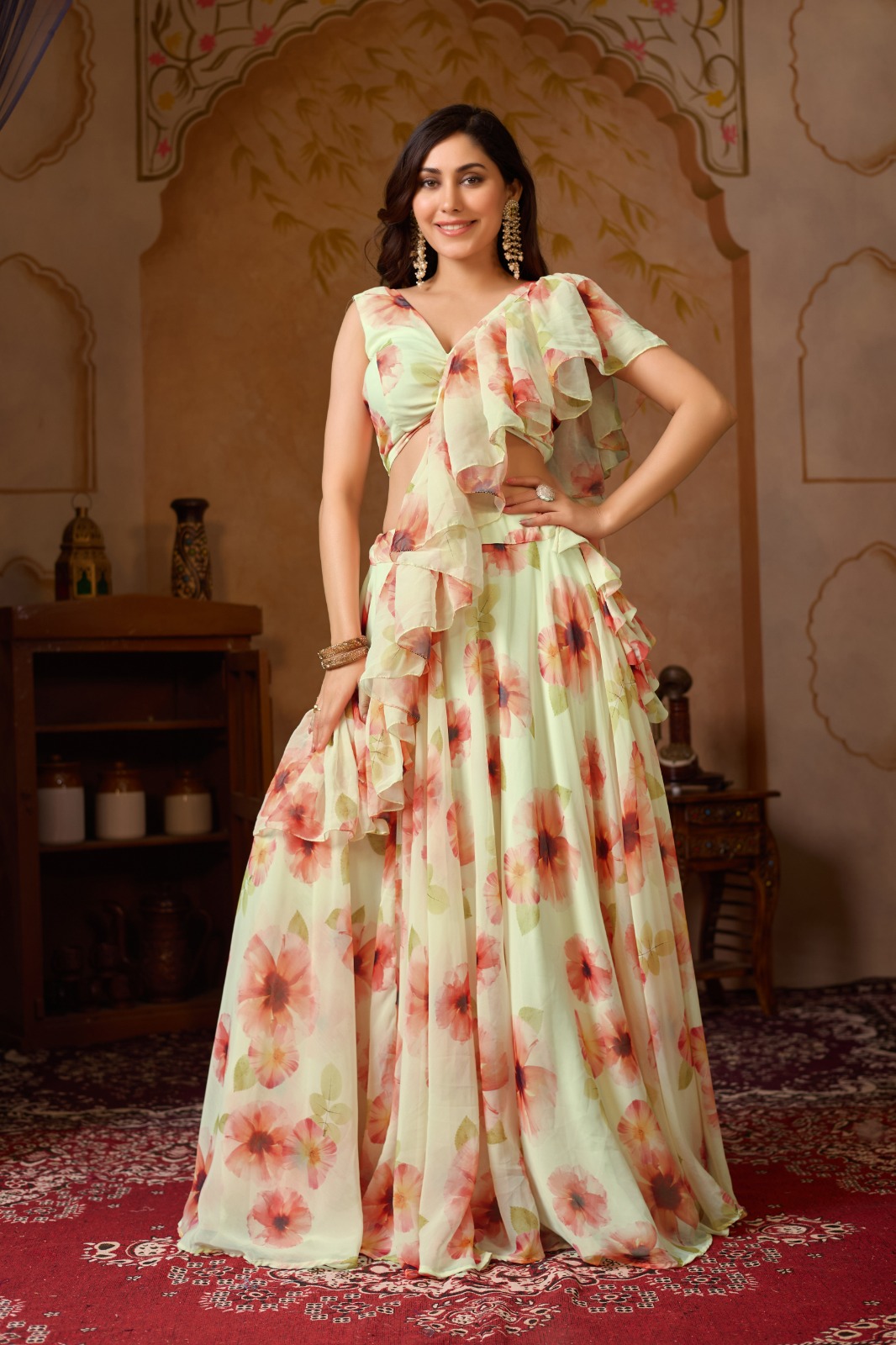
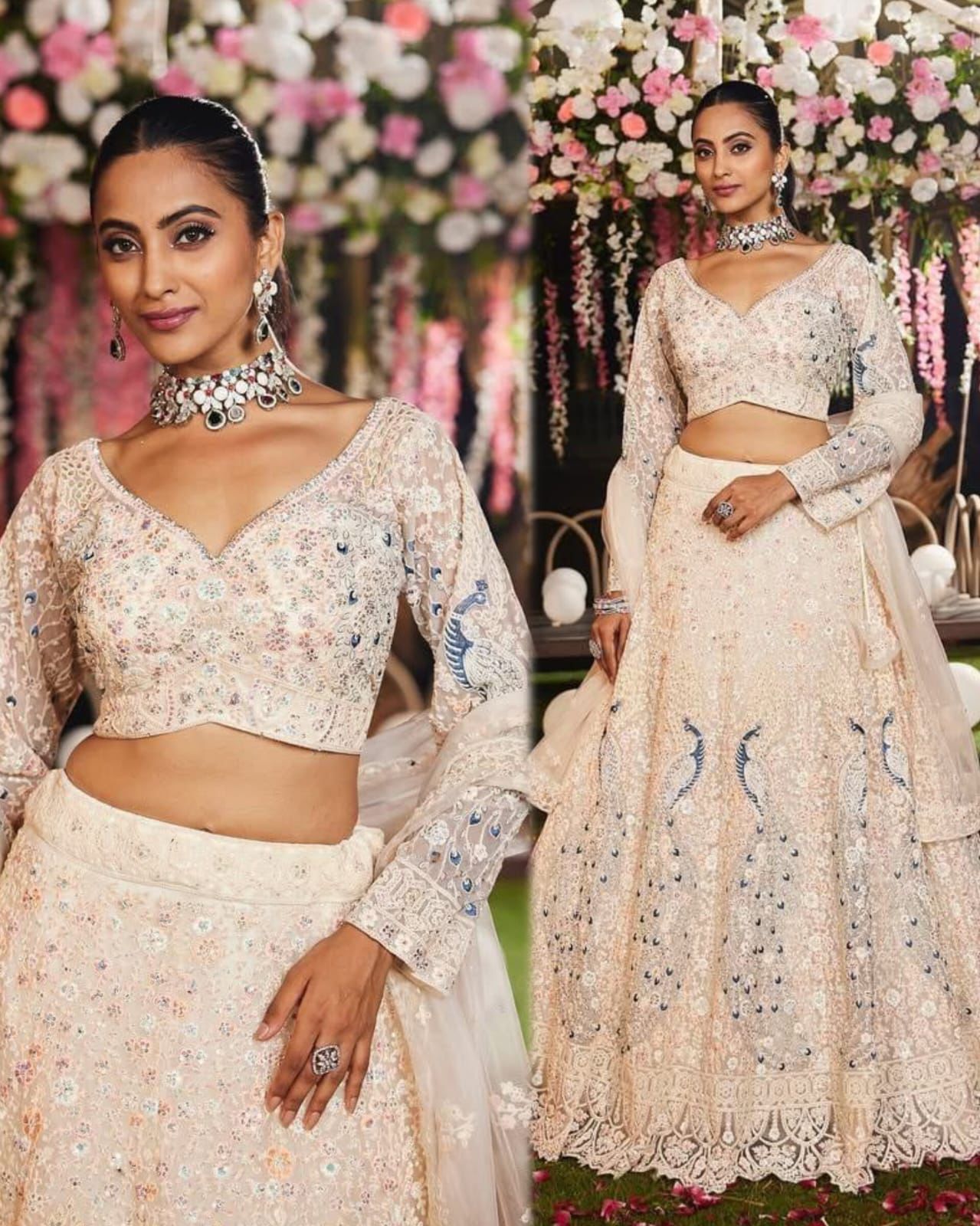
Pastel Floral Georgette Lehenga Set with Ruffle Blouse suits a daytime or early-evening celebration because georgette falls softly and floral colour keeps the outfit from appearing too heavy. Cream Peacock Embroidered Net Lehenga Set for Women brings a more ornate direction, especially when styled with antique gold jewellery and a deep-toned shawl.
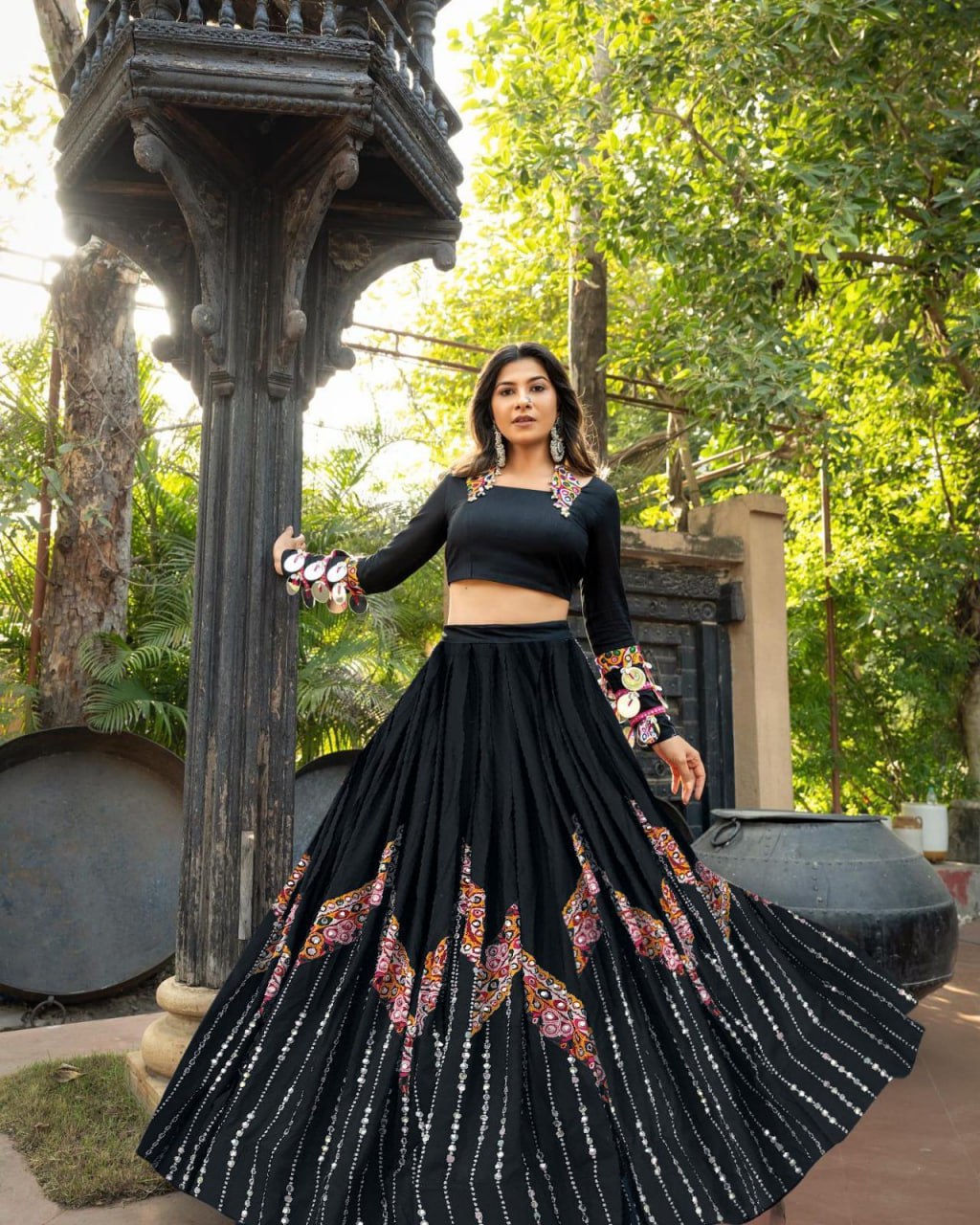
A black outfit can work at a wedding when the embroidery, accessories and styling clearly signal celebration. Black Wedding & Festive Wear Designer Lehenga becomes more wedding-appropriate with gold or jewel-toned earrings, a metallic clutch and a contrasting dupatta rather than an all-black accessory set.
Kashmiri Wedding Guest Outfits for Cold Weather
Cold-weather wedding dressing needs a warm base layer, breathable insulation and an outer layer that doesn't crush the embroidery. Guests should plan the complete outfit, including footwear and outerwear, instead of adding a random coat at the last minute.
A thin, close-fitting thermal top can sit beneath a blouse or choli when temperatures are low, provided the neckline and sleeve length remain hidden. Merino wool or lightweight thermal blends add warmth with less bulk than thick cotton. A full-length slip beneath a lehenga can also reduce static and provide an additional layer without changing the visible silhouette.
Velvet is effective for winter because its dense pile blocks some wind and gives colour a saturated appearance. Velvet blouses, jacket panels and dupatta borders are usually more wearable than a completely velvet lehenga, which can become heavy during long ceremonies. Silk, brocade and lined georgette offer more warmth than unlined net or very thin chiffon.
Footwear should have a covered toe, a stable heel and enough room for a thermal sock if the venue is outdoors. A three-centimetre block heel is safer on grass, stone paths and uneven palace floors than a narrow stiletto. Keep foldable flats in the car or handbag if the celebration includes several hours of standing.
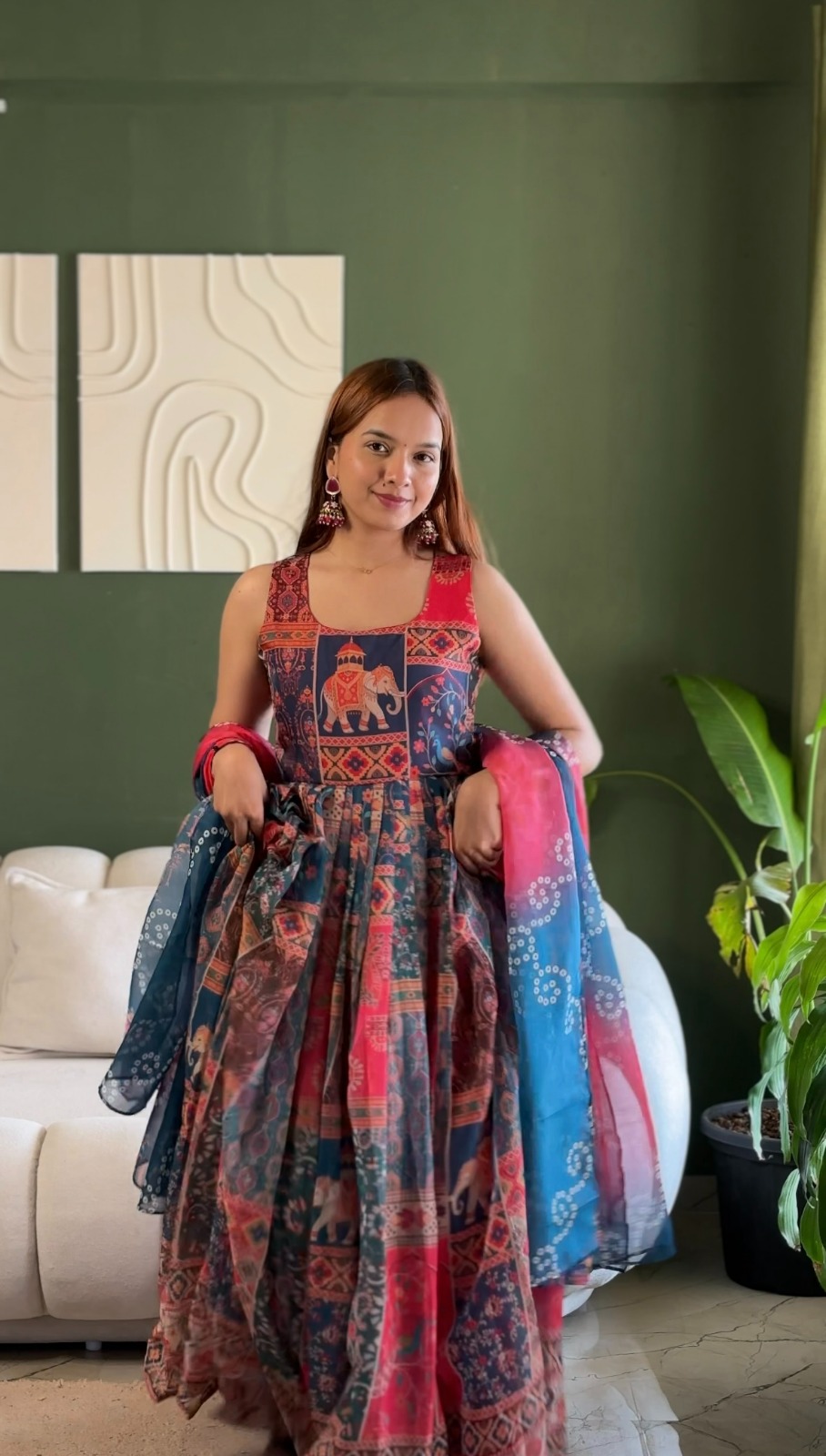
Royal Patola Printed Designer Gown with Elegant Dupatta provides a long, flowing alternative for guests who want coverage without a separate skirt-and-blouse combination. Pin the dupatta at the shoulder and waist to prevent wind from disturbing the drape during outdoor photographs.
Kashmiri Wedding Guest Outfits for Each Ceremony
Kashmiri Wedding Guest Outfits should become lighter and more mobile for daytime rituals and richer, more layered for evening celebrations. Matching the outfit's weight to the ceremony prevents overdressing at Haldi and underdressing at the reception.
What works for a Haldi ceremony?
A Haldi ceremony suits breathable georgette, cotton silk, lightweight Chanderi or lined chiffon in yellow, saffron, peach, ivory, green or soft pink. Choose washable or less delicate surfaces when turmeric paste, flower petals and outdoor seating are likely.
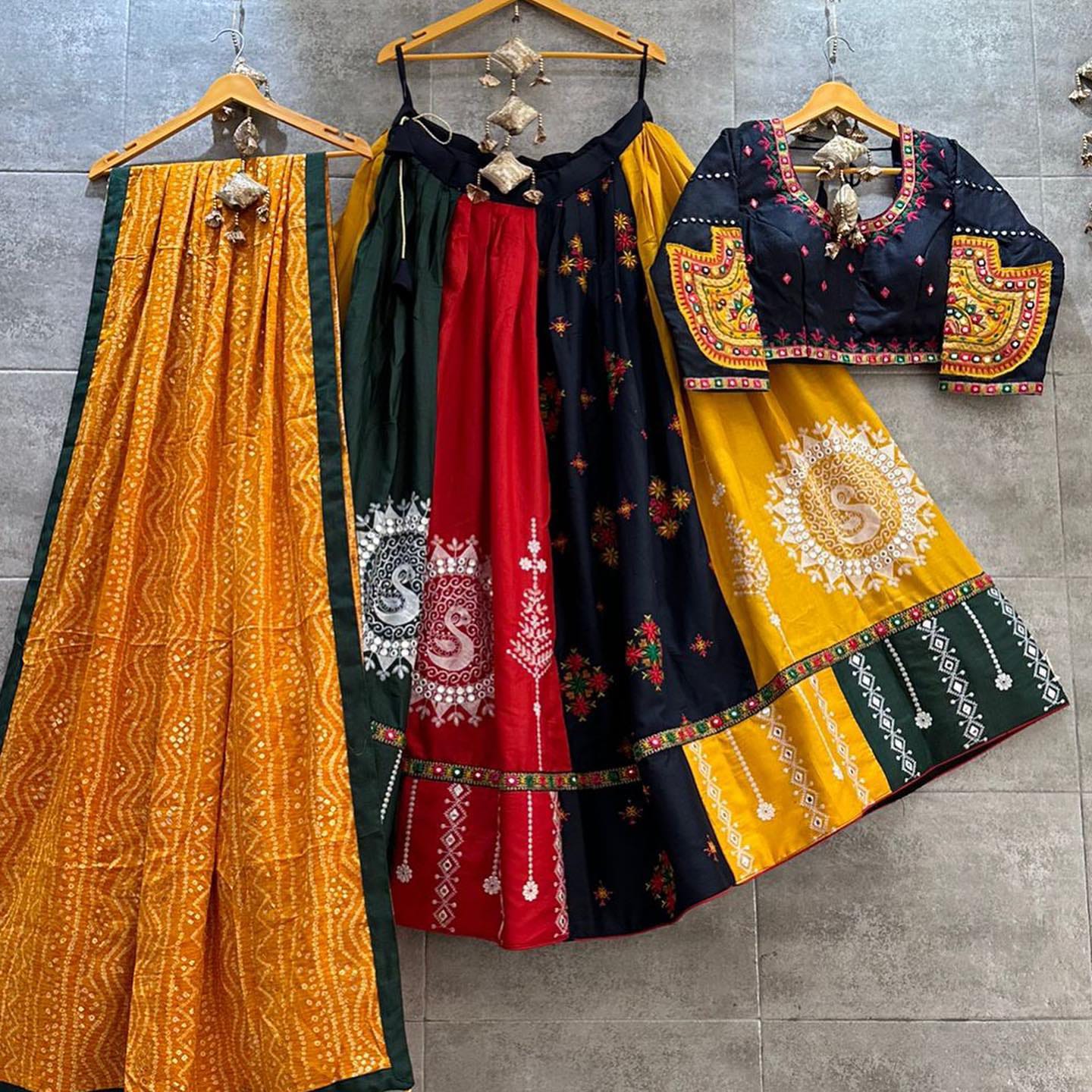
Stylish Multicolor Butter Silk Lehenga Choli Set can work for a colourful daytime function when jewellery is kept light and the dupatta is pinned securely. Haldi Lehengas Under 5500 is an useful collection for comparing bright silhouettes and accessible price points, but check the lining, closure quality and care instructions before ordering.
What works for a sangeet or mehendi?
A sangeet or mehendi rewards an outfit that allows arm movement, secure draping and comfortable sitting. Choose a lehenga with a moderate flare, a blouse that stays in place and a dupatta fastened with concealed pins or a shoulder brooch.
Pastel shades, mirror work and playful sleeves suit mehendi, while deeper jewel tones and metallic details suit a late-evening sangeet. Festive White Lehenga Choli with Mirror Work Design can be styled with emerald, fuchsia or saffron accessories to prevent white from looking too stark.
What works for a wedding reception?
A wedding reception supports richer fabrics, structured tailoring and more noticeable jewellery than a daytime ritual. Silk lehengas, net skirts with substantial lining, velvet blouses and zari borders are suitable when the venue and dress code are formal.
Cream Peacock Embroidered Net Lehenga Set for Women can be given a more winter-ready finish with a velvet shawl, antique jhumkas and a compact embellished clutch. Net Lehengas Under 4500 with 51% Discount gives a way to compare net silhouettes, but inspect product measurements because net volume varies significantly between designs.
Jewellery and Accessories for Kashmiri Wedding Guest Outfits
The most effective accessories echo the outfit's metal, neckline and embroidery density without repeating every detail. Gold, antique gold, oxidised silver and enamel jewellery can all work, but the selected metal should appear at least twice in the complete look.
For a high-neck blouse or a pheran-inspired jacket, choose statement earrings and skip a heavy necklace. For a deep or open neckline, a short kundan necklace, a rani haar or a layered pendant can fill the space. A maang tikka is appropriate for a highly formal reception, while a passa or decorative hairpin can provide a more distinctive North Indian reference.
Embroidered potlis, velvet clutches and metallic minaudières suit winter wedding styling. A compact bag should hold a phone, lipstick, safety pins and a small packet of tissues without pulling down the wrist or disturbing a dupatta. Avoid oversized bags because they interrupt the clean line of a lehenga or saree.
Beige Mirror Work Ready to Wear Saree with Blouse pairs well with antique gold and muted green accessories, while Festive White Lehenga Choli with Mirror Work Design can carry emerald or ruby-toned accents. Black Wedding & Festive Wear Designer Lehenga needs a contrasting metallic or jewel-toned detail so the final look remains celebratory.
How to Shop for Kashmiri Wedding Guest Outfits on a Budget
A realistic budget should include the outfit, alterations, footwear, jewellery, tailoring and delivery rather than the garment price alone. Setting aside 10 to 15 percent for alterations is sensible, especially for lehenga waist adjustments, blouse sleeve changes and jacket length corrections.
Collections such as Pink Lehengas Under 4000 with 50% Discount, Silk Lehengas Under 3000, Bridesmaid Lehengas Under 5500 and Net Lehengas Under 4500 with 51% Discount can help compare price bands before selecting a silhouette. Lower pricing should not automatically mean poor quality, but check lining, seam finishing, zipper placement, fabric composition, measurements and return conditions.
Fabric weight matters as much as embellishment. A lighter georgette lehenga may be more comfortable for a six-hour event than a heavily decorated net design, while a lined silk-blend outfit may photograph more richly than an unlined synthetic fabric. Ask whether zari is metallic thread, imitation zari or printed foil, because each option has different durability and care needs.
Order at least three weeks before the wedding when possible. A ten-day buffer allows time for delivery checks and simple alterations, while a longer four- to six-week window is safer for blouse resizing or made-to-measure work. Photograph the garment in daylight when it arrives and compare the actual colour, embroidery and measurements with the product description.
Caring for Kashmiri Wedding Guest Outfits
Dry cleaning is usually safer for heavily embroidered lehengas, velvet jackets, zari sarees and mirror-work garments. Do not machine-wash embellished net, velvet or zari unless the care label specifically permits it.
Air the garment after the wedding before storing it, then remove temporary pins and place the outfit in a breathable cotton or muslin garment bag. Fold heavy lehenga panels with acid-free tissue between embroidered sections to reduce snagging and pressure marks. Store mirrors and sequins away from direct contact with delicate silk or chiffon.
Keep zari away from moisture, perfume and hairspray because chemical residue can dull metallic threads. Apply perfume before dressing and allow it to dry fully. If a small stain appears, blot it with a clean white cloth rather than rubbing, and send the garment to a professional cleaner promptly.
Good storage can extend the life of a wedding outfit for several seasons. Fold sarees along existing pleats, change the fold direction every few months and inspect stored garments for dampness, loose threads or tarnished embellishment before the next celebration.
Common Questions About Kashmiri Wedding Guest Outfits
What should I wear to a Kashmiri wedding as a guest?
A lehenga, saree or long layered anarkali works well for a Kashmiri wedding guest. Choose jewel tones, cream, burgundy or saffron, then add one pheran-inspired feature such as a high neckline, long jacket, roomy sleeve or embroidered shawl.
How can I make a lehenga look Kashmiri-inspired?
Add a velvet or brocade long jacket, a high-neck blouse, a shawl-style dupatta or floral embroidery. Antique gold jewellery and deep winter colours such as walnut, emerald, wine and midnight blue strengthen the Kashmiri-inspired effect.
Are sarees suitable for a winter Kashmiri wedding?
Sarees are suitable for winter Kashmiri weddings when paired with a full-sleeve blouse, thermal base layer and warm shawl or velvet jacket. Banarasi silk, brocade, lined georgette and velvet-border sarees provide more seasonal depth than very thin chiffon.
What should I wear to a Haldi ceremony in cold weather?
Wear a lined georgette, cotton silk or butter silk lehenga in yellow, saffron, peach, green or ivory, with a discreet thermal layer underneath if needed. Choose secure footwear and avoid fragile embellishment when turmeric paste and outdoor seating are expected.
Can I wear black to a Kashmiri wedding?
Black can work for an evening wedding reception when the outfit includes festive embroidery, zari, mirror work or metallic accessories. Pair black with gold, emerald, ruby or a contrasting dupatta instead of using an entirely black accessory palette.
How early should I buy a Kashmiri wedding guest outfit?
Buy the outfit at least three weeks before the wedding to allow for delivery, inspection and minor alterations. Allow four to six weeks for blouse resizing, made-to-measure work or a complex pheran-inspired jacket.