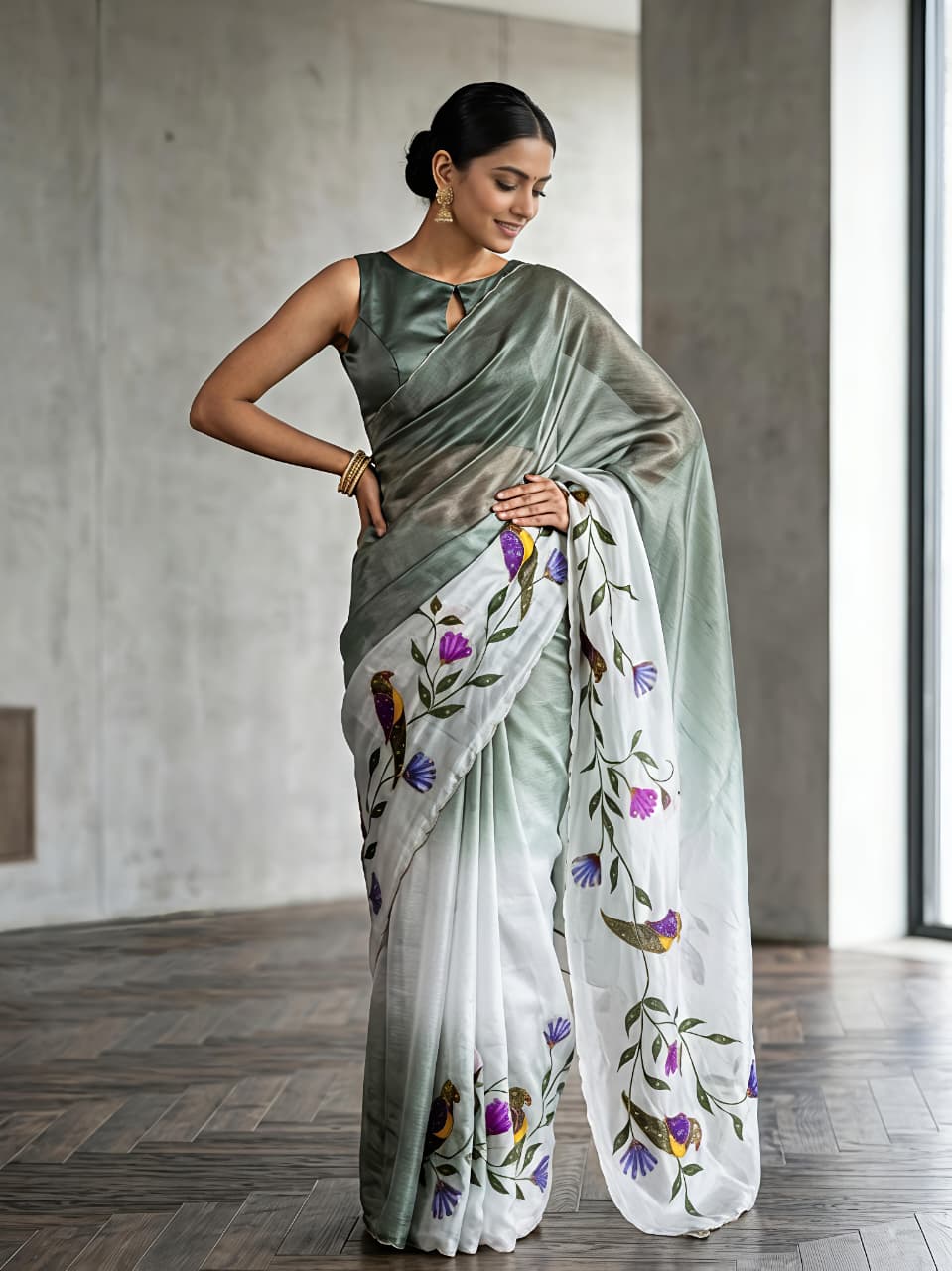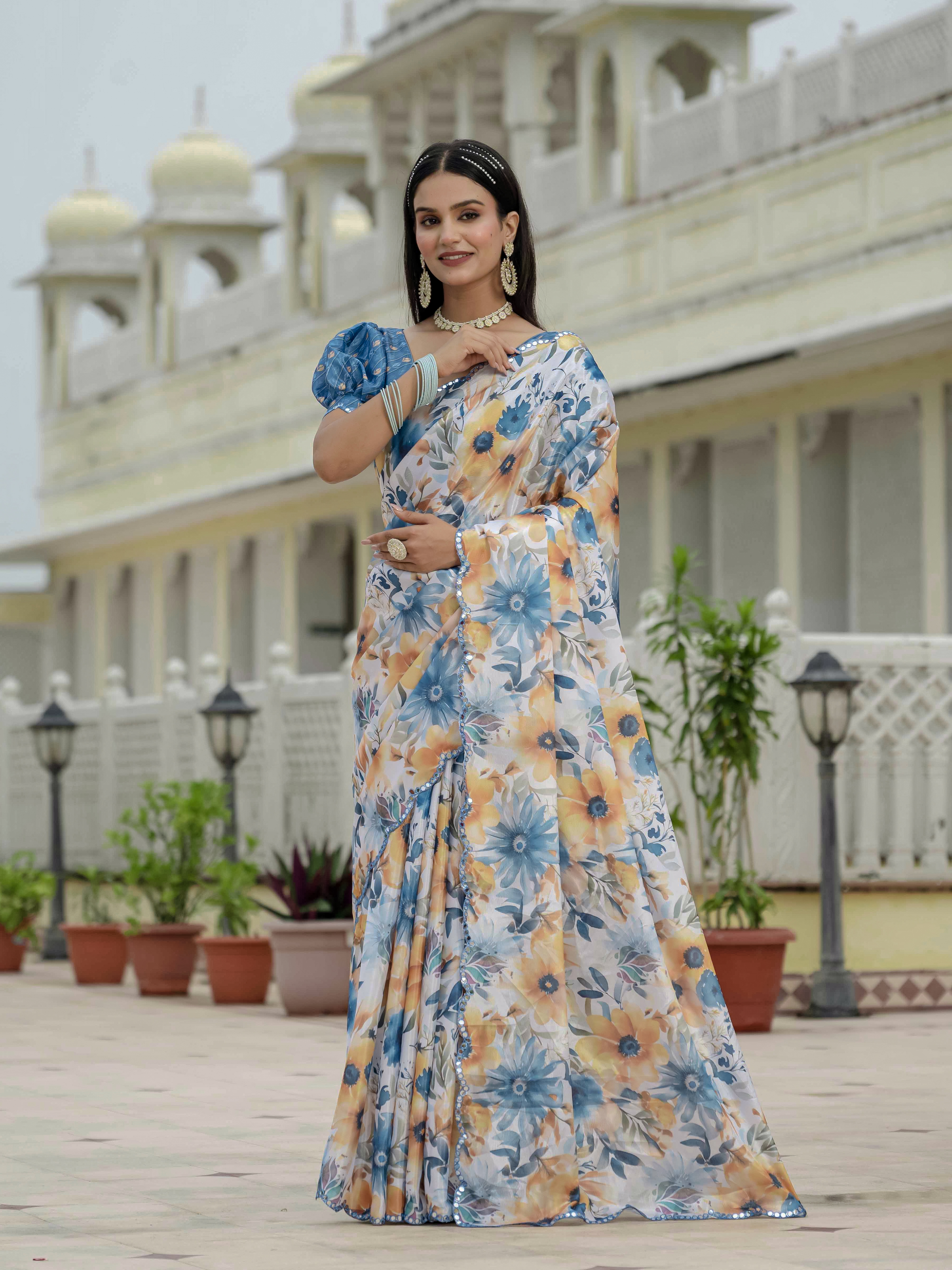
Kashmiri Traditional Dress for Women: Pheran, Saree & Ethnic Fashion Guide brings together the practical warmth of the pheran, the elegance of embroidered shawls and the graceful drape of a saree. These garments belong to related but different traditions: a pheran is a loose, long tunic associated with Kashmir, while a saree is an unstitched length of fabric worn across much of South Asia. Knowing that distinction makes it easier to choose an outfit that feels culturally informed rather than simply decorative.
For a traditional gathering, a Kashmiri-style Pashmina saree with a coordinated shawl can create a polished winter look without copying the structure of a pheran. The right colour, blouse, drape and accessories matter as much as the textile itself. This guide explains the clothing vocabulary, seasonal logic and styling decisions behind Kashmiri-inspired ethnic dressing.
Kashmiri Traditional Dress for Women: What Does It Include?
Kashmiri Traditional Dress for Women commonly centres on the pheran, a loose full-length garment worn over other clothing, with shawls, embroidered accessories and regional head coverings adding visual identity. The exact silhouette varies by community, season, location and level of formality.
The pheran and its everyday purpose
A traditional pheran usually falls below the knees and has a generous shape that allows layers underneath. Woollen pherans are especially useful in cold weather because the roomy construction traps warm air around the body. Some versions have side openings, embroidered necklines or decorative cuffs, while simpler cotton styles suit milder weather and indoor wear.
The pheran isn't a saree and doesn't require pleating, tucking or a petticoat. A woman may wear a pheran over trousers, salwar-style bottoms or warm inner layers. The relaxed form also makes the garment practical for movement, household work and winter travel.
Details that make the look recognisably Kashmiri
Embroidery is one of the most visible markers of Kashmiri clothing. Sozni embroidery often uses fine needlework to create delicate floral or paisley patterns, while crewel embroidery is known for raised woollen motifs worked on a base fabric. Aari work uses a hooked needle and can produce closely worked floral designs.
A Kashmiri outfit may also be associated with a taranga, a traditional head covering worn by some Kashmiri women, although contemporary styling often replaces it with a plain shawl, embroidered scarf or modest jewellery. The kangri, a small earthen fire pot carried in a woven basket, belongs to Kashmir's winter culture but should not be treated as a fashion accessory. Historical objects require safe handling and cultural respect.
Kashmiri Traditional Dress for Women: How Is a Pheran Different from a Saree?
A pheran is a stitched, loose tunic, whereas a saree is an unstitched fabric draped around the lower body and upper torso. The two garments solve different dressing needs: a pheran prioritises warmth and ease, while a saree creates shape through wrapping, pleating and pallu placement.
A pheran gives a straighter, more relaxed silhouette and can accommodate a thermal layer in winter. A saree follows the body more closely, although a shawl, long blouse or heavier petticoat can make the final outfit feel warmer and more substantial. A saree also offers more flexibility in regional styling because the same six- to nine-yard format can be draped in different ways.
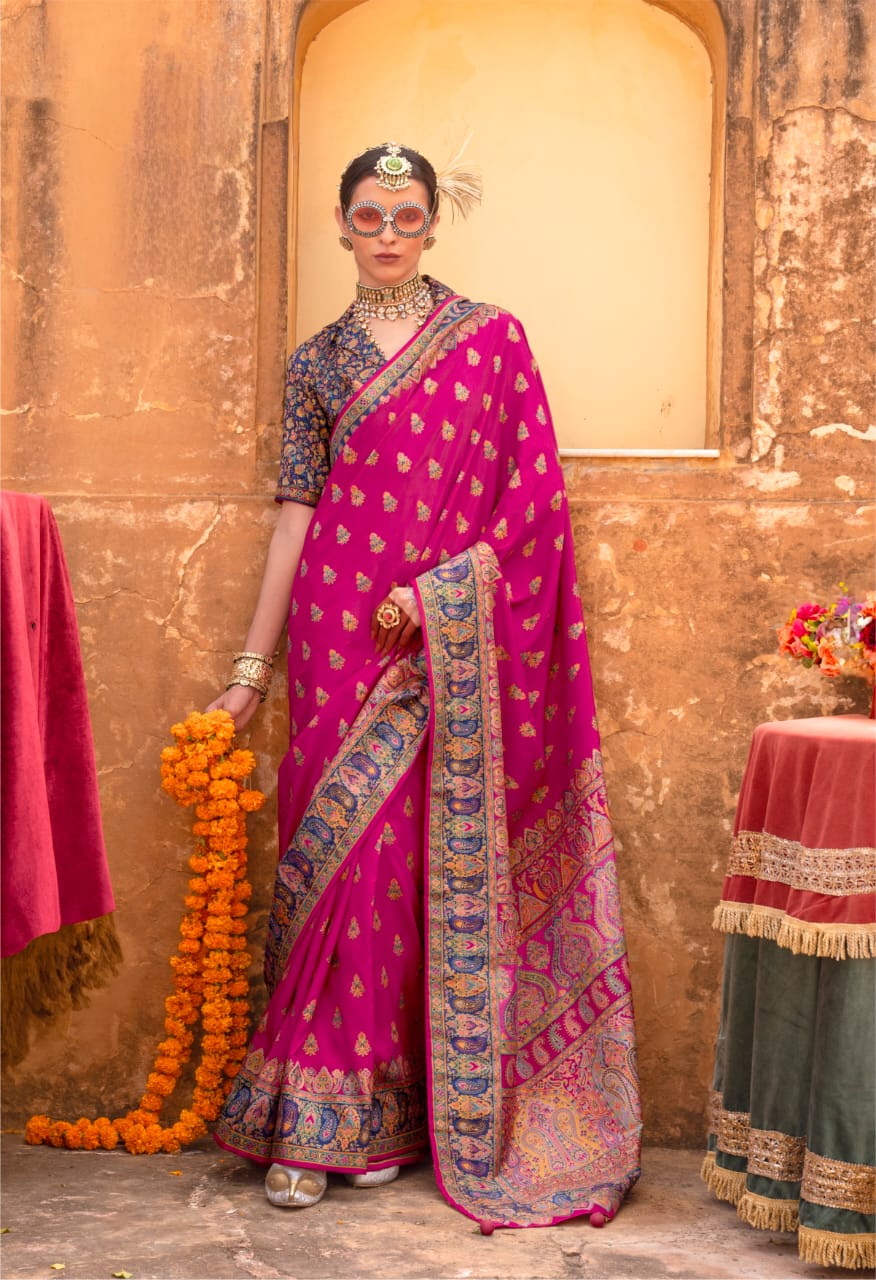
Combining the two traditions should be done thoughtfully. Wearing a saree with a Pashmina-style shawl borrows the warmth and layering logic associated with Kashmir without calling the saree a pheran. Pairing a short pheran-style jacket over a saree can create a contemporary fusion outfit, but the distinction between a Kashmiri garment and a Kashmiri-inspired layer should remain clear in the description.
Kashmiri Traditional Dress for Women: How Should You Choose a Saree and Shawl?
The most useful starting point is the fabric's weight, because winter-friendly drapes need enough body to hold pleats while remaining comfortable over several hours. Pashmina-style sarees and shawls suit cooler evenings, while linen-cotton blends work better for transitional weather and indoor celebrations.
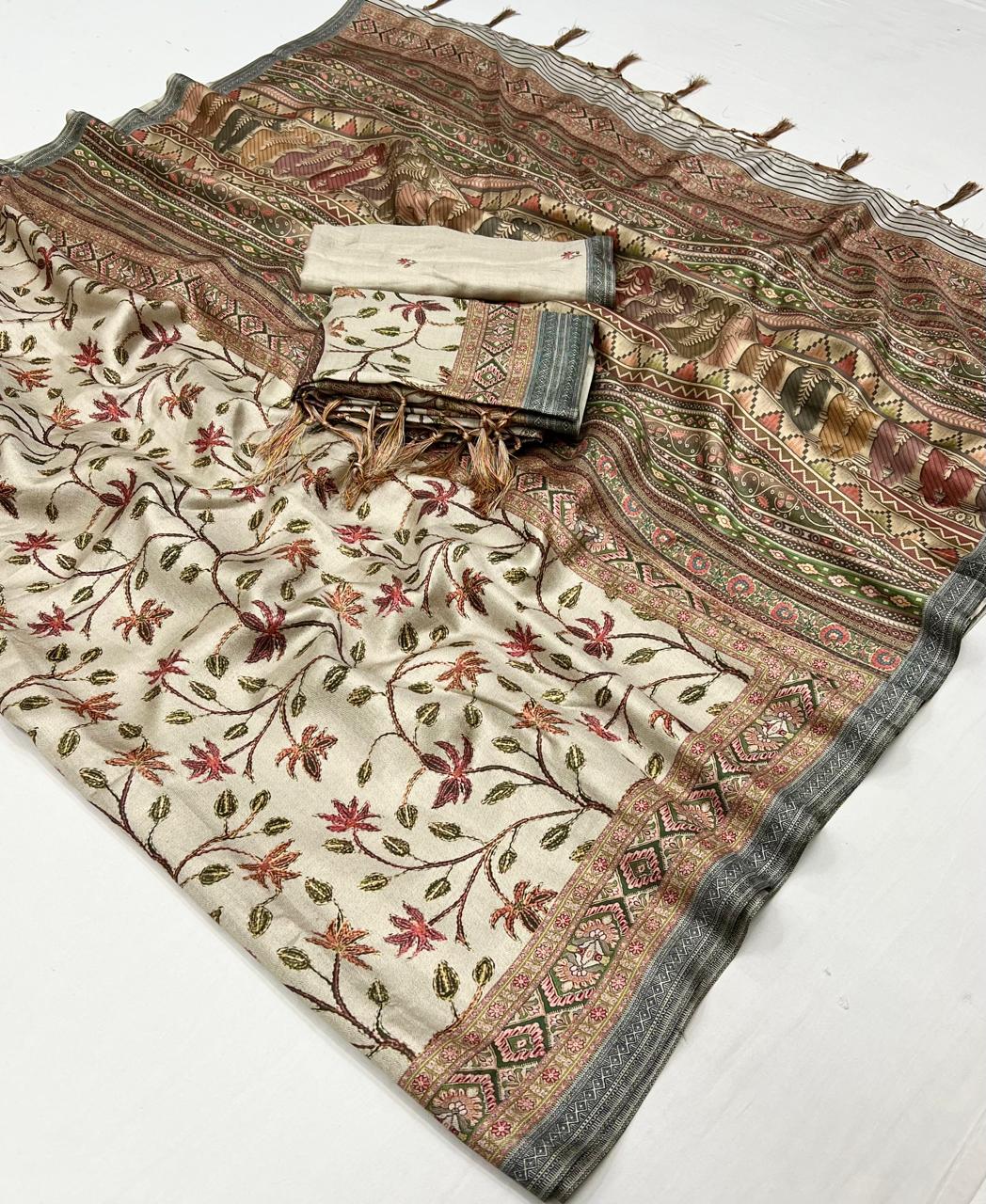
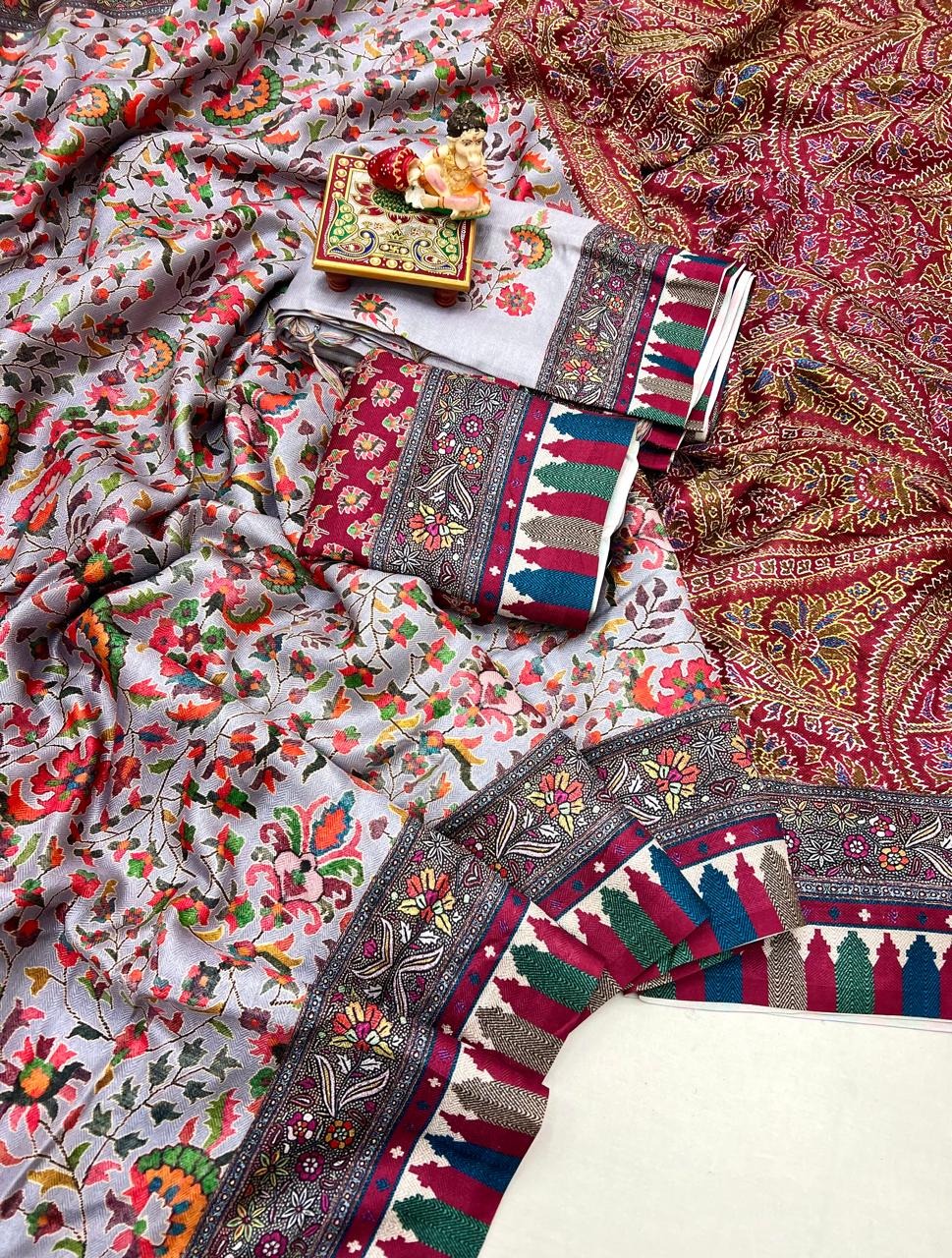
A set such as Kashmiri Style Pashmina Saree With Shawl Set is convenient when the saree and shawl are intended to coordinate. A matching shawl removes the guesswork involved in finding a second textile with a compatible undertone, border scale and pattern density.
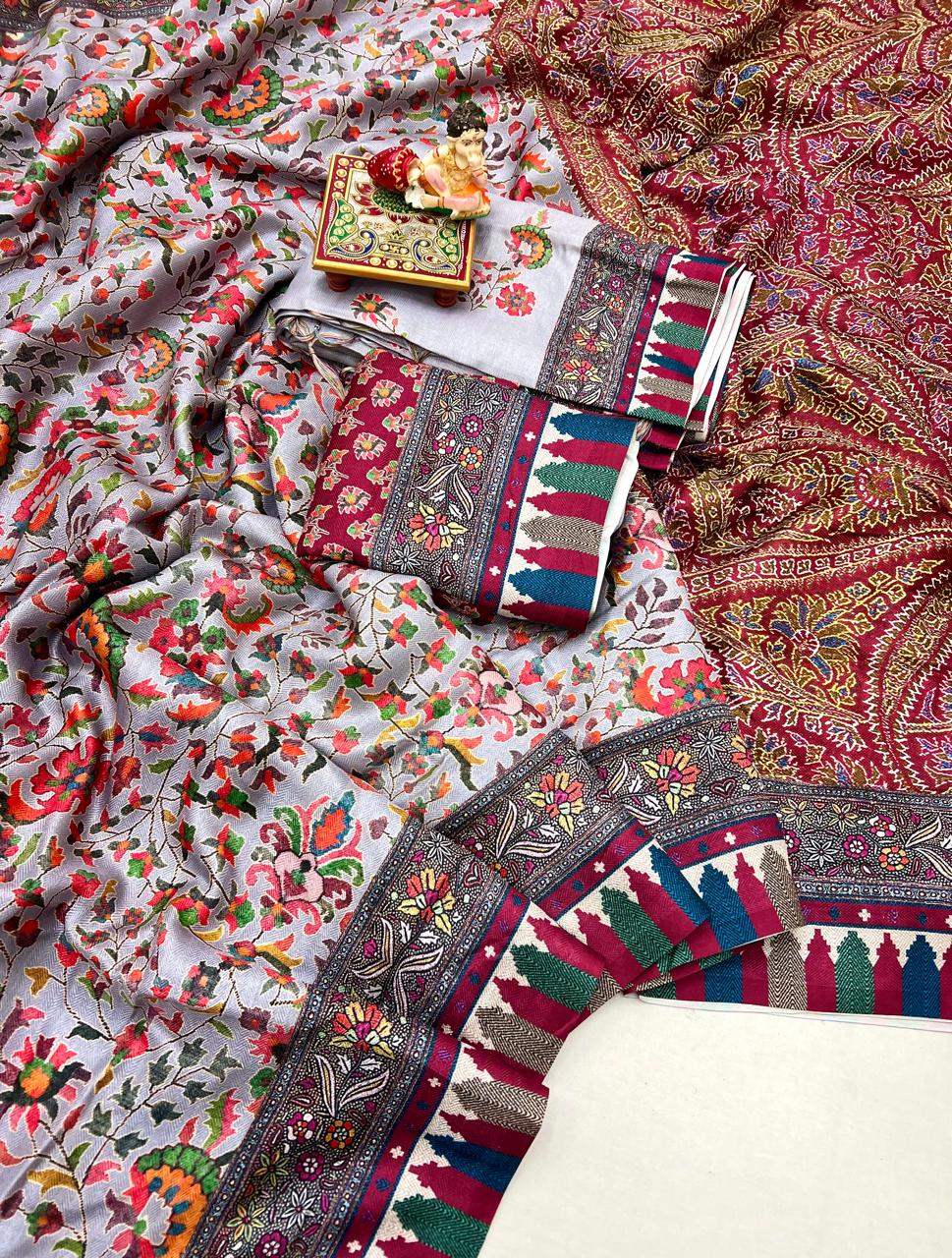
Grey Kashmiri Style Pashmina Saree With Shawl & Blouse gives a neutral base for silver-toned jewellery, pearl accents or oxidised metal. Grey also makes a useful choice when the saree must work for more than one event, because the colour can move from daytime traditional dressing to an evening reception with a change of blouse and accessories.
Traditional Cream Pashmina Saree With Shawl For Women creates a softer, light-reflective look for daytime ceremonies. Cream is more forgiving than stark white under warm indoor lighting, but the shade still requires care around food, cosmetics and dark handbags.
Festive Cream Pashmina Saree with Designer Border suits a more dressed-up interpretation of Kashmiri-inspired saree wear. A defined border gives the eye a clear line at the hem and pallu, so the blouse can remain relatively simple rather than competing with the saree.
When floral prints work best
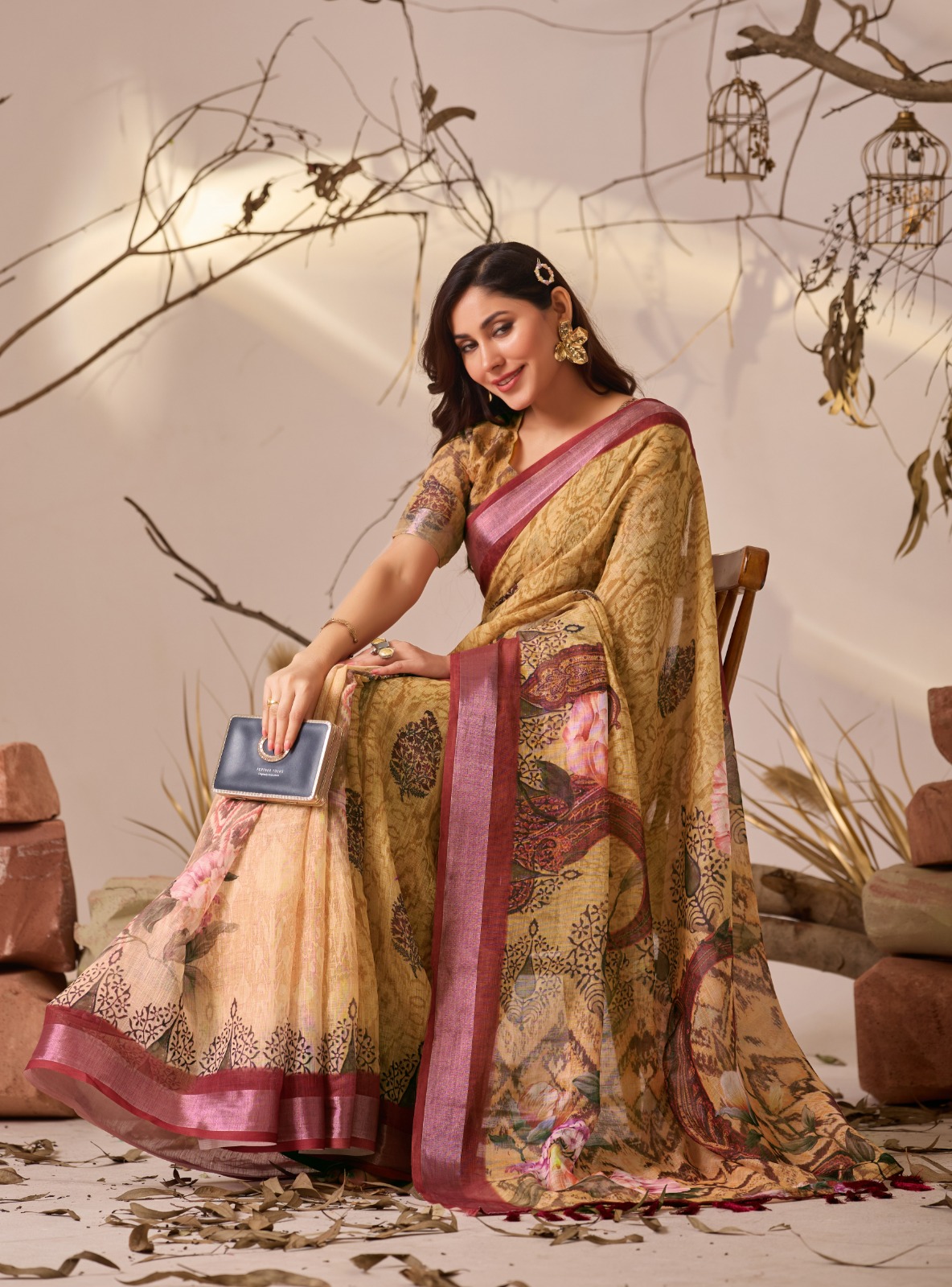
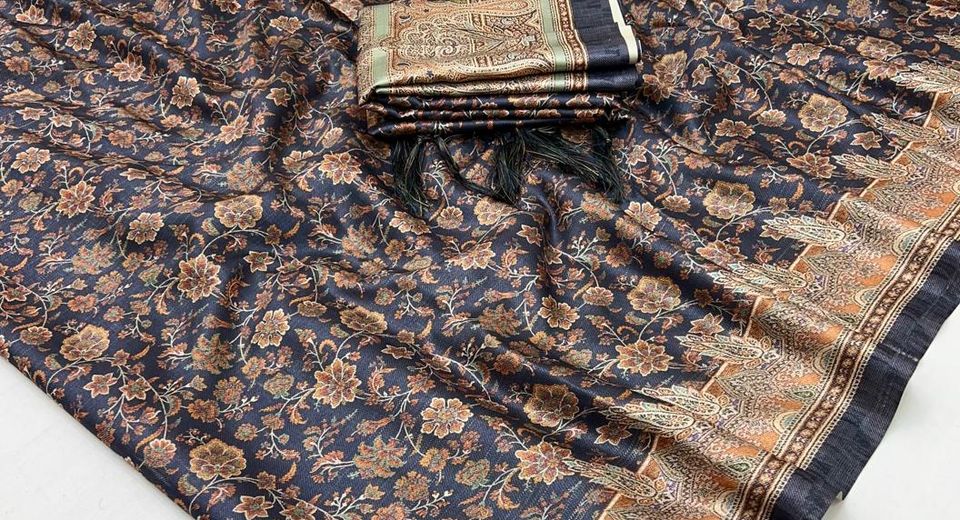
Floral Pashmina sarees suit a woman who wants warmth without a heavily embellished wedding aesthetic. Navy Floral Pashmina Saree With Shawl & Blouse Piece brings a deep background that can support gold, antique-finish or pearl accessories. Mustard Floral Pashmina Saree with Shawl & Blouse creates a warmer festive palette and pairs naturally with maroon, rust, brown or muted green accents.
Traditional Yellow Pashmina Saree With Shawl can work particularly well for a Haldi ceremony, provided the fabric is comfortable for movement and the wearer accepts that turmeric, oil and flower petals can stain light textiles. A washable or lower-risk outfit may be more practical for the most active part of a Haldi ceremony than a delicate, pale shawl.
Kashmiri Traditional Dress for Women: How Should You Style the Shawl?
A saree with a Kashmiri shawl looks balanced when the drape leaves one clear focal point, such as the pallu, shawl border or blouse neckline. Wearing every decorative element at maximum intensity can obscure the regional influence and make the outfit feel visually crowded.
Three practical draping approaches
- Shoulder drape: Pleat the shawl narrowly and place it over one shoulder, allowing the saree pallu to remain visible on the opposite side. This arrangement is comfortable for greeting guests and works well with a defined saree border.
- Front wrap: Bring the shawl across the upper arms and let both ends fall in front. This provides more warmth and suits a simple blouse, especially when the saree has a floral print or ornate pallu.
- One-sided fall: Place the shawl over one shoulder and secure it discreetly near the waist. This creates a longer vertical line, which is useful for petite wearers or for sarees with a narrow border.
A shawl should not be pinned so tightly that the saree blouse pulls at the shoulder. Two small fabric-friendly pins placed through the inner fold are generally safer than one heavy pin through the visible border. A lightweight brooch can secure the shawl, but sharp metal should not be pushed through fine Pashmina-style fabric.
Blouse, jewellery and footwear
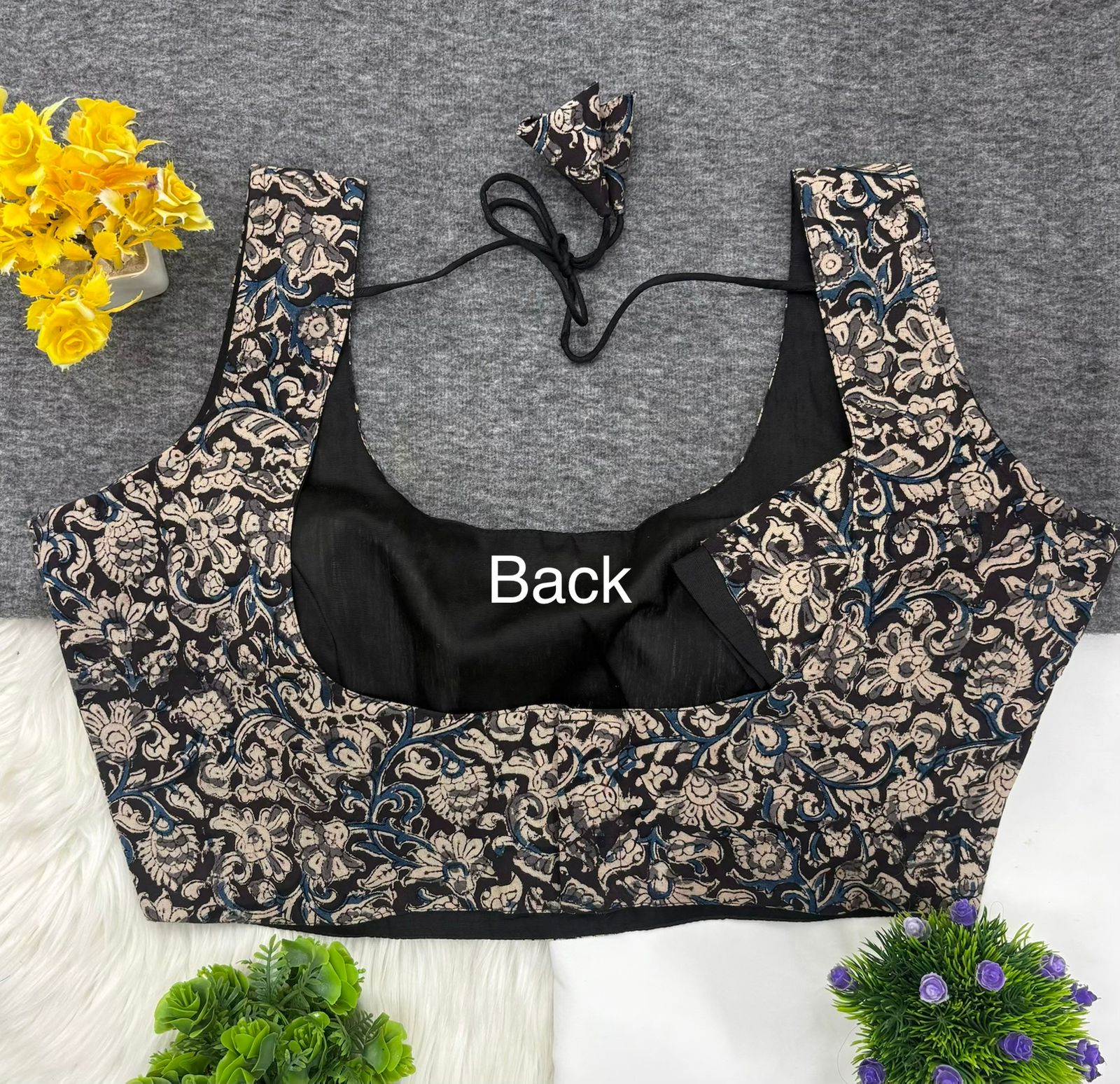
A long-sleeved blouse gives a warmer and more coherent winter silhouette than a sleeveless blouse. Velvet, raw silk or a smooth woven fabric can complement a Pashmina saree, but the blouse should not be assumed to have the same fibre composition as the saree. A higher neckline or modest three-quarter sleeve is practical for a traditional wedding held in a cool venue.
Silver jewellery, Kashmiri-inspired enamel, pearls and small jhumkas can all work, depending on the saree's colour temperature. A heavy choker may compete with a densely embroidered shawl, whereas long earrings and a single bangle keep the neckline clearer. Closed-toe juttis or low block heels are sensible choices when the shawl and saree will be worn outdoors during winter.
Kashmiri Traditional Dress for Women: Which Colours and Fabrics Suit Occasions?
Deep blue, mustard, cream, grey and jewel tones suit winter traditional wear because they provide visual richness without requiring excessive embellishment. Fabric choice should follow the venue and season rather than colour alone.
- Family puja or daytime gathering: Choose cream, yellow, soft grey or a restrained floral print with a neatly folded shawl.
- Traditional wedding: Choose a richer border, deeper colour or zari accents, while checking whether the event calls for a specific regional dress code. A Banarasi silk saree, Kanjeevaram or Chanderi may be more appropriate than a Kashmiri-inspired Pashmina saree if the hosts have specified a different tradition.
- Haldi ceremony: Yellow, mustard or floral sarees create a celebratory effect, but washable blouse and footwear choices reduce the stress of turmeric stains.
- Winter reception: A Pashmina-style saree with a matching shawl, closed footwear and a full-sleeved blouse gives more comfort than a very sheer drape.
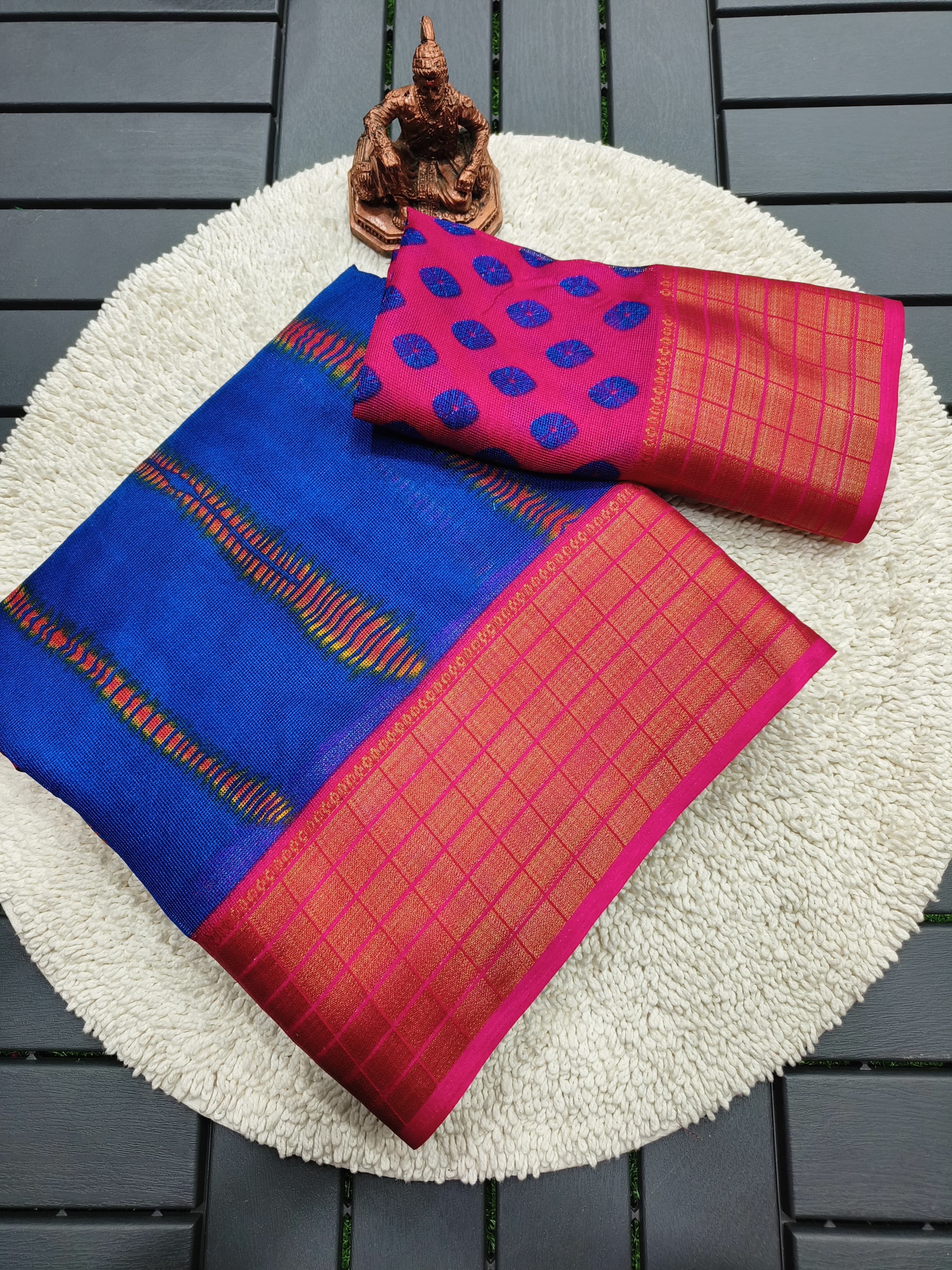
- Casual cultural programme: Teal Floral Printed Linen Cotton Saree With Matching Blouse is a lighter option for moderate weather and daytime movement.
A saree doesn't become Kashmiri solely because it's warm or floral. The Kashmiri association comes from the combination of a regional reference, shawl styling, suitable surface patterns and an honest description of the garment's origin and construction.
Kashmiri Traditional Dress for Women: How Can You Buy Sarees Online Wisely?
Online saree buying becomes more reliable when the shopper checks the fabric description, included pieces, measurements, lining information, care instructions and return conditions before ordering. A product photograph can't establish whether a textile is handwoven, blended, printed or embellished.
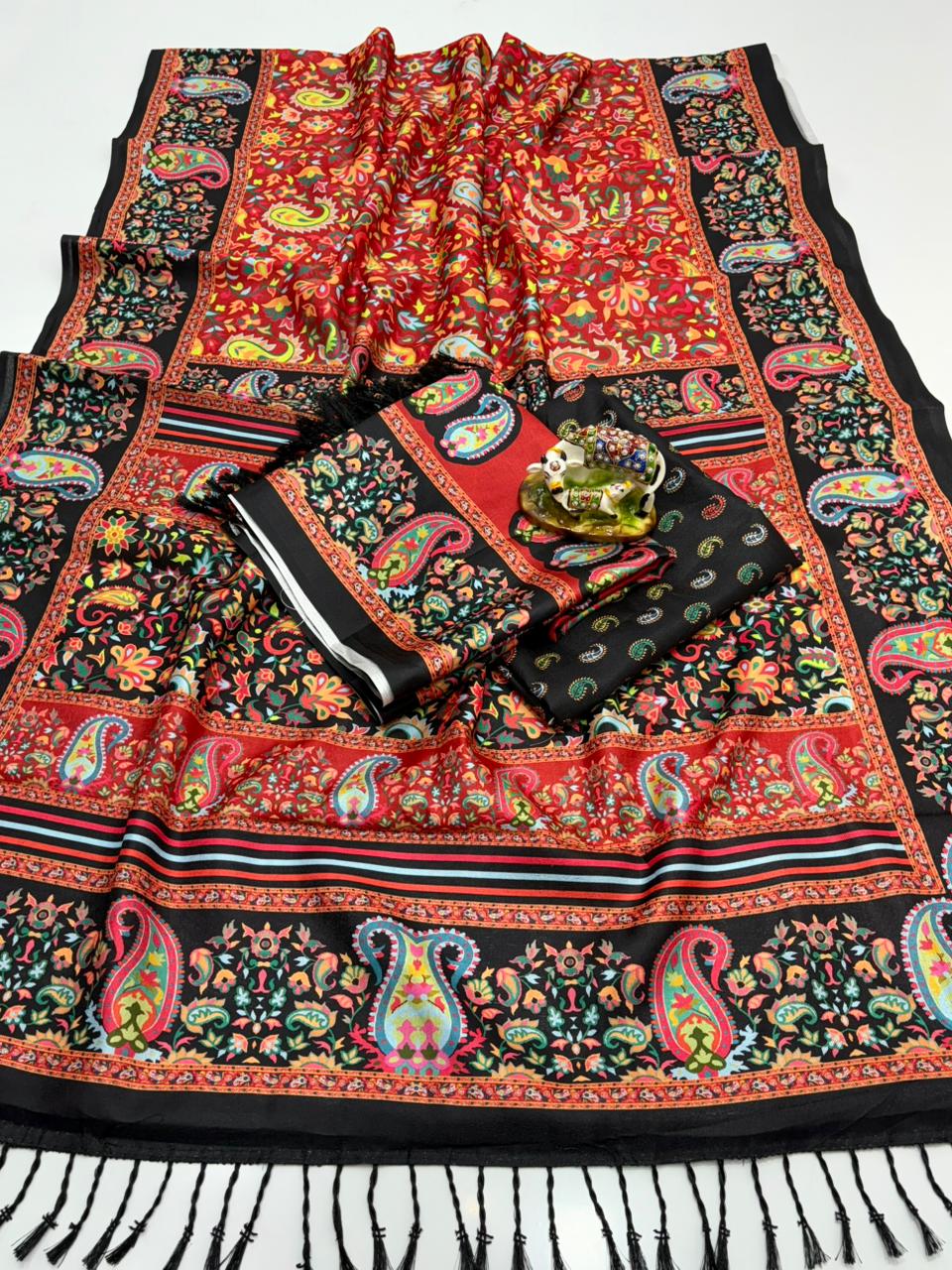
Read whether the listing includes only the saree or also a shawl and blouse piece. Names such as Navy Floral Pashmina Saree With Shawl & Blouse Piece and Mustard Floral Pashmina Saree with Shawl & Blouse indicate a coordinated set, but the shopper should still verify blouse fabric, unstitched length and whether stitching is included.
Traditional Cream Pashmina Saree With Shawl For Women and similar light-coloured styles should be inspected for transparency, border placement and cleaning requirements. A Pashmina-style label may describe a look or blend rather than certify a particular fibre, so the composition field deserves more attention than the product title.
Price comparisons can also be misleading. Silk Sarees Under 3000 With Discount, Gray Color Sarees Under 1000 and Pink Georgette Sarees may belong to different fabric categories and should not be compared as though they provide identical warmth, drape or longevity. Red Banarasi Silk Sarees for Weddings Under 1100 may appeal to a wedding shopper, but Banarasi silk styling answers a different regional and textile brief from Kashmiri-inspired Pashmina dressing.
For broader wardrobe planning, Party Wear Sarees can provide a useful reference for blouse cuts and occasion-level embellishment. The key question remains whether the garment suits the temperature, movement, dress code and care capacity of the actual event.
Kashmiri Traditional Dress for Women: What Care Keeps Pashmina Sarees Wearable?
Gentle handling, limited washing and correct storage help preserve Pashmina-style sarees and shawls. Do not wring, bleach, tumble-dry or store a damp shawl in plastic.
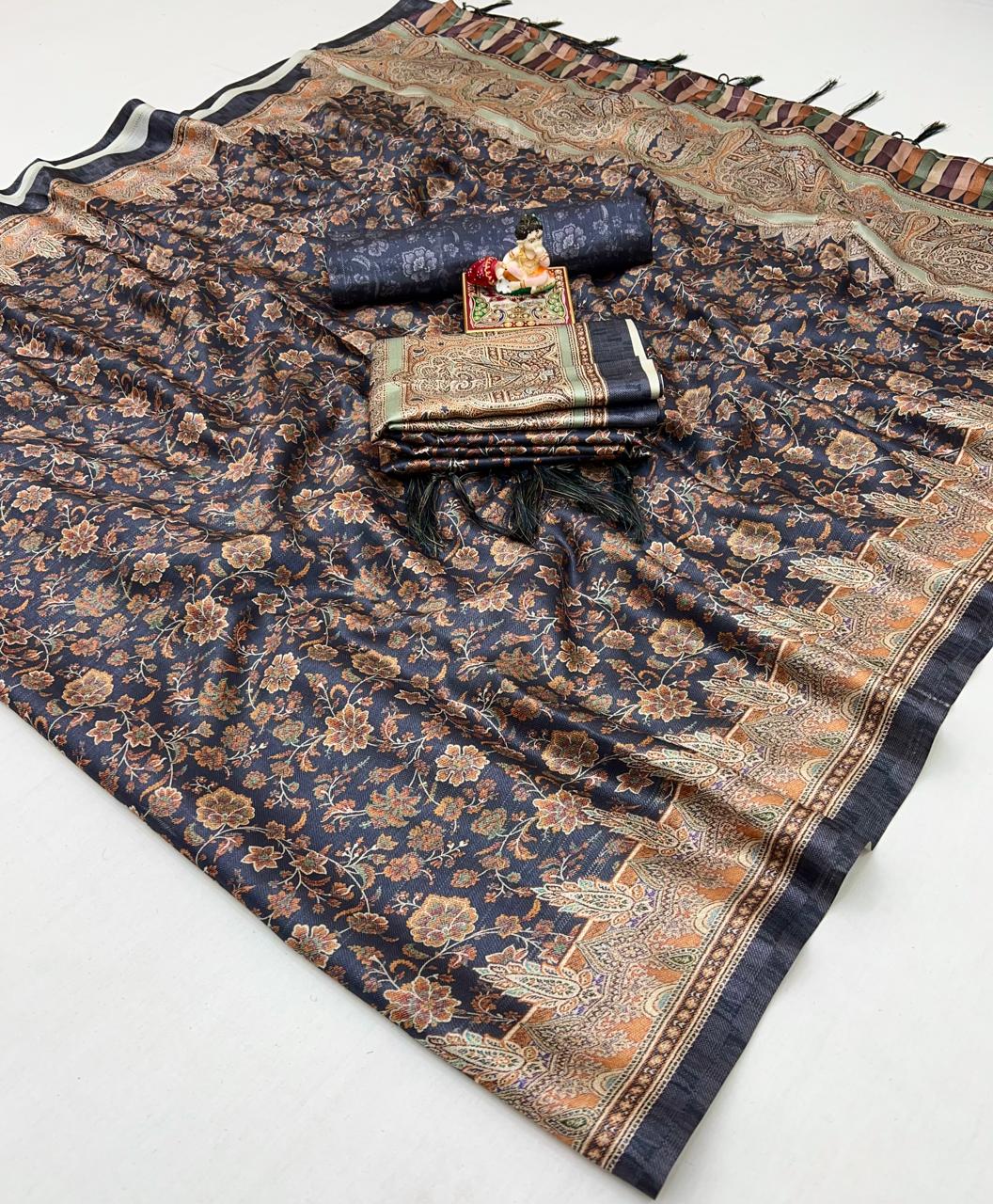
After wearing, air the saree and shawl flat or on a broad hanger away from direct sunlight for several hours. Fold the pieces along soft, wide sections rather than compressing a decorated border into a sharp crease. Store the textile in breathable cotton or muslin, refolding it every few months to reduce permanent fold marks.
Professional dry cleaning is the safer choice when the care label specifies dry cleaning, when the saree has zari, or when the textile has a large border with colour contrast. Test no home stain-removal solution on the visible area without first checking an inconspicuous section. Perfume and hair products should be applied before draping because alcohol and oils can mark delicate fibres.
A well-chosen outfit therefore does more than resemble a winter look. It respects the difference between a pheran and a saree, uses the shawl as a functional layer, and matches colour, fabric and care requirements to the event. That combination makes Kashmiri-inspired ethnic fashion both graceful and genuinely wearable.
Practical Questions About Kashmiri Pherans, Sarees and Shawls
What is the traditional dress of Kashmiri women?
The pheran is the best-known traditional garment worn by Kashmiri women. It is a loose, long tunic designed to accommodate layers, and it is often styled with a shawl, regional embroidery or traditional accessories.
Can a saree be styled as Kashmiri traditional dress?
A saree is not a pheran, but a saree can be styled with Kashmiri-inspired elements such as a Pashmina-style shawl, winter-friendly colours, floral motifs and understated jewellery. Describing the outfit as Kashmiri-inspired saree wear keeps the garment distinction accurate.
Which saree is suitable for a winter traditional wedding?
A Pashmina-style saree with a coordinated shawl and a long-sleeved blouse is suitable for a cool traditional wedding. A Banarasi silk saree or Kanjeevaram may be preferable when the wedding has a specific regional dress code.
Where can I buy ready-to-wear sarees online in India?
Online saree stores commonly offer sarees with blouse pieces, matching shawls or pre-stitched formats, but buyers should verify measurements and included components before ordering. A saree with a blouse piece is not necessarily ready-to-wear because the blouse may still require stitching.
What are some trending traditional sarees for women?
Pashmina-style sarees with shawls, Banarasi silk sarees, Kanjeevaram sarees, Chanderi sarees and floral linen-cotton sarees remain useful choices for different traditional occasions. The most suitable option depends on the event, climate, fabric preference and required level of embellishment.
How should a Pashmina saree and shawl be stored?
Air the pieces after wearing, avoid direct sunlight and store them folded in breathable cotton or muslin. Follow the care label, avoid wringing or bleaching, and use professional dry cleaning when the textile includes zari or the label recommends it.