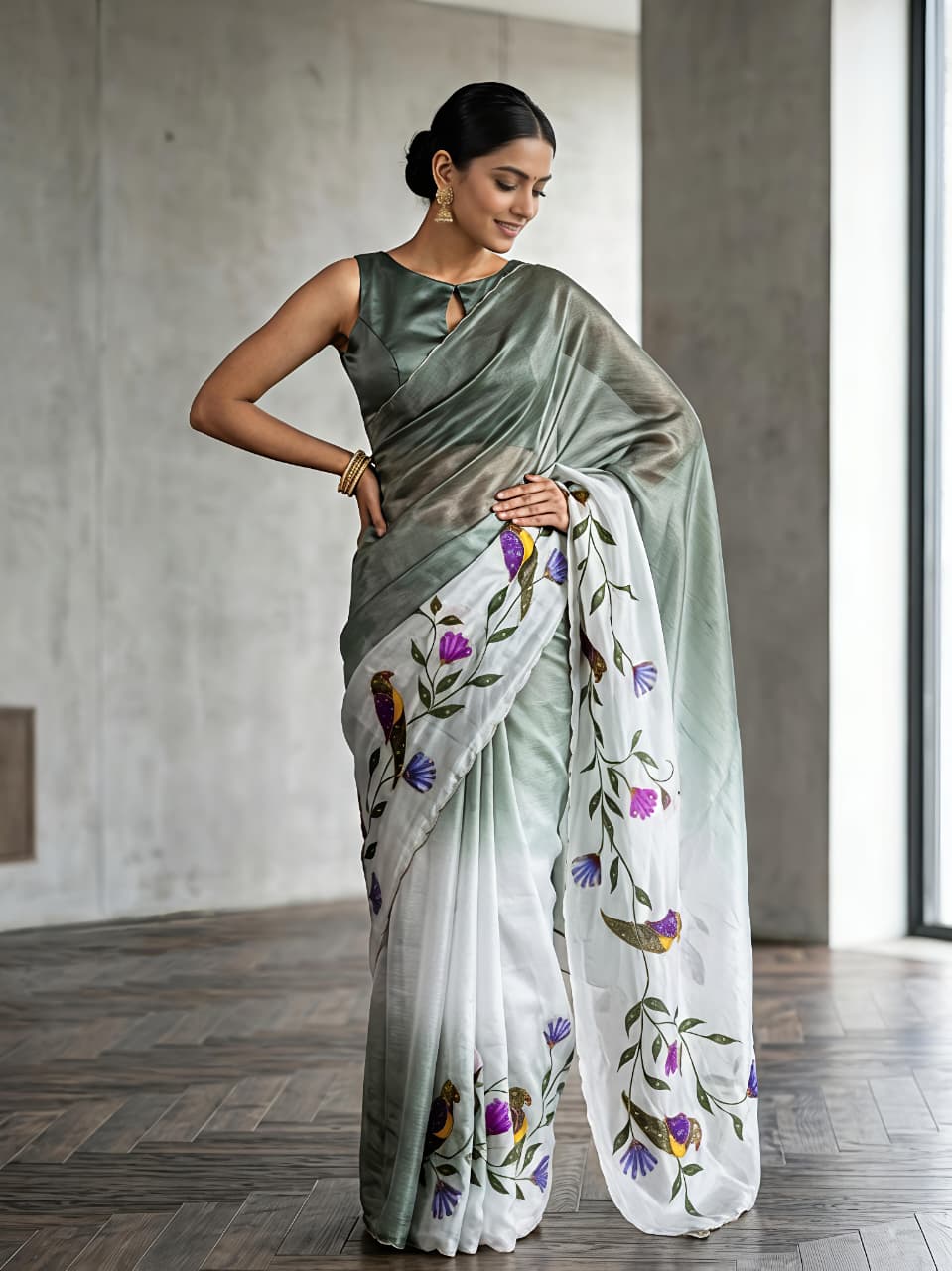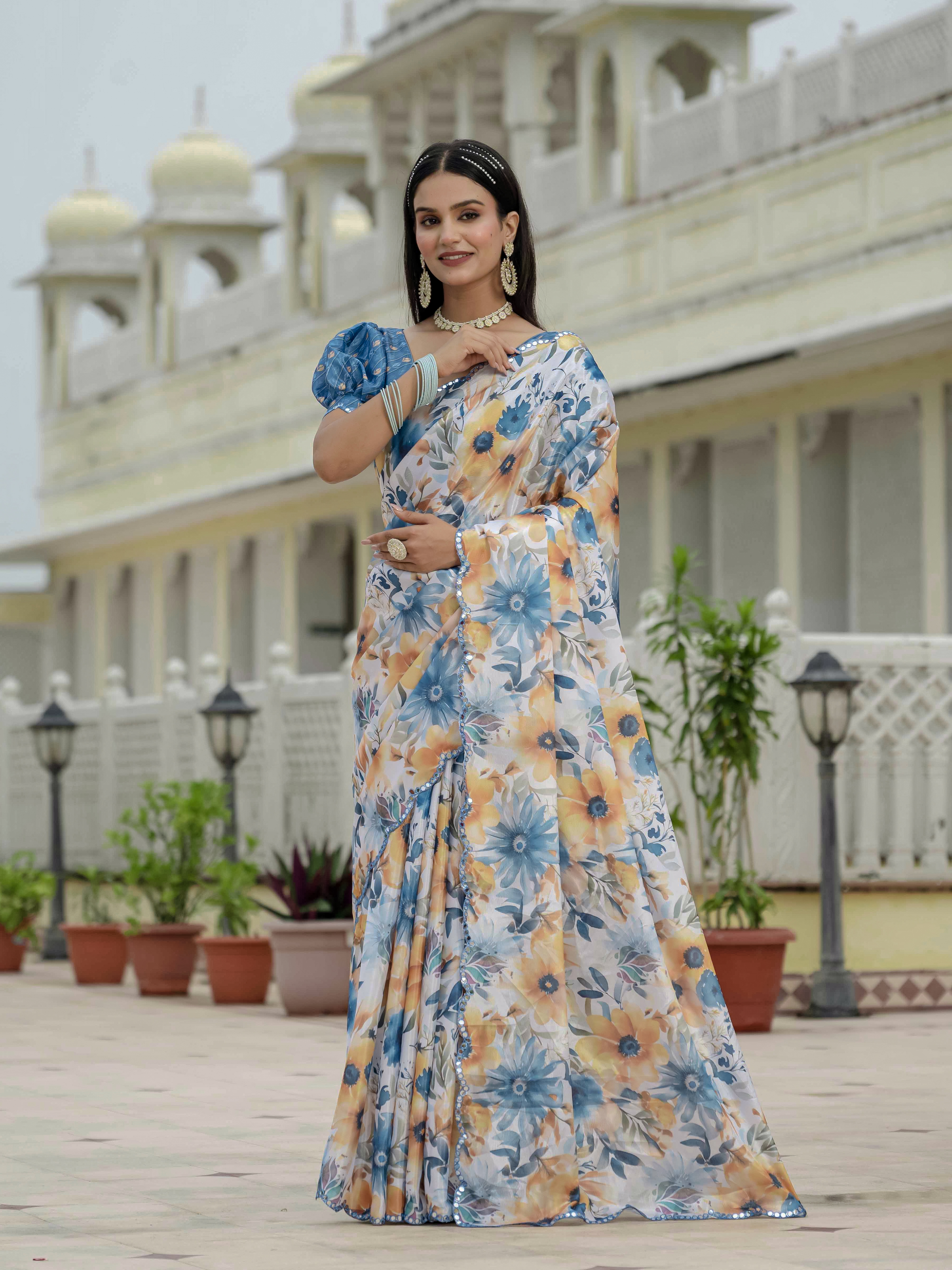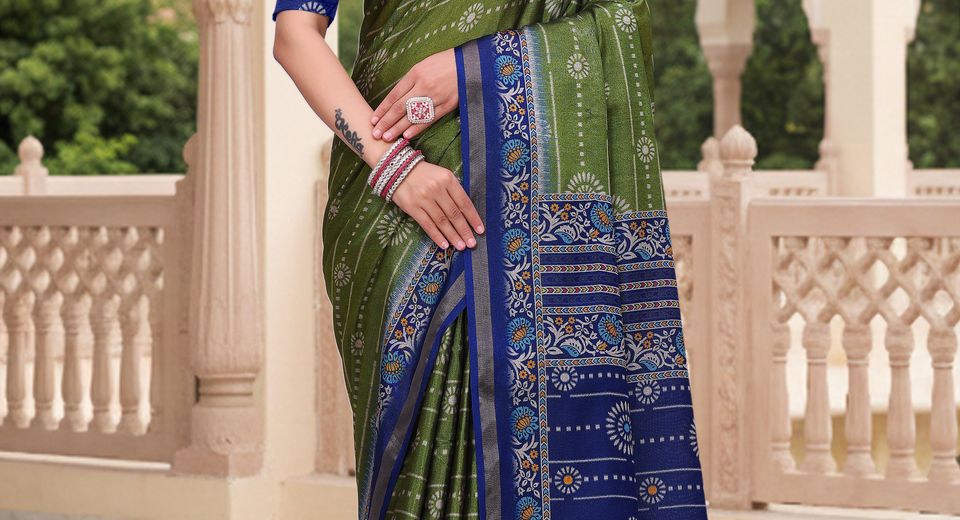
A Kashmir Festival Fashion Calendar: Traditional Outfits for Women needs to account for cultural meaning and Kashmir's sharply changing weather. A winter Herath gathering may call for a wool pheran, pashmina and covered footwear, while a spring Navreh visit can accommodate lighter cotton, bright embroidery and a more fluid silhouette. The most useful wardrobe plan follows the festival, month, temperature and community rather than treating every celebration as a formal-wear event.
Kashmir has no single festival uniform. Kashmiri Muslim, Kashmiri Pandit, Sikh and Buddhist communities bring different customs, colours and heirloom details to their celebrations. A pheran, embroidered shawl, salwar suit, saree or modest layered dress can all work when the fabric, drape and styling respect the setting. The calendar below gives practical choices without reducing Kashmir's varied traditions to one costume.
Kashmir Festival Fashion Calendar: Traditional Outfits for Women and seasonal planning
The Kashmir Festival Fashion Calendar works best when it begins with temperature: wool and pashmina for December to February, breathable layers for March to May, light cotton and linen for June to August, and silk-cotton blends for the cooler autumn months. Festival timing changes from year to year because many Kashmiri celebrations follow lunar or regional calendars, so check the date and local weather before finalising an outfit.
Winter in Srinagar can find damp and cold, especially in the morning and after sunset, even when an indoor celebration is heated. Spring brings sun during the day but cool air in the evening. Summer rewards breathable weaves, while autumn allows richer colours and thin-weight textiles. A practical outfit therefore has three parts: a comfortable base layer, a culturally appropriate main garment and a removable outer layer.
Kashmir Festival Fashion Calendar: Traditional Outfits for Women and core garments
The pheran should anchor a cold-weather Kashmiri wardrobe because its loose cut accommodates warmth, movement and layered clothing. A wool pheran with sozni, tilla or ari embroidery is suitable for winter festivities, while cotton pherans are more comfortable in spring and early autumn. A salwar or churidar underneath keeps the silhouette practical, and a shawl adds warmth without restricting the sleeves.
Kashmiri Pandit women may wear a taranga headpiece for important religious occasions, especially in traditional family settings. Married Kashmiri Pandit women may also wear dejhoor earrings, which carry cultural and marital significance and should not be treated as generic costume jewellery. Kashmiri Muslim women may choose a headscarf or dupatta according to family, religious and personal practice. These details vary widely, so respectful dressing means observing the host community rather than copying a formal element out of context.
Kashmir Festival Fashion Calendar: Traditional Outfits for Women in winter
December to February calls for insulated layers, full sleeves and fabrics that remain comfortable during long indoor and outdoor gatherings. A wool pheran over a salwar-kameez is the most practical traditional combination for a cold Kashmiri festival, while a pashmina shawl provides a lighter layer for sitting indoors or travelling between venues.
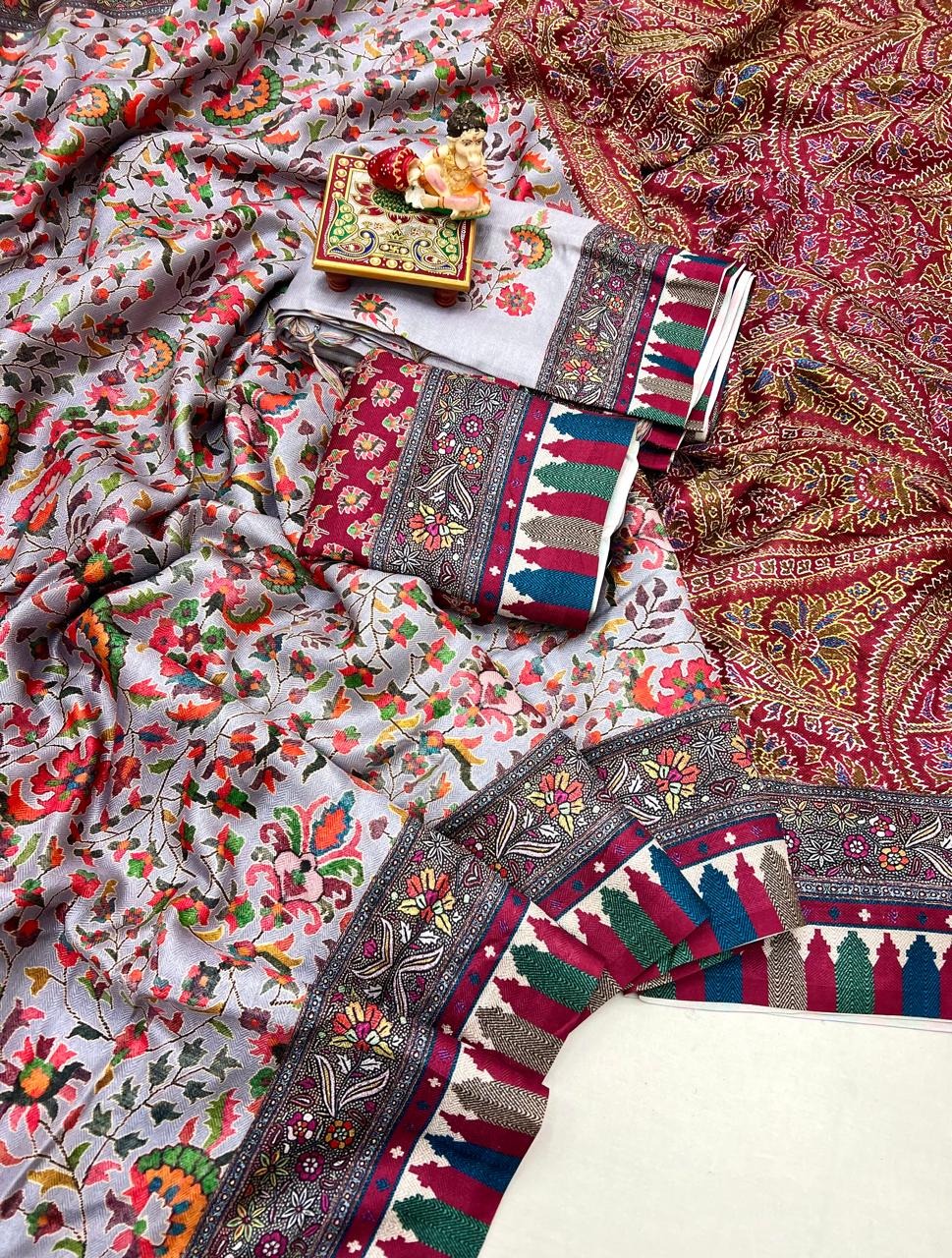
Herath, the Kashmiri Pandit celebration of Maha Shivratri, often falls in February or March depending on the lunar calendar. Women attending family prayers may choose a pheran, salwar suit or saree with a warm shawl, using maroon, saffron, deep green, cream and rust as seasonally appropriate colours. A saree can work well indoors when the pallu is secured at the shoulder and the blouse has full or three-quarter sleeves.
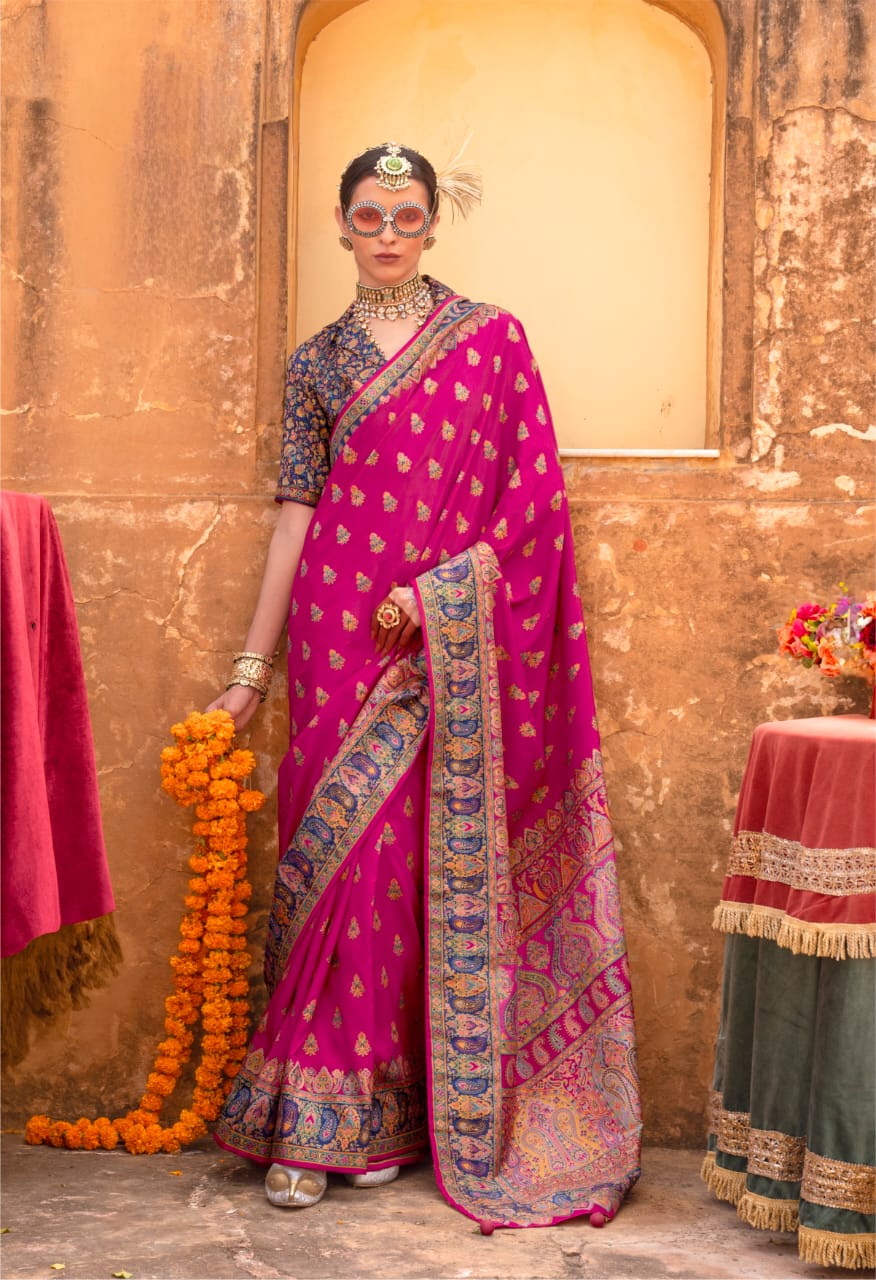
Kashmiri Style Pashmina Saree With Shawl Set demonstrates why coordinated draping can be useful for winter celebrations. The matching shawl-style layer can remain over the shoulders during travel and be removed indoors. A saree in pashmina or a pashmina blend needs careful handling: avoid sharp jewellery that can catch the fibres, fold the garment rather than hanging it for long periods, and follow the care label before cleaning.
For a less formal winter gathering, Maroon Mal Cotton Ethnic Saree With Blouse from VARNAVI offers a deep seasonal colour while remaining lighter than heavy wool. Mal cotton isn't a substitute for thermal clothing, so wear a thin inner layer and opaque leggings or a petticoat underneath when temperatures are low. Comfortable closed shoes are safer than delicate sandals on wet or uneven paths.
Kashmir Festival Fashion Calendar: Traditional Outfits for Women in spring
March to May suits breathable cotton, silk-cotton blends and removable shawls because afternoons become warmer while mornings can remain cool. Navreh, the Kashmiri New Year celebrated by Kashmiri Pandits, is a good setting for fresh colours, neat traditional silhouettes and family heirloom jewellery without excessive embellishment.
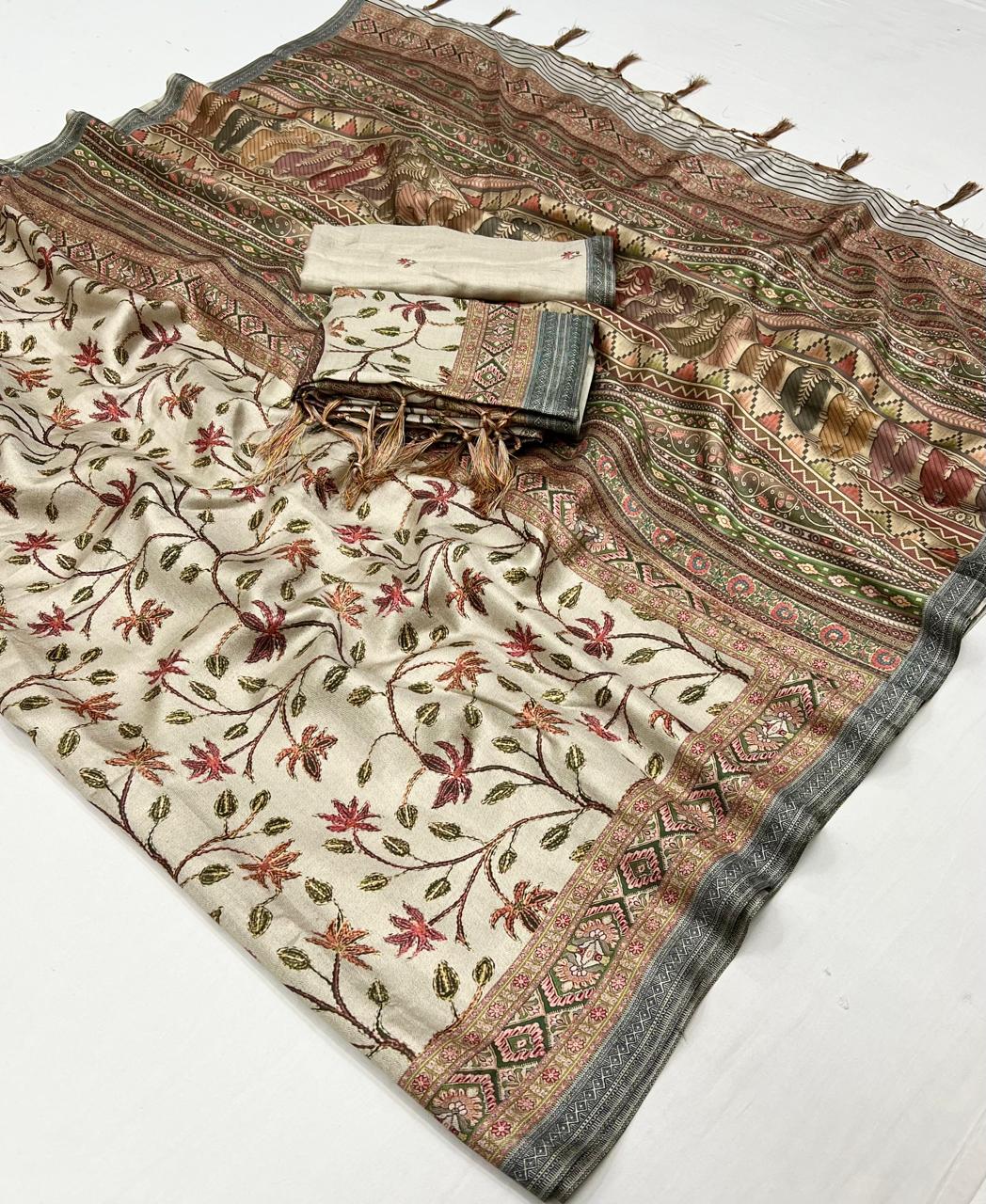
Women attending Navreh can wear a cotton saree, salwar suit or a spring-weight pheran in saffron, leaf green, coral, turquoise or ivory. A modest blouse with a suitable neckline for the venue and a lightweight dupatta makes movement easier during prayers and visits. Kashmiri embroidery details such as delicate sozni-inspired motifs can be echoed through a small embroidered potli or shawl rather than covering the entire outfit in ornament.
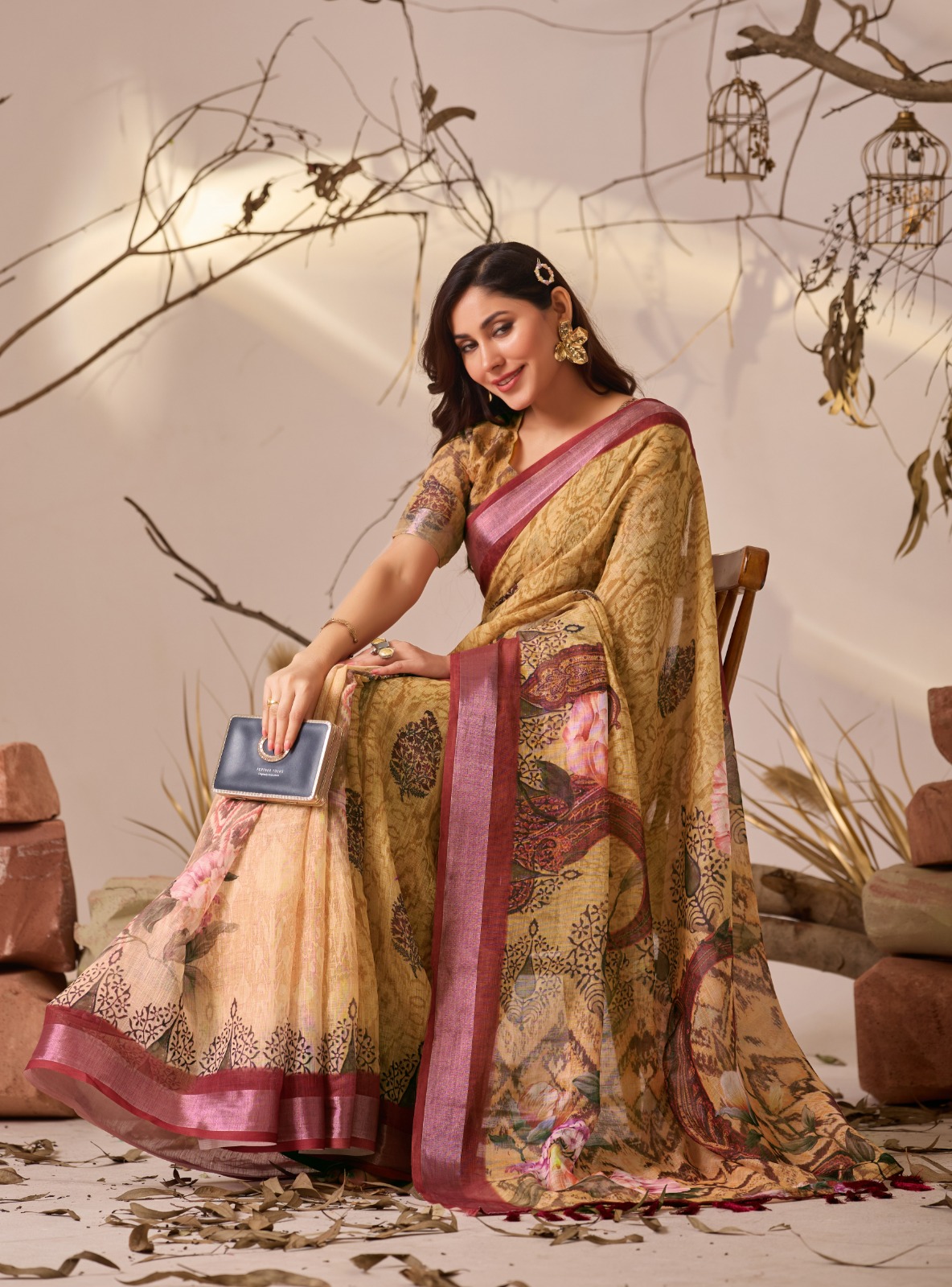
The Kashmir Tulip Festival generally takes place in spring at Indira Gandhi Memorial Tulip Garden in Srinagar, although exact dates depend on the bloom. Visitors walk outdoors for several hours, so a cotton saree with a secure pallu, a salwar suit or a long kurta with trousers is more practical than a heavily trailing lehenga. Teal Floral Printed Linen Cotton Saree With Matching Blouse gives a useful example of a structured but breathable spring saree. Linen cotton creases naturally, so a relaxed finish is more practical than constant pressing during a day outdoors.
Colorful Ethnic Chinon Saree for Women can suit an indoor spring celebration when the event calls for a softer, dressier drape. Chinon is light and fluid, which makes it comfortable in mild weather but potentially slippery at the shoulder. Pin the pleats and pallu discreetly, and choose a blouse with enough structure to support the drape through several hours of conversation and movement.
Kashmir Festival Fashion Calendar: Traditional Outfits for Women in summer
June to August favours cotton, linen and lightweight silk because Kashmir's summer days can be warm, while festival dressing still benefits from a polished silhouette. Eid outfits may include a salwar-kameez, anarkali, sharara or saree, depending on family tradition and the scale of the gathering. A light dupatta is useful for modest coverage and cooler evenings.
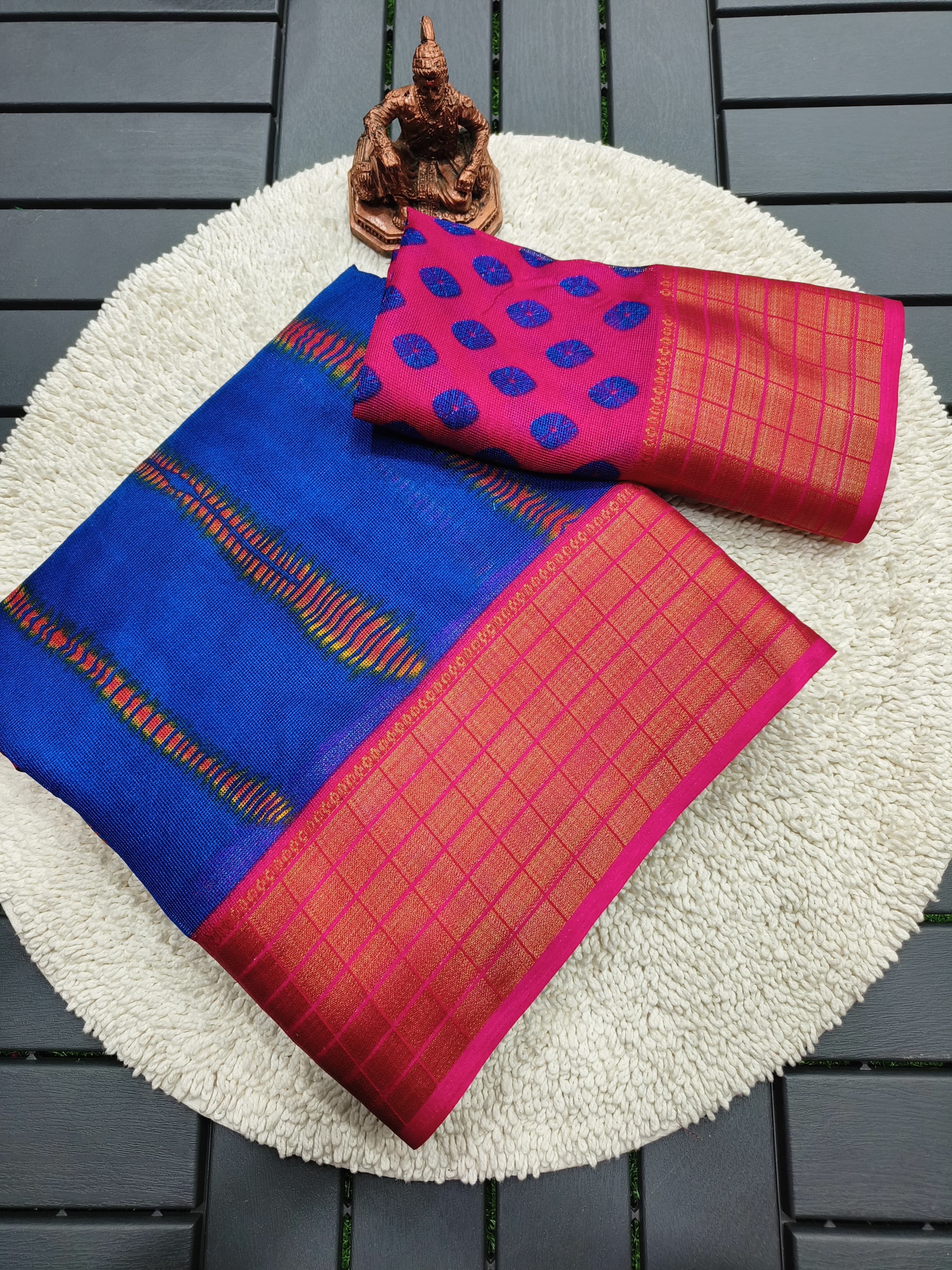
For Eid namaz or a family visit, choose clothing that allows easy movement and doesn't need constant adjustment. A long kurta with straight trousers, a lightly flared salwar suit or a full-length anarkali can be paired with flat juttis. Pastel pink, powder blue, pistachio and white suit summer daytime events, while jewel tones work well for evening celebrations. Avoid thick velvet, heavy synthetic lining and dense metal embellishment when the weather is cooler.
Teal Floral Printed Linen Cotton Saree With Matching Blouse also works for a summer lunch because linen cotton allows more airflow than heavily coated polyester. Blue Linen Cotton Floral Printed Saree With Contrast Border brings another practical direction: a contrasting border gives visual definition without requiring dense zari or a heavily embroidered blouse. Keep accessories light with silver-toned earrings, a small bindi when appropriate to personal practice and a compact clutch.
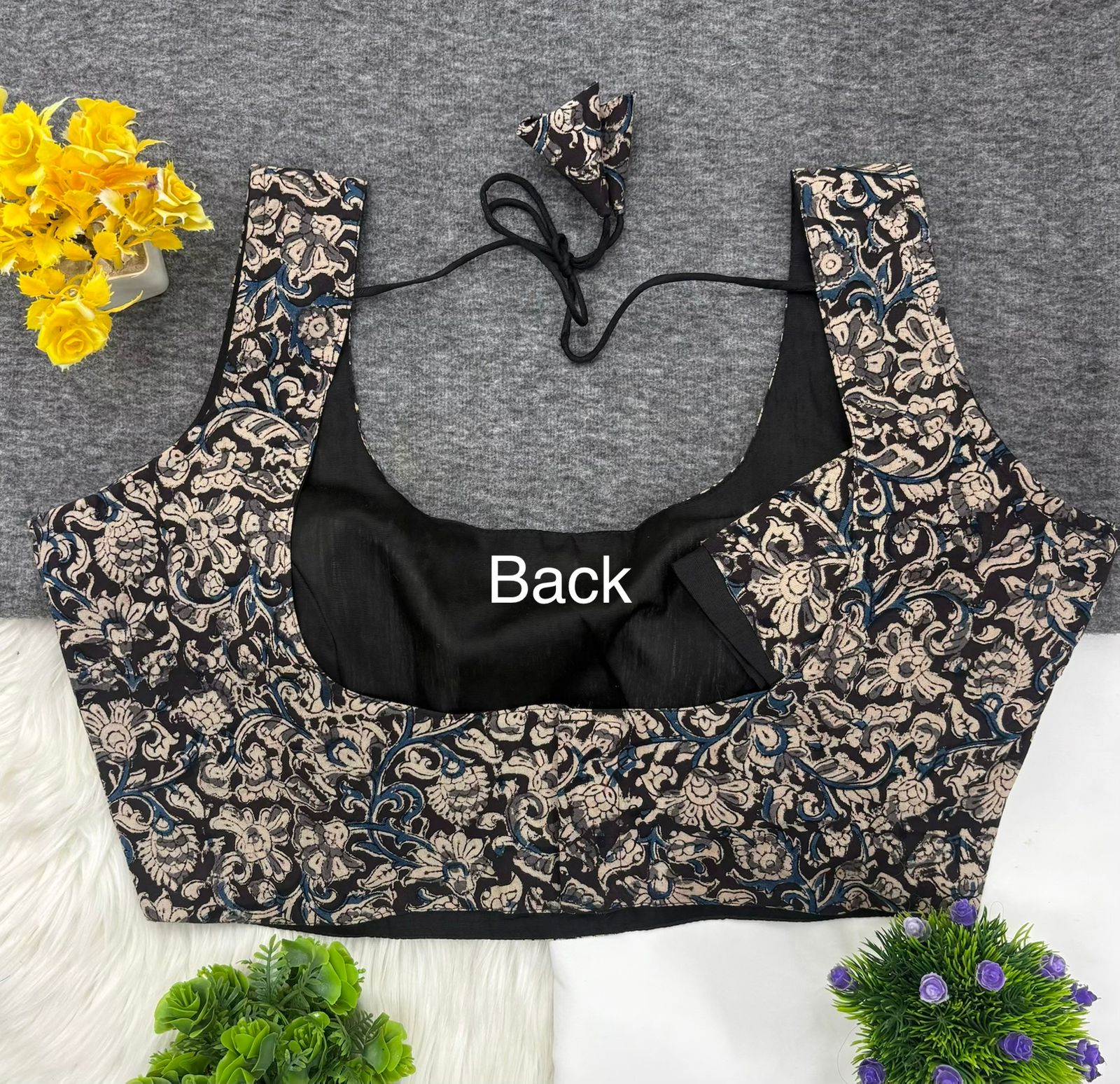
Summer weddings may invite more ornament, but Kashmiri hospitality often involves sitting on carpets, moving between rooms and spending time outdoors. Tussar Silk Kalamkari Printed Saree with Blouse brings texture and pattern without relying on sequins. Tussar silk can feel warmer than cotton, so reserve it for evening functions or airier venues and wear a breathable lining beneath the blouse.
Kashmir Festival Fashion Calendar: Traditional Outfits for Women in autumn
September to November is ideal for medium-weight silk, cotton, Chanderi and carefully layered sarees because the air becomes cooler without the severity of midwinter. Autumn colours such as rust, plum, mustard, forest green and copper complement Kashmir's changing landscape and work well for family dinners, cultural programmes and wedding events.
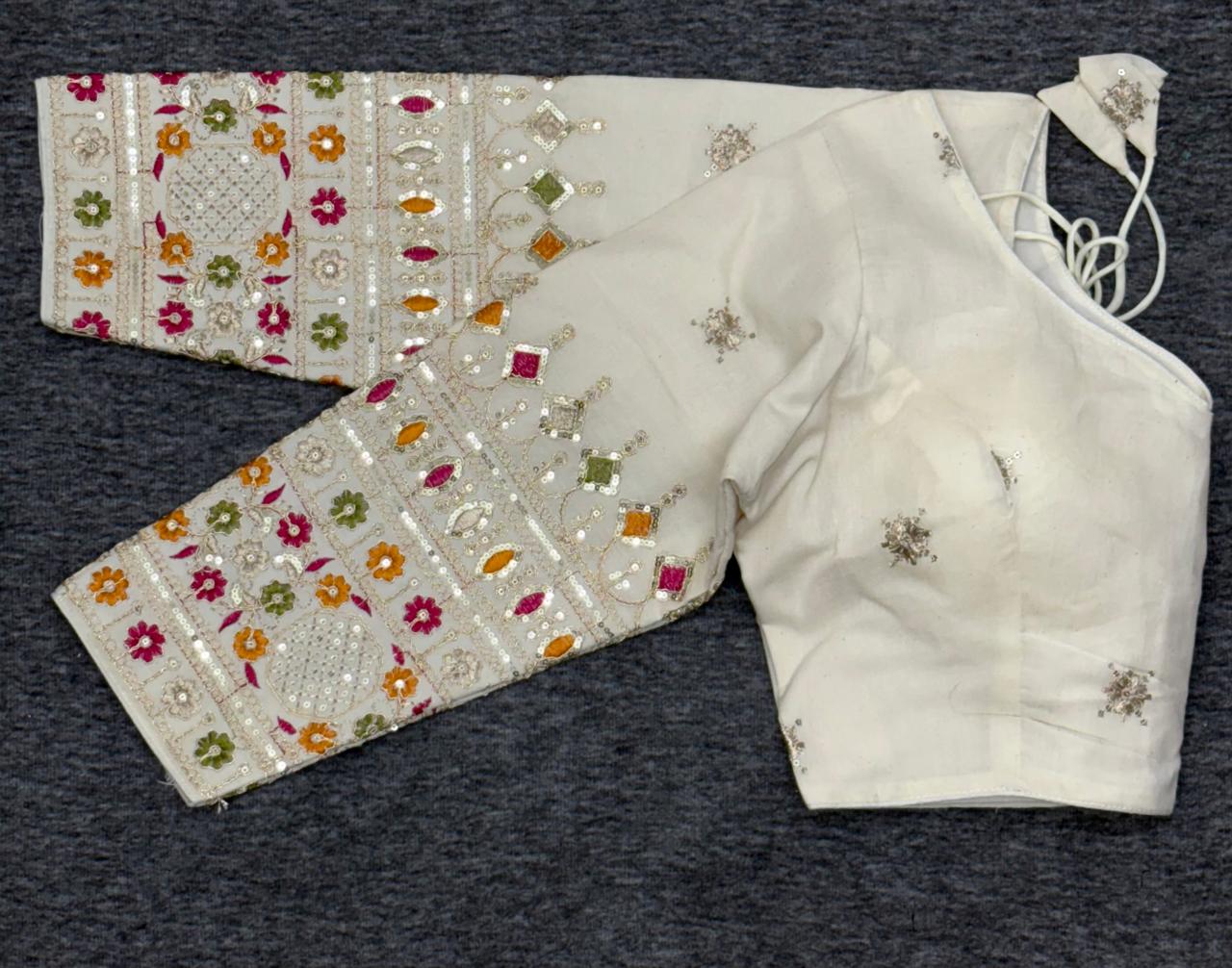
Printed Mal Cotton Saree With Designer Pallu by VARNAVI shows how a statement pallu can create a festive effect while the main fabric remains relatively easy to wear. Pair a printed saree with a plain blouse in a colour taken from the border, then add a medium-weight shawl after sunset. A designer pallu should remain visible, so avoid covering the entire shoulder with a bulky outer layer.
Chanderi is a useful autumn choice for daytime events because the fabric is lightweight but has enough body to hold pleats. Banarasi silk and zari suit evening celebrations when the venue is formal, although both can become warm under layers. Kanjeevaram is a highly formal silk choice with a strong woven border and is better reserved for weddings, milestone ceremonies or indoor religious events than for long outdoor walks.
Autumn is also a good time to wear Cream Ikat Cotton Padded Blouse Sleeveless Trendy beneath a saree when the venue is modern and the temperature is mild. A sleeveless blouse may not suit every religious or family setting, so carry a matching shawl or cropped jacket. Ikat patterns pair particularly well with plain sarees, woven borders and understated silver jewellery.
Kashmir Festival Fashion Calendar: Traditional Outfits for Women and respectful styling
Respectful Kashmiri festival dressing begins with asking the host or organiser about expected modesty, head covering and ceremonial customs. A community celebration, temple visit, mosque gathering, wedding reception and public festival can each have different expectations. When uncertain, choose covered shoulders, a practical hemline, a non-transparent fabric and a shawl that can provide additional coverage.
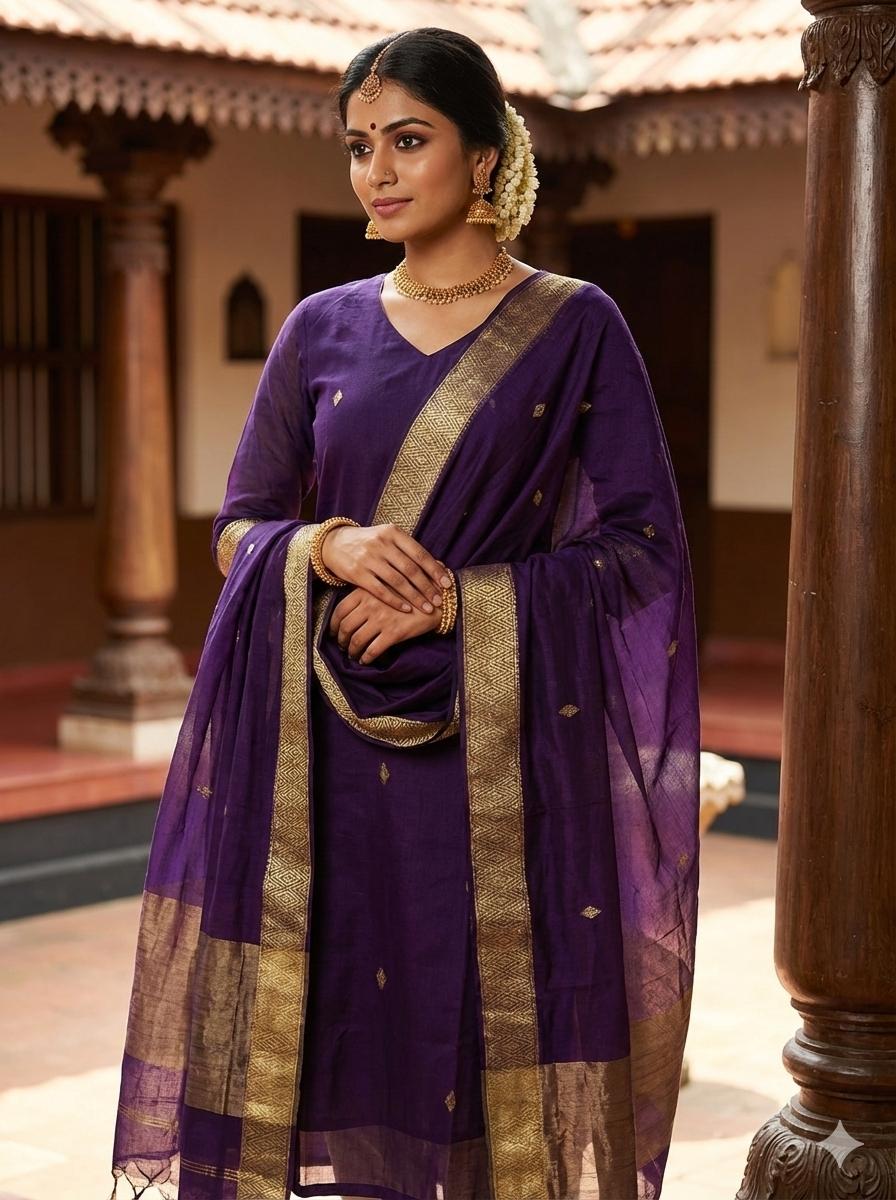
Accessories should support the outfit rather than turn cultural symbols into decoration without context. Pashmina, embroidered shawls, silver earrings, jhumkas, simple bangles and embroidered potlis can complement traditional clothing. Dejhoor belongs to Kashmiri Pandit cultural practice, while a headscarf may carry religious meaning for a Kashmiri Muslim woman; neither should be added casually as a costume detail.
Footwear matters as much as fabric in Kashmir. Choose flat juttis, low block heels or cushioned closed shoes for gardens, courtyards and carpeted homes. A three-metre saree drape, wide palazzo trousers or a heavily flared sharara can catch on steps and wet ground, so secure the hem and practise walking before an outdoor event.
Kashmir Festival Fashion Calendar: Traditional Outfits for Women and garment care
Seasonal garment care protects festive textiles from Kashmir's moisture, dust and repeated folding. Air a saree or shawl in shade after wearing it, remove surface dust with a soft brush, and never store a damp garment in plastic. Fold silk, pashmina and zari with acid-free tissue or clean muslin between folds to reduce creasing and colour transfer.
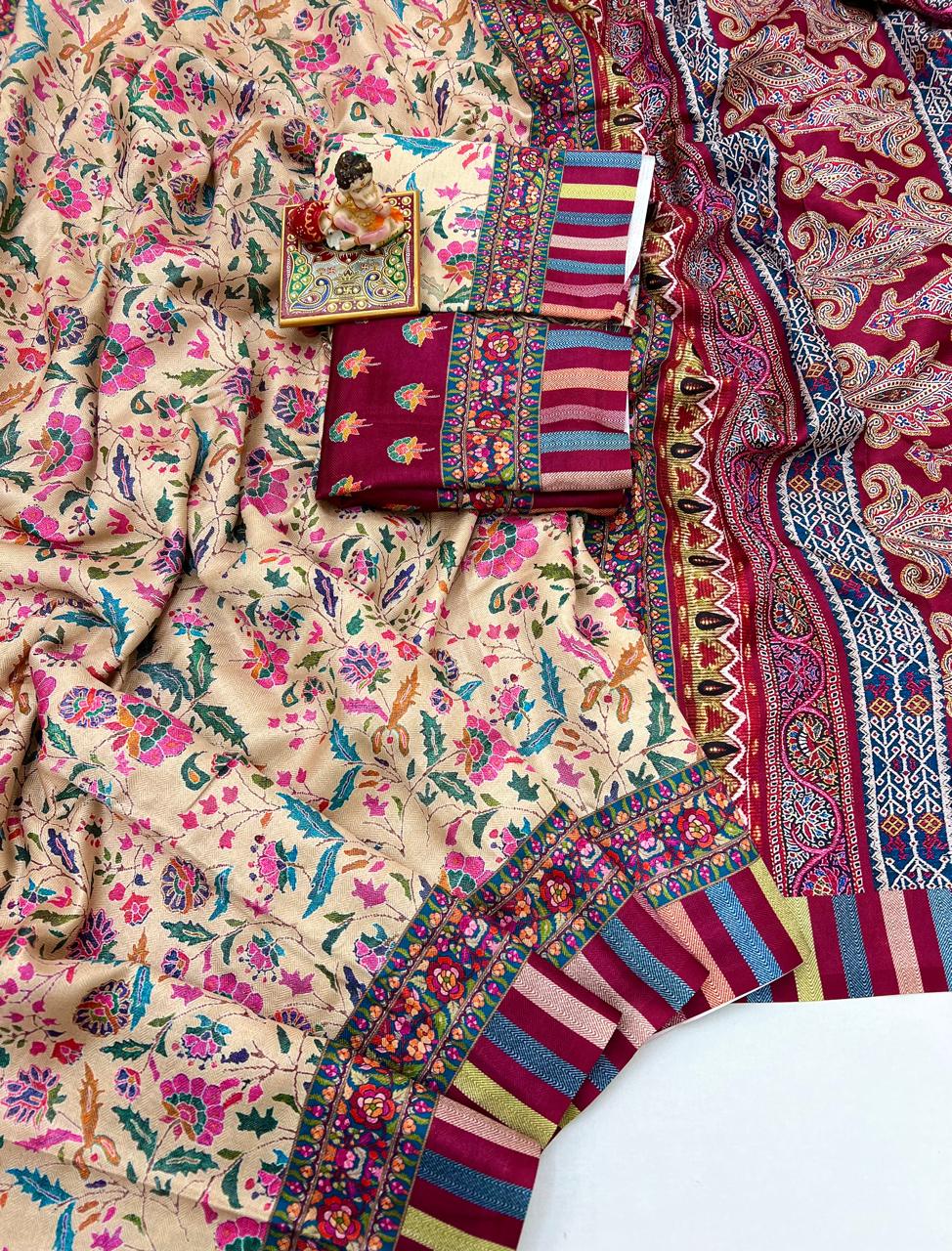
Banarasi silk, Kanjeevaram, pashmina and zari garments generally benefit from professional dry cleaning rather than repeated home washing. Cotton and linen may be washable, but shrinkage and colour bleeding depend on the dye and finish. Test a hidden seam only when the care label permits it, use cold water, avoid wringing and dry garments away from direct sunlight.
Store shawls and sarees in a breathable cotton cover with cedar blocks or neem leaves nearby, without allowing strong oils or fragrances to touch the textile. Refold stored garments every few months so permanent fold lines don't develop. Keep blouses and embellished pieces away from rough jewellery, exposed hooks and damp walls.
A well-planned Kashmir Festival Fashion Calendar: Traditional Outfits for Women doesn't require a new outfit for every event. One warm pheran, one versatile shawl, two breathable sarees, a comfortable salwar suit and adaptable blouse colours can cover most seasonal needs. The strongest choices combine cultural awareness, weather-appropriate fabric, secure draping and enough comfort to let the wearer participate fully in the celebration.
Questions About Kashmir Festival Outfits for Women
What should women wear to a Kashmiri winter festival?
Women should wear a wool pheran, warm salwar-kameez or a full-sleeved saree with a pashmina or wool shawl. Thermal layers, opaque lower garments and closed shoes are useful for cold mornings, damp paths and long outdoor visits.
Is a saree suitable for festivals in Kashmir?
A saree is suitable for many Kashmiri festivals when the fabric and drape match the weather and venue. Choose pashmina, silk or a lined saree for winter, and cotton or linen cotton for spring and summer; secure the pleats and pallu for outdoor movement.
What do women wear for Navreh in Kashmir?
Women commonly choose a saree, salwar suit or spring-weight pheran for Navreh, often in fresh colours such as saffron, green, coral, turquoise or ivory. A lightweight dupatta, modest blouse and understated family jewellery create a festive but practical appearance.
What is suitable clothing for the Kashmir Tulip Festival?
A breathable saree with a secure pallu, salwar suit or long kurta with trousers is suitable for the Kashmir Tulip Festival. Visitors should prioritise flat shoes, a light shawl and fabrics such as cotton or linen because the event involves extended walking outdoors.
How can women dress respectfully for Kashmiri religious celebrations?
Women can dress respectfully by asking hosts about shoulder coverage, head coverings, hemline expectations and community-specific customs. Covered shoulders, non-transparent fabric, a versatile shawl and comfortable modest layers are safe choices when local guidance is unavailable.
How should pashmina and zari festival clothing be stored?
Pashmina and zari clothing should be aired in shade, folded with clean tissue or muslin and stored in a breathable cotton cover. Avoid plastic, direct sunlight, damp cupboards and home washing unless the care label specifically permits it; professional cleaning is safer for delicate silk and zari.