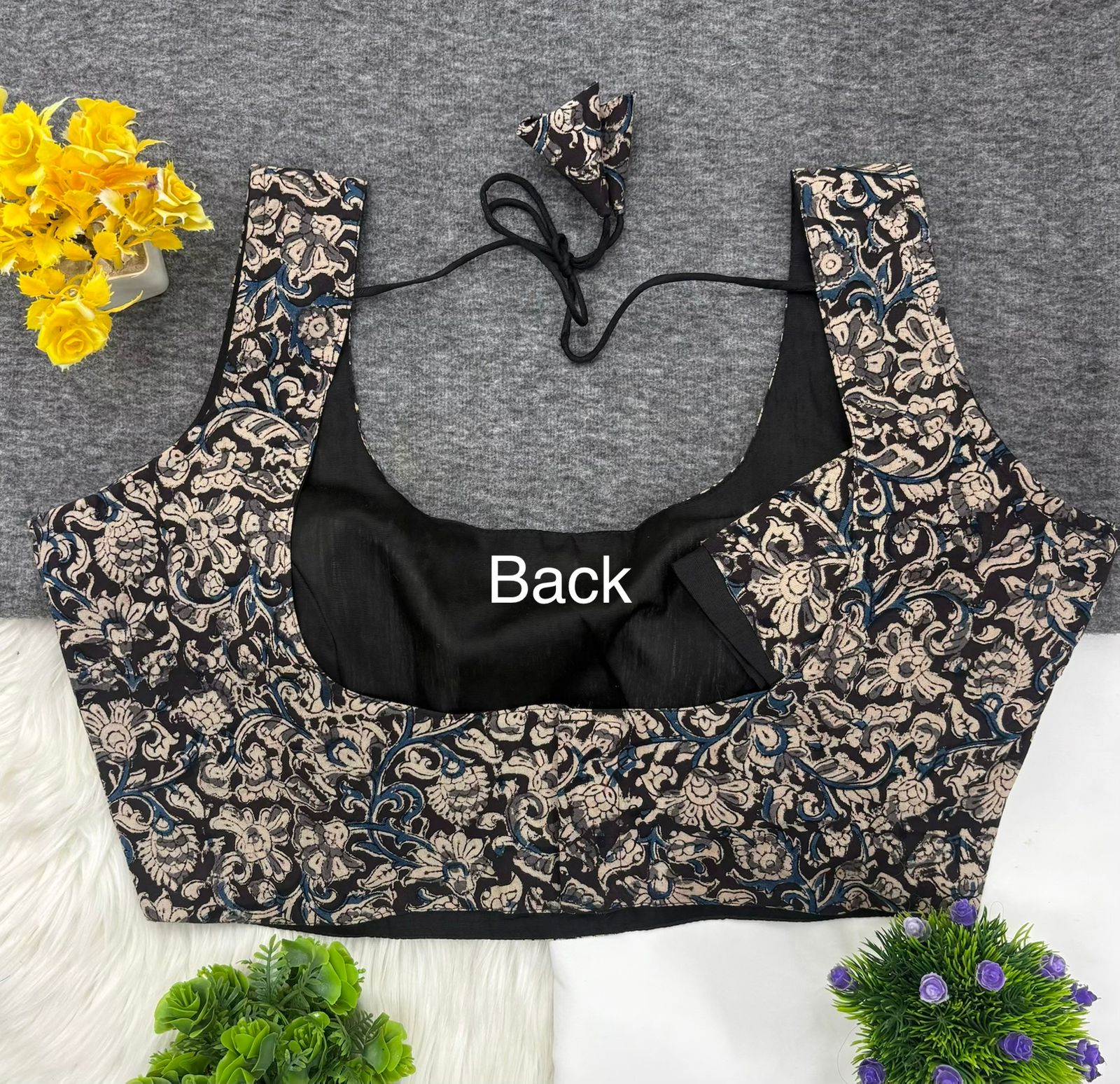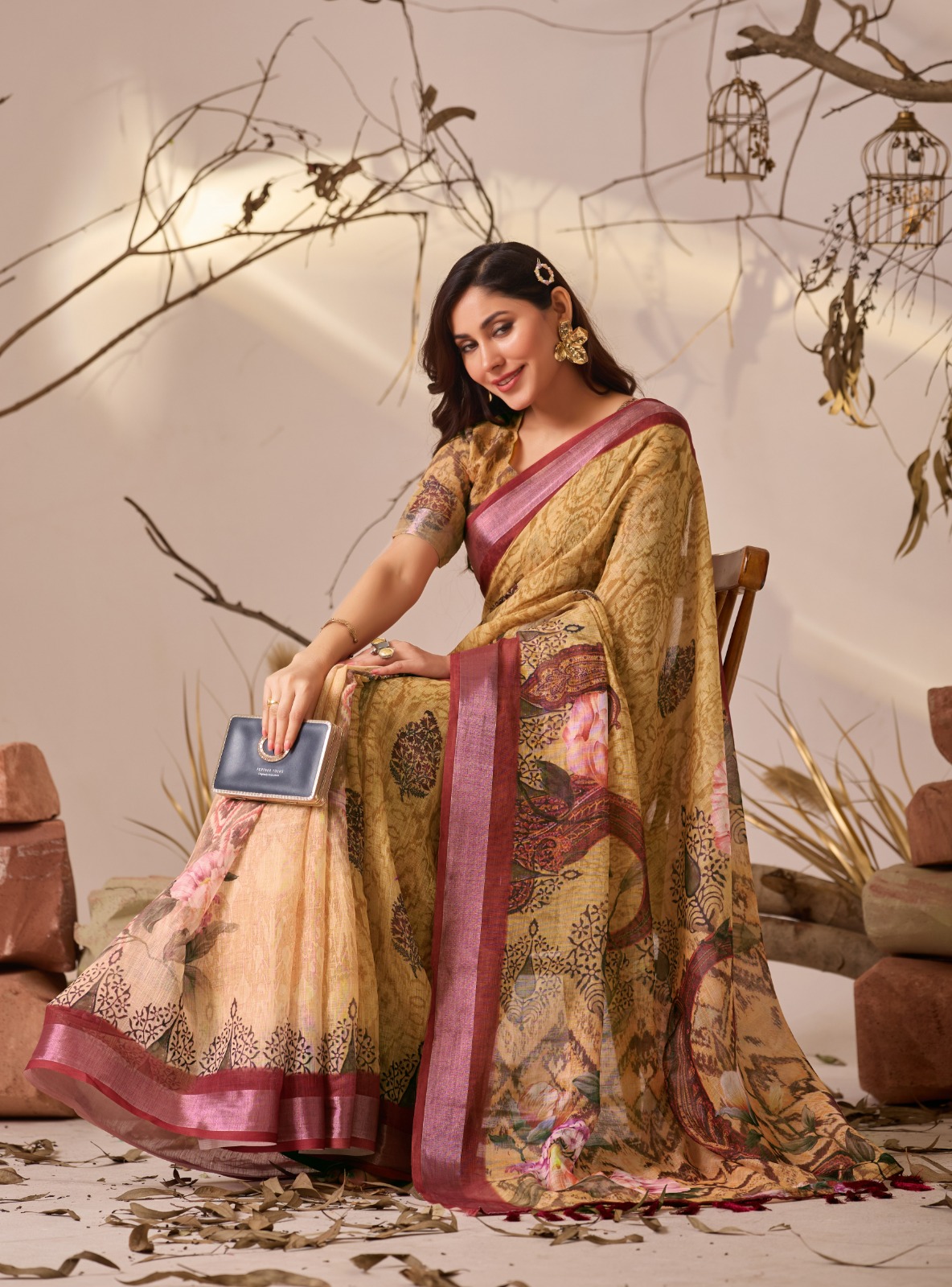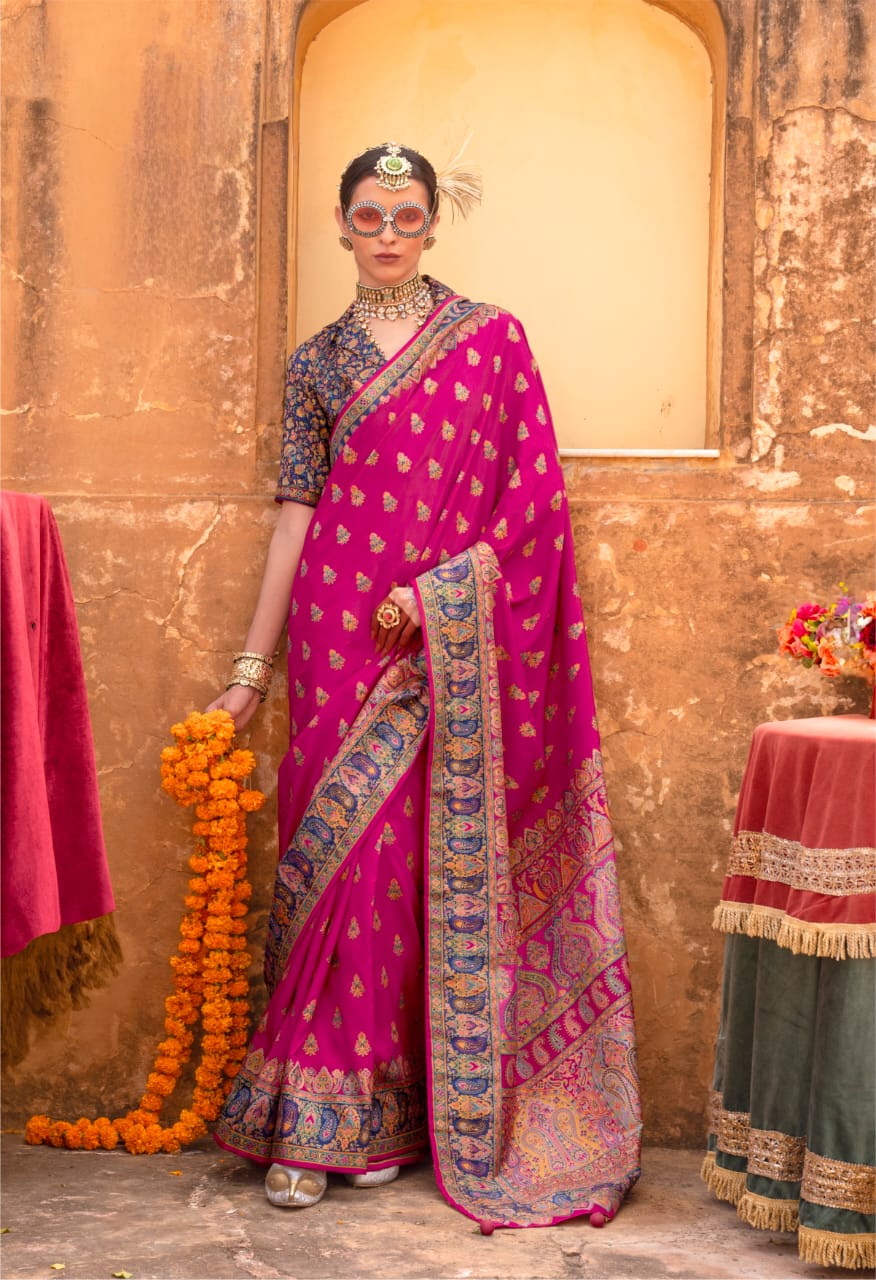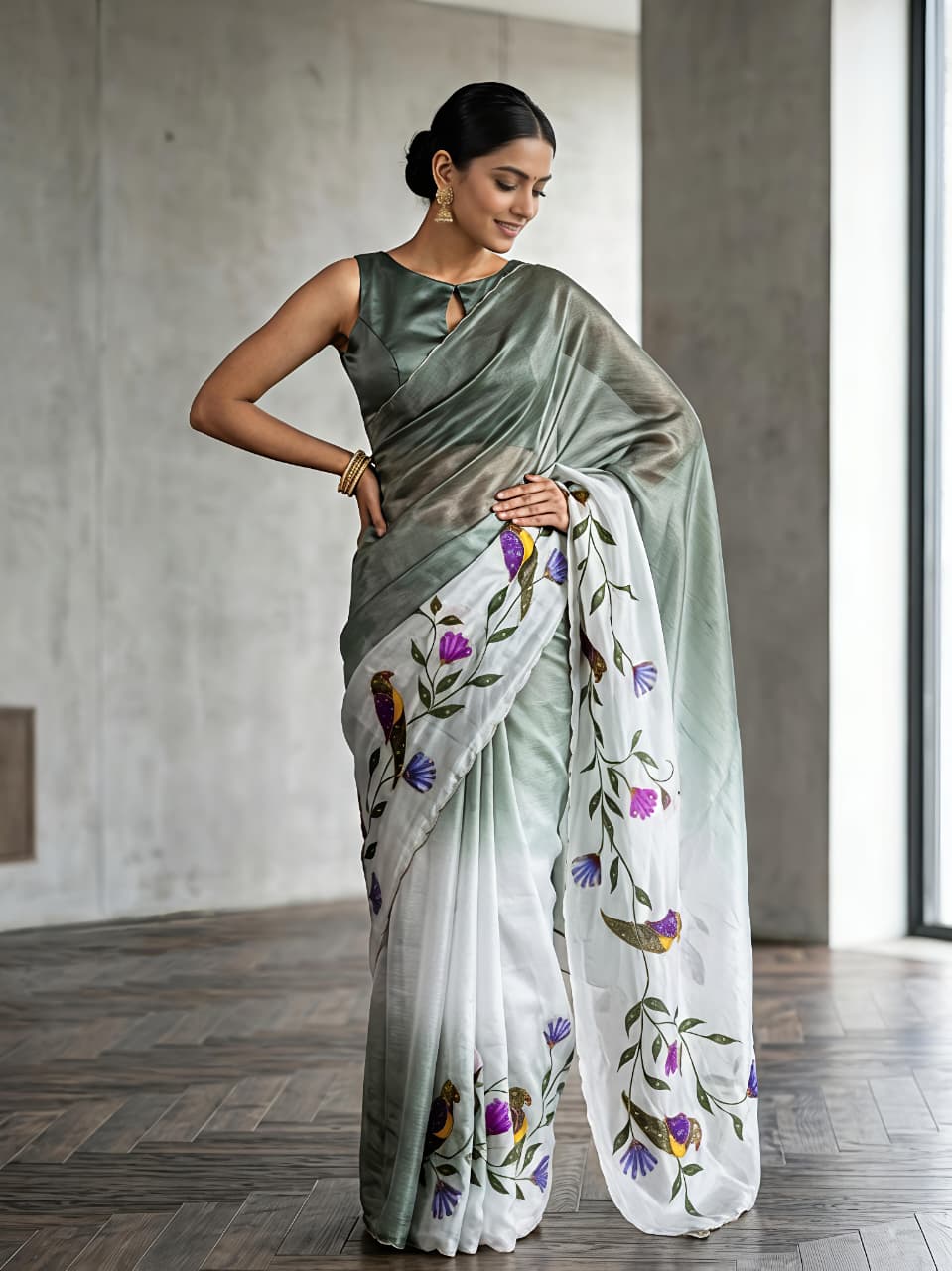
Karwa Chauth in Haryana: Saree, Suit & Lehenga Outfit Ideas should account for the entire day rather than only the evening photographs. A woman may dress for the early-morning sargi, household tasks, prayer, the karwa upcoming, family visits and the moonrise ceremony before changing or removing her jewellery. The most useful outfit therefore combines festive colour and traditional detail with breathable fabric, a secure drape and footwear that can cover several hours of standing.
Haryana families commonly connect Karwa Chauth with marital blessings, the wellbeing and longevity of the husband, and shared rituals among women. Customs differ between districts and households, so a red saree isn't compulsory and a heavily embroidered lehenga isn't automatically more appropriate. A meaningful outfit can include a regional textile, a bindi, glass bangles, sindoor where customary and a dupatta arranged securely for puja.
Karwa Chauth in Haryana: Saree, Suit & Lehenga Outfit Ideas for choosing the right silhouette
The right Karwa Chauth outfit in Haryana should match the day's rituals, family customs, weather and the wearer's need for movement. Begin with the silhouette, then select the fabric, colour and embellishment instead of choosing an ornate set first.
Consider whether you'll sit on the floor for puja, walk outdoors, visit relatives or wear the same outfit from morning until moonrise. These details quickly narrow the choice. A saree suits someone who wants a classic married-woman look and already knows how to manage a pallu. A salwar suit is practical when comfort, modest movement and easy bathroom access matter most. A lehenga works well for a larger gathering, coordinated family photographs or a preference for a festive skirt with a lighter dupatta.
- Saree: Choose a saree for a formal, heritage appearance and a silhouette that can be adjusted with a well-pinned pallu.
- Salwar suit: Choose a salwar suit for sitting, walking and household movement with fewer adjustments.
- Lehenga: Choose a lehenga when you want a celebratory skirt, a defined waist and a more social-event-oriented look.
Take measurements while wearing the blouse, camisole or inner layer planned for the day. A lehenga waistband should sit securely without pressing into the stomach, while a salwar suit should allow a full seated position. A saree blouse needs sufficient arm and shoulder room for lifting the thali comfortably.
Karwa Chauth in Haryana: Saree, Suit & Lehenga Outfit Ideas using time-honoured sarees
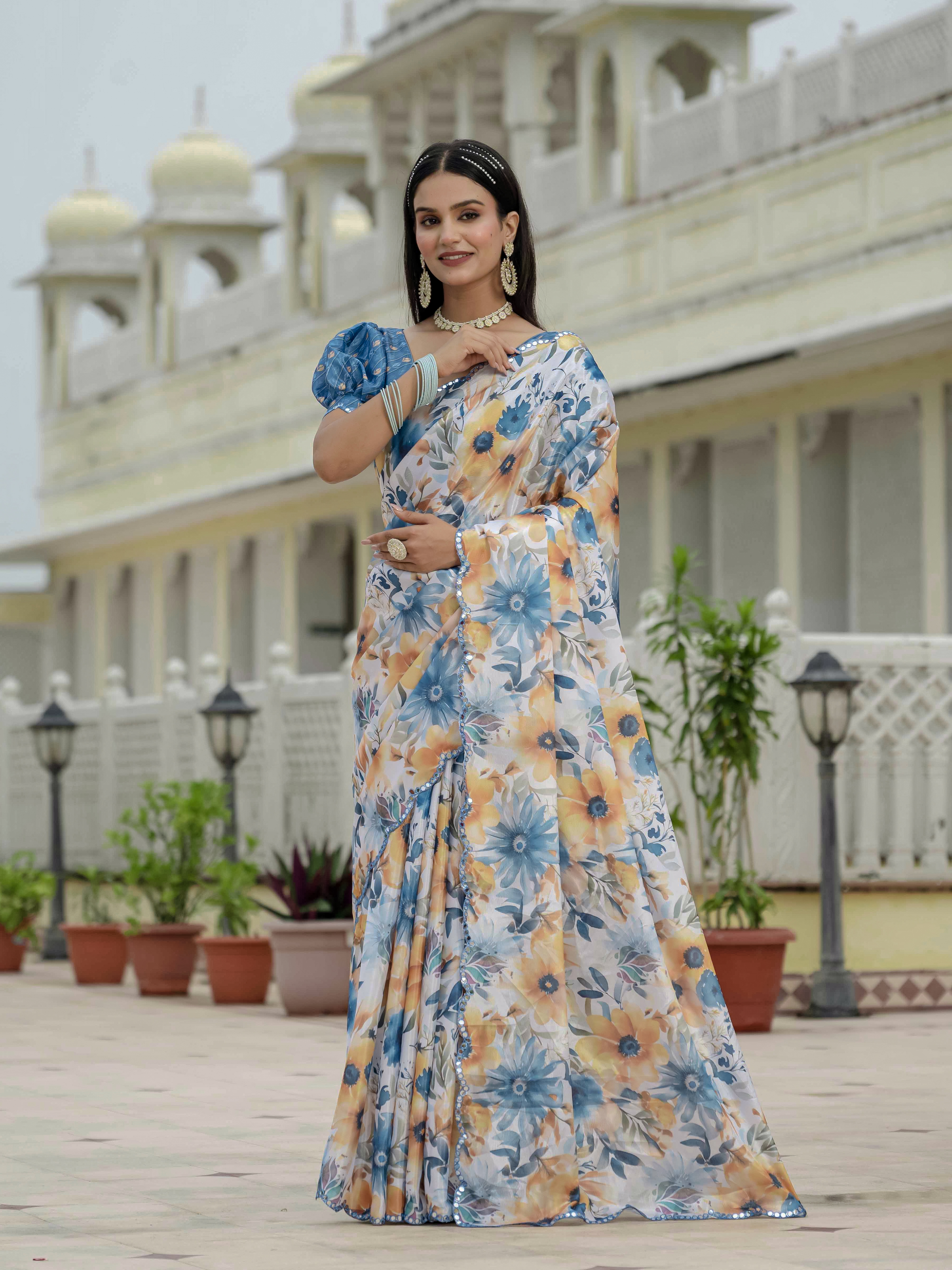
Banarasi silk, Kanjeevaram, Chanderi, georgette and lightweight brocade sarees work well for Karwa Chauth when their weight and drape suit the wearer. The best saree is one that remains secure during puja and doesn't become uncomfortable after several hours.
Karwa Chauth in Haryana: Saree, Suit & Lehenga Outfit Ideas with heritage fabrics
Banarasi silk creates a rich festive impression through zari motifs, including butis, floral jaal and contrasting borders. A red Banarasi silk saree with antique zari suits a classic evening gathering, although the fabric can find warm indoors. Kanjeevaram offers a structured drape through its silk body and defined border, making it allow for a formal family ceremony. Kanjeevaram sarees are generally hefty, so they're best when the wearer is comfortable carrying additional weight throughout the day.
Chanderi provides a lighter alternative with a crisp surface, translucent texture and delicate zari or woven motifs. Chanderi in deep red, rani pink, maroon or rust can look ceremonial without the bulk of heavy silk. Cotton-silk blends and lightweight tissue sarees are useful for women who want festive sheen with easier movement.
Karwa Chauth in Haryana: Saree, Suit & Lehenga Outfit Ideas for a secure drape
A saree stays secure during Karwa Chauth rituals when the petticoat fits firmly, the pleats are pinned discreetly and the pallu has a stable shoulder anchor. Use a cotton or shaped petticoat that doesn't loosen while walking, and place two or three small safety pins inside the pleats instead of relying on one pin.
Keep the pallu long enough to cover the head when family custom calls for it, but avoid a trailing end near lamps, incense or the thali. A low block heel or embellished jutti gives more stability than a narrow stiletto. Gold-toned zari, a kundan choker and red or green glass bangles complete the look without adding excessive weight.
Karwa Chauth in Haryana: Saree, Suit & Lehenga Outfit Ideas with salwar suits
Salwar suits are often the most comfortable Karwa Chauth choice because a well-cut kameez and flexible bottom allow sitting, walking and household work with fewer adjustments than a saree. A festive suit can still look time-honoured through fabric, neckline, dupatta borders and jewellery.
Anarkali suits create movement through a flared kameez, while straight-cut suits give a neat, understated shape. Punjabi suits with a short kameez, salwar and phulkari-inspired dupatta can reflect North Indian dressing without requiring a heavy skirt. Palazzo suits offer room through the leg and suit women who prefer a contemporary silhouette.
For Haryana weather, cotton-silk, rayon, georgette and lightweight velvet accents are more practical than a fully velvet suit. A breathable kameez with zari at the neckline or sleeve can look festive while preventing the outfit from becoming heavy. Select a dupatta with a finished border and moderate width; an overly slippery satin dupatta needs constant adjustment during puja.
Karwa Chauth in Haryana: Saree, Suit & Lehenga Outfit Ideas for colour combinations
Red with gold remains a recognisable Karwa Chauth combination, but wine with antique gold, fuchsia with silver, emerald with gold and rust with peach offer equally festive options. Pink can feel softer for a daytime family gathering, while maroon and deep red photograph well in evening light.
Keep the embroidery distribution practical. Heavy work on sleeve cuffs and the dupatta border is easier to manage than dense sequins across the elbows and waist. A suit with a plain kameez and ornate dupatta can also be reused for another celebration by changing the jewellery.
Karwa Chauth in Haryana: Saree, Suit & Lehenga Outfit Ideas with festive lehengas
A lehenga makes sense for Karwa Chauth when the celebration is social and festive, the wearer wants a defined waist-and-skirt silhouette and the set allows comfortable sitting. A lighter skirt, flexible waistband and manageable dupatta matter more than the maximum amount of embroidery.
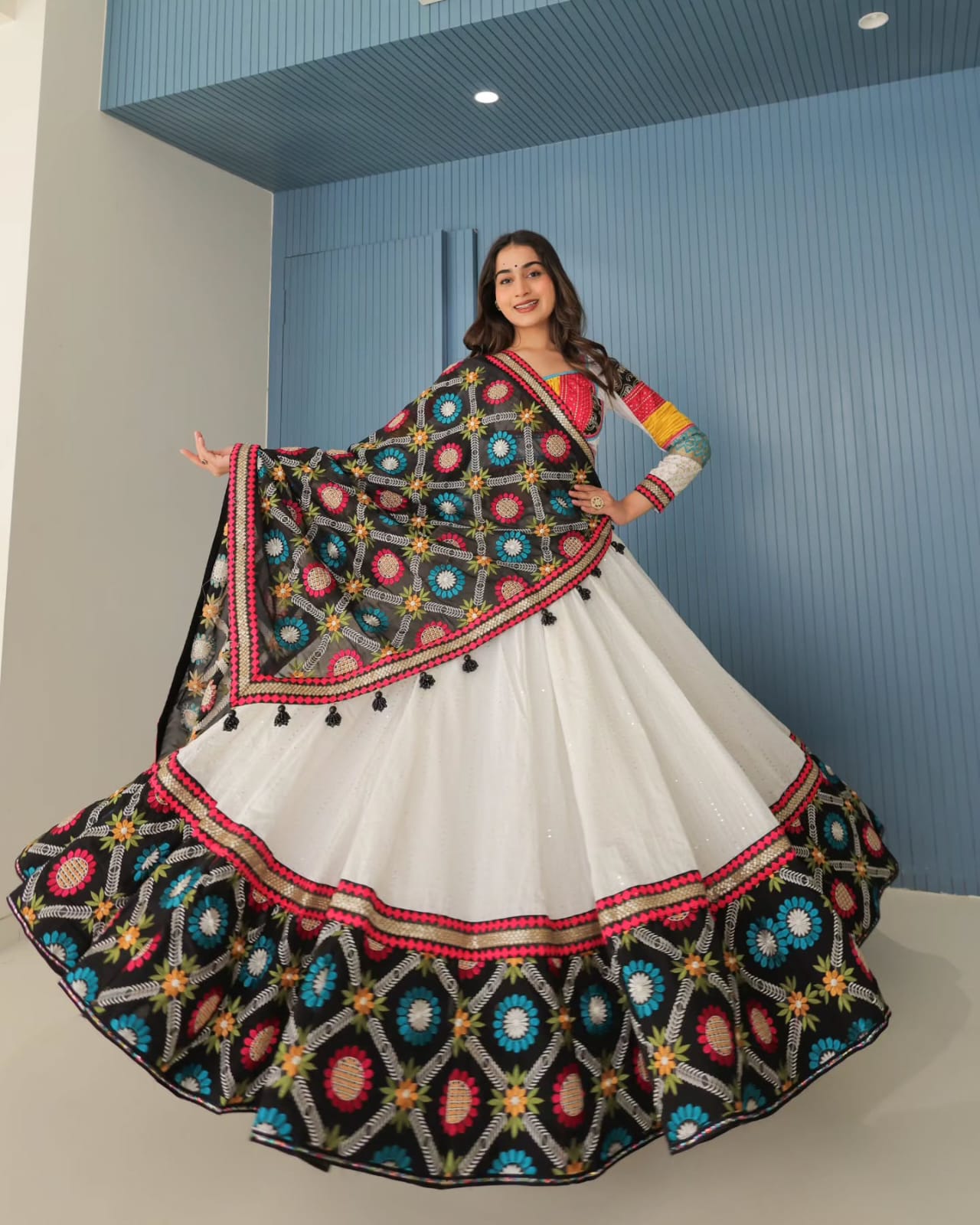
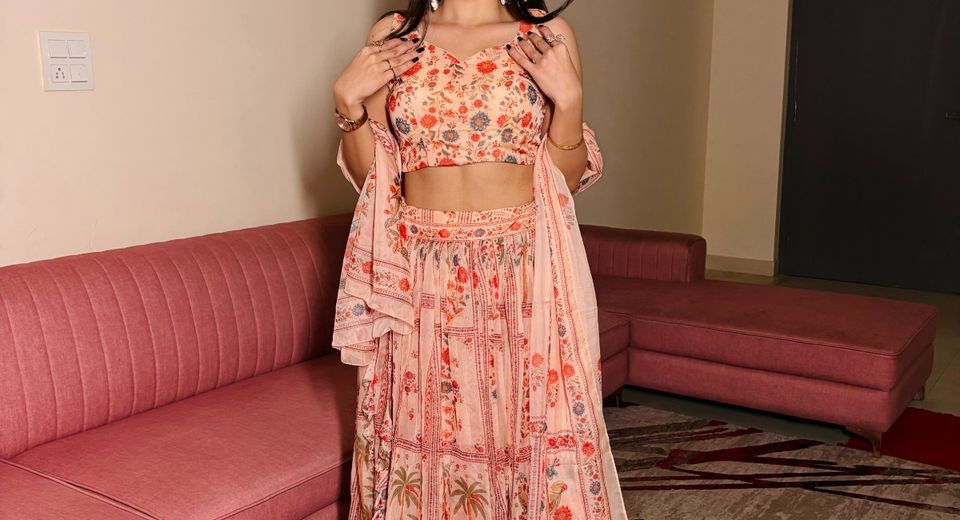
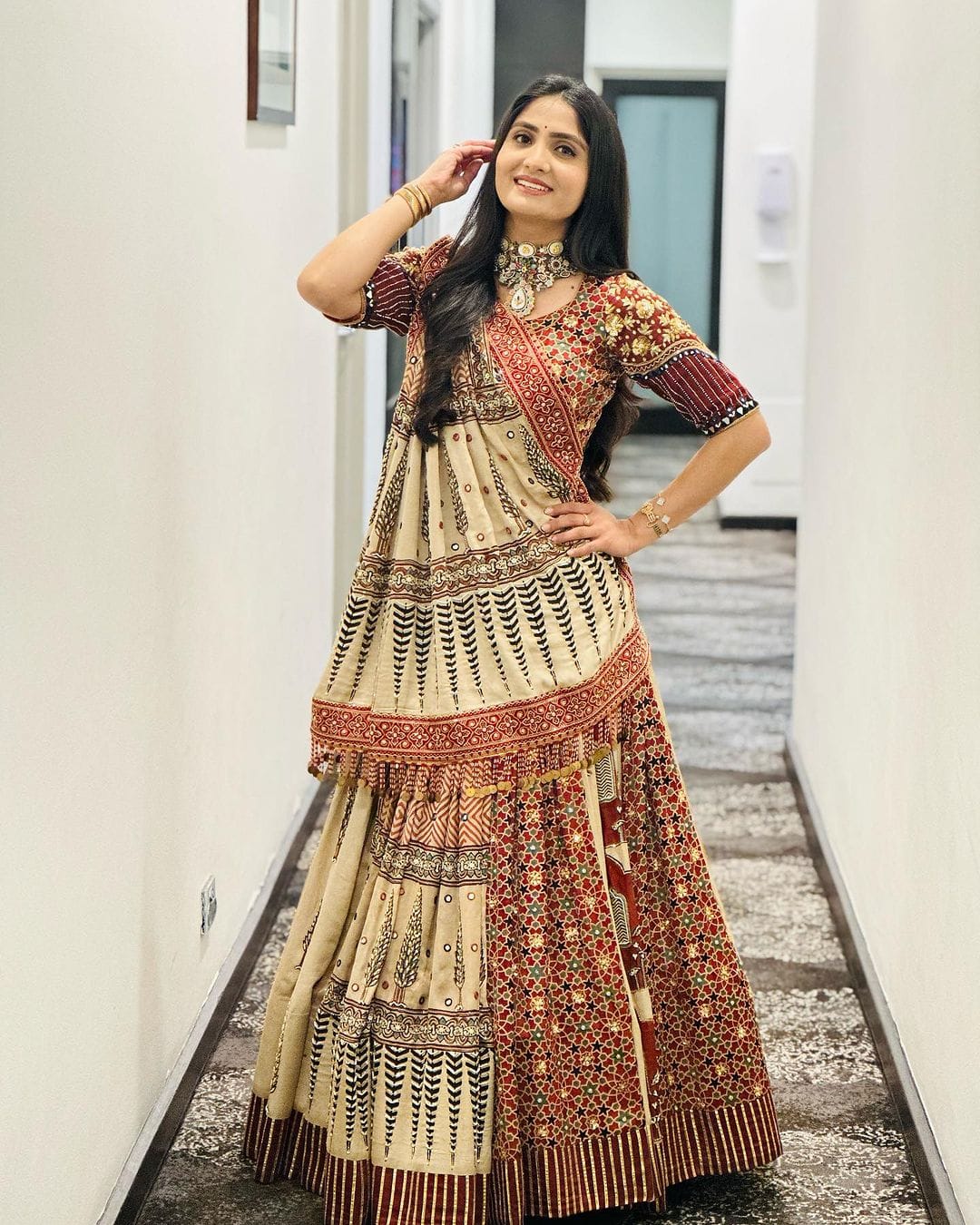
Printed lehengas are useful for a daytime gathering because they provide colour without the weight of dense bridal embellishment. Beige Ethnic Printed Lehenga Set for Navratri and Garba brings a neutral base that can be warmed with red bangles, a maroon blouse or a gold potli. White Digital Print Festive Lehenga Choli Set can be styled with red, pink or emerald accessories when the family permits lighter festive colours.
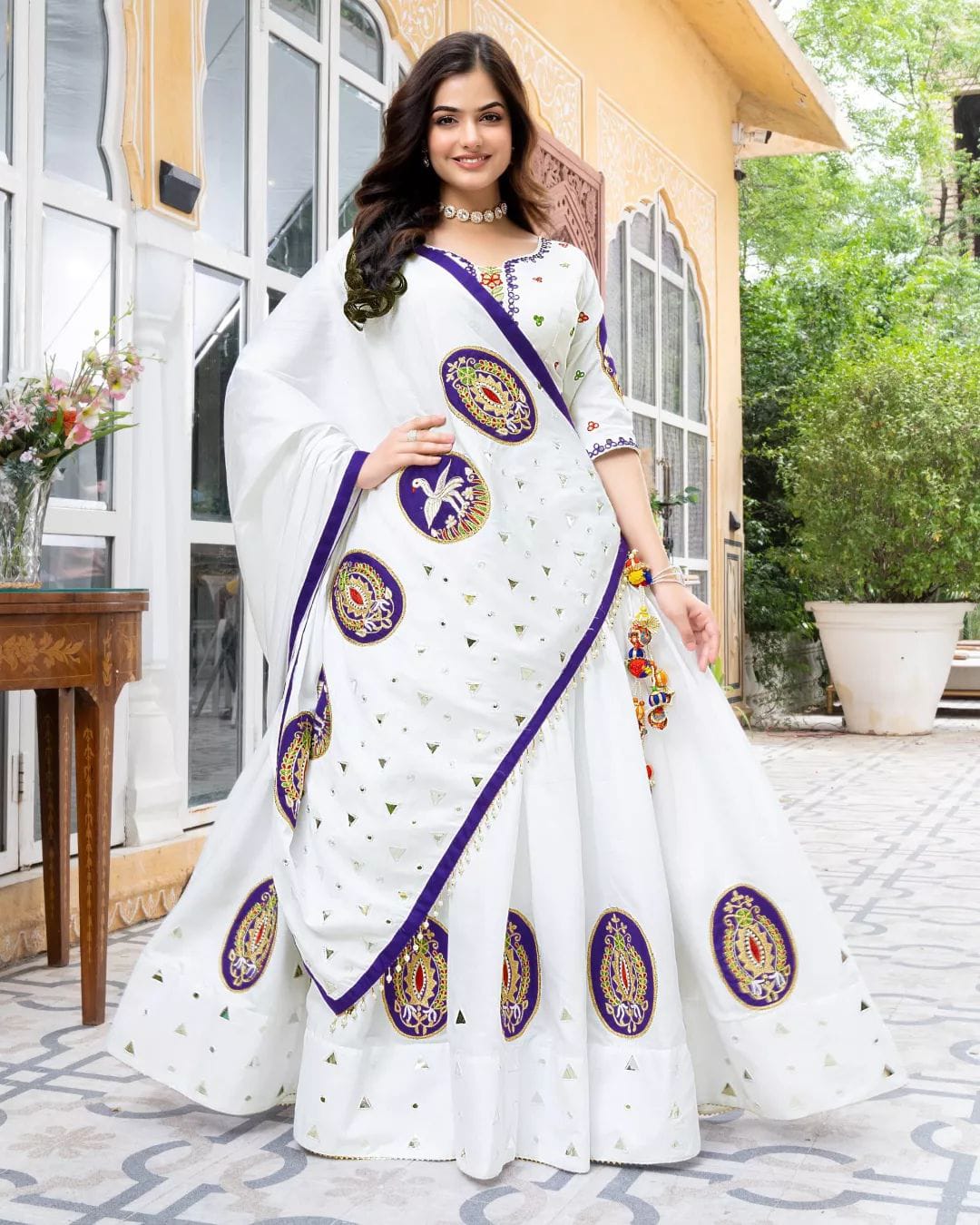
Mirror work gives a lively festive finish, although large mirrors can feel heavy and may catch on other garments. Stylish White Mirror Work Lehenga for Festive Wear and Festive White Lehenga Choli with Mirror Work Design show how a lighter base can carry bright jewellery and a coloured dupatta. Cream Ethnic Lehenga Choli with Mirror Work Design brings a warm ivory alternative for someone who wants something softer than stark white.
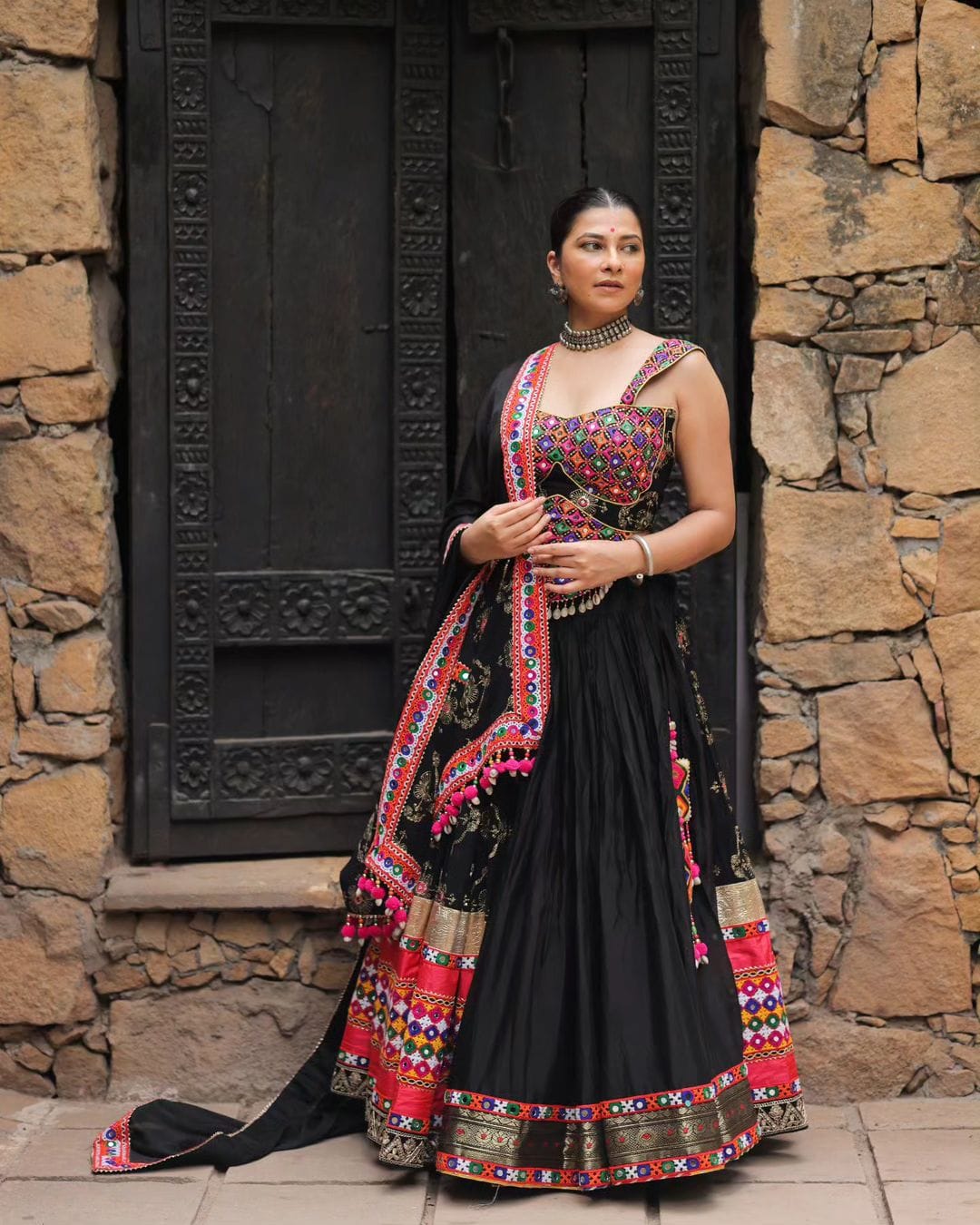
Colourful options can be especially effective at a women's gathering. Vibrant Multicolor Navratri Lehenga Choli Set needs simpler jewellery because the skirt already contains visual variety. Stylish Multicolor Butter Silk Lehenga Choli Set adds a soft sheen through butter silk and can be balanced with a single-colour dupatta. Designer Black Garba Lehenga Choli for Festive Season creates a dramatic evening look, although black may not suit every family's Karwa Chauth preference, so household expectations should be considered.
Karwa Chauth in Haryana: Saree, Suit & Lehenga Outfit Ideas for practical lehenga styling
A practical lehenga has a waistband that remains stable, a skirt hem that clears the floor and a dupatta that can be pinned at the shoulder and waist. A three-quarter or full lining prevents the skirt from clinging to the legs, while a moderate flare reduces the chance of stepping on the hem during group rituals.
Ask a tailor to add a discreet hook-and-eye above the zip if the waistband shifts. Wear the complete outfit at home for 20 minutes, sit cross-legged, climb a few steps and raise both arms before the event. These simple tests reveal tight armholes, scratchy seams and a hem that needs alteration.
Karwa Chauth in Haryana: Saree, Suit & Lehenga Outfit Ideas for colour and fabric choices
Red, maroon, pink, orange, rust, magenta and deep green suit the festive mood of Haryana Karwa Chauth, while the final colour should follow personal taste and family custom. Fabric choice should account for October weather, indoor heating, jewellery weight and the amount of movement expected.
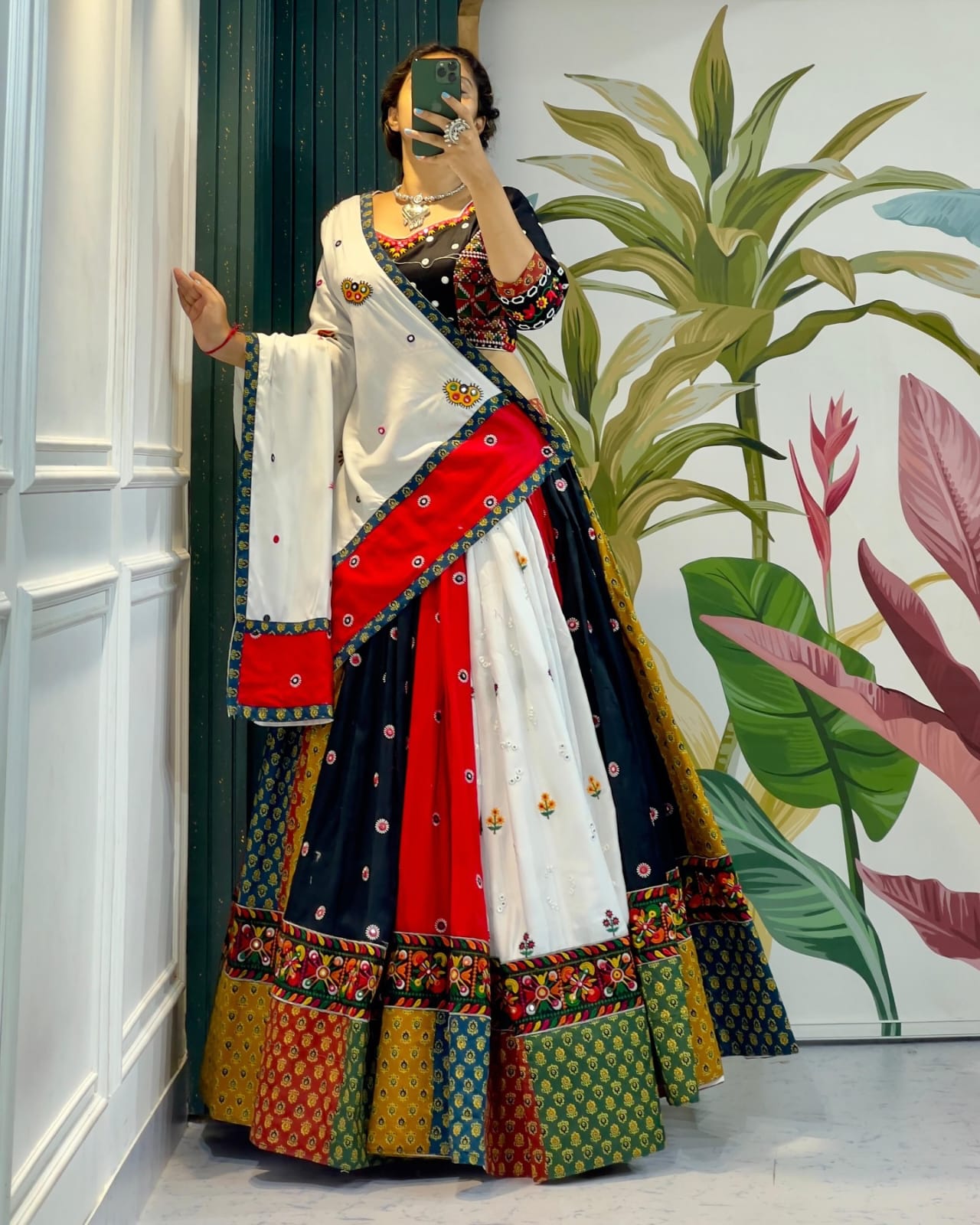
Red is associated with marriage and auspicious celebration across many North Indian households, but red doesn't have to cover the entire outfit. A red dupatta with a cream suit, a maroon blouse with a printed lehenga or ruby jewellery with a pink saree can create the same festive connection with greater flexibility.
Silk brings lustre and structure, while georgette and chiffon create a fluid drape. Chanderi, cotton-silk and rayon are useful when the event lasts from afternoon to night. Zari adds heritage shine, but metallic thread can snag against bangles, so inspect the underside of sleeves and dupattas before wearing them.
Pink Lehengas Under 4000 with 50% Discount and Silk Lehengas Under 3000 can help compare colour and fabric at a controlled budget. Bridesmaid Lehengas Under 5500 may offer polished silhouettes that are less bridal and easier to reuse. Net Lehengas Under 4500 with 51% Discount can suit a lighter, layered appearance, while Haldi Lehengas Under 5500 may provide bright festive colours for women who prefer yellow, mustard or orange.
Karwa Chauth in Haryana: Saree, Suit & Lehenga Outfit Ideas for jewellery and comfort
The most comfortable Karwa Chauth jewellery combination uses one focal piece, two or three coordinated details and secure earrings rather than several heavy layers. A necklace, jhumkas, bangles, bindi and sindoor can create a complete traditional look without making the head, neck and wrists tired.
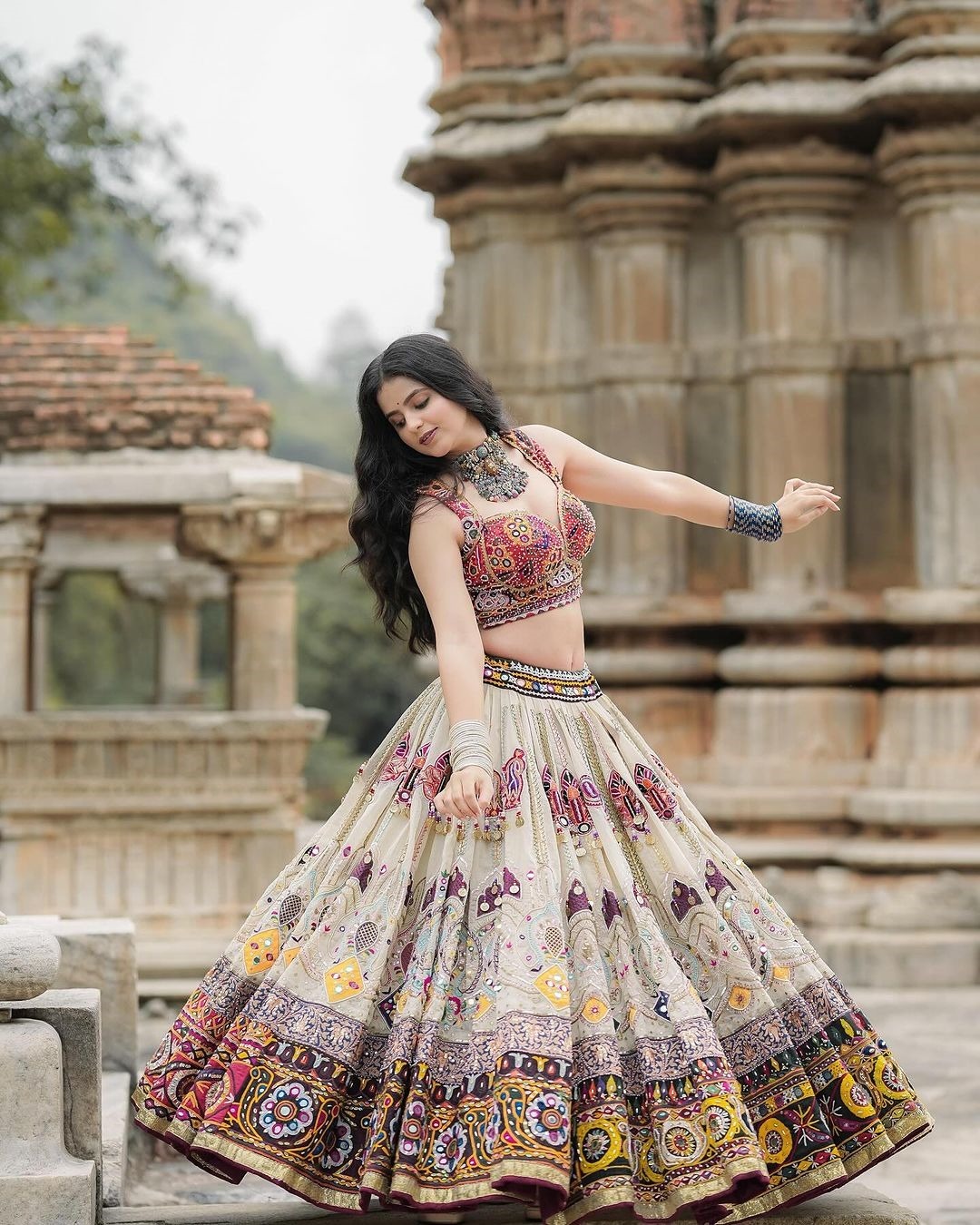
Choose jewellery according to the neckline. A choker works with a broad or sweetheart neckline, while a longer necklace suits a deep round or V neckline. If the blouse or kameez already has dense zari, use smaller earrings and a restrained bangle stack. Kundan, polki, meenakari and gold-toned pieces all work with festive Indian clothing, but the metal colour should relate to the zari or embroidery.
Secure earrings with silicone backs or screw backs, especially when wearing heavier jhumkas. Pin the dupatta at the shoulder and waist, carry a few spare safety pins, and choose footwear that has already been worn indoors. A small potli or crossbody pouch can hold lipstick, tissues, a phone and emergency pins without overloading the hands during rituals.
Outfit comfort also depends on skin contact. Wear a soft camisole under a scratchy blouse, remove temporary tags, check sequin edges and avoid new footwear on the fasting day. If the outfit will be worn for eight or more hours, test the complete look at home at least two days before Karwa Chauth.
Karwa Chauth in Haryana: Saree, Suit & Lehenga Outfit Ideas for final preparation
The final preparation checklist should be completed at least one day before Karwa Chauth. Steam or press the garment, check every hook and zip, verify that the dupatta has enough length and place the jewellery, footwear and accessories together.
- Try on the complete outfit and sit comfortably on the floor for five minutes.
- Check the hem against the footwear and shorten or secure it if it brushes the floor.
- Pin the pallu or dupatta in the position planned for puja.
- Pack spare pins, a small comb, tissues and a compact mirror.
- Keep a light shawl available if the evening becomes cool.
Store silk and zari garments in a clean cotton or muslin cover rather than airtight plastic for long periods. Air the outfit after wearing it, spot-clean only according to the care label and send heavily embellished garments to a specialist dry cleaner. Correct storage protects zari, mirror work and delicate embroidery for the next festive gathering.
Common Questions About Karwa Chauth Outfits in Haryana
What should I wear for Karwa Chauth in Haryana?
A saree, salwar suit or lehenga can work for Karwa Chauth in Haryana, depending on family custom, comfort and the day's rituals. Red, maroon, pink, rust and deep green are popular festive choices, while Banarasi silk, Chanderi, cotton-silk and lightweight embroidered fabrics are practical options.
Is a saree compulsory for Karwa Chauth?
A saree is not compulsory for Karwa Chauth unless a particular household or ceremony specifically expects one. A festive salwar suit or comfortable lehenga can be equally appropriate when styled with a dupatta, bangles, bindi and other customary details.
Which colour is considered best for a Karwa Chauth outfit?
Red is a widely recognised Karwa Chauth colour because it is associated with marriage and auspicious celebration. Maroon, pink, rust, orange, magenta and deep green are also suitable, subject to personal preference and family tradition.
Can I wear a lehenga for Karwa Chauth?
You can wear a lehenga for Karwa Chauth when the skirt allows comfortable sitting and the dupatta remains secure during puja. Choose a moderate flare, a stable waistband, a practical hem length and jewellery that does not make the outfit tiring.
Which fabric is most comfortable for a full-day Karwa Chauth outfit?
Chanderi, cotton-silk, rayon, georgette and lightweight brocade are generally comfortable for a long Karwa Chauth day. Banarasi silk and Kanjeevaram provide a richer formal appearance, but their additional weight makes them better for wearers who are comfortable with structured silk.
How can I keep my Karwa Chauth dupatta or saree secure?
Pin the saree pleats discreetly and anchor the pallu at the shoulder, or pin a lehenga and salwar-suit dupatta at both the shoulder and waist. Test the complete outfit by sitting, walking and lifting your arms before the ceremony so loose fabric and uncomfortable pins can be corrected.