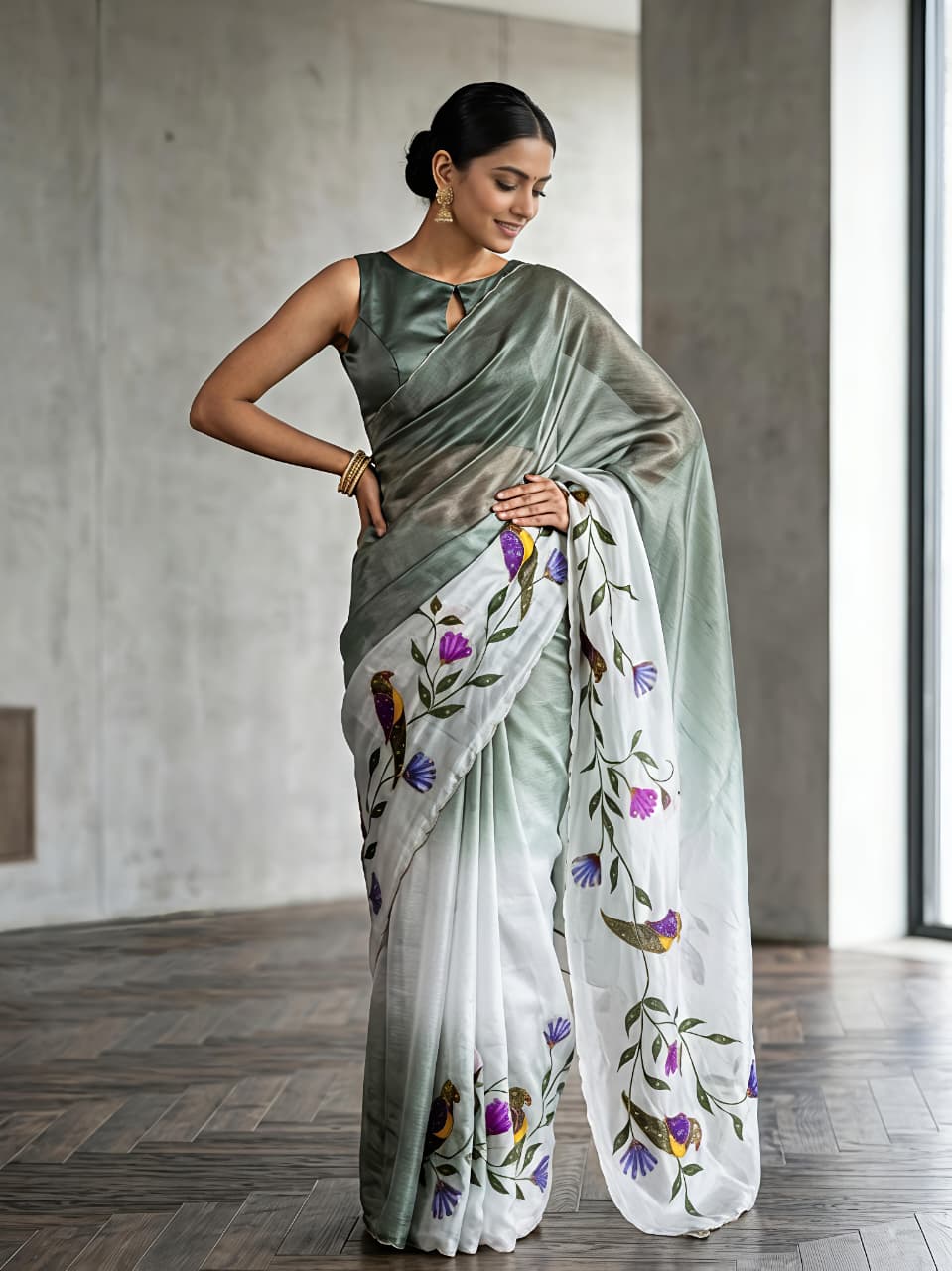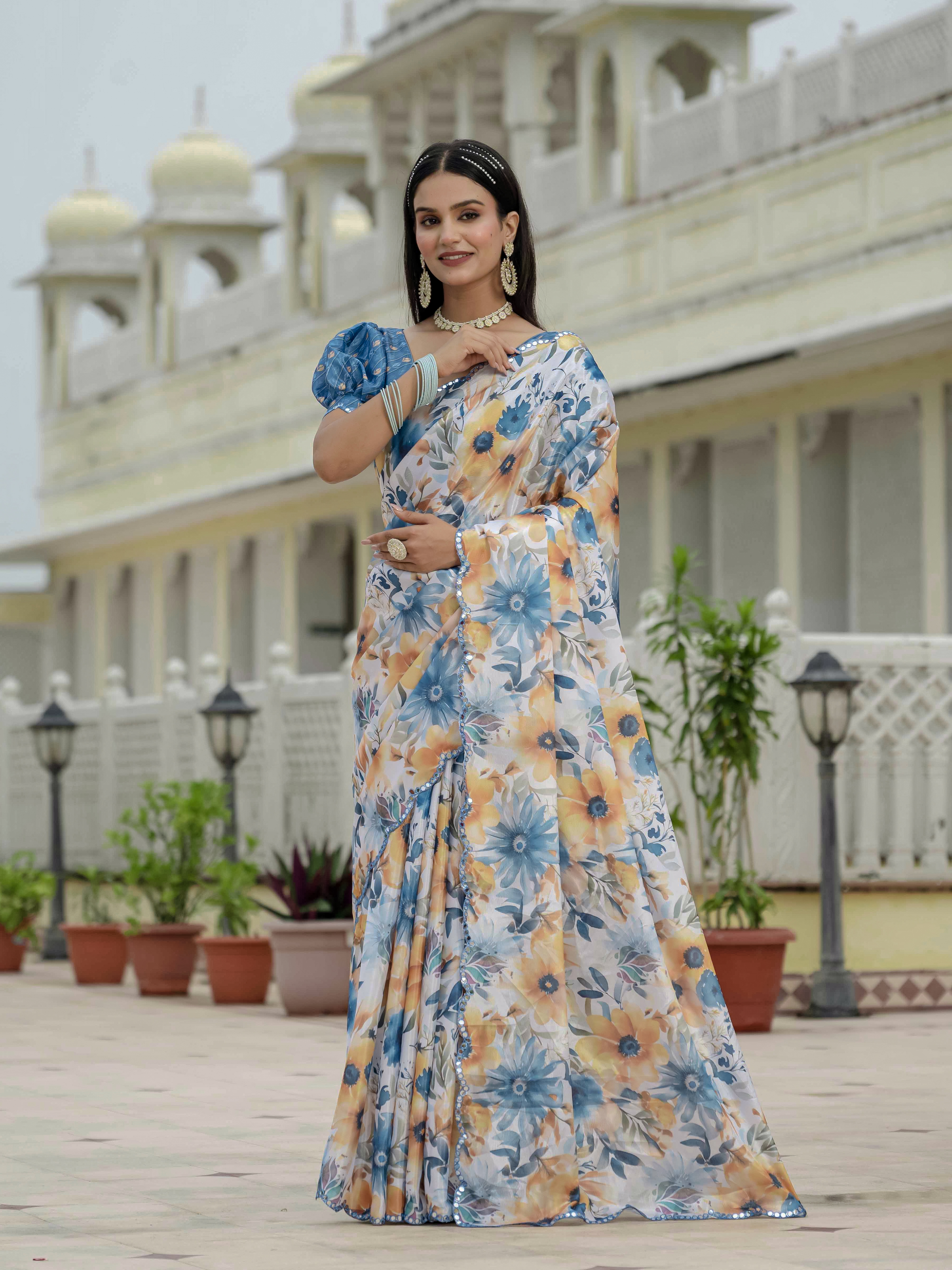
Karthigai Deepam 2026: Traditional Sarees and Festive Outfit Ideas can help you prepare for a celebration centred on rows of oil lamps, family prayers and the warmth of Tamil heritage. Karthigai Deepam is widely expected on 24 November 2026, although temple calendars and local panchangam timings should be checked before making travel plans. A suitable saree for the evening needs more than festive colour: it should allow comfortable movement, sit securely during prayer and remain manageable near lamps and oil.
The most useful way to plan a Karthigai Deepam outfit is to match fabric weight, drape, colour and embellishment to the setting. A cotton saree works well for cleaning the house and lighting lamps, while a silk or silk-blend saree creates a more ceremonial appearance for temple visits and family gatherings. The following guide explains how to make those choices without losing the simplicity that gives the festival its character.
Why Karthigai Deepam calls for a thoughtful saree choice
Karthigai Deepam calls for a saree that combines movement, modest coverage and festive detail. Many households place agal vilakku lamps at entrances, balconies, puja spaces and walls, so loose fabric, dangling embellishments and very long pallus can become inconvenient around open flames.
The festival is associated with light and with the worship of Lord Shiva as an endless column of flame in Tamil tradition. In Tamil Nadu, Tiruvannamalai Karthigai Deepam is especially main, while homes across the region mark the evening by lighting rows of lamps, preparing snacks and gathering for prayer. Clothing therefore often favours traditional silhouettes rather than heavily structured partywear.
A saree with a defined border helps the garment hold its shape during repeated standing and sitting. A blouse with secure shoulder seams and a comfortable sleeve length is useful when carrying a tray of lamps or serving food. Low-friction fabrics also reduce the need to keep adjusting pleats throughout the evening.
Karthigai Deepam 2026: Traditional Sarees and Festive Outfit Ideas by fabric
Choose cotton for ease, silk or silk blends for ceremony, and lightweight woven fabrics when you want festive texture without excessive weight. Fabric construction affects not only appearance but also pleat control, heat retention, drying time and care after the celebration.
Cotton and linen-cotton for home celebrations
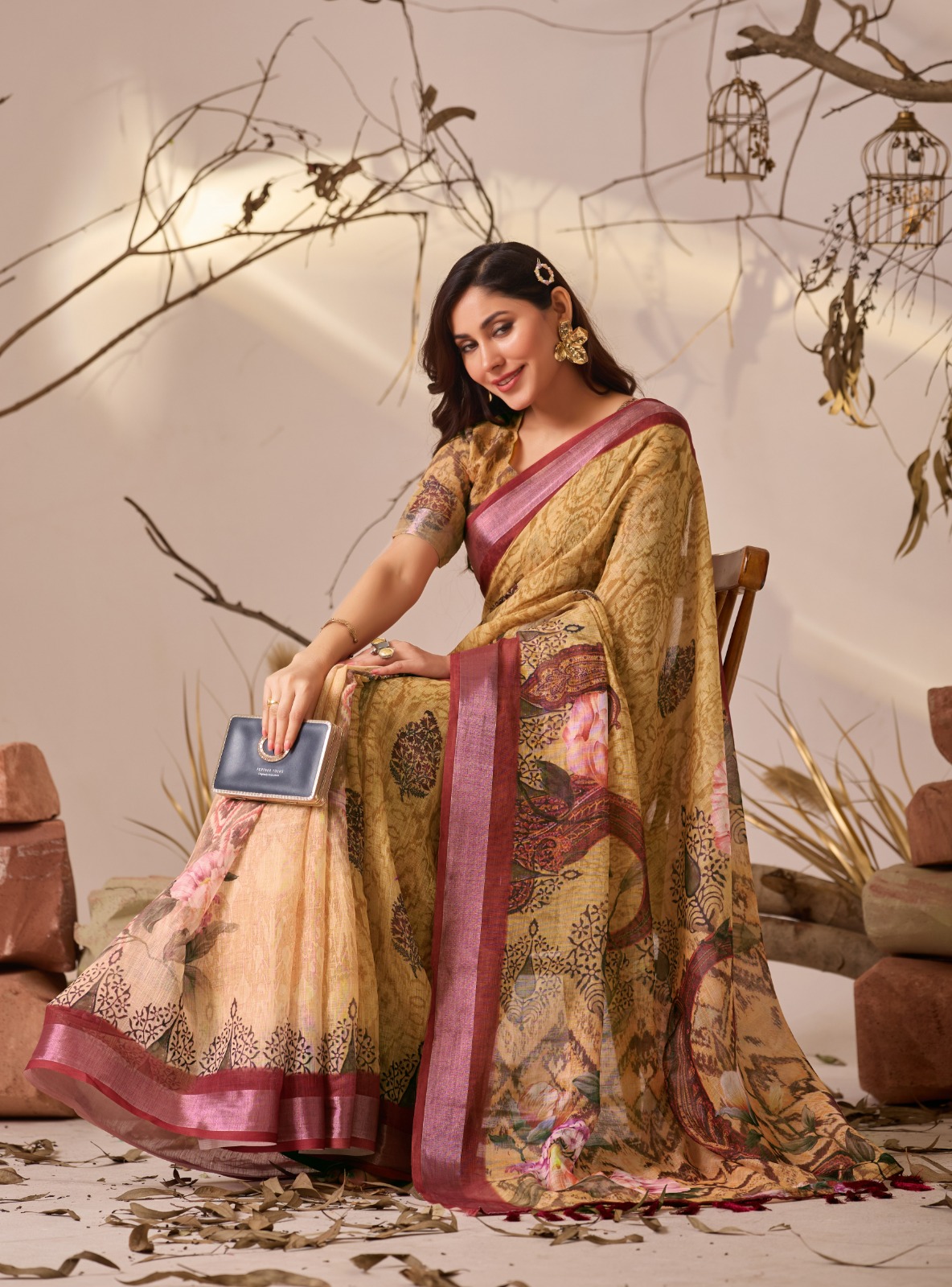
Cotton and linen-cotton sarees are practical choices for home puja because they breathe well and usually feel less restrictive during several hours of activity. A crisp cotton saree also creates sharper pleats, which helps the front remain tidy while you move between the kitchen, prayer area and entrance.
Pastel Linen Cotton Floral Print Saree with Designer Blouse offers a gentle alternative to very bright festive dressing. The floral print can suit a daytime preparation period, while the designer blouse gives the outfit a finished appearance without requiring complicated styling. Pastel Floral Tissue Handloom Cotton Saree with Zari Weaves adds a more traditional glow through zari detail while retaining the visual lightness of cotton.
Handloom cotton can crease more visibly than synthetic fabric, so steam or iron the saree on the reverse side before draping. Keep a low to medium heat setting appropriate to the fibre, and avoid placing a hot iron directly over zari. Fold the saree only after it has cooled completely.
Silk, pashmina silk and silk blends for temple visits
Silk and silk-blend sarees are suitable for a more formal Karthigai Deepam gathering because their surface catches lamplight and their borders often provide a strong ceremonial finish. Banarasi silk, Kanjeevaram, Patola-inspired designs and pashmina silk each create a different visual effect, so check the actual fibre composition and care label rather than assuming that every rich-looking saree is pure silk.
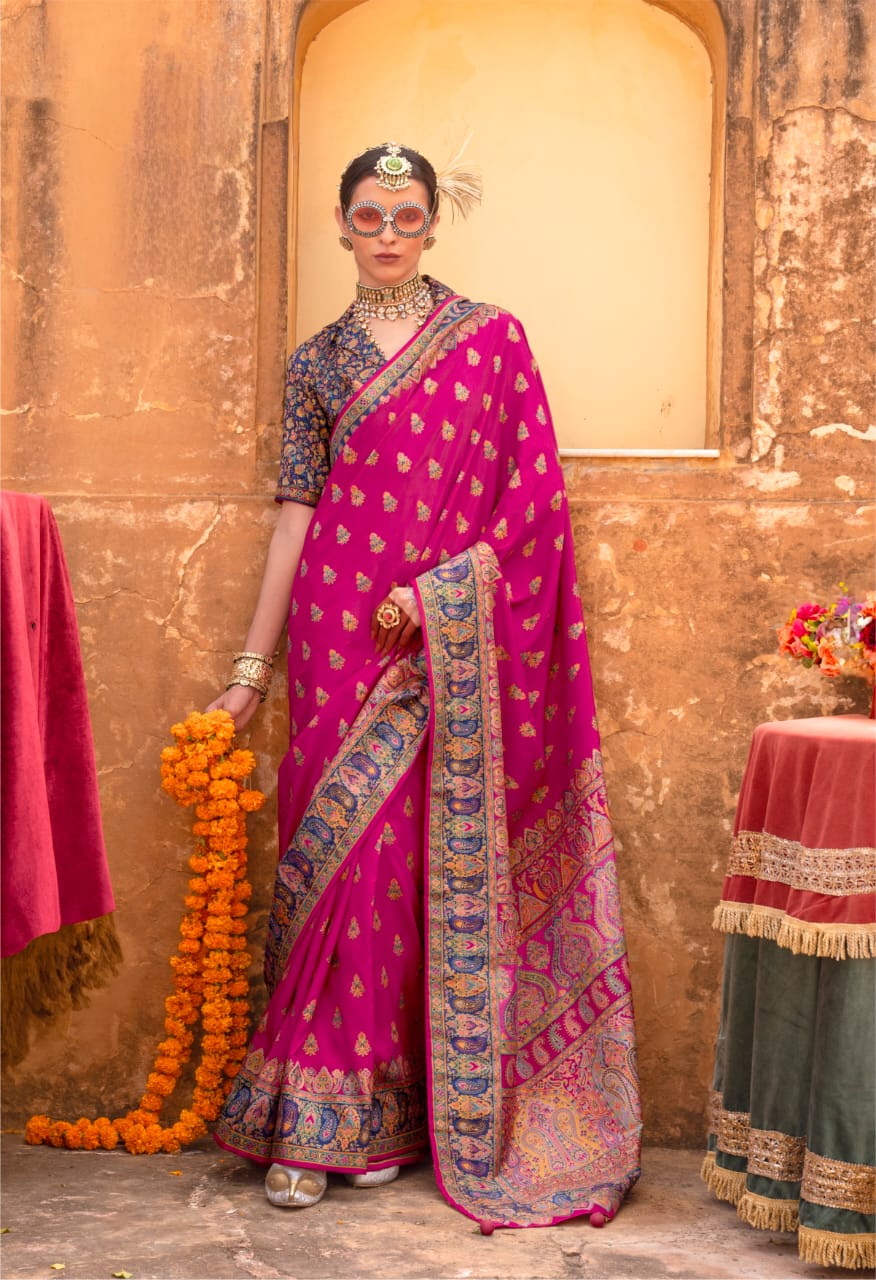
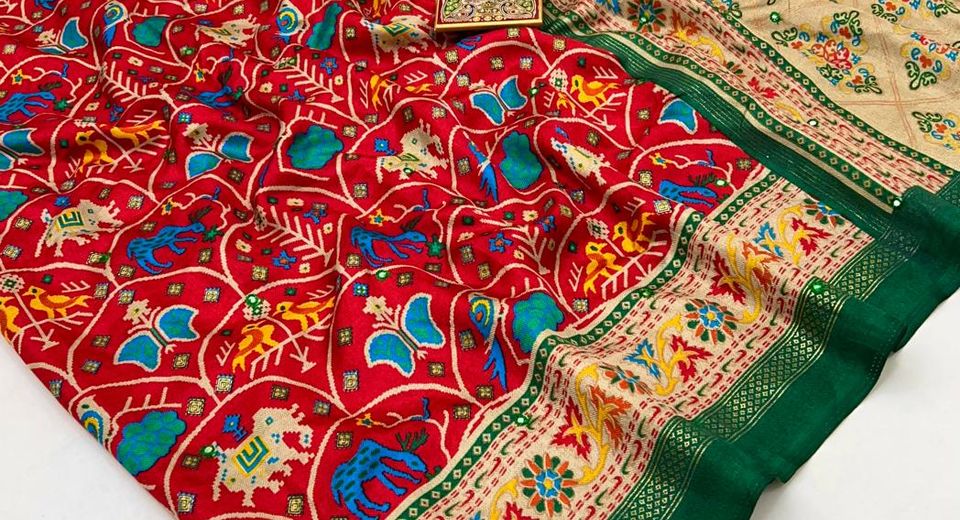
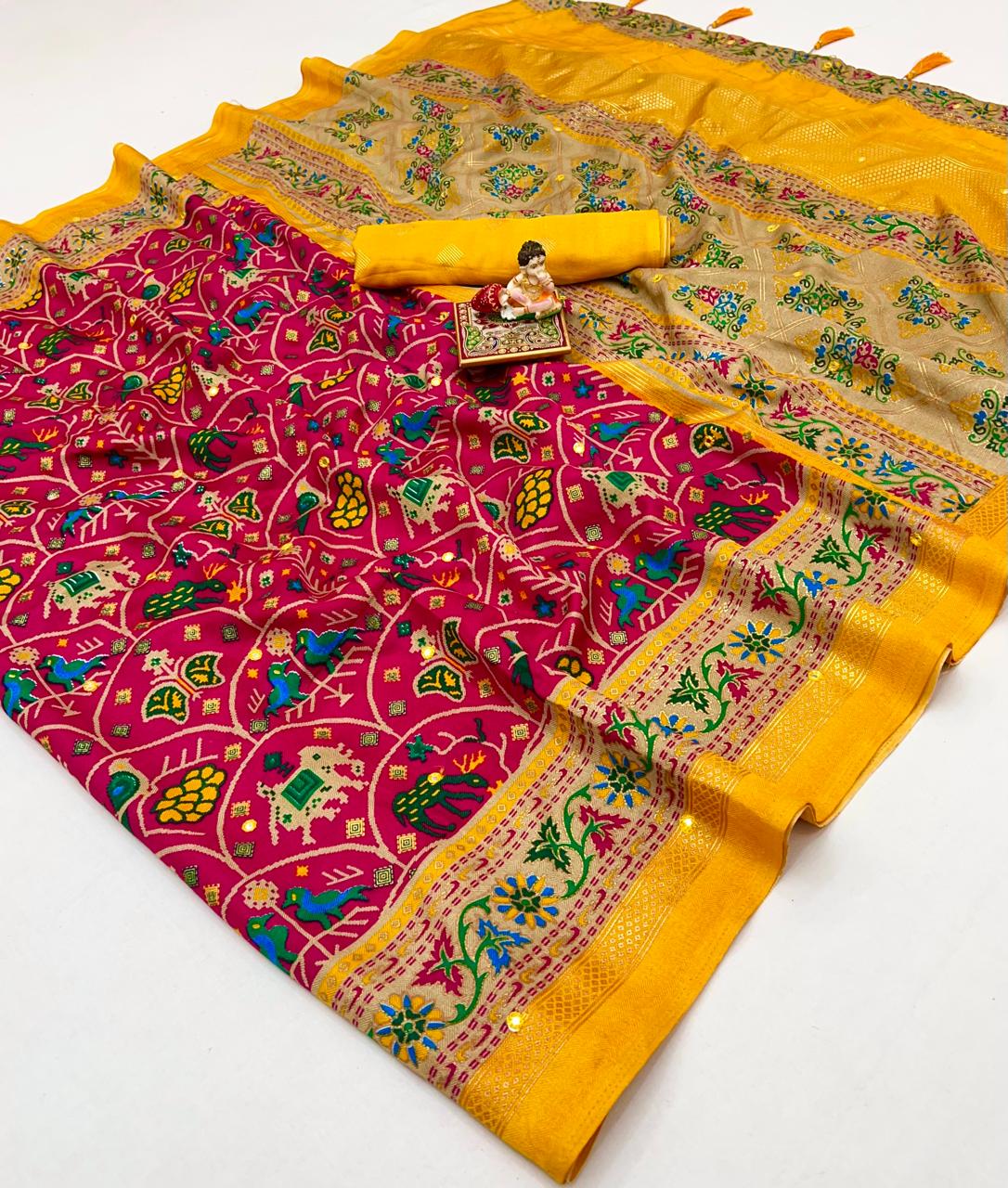
Designer Rani Pink Patola Print Pashmina Silk Festive Saree creates a saturated, celebratory look that pairs naturally with gold-toned jewellery. Designer Red Patola Print Pashmina Silk Festive Saree brings a deeper alternative for those who prefer a classic red festive palette. Both colour families can work well in evening photographs, especially when the blouse repeats one shade from the print instead of introducing a competing colour.
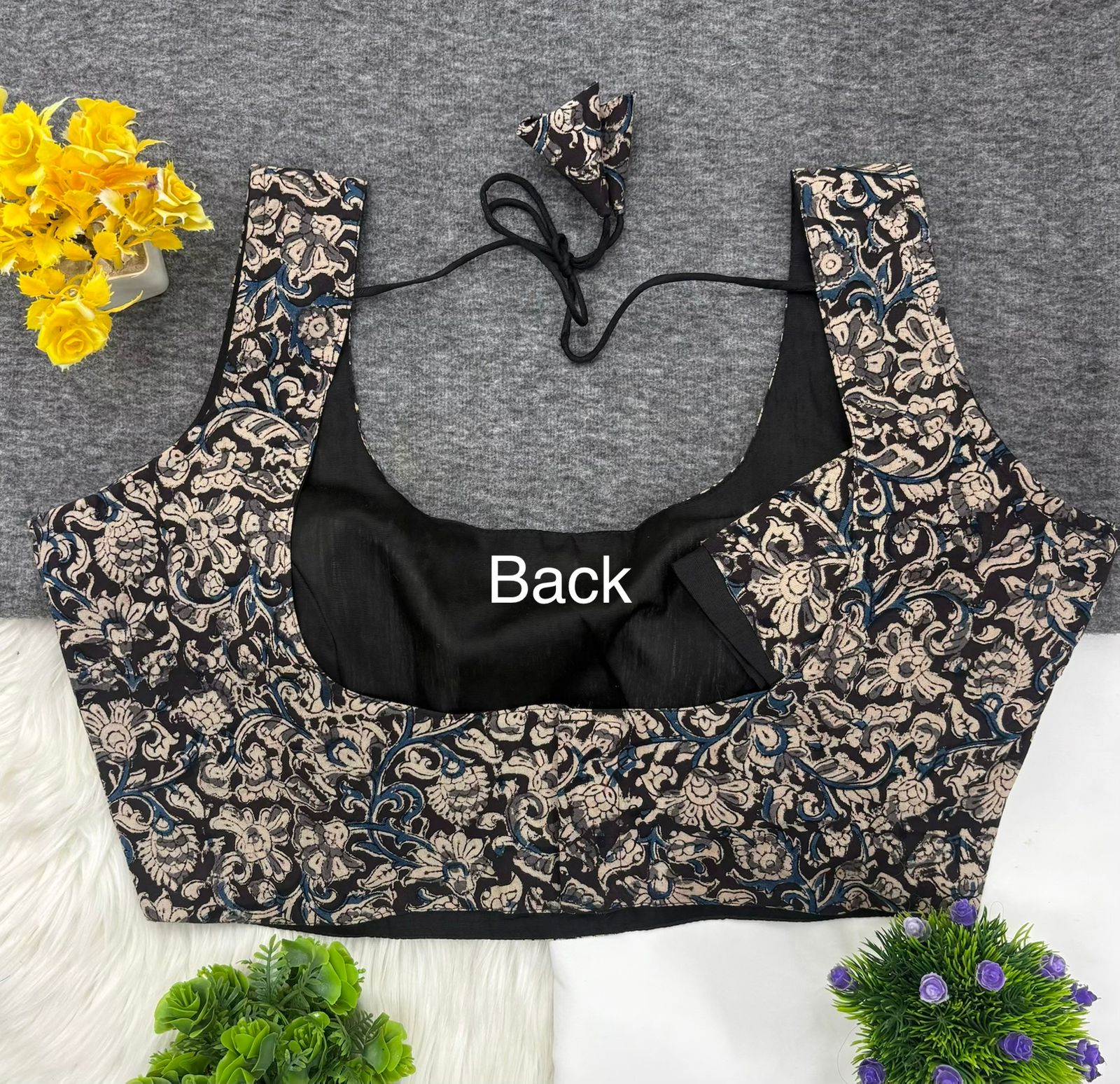
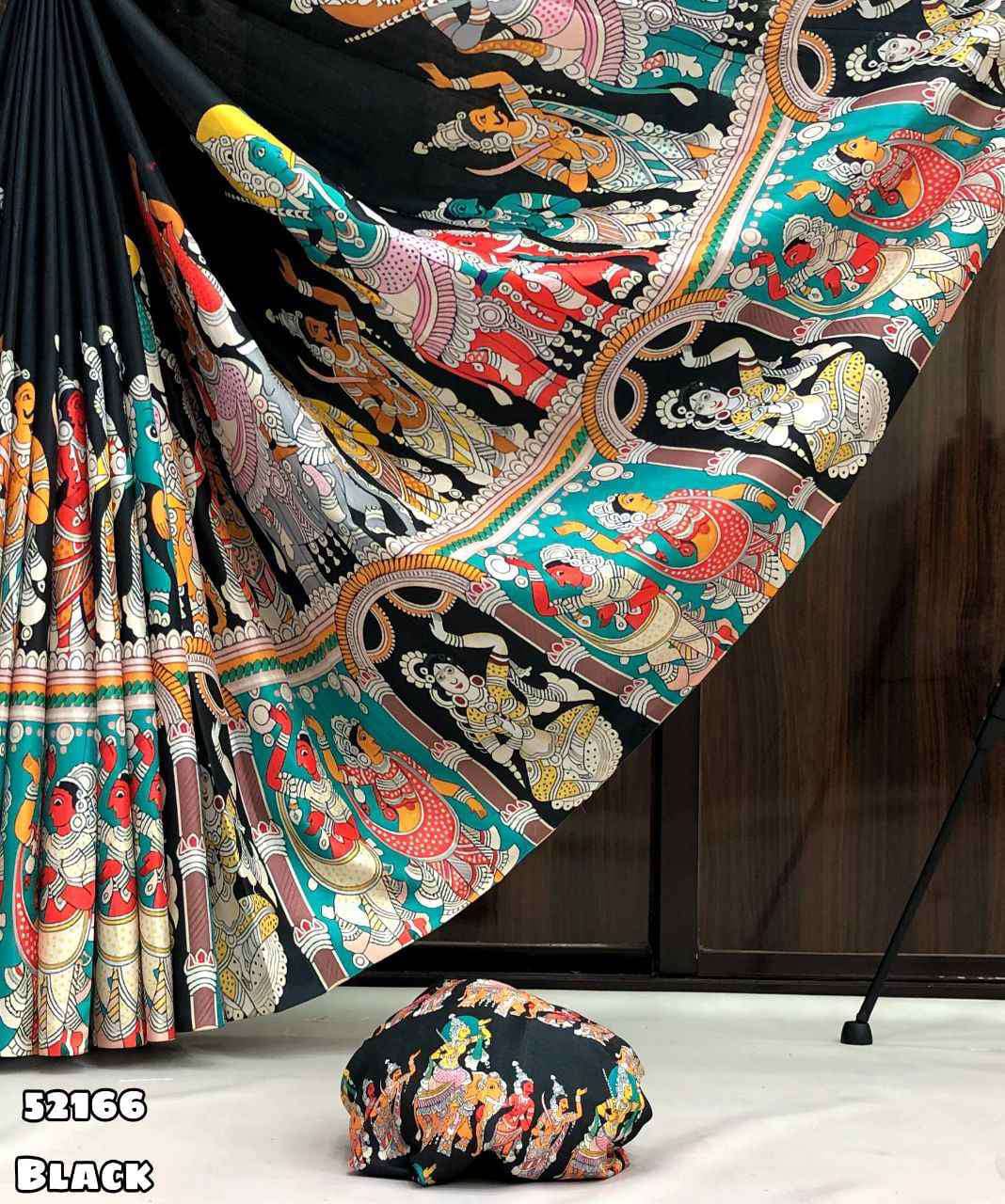
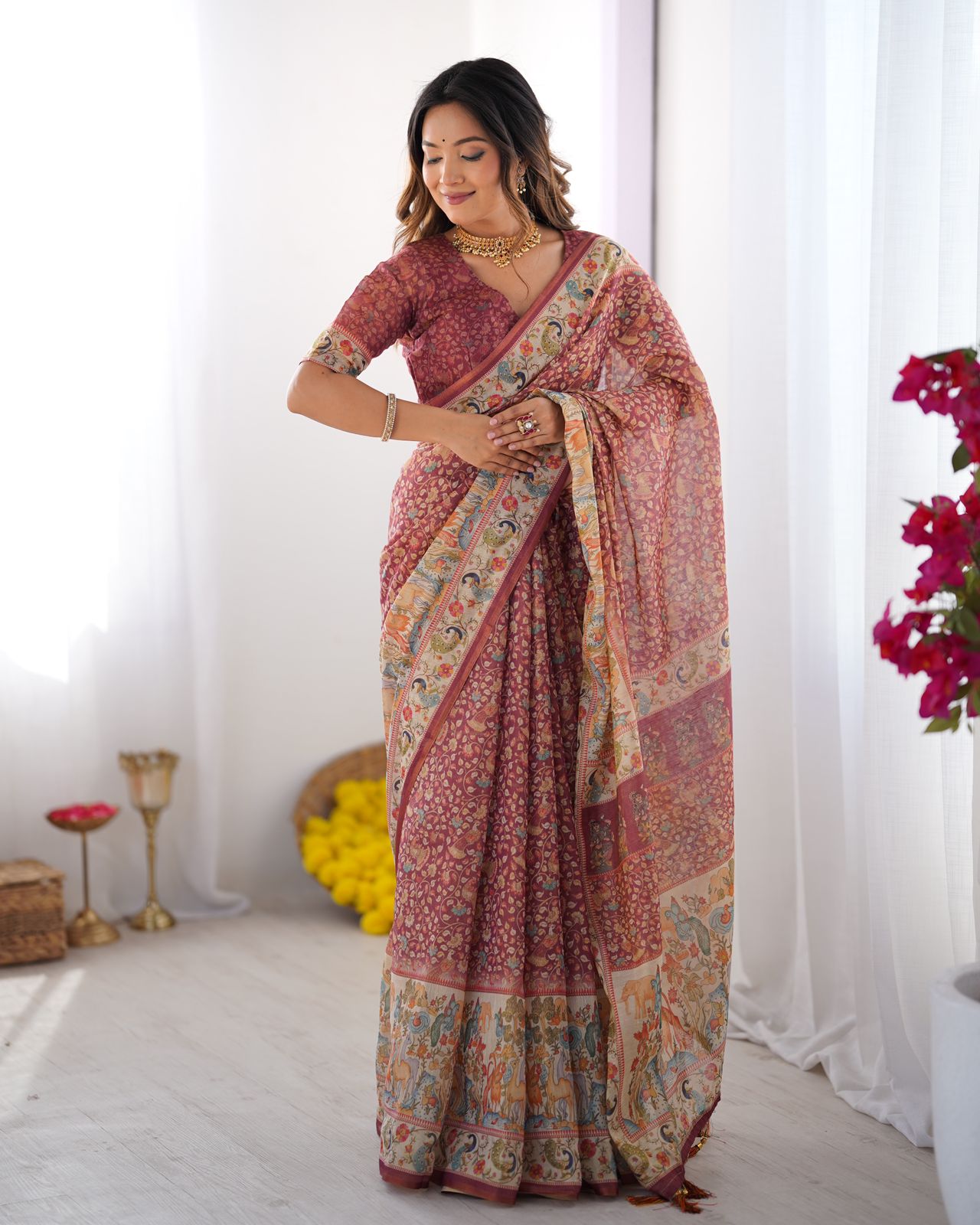
Black Traditional Kalamkari Print Silk Saree gives traditional styling a more artistic direction. Kalamkari prints bring narrative motifs and visible surface detail, while a dark ground can make a brass lamp, gold earrings or jasmine flowers stand out clearly. Black need not look informal when the border, blouse finish and jewellery are deliberately coordinated.
Organza and tissue for a lighter festive effect
Organza and tissue sarees create volume and light reflection with less visual heaviness than dense silk. These fabrics can be excellent for photographs and indoor gatherings, but their stiffness may require careful pinning because pleats can spread more easily than cotton pleats.
Elegant Charcoal Garden Organza Cotton Silk Saree suits a restrained evening palette. The charcoal shade provides contrast against warm lamp light, while the cotton-silk element can make the saree feel more grounded than very sheer organza. Cream Pink Tissue Handloom Cotton Saree with Zari balances a soft base with woven shine and works particularly well when the décor includes marigold, brass or terracotta accents.
Which colours suit a Karthigai Deepam saree?
Warm reds, deep pinks, turmeric yellow, cream, charcoal, green and gold-accented neutrals suit Karthigai Deepam because they harmonise with flame light and traditional décor. The best shade is the one that complements your skin tone and setting while allowing zari, flowers or jewellery to remain visible rather than making every element compete.
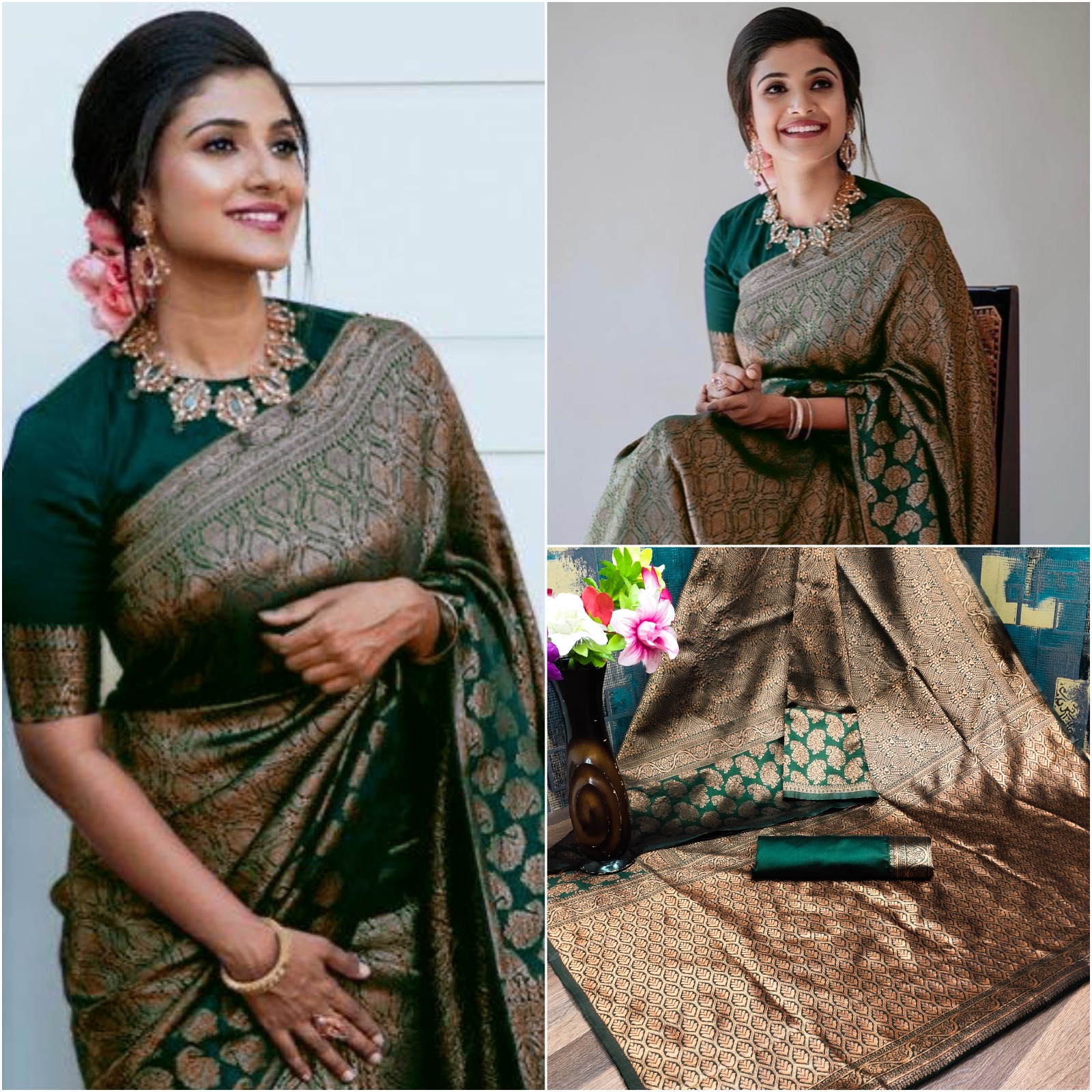
Red has a strong festive presence and pairs well with antique-gold jewellery, temple-style earrings and jasmine. Magenta gives similar richness with a cooler pink undertone; Magenta Traditional Kalamkari Art Saree with Blouse is an example of how a saturated colour can be balanced by an art-inspired print. Pink can be softened with cream or gold, while a Rani pink saree can be made more formal with a contrasting green or maroon blouse.
Cream and ivory create a calm base for brass lamps and colourful flowers. Cream Pink Tissue Handloom Cotton Saree with Zari demonstrates how a pale saree can remain festive when texture and zari do the decorative work. Charcoal, black and grey can also be appropriate for evening dressing when the outfit includes a warm metallic accent, such as a zari border, gold blouse trim or antique-gold necklace.
Colour coordination doesn't require matching every item. A useful three-colour rule is to select one main saree colour, one blouse or border colour and one metallic accent. For example, a charcoal saree, muted rose blouse and antique-gold jewellery look more intentional than separate bright colours on the blouse, bangles, bag and flowers.
How should you style the blouse and drape?
A secure blouse and a moderately pinned pallu make a Karthigai Deepam outfit safer and more comfortable around lamps. A classic short-sleeved blouse works for most saree fabrics, while elbow-length sleeves provide additional coverage for temple visits and cooler late-evening weather.
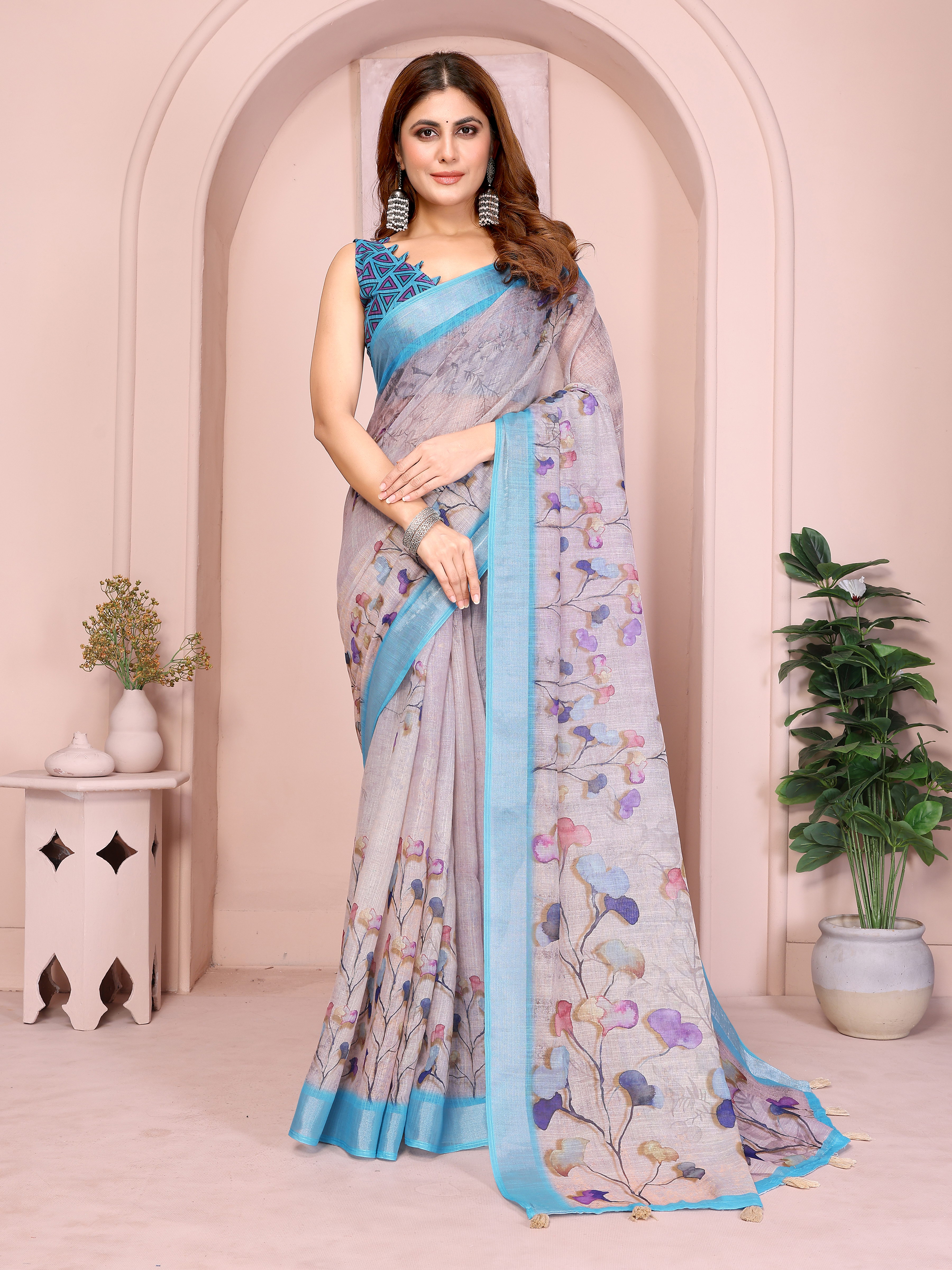
For zari cotton, tissue and organza sarees, choose a blouse with enough structure to support the saree without creating bulky seams. A high round neck, modest V-neck or boat neck can look polished with traditional jewellery. Avoid excessively slippery lining if the blouse causes the saree to slide at the shoulder.
The Nivi drape remains practical because it keeps the front pleats controlled and places the pallu over the left shoulder. Pin the pallu at the shoulder and, if necessary, add a discreet pin near the waist so that it doesn't swing close to a lamp. Keep the pallu length around knee level when you expect to walk frequently; a floor-skimming pallu is more likely to catch on furniture or door thresholds.
For a more traditional Tamil appearance, pleat the pallu neatly and position the border so that it remains visible from the front. A narrow waist belt can hold the saree in place, but use one that sits comfortably and doesn't compress the pleats. Petticoat fit matters as well: a properly tied petticoat with a firm waistband prevents the saree from twisting during movement.
Pair a printed saree with a relatively quiet blouse when the print is dense. A solid blouse can pick up the border colour, while a woven or textured blouse can add interest to a plain saree. Black Traditional Kalamkari Print Silk Saree, for example, already has a strong visual identity and doesn't need an elaborate contrast print at the blouse.
Jewellery, flowers and practical accessories for the evening
Gold-toned jewellery, jasmine and a small structured handbag provide traditional finishing details without making the saree difficult to manage. Choose accessories according to the number of hours you'll wear them, because temple visits and home rituals often involve more standing and walking than a short family photograph.

Jhumkas, small temple-style earrings, a short kasu-style necklace or a simple long chain can support a festive look. Heavy layered necklaces are most comfortable when the blouse neckline and shoulder fit are secure. If the saree already contains prominent zari or a large Kalamkari motif, one statement jewellery piece is often enough.
Jasmine gajra works naturally with Tamil festive dressing and adds fragrance without requiring another strong colour. Fresh flowers should be attached securely so that loose stems don't fall near lamps or food. A bindi in red, maroon or a shade drawn from the saree can complete the look with minimal effort.
Choose footwear with a stable sole and a low heel if you'll walk to a temple or move across an outdoor courtyard. A small potli or crossbody bag keeps keys and a phone secure, but avoid long straps that can catch on the pallu. Carrying a lightweight shawl can be useful in cooler regions after sunset, especially with a sleeveless blouse.
How can you prepare and care for the saree?
Prepare the saree at least one day before Karthigai Deepam by checking the blouse fit, testing the pleat width and inspecting the border for loose zari or threads. A short trial drape reveals whether the petticoat, blouse and footwear work together before the evening becomes busy.

Keep the saree away from oil, incense ash and direct flame even when the fabric is marketed as festive or easy-care. Cotton can usually be washed according to its care label, but silk, pashmina silk, tissue, organza and zari garments generally benefit from professional dry cleaning or specialised care. Do not store a damp saree in plastic because trapped moisture can encourage odour and fabric damage.
After wearing the saree, air it indoors away from strong sunlight before folding it. Refold silk and zari sarees along different fold lines every few months to reduce permanent creasing. Store delicate sarees in breathable cotton or muslin rather than sealing them tightly in ordinary plastic.
Budget planning can include more than the saree price. Allow for blouse alterations, fall and edging, petticoat, jewellery, tailoring time and delivery before the festival. Collections such as Silk Sarees Under 3000 With Discount and Party Wear Sarees may help compare different levels of formality, while Pink Georgette Sarees can be useful for a lighter, drapier alternative.
For shoppers comparing colours and price points, Red Banarasi Silk Sarees for Weddings Under 1100, Gray Color Sarees Under 1000 and the broader Party Wear Sarees collection offer different styling directions. Price alone doesn't establish fibre quality, so read the composition, dimensions, blouse-piece information and care instructions before ordering.
A simple Karthigai Deepam outfit plan
A dependable festive plan begins with the setting: choose breathable cotton for household preparations, a woven zari saree for a balanced home-and-temple schedule, or silk and silk blends for a more formal family gathering. Select the blouse next, then confirm the pallu length and footwear rather than leaving those decisions until the day of the celebration.
For a soft daytime look, pair Pastel Linen Cotton Floral Print Saree with Designer Blouse with small gold earrings, a neat low bun and jasmine. For an evening puja, Pastel Floral Tissue Handloom Cotton Saree with Zari Weaves or Cream Pink Tissue Handloom Cotton Saree with Zari can be styled with antique-gold jewellery and a rose, cream or gold blouse.
For a richer temple or family-event look, choose Designer Rani Pink Patola Print Pashmina Silk Festive Saree, Designer Red Patola Print Pashmina Silk Festive Saree or Magenta Traditional Kalamkari Art Saree with Blouse. Keep the rest of the accessories controlled so that the saree remains the centre of the outfit.
The strongest Karthigai Deepam 2026: Traditional Sarees and Festive Outfit Ideas are the ones that respect both beauty and ritual. A secure drape, breathable fabric, practical footwear and carefully chosen colour will let you participate fully in lighting lamps, offering prayers and spending time with family.
Common questions about Karthigai Deepam sarees and outfits
When is Karthigai Deepam in 2026?
Karthigai Deepam is widely expected on 24 November 2026. The exact observance can vary by regional calendar and temple practice, so confirm the date and lamp-lighting time with a local panchangam or temple announcement.
Which saree is suitable for a Karthigai Deepam temple visit?
A cotton, silk-cotton, silk or silk-blend saree with a secure drape is suitable for a Karthigai Deepam temple visit. Choose a moderate-length pallu, comfortable blouse and stable footwear, and avoid loose embellishments near open lamps.
Which colours are traditionally suitable for Karthigai Deepam?
Red, pink, cream, yellow, green, charcoal and gold-accented shades are suitable for Karthigai Deepam dressing. Warm colours reflect the festival's lamp-lit setting, while cream and darker neutrals provide a calm base for zari, flowers and jewellery.
Can I wear a cotton saree for Karthigai Deepam?
A cotton saree is an excellent choice for Karthigai Deepam, particularly for home celebrations and long hours of movement. Cotton breathes well, forms stable pleats and can be paired with a zari blouse, gold jewellery or jasmine for a more festive finish.
How should I keep a saree safe around oil lamps?
Keep the pallu and loose pleats away from open flames, incense and oil containers. Pin the shoulder and waist areas securely, avoid trailing fabric, and choose a shorter, controlled pallu when lighting lamps or moving through a crowded prayer space.
What jewellery works with a festive Karthigai Deepam saree?
Jhumkas, temple-style earrings, a simple kasu necklace, gold-toned bangles and jasmine work well with a festive Karthigai Deepam saree. Limit statement pieces when the saree contains heavy zari or a dense Kalamkari print, so the overall outfit remains balanced.
Common Questions About Karthigai Deepam Sarees and Festive Dressing
When is Karthigai Deepam in 2026?
Karthigai Deepam is widely expected on 24 November 2026. The exact observance can vary by regional calendar and temple practice, so confirm the date and lamp-lighting time with a local panchangam or temple announcement.
Which saree is suitable for a Karthigai Deepam temple visit?
A cotton, silk, silk-cotton or silk-blend saree with a secure drape is suitable for a Karthigai Deepam temple visit. Choose a moderate-length pallu, comfortable blouse and stable footwear, and avoid loose embellishments near open lamps.
Which colours are traditionally suitable for Karthigai Deepam?
Red, pink, cream, yellow, green, charcoal and gold-accented shades are suitable for Karthigai Deepam dressing. Warm colours reflect the festival's lamp-lit setting, while cream and darker neutrals provide a calm base for zari, flowers and jewellery.
Can I wear a cotton saree for Karthigai Deepam?
A cotton saree is an excellent choice for Karthigai Deepam, particularly for home celebrations and long hours of movement. Cotton breathes well, forms stable pleats and can be paired with a zari blouse, gold jewellery or jasmine for a more festive finish.
How should I keep a saree safe around oil lamps?
Keep the pallu and loose pleats away from open flames, incense and oil containers. Pin the shoulder and waist areas securely, avoid trailing fabric, and choose a shorter, controlled pallu when lighting lamps or moving through a crowded prayer space.
What jewellery works with a festive Karthigai Deepam saree?
Jhumkas, temple-style earrings, a simple kasu necklace, gold-toned bangles and jasmine work well with a festive Karthigai Deepam saree. Limit statement pieces when the saree contains heavy zari or a dense Kalamkari print, so the overall outfit remains balanced.