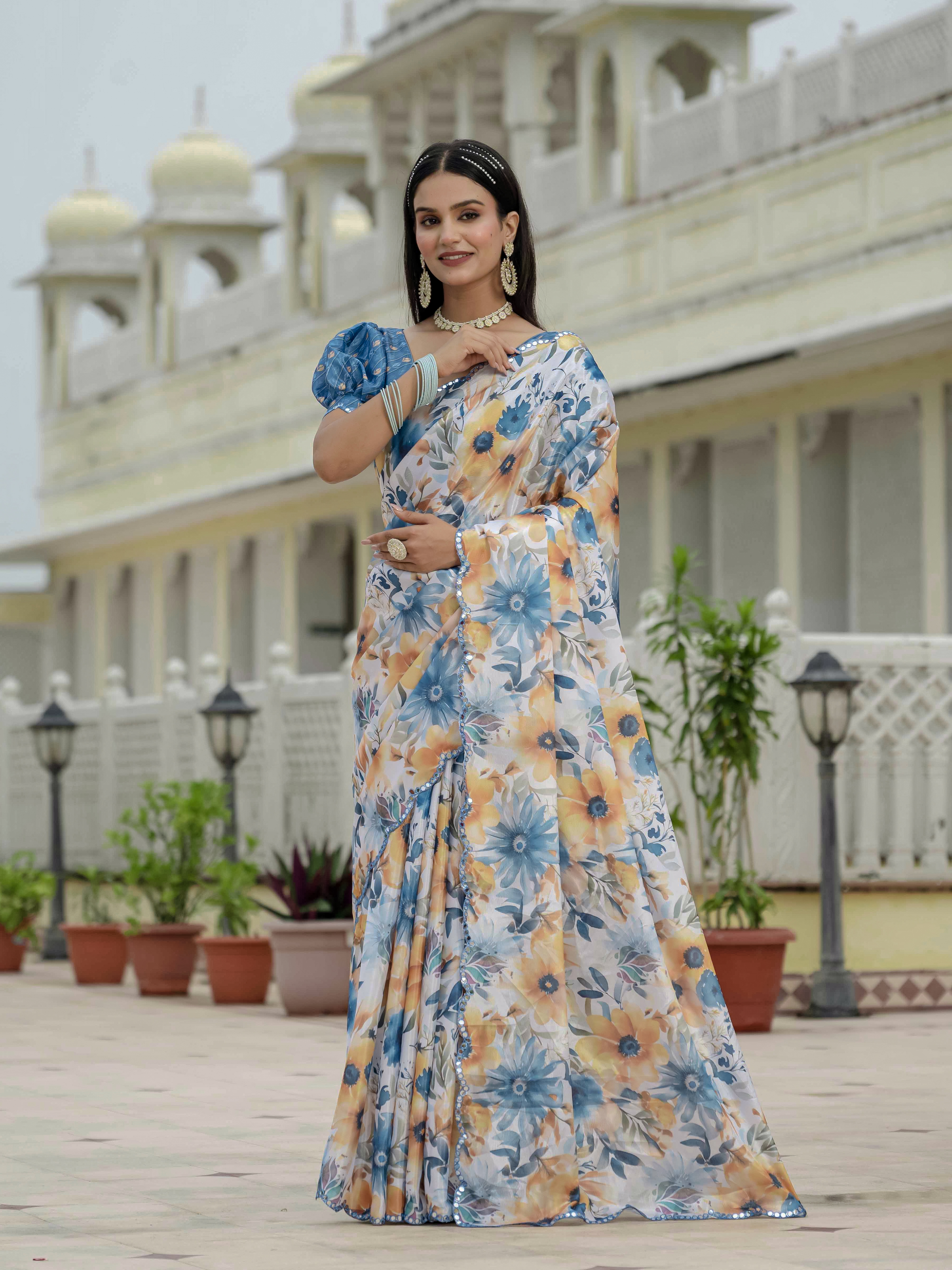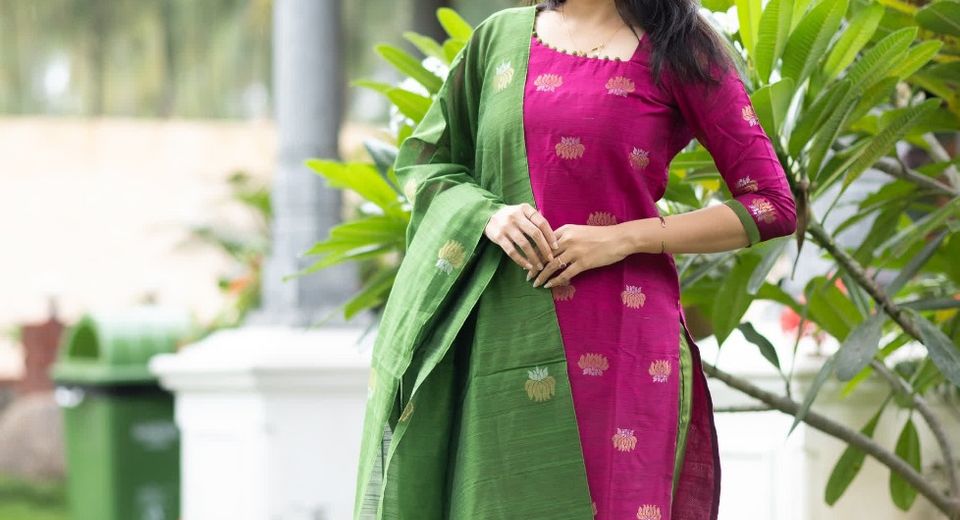
Karnataka Wedding Guest Fashion: Sarees and Salwar Suit Ideas need to work across several moments, from a daytime Haldi ceremony to a formal reception after sunset. The strongest outfit choice depends on the ceremony, venue, season, fabric weight and amount of movement required. Banarasi silk, Kanjeevaram, Mysore silk, Ilkal cotton-silk and well-constructed salwar suits can all look appropriate when their colours and styling suit the setting.
A guest doesn't need to imitate the bridal wardrobe. A refined border, one statement textile, comfortable footwear and carefully chosen jewellery usually create a more appropriate result than excessive embroidery. The guide below explains how to make those decisions with specific saree and salwar suit examples.
Karnataka Wedding Guest Fashion: Sarees and Salwar Suit Ideas for Each Ceremony
The ceremony should determine the outfit's formality, colour intensity and ease of movement. A daytime ritual generally suits breathable fabrics and lighter embellishment, while a reception allows deeper colours, silk, zari and more structured tailoring.
What should you wear to a Haldi ceremony?
A Haldi ceremony calls for washable or easy-care fabrics, cheerful colours and silhouettes that allow comfortable movement. Yellow, pista green, coral, peach and ivory work naturally for daytime photographs, although guests should avoid wearing the exact shade chosen for the bride if the family has announced one.
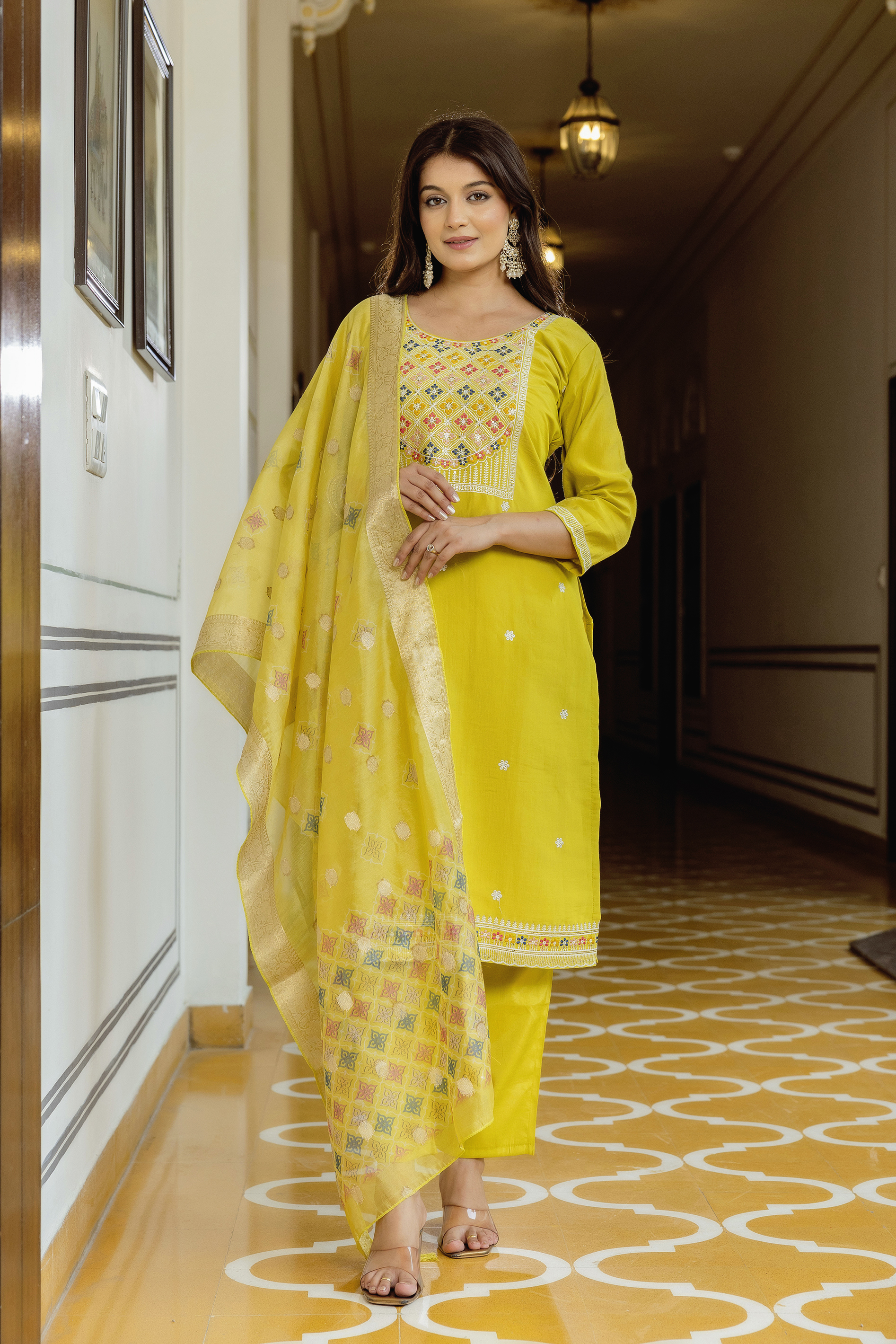
A cotton salwar suit, cotton-silk saree or short kurta with straight trousers is practical for sitting on the floor and moving between guests. Designer Yellow Salwar Suit with Dupatta offers a clear example of a festive daytime direction; pair it with small gold earrings, flat sandals and a dupatta secured at one shoulder rather than heavily layered.
What works for the wedding ceremony?
A wedding ceremony usually calls for a saree or a polished salwar suit in silk, silk-blend or a structured woven fabric. Kanjeevaram, Mysore silk, Banarasi silk and Karnataka silk are suitable because their borders and surface texture create formality without requiring extensive ornament.
For a more restrained outfit, Kanchi Cotton Woven Kurta Pant Dupatta Set gives the visual discipline of a coordinated ensemble while remaining easier to sit and walk in than a heavily flared garment. Gold-toned earrings, a compact potli and a neatly pinned dupatta complete the look without competing with the wedding rituals.
What should you wear to an evening reception?
An evening reception supports richer colours, metallic details and more visible embroidery. Navy, maroon, emerald, wine, charcoal and deep teal photograph well under warm indoor lighting, while zari borders and sequin details catch light without needing a large necklace.
Maroon Wedding Wear Embroidered Palazzo Suit Set suits a reception because its colour has evening depth and its palazzo shape provides movement. Style the outfit with a low bun, a slim bracelet stack and heeled sandals only if the venue has an even floor; otherwise, embellished flats are safer and equally polished.
Karnataka Wedding Guest Fashion: Sarees and Salwar Suit Ideas by Fabric
Karnataka wedding guests can choose sarees by matching the weave, weight and border scale to the ceremony rather than selecting silk automatically. A light cotton-silk works for a warm morning, a traditional silk suits the main wedding and a more decorative drape works for an evening reception.
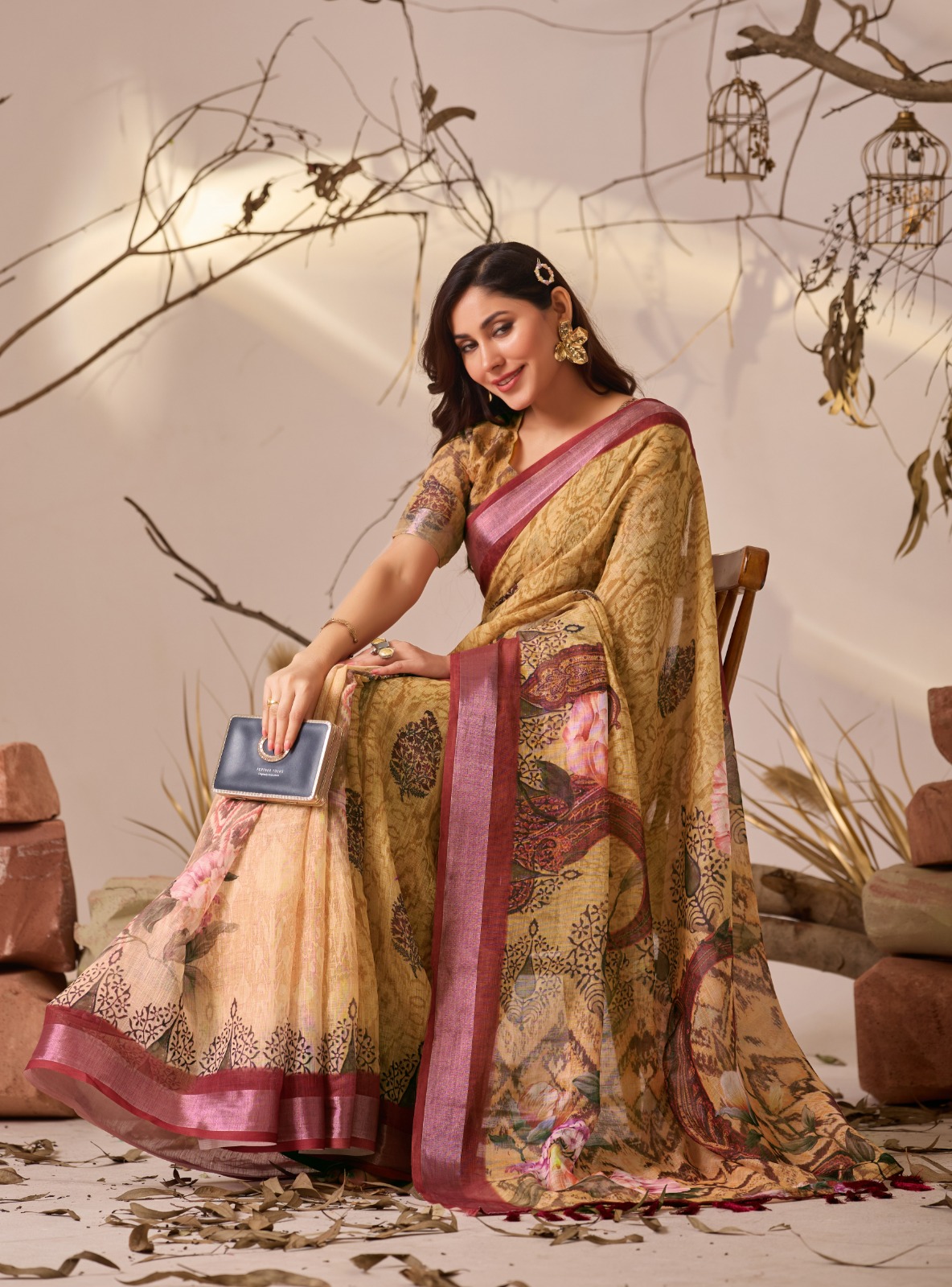
Mysore silk is known for a smooth surface and restrained elegance, making it useful when a guest wants a graceful saree without a very heavy border. Kanjeevaram brings a stronger temple-border identity and is suitable for a formal muhurtham, especially with a plain blouse that lets the zari remain the focal point.
Ilkal sarees, associated with Karnataka, can offer a distinctly regional choice through their contrasting pallu and body. Ilkal cotton-silk is especially useful for daytime weddings because it has visual character without the weight of a heavily ornamented silk saree. A simple gold chain, jhumkas and a traditional braid can reinforce the textile's identity.
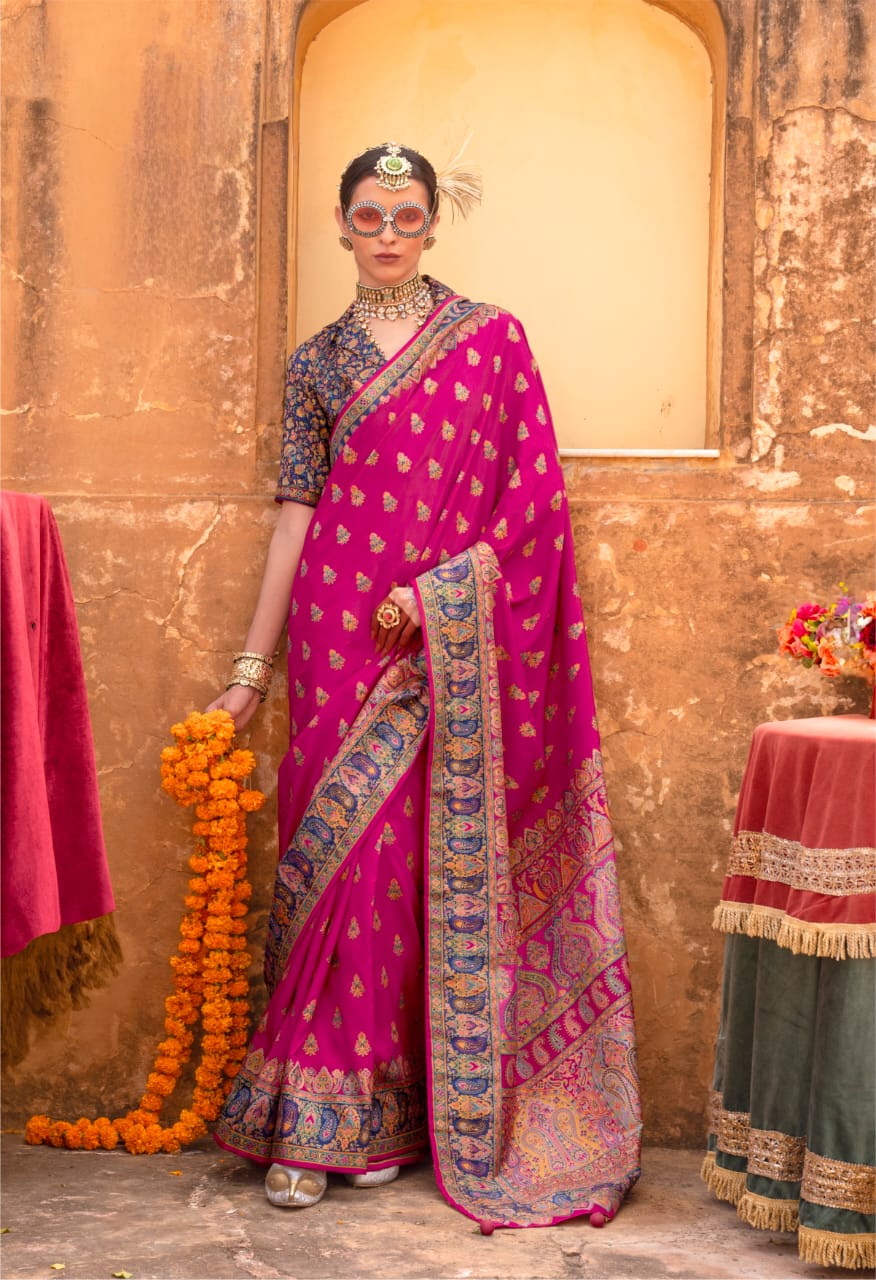
Banarasi silk works well for an evening reception when the design isn't too bridal. Select a medium-scale zari motif, a blouse with a modest neckline and a pallu that can be secured comfortably. Chanderi is another good warm-weather option because its light hand and subtle sheen look festive while remaining less cumbersome than dense brocade.
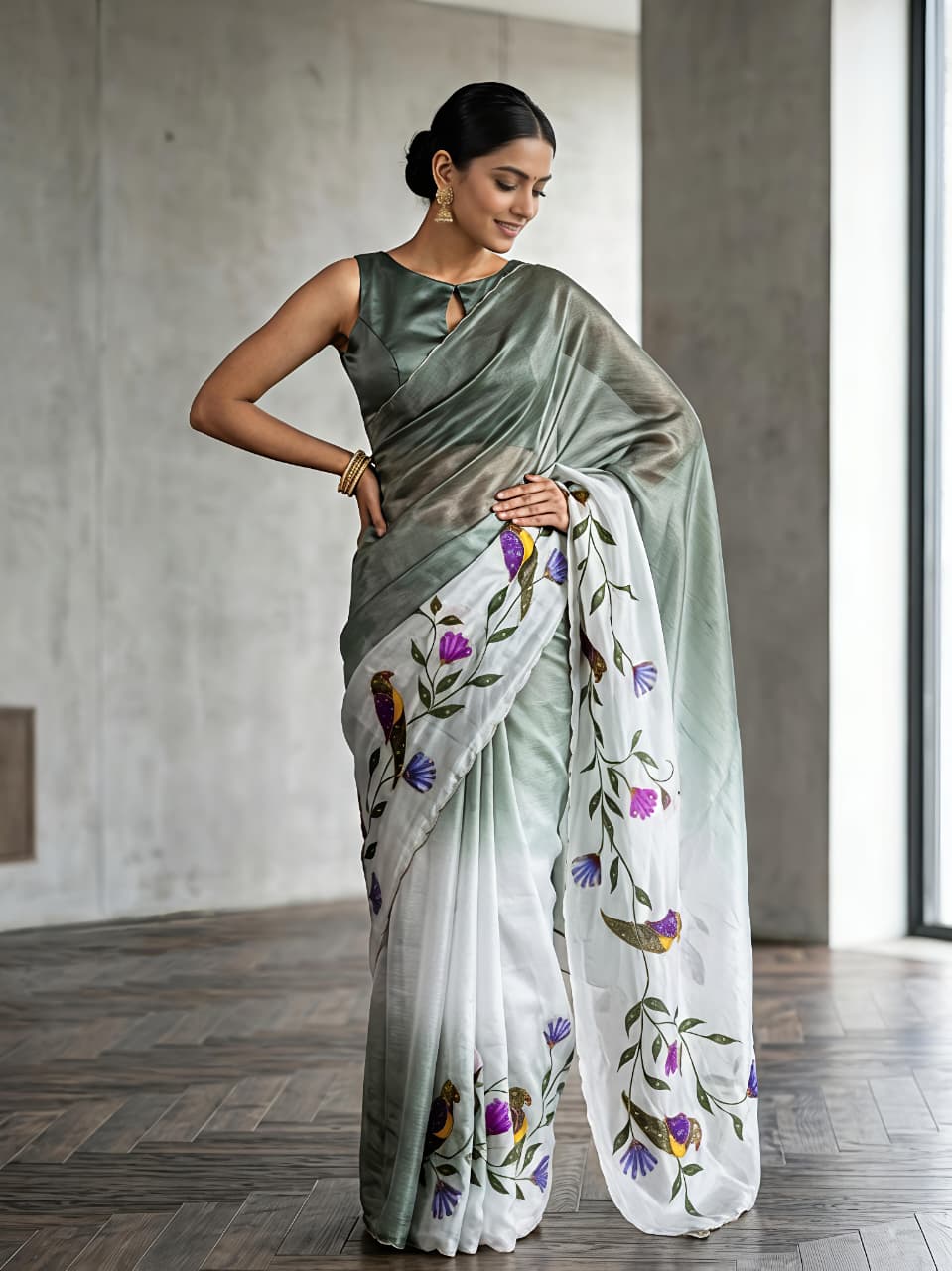
Guests who prefer a contemporary saree can choose a solid silk or tissue-silk base with a contrasting blouse. A jewel-tone blouse can transform an otherwise quiet saree, but the blouse should repeat one colour from the border or pallu so the outfit reads as intentional rather than assembled at random.
Karnataka Wedding Guest Fashion: Sarees and Salwar Suit Ideas for Comfortable Dressing
The best salwar suit for a wedding guest combines a defined silhouette, a stable dupatta and decoration appropriate to the ceremony. Straight-cut suits, kurta-and-pant sets, palazzo suits and silk kurta sets each solve different comfort and formality needs.
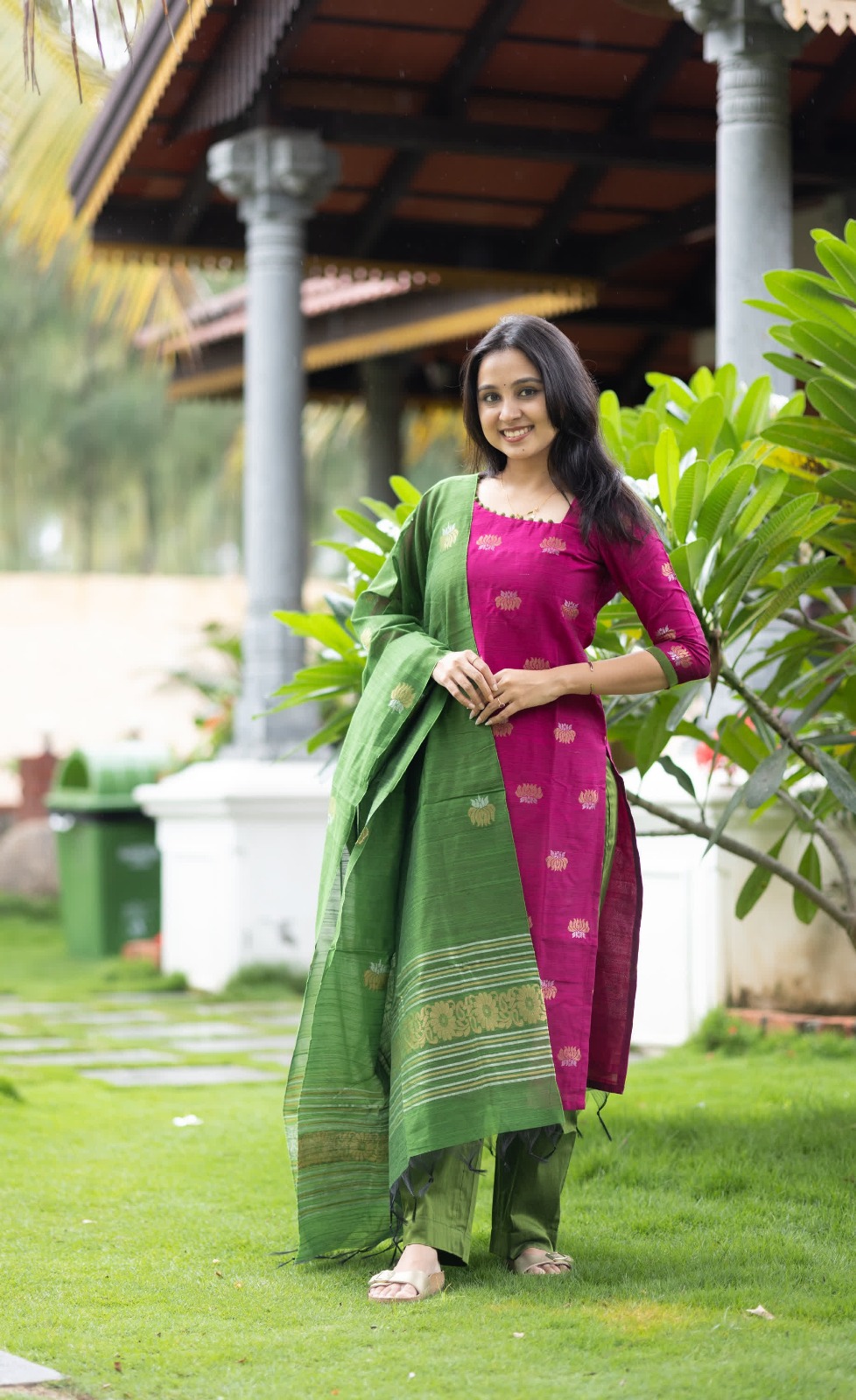
A straight kurta with cigarette pants creates a clean line for a formal ceremony and works particularly well for petite guests or smaller venues. A palazzo suit gives more volume and movement, while a kurta pant dupatta set gives a sharper, less ornate appearance. Anarkali silhouettes create drama but need enough hem clearance to avoid catching on stairs or crowded seating.
Pista Royale Salwar Suit is an useful example of a soft, festive palette for a day event or pre-wedding lunch. Keep the accessories warm and restrained with pearl drops, muted gold sandals and a small embroidered clutch. Pista and sage shades also pair well with antique gold, rose gold and ivory accessories.
For a more traditional textile-led look, Kanchi Cotton Zari Woven Kurti Set with Traditional Dupatta brings zari into the outfit without the full weight of a silk saree. Grey Zari Border Kanchi Cotton Kurti Dupatta Set takes a quieter route and can be elevated with a bright lipstick, gold jhumkas and a contrasting potli.
A deep-coloured embroidered suit is usually more effective for an evening event than a daytime ritual. Navy Blue Embroidered Salwar Suit brings a versatile base for silver, diamond-look or oxidised jewellery, while Sea Green Embroidered Silk Kurta Set with Dupatta gives a softer alternative for a reception or engagement celebration.
Karnataka Wedding Guest Fashion: Sarees and Salwar Suit Ideas with Regional Textiles
Regional textile references help a guest select a coherent look, but a collection name should not replace checking the actual fabric, lining and care requirements. Textile identity comes from weave, motif, dye, embroidery and finishing rather than colour alone.
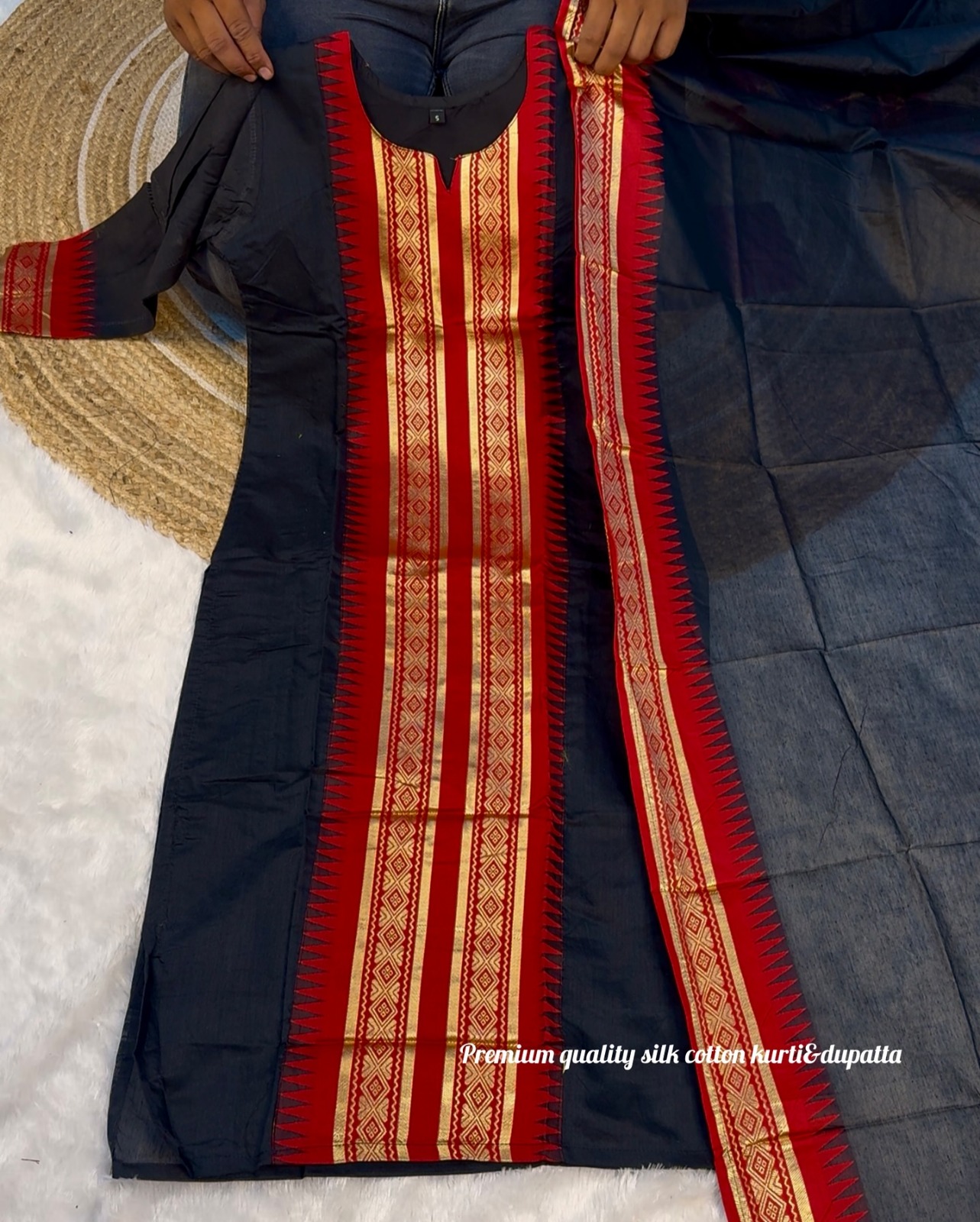
Karnataka Silk Salwar Suits are a natural starting point for guests who want a local connection with the wedding setting. Look for silk or silk-blend fabric, measured zari detail and a dupatta that doesn't overpower the kurta. A Karnataka-inspired outfit feels more considered when the jewellery and footwear remain relatively simple.
Maharashtra Paithani Inspired Salwar Suits can bring jewel-toned colour and pallu-inspired motifs into a more mobile silhouette. Such designs are useful when a guest wants the visual richness of a traditional weave but prefers trousers to a saree. Choose one dominant motif and avoid adding a second heavily patterned accessory.
Kalamkari Print Salwar Suits are particularly suitable for a daytime wedding function, cultural lunch or intimate family gathering. Kalamkari's narrative prints already provide visual detail, so plain sandals and small metal earrings prevent the outfit from becoming busy.
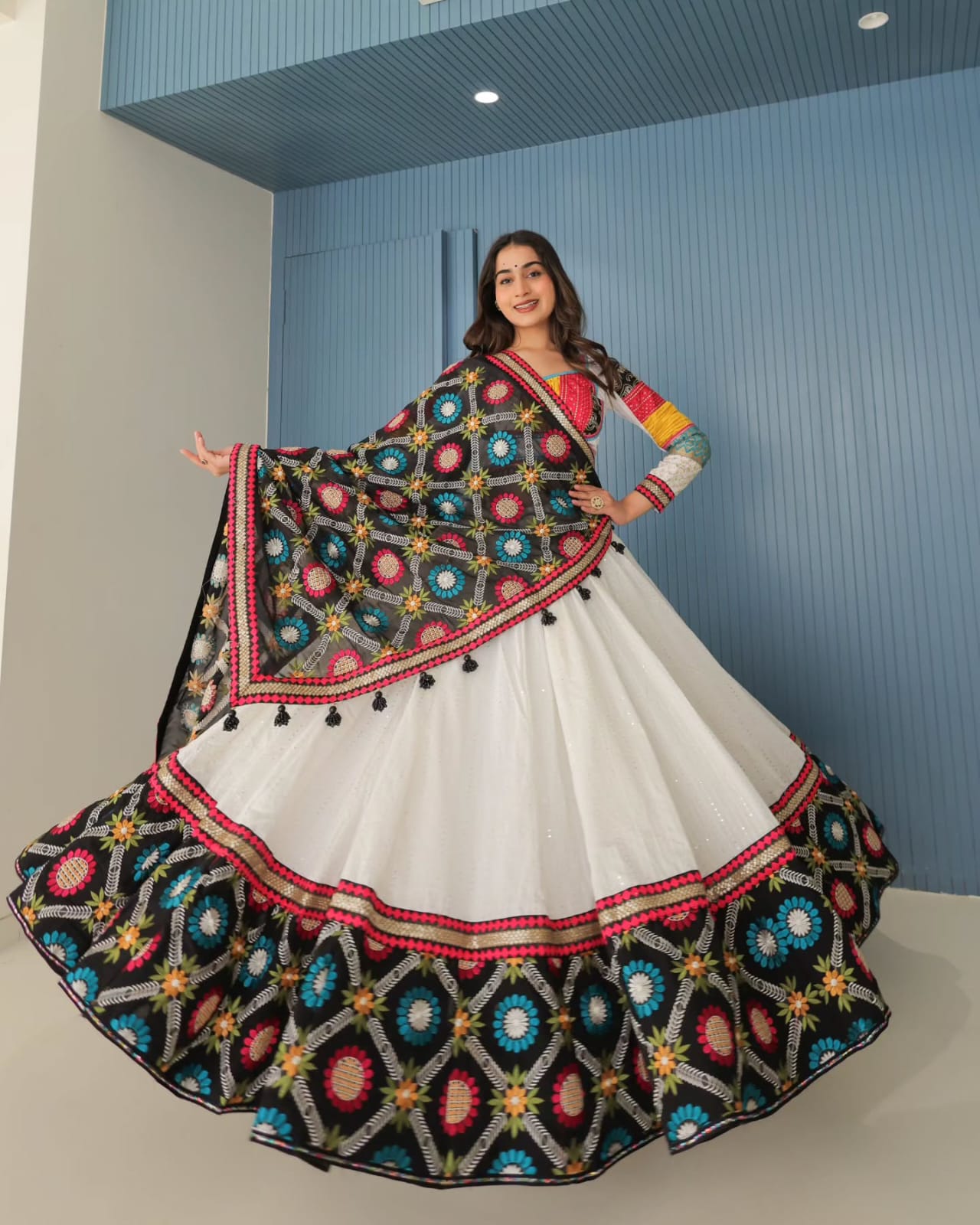
Punjab Phulkari Embroidered Salwar Suits create a brighter, craft-led appearance through coloured threadwork. Phulkari is effective for a mehendi or celebratory lunch, especially with a solid dupatta and minimal necklace. Kashmir Embroidered Salwar Suits offer a more delicate, often floral surface and can work for a cool-season evening event when paired with a plain shawl or tailored jacket.
Karnataka Wedding Guest Fashion: Sarees and Salwar Suit Ideas for Choosing Colours
Wedding guest colours should look festive while leaving the bridal palette and family dress codes room to stand out. Medium and deep tones, balanced pastels and controlled metallic accents are generally safer than all-over red, bridal gold or highly saturated neon.
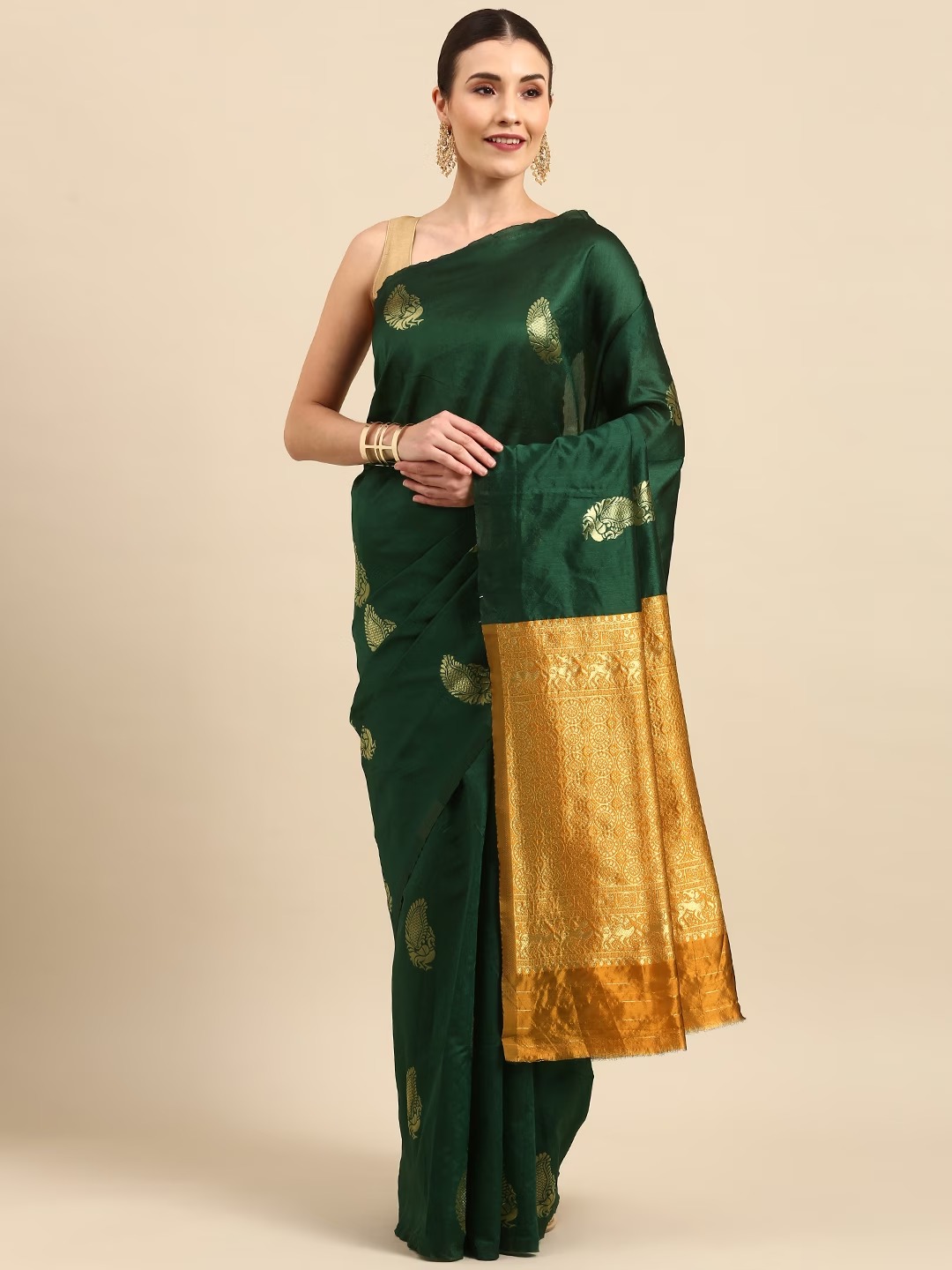
Yellow and marigold are excellent for a Haldi ceremony, but a guest can soften the effect with ivory pants or a green dupatta. Pink, peach and coral suit daytime functions, while navy, wine, maroon and emerald have enough depth for evening lighting. Grey, champagne and dusty rose become festive when paired with zari, silk or a contrasting blouse.
Red requires particular care because it may be reserved for the bride or close family. If red is part of the dress code, choose a wine or maroon salwar suit rather than a bridal scarlet saree, and keep the jewellery smaller than the outfit's embroidery. White can be worn in combination with gold, green or pink, although guests should follow any family or regional convention that discourages plain white.
Metallic colour should be treated as an accent rather than a complete outfit unless the reception is explicitly glamorous. A gold zari border, metallic clutch or antique-finish earrings can make a cream saree festive without creating a head-to-toe gold appearance.
Karnataka Wedding Guest Fashion: Sarees and Salwar Suit Ideas for Jewellery and Care
Jewellery should repeat one visual element from the outfit and remain practical for the ceremony. Gold-toned pieces suit zari, Kanjeevaram and warm silk, while silver or oxidised metal complements navy, grey, sea green and cooler embroidery.
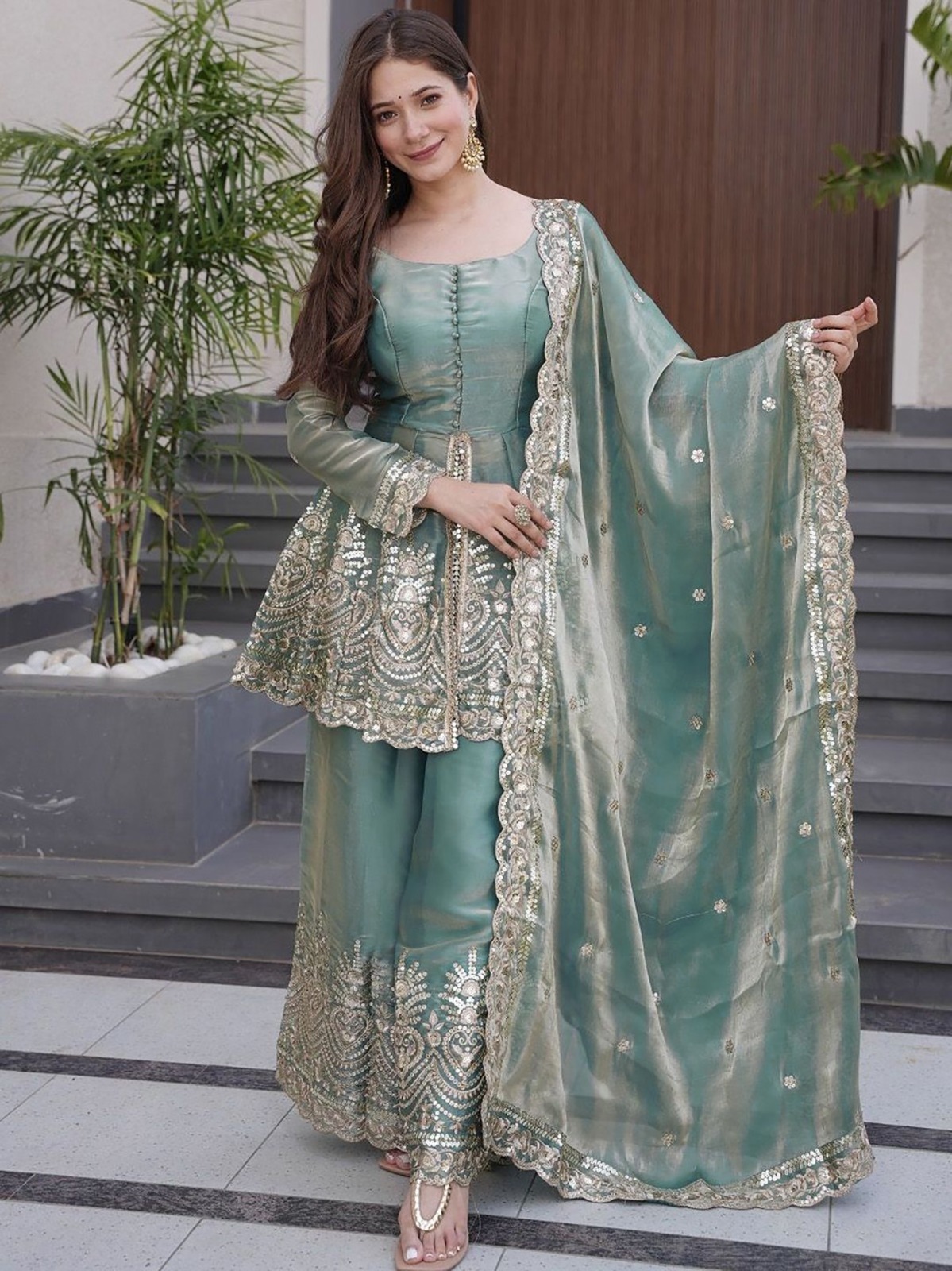
A saree with a broad zari border usually needs only earrings, a bangle stack and perhaps a small nose pin. A plain saree can carry a stronger necklace or statement earrings, but wearing both large earrings and a heavy necklace may hide the blouse neckline and make the outfit uncomfortable during a long ceremony.
Secure a saree pallu with two discreet pins, one near the shoulder and another inside the pleats. A salwar suit dupatta should be pinned at the shoulder when photographs, meals and movement are involved. Test the complete outfit at home for at least 15 minutes, including sitting, climbing stairs and reaching forward, before the wedding day.
Care instructions depend on the fibre and embellishment. Dry-clean Banarasi silk, Kanjeevaram, heavily embroidered silk and zari garments rather than washing them at home. Air a garment after wearing it, store silk folded in unbleached cotton, refold it every few months and keep it away from direct sunlight, plastic covers and damp wardrobes.
Cotton and cotton-silk garments can often be hand-washed or professionally cleaned, but the care label should decide the method. Test colourfastness on an inside seam before using water, avoid wringing zari borders and dry the garment in shade. A breathable garment bag is more suitable than a sealed plastic sleeve for long-term storage.
The most reliable Karnataka wedding guest outfit is one that respects the ceremony, allows movement and expresses textile detail without competing with the couple. A saree, salwar suit or regional-inspired ensemble becomes more polished when fabric weight, colour, accessories, footwear and care are considered together.
Common Questions About Karnataka Wedding Guest Sarees and Salwar Suits
What should a guest wear to a Karnataka wedding?
A guest can wear a Mysore silk, Kanjeevaram, Ilkal cotton-silk or Banarasi silk saree, or a polished salwar suit in silk, cotton-silk or a structured woven fabric. Choose lighter fabrics for daytime ceremonies and deeper colours or zari details for an evening reception.
Can I wear a salwar suit to a Karnataka wedding?
Yes, a well-tailored salwar suit is appropriate for a Karnataka wedding, especially when it has a defined silhouette, festive fabric or tasteful embroidery. A straight kurta set works for the main ceremony, while a palazzo suit or embroidered silk set suits a reception.
Which colours are suitable for Karnataka wedding guests?
Pista, yellow, peach, coral and ivory work well for daytime functions, while navy, maroon, wine, emerald and deep teal suit evening events. Guests should check the family dress code and avoid an all-red or heavily bridal-gold outfit unless those colours are specifically requested.
Is Kanjeevaram suitable for a wedding guest?
Kanjeevaram is suitable for a wedding guest when the saree's border and embellishment are balanced rather than overtly bridal. A medium zari border, a simple blouse and restrained jewellery create a formal guest look without competing with the bride.
What jewellery should I wear with a wedding guest salwar suit?
Gold-toned earrings pair well with zari and warm silk, while silver or oxidised jewellery complements navy, grey and sea green embroidery. Choose either a statement necklace or prominent earrings, rather than making both pieces equally heavy.
How should I care for a silk saree or embroidered salwar suit after a wedding?
Dry-clean Banarasi silk, Kanjeevaram, heavily embroidered silk and zari garments according to the care label. Air the garment after use, store it folded in unbleached cotton, refold it every few months and keep it away from sunlight, moisture and plastic covers.