Karnataka Traditional Sarees: Fabrics, Styles and Regional Differences become easier to understand when each saree is connected to its place of production. Mysore silk, Ilkal sarees and Molakalmuru sarees don't represent one uniform look: they differ in fibre, loom structure, border treatment, motifs, weight and regional history. Knowing those differences helps you choose a saree for a wedding, festival, office celebration or everyday wear without relying only on colour or embellishment.
Karnataka's saree traditions developed across contrasting landscapes, from the silk-producing areas around Mysuru to the cotton-growing Deccan and the weaving centres of northern Karnataka. A saree's texture can therefore reveal as much about its origin as its design. A smooth silk body, a cotton-silk body with a firm contrasting border, and a lightweight cotton saree with small geometric motifs each belong to different textile conversations.
Which sarees are traditionally associated with Karnataka?
The best-known Karnataka sarees include Mysore silk, Ilkal sarees, Molakalmuru sarees and regional cotton handlooms. Each style has a recognisable combination of material, weaving method, border design and local identity.
Mysore silk is associated with bright silk, a fluid fall and restrained elegance. Ilkal sarees are known for their cotton or cotton-silk bodies, contrasting borders and distinctive pallu construction. Molakalmuru sarees are recognised for fine silk weaving, delicate zari details and patterned surfaces. Karnataka also has many less wide commercialised cotton and silk-cotton traditions produced by local weaving communities.
The word "traditional" doesn't always mean that a saree is made in one fixed pattern. Contemporary weavers and designers may reduce zari, change the colour palette, introduce new motifs or combine cotton and silk in updated proportions. A modern Ilkal-inspired saree may preserve the border and pallu idea while using lighter yarns for easier daily wear.
Mysore silk sarees: smooth silk with ceremonial polish
Mysore silk sarees are lightweight silk sarees valued for their smooth surface, rich colour and controlled zari work. The fabric generally has a clean, glossy appearance and a soft drape that makes it comfortable for long ceremonies.
Mysore silk became strongly associated with the Mysuru region through organised silk production and the development of a recognised regional identity. The saree is often chosen for weddings, religious ceremonies, milestone celebrations and formal family events because the silk looks refined without requiring a heavily worked surface.
Pure silk quality is best assessed through a combination of fibre information, finishing, weave regularity and seller documentation rather than shine alone. Excessive gloss can come from finishing treatments, while genuine silk may have a softer, warmer lustre. A saree with a very even body, neat selvedges and a balanced pallu usually indicates better construction.
Traditional Mysore silk often uses gold or silver zari in a narrow border and pallu. Contemporary versions may use jewel tones such as emerald, wine and royal blue, along with muted shades such as dusty rose or sandalwood. A plain Mysore silk saree can be styled with a brocade blouse, while a zari-bordered version usually works best with a simpler blouse that allows the border to remain visible.
How do Ilkal sarees differ from other Karnataka sarees?
Ilkal sarees differ through their cotton or cotton-silk body, contrasting border, distinctive pallu and traditional joining technique. The Ilkal region of northern Karnataka is especially known for sarees in which the pallu and body are visually separated by strong colour and structure.
Many Ilkal sarees use a body made from cotton with a silk or silk-like border, although fibre combinations vary between weavers and contemporary products. The border may be red, maroon, black, green or purple, and the pallu often carries stripes or geometric patterns. The famous Tope Teni construction joins the pallu to the saree body using an interlocking technique, creating a durable transition rather than a merely printed division.
Ilkal sarees are practical because the cotton body absorbs moisture and the firm border helps the saree hold its shape. The fabric is usually less glossy than Mysore silk and may feel more textured under the hand. Ilkal suits temple visits, festivals, cultural programmes and daytime celebrations particularly well.
A good Ilkal saree should have a border that lies flat, a pallu that joins cleanly and a body whose weave doesn't show irregular gaps. When buying online, check the fibre composition, saree width, blouse-piece details and close-up images of the pallu. A cotton-silk saree may have a different fall and care requirement from a fully cotton Ilkal saree.
Molakalmuru sarees and the silk traditions of Karnataka
Molakalmuru sarees are fine silk sarees associated with Molakalmuru in Chitradurga district and are admired for detailed patterns, delicate borders and a graceful drape. Their visual language often combines silk, zari and small repeated motifs rather than relying on oversized decoration.
Molakalmuru weaving developed through the movement of weaving knowledge across southern India and acquired a distinct local character in Karnataka. The sarees may feature floral motifs, checks, stripes or traditional geometric arrangements. Their lighter body and detailed surface make them suitable for festive dressing when a wearer wants silk without the weight of a heavily embroidered saree.
Molakalmuru silk can resemble other South Indian silk at first glance, so regional identification should not depend on colour alone. Examine the border proportion, the scale of motifs, the pallu pattern and the stated place of weaving. Sellers should clearly describe whether a saree is handloom, powerloom, pure silk, silk blend or silk cotton.
For a restrained reception or festive lunch, a Molakalmuru-style saree pairs well with a high-neck blouse, antique-gold jewellery and a compact bun. For a wedding ceremony, a broader zari necklace and a more structured blouse can balance the fine patterning without overwhelming it.
Karnataka Traditional Sarees: Fabrics, Styles and Regional Differences by region
Karnataka Traditional Sarees: Fabrics, Styles and Regional Differences are most visible when the state is read as a map of materials and weaving practices rather than as a single style category.
- Mysuru and southern Karnataka: Mysore silk is the signature formal textile, with a smooth silk body, fluid fall and controlled zari borders.
- Ilkal and northern Karnataka: Ilkal sarees commonly combine cotton or cotton-silk bodies with contrasting borders and a structured pallu.
- Molakalmuru and central Karnataka: Fine silk sarees often use smaller motifs, delicate zari and a lighter formal drape.
- Deccan cotton-weaving areas: Cotton handlooms may favour checks, stripes, geometric repeats and breathable textures suited to warm weather.
Regional difference also appears in colour. Ilkal traditions often use confident contrasts, while Mysore silk may be presented in a single saturated shade with a narrow metallic edge. Molakalmuru designs can use small-scale motifs that create texture across the body without making the saree visually heavy.
These categories are useful guides rather than rigid rules. A contemporary saree can borrow the Ilkal border idea, use a linen-cotton body and include floral printing. A handloom saree can be inspired by Karnataka traditions without being woven in Karnataka, so product descriptions should be read carefully.
How should you choose a Karnataka-style saree for an occasion?
Choose the saree by matching fibre, weight, drape and surface detail to the length and setting of the event. Silk suits evening ceremonies, cotton and cotton-silk suit warm daytime functions, and lightweight blends suit travel or repeated wear.
For weddings and formal ceremonies
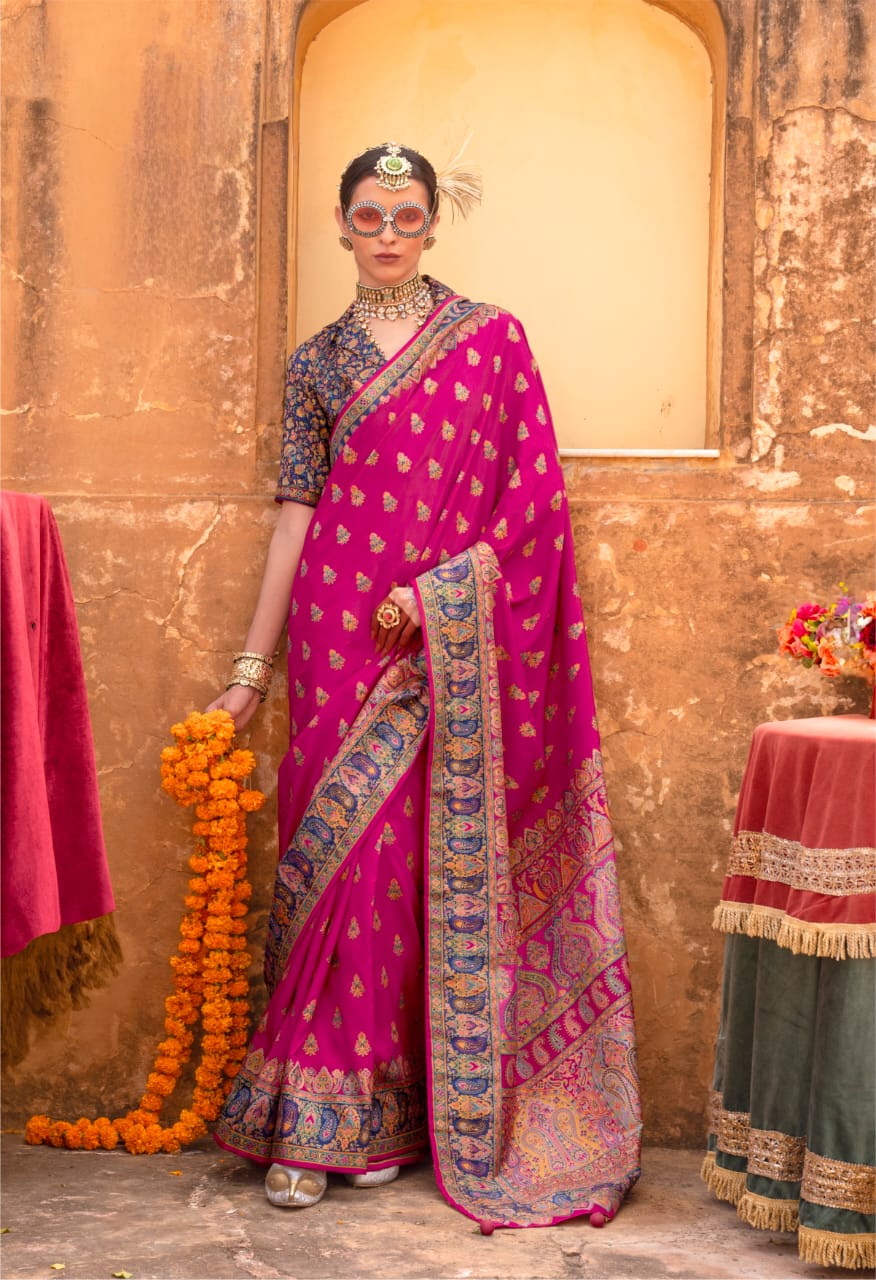
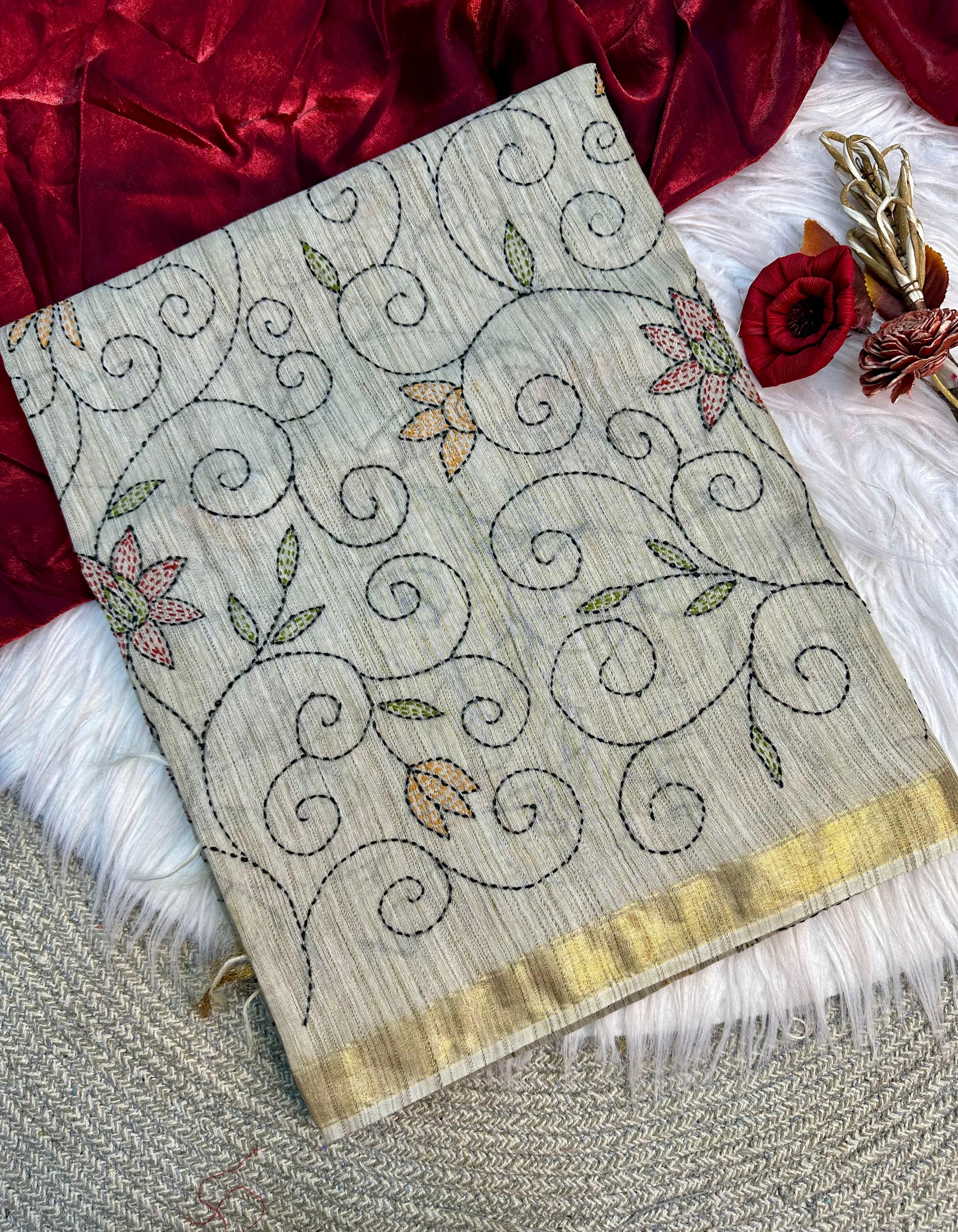
Silk or silk-rich sarees provide the strongest ceremonial presence. A Premium Handloom Silk Saree with Handkatha illustrates how hand-finished surface details can add interest without requiring dense embroidery. A Maroon Cotton Saree with Zari Work for Wedding offers a more breathable route when the ceremony is outdoors or held during a warm season.
For festivals and family gatherings
Choose a saree with a visible border or pallu so the regional character remains clear in photographs. A Wine Tissue Handloom Cotton Saree with Zari & Floral Prints can work for a festive daytime gathering because tissue texture and zari create brightness while cotton helps control weight. A Pastel Floral Tissue Handloom Cotton Saree with Zari Weaves gives a softer alternative for a lunch, puja or engagement event.
For daytime and semi-formal wear
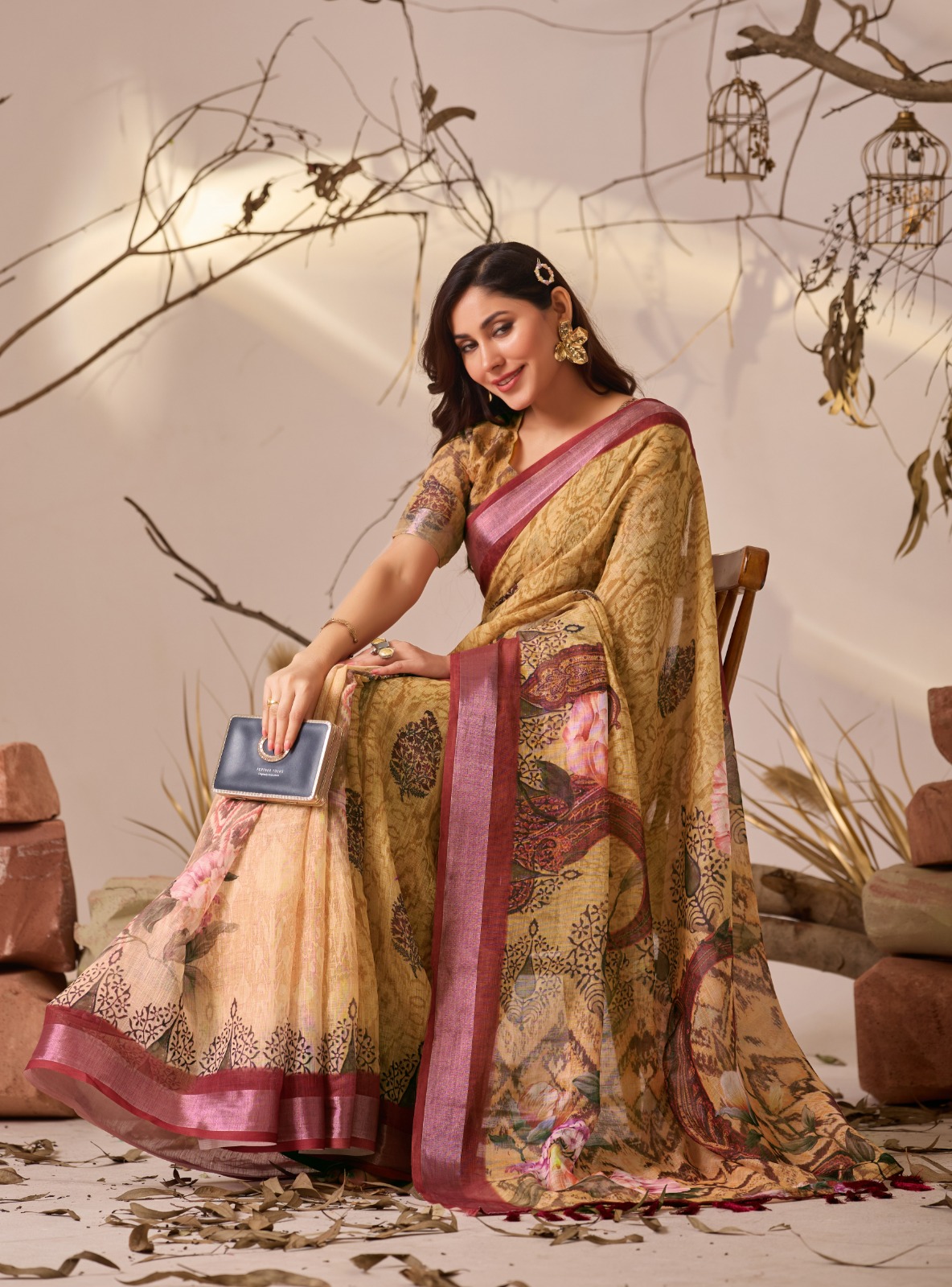
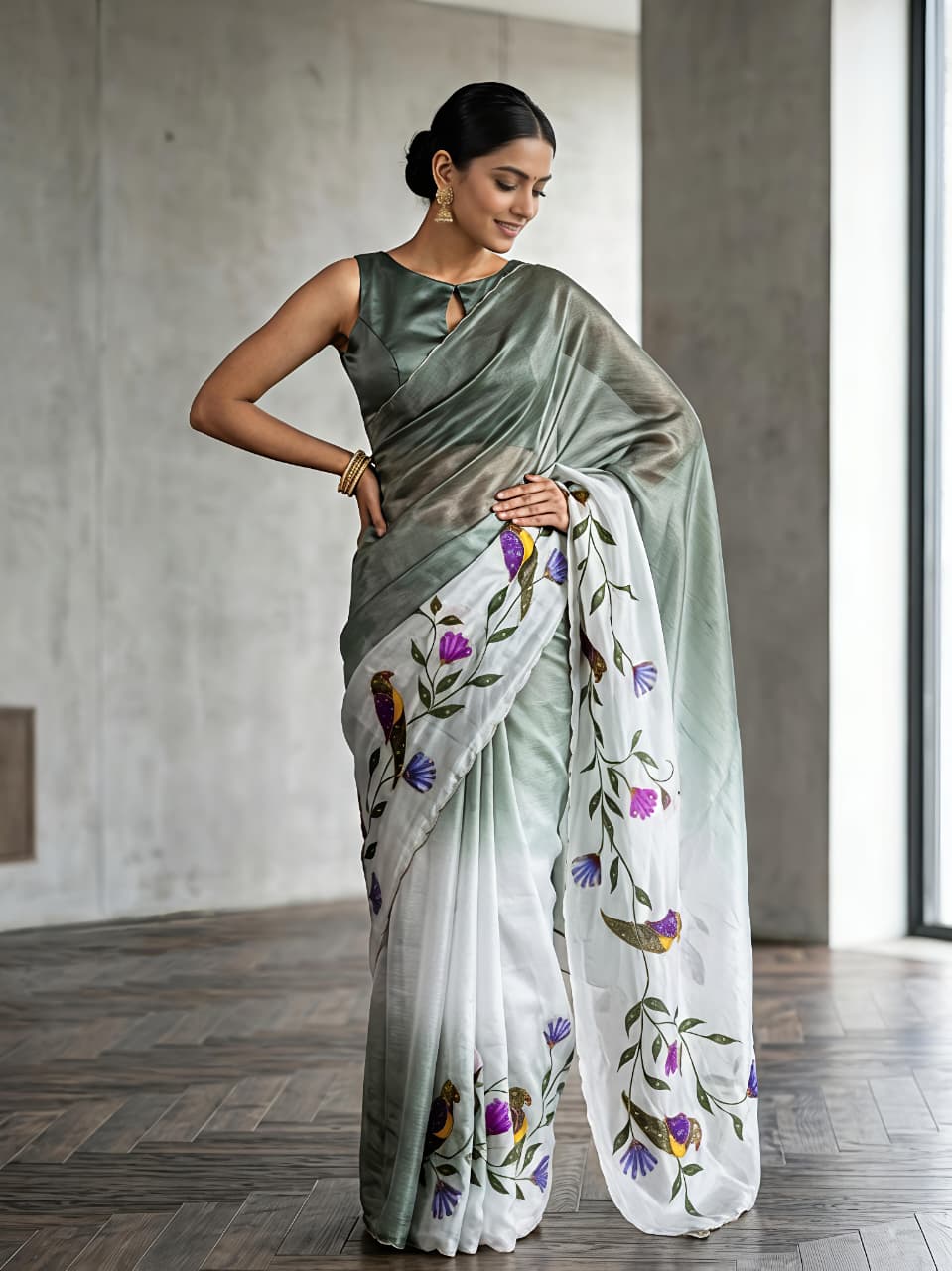
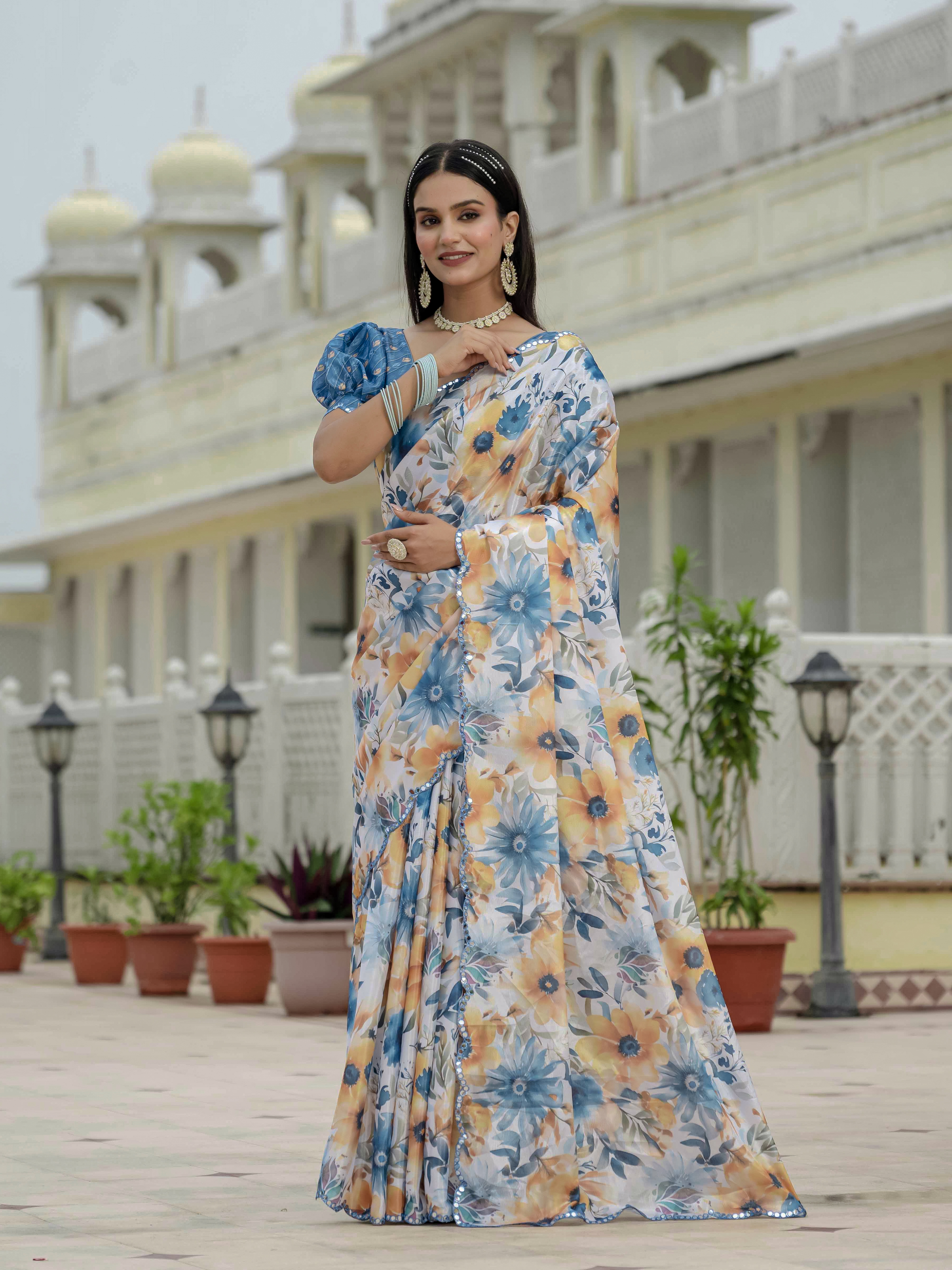
Printed linen-cotton and lighter handloom sarees are comfortable choices for office celebrations, cultural events and summer occasions. A Pastel Linen Cotton Floral Print Saree with Designer Blouse and a Peach Linen Cotton Floral Print Saree with Blouse for Women show how a breathable base can be styled with a ready blouse for a less formal but polished result.
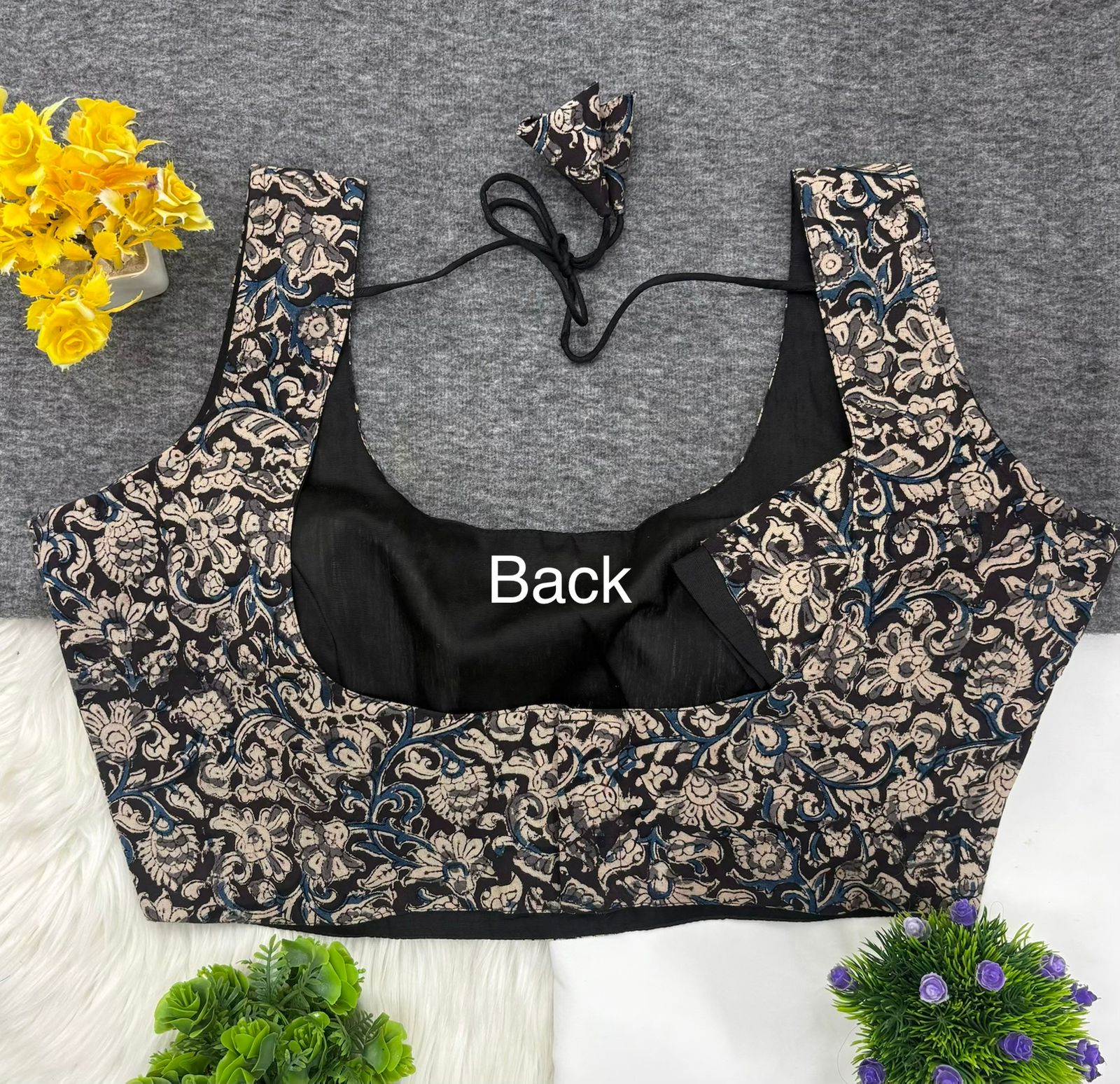
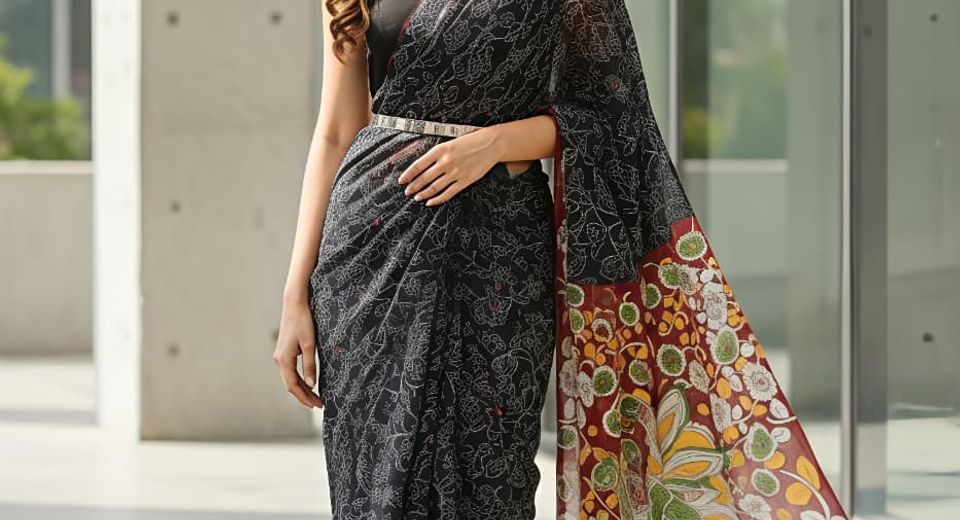
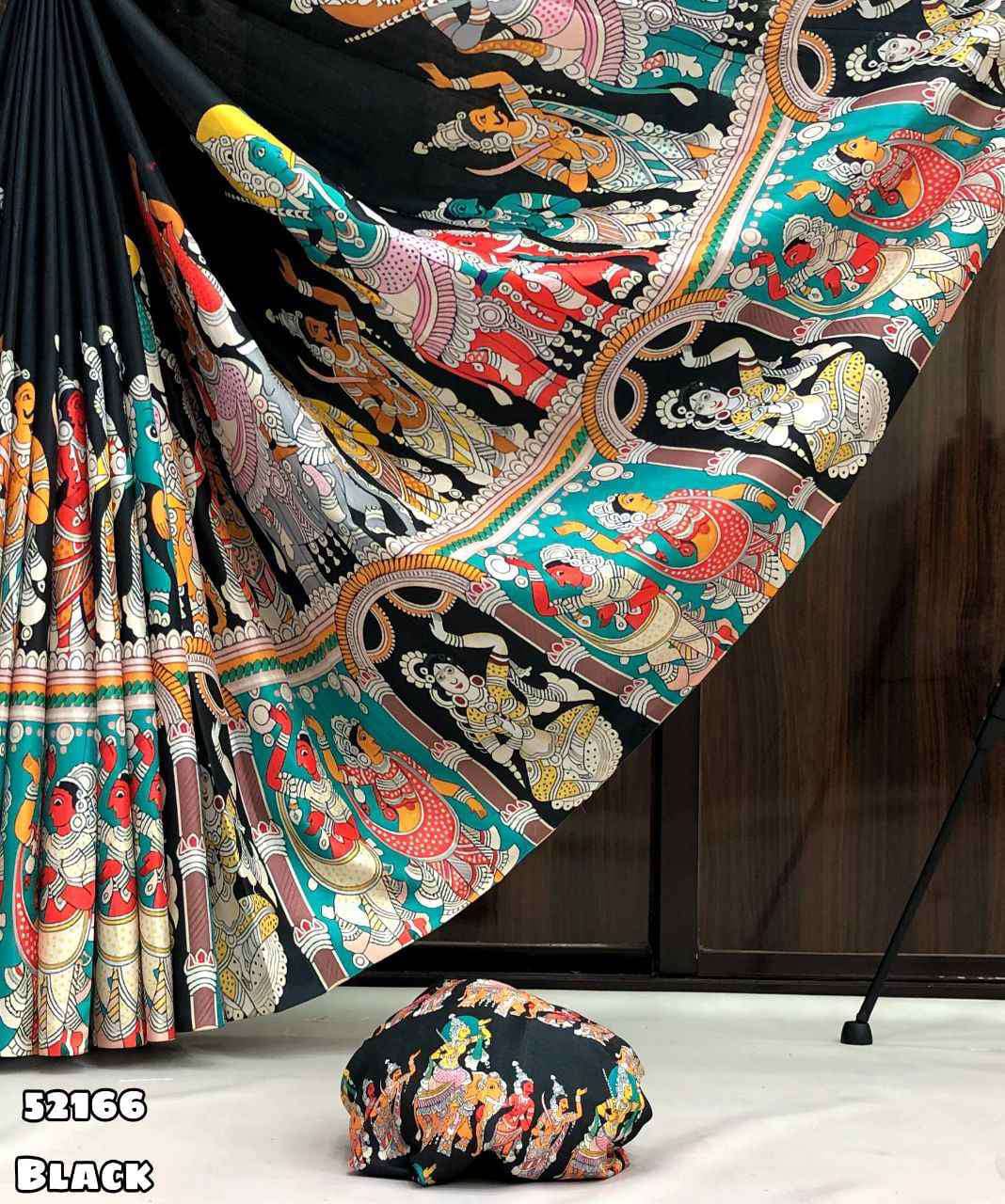
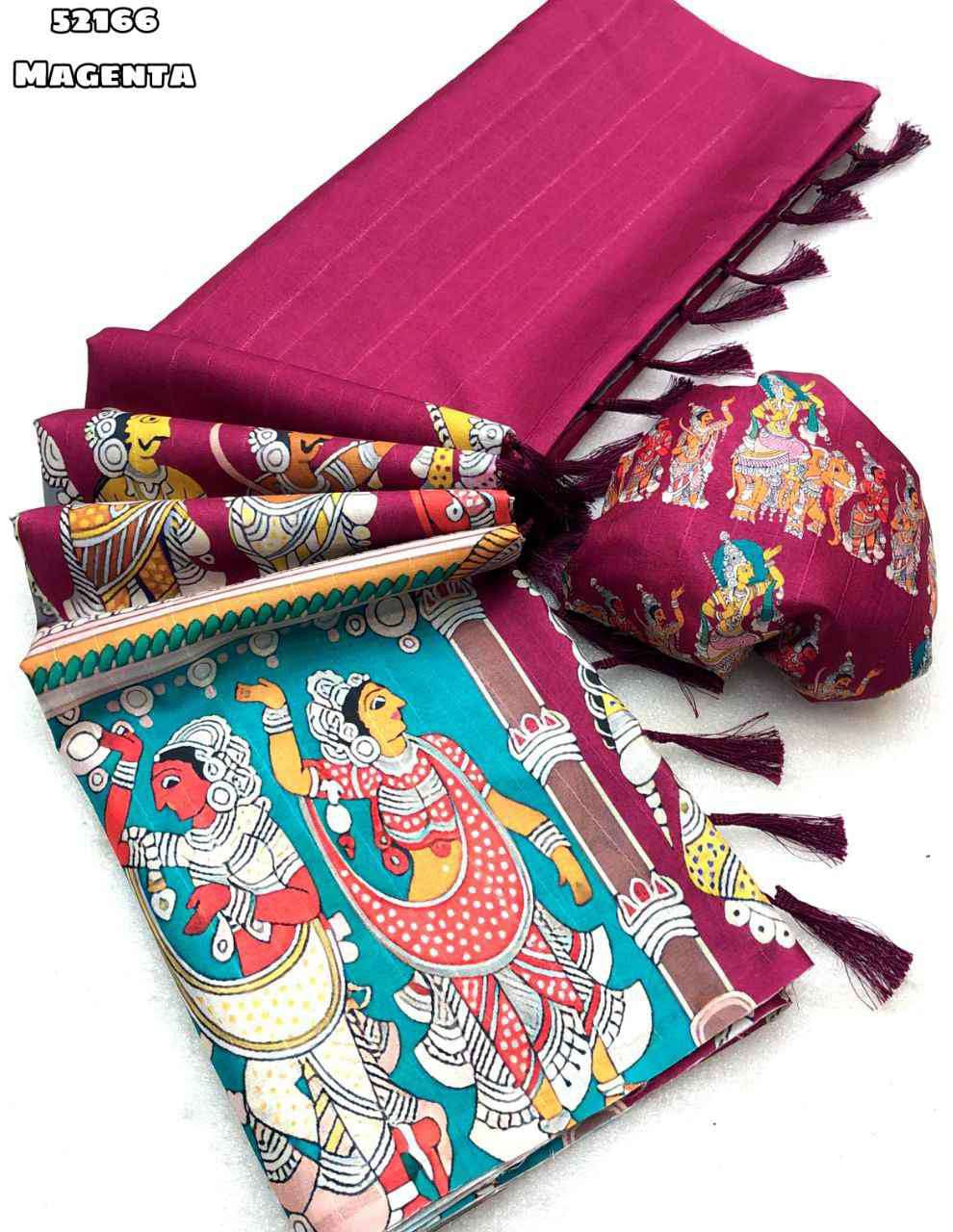
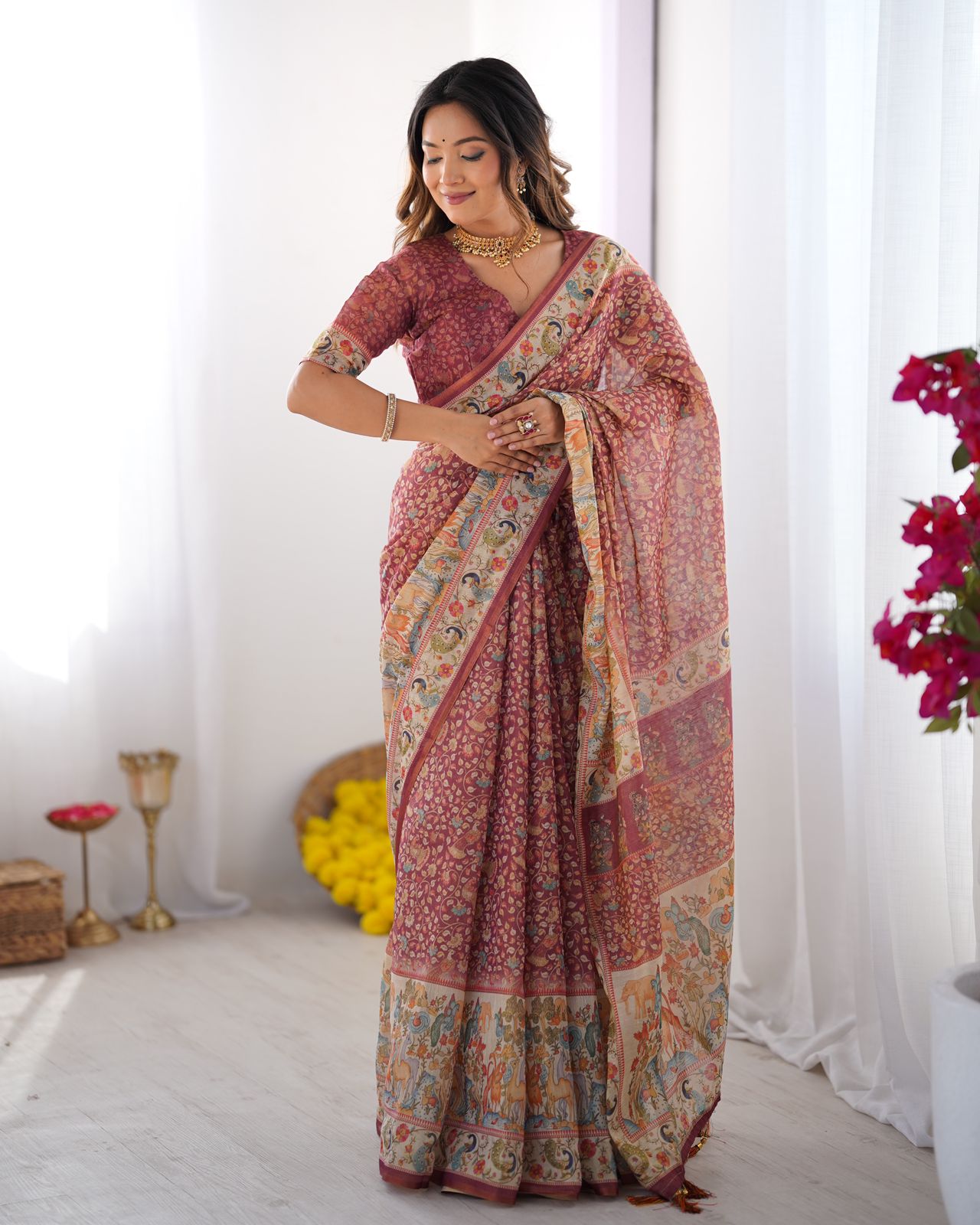
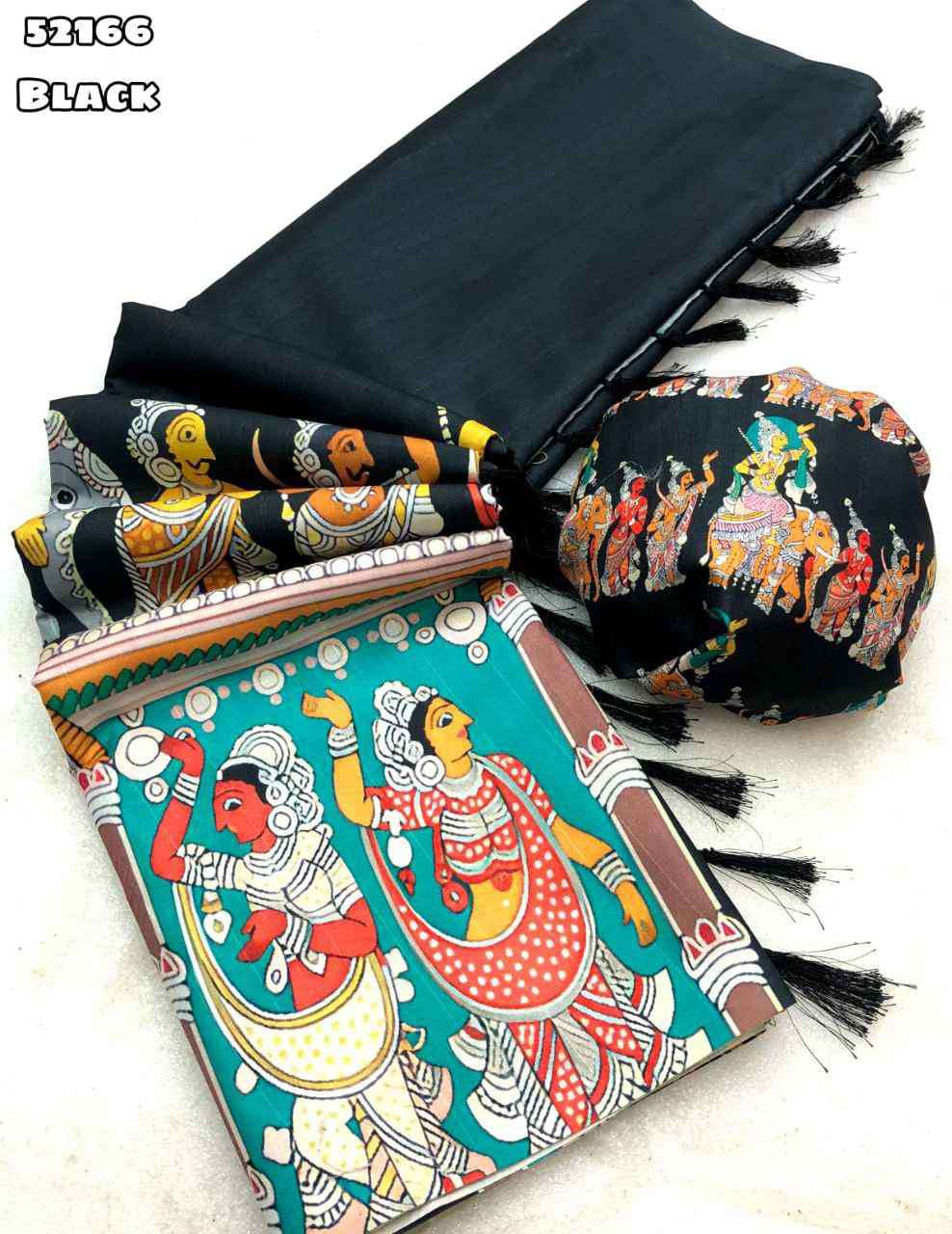
Black Traditional Kalamkari Print Silk Saree and Varnavi Royal Kalamkari Maroon Handloom Saree demonstrate a different approach: textile storytelling through printed or handloom-inspired motifs. Kalamkari isn't exclusive to Karnataka, so these sarees should be described as complementary regional-style choices rather than labelled as Karnataka-origin weaves.
How can you check fabric, zari and construction before buying?
Check fibre composition, weave description, border construction, blouse-piece information, measurements and care instructions before placing an order. Product photographs can't reliably distinguish pure silk from silk blend or woven zari from a metallic-looking print.

- Read the fibre label: Look for clear terms such as pure silk, cotton, silk cotton, linen cotton or synthetic blend. "Silk feel" describes texture, not fibre content.
- Inspect the zari wording: Woven zari is integrated into the textile, while zari print or metallic foil sits on the surface and may age differently. A product description should identify the technique where relevant.
- Check dimensions: A saree around 5.5 metres plus a separate blouse piece is common, but measurements vary. Confirm length and width if you're tall or prefer a longer pallu.
- Study the selvedge and reverse: Close-up images can reveal loose threads, uneven borders or printed motifs that don't continue naturally at the edges.
- Match care to your routine: Silk usually needs gentle dry cleaning or specialist care, while cotton may tolerate more regular washing if the colourfastness instructions allow it.
Price can provide context but can't prove authenticity. A lower-priced cotton saree may be excellent value for daily use, while a silk saree requires a higher cost because of fibre, weaving time and finishing. Collections such as Sarees from Rs 1000 to Rs 1500, Sarees Under 20% Off and Sarees Under 10% Off can help establish a budget, but a discount should never replace checking material details.
How should Karnataka sarees be stored and maintained?
Store silk sarees folded in breathable cotton fabric, away from direct sunlight, moisture and rough jewellery. Refold silk every few months along different lines to reduce permanent creasing, and avoid hanging heavy sarees for long periods because the fabric can pull at the shoulders.
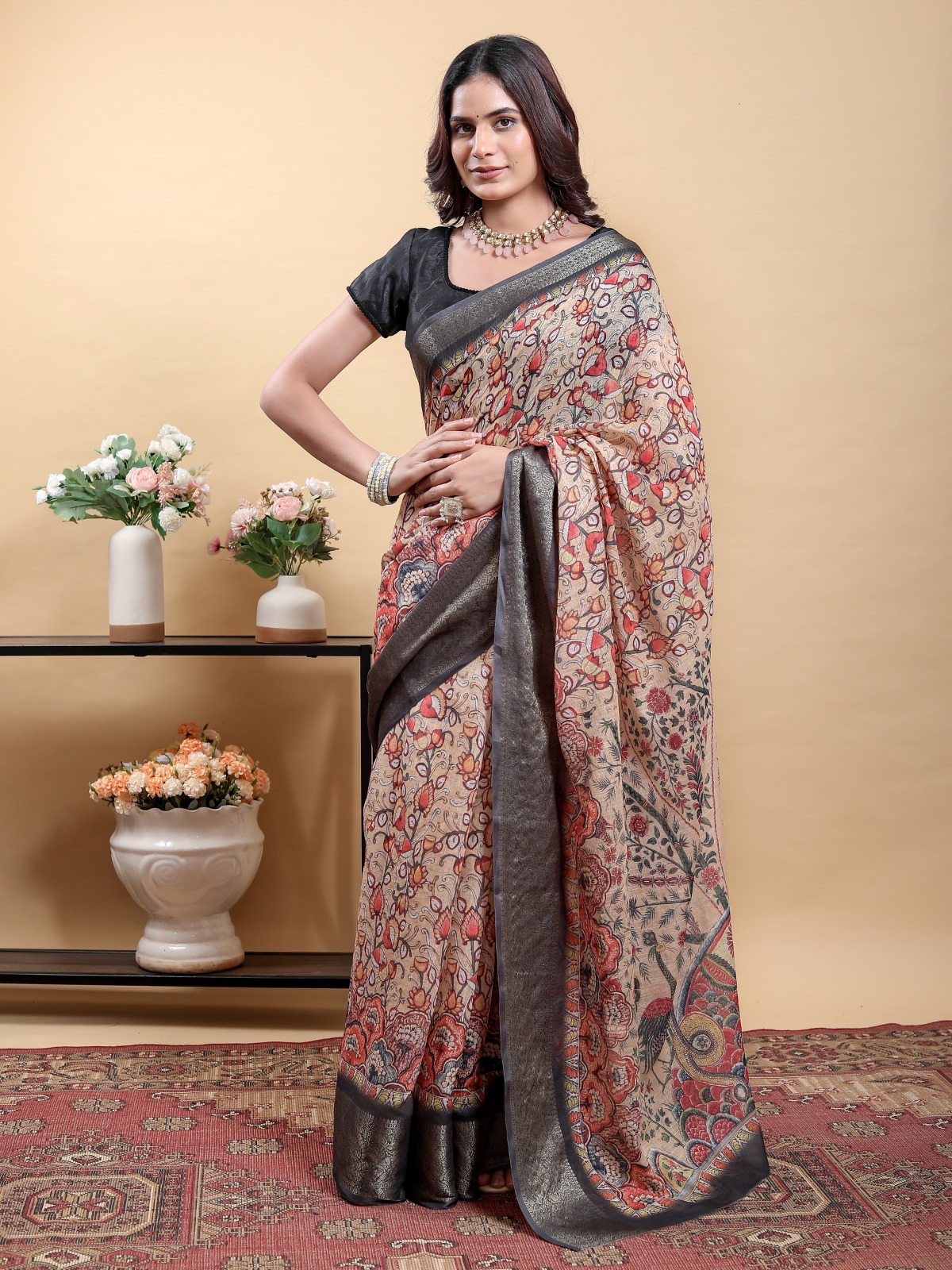
Cotton sarees should be washed according to the dye and weave instructions, with mild detergent and shade drying preferred for strong colours. Do not wring zari borders. Iron sarees on the reverse side at a suitable temperature, using a pressing cloth for silk, tissue and metallic surfaces.
Air stored sarees occasionally, especially during humid monsoon months, but don't leave silk in harsh sunlight. Replace plastic packaging with unbleached cotton covers and keep neem leaves or approved textile-safe moisture protection nearby without allowing any material to touch the saree directly.
When comparing festive options, a discount label such as Sarees Flat 60% Off or Sarees Flat 50% Off is less important than the construction and care requirements. A carefully maintained cotton-silk saree can remain useful for years, while careless storage can damage an expensive silk saree within a single season.
Questions Readers Ask About Karnataka Saree Traditions
What are the most famous traditional sarees of Karnataka?
Mysore silk, Ilkal and Molakalmuru sarees are among Karnataka's best-known traditional sarees. Karnataka also has many cotton and silk-cotton handlooms whose designs vary by weaving community and district.
What is the difference between an Ilkal saree and a Mysore silk saree?
An Ilkal saree usually has a cotton or cotton-silk body, a contrasting border and a distinctive pallu construction. A Mysore silk saree has a smoother, more fluid silk body and is generally associated with formal zari-edged dressing.
Are Karnataka sarees suitable for summer weddings?
Cotton, cotton-silk and lightweight handloom sarees are usually more comfortable for summer weddings than heavy silk. Choose a breathable body, moderate zari and a blouse with room for movement, especially for daytime outdoor ceremonies.
How can I tell if a saree is handloom?
Look for a clear handloom description, fibre details, close-up photographs and information about the weaving location. Slight irregularities can occur in handlooms, but irregularity alone does not prove handloom authenticity.
Which blouse works with an Ilkal or Karnataka-style saree?
A structured blouse with a sleeve ending near the elbow complements an Ilkal border, while a simpler silk blouse suits Mysore silk. Match one colour from the border or pallu, and avoid heavy embellishment when the saree already has detailed motifs.
How should a Mysore silk saree be washed?
Mysore silk should generally be handled by a trusted professional cleaner or according to the specific care label. Avoid machine washing, soaking, wringing and direct sunlight, because moisture and friction can affect silk and zari.