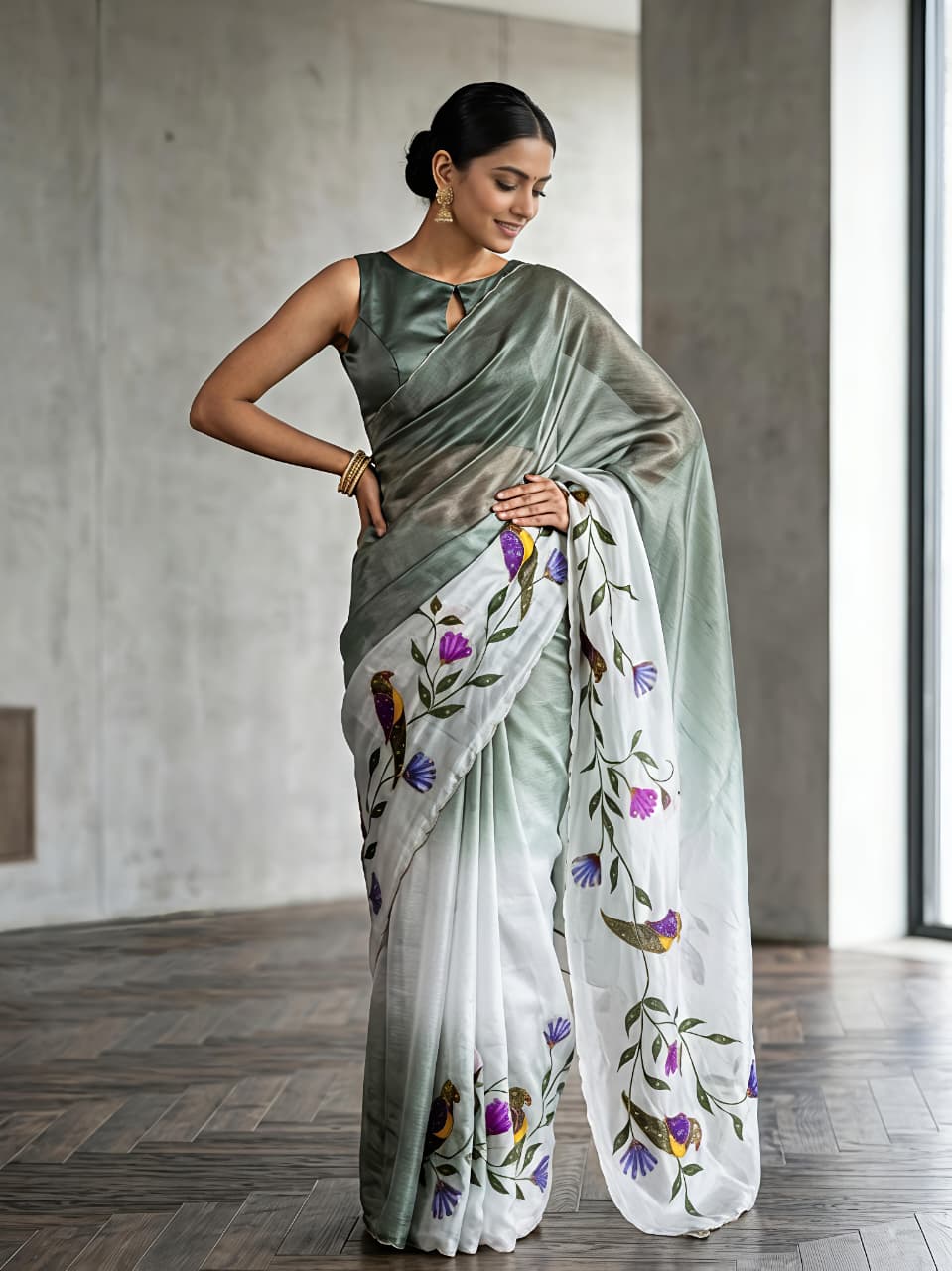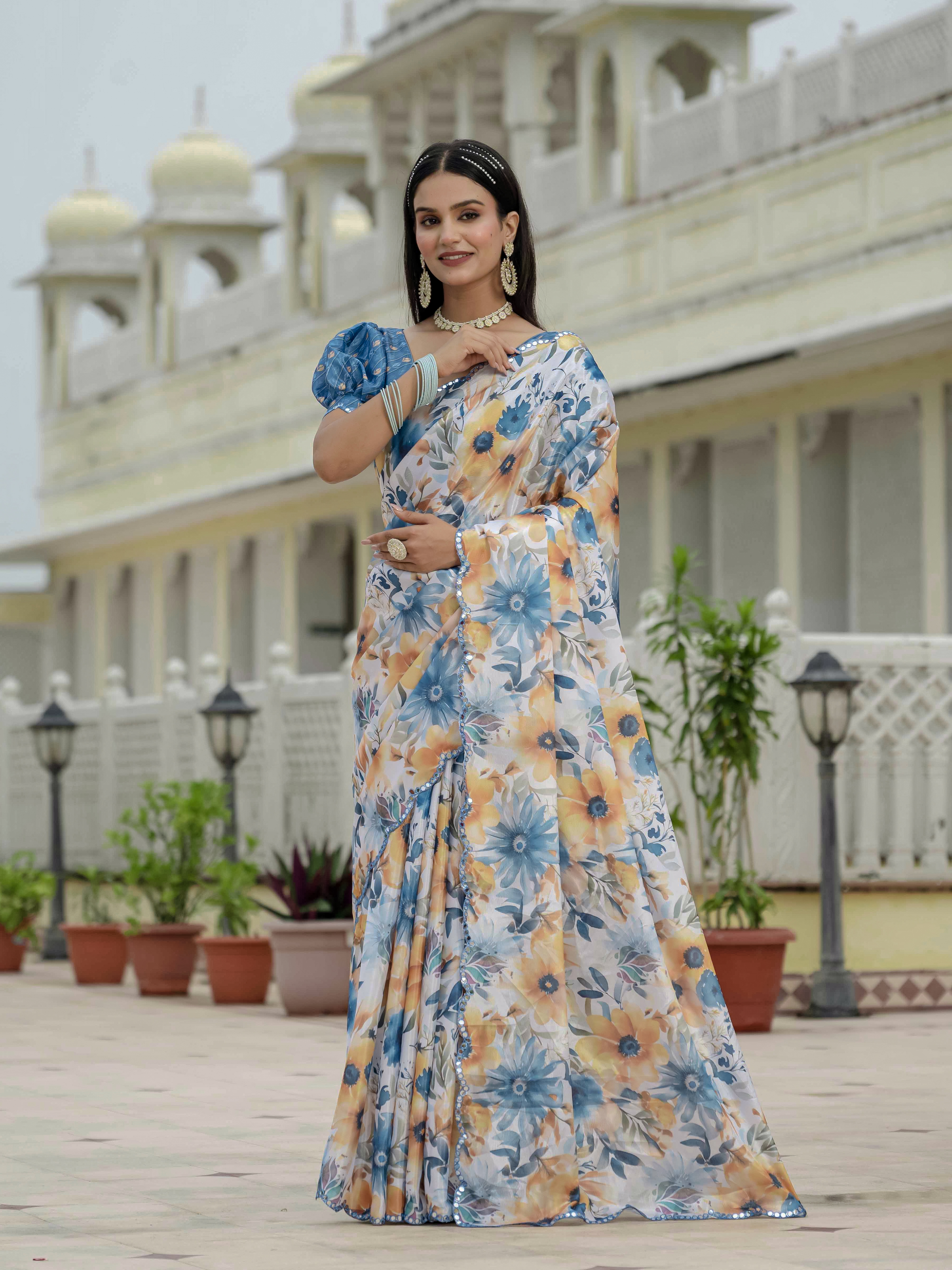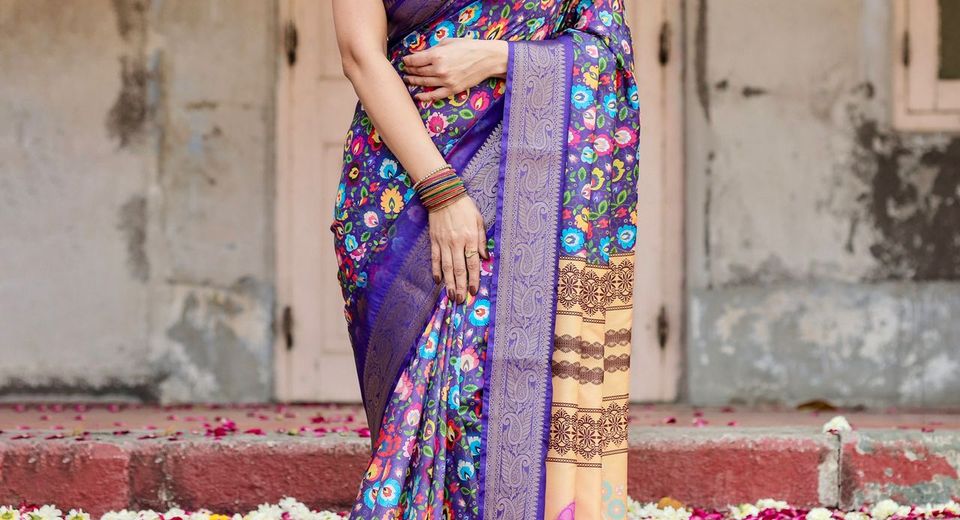
Karnataka Festival Fashion: Traditional Sarees for Every Occasion becomes easier to plan when the saree matches the ritual, weather, venue and amount of movement involved. A breathable cotton saree can be more comfortable for a morning puja than a heavy silk, while a structured silk saree gives a family wedding the formal presence it deserves. Colour, border width, blouse construction and drape also determine whether a saree feels practical or cumbersome after several hours.
Karnataka's festive calendar includes Ugadi, Varamahalakshmi Vrata, Ganesh Chaturthi, Deepavali, Mysuru Dasara, Karaga celebrations, weddings and temple visits. Each setting calls for a slightly different balance of tradition and ease. The most useful approach is to build a wardrobe around fabric weight and occasion rather than buying every saree for the same idea of festive dressing.
Karnataka Festival Fashion: Traditional Sarees for Every Occasion and the Right Fabric
Choose a saree by considering the time of day, indoor or outdoor setting, expected movement, weather and formality of the celebration. Lightweight handloom cotton works well for daytime rituals, tissue weaves suit semi-formal gatherings, and silk gives major ceremonies a more formal visual presence.
Karnataka's climate makes fabric selection especially important. Warm afternoons in Bengaluru, Mysuru, Hubballi and coastal districts can make a tightly woven, heavily layered saree uncomfortable. Linen cotton, handloom cotton and lighter tissue cotton allow more airflow and are easier to pleat for long hours. Silk provides a richer fall but can feel warmer, so silk is often more comfortable for shorter ceremonies, air-conditioned halls or evening functions.
Consider the ritual before selecting embellishment. A simple zari border and floral print can look respectful at a puja without competing with the altar. Larger zari motifs, richer silk and a more elaborate blouse are better suited to a wedding reception, family portrait session or Dasara cultural programme. A saree with a secure pallu and manageable border is also safer when you'll carry a plate, light lamps or sit on the floor.
Why does saree weight matter during a festival?
Saree weight matters because long ceremonies involve sitting, standing, walking and repeated adjustments. A medium-weight saree is usually more versatile than an extremely light or heavily embellished design when one outfit must work from the morning ritual through lunch.
Check the fall before buying or wearing a saree for the first time. A crisp linen cotton may hold pleats well but crease more quickly, while a tissue weave may drape softly but need careful handling around jewellery. A dense silk usually stays in place once pinned, but the additional warmth and weight can become tiring during an outdoor event.
Karnataka Festival Fashion: Traditional Sarees for Every Occasion in Cotton and Silk
Linen cotton, handloom cotton, tissue cotton and silk each serve a different festive purpose, so the best fabric depends on comfort, formality and drape rather than a single universal rule.
Linen cotton for warm daytime functions
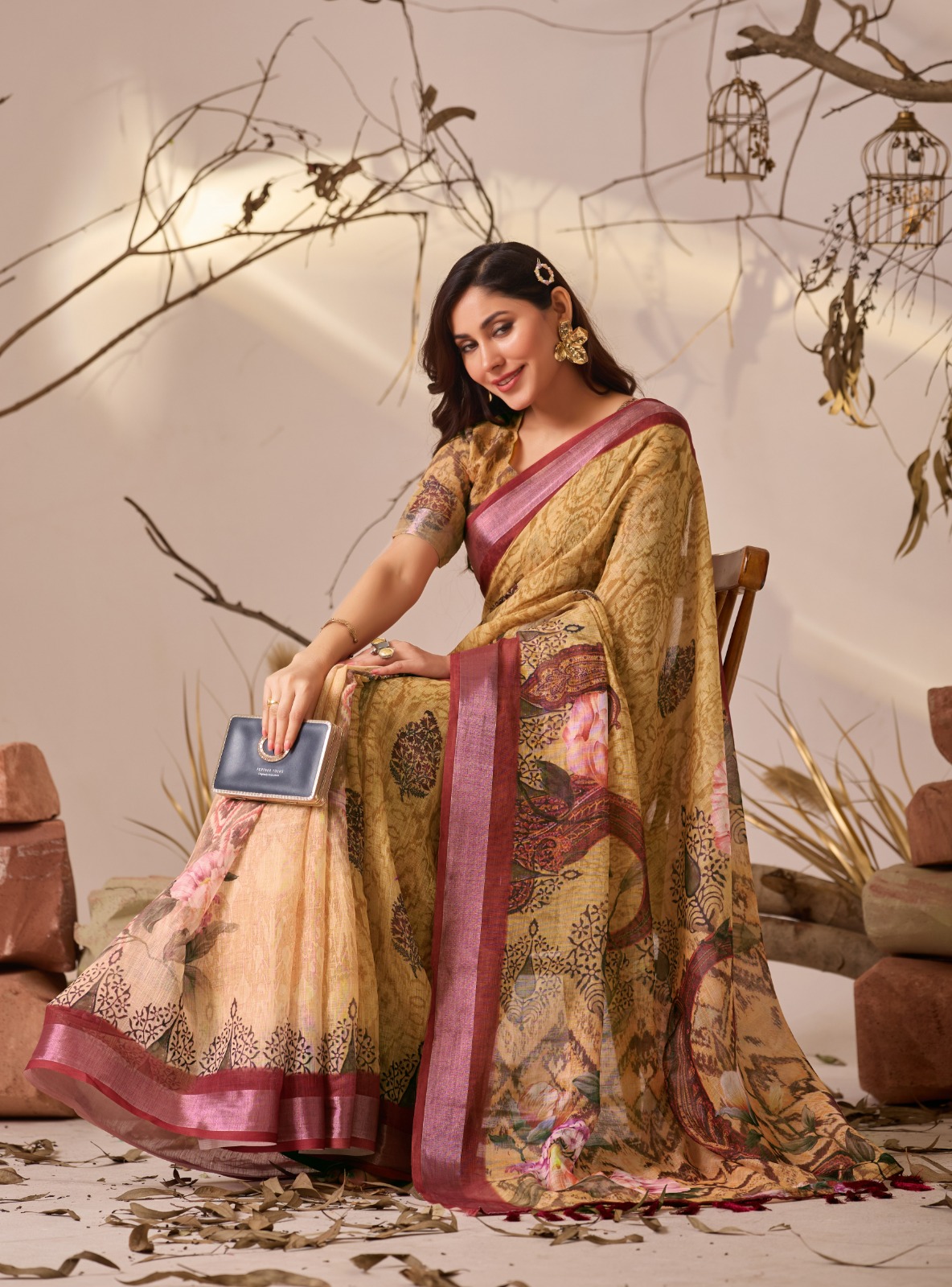
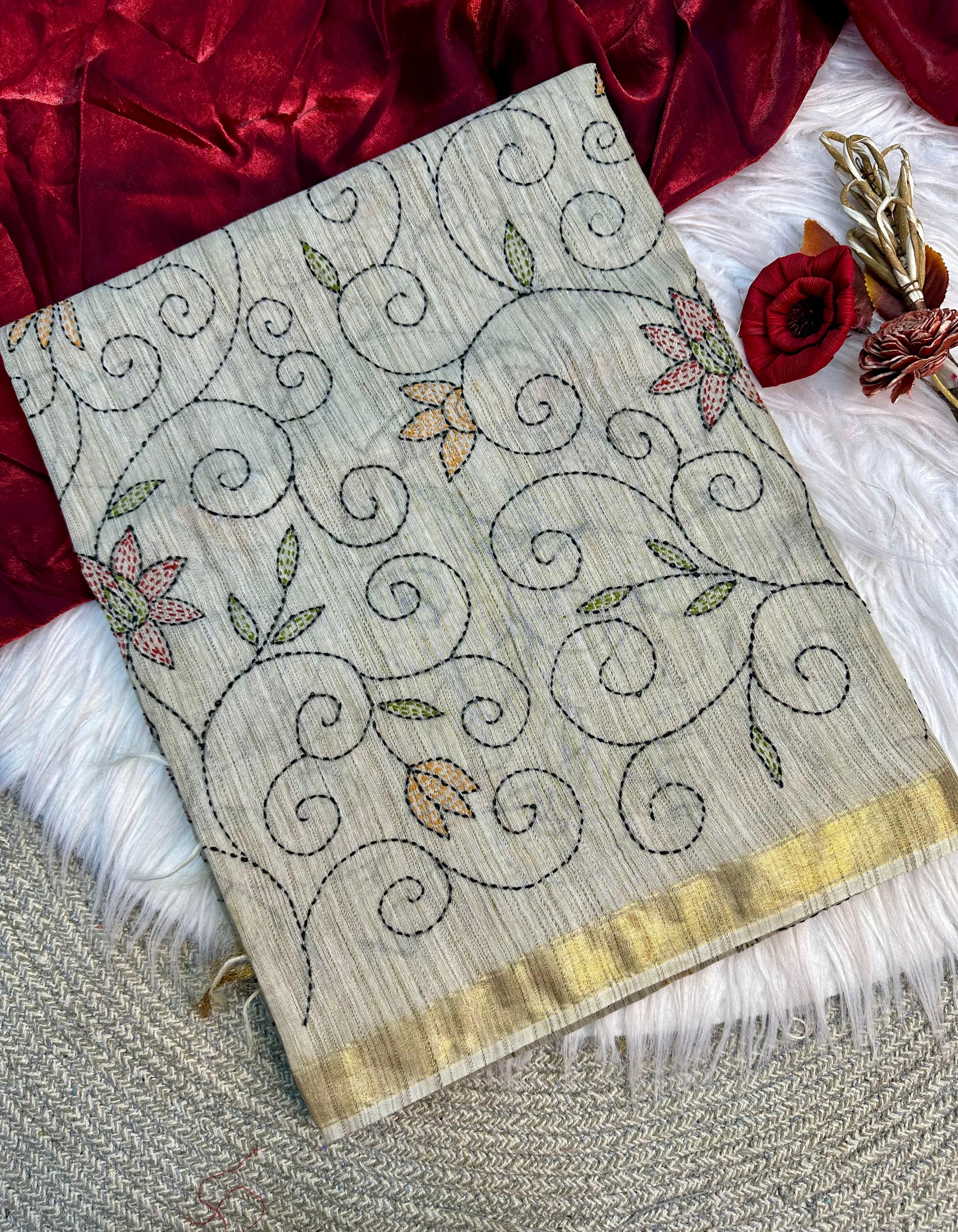
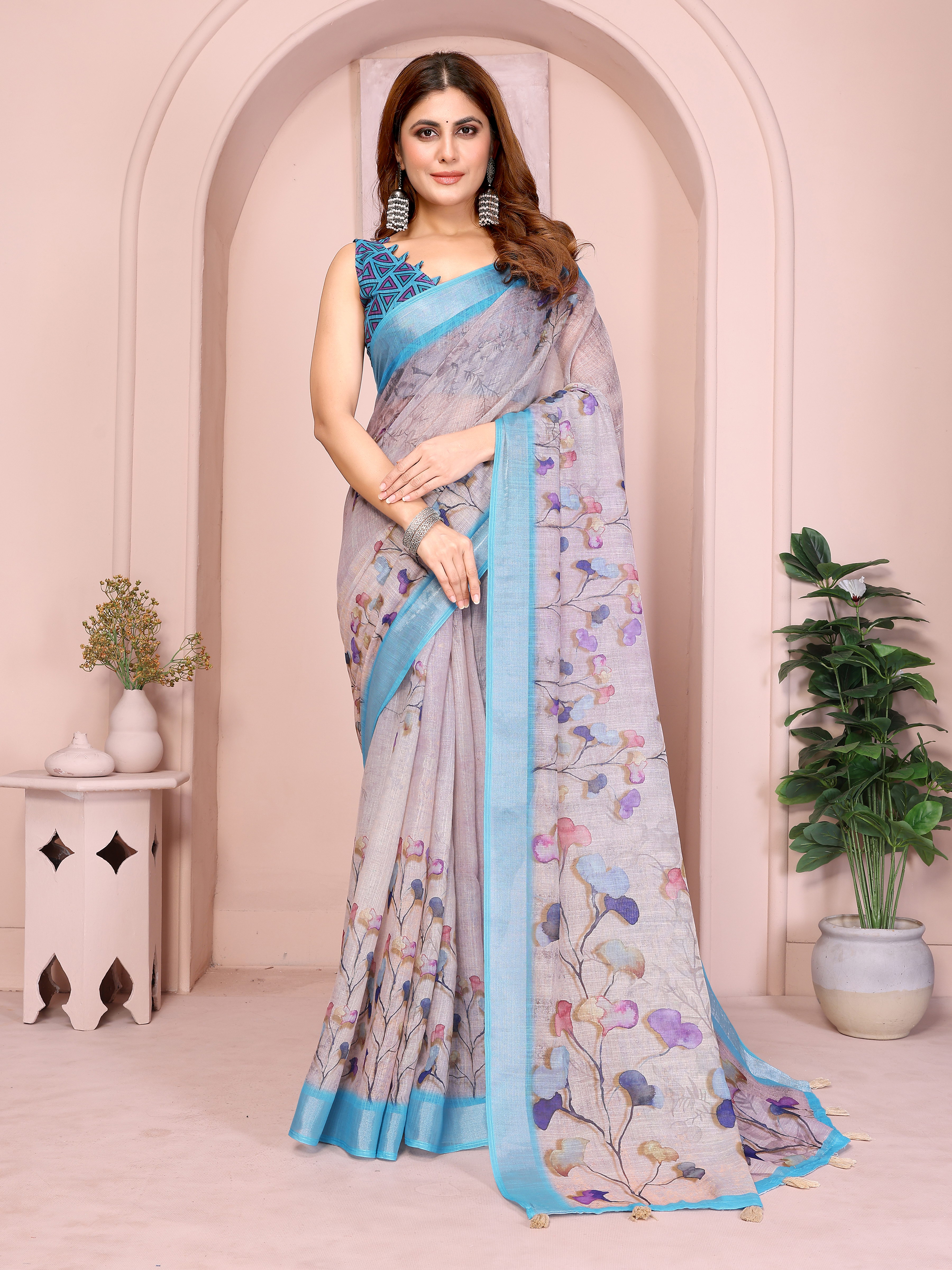
Linen cotton is a practical choice for Ugadi lunches, daytime pujas and home gatherings because the blend usually feels lighter than dense silk. The fabric can have a slightly crisp fall, which helps create visible pleats, although linen may crease during travel. Pastel Linen Cotton Floral Print Saree with Designer Blouse and Peach Linen Cotton Floral Print Saree with Blouse for Women show how floral surfaces can make a lightweight saree feel festive without requiring heavy embellishment.
Pack a linen cotton saree by folding it along the pleats with soft tissue paper between major folds. Carry a small safety-pin kit because a crisp pallu may shift when you move between standing and sitting. A fitted blouse with a comfortable armhole is more useful than a heavily decorated blouse when the event lasts from morning prayers through lunch.
Handloom cotton and tissue cotton for adaptable dressing
Handloom cotton suits celebrations that combine ritual, conversation and movement, while tissue cotton adds a subtle sheen without the weight of a traditional heavy silk. Wine Tissue Handloom Cotton Saree with Zari & Floral Prints and Pastel Floral Tissue Handloom Cotton Saree with Zari Weaves show how zari can add occasion-appropriate light without making the entire outfit visually dense.
Cream Pink Tissue Handloom Cotton Saree with Zari offers an useful middle ground for family pujas, Varamahalakshmi Vrata and festive lunches. Cream and pink create a softer palette for daytime photographs, while the zari catches light indoors. Tissue weaves can snag on rough jewellery or sharp handbag hardware, so wear smooth bangles and inspect the blouse hook area before leaving home.
Silk for formal evenings and major ceremonies
Silk is most suitable when the celebration calls for a polished drape, a defined border and a more formal visual presence. Mysore silk is associated with Karnataka's textile heritage, while Banarasi silk, Kanjeevaram and other silk traditions may also be chosen for weddings and major family functions. These textiles are not interchangeable: their weave, weight, zari character and fall differ, so checking the fabric description matters.
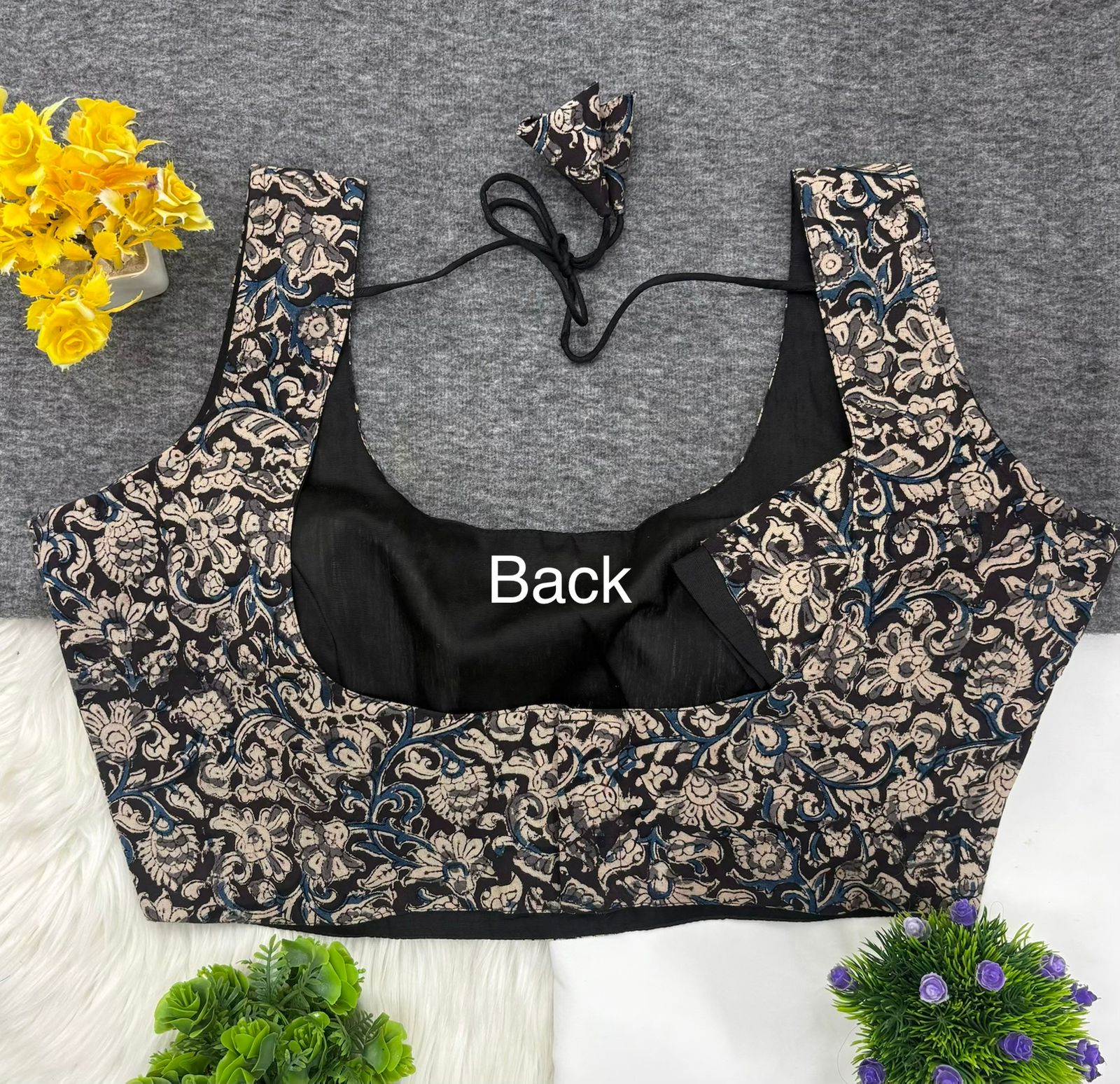
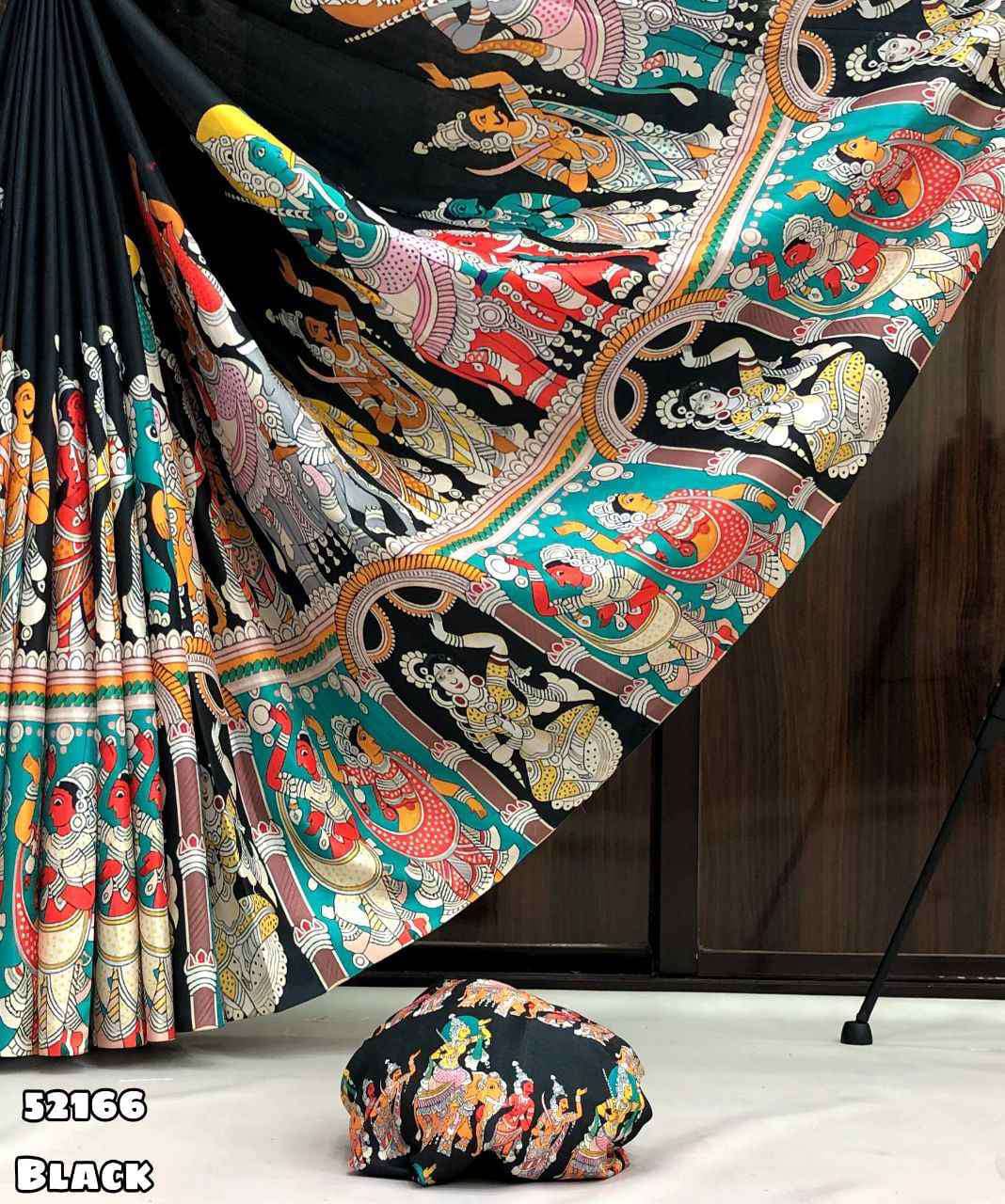
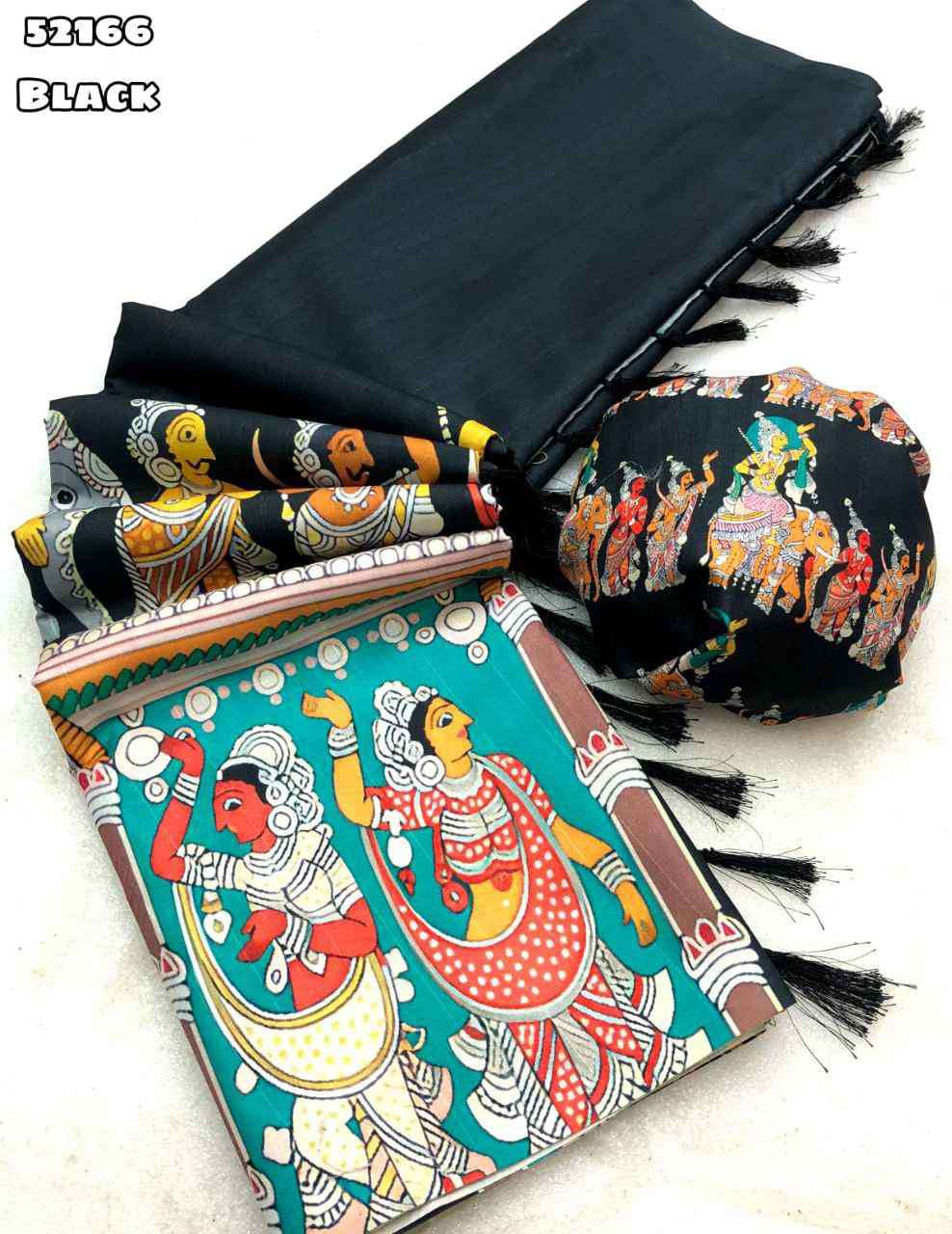
Festive Wear Blue Silk Saree for Women can serve an evening celebration because blue photographs strongly against warm lighting and gold jewellery. Black Traditional Kalamkari Print Silk Saree and Elegant Black Kalamkari Silk Saree with Blouse offer a different route to formal dressing: the printed surface supplies visual interest, allowing the jewellery and blouse styling to remain relatively restrained.
Karnataka Festival Fashion: Traditional Sarees for Every Occasion at Ugadi and Vrata
Wear a comfortable saree with a culturally appropriate colour palette and secure drape for Ugadi, Varamahalakshmi Vrata and Deepavali; choose lighter fabrics for daytime ceremonies and richer textures for evening gatherings.
Ugadi saree choices
Ugadi often involves a morning ritual, family visits and a meal, so a breathable saree is usually more practical than a very heavy silk. Pastel shades, fresh floral prints, green, yellow, pink and cream can create a spring-like festive appearance, while a modest zari edge adds definition. A linen cotton or handloom cotton saree also travels well if you're visiting several homes.
Keep the jewellery balanced with the saree's surface. A floral print already gives pattern, so choose one focal accessory such as jhumkas, a short necklace or a temple-style pendant. A low, secure bun or braid reduces the need to adjust your hair while serving food or greeting elders.
Varamahalakshmi Vrata saree choices
A saree with a clean border, comfortable blouse and stable pallu is appropriate for Varamahalakshmi Vrata because the ceremony may involve sitting, standing and handling puja items. Red, green, pink, yellow and cream are commonly selected festive colours, but personal and family customs should guide the final choice. A tissue cotton saree with restrained zari brings traditional shine while remaining easier to manage than a very heavy silk.
Choose blouse sleeves according to comfort and ritual activity rather than trend alone. Elbow-length sleeves can provide useful coverage during a long puja, while a well-finished neckline prevents irritation from necklaces or sacred threads. Avoid trailing tassels near lamps, incense and crowded puja arrangements.
Deepavali saree choices
Deepavali dressing should combine festive colour with practical movement around lamps, guests and food. A medium-weight silk, tissue cotton or linen cotton saree works better than a loose, highly trailing drape when diyas are being lit. Jewel tones, wine, blue, magenta and deep green look striking in evening light, while zari borders reflect candlelight.
Wear low-heeled footwear with a grippy sole if you'll move around balconies, courtyards or polished floors. Pin the pleats at the waist and secure the pallu at the shoulder, leaving enough length for a graceful fall without allowing the edge to brush flames.
Karnataka Festival Fashion: Traditional Sarees for Every Occasion at Dasara and Weddings
A saree suits Mysuru Dasara or a wedding best when its formality matches the venue, photography and duration of the event. Choose silk, substantial zari or a richly finished print for evening processions, receptions and ceremonial portraits, while reserving lighter cottons for daytime visits and outdoor programmes.
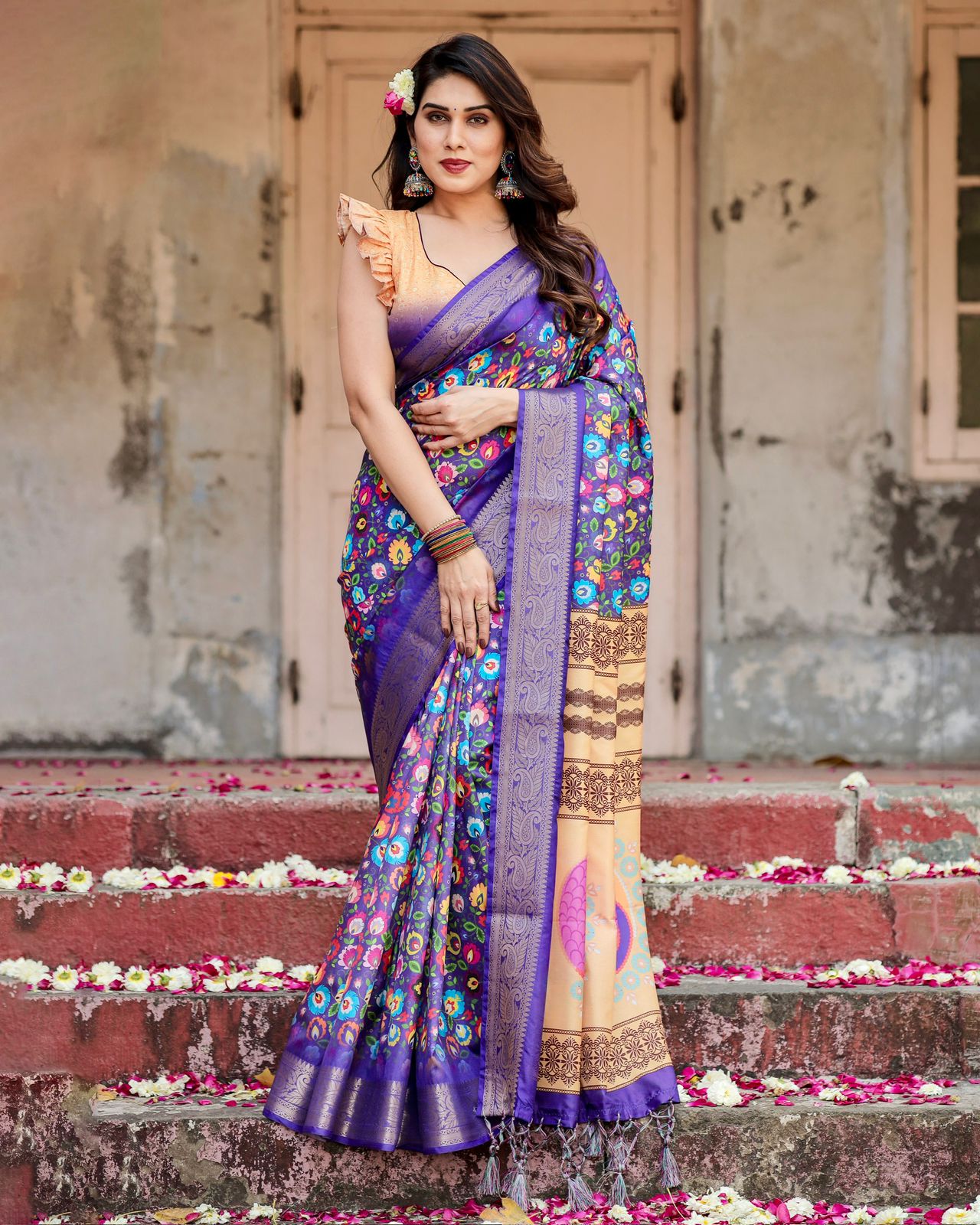
Mysuru Dasara has a strong association with royal heritage, public processions and cultural performances, so a saree with a defined border photographs well in crowded settings. A blue silk saree, a deep wine tissue weave or a Kalamkari silk print can create a memorable silhouette without requiring excessive accessories. If the event includes walking or standing outdoors, avoid a very long pallu and test the drape with your chosen footwear before the day.
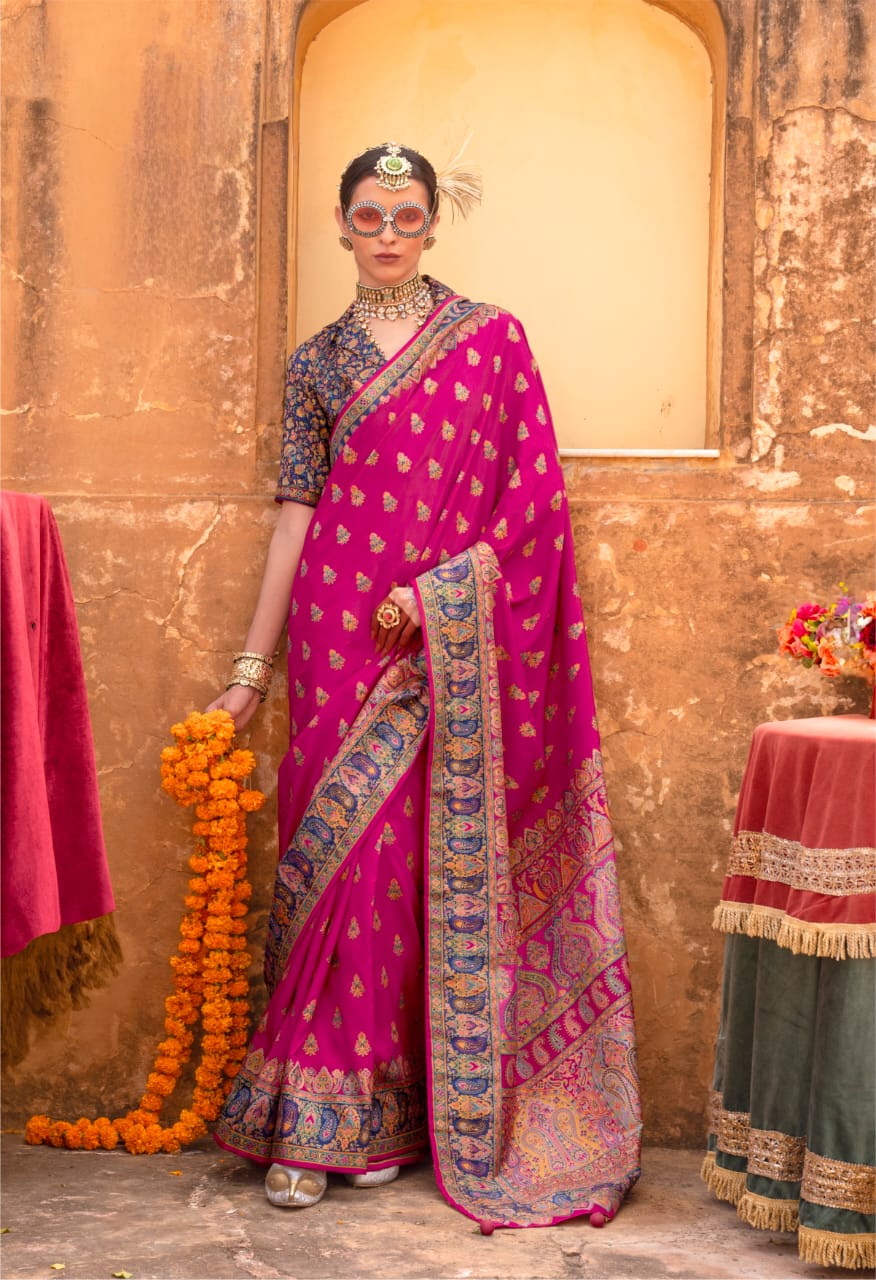
Weddings allow more ornamentation, but the saree should still reflect your role. A close family member may choose Banarasi silk, Kanjeevaram or a richly woven silk, while a guest can select a printed silk, tissue cotton or elegant georgette. Silk Sarees Under 3000 With Discount and Red Banarasi Silk Sarees for Weddings Under 1100 can help frame a budget search, but the advertised price should never replace checking fabric composition, blouse inclusion and border details.
Party Wear Sarees are useful when the venue is a reception hall rather than a temple or traditional morning ceremony. Metallic surfaces, darker colours and structured blouses tend to work well under artificial lighting. Keep the rest of the styling deliberate: if the saree is strongly patterned, a plain blouse and one statement accessory usually look more composed than multiple competing embellishments.
Karnataka Festival Fashion: Traditional Sarees for Every Occasion Through Colour and Print
Festive colour works best when it responds to lighting, skin comfort, ceremony timing and the saree's print scale. Jewel tones create evening impact, pastels suit daylight, and black or neutral bases allow jewellery and blouse colour to become the main focus.
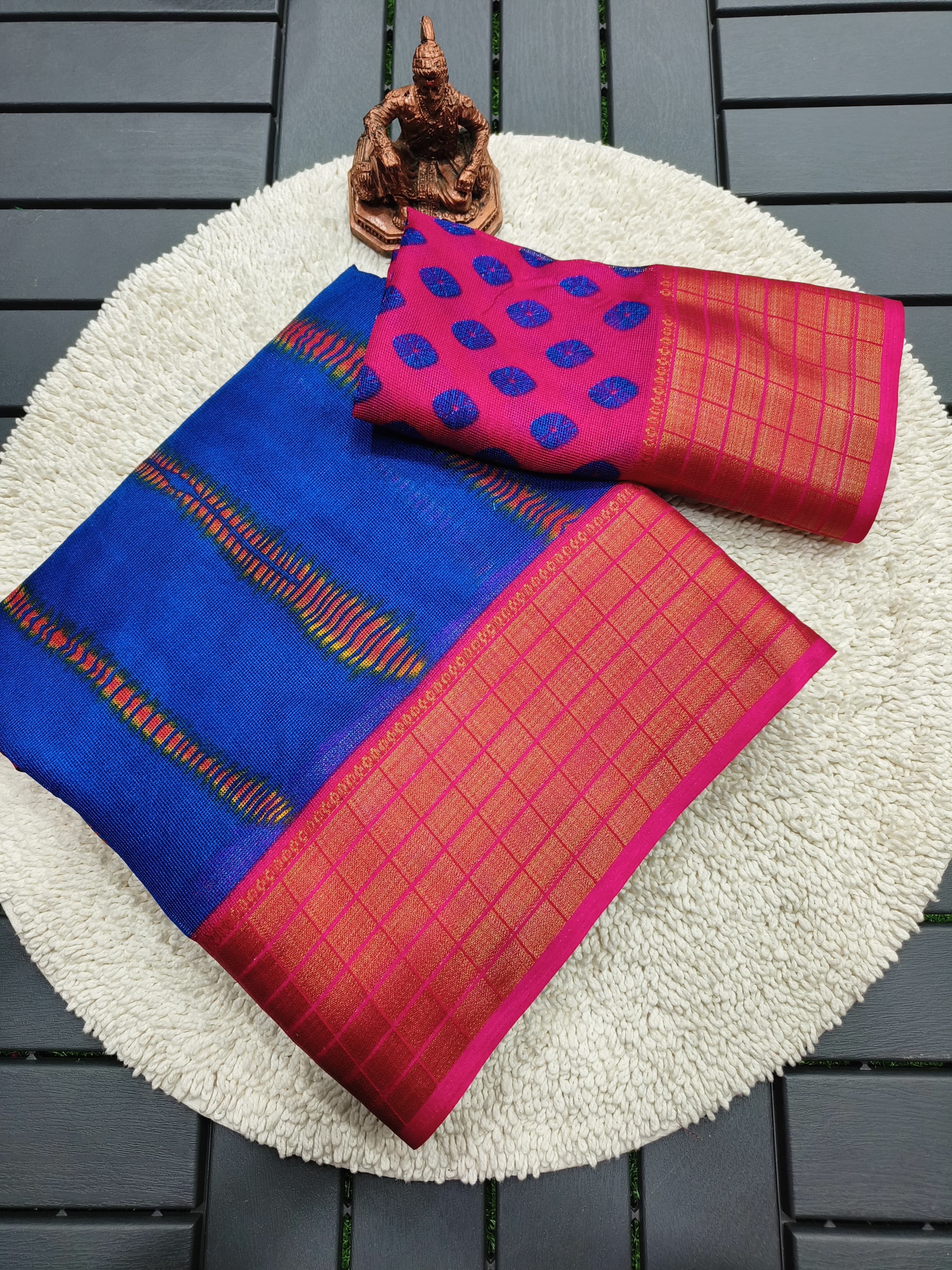
Pink, wine, blue, red, green and gold are dependable festive choices, but colour symbolism differs among families and communities. Pink and cream can look gentle for a daytime puja, while wine and deep blue gain visual strength at night. Red Banarasi silk may feel especially ceremonial for a wedding, whereas a muted grey or black printed silk can be more adaptable for a cultural programme or dinner.
Pink Georgette Sarees can be considered when a fluid, lighter drape is preferred for a party or reception. Gray Color Sarees Under 1000 can be useful for building a neutral wardrobe, especially when paired with a bright blouse or coloured jewellery. Price range doesn't determine whether a saree looks festive; proportion, finishing and suitable styling have a greater effect.
Use print scale to control the final appearance. Small florals usually feel lighter and more daytime-friendly, medium Kalamkari motifs create a balanced traditional look, and large motifs become a strong focal point in photographs. A busy print benefits from a solid blouse, while a plain saree can support a woven, embroidered or contrast blouse.
Karnataka Festival Fashion: Traditional Sarees for Every Occasion with Better Draping and Care
A secure festive drape begins with the correct petticoat, blouse fit, pleat width and pin placement. These four details prevent most problems involving slipping, uneven pleats and an uncomfortable waist.
How should you prepare a saree before the event?
Prepare a saree at least one day before the event by checking the blouse, pressing the fabric according to its care label and testing the complete outfit with footwear. The early fitting reveals whether the hem needs adjustment, the pallu needs shortening or the blouse needs alteration.
Use a matching or closely coordinated petticoat with a firm but comfortable waistband. Cotton sarees generally benefit from a petticoat that supports crisp pleats, while softer tissue or georgette styles need enough grip to prevent sliding. Place two or three discreet pins at the waist and one at the shoulder, but avoid pinning through delicate zari or embroidery.
How should festive sarees be stored?
Store festive sarees clean, completely dry and folded in breathable muslin rather than sealed plastic. Refold silk and tissue sarees every few months so permanent creases don't form along the same zari line.
Keep zari away from direct sunlight, moisture and untreated wood. Air the saree in shade after wearing it, especially after a crowded or humid event, and don't spray perfume directly onto silk, Kalamkari prints or metallic surfaces. Dry-clean delicate silk only when necessary and follow the textile's care instructions instead of treating every saree identically.
For cotton and linen cotton, gentle hand washing may be possible when the care label permits it. Use cold water, mild detergent and shade drying, and never wring the saree. Iron linen cotton and handloom cotton on the reverse side at a suitable temperature, placing a thin cloth over printed or zari areas.
Karnataka Festival Fashion: Traditional Sarees for Every Occasion Shopping Checklist
An useful shopping checklist includes fabric composition, saree length, blouse details, transparency, border finish, care instructions and delivery time. These checks prevent an attractive online image from becoming an impractical festival outfit.
- Confirm the fabric: Check whether the saree is silk, silk blend, handloom cotton, tissue cotton, linen cotton or georgette.
- Check the blouse: Verify whether a blouse piece or ready blouse is included, and note the available measurements.
- Measure before ordering: Confirm saree length and blouse width, particularly if you're tall or plan a broad pallu.
- Inspect the embellishment: Look for zari, print and border details that may require special care or snag easily.
- Match the timing: Select breathable fabric for warm daytime events and richer textures for short evening functions.
- Plan alterations: Allow at least five to seven days for blouse fitting, hemming or sleeve changes before a major celebration.
A saree earns repeat wear when it works with more than one blouse and occasion. A pastel floral saree can pair with a cream blouse for Ugadi or a contrast pink blouse for a family lunch. A black Kalamkari silk saree can take gold jewellery for a formal gathering and oxidised silver accessories for a cultural event. Thoughtful selection makes Karnataka Festival Fashion: Traditional Sarees for Every Occasion more sustainable, comfortable and personally expressive.
Questions About Karnataka Festival Sarees for Different Celebrations
Which saree is best for a Karnataka festival during the daytime?
Linen cotton, handloom cotton and tissue cotton are strong daytime choices because they are generally lighter and more breathable than dense silk. Floral prints, pastel shades and moderate zari work well for Ugadi, daytime pujas and family lunches.
What saree should I wear for Mysuru Dasara?
Choose a saree with a defined border and a secure drape for Mysuru Dasara, especially if the event includes walking or outdoor programmes. Medium-weight silk, tissue cotton, wine tones, deep blue and Kalamkari prints can look formal while remaining easier to manage than heavily embellished designs.
Are black sarees suitable for festive occasions?
Black sarees can be suitable for receptions, cultural programmes and evening celebrations when family customs and venue expectations permit them. A black Kalamkari print or silk saree can be styled with gold jewellery, a bright blouse or traditional accessories to create a festive finish.
Is silk better than cotton for a festival saree?
Silk is better for formal evening events and major ceremonies when a richer fall and stronger border are desired, while cotton is usually better for warm daytime rituals and extended movement. The right choice depends on weather, venue, duration and the amount of embellishment.
How can I stop a saree from slipping during a puja?
Wear a well-fitted petticoat, make even pleats, use a secure blouse and place discreet pins at the waist and shoulder. Test the complete drape while sitting and standing before the puja, and avoid loose tassels or a very long pallu near lamps.
How should I care for a zari or tissue saree after a festival?
Air the saree in shade, ensure it is completely dry and store it folded in breathable muslin. Keep zari away from moisture and direct sunlight, refold delicate sarees every few months, and follow the care label before washing or dry-cleaning.