

Kanuma Festival Outfit Ideas: What Should Women Wear? The most useful answer depends on how the day will be spent. Kanuma, observed on the third day of the Sankranti festival in Andhra Pradesh and Telangana, can include cattle worship, temple visits, family meals, visits to relatives and time outdoors. Women need clothing that looks festive for prayers and photographs while allowing comfortable walking, sitting and movement. Sarees, Anarkalis, salwar suits and coordinated palazzo sets can all work when fabric, colour and drape match the schedule.
Kanuma Festival Outfit Ideas: What Should Women Wear for Different Plans?
Women should choose a saree for formal rituals, an Anarkali or salwar suit for frequent movement, and a palazzo set for a contemporary daytime gathering. The best silhouette is the one that remains secure and comfortable after several hours of standing, sitting, eating and visiting.
Kanuma celebrations often move between a home courtyard, a cattle shed, a temple, a relative's house and an outdoor meal. A long trailing hem can collect dust, while a loose dupatta may need constant adjustment. Check whether the outfit allows you to sit cross-legged, climb steps and walk across uneven ground before selecting it for the festival.
A festive outfit doesn't need every surface covered in embellishment. One strong feature, such as a zari border, mirror-work panel, embroidered jacket, bright print or statement dupatta, usually creates a more balanced appearance. Moderate embellishment also reduces weight and makes the clothing easier to wear during a long daytime celebration.
What should women wear to a formal Kanuma puja?
Women should wear a silk saree, light zari saree, dressy Anarkali or embroidered salwar suit to a formal Kanuma puja. A secure drape, modest blouse neckline and comfortable blouse fit are more important than adding multiple layers of jewellery.
Banarasi silk offers a rich woven appearance through zari motifs and borders, while Kanjeevaram provides a more structured silk look for a particularly formal family ceremony. Chanderi, cotton silk and linen-cotton sarees are lighter alternatives for warm weather. A pre-pleated saree or carefully pinned pleats can make temple visits easier.
Kanuma Festival Outfit Ideas: What Should Women Wear in Sarees?
Women should choose a lightweight silk, cotton-silk, Chanderi or linen-cotton saree when they want a traditional Kanuma appearance without excessive bulk. The saree should have a manageable pallu and a border that won't drag on the ground.
A Banarasi silk saree with zari can carry the visual impact of the entire outfit, so a plain blouse and restrained jewellery are often enough. Kanjeevaram is appropriate for a highly formal gathering, but its firm silk and substantial borders may feel heavier during outdoor movement. Chanderi has a delicate, airy quality and usually benefits from a properly fitted lining or slip because the weave can be sheer.
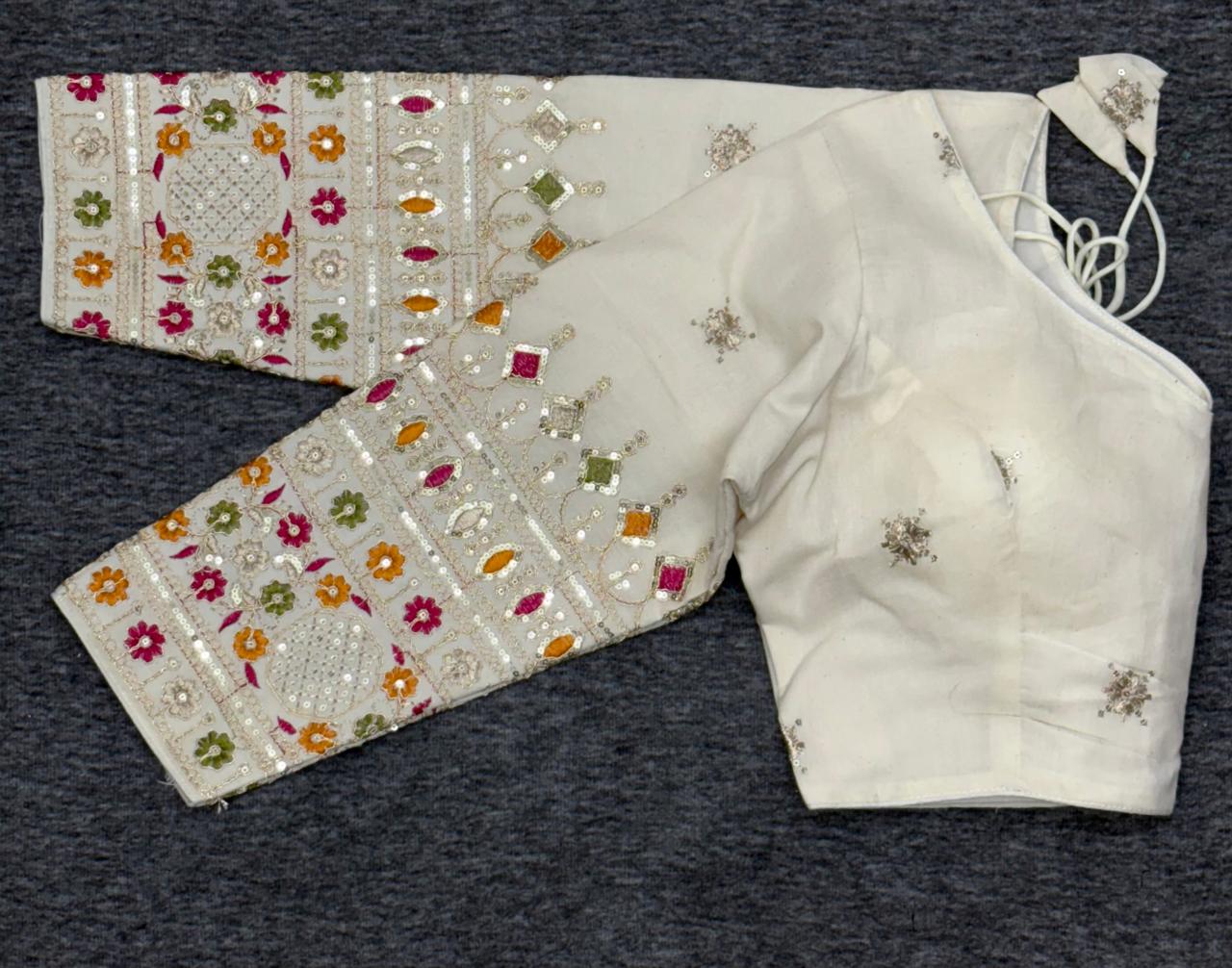
Magenta Banarasi Soft Silk Zari Saree | Varnavi Online shows how a saturated colour and metallic weave can create a complete festive look without requiring a heavily embroidered blouse. Magenta pairs well with gold, ivory, deep green and antique bronze. Secure the pallu at the shoulder and consider a second discreet pin near the waist if the day includes frequent walking.
Choose a cotton-silk saree when the celebration is mainly during the day and the weather is warm. Choose a denser soft silk saree for a cooler morning or a more formal indoor gathering. A saree made from a breathable blend may be more practical than a heavily decorated pure silk garment if the wearer expects to help with food, guests or household arrangements.
Kanuma Festival Outfit Ideas: What Should Women Wear in Salwar Suits?
Women should wear a straight kurta, Anarkali or palazzo salwar suit when the Kanuma schedule involves walking, sitting frequently or helping with family preparations. Salwar suits provide more predictable movement than a saree and make it easier to keep the hem away from dusty outdoor surfaces.
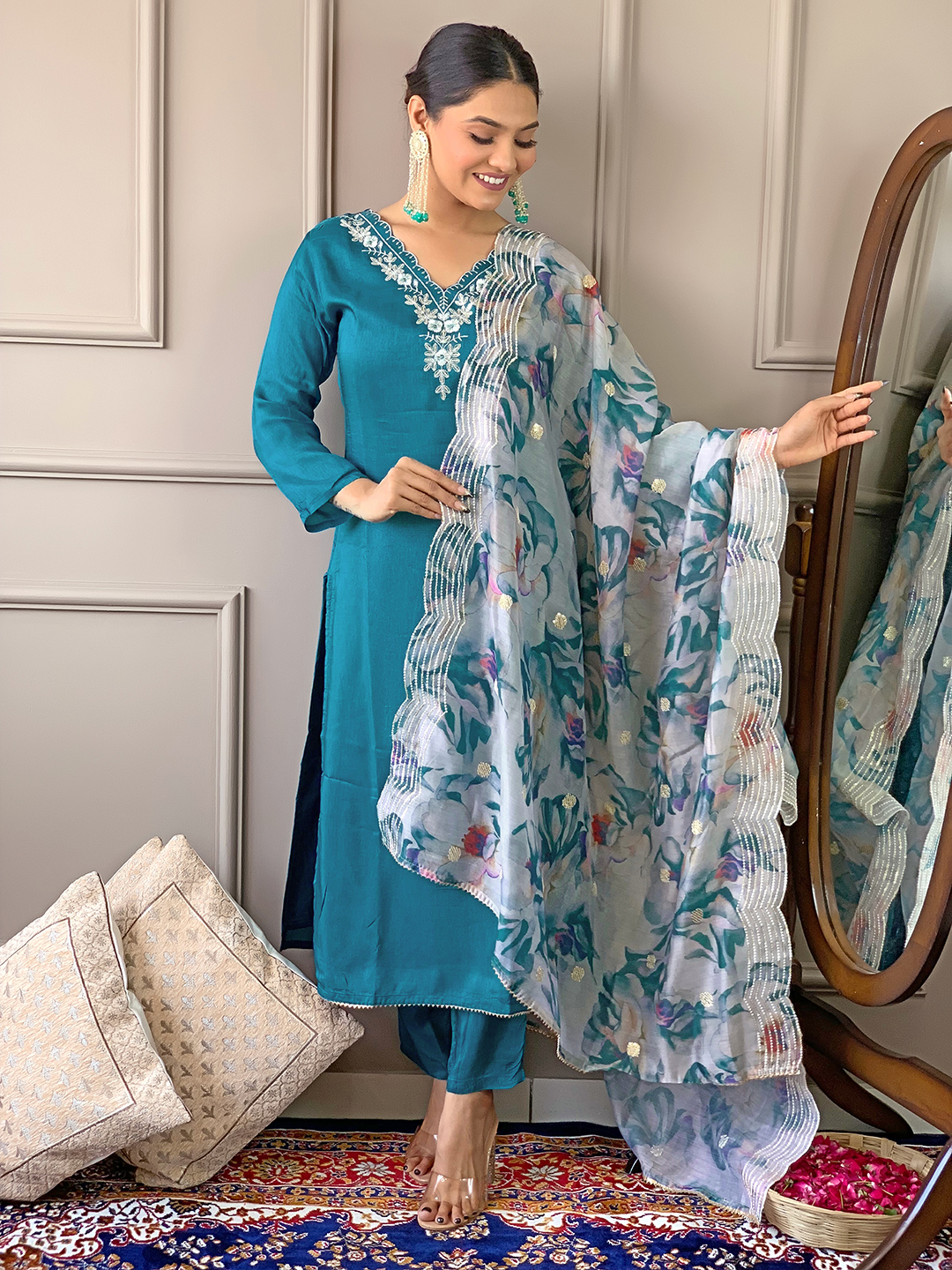
A straight kurta with cigarette trousers creates a neat, relatively streamlined silhouette for visiting relatives. An Anarkali gives greater flare and a more ceremonial appearance, while palazzo trousers allow airflow around the legs. The trouser hem should remain above the floor when worn with flat footwear, especially if the event includes outdoor rituals.
Women's Mustard Printed Anarkali Suit with Dupatta suits the harvest-season palette and brings a comfortable one-piece visual line. Mustard works with maroon, rust, bottle green, ivory and antique gold accessories. Pin the dupatta at the shoulder and secure it near the waist if the wearer expects to carry offerings, greet guests or move between indoor and outdoor spaces.
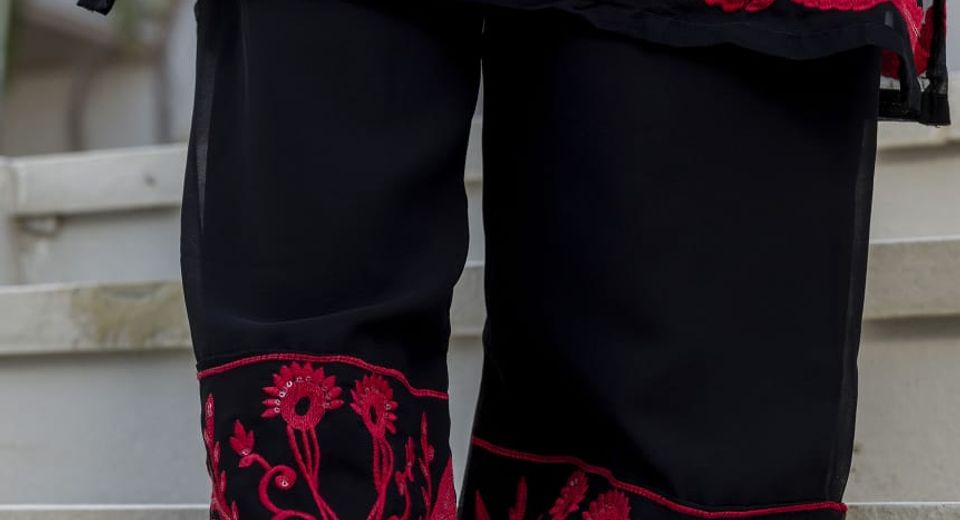
Black Georgette Kurta Set with Heavy Embroidery and Dupatta creates a dressier option for an evening family gathering. Black georgette can look festive when combined with warm metallic earrings, a bright lip colour or a contrasting potli. Because heavy embroidery adds weight, check that the shoulder seams and inner lining feel comfortable before wearing the set for several hours.
Black Heavy Silk Crepe Kurta Set with Sequence Embroidery works for women who prefer a darker, polished festive look. Sequins and dense embroidery may catch on rough surfaces, so this outfit is better suited to an indoor puja, dinner or family photograph than to hands-on outdoor activity.
Kanuma Festival Outfit Ideas: What Should Women Wear in Palazzo Sets?
Women should choose a palazzo set when they want the ease of separates with the polished appearance of coordinated ethnic wear. A matching kurta and palazzo gives definition to the outfit while allowing more room around the knees than narrow trousers.
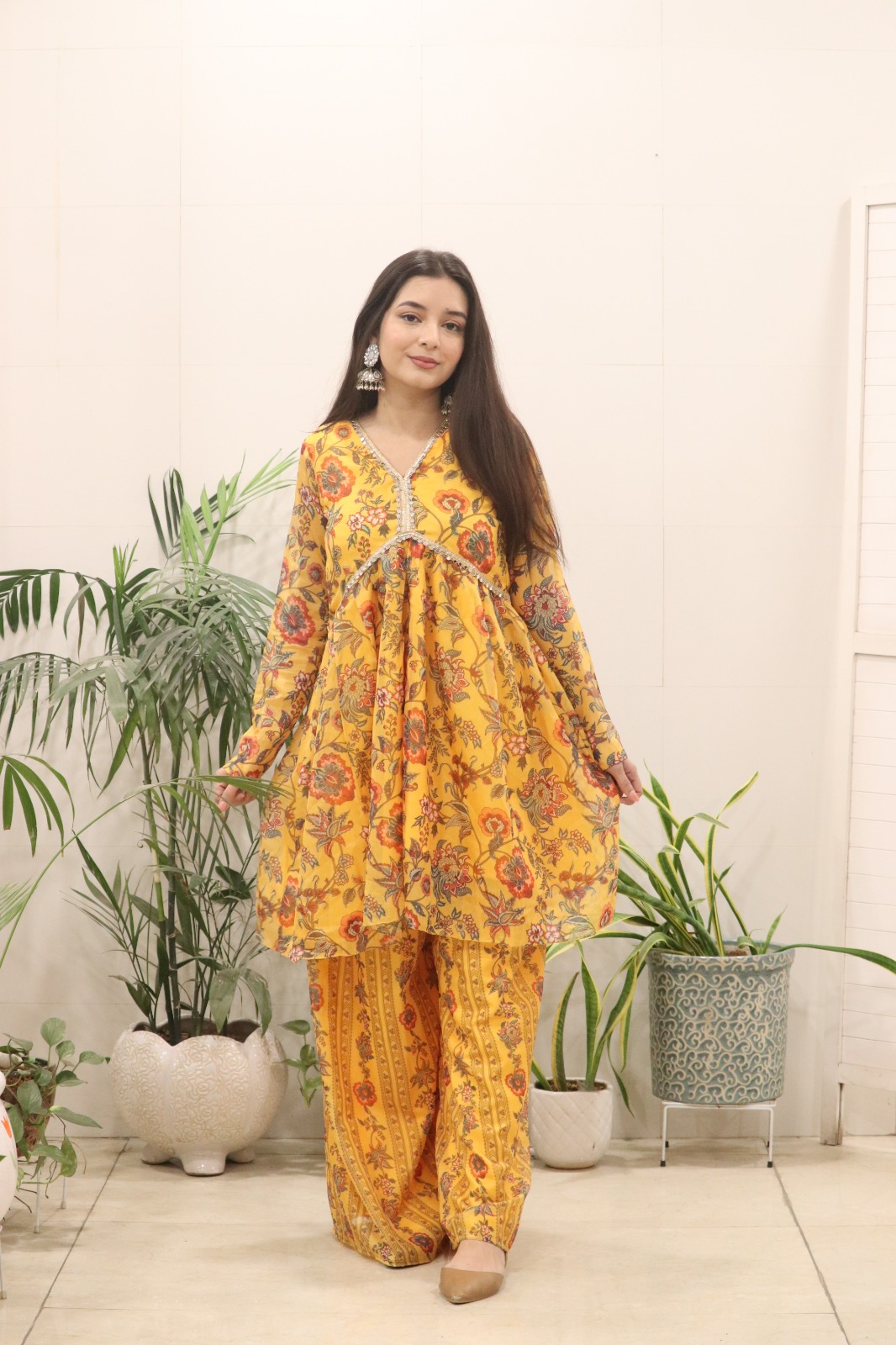
Mauve Crunchy Silk Embroidered Kurti Palazzo Set for Women gives a softer festive palette with enough surface texture to look occasion-ready. Mauve pairs effectively with pearl, silver, muted gold and dusty rose accessories. Crunchy silk has more body than a fluid rayon, so inspect the inner lining and select breathable underlayers if the celebration takes place in warm weather.
Ivory Floral Linen Cotton Co-Ord Set for Women from Varnavi suits a daytime gathering where airflow and ease matter as much as ornamentation. Linen cotton gives a breathable texture, while floral patterning keeps ivory from appearing plain. A bright dupatta, colourful jhumkas or a woven belt can add a more classic finish without compromising comfort.
Women's Embroidered Crop Top & Jacket Palazzo Set | Varnavi creates a contemporary layered silhouette for a festive lunch or social gathering. The crop top should provide secure coverage while sitting, and the jacket should end well above the ground. A jacket with a shorter hem is more practical when the celebration involves outdoor movement.
Kanuma Festival Outfit Ideas: What Should Women Wear in Warm Weather?
Women should choose cotton, linen cotton, light silk, Chanderi or soft georgette for a warm daytime Kanuma celebration. Fabric weight, lining and weave affect comfort as much as the garment's appearance.
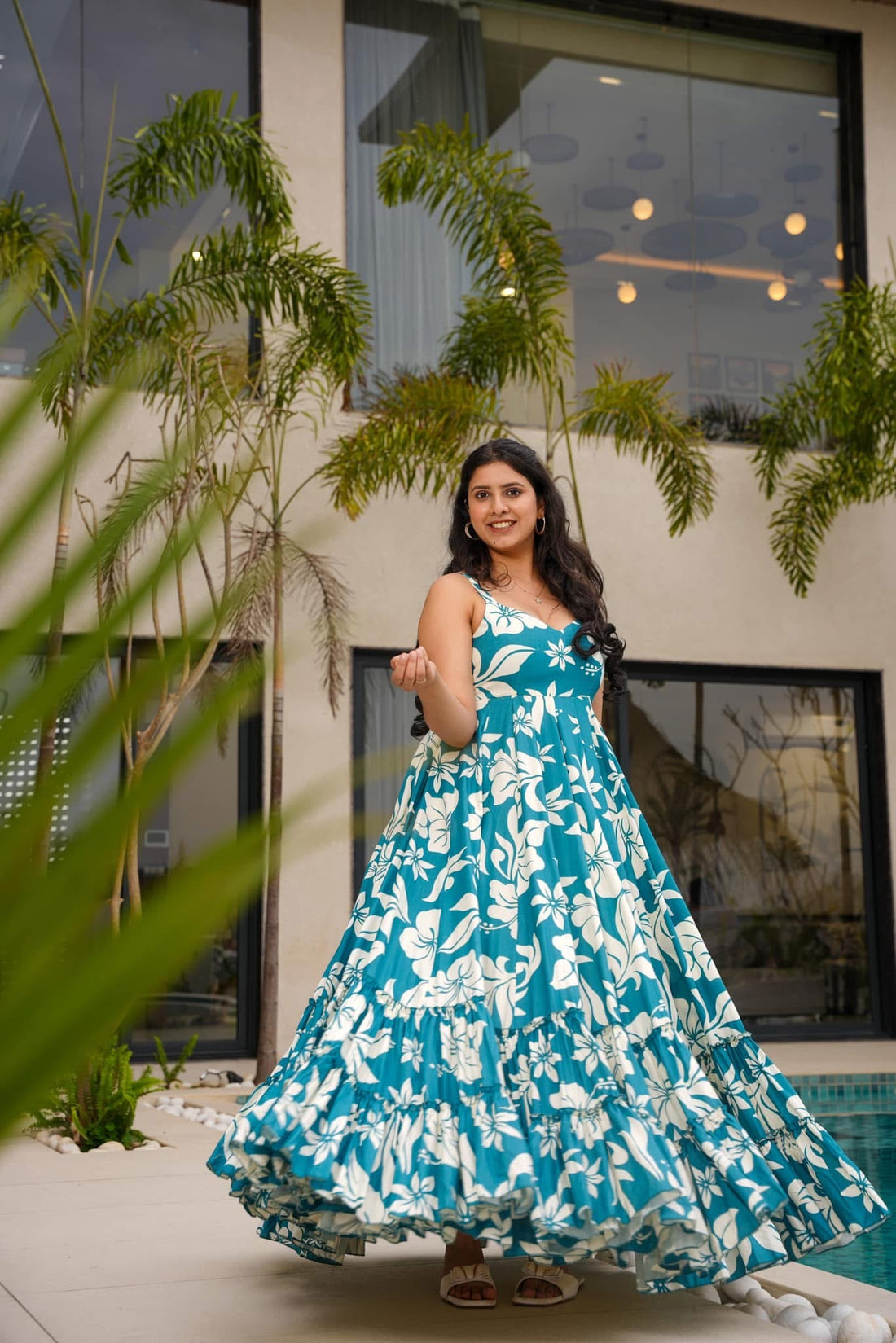
- Cotton and cotton blends: Cotton absorbs moisture and feels comfortable in warm weather, although unlined cotton can crease quickly.
- Linen cotton: Linen cotton permits airflow and gives a natural texture that works well for daytime family visits.
- Chanderi: Chanderi is lightweight and elegant, but a fitted lining or slip is important because the weave can be translucent.
- Georgette: Georgette drapes easily and works well for dupattas, although synthetic georgette may feel warm under direct sun.
- Soft silk: Soft silk brings festive sheen and a comfortable fall, but dense zari borders increase the garment's weight.
- Velvet and heavy brocade: Velvet and heavy brocade are better for cool evenings because both fabrics retain warmth and can restrict movement.
Lining deserves particular attention. A polyester lining under heavy embroidery may feel hotter than the outer fabric suggests. Cotton voile, cotton cambric or a lightweight smooth lining usually improves comfort. Check the reverse side of zari, sequins and mirror work because rough edges can irritate the skin during extended wear.
Washable or low-maintenance fabrics are useful when the festival includes outdoor activity. Read the care label before applying steam or ironing, since zari, sequins and embellished silk may require specialist cleaning. A clean cotton handkerchief placed inside a tight sleeve or waistband can also reduce irritation caused by sweat and friction.
Kanuma Festival Outfit Ideas: What Should Women Wear in Harvest Colours?
Women should consider mustard, marigold yellow, turmeric, green, magenta, red, ivory and rust for a harvest-inspired Kanuma wardrobe. These shades connect naturally with turmeric, flowers, crops and heritage festive clothing, while also standing out in outdoor photographs.
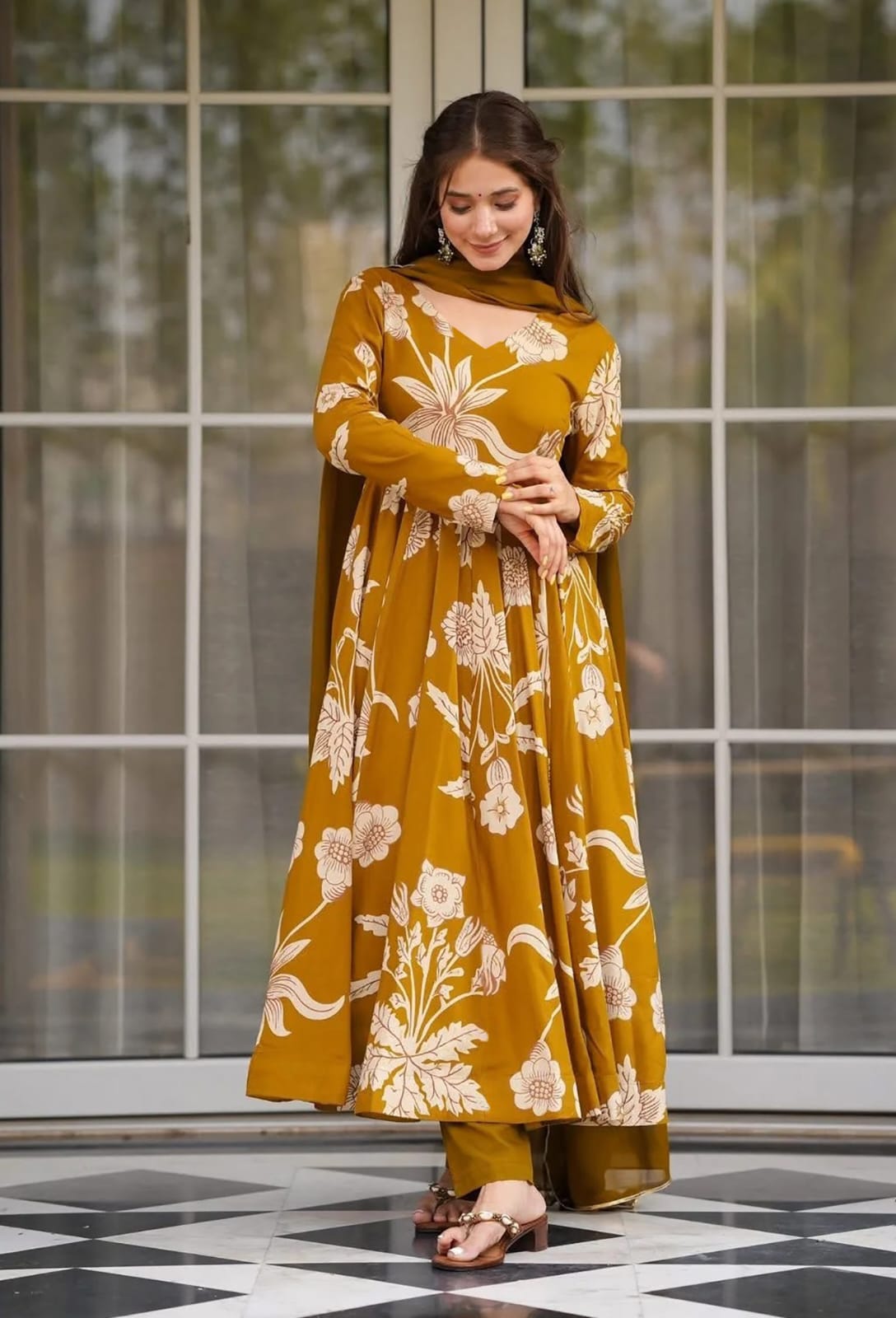
Mustard and yellow echo turmeric and marigolds, while green suggests crops and renewal. Magenta and red create a stronger ceremonial impression in sarees and Anarkalis. Ivory balances zari, mirror work and bright dupattas. Black can look graceful in an embroidery-heavy outfit, but gold, pink, orange or green accents help it feel more celebratory.
Floral prints, paisley motifs, mango motifs, geometric borders and small butis all suit Kanuma dressing. Large motifs can dominate a short kurta, while very small prints may disappear in photographs from a distance. Select motif scale according to the garment's surface area and the distance from which family members will see the outfit.
Kanuma Festival Outfit Ideas: What Should Women Wear with Jewellery and Footwear?
Women should pair Kanuma clothing with secure jewellery, a practical hairstyle and flat or low-block footwear that can handle several hours of movement. Comfort-focused accessories help preserve the appearance of the outfit during temple visits, family meals and outdoor rituals.
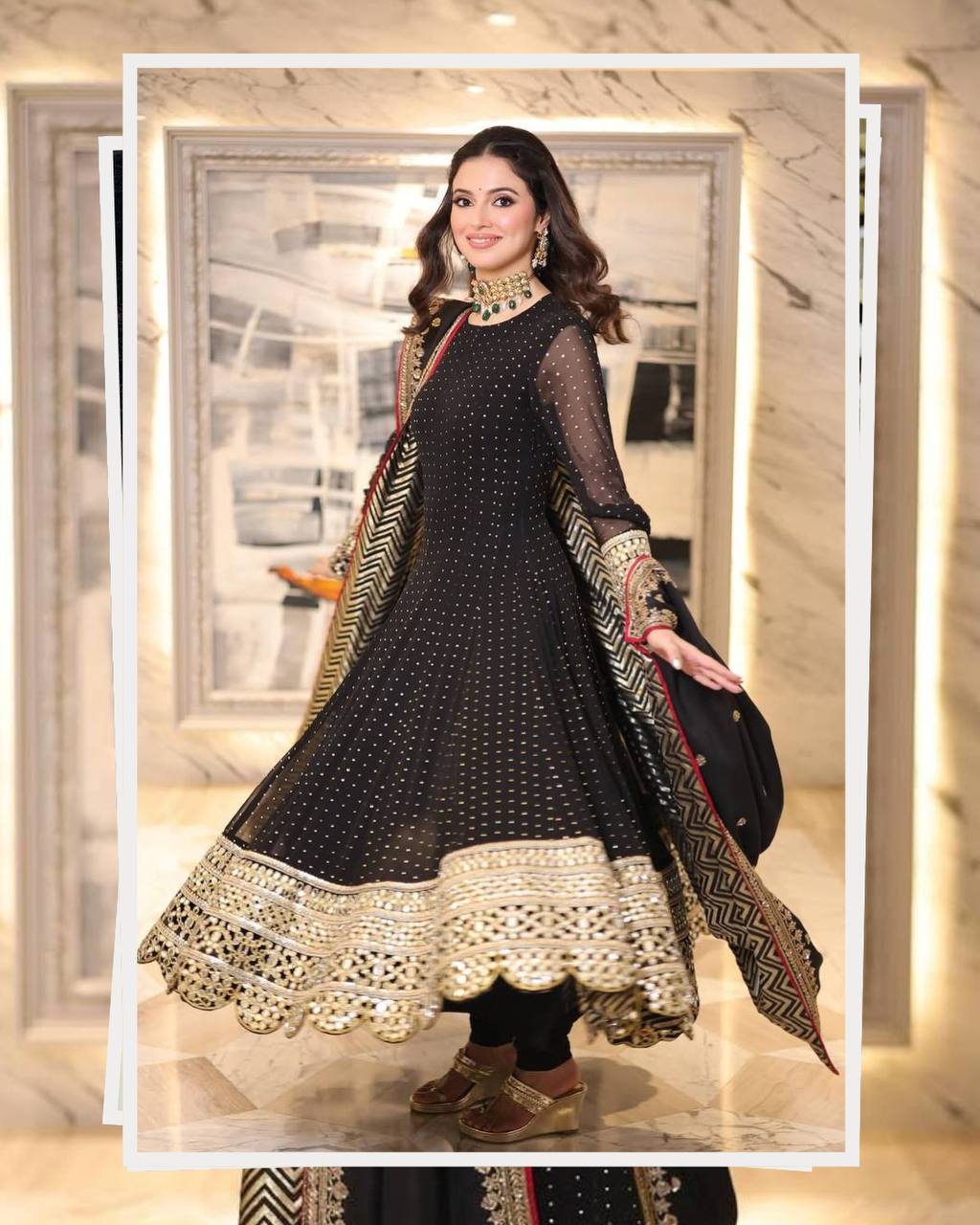
Jhumkas, chandbalis, temple-style earrings and small gold hoops suit sarees and salwar suits. Choose one prominent jewellery category: statement earrings, a layered necklace or stacked bangles. A heavily embroidered neckline usually needs only earrings and bangles, while a plain kurta can support a more noticeable necklace.
A low bun, braid or half-up hairstyle stays more reliable than loose hair during outdoor activity. Fresh jasmine can be added to a braid or bun for a time-honoured finish, while artificial flowers are easier to maintain over a long day. Secure the hairstyle before adding flowers, clips or decorative pins.
Juttis, kolhapuris and low block heels are more suitable than narrow stilettos for uneven ground. Break in new footwear at least two or three wears before Kanuma. Carrying a few safety pins, blister plasters and a small handkerchief is practical, especially when wearing a saree or a dupatta outdoors.
Daytime makeup should prioritise sunscreen, a lightweight base, waterproof eyeliner and a transfer-resistant lip colour. Gold, bronze, terracotta and rose tones complement most festive Indian palettes. A compact, lip product and a few tissues are generally more useful than a large makeup kit.
Kanuma Festival Outfit Ideas: What Should Women Wear for an Easy Final Choice?
Women can make a final choice by matching the garment to three factors: ceremony level, weather and movement. A formal indoor puja suits a silk saree or heavily embroidered suit; a warm outdoor schedule suits linen cotton, cotton silk or a light Anarkali; and a mixed family itinerary suits a pinned saree or coordinated palazzo set.
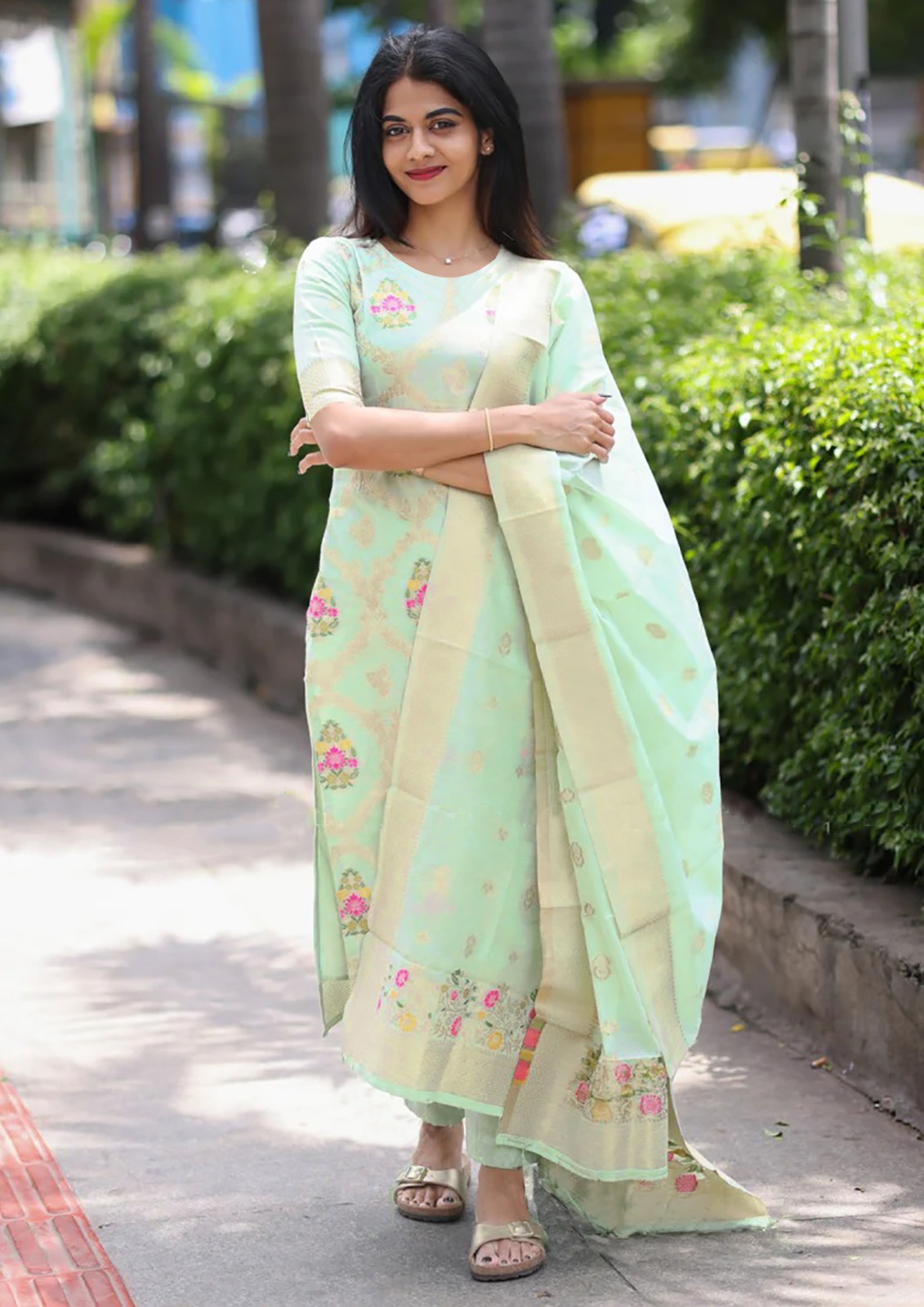
- Check the timetable: Estimate how many hours the outfit will remain on the body and whether the day includes outdoor rituals.
- Test movement: Sit, walk, raise the arms and climb a step before finalising the garment.
- Secure loose elements: Pin the pallu and dupatta, check hooks and ensure the waistband doesn't slip.
- Balance embellishment: Select one statement detail instead of combining heavy clothing, large jewellery and elaborate accessories.
- Prepare for the setting: Choose footwear, a practical bag and a light layer according to the ground, weather and travel involved.
The most successful Kanuma outfit respects both tradition and the practical reality of the festival. A carefully pinned saree, breathable Anarkali or well-fitted palazzo set can look polished in family photographs while allowing the wearer to participate fully in prayers, visits and celebrations.
Common Questions About Choosing a Kanuma Festival Outfit
What should women wear for a Kanuma festival puja?
Women can wear a silk saree, light zari saree, Anarkali or embroidered salwar suit for a Kanuma puja. Choose a secure drape, modest fit and breathable lining if the ceremony takes place during the day.
Which colours are suitable for Kanuma festival outfits?
Mustard, yellow, green, magenta, red, ivory and rust are suitable Kanuma colours because they complement harvest-season traditions. Black can also work when balanced with gold or bright festive accents.
Is a saree practical for Kanuma celebrations?
A saree is practical when the pallu and pleats are securely pinned and the border does not drag. Lightweight silk, cotton silk, Chanderi and linen-cotton sarees are easier to manage than very heavy brocade for outdoor movement.
Which fabric is best for a daytime Kanuma outfit?
Cotton, linen cotton, Chanderi and light cotton silk are strong choices for a warm daytime celebration. These fabrics generally provide better airflow than velvet, heavy brocade or densely lined synthetic garments.
What footwear should women wear with a Kanuma outfit?
Juttis, kolhapuris and low block heels are practical choices because they offer stability on uneven ground. New footwear should be broken in before the festival, and blister plasters are useful for long periods of walking.
How can women keep a Kanuma dupatta or saree secure?
Use two or three discreet safety pins at the shoulder, waist and, when necessary, the inner side of the pleats. Test the fastening by walking, sitting and lifting the arms before leaving home.





