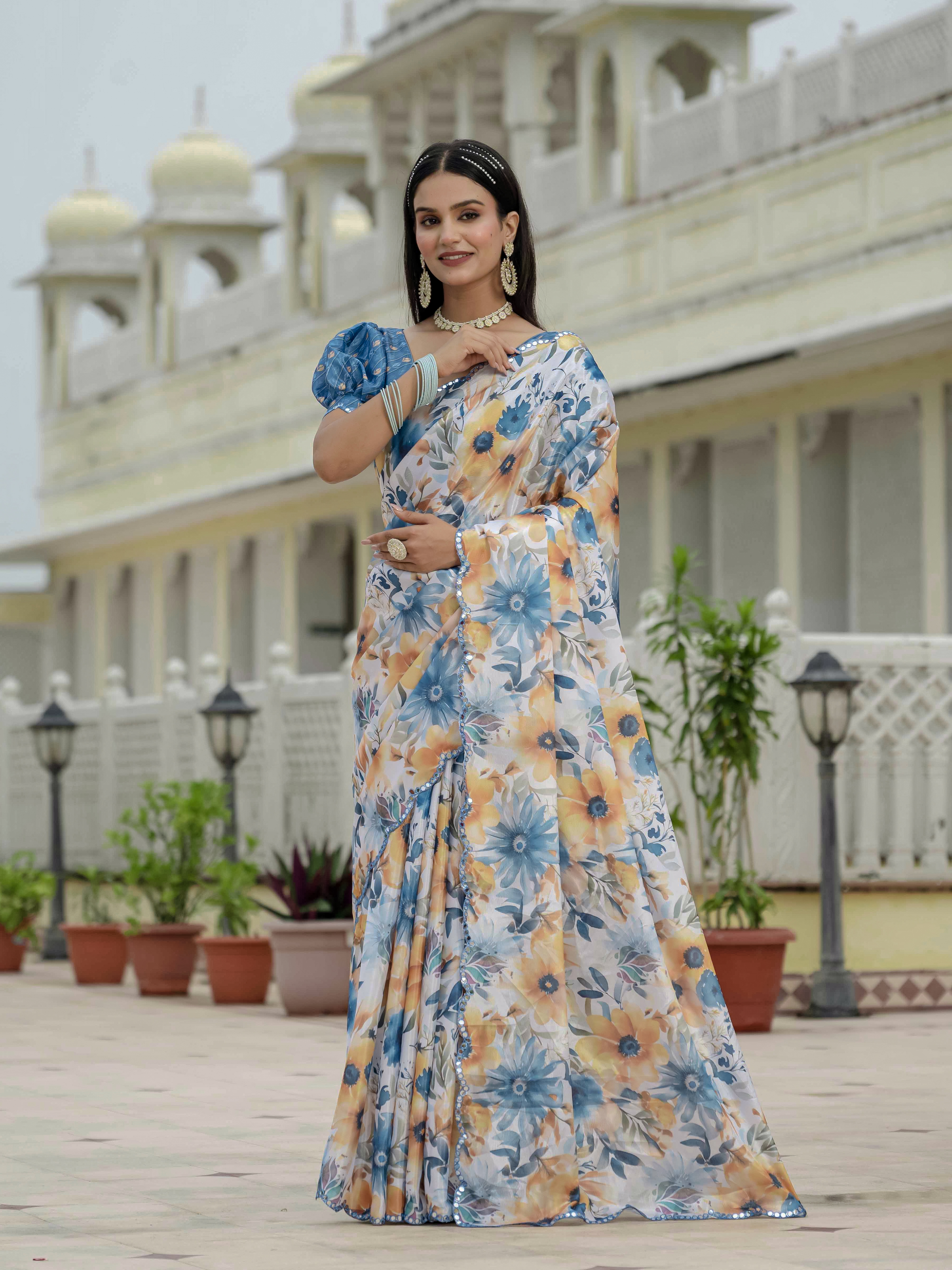
Kannada Rajyotsava Outfit Ideas: Traditional Karnataka Fashion for Women become more meaningful when clothing reflects Karnataka's living textile traditions rather than only using the state's red-and-yellow colours. A woman can mark 1 November with an Ilkal saree, a Mysore silk drape, a Kasuti-inspired blouse or a comfortable kurta set suitable for a full day of cultural programmes. The strongest outfit combines regional reference, practical movement and personal style.
Kannada Rajyotsava celebrates the formation of Karnataka and the unity of Kannada-speaking regions. School assemblies, office events, cultural processions, family gatherings and community functions all call for slightly different levels of dressing. The guide below explains how to choose fabrics, colours, silhouettes, jewellery and finishing details without turning Karnataka's heritage into a costume.
Kannada Rajyotsava Outfit Ideas: Traditional Karnataka Fashion for Women and Regional Identity
Kannada Rajyotsava dressing is distinctive because it brings together Karnataka's regional textiles, craft techniques, earthy colour traditions and graceful draping styles. A red-and-yellow accent can identify the celebration, but the strongest outfit also gives attention to fabric, weave and context.
Karnataka has several textile identities rather than one several traditional costume. Ilkal sarees from northern Karnataka are recognised for their contrasting pallu, charming border and durable cotton or cotton-silk construction. Mysore silk is known for its smooth surface and lustrous zari. Molakalmuru sarees are associated with fine silk weaving and restrained elegance. Kasuti embroidery, traditionally connected with Karnataka, uses counted-thread motifs such as temples, chariots, lamps, birds and geometric forms.
These references can be used subtly. A saree with a strong border may need only small earrings, while a plain cotton saree can support a more detailed blouse. A modern kurta set can carry Karnataka character through handloom texture, a red-and-yellow dupatta or jewellery inspired by temple forms.
Kannada Rajyotsava Outfit Ideas: Traditional Karnataka Fashion for Women at Different Events
For an office celebration
A breathable kurta set with one Karnataka-inspired colour accent is the most practical office choice. Cotton, Chanderi and linen-cotton remain comfortable through several hours of work, while a structured dupatta or oxidised jewellery adds a festive finish.
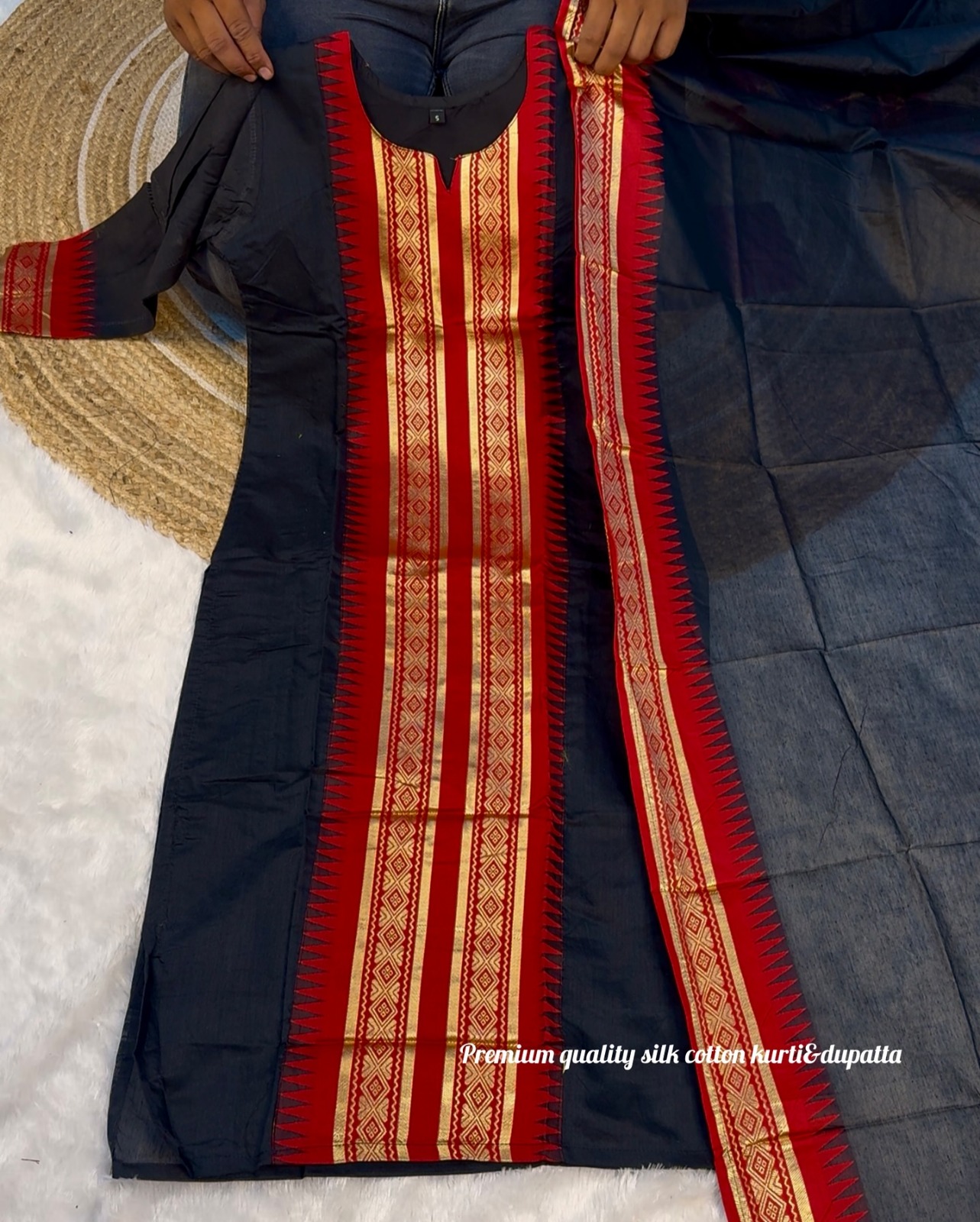
The Kanchi Cotton Zari Woven Kurti Set with Traditional Dupatta works well for a formal daytime programme because woven zari gives the outfit occasion value without requiring a heavily embellished silhouette. Pair the set with small jhumkas, a low bun and brown or tan footwear. A red bindi or yellow hair accessory can acknowledge Rajyotsava without making the entire outfit look themed.
The Pastel Blue Embroidered Chanderi Kurta Set with Dupatta offers a softer interpretation for workplaces where bright colours are not required. Add a narrow red stole, ruby-toned studs or a yellow potli for a deliberate connection to Kannada Rajyotsava. Keep the rest of the accessories restrained so the Chanderi texture remains visible.
For a school or community cultural programme
A school or community programme calls for a secure, easy-to-move outfit with minimal loose accessories. A cotton saree with a firm pleat, a kurta with straight pants or a palazzo set is safer and more comfortable than a long trailing dupatta or very delicate silk.
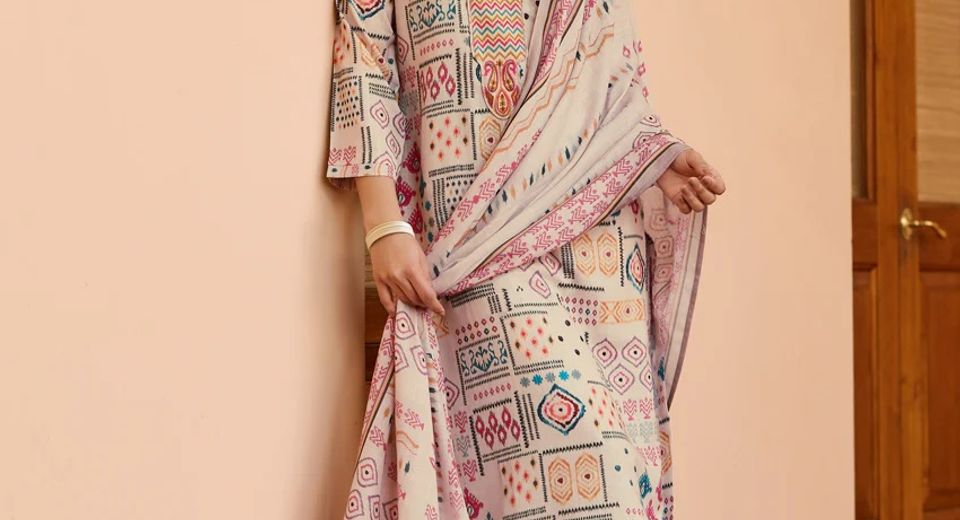
The Cream Printed Cotton Kurta Pant Dupatta Set for Women can be styled with a red bindi, yellow bangles and flat sandals for a clear but comfortable Rajyotsava look. Cotton also photographs well in outdoor daytime events because it avoids the harsh shine that some synthetic fabrics create under sunlight.
For a performance or procession, pin the dupatta at both shoulders and secure the saree pallu near the shoulder seam. Avoid long tassels, oversized rings and dangling bracelets if the wearer will be singing, dancing or carrying a placard. Practical styling supports participation rather than restricting it.
For a family celebration
A family celebration allows richer fabric and more jewellery, but the outfit should still suit the time of day. Cotton-silk, Chanderi silk and lightweight zari work well for lunch gatherings, while Mysore silk or a more embellished set suits an evening function.
The Pastel Blue Chanderi Silk Embroidered Sarara Set for Women creates a festive silhouette without the weight of a heavily layered lehenga. Style it with jhumkas, a small bindi and a compact embroidered clutch. A red lip or yellow enamel jewellery can bring in the Rajyotsava palette more elegantly than adding multiple contrasting garments.
Kannada Rajyotsava Outfit Ideas: Traditional Karnataka Fashion for Women Using Colour
The most balanced method is to use red and yellow as controlled accents rather than covering the entire outfit in both colours. One dominant neutral, one textile colour and one celebration accent usually create a polished result.
Red can appear in a blouse, bindi, border, handbag or pair of bangles. Yellow can come from a dupatta, earrings, flowers or footwear. Cream, ivory, indigo, green, rust, black and muted blue provide visual space around the brighter shades. A cream saree with a red blouse and yellow flowers often looks more refined than a red-and-yellow outfit with several competing prints.
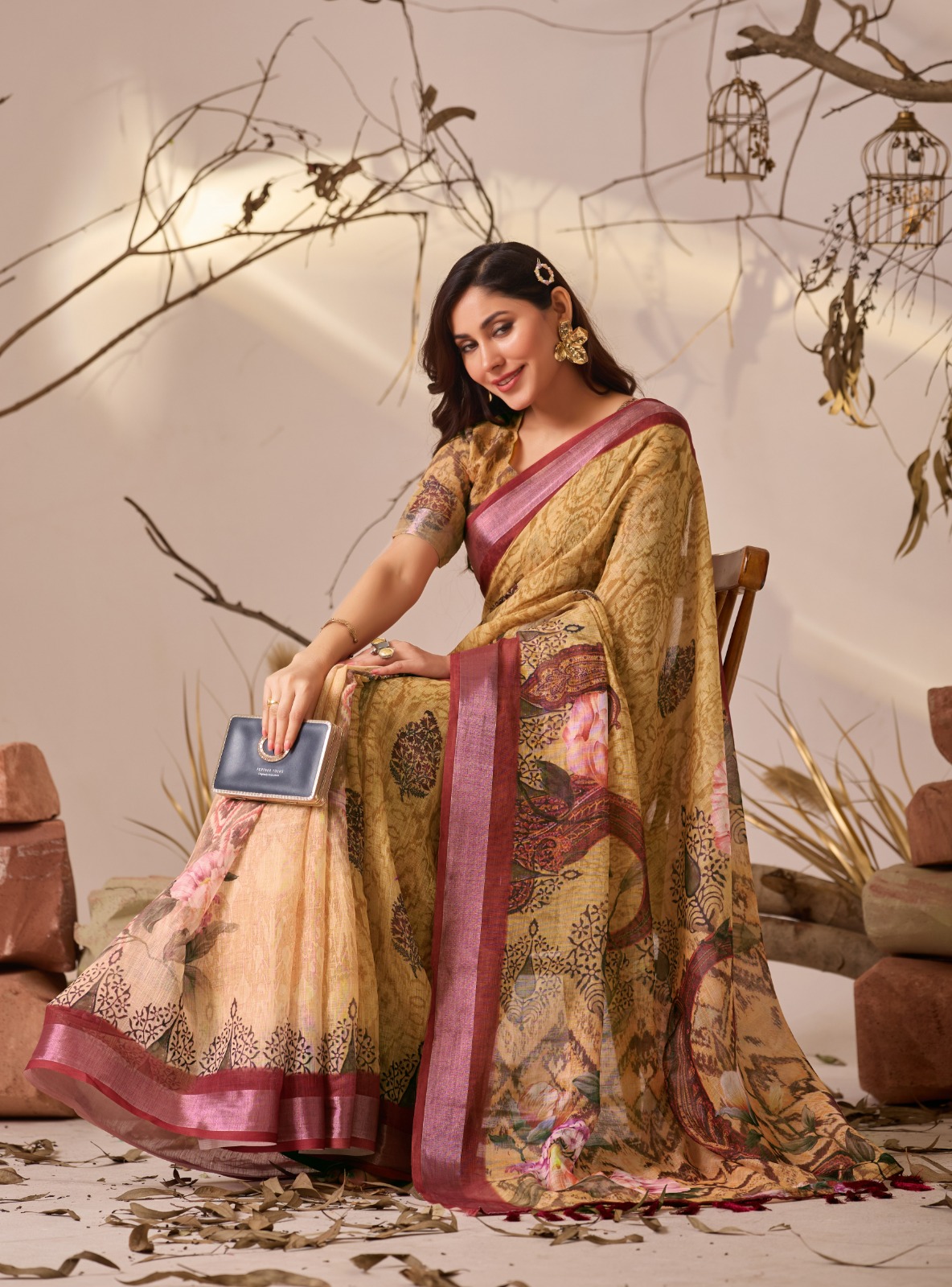
The Pastel Linen Cotton Floral Print Saree with Designer Blouse demonstrates how a gentle base can carry a festive detail. Add a red blouse if the designer blouse is neutral, or choose yellow flowers in a low bun if the saree already includes warm tones. Linen-cotton has a naturally relaxed texture, so avoid pairing it with extremely glossy jewellery; matte gold, silver or terracotta accessories will look more coherent.
Colour also changes under lighting. Bright yellow can appear greenish under cool indoor lights, while deep red may look almost maroon after sunset. Test the complete outfit in the venue lighting before an important event, particularly when photographs are expected.
Kannada Rajyotsava Outfit Ideas: Traditional Karnataka Fashion for Women by Fabric
Cotton, cotton-silk, Chanderi, linen-cotton and silk are the most useful fabric choices because they offer different balances of breathability, structure and festivity.
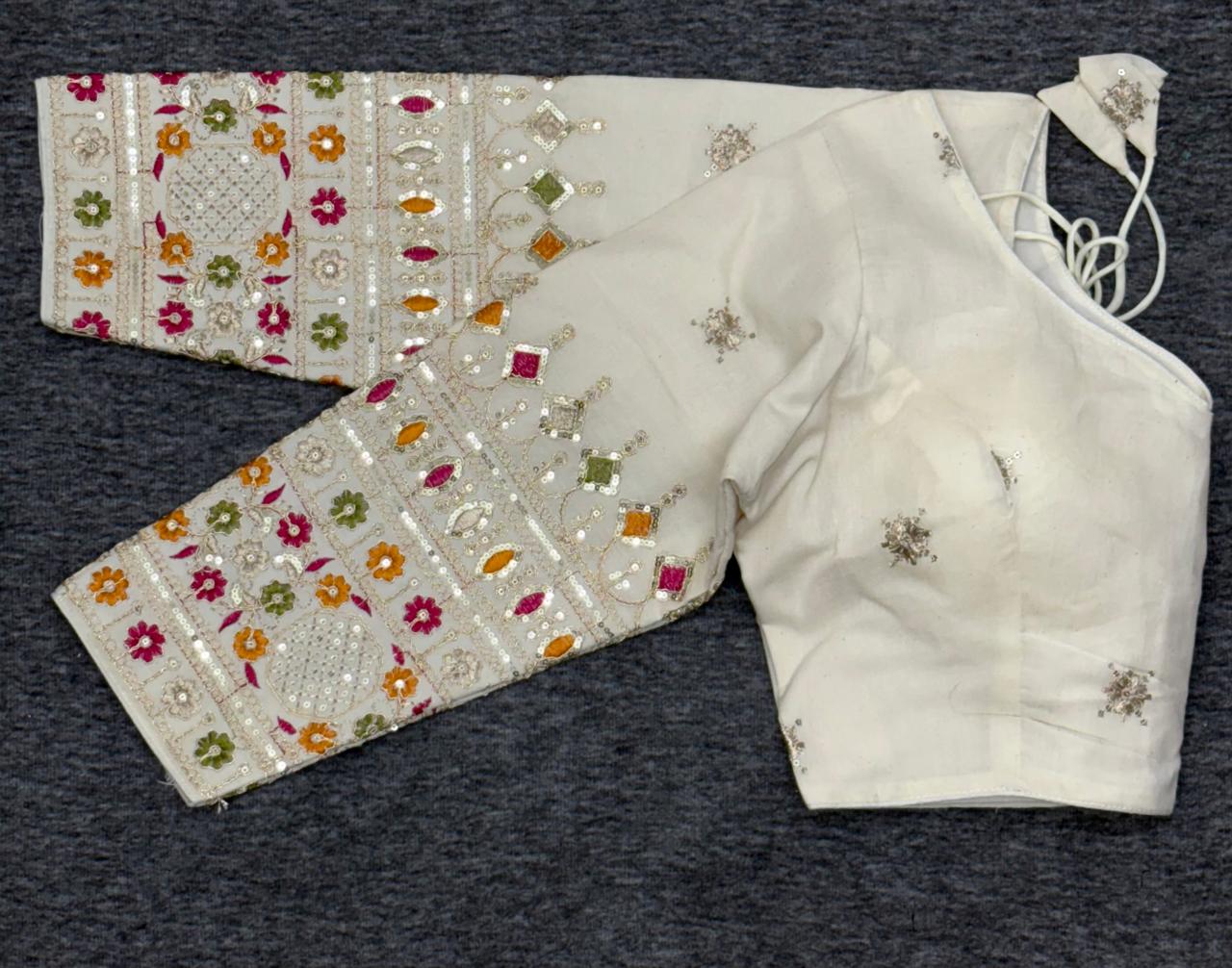
Cotton for daytime comfort
Cotton is the best option for outdoor events, school functions and long daytime programmes because it absorbs moisture and allows air circulation. Handloom cotton may crease during wear, but those creases are part of its natural character rather than a flaw. Steam the garment before wearing it and carry a few safety pins for a saree pallu or dupatta.
Chanderi for light festive polish
Chanderi provides a sheer, lightweight surface with enough elegance for a celebration. Chanderi sarees and suits should be handled carefully because rough jewellery, sharp handbag hardware and snag-prone surfaces can pull the yarns. A smooth lining or camisole is important when the garment is translucent.
Silk for formal evening dressing
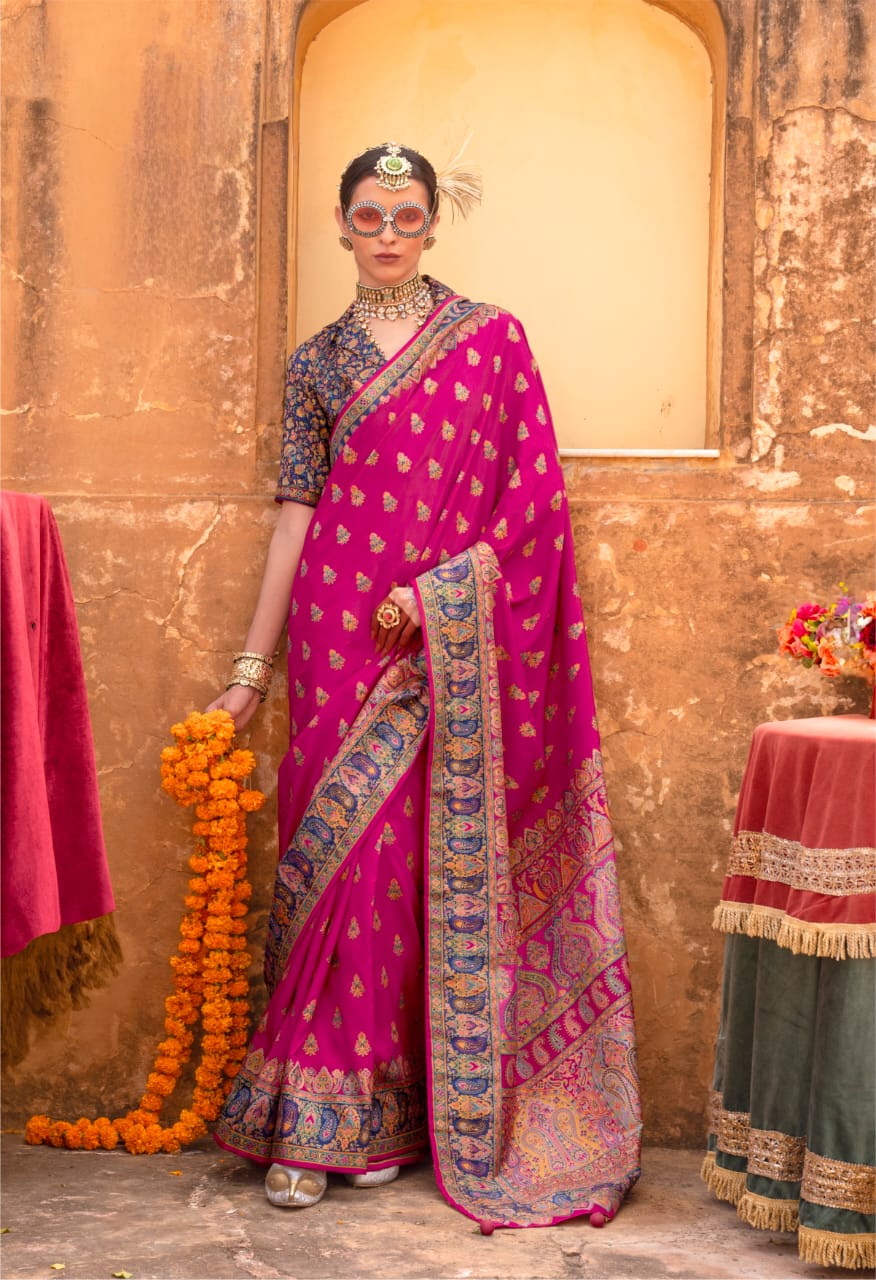
Silk creates a more ceremonial appearance through its drape and natural sheen. Mysore silk, Banarasi silk and Kanjeevaram are different textile traditions, so they should not be treated as interchangeable. Mysore silk is especially appropriate when a smooth silk surface and understated zari suit the wearer's style; Kanjeevaram is generally associated with a more substantial South Indian silk weave and a stronger contrast of body, border and pallu.
The Modern Taupe Vichitra Silk Embroidered Co-Ord Set for Women brings an evening-ready alternative to a saree. Taupe isn't a traditional Rajyotsava colour by itself, but a red bindi, yellow earrings or a woven stole can give the neutral base a Karnataka-inspired direction. Co-ordinated separates are useful for women who prefer tailored dressing to draping.
Kannada Rajyotsava Outfit Ideas: Traditional Karnataka Fashion for Women and Saree Draping
A Rajyotsava saree should be draped securely, paired with a blouse that supports the fabric's weight and finished with accessories connected to the textile rather than added at random.
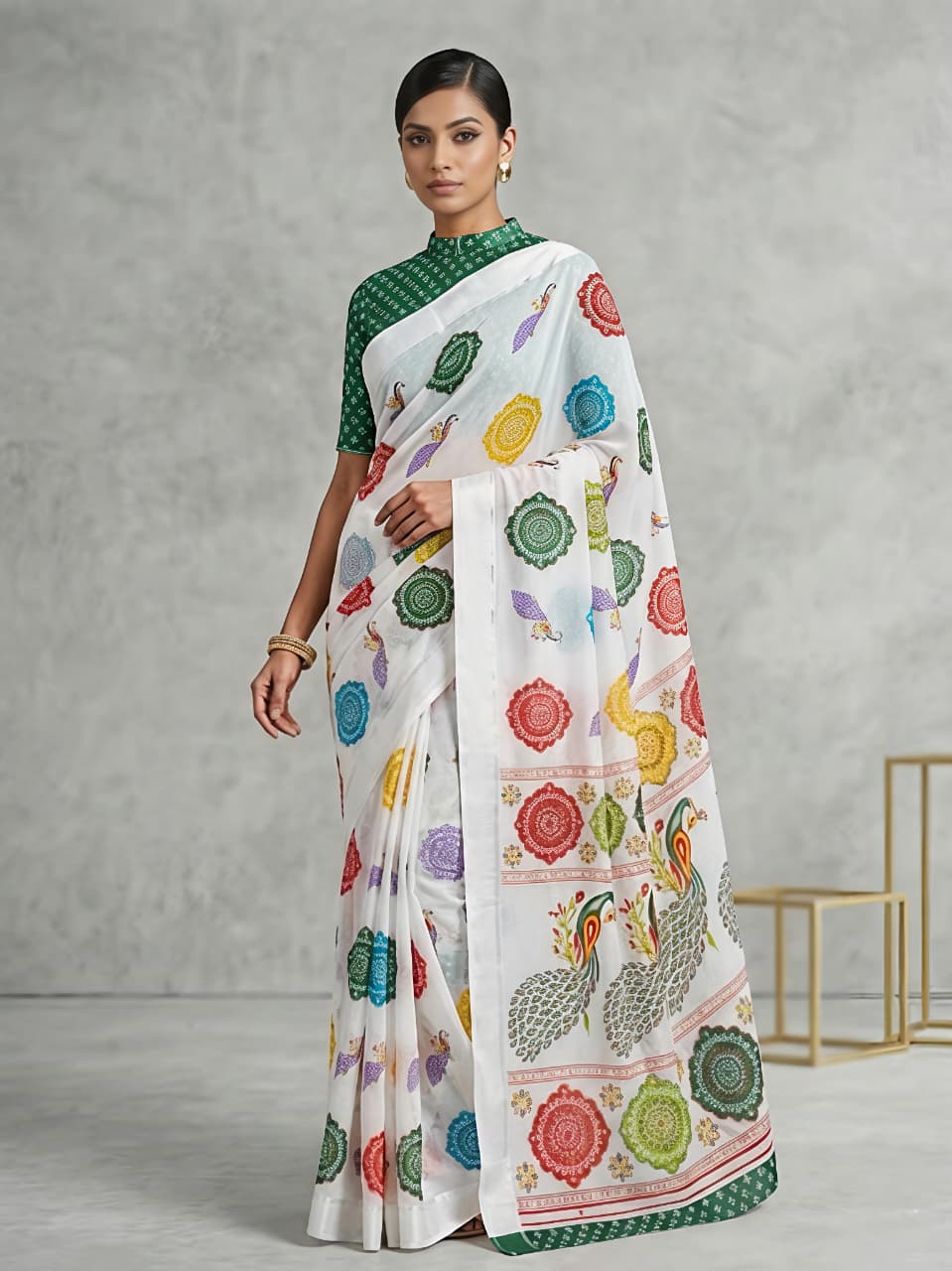
For cotton or linen-cotton, make five to seven front pleats of similar width and place the pallu over the left shoulder with a firm pin near the shoulder seam. A slightly shorter fall helps prevent the saree from catching under footwear during a procession. For silk, use a broader pallu display and fewer heavy accessories so the zari or woven border remains visible.
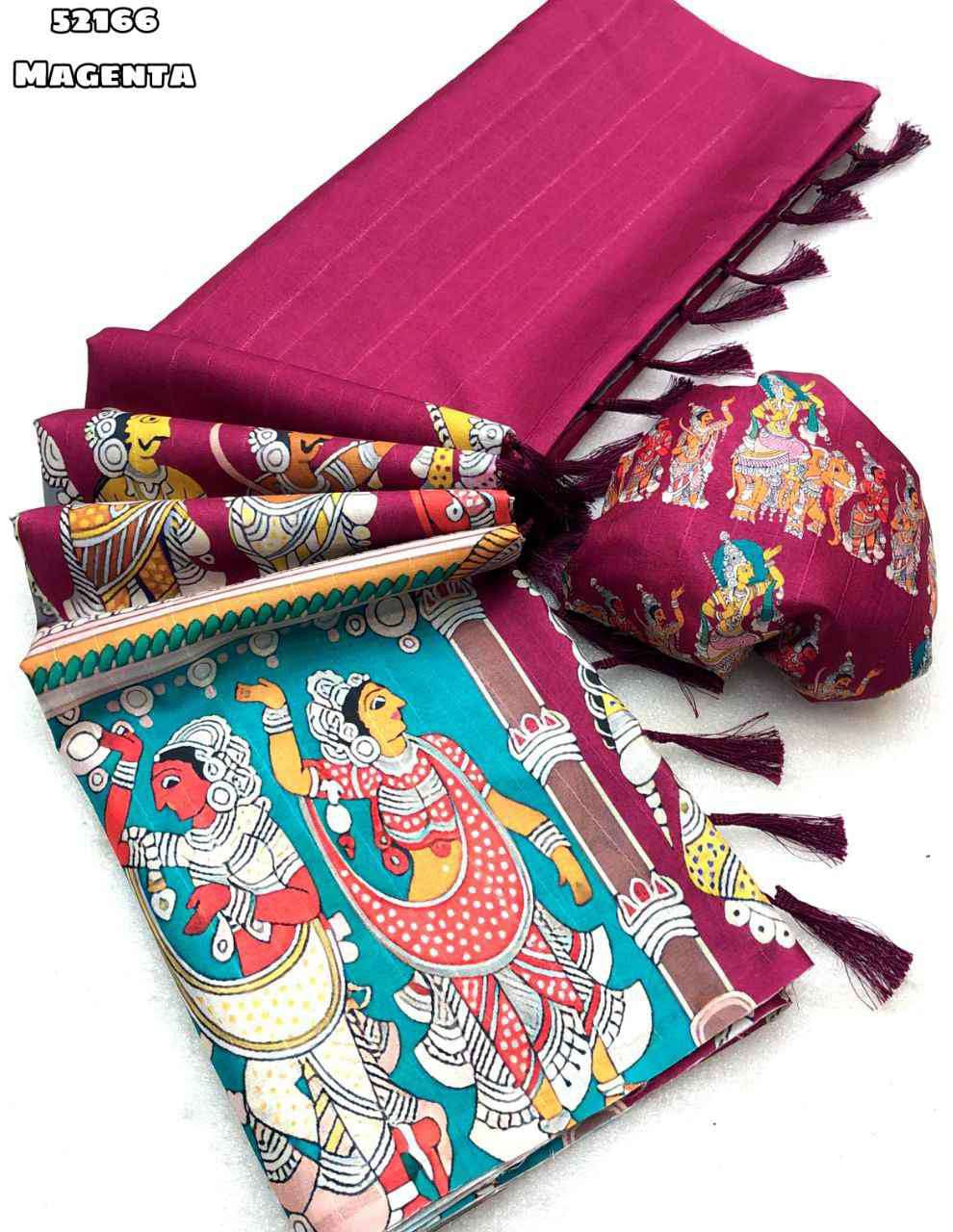
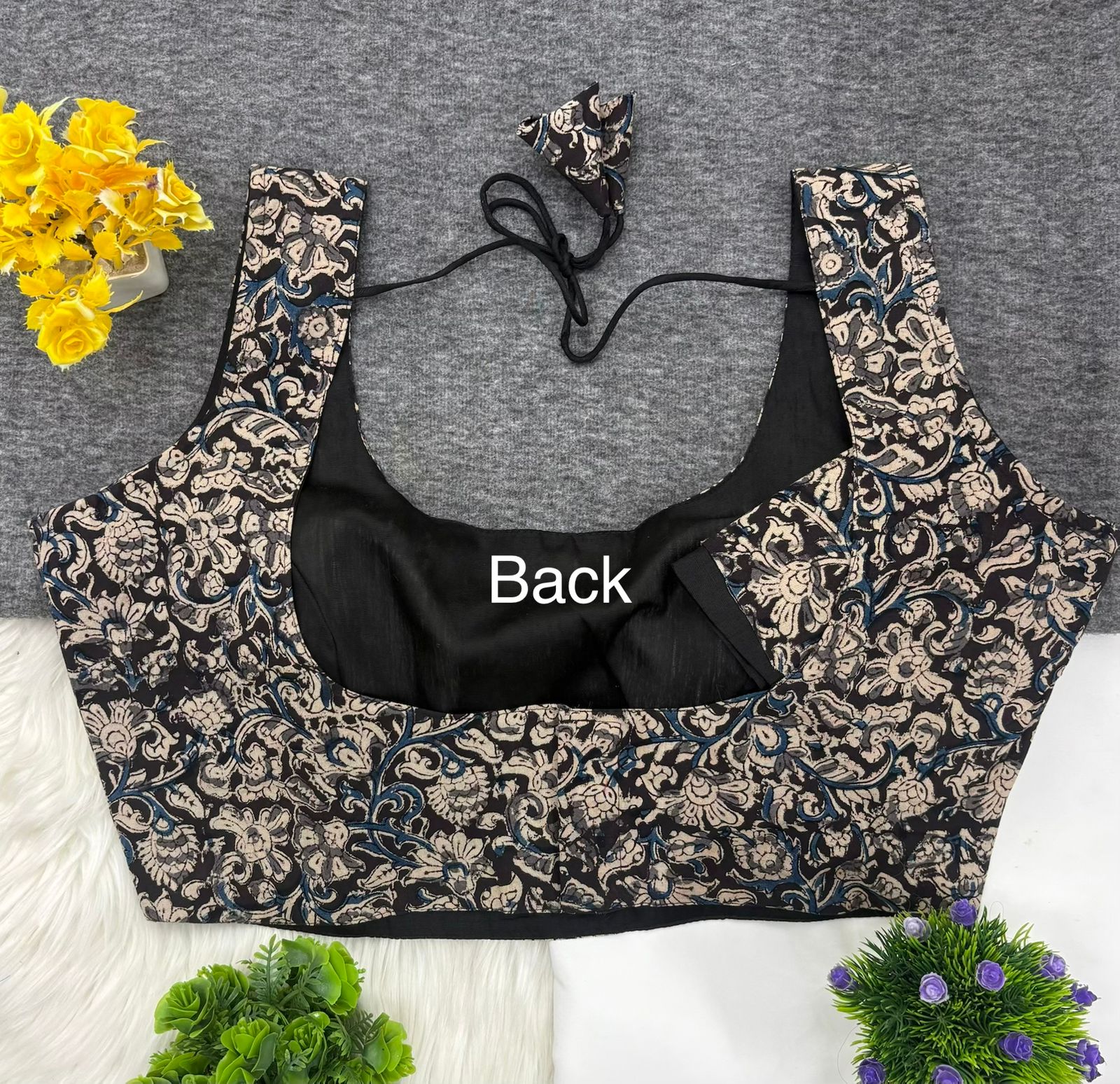
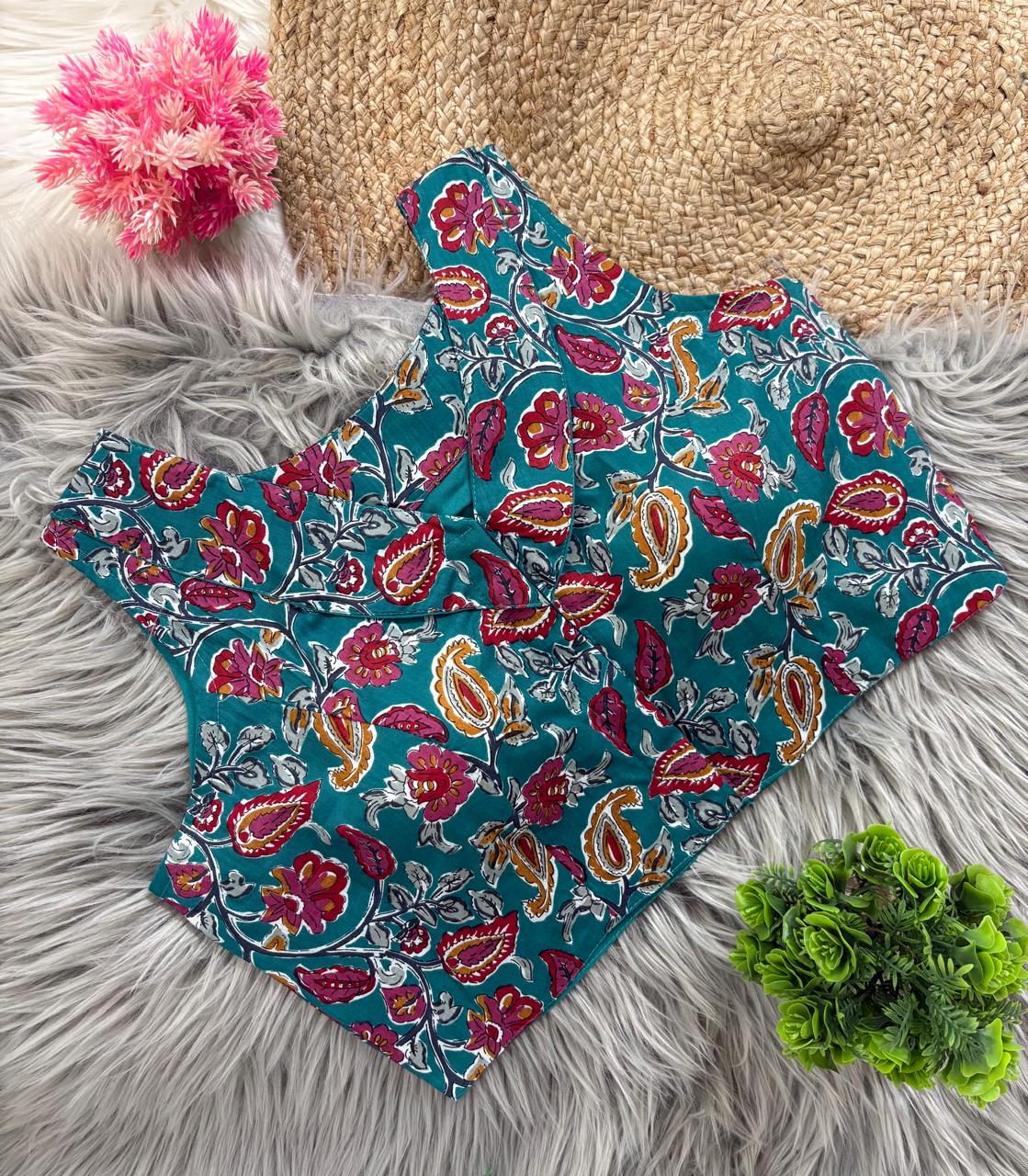
A blouse can establish the regional mood. The Kalamkari Cotton V Neck Collar Blouse for Women brings a printed, craft-led element to a plain saree or solid skirt. Kalamkari isn't the same as Kasuti, so it should be described as a complementary Indian textile reference rather than labelled Karnataka embroidery. Pairing distinct craft traditions thoughtfully is more accurate and visually interesting than calling every printed or embroidered surface Kasuti.
Jewellery should echo the scale of the saree. Small gold studs suit a printed cotton drape, medium jhumkas suit Chanderi or cotton-silk, and a longer necklace can work with a plain silk saree. Fresh kanakambara, jasmine or chrysanthemum flowers add a South Indian festive note, but choose flowers that remain fresh for the duration of the event.
Kannada Rajyotsava Outfit Ideas: Traditional Karnataka Fashion for Women Beyond Sarees
A non-saree outfit can honour Kannada Rajyotsava through colour, textile, embroidery and silhouette while remaining easy to wear. Kurta sets, palazzos, sararas and coordinated separates are useful for students, commuters and anyone attending several events in one day.
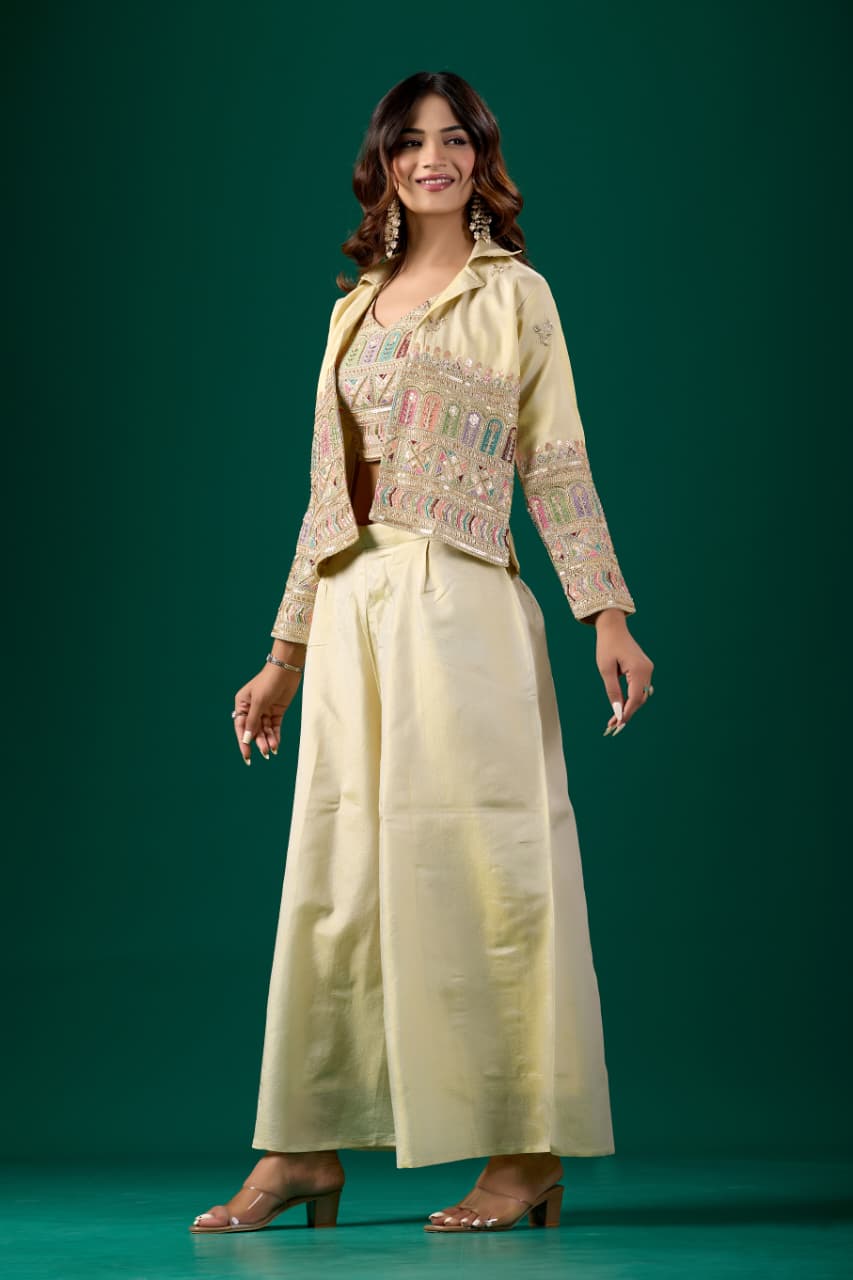
The Women's Embroidered Crop Top & Jacket Palazzo Set | Varnavi can be adapted for an evening cultural gathering by adding a plain red or yellow accessory and keeping the jewellery architectural rather than excessive. A cropped jacket creates structure, while palazzo trousers allow easier movement than a floor-length skirt. Choose low block heels or embellished flats if the event includes standing or walking.
A simple kurta can also become Rajyotsava-ready through considered layering. A red dupatta over an ivory kurta creates a clear festive cue, while a yellow sling bag or handmade textile earrings can provide a smaller accent. Avoid mixing a loud print, heavy embroidery, bright jewellery and multiple contrasting colours in one outfit because each element competes for attention.
The Pastel Blue Chanderi Silk Embroidered Sarara Set for Women can also be styled with a cropped red jacket for a more contemporary interpretation, provided the jacket doesn't conceal the embroidery. A coordinated outfit doesn't need to imitate a saree to look culturally connected; fabric, colour and craft references can communicate the same respect in a different silhouette.
Kannada Rajyotsava Outfit Ideas: Traditional Karnataka Fashion for Women with Better Finishing Details
The finishing details that improve a Rajyotsava outfit are secure draping, suitable footwear, balanced jewellery, weather-aware fabric and accurate textile references.
Choose footwear according to venue rather than appearance alone. Flat kolhapuri-style sandals, juttis or low block heels are more practical for school grounds, processions and open-air stages than narrow stilettos. Wear the selected shoes during a short trial at home so the saree or palazzo hem can be checked for dragging.
Hair should remain comfortable for at least four hours. A low bun with jasmine, a braided hairstyle with small flowers or a neatly secured half-up style works with both sarees and kurta sets. Use pins that match the hair colour, and avoid placing heavy flowers where they pull the hairstyle forward.
Care should begin before the event. Air cotton garments after wearing and wash them according to the care label. Dry coloured cotton in shade to reduce fading. Store silk folded in unbleached muslin rather than plastic, refold silk every few months to prevent permanent fold lines and keep zari away from moisture and perfume. Chanderi and embroidered garments should be stored separately from rough hooks and heavy jewellery.
Most importantly, describe the garment honestly. An Ilkal-inspired border, Kasuti-inspired motif or Karnataka-coloured accessory can show appreciation without claiming that a garment was handwoven in a particular district. Cultural styling becomes more respectful when visual references are paired with accurate language.
Kannada Rajyotsava Outfit Ideas: Traditional Karnataka Fashion for Women FAQ
These answers address practical questions about choosing, styling and caring for a Rajyotsava outfit.
Common Questions About Kannada Rajyotsava Outfits for Women
What should women wear for Kannada Rajyotsava?
Women can wear an Ilkal saree, Mysore silk saree, cotton saree, kurta set, palazzo set or sarara with red-and-yellow accents. The best choice depends on the venue, weather, required movement and level of formality.
Which colours are traditionally associated with Kannada Rajyotsava?
Red and yellow are the most recognisable colours associated with Kannada Rajyotsava. Using one colour as the main garment and the other as a bindi, dupatta, border, accessory or flower usually creates a more balanced outfit than wearing both colours from head to toe.
Is a saree necessary for a Kannada Rajyotsava celebration?
A saree is not necessary for Kannada Rajyotsava. A cotton kurta set, Chanderi suit, palazzo set or sarara can honour Karnataka through fabric, embroidery, colour and jewellery while offering easier movement.
Which saree fabric is comfortable for an outdoor Rajyotsava event?
Cotton and linen-cotton are usually the most comfortable choices for outdoor Rajyotsava events because they are breathable and lighter than many silk sarees. Secure the pallu, wear practical footwear and choose a slightly shorter fall for walking.
How can a woman style Kasuti-inspired details for Rajyotsava?
Kasuti-inspired details can appear on a blouse, dupatta, border, jacket or small accessory featuring geometric, temple, lamp or bird motifs. Use the description accurately, especially when the garment is inspired by Kasuti rather than documented as traditional Kasuti embroidery.
How should a silk or Chanderi Rajyotsava outfit be stored after wearing?
Air the garment away from direct sunlight, then store silk folded in unbleached muslin and refold it every few months. Store Chanderi and embroidered pieces away from rough jewellery, sharp hooks, moisture and plastic covers that can trap humidity.