Kambala Festival: Traditional Karnataka Culture and Fashion Guide begins with a practical truth: Kambala is an outdoor agricultural celebration, so clothing must respect coastal Karnataka customs while handling mud, humidity, crowds and long hours. Kambala, the traditional buffalo race of Tulunadu, combines a paddy-field race with local rituals, community gatherings and regional food. Visitors who understand the setting can choose ethnic wear that looks appropriate without treating the festival as a costume theme.
Kambala events are usually held during the post-monsoon and winter months, commonly from November to March, across Dakshina Kannada and Udupi districts and parts of Kasaragod. Dates vary by village, temple calendar and organising committee. A single event may begin with ceremonial activities, continue through heats and finish with prize presentations, making a breathable outfit and secure footwear more useful than elaborate styling alone.
Kambala Festival: Traditional Karnataka Culture and Fashion Guide to Its Meaning
Kambala celebrates the agricultural heritage, community identity and devotion of coastal Karnataka through buffalo races held in prepared paddy fields. The event historically connected farmers, landowners, village communities and working buffaloes after the cultivation season.
The name Kambala is associated with the wet, muddy field used for the race. Two buffaloes run side by side through a water-filled track while a jockey, often called a Kambala racer, drives them forward. The spectacle is fast and physically demanding, but the festival is larger than the race itself. Temple traditions, offerings, music, announcements, local associations and shared meals all contribute to the day.
Tulunadu has a distinct cultural history shaped by Tulu language, coastal trade, agrarian life and temple institutions. Kambala belongs to that living regional culture rather than to a single pan-Indian dress code. A visitor may see men in shirts, dhotis or practical trousers and women in sarees, salwar suits, kurtas or everyday festive clothing. The exact approach is neatness, comfort and sensitivity to the unique village venue.
When is Kambala Festival season?
Kambala Festival season generally runs from November to March, although exact dates change annually. The cooler dry-season months reduce standing water in fields while retaining enough moisture for the race track.
Checking the local event notice matters because venues may be near temples, villages or agricultural land rather than formal stadiums. An event advertised as a daytime race can extend into evening, and popular competitions may attract very large crowds. Carrying a light shawl, a compact umbrella and a small bag with essential items helps when coastal weather changes quickly.
Kambala Festival: Traditional Karnataka Culture and Fashion Guide to the Race
A Kambala race uses a pair of buffaloes, a waterlogged paddy-field track and a jockey who guides the animals through timed heats. The exact race categories and track arrangements depend on the organising committee and venue.
The track is usually prepared as parallel lanes filled with shallow water and mud. Buffalo pairs are brought forward in scheduled rounds, and the jockey attempts to maintain speed and control. Traditional competitions may include categories based on the equipment used, the type of team or the result achieved. Timing systems and event rules have become more organised at many modern venues, but local practice still differs.
For spectators, the most important practical detail is distance from the track. Mud and water can spray beyond the lane, especially when buffaloes accelerate. People standing close to the barrier should protect phones and avoid wearing garments with hems that trail near the ground. A clear view is valuable, but crossing restricted areas or distracting racers creates a safety problem.
What should visitors know about buffalo welfare at Kambala Festival?
Visitors should observe buffalo handling quietly, avoid provoking animals and support events that follow current welfare requirements. Public discussion about Kambala has included questions about training, treatment, safety and regulation, so responsible spectators should not assume that every event operates identically.
Organisers, local authorities and animal-welfare bodies may impose rules concerning veterinary checks, track conditions, equipment and treatment. A respectful visitor doesn't touch racing buffaloes, block handlers, use flash close to animals or encourage unsafe behaviour for a photograph. Choosing a well-organised public event and following barriers and announcements is more responsible than seeking an unsupervised close-up.
Kambala Festival: Traditional Karnataka Culture and Fashion Guide for Women
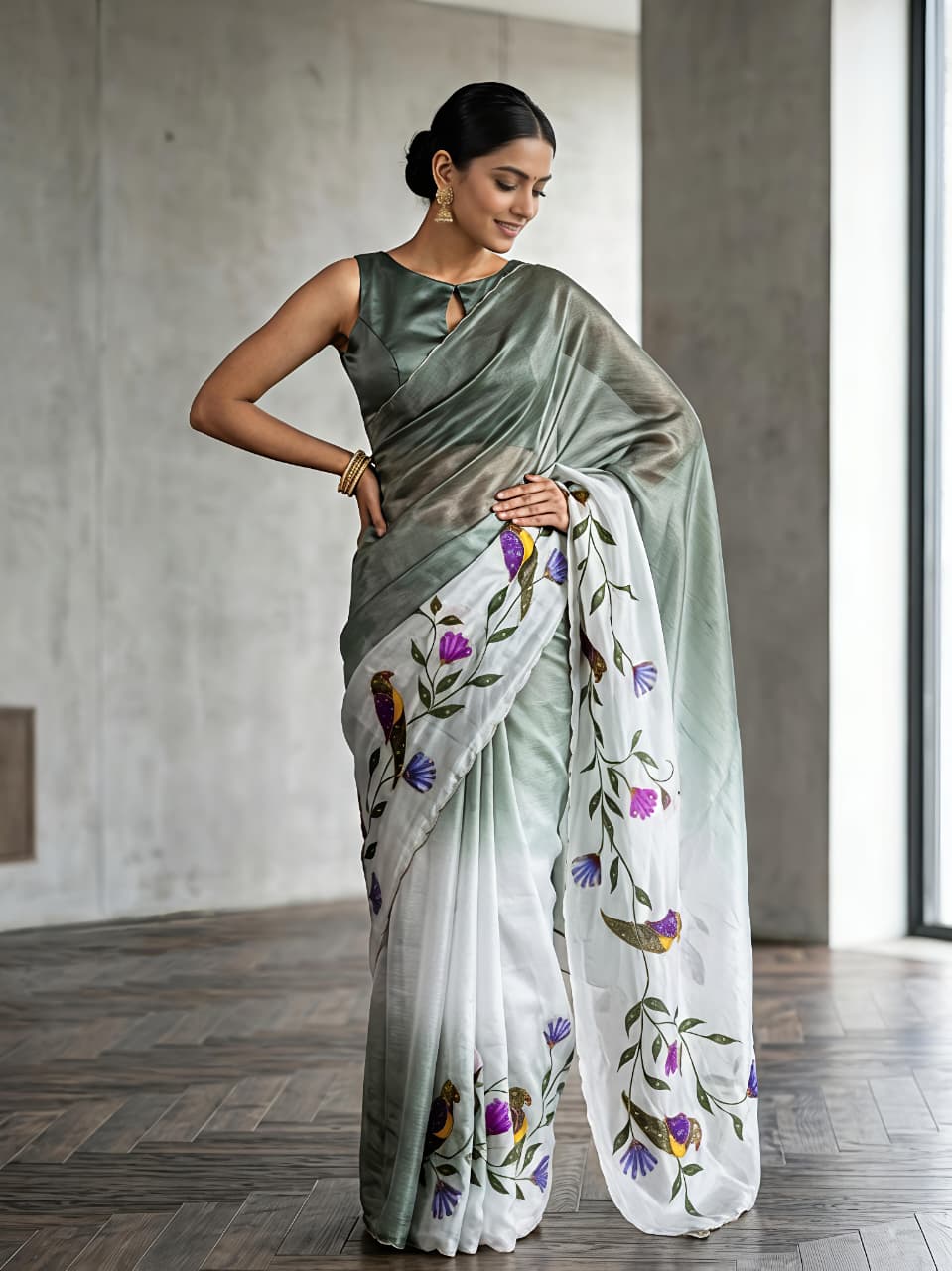
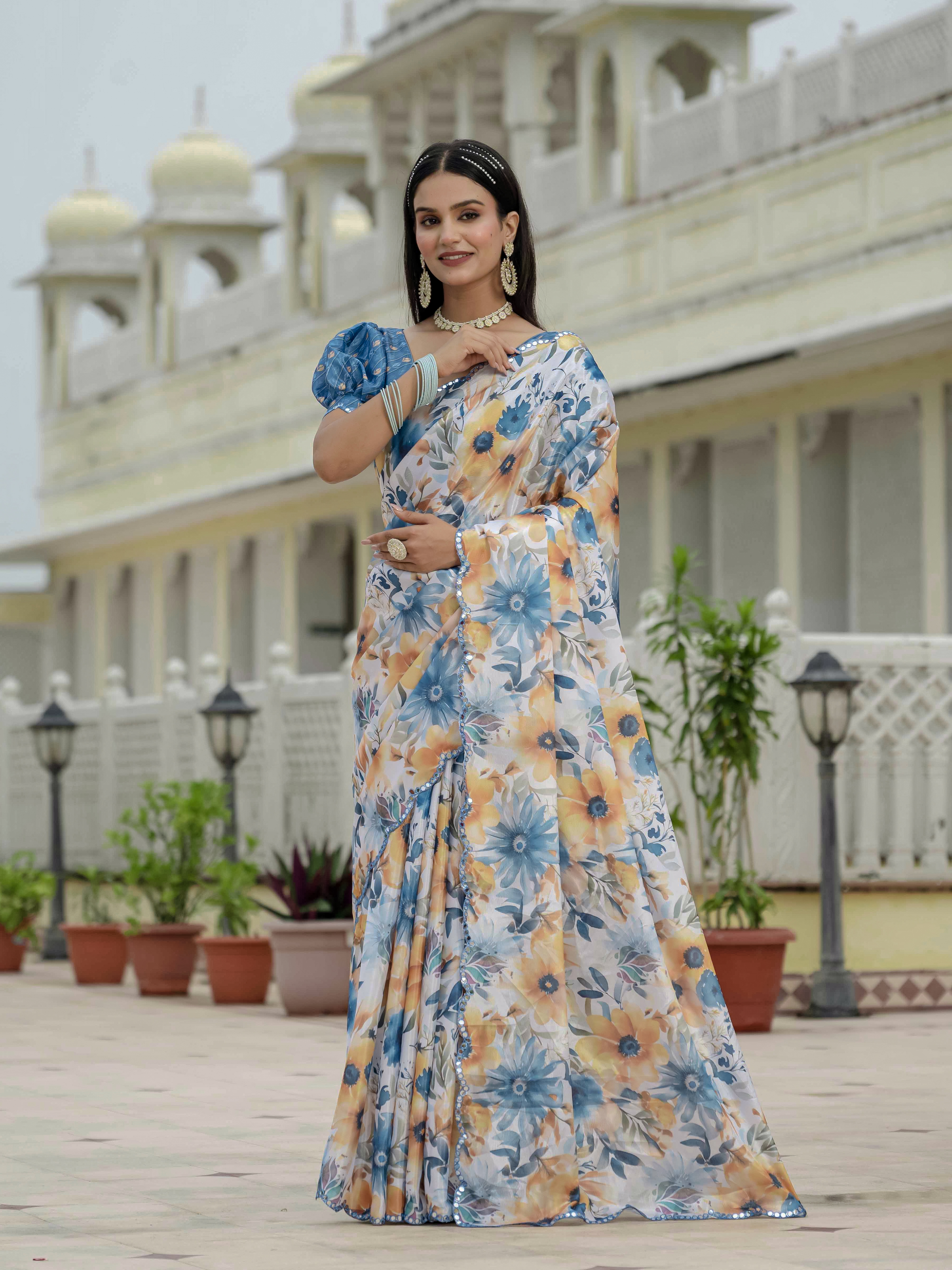
Women can wear a breathable cotton saree, a cotton-silk saree with a secure drape, a salwar suit or a kurta set with a dupatta pinned close to the body. The most useful outfit has a manageable hem, a comfortable blouse and footwear that can handle uneven ground.
A saree works well when the pleats are firmly pinned and the pallu is secured over the shoulder. A shorter, practical pallu prevents accidental dragging through mud and makes movement easier in crowded viewing areas. Chanderi, handloom cotton, lightweight linen-cotton and soft cotton-silk are generally more comfortable than heavy brocade for a daytime field event.
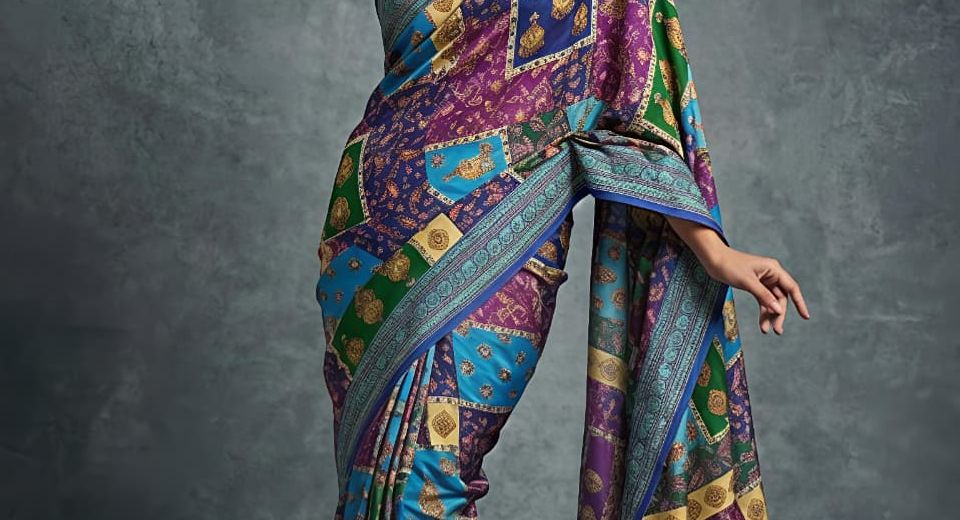
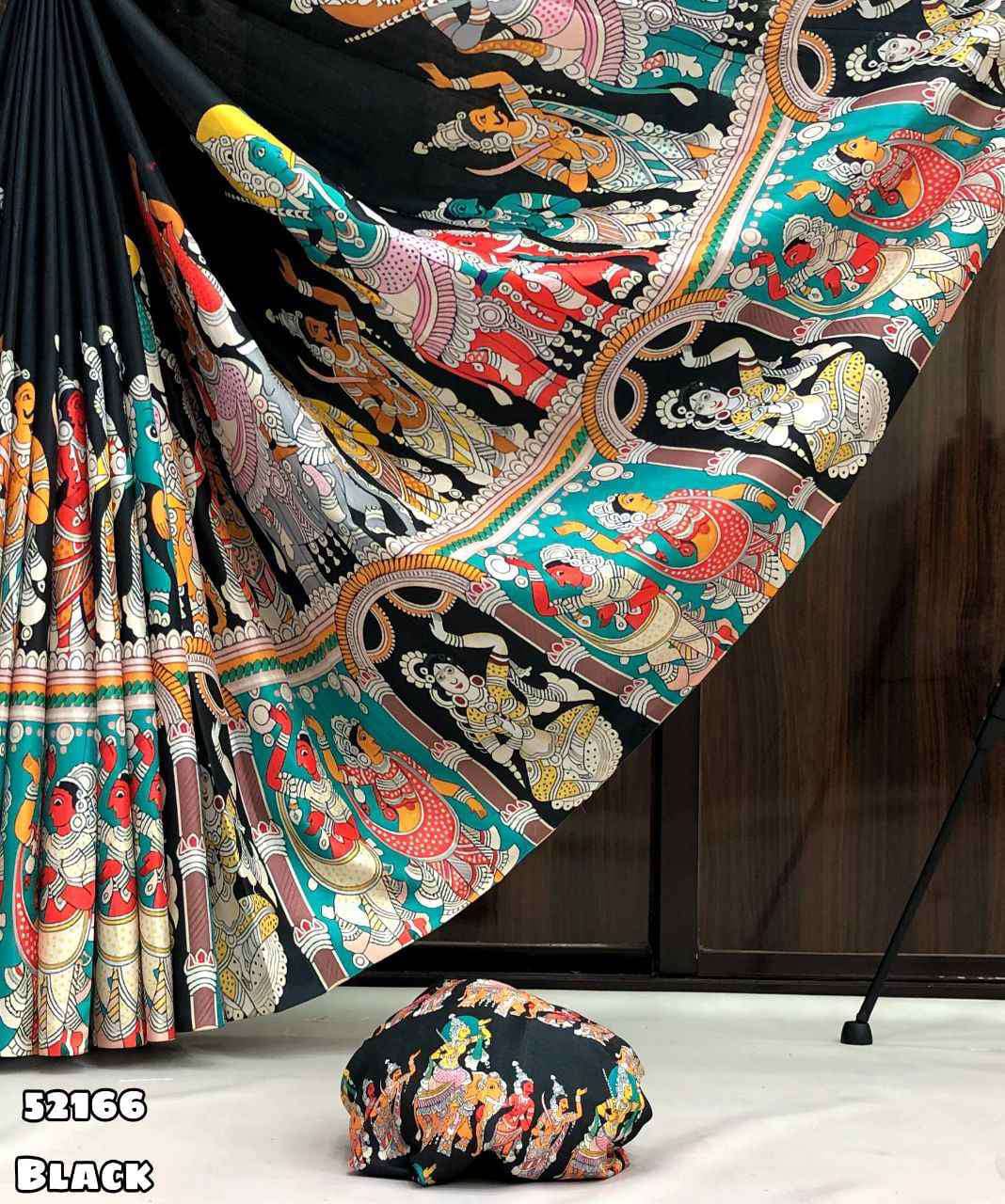
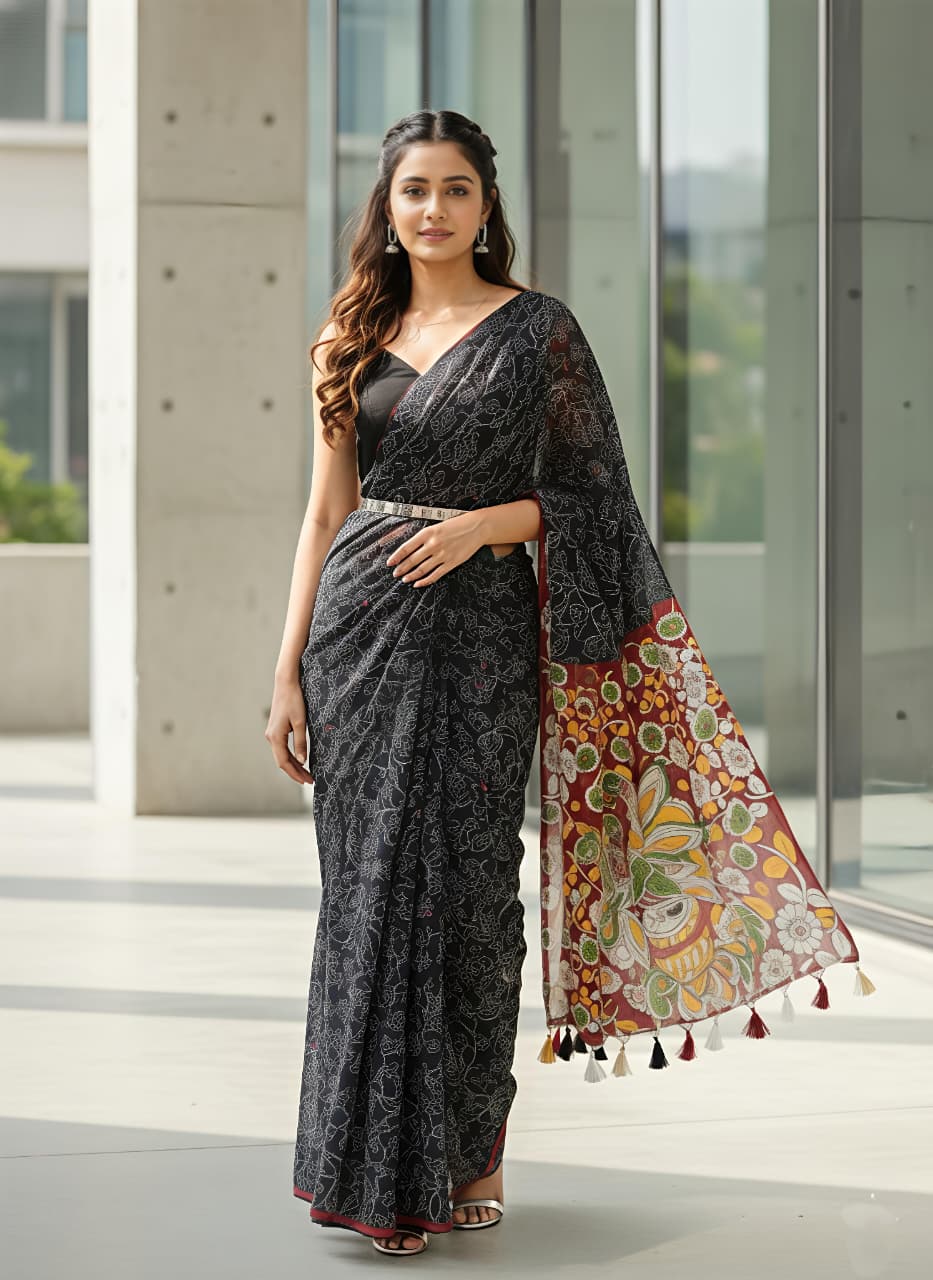
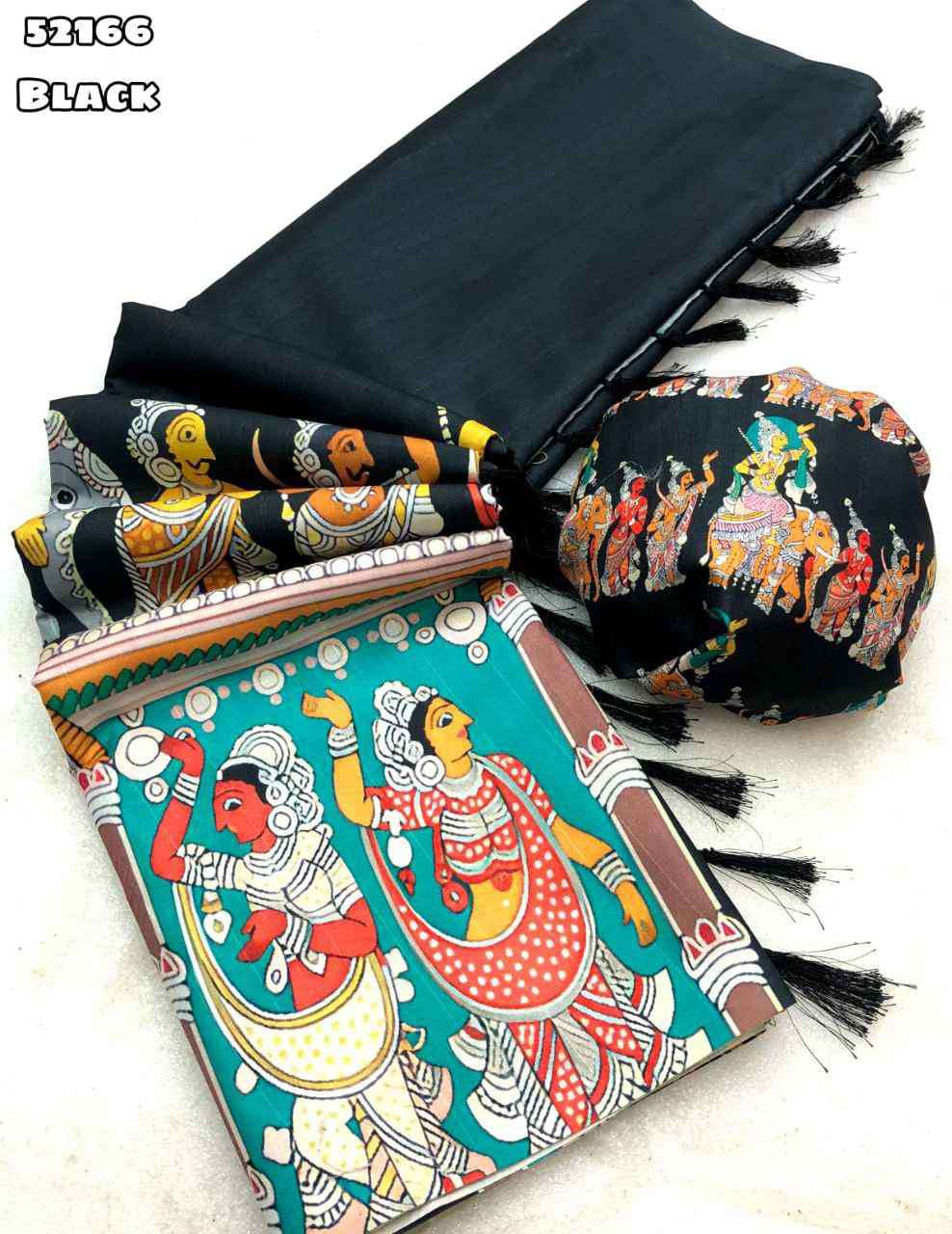
The Black Traditional Kalamkari Print Silk Saree offers a strong example of how a printed silk saree can retain a festive appearance without relying on dense metallic embellishment. The Tussar Silk Kalamkari Printed Saree with Blouse brings texture and a muted artisanal surface, although a visitor should reserve it for a venue with firmer pathways if mud is likely.
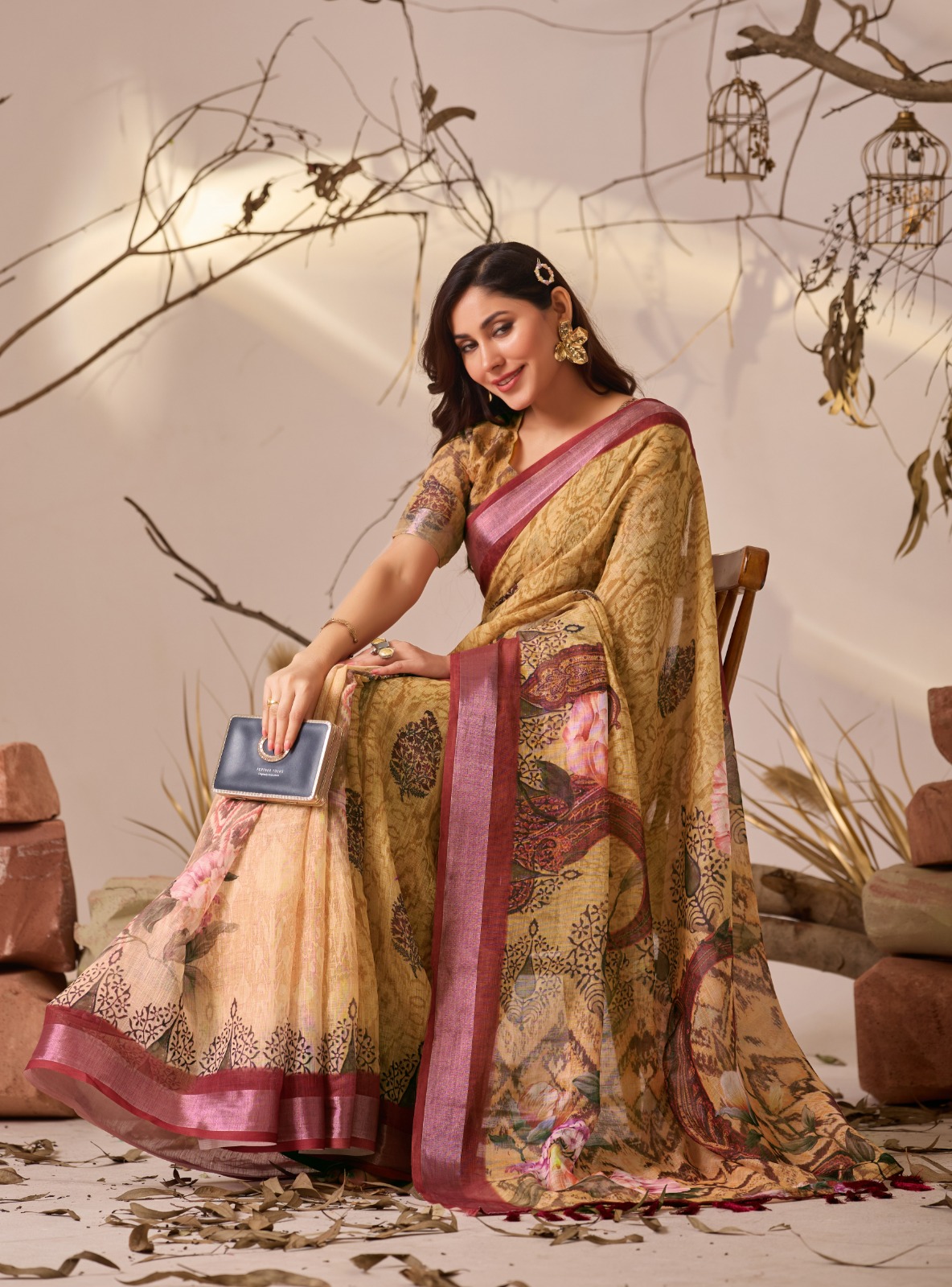
The Beige Kalamkari Printed Linen Cotton Saree Online is more suited to a hot daytime gathering because linen-cotton allows airflow and dries more readily than a heavily layered silk outfit. A darker border can be practical around agricultural fields, but no saree should be treated as mud-proof. The Black Kalamkari Tussar Silk Saree with Blouse and Elegant Black Kalamkari Silk Saree with Blouse can suit a more formal cultural programme, temple-adjacent ceremony or evening portion of the event.
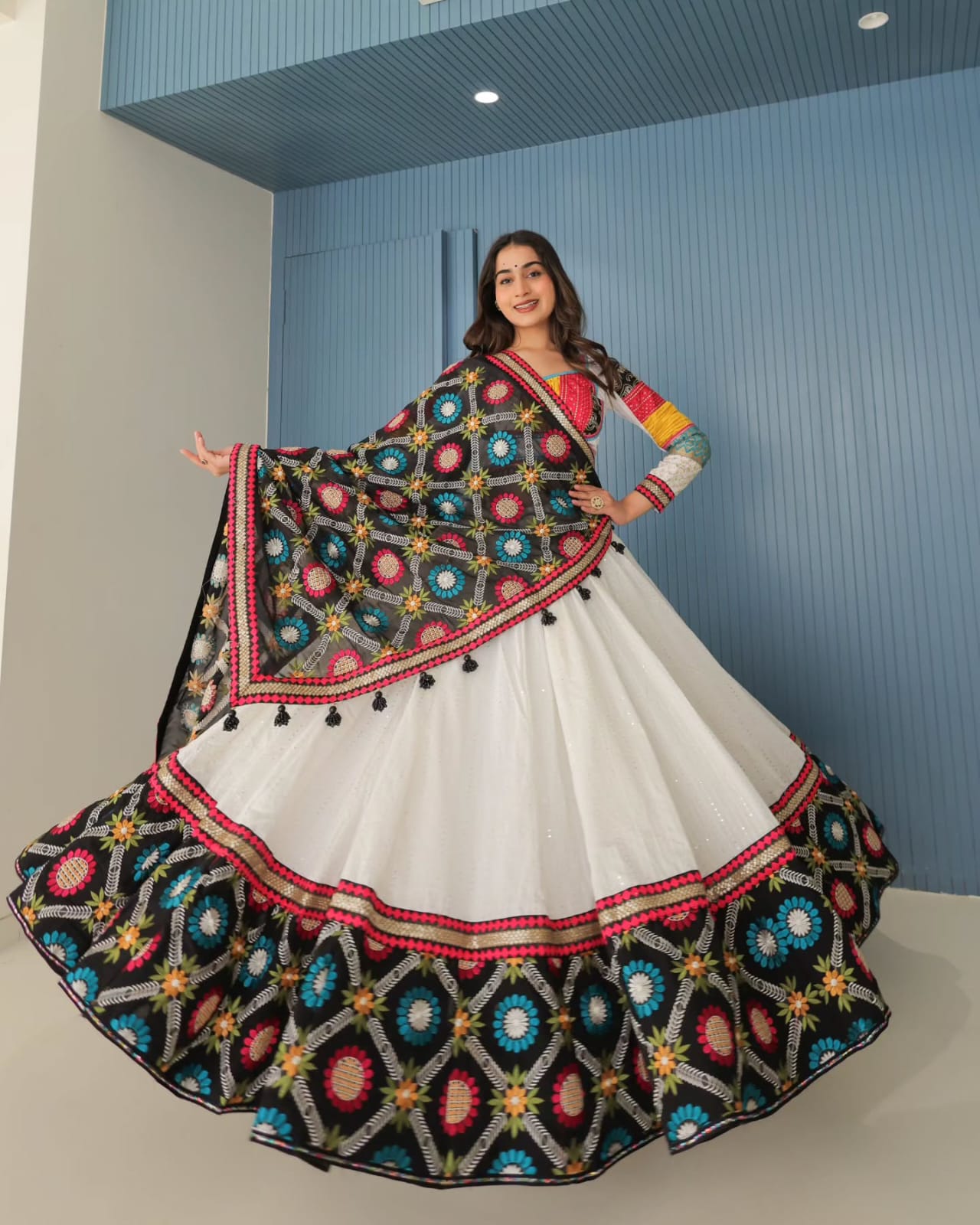
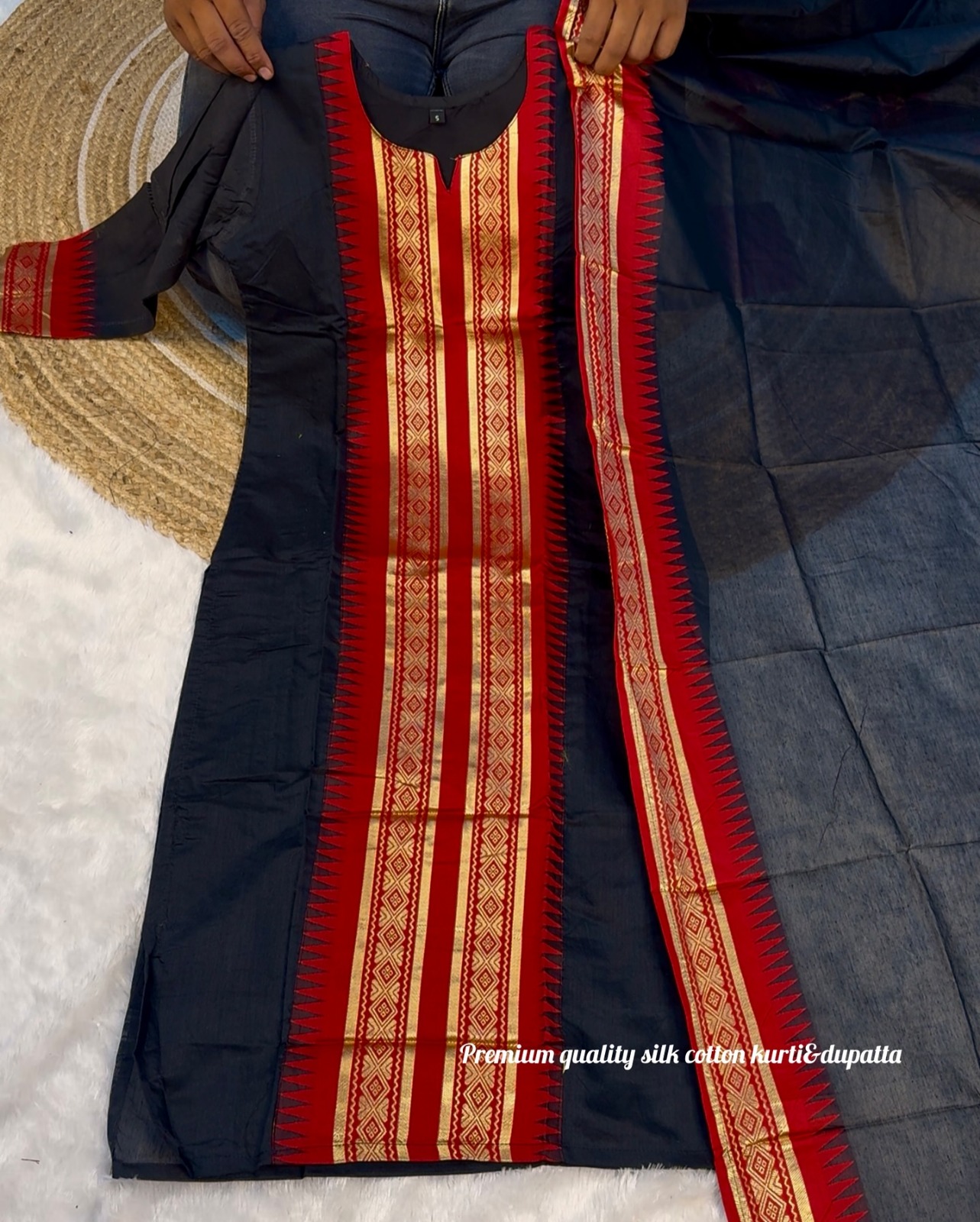
A salwar suit reduces the need to manage pleats while walking. The Kanchi Cotton Zari Woven Kurti Set with Traditional Dupatta provides a useful model for festive cotton styling, especially when the dupatta is pinned at both shoulders. A fitted but non-restrictive churidar, straight pant or palazzo can make standing and walking easier than a floor-length layer.
How can a saree stay secure at Kambala Festival?
A saree stays secure when the waist tuck, pleats, shoulder drape and footwear are tested before leaving home. Use two or three small safety pins at the pleats and one concealed pin at the shoulder, while keeping the pallu short enough to avoid contact with the ground.
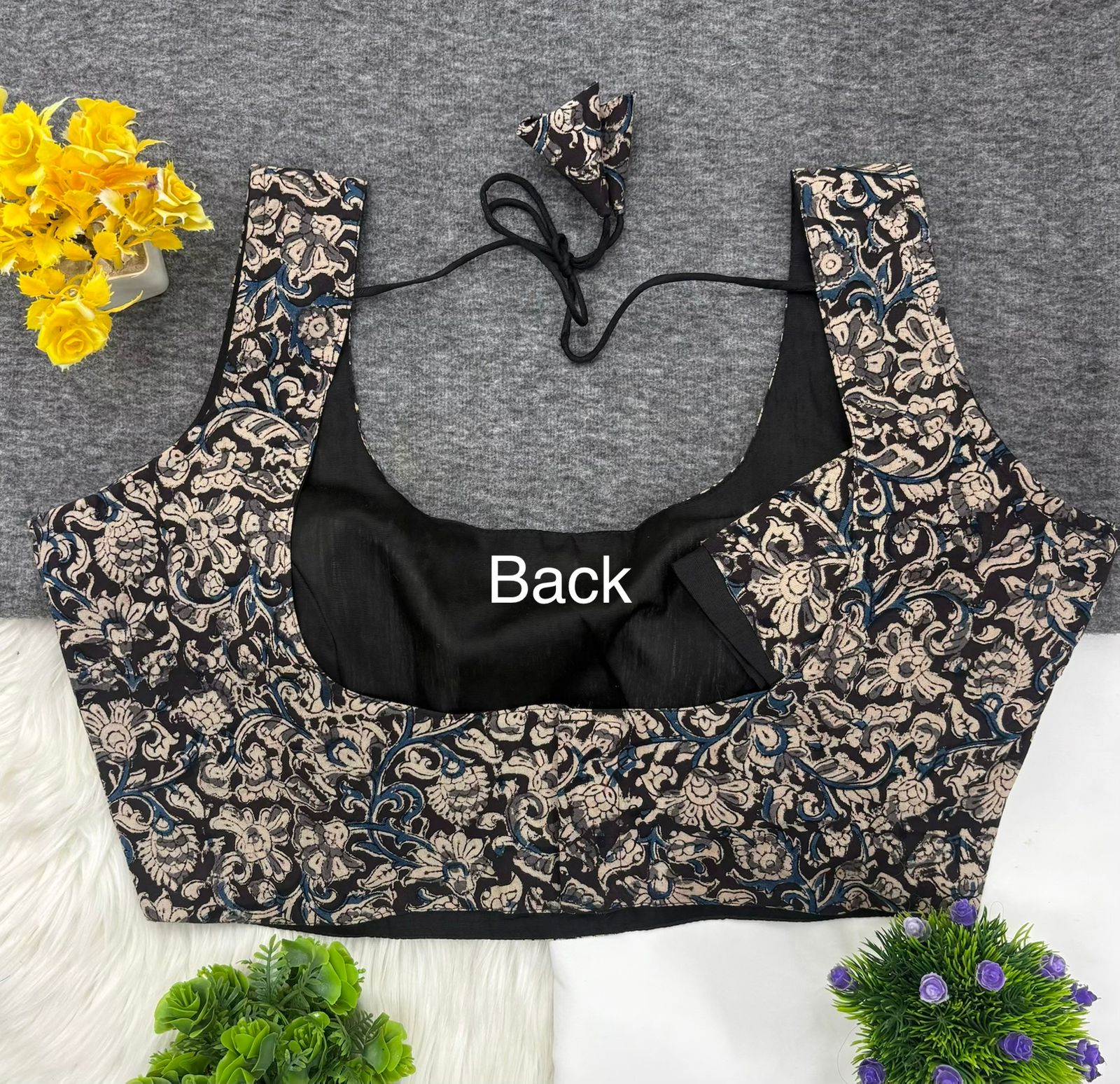
Choose a well-fitted blouse rather than a new untested blouse for a long outdoor day. The Kalamkari Cotton V Neck Collar Blouse for Women can work with a coordinating cotton or printed saree when the neckline and sleeve length provide comfortable coverage. A cotton petticoat with a firm drawstring gives the saree a stable base, and cycling shorts or comfortable inner shorts can add confidence when walking over uneven surfaces.
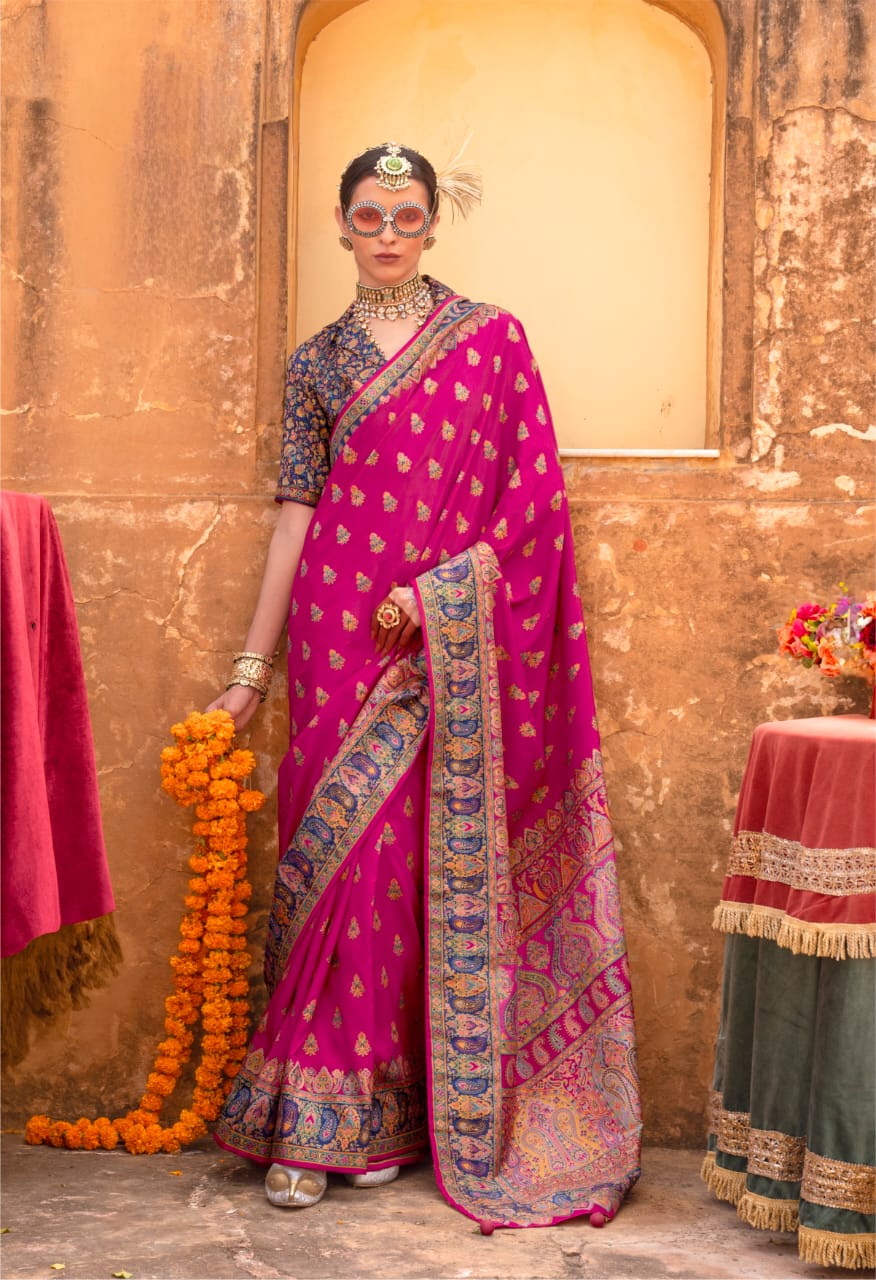
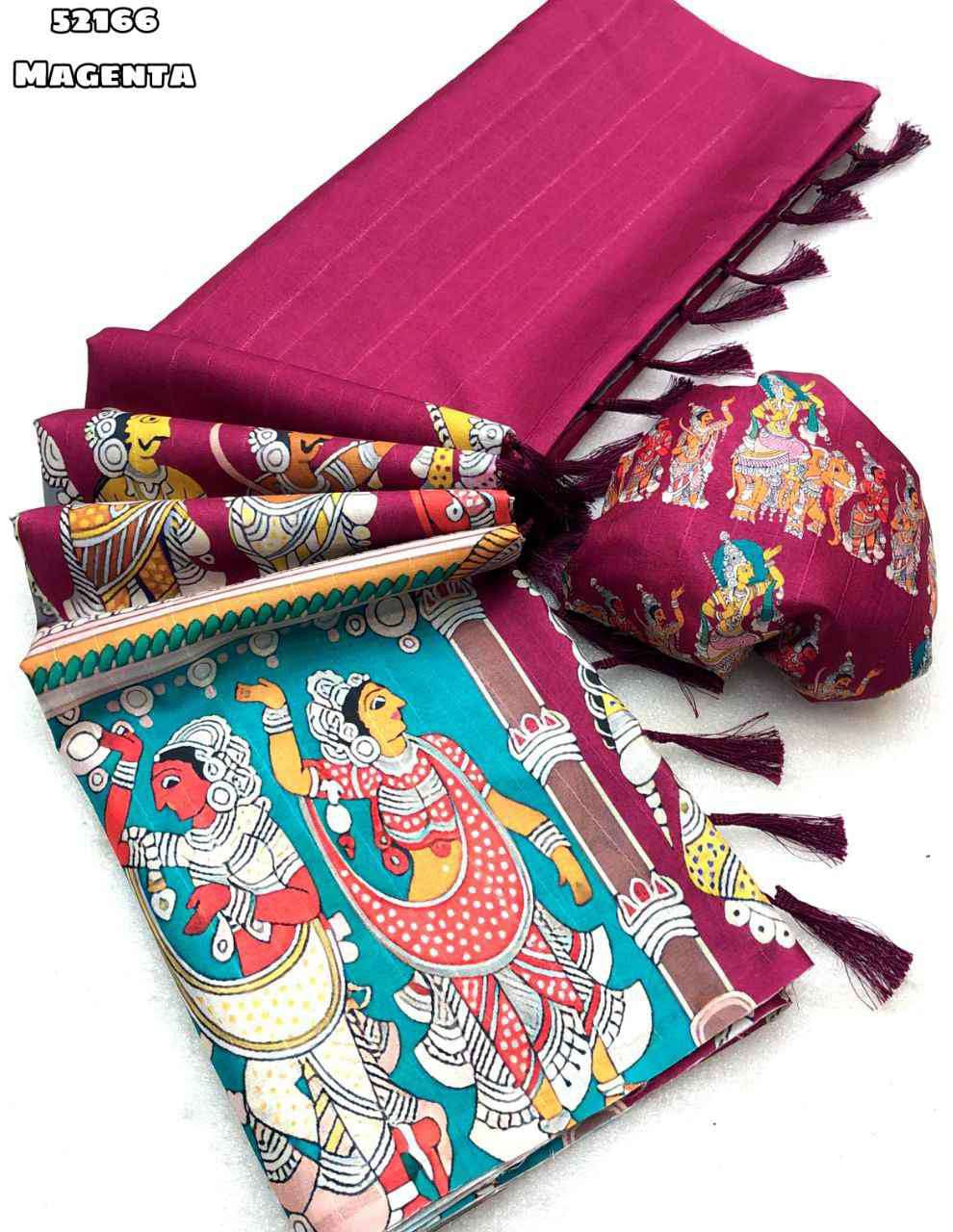
The Magenta Traditional Kalamkari Art Saree with Blouse demonstrates how a brighter colour can bring festive energy without requiring a large jewellery set. If the venue is expected to be muddy, pair a practical saree with washable sandals or closed-back flats rather than delicate embellished footwear. A small cross-body bag keeps both hands available for balance and crowd navigation.
Kambala Festival: Traditional Karnataka Culture and Fashion Guide to Fabrics
Cotton, linen-cotton, lightweight silk and breathable cotton-silk are the most practical fabrics for a Kambala visit. These materials balance regional festivity with humidity, movement and the possibility of mud splashes.
Pure cotton is comfortable during warm afternoons and can usually tolerate careful washing after the event. Linen-cotton has useful airflow but may crease more quickly, which is acceptable for an outdoor agricultural setting. Tussar silk gives a textured festive finish, while Banarasi silk and heavily zari-worked textiles are better reserved for dry, formal spaces because metallic borders and delicate surfaces need more careful handling.
Silk sarees should not be selected solely because a festival is culturally important. A Kambala spectator may spend hours standing on damp ground, and a heavy zari border can become uncomfortable when combined with humidity. If a silk saree is important for the occasion, carry a clean cotton wrap or shawl to protect the drape while travelling and use a vehicle or dry changing area for storage after the event.
Earthy red, indigo, mustard, black, maroon, leaf green and magenta sit naturally within Kalamkari-inspired styling and the agricultural landscape. Colour choice remains personal, and no single shade is mandatory for Kambala. Prints connected to flowers, vines, birds or traditional visual storytelling can complement the cultural setting, but visitors should avoid treating a regional craft as a novelty costume.
Kambala Festival: Traditional Karnataka Culture and Fashion Guide for Men and Families
Men can wear a cotton kurta with trousers, a simple shirt with comfortable pants or a clean traditional dhoti with secure footwear. Families should prioritise washable fabrics, sun protection and clothing that allows children to move safely around crowded viewing areas.
A white or natural cotton kurta may look appropriate for a daytime programme, but a washable darker lower garment is more forgiving near the track. A lightweight waistcoat can add formality for a cultural gathering, though it may feel warm during an afternoon race. Children benefit from cotton tops, elastic-waist trousers, sun hats and one spare outfit because mud, food and perspiration are common parts of an outdoor festival.
Visitors should carry drinking water, sunscreen, hand sanitiser, tissues, a phone power bank and a waterproof pouch. Closed shoes or sandals with a heel strap are safer than smooth-soled slippers on wet earth. A scarf or cotton stole can protect the neck from sun and dust, while a compact rain layer remains useful even in the drier Kambala season.
Dress codes may be more conservative near temples or ceremonial areas than beside the public race track. Covering the shoulders and knees is a considerate choice when entering a temple complex, and footwear may need to be removed in designated places. Visitors should ask before photographing worshippers, handlers, children or private household spaces.
Kambala Festival: Traditional Karnataka Culture and Fashion Guide for Respectful Visitors
Respectful Kambala attendance means following barriers, asking before taking close portraits, keeping public areas clean and treating village communities as hosts rather than scenery. Cultural participation becomes more meaningful when visitors observe local instructions instead of assuming that a public event has no boundaries.
Arrive early enough to understand the venue layout and identify drinking-water points, toilets, first-aid facilities and official viewing zones. Keep cash in small denominations for local food or transport, but don't photograph vendors without permission. Loud commentary about rural clothing, buffaloes or local rituals can make a visitor appear dismissive even when curiosity is genuine.
Photography requires particular care around the racing track. Use a zoom lens or phone zoom instead of leaning over barriers, and avoid flash near buffaloes and jockeys. Do not enter a field for a dramatic photograph, even if other people appear to be doing so. A muddy track is a working competition space, not a backdrop for an uncontrolled fashion shoot.
After returning home, air-dry damp garments before placing them in a wardrobe. Shake off dry mud outdoors, spot-test any cleaning product, and send silk or zari garments to a reliable specialist rather than rubbing the stained area aggressively. Cotton sarees can usually be washed according to their care label, while Kalamkari prints should be protected from harsh bleach, prolonged soaking and direct high heat.
Kambala Festival: Traditional Karnataka Culture and Fashion Guide therefore comes down to three practical decisions: understand the agricultural setting, choose clothing that can move through humidity and uneven ground, and behave as a considerate guest. A secure cotton saree, a pinned dupatta or a simple kurta can be more appropriate than an elaborate outfit that can't handle the venue. Cultural respect, safety and regional awareness make the experience richer than visual styling alone.
Common Questions About Kambala Festival Culture and Dress
What is Kambala Festival in Karnataka?
Kambala Festival is a traditional buffalo race associated with Tulunadu and the coastal Karnataka districts of Dakshina Kannada and Udupi. The event also includes agricultural traditions, temple customs, community gatherings and local food.
When is Kambala Festival usually celebrated?
Kambala events are generally held between November and March, after the monsoon and around the agricultural calendar. Exact dates vary by village, temple and organising committee, so visitors should confirm the local schedule before travelling.
What should women wear to Kambala Festival?
Women can wear a breathable cotton saree, linen-cotton saree, salwar suit or cotton kurta set with a securely pinned dupatta. Comfortable footwear, a manageable hem and minimal loose jewellery are more practical than heavy layers near a muddy race track.
Can I wear a silk saree to Kambala Festival?
A silk saree can be worn to a formal or temple-adjacent part of Kambala, but lightweight silk is safer than heavy zari work for an outdoor event. Visitors should protect the saree from mud, avoid dragging the pallu and choose a venue with firm walkways when possible.
Is Kambala suitable for children?
Kambala can be suitable for children when families use official viewing areas and keep children away from the track and racing buffaloes. Cotton clothing, sun protection, secure shoes, drinking water and a spare outfit are useful for a long outdoor day.
Can visitors photograph the Kambala race and local people?
Visitors can usually photograph the public race from permitted viewing areas, but they should follow organiser instructions and avoid flash near buffaloes. Visitors should ask permission before taking close portraits of handlers, worshippers, vendors or children.