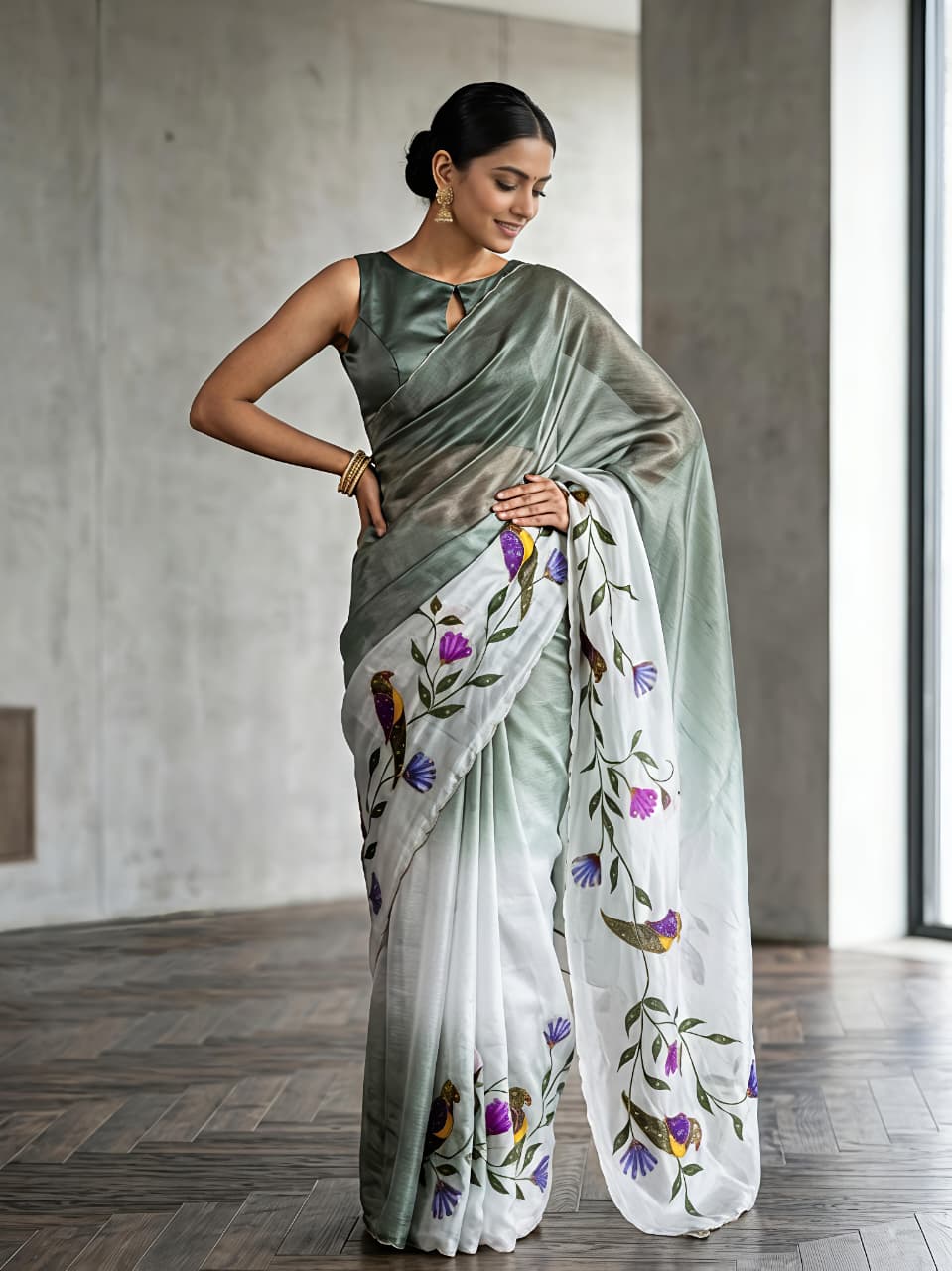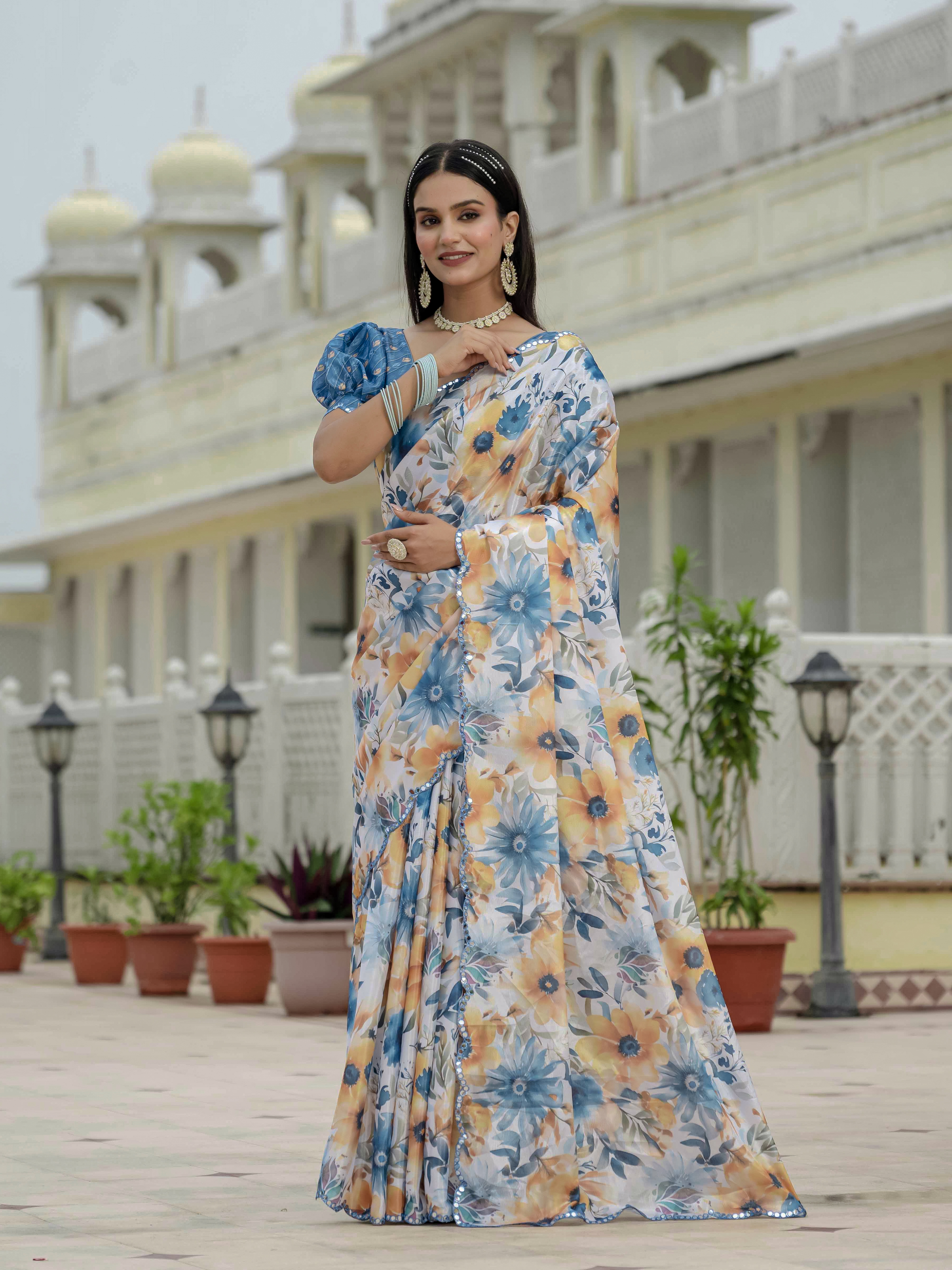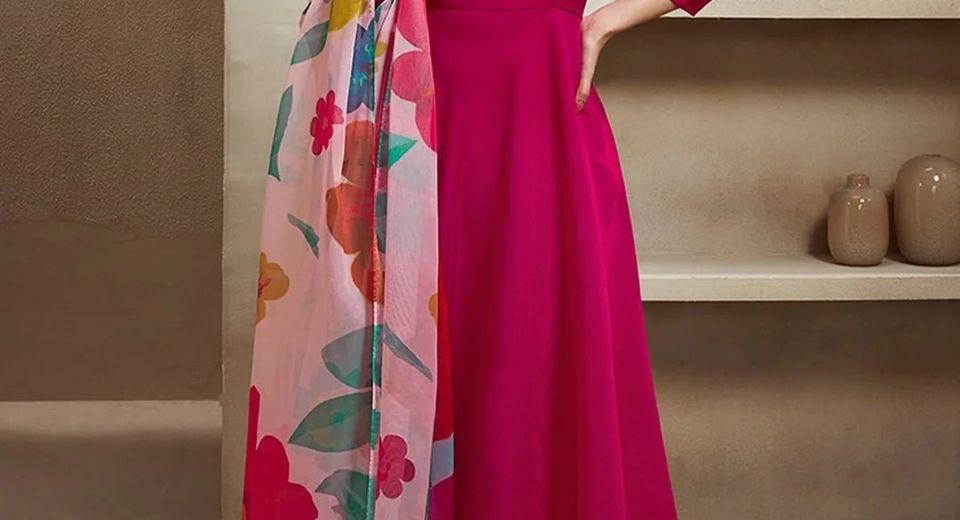
Jharkhand Wedding Guest Outfits: Sarees, Lehengas & Ethnic Suits want to balance celebration, movement and local weather. A wedding guest may move from an outdoor Haldi ceremony to a crowded lunch, a temple visit or an evening reception in one day. The most successful outfit therefore depends on more than colour or embroidery: fabric weight, sleeve length, footwear, drape security and the function's dress code all matter.
Jharkhand weddings often bring together regional customs and family traditions, so there's no single compulsory silhouette. A Banarasi silk saree can suit a formal reception, while a breathable cotton-silk saree may be more practical for a daytime ceremony. A salwar suit offers easy movement, and a lehenga creates a festive statement when the invitation calls for more elaborate dressing.
How should you choose Jharkhand Wedding Guest Outfits: Sarees, Lehengas & Ethnic Suits?
Choose a wedding guest outfit by matching the garment's formality, fabric and coverage to the function, time of day and amount of movement required.
Start with the invitation rather than the trend cycle. "Traditional" can mean a saree, a silk salwar suit or a regional handloom-inspired ensemble; "festive" allows richer colour and embellishment; and "cocktail" may suit a contemporary draped saree or an elegant ethnic gown. When the invitation is vague, a well-finished salwar suit in a saturated colour is usually a dependable middle ground.
Consider the venue next. An open lawn can involve uneven ground, dust and temperature changes after sunset. A banquet hall may allow heavier zari and layered jewellery, but crowded seating makes very wide sleeves or an oversized skirt inconvenient. A home wedding may require more modest hemlines and secure dupatta styling, especially if guests will sit on the floor or participate in rituals.
An useful planning rule is to reserve heavier embellishment for the evening and lighter textures for daytime. Mirror work, sequins and dense zari catch artificial light effectively, while cotton, Chanderi and light crepe remain more comfortable under direct sun. The rule is flexible, but it helps prevent an overdressed afternoon appearance or an underpowered reception look.
Which silhouettes suit Jharkhand Wedding Guest Outfits: Sarees, Lehengas & Ethnic Suits?
Sarees suit guests who want an adaptable heritage look, lehengas suit high-festivity functions, and ethnic suits suit guests who prioritise comfort, coverage and easy movement.
When a saree makes sense
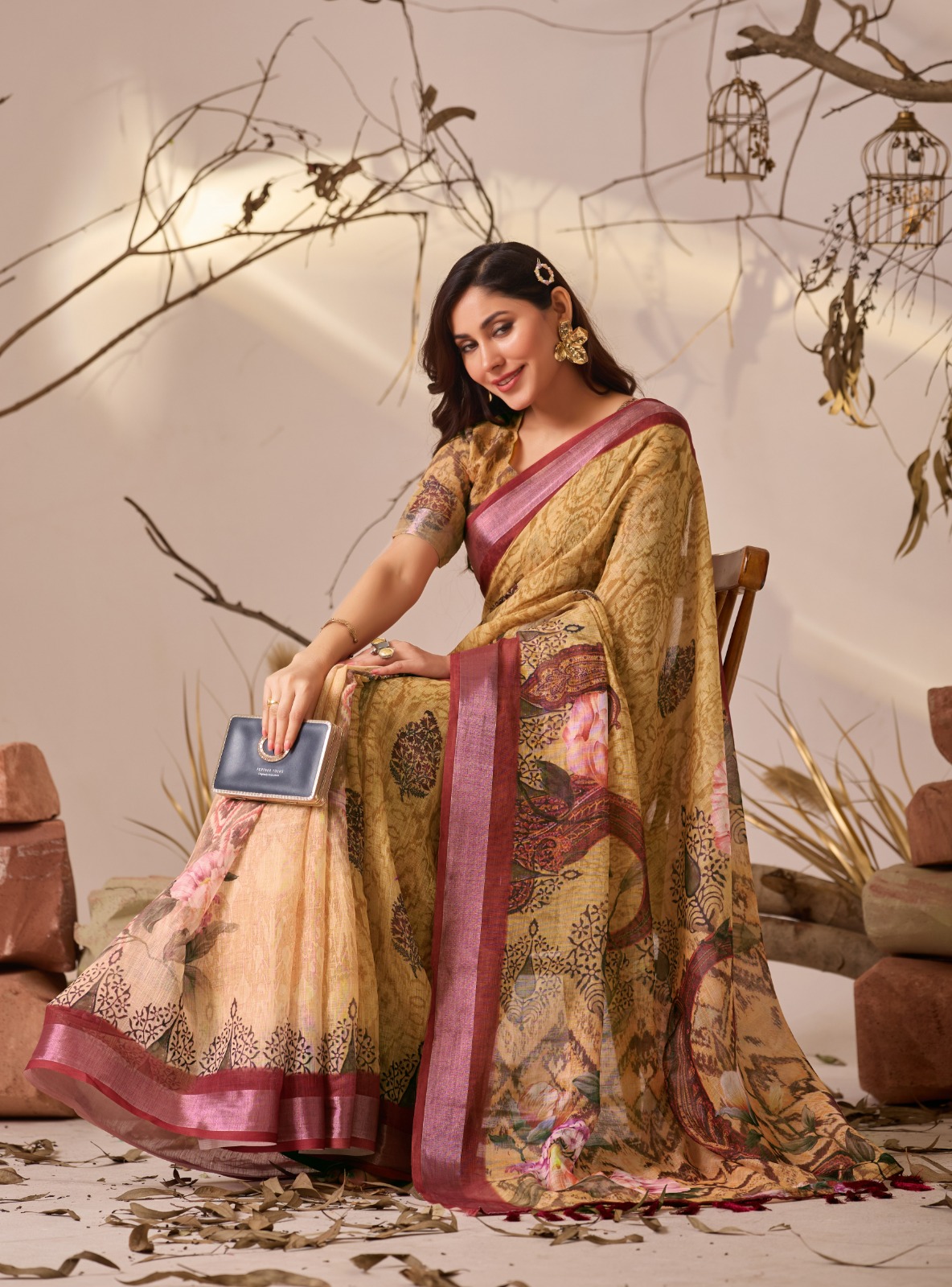
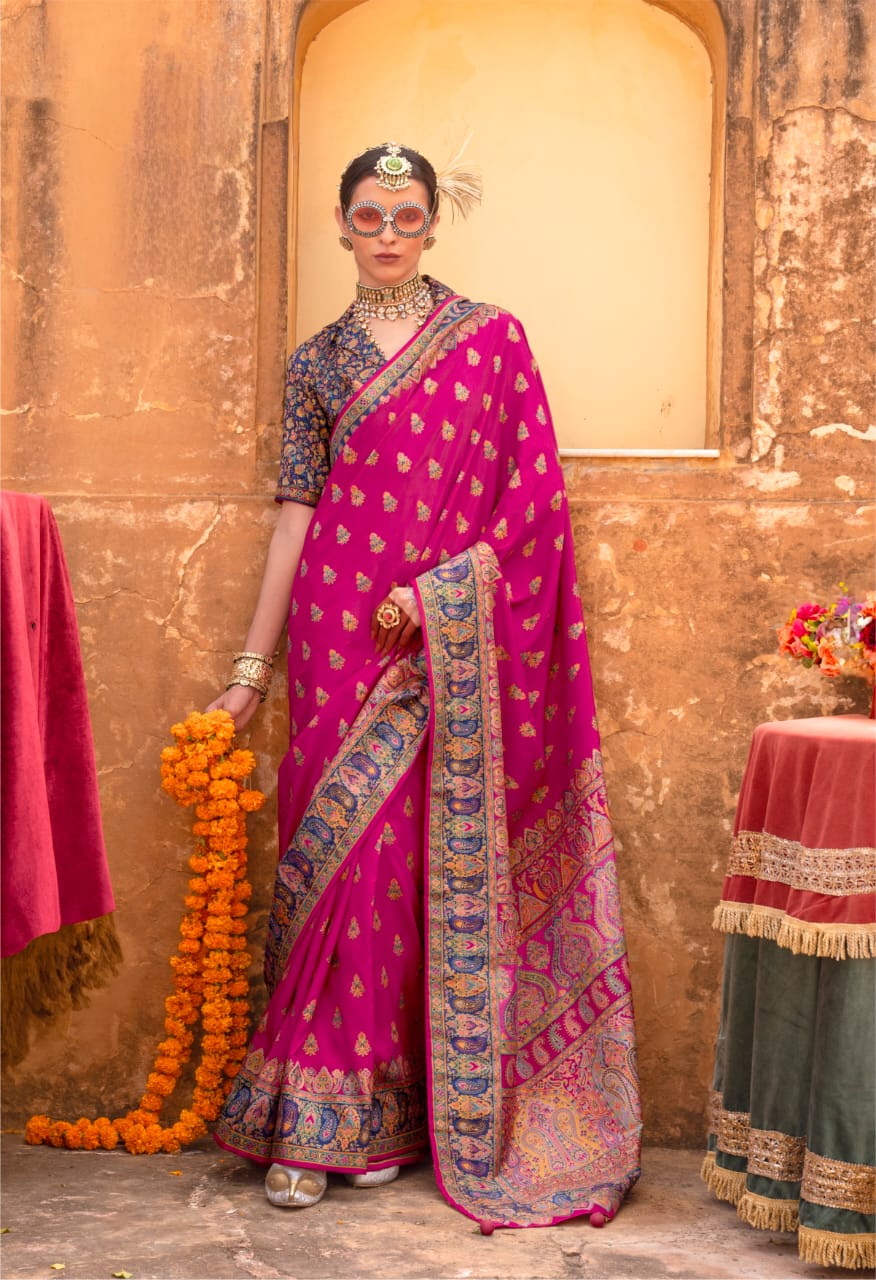
A saree is a strong choice for the wedding ceremony, family portraits and a formal reception because the silhouette can look refined without requiring a very ornate blouse. Banarasi silk, Kanjeevaram, Chanderi and silk-cotton are useful starting points, but the correct choice depends on climate and draping confidence. A pre-stitched or lightly structured saree can provide the visual effect of a classic drape with fewer adjustments during the day.
For a daytime Jharkhand wedding, choose a saree with a lighter fall and a blouse that allows the arms to move freely. For an evening reception, a silk saree with zari border or a sequinned drape can carry the outfit with minimal jewellery. Pin the pleats at the waist and secure the pallu at the shoulder before leaving home; two concealed safety pins are usually enough without making the drape look stiff.
When a lehenga works best
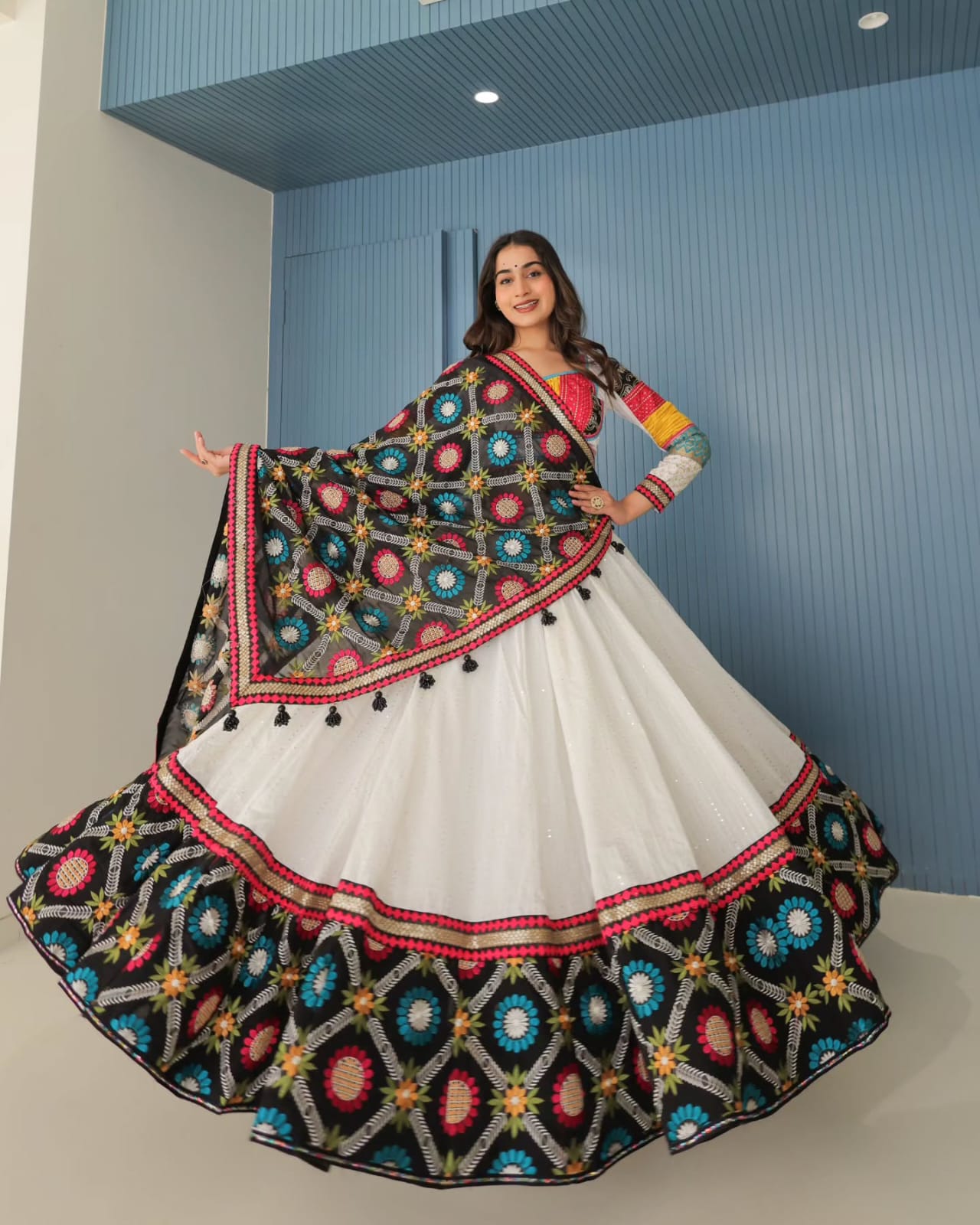
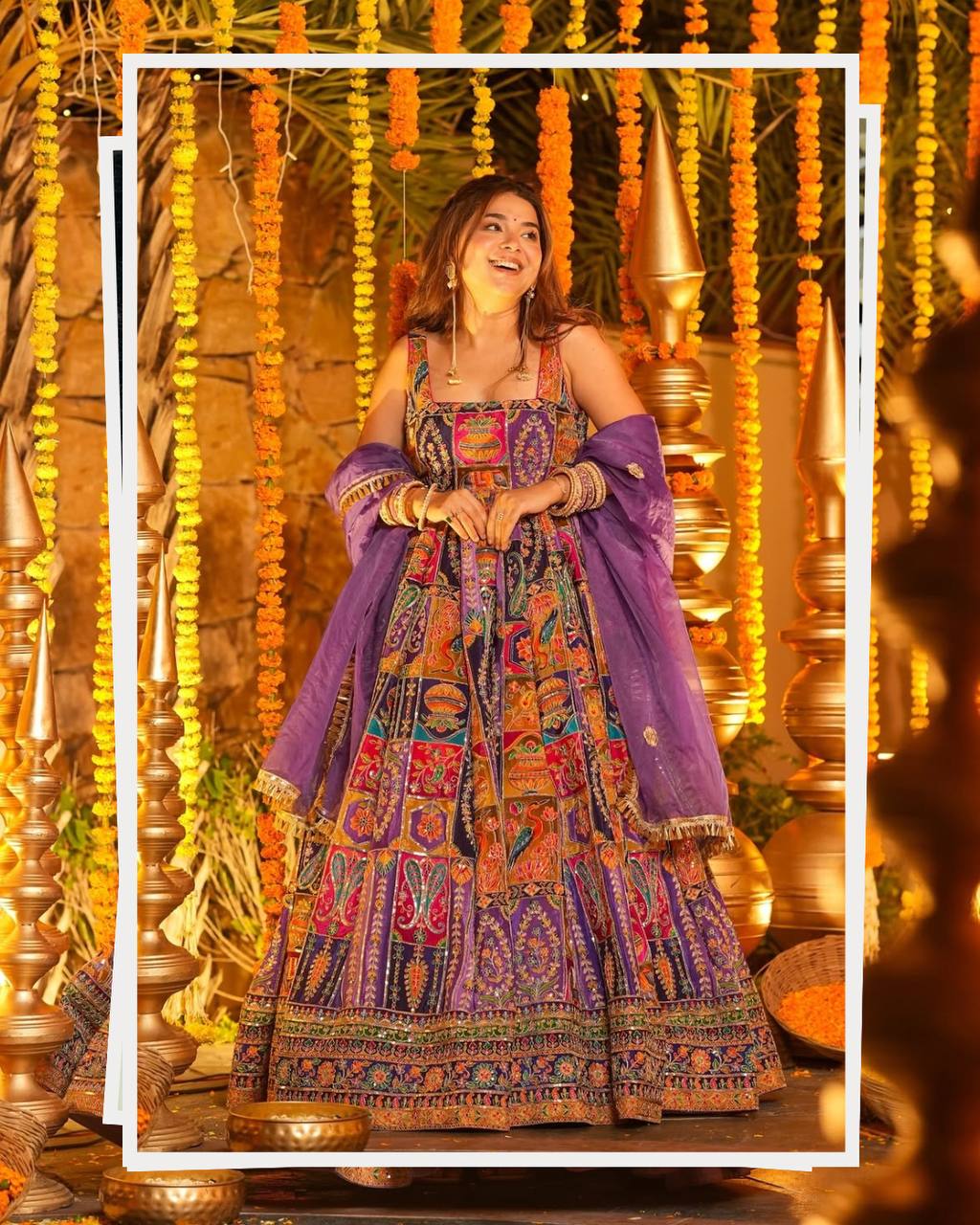
A lehenga works best for sangeet-style celebrations, cocktail evenings and receptions where guests are expected to dress festively. Choose a skirt with a manageable flare if the venue has narrow seating or if you'll travel by car. A four- to six-metre skirt hem can look dramatic, but a lighter three- to four-metre flare is easier to walk in and less likely to collect dust.
Lehenga comfort depends on the waistband as much as the embroidery. A fitted waistband should sit securely without pressing into the stomach after a meal. A blouse with a modest lining, adjustable dori or side zip can be more practical than a heavily boned design. Keep the dupatta pinned at one shoulder and lightly anchored near the waist when dancing or greeting relatives.
Why salwar suits remain practical
Salwar suits are often the most versatile option for a multi-function wedding because they provide coverage, easy walking comfort and, in some designs, useful pockets. Anarkali suits create a graceful dress-like line, palazzo suits add fluid movement, and kurti-pant-dupatta sets work well for daytime gatherings. A well-cut suit can look as festive as a lehenga when the fabric, border and accessories are chosen with intention.
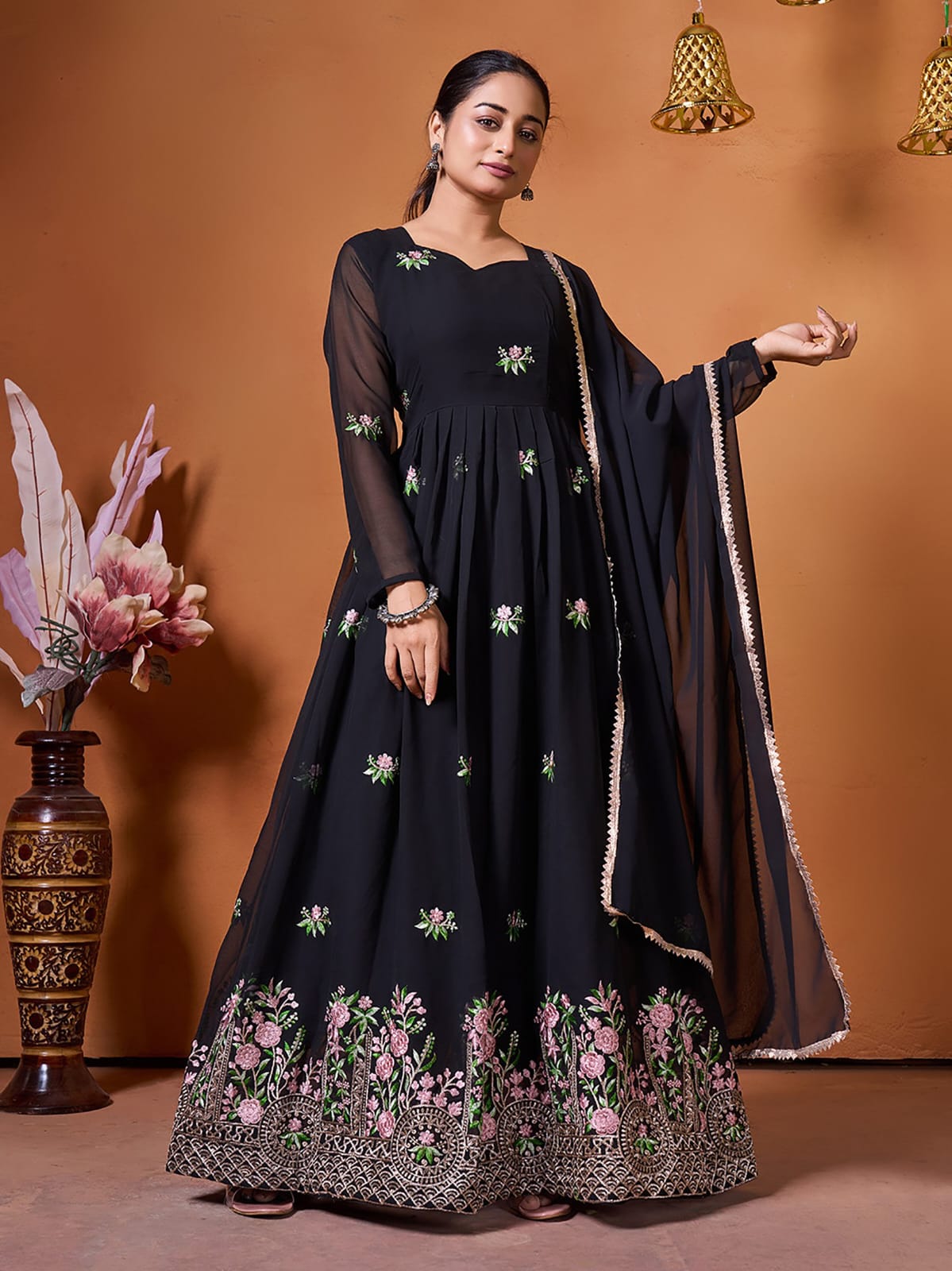
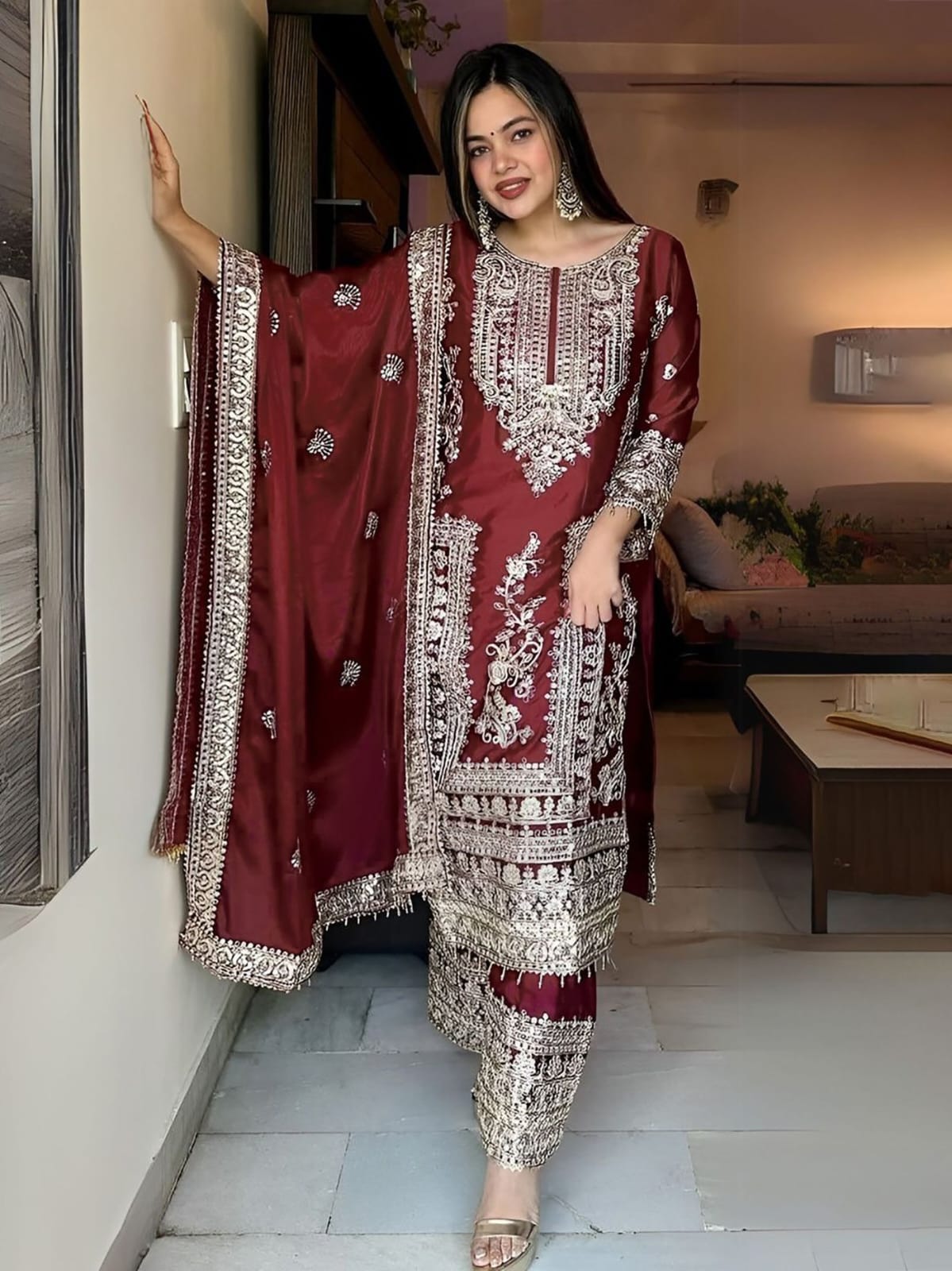
The Maroon Wedding Wear Embroidered Palazzo Suit Set illustrates how wide-leg trousers can give a festive outfit movement without the weight of a full skirt. For a formal evening, the Black Anarkali Suit Set with Sequin Zari and Moti Lace Work brings shine through sequin zari and moti lace rather than relying on a heavily layered dupatta. These silhouettes are useful when a guest expects to stand, travel or participate in family photographs for several hours.
Which fabrics and colours work for Jharkhand Wedding Guest Outfits: Sarees, Lehengas & Ethnic Suits?
Light silk, Chanderi, crepe, georgette and cotton-silk are practical wedding fabrics because they combine festive texture with manageable weight.
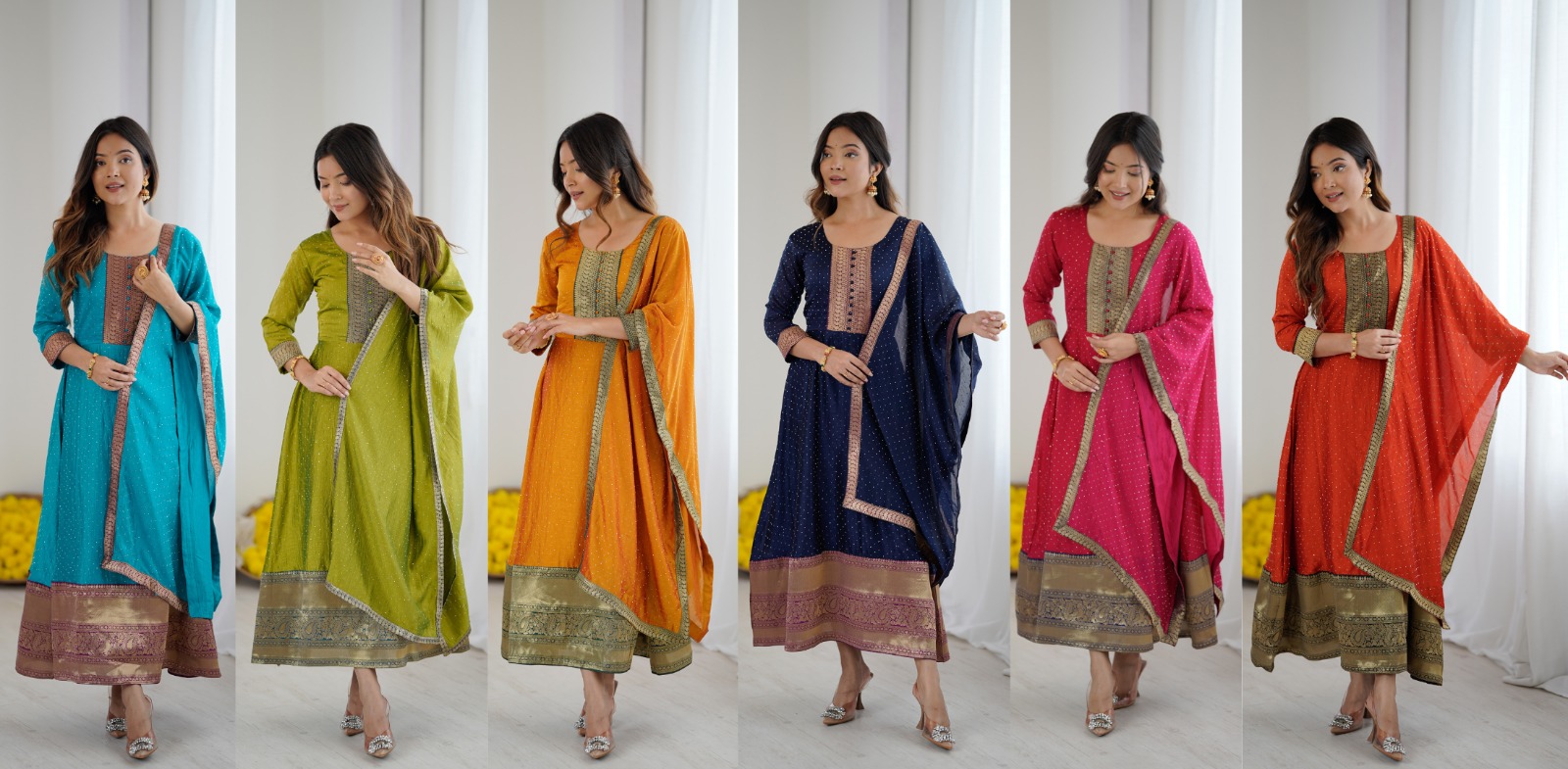
Silk gives structure and photographs well, but dense silk and multiple layers can feel warm during daytime functions. Chanderi gives a lighter hand and a subtle sheen, while crepe falls close to the body and avoids the bulky appearance that some embellished fabrics create. Georgette is useful for fluid dupattas and saree drapes, although delicate versions need careful handling around jewellery and rough seating.
Colour should respond to the function and personal comfort. Maroon, emerald green, rani pink, rust, plum and deep blue work especially well for evening lighting. Peach, pista, ivory, mustard and soft coral can look fresh during daytime ceremonies. Red may be culturally reserved for the bride's main looks in some families, so guests who want a safer choice can select wine, berry, copper or rose instead.
Black isn't automatically unsuitable for an Indian wedding, but styling and family custom matter. A black outfit with zari, floral embroidery or a bright dupatta reads differently from plain black clothing. The Elegant Black Ethnic Gown with Floral Embroidery and the Black Embroidered Anarkali Suit Set with Zari Work show how texture and metallic detail can make black feel celebratory. Ask a close family member if the wedding has a specific colour convention before choosing an all-black look for the main ceremony.
How can you plan Jharkhand Wedding Guest Outfits: Sarees, Lehengas & Ethnic Suits for each function?
Dress lighter and more mobile for daytime rituals, brighter for the Haldi ceremony, richly detailed for the sangeet, and polished rather than bridal for the reception.
Haldi ceremony
A Haldi ceremony calls for washable or less delicate clothing because turmeric paste can permanently stain silk, velvet and pale metallic embroidery. A yellow, mustard, green or coral salwar suit in crepe or cotton-blend fabric is easier to move in than a trailing lehenga. Keep jewellery minimal, use secure flat footwear and avoid a long dupatta that can brush against turmeric bowls.
Mehendi and daytime gatherings
Mehendi and daytime gatherings favour breathable layers, bright colour and sleeves that don't interfere with henna application. The Multicolor Embroidered Crepe Maxi Suit Set for Festive Wear can work when the event is festive but not strictly formal, especially with low-profile earrings and comfortable sandals. The Green Embroidered Anarkali Suit Set for Women brings a similarly celebratory direction while keeping the outfit easy to wear for lunch, photographs and conversation.
Sangeet and reception
Sangeet and reception dressing can carry stronger shimmer, deeper colours and more structured accessories. The Silk Festive Kurta Pant Set with Zari Jacquard Dupatta suits a guest who wants the finish of silk and zari without managing a saree pleat. The Gajri Embroidered Kurti Pant Dupatta Set Women brings a softer, coordinated approach for a guest who prefers a kurti-pant silhouette over a skirt or anarkali.
Guests should avoid reproducing the bride's exact outfit, especially if the family has announced a bridal colour or designer theme. Matching the wedding palette is different from copying the bridal lehenga. A guest can choose a related colour in a simpler silhouette, reduce the jewellery scale and avoid a heavily trailing veil.
How do regional references strengthen Jharkhand Wedding Guest Outfits: Sarees, Lehengas & Ethnic Suits?
Regional influences improve a wedding guest look when one identifiable craft or textile reference is paired with otherwise restrained styling.
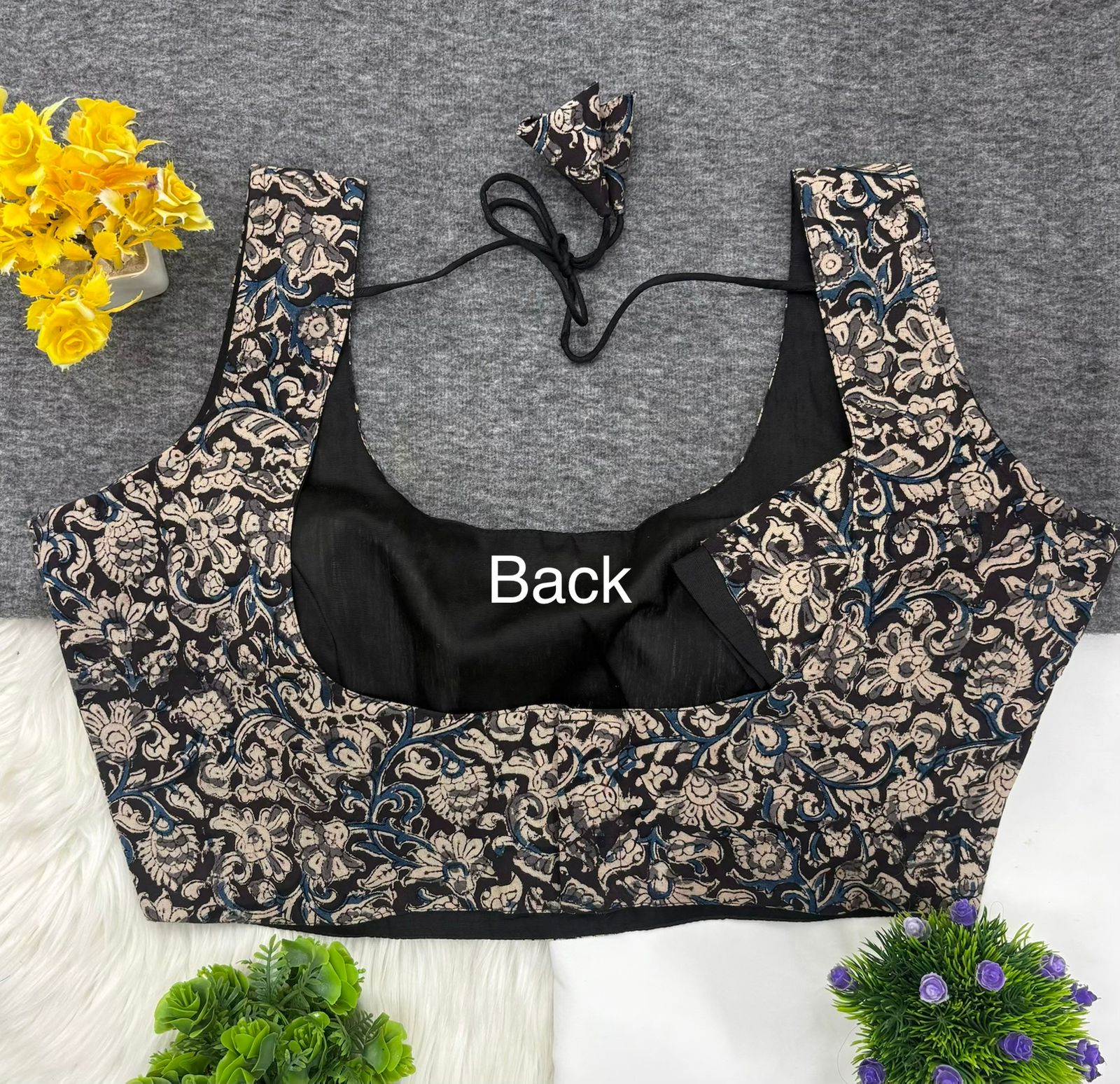
Kalamkari Print Salwar Suits bring narrative floral and mythological motifs that can suit a daytime function when paired with antique-finish earrings and neutral footwear. Maharashtra Paithani Inspired Salwar Suits offer jewel-toned colour and peacock or floral-inspired border ideas without requiring a full Paithani saree. Punjab Phulkari Embroidered Salwar Suits add visible threadwork and a lively dupatta, making them particularly effective for a daytime family celebration.
Karnataka Silk Salwar Suits provide a structured, lustrous option for guests who want silk without a saree drape. Kashmir Embroidered Salwar Suits introduce detailed needlework and a more graceful surface pattern, which can work well for an evening gathering when paired with understated earrings. Regional influence doesn't require wearing a complete time-honoured costume; one textile reference is often enough to give an outfit character.
How should you accessorise Jharkhand Wedding Guest Outfits: Sarees, Lehengas & Ethnic Suits?
Accessorise according to the garment's embroidery, neckline and function instead of wearing multiple statement pieces at once.
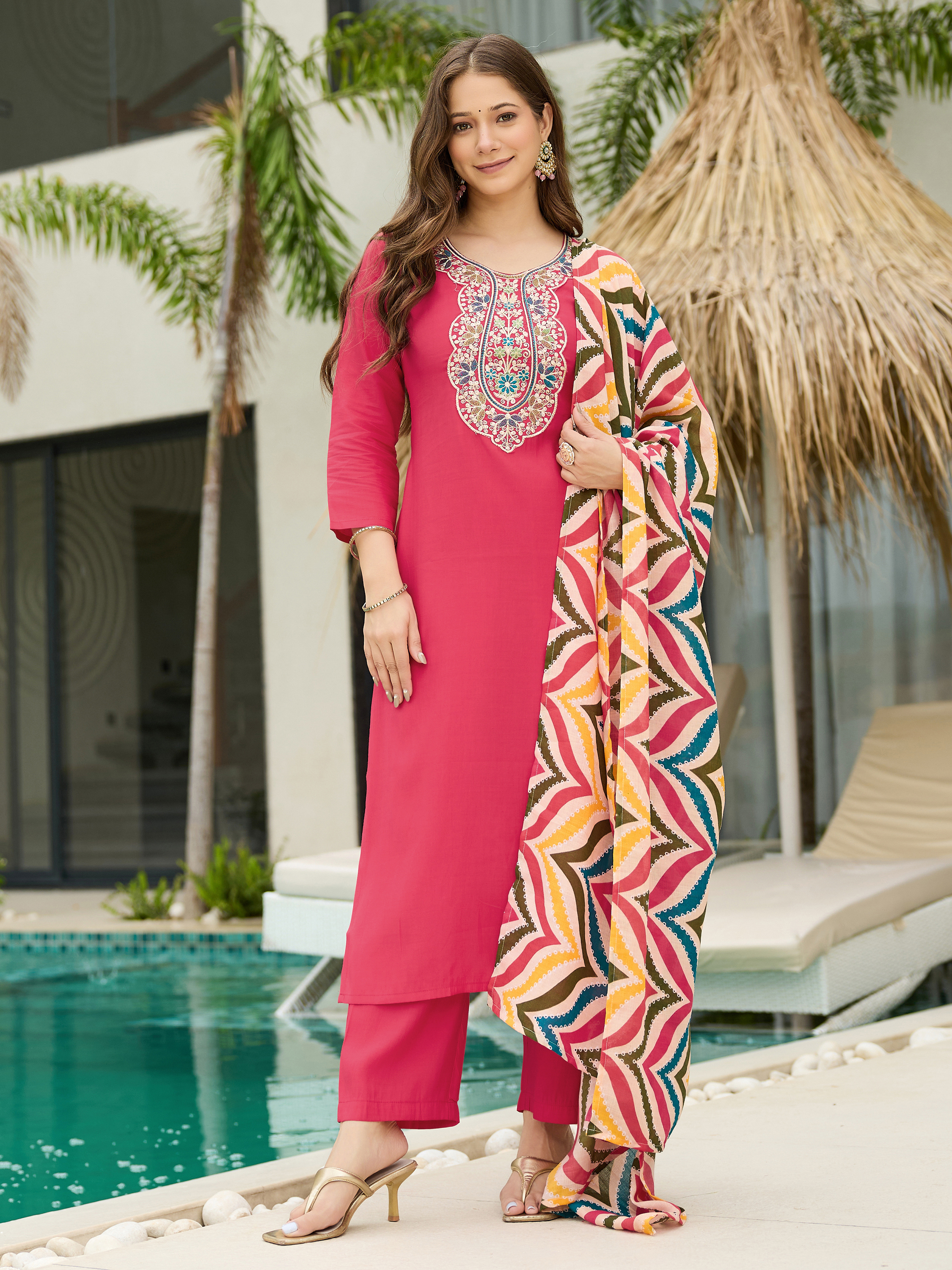
A heavily embroidered neckline usually needs only earrings and perhaps a slim bracelet. A plain silk saree can support a stronger necklace, a waist belt or a pair of heritage jhumkas. If the outfit contains zari, choose jewellery with a related warm metallic tone rather than mixing several competing finishes.
Footwear deserves the same attention as jewellery. Block heels between two and three inches offer height with more stability than narrow stilettos on lawns or uneven flooring. Embellished juttis, mojaris or cushioned sandals are practical for guests who will stand for long periods. Break in new shoes for at least two short indoor walks before the wedding.
A dupatta should be secured at the shoulder and, when necessary, at the waist. Small safety pins should sit under a border or inside a fold, while fashion tape can help control a slipping blouse neckline. A compact potli or small shoulder bag should hold essentials without pulling the outfit out of shape.
What should you check before buying Jharkhand Wedding Guest Outfits: Sarees, Lehengas & Ethnic Suits?
Check measurements, lining, embellishment, delivery time and care instructions before buying a wedding guest outfit.
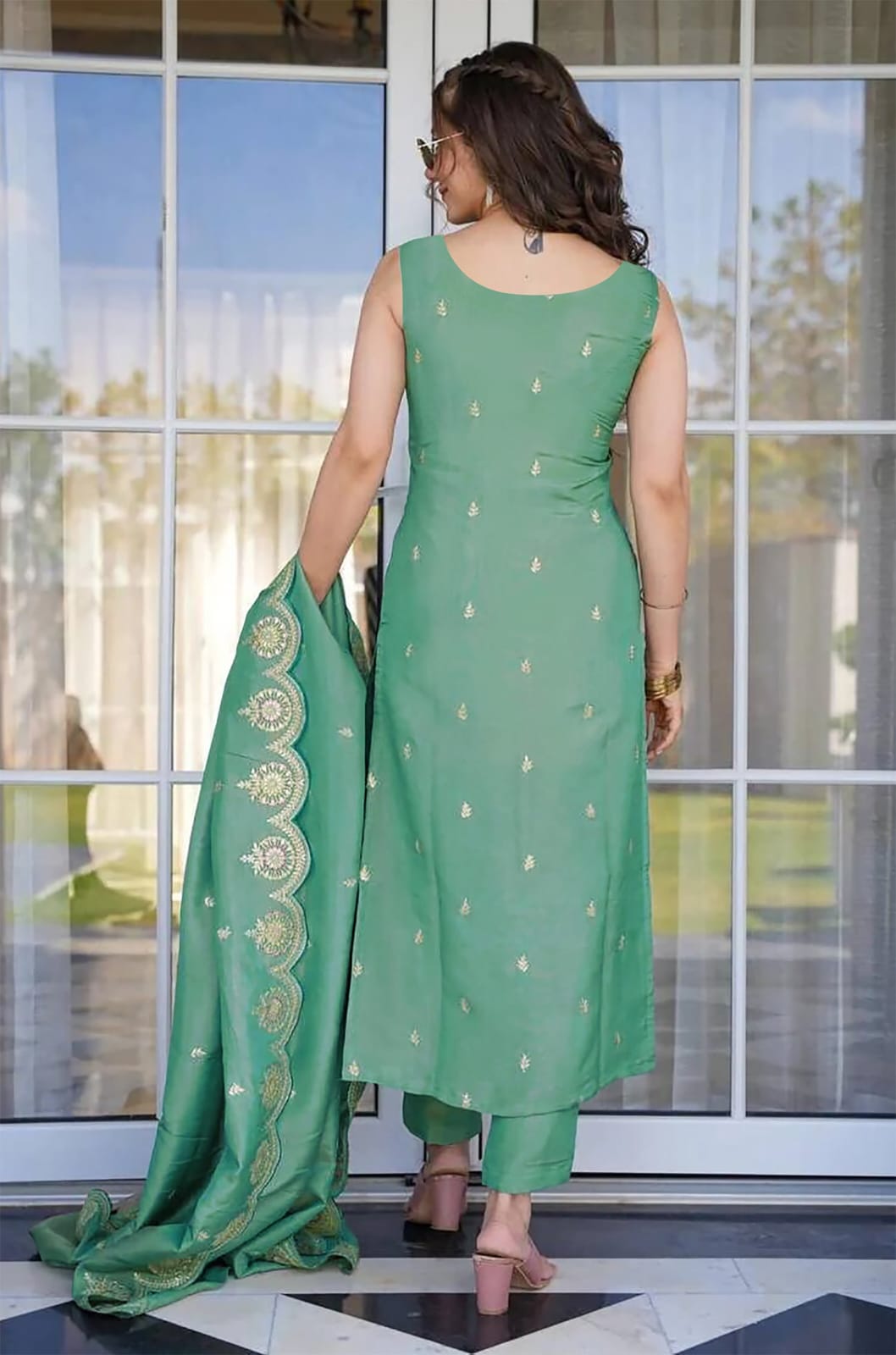
Compare the garment's measurement chart with a well-fitting outfit already in your wardrobe. For anarkalis and gowns, check the bust, waist, shoulder and garment length; for palazzo pants, check the waist, hip and inseam. Leave enough time for alterations because sleeves, trouser hems and waistbands commonly need small adjustments.
Examine the lining and seam finish, particularly when the garment has sequins, zari or heavy embroidery. A lined bodice is more comfortable against the skin, while reinforced seams reduce the chance of snagging during travel. Ask whether colour bleeding, hand washing or dry cleaning is recommended before wearing an embellished outfit to a wedding.
Plan delivery at least seven to ten days before the event when possible. That window allows time for fitting, steaming, replacing an unsuitable accessory and testing the complete outfit with footwear. Store silk, zari and embroidered garments folded in breathable cotton rather than sealed in plastic for long periods.
A complete outfit should be judged in motion, not only in a mirror. Sit on a chair, walk up stairs, raise both arms and check whether the dupatta, waistband and footwear remain comfortable. Those simple tests reveal practical problems before the wedding day and help ensure that style doesn't come at the expense of participation.
Common Questions About Jharkhand Wedding Guest Outfits
What should a guest wear to a Jharkhand wedding?
A guest can wear a saree, lehenga or embellished salwar suit, depending on the wedding function and personal comfort. A silk saree or anarkali works for a formal evening, while a lighter crepe, Chanderi or cotton-silk outfit suits daytime ceremonies.
Which outfit is best for a Haldi ceremony?
A comfortable, washable salwar suit in yellow, mustard, green or coral is usually best for a Haldi ceremony. Avoid delicate silk, velvet, pale embroidery and long trailing dupattas because turmeric paste can stain them.
Can wedding guests wear black to an Indian wedding?
Wedding guests can wear black when the family has no restriction against it and the styling looks festive. Zari, sequins, floral embroidery or a bright dupatta can make black appropriate, while plain black clothing may appear too casual for the ceremony.
Is a saree or salwar suit more comfortable for a wedding guest?
A salwar suit is generally easier for extended walking, travel and sitting because the garment does not require pleat management. A saree can be equally comfortable when the drape is secured with concealed pins and the blouse allows free arm movement.
What fabric is best for a daytime wedding in Jharkhand?
Chanderi, cotton-silk, light crepe and breathable georgette are practical choices for a daytime wedding. These fabrics provide texture and movement without the heat and weight of heavily layered silk, velvet or dense embellishment.
How can a wedding guest avoid looking like the bride?
Choose a simpler silhouette, reduce the jewellery scale and avoid the bride's announced colour, exact embroidery or trailing veil. A related shade in a salwar suit, saree or lightly embellished lehenga creates a festive look without copying the bridal outfit.